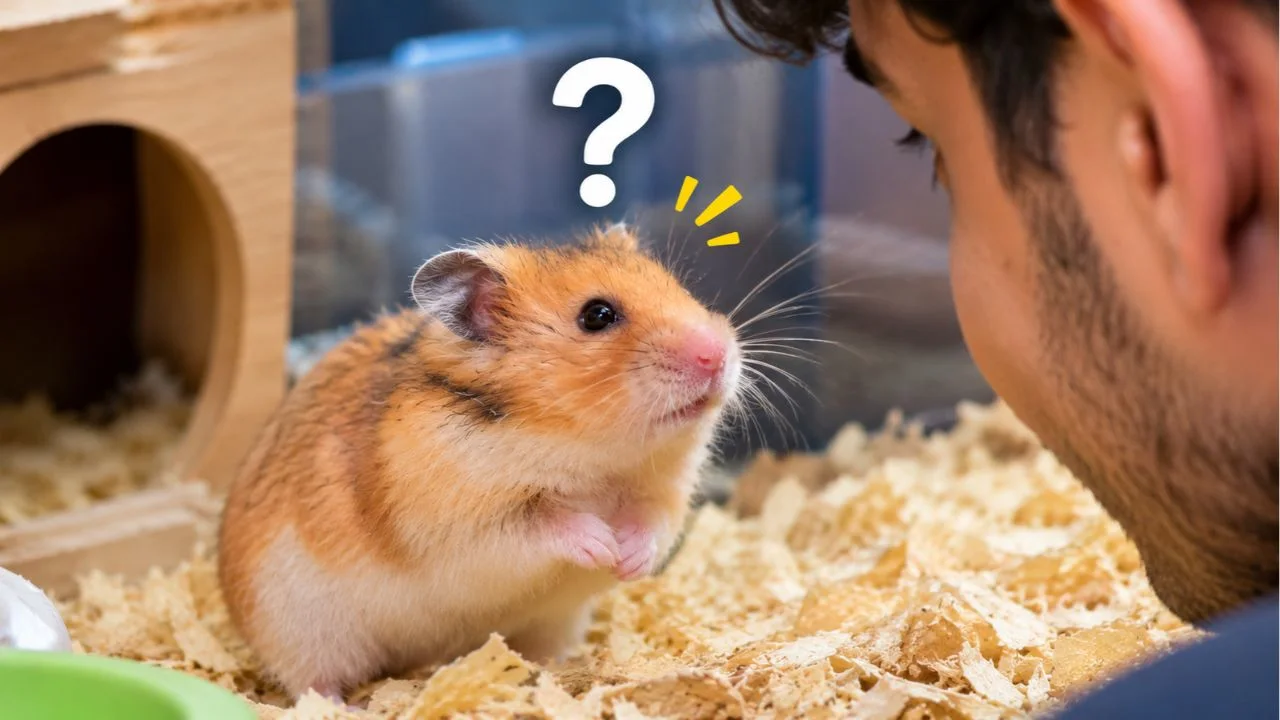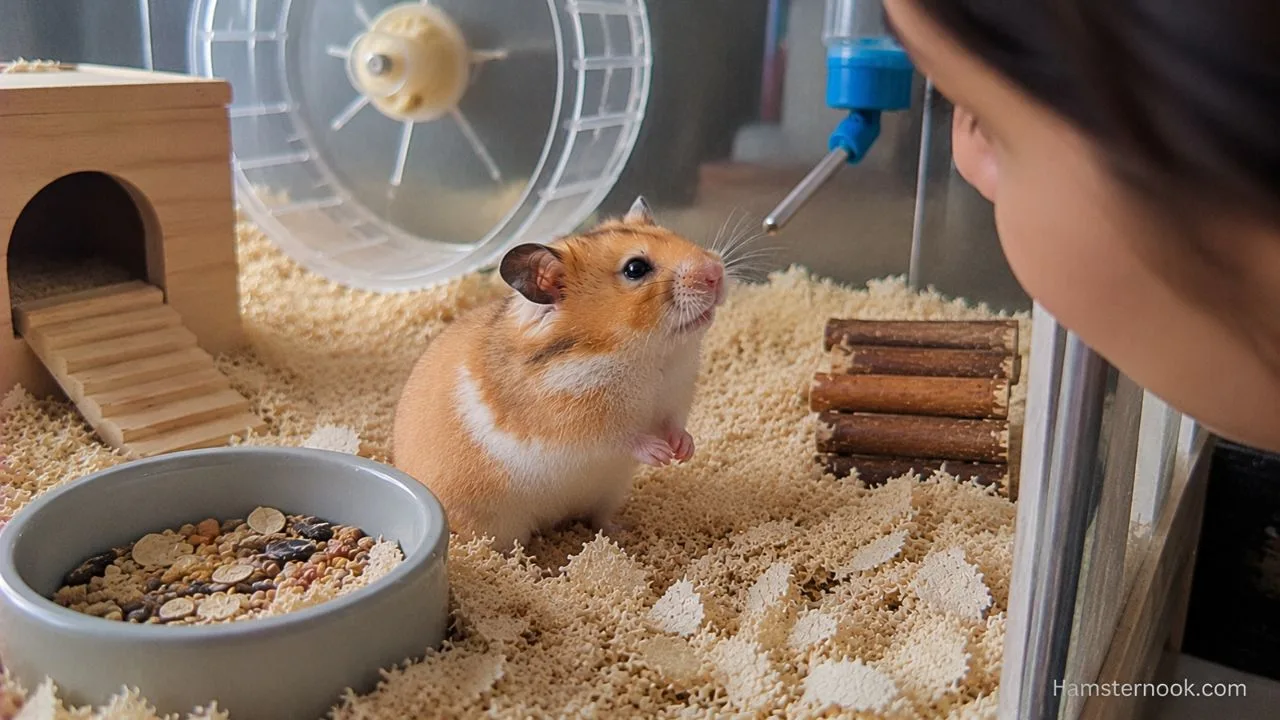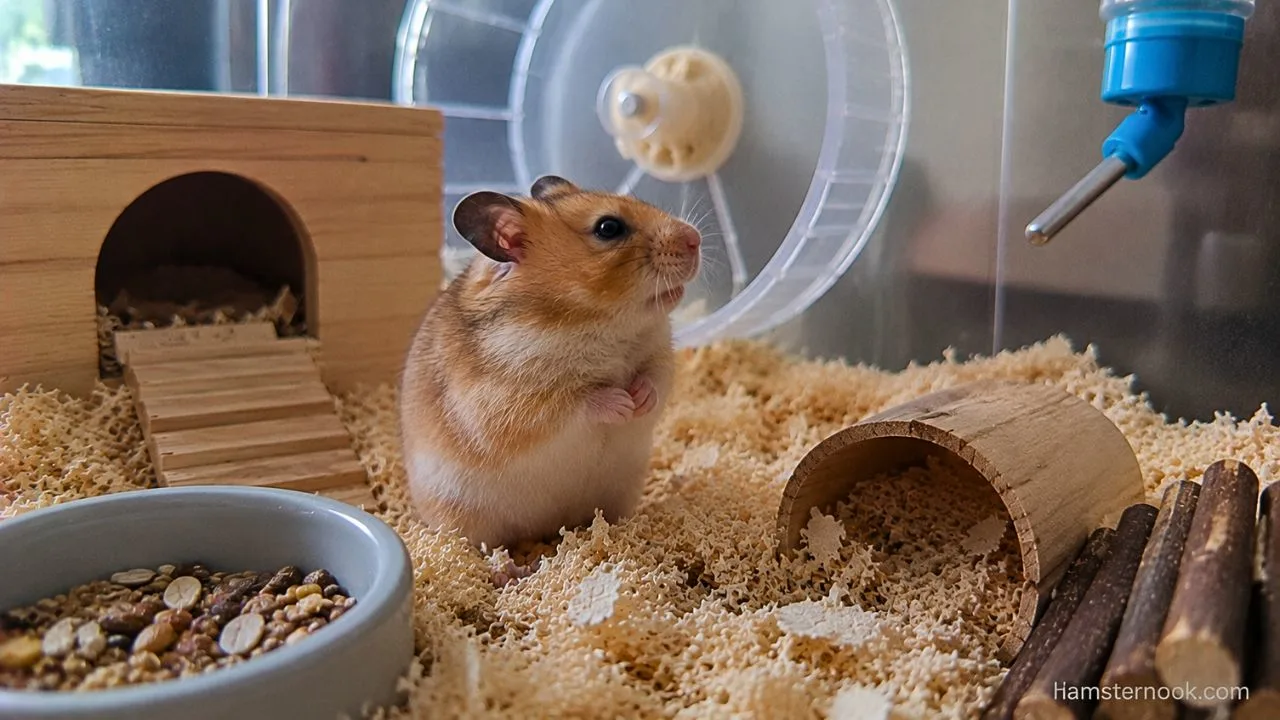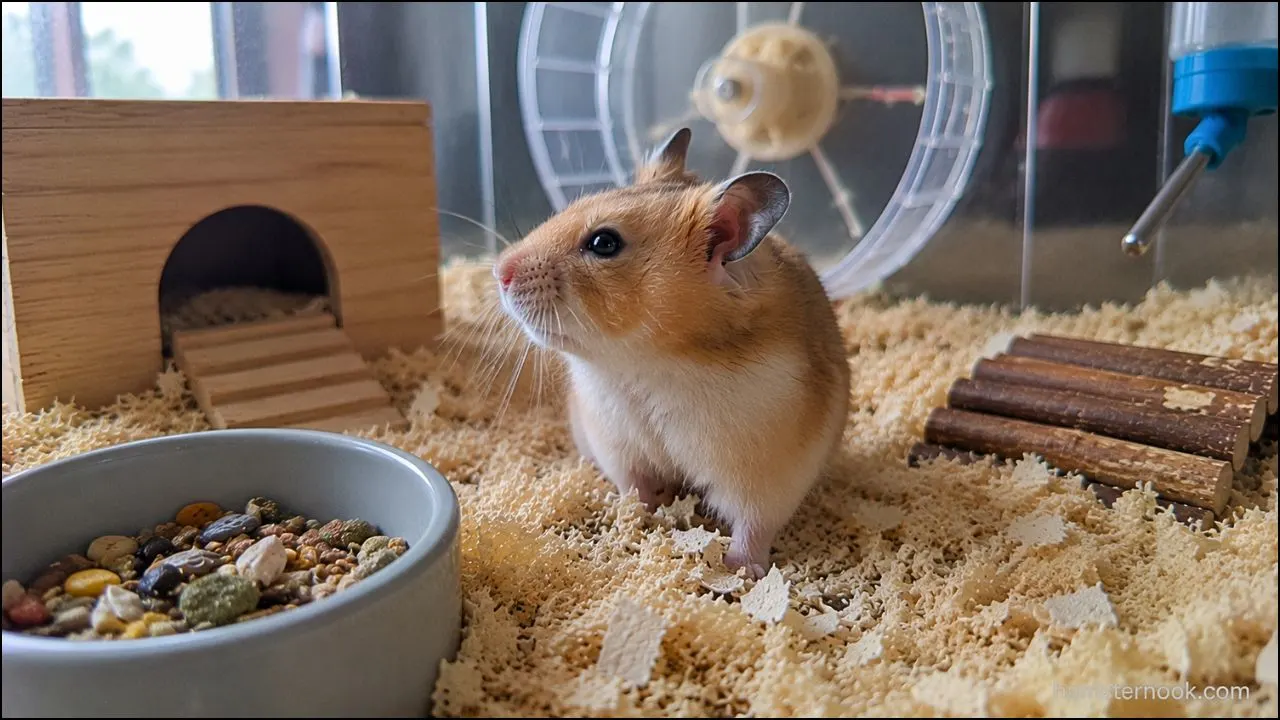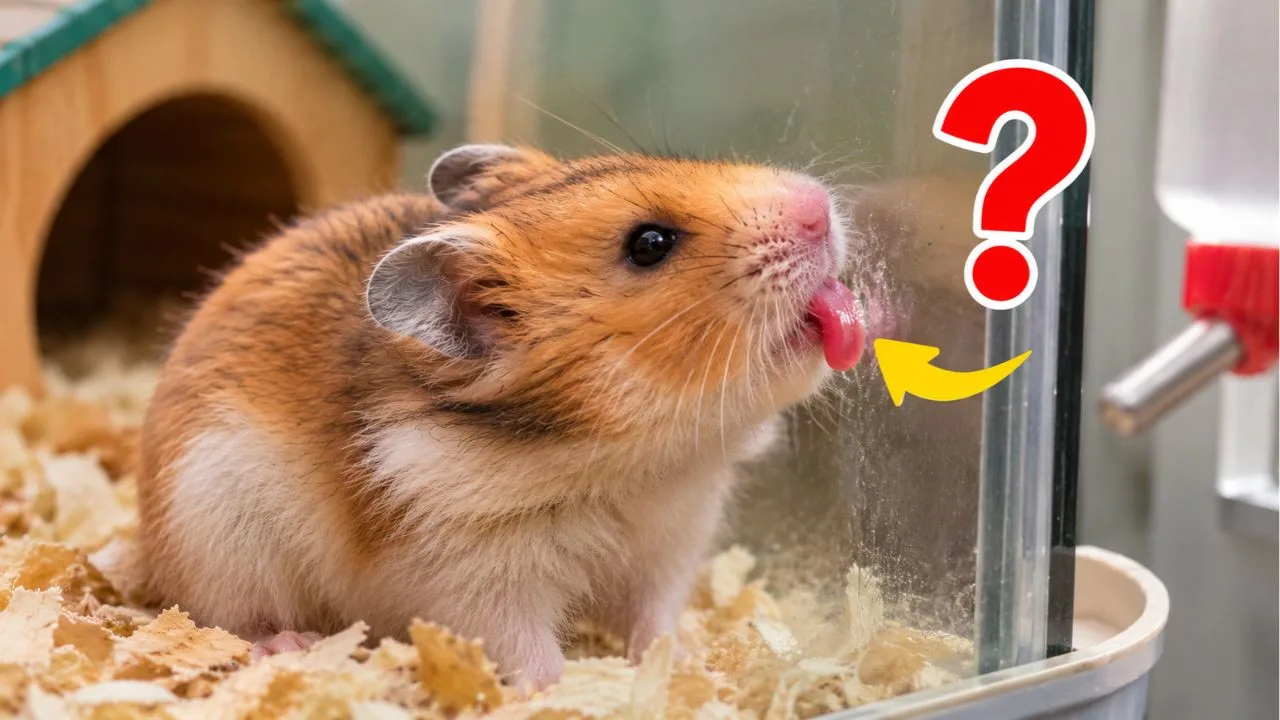
Watching your hamster repeatedly lick the glass of its enclosure can look unusual, especially when it keeps returning to the same spot. Is it thirsty, hungry, bored, or trying to escape? Glass licking doesn’t have one confirmed explanation, and the behavior needs to be understood alongside your hamster’s surroundings and daily habits. The first step is to look at when it happens, how often it occurs, and whether anything else has changed.
Quick Answer: Why Is My Hamster Licking the Glass of Its Cage?
Hamsters may lick enclosure glass for several possible reasons, including investigating a surface, responding to moisture or food residue, or interacting with something they can smell or see outside the enclosure.
However, there is no well-established veterinary explanation that identifies one specific cause of glass licking in all hamsters.
Occasional licking without other changes may simply be an isolated behavior. Repeated licking in the same location, especially alongside pacing, climbing, bar biting, or other repetitive activity, deserves a closer look at the enclosure and your hamster’s welfare.
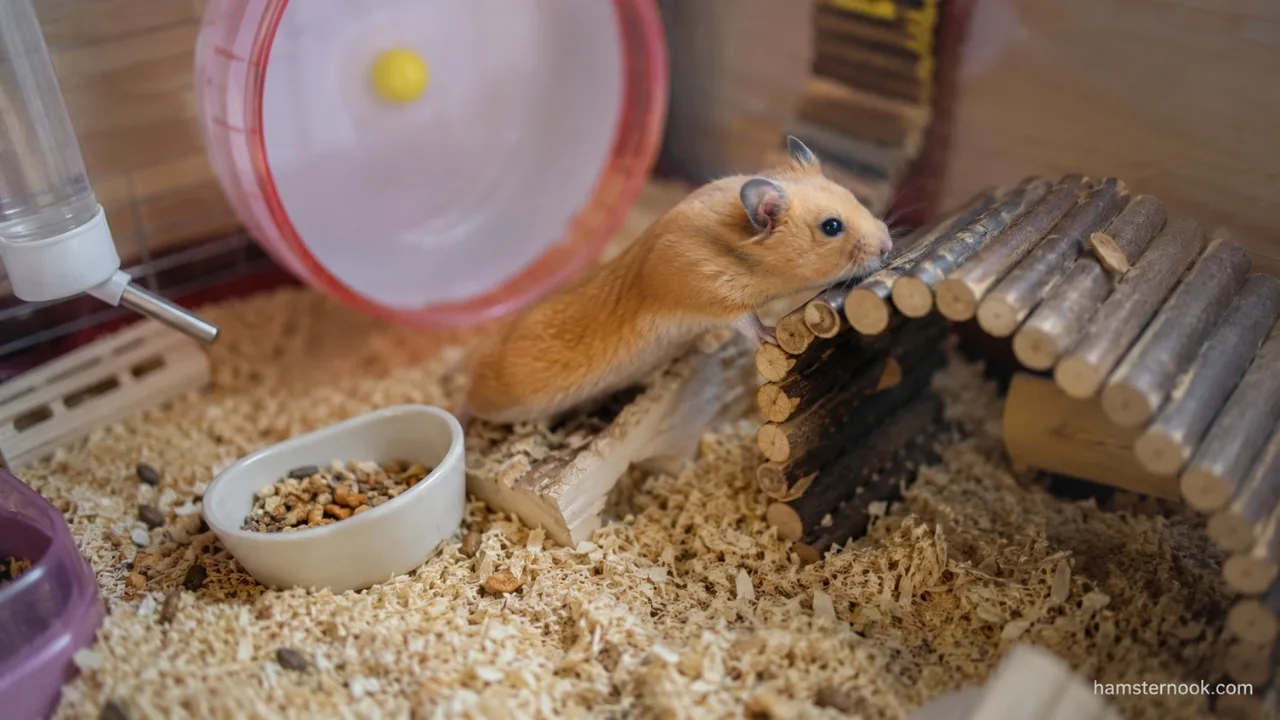
Here are some things worth checking:
- Moisture: Is there condensation or water on the glass?
- Food residue: Has food or a treat touched that area?
- External smells: Are food, cleaning products, or other pets nearby?
- Enclosure conditions: Does your hamster have enough usable space, bedding, hiding places, and enrichment?
- Behavior patterns: Does the licking happen occasionally or repeatedly for long periods?
Don’t assume your hamster is simply bored or thirsty. Look for patterns before deciding what to change.
7 Possible Reasons Your Hamster Is Licking the Glass
The following possibilities can help you investigate the behavior. They are practical explanations to consider, not proven diagnoses of why a particular hamster licks glass.
1. Your Hamster Is Investigating the Surface
Hamsters explore their surroundings using several senses, including smell, touch, and taste.
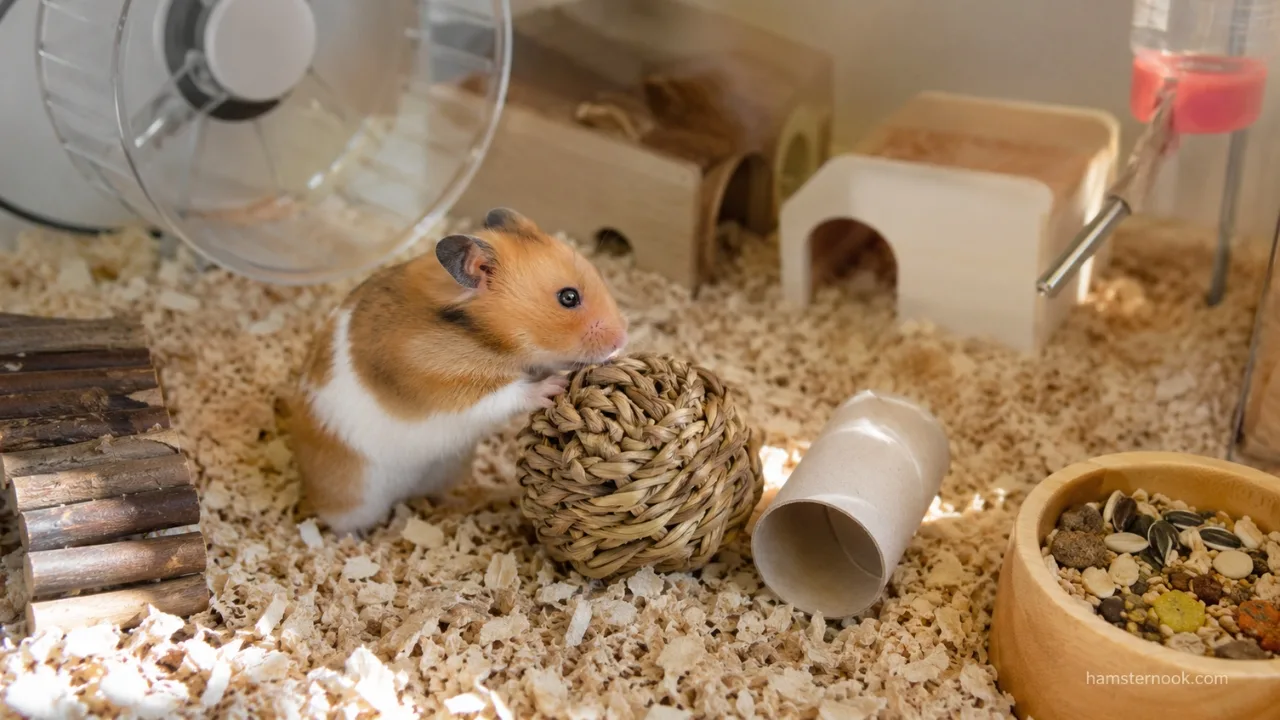
A new object, unfamiliar scent, or recently cleaned enclosure may attract their attention. Your hamster might briefly investigate the glass with its nose or tongue before moving on.
This is different from assuming that every hamster uses licking as a regular exploratory behavior. There is limited direct evidence explaining glass licking specifically.
What to check: Notice whether the behavior happens after you rearrange the enclosure, introduce a new object, or clean the glass.
If your hamster investigates the surface briefly and then returns to its usual activities, there may be little reason for concern.
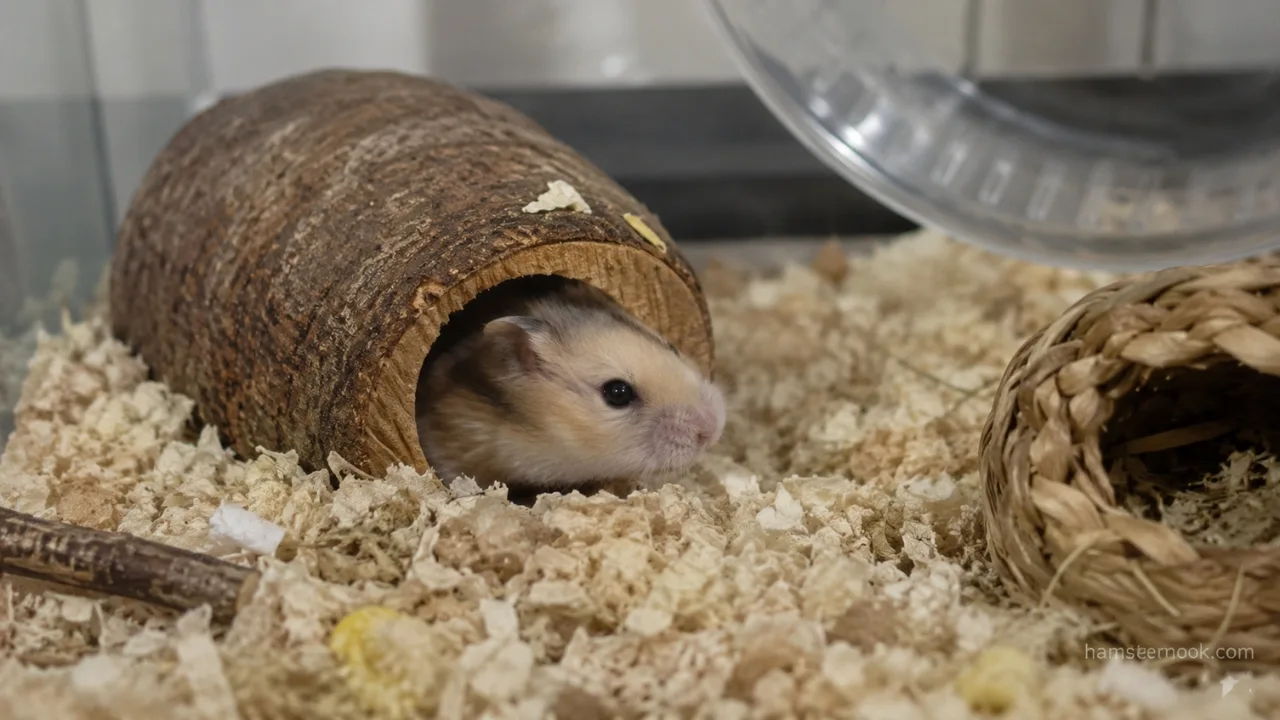
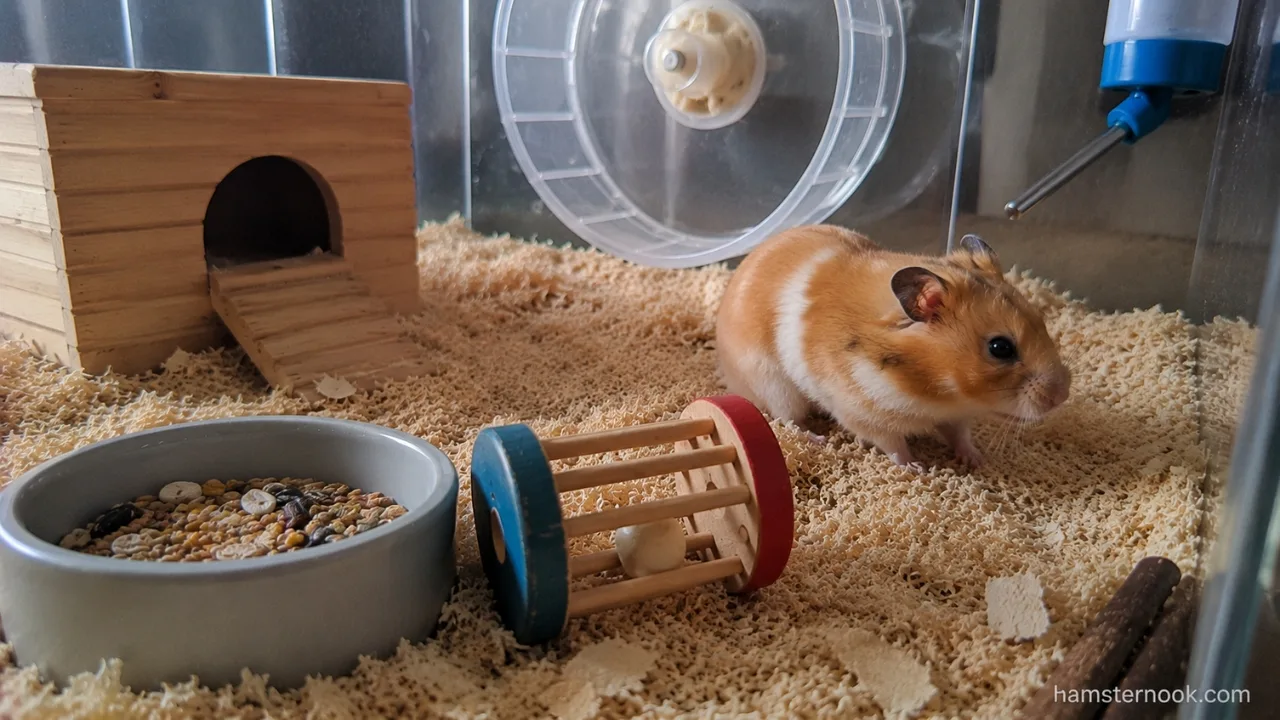
2. There May Be Moisture or Condensation on the Glass
Check whether your hamster is licking a damp area.
Water droplets can collect on enclosure surfaces under certain environmental conditions. A hamster may investigate moisture when it encounters it.
However, you should never rely on condensation as a drinking source.
Your hamster must always have access to clean drinking water through a suitable water bottle or bowl.
What to do:
- Inspect the glass for visible droplets.
- Check the surrounding enclosure for damp bedding.
- Make sure the drinking bottle or bowl is working.
- Remove unexplained moisture and investigate its source.
- Maintain appropriate ventilation.
If condensation repeatedly forms, review the enclosure’s ventilation and room conditions rather than allowing moisture to accumulate.
3. Food or Treat Residue Is Attracting Your Hamster
Food residue is another simple possibility worth investigating.
If you previously offered a fruit, vegetable, or another treat near the glass, small traces may remain on the surface.
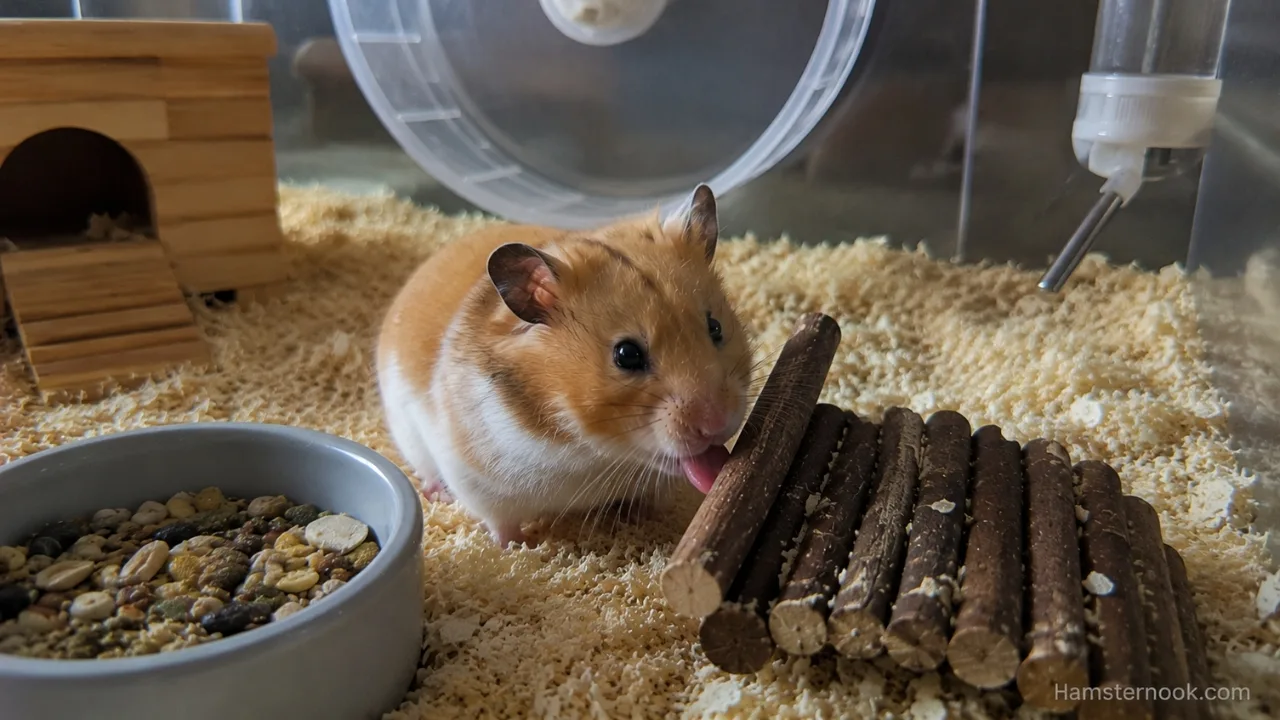
Your hamster may return to the same location because something there attracts its attention.
This doesn’t mean your hamster is necessarily hungry or needs additional food.
What to do: Clean the affected area with a pet-safe cleaning method, rinse where appropriate, and allow it to dry completely before your hamster can access it.
Avoid strong fragrances and cleaning chemical residues.
For additional guidance on cleaning products and substances to avoid around hamsters, see Can Household Cleaning Sprays Affect Hamsters? What Owners Should Avoid.
4. Your Hamster Can Smell Something Outside the Enclosure
Hamsters have a well-developed sense of smell, and unfamiliar scents can attract their attention.
For example, food preparation, another pet, or a recently used cleaning product near the enclosure may change the surrounding smells.
It is possible that your hamster is investigating an external scent, although this does not establish why it licks the glass.
Check the area around the enclosure:
- Are food items stored nearby?
- Are other pets frequently approaching the glass?
- Have you recently used a scented cleaner?
- Is the enclosure positioned near a kitchen or another strong-smelling area?
Keep the enclosure away from direct exposure to strong cleaning fumes, fragrances, and other irritating substances.
For more information about potentially disturbing household scents and safer surroundings, see Can Strong Household Smells Stress a Hamster? Safe Scents & Warning Signs.
5. Your Hamster Is Responding to Something It Sees Outside
Sometimes the area beyond the glass attracts a hamster’s attention.
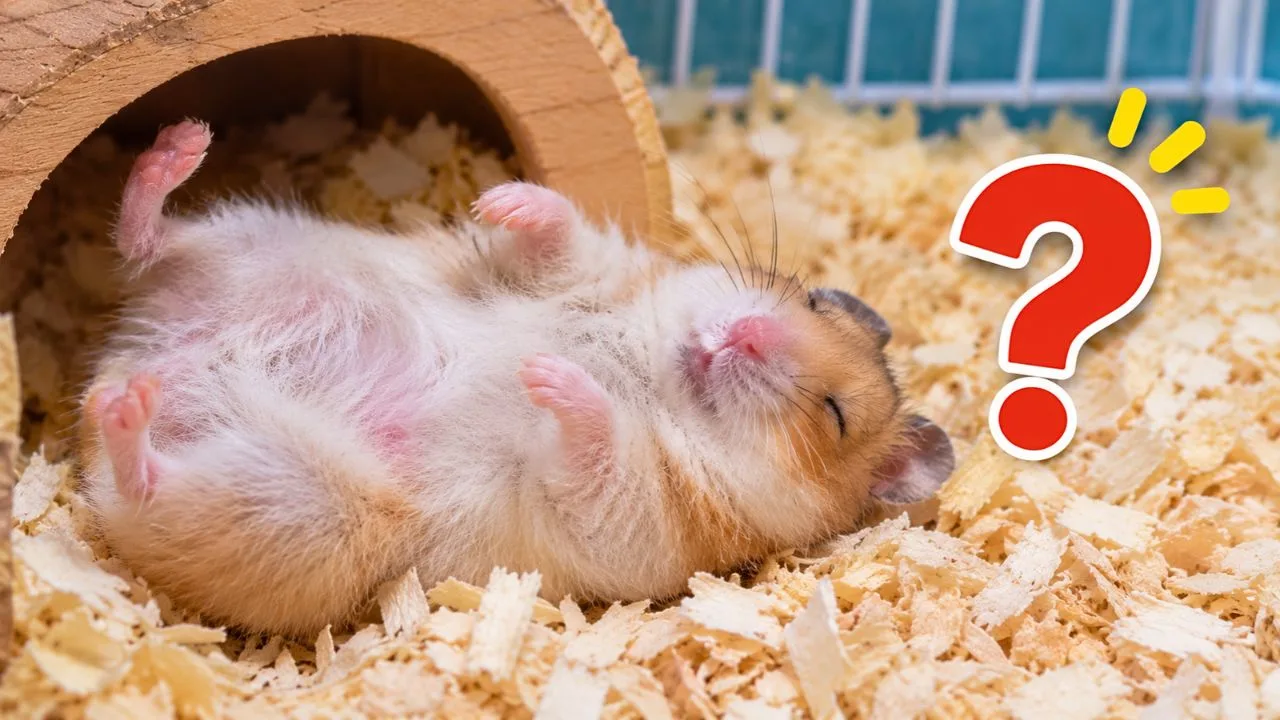
A moving object, changing light, or another animal nearby may encourage your hamster to approach the enclosure wall.
You might notice it standing near the glass, sniffing, or repeatedly returning to the same location.
Licking could occur alongside this investigation, but there is no reliable evidence that visual stimulation alone causes glass licking.
What to do: Observe whether the behavior changes when the enclosure surroundings become quieter or when movement outside the glass stops.
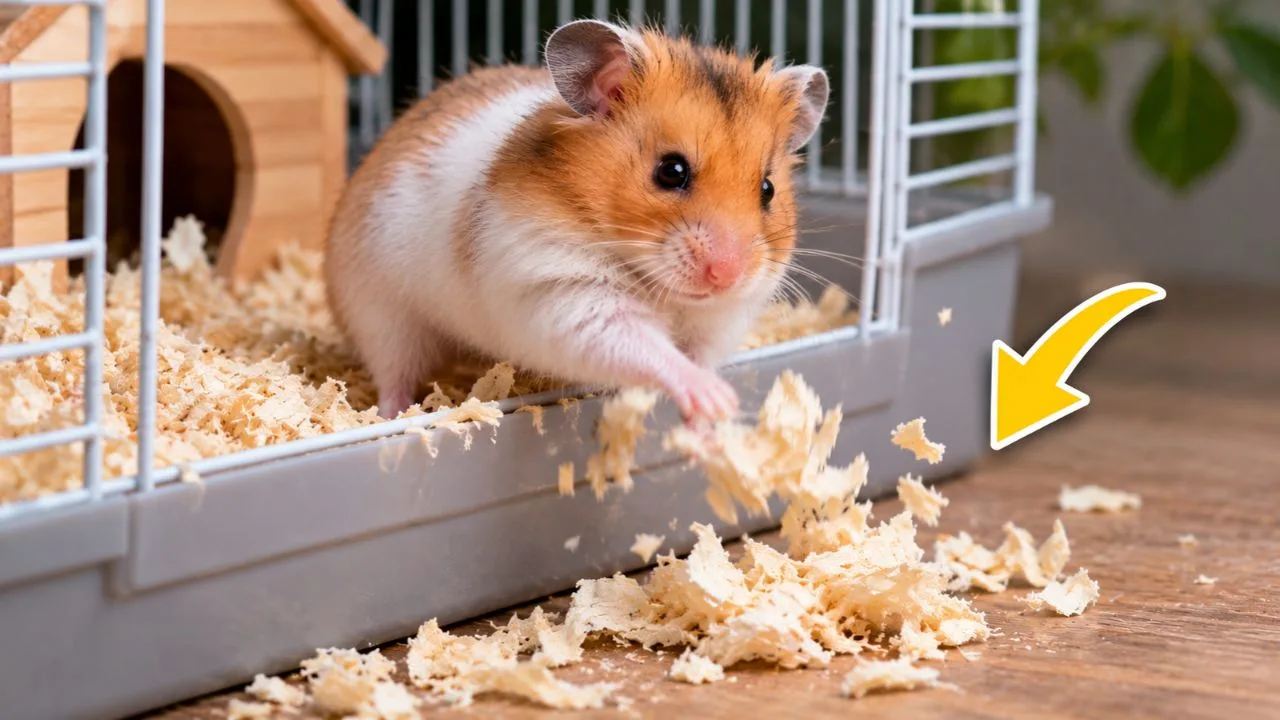
Avoid deliberately placing another animal near the enclosure to test your hamster’s reaction.
6. The Enclosure May Need More Enrichment
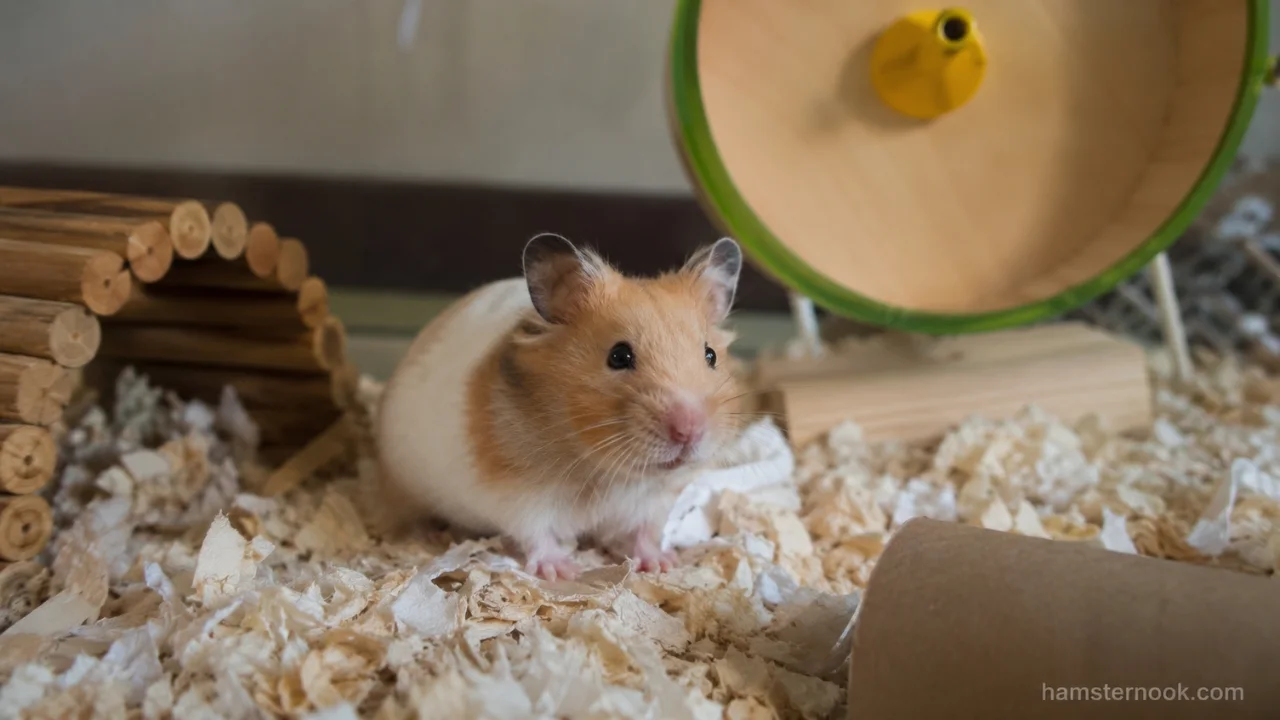
A hamster’s environment should provide opportunities for natural activities such as burrowing, exploring, hiding, and foraging.
If an enclosure has limited usable space or very little environmental variety, a hamster may spend more time interacting with its walls or other surfaces.
Glass licking alone does not prove that your hamster is bored. However, if it happens alongside repeated pacing, climbing, or persistent attempts to escape, the overall environment deserves attention.
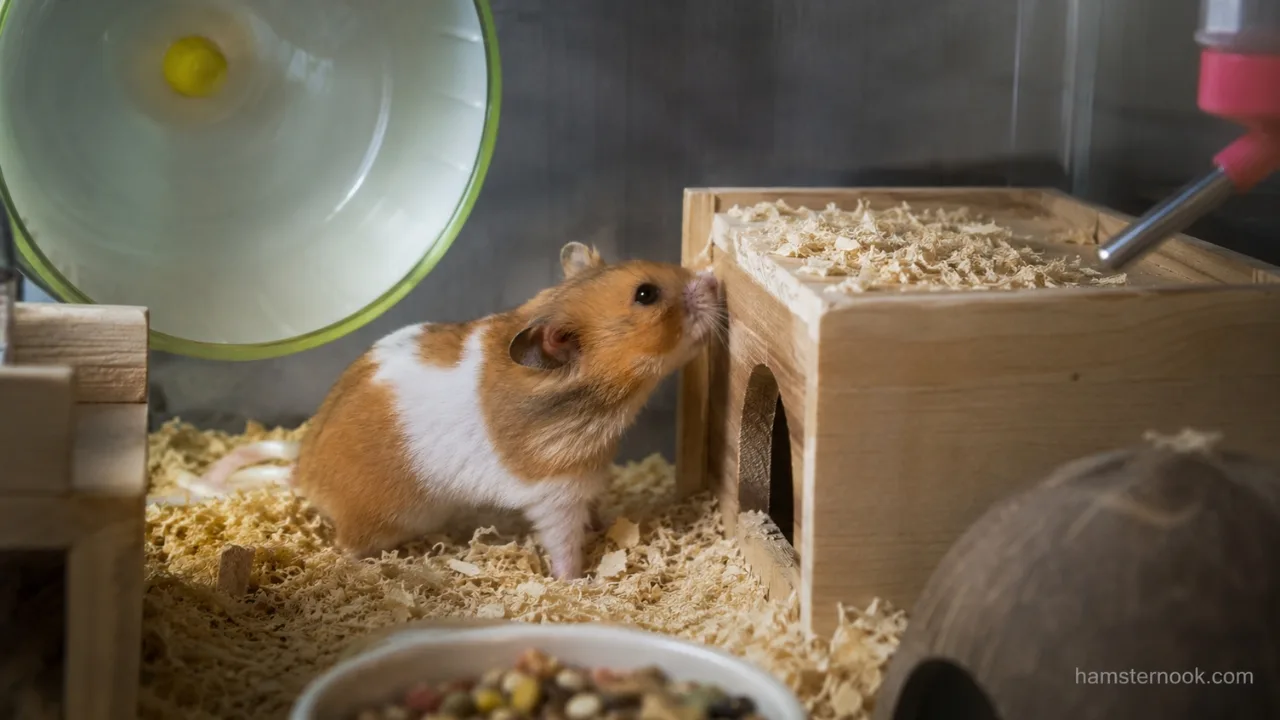
Look for opportunities to improve:
- Unbroken floor space.
- Suitable deep bedding for burrowing.
- Multiple hiding places.
- Safe tunnels and exploration areas.
- Appropriate foraging opportunities.
- A suitable exercise wheel.
Enrichment should offer meaningful activities rather than simply adding more decorative objects.
For practical ways to provide activities that encourage natural hamster behavior, see Hamster Cage Enrichment: 10 Safe Ideas for Boredom & Natural Behavior.
7. The Behavior May Be Part of a Repetitive Pattern
One of the most useful distinctions is between occasional investigation and repetitive behavior.
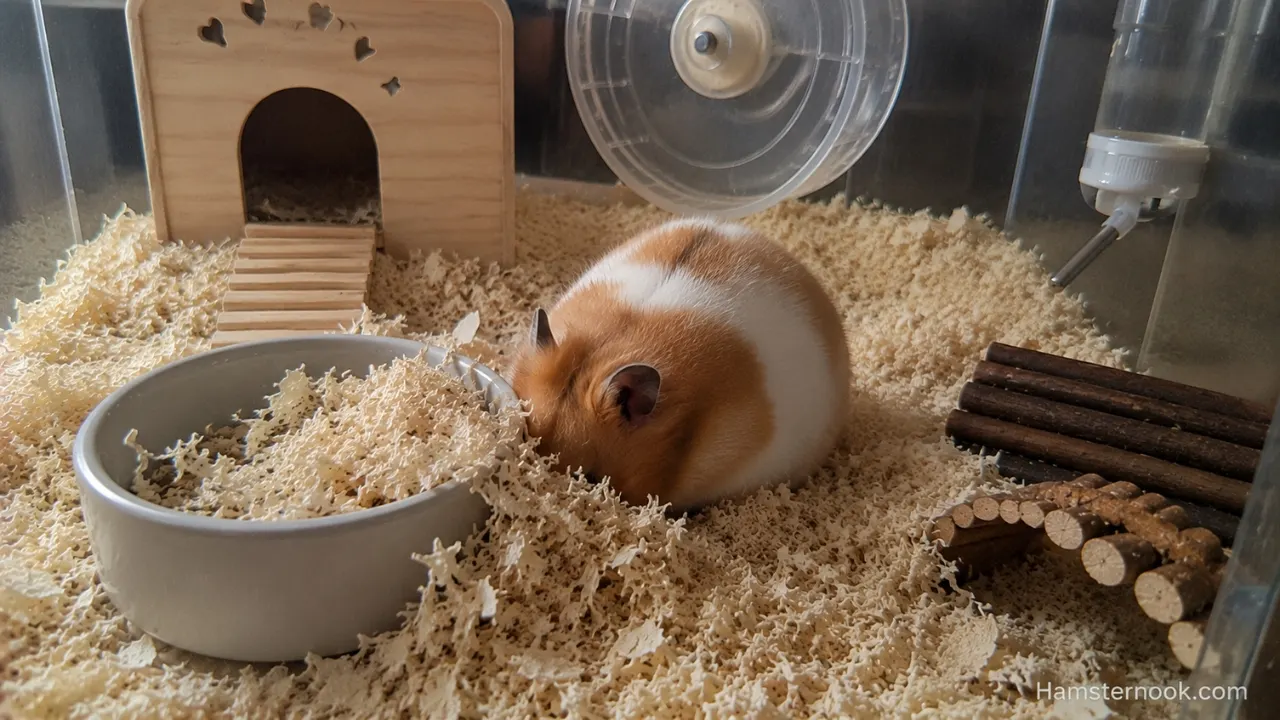
If your hamster repeatedly returns to the same glass panel, licks it for extended periods, or combines licking with pacing and climbing, record how frequently it happens.
Repetitive behaviors in captive animals can sometimes be associated with environmental limitations or welfare concerns. However, glass licking by itself is not enough to identify a stereotypic behavior or determine its cause.
Look at the complete pattern rather than judging one action in isolation.
How to Tell Whether Glass Licking Is Normal or a Cause for Concern
The frequency, duration, and surrounding behavior matter more than the licking itself.
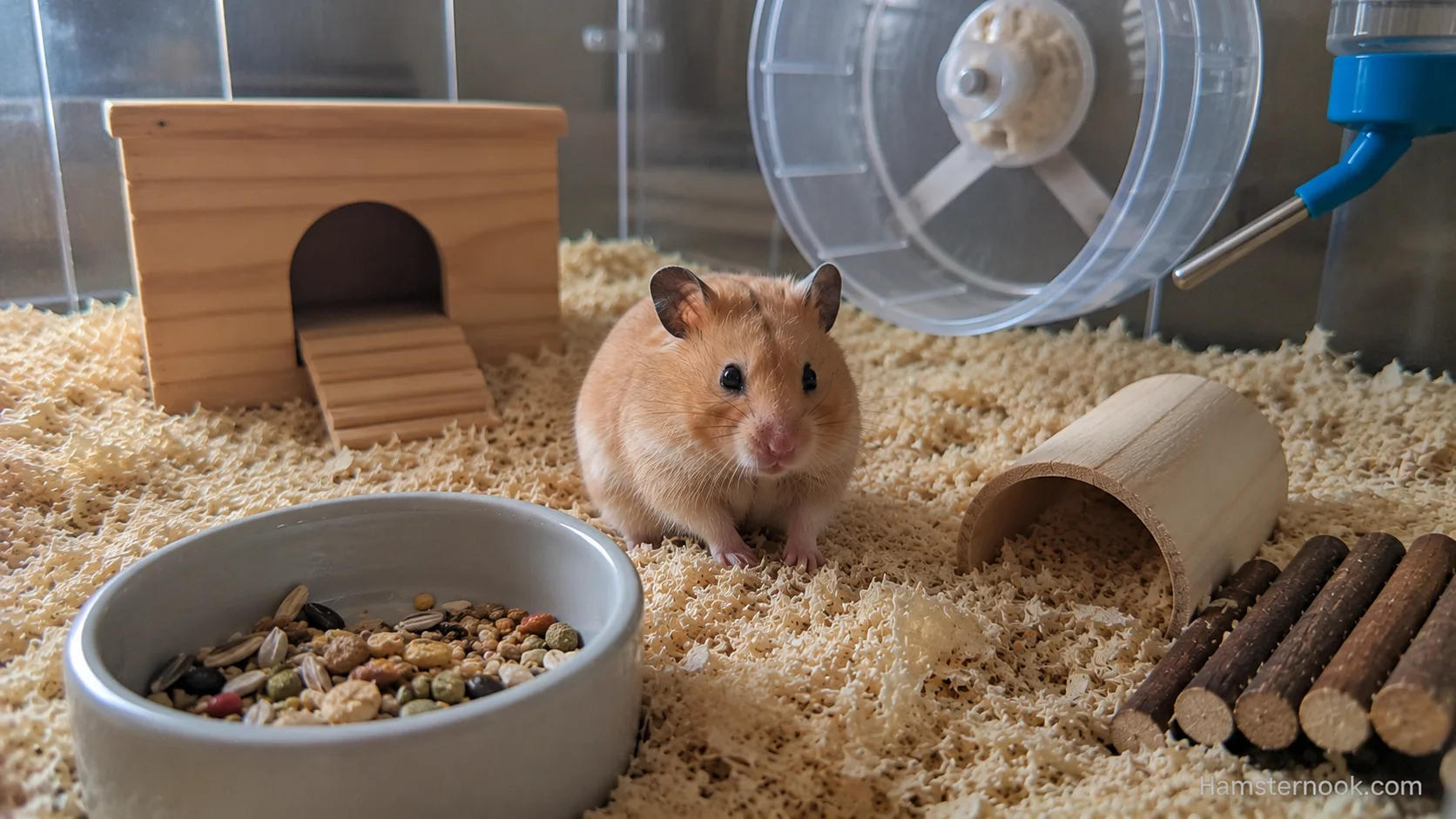
Use the following comparison to decide what deserves closer attention.
| What you notice | What it may suggest | What to do |
|---|---|---|
| Brief licking followed by normal activity | Occasional investigation | Observe without disturbing your hamster. |
| Licking one damp spot | Possible interest in moisture | Check for condensation or a water leak. |
| Licking where food was placed | Possible food residue | Clean the surface and monitor the behavior. |
| Repeated licking with pacing | Possible environmental or welfare concern | Review enclosure conditions and enrichment. |
| Licking with repeated climbing or escape attempts | Possible frustration or inadequate environmental opportunities | Assess usable space and enclosure setup. |
| Licking alongside weakness or loss of appetite | Possible health concern | Contact a veterinarian. |
This is a practical observation guide, not a diagnostic test. A hamster’s behavior should always be considered as a whole.
How long should you observe the behavior?
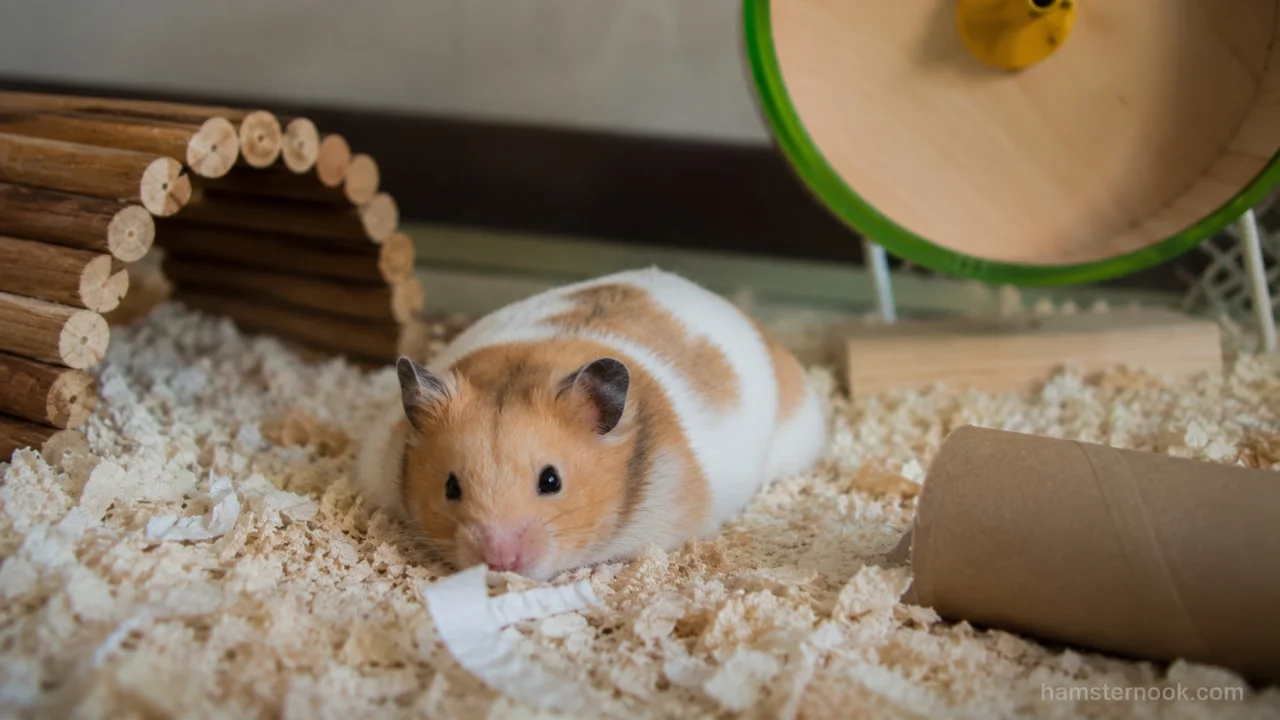
If your hamster occasionally licks the glass but otherwise eats, drinks, explores, and behaves normally, start by observing it over the next few active periods.
You can record:
- The time of day.
- Which glass panel it approaches.
- How long the behavior lasts.
- Whether it happens after feeding or cleaning.
- What your hamster does immediately afterward.
- Whether other repetitive behaviors occur.
A short video can also help your veterinarian understand what you are seeing if the behavior becomes persistent.
Don’t repeatedly interrupt your hamster or wake it during the day just to observe the licking.
How to Stop Your Hamster From Licking the Glass
There isn’t one universal method to stop this behavior because the cause may differ between hamsters.
Instead of trying to prevent the licking directly, identify what might be attracting your hamster to that particular area and improve anything that could be affecting its welfare.
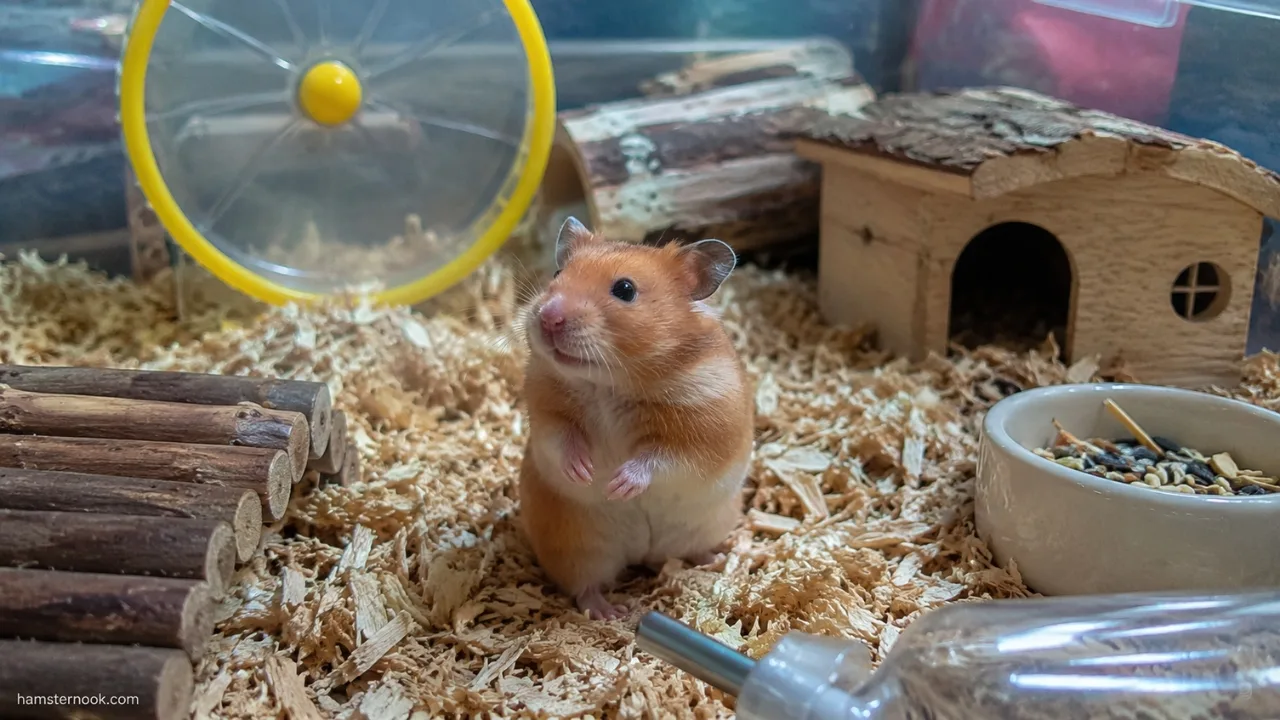
1. Clean the glass properly
If you suspect food residue, clean the affected surface.
For safe cleaning:
- Move your hamster to a secure temporary enclosure.
- Use a suitable cleaning product according to its label.
- Rinse the surface thoroughly if the product requires rinsing.
- Allow the glass to dry completely.
- Make sure no strong chemical smell or residue remains before returning your hamster.
Never spray cleaning products directly into an occupied enclosure.
2. Check your hamster’s drinking water
Make sure the water bottle or bowl is functioning correctly.
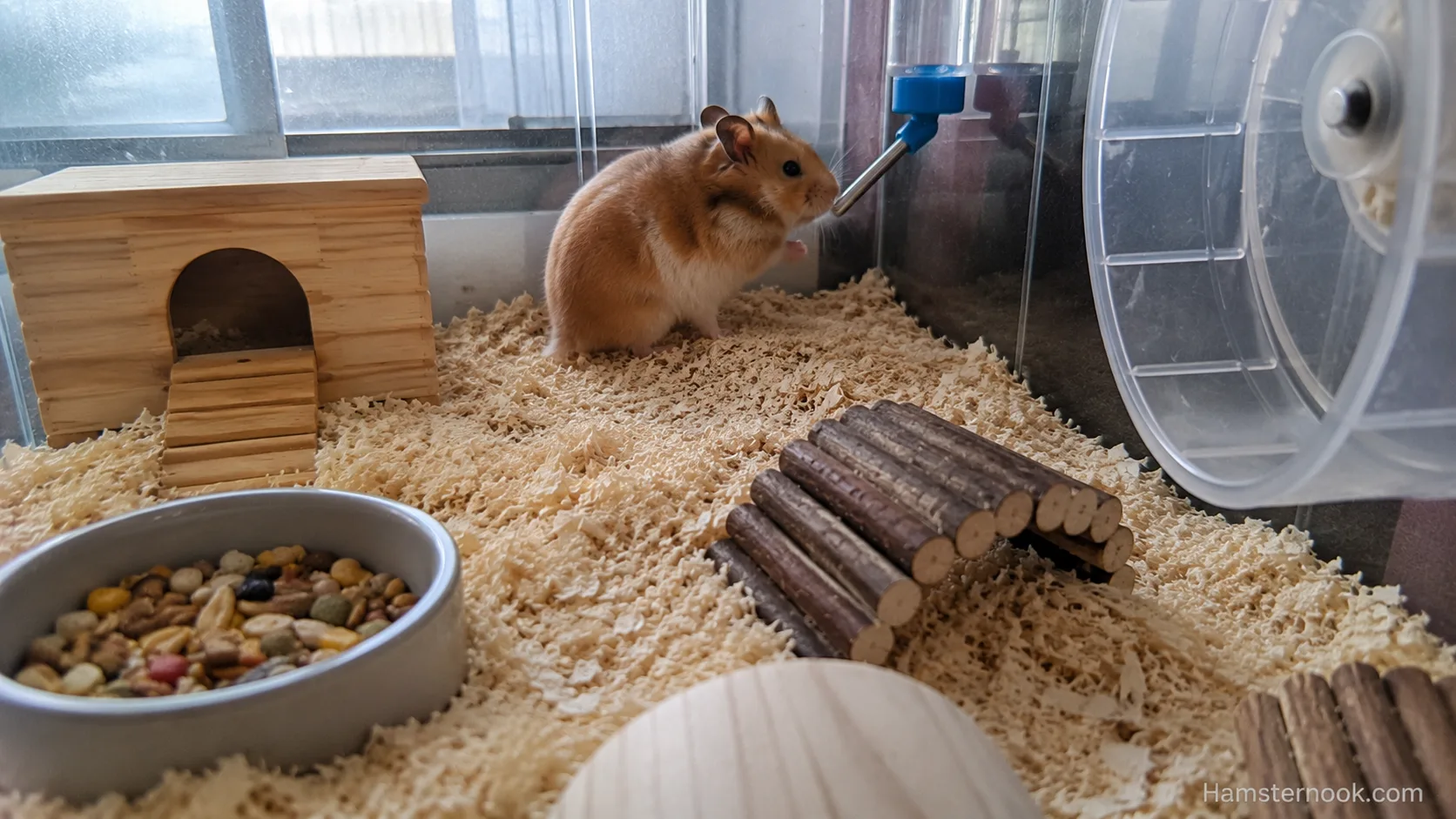
If you use a bottle:
- Check that it is securely attached.
- Make sure the drinking tip is not blocked.
- Check for leaks.
- Confirm that your hamster can comfortably reach it.
If you use a water bowl, make sure it is stable, clean, and accessible.
Glass licking is not proof of dehydration, but checking water access is a sensible part of investigating unusual behavior.
3. Improve the enclosure’s usable space
A suitable enclosure needs enough room for different activities.
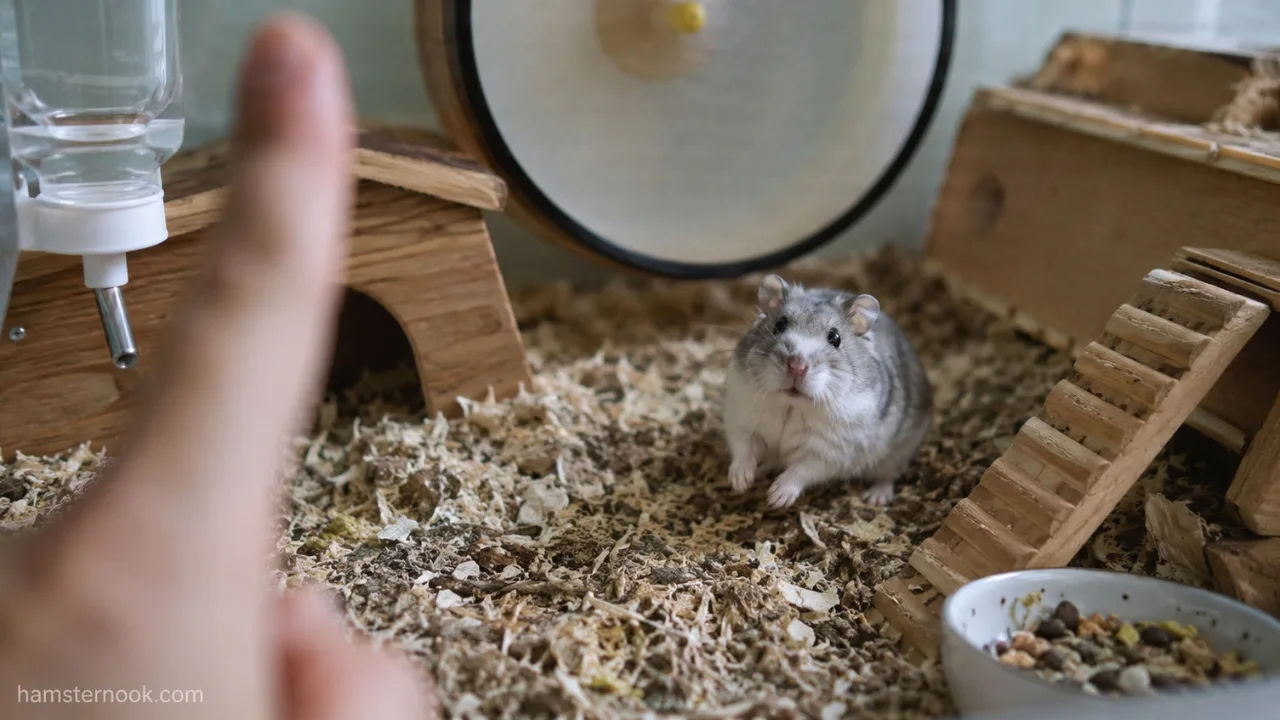
Your hamster should have space to:
- Run on an appropriately sized wheel.
- Dig and create burrows.
- Explore different areas.
- Hide and sleep undisturbed.
- Search for food.
For a broader guide to choosing suitable enclosure dimensions, bedding, and essential accessories, see Best Hamster Cage Setup for Beginners: Size, Bedding, Wheel & Essentials.
Avoid judging an enclosure only by the number of toys inside it. Usable floor space and suitable bedding are equally important.
4. Provide deeper bedding for burrowing
Burrowing is a natural hamster behavior.
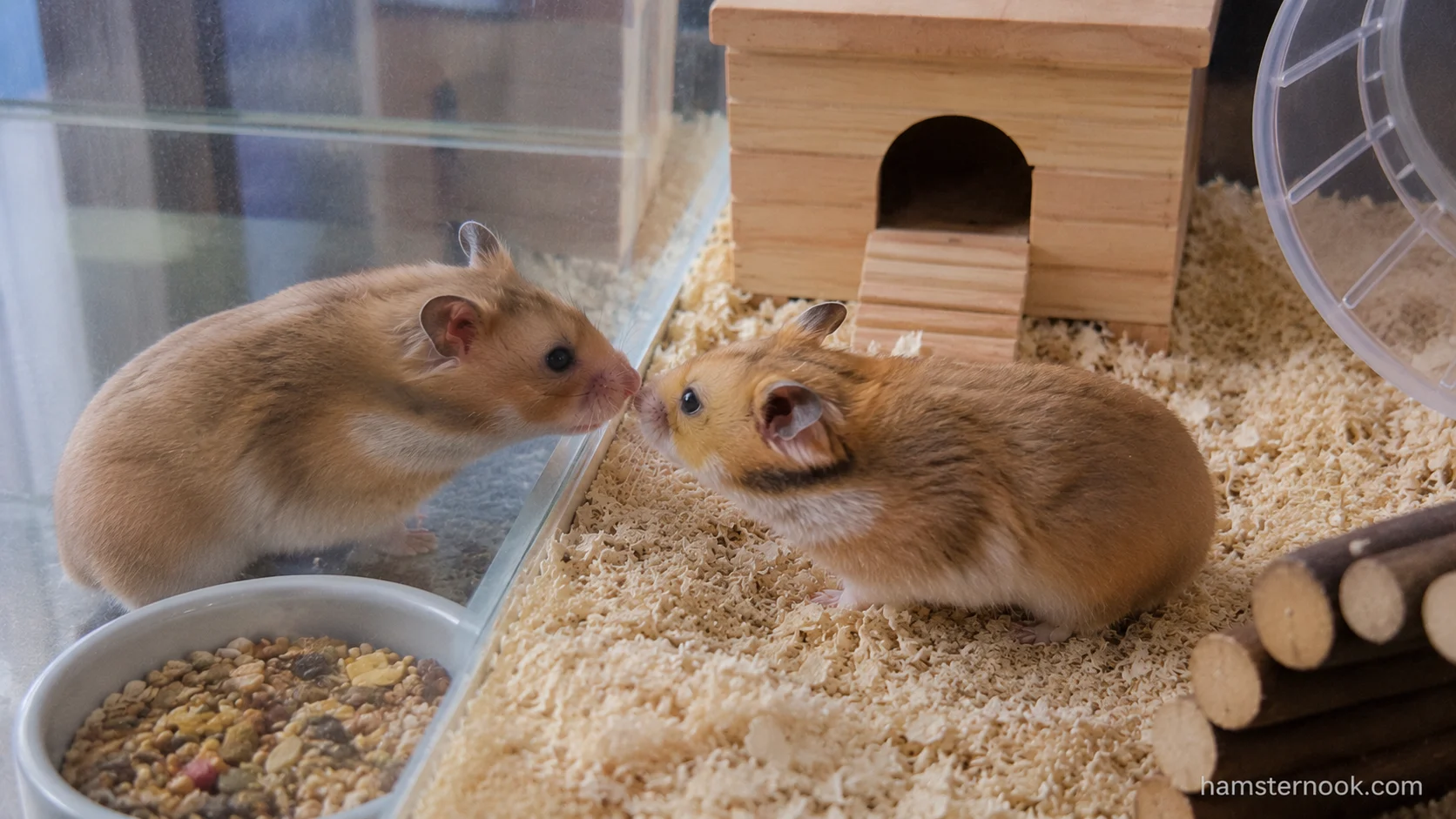
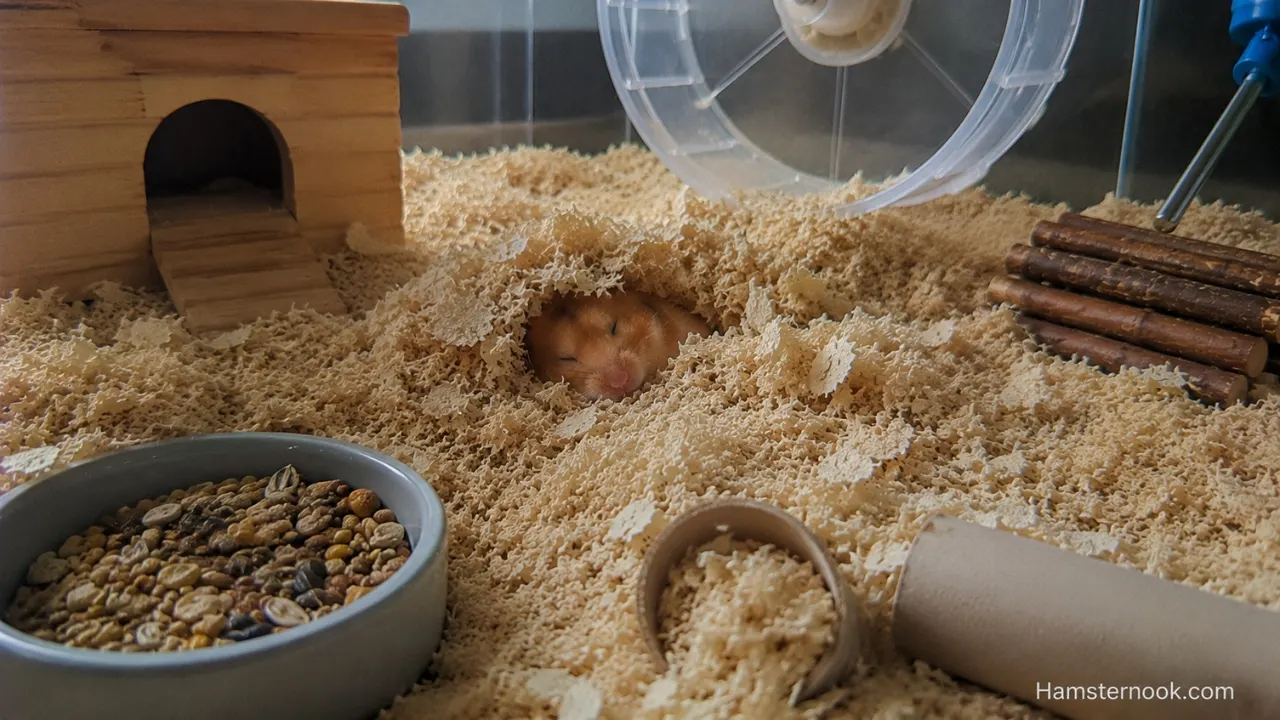
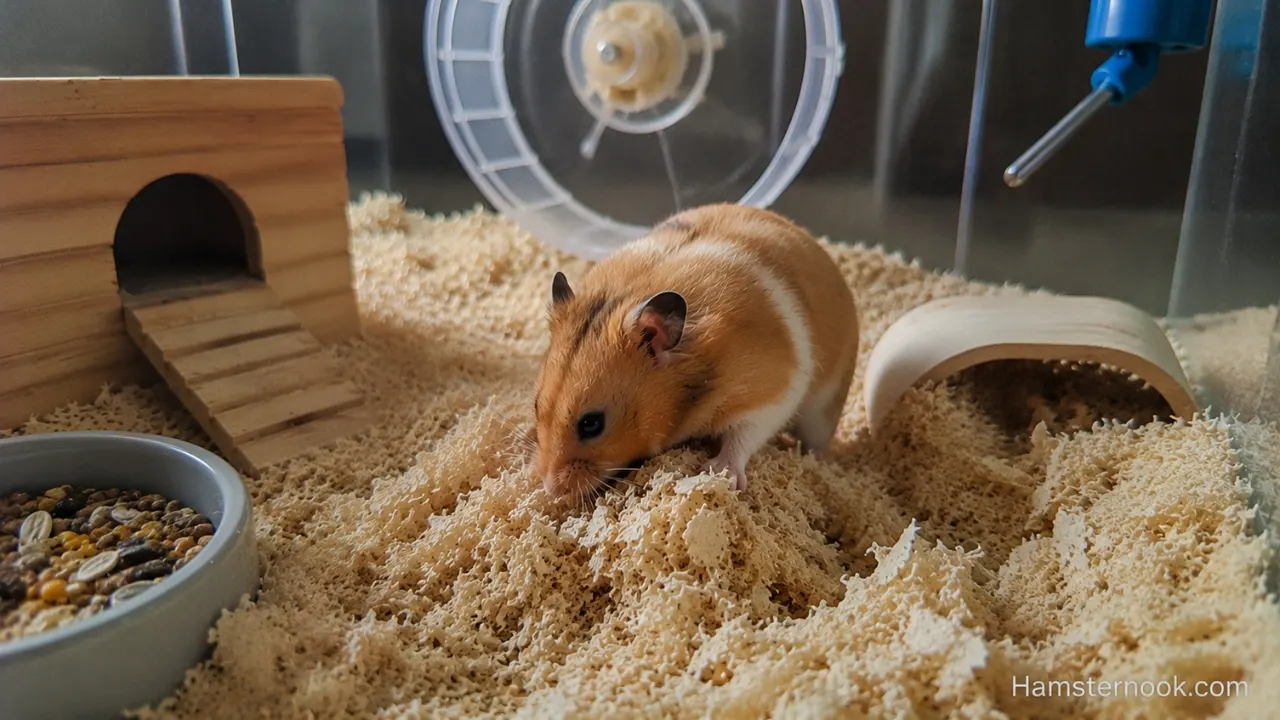
A sufficiently deep layer of suitable bedding gives your hamster an opportunity to dig tunnels and create a nest.
Blue Cross recommends providing at least 20 cm of suitable digging bedding. The exact setup should also allow stable burrows and maintain good ventilation.
Suitable bedding options include:
- Paper-based bedding.
- Wood-pulp bedding.
- Suitable hemp bedding.
- Appropriate dust-extracted paper or wood-based materials.
Avoid fluffy cotton-like nesting materials that can entangle limbs or create problems if swallowed.
5. Add useful enrichment
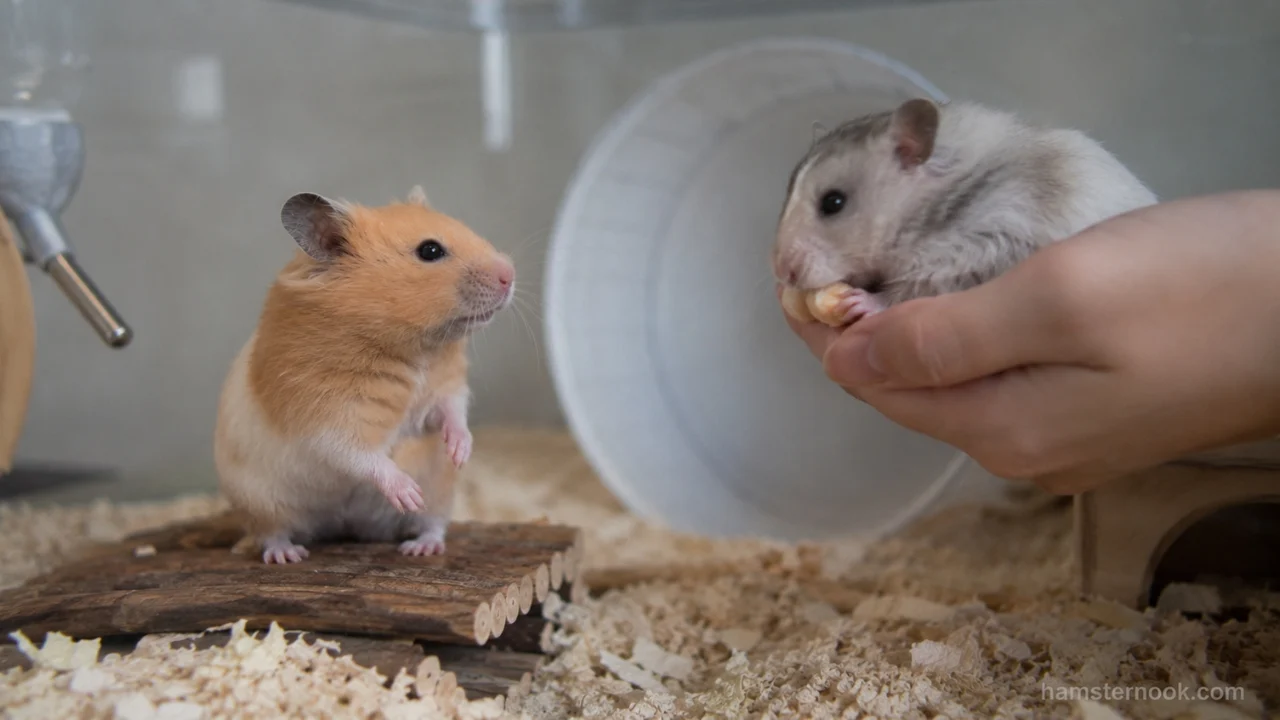
Enrichment should encourage activities your hamster would naturally perform.
Consider providing:
- Cardboard tunnels.
- Safe wooden chew items.
- Multiple hiding places.
- A suitable sand bath.
- Scatter feeding.
- Food-searching activities.
- Safe natural materials for exploration.
You don’t need to fill every empty space with toys. Give your hamster enough room to move freely and use each item comfortably.
6. Reduce unnecessary disturbance
Consider where the enclosure is positioned.
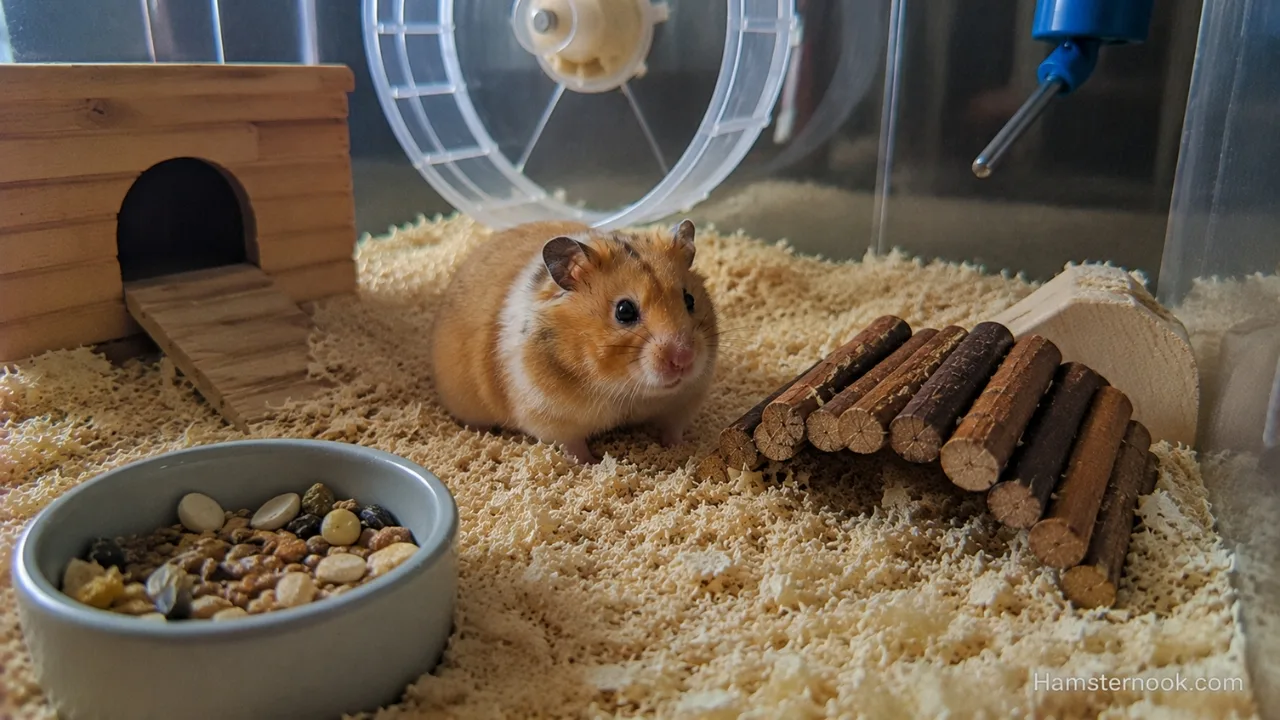
Keep it away from:
- Direct sunlight.
- Cold drafts.
- Loud televisions and speakers.
- Frequent household disturbances.
- Other pets that repeatedly approach or stare into the enclosure.
Hamsters need a quiet, predictable environment where they can rest undisturbed during their normal sleeping period.
For more details about noise-related stress, possible warning signs, and prevention, see Can Loud Noises Stress a Hamster? Signs, Effects & Prevention.
Could Glass Licking Mean Your Hamster Is Stressed?
Possibly, but glass licking alone cannot establish that your hamster is stressed.
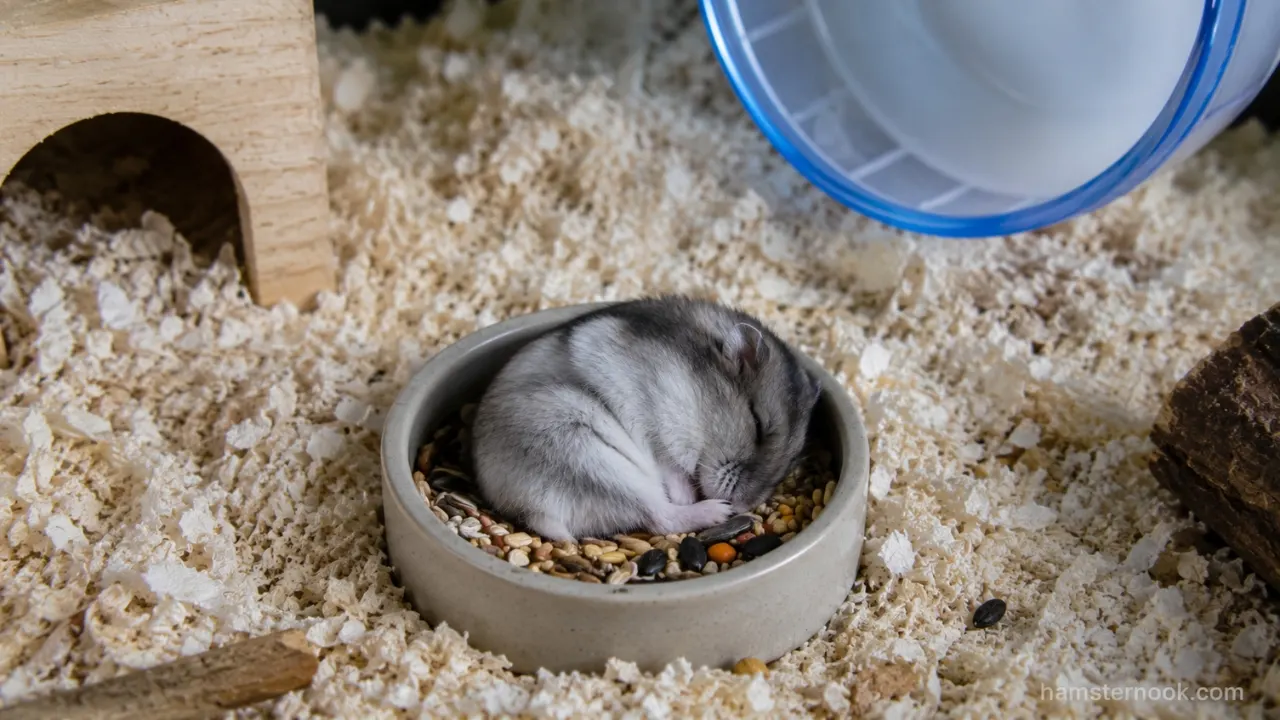
Look for a combination of behaviors rather than focusing on one action.
For example, repeated glass licking alongside persistent pacing, climbing, bar biting, or attempts to escape deserves a closer review of the enclosure.
The Royal Society for the Prevention of Cruelty to Animals identifies repetitive behaviors such as prolonged bar gnawing and running in circles as potential signs of welfare problems.
However, it would be incorrect to automatically classify every instance of licking as a stereotypic behavior.
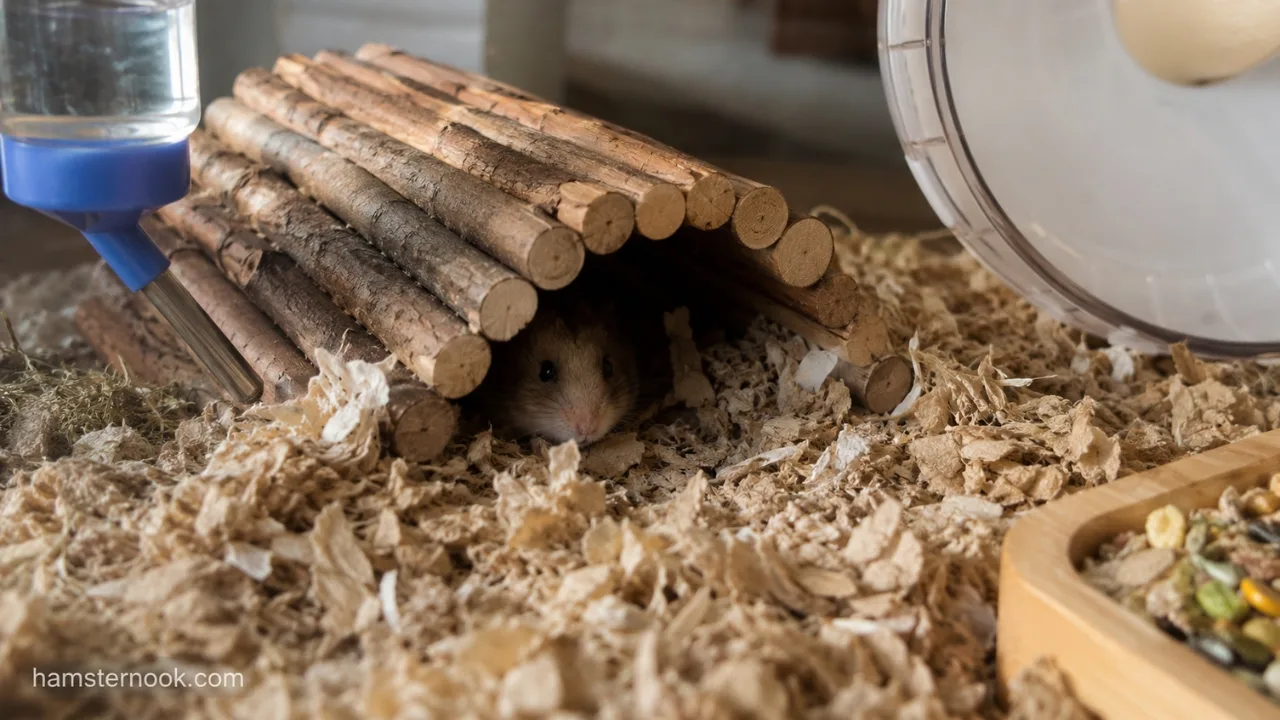
What environmental factors should you review?
Check these areas:
Space: Is there sufficient usable floor area for exercise, exploration, and burrowing?
Bedding: Can your hamster dig and create a stable nest?
Hiding places: Does it have a secure place to sleep away from disturbance?
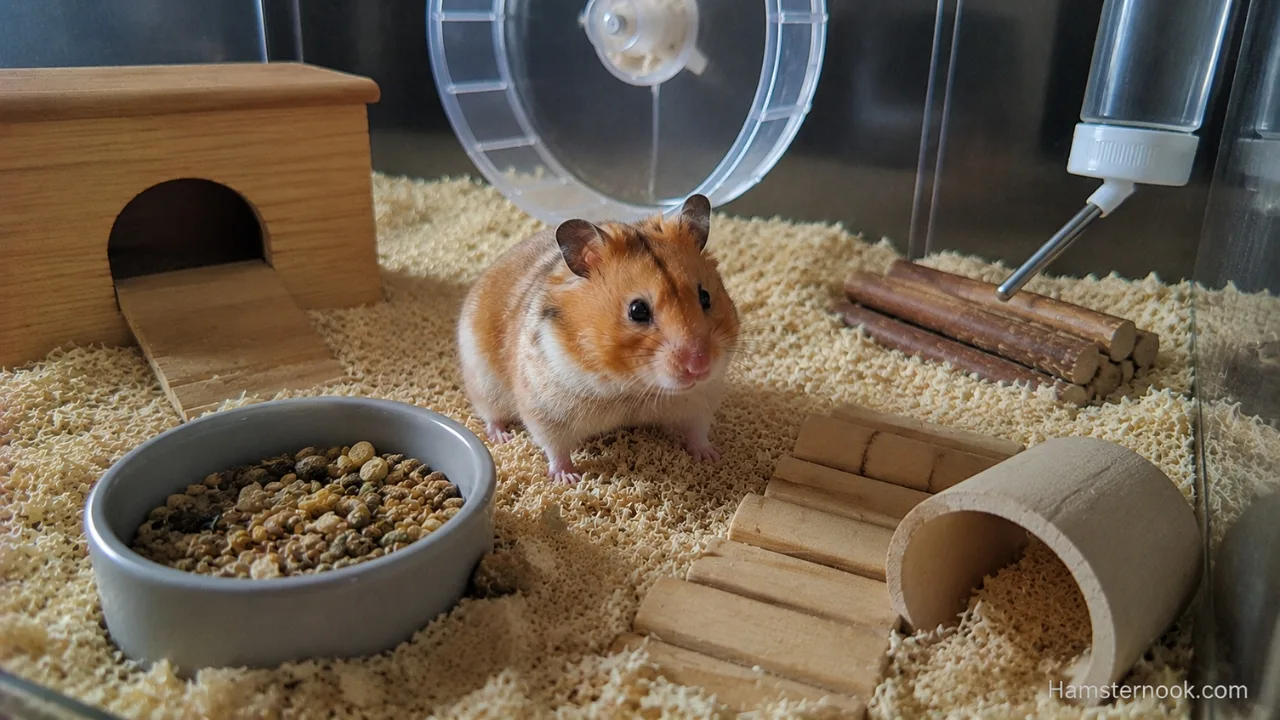
Enrichment: Does it have suitable opportunities to explore, forage, and chew?
Exercise: Is its wheel appropriate for its size and comfortable to use?
Disturbance: Is it regularly woken up, handled excessively, or disturbed by other pets?
Make improvements gradually. Changing the entire enclosure at once can remove familiar scents and disturb established nesting areas.
When Should You Worry About Glass Licking?
Glass licking itself is not a recognized standalone diagnosis. However, unusual behavior accompanied by physical changes should not be ignored.
Contact a veterinarian promptly if you notice:
- Reduced appetite or refusal to eat.
- Noticeable weight loss.
- Unusual weakness or lethargy.
- Labored or abnormal breathing.
- Excessive drooling or difficulty eating.
- Changes in normal movement.
- Persistent changes in behavior alongside other concerning signs.
If your hamster has difficulty breathing, collapses, becomes unresponsive, or shows severe weakness, seek emergency veterinary care.
A veterinarian can assess whether the behavior is associated with an underlying health issue rather than an environmental or exploratory pattern.
Common Mistakes Hamster Owners Make
When owners notice unusual behavior, they sometimes make changes that create additional stress without addressing the actual cause.
Avoid these mistakes:
Assuming your hamster is thirsty
Don’t automatically offer extra water or treats because your hamster is licking glass. Check that its normal drinking water is accessible and working.
Constantly moving the enclosure
Moving the enclosure to different rooms or repeatedly rearranging its contents may disturb your hamster’s familiar environment.

Make changes only when necessary.
Adding too many toys
More toys do not automatically mean better enrichment. Choose suitable items that provide opportunities to dig, hide, explore, forage, and exercise.
Using strong cleaning products
Strong fragrances and chemical residues should never be left on surfaces your hamster can access.
Always follow the cleaning product’s instructions and allow surfaces to dry completely.
Ignoring other behavioral changes
If glass licking happens alongside pacing, climbing, reduced appetite, or unusual inactivity, don’t focus exclusively on the licking.
The surrounding signs may be more important.
For a broader guide to recognizing stress-related changes and understanding possible triggers, see Hamster Stress: Common Causes, Warning Signs & How to Reduce It.
What You Should Do: A Simple Checklist
If your hamster keeps licking its glass enclosure, work through these steps:
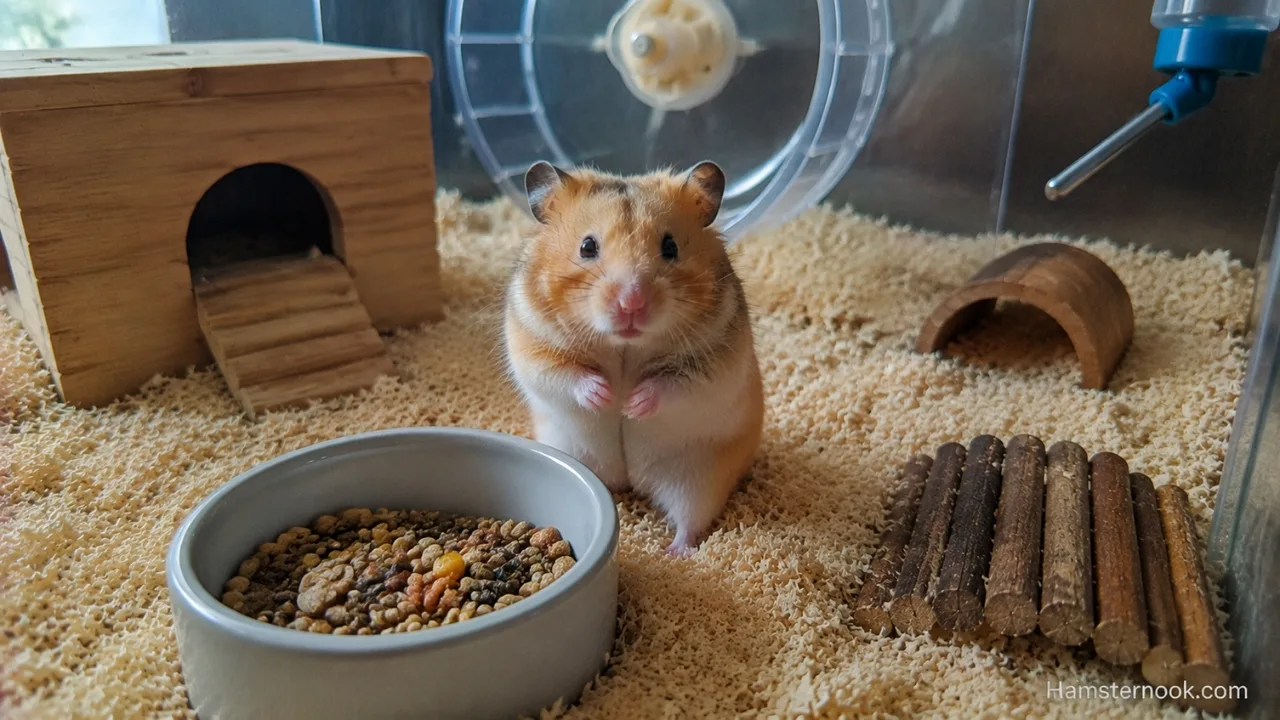
- Observe when and how frequently the licking happens.
- Check the glass for condensation, moisture, and food residue.
- Confirm that your hamster has access to clean drinking water.
- Review the enclosure’s usable floor space and bedding depth.
- Make sure there are suitable hiding places and enrichment opportunities.
- Check whether other pets, noises, or household activities are disturbing your hamster.
- Record repeated behavior and take a short video if necessary.
- Contact a veterinarian if the behavior persists alongside other concerning changes.
You don’t need to make every possible change immediately. Start with the simplest checks and address any obvious problems in the environment.
Final Thoughts
Seeing your hamster licking the glass of its cage can be confusing, particularly when the behavior happens repeatedly.
There isn’t one scientifically established explanation for glass licking. Your hamster might be investigating moisture, food residue, an unfamiliar smell, or something outside the enclosure. Repeated behavior can also be a reason to review its living conditions and enrichment.
Pay attention to the pattern rather than assuming the worst. Check its water supply, keep the enclosure clean and dry, provide suitable bedding and enrichment, and observe whether your hamster continues behaving normally.

If glass licking is accompanied by changes in appetite, weight, breathing, or activity, speak with a veterinarian.
A comfortable environment and careful observation are the best starting points for understanding unusual hamster behavior.
Frequently Asked Questions
1. Is it normal for a hamster to lick the glass of its cage?
Occasional glass licking is not necessarily a sign of a problem. Hamsters may investigate surfaces or respond to something on the glass. However, persistent licking, especially alongside other repetitive behaviors, deserves closer observation.
2. Why does my hamster keep licking the same spot on the glass?
Check that particular area for moisture, condensation, or food residue. Also consider whether something outside the enclosure is attracting your hamster’s attention. If the behavior continues, assess its overall environment.

3. Does glass licking mean my hamster is thirsty?
Not necessarily. Glass licking is not a reliable indicator of thirst or dehydration. Check that your hamster’s water bottle or bowl is clean, working properly, and easy to access.
4. Is my hamster licking the glass because it is bored?
Boredom cannot be diagnosed from glass licking alone. However, repetitive behavior alongside pacing, climbing, or escape attempts may justify improving the enclosure’s space and enrichment.
5. Why does my hamster lick the glass at night?
Hamsters are generally most active during the evening and nighttime. If your hamster is licking the glass during these hours, observe what else it does during its active period. The timing alone does not identify the cause.
6. Why does my hamster lick the glass and then bite it?
These are two different behaviors. Your hamster may be investigating the enclosure surface, but repeated biting or chewing deserves attention, particularly if it occurs alongside pacing or escape attempts.
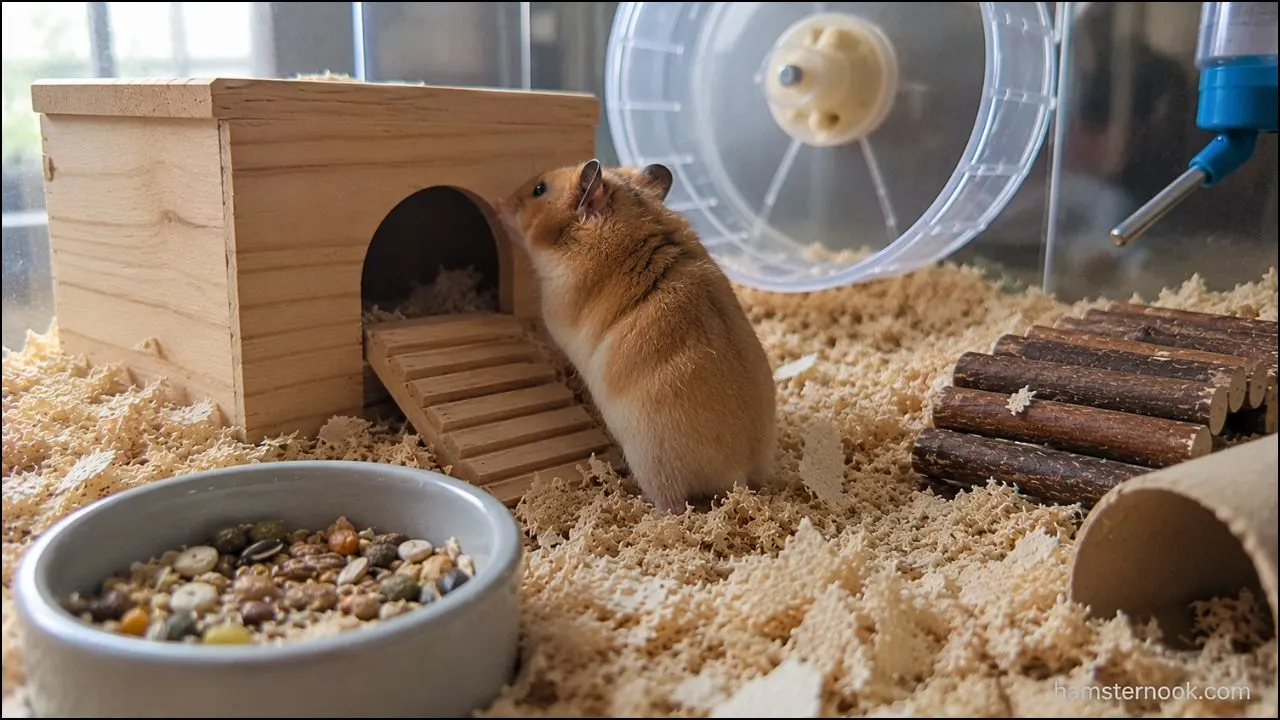
Review the enclosure’s size, bedding, enrichment, and overall suitability. If the behavior is persistent, ask a veterinarian for advice.
For a separate guide to repeated cage biting, its possible causes, and safe ways to address it, see Why Is My Hamster Biting the Cage? Causes & Safe Fixes.
7. Can glass licking make my hamster sick?
There is no established evidence that occasional licking of clean enclosure glass is inherently harmful. However, contaminated surfaces, cleaning-product residues, or other substances on the glass could create risks.
Keep enclosure surfaces clean and free of chemical residue.

8. Should I stop my hamster from licking the glass?
You don’t necessarily need to interrupt occasional licking. Instead, investigate what might be attracting your hamster to the surface. If the behavior becomes repetitive, review its environment and seek veterinary advice if other concerning changes appear.
9. Can a small cage cause repetitive glass licking?
A restrictive enclosure may contribute to poor welfare and repetitive behaviors, but glass licking alone does not prove that the enclosure is too small.
Assess the available floor space, bedding depth, hiding places, exercise opportunities, and enrichment together.
10. When should I take my hamster to a vet for glass licking?
Arrange a veterinary assessment if persistent licking occurs alongside reduced appetite, weight loss, weakness, unusual movement, drooling, or other changes in normal behavior. Breathing difficulty, collapse, and severe weakness require emergency veterinary attention.
References
This guide is based on trusted veterinary and animal welfare resources, including:
- Blue Cross – Hamster Care – Guidance on suitable hamster housing, deep bedding, enrichment, exercise, cage cleaning, and normal care.
- RSPCA – Understanding Hamster Behaviour – Information about natural hamster behavior, exercise, enrichment, and opportunities to express normal activities.
- RSPCA – Creating a Good Home for Hamsters – Guidance on enclosure conditions, ventilation, appropriate bedding, hiding places, and maintaining a clean and dry environment.
- Merck Veterinary Manual – Providing a Home for a Hamster – Veterinary information about hamster housing, bedding, exercise, environmental requirements, and appropriate care.
- MSD Veterinary Manual – Hamsters – Veterinary reference covering hamster health, physical examination, and signs that may indicate illness.
- NC3Rs – Housing and Husbandry: Hamster – Reference on hamster environmental requirements, nesting, enrichment, and husbandry practices.
Medical Disclaimer: This article provides general hamster behavior and care information. Glass licking alone does not diagnose a medical condition. If your hamster develops changes in appetite, weight, breathing, movement, or general behavior, consult a veterinarian experienced with small mammals. Do not attempt to treat unexplained symptoms at home.

Narayan Kumar is the founder and author of HamsterNook. He creates practical, research-based hamster care guides covering hamster behavior, nutrition, cage setup, enrichment, health, and everyday care. His goal is to help hamster owners make informed decisions and provide safer, healthier lives for their pets through clear, beginner-friendly information based on trusted animal care resources.