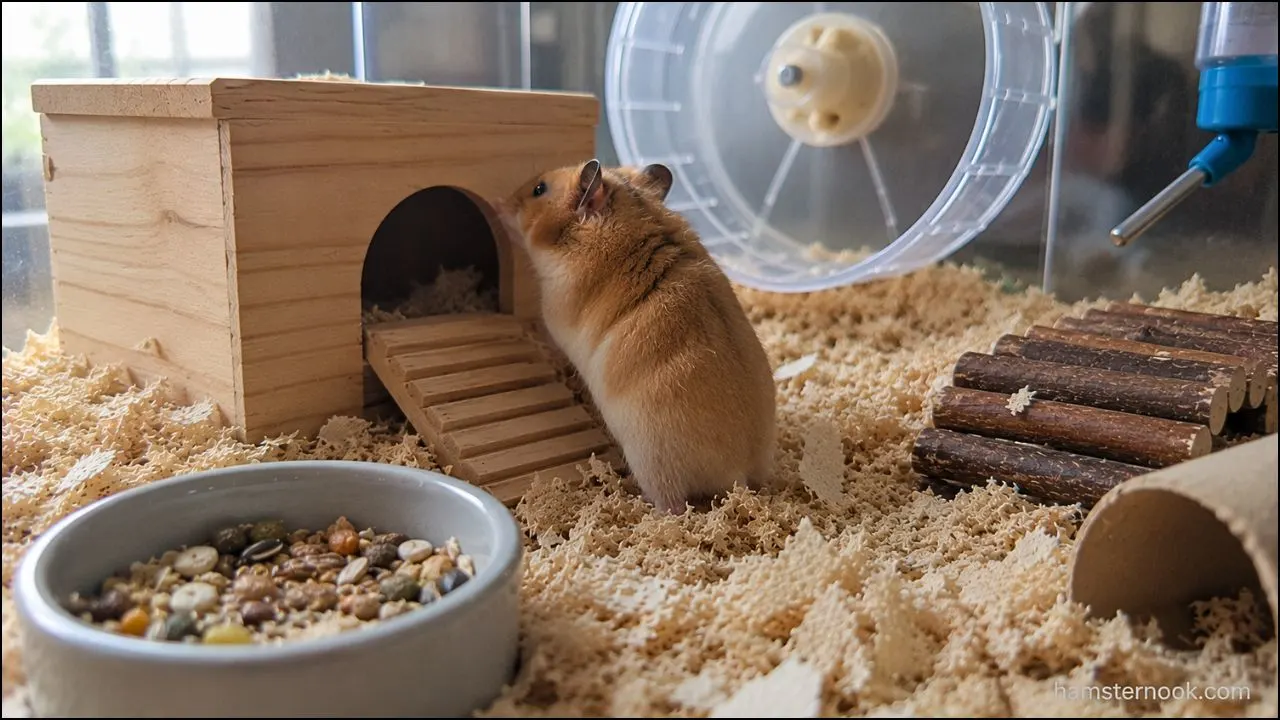
If your hamster seems to sniff everything around it—from its bedding and toys to your hands and even the air—you may wonder if something is wrong. In reality, sniffing is one of the most important ways hamsters learn about their surroundings. Knowing why they sniff so often makes it easier to tell the difference between healthy curiosity and the rare occasions when the behavior could point to a medical problem.
Quick Answer
Hamsters keep sniffing because their sense of smell is one of their most important ways of understanding their environment. They use scent to identify food, recognize familiar people, investigate new objects, navigate their territory, and detect potential danger. Constant sniffing is usually a normal behavior unless it is accompanied by difficulty breathing, nasal discharge, or other signs of illness.
Why Do Hamsters Sniff So Much?
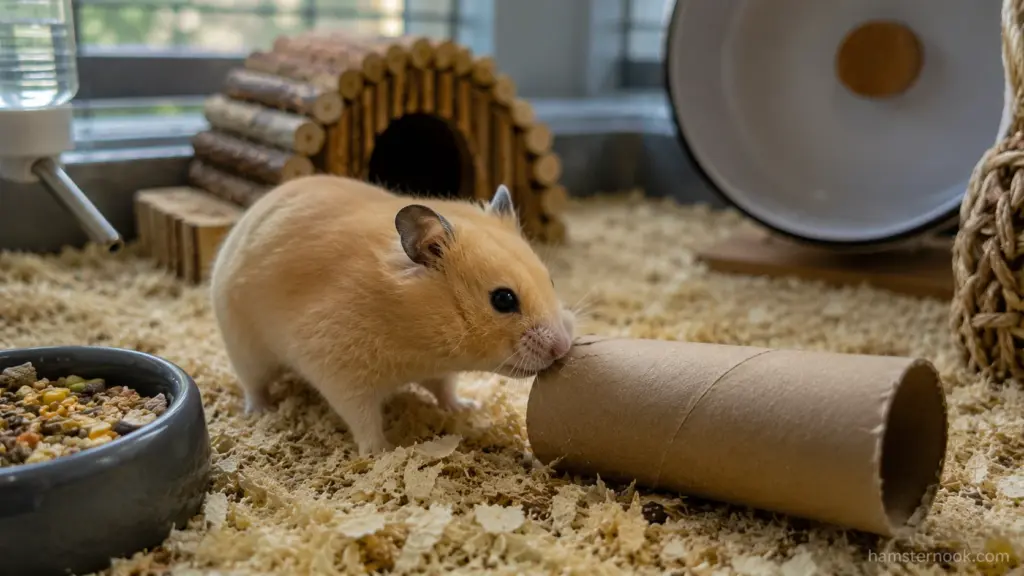
Unlike humans, hamsters experience much of the world through smell rather than sight.
Although they can see, their vision is relatively limited, especially over longer distances. Their powerful sense of smell helps them gather information that humans often overlook.
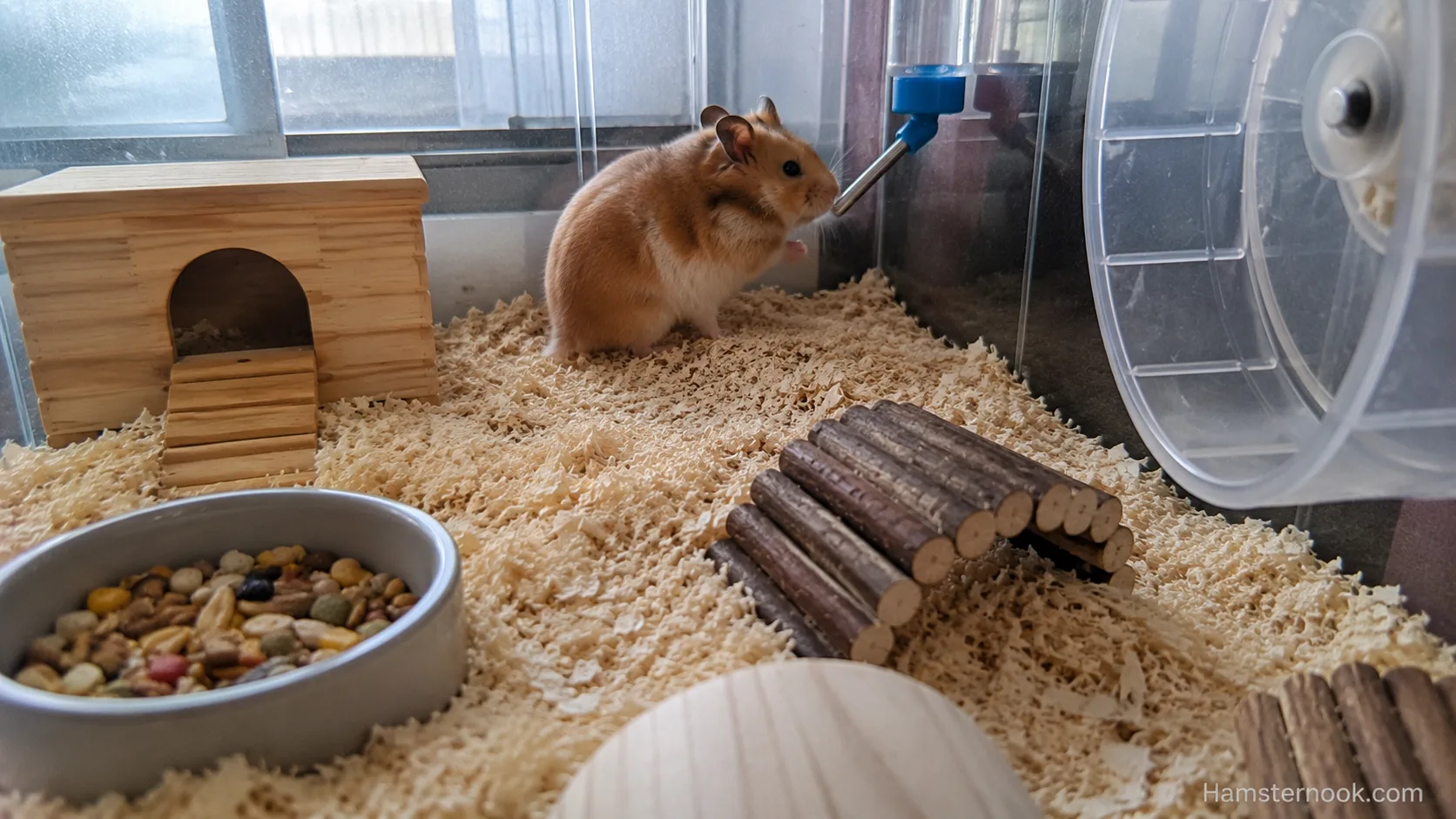
Your hamster may sniff to:
- Identify familiar scents
- Investigate new objects
- Locate food
- Recognize its owner
- Detect other animals
- Explore unfamiliar surroundings
- Check whether an area is safe
For a hamster, sniffing is similar to how people naturally look around a room before entering it.
A hamster’s sense of smell helps it explore and interpret its surroundings. Our hamster sense of smell guide explains how scent supports everyday navigation and exploration.
A Hamster’s Nose Is Always Working
A hamster’s sense of smell is one of its strongest survival tools. Long before domestication, wild hamsters relied on scent to locate food, avoid danger, and recognize familiar territory, and pet hamsters still use those same instincts today.
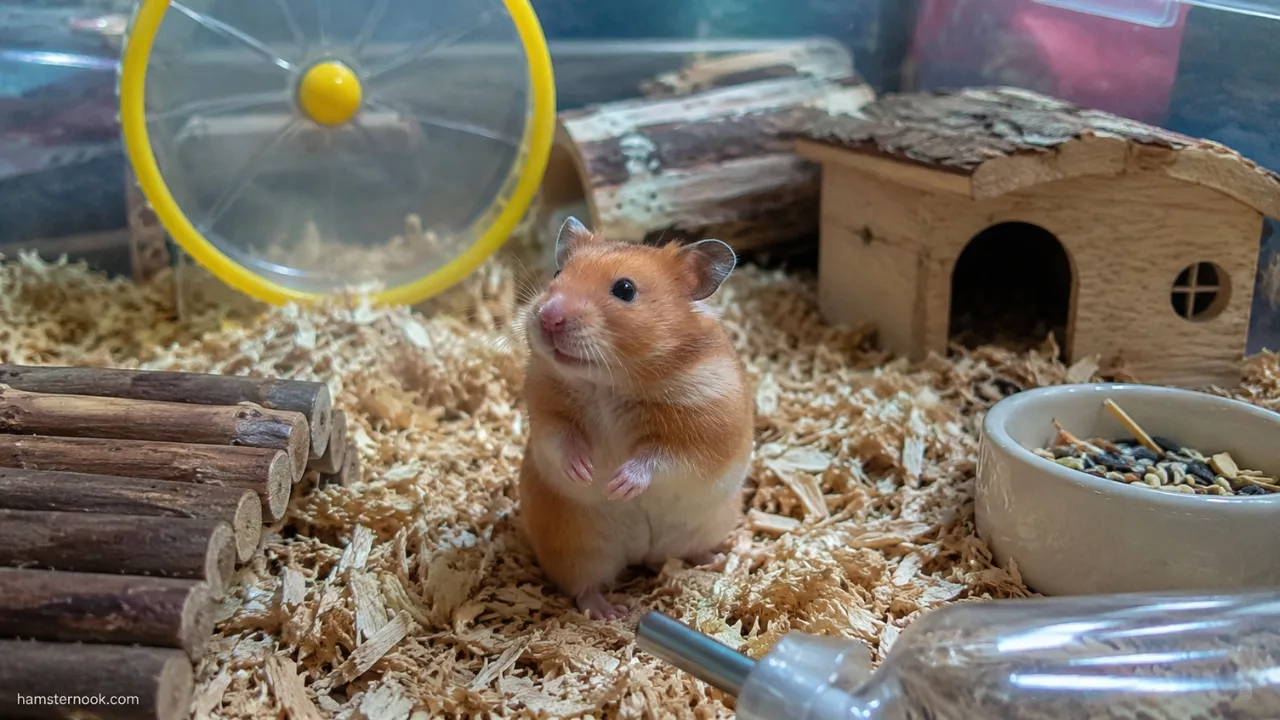
Every time they leave their nest, they continuously collect information through scent. Even inside a safe home enclosure, these natural instincts remain.
You may notice your hamster stopping every few inches to sniff before moving again. This can be a normal part of exploration, as hamsters use scent to gather information about their surroundings before deciding what to investigate next.
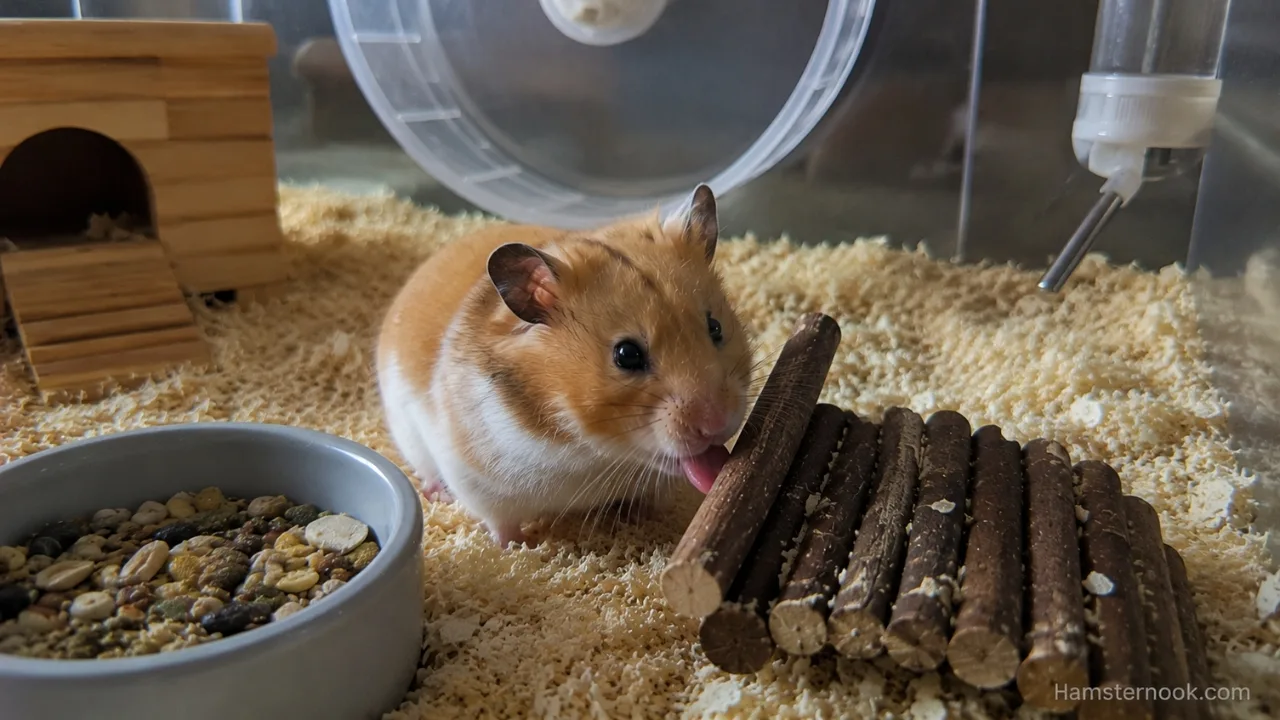
A curious hamster will often sniff:
- Bedding
- Food bowls
- Water bottles
- Chew toys
- Tunnels
- Exercise wheels
- Cardboard hides
- Your hands
- Clothing
This behavior is especially common after cleaning the enclosure or introducing anything new.
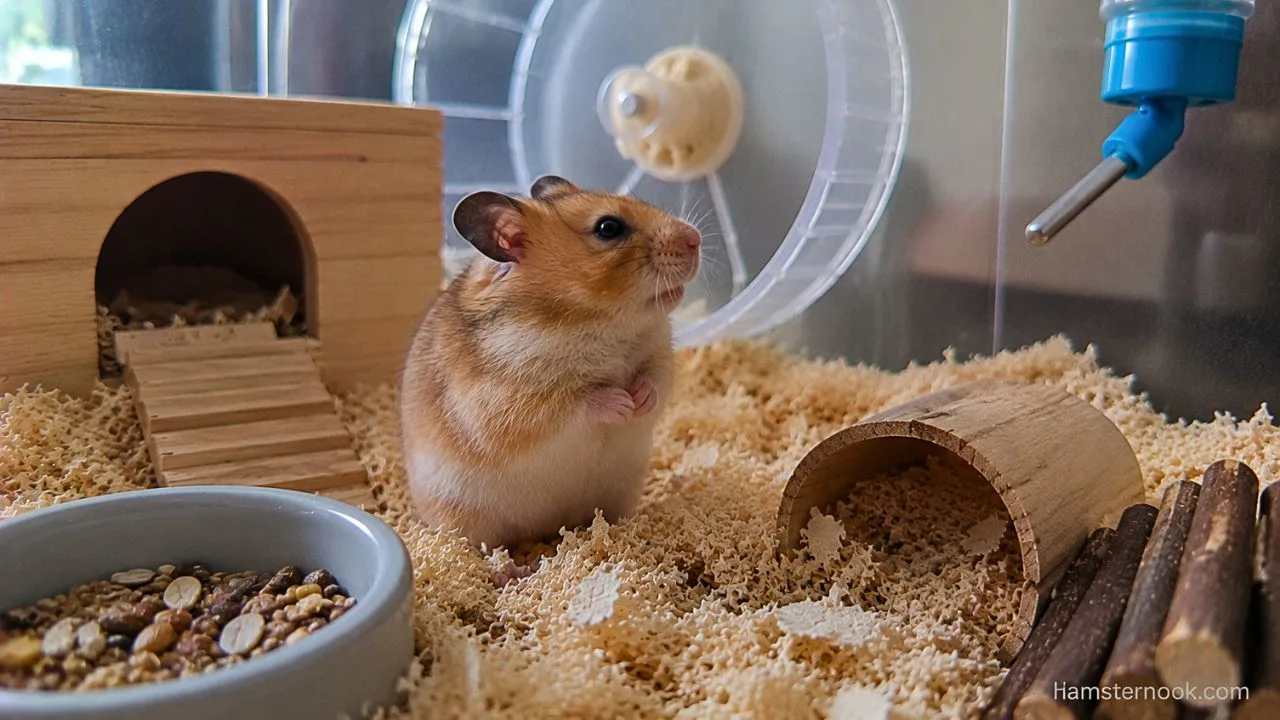
Hamsters may also spend extra time sniffing after you rearrange toys, move hideouts, or place fresh bedding in the enclosure. Even familiar objects can seem “new” when their position or scent changes, so a few minutes of careful investigation is completely normal.
Common Reasons Your Hamster Keeps Sniffing Everything
Exploring a new environment
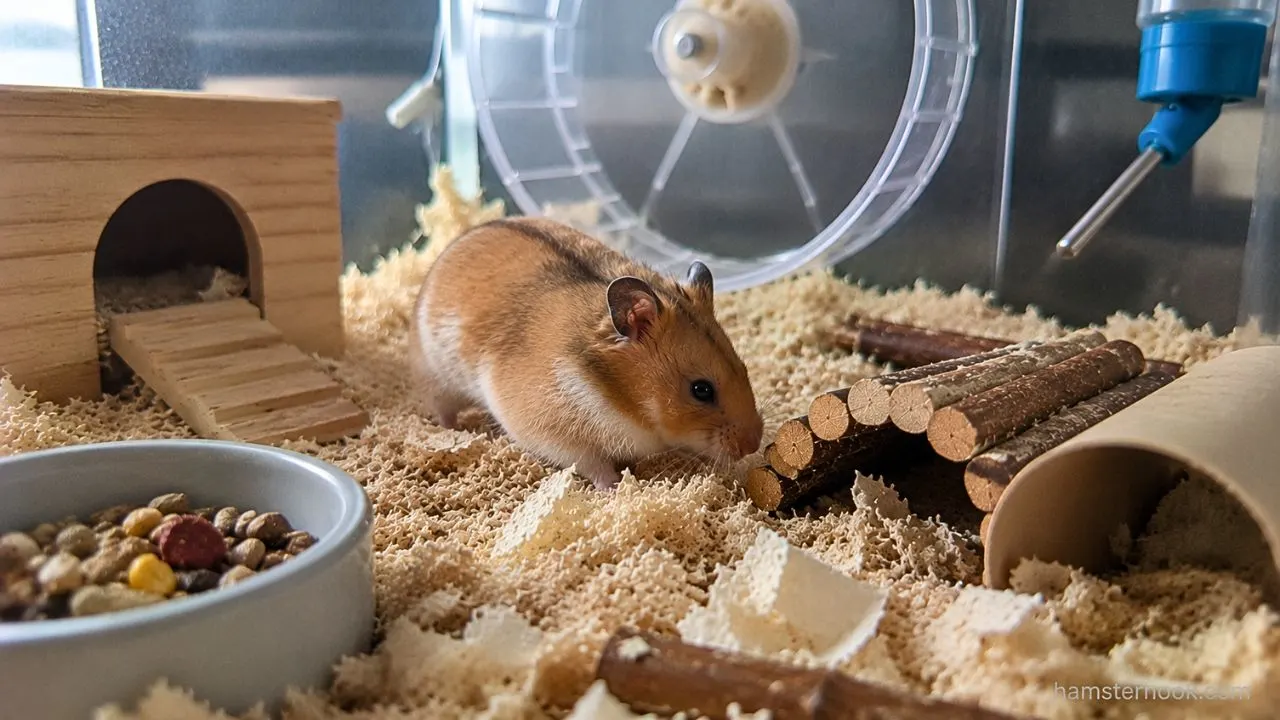
Whenever a hamster enters a new cage or discovers a new object, sniffing becomes one of its first responses.
Everything carries unfamiliar scents, so your hamster carefully investigates before deciding whether it is safe.
This is one reason newly adopted hamsters often spend their first few nights sniffing almost nonstop.
Recognizing familiar people
Your hamster doesn’t rely on sight alone to recognize you.
Instead, scent plays an important role in learning who you are.
If your hamster repeatedly sniffs your fingers before climbing onto your hand, it is often gathering information rather than showing fear.
Many owners notice that their hamster becomes more comfortable with regular handling because it gradually learns their scent.
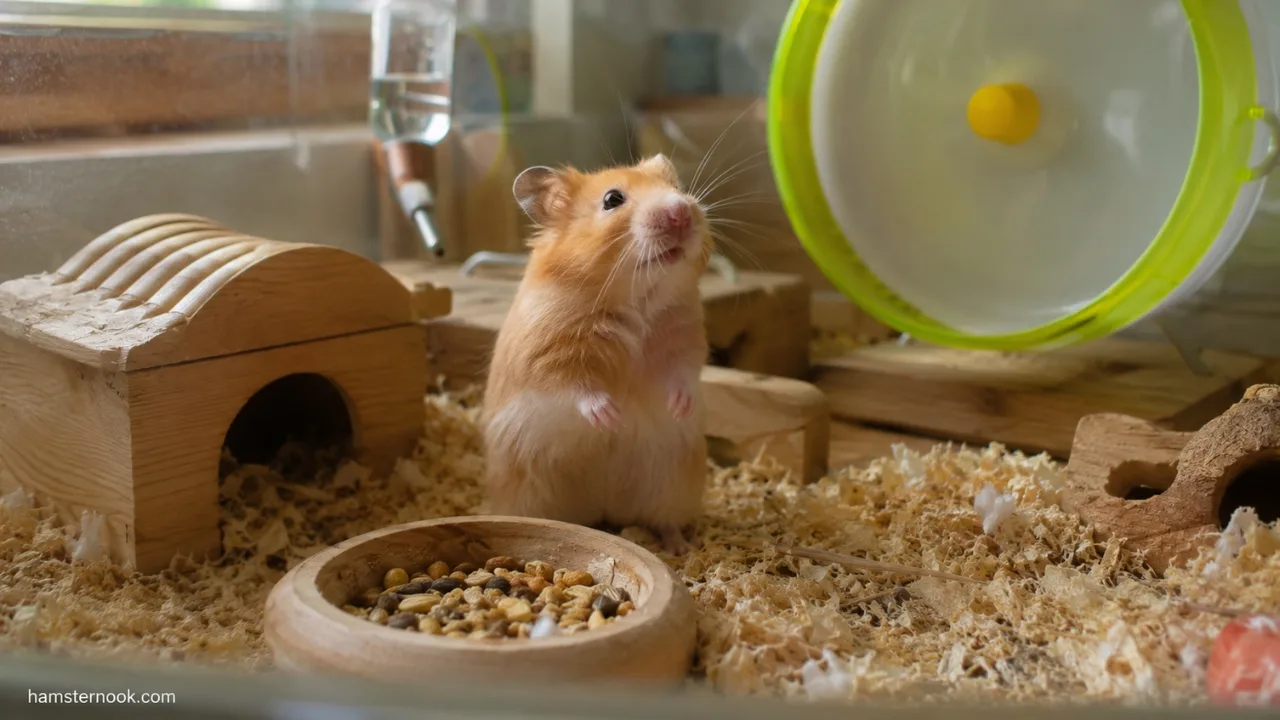
If your hamster spends extra time sniffing your hands or clothes, Can Hamsters Recognize Their Owners by Smell Alone? explains how familiar scents can help hamsters recognize regular caregivers.
Looking for food
Wild hamsters spend much of their active hours searching for food.
Pet hamsters still have these natural foraging instincts.
Even after eating, your hamster may continue sniffing around the enclosure because it is checking for hidden treats or interesting scents.

Providing safe foraging opportunities and scatter feeding can help satisfy this natural behavior.
Sniffing New Objects Is Completely Normal
Hamsters are naturally cautious animals.
Rather than immediately climbing onto something unfamiliar, they usually inspect it first.
For example, if you place a new hideout inside the cage, your hamster may:
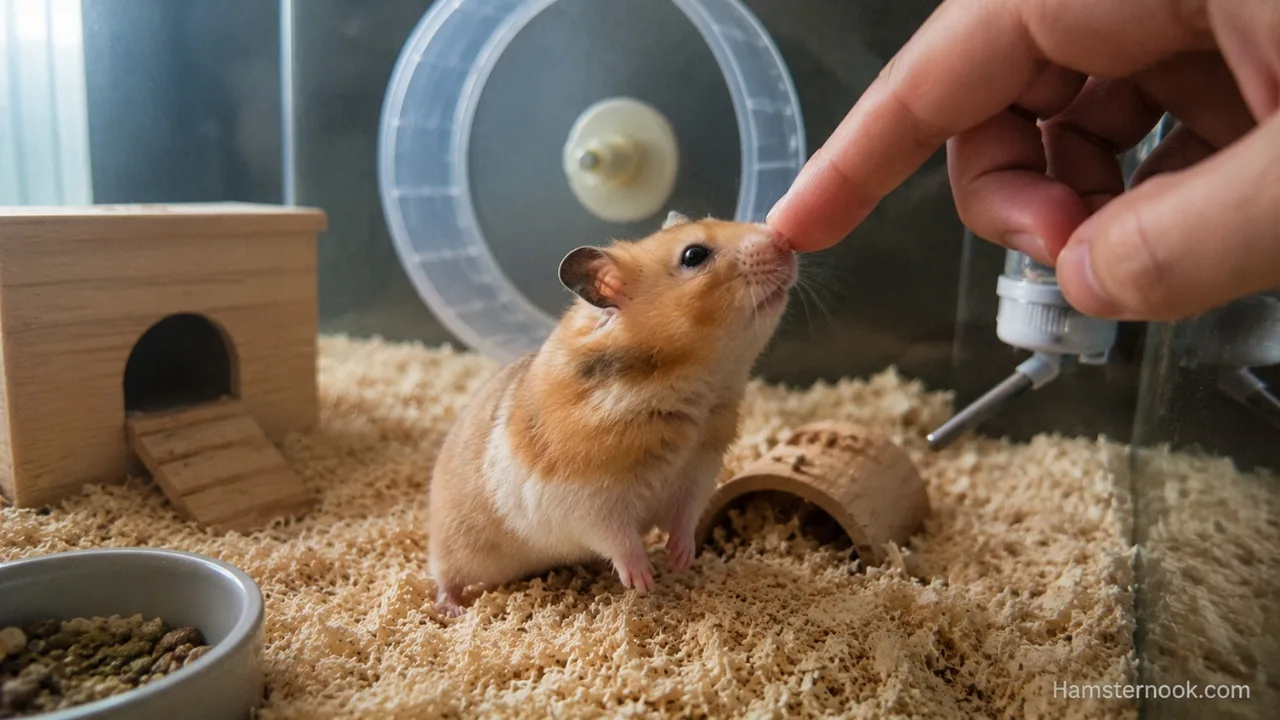
- Stop several inches away.
- Stretch its head forward.
- Sniff repeatedly.
- Walk around the object.
- Eventually investigate more closely.
This careful approach helps reduce risk and is considered a normal exploratory behavior.
Sniffing Can Be Part of Social Communication
Although pet hamsters are usually housed alone (depending on the species), scent remains an important part of communication.
Hamsters naturally investigate scents left by:
- Other hamsters
- People
- Household pets
- New objects
- Bedding materials
If your hands smell different because you’ve handled another animal or used a strongly scented lotion, your hamster may spend extra time sniffing before deciding how to respond.
Why Hamsters Sometimes Sniff the Air
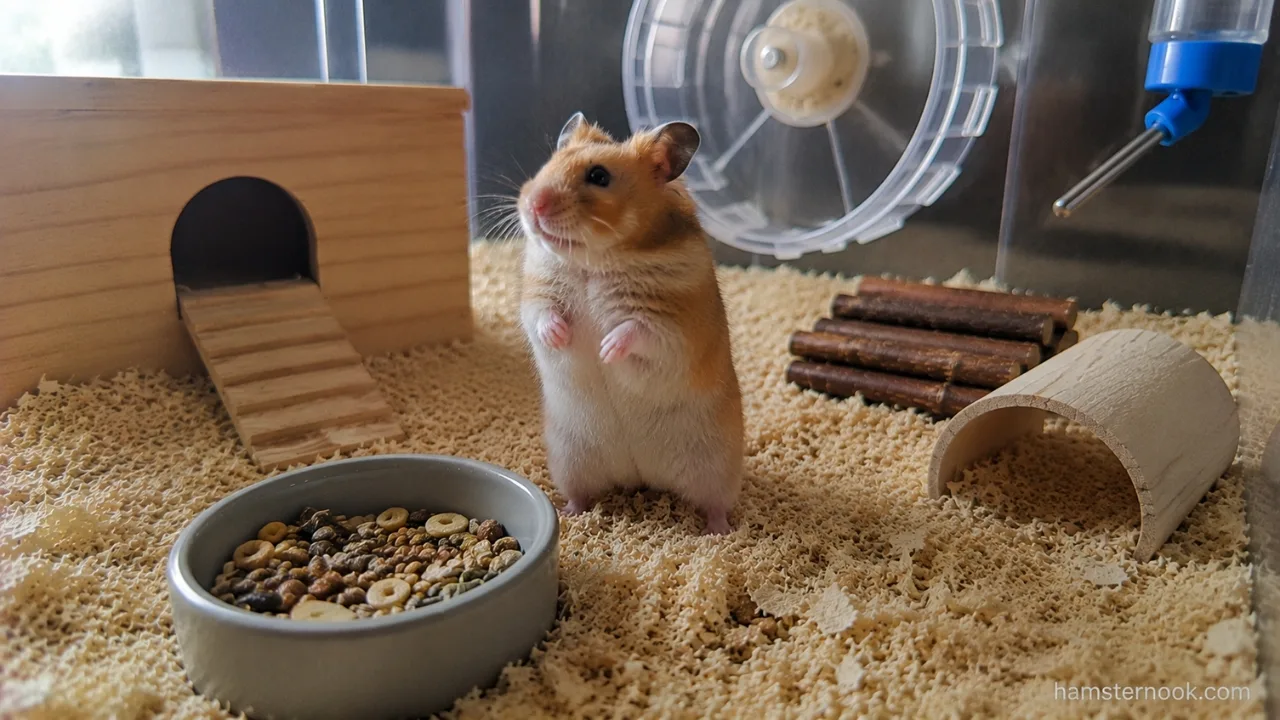
You may occasionally notice your hamster lifting its nose and repeatedly sniffing the air instead of an object. This behavior helps it detect scents carried by airflow, allowing it to become aware of nearby food, unfamiliar animals, people entering the room, or other environmental changes. Air sniffing by itself is a normal part of how hamsters stay aware of their surroundings.
Is Constant Sniffing Ever a Sign of Stress?
Sniffing by itself is not usually a sign of stress.
However, context matters.
If your hamster is rapidly sniffing while remaining tense, freezing frequently, or refusing to explore further, it may simply be trying to understand an unfamiliar or uncomfortable situation.
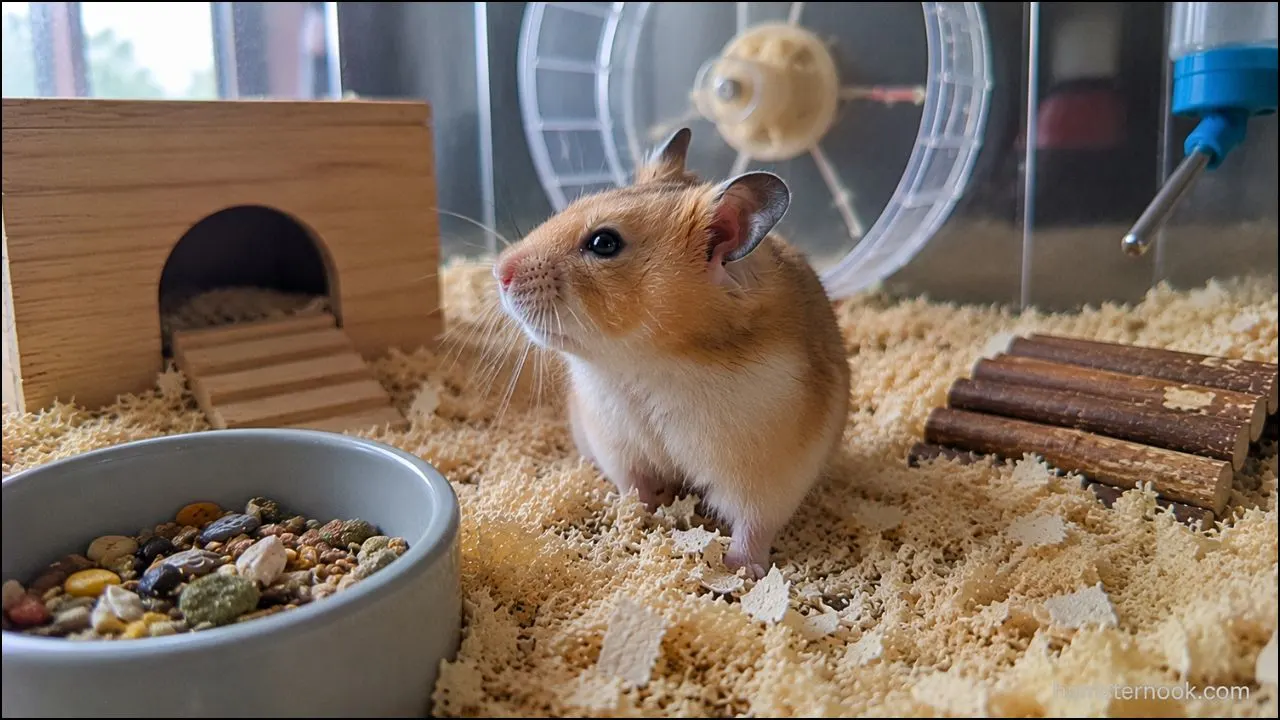
Look at your hamster’s overall body language instead of focusing on one behavior alone.
If the sniffing happens alongside signs of stress, 7 Signs You’re Accidentally Stressing Your Hamster (Without Even Realizing It) covers common stress-related changes owners should watch for.
Normal Sniffing vs. When You Should Pay Closer Attention
| Normal Sniffing | Warning Signs |
|---|---|
| Sniffing while exploring bedding, toys, or tunnels | Sniffing accompanied by labored or noisy breathing |
| Investigating a new object or familiar person’s hand | Persistent nasal discharge or frequent sneezing with other symptoms |
| Checking food and searching for hidden treats | Reduced appetite, difficulty eating, or weight loss |
| Sniffing after cage cleaning or rearranging the enclosure | Unusual weakness, lethargy, or a marked change in normal behavior |
| Brief pauses to smell the surroundings | Open-mouth breathing or obvious breathing distress |
Sniffing on its own is rarely a reason for concern. What matters most is whether it occurs alongside other changes such as breathing problems, nasal discharge, reduced appetite, or unusual behavior.
Your Hamster May Sniff More After Cage Cleaning
Many owners worry when their hamster spends extra time sniffing immediately after a deep cage clean.
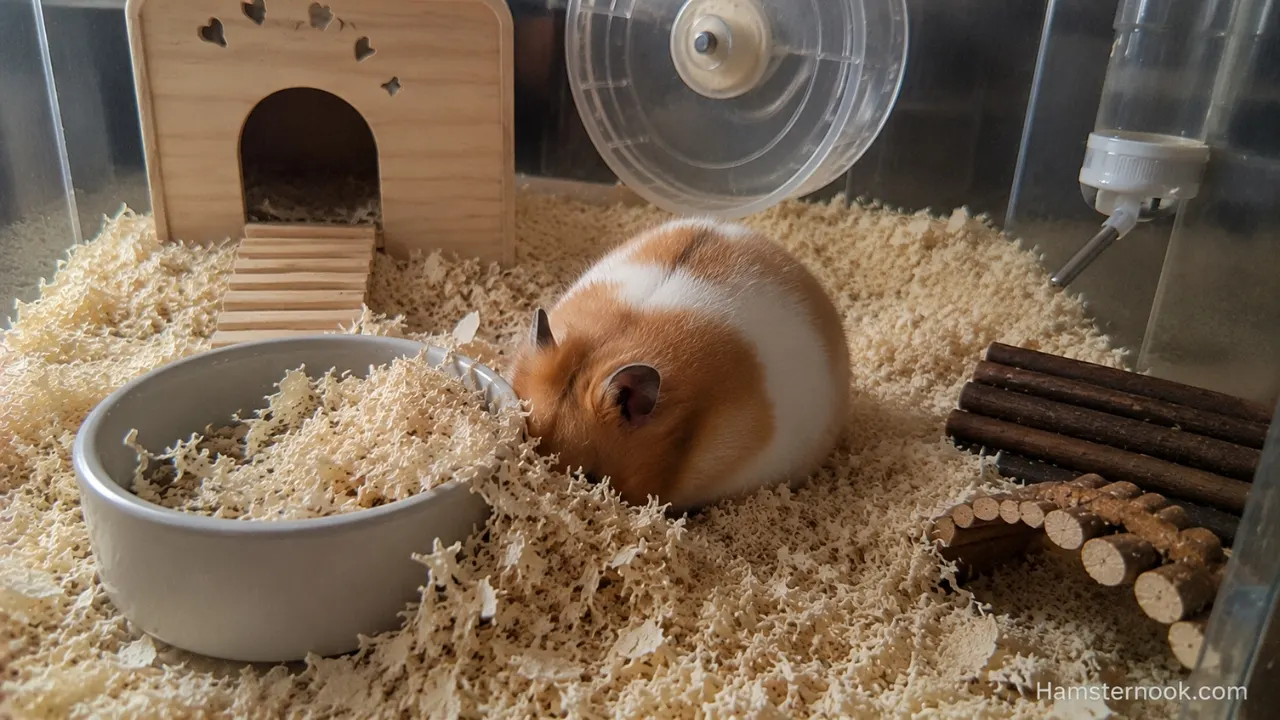
This is actually expected.
Cleaning removes many familiar scents that help your hamster feel secure. As a result, your pet often spends time investigating the enclosure again before settling back into its normal routine.
To reduce unnecessary stress, avoid removing every trace of your hamster’s scent during routine cleaning. Following a consistent cleaning schedule while leaving a small amount of clean, familiar nesting material (when appropriate) can help your hamster readjust more comfortably.
Because cleaning can change the familiar scents in your hamster’s enclosure, How Often Should You Clean a Hamster Cage? Safe Cleaning Schedule covers practical ways to keep the enclosure clean while minimizing unnecessary disturbance.

When Could Excessive Sniffing Be a Sign of a Health Problem?
Although sniffing is usually normal, it should never be viewed in isolation. Instead, pay attention to whether your hamster is also showing signs that suggest illness.
You should monitor your hamster more closely if sniffing is accompanied by:
- Frequent sneezing
- Wet or crusty discharge around the nose
- Noisy or labored breathing
- Reduced appetite
- Weight loss
- Lethargy
- Sleeping much more than usual
- Keeping the eyes partially closed
- Reluctance to move around the enclosure
These signs may indicate a respiratory or other medical condition that requires examination by an exotic animal veterinarian. Sniffing alone, however, is not enough to diagnose any illness.
What Should You Do if Your Hamster Is Constantly Sniffing?
If your hamster appears healthy and is simply curious, there’s usually nothing you need to do.
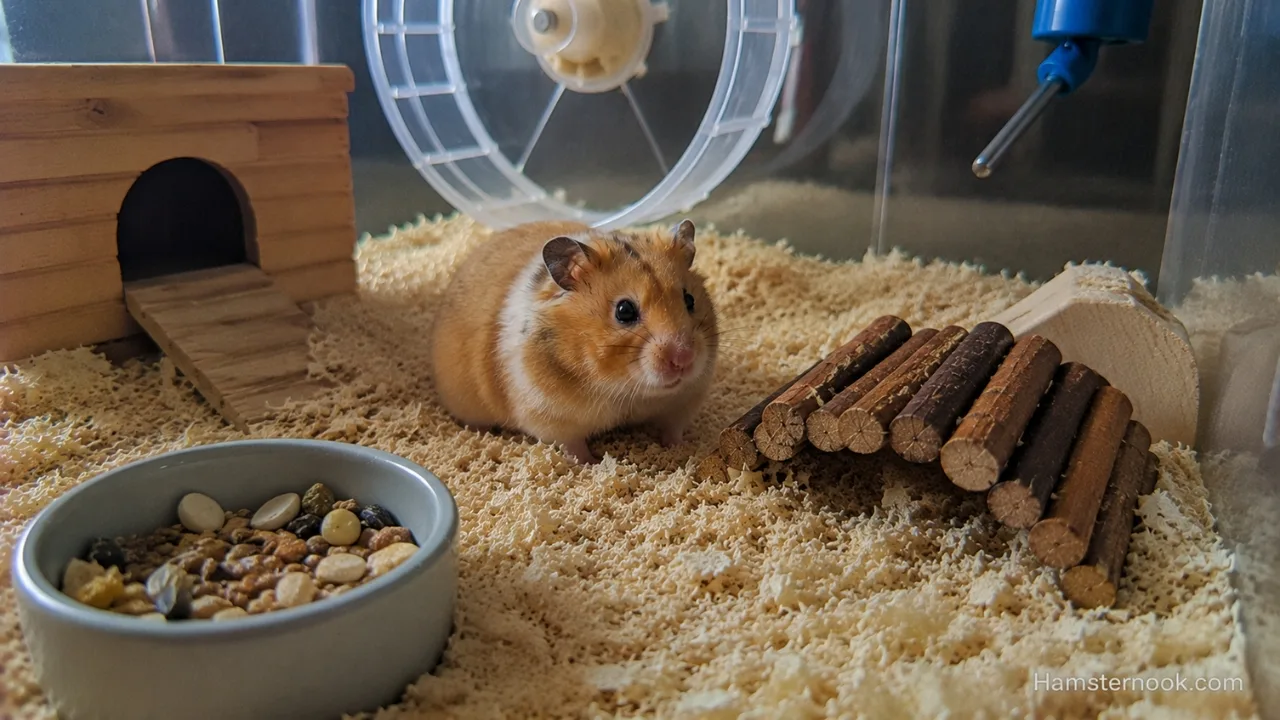
Instead, focus on providing an environment that encourages natural exploration.
Helpful steps include:
- Keep a consistent daily routine.
- Offer safe chew toys and tunnels.
- Introduce enrichment items gradually.
- Scatter a portion of the daily food to encourage natural foraging.
- Avoid strong perfumes or scented cleaning products near the enclosure.
- Handle your hamster calmly and consistently so it becomes familiar with your scent.
Most hamsters become more confident as they grow accustomed to their surroundings, although they will always rely heavily on their sense of smell.
Observe the Situation Before Assuming Something Is Wrong
If your hamster is active, eating normally, and only sniffing while exploring, there is usually no reason to intervene. Instead of trying to stop the behavior, simply observe what your hamster is investigating. This often provides reassurance that the sniffing is linked to curiosity rather than illness.
Common Mistakes Owners Make
Because frequent sniffing can look unusual, many new owners accidentally misunderstand perfectly normal behavior.
Avoid these common mistakes:
- Assuming every sniff means something is wrong
- Interrupting your hamster while it is exploring
- Constantly changing the cage layout
- Using heavily scented bedding or air fresheners
- Forcing handling before your hamster has become familiar with your scent
- Removing every trace of familiar nesting material during routine cleaning
Giving your hamster time to investigate its environment at its own pace helps build confidence and reduces unnecessary stress.
Can Hamsters Recognize Different Smells?
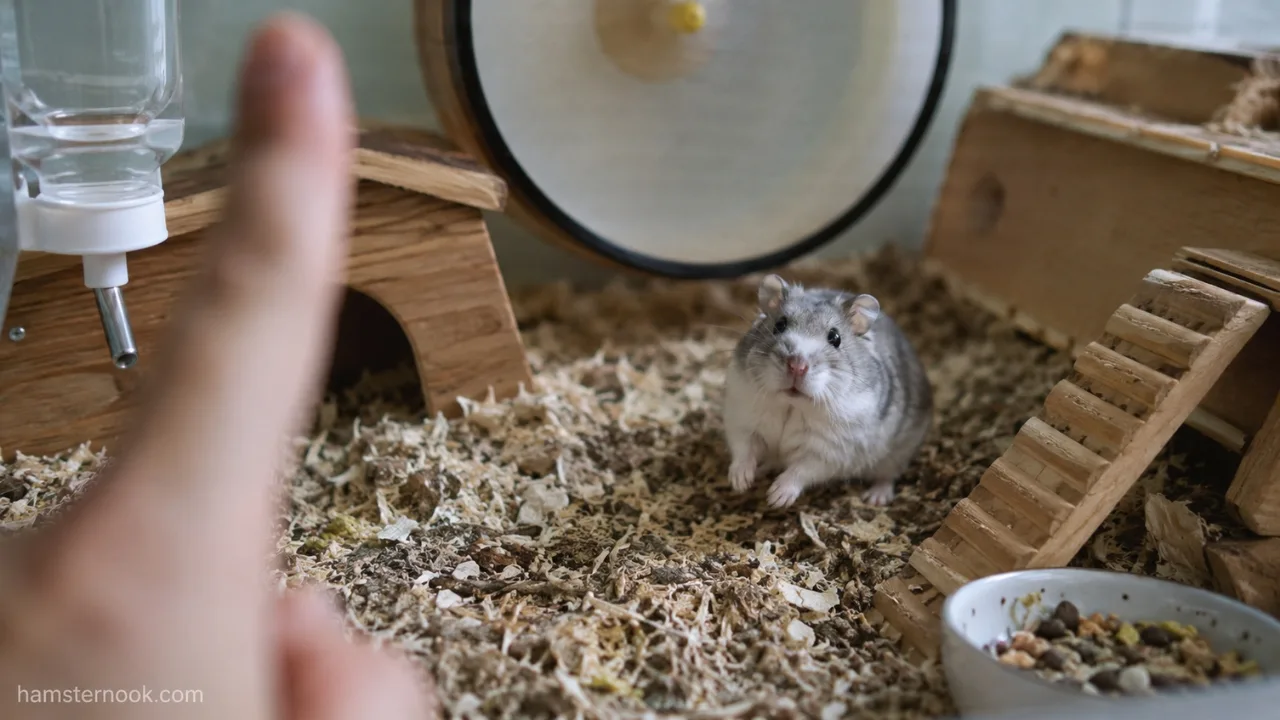
Yes. Hamsters can distinguish between many different scents, which helps them navigate their surroundings.
They often learn to recognize:
- Their owner
- Familiar family members
- Food
- Nesting materials
- Frequently used toys
- Their own territory
This is why your hamster may spend extra time sniffing visitors, new furniture inside the cage, or your hands after you’ve handled another pet.
Over time, familiar scents become part of your hamster’s daily routine.
Does Breed Affect Sniffing Behavior?
All pet hamster species rely heavily on their sense of smell, although individual personalities vary.
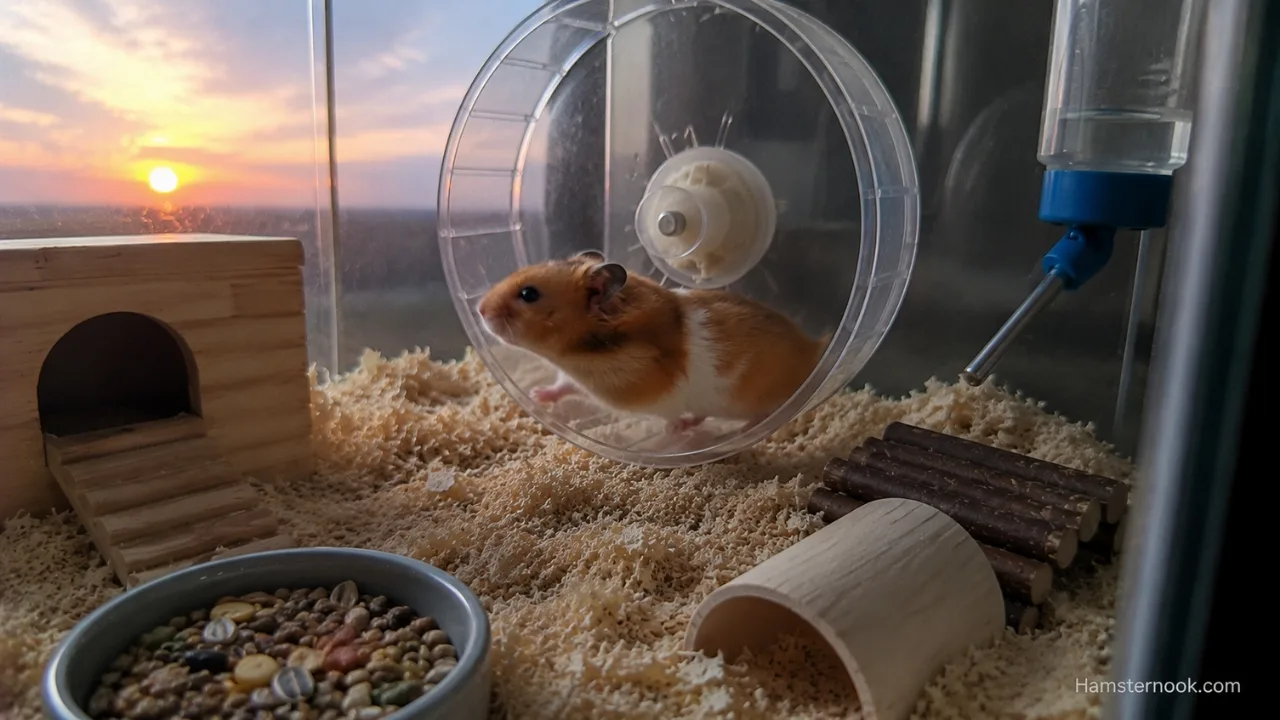
Some hamsters are naturally more curious than others and may spend longer investigating new objects.
Whether you own a Syrian, Roborovski, Campbell’s Dwarf, Winter White, or Chinese hamster, regular sniffing remains a normal part of healthy exploratory behavior.
When Should You Contact a Veterinarian?
Most sniffing does not require veterinary care.
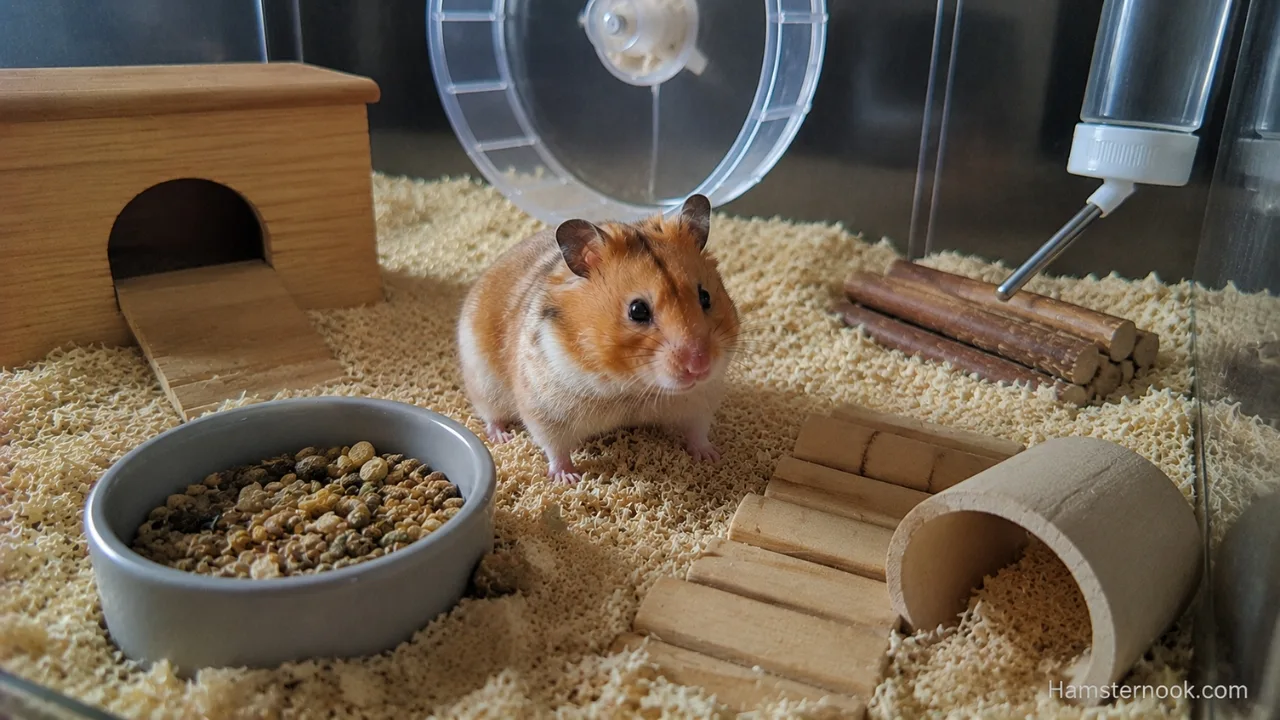
However, you should schedule an appointment if your hamster develops additional symptoms such as:
- Persistent sneezing
- Thick nasal discharge
- Difficulty breathing
- Wheezing or clicking sounds while breathing
- Loss of appetite
- Weight loss
- Unusual weakness
- Swelling around the nose or face
These symptoms deserve professional evaluation rather than home treatment.
Prompt veterinary care gives the best chance of identifying the underlying cause and starting appropriate treatment if necessary.
If sniffing is accompanied by breathing changes, Why Is My Hamster Breathing Fast? Normal Breathing, Causes & Warning Signs explains which breathing changes deserve closer attention.
Conclusion
If your hamster keeps sniffing everything, the good news is that this behavior is usually completely normal. Hamsters depend on their powerful sense of smell to explore, recognize familiar people, locate food, and understand changes in their environment.
Instead of discouraging this natural behavior, let your hamster explore at its own pace while providing a clean enclosure, plenty of enrichment, and a consistent daily routine. Curiosity is a sign that your hamster is interacting with its environment in a healthy, natural way.
The most important thing is to look at the whole picture. A healthy hamster that sniffs frequently, eats well, stays active, and behaves normally is usually doing exactly what nature intended. If sniffing is accompanied by breathing difficulties, nasal discharge, or other signs of illness, a visit to an exotic animal veterinarian is the safest next step.
Frequently Asked Questions
Why does my hamster sniff my hand before climbing onto it?
Your hamster is gathering information through scent. This is a normal way for hamsters to recognize familiar people and determine whether something is safe.
Is it normal for a hamster to sniff constantly?
Yes. Healthy hamsters sniff frequently while exploring, searching for food, and investigating new objects. Constant sniffing without other symptoms is generally considered normal.
Why does my hamster sniff more after I clean the cage?
Cleaning removes familiar scents from the enclosure. Your hamster naturally spends time investigating and becoming familiar with the environment again.
Can my hamster recognize me by smell?
Yes. Hamsters rely heavily on scent and can become familiar with the smell of their regular caregiver over time.
Should I worry if my hamster suddenly starts sniffing everything?
If the sniffing occurs after introducing new toys, cleaning the enclosure, or moving to a new habitat, it is usually a normal exploratory response. However, if it is accompanied by sneezing, nasal discharge, breathing difficulty, or changes in appetite or activity, your hamster should be evaluated by an exotic animal veterinarian.
References
This guide draws on established animal-welfare and veterinary guidance about hamster behaviour, scent, and signs of illness.
- RSPCA – Keeping Hamsters as Pets
- RSPCA – Understanding Hamster Behaviour
- RSPCA – Hamster Health and Welfare
- Blue Cross – Hamster Care Guide

Narayan Kumar is the founder and author of HamsterNook. He creates practical, research-based hamster care guides covering hamster behavior, nutrition, cage setup, enrichment, health, and everyday care. His goal is to help hamster owners make informed decisions and provide safer, healthier lives for their pets through clear, beginner-friendly information based on trusted animal care resources.