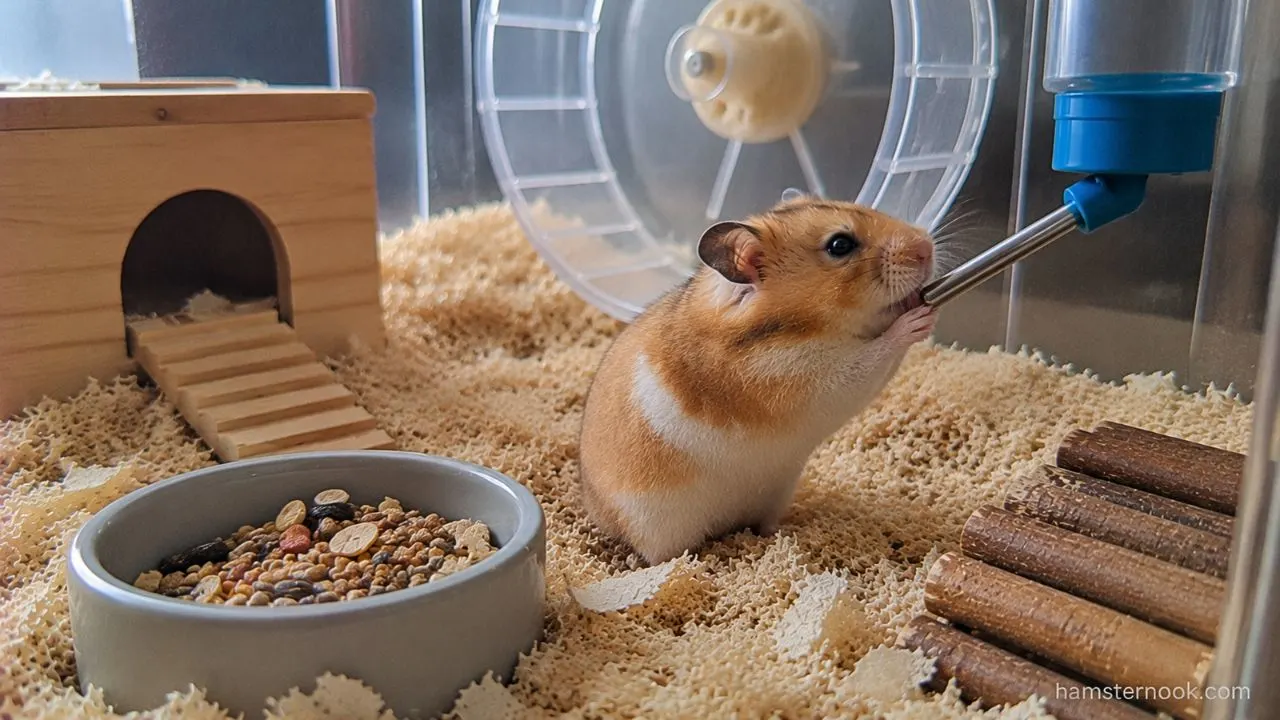
If you’ve ever filled your hamster’s water bottle with cold water from the refrigerator, you may have wondered whether it could upset your pet’s stomach or make it sick. The good news is that hamsters can generally drink cool water, but there is no need to chill their drinking water deliberately. What matters most is providing clean, fresh water at a comfortable temperature and making sure your hamster can always reach it.
Quick Answer: Can Hamsters Drink Cold Water?
Yes, hamsters can generally drink cool water, including water that is slightly cooler than room temperature. There is no established evidence that ordinary cool drinking water is harmful to a healthy hamster simply because it is cold.
However, refrigerated or icy water is unnecessary. The safest everyday choice is clean drinking water at room temperature or a similar comfortable temperature.
Keep these points in mind:

- Room-temperature water: A practical everyday choice.
- Cool tap water: Generally fine if it is safe to drink and not excessively cold.
- Refrigerator-cold water: Usually unnecessary; allow it to warm naturally before offering it if it is very cold.
- Ice water: Avoid deliberately adding ice to your hamster’s drinking water.
- Warm or hot water: Do not offer water that could burn your hamster.
- Dirty or stagnant water: Replace it promptly, regardless of temperature.
You do not need a thermometer to prepare your hamster’s drinking water. Focus on cleanliness, reliable access, and checking that the bottle or bowl works properly.
What Is the Safest Water Temperature for Hamsters?
There is no widely established, hamster-specific ideal drinking-water temperature that owners must maintain to keep their pets healthy.
Room-temperature water is a sensible default because it is easy to provide consistently and does not require heating or chilling.
Room-temperature water
Water kept at ordinary indoor temperature is suitable for everyday use, provided it is clean and safe for your hamster to drink.
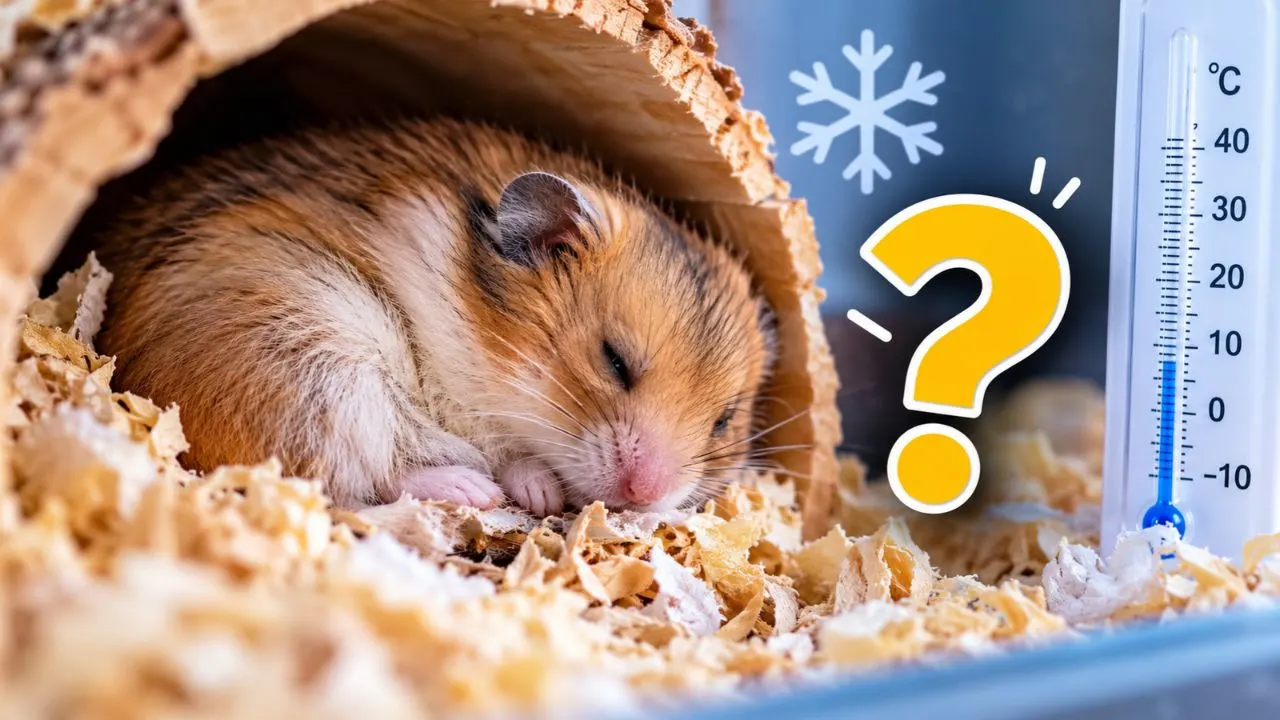
You can refill the water bottle or bowl with fresh water during your normal daily care routine. There is no need to warm it to body temperature or measure it precisely.
Cool water
Cool water from a normal household tap is generally acceptable if the water supply is safe for drinking.
If you have just taken water from the refrigerator, letting it stand briefly until it is no longer very cold is a simple precaution. You do not need to warm it artificially.
Very cold or icy water
There is little reason to offer icy water to a hamster. It does not provide a proven health benefit over ordinary fresh water, and ice can make the water less convenient to drink if it obstructs access to the drinking point.
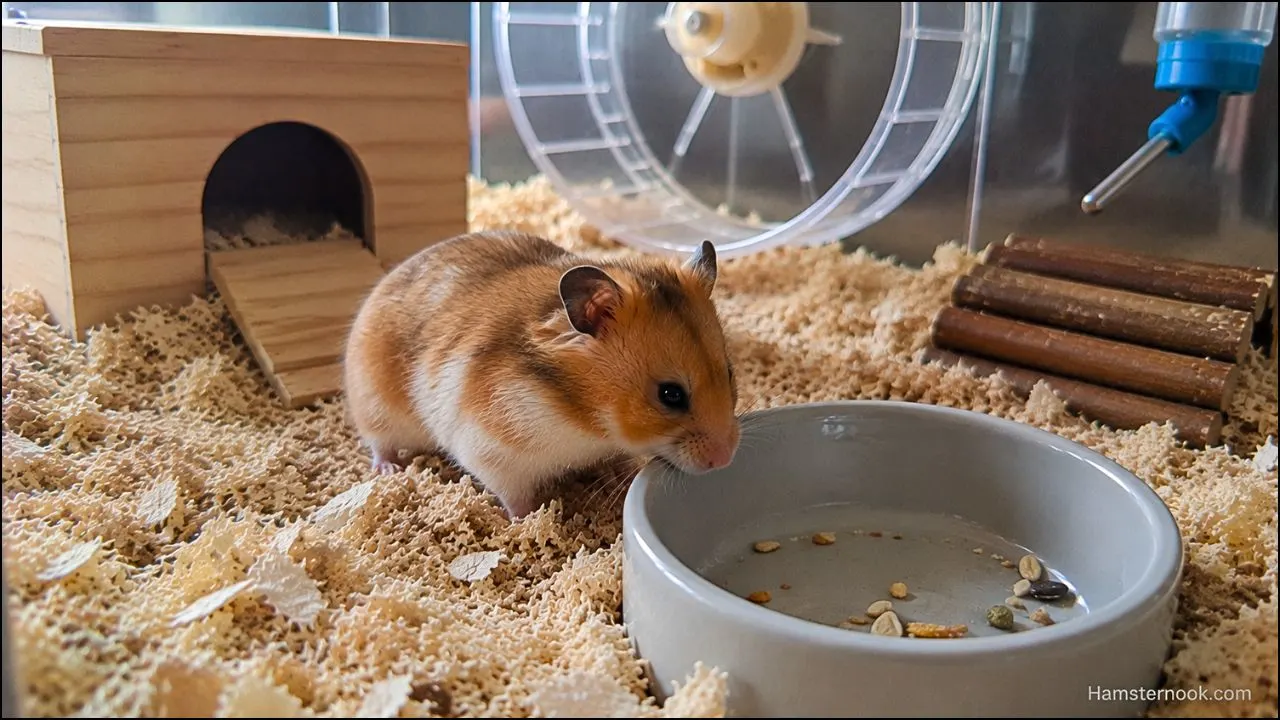
Avoid placing ice cubes directly into a water bowl or trying to cool your hamster by making its drinking water extremely cold.
The important distinction is that ordinary cool water is not the same as ice-cold water, and there is no reason to assume that every sip of cool water will harm your hamster.
Does Cold Water Make Hamsters Sick?
There is no good evidence that normal cool drinking water, by itself, causes illness in healthy hamsters. Claims that a hamster will catch a cold or develop digestive problems simply from drinking cool water are not supported by established hamster-care guidance.
However, water temperature is only one part of good hydration.
Can cold water upset a hamster’s stomach?
A hamster might react differently to individual circumstances, but there is no established evidence that a few sips of ordinary cold water routinely cause stomach problems.
If your hamster develops diarrhea, stops eating, or becomes unusually inactive after drinking cold water, don’t automatically blame the temperature. These signs can have other causes and may require veterinary attention.
Can cold water cause a respiratory infection?
No established evidence shows that drinking cold water causes a respiratory infection in hamsters. Respiratory illnesses can have infectious or other underlying causes.
If your hamster develops breathing difficulties, nasal discharge, or unusual lethargy, seek veterinary advice instead of trying to correct the problem by changing the water temperature.
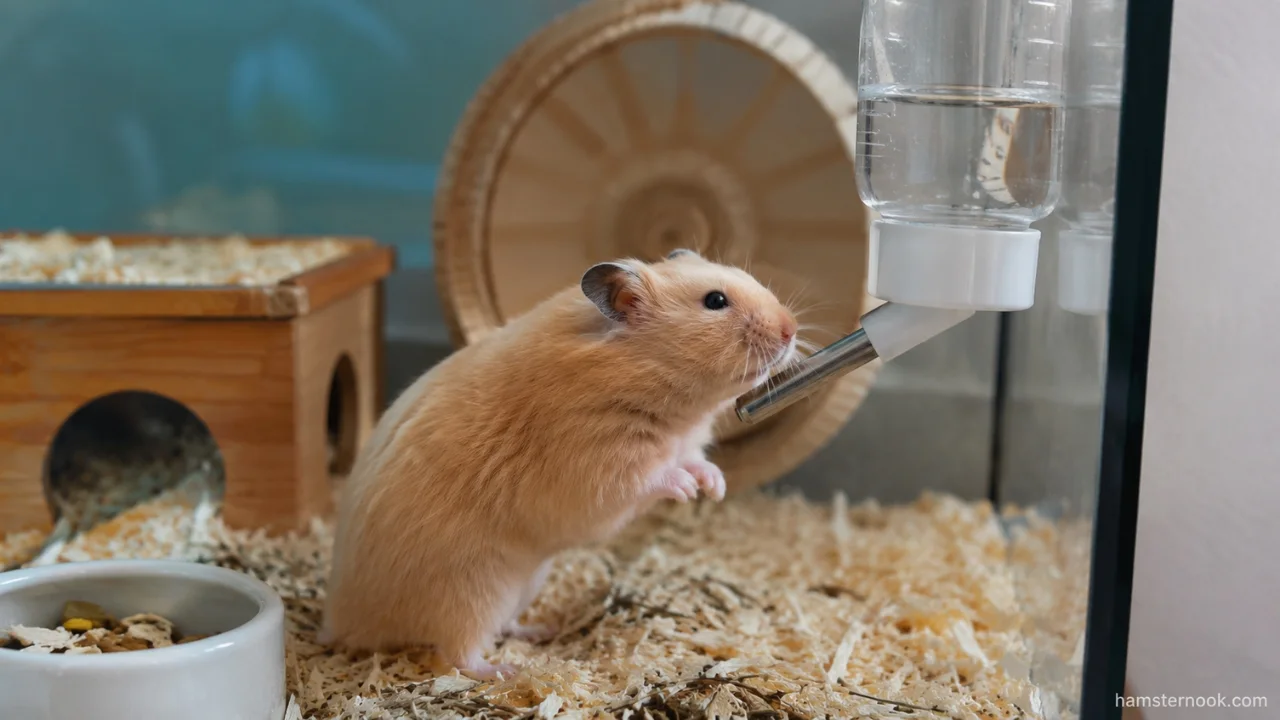
Should You Give Hamsters Cold Water in Summer?
During hot weather, your hamster needs a comfortable environment and uninterrupted access to fresh drinking water. Chilling the water is not a substitute for keeping the enclosure at a suitable temperature.
Hamsters are vulnerable to heat stress, and veterinary guidance emphasizes preventing overheating rather than relying on cold drinking water to cool them down.
How to keep your hamster hydrated during hot weather
- Refill the water bottle or bowl with fresh water every day, and sooner if it becomes dirty.
- Check that the bottle’s nozzle is working and that water flows when your hamster uses it.
- Keep the enclosure away from direct sunlight and other sources of excessive heat.
- Maintain a comfortably cool room and avoid sudden temperature extremes.
- Check your hamster regularly for changes in activity, appetite, and normal behavior.
A bottle that appears full may still fail to provide reliable access to water if its nozzle is blocked or difficult to use. If your hamster seems to be drinking less, check the equipment before assuming the water temperature is responsible. Why Is My Hamster Not Drinking Water? 8 Reasons, Bottle Checks & What to Do explains other possible reasons and practical checks.
Never place your hamster directly against ice packs or use freezing water as a cooling treatment.
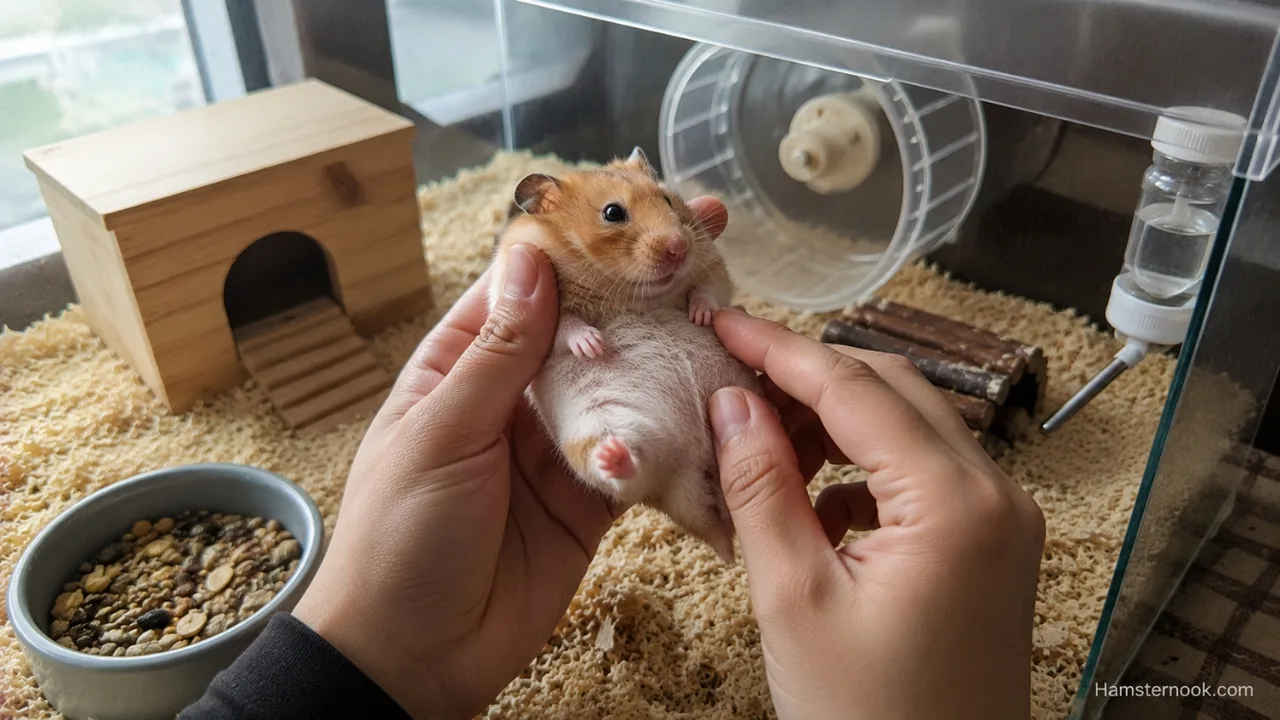
If the room is dangerously hot or your hamster appears unwell, address the environment and seek veterinary advice as appropriate.
Changing the drinking water temperature is not a substitute for keeping the enclosure comfortable. During hot weather, pay attention to the room itself and avoid relying on chilled water to prevent overheating. Hamster Temperature: Safe Range, Too Hot & Too Cold covers temperature risks and how to maintain a suitable environment.
Water Temperature for Different Hamsters
The basic recommendation is the same across common pet hamster species: provide fresh, clean water without deliberately making it icy or hot.
| Hamster type | Recommended everyday water | Special consideration |
|---|---|---|
| Syrian hamster | Clean water at room temperature or comfortably cool | Ensure the bottle or bowl is easy to reach. |
| Dwarf hamster | Clean water at room temperature or comfortably cool | Check that the drinking point is accessible to the smaller animal. |
| Chinese hamster | Clean water at room temperature or comfortably cool | Monitor water access and normal drinking habits. |
| Young hamster | Fresh water at a comfortable temperature | Make sure the animal can operate the drinking system. |
| Older hamster | Fresh water at a comfortable temperature | Watch for difficulty using a bottle or changes in drinking. |
| Sick hamster | Fresh water, with veterinary guidance if needed | Reduced drinking or weakness may require prompt assessment. |
These are practical recommendations, not different scientifically established temperature ranges for each species.

Young, older, and unwell hamsters may need closer attention to whether their drinking equipment is usable. A bottle that looks full is not proof that water is actually coming through the nozzle.
Water Bottle or Bowl: Which Is Better?
The container can matter more than small differences in water temperature.
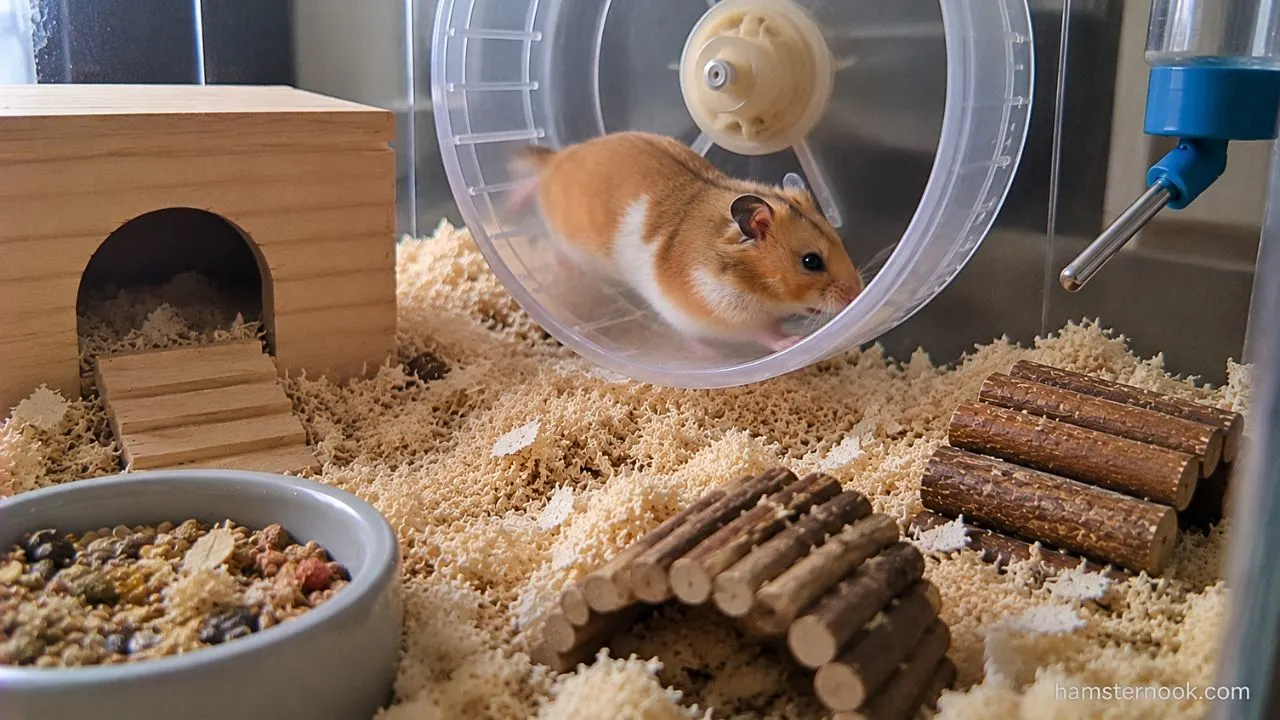
Hamsters need continuous access to fresh drinking water. Both a suitable bottle and a suitable bowl can provide water, but each needs regular checking.
Using a water bottle
A bottle helps keep water away from loose bedding and food, but it must work properly.
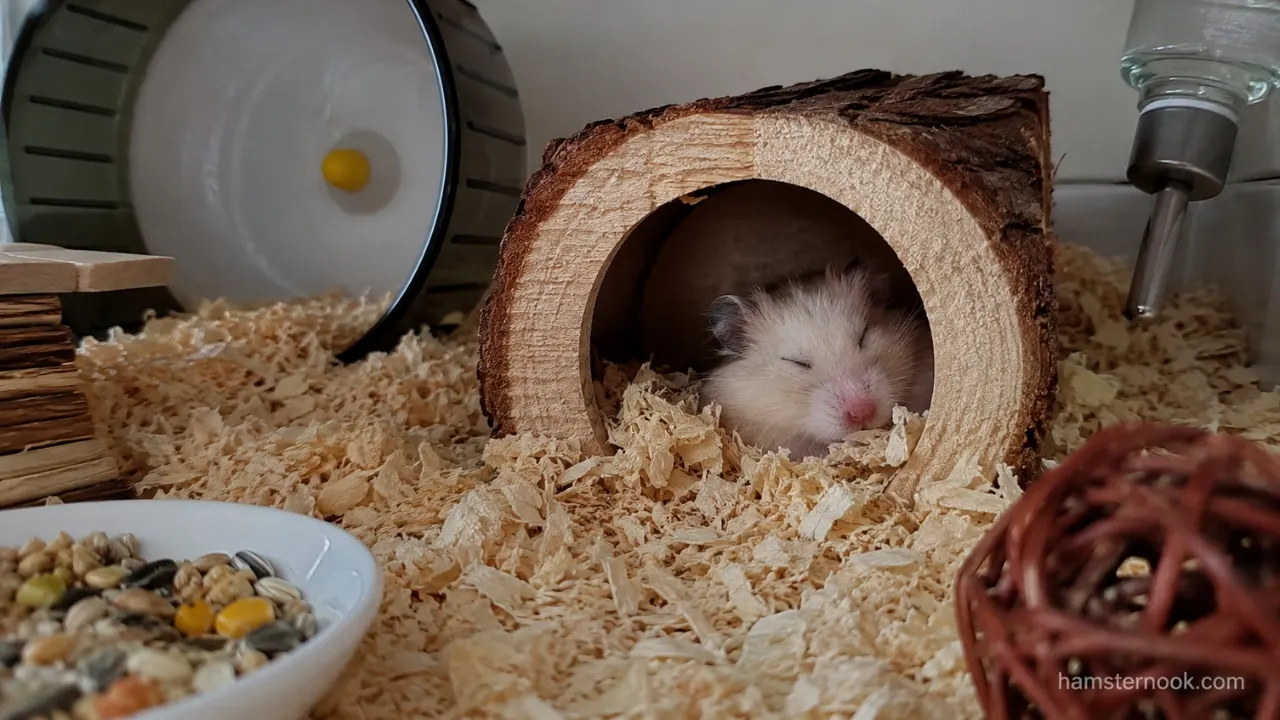
Check the following every day:
- Confirm that the bottle is securely attached.
- Test the nozzle to ensure water can flow.
- Check for leaks or blockages.
- Make sure your hamster can reach the spout comfortably.
- Clean the bottle and nozzle regularly according to the manufacturer’s instructions.
Some traditional ball-valve bottles can be difficult for hamsters to use because they require stronger suction. If your hamster appears unable to drink from its bottle, check the equipment and consider a suitable alternative.
Using a water bowl
Choose a small, stable, shallow bowl that is difficult to tip over. Position it where bedding is less likely to fall into the water.
Replace the water whenever it becomes contaminated. Wash the bowl regularly, rinse it thoroughly, and refill it with fresh water.

Some owners provide both a bottle and a suitable bowl, which can offer an alternative source of water. If you do this, check both regularly rather than assuming that one will compensate for a problem with the other.
How to Tell Whether Your Hamster Is Drinking Enough
You may not see your hamster drinking very often because hamsters are generally more active during the evening and night. A water bottle’s level can also be difficult to interpret because evaporation, leakage, and small sips affect how much water appears to have been used.
Instead of relying on one observation, check the whole picture.
- Water availability: Is fresh water accessible, and does the bottle or bowl work?
- Eating habits: Is your hamster eating its usual food?
- Activity: Is it moving and behaving normally during its usual active period?
- Droppings: Have you noticed diarrhea or an unusual change in droppings?
- General condition: Does your hamster appear alert, or is it unusually weak or inactive?
A noticeable change in drinking habits deserves attention, particularly when it occurs alongside changes in appetite, weight, or behavior.
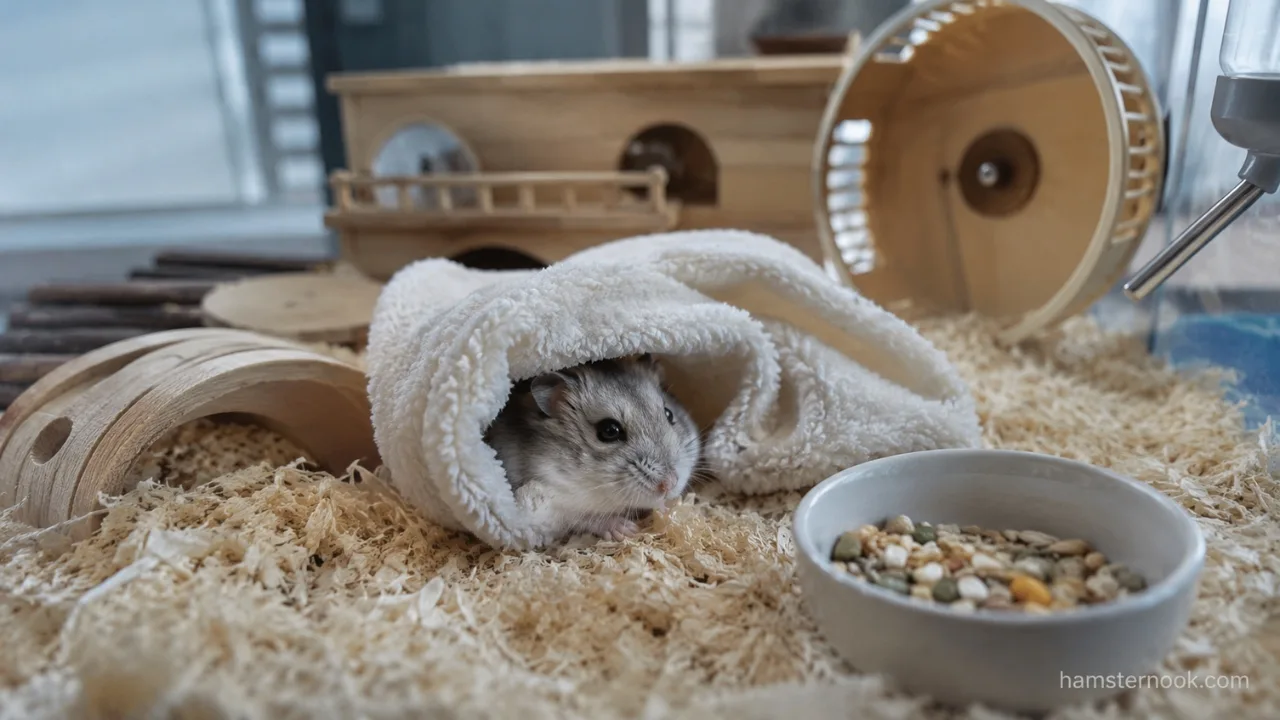
Reduced water intake matters because a hamster needs reliable access to fresh drinking water throughout the day. If you notice a persistent change in drinking habits, check the water supply and watch for other changes in your hamster’s condition. Can Hamsters Get Dehydrated? Signs Every Owner Should Know covers dehydration-related warning signs.
Do not force water into your hamster’s mouth with a syringe unless a veterinarian has specifically instructed you how to do so. Improper administration can cause choking or aspiration.
Warning Signs: When to Worry About Your Hamster
Water temperature alone is rarely enough to explain a hamster’s condition. If your pet seems unwell, look for other signs instead of assuming that cold water is responsible.
Contact a veterinarian promptly if you notice:
- A significant reduction in drinking or eating.
- Unusual lethargy or weakness.
- Diarrhea or wet, soiled fur around the hindquarters.
- Noticeable weight loss or a persistent change in normal behavior.
- Discharge from the eyes or nose.
Seek emergency veterinary care if your hamster has:
- Difficulty breathing.
- Collapse or extreme weakness.
- Severe signs of overheating or rapidly worsening illness.
Hamsters can deteriorate quickly, especially when they have serious digestive problems or dehydration. Do not wait to see whether changing the water temperature solves these symptoms.
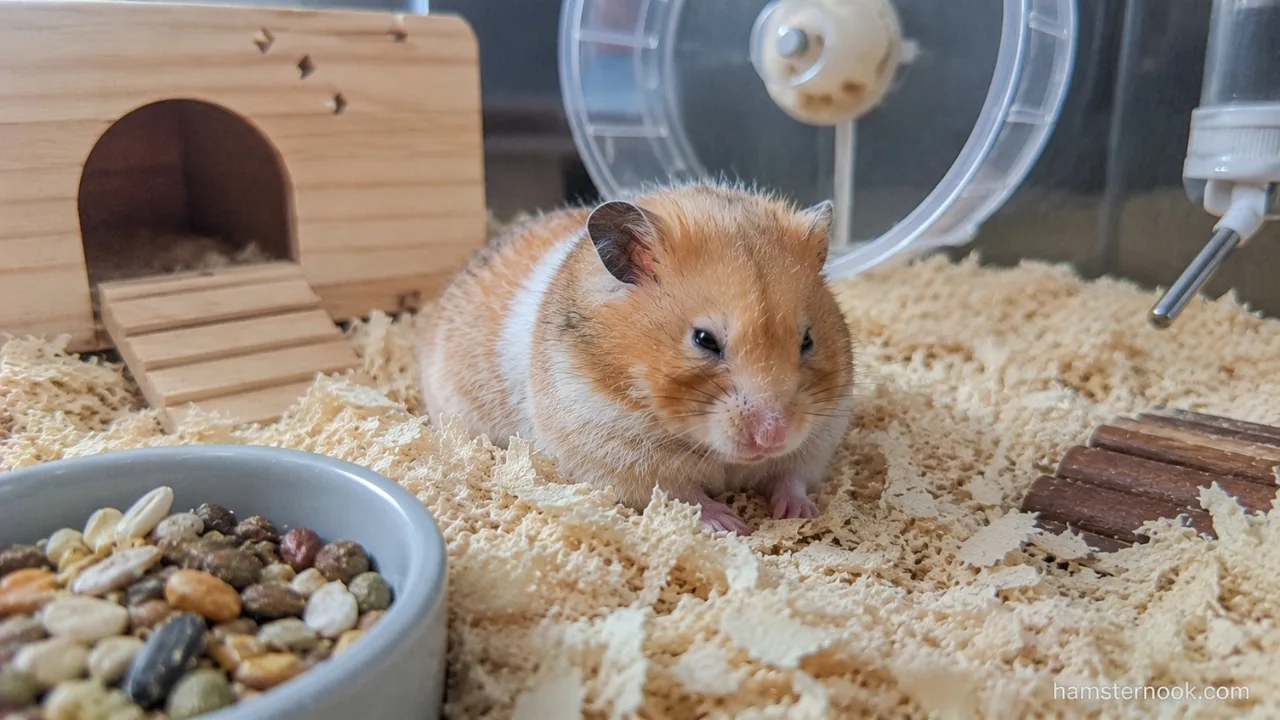
When a hamster appears unwell, it is important to consider its overall condition rather than focusing on water temperature alone. Changes in appetite, activity, breathing, or normal behavior may need professional assessment. For a broader overview of warning signs, see How to Tell If Your Hamster Is Sick: Signs, Symptoms & When to See a Vet.
Common Mistakes to Avoid
1. Adding ice to drinking water
Ice is unnecessary for normal hydration. Provide fresh water at a comfortable temperature instead.
2. Warming water unnecessarily
Your hamster does not need warm water to digest food or remain healthy. Room-temperature water is a practical default.
3. Changing water temperature repeatedly
There is no established need to alternate between cold and warm water. Focus on cleanliness and reliable access.
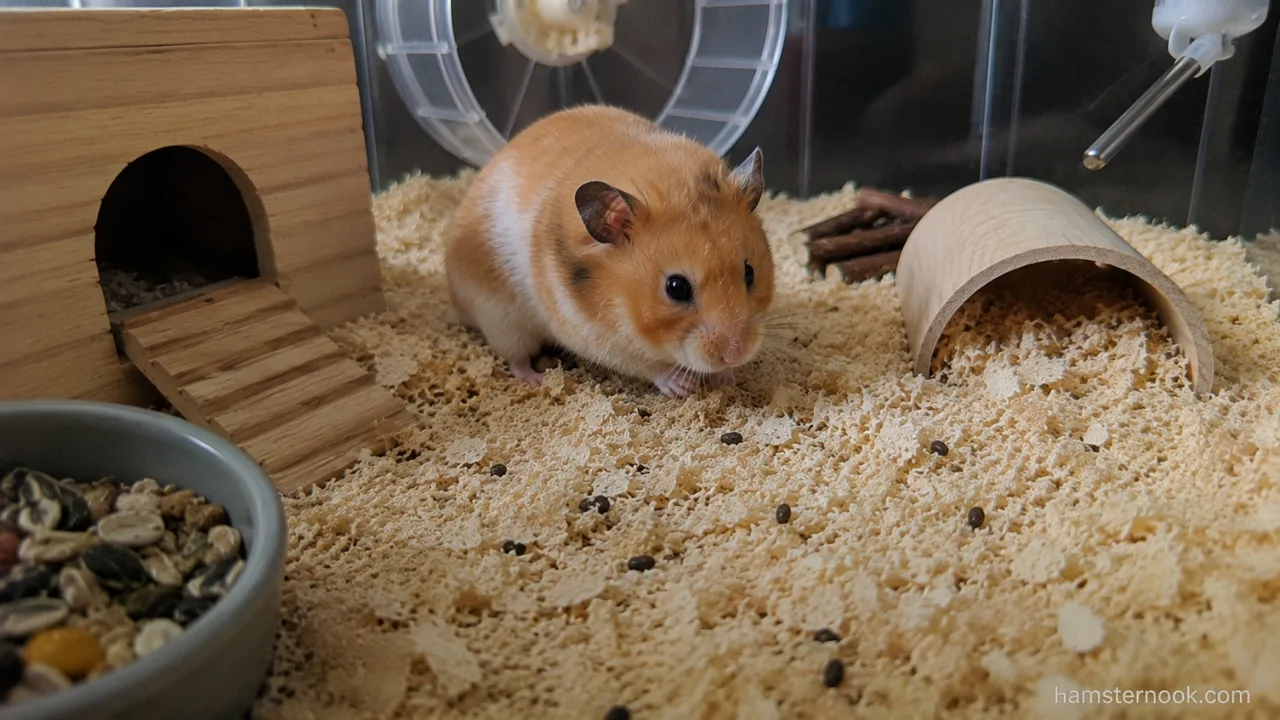
4. Forgetting to check the bottle
A blocked nozzle can prevent drinking even when the bottle is full. Test it daily and clean it regularly.
5. Assuming a sick hamster just needs different water
A hamster that stops drinking, becomes weak, or develops diarrhea may need veterinary care. Changing water temperature does not treat an underlying illness.
What You Should Do
For straightforward daily care, follow these steps:
- Fill your hamster’s bottle or bowl with fresh, clean drinking water.
- Use room-temperature water or ordinary cool water from a safe drinking-water supply.
- Avoid adding ice or offering hot water.
- Check the drinking equipment every day to confirm that it works.
- Replace contaminated water immediately and clean the container regularly.
- During hot weather, keep the enclosure away from direct sunlight and excessive heat.
- If drinking habits change or your hamster appears unwell, seek veterinary advice rather than assuming the temperature is responsible.
You don’t need specialized equipment or a precise temperature reading to provide safe drinking water.
Final Thoughts
Hamsters can generally drink cool water safely, and there is no established evidence that ordinary cold water causes illness in a healthy hamster. Room-temperature water is an easy, sensible everyday choice, while ice-cold water offers no proven advantage.
Give your hamster constant access to fresh, clean water, check the bottle or bowl daily, and maintain a comfortable enclosure temperature. If your pet stops drinking or shows signs of illness, focus on its overall condition rather than blaming the water temperature alone.
Frequently Asked Questions
1. Can hamsters drink water straight from the refrigerator?
A small amount of refrigerator-cold water is not automatically harmful, but there is no benefit to deliberately serving it that cold. Let it warm naturally toward room temperature before offering it.
2. Should hamster drinking water be warm or cold?
Neither extreme is necessary. Clean water at room temperature is a practical everyday choice.
3. Can cold water cause diarrhea in hamsters?
There is no established evidence that ordinary cold drinking water routinely causes diarrhea in hamsters. If diarrhea develops, contact a veterinarian because it can have several causes and may become serious.
4. Can hamsters drink cold water during summer?
Yes, ordinary cool water is generally fine. However, providing fresh water and keeping the enclosure at a suitable temperature are more important than chilling the water.
5. Can I put ice cubes in my hamster’s water bottle?
No. Ice cubes are unnecessary, and there is no proven benefit to making the drinking water icy. Provide fresh water at a comfortable temperature instead.
6. What temperature should hamster water be in Fahrenheit?
There is no established hamster-specific ideal temperature range in Fahrenheit for everyday drinking water. Ordinary room-temperature water is a sensible choice; you do not need to measure it precisely.

7. How often should I change my hamster’s water?
Replace the water with fresh water at least daily and whenever it becomes dirty. Check the bottle or bowl every day to ensure your hamster can drink.
8. Can baby hamsters drink cold water?
Young hamsters that are already drinking independently can generally have clean water at a comfortable temperature. Make sure the drinking point is accessible and suitable for their size. Very young or unweaned hamsters have different care needs, so seek expert guidance if you are raising them.
9. Why is my hamster drinking less water than usual?
Possible explanations include a problem with the bottle or bowl, changes in food moisture, or an underlying health issue. Check that water is available and the equipment works. If the change persists or comes with reduced appetite, weakness, diarrhea, or other concerning signs, contact a veterinarian.
Medical Disclaimer
This article is intended for educational purposes only and should not be considered veterinary advice. Although ordinary cool drinking water is generally suitable for healthy hamsters, changes in drinking habits or symptoms such as diarrhea, weakness, breathing difficulties, or unusual lethargy may indicate an underlying health problem. If your hamster stops drinking, appears dehydrated, or develops concerning symptoms, consult a qualified veterinarian experienced in treating small mammals or exotic pets.

Narayan Kumar is the founder and author of HamsterNook. He creates practical, research-based hamster care guides covering hamster behavior, nutrition, cage setup, enrichment, health, and everyday care. His goal is to help hamster owners make informed decisions and provide safer, healthier lives for their pets through clear, beginner-friendly information based on trusted animal care resources.