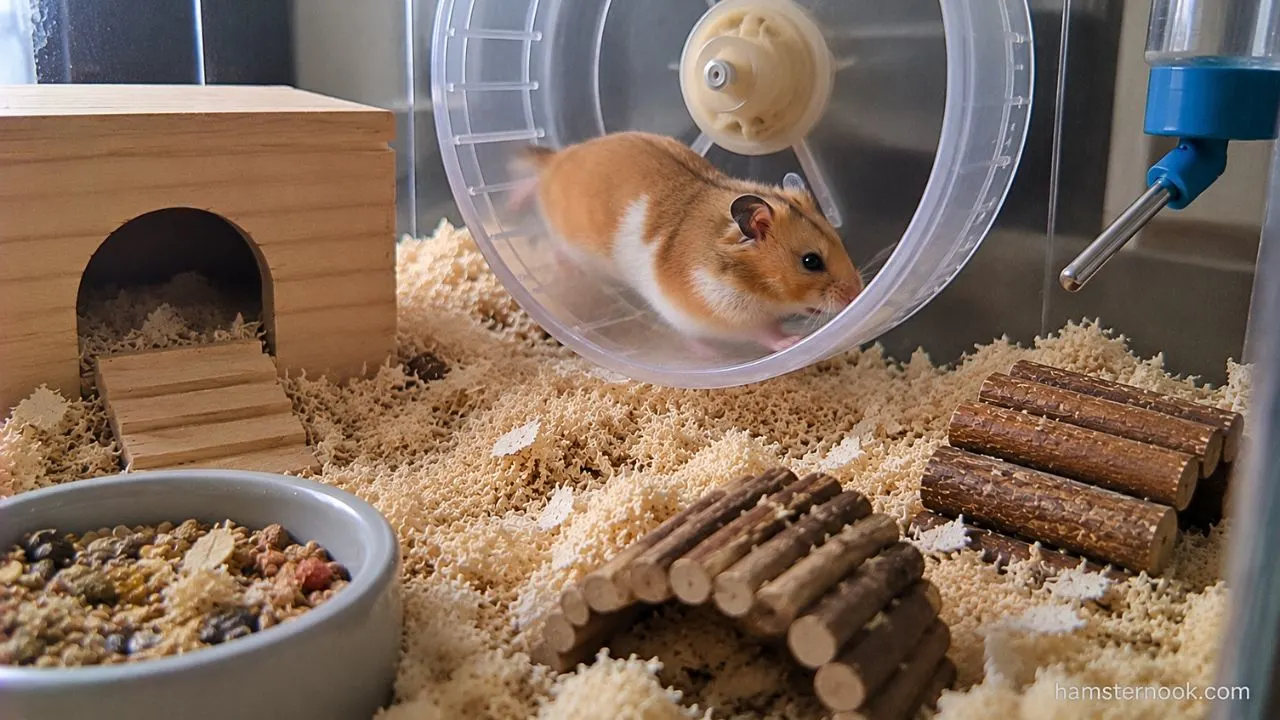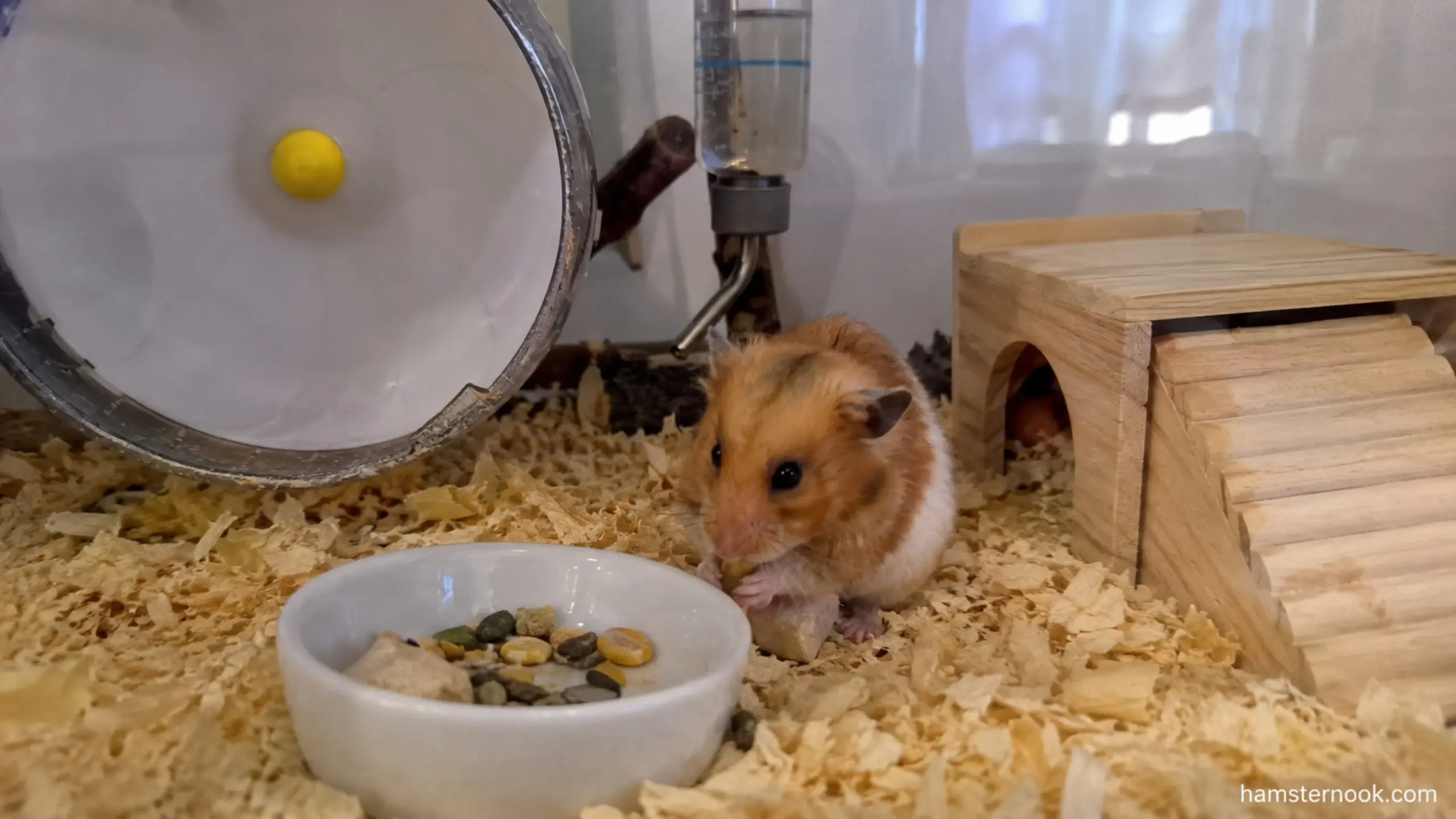
Most hamster owners genuinely want the best for their pets. Many of the most common hamster care mistakes come from outdated advice or good intentions rather than neglect. A cage that looks cute, an unhealthy treat offered as a reward, or cleaning habits that seem helpful can slowly affect a hamster’s health over time.
The good news is that many of these mistakes are easy to fix once you know what to look for. By understanding your hamster’s natural needs, you can help it live a healthier, more comfortable life.
Quick Answer
Everyday mistakes such as using a cage that’s too small, feeding an unbalanced diet, providing shallow bedding, neglecting dental care, or ignoring early signs of illness may reduce a hamster’s quality of life and increase the risk of preventable health problems. While no one can guarantee how long a hamster will live, proper husbandry plays an important role in supporting long-term health.
If you’re new to hamster ownership, our Hamster Care Guide for Beginners explains the essentials of housing, feeding, enrichment, and daily health checks.

Why Small Daily Habits Matter More Than Most Owners Realize
Hamsters are small prey animals that naturally hide pain, illness, and stress.
Unlike dogs or cats, they rarely show obvious signs that something is wrong until a problem has become more serious. That’s why seemingly harmless daily routines can gradually affect their wellbeing without owners noticing immediately.
Good hamster care isn’t about expensive accessories—it’s about consistently meeting your hamster’s natural needs every day.
These include:

- Proper housing
- Balanced nutrition
- Mental stimulation
- Exercise
- Clean water
- Low stress
- Early recognition of health changes
Making a few small improvements today can have a much greater impact than trying to solve a major health problem later.
Mistake #1: Choosing a Cage That’s Too Small
One of the biggest mistakes beginners make is buying the cage that comes recommended in many pet stores.
Unfortunately, many commercial starter cages are designed to attract buyers rather than meet a hamster’s welfare needs.
A cage that’s too small may lead to:
- Chronic stress
- Constant bar chewing
- Escape attempts
- Frustration
- Reduced exercise
- Poor natural behaviors
Hamsters naturally travel long distances while exploring and foraging during the night. A cramped enclosure prevents them from expressing these normal behaviors.
Signs Your Cage May Be Too Small
| Behavior | Possible Cause |
|---|---|
| Constant bar chewing | Frustration or boredom |
| Repeated escape attempts | Insufficient space |
| Excessive pacing | Environmental stress |
| Constant climbing | Looking for more room |
A larger enclosure with uninterrupted floor space almost always benefits a hamster’s physical and mental wellbeing.
Mistake #2: Feeding Too Many Treats Instead of a Balanced Diet
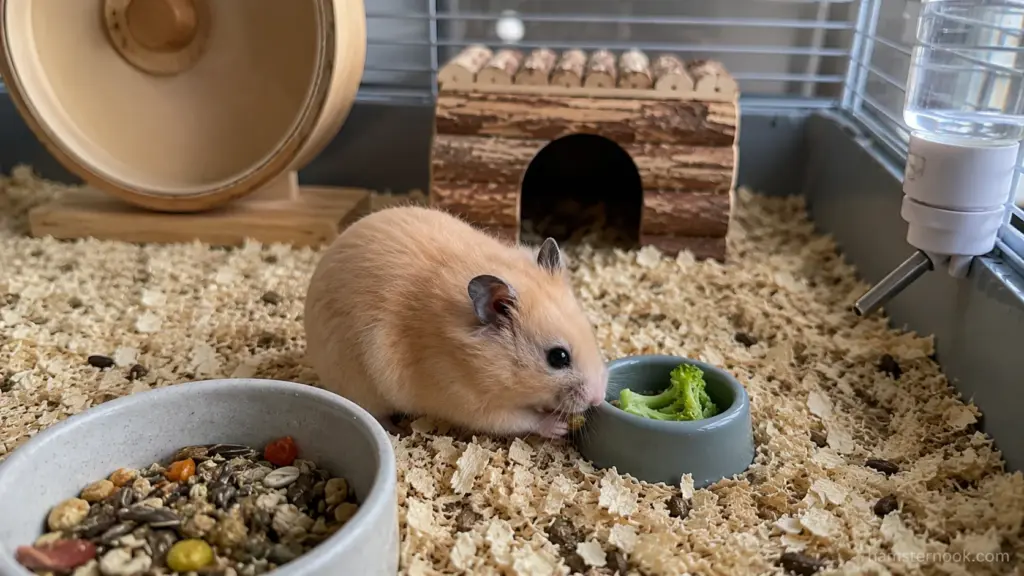
It’s tempting to spoil a hamster with treats.
Many owners assume that because a hamster eagerly accepts certain foods, those foods must be healthy.
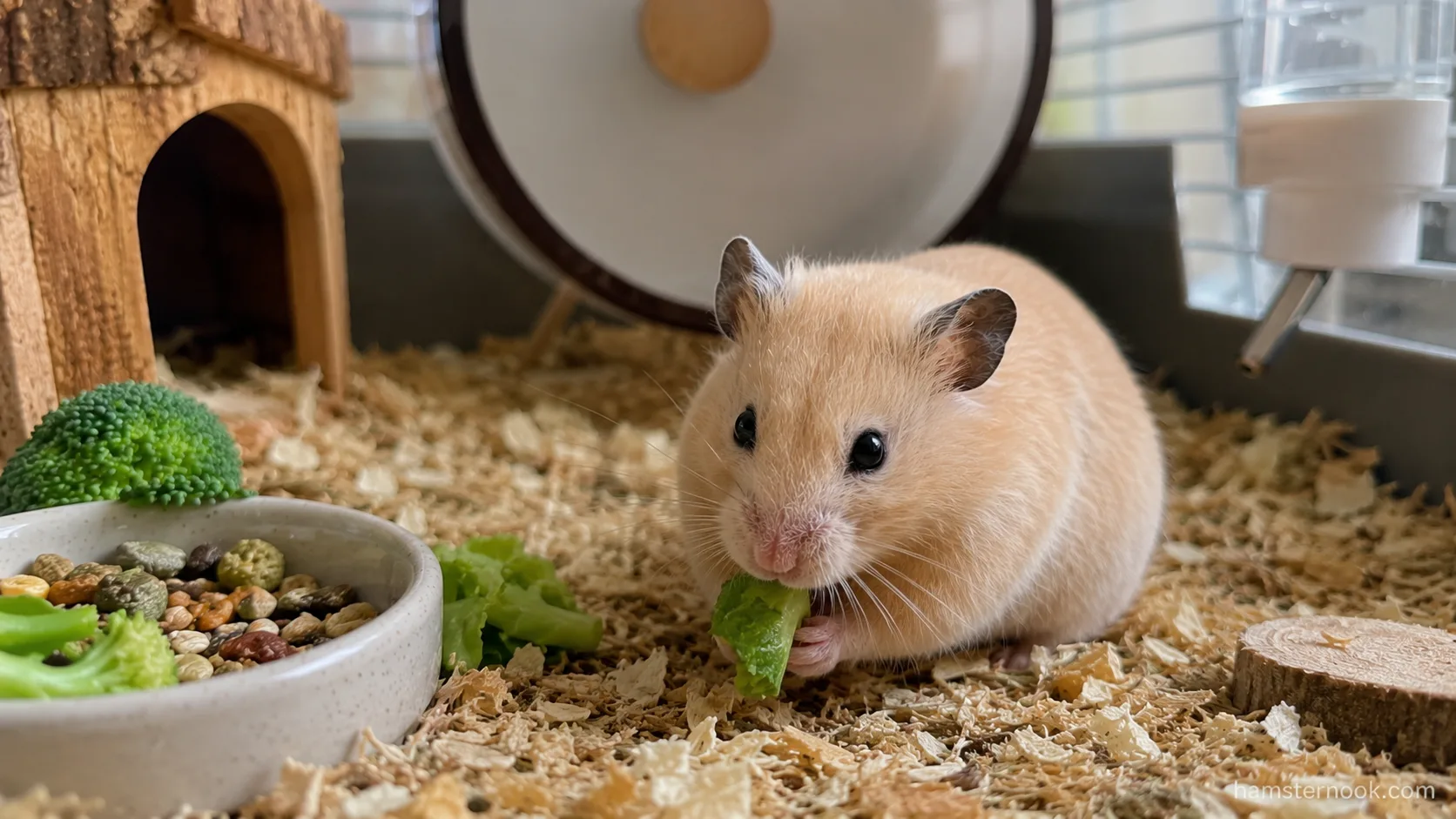
Unfortunately, that’s not always true.
Too many treats can contribute to:
- Weight gain
- Poor nutrition
- Selective eating
- Vitamin deficiencies
- Reduced interest in balanced food
Healthy nutrition should always begin with an appropriate staple diet.
Treats should remain exactly what their name suggests—an occasional reward rather than the main part of the diet.
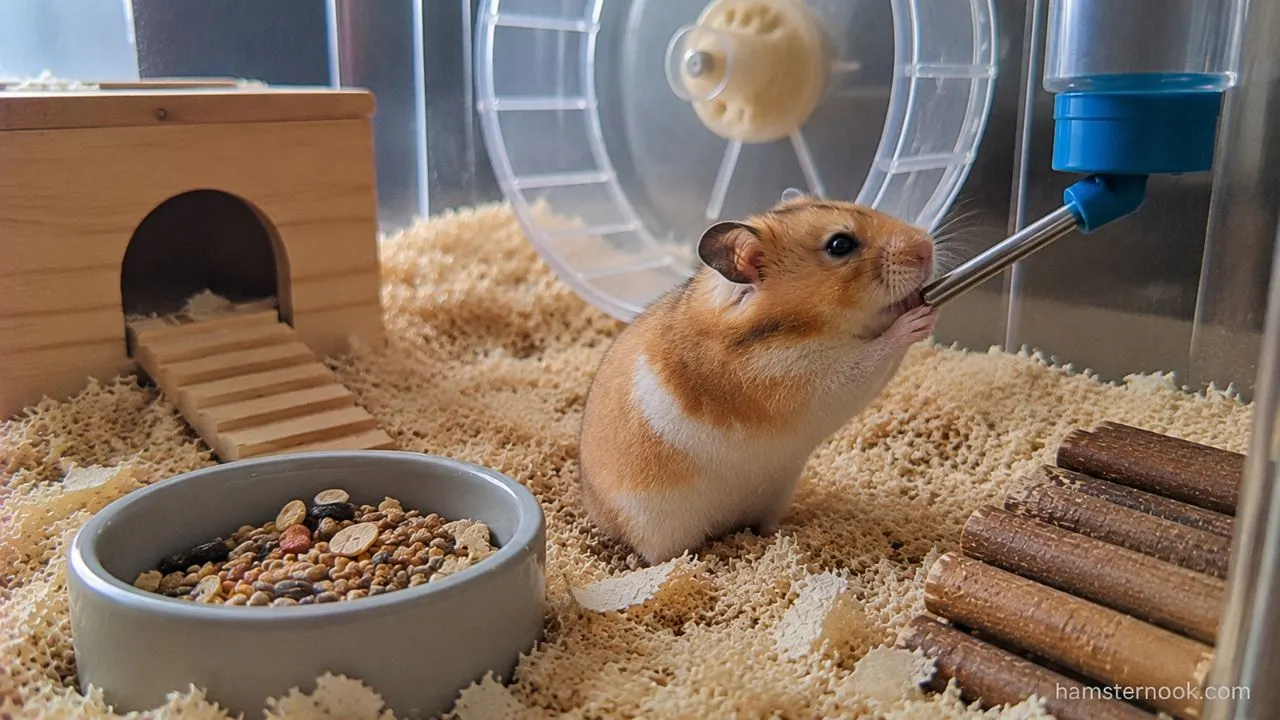
A balanced feeding routine should include:
- High-quality hamster food
- Safe vegetables
- Occasional healthy treats
- Constant access to fresh water
For practical guidance on balanced feeding, safe portions, and suitable foods, our Complete Hamster Diet Guide: What to Feed, How Much & How Often explains how to plan your hamster’s daily diet.
Mistake #3: Not Providing Deep Enough Bedding
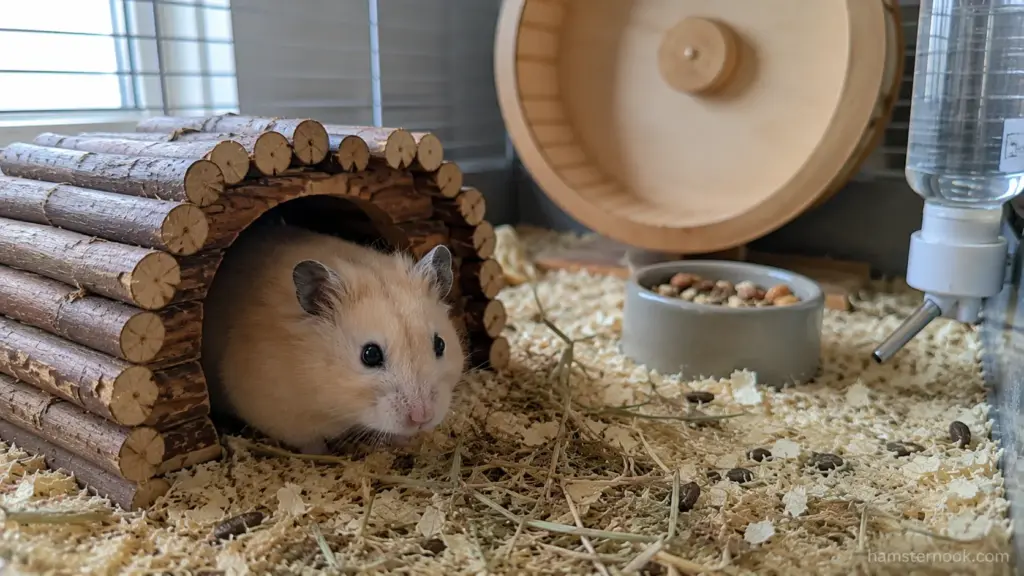
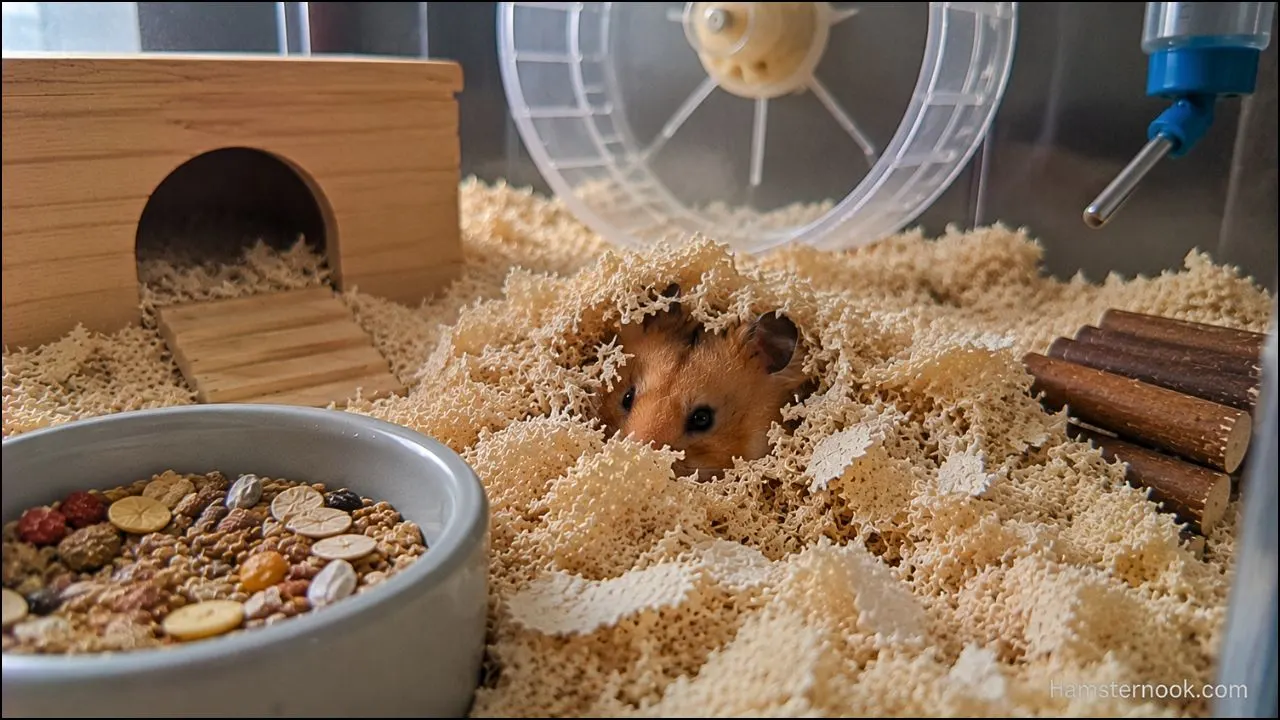
Hamsters are natural burrowers.
In the wild, they spend much of their time digging tunnels that provide safety, comfort, and places to store food.

When bedding is too shallow, hamsters lose one of their most important natural behaviors.
Insufficient bedding may contribute to:
- Increased stress
- Boredom
- Poor sleep quality
- Repetitive behaviors
- Less confidence
Many owners only provide a thin layer because it makes the cage look cleaner or uses less bedding.
However, deeper bedding allows hamsters to create stable tunnels and behave much more naturally.
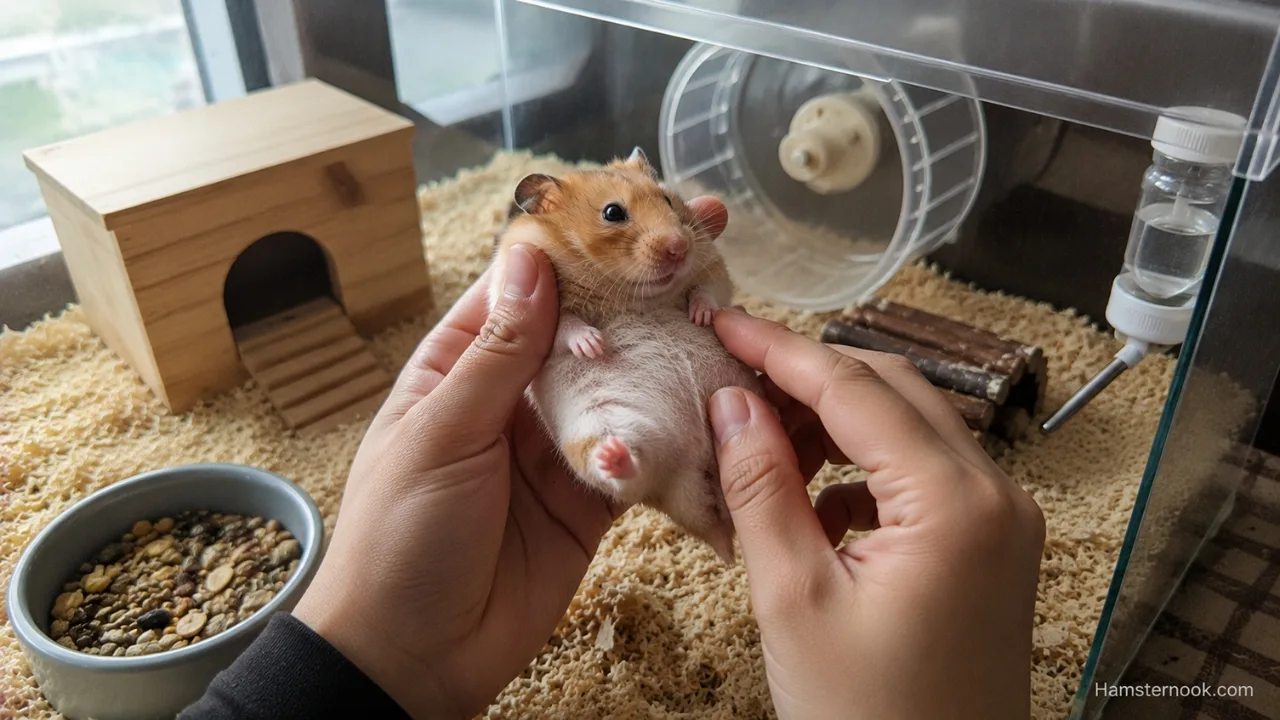
Safe bedding should also be:
- Dust-reduced
- Unscented
- Able to hold tunnels
- Free from harmful chemicals
Choosing a suitable enclosure and bedding is essential for natural burrowing. Our Best Hamster Cage Setup for Beginners: Size, Bedding, Wheel & Essentials guide explains how to create a more suitable habitat.
Are These Mistakes Always Dangerous?
Not necessarily.
Making one small mistake doesn’t automatically mean your hamster will become sick or have a shorter lifespan.

Instead, problems usually develop when poor husbandry habits continue over weeks, months, or years.
For example:
- A slightly small cage alone isn’t usually an emergency.
- An occasional unhealthy treat is unlikely to cause serious harm.
- Missing one cage cleaning won’t shorten a hamster’s life.
The goal is creating a safe environment where healthy habits become part of your hamster’s everyday routine.
Even small improvements can make a meaningful difference over time.

Mistake #4: Ignoring Early Signs of Illness
Hamsters rarely show obvious symptoms when they first become sick.
As prey animals, they instinctively hide weakness because appearing vulnerable would make them an easier target in the wild. By the time many owners notice something is wrong, the illness may already be more advanced.
That’s why paying attention to small behavioral changes is one of the most valuable habits you can develop.
Early warning signs to watch for include:
- Sleeping much more than usual
- Reduced appetite
- Drinking noticeably more or less water
- Weight loss
- Less interest in exploring
- Hunched posture
- Rough or unkempt coat
- Labored breathing
- Sudden behavior changes
Don’t wait until your hamster appears seriously ill before taking action.

If several subtle changes appear together, monitor your hamster closely and seek veterinary advice if symptoms continue or worsen.
Recognizing changes early matters because hamsters can hide signs of illness. Our How to Tell If Your Hamster Is Sick: Signs, Symptoms & When to See a Vet guide explains the warning signs and when to seek veterinary care.
Mistake #5: Not Providing Enough Exercise
Many people assume that simply placing a wheel inside the cage is enough.
While a properly sized wheel is essential, exercise involves much more than running.

Healthy hamsters also need opportunities to:
- Explore
- Dig
- Climb safely
- Forage
- Investigate new scents
- Rearrange parts of their enclosure
Without enough physical and mental activity, hamsters may develop stress-related behaviors such as:
- Constant bar chewing
- Pacing
- Excessive sleeping
- Restlessness
- Obsessive wheel running
Regular enrichment encourages natural behaviors and helps keep both the body and mind active.
Simple additions like cardboard tunnels, safe wooden chews, cork logs, or scatter feeding often provide far more enrichment than expensive toys.

To provide more opportunities for natural exploration and foraging, our How to Keep a Hamster Mentally Stimulated: 15 Enrichment Ideas guide offers practical enrichment ideas.
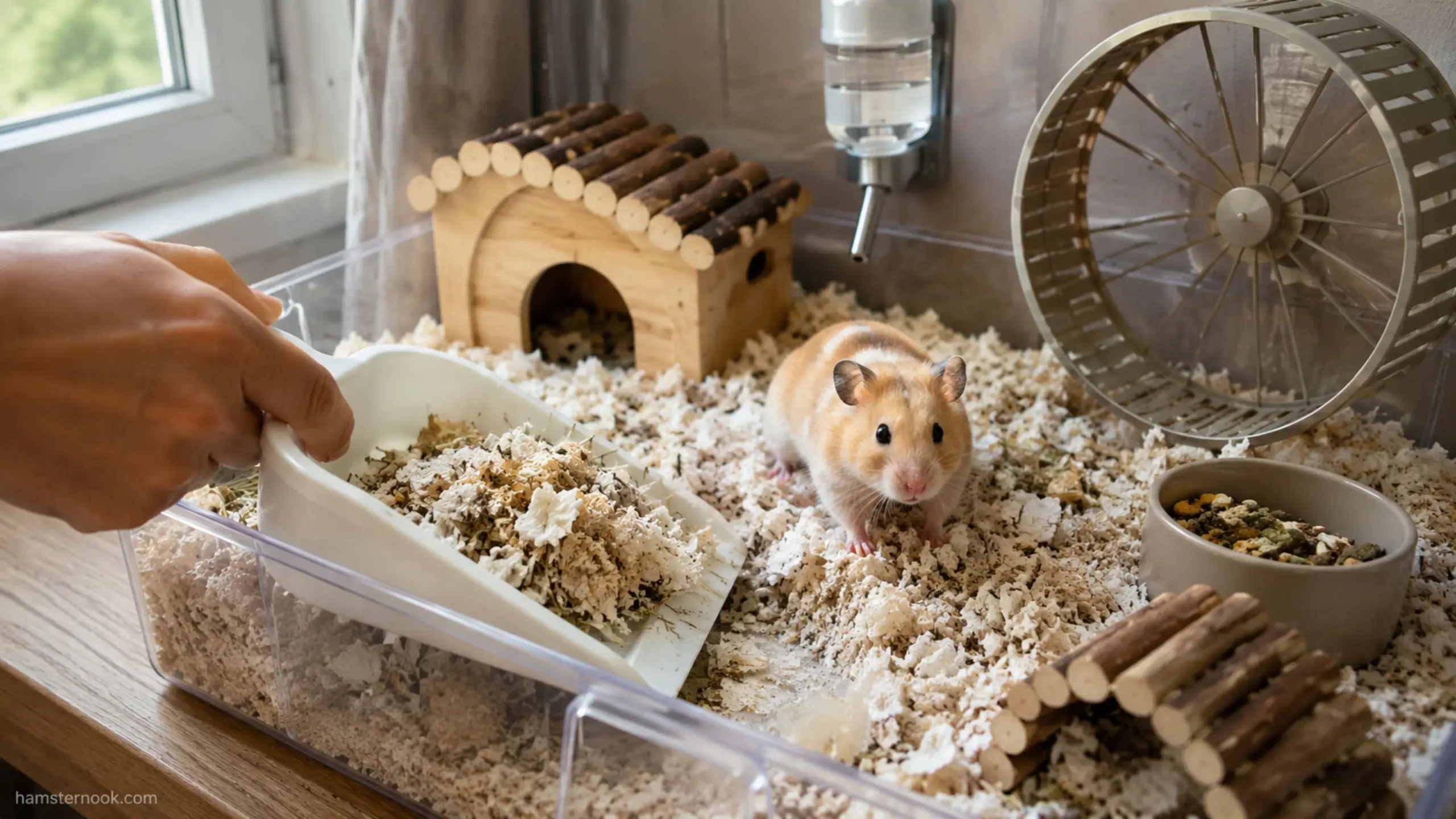
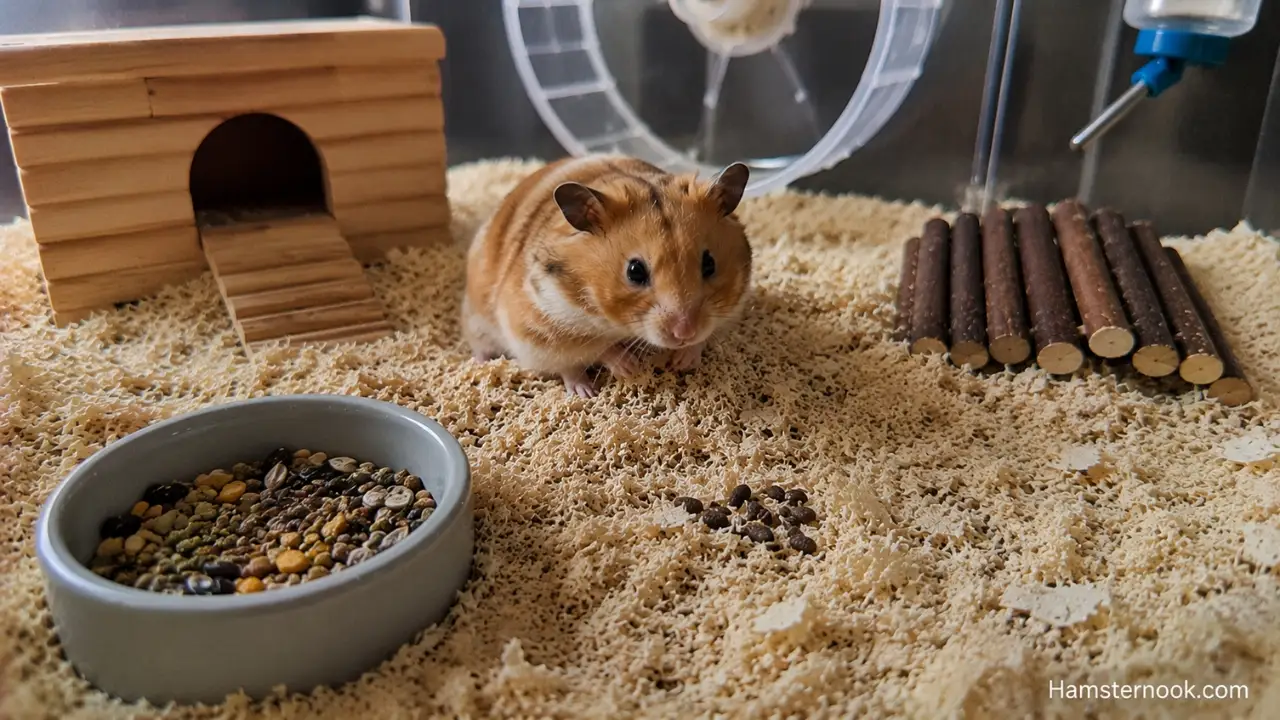
Mistake #6: Cleaning the Cage Too Often — or Not Often Enough
A clean cage is important, but many owners accidentally create stress by cleaning incorrectly.
Some people completely replace all bedding every few days because they want everything to look spotless.
Others wait far too long before cleaning at all.
Neither approach is ideal.
Hamsters depend heavily on scent to recognize their territory.
Removing every trace of their familiar smell too frequently can make them feel insecure and stressed.
On the other hand, allowing waste to build up increases the risk of poor hygiene and unpleasant living conditions.
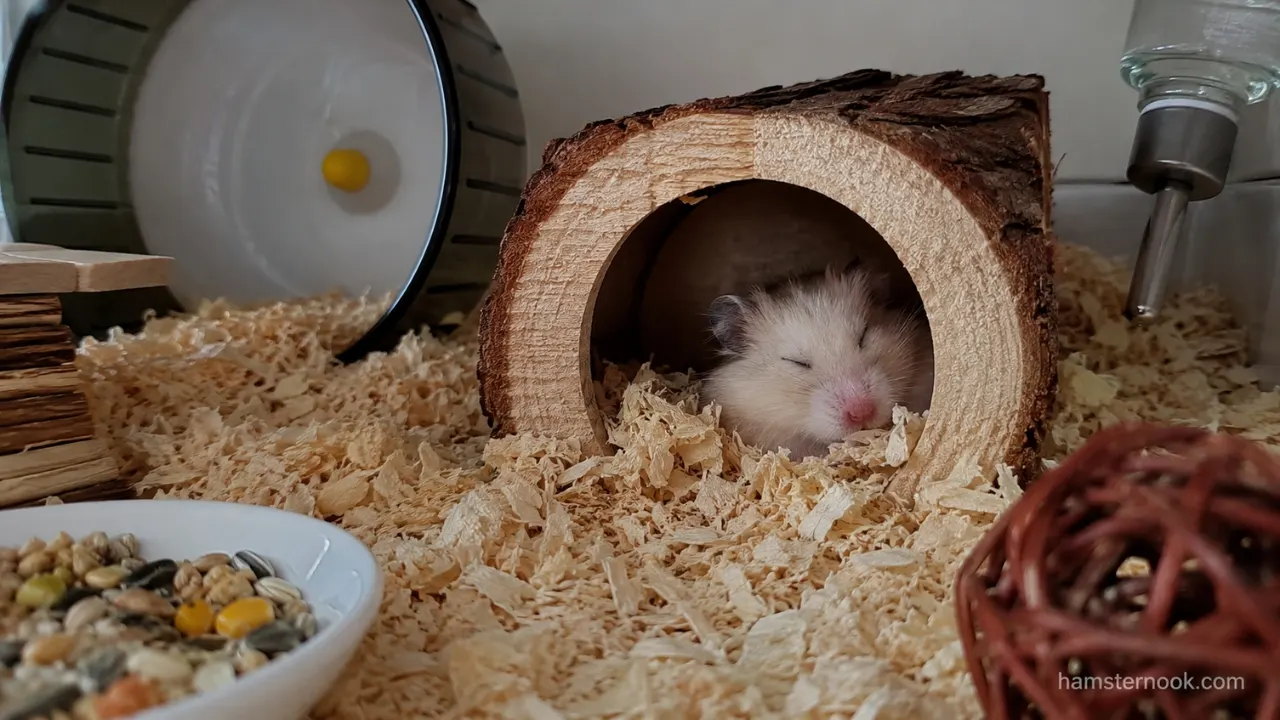
A Better Approach
| Cleaning Habit | Why It Helps |
|---|---|
| Spot-clean regularly | Removes soiled bedding while preserving familiar scents |
| Replace bedding gradually | Reduces unnecessary stress |
| Wash food and water containers often | Helps maintain hygiene |
| Deep clean only when necessary | Prevents constant disruption of the enclosure |
Finding a balanced routine helps your hamster remain both healthy and comfortable.
If you’re unsure how often different parts of the cage should be cleaned, How Often Should You Clean a Hamster Cage? Complete Cleaning Guide explains a practical cleaning routine for beginners.
Mistake #7: Handling Your Hamster Before It Trusts You
Many new owners become excited to hold their hamster as soon as they bring it home.
Unfortunately, rushing the taming process often creates fear rather than trust.
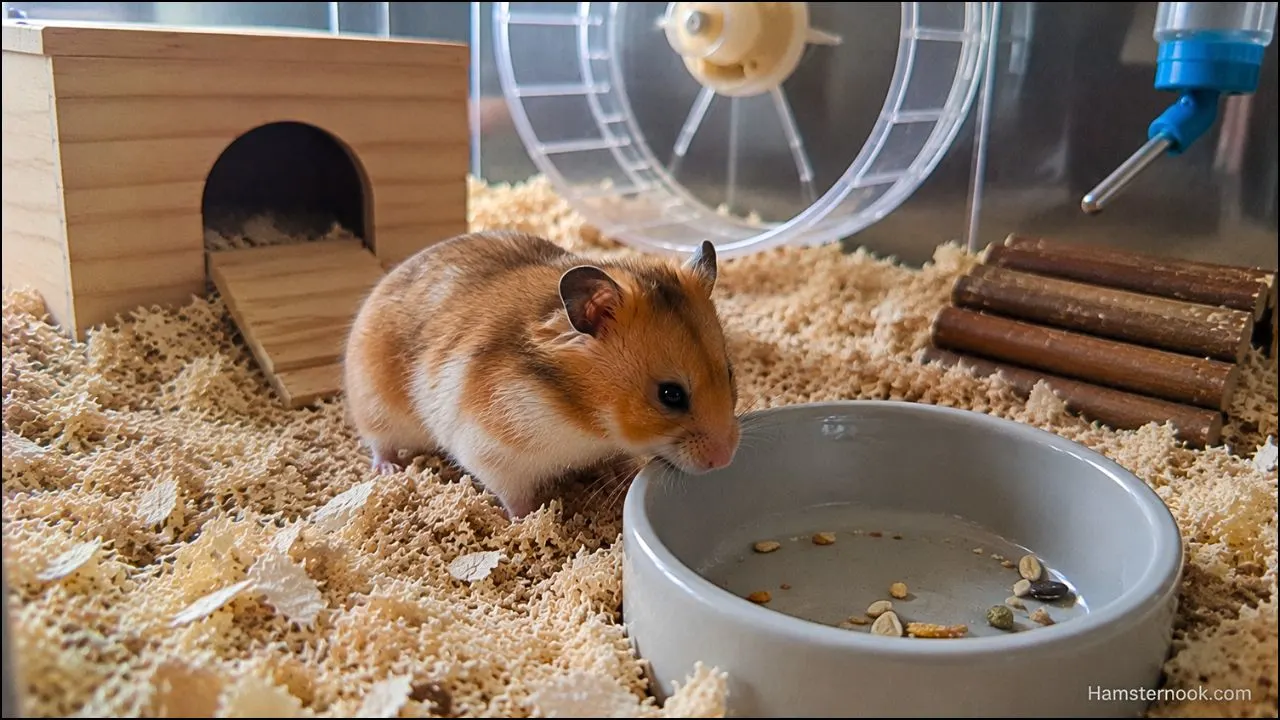
A frightened hamster may:
- Hide constantly
- Run away when approached
- Freeze
- Bite defensively
- Avoid interaction
Building trust takes patience.
Allow your hamster time to settle into its new environment before expecting it to enjoy handling.
Gradually introduce your hand, offer treats, and let your hamster approach voluntarily instead of forcing interaction.

Respecting your hamster’s comfort level often leads to a calmer, more confident pet over time.
If your hamster still seems nervous, How to Get a Hamster to Trust You Faster Without Stressing It Out explains safe ways to build confidence without overwhelming your pet.
Warning Signs That Should Never Be Ignored
Some husbandry mistakes are easy to correct.
Others become much more serious if warning signs are ignored.
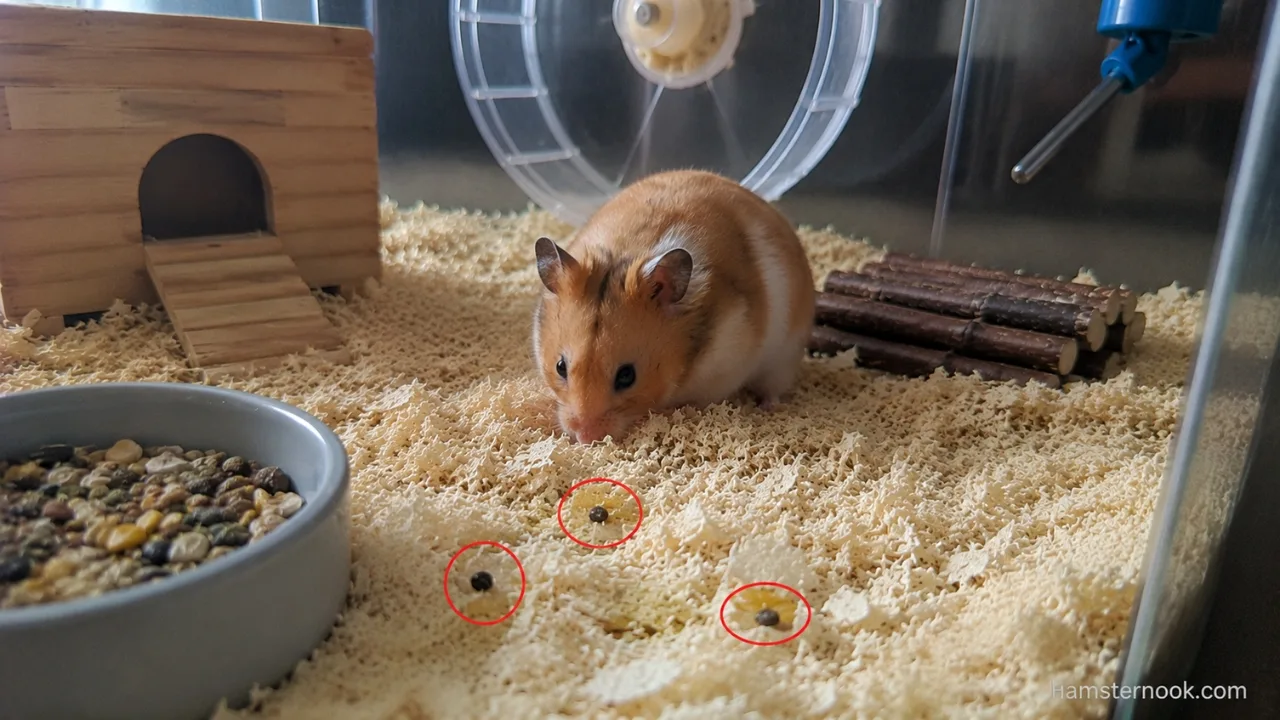
Contact an experienced exotic animal veterinarian promptly if your hamster shows:
| Warning Sign | Why It Matters |
|---|---|
| Refuses food or water | May indicate illness or dental problems |
| Sudden weight loss | May indicate an underlying health issue |
| Difficulty breathing | Requires immediate veterinary attention |
| Persistent diarrhea | Can lead to dehydration |
| Unable to walk normally | May indicate injury or another serious health problem |
| Severe lethargy | Can be a sign of serious illness |
| Continuous bleeding | Requires urgent veterinary care |
Recognizing these signs early often makes treatment easier and may improve your hamster’s chances of recovery.
Small Daily Habits That Make a Big Difference
Fortunately, improving your hamster’s care doesn’t require expensive equipment.
The biggest improvements usually come from consistent daily routines.

Simple habits include:
- Refreshing clean water every day.
- Feeding a balanced diet instead of excessive treats.
- Checking body condition regularly.
- Watching your hamster during its active evening hours.
- Keeping the enclosure clean without removing all familiar scents.
- Providing daily opportunities to dig, explore, and forage.
These small actions may seem minor on their own, but together they create an environment that supports better long-term health.
If you’ve recently noticed your hamster behaving differently, Why Does My Hamster Suddenly Act Different? Common Reasons Behind Behavior Changes can help you determine whether the change is temporary or something that deserves closer attention.
Mistake #8: Ignoring Dental Health
A hamster’s teeth grow continuously throughout its life.

In the wild, constant chewing naturally wears the teeth down. In captivity, however, hamsters rely on appropriate chew materials and a balanced diet to maintain healthy tooth length.
When dental problems develop, they can affect much more than eating.
Overgrown or damaged teeth may lead to:
- Difficulty eating
- Weight loss
- Pain while chewing
- Reduced water intake
- Drooling
- Less interest in treats
- General discomfort
Unfortunately, many owners don’t notice these problems until their hamster has already begun losing weight.

If your hamster starts eating less or refuses food, our Why Is My Hamster Not Eating? 9 Causes, Warning Signs & What to Do guide covers possible causes and when veterinary advice is important.
Help Support Healthy Teeth
Offer safe chewing opportunities such as:
- Apple wood sticks
- Untreated wooden chews
- Safe cardboard tubes
- Natural cork products
Avoid attempting to trim your hamster’s teeth at home, as improper trimming can cause serious injury.
If your hamster is eating less than usual or losing weight, Why Is My Hamster Losing Weight? Causes Owners Should Never Ignore explains several possible reasons that should be investigated.
Mistake #9: Waiting Too Long to Seek Veterinary Care
One of the most serious mistakes isn’t something owners do every day—it’s waiting too long after noticing something is wrong.
Because hamsters naturally hide illness, hoping that symptoms will simply disappear can allow a treatable condition to become much more serious.
Many owners delay veterinary care because:
- Their hamster still looks alert.
- Symptoms come and go.
- They assume the hamster is simply getting older.
- They worry about overreacting.
While not every minor change requires an emergency visit, some symptoms should never be ignored.

Sudden weakness can be another important change to notice, and our Why Is My Hamster Suddenly Weak? 9 Causes, Warning Signs & What to Do guide explains what owners should watch for.
These include:
- Refusing food and water
- Difficulty breathing
- Rapid weight loss
- Severe lethargy
- Persistent diarrhea
- Obvious injury
- Heavy bleeding
- Inability to walk normally
Breathing changes deserve particular attention, and our Why Is My Hamster Breathing Fast? Normal Breathing, Causes & Warning Signs guide explains when unusual breathing needs veterinary attention.
Seeking veterinary advice early often provides more treatment options than waiting until the hamster becomes critically ill.

Healthy Habits That Help Hamsters Live Better
No owner can completely control how long a hamster will live.
Genetics, age, and certain medical conditions are beyond anyone’s control.
However, providing excellent daily care gives your hamster the best opportunity to enjoy a healthy, comfortable life.
Focus on habits you can control:

| Healthy Habit | Why It Matters |
|---|---|
| Feed a balanced diet | Supports overall health and proper nutrition |
| Provide a spacious enclosure | Encourages natural behaviors and exercise |
| Use deep bedding | Allows natural burrowing and reduces stress |
| Refresh water daily | Supports proper hydration |
| Offer daily enrichment | Keeps the hamster physically and mentally active |
| Monitor weight and behavior | Helps detect problems earlier |
| Schedule veterinary care when needed | Allows earlier diagnosis and treatment |
Small, consistent improvements usually have a greater impact than trying to make everything perfect.
Final Thoughts
Most hamster owners never intend to make mistakes that could affect their pet’s wellbeing.
In fact, many of the most common husbandry problems happen simply because owners receive outdated or incorrect advice.
Fortunately, improving your hamster’s quality of life usually doesn’t require expensive equipment or complicated routines.
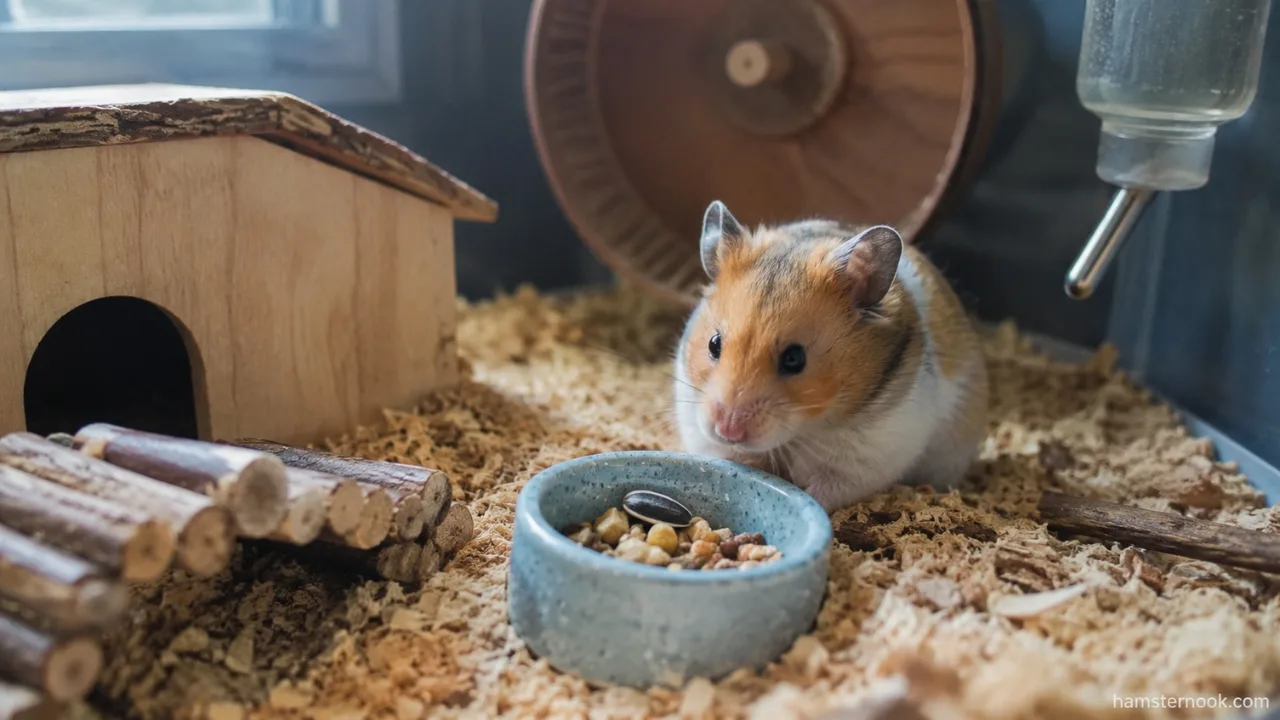
Providing enough space, proper nutrition, deep bedding, regular enrichment, fresh water, and paying attention to subtle behavioral changes can make a meaningful difference throughout your hamster’s life.
Rather than aiming to be a perfect owner, focus on noticing small changes and meeting your hamster’s daily needs consistently. Small improvements made consistently are often the most valuable gift you can give your hamster.
Frequently Asked Questions
Can everyday mistakes really shorten a hamster’s life?
Poor daily husbandry may increase stress and the risk of preventable health problems over time. While no one can predict an individual hamster’s lifespan, providing proper housing, nutrition, enrichment, and veterinary care supports long-term health.
What is the biggest mistake new hamster owners make?
One of the most common mistakes is choosing a cage that is too small. Limited space can reduce exercise opportunities, increase stress, and prevent natural behaviors such as burrowing and exploring.

Can feeding too many treats harm a hamster?
Yes. Frequent treats can contribute to poor nutrition, weight gain, and selective eating. A balanced hamster diet should always remain the foundation of daily feeding.
How often should I check my hamster for health problems?
Observe your hamster every day, especially during its active evening hours. Monitoring changes in appetite, activity, weight, drinking habits, and behavior helps you recognize potential problems early.
Why is deep bedding so important?
Hamsters are natural burrowers. Deep bedding allows them to build tunnels, feel secure, reduce stress, and display natural behaviors that support both physical and mental wellbeing.
When should I take my hamster to a veterinarian?
Seek veterinary advice promptly if your hamster refuses food or water, loses weight rapidly, has difficulty breathing, develops persistent diarrhea, appears unusually weak, or shows any other serious or worsening symptoms.

References
This guide is based on hamster health, nutrition, housing, dental care, enrichment, hygiene, and welfare guidance from trusted veterinary and animal welfare organizations, including:
- RSPCA – Hamster Health & Welfare – Guidance on recognizing signs of illness, monitoring health, dental care, and maintaining hamster wellbeing.
- RSPCA – Creating a Good Home for Hamsters – Guidance on suitable enclosure space, bedding, burrowing, environmental enrichment, and housing conditions.
- RSPCA – Hamster Diet and Feeding – Information on balanced nutrition, appropriate foods, treats, and providing fresh water.
- PDSA – Hamsters as Pets – Practical advice on hamster care, feeding, exercise, housing, handling, and common health concerns.
- MSD Veterinary Manual – Routine Health Care of Hamsters – Veterinary guidance on preventive care, health monitoring, and recognizing potential health problems.
- MSD Veterinary Manual – Disorders and Diseases of Hamsters – Veterinary information on common hamster diseases, symptoms, and conditions requiring medical attention.
- NC3Rs – Housing and Husbandry: Hamster – Guidance on appropriate housing, bedding, enrichment, and husbandry practices that support hamster welfare.
Medical Disclaimer
This article is intended for educational purposes only and should not be considered veterinary advice. Proper housing, nutrition, hygiene, and regular observation can support a hamster’s health, but they cannot prevent every illness or guarantee a longer lifespan. If your hamster refuses food or water, loses weight rapidly, has difficulty breathing, develops persistent diarrhea, shows severe lethargy, or experiences other concerning symptoms, consult a qualified exotic animal veterinarian promptly. Do not attempt to diagnose or treat serious health conditions at home.

Narayan Kumar is the founder and author of HamsterNook. He creates practical, research-based hamster care guides covering hamster behavior, nutrition, cage setup, enrichment, health, and everyday care. His goal is to help hamster owners make informed decisions and provide safer, healthier lives for their pets through clear, beginner-friendly information based on trusted animal care resources.