If your hamster has suddenly started sleeping much more than usual, it’s understandable to worry. While hamsters naturally spend many hours asleep during the day, a noticeable change in their normal routine should never be ignored. In many cases the cause is harmless, but sometimes increased sleeping can be an early sign that something isn’t quite right.
The good news is that increased sleep can sometimes have completely harmless explanations, such as seasonal changes, aging, or recovering from a stressful experience. However, in some situations, excessive sleeping may be one of the earliest signs of illness, injury, dehydration, or another underlying health problem. Knowing how to tell the difference can help you decide whether simple observation is enough or whether it’s time to contact an exotic veterinarian.
Quick Answer
A hamster sleeping more than usual is not automatically a medical emergency. Hamsters naturally sleep during the day and are most active in the evening and at night. However, if your hamster becomes unusually difficult to wake, stops eating or drinking, loses weight, appears weak, or ignores activities it normally enjoys, the behavior should be taken seriously.
Rather than focusing only on the number of hours your hamster sleeps, pay attention to its appetite, activity level, body weight, and normal evening routine. Looking at the whole picture gives a much clearer indication of whether the change is harmless or needs veterinary attention.

Watch for Changes Over Several Days
If your hamster is otherwise eating, drinking, and becoming active during its usual waking period, monitor the change rather than assuming illness. If warning signs appear or your hamster remains unusually difficult to wake, contact an exotic veterinarian promptly.
Is It Normal for Hamsters to Sleep a Lot?
Yes. Many first-time owners are surprised by how much their hamster sleeps.
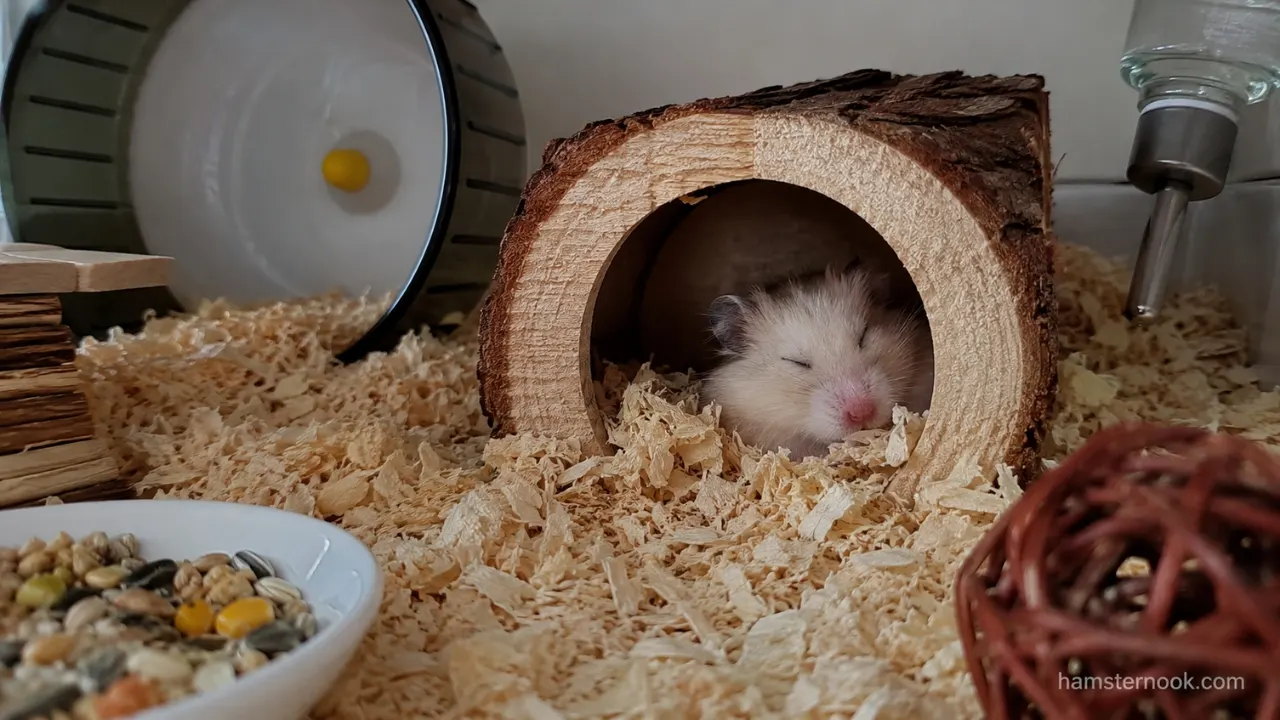
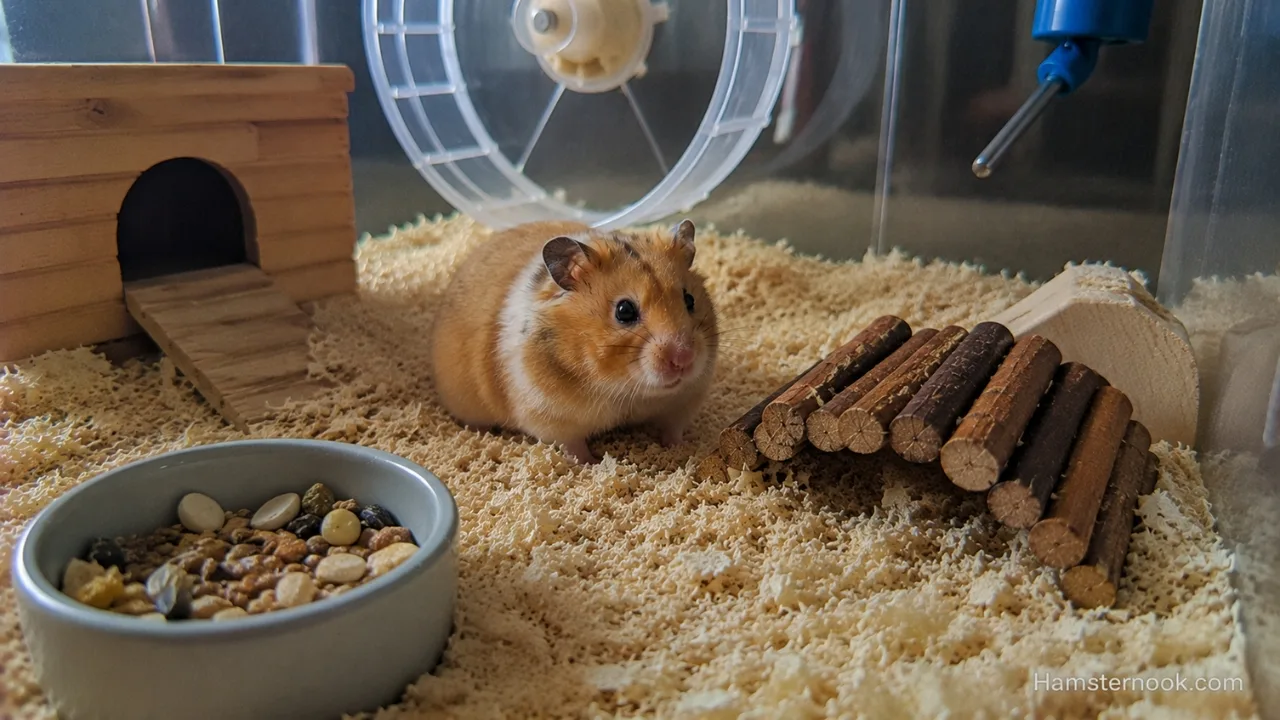
Hamsters are naturally nocturnal or crepuscular, meaning they’re most active after sunset and during the early morning hours. It’s completely normal for a healthy hamster to spend much of the daytime asleep inside its nest.
If you’ve recently brought your pet home, you may also notice it sleeps even more during the first few days while adjusting to its new environment. Giving it time to settle in without frequent handling often helps reduce stress. If you’re new to hamster ownership, Ultimate Hamster Care Guide for Beginners (2026) explains what normal daily routines typically look like and what behaviors owners should expect during the adjustment period.

Instead of asking how many hours your hamster sleeps, ask whether its normal routine has changed. A hamster that follows its usual daytime sleep schedule is very different from one that suddenly stops coming out during its normal active hours. Looking for changes in routine is often much more helpful than focusing only on sleep itself.
Common Reasons Your Hamster May Suddenly Sleep More
Increased sleeping doesn’t always mean illness. The causes range from completely normal behavior to medical problems that require prompt treatment, so it’s important to consider any other changes you notice at the same time.
| Possible Reason | Usually Normal? | Should You Monitor Closely? |
|---|---|---|
| Natural daytime sleep | Yes | No, if normal activity continues at night |
| New environment or stress | Sometimes | Yes |
| Aging | Often, if gradual | Yes, watch for sudden changes |
| Cooler temperatures | Not always | Yes; unusual coldness or unresponsiveness needs urgent veterinary advice |
| Illness or infection | No | Yes; contact a veterinarian |
| Poor food intake or dehydration | No | Yes; seek veterinary advice promptly |
| Pain or injury | No | Yes; seek veterinary advice promptly |
Extra sleep rarely tells the whole story on its own. Changes in appetite, activity, grooming, or body weight usually provide much better clues about whether your hamster is simply resting more or dealing with an underlying problem.
1. Your Hamster May Simply Be Following Its Natural Sleep Schedule
Many owners accidentally think their hamster is sleeping too much simply because they only check on it during the day.
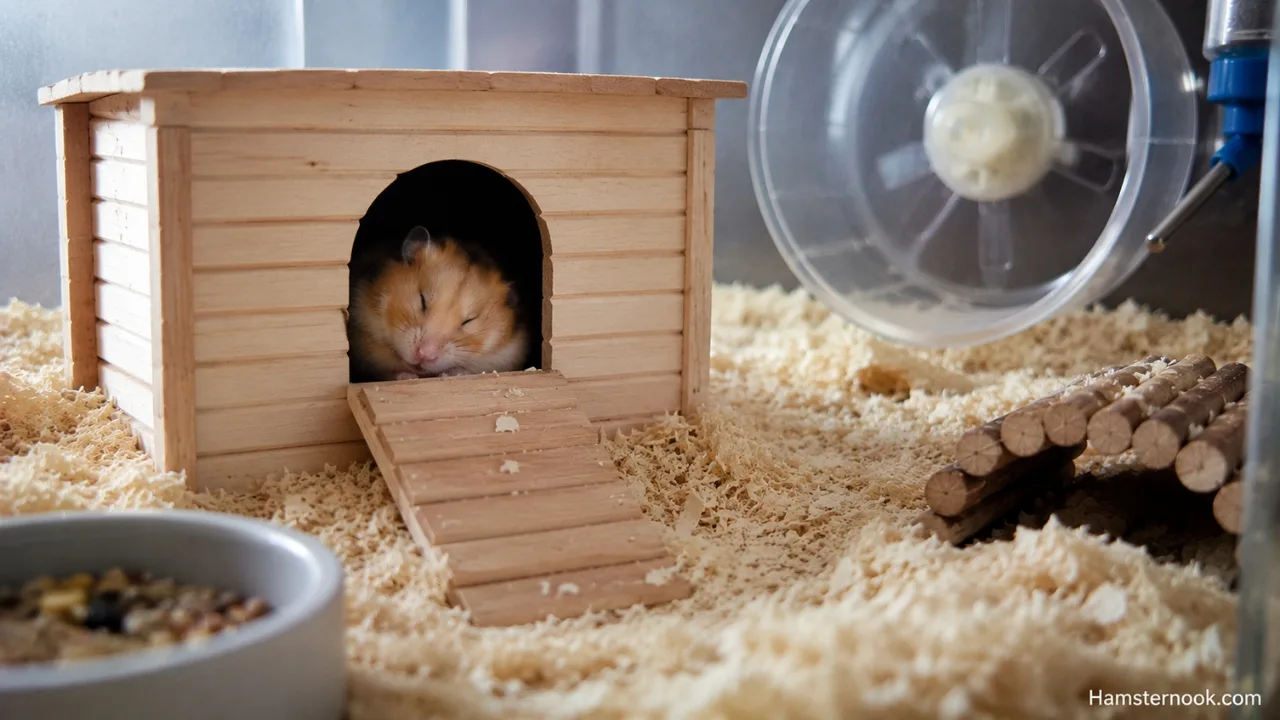
Healthy hamsters often:
A healthy hamster usually sleeps through most of the daytime, occasionally waking to eat or rearrange its bedding before returning to its nest. Once evening arrives, it typically becomes much more active, spending hours running, exploring, foraging, and interacting with its surroundings.
If possible, observe your hamster quietly after dark instead of during the afternoon. You may discover it’s behaving exactly as expected.
If you’re trying to understand whether the way your hamster sleeps is normal, What Your Hamster’s Sleeping Position Says About Their Health explains common sleeping positions and when a position may be concerning.
2. Stress Can Make a Hamster Sleep More
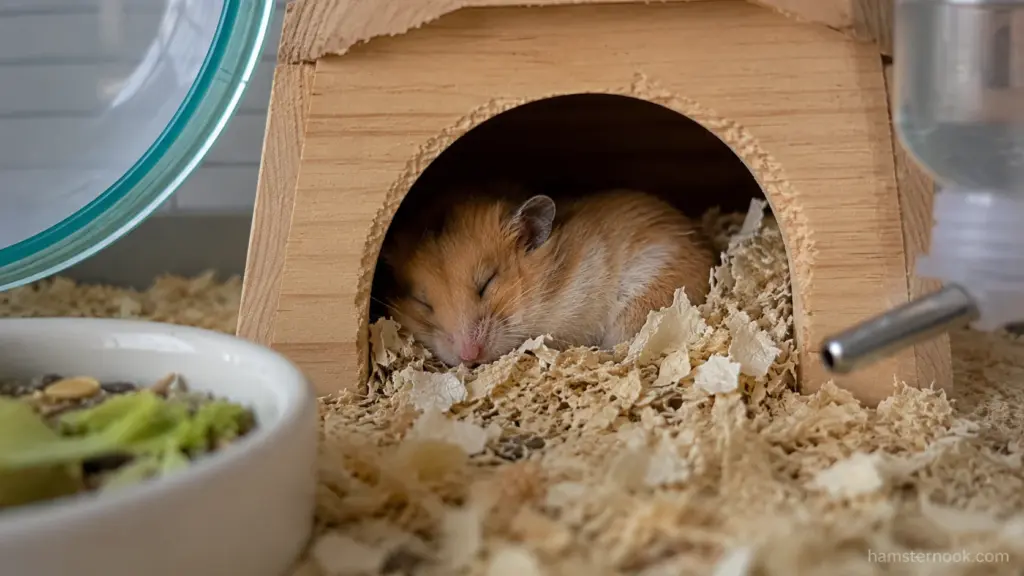
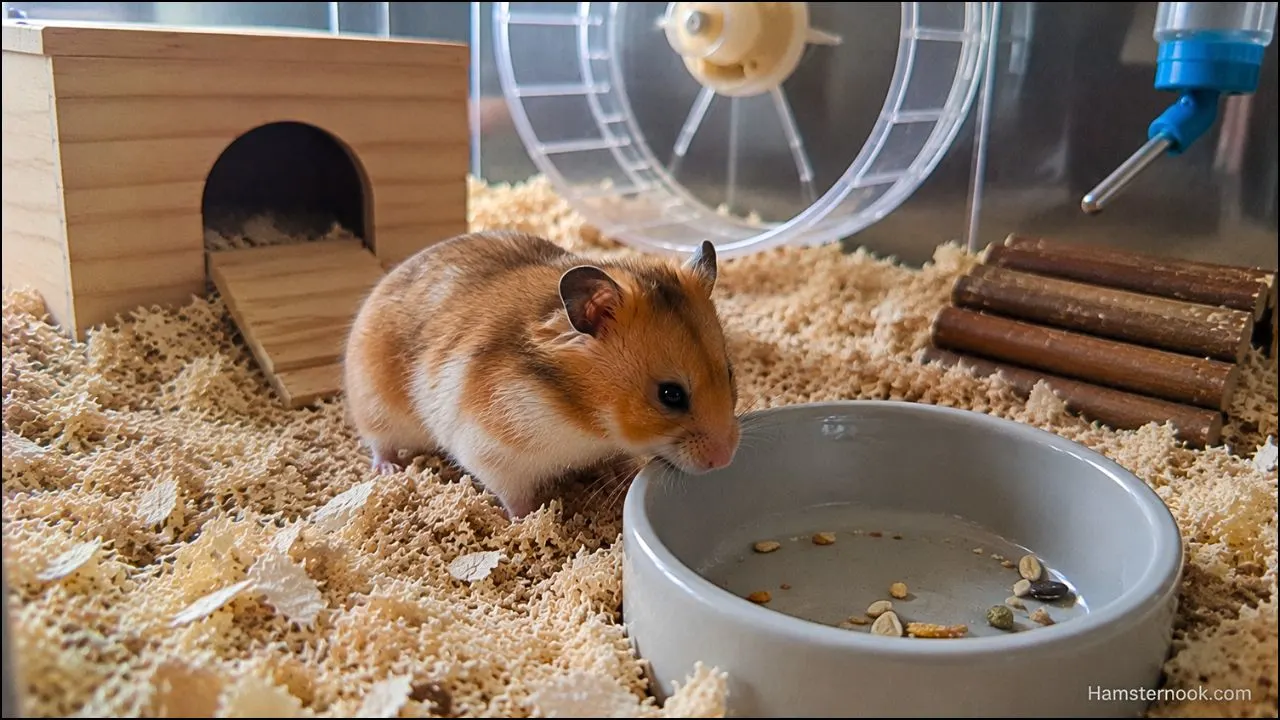
Stress is one of the most common non-medical reasons for increased sleeping.
Recent changes such as:
- Moving into a new home
- A complete cage cleaning
- Loud household noises
- Frequent handling
- New pets nearby
- Rearranging the enclosure
can temporarily make a hamster feel unsafe.
Instead of exploring, many stressed hamsters spend more time hidden inside their nest until they regain confidence.
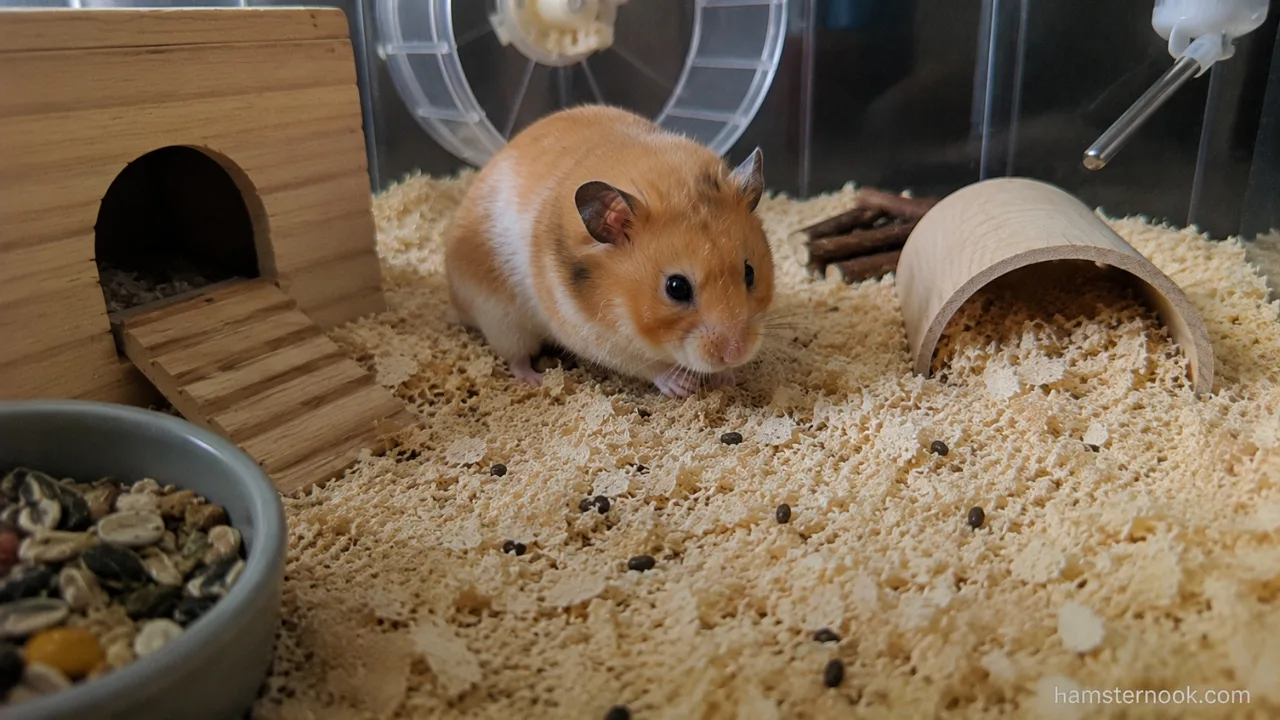
You may also notice:
- Less wheel activity
- More hiding
- Reduced curiosity
- Longer nesting periods
If your hamster recently experienced major environmental changes, monitor whether it returns to its normal evening activity and appetite. If unusual sleepiness persists or other concerning symptoms appear, contact an exotic veterinarian rather than waiting for the behavior to resolve on its own.
Behavior changes caused by stress often appear alongside other unusual habits. If your hamster has become unusually withdrawn, Why Does My Hamster Suddenly Act Different? Common Reasons Behind Behavior Changes can help you identify whether stress may be contributing to the change.
3. Older Hamsters Naturally Become Less Active
As hamsters age, their activity levels gradually decrease.
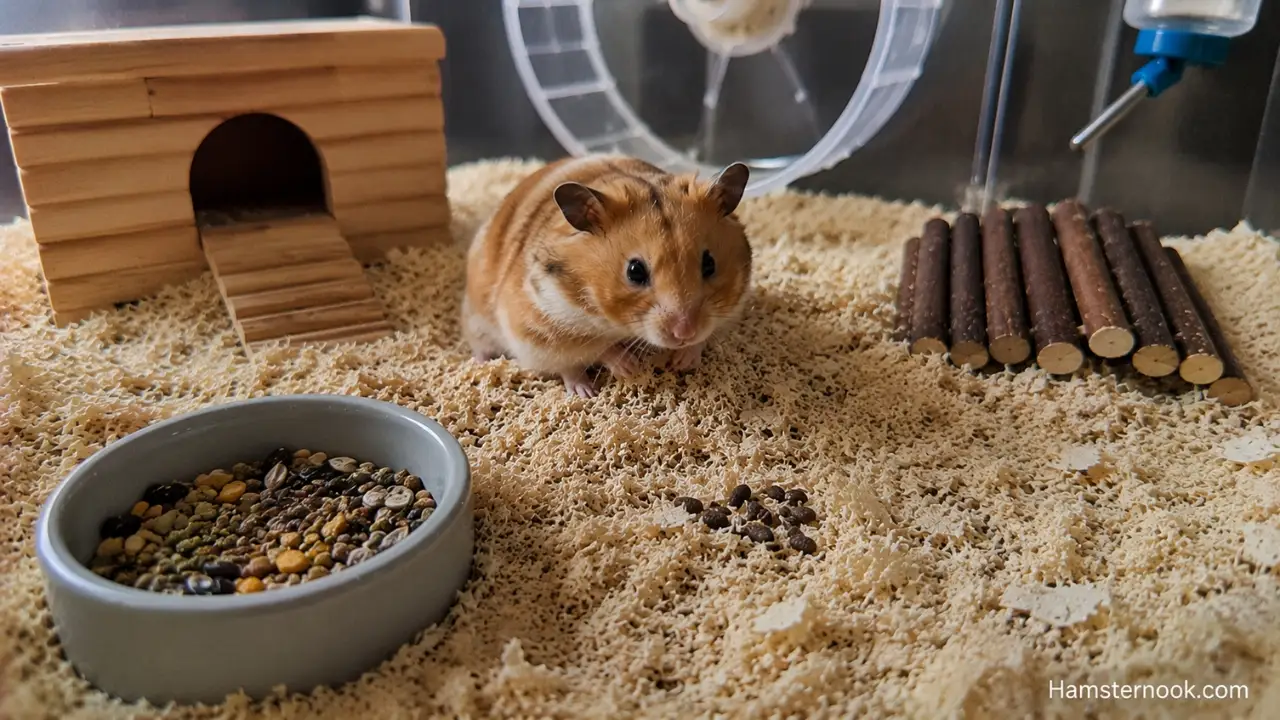
Senior hamsters often:
- Sleep longer.
- Run less on their wheel.
- Move more slowly.
- Spend more time resting between activities.
This gradual change is usually expected and isn’t necessarily a cause for concern if your hamster continues to:
- Eat normally.
- Drink normally.
- Maintain a healthy body weight.
- Groom itself.
- Remain alert when awake.
A gradual slowdown is very different from a hamster that suddenly becomes unusually sleepy overnight.
4. Illness May Be the First Warning Sign
Unfortunately, hamsters instinctively hide signs of illness.
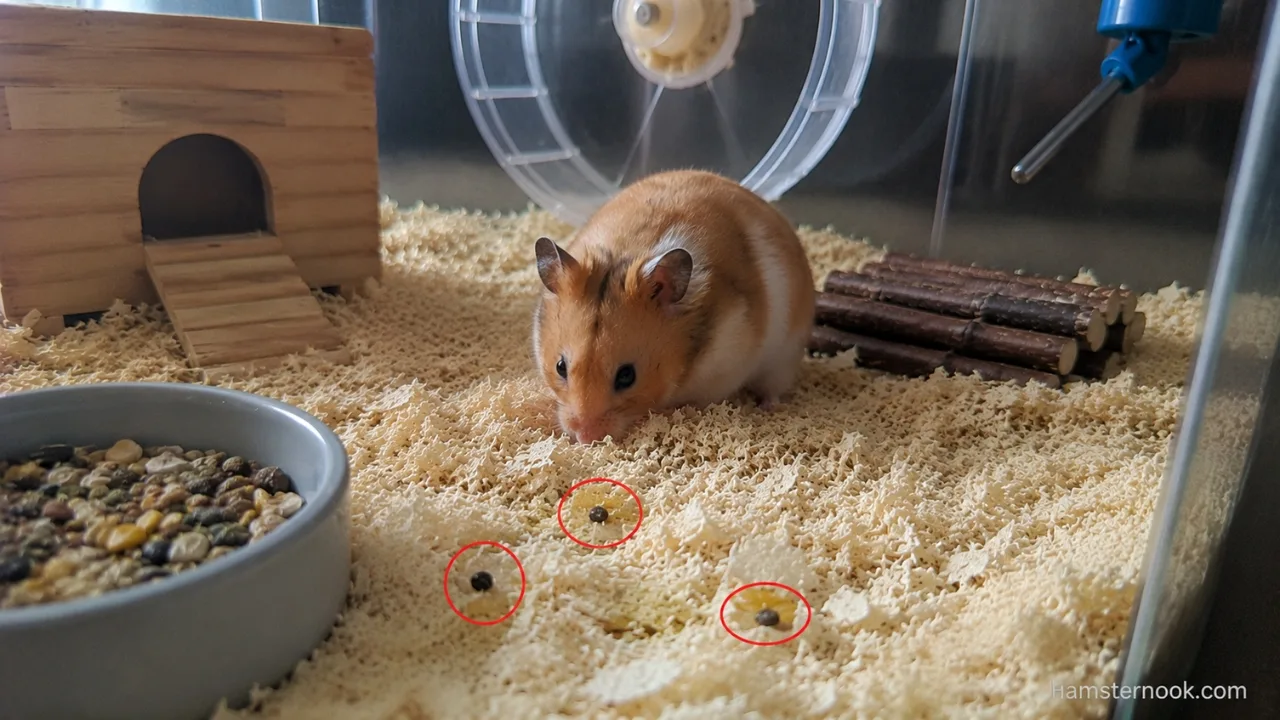
Instead of showing obvious pain, they often become:
- Less active
- Sleepier
- Less interested in exploring
- Less interested in food
Extra sleep may appear before more obvious symptoms develop.
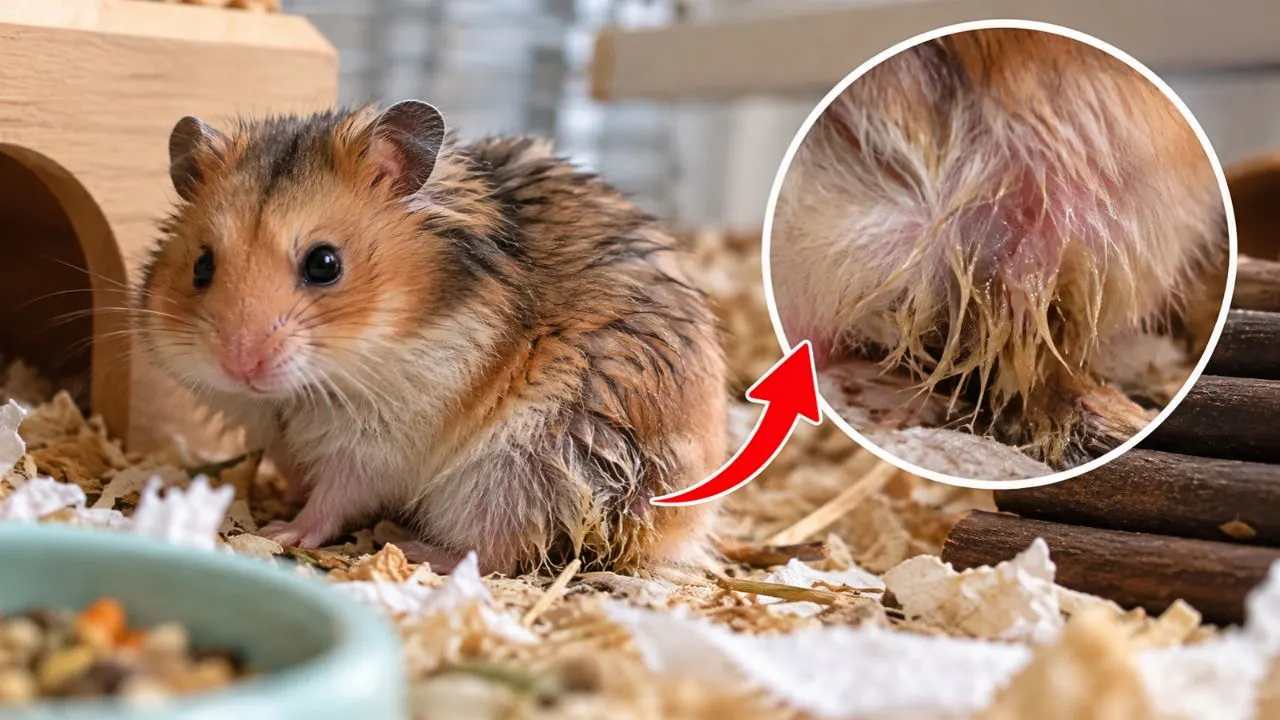
Watch carefully for additional warning signs such as:
- Weight loss
- Rapid breathing
- Reduced appetite
- Difficulty walking
- Wet or messy fur
- Poor grooming
- Squinting eyes
If several of these symptoms appear together, sleeping more than usual should not be ignored.
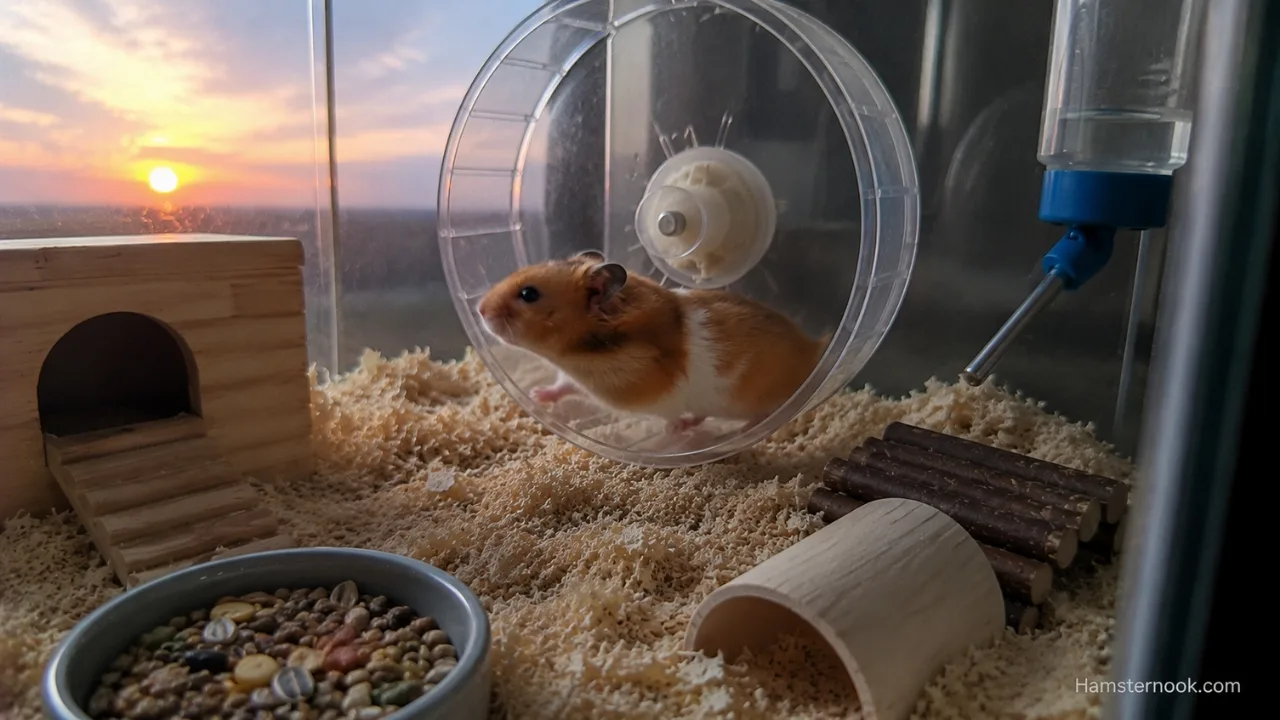
One of the first things many owners notice is that their hamster seems less interested in its usual nighttime activities. 7 Signs Your Hamster Is Finally Starting to Trust You discusses normal engagement behaviors, while Signs of a Sick Hamster Every Owner Should Know explains how reduced activity differs from illness-related lethargy.
5. Your Hamster May Not Be Eating Enough
A hamster that isn’t getting enough nutrition often becomes less active to conserve energy. Sleeping more than usual can sometimes be linked to poor food intake rather than a sleep problem itself.
Check whether your hamster is:
- Finishing its regular food mix
- Hoarding food instead of eating it
- Refusing favorite treats
- Losing weight over several days
Remember that hamsters naturally store food around the cage, so an untouched food bowl doesn’t always mean they haven’t eaten. Check their nesting area and food stash before assuming they’ve stopped eating.
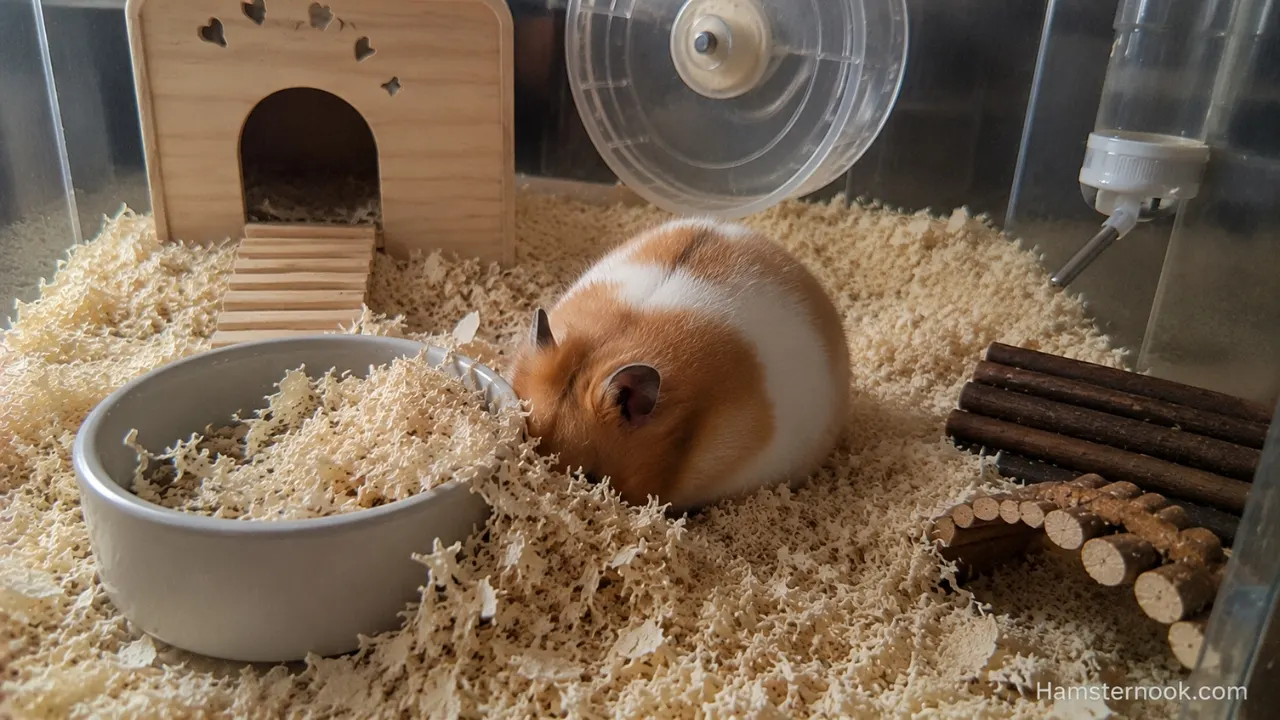
If you’re unsure whether your hamster is eating enough, Why Is My Hamster Suddenly Not Eating? explains the most common causes and when reduced appetite becomes an emergency.
6. Dehydration or High Temperatures Can Increase Resting Time
Hamsters tolerate cool temperatures much better than excessive heat.
When the room becomes too warm, they may:
- Sleep longer
- Become sluggish
- Stop using the wheel
- Eat less
- Stretch out while resting
Keep the room at a steady 18–21°C (64–70°F) and keep the enclosure away from drafts and direct sunlight.
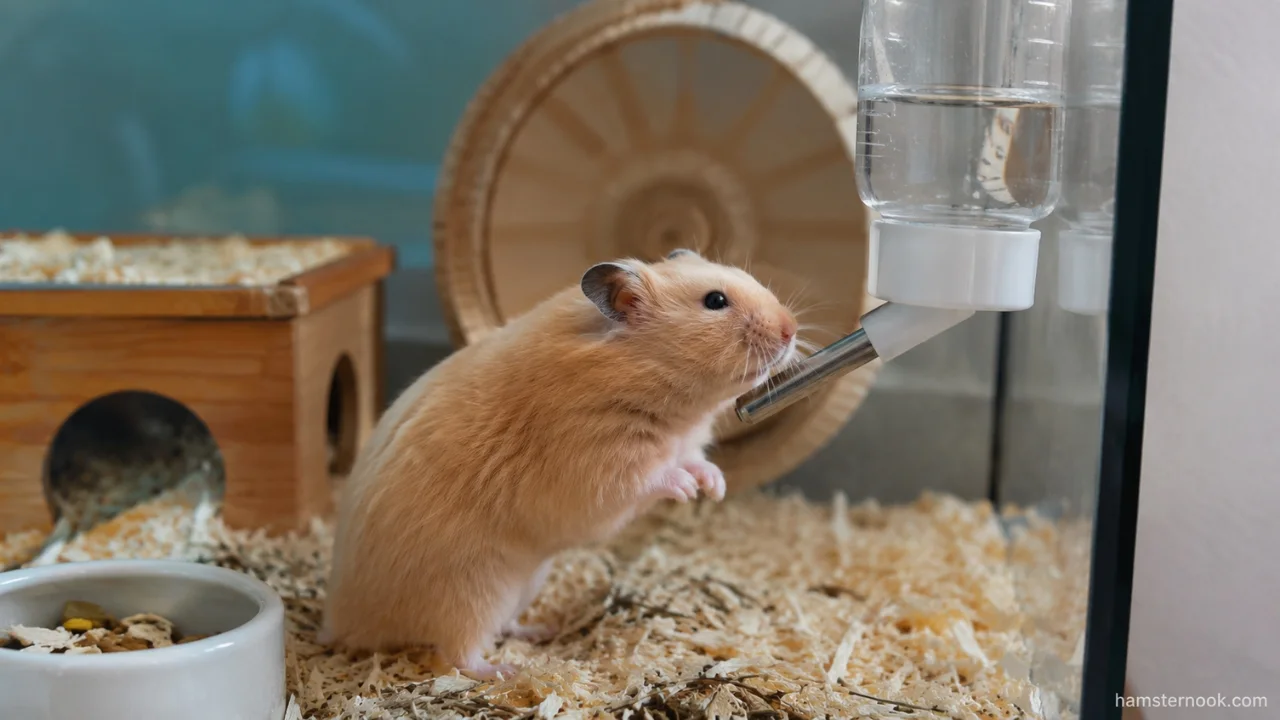
If your hamster seems unusually sleepy during hot weather:
- Move the cage away from direct sunlight.
- Ensure fresh water is always available.
- Improve airflow around the enclosure.
- Avoid placing the cage near heat sources.
Changes in water intake can also provide useful clues. If you’ve noticed unusual drinking habits, Why Is My Hamster Drinking So Much Water? explains when increased water consumption is normal and when it may suggest an underlying health problem.
If temperature may be contributing to the change, Hamster Temperature: Safe Range, Too Hot & Too Cold explains the ideal range, signs of overheating or cold, and what to watch for with torpor.
Could Your Hamster Be Entering Torpor?
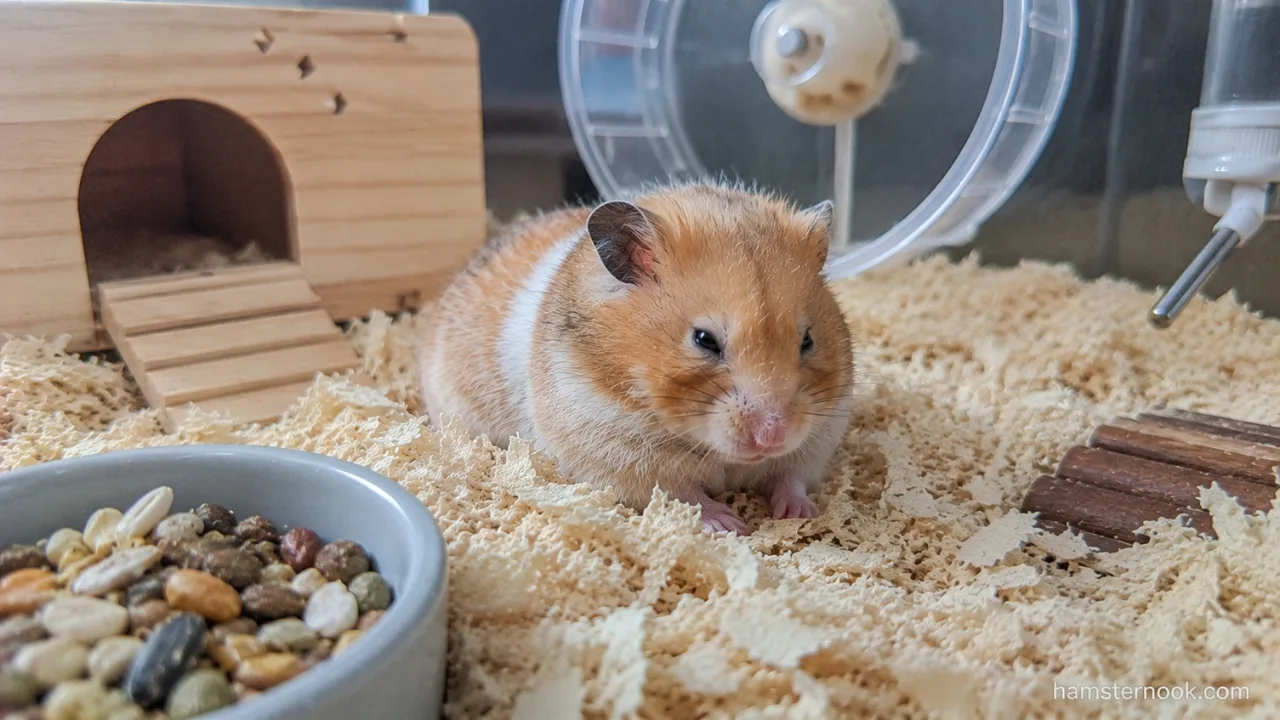
Very cold temperatures can sometimes cause a hamster to enter a state called torpor. During torpor, the hamster becomes extremely inactive, feels cool to the touch, and may appear to be sleeping very deeply. This is different from normal daytime sleep and can become dangerous if the environment is too cold. If you suspect torpor, warm the room gradually and contact an exotic veterinarian for advice.
7. Pain or Injury Can Make Hamsters Sleep More
Because hamsters are prey animals, they rarely show obvious signs of pain.
Instead, they often:
- Stay inside their hideout longer
- Avoid climbing
- Stop using their wheel
- Sleep more than normal
- Become reluctant to move
You should also watch for:
- Limping
- Hunched posture
- Squinting eyes
- Sudden aggression during handling
- Difficulty walking
A hamster that appears sleepy but also avoids movement may actually be resting because movement is uncomfortable.

If you suspect discomfort, How to Tell If Your Hamster Is in Pain explains the subtle warning signs owners often overlook.
When Should You Worry?
Sleeping more than usual becomes concerning when it happens alongside other symptoms.
Seek veterinary advice if your hamster:
- Stops eating or drinking
- Loses noticeable weight
- Has difficulty breathing
- Becomes unusually weak
- Cannot stay awake when gently disturbed
- Has diarrhea or a wet tail area
- Walks abnormally or struggles to balance
- Sleeps continuously for an entire day without normal nighttime activity
These changes may indicate an illness that requires prompt attention rather than simply a change in sleeping habits.
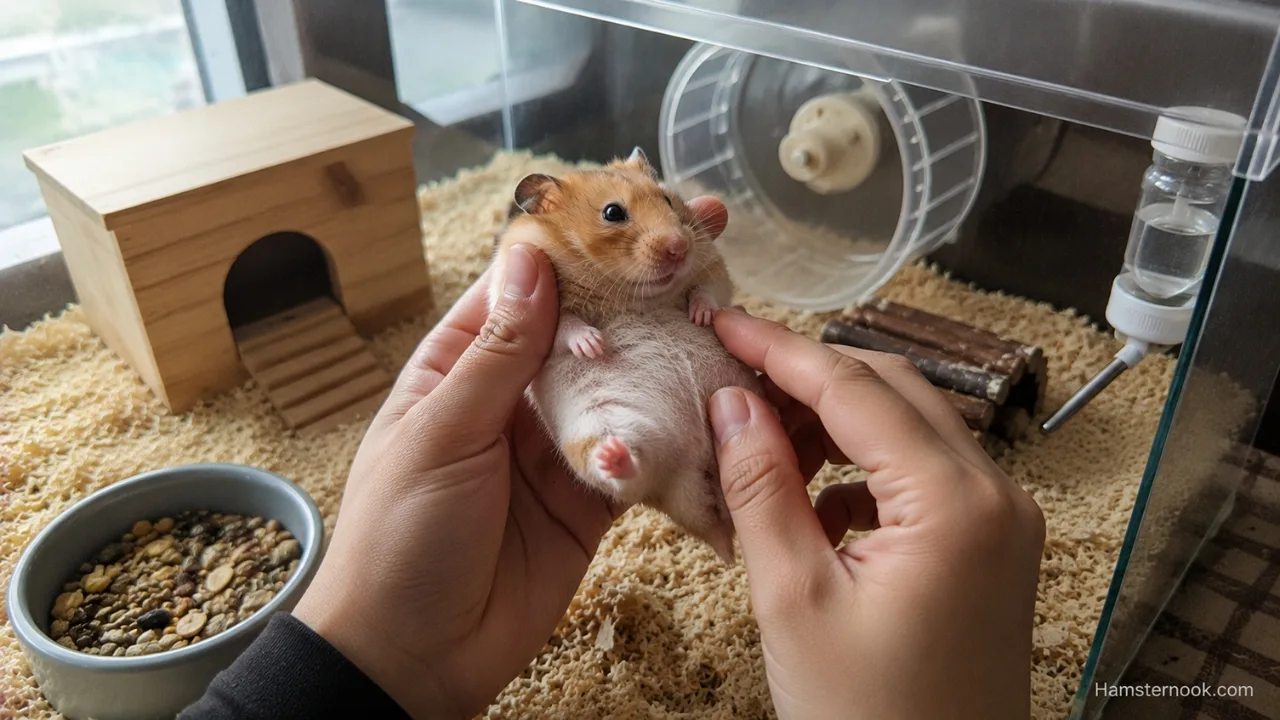
If weakness is one of the symptoms you’ve noticed, Why Is My Hamster Suddenly Weak? Causes Owners Should Never Ignore provides additional guidance on what could be happening.
What You Should Do First
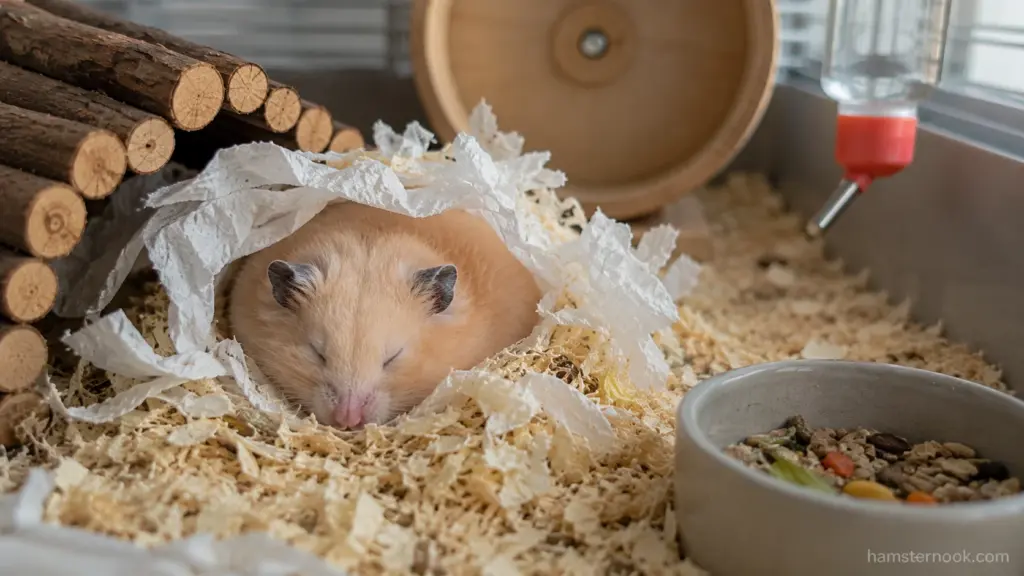
If you notice your hamster has been sleeping more than usual, avoid panicking.
Instead:
- Observe it during its normal evening activity period.
- Check whether it’s eating and drinking normally.
- Weigh your hamster if possible and monitor for changes.
- Make sure the cage temperature is comfortable.
- Look for signs of injury or illness.
- Avoid excessive handling while monitoring its condition.
If your hamster is unusually difficult to wake, refuses food or water, has breathing difficulties, becomes weak, or shows other serious warning signs, contact an exotic animal veterinarian promptly rather than waiting. If the increased sleeping is persistent or its usual activity does not return, arrange veterinary advice even if other symptoms are subtle.
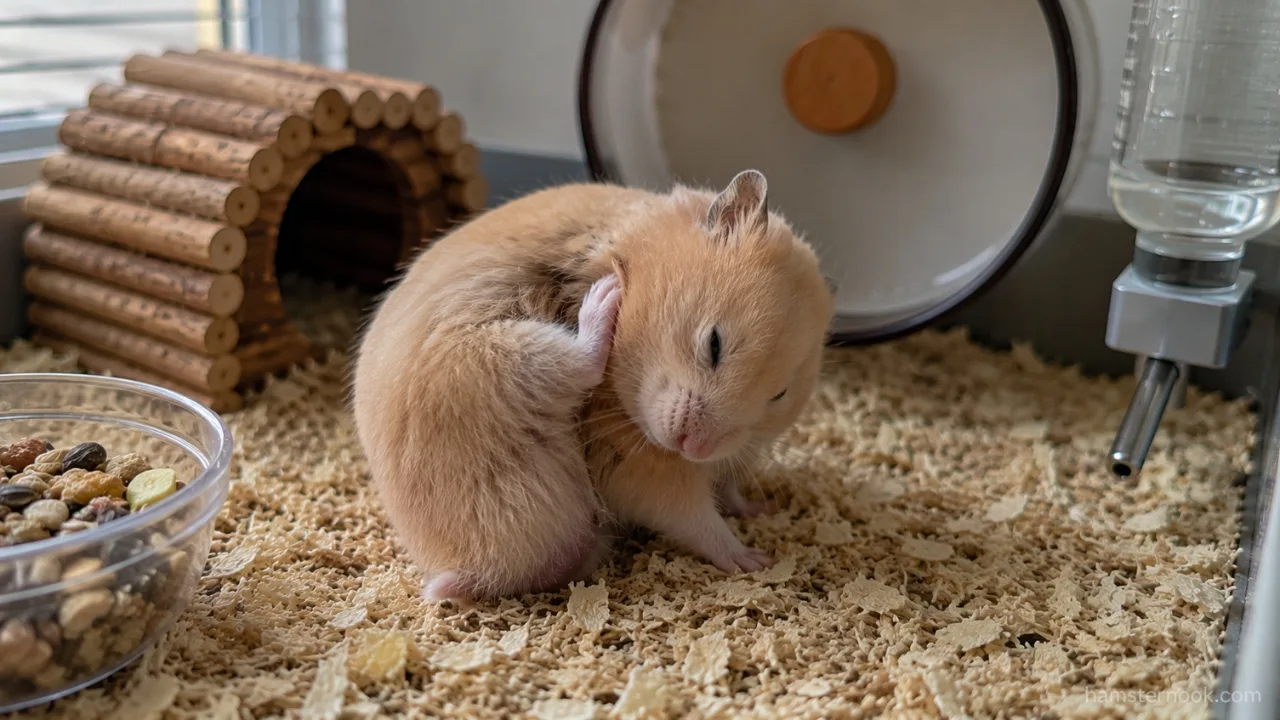
Common Mistakes Owners Make
Many sleeping concerns turn out to be misunderstandings.
Common mistakes include:
- Waking a hamster repeatedly during the day
- Assuming daytime sleep is abnormal
- Ignoring weight loss because the hamster still looks “cute”
- Mistaking food hoarding for poor appetite
- Waiting too long after obvious warning signs appear
Learning your hamster’s normal daily routine is one of the best ways to notice genuine health changes early.
Keep Track of Daily Changes
If your hamster has been sleeping more than usual, write down when it wakes up, how much it eats, whether it uses its wheel, and any changes in body weight. Keeping simple daily notes makes it much easier to notice whether your hamster is recovering or gradually becoming less active.
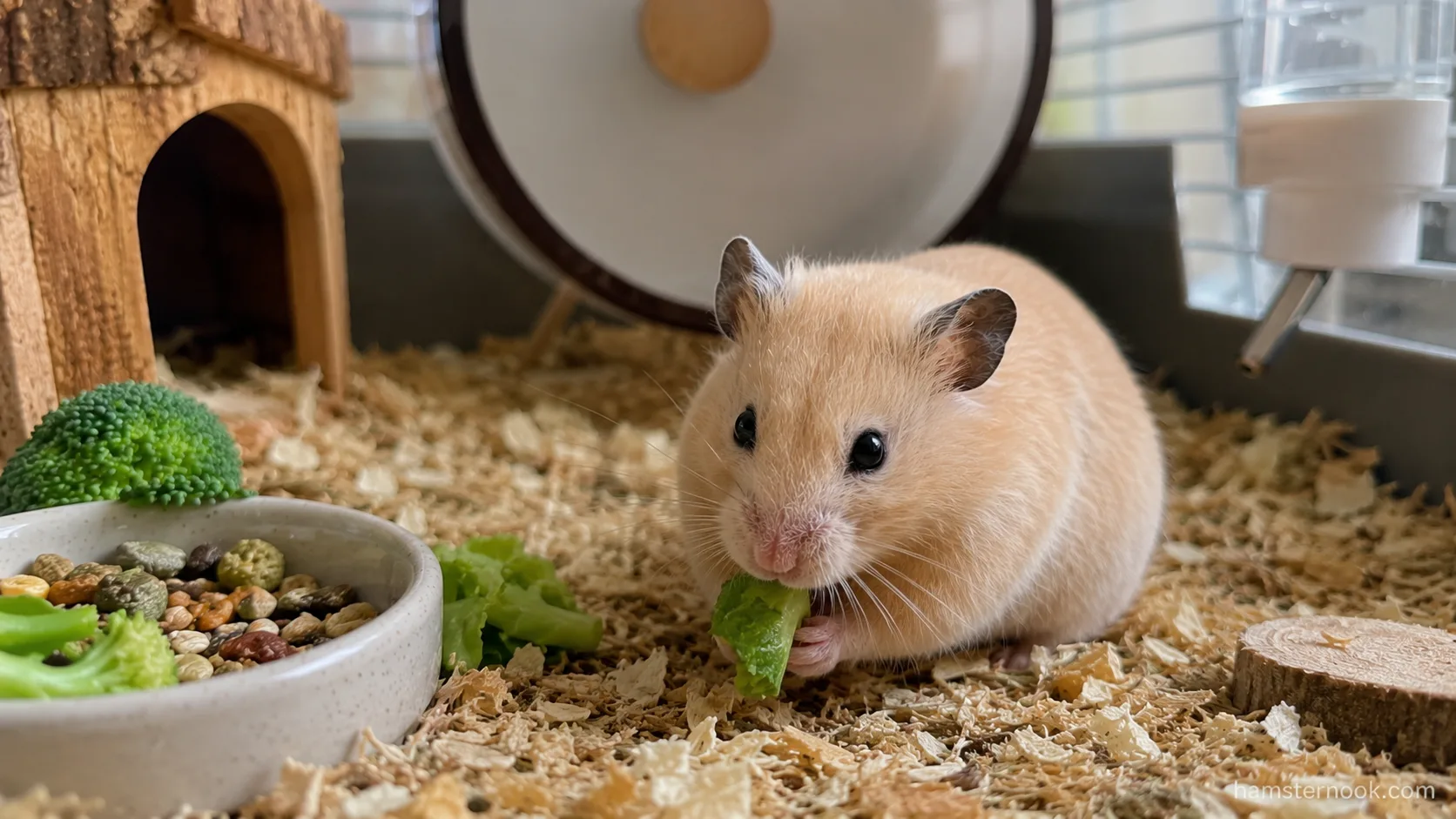
How to Tell Normal Sleep From a Possible Problem
| Normal Sleeping Behavior | Possible Warning Sign |
|---|---|
| Sleeps mostly during the day | Unusually inactive during its normal evening or nighttime hours |
| Wakes and explores in the evening | Rarely leaves the nest or seems unusually difficult to wake |
| Eats and drinks normally | Refuses food or water |
| Uses the exercise wheel or explores | Stops its usual activities or struggles to move |
| Maintains its usual body weight | Noticeable weight loss |
| Alert and curious when awake | Weakness, labored breathing, or marked lethargy |
Rather than focusing on sleep alone, consider your hamster’s overall routine. Appetite, activity, grooming habits, and body weight together provide a much clearer picture of its health.
Conclusion
A hamster sleeping more than usual doesn’t always mean something is wrong. Changes such as settling into a new home, getting older, or recovering from temporary stress can all lead to extra daytime sleep. What’s most important is whether your hamster continues to eat, drink, groom, and stay active during its normal evening hours.
If the extra sleep is accompanied by weight loss, weakness, breathing problems, difficulty moving, or a loss of appetite, don’t wait to see if it improves on its own. Paying attention to changes in your hamster’s daily routine and seeking veterinary advice when needed gives your pet the best chance of a quick recovery.
Frequently Asked Questions
Is it normal for my hamster to sleep all day?
Yes. Hamsters are naturally nocturnal or crepuscular, so sleeping through most of the daytime is completely normal. The concern arises when they also remain inactive throughout their usual nighttime hours.
Why is my hamster sleeping more than usual all of a sudden?
Possible reasons include stress, aging, changes in temperature, illness, dehydration, pain, or reduced food intake. Looking for additional symptoms can help identify whether the change is harmless or requires veterinary attention.
Should I wake my hamster if it’s sleeping too much?
No. Healthy hamsters should generally be allowed to follow their natural sleep cycle. Repeatedly waking them can cause unnecessary stress. Instead, observe whether they become active during the evening.
Can stress make a hamster sleep more?
Yes. Moving to a new home, loud noises, frequent handling, or major cage changes can temporarily cause a hamster to spend more time resting until it feels secure again.
When should I take my hamster to a vet?
Arrange a veterinary examination if increased sleeping is accompanied by symptoms such as refusing food or water, rapid weight loss, breathing difficulties, weakness, diarrhea, injuries, or persistent lethargy.
Can a hamster sleep more after a cage cleaning?
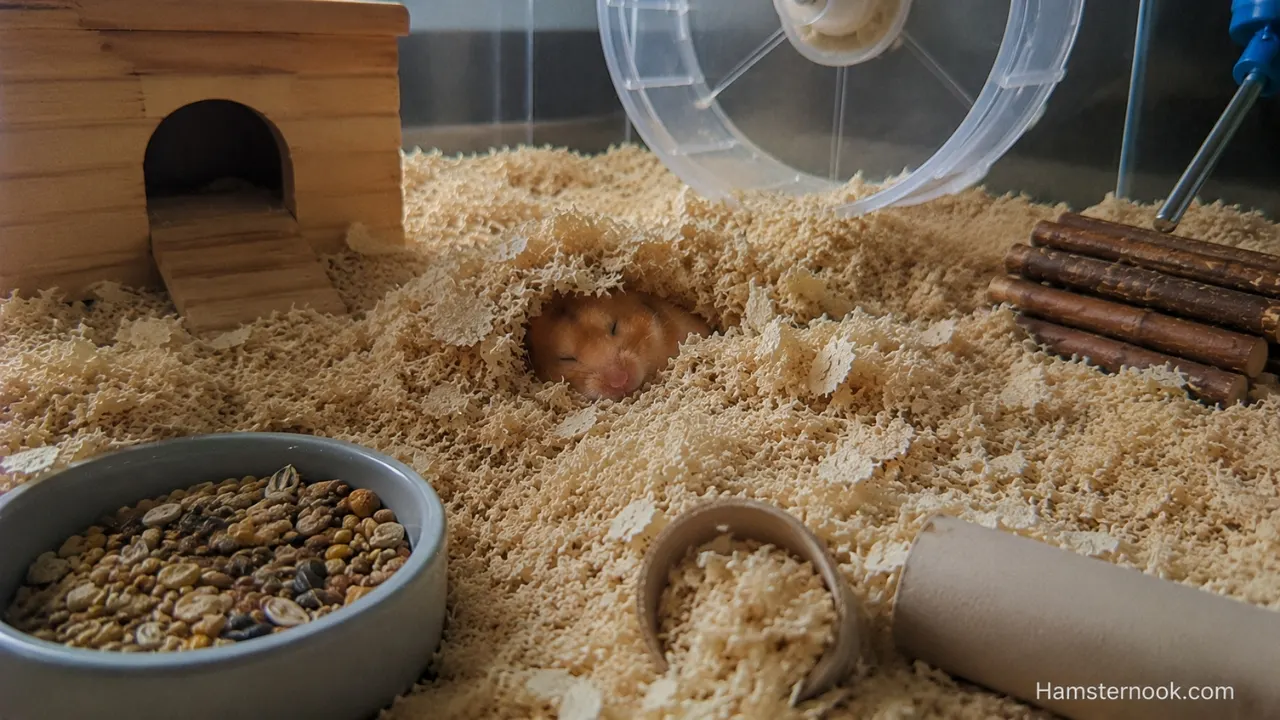
Yes. Some hamsters temporarily sleep longer after a complete cage cleaning because familiar scents have been removed. Most return to their usual routine within a day or two once they feel secure again.
References
This guide is based on hamster sleep patterns, health, behavior, welfare, and general care guidance from trusted veterinary and animal welfare resources, including:
- PDSA – Hamster Care and Health
- RSPCA – Hamster Welfare Advice
- Blue Cross UK – Caring for Hamsters
- Merck Veterinary Manual – Small Mammal Medicine
- Veterinary Partner (VIN) – Small Mammal Health Resources
Medical Disclaimer: This article is intended for educational purposes only and should not replace professional veterinary advice. Hamsters naturally sleep for much of the daytime, but a sudden or persistent change in sleep and activity can sometimes be associated with illness, injury, dehydration, temperature-related problems, or other health concerns. If your hamster is unusually difficult to wake, refuses food or water, loses weight, has difficulty breathing, becomes severely weak, or shows other concerning symptoms, consult a qualified exotic animal veterinarian as soon as possible.

Narayan Kumar is the founder and author of HamsterNook. He creates practical, research-based hamster care guides covering hamster behavior, nutrition, cage setup, enrichment, health, and everyday care. His goal is to help hamster owners make informed decisions and provide safer, healthier lives for their pets through clear, beginner-friendly information based on trusted animal care resources.