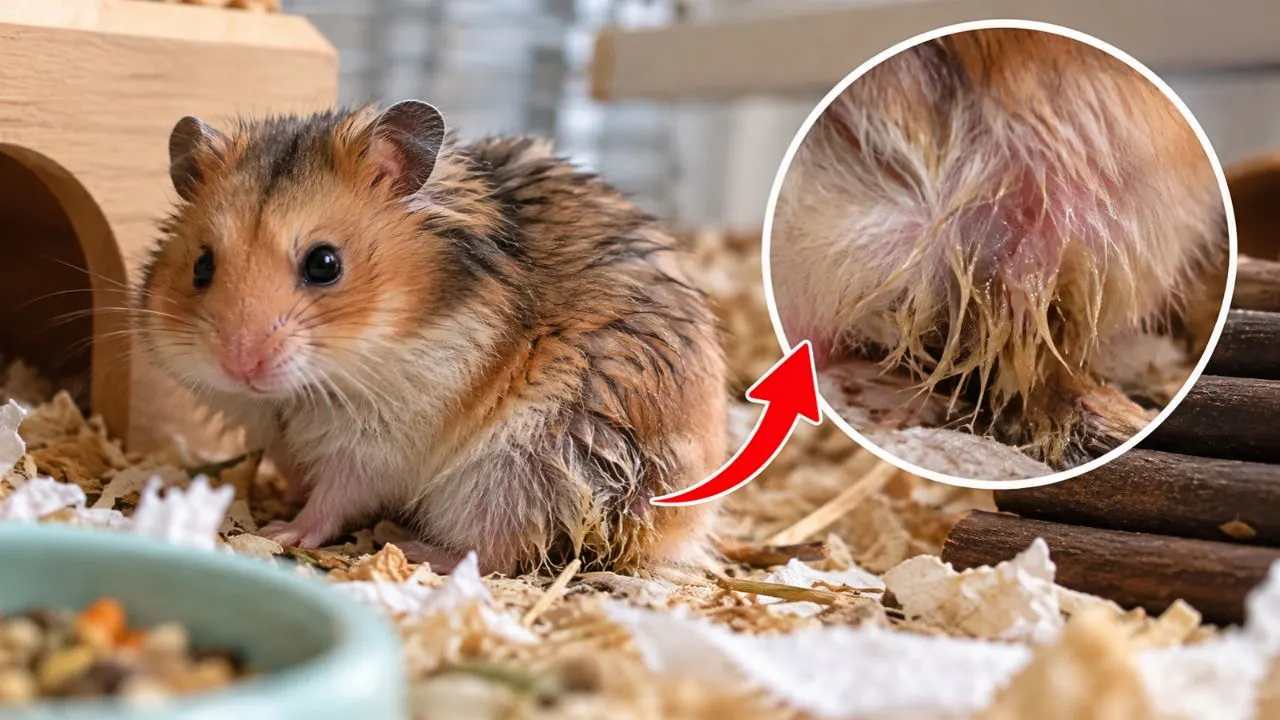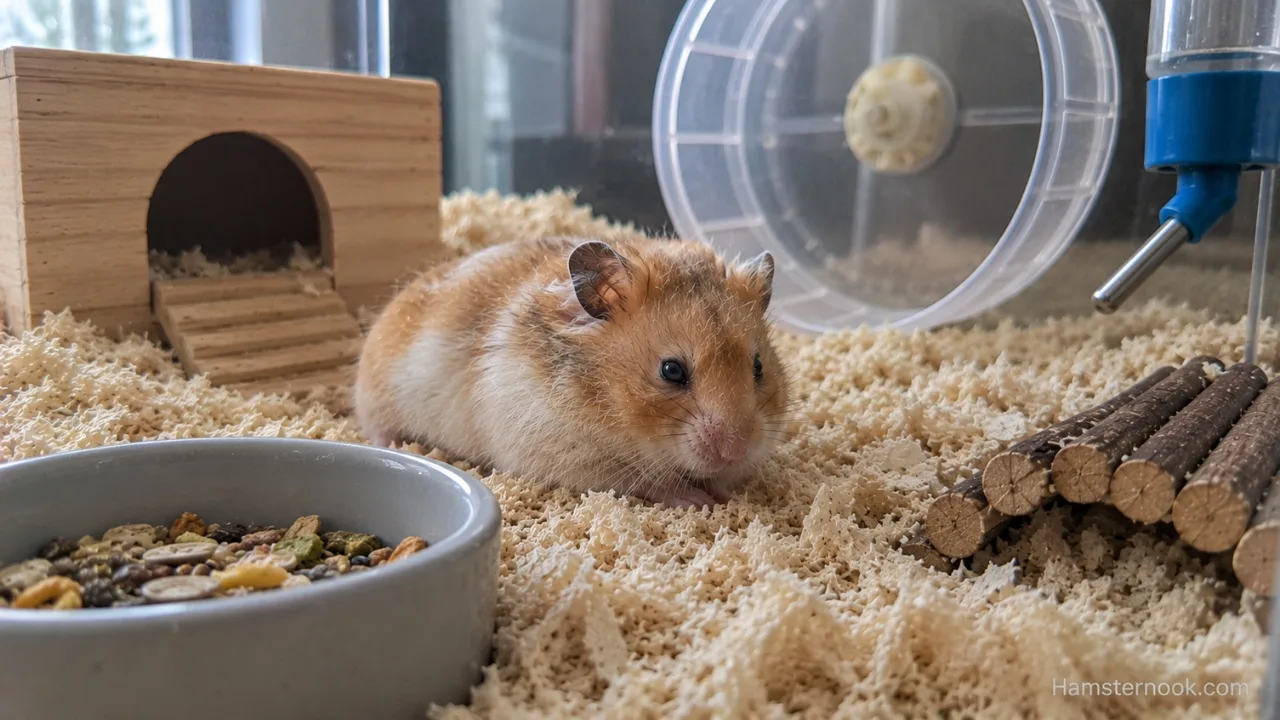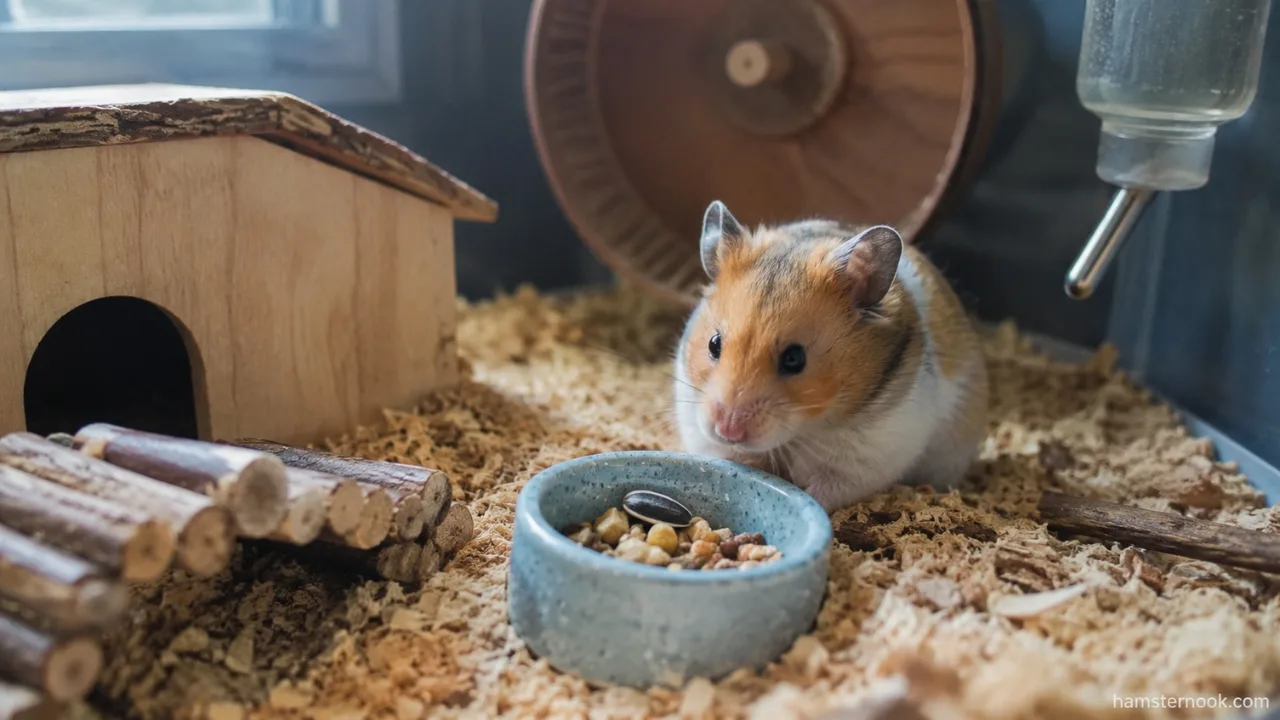
A hamster that suddenly stops eating can worry any owner. Since hamsters are small animals with fast metabolisms, even short periods without food can become serious if ignored. Sometimes the cause is harmless, like stress after moving to a new cage. Other times, it may point to dental problems, illness, aging, or unsafe food habits.
The good news is that many eating problems in hamsters can be identified early if you know what signs to watch for. In this guide, you’ll learn the most common reasons why hamsters stop eating, how to tell the difference between normal behavior and a real problem, and what you can safely do at home before contacting a vet.
A hamster that refuses food can become weak surprisingly fast. In some cases, appetite loss is caused by stress or a recent cage change. In others, it may be the first warning sign of dental disease, infection, dehydration, or another serious health problem. Knowing what symptoms to look for can help you decide when simple monitoring is enough and when veterinary care is urgently needed.
Quick Reasons a Hamster May Stop Eating
| Cause | Serious? | Common Signs |
|---|---|---|
| Stress | Usually No | Hiding, nervous behavior |
| Dental Problems | Yes | Drooling, dropping food |
| Illness | Yes | Weakness, lethargy |
| Food Hoarding | No | Hidden food stashes |
| Heat Stress | Yes | Rapid breathing |
| Old Age | Sometimes | Reduced activity |
Is It Normal for Hamsters to Eat Less Sometimes?
Yes, hamsters do not always eat with the same appetite every day. Small changes can happen because of:

- Stress
- Temperature changes
- Sleeping patterns
- New environments
- Food preferences
Hamsters are also nocturnal, so owners often assume they are not eating simply because they do not see them eating during the day. Many hamsters wait until late evening or nighttime to eat and drink.
However, a hamster that completely refuses food, loses weight, becomes weak, or shows other unusual symptoms should never be ignored.
Common Reasons Why Hamsters Stop Eating
Stress After a New Environment or Cage Change
Stress is one of the most common causes of temporary appetite loss in hamsters.
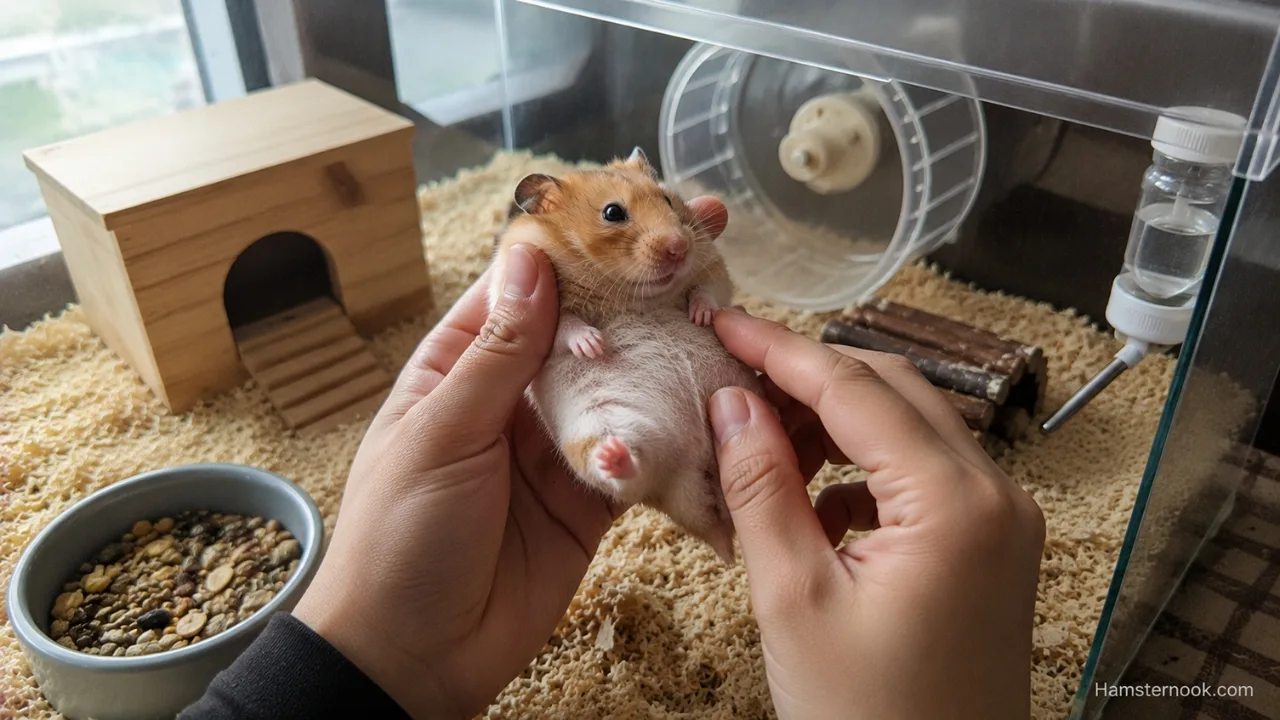
Hamsters are sensitive animals that rely heavily on familiar smells and routines. Moving to a new home, changing cages, loud noises, excessive handling, or introducing new pets nearby can make them anxious enough to stop eating for a short time.
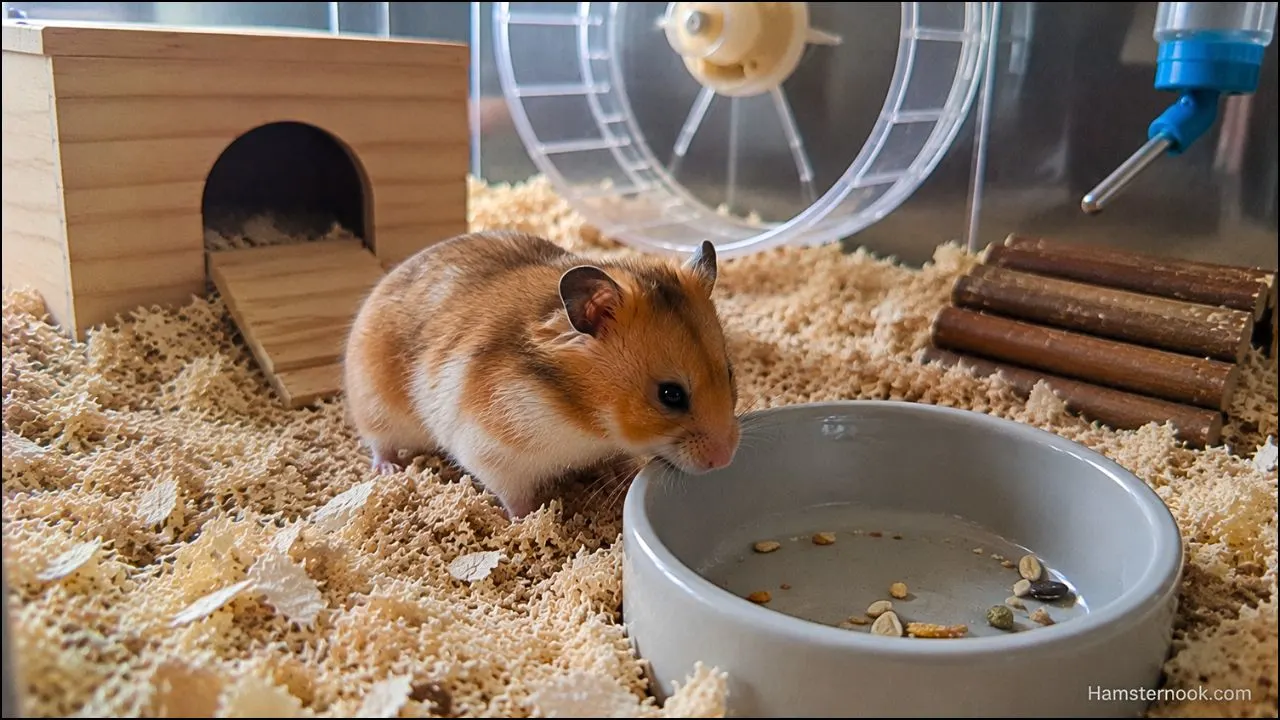
Common stress signs include:
- Hiding more than usual
- Freezing or acting nervous
- Sleeping excessively
- Avoiding food temporarily
- Chewing cage bars
Stress can reduce appetite temporarily, but do not assume that refusing food is only stress. If your hamster is eating noticeably less than usual, especially with changes in droppings, activity, drinking, or appearance, contact a veterinarian promptly. Hamsters can become seriously unwell quickly, so it is safer to rule out illness than to wait several days.
If stress is also showing through hiding, repetitive behavior, or other changes, our 7 Ways You’re Accidentally Stressing Your Hamster: Signs & What to Do guide covers common stress triggers and what owners can change.
During this adjustment period, avoid making multiple changes at once. Constantly moving accessories, changing food, or handling excessively can prolong stress-related appetite loss.
What to do:
- Keep the cage in a quiet area
- Avoid excessive handling
- Maintain a stable routine
- Provide hiding spots and bedding
- Avoid sudden cage changes
Stress-related behaviors like cage biting are often linked to small enclosures, boredom, or sudden environmental changes. Our Best Hamster Cage Setup for Beginners guide explains how habitat design can reduce stress and support healthier daily behavior.
Dental Problems Can Make Eating Painful
Hamsters have continuously growing teeth. If their teeth become overgrown, broken, or misaligned, eating may become painful or impossible.
This is especially common in older hamsters or hamsters that do not have enough chew toys.
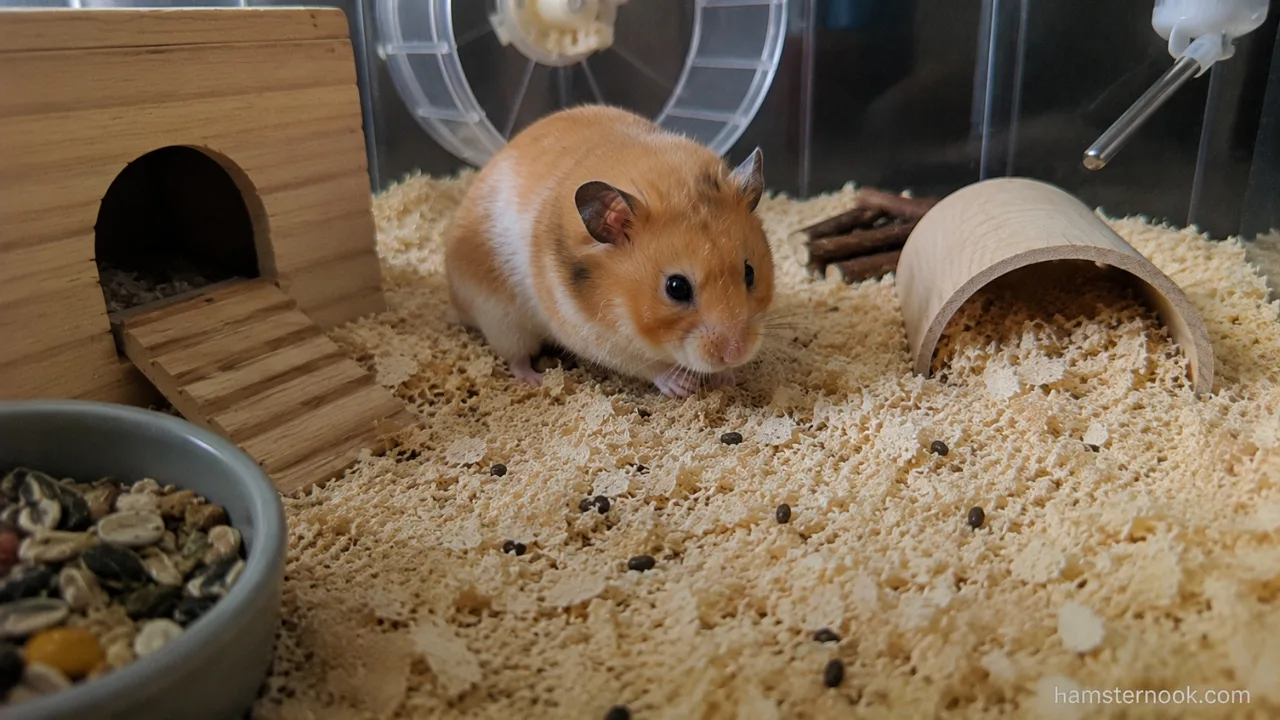
Signs of dental problems:
- Drooling
- Wet fur around the mouth
- Difficulty chewing
- Dropping food
- Weight loss
- Only eating soft foods
A hamster with serious dental problems may approach food but fail to eat it properly.
Some hamsters repeatedly pick up food, attempt to chew, and then drop it. This pattern often suggests discomfort while eating and should not be ignored if it continues.
What to do:

- Do not force food into the mouth
- Do not trim or file the teeth yourself
- Contact a veterinarian if chewing appears painful or food is repeatedly dropped
- Follow veterinary advice about any softened or wet food
Regular chewing is essential for healthy teeth growth. Read our guide to safe hamster chew toys to help prevent overgrown teeth.
- Contact an exotic vet if eating does not improve
Never attempt to trim hamster teeth yourself at home.
Illness or Infection
Loss of appetite is often one of the first signs of illness in hamsters.
Appetite loss often appears alongside other symptoms. Our Signs of a Sick Hamster: Warning Symptoms Every Owner Should Know guide explains the warning signs that frequently appear before a hamster becomes seriously ill.
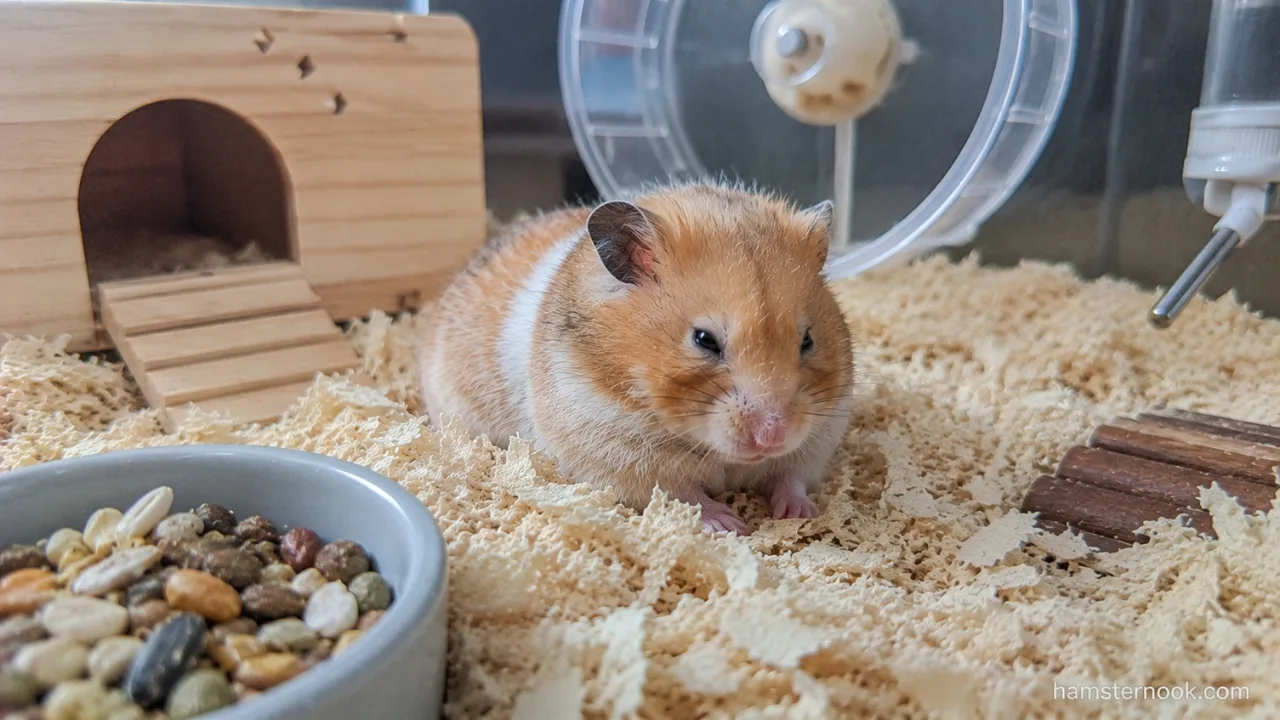
Several health conditions can reduce appetite, including:
- Respiratory infections
- Digestive issues
- Wet tail
- Internal injuries
- Tumors
- Organ disease
A sick hamster may also appear:
- Lethargic
- Weak
- Hunched over
- Dehydrated
- Less active than normal
If your hamster is sitting still or barely moving in addition to refusing food, treat the combination as more concerning rather than assuming it is normal sleepiness. Our Why Is My Hamster Sitting Still / Not Moving? guide covers the warning signs to watch for.
Warning Signs That Need Immediate Veterinary Attention
| Symptom | Possible Concern |
|---|---|
| Diarrhea or wet tail area | Wet tail or digestive illness |
| Heavy breathing or sneezing | Respiratory infection |
| Rapid weight loss | Serious illness |
| Refusing water too | Dehydration risk |
| Swollen belly | Internal issue |
| Blood in urine or stool | Needs urgent veterinary attention |
Hamsters can deteriorate quickly because of their small size, so fast action matters.
Your Hamster May Be Hoarding Food Instead
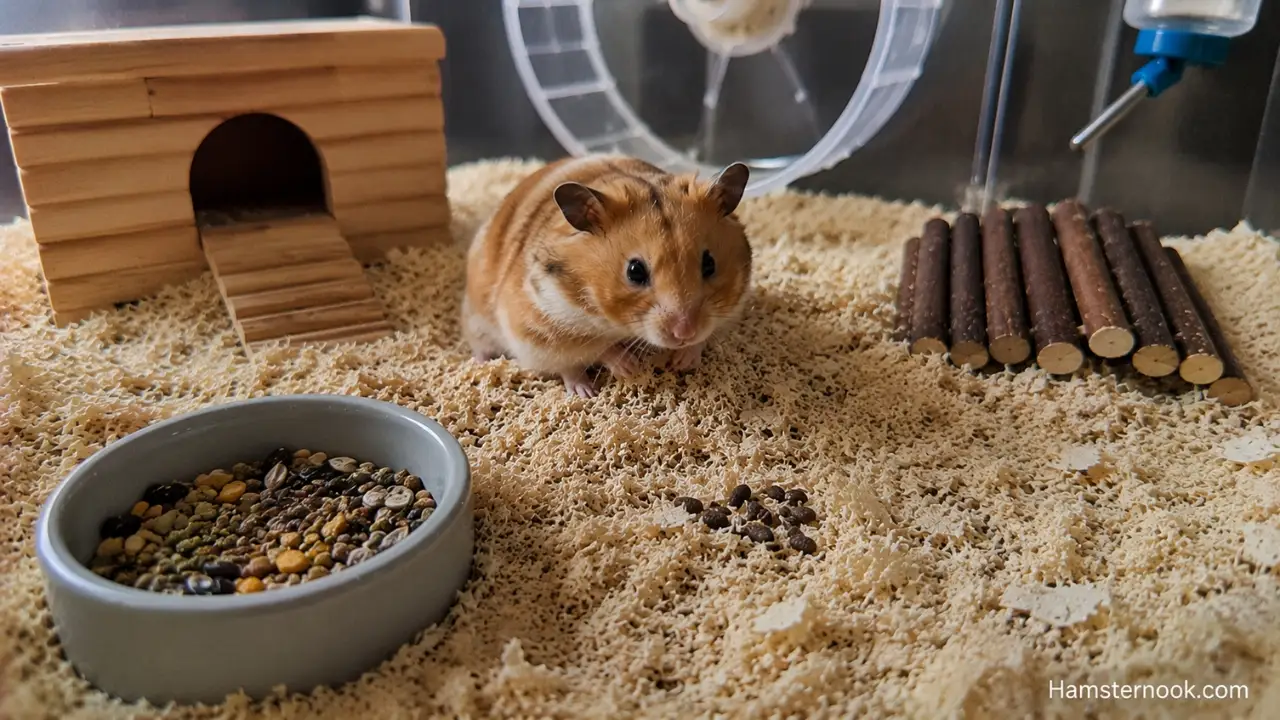
Many owners think their hamster stopped eating when the hamster is actually storing food.
Hamsters naturally hoard food in:
- Hideouts
- Bedding
- Tunnels
- Corners of the cage
You may notice the food bowl looks untouched while your hamster secretly eats from hidden storage.
Check for:
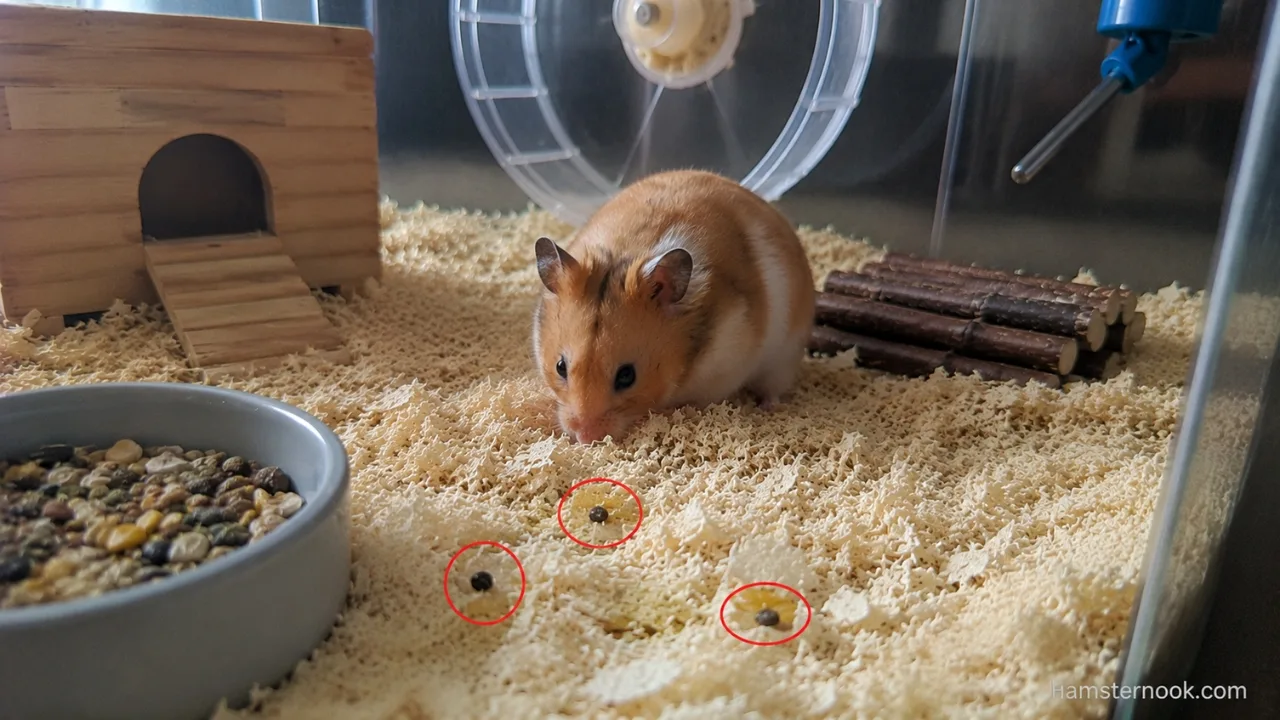
- Hidden food piles
- Fresh chew marks
- Missing pellets or seeds
- Normal body weight
If your hamster remains active and maintains weight, food hoarding may be the explanation.
Poor Diet or Sudden Food Changes
Hamsters can become picky if they are constantly offered treats or sugary foods.
Too many snacks like:
- Fruit
- Yogurt drops
- Sweet treats
- Human food
can make regular hamster food less appealing.

Sudden food changes can also upset digestion and reduce appetite temporarily.
What to do:
- Return to a balanced hamster food mix
- Limit treats
- Introduce new foods slowly
- Remove spoiled or old food
Fresh food should never sit in the cage for too long, especially fruits and vegetables.
Dehydration and Heat Stress
Hamsters are sensitive to high temperatures. Heat stress can quickly reduce appetite and energy levels.
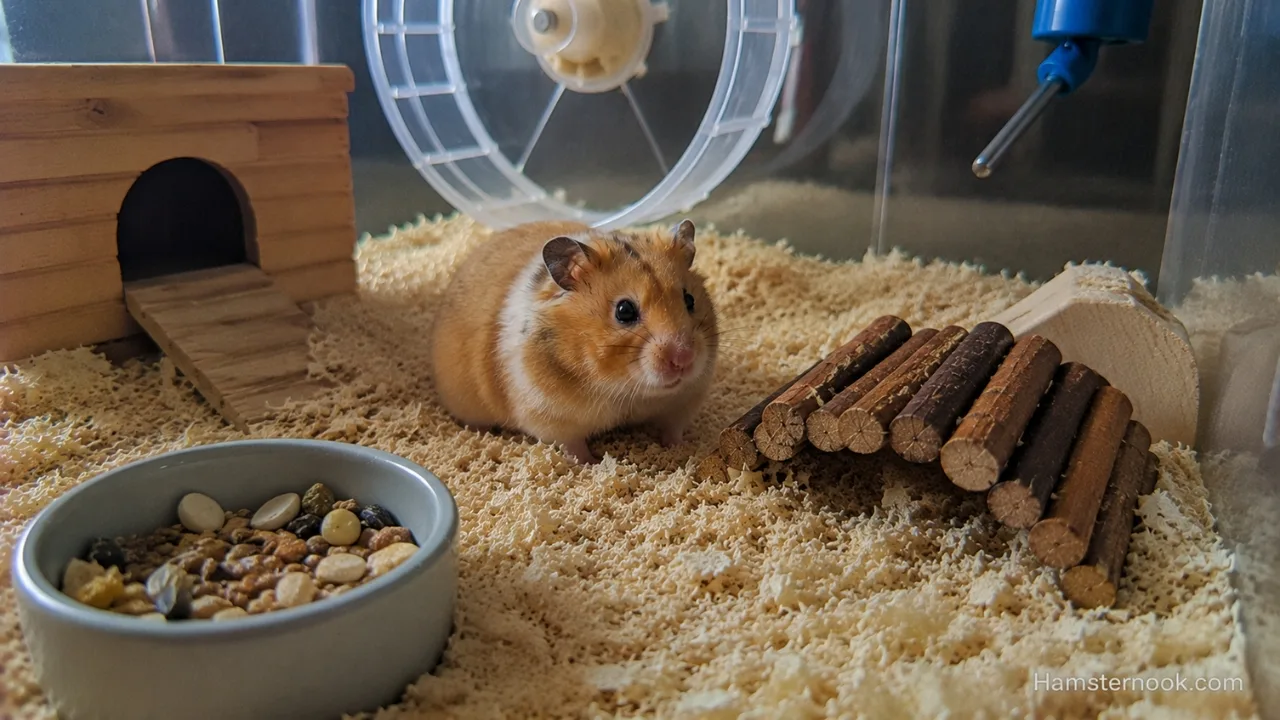
Signs of overheating:
- Lying stretched out
- Rapid breathing
- Weakness
- Refusing food
- Sticky saliva
PDSA recommends keeping a hamster’s cage at a steady 18–21°C and away from direct sunlight and draughts.
What to do:
- Move the cage to a cooler room
- Ensure fresh water is always available
- Avoid direct sunlight
- Improve airflow around the cage
Never place a hamster in cold water to cool them down.
Aging Hamsters Often Eat Less
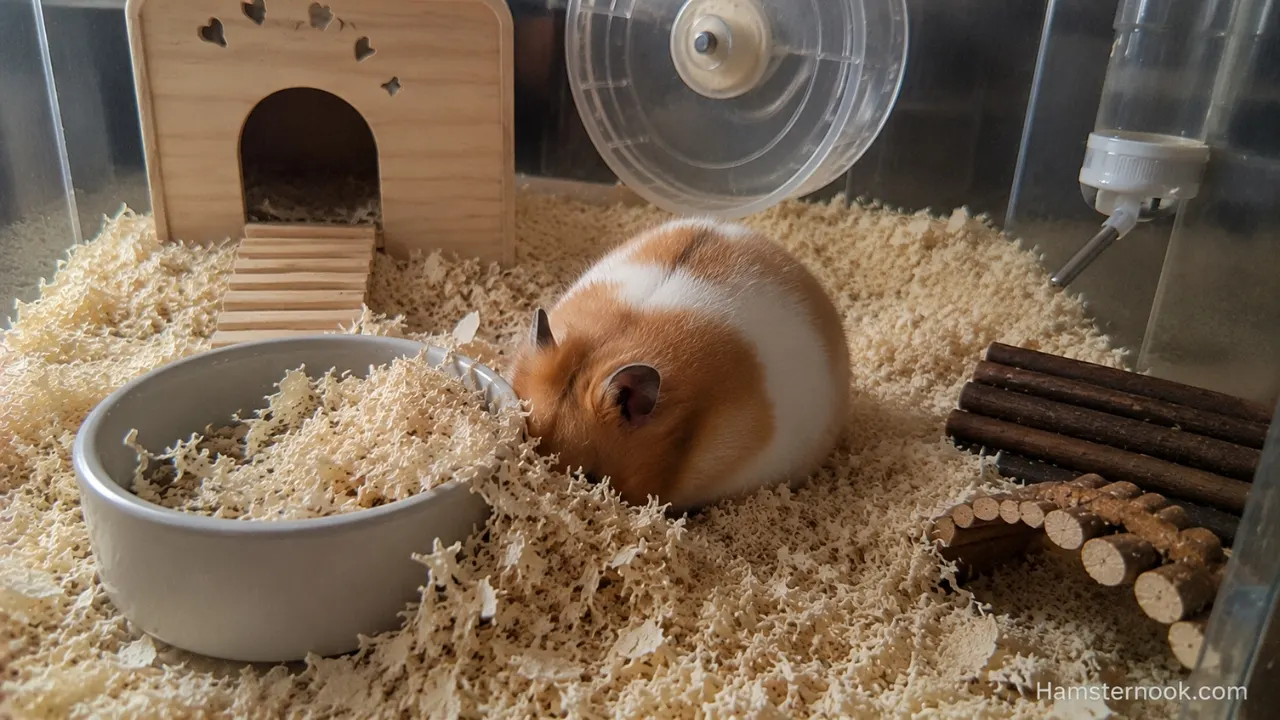
Senior hamsters naturally slow down with age. Older hamsters may:
- Eat smaller amounts
- Prefer softer foods
- Sleep more
- Lose some muscle mass
This gradual change can be normal if:
- Weight remains fairly stable
- Drinking continues normally
- Activity is still reasonable for age
If an older hamster starts eating less, do not automatically assume the change is simply part of aging. Dental problems, pain, or illness can also reduce appetite. If a veterinarian recommends a softer or wet diet, follow their specific feeding instructions.
Can Stress or Environmental Changes Affect a Hamster’s Appetite?
Hamsters do experience stress and behavioral changes, but loss of appetite is more commonly linked to physical illness, environmental stress, or pain rather than “depression” in the human sense.

Syrian hamsters are naturally solitary and usually should not live with other hamsters. Forced cohabitation can actually increase stress and reduce appetite.
Instead of focusing on loneliness, focus on:
- Proper cage size
- Enrichment
- Exercise wheel access
- Hiding spots
- Stable routines
Why Is My Hamster Drinking Water but Not Eating?
If your hamster is still drinking water but refuses to eat, it may indicate a problem that affects chewing rather than thirst. Dental issues are one of the most common causes. Overgrown or damaged teeth can make eating painful, while drinking remains relatively easy.
In some cases, stress, illness, mouth injuries, or digestive discomfort may also reduce a hamster’s appetite while leaving its water intake unchanged. You may notice your hamster approaching food, sniffing it, or trying to eat before quickly giving up.

Watch for additional warning signs such as drooling, weight loss, lethargy, swollen cheeks, or dropping food while chewing. These symptoms can help identify whether the problem is behavioral or medical.
If your hamster continues drinking normally but refuses food, do not assume that drinking makes the situation safe. Appetite loss can be caused by dental pain, illness, digestive problems, or other conditions, so contact a veterinarian promptly if your hamster is eating less than usual or refuses food.
What To Do If Your Hamster Stops Eating
Step 1: Check for Other Symptoms
Look for:
- Weight loss
- Diarrhea
- Labored breathing
- Drooling
- Weakness
- Dehydration
If multiple symptoms appear together, contact a vet quickly.

A hamster that is also becoming weak, unusually inactive, or difficult to rouse needs particular attention. See our Hamster Suddenly Weak guide for the warning signs that can accompany sudden weakness.
Step 2: Monitor Food and Water Intake
Track:
- Water bottle levels
- Food disappearance
- Droppings
- Activity level
No droppings at all can indicate dangerous digestive slowdown.
If your hamster’s droppings are also becoming smaller than normal, our Hamster Droppings Smaller Than Normal: Causes & When to Worry guide explains what changes to watch for.
Step 3: Do Not Force-Feed or Change the Diet Without Veterinary Guidance
Do not force food into your hamster’s mouth or introduce a special soft diet simply to make it eat. If a veterinarian recommends wet or softened food, follow their instructions and offer only the appropriate amount. Remove uneaten wet food promptly because it can spoil quickly.
Step 4: Reduce Stress
Keep the environment:
- Quiet
- Stable
- Clean
- Calm
Avoid unnecessary handling while the hamster recovers.
Step 5: Contact an Exotic Vet if Appetite Does Not Return
If your hamster refuses food, especially completely, contact a veterinarian promptly rather than waiting for a fixed number of hours. Veterinary care is especially important when other signs of illness are present.

Hamsters hide illness very well, so by the time symptoms become obvious, the hamster may already be feeling significantly unwell.
What to Offer If Your Hamster Is Struggling to Eat
Do not rely on special foods to treat appetite loss. A hamster that is eating less than usual may have an underlying health problem, so food changes should not replace veterinary care.
If a veterinarian recommends a softer diet, follow their specific instructions. Wet or powdered food can spoil quickly and should only be used when appropriate for the hamster’s condition.
Always introduce foods in small amounts to avoid digestive upset.
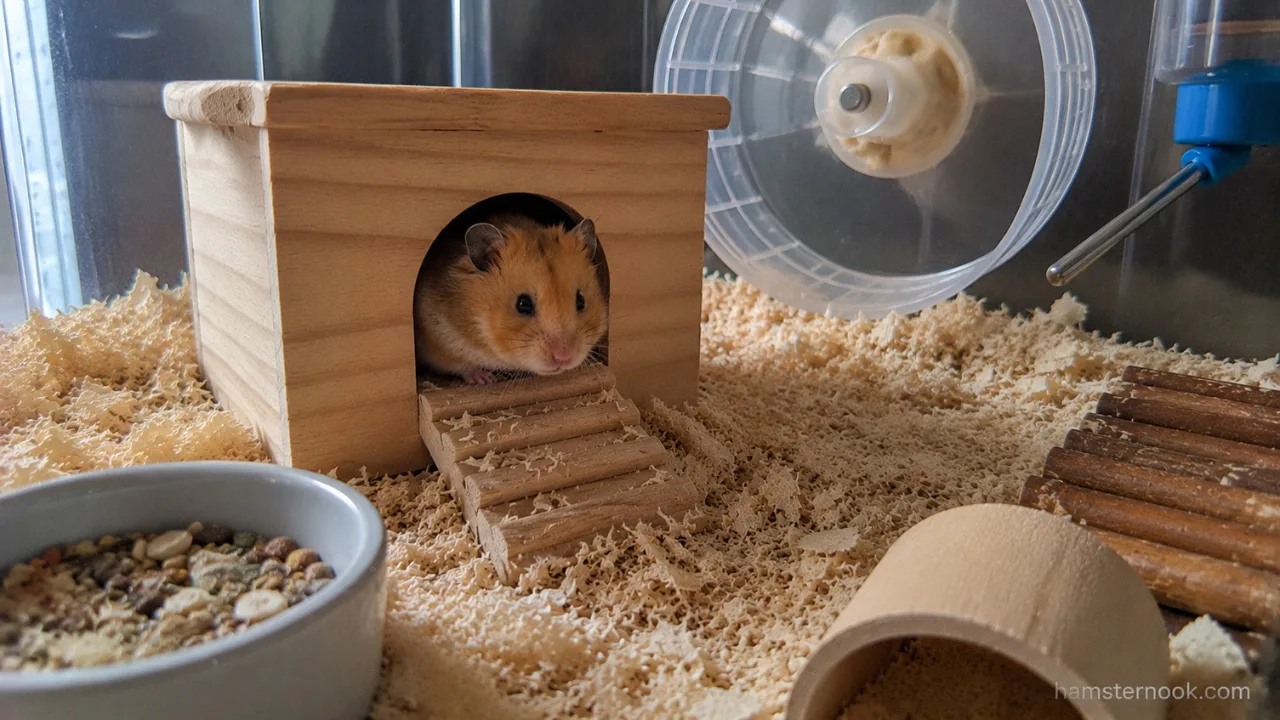
Mistakes Owners Should Avoid
Forcing Food Into the Mouth
Force-feeding can cause choking or stress unless directed by a veterinarian.
Ignoring Weight Loss
Hamsters are tiny, so even small weight changes matter.
Giving Unsafe Human Foods
Avoid:
- Chocolate
- Onion
- Garlic
- Citrus
- Sugary snacks
- Salty foods
Waiting Too Long for Treatment
A hamster that stops eating for too long can weaken rapidly.
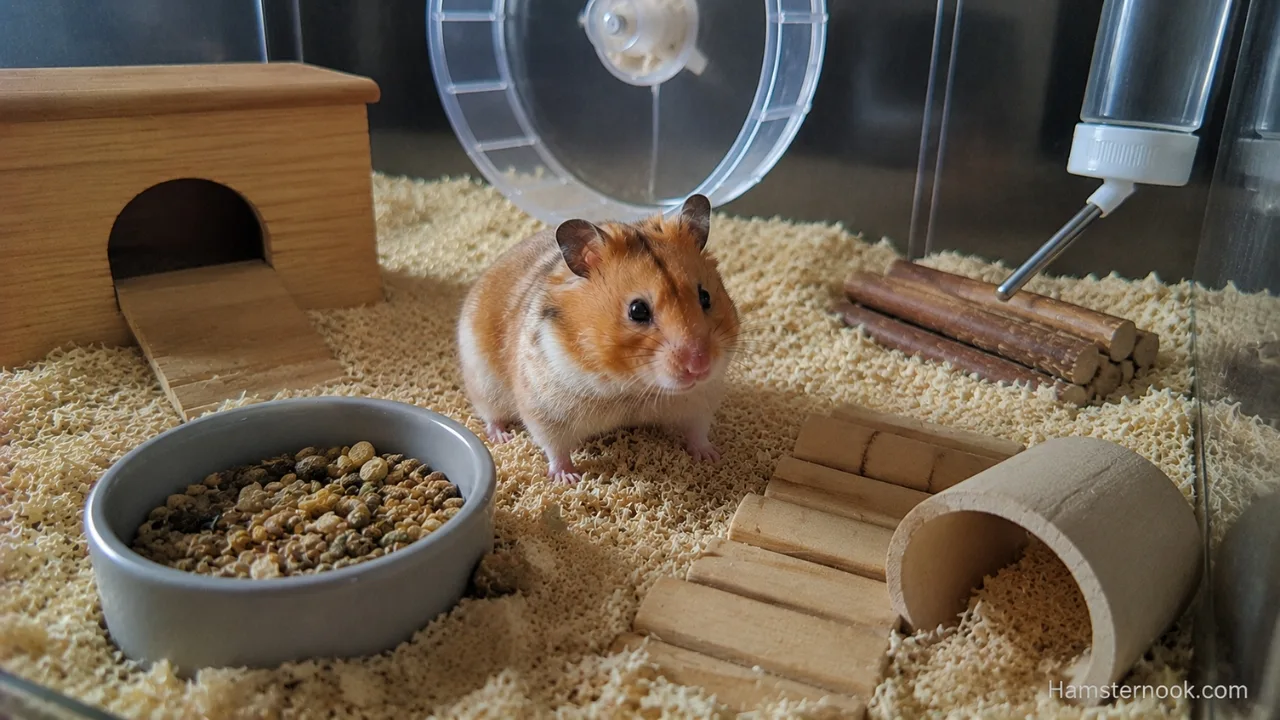
How To Prevent Appetite Problems in Hamsters
Prevention is easier than treatment. Good hamster care greatly reduces the risk of eating problems.
Proper nutrition, housing, enrichment, and routine health monitoring all play a role in preventing appetite-related problems. Our Hamster Care Guide for Beginners explains the core care practices that support long-term hamster health.
Important prevention tips:
- Feed a balanced hamster diet
- Provide chew toys
- Keep the cage clean
- Avoid overcrowding
- Maintain proper temperatures
- Reduce stress
- Schedule vet visits when needed
Regular observation is one of the best ways to catch health problems early.
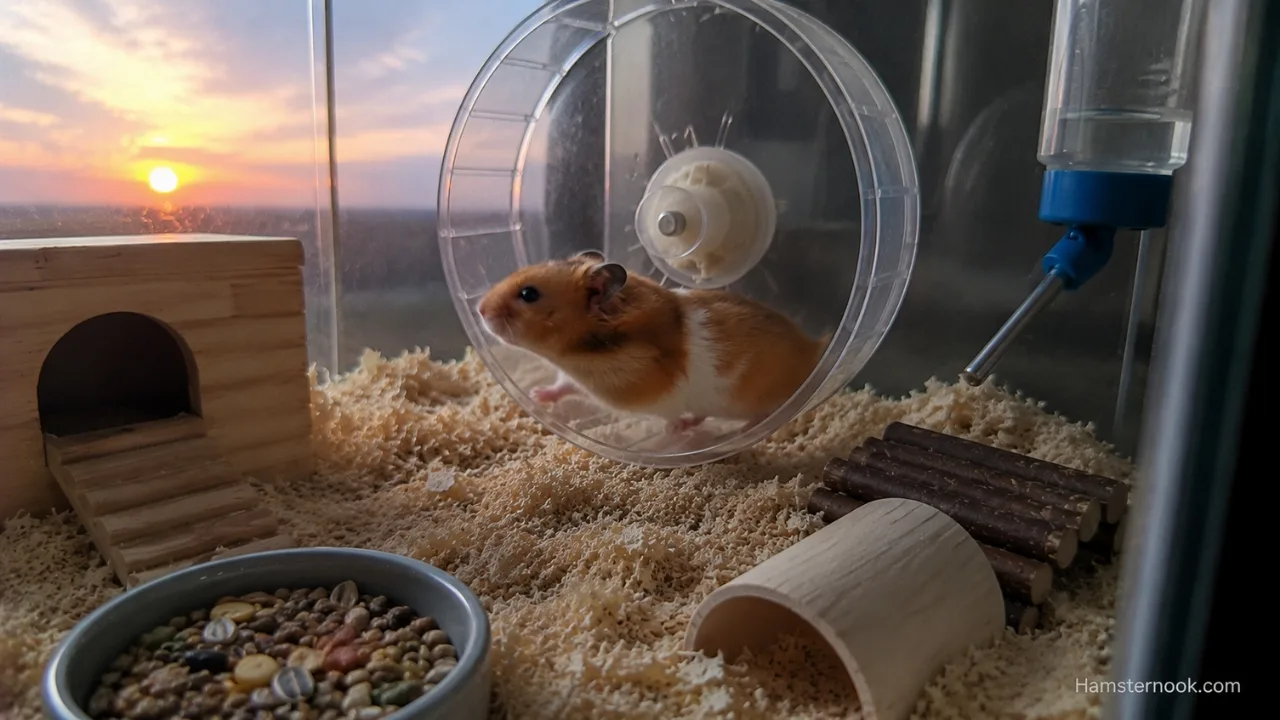
A balanced diet supports normal health and appetite, but a hamster that suddenly refuses its usual food should not simply be offered more treats. Our What Do Hamsters Eat? Complete Beginner Food List explains the everyday diet, safe fresh foods, treats, portions, and foods to avoid.
If your hamster suddenly loses interest in food after eating normally for weeks, avoid changing its diet immediately. First look for changes in behavior, weight, and activity, as these clues often help identify the underlying cause.
If your hamster is eating but still becoming thinner, our Why Is My Hamster Losing Weight? Causes, Warning Signs & What to Do guide covers other possible causes and warning signs.
How Quickly Can a Hamster Become Seriously Ill Without Food?
A hamster should not be left without food while an owner waits several days to see what happens. Because hamsters are very small, reduced food intake can become more concerning when it continues or occurs together with dehydration, weakness, diarrhea, breathing problems, weight loss, or other unusual symptoms.
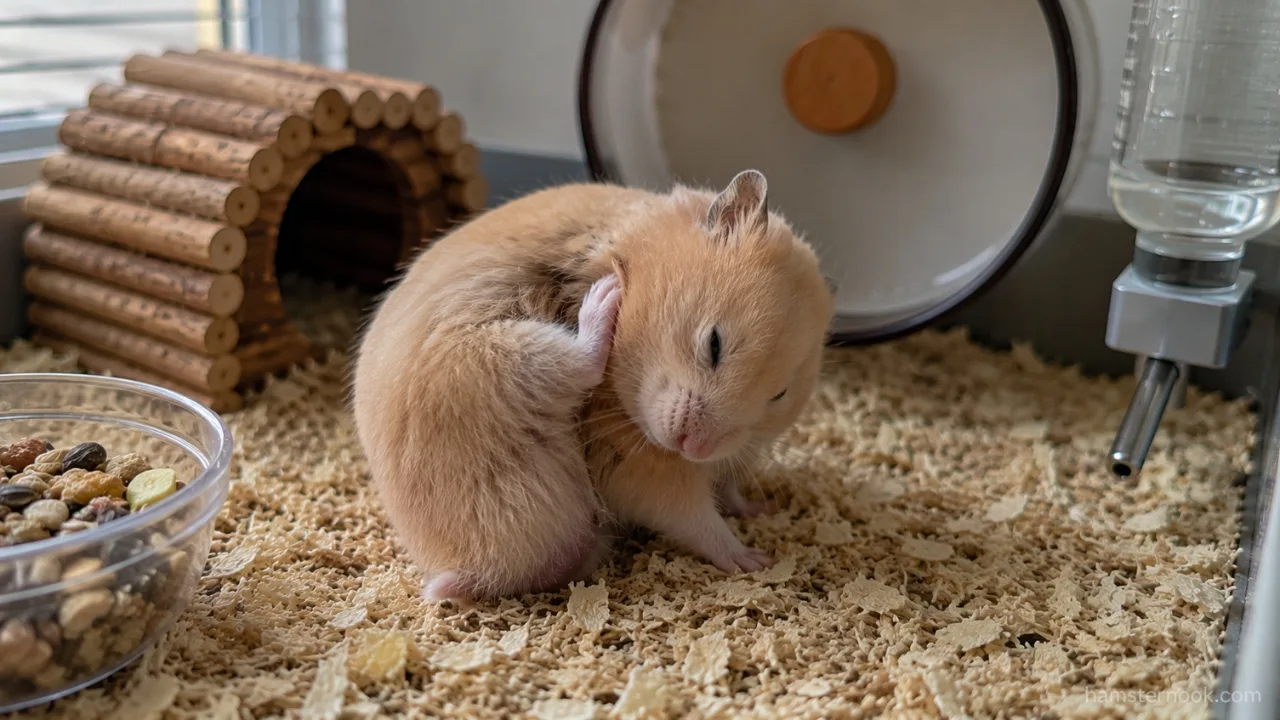
There is no single safe number of hours that applies to every hamster. A healthy hamster that simply eats less for one evening is different from a hamster that completely refuses food and is becoming weak or losing weight.
If your hamster has stopped eating completely, check food and water intake, look for other symptoms, and contact an exotic veterinarian promptly if the problem continues or your hamster appears unwell.
When a Hamster Not Eating Needs Urgent Veterinary Care
Do not wait several days if your hamster stops eating. RSPCA guidance lists not eating or drinking as a reason to seek veterinary attention immediately, and hamsters can deteriorate quickly when they become unwell.
Contact a veterinarian promptly if your hamster:
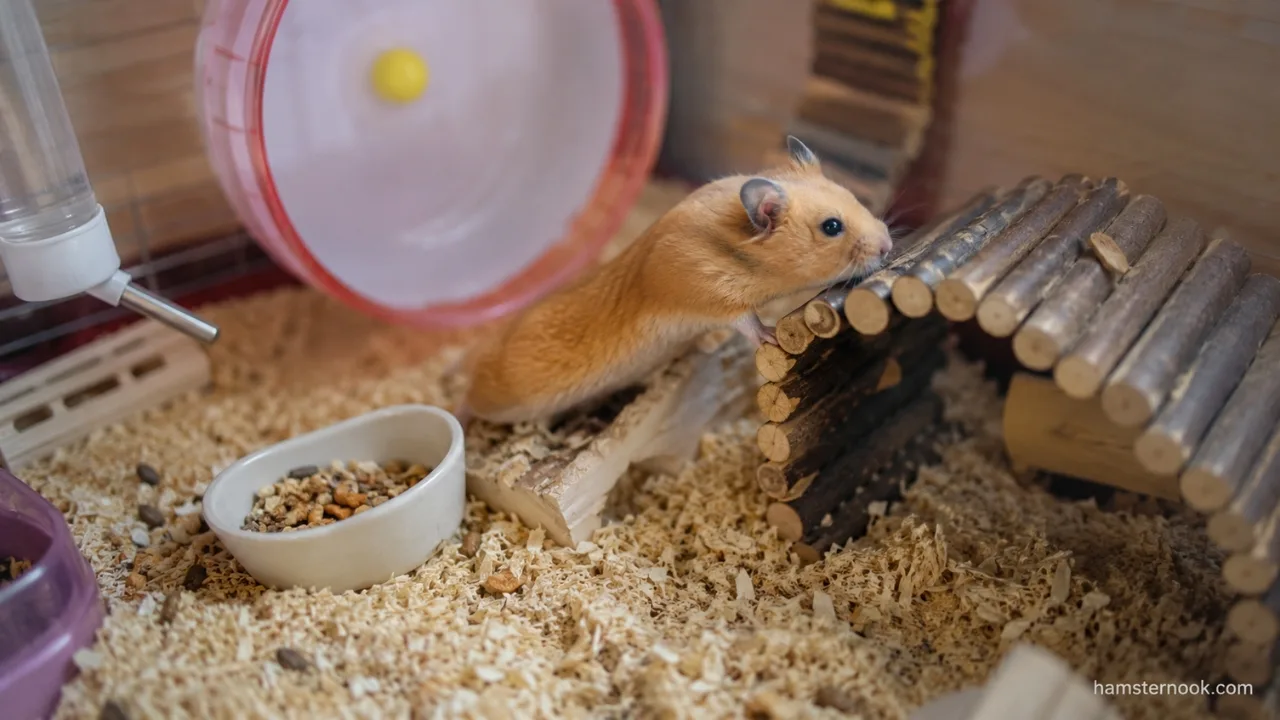
- Stops eating or drinking
- Becomes unusually weak, inactive, or unresponsive
- Sits hunched up
- Loses weight
- Has diarrhea or a soiled rear end
- Has labored or unusual breathing
- Has difficulty walking or appears unsteady
- Develops a swollen or firm abdomen
- Has blood in the urine or stool
- Shows obvious pain or another sudden abnormal change
Do not wait for several symptoms to appear before seeking help. A sudden change in appetite can be an early sign of illness.
How to Tell if Your Hamster Is Actually Losing Weight
A hamster that stops eating often begins losing weight quickly. If you suspect appetite loss, gently weigh your hamster every few days using a small digital kitchen scale and compare the results.
Warning signs include:
- Prominent hips or spine
- Loose-looking skin
- Smaller body size than usual
- Reduced muscle around the shoulders and back
Rapid weight loss alongside appetite loss should always be treated as a veterinary concern.
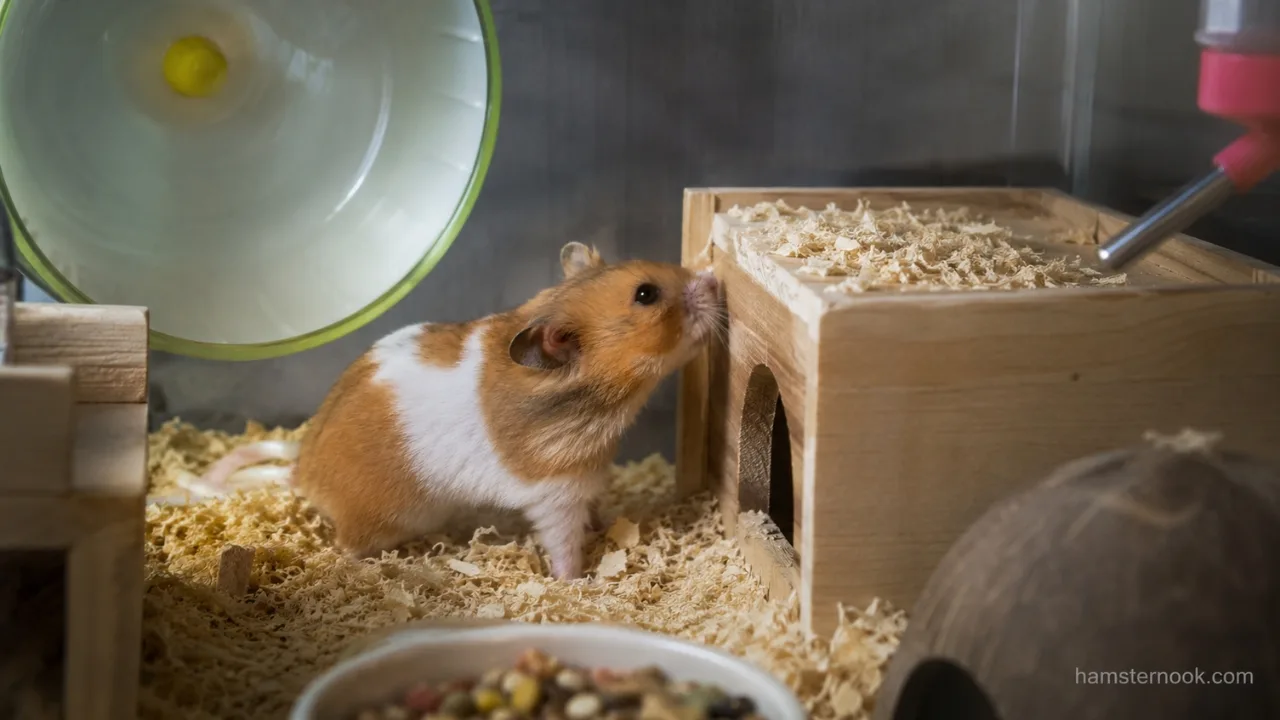
Can a Hamster Stop Eating After a Cage Change?
Yes. A cage or environment change can temporarily reduce a hamster’s appetite because of stress. However, do not assume reduced eating is only stress. If the appetite loss continues or your hamster develops weakness, weight loss, reduced activity, diarrhea, breathing problems, or other unusual symptoms, contact a veterinarian promptly.
Why Is My Hamster Smelling Food but Not Eating It?
This behavior can indicate dental pain, mouth injuries, or illness. The hamster may still be interested in food but find chewing uncomfortable.
Can Heat Make a Hamster Stop Eating?
Yes. High temperatures can reduce appetite and cause lethargy. Move the hamster away from direct heat or sunlight into a cooler, well-ventilated room and contact a veterinarian promptly if overheating is suspected.
Final Thoughts
A hamster not eating is never something to ignore completely. While temporary stress or food hoarding can sometimes explain the behavior, appetite loss may also signal pain, illness, dental problems, or dangerous health conditions.
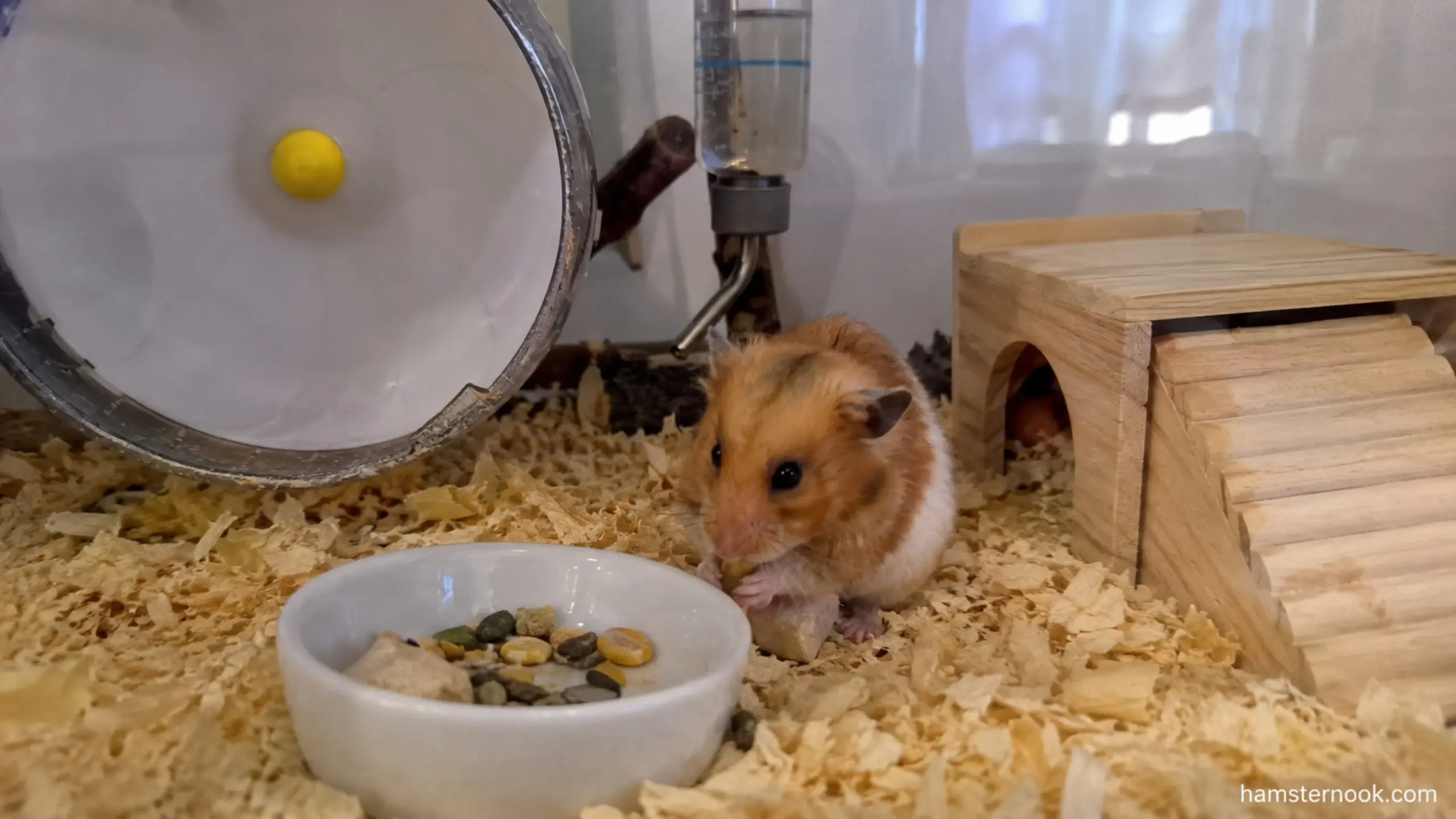
The key is watching for additional symptoms and acting early. A healthy hamster usually stays active, maintains weight, drinks water normally, and shows interest in food. If those behaviors suddenly change, careful monitoring and quick veterinary attention can make a major difference.
With proper care, a calm environment, and a balanced diet, many hamsters return to normal eating habits once the underlying cause is identified and addressed early.
Frequently Asked Questions
Is it an emergency if my hamster stops eating?
Yes, it can be. Hamsters can become seriously unwell quickly, and a sudden loss of appetite should be taken seriously. Do not wait several days to see whether appetite returns, particularly if your hamster is also weak, losing weight, having diarrhea, breathing abnormally, or behaving differently.
Why is my hamster drinking water but not eating?
This may indicate dental problems, stress, illness, or pain while chewing. Do not assume that offering soft food will solve the problem; if a veterinarian recommends a softer diet, follow their specific instructions.
Do hamsters eat less during the day?
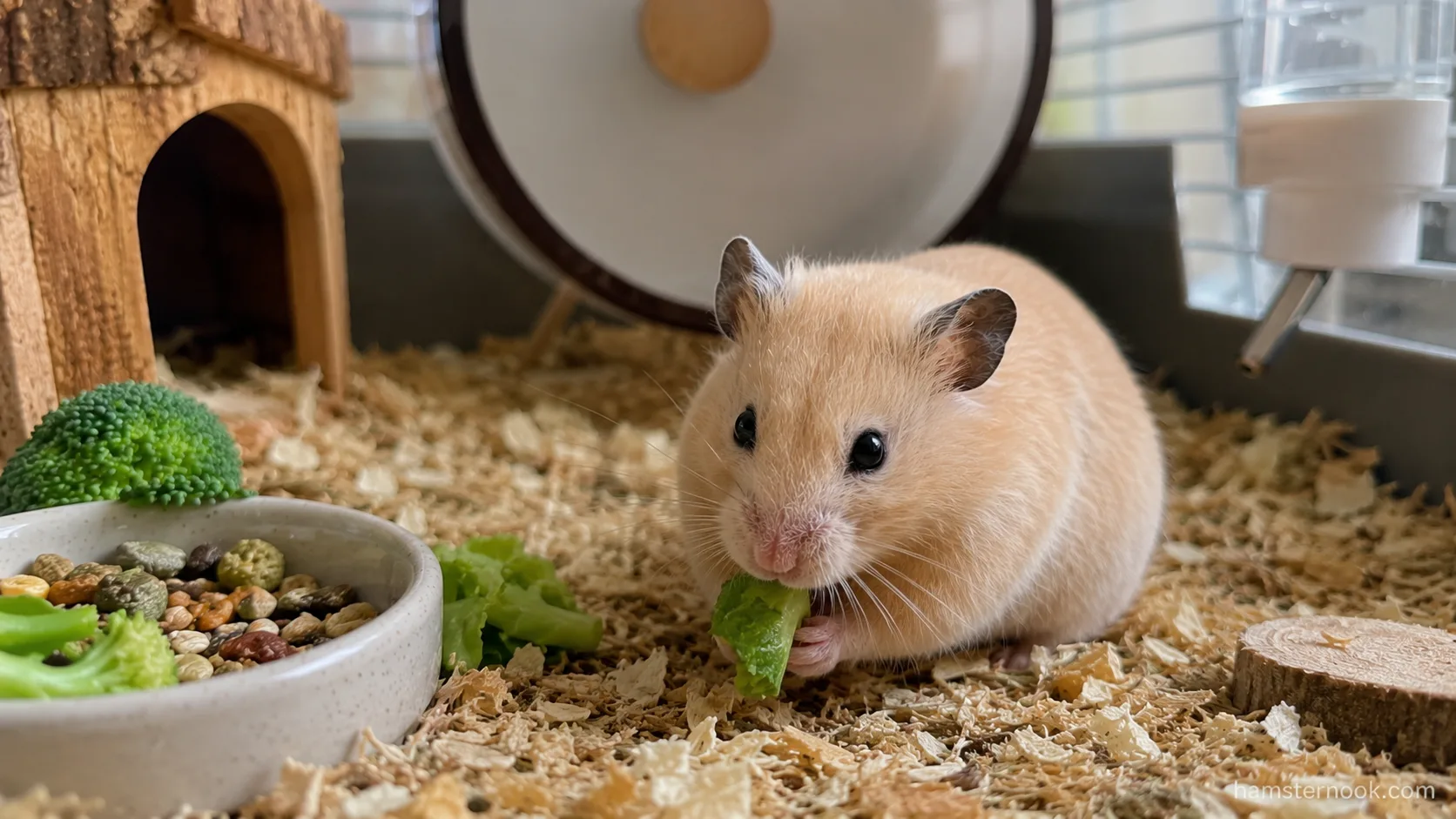
Yes. Hamsters are nocturnal and usually eat more during the evening and nighttime hours.
Should I worry if my hamster only eats treats?
Yes. A hamster refusing normal food while only eating treats may develop nutritional imbalances and could also be hiding dental discomfort.
Can overgrown teeth stop a hamster from eating?
Yes. Overgrown teeth are a common cause of appetite loss and difficulty chewing in hamsters.
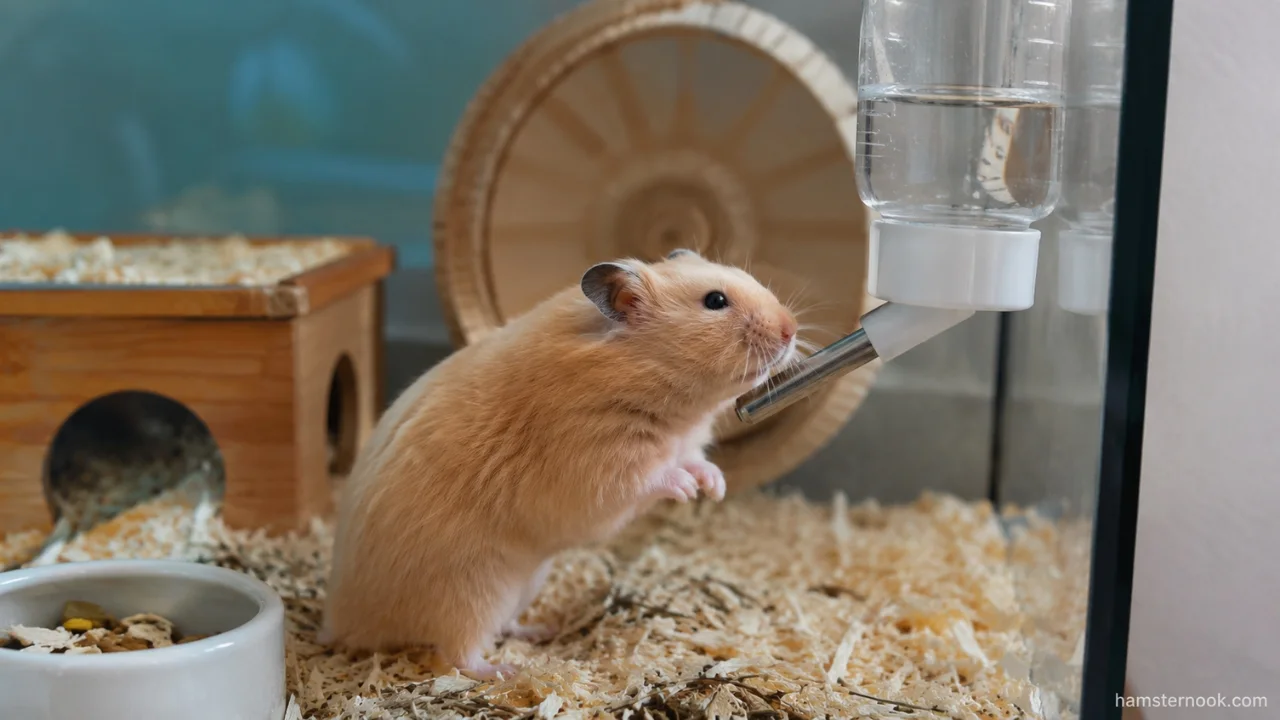
A proper enclosure setup with deep bedding and enrichment can help reduce stress and encourage healthy eating habits. Learn more in our beginner hamster setup guide.
What Are the First Signs That Something Is Wrong With a Hamster?
Early warning signs often include reduced appetite, hiding more than usual, lower activity levels, weight loss, unusual sleeping patterns, changes in droppings, or reduced interest in favorite foods. Detecting these changes early can help prevent more serious health problems.
Can a hamster survive on treats alone?
No. Treats should only be a small part of a hamster’s diet. Relying on treats can lead to nutritional deficiencies and may cause the hamster to ignore balanced food mixes.
References
This guide is based on hamster nutrition, appetite, dental health, illness, hydration, temperature management, and veterinary care guidance from trusted animal welfare and veterinary resources, including:
- RSPCA – Hamster Health & Welfare – Guidance on signs of illness, changes in eating and drinking, dental problems, weight changes, and when veterinary attention is needed.
- RSPCA – Hamster Diet – Guidance on balanced hamster nutrition, feeding, fresh foods, water, food safety, and healthy eating habits.
- PDSA – Hamsters as Pets – Information on hamster nutrition, hydration, temperature, common health concerns, and general welfare.
- Blue Cross – Hamster Care Guide – Practical guidance on hamster diet, housing, handling, enrichment, health monitoring, and wellbeing.
- MSD Veterinary Manual – Disorders and Diseases of Hamsters – Veterinary reference information on hamster diseases, clinical signs, digestive problems, dental concerns, respiratory disease, and other health conditions.
- MSD Veterinary Manual – Routine Health Care of Hamsters – Guidance on routine health monitoring, nutrition, dental care, body condition, and veterinary evaluation.
- Merck Veterinary Manual – Hamsters – Veterinary reference covering hamster health, nutrition, diseases, husbandry, and clinical care.
Medical Disclaimer
This article is intended for educational and informational purposes only and should not be considered veterinary advice, diagnosis, or treatment. A hamster that stops eating may have a minor behavioral cause, but appetite loss can also indicate dental disease, illness, pain, dehydration, or another serious health problem. If your hamster refuses food, loses weight, becomes weak or unusually inactive, has difficulty breathing, develops diarrhea, shows signs of pain, or displays any other sudden or concerning change, contact a qualified exotic animal veterinarian as soon as possible.

Narayan Kumar is the founder and author of HamsterNook. He creates practical, research-based hamster care guides covering hamster behavior, nutrition, cage setup, enrichment, health, and everyday care. His goal is to help hamster owners make informed decisions and provide safer, healthier lives for their pets through clear, beginner-friendly information based on trusted animal care resources.