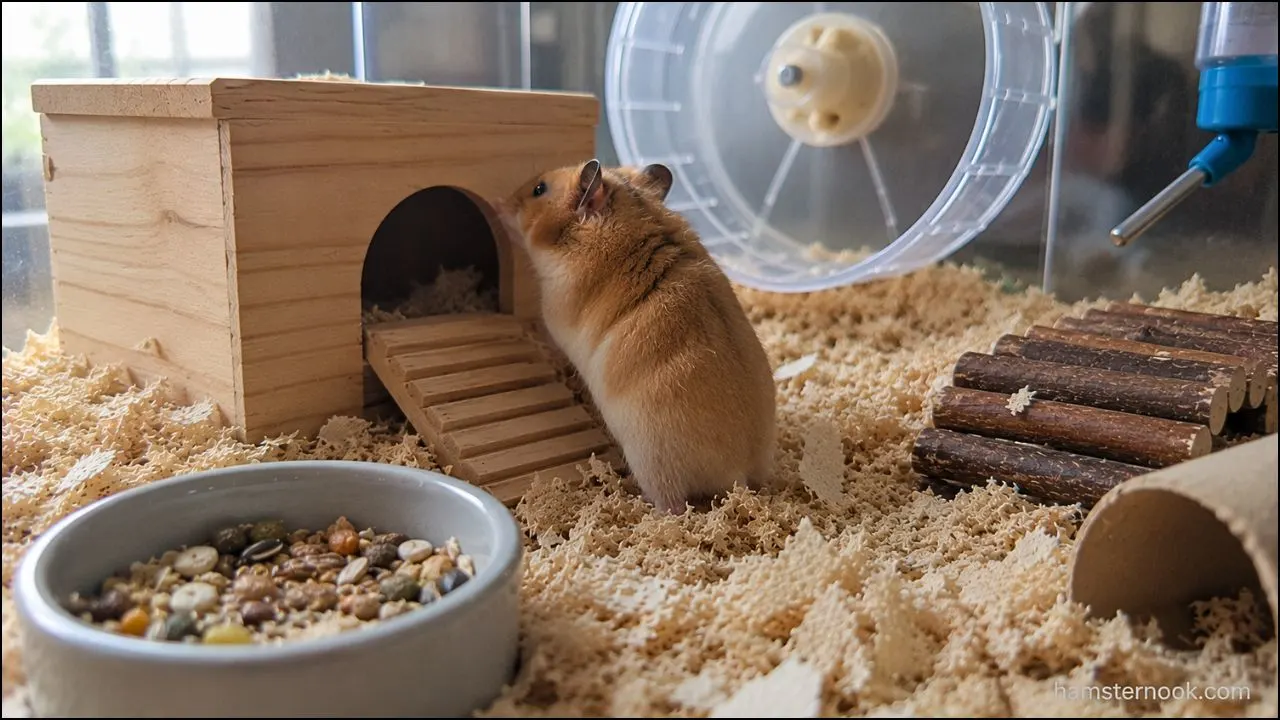
Hamster Biting the Cage: Hearing your hamster repeatedly chew on the cage bars can be frustrating, especially late at night. Many owners worry that something is wrong, while others assume it is simply a bad habit. In reality, cage biting is usually a sign that a hamster’s physical or behavioral needs are not being fully met.
Understanding the cause is the first step toward stopping the behavior safely and improving your hamster’s overall welfare. Constant cage biting can be frustrating for owners and may indicate that something in the hamster’s environment needs attention. The truth is, cage biting is one of the most common hamster behavior issues, especially for beginners.
The good news? It’s usually fixable once you understand the real cause.
This guide explains the most common reasons hamsters chew cage bars, what this behavior may be telling you about their environment or needs, and the practical steps you can take to stop it safely without causing additional stress.

If your hamster spends a lot of time chewing cage bars, you may also find 10 Ways to Make a Hamster Cage More Enriching and Less Boring helpful, since boredom and lack of stimulation are common causes of this behavior.
What Does Cage Biting Mean in Hamsters?: Hamster Biting the Cage
Cage biting (also called “bar chewing”) is when a hamster repeatedly gnaws on the metal bars of its enclosure.
Before trying to stop cage biting, look at when and how often it happens. Occasional chewing is different from spending long periods repeatedly biting the same bars. Also check what your hamster does immediately before and after the behavior. If it happens mainly when the hamster is active and the enclosure offers little space, digging, hiding, or foraging, boredom or an unsuitable setup may be contributing. If it appears suddenly alongside other changes in eating, activity, or behavior, investigate further rather than treating it as a simple habit.
This behavior is not random. It usually signals that your hamster is trying to communicate something, such as:

- Boredom
- Stress
- Lack of space
- Natural chewing instincts
Identifying the cause is usually the first step toward reducing the behavior.
Is Cage Biting Always a Problem?
Not necessarily.
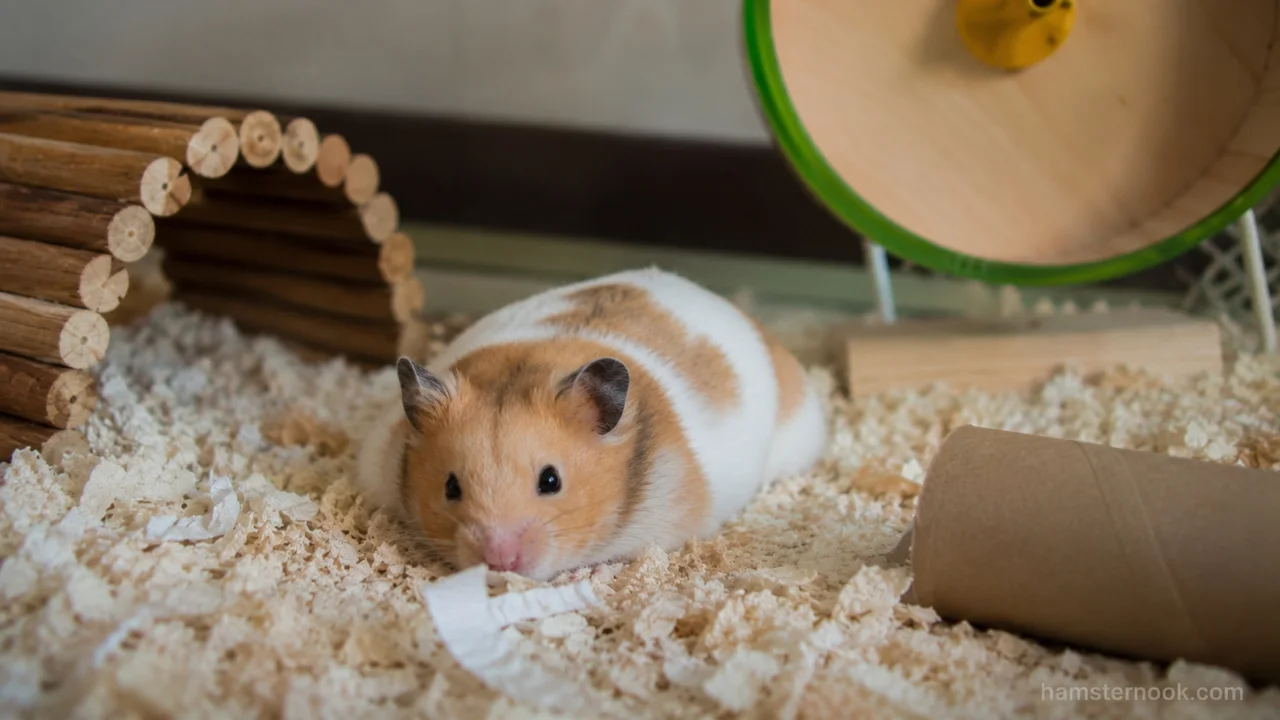
A hamster that briefly tests the bars or occasionally chews for a few seconds is usually not a cause for concern. The problem develops when cage biting becomes repetitive, frequent, or obsessive.
Warning signs include:
- Biting bars several times every day
- Chewing for long periods
- Ignoring toys and enrichment
- Visible tooth wear
- Frustration after chewing
Frequent or repetitive cage biting often suggests that some aspect of the enclosure or routine could be improved.
Top Reasons Why Your Hamster Is Biting the Cage
1. Cage Is Too Small (Most Common Cause)
Hamsters need enough space and enrichment to express normal behaviors such as exploring, digging, hiding, and foraging. A restrictive setup can contribute to repetitive behaviors such as bar biting, especially when other needs are not being met.
If you’re unsure whether the enclosure itself is contributing to the problem, Do Hamsters Need a Bigger Cage? 10 Signs Your Cage Is Too Small explains the signs that can indicate a hamster needs more space.
Many hamster welfare sources recommend at least:
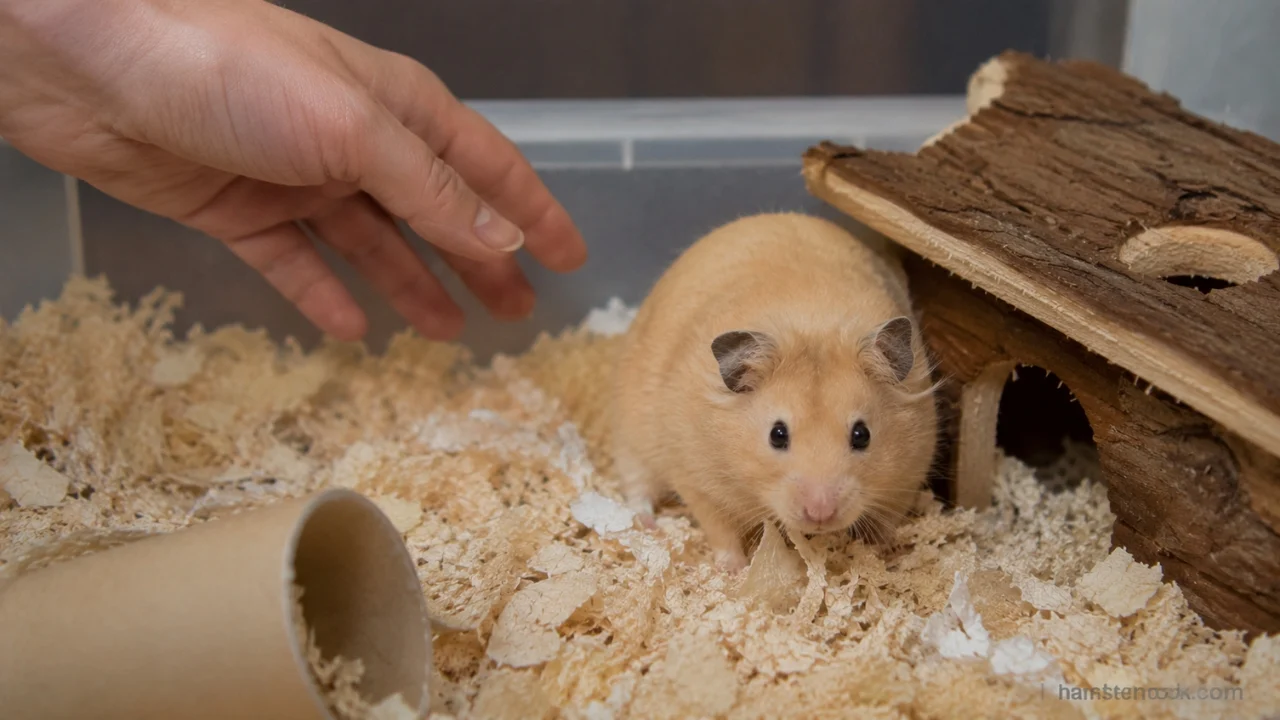
- Syrian hamsters: at least 600–800 square inches
- Dwarf hamsters: at least 450–600 square inches
If your cage is below this range, cage biting and stress-related behaviors become much more likely.
Many commercial hamster cages sold in pet stores fail to meet modern hamster welfare recommendations. A cage that looks large to humans may still be too restrictive for a hamster that naturally travels long distances while foraging.
Quick Cause and Solution Guide
| Possible Cause | Common Signs | Recommended Fix |
|---|---|---|
| Small or unsuitable enclosure | Repeated bar chewing, pacing, climbing | Provide a more suitable, spacious enclosure |
| Boredom or limited enrichment | Repetitive chewing, excessive climbing | Add digging, foraging, hiding and safe enrichment |
| Lack of suitable chewing opportunities | Frequent gnawing on bars | Provide safe, appropriate chew items |
| Stress or environmental disturbance | Hiding, nervous behavior, repeated chewing | Reduce noise, disruption and other stressors |
| Learned behavior | Chewing when the owner approaches | Avoid rewarding the behavior and reinforce calm behavior |
| Bar-based enclosure | Easy access to bars | Consider whether a suitable bar-free enclosure would better meet the hamster’s needs |
2. Boredom and Lack of Enrichment
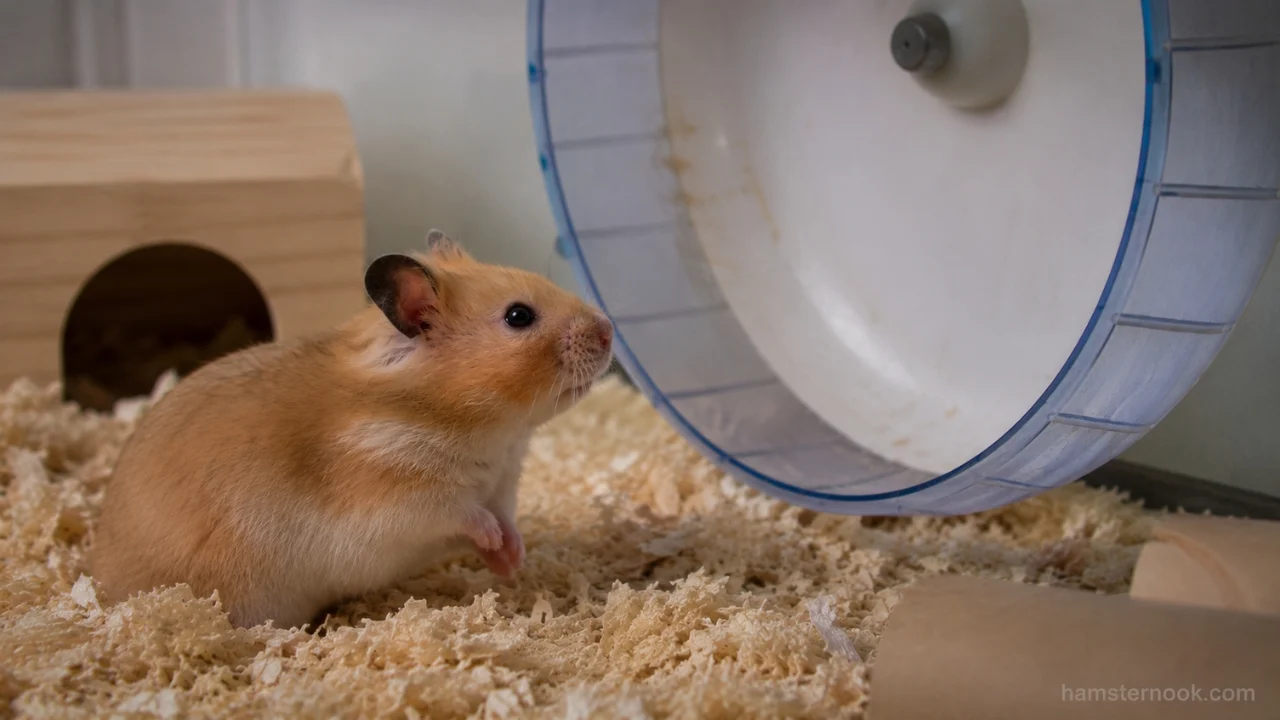
Hamsters are naturally active animals and spend hours exploring, digging, and foraging. Without enough stimulation, they try to release energy in unhealthy ways.
Signs of boredom:
If you’re unsure whether boredom is the real issue, Hamster Boredom Signs and Fixes explains the most common warning signs.
- Repetitive cage chewing
- Climbing and falling
- Excessive wheel running
3. Natural Chewing Instinct
Hamster teeth continue to grow throughout life, so appropriate chewing opportunities are an important part of normal dental care. However, chewing cage bars is not a substitute for providing a suitable environment and safe items to chew.
If they don’t have proper chew toys, they’ll use the cage bars instead.
4. Stress or Anxiety
Loud or unpredictable sounds can be especially stressful when the cage is placed near televisions, speakers, busy hallways, or other noisy areas. Our Loud Noises Stress Hamster Signs and Prevention guide explains how repeated noise can affect hamsters and how owners can reduce unnecessary disturbance.

Changes in environment can trigger stress:
- Loud noises
- Frequent handling
- New cage setup
- Other pets nearby
Cage biting can be a coping mechanism.
If cage biting appears together with hiding or nervous behavior, 7 Signs You’re Accidentally Stressing Your Hamster (Without Even Realizing It) can help you check for wider environmental stressors.
When cage biting appears alongside hiding, nervous behavior, or other changes, it can be useful to compare those behaviors with the broader signs of hamster stress. Our Hamster Stress Signs guide covers the wider pattern of behavioral changes that may indicate ongoing stress.

5. Attention-Seeking Behavior
Some hamsters learn that biting the cage gets your attention—especially if you respond by feeding or interacting immediately.
Over time, this becomes a habit.
6. Poor Cage Design
Wire cages encourage bar biting more than glass tanks or bin cages. The accessibility of bars makes it easy for hamsters to chew.
Quick Comparison: Healthy vs Problem Cage Behavior
| Behavior Type | What It Looks Like | Meaning |
|---|---|---|
| Normal chewing | Occasional gnawing on safe chews | Normal tooth maintenance |
| Bar biting (rare) | Happens occasionally | Mild boredom or habit |
| Frequent bar biting | Happens daily, repetitive | Stress, boredom, or poor setup |
| Aggressive chewing | Constant, loud, obsessive behavior | Serious welfare issue |
Easy Fixes to Stop Cage Biting (Step-by-Step)
1. Upgrade the Cage Size Immediately
This is the most important fix.
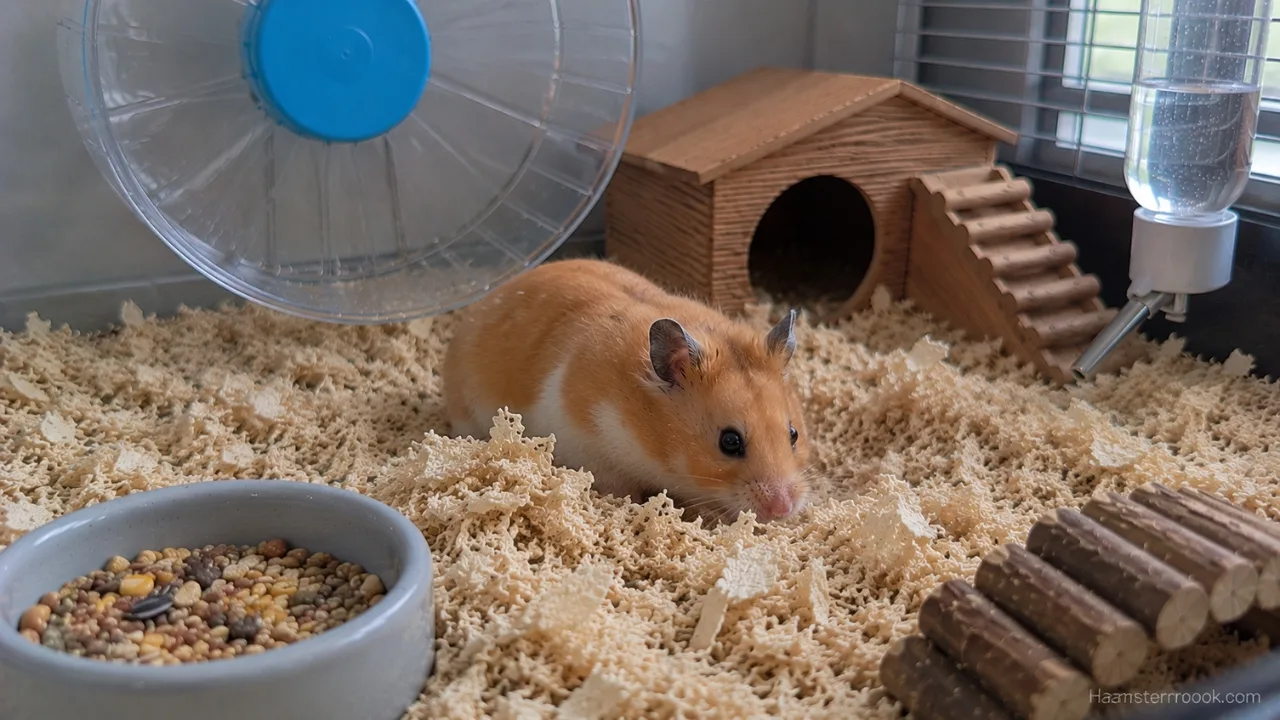
Switch to:
- A large glass tank (40-gallon breeder or bigger)
- A DIY bin cage
- A spacious enclosure with no bars
More space = less stress.
If you are trying to identify the cause, avoid changing everything at once. Check enclosure size, bedding depth, enrichment, wheel, cage location, and daily routine one by one. This makes it easier to see which change actually reduces the behavior instead of guessing at the cause.
2. Add Proper Enrichment
Your hamster’s cage should feel like a mini playground.

For practical ways to add stimulation without simply adding more toys, Hamster Cage Enrichment: 10 Ideas to Prevent Boredom covers digging, foraging, hiding and other enrichment options.
Include:
- Tunnels and hideouts
- Digging areas (deep bedding)
- Platforms and bridges
Rotate items weekly to keep things interesting.
3. Provide Safe Chew Toys
Give your hamster better chewing options:
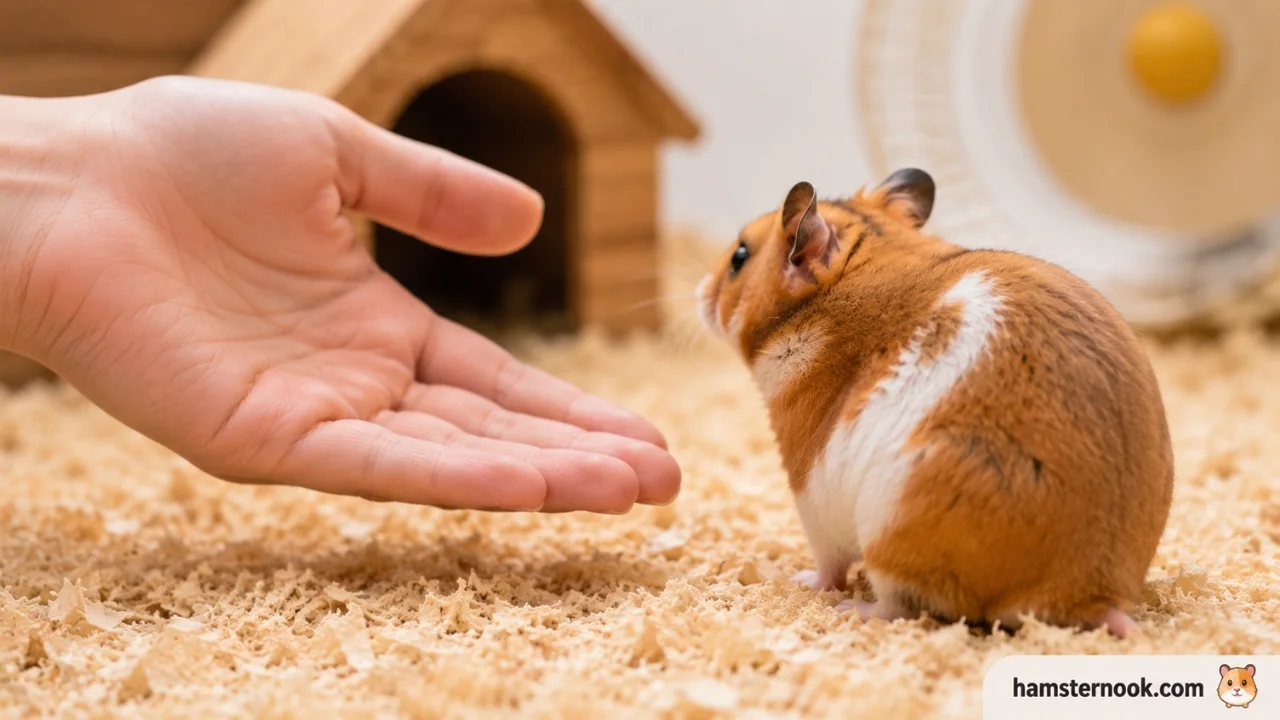
- Wooden chew sticks (untreated)
- Apple wood branches
- Hay-based chews
Avoid painted or chemically treated items.
4. Use a Proper Exercise Wheel
A good wheel reduces excess energy:
- Syrian hamsters: 10–12 inches
- Dwarf hamsters: 8–10 inches
Make sure it’s solid (not wire) to prevent injury.
5. Increase Bedding Depth
Hamsters love digging. Shallow bedding leads to frustration.

Ideal depth:
- At least 6–10 inches
Deep bedding is one of the easiest ways to reduce boredom. Learn which bedding materials are safest in our guide to The Best Bedding for Hamsters.
This encourages natural burrowing behavior and reduces stress.
Encourage Natural Foraging
Hamsters spend much of their time searching for food in the wild. Scatter feeding can help reduce boredom and redirect energy away from cage bars.

Instead of always using a food bowl:
- Scatter part of the food mix around the enclosure
- Hide treats inside cardboard tubes
- Use forage toys occasionally
This encourages natural behaviors and provides mental stimulation.
6. Reduce Stress Triggers
Make the environment calm and predictable:
- Keep the cage in a quiet area
- Avoid sudden movements
- Limit handling initially
Consistency helps your hamster feel safe.

Cage location can also affect how comfortable your hamster feels. If the enclosure is near a window, direct sunlight, drafts, or changing temperatures may create additional problems. Our Should a Hamster Cage Be Near a Window? Risks Every Owner Should Know guide explains what to consider before placing a hamster cage near a window.
7. Don’t Reinforce the Behavior
If your hamster bites the cage and you immediately respond (feed, pick up, etc.), it learns that biting = reward.
Instead:
- Ignore the behavior
- Reward calm behavior instead
Best Cage Setup Example (Beginner-Friendly)
A proper setup should include:
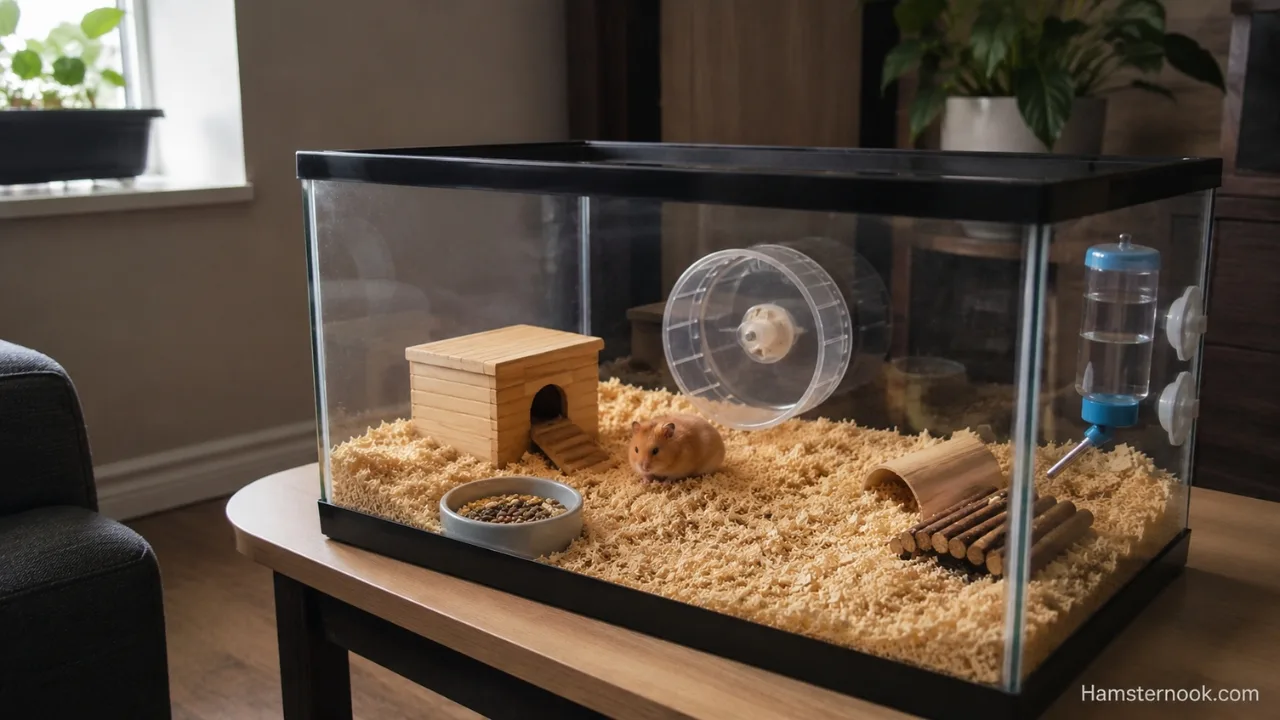
- Large enclosure (minimum size met)
- Deep bedding for burrowing
Want to build a better hamster habitat? Read our Complete Hamster Care Guide for Beginners for cage setup, enrichment ideas, cleaning schedules, and essential daily care tips.
- One large wheel
- 2–3 hideouts
- Multiple chew toys
- Sand bath (for cleaning and enrichment)
A setup that supports natural behaviors often helps reduce boredom-related cage biting.
When Should You Be Concerned?
Cage biting becomes a serious issue if:
- Teeth look damaged or uneven
- Your hamster stops eating
- There are signs of injury around the mouth
- Behavior becomes obsessive
In such cases, consult a small animal vet.

Persistent cage biting combined with weight loss, difficulty eating, broken teeth, or facial injuries should never be ignored. Dental problems can worsen quickly in small pets and may require professional treatment.
A sudden change is also worth taking seriously if your hamster previously ignored the bars and has now started chewing them repeatedly. A new behavior can reflect a change in the environment, stress level, routine, or physical condition, especially when other unusual signs appear at the same time.
Common Mistakes to Avoid
- Using small “starter cages”
- Removing the wheel to stop activity
- Spraying bitter substances on bars
- Ignoring long-term stress signs
These don’t fix the root cause and can make things worse.
How Long Does It Take to Stop Cage Biting?
How quickly cage biting improves varies between hamsters and depends on the underlying cause. Some changes may be noticeable relatively soon after the environment is improved, while an established repetitive behavior can take longer to change.

- A few days (mild cases)
- 1–2 weeks (habit-based cases)
Severe cases may take longer, especially if the behavior is deeply learned.
Final Thoughts
Whether the cause is a small cage, boredom, stress, or a lack of chewing opportunities, addressing the root problem is far more effective than trying to stop the behavior itself.
In most cases, the solution is simple:
- More space
- Better enrichment
- Proper chewing options
A balanced diet is another important part of maintaining your hamster’s overall health. If you are also reviewing your hamster’s everyday nutrition, our What Do Hamsters Eat? Complete Food List for Beginners guide explains the main foods, treats, and feeding basics owners should know.

Once those needs are met, the behavior usually disappears on its own.
Addressing the reason behind the behavior is usually far more effective than trying to stop the behavior itself.
Medical Disclaimer
This article provides general hamster-care information and is not a substitute for veterinary diagnosis or treatment. If your hamster has damaged teeth, difficulty eating, facial injury, unexplained weight loss, or a sudden persistent change in behavior, contact an exotic-pet veterinarian.
FAQ: Hamster Cage Biting
Why does my hamster bite the cage at night?
Hamsters are nocturnal and naturally become more active during the evening and overnight hours. If cage biting mainly happens at night, boredom, excess energy, or a lack of enrichment are often contributing factors.

Is cage biting normal for hamsters?
Occasional chewing is normal, but frequent cage biting is a sign of a problem like boredom or stress.
Can cage biting hurt my hamster?
Yes. It can damage teeth, cause mouth injuries, and lead to long-term stress.
Will my hamster stop on its own?
Not always. If the behavior is caused by an environmental problem, improving the enclosure, enrichment, routine, or other trigger may reduce it. If the behavior continues or appears alongside other concerning changes, investigate the cause rather than simply waiting for it to stop.
Are wire cages bad for hamsters?
Not always, but they increase the chance of bar biting. Bar-less enclosures are usually better.
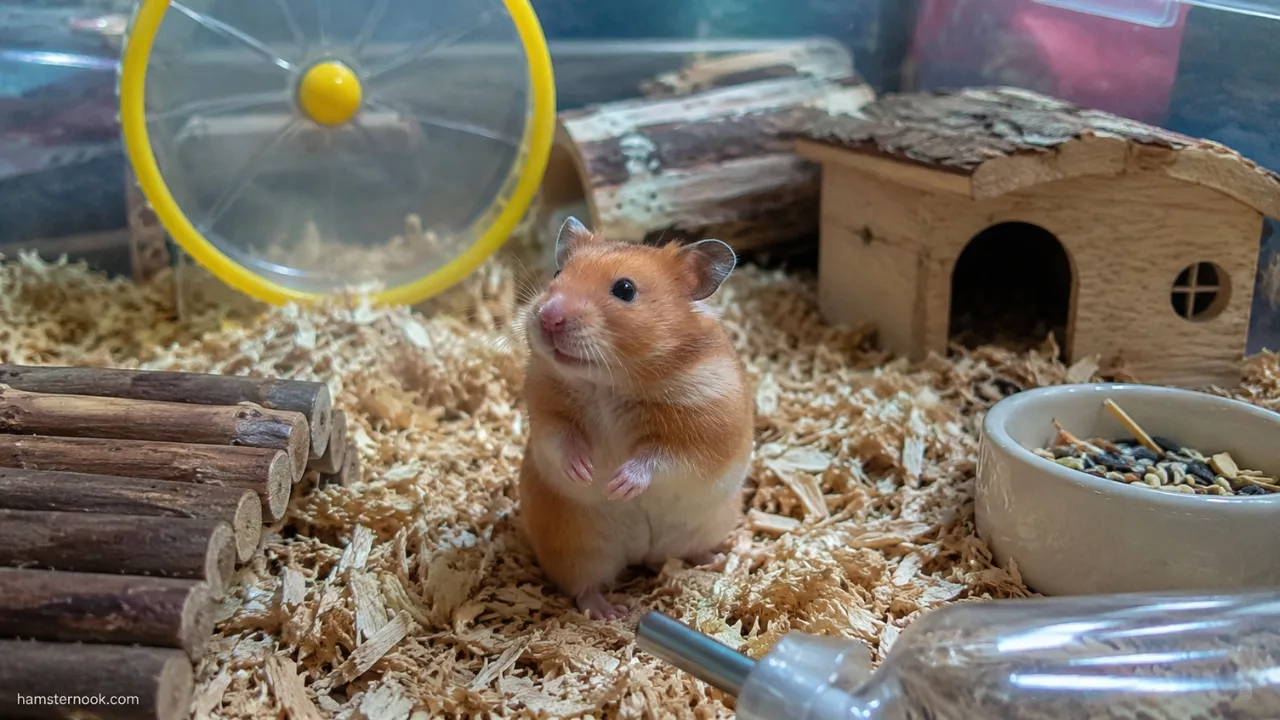
Should I punish my hamster for biting the cage?
No. Hamsters don’t understand punishment. Focus on improving their environment instead.
Can cage biting damage hamster teeth?
Yes. Repeated bar chewing can wear teeth unevenly, chip teeth, or occasionally lead to mouth injuries if the behavior becomes excessive.
Will a bigger cage stop cage biting immediately?
Some hamsters may improve after their environment is changed, while others need more time and additional adjustments. A larger enclosure alone may not solve the problem if boredom, stress, enrichment, or another trigger is also involved.
References
This guide is based on hamster behavior, housing, welfare, and husbandry guidance from trusted veterinary and animal care organizations, including:
- RSPCA – Hamster Behaviour and Welfare
- RSPCA – Hamster Housing and Environment
- PDSA – Hamster Care
- Merck Veterinary Manual – Providing a Home for a Hamster

Narayan Kumar is the founder and author of HamsterNook. He creates practical, research-based hamster care guides covering hamster behavior, nutrition, cage setup, enrichment, health, and everyday care. His goal is to help hamster owners make informed decisions and provide safer, healthier lives for their pets through clear, beginner-friendly information based on trusted animal care resources.