Signs of a Sick Hamster: Hamsters are small, quiet pets—and that makes health problems easy to miss. Unlike dogs or cats, they don’t show discomfort openly. In fact, hamsters are wired to hide illness, which means by the time symptoms become obvious, the condition may already be serious.
If you’re a beginner, this can feel confusing and even stressful. But the good news is: once you know what to look for, you can catch problems early and take action quickly.
This guide covers the most important warning signs of illness, what they may indicate, and when you should contact a veterinarian.
Quick Answer: How Can You Tell If a Hamster Is Sick?
The earliest signs that a hamster may be sick are often changes from its normal behavior or routine. Eating less, drinking less, reduced activity, unusual hiding, weight loss, changes in fur, abnormal urine or droppings, eye or nose discharge, and breathing problems can all be warning signs. Because different illnesses can cause similar symptoms, a veterinarian should assess persistent, severe, or sudden changes rather than trying to diagnose the cause at home.

Why Early Detection Matters for Hamsters: Signs of a Sick Hamster
Because hamsters are small animals, some illnesses can become serious quickly. Changes such as low energy, appetite loss, weight loss, breathing difficulty, or diarrhea should therefore be taken seriously.
Ignoring early signs can lead to:
- Rapid weight loss
- Severe dehydration
- Infections spreading quickly
- Life-threatening conditions
That’s why even small changes in behavior or appearance matter a lot.
Learning how to recognize health problems early is one part of responsible hamster ownership. Our Hamster Care Guide for Beginners explains the daily care habits that help owners spot issues before they become serious.

Most Common Signs of a Sick Hamster
1. Loss of Appetite or Not Drinking Water
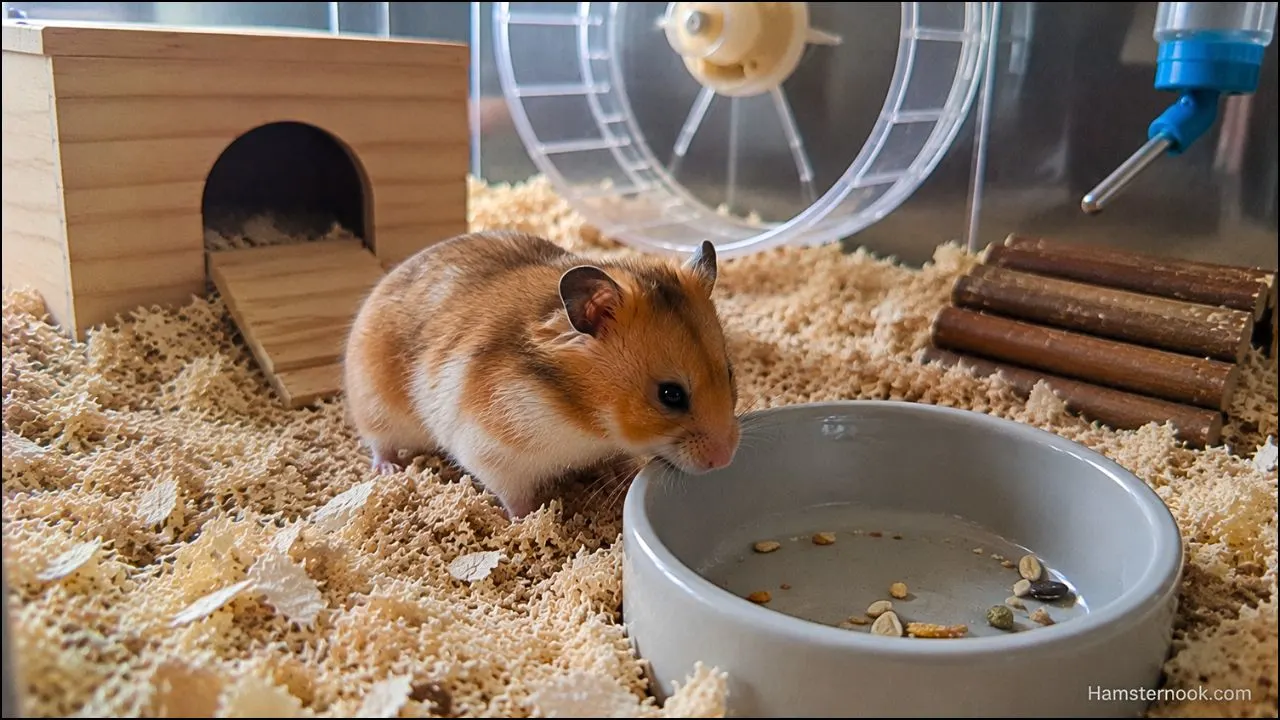
A healthy hamster eats daily and drinks regularly.
Warning signs:
- Food untouched overnight
- Sudden weight loss
- Empty water bottle stays full
Signs of Dehydration in a Hamster
Signs that may occur with dehydration include lethargy, reduced appetite, weakness, and a decline in normal activity. Dehydration can occur alongside diarrhea or reduced water intake, so a hamster showing these changes should be assessed by a veterinarian rather than treated with home remedies.

Possible causes:
- Dental problems
- Infection
- Stress or pain
If your hamster stops eating or drinking, especially if other signs of illness are present, contact a veterinarian promptly. Do not rely on a fixed 24-hour waiting period before seeking advice.
If appetite loss is the main change you’re noticing, our Why Is My Hamster Not Eating? 9 Causes, Warning Signs & What to Do guide covers common causes and practical next steps.
Many owners assume a hamster is simply being picky with food, but prolonged appetite loss can quickly lead to weakness and dehydration because of a hamster’s fast metabolism.

If your hamster is eating or drinking noticeably less than normal, especially alongside weakness, lethargy, weight loss, diarrhea, or other changes, contact a veterinarian promptly rather than waiting for a fixed number of hours.
2. Lethargy or Unusual Sleep Patterns
Hamsters are most active during their usual active periods. A noticeable drop in activity during those periods, especially when it is different from your hamster’s normal routine, can be a warning sign.
Watch for:
- Not running on the wheel
- Staying in one spot for long periods
- Weak or slow movement
If your hamster is unusually still or struggling to move normally, our Why Is My Hamster Sitting Still and Not Moving? Normal vs Warning Signs guide covers when this behavior may indicate a problem.

This could indicate:
- Infection
- Injury
- Severe stress
If unusual sleep or inactivity is the main change, our Why Is My Hamster Sleeping So Much? Normal Sleep vs Warning Signs guide explains how to distinguish normal sleep from concerning changes.
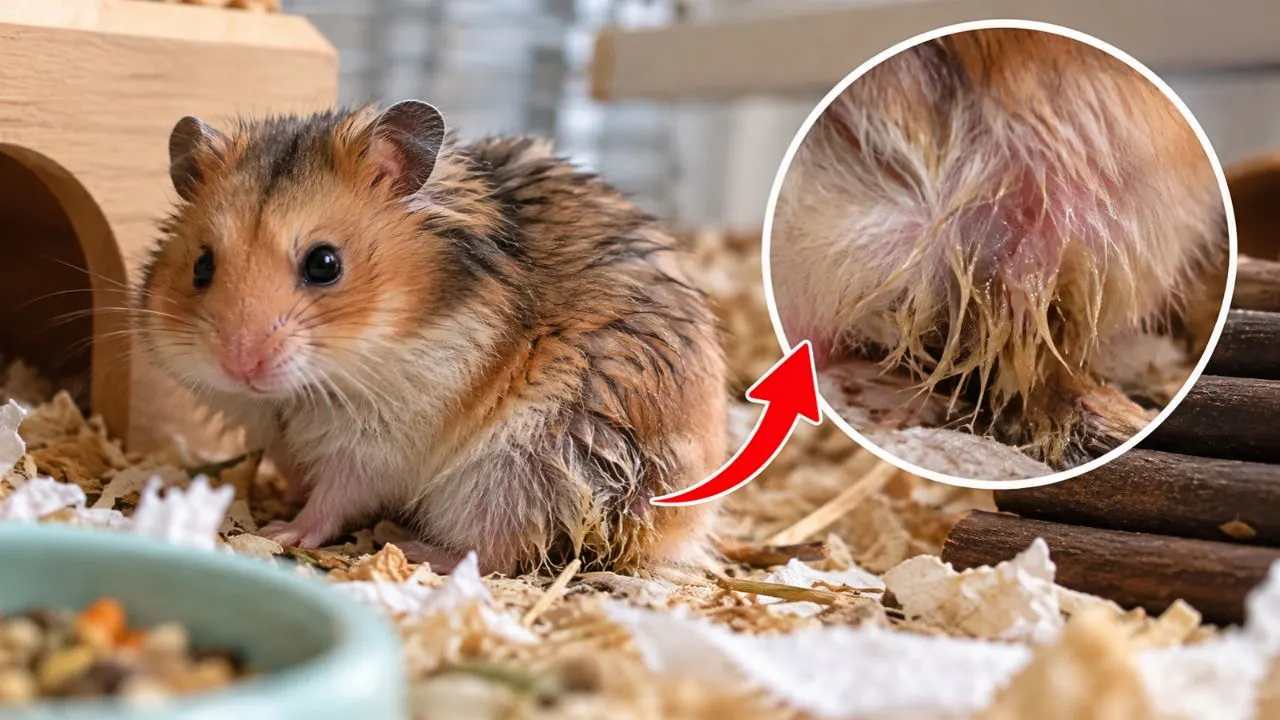
3. Wet Tail or Diarrhea (Emergency Sign)
This is one of the most dangerous conditions.
Symptoms:

- Wet, dirty tail area
- Foul smell
- Runny droppings
- Weakness
What it means:
Often linked to a serious intestinal infection (commonly called wet tail), especially in young hamsters.
Action:
Immediate vet care is required. Immediate treatment is important because the condition can become serious very quickly.
4. Changes in Fur and Skin
A healthy hamster has clean, smooth fur.
Warning signs:

- Bald patches
- Rough or greasy coat
- Red or flaky skin
- Excessive scratching
Possible causes:
- Mites or parasites
- Fungal infection
- Allergies
5. Discharge from Eyes, Nose, or Ears
Any fluid discharge is not normal.
Look for:
- Sticky or closed eyes
- Runny nose
- Crust around ears
Possible causes:

- Respiratory infection
- Eye infection
- Poor cage hygiene
6. Breathing Problems
Breathing issues should never be ignored.
Signs include:
- Wheezing or clicking sounds
- Rapid breathing
- Open-mouth breathing
Breathing changes deserve particular attention because respiratory problems can become serious quickly. Our Why Is My Hamster Breathing Fast? Normal Breathing, Causes & Warning Signs guide covers abnormal breathing patterns and warning signs.
Common reasons:

- Respiratory infection
- Dusty bedding
- Poor ventilation
7. Sudden Weight Loss or Bloating
Body changes can signal internal issues.
| Symptom | Possible Meaning | Urgency |
|---|---|---|
| Rapid weight loss | Infection, dental issues | High |
| Bloated belly | Digestive issue, tumor | High |
| Visible bones | Malnutrition, illness | High |
Always monitor your hamster’s body shape regularly.
8. Changes in Behavior (Aggression or Hiding)
Hamsters have consistent personalities. Sudden changes matter.
Examples:

- Becoming aggressive when normally calm
- Hiding more than usual
- Avoiding interaction
Behavior changes often appear before physical symptoms become obvious. Our Hamster Body Language Explained: Signs of Stress, Fear & Happiness guide explains how posture, movement, and daily behavior can reveal underlying problems.
This often means:
- Pain
- Stress
- Illness
9. Abnormal Droppings or Urine
Check the cage daily—it tells you a lot.
Healthy droppings:

- Firm
- Dark
- Consistent shape
Warning signs:
- Soft or watery droppings
- Blood in urine
- Strong unusual odor
Changes in urine can also be an important health clue. Our What Does Healthy Hamster Urine Look Like? Normal Color, Odor & Warning Signs guide explains which urine changes may need veterinary attention.
10. Overgrown Teeth or Difficulty Eating
Hamster teeth grow continuously.
Signs of dental issues:

- Drooling
- Dropping food
- Uneven or long teeth
This can prevent eating and lead to starvation if untreated.
Healthy vs Sick Hamster: Quick Comparison
| Feature | Healthy Hamster | Sick Hamster |
|---|---|---|
| Activity | Active at night | Lethargic or inactive |
| Appetite | Eats daily | Stops eating |
| Fur | Smooth and clean | Rough, patchy, greasy |
| Eyes | Bright and open | Sticky, closed, or dull |
| Breathing | Silent and normal | Noisy or rapid |
| Droppings | Firm and dry | Soft or watery |
When to See a Vet Immediately
Do not wait for a fixed number of hours if you notice:
- Wet tail symptoms or severe diarrhea
- A major reduction in eating or drinking
- Severe lethargy or inability to move normally
- Difficulty breathing
- Bleeding, significant injury, or a swollen abdomen
- Extreme weakness or unresponsiveness
Hamsters can become seriously ill quickly, so prompt veterinary assessment is important when severe or rapidly worsening signs appear.
When in doubt, it is usually safer to contact a veterinarian sooner rather than later. Waiting for symptoms to become severe often reduces treatment options and recovery chances.

Different illnesses can produce similar warning signs, so symptoms alone cannot confirm a diagnosis. Common health problems reported in hamsters include wet tail/diarrhea, dental disease, skin disease, respiratory problems, urinary problems, injuries, and age-related conditions. A veterinarian may need to examine your hamster to determine the underlying cause.
For example, wet tail can involve diarrhea, a wet or soiled tail, reduced appetite, lethargy, and dehydration. Other conditions can also produce overlapping symptoms, which is why persistent or severe changes should not be diagnosed from symptoms alone.
Common Causes of Illness in Hamsters
A proper cage setup, balanced diet, and low-stress environment play a major role in keeping hamsters healthy. Understanding these basics can significantly reduce the risk of many common health problems.
Understanding causes helps prevent problems:

- Poor cage hygiene
- Low-quality diet
Diet mistakes can sometimes contribute to digestive problems and poor health. Our Foods Hamsters Should Never Eat guide explains which foods should always be avoided and why they can be dangerous.
- Stress (small cages, loud noise)
- Dirty or dusty bedding
- Sudden temperature changes
Environmental stress is often linked to enclosure size, lack of enrichment, or insufficient hiding places. Our Best Hamster Cage Setup for Beginners guide explains how habitat design can support both physical and emotional wellbeing.
Simple Prevention Tips for Beginners
- Clean the cage regularly
- Provide a balanced hamster diet
Not sure what foods are safe for hamsters? Focus on a balanced diet that includes quality hamster food, fresh water, and carefully selected treats in moderation.
- Use safe, dust-free bedding
- Keep cage in a quiet, stable environment
- Check your hamster daily for changes
Prevention is always easier than treatment.

Warning Signs That Should Never Be Ignored
Some symptoms require immediate attention because they can worsen rapidly in hamsters.
Seek veterinary help as soon as possible if your hamster:
- Stops eating or drinking completely
- Has difficulty breathing
- Shows signs of wet tail or severe diarrhea
- Cannot stand or move normally
- Has bleeding, injury, or a swollen abdomen
- Appears extremely weak or unresponsive
If your hamster has any of these severe signs, contact a veterinarian promptly rather than trying to determine the diagnosis from symptoms alone.
Quick action can make a significant difference in a hamster’s recovery and overall health outcome.

Can Hamsters Hide Illness?
Yes. Hamsters are prey animals and instinctively hide weakness. This natural survival behavior is one reason owners sometimes feel a hamster became sick “suddenly” when subtle warning signs were actually present earlier.
Final Thoughts
Hamsters may be small, but their health needs are serious. The biggest mistake beginners make is assuming “it’s nothing.” In reality, small warning signs can sometimes become more serious if ignored for too long.
If you remember one thing, let it be this:
Any sudden change in behavior, eating, or appearance should never be ignored.
Stay observant, act early, and your hamster will have a much better chance at a long, healthy life.

Frequently Asked Questions (FAQ)
How do I know if my hamster is seriously ill?
Signs may include extreme weakness, no movement, shallow breathing, and refusal to eat or drink. A small animal veterinarian should be contacted as soon as possible.
Can a Hamster Be Sick Without Showing Obvious Symptoms?
Yes. Hamsters are prey animals and often hide illness until they become very unwell. Subtle signs such as eating less, sleeping more than usual, hiding constantly, or reduced activity may be the first indicators that something is wrong. This is why daily observation is important for early detection.
Can Stress Make a Hamster Look Sick?
Yes. Stress can cause symptoms that resemble illness, including loss of appetite, excessive hiding, lethargy, fur changes, and unusual behavior. Common causes of stress include small cages, loud noises, lack of hiding places, and sudden environmental changes.
Is it normal for hamsters to sleep a lot?
Yes, but they should still be active at night. Lack of nighttime activity is a warning sign.

Can a hamster recover from illness?
Recovery depends on the underlying condition, how severe it is, and the treatment provided. Some illnesses can be managed successfully, but only a veterinarian can assess the cause and likely outlook for an individual hamster.
What is one of the most serious health conditions in hamsters?
Wet tail is one of the most serious and fast-acting conditions, especially in young hamsters.
How often should I check my hamster’s health?
Daily observation is best. Even small changes can indicate early illness.
What is the earliest sign that a hamster may be sick?
One of the earliest signs is often a change in normal behavior. Eating less, hiding more than usual, reduced activity, changes in sleeping patterns, or avoiding favorite foods can all appear before more obvious symptoms develop.

References
This guide is based on hamster health, disease prevention, symptom recognition, veterinary care, and general welfare guidance from trusted veterinary and animal welfare resources, including:
- RSPCA – Hamster Health & Welfare – Guidance on recognizing illness, monitoring health, dental problems, respiratory concerns, and when veterinary care may be needed.
- RSPCA – Keeping Hamsters as Pets – General hamster care, health, diet, housing, behavior, and welfare guidance.
- PDSA – Hamsters as Pets – Information on hamster health, nutrition, behavior, housing, common health problems, and veterinary care.
- MSD Veterinary Manual – Disorders and Diseases of Hamsters – Veterinary reference information on common hamster diseases, clinical signs, digestive problems, respiratory conditions, and other health concerns.
- MSD Veterinary Manual – Routine Health Care of Hamsters – Guidance on routine health monitoring, nutrition, dental care, handling, and recognizing changes that may require veterinary attention.
- MSD Veterinary Manual – Providing a Home for a Hamster – Veterinary guidance on housing, bedding, environmental conditions, hygiene, and factors that support hamster health.
Medical Disclaimer
This article is intended for educational purposes only and should not be considered veterinary advice. Symptoms such as loss of appetite, lethargy, diarrhea, breathing difficulties, weight loss, abnormal discharge, dental problems, or sudden changes in behavior can have different underlying causes and cannot be diagnosed reliably from symptoms alone. If your hamster shows severe, persistent, or rapidly worsening symptoms, contact a qualified exotic animal veterinarian promptly for proper examination, diagnosis, and treatment.

Narayan Kumar is the founder and author of HamsterNook. He creates practical, research-based hamster care guides covering hamster behavior, nutrition, cage setup, enrichment, health, and everyday care. His goal is to help hamster owners make informed decisions and provide safer, healthier lives for their pets through clear, beginner-friendly information based on trusted animal care resources.