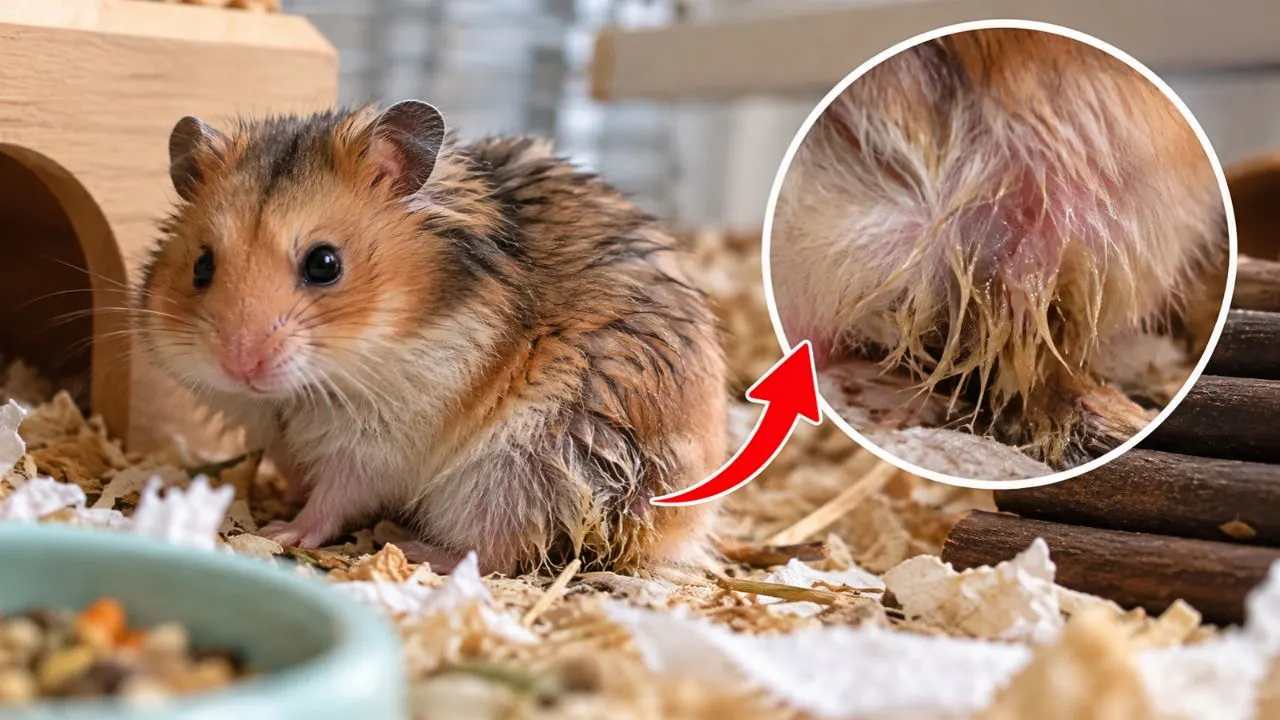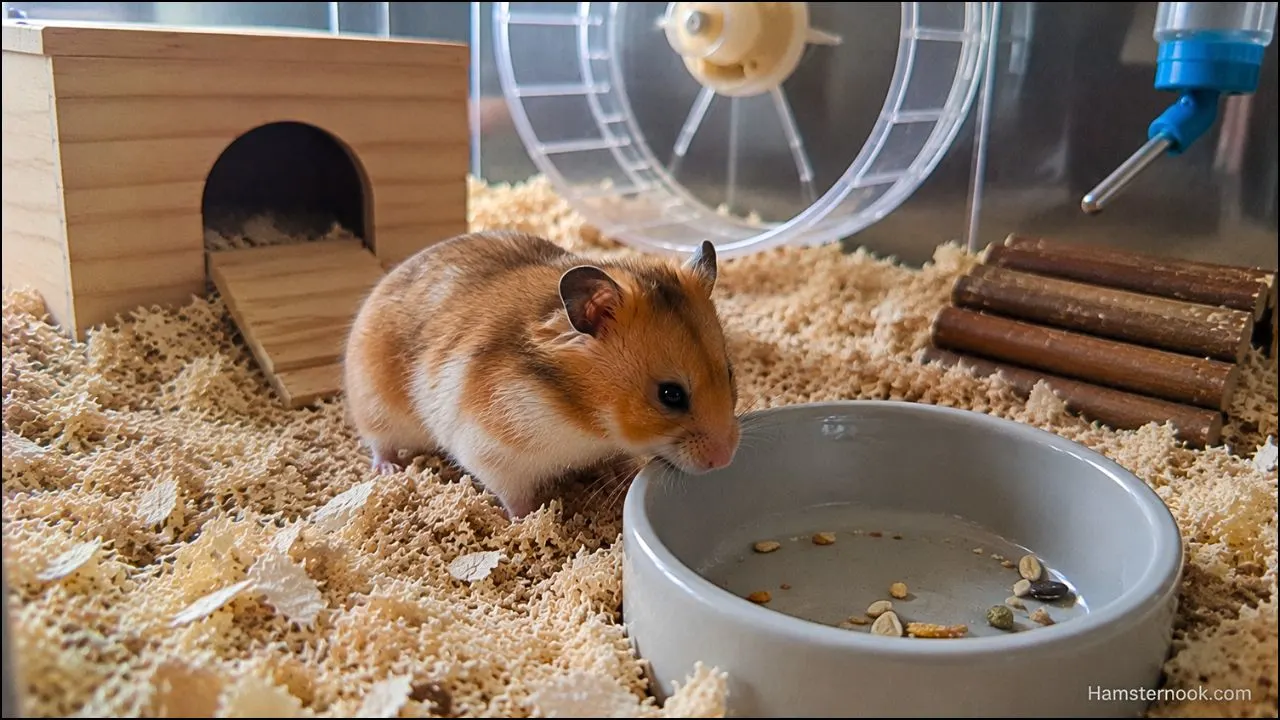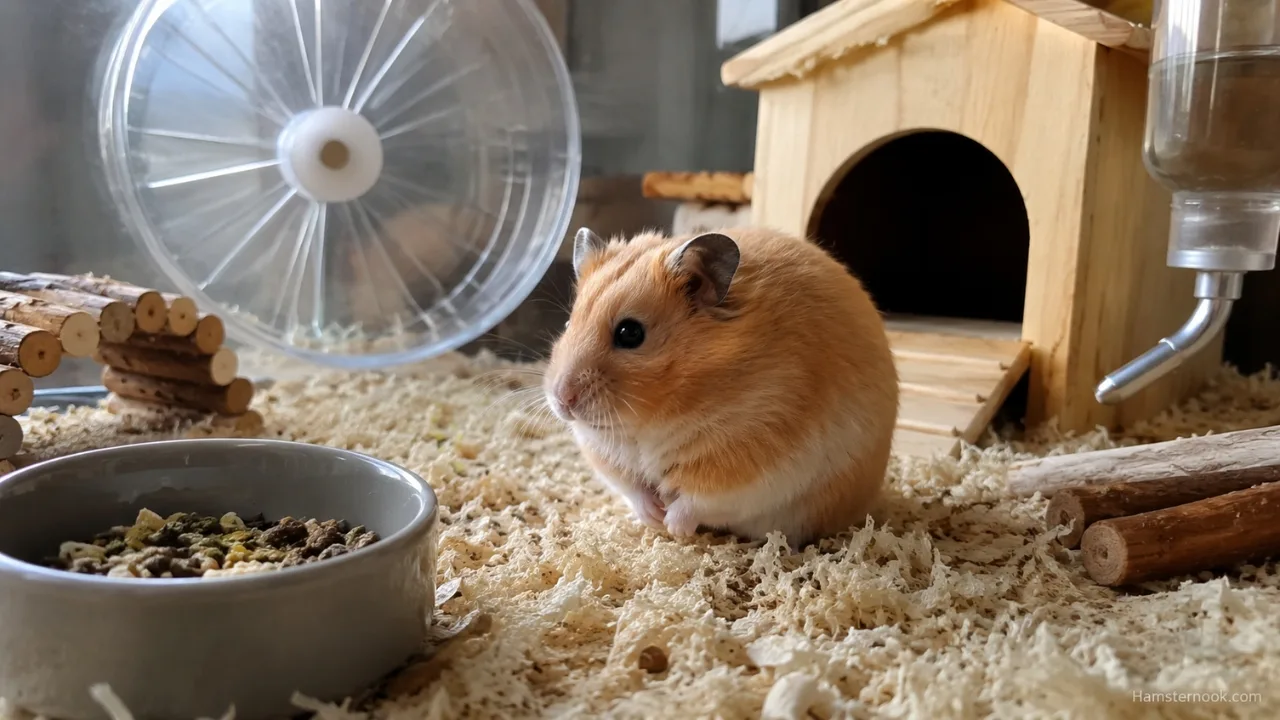
Sudden shaking or trembling in hamsters can worry owners quickly, especially when the behavior appears unexpectedly. Some hamsters shake briefly from stress, fear, excitement, or cold temperatures, while others may tremble because of illness, pain, weakness, or underlying health problems.
Because hamsters naturally hide signs of sickness, repeated shaking should never be ignored if it appears alongside breathing problems, unusual sleeping, weakness, or appetite loss.
This guide explains the most common causes of hamster shaking, how to recognize warning signs, when shaking is normal, and when you should contact a veterinarian.
Is It Normal for Hamsters to Shake?
Sometimes, yes.
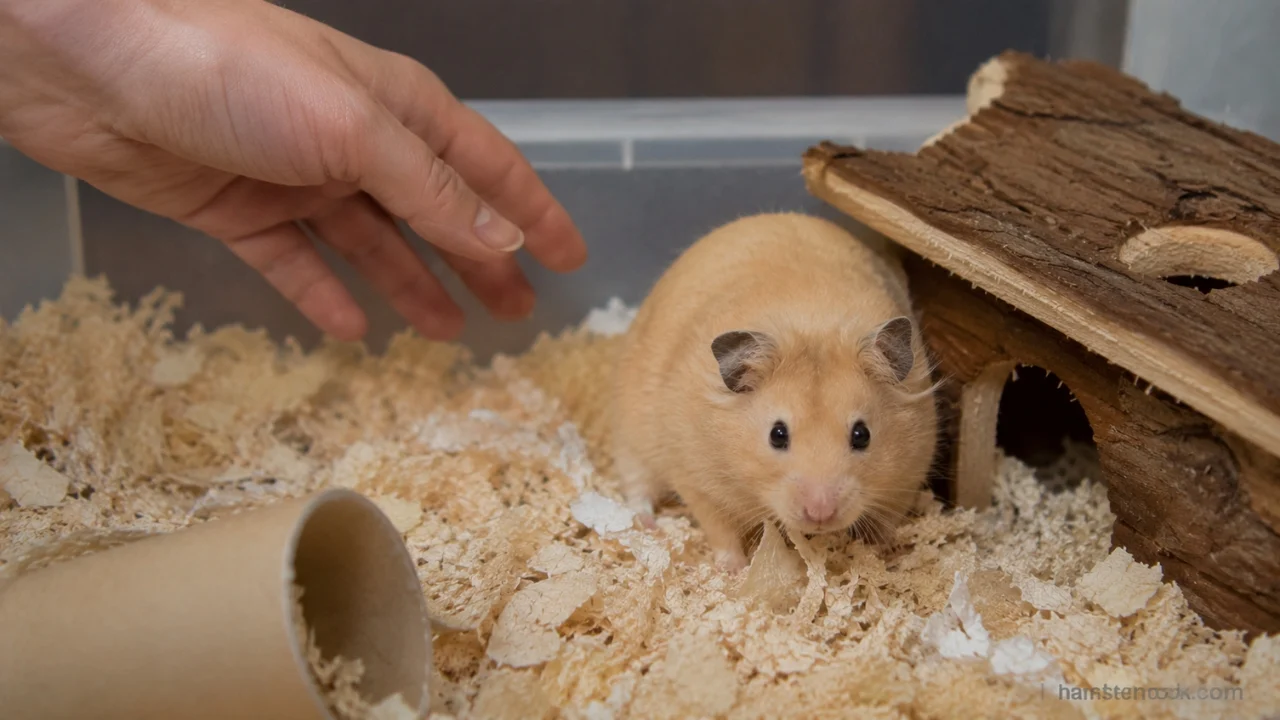
Occasional mild shaking can happen in healthy hamsters under certain situations. Hamsters may briefly tremble when:
- They feel nervous
- They are suddenly awakened
- They are exposed to cold temperatures
- They become overstimulated
- They encounter unfamiliar environments
Short-term shaking that stops quickly and does not come with other symptoms is often less concerning.

However, persistent shaking, severe trembling, weakness, or unusual behavior should always be investigated carefully.
Common Reasons Why Hamsters Shake
Hamster shaking can have physical, emotional, or environmental causes. Understanding the difference helps owners respond correctly.

Many hamster owners notice mild trembling during stressful situations or sudden environmental changes.
| Possible Cause | Common Signs | Seriousness Level |
|---|---|---|
| Fear or Stress | Freezing, hiding, rapid breathing | Mild to Moderate |
| Cold Temperature | Curling up, cold ears, low activity | Moderate |
| Excitement or Adrenaline | Fast movement, alert behavior | Mild |
| Illness or Infection | Weakness, loss of appetite | Serious |
| Pain or Injury | Limping, hunched posture | Serious |
| Neurological Problems | Loss of balance, twitching | Serious |
| Old Age | Slower movement, mild tremors | Mild to Moderate |
The key is looking at the hamster’s overall behavior rather than the shaking alone.
Changes in eating habits, activity levels, posture, grooming, and breathing often provide more useful clues than trembling by itself.
Stress and Fear Can Cause Hamster Trembling
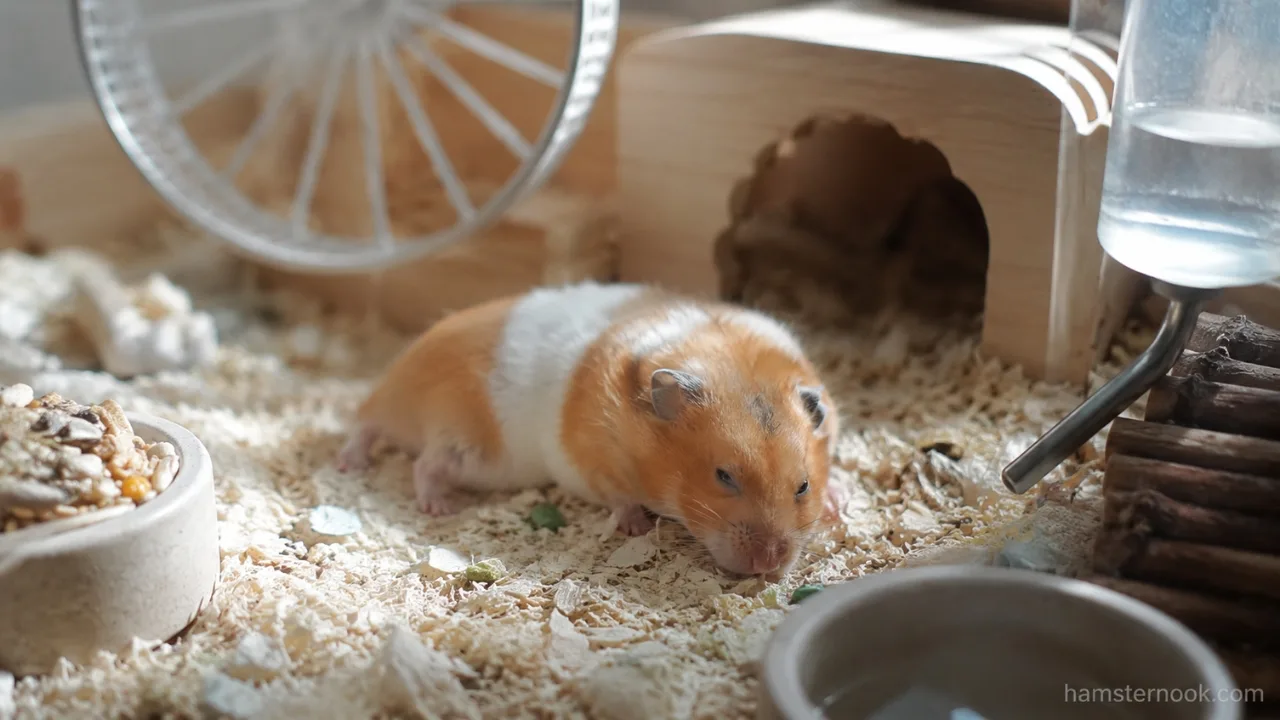
Stress and fear are among the common causes of temporary hamster trembling. Loud noises, sudden handling, unfamiliar surroundings, or other stressful changes can make a hamster freeze or tremble briefly.

Hamsters are naturally cautious animals. Loud noises, rough handling, unfamiliar scents, or sudden movement can trigger fear responses that include trembling or freezing.
A stressed hamster may also:
- Flatten its body
- Hide constantly
- Avoid handling
- Freeze in place
- Breathe rapidly
- Make squeaking sounds
Newly adopted hamsters often shake temporarily while adjusting to their environment.
If stress-related behavior continues beyond the initial adjustment period, our 7 Ways You’re Accidentally Stressing Your Hamster: Signs & What to Do guide covers common stress triggers and warning signs.
Common Stress Triggers
| Stress Trigger | Why It Affects Hamsters |
|---|---|
| Loud TV or music | Sensitive hearing becomes overwhelmed |
| Sudden handling | Prey instinct causes fear |
| Small cages | Lack of security and enrichment |
| Other pets nearby | Hamsters may feel threatened |
| Bright lighting | Hamsters prefer dim environments |
Reducing stress often improves mild shaking quickly.
Your Hamster May Be Cold
Stress and fear are among the common causes of temporary hamster trembling. Loud noises, sudden handling, unfamiliar surroundings, or other stressful changes can make a hamster freeze or tremble briefly.
Choosing the right bedding is essential for your hamster’s comfort, burrowing behavior, and overall well-being. Our Best Bedding for Hamsters guide covers the safest options, materials to avoid, and how to create a clean, stress-free environment for your pet.
If the room becomes too cold, a hamster may shiver to maintain body heat. This is especially common during winter or near air conditioning vents.
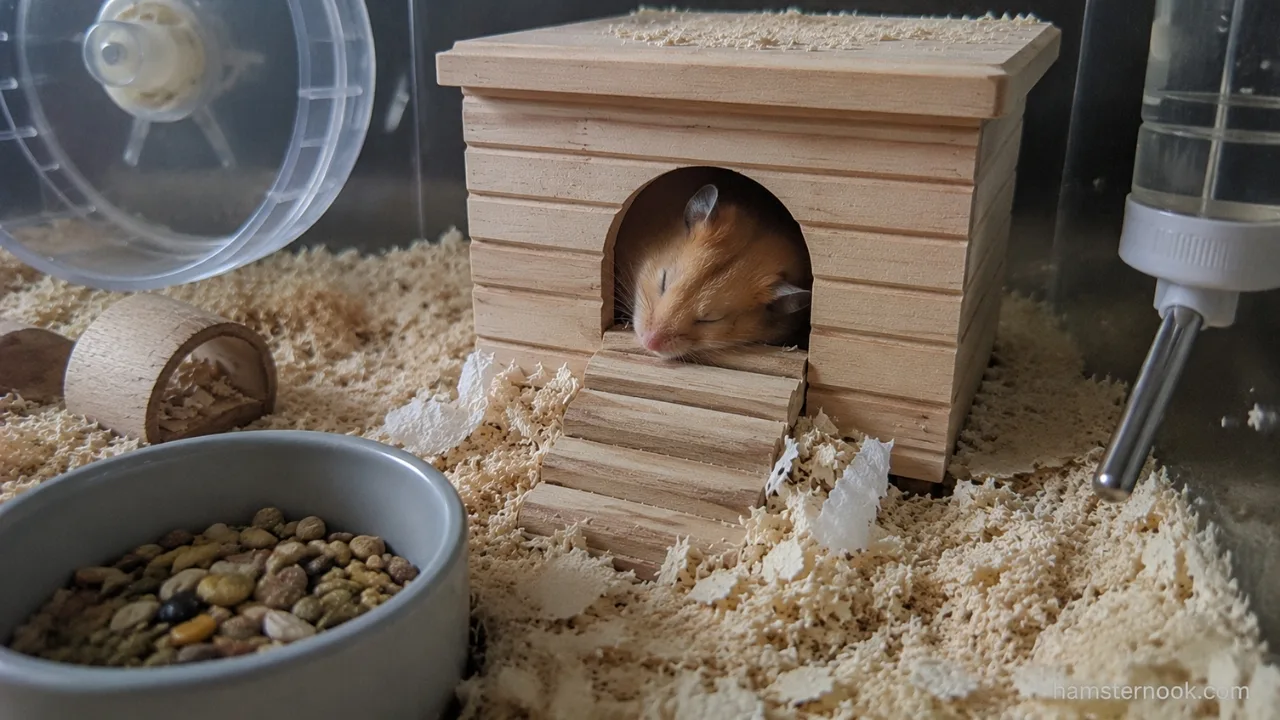
Keep the hamster’s cage at a steady room temperature around 18–21°C and away from cold draughts and direct sunlight.
For more detailed guidance on safe temperatures and signs of overheating or chilling, see our Hamster Temperature: Safe Range, Too Hot & Too Cold guide.
Signs a hamster may be too cold include:
- Shaking or shivering
- Curling tightly into a ball
- Sleeping more than usual
- Cold ears or feet
- Reduced movement
Very cold conditions can become dangerous and may cause torpor, a potentially serious survival state that can look similar to hibernation.
Excitement or Adrenaline Can Cause Brief Shaking
Not all shaking is negative.
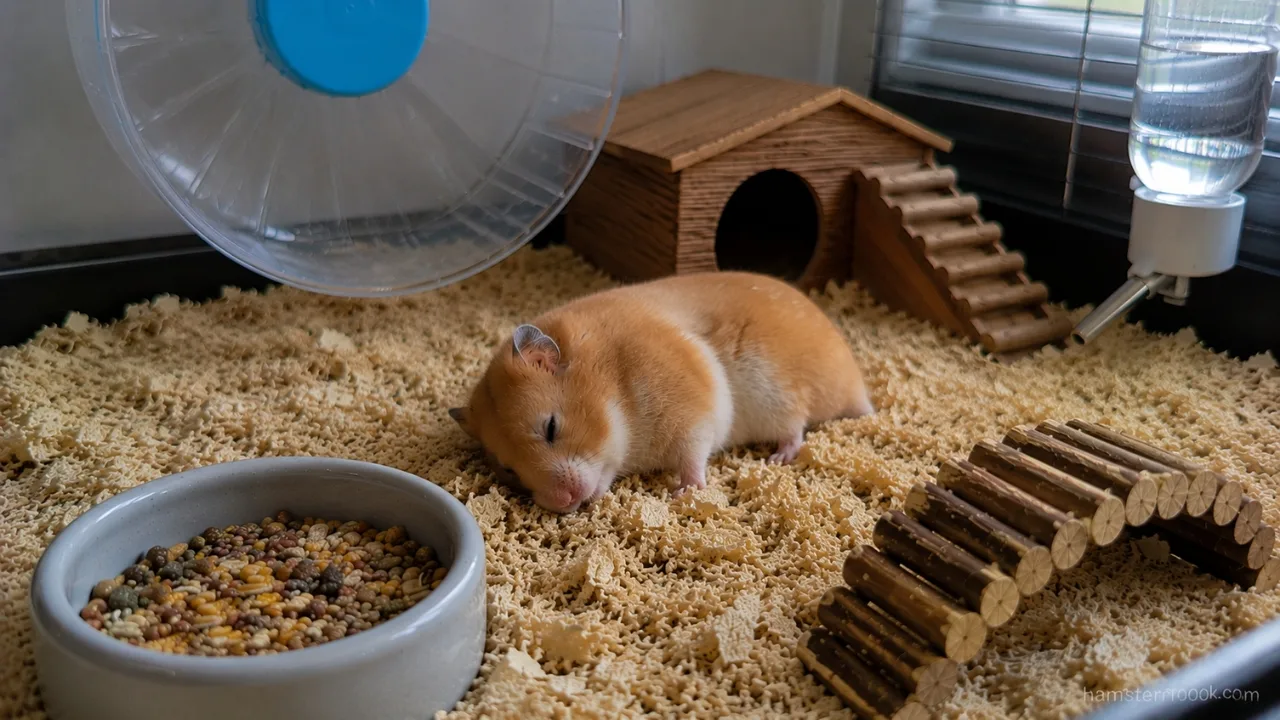
Some hamsters shake briefly during moments of excitement or high adrenaline. This can happen while exploring, running on a wheel, or reacting to food and stimulation.
This type of shaking is usually:
- Very short-lived
- Mild
- Not accompanied by illness signs
- Followed by normal behavior
If your hamster quickly returns to normal activity, occasional excitement tremors are usually not serious.
Illness Can Make a Hamster Shake
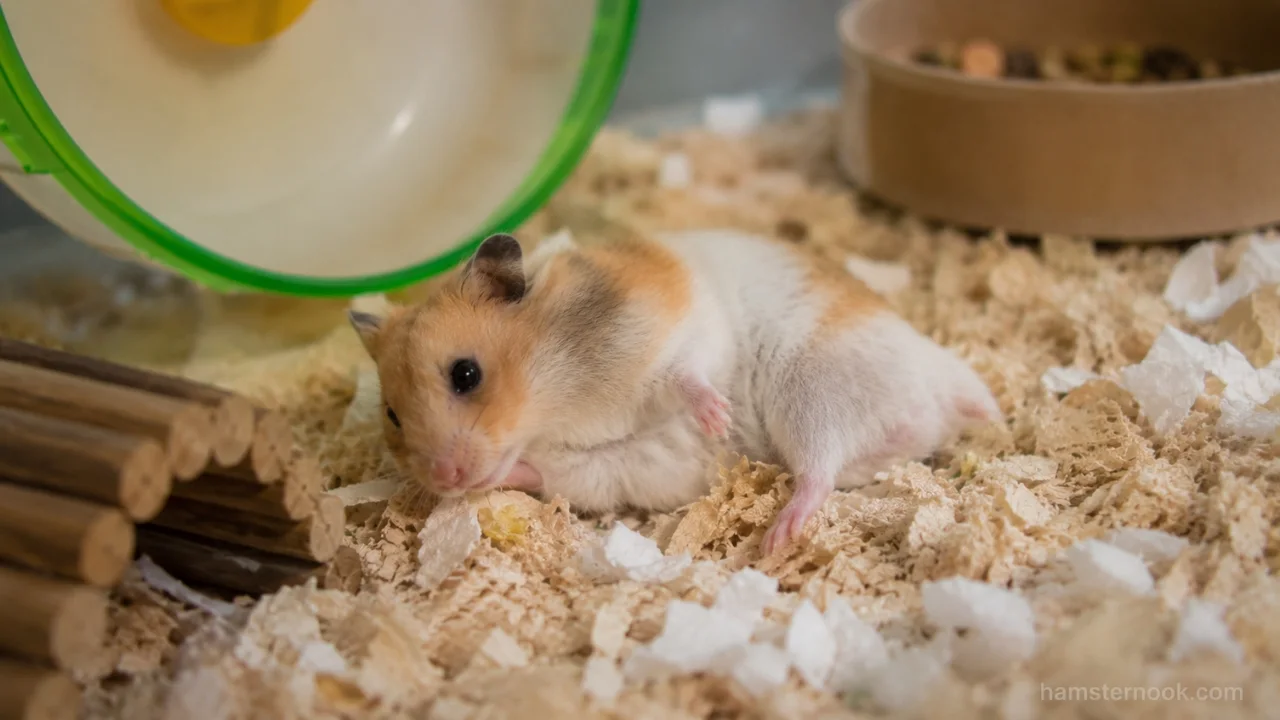
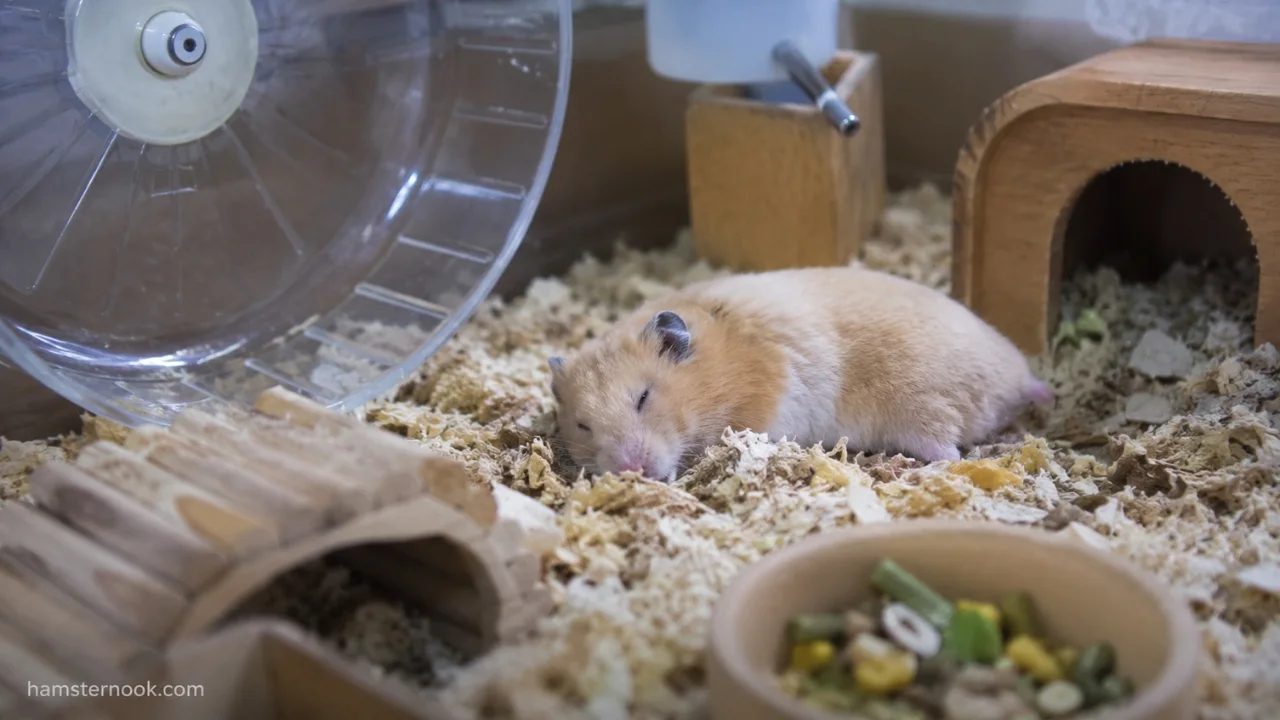
Repeated shaking along with weakness or appetite loss may signal an underlying health problem.
Our Signs of a Sick Hamster guide explains many of the early health changes that can appear before a hamster becomes visibly ill.
Hamsters may tremble when they feel weak, uncomfortable, or feverish. Since they hide illness well, owners should watch closely for additional warning signs.
If your hamster also seems unusually tired or inactive, our Why Is My Hamster Suddenly Weak? 9 Causes, Warning Signs & What to Do guide covers several conditions that can affect energy levels and overall health.
Symptoms That May Indicate Illness
| Symptom | Why It Matters |
|---|---|
| Loss of appetite | Common sign of sickness |
| Weight loss | May indicate ongoing illness |
| Wet tail area | Possible digestive disease |
| Labored breathing | Respiratory concern |
| Lethargy | Serious weakness or pain |
| Discharge from eyes or nose | Possible infection |
Respiratory infections are one common medical cause of shaking in hamsters.
Respiratory Infections May Cause Trembling
Hamsters with respiratory infections sometimes shake because breathing becomes difficult or exhausting.
Symptoms may include:
- Sneezing
- Wheezing
- Clicking sounds while breathing
- Nasal discharge
- Low energy
- Rapid breathing
If shaking is happening together with rapid breathing, our Why Is My Hamster Breathing Fast? Normal Breathing, Causes & Warning Signs guide explains what breathing changes may require veterinary attention.
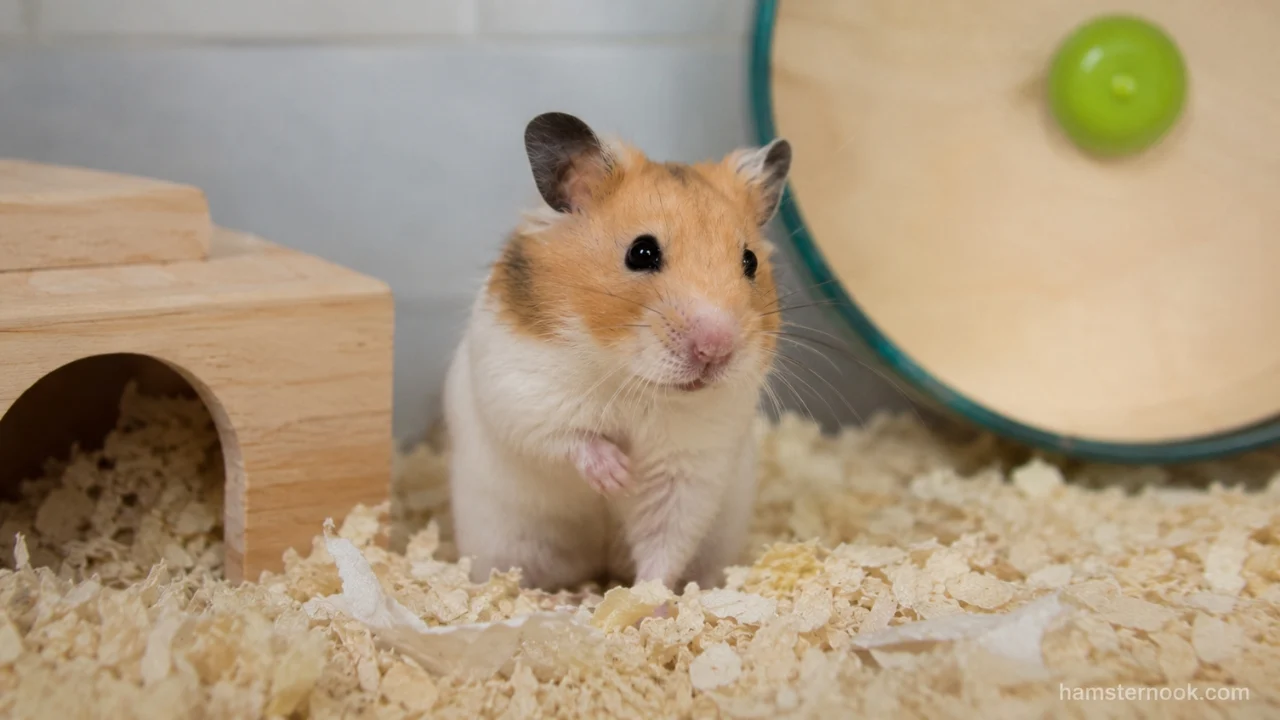
Respiratory illness can worsen quickly in small animals, so veterinary care is important if these symptoms appear.
Pain or Injury Can Trigger Shaking
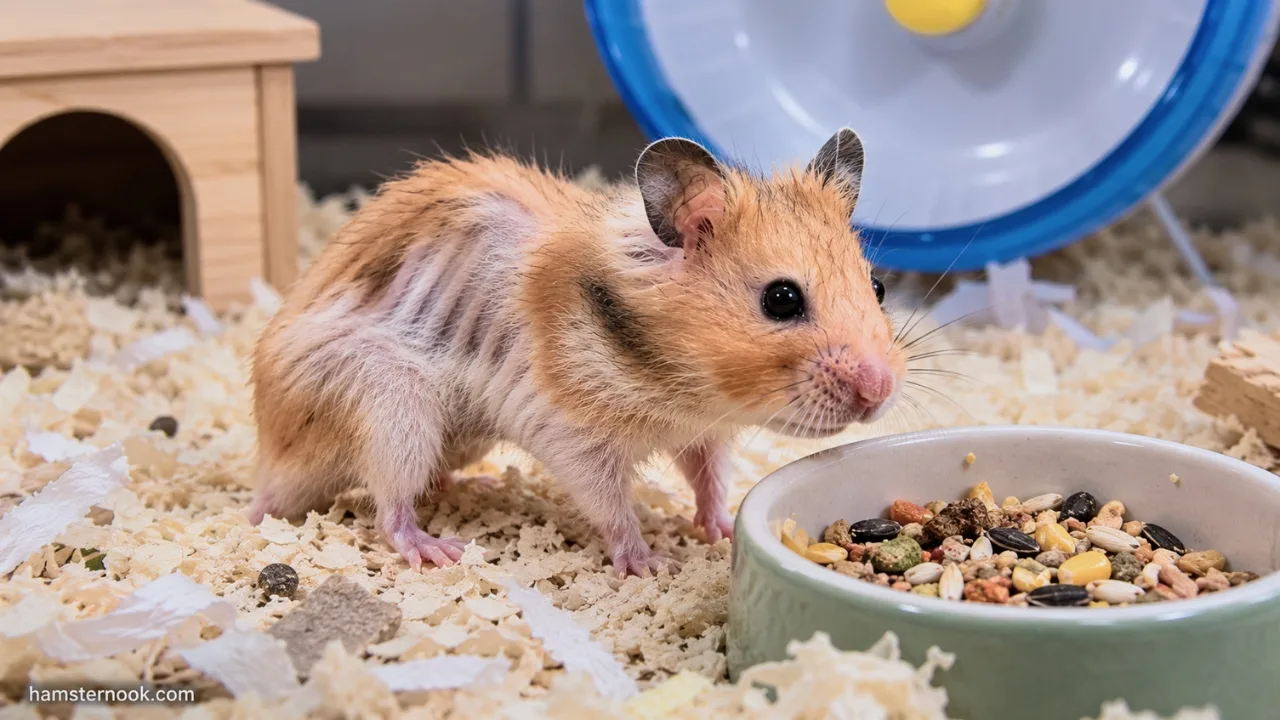
Hamsters sometimes shake when they are injured or in pain.
Falls, improper wheels, cage accidents, or fights with other hamsters may lead to discomfort and trembling.
A hamster in pain may also:

- Limp
- Hunch its back
- Refuse movement
- React aggressively to touch
- Sleep excessively
Even small injuries can become serious because hamsters are fragile animals.
Neurological Problems and Seizures
In rare cases, shaking may be linked to neurological disorders.
Neurological symptoms are more concerning than normal trembling and may include:
- Loss of balance
- Falling over
- Head tilting
- Repetitive twitching
- Seizure-like episodes
- Uncontrolled movements
These symptoms require veterinary attention as soon as possible.
Older Hamsters Sometimes Develop Tremors
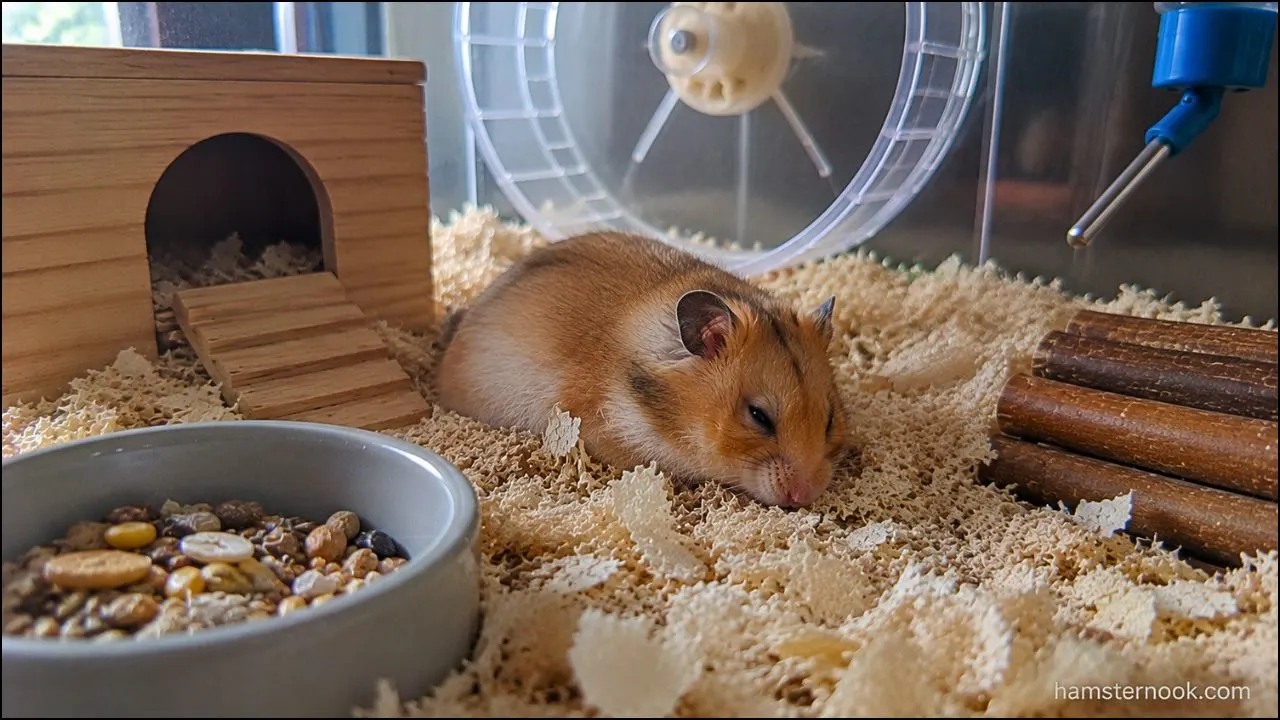
Senior hamsters may develop mild shaking as part of aging.
Older hamsters can develop changes in activity and movement as they age, but new or worsening shaking should not automatically be attributed to old age.
However, aging should never be used to ignore serious symptoms.
If shaking suddenly worsens or affects eating and movement, veterinary evaluation is still important.
Can Hamsters Shake While Sleeping?
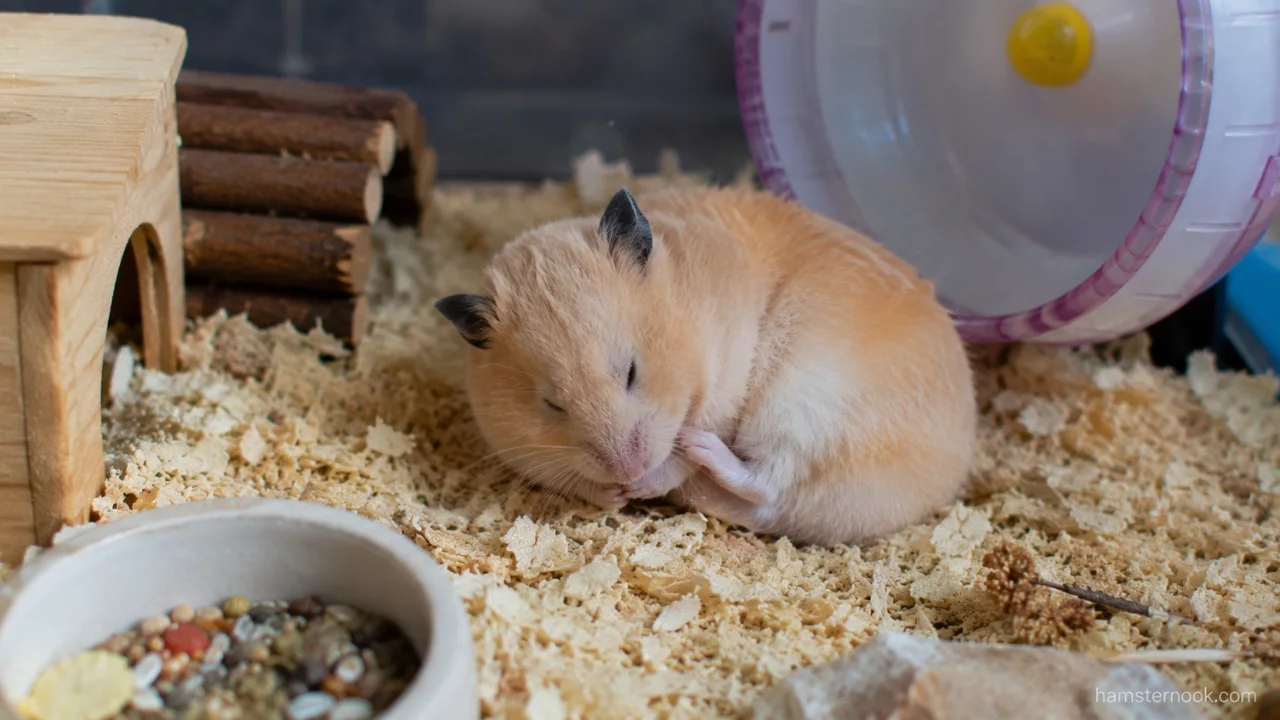
Some hamsters may make small body movements or twitch lightly during sleep. Brief, mild movements can occur without indicating illness, but violent shaking, repeated twitching, or seizure-like movements during sleep should not be considered normal.
However, violent shaking, repeated twitching, or seizure-like movements during sleep should not be considered normal and may require veterinary evaluation.
Can Dehydration Cause Hamsters to Shake?
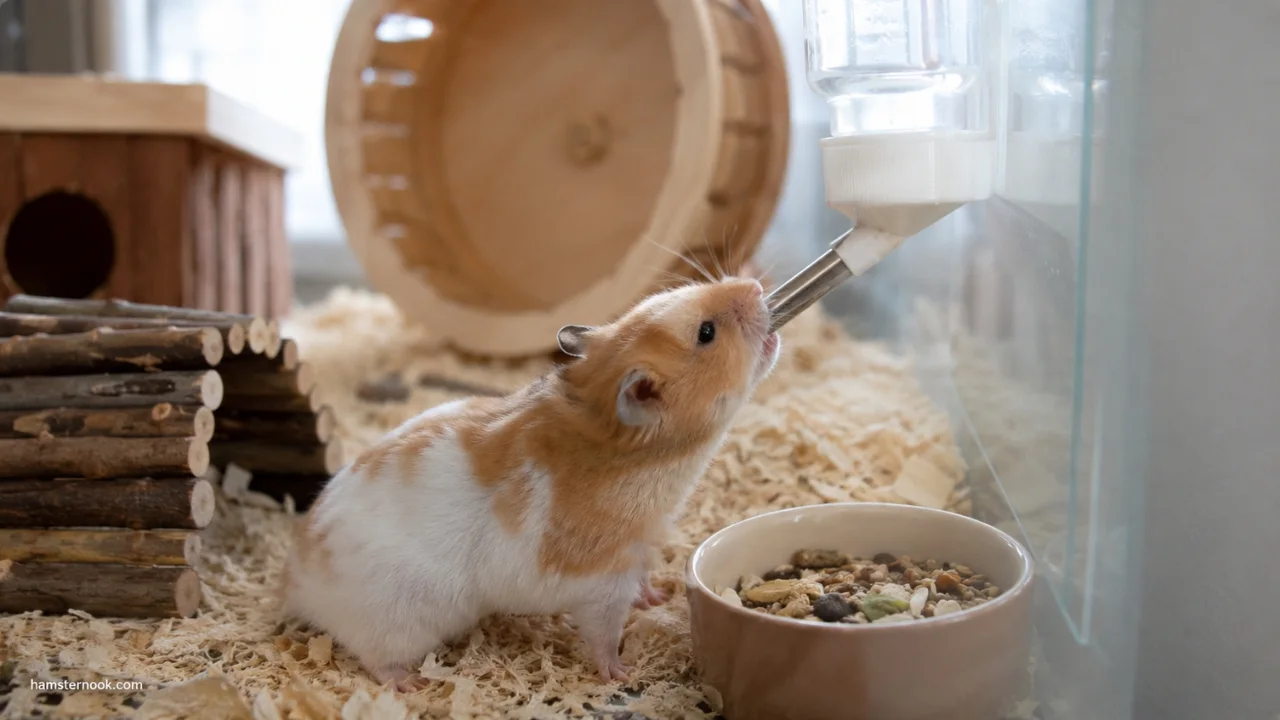
Dehydration can cause weakness and low energy in hamsters. If a dehydrated hamster is also trembling, unsteady, or unusually inactive, the combination should be taken seriously.
Hamsters may become dehydrated because of:

- Hot temperatures
- Illness
- Diarrhea
- Leaking water bottles
- Poor water intake
Signs of dehydration may include:
- Sunken eyes
- Dry mouth
- Low activity
- Weakness
- Loss of appetite
If dehydration is suspected, make fresh water available, but do not delay veterinary care if the hamster is weak, not drinking, or showing other signs of illness.
How to Tell if Hamster Shaking Is Serious
The context matters more than the shaking alone.

| Situation | Usually Mild or Serious? |
|---|---|
| Brief shaking after handling | Usually mild |
| Shivering in cold room | Moderate concern |
| Trembling with normal eating | Often mild |
| Shaking with breathing issues | Serious |
| Tremors with weakness | Serious |
| Seizure-like movements | Emergency concern |
| Shaking with diarrhea | Serious |
If multiple symptoms appear together, the risk level increases significantly.
What You Should Do if Your Hamster Is Shaking
The best response depends on the cause.
Preventing stress, maintaining proper temperatures, providing a balanced diet, and creating a secure enclosure can reduce many common health and behavior problems. Owners who want a complete overview of housing, feeding, enrichment, and daily care can refer to our How to Care for a Hamster: Complete Beginner Guide (2026).
Step 1: Check the Environment
Make sure:
- The cage is warm enough
- The room is quiet
- There are no sudden stressors
- The hamster has clean bedding
- Food and water are available
Step 2: Observe Behavior Carefully
Watch for:

- Eating changes
- Breathing problems
- Weakness
- Balance issues
- Bathroom changes
Tracking symptoms helps identify patterns.
Keeping notes about when the shaking occurs can help determine whether it is linked to stress, temperature changes, handling, or possible health problems.
Step 3: Avoid Excessive Handling
A stressed or sick hamster may worsen with too much handling.
Allow your hamster to rest in a calm environment while monitoring closely.

Step 4: Contact a Veterinarian if Needed
Seek veterinary care if shaking:
- Continues repeatedly
- Becomes severe
- Happens with illness symptoms
- Includes breathing difficulty
- Appears seizure-like
Exotic pet veterinarians are usually the best choice for hamsters.
How to Prevent Stress-Related Shaking
Many mild shaking episodes are preventable with proper care.
Helpful Prevention Tips
| Prevention Method | Benefit |
|---|---|
| Larger cage setup | Reduces stress |
| Quiet environment | Prevents fear responses |
| Proper room temperature | Prevents cold shivering |
| Gentle handling | Builds trust |
| Regular cage cleaning | Supports health |
| Balanced diet | Helps overall wellness |
Final Thoughts
Hamster shaking is not always an emergency, but it should never be ignored completely. Some hamsters shake briefly from stress, excitement, or feeling cold, while others may tremble because of illness, pain, or neurological problems.
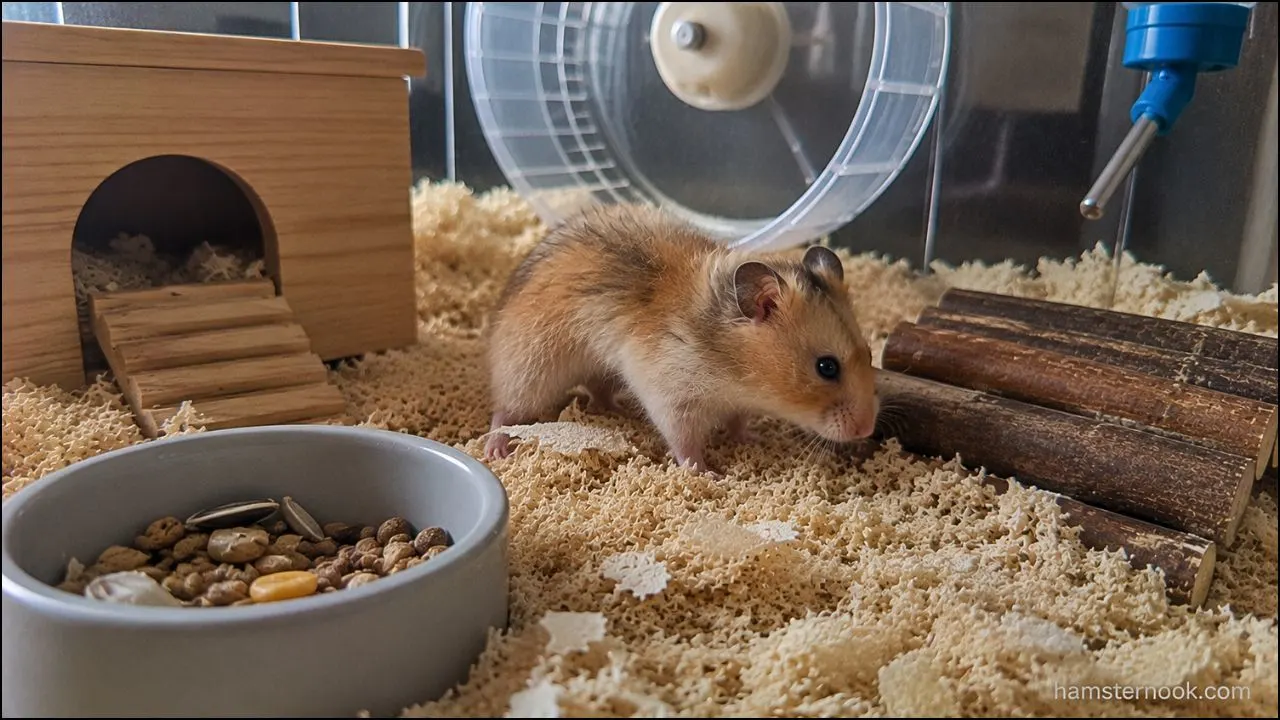
The most important thing is to look at the full picture. A hamster that is eating normally, active, and shaking only briefly is usually less concerning than one showing weakness, breathing problems, or major behavior changes.
By monitoring symptoms carefully, reducing stress, maintaining proper temperatures, and seeking veterinary help when needed, owners can better protect their hamster’s health and comfort.
Hamsters showing breathing difficulties or severe weakness should never be left untreated for long periods.
Frequently Asked Questions
Why is my hamster shaking while I hold it?
Your hamster may feel nervous, stressed, or overstimulated during handling, especially if it is not fully comfortable with human interaction yet.
Can hamsters shake when they are scared?
Yes. Fear and stress commonly cause trembling or freezing behavior in hamsters.
Is shaking a sign of illness in hamsters?
Sometimes. Persistent shaking combined with lethargy, breathing problems, or appetite loss may indicate illness.
Why is my hamster shaking and breathing fast?
Rapid breathing together with shaking may signal stress, overheating, pain, or respiratory illness. Persistent symptoms should be evaluated by a veterinarian.
Do old hamsters shake more?
Older hamsters can develop mild tremors as they age, but sudden or severe shaking still requires attention.
Can hamsters shake when they are too hot?
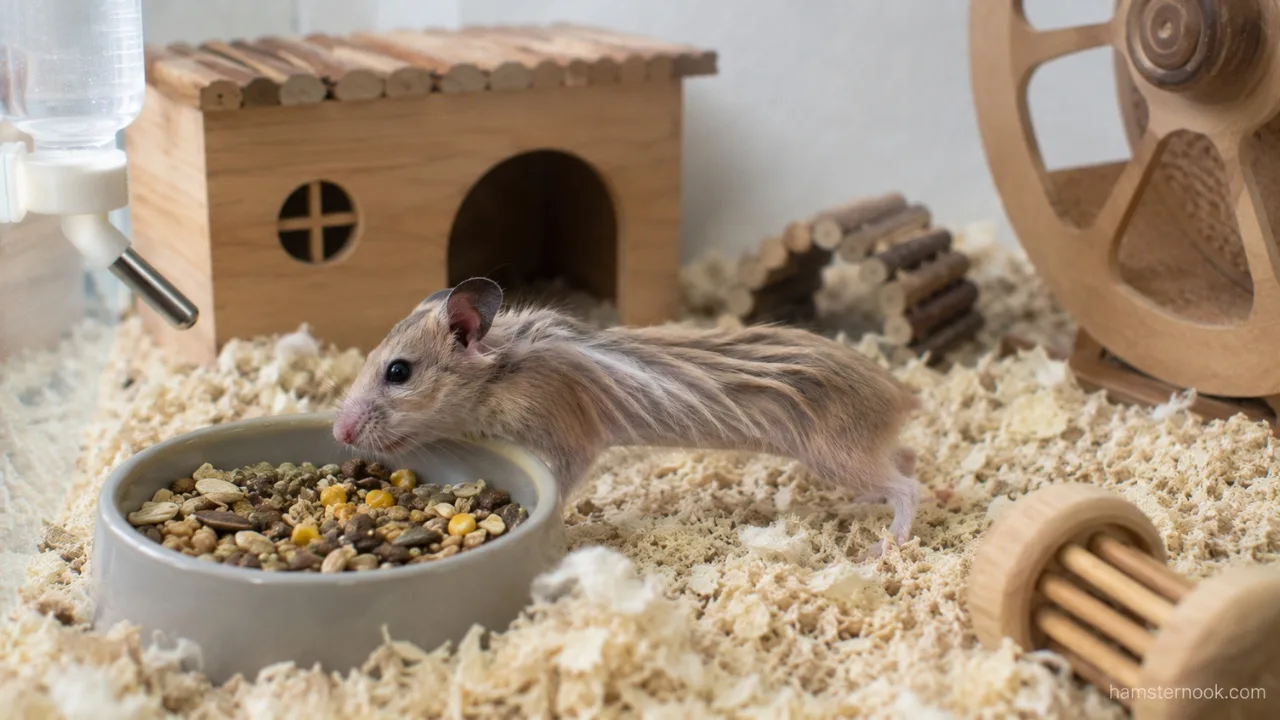
Yes. Overheating may cause weakness, rapid breathing, stress, and trembling in hamsters. Keeping the cage in a cool, well-ventilated room is important.
Why is my hamster shaking but still eating normally?
Mild shaking with normal eating, drinking, and activity is often linked to temporary stress, excitement, or environmental factors. However, repeated trembling should still be monitored for additional symptoms.
References
This guide is based on hamster health, illness symptoms, environmental care, respiratory health, pain, and veterinary guidance from trusted animal welfare and veterinary resources, including:
- RSPCA – Hamster Health & Welfare – Guidance on recognizing illness, monitoring health changes, veterinary care, and common hamster health concerns.
- RSPCA – Creating a Good Home for Hamsters – Guidance on suitable environmental conditions, temperature, bedding, housing, and reducing environmental stress.
- PDSA – Hamsters as Pets – Information on hamster health, behavior, housing, nutrition, and signs that may require veterinary attention.
- MSD Veterinary Manual – Disorders and Diseases of Hamsters – Veterinary information on hamster diseases, respiratory problems, neurological signs, weakness, and other health conditions.
- MSD Veterinary Manual – Routine Health Care of Hamsters – Guidance on routine health monitoring, recognizing abnormal changes, and providing appropriate veterinary care.
- MSD Veterinary Manual – Providing a Home for a Hamster – Veterinary guidance on hamster housing, environmental conditions, bedding, temperature, and general husbandry.
- NC3Rs – Housing and Husbandry: Hamster – Guidance on hamster housing, environmental conditions, husbandry, and welfare.
Medical Disclaimer
This article is intended for educational purposes only and should not be considered veterinary advice. Hamster shaking or trembling can have different causes, ranging from temporary stress or environmental factors to illness, pain, respiratory problems, or neurological conditions. If shaking is persistent, severe, or occurs alongside weakness, breathing difficulties, loss of appetite, balance problems, seizures, or other concerning symptoms, consult a qualified exotic animal veterinarian as soon as possible.

Narayan Kumar is the founder and author of HamsterNook. He creates practical, research-based hamster care guides covering hamster behavior, nutrition, cage setup, enrichment, health, and everyday care. His goal is to help hamster owners make informed decisions and provide safer, healthier lives for their pets through clear, beginner-friendly information based on trusted animal care resources.