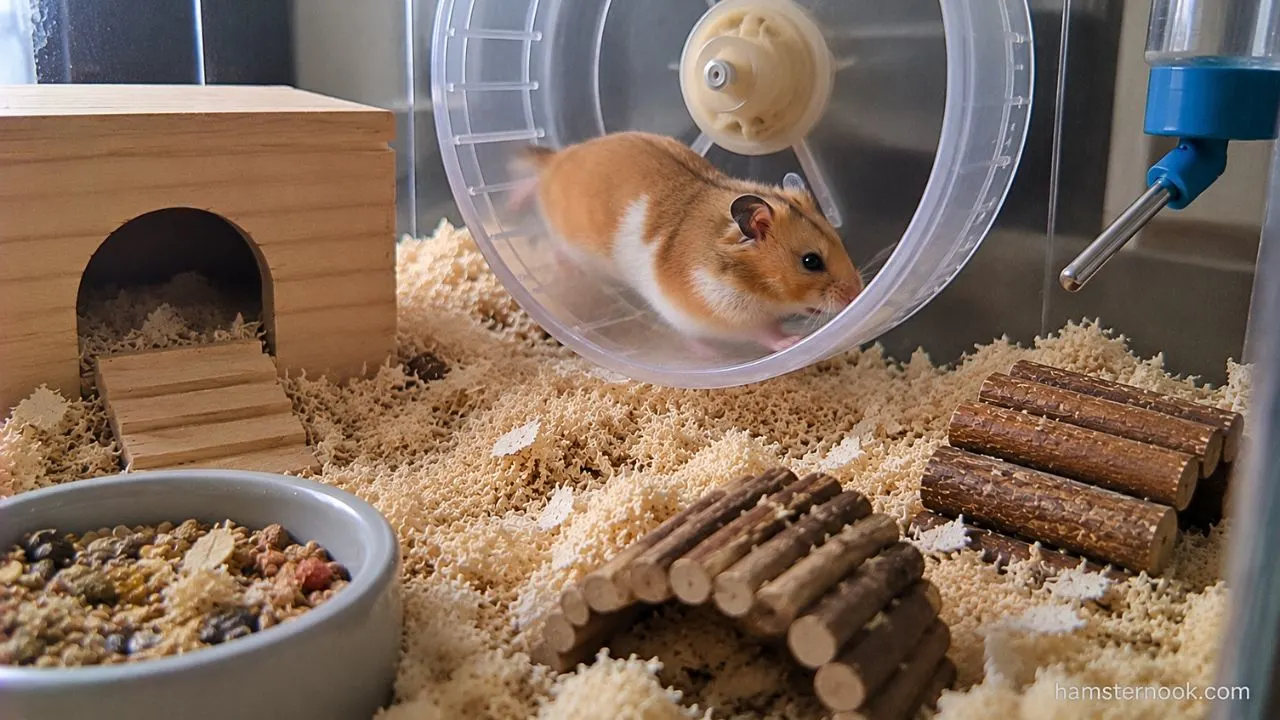
A happy hamster behaves very differently from a stressed or unhealthy one. But for new owners, it can be hard to tell what is normal and what might be a warning sign. Hamsters are naturally quiet pets, and they often hide discomfort until a problem becomes serious.
The good news is that healthy hamsters usually give clear signals through their behavior, eating habits, energy levels, and appearance. Learning these signs can help you catch problems early, improve your hamster’s quality of life, and feel more confident as a pet owner.
In this guide, you’ll learn the most reliable signs that your hamster is healthy, comfortable, confident, and thriving in its environment.
Why Understanding Hamster Behavior Matters
Hamsters cannot tell you when something feels wrong. In the wild, small animals instinctively hide weakness to avoid predators. Pet hamsters still carry this behavior, which means illness or stress may not become obvious until the condition gets worse.

That is why daily observation is one of the most important parts of hamster care.
A healthy hamster usually shows:
- Consistent eating and drinking habits
- Normal activity during waking hours
- Clean fur and bright eyes
- Curiosity and confidence
- Regular grooming and nesting behavior
Quick Check: Is My Hamster Happy and Healthy?
A healthy hamster usually maintains its normal eating, drinking, grooming, sleeping, and activity patterns. Signs of happiness are often more behavioral, such as curiosity, relaxed exploration, burrowing, foraging, and comfortable interaction with the environment.
No single behavior proves that a hamster is healthy or happy. The strongest sign is a consistent combination of normal physical condition, daily routines, and natural behaviors.
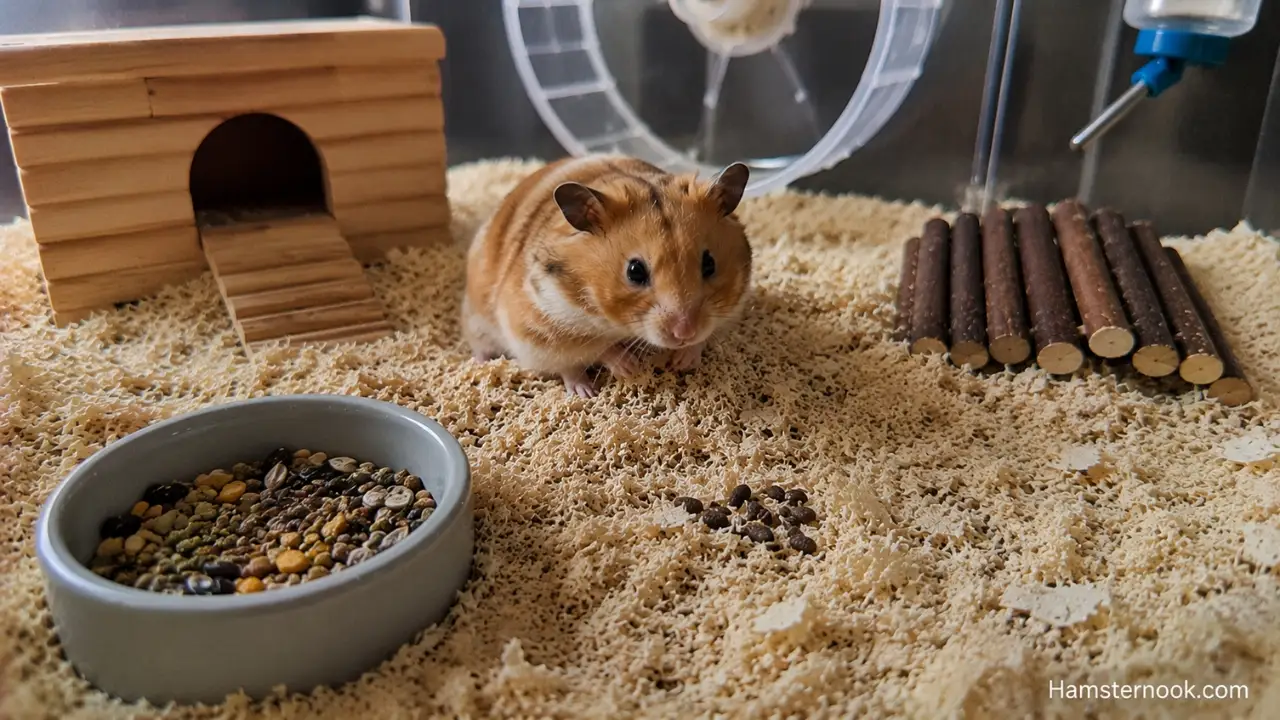
When several of these signs disappear at the same time, it may indicate stress, illness, pain, or poor habitat conditions.
1. Your Hamster Is Active During Its Normal Wake Hours
One of the clearest signs of a healthy hamster is regular activity at night.
Hamsters are naturally most active during the evening, nighttime, and early morning hours, although individual activity patterns can vary. A healthy hamster typically:
- Explores the cage
- Runs on the wheel
- Rearranges bedding
- Searches for food
- Climbs or tunnels
Different hamster species have different energy levels. Syrian hamsters are often calmer and slower, while dwarf hamsters may appear more energetic and fast-moving.
Understanding your hamster’s natural sleep schedule can help you better recognize healthy activity patterns and warning signs.
Long daytime sleep is usually normal, but a sudden change in your hamster’s usual activity pattern deserves attention. Our Why Is My Hamster Sleeping So Much? guide explains how normal rest differs from potentially concerning changes in sleep and activity.
Normal vs Concerning Activity Levels
| Healthy Behavior | Possible Warning Sign |
|---|---|
| Active at night | Constant lethargy |
| Uses wheel regularly | Suddenly stops moving much |
| Explores cage daily | Hiding excessively for days |
| Curious about surroundings | Weak or unsteady walking |
If your hamster suddenly becomes much less active during its usual waking hours, especially when this happens alongside appetite loss, breathing changes, diarrhea, weakness, or other unusual symptoms, contact a veterinarian.
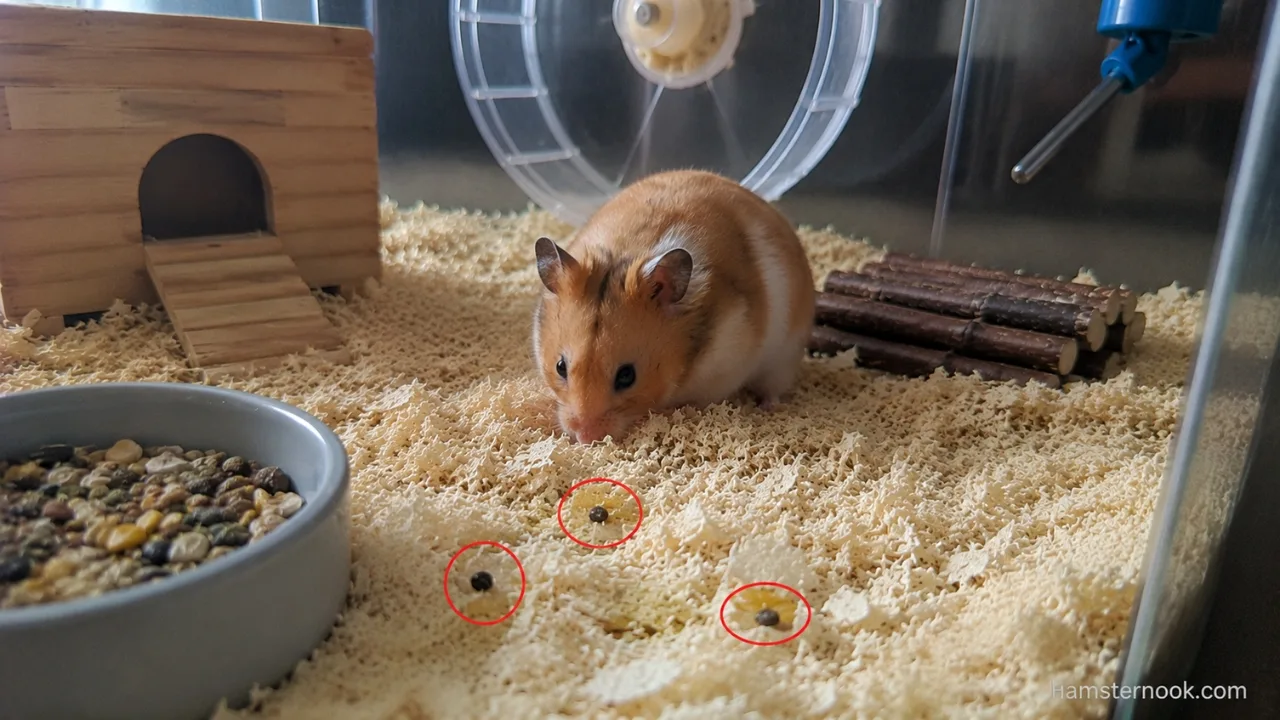
2. Your Hamster Has a Healthy Appetite
A happy hamster usually eats consistently every day.

Hamsters naturally collect and store food in hidden areas around the cage, so it may look like they are eating less than they actually are. Always check food hoards before assuming your hamster stopped eating.
Healthy eating habits include:
- Taking interest in food
- Storing food in nests or corners
- Eating a balanced diet regularly
- Drinking water normally
Is My Hamster Happy or Just Healthy?
A hamster can appear physically healthy while still experiencing boredom, stress, or frustration. Good health and happiness often overlap, but they are not exactly the same thing.
A healthy hamster usually eats, drinks, grooms, and maintains a stable body condition. A comfortable hamster often shows natural behaviors such as curiosity, exploration, foraging, burrowing, nesting, and relaxed interaction with its environment. These behaviors can vary between individual hamsters, so changes from your hamster’s normal routine are more useful than comparing it with another hamster.
Body posture and behavior can provide additional clues, so our Hamster Body Language: Signs of Happiness, Stress, Fear & Illness guide can help you understand these signals.
Owners should pay attention to both physical health and emotional well-being. A hamster that is healthy but understimulated may become less active, spend more time hiding, or develop repetitive behaviors. Providing enough space, enrichment, and opportunities for natural behaviors can help support both physical and mental well-being.
Signs Something May Be Wrong
| Healthy Eating Habits | Unhealthy Eating Habits |
|---|---|
| Eats daily | Refuses food completely |
| Drinks water regularly | Sudden excessive thirst |
| Stores food normally | Rapid weight loss |
| Shows excitement for treats | Difficulty chewing |
A noticeable change in appetite should be taken seriously, particularly when it occurs with weight loss, weakness, diarrhea, breathing problems, or other changes in behavior. If your hamster stops eating, contact a veterinarian promptly.
A sudden loss of interest in food can be more concerning when it appears alongside reduced activity, weight loss, or other behavior changes. Our Why Is My Hamster Not Eating? guide explains common causes and warning signs owners should watch for.

3. Your Hamster’s Fur Looks Clean and Smooth
Healthy hamsters usually keep themselves very clean. They spend a surprising amount of time grooming their fur.
A hamster with healthy skin and coat normally has:
- Smooth fur
- No bald patches
- Clean scent glands
- Minimal dandruff
- No wetness around the tail
The exact coat appearance depends on the species and age. Long-haired Syrian hamsters may look fluffier or slightly messy compared to short-haired breeds.
Fur Problems That Need Attention
| Normal Coat Condition | Potential Health Concern |
|---|---|
| Smooth and clean fur | Bald spots |
| Dry fur | Greasy or wet fur |
| Regular grooming | Matted fur |
| Clean rear area | Wet tail symptoms |
Wet fur around the rear area can sometimes signal diarrhea, which may become dangerous quickly in hamsters.

4. Your Hamster Is Curious and Alert
Happy hamsters are naturally curious animals.
A healthy hamster often reacts to sounds, movement, or activity nearby. Many will come toward the cage front when they hear food or recognize their owner’s routine.
Curious behavior may include:
- Sniffing new objects
- Exploring cage changes
- Standing on hind legs
- Watching movement outside the cage
- Investigating toys or tunnels
A hamster that suddenly becomes unusually fearful, confused, or unresponsive may be stressed or ill.

Curiosity can decrease when a hamster feels stressed or uncomfortable. Our 5 Warning Signs Your Hamster May Be Stressed guide explains behavioral changes that can help owners distinguish normal caution from ongoing stress.
5. Your Hamster Uses the Wheel Regularly
Many hamsters use their wheels regularly, but wheel use varies between individuals. Regular wheel activity can be a normal part of a hamster’s exercise and enrichment, but not using the wheel by itself does not prove that a hamster is unhealthy.
A hamster that regularly uses its wheel is often:
- Energetic
- Mentally stimulated
- Comfortable in its habitat
However, wheel habits vary by personality. Some hamsters run for hours, while others use the wheel moderately.

Wheel use should never be judged in isolation. A hamster that runs less but continues eating, drinking, exploring, burrowing, grooming, and maintaining a stable weight may still be perfectly healthy.
Wheel Safety Matters
An unsafe wheel can actually cause injury or stress.
A proper hamster wheel should:
- Have a solid running surface
- Be large enough to prevent back arching
- Spin smoothly and quietly
Recommended Wheel Sizes
| Hamster Type | Recommended Wheel Size |
|---|---|
| Roborovski Dwarf | 8 inches or larger |
| Campbell’s Dwarf | 8 inches or larger |
| Winter White Dwarf | 8 inches or larger |
| Syrian Hamster | 10–12 inches |
A wheel that is too small may lead to poor posture and spinal stress over time.

A proper enclosure setup, wheel size, and enrichment routine can make a major difference in your hamster’s physical and mental health.
Wheel size works together with floor space, bedding, hideouts, and enrichment to support normal activity. Our Best Hamster Cage Setup for Beginners guide explains how these habitat elements work together to create a safer and more stimulating environment.
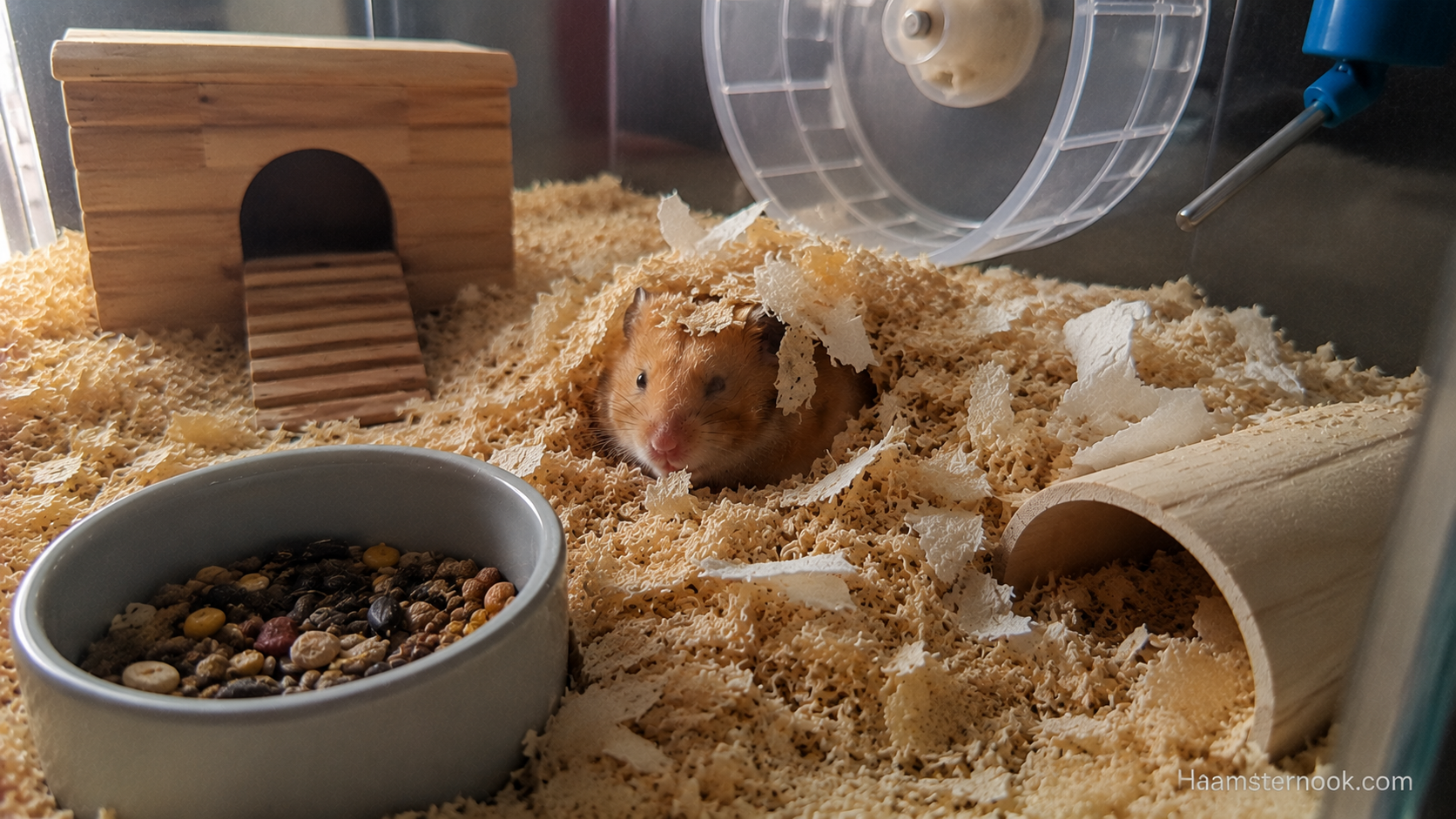
6. Your Hamster Builds Nests and Burrows

Nest building is one of the clearest signs that a hamster feels secure and comfortable.
Hamsters instinctively create sleeping areas where they feel safe. A content hamster often:

- Burrows deeply into bedding
- Rearranges nesting material
- Creates food storage spots
- Sleeps in hidden enclosed spaces
This behavior shows that your hamster feels secure enough to settle into its environment.
Best Bedding for Natural Burrowing
| Good Bedding Choices | Bedding to Avoid |
|---|---|
| Unscented paper bedding | Cedar bedding |
| Aspen shavings | Pine bedding with strong oils |
| Soft paper nesting material | Fluffy cotton nesting fibers |
Unsafe nesting materials may increase the risk of respiratory irritation or injury.
Providing suitable bedding is an important part of supporting natural burrowing behavior. Our Best Hamster Bedding for Beginners: Safe, Unsafe & Best Choices guide covers suitable bedding options.
7. Your Hamster Grooms Regularly
Hamsters are naturally clean animals. Grooming is normal and healthy behavior.

You may notice your hamster:
- Washing its face with paws
- Licking its fur
- Scratching lightly
- Rolling in sand baths (for dwarf species)
Regular grooming usually means your hamster feels relaxed and comfortable.
However, excessive scratching or over-grooming may indicate:
- Skin irritation
- Parasites
- Allergies
- Stress
A suitable sand area can support normal grooming behavior for hamsters that use it, but the material should be appropriate for hamsters and free from excessive dust.

8. Your Hamster Has Bright Eyes and Clear Breathing
Healthy hamsters typically have:
- Bright, open eyes
- Dry noses
- Quiet breathing
- Clean ears
Breathing should be calm and nearly silent.
Symptoms That May Need Veterinary Attention
| Healthy Signs | Warning Signs |
|---|---|
| Clear eyes | Crusty or closed eyes |
| Quiet breathing | Wheezing or clicking |
| Dry nose | Nasal discharge |
| Alert posture | Hunched appearance |
Respiratory infections can become serious quickly in hamsters, especially if cages are damp, dusty, or poorly ventilated.
9. Your Hamster Is Comfortable Around You

If you are building trust with a new hamster, our Do Hamsters Get Excited to See Their Owners? Signs of Trust & Recognition guide explains behaviors owners may notice during familiar interactions.

Trust takes time, especially with prey animals like hamsters.
A happy hamster may:
- Take treats gently
- Walk onto your hand voluntarily
- Stay relaxed during handling
- Recognize your voice or routine
Not every hamster enjoys long handling sessions, and that is normal. Personality plays a major role.
Signs of Stress During Handling
| Relaxed Hamster | Stressed Hamster |
|---|---|
| Sniffs calmly | Freezes in fear |
| Takes treats | Tries to jump away |
| Explores hands | Bites repeatedly |
| Moves normally | Screeches or panics |
Building trust slowly with patience usually works better than forcing interaction.

10. Your Hamster Maintains a Healthy Weight
A stable body condition is one of the best indicators of overall health.
Healthy hamsters generally:
- Maintain consistent weight
- Feel slightly rounded but not obese
- Move comfortably
- Eat normally
Unexplained or ongoing weight changes can be a sign that something is affecting your hamster’s health and should be monitored rather than dismissed as a normal change.
Common Causes of Weight Changes
| Weight Loss Causes | Weight Gain Causes |
|---|---|
| Dental problems | Too many treats |
| Illness | Lack of exercise |
| Stress | High-fat diet |
| Poor diet quality | Small cage size |
Regularly observing your hamster’s size and body shape can help you notice health issues early.

For a clearer baseline, weigh your hamster periodically using a small digital scale and record the results. Tracking changes over time can make gradual weight loss or gain easier to notice than relying on appearance alone.
Common Signs Your Hamster May Be Unhappy or Unhealthy
Even friendly hamsters can become stressed if their needs are not met.
Watch for these warning signs:
- Constant hiding
- Aggression or sudden biting
- Refusing food
- Excessive sleeping outside normal hours
- Wet tail symptoms
- Sneezing or breathing noises
- Hair loss
- Rapid weight loss
- Repeated cage climbing from stress
If symptoms persist, consult an experienced exotic veterinarian.
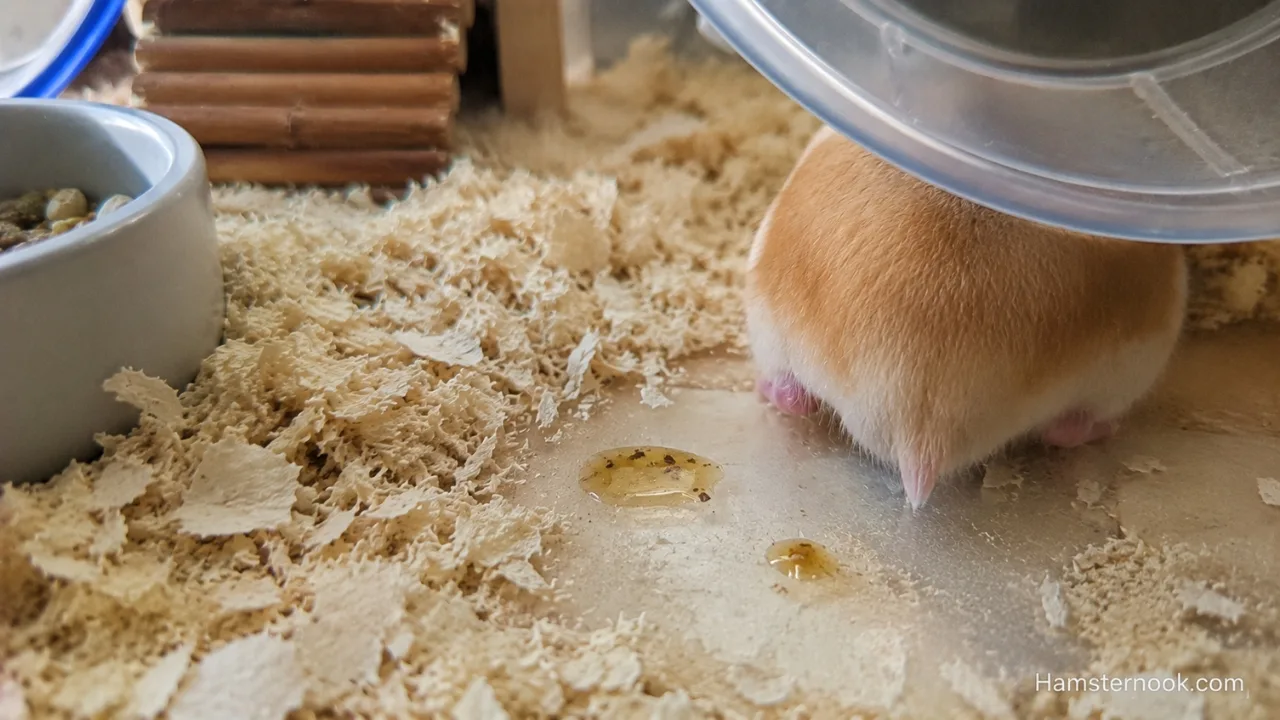
When a Healthy Behavior Suddenly Changes
A single unusual behavior does not necessarily mean your hamster is unhappy or sick. However, a clear change from its normal eating, activity, grooming, breathing, or social behavior is worth paying attention to. If several changes appear together or your hamster seems weak or unwell, seek veterinary advice.
How to Keep Your Hamster Happy and Healthy Long-Term
Good hamster care is mostly about consistency.
Key Daily Habits
- Provide fresh water every day
- Feed a balanced hamster diet
- Spot-clean dirty bedding
- Observe behavior changes
- Offer enrichment and hiding spots
What a Healthy Routine Looks Like
A healthy routine is more than providing food and water. Give your hamster opportunities to forage, burrow, rest undisturbed during the day, exercise, and choose safe hiding places. Keeping the enclosure consistent while still providing appropriate enrichment can help you recognize when your hamster’s normal behavior changes.
Important Habitat Basics
| Care Factor | Recommended Standard |
|---|---|
| Cage Size | Large enclosure with floor space |
| Bedding Depth | Deep enough for burrowing |
| Wheel | Properly sized solid wheel |
| Temperature | Stable, moderate room temperature |
| Cleaning | Partial cleaning, not full frequent resets |
A hamster that feels safe, stimulated, and comfortable is much more likely to stay healthy.

Final Thoughts
Healthy hamsters usually show their happiness through consistent behavior, curiosity, grooming, eating habits, and activity levels. While every hamster has a unique personality, major changes in routine often signal that something needs attention.
The more familiar you become with your hamster’s normal habits, the easier it becomes to spot potential problems early. Simple daily observation, proper housing, and gentle care can significantly improve your hamster’s comfort, safety, and overall well-being.
FAQ About Happy and Healthy Hamsters
How do I know if my hamster trusts me?
A hamster that trusts you may take treats gently, approach your hand voluntarily, groom around you, or remain calm during handling.
Is it normal for hamsters to sleep a lot?
Yes. Hamsters naturally sleep during much of the daytime and are generally most active from the evening through the night and early morning. Individual schedules can vary.

Why does my hamster suddenly seem less active?
Possible reasons include stress, illness, aging, incorrect cage temperatures, or poor diet. If the change is sudden or severe, monitor closely and consider veterinary advice.
Do happy hamsters always use exercise wheels?
Most do, but not all hamsters have identical personalities. Some naturally run less than others, especially older hamsters.
Can a Hamster Look Healthy but Still Be Stressed?
Yes. Some stressed hamsters continue eating, drinking, and maintaining a healthy appearance. However, stress may show up through excessive hiding, cage bar chewing, repeated escape attempts, nervous behavior, or changes in activity levels. This is why observing daily behavior is just as important as checking physical health.
What is the biggest sign of an unhealthy hamster?
Sudden behavior changes combined with loss of appetite, breathing problems, diarrhea, or rapid weight loss are among the most serious warning signs.

How can I tell if my hamster is happy rather than just healthy?
Physical health is reflected in signs such as a stable weight, normal appetite, clean fur, clear eyes, and regular activity. Happiness is more often reflected through relaxed exploration, curiosity, foraging, burrowing, enrichment use, and comfortable behavior in the enclosure. Looking at both physical and behavioral signs gives a more complete picture of well-being.
References
This guide is based on hamster health, behavior, and welfare information from trusted veterinary and animal care resources, including:
- RSPCA – Hamster Care and Welfare Guidance
- PDSA – Hamster Health and Care Information
- Blue Cross – Hamster Care Advice
- Veterinary Partner – Small Mammal Health Resources
Medical Disclaimer
This article is for educational purposes only and is not a substitute for professional veterinary advice, diagnosis, or treatment. If your hamster develops sudden appetite loss, breathing difficulty, diarrhea, rapid weight loss, severe lethargy, or other significant health changes, contact a qualified veterinarian promptly.

Narayan Kumar is the founder and author of HamsterNook. He creates practical, research-based hamster care guides covering hamster behavior, nutrition, cage setup, enrichment, health, and everyday care. His goal is to help hamster owners make informed decisions and provide safer, healthier lives for their pets through clear, beginner-friendly information based on trusted animal care resources.