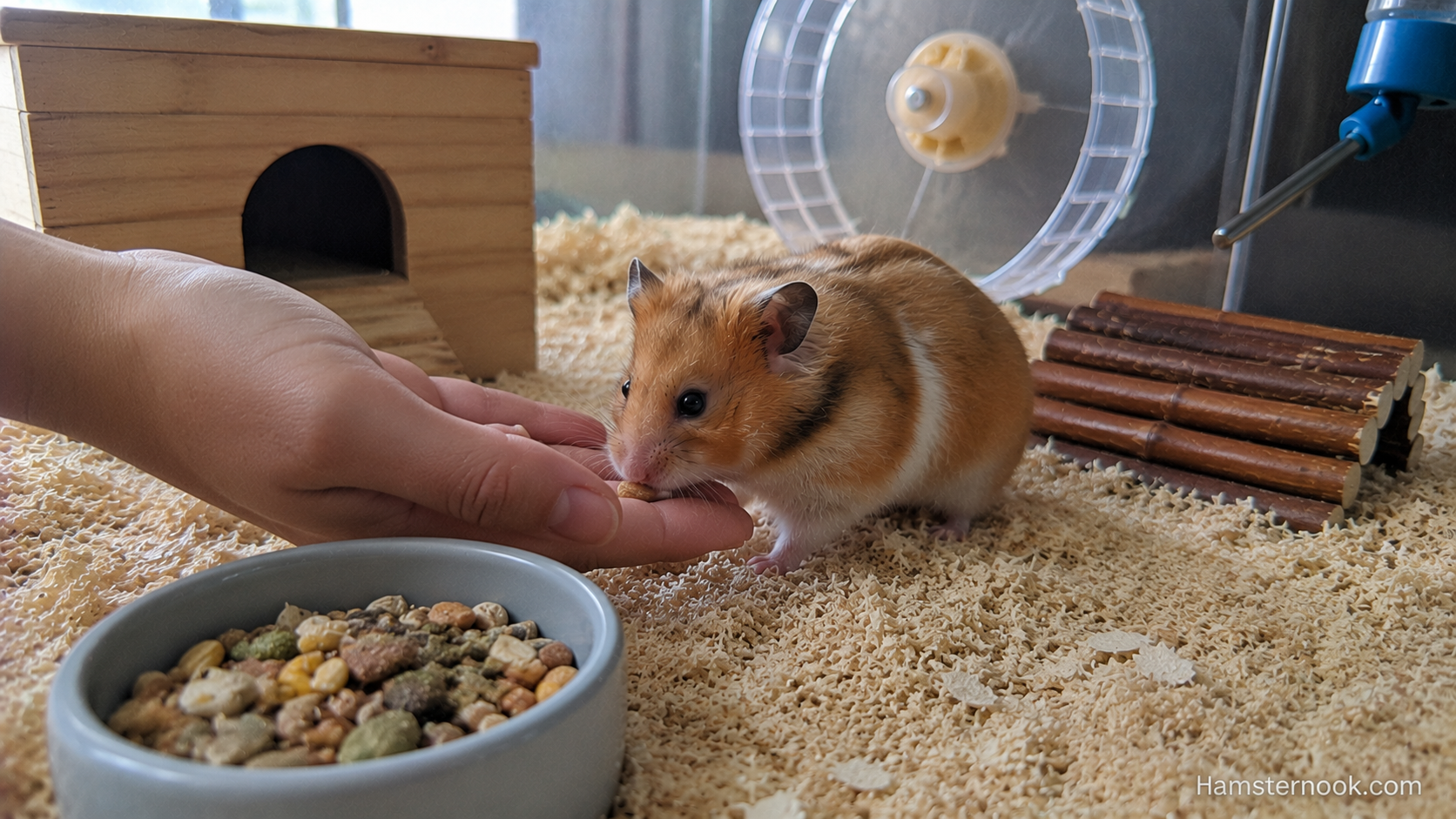
The good news is that most hamster bites are preventable. By understanding why hamsters bite, respecting their natural instincts, and allowing trust to develop gradually, most owners can build a calm and positive relationship without forcing interaction.
Taming a hamster takes patience, consistency, and understanding how these small prey animals think. Unlike dogs or cats, hamsters do not naturally trust large hands reaching toward them. They need time to feel safe. When handled gently and correctly, most hamsters can become calm, friendly pets that willingly climb into your hand.
This guide explains how to tame a hamster safely without getting bitten, even if your hamster is shy, scared, or new to your home.
Quick Answer
Most hamsters bite because they feel frightened, stressed, or startled—not because they are naturally aggressive. Allowing your hamster time to settle in, handling it during its active hours, and building trust gradually are the most effective ways to prevent bites.

Why Hamsters Bite in the First Place
Before trying to tame a hamster, it helps to understand why biting happens. Hamsters usually bite for defensive reasons, not aggression.
Common reasons include:
- Fear or stress
- Sudden movements
- Waking them up unexpectedly
- Smelling food on your fingers
- Loud environments
- Pain or illness
- Lack of socialization
- Improper handling
A hamster that bites is often saying, “I don’t feel safe yet.”
If biting starts suddenly in a hamster that was previously comfortable with handling, do not assume it is simply a training problem. Fear, sudden changes, illness, pain, or being awakened can all contribute to defensive behavior.

Young hamsters may also nip out of curiosity while exploring with their teeth. This is usually gentler than a true defensive bite.
Understanding why a hamster bites is only one part of the picture. Knowing 7 Ways You’re Accidentally Stressing Your Hamster: Signs & What to Do can help you identify common stress triggers before they contribute to defensive behavior.
Best Time to Start Taming a Hamster
Hamsters are nocturnal or crepuscular, meaning they are most active during the evening and nighttime. Trying to handle them during the day while they are sleeping often leads to stress and biting.
The best time to tame a hamster is:

| Good Timing | Bad Timing |
|---|---|
| Evening or when the hamster is awake | During sleep or rest |
| When the hamster is already awake | Immediately after bringing them home |
| Quiet environment | Loud or busy rooms |
| After the hamster has settled in | Right after cage cleaning |
A new hamster needs time to settle before regular handling begins. RSPCA guidance recommends giving a newly arrived hamster about 24 hours to adjust, then introducing interaction gradually and at the hamster’s own pace.
If you’re completely new to hamster ownership, understanding the basics of housing, feeding, and daily care will make taming much easier. Our How to Care for a Hamster: Complete Beginner Guide (2026) provides a complete foundation before you begin regular handling.
Let Your Hamster Adjust Before Handling

One of the biggest mistakes beginners make is trying to hold a hamster immediately after bringing it home.
Your hamster has already experienced:

- Transportation stress
- New smells
- New sounds
- A completely unfamiliar environment
During the first few days:
- Provide food and water
- Speak softly near the cage
- Avoid unnecessary touching
- Let the hamster explore peacefully
This adjustment period helps reduce fear-based biting later.
Giving your hamster time to settle is one of the most important parts of successful taming. If you’ve only recently brought your pet home, our The First Night With a New Hamster: What Every Owner Should Expect guide explains which behaviors are completely normal during those first few days.
Wash Your Hands Before Touching Your Hamster
Hamsters rely heavily on smell. If your hands smell like food, another pet, or strong lotion, your hamster may mistake your fingers for something edible.

Before handling:
- Wash hands with unscented soap
- Dry thoroughly
- Avoid strong perfumes or creams
Clean hands greatly reduce accidental bites.
Start Building Trust Slowly
Trust-building should happen gradually. The goal is to teach your hamster that your presence is safe and positive.
Some owners worry that slow progress means they’re doing something wrong, but trust develops at different speeds for every hamster. Remaining consistent with short, calm interactions usually produces better results than trying to speed up the taming process.
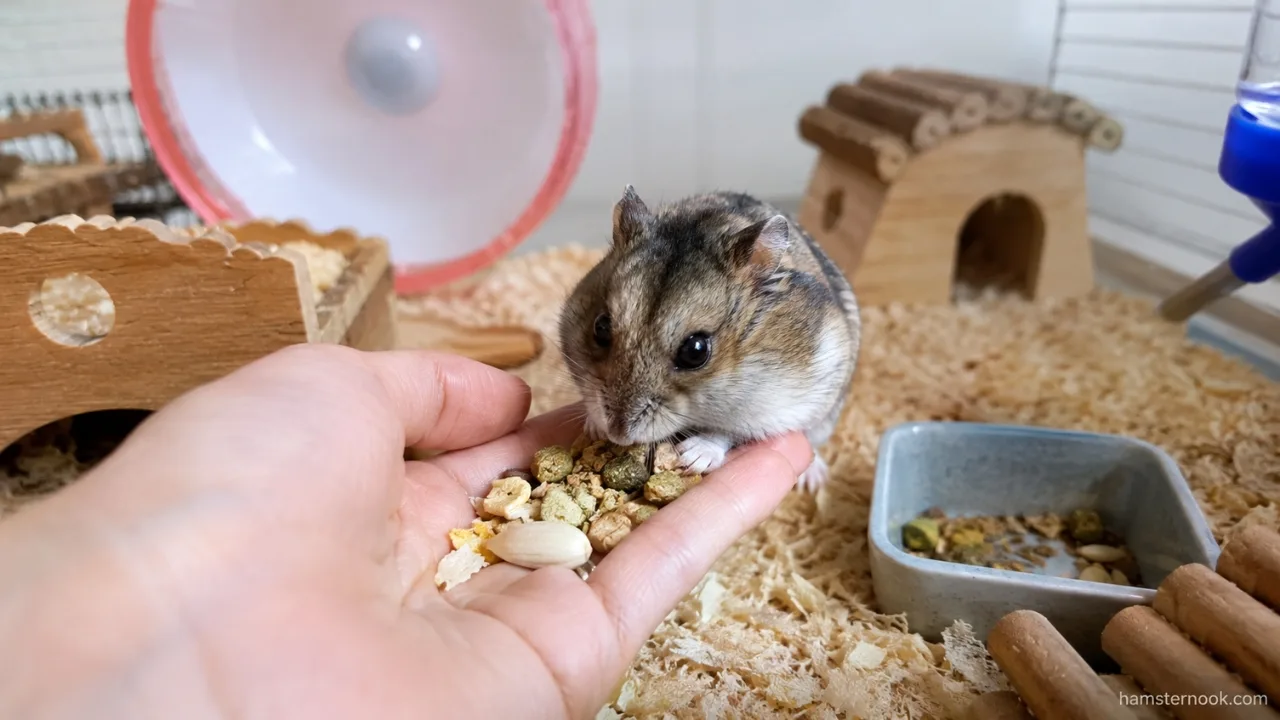
Step 1: Talk Softly Near the Cage
Spend time sitting near the enclosure and speaking quietly. This helps your hamster become familiar with your voice.
Avoid:
- Tapping on the glass
- Loud noises
- Sudden cage movements
Step 2: Offer Treats by Hand

Healthy treats can help create positive associations.
Good options include:
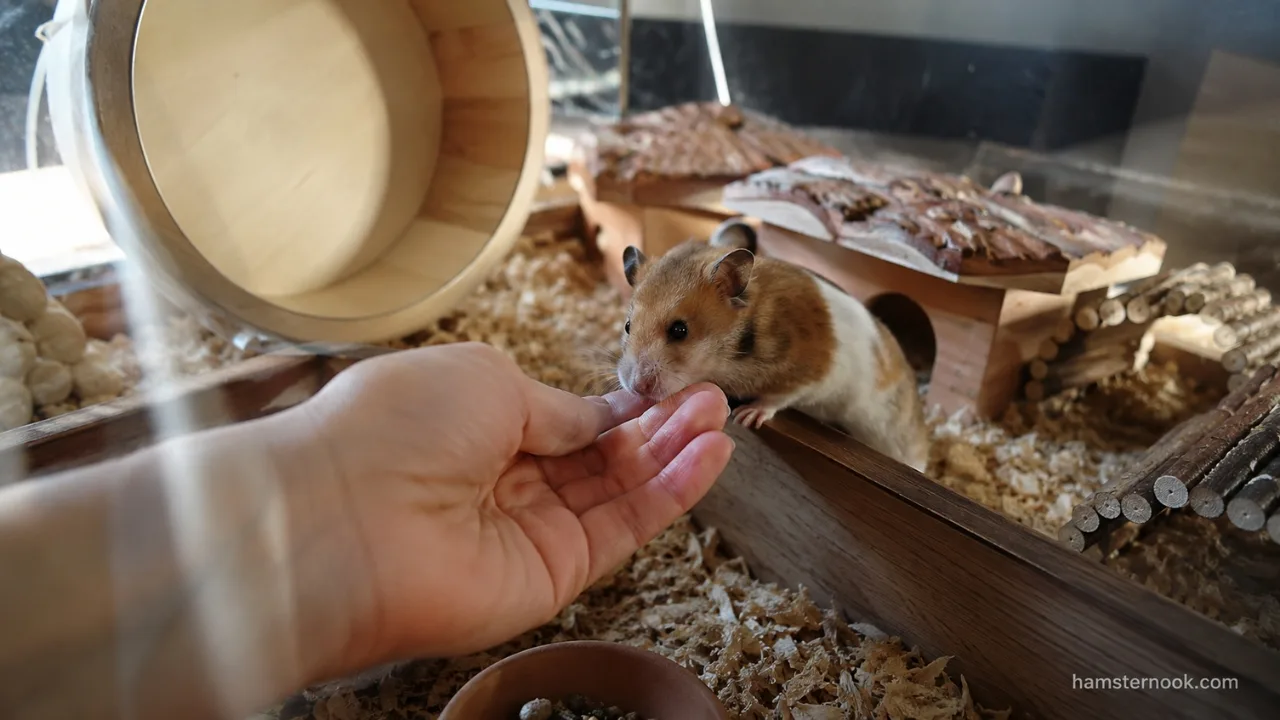
- Tiny sunflower seeds
- Small oat pieces
- Plain pumpkin seeds
- Small bits of cucumber
Hold the treat still and allow the hamster to approach voluntarily. Never force interaction.
Using safe treats in moderation can help build positive trust during taming sessions. Learn more about healthy hamster foods and beginner feeding basics in our complete food guide.
Using healthy treats during taming sessions creates positive associations without encouraging unhealthy eating habits. Our What Do Hamsters Eat? Complete Food List for Beginners explains which foods are safe rewards while building trust.
Step 3: Let the Hamster Sniff Your Hand
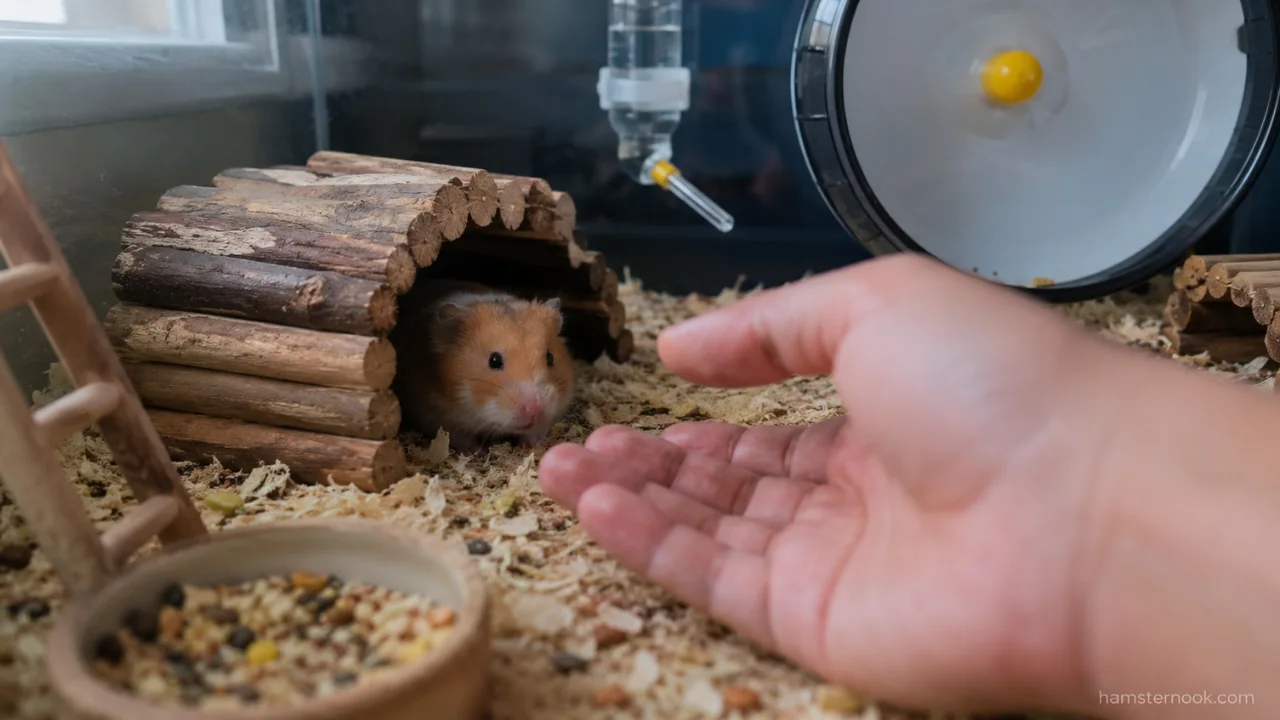
Place your hand flat inside the cage without chasing the hamster.

At first, your hamster may:
- Sniff cautiously
- Ignore you
- Walk over your hand briefly
This is normal progress.
How to Pick Up a Hamster Safely
Once your hamster seems comfortable around your hand, you can begin gentle lifting practice.
The Scoop Method
The safest method is usually scooping rather than grabbing.

- Place both hands under the hamster
- Gently scoop from below
- Lift slowly and close to the ground
Never grab from above suddenly, as this can feel threatening to hamsters. This often triggers fear.
Use a Cup for Nervous Hamsters
For very shy hamsters:
- Place a small cup or hide in the cage
- Let the hamster walk inside
- Carefully lift the container
This reduces stress during early taming.
Signs Your Hamster Is Becoming Comfortable
A hamster that trusts you will gradually show calmer behavior.
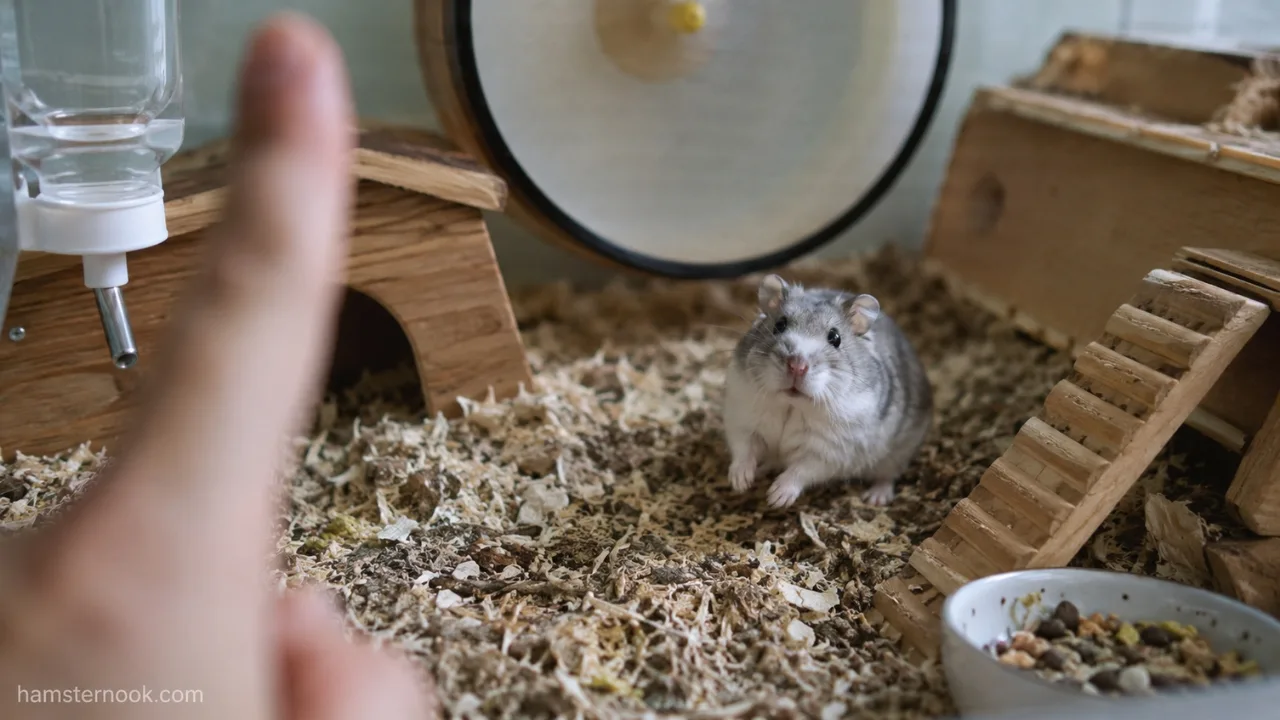
Positive signs include:
- Taking treats gently
- Climbing onto your hand willingly
- Grooming near you
- Relaxed body posture
- Exploring calmly during handling
Trust may build within days for some hamsters and weeks for others.
Once your hamster starts becoming comfortable, 10 Signs Your Hamster Trusts You: How to Tell If They Like You can help you recognize whether that progress is actually showing in everyday behavior.
As your hamster becomes more relaxed, you’ll also begin noticing changes in its body language and daily habits. Learning How to Tell If Your Hamster Is Happy: 10 Signs of a Healthy and Comfortable Pet can help you recognize whether your taming sessions are building confidence or causing unnecessary stress.

Warning Signs Your Hamster Feels Stressed
Recognizing stress signals helps prevent bites before they happen.
Watch for:
- Flattened ears
- Sudden freezing
- Loud squeaking
- Teeth chattering
- Lunging
- Fast movements away from your hand
If you notice these signs:
- Stop handling
- Give space
- Try again later
Pushing interactions too fast often delays taming progress.

If your hamster still seems frightened despite slower handling, Why Is My Hamster Suddenly Scared of Me? Causes & How to Rebuild Trust explains other reasons a hamster may become fearful and how to approach the situation.
Observing these warning signs before attempting to handle your hamster helps build trust more effectively than continuing a session when your hamster is already uncomfortable. Respecting those signals often prevents bites and encourages faster long-term progress.
Common Mistakes That Cause Hamster Bites
Many bites happen because of avoidable beginner mistakes.
Waking a Sleeping Hamster
Sleeping hamsters can bite suddenly when startled. Always allow your hamster to wake naturally.

Holding Too Tightly
Hamsters feel unsafe when restrained firmly. Gentle support works better.
Chasing Around the Cage
Repeatedly cornering a hamster increases fear and stress.
Handling in a Loud Room
Televisions, shouting, barking dogs, or crowded rooms can overwhelm small animals.
Allowing Children to Handle Roughly
Young children should always be supervised around hamsters. Sudden squeezing or dropping can injure the hamster and lead to defensive bites.

How Long Does It Take to Tame a Hamster?
Every hamster has a different personality.
| Hamster Personality | Typical Taming Time |
|---|---|
| Curious and social | Few days to 1 week |
| Shy but calm | 2–4 weeks |
| Fearful rescue hamster | Several weeks or longer |
Consistency matters more than speed.
Comparing your hamster with someone else’s can be misleading. Age, previous handling, personality, and even species all influence how quickly a hamster becomes comfortable around people.
Short, calm daily sessions usually work best.

Best Hamster Species for Beginners
Some hamster species are naturally easier to handle than others.
| Species | Taming Consideration |
|---|---|
| Syrian hamster | Can learn to enjoy gentle handling, but may bite if startled or handled roughly |
| Roborovski hamster | Small and fast, so calm handling and patience are especially important |
| Campbell dwarf hamster | Individual temperament varies, so progress should be based on the hamster’s behavior |
| Winter White dwarf hamster | Individual temperament varies, so gradual handling is important |
| Chinese hamster | May be shy with handling, so allow the hamster to approach at its own pace |
Syrian hamsters are often recommended for first-time owners because their larger size makes handling easier.
If you have a Syrian hamster that bites, the same gradual approach applies: interact when it is awake, let it investigate your hand in its own time, and use gentle two-hand support when you begin lifting. A Syrian hamster can still become frightened if it is suddenly awakened or handled roughly.
If avoiding bites is your main concern when choosing a hamster, individual temperament and handling history still matter. See our Which Hamster Is Least Likely to Bite? 5 Breeds Compared for Beginners guide for a closer comparison.

Should You Wear Gloves While Taming?
Gloves are generally not recommended as a long-term taming method. Direct, gentle interaction allows your hamster to investigate your hands at its own pace.
If you are nervous about being bitten, a small cup or suitable container can be used for early transfers instead of forcing direct handling. Once your hamster is comfortable, gradual two-hand handling is a safer way to build confidence.
What to Do If Your Hamster Bites You
Even tame hamsters may bite occasionally.
If bitten:

- Stay calm
- Do not jerk your hand suddenly
- Gently place the hamster down safely
- Wash the bite with soap and water
Most hamster bites are minor, but deeper bites should be monitored for signs of infection.
Any hamster bite that breaks the skin should be cleaned promptly and monitored for signs of infection. Seek medical attention if the wound is serious or becomes increasingly red, painful, warm, or swollen.
If a bite breaks the skin, clean the wound with soap and clean running water. Seek medical care if the wound is large or deep, bleeding does not stop, or the area becomes increasingly red, swollen, hot, painful, or starts producing pus. A fever or feeling generally unwell after a bite also warrants medical attention. Animal bites can also be relevant to tetanus protection, so ask a healthcare professional if you are unsure whether your vaccination is up to date.
Avoid yelling or punishing the hamster. Punishment damages trust and increases fear.

How to Make Your Hamster Feel Safer Overall
A relaxed hamster is less likely to bite.
Provide a Proper Cage Setup
A stressed hamster living in a cramped enclosure may become defensive more easily.
A calm hamster is usually easier to tame, and the enclosure plays a major role in that process. Our Best Hamster Cage Setup for Beginners: Size, Bedding, Wheel & Essentials guide explains how the right habitat can support natural behavior and reduce unnecessary stress.
Important basics include:
- Large enclosure space
- Deep bedding that supports natural burrowing behavior
- Exercise wheel
- Multiple hides
- Chew toys
- Quiet environment
Maintain a Consistent Routine
Hamsters feel safer when feeding and interaction times stay predictable.
Avoid Overhandling
Even friendly hamsters need downtime.
Most hamsters prefer:
- Short daily sessions
- Gentle interaction
- Quiet handling
Can Older Hamsters Still Be Tamed?
Yes, many adult hamsters can still learn to trust humans.

Older hamsters may simply require:
- More patience
- Slower progress
- Gentler handling
Rescue hamsters or pet store hamsters with poor early socialization can still improve significantly over time.
Should You Stop Taming After a Bite?
One bite doesn’t mean your hamster cannot become friendly. If your hamster bites during taming, stop the interaction and give it space rather than trying to continue immediately.
To rebuild trust:

- Let your hamster calm down before the next session.
- Go back to an easier step, such as talking softly near the cage or offering a treat without touching.
- Keep the next interaction short and calm.
- Do not punish, chase, or force your hamster to be handled.
- Only return to lifting when your hamster is comfortable approaching your hand again.
The goal is not to teach a hamster that biting is “bad.” The goal is to remove the fear or situation that caused the bite and gradually make handling feel safe again.
If the biting continues despite calm, gradual handling, or if the behavior changes suddenly in a hamster that was previously comfortable, consider whether pain, illness, or another environmental change could be involved rather than simply increasing handling.
When Biting May Be a Health Problem
Sometimes biting or sudden aggression can signal illness or pain.
If biting is accompanied by sudden behavior changes or physical symptoms, it may indicate more than fear alone. Our Signs of a Sick Hamster: Symptoms, Warning Signs & When to See a Vet guide explains the warning signs that should not be ignored.

Possible warning signs include:
- Sudden personality change
- Refusing food
- Weight loss
- Wet tail symptoms
- Difficulty moving
- Fur loss
- Swelling
If behavior changes appear suddenly, consult an exotic veterinarian.
Successful taming isn’t measured by how quickly your hamster climbs into your hand. It’s measured by steady progress, growing confidence, and creating positive experiences that help your hamster feel secure around you.
Final Thoughts
Learning to tame a hamster without getting bitten takes patience rather than perfection. Small daily improvements, gentle handling, and respecting your hamster’s boundaries create lasting trust. With time, many hamsters become noticeably calmer and more confident around the people they recognize.

The key is consistency:
- Let the hamster settle in
- Build trust gradually
- Handle gently
- Watch body language
- Never rush the process
A hamster that feels safe is far less likely to bite, and much more likely to become calmer, more confident, and comfortable around handling.
Frequently Asked Questions
Do hamster bites hurt?
Most hamster bites feel like a sharp pinch, though larger Syrian hamsters can bite harder than dwarf species.
Why does my hamster bite me softly?
Gentle nibbling is often exploratory behavior. Hamsters use their teeth to investigate unfamiliar objects.

Can a hamster learn its owner?
Many hamsters recognize familiar scents, voices, and routines over time.
How often should I handle my hamster?
Short daily handling sessions usually work best once the hamster is comfortable.
Is it normal for a new hamster to bite?
Yes. New hamsters are often stressed and fearful during the adjustment period.
Should I wake my hamster up to play?
No. Waking a sleeping hamster can cause stress and increase biting behavior.

Is it normal if my hamster still won’t climb onto my hand after a week?
Yes. Some hamsters become comfortable within a few days, while others need several weeks before voluntarily interacting with people. Consistent, gentle sessions are usually more effective than trying to rush the process.
References
This guide is based on hamster behavior, handling, taming, stress, housing, and welfare guidance from trusted animal welfare and veterinary resources, including:
- RSPCA – Hamster Behaviour – Guidance on hamster behavior, handling, natural activity patterns, stress, and helping hamsters become comfortable with human interaction.
- RSPCA – Keeping Hamsters as Pets – General guidance on hamster care, handling, housing, behavior, welfare, and allowing newly arrived hamsters time to adjust.
- Blue Cross – Hamster Care Guide – Practical advice on hamster handling, settling into a new home, housing, enrichment, and building a positive relationship with your pet.
- MSD Veterinary Manual – Hamsters – Veterinary reference information covering hamster health, behavior, husbandry, handling considerations, and conditions that may affect behavior.
- MSD Veterinary Manual – Providing a Home for a Hamster – Veterinary guidance on hamster housing, environmental needs, bedding, exercise, and creating a suitable living environment.
- NC3Rs – Housing and Husbandry: Hamster – Guidance on hamster housing, husbandry, environmental conditions, natural behaviors, and welfare.
Medical Disclaimer
This article is intended for educational purposes only and should not be considered veterinary or medical advice. Hamster biting is often related to fear, stress, handling, or environmental factors, but sudden changes in behavior can sometimes be associated with pain or illness. If your hamster develops sudden or persistent aggression along with changes in appetite, activity, movement, grooming, breathing, or other signs of illness, consult a qualified exotic animal veterinarian. For a human bite that breaks the skin, clean the wound thoroughly and seek medical advice if the wound is deep, does not stop bleeding, becomes increasingly red, swollen, warm, painful, or produces discharge, or if you are unsure about your tetanus protection.

Narayan Kumar is the founder and author of HamsterNook. He creates practical, research-based hamster care guides covering hamster behavior, nutrition, cage setup, enrichment, health, and everyday care. His goal is to help hamster owners make informed decisions and provide safer, healthier lives for their pets through clear, beginner-friendly information based on trusted animal care resources.