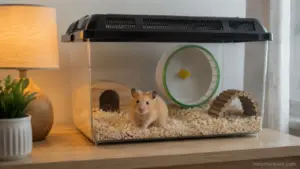
Why Is My Hamster Sleeping in a Different Spot? 7 Common Reasons

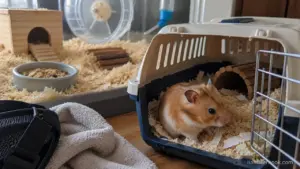
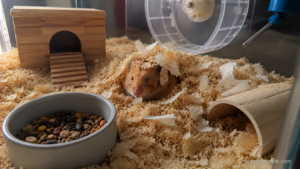
Hamster sleeping in a different spot inside its enclosure instead of its usual hideout.

One morning your hamster is curled up inside its favorite hideout. The next day, it’s sleeping under the wheel, behind a tunnel, or buried in a completely different corner of the enclosure. For many owners, this sudden change can be confusing and even worrying. In most cases, a hamster suddenly sleeping in a different spot …

Read more

Can Hamsters Eat Bread? Safe Types, Portions & What to Avoid

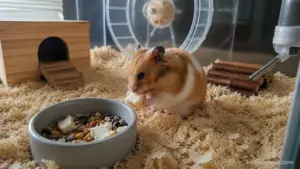
Syrian hamster sniffing a small piece of plain bread beside its food bowl.

Bread is one of the foods hamster owners commonly offer as a quick treat because it is already sitting in the kitchen. While a tiny piece of plain bread is usually safe for most healthy hamsters, not every type of bread is suitable. Ingredients such as sugar, salt, garlic, raisins, and preservatives can quickly turn …

Read more

Do Hamsters Miss Their Owners When They’re Gone?

Pet hamster looking toward its owner outside the cage

If you’ve ever returned home after a vacation or even a long workday and wondered whether your hamster noticed your absence, you’re not alone. Many hamster owners develop strong bonds with their pets and naturally ask the same question: Do hamsters actually miss their owners when they’re gone? The answer isn’t a simple yes or …

Read more

Categories Q&A

Hamster Temperature: Safe Range, Too Hot & Too Cold

Safe temperature for hamsters monitored with a room thermometer beside the enclosure.

Many hamster owners focus on food, bedding, and cage accessories but overlook one factor that can affect a hamster’s health every single day: temperature. Hamsters can regulate their body temperature to some extent, but their small size makes them vulnerable to prolonged heat, cold, and sudden temperature changes. Because pet hamsters depend on their indoor …

Read more

Hamster Cage Enrichment: 10 Ideas to Prevent Boredom

Hamster cage enrichment with deep bedding, hideouts, tunnels and foraging areas

Hamster cage enrichment gives your pet opportunities to perform natural behaviors such as burrowing, foraging, chewing, nesting, hiding, and exploring. A wheel, food, water, and shelter are essential, but the enclosure should also provide safe ways for a hamster to interact with its environment. Enrichment does not require filling the cage with expensive accessories. Deep …

Read more

Hamster Stress: 10 Common Causes and How to Reduce It

Stressed hamster hiding in bedding due to common owner mistakes

Hamster stress can develop when everyday parts of housing, handling, sleep, or routine repeatedly make a hamster feel unsafe or prevent normal behavior. Common causes include insufficient space, frequent disturbance, loud surroundings, shallow bedding, limited enrichment, excessive cleaning, and sudden environmental changes. Because hamsters are prey animals, signs of stress are not always obvious. Some …

Read more

7 Signs You’re Accidentally Stressing Your Hamster (Without Even Realizing It)

Hamster showing signs of stress inside its cage

Most hamster owners want the best for their pets, but some of the most common stress triggers happen without them realizing it. A hamster can look healthy on the surface while quietly struggling with an environment that feels unsafe, unpredictable, or overwhelming. Unlike dogs or cats, hamsters don’t always show discomfort in obvious ways. They …

Read more

Is My Hamster Bored? 8 Signs of Boredom and What to Do

Bored hamster chewing cage bars and looking restless inside its enclosure

A bored hamster may show repetitive or unusually limited behavior when its enclosure does not provide enough opportunities for digging, foraging, chewing, hiding, exploring, and other natural activities. However, behaviors that look like boredom can also have other environmental, behavioral, or health-related explanations. Repeated pacing, persistent attempts to reach enclosure edges, bar chewing, repetitive digging, …

Read more