
Have you ever talked to your hamster and wondered whether it understands what you’re saying? Maybe it comes out of its hideout when you call its name, approaches the cage when it hears your voice, or takes a treat when you say a familiar word. These moments can feel like a real conversation. Hamsters can learn from familiar sounds and repeated experiences, but understanding human language is different from recognizing a voice or learning a routine.
Quick Answer: Can Hamster Understand Human Language?
Hamsters do not understand human language the way people do, but they can learn to associate familiar sounds, voices, and repeated cues with particular experiences.
For example, your hamster may learn that a particular sound means food is coming or that your voice often signals a calm interaction. This is different from understanding the meaning of a sentence, following complex instructions, or interpreting your words the way another person would.
Hamsters rely heavily on their senses to navigate their surroundings. Hearing, smell, vision, and touch all contribute to how they experience their environment. Repeated experiences can help them learn which sounds and situations are worth paying attention to.
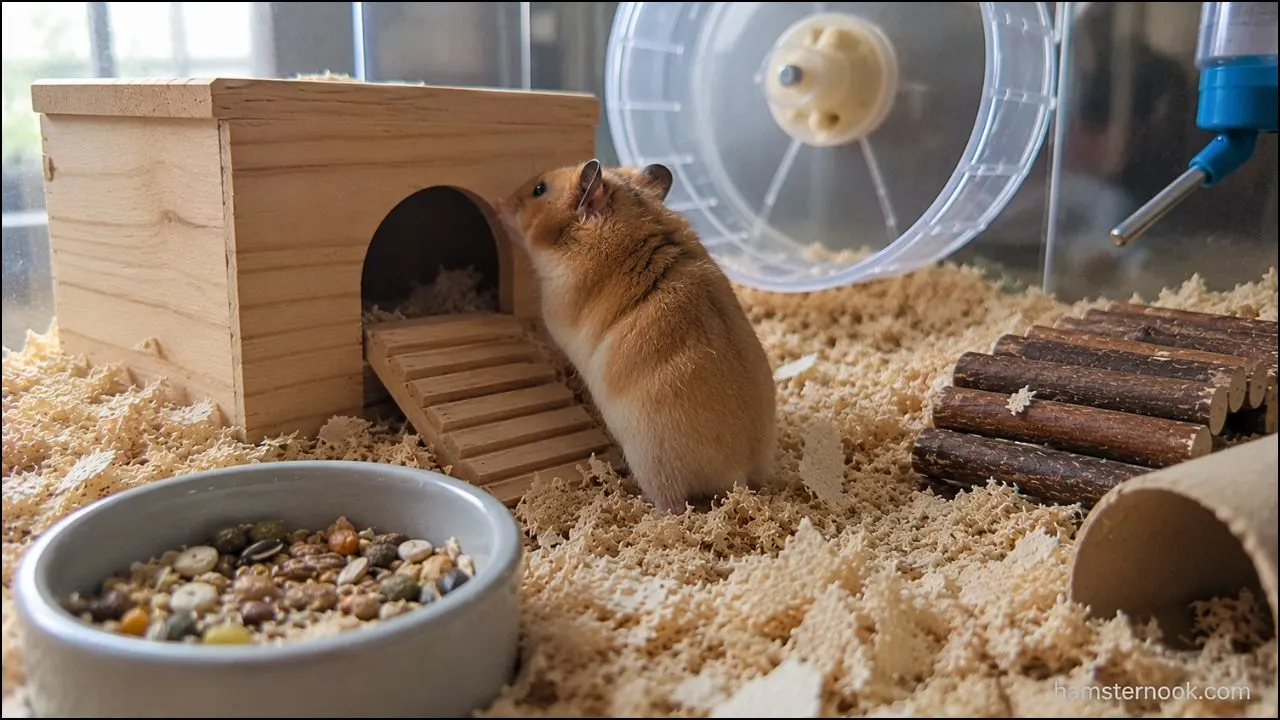
If your hamster seems to recognize you, that doesn’t mean you’re imagining the connection. It means the animal may be responding to familiar cues, although its exact understanding cannot be determined from that response alone.
How Do Hamsters Recognize Human Voices?
Hamsters can hear sounds in their environment, including human voices. However, hearing a sound and understanding the language behind it are two different abilities.
When you speak to your hamster regularly, your voice becomes part of its familiar surroundings. Your pet may learn that certain sounds tend to occur before feeding, gentle handling, or another predictable event.
They can become familiar with your voice
Imagine that you speak softly every evening before offering your hamster a small treat. After repeated experiences, your hamster may begin approaching when it hears you.

That response could reflect an association between your voice, the time of day, the sound of your movements, and the expectation of food.
Hamsters may respond to several familiar cues rather than to a voice alone. Their reactions can also involve smell, movement, and previous experiences with a person. See Do Hamster Recognize Their Owners? How Hamsters Recognize You for more about how hamsters become familiar with their owners.
It does not prove that your hamster understands the words you use.
Tone and volume can influence their response
A loud, sudden voice may be startling, while a quiet, predictable voice may be less disruptive.
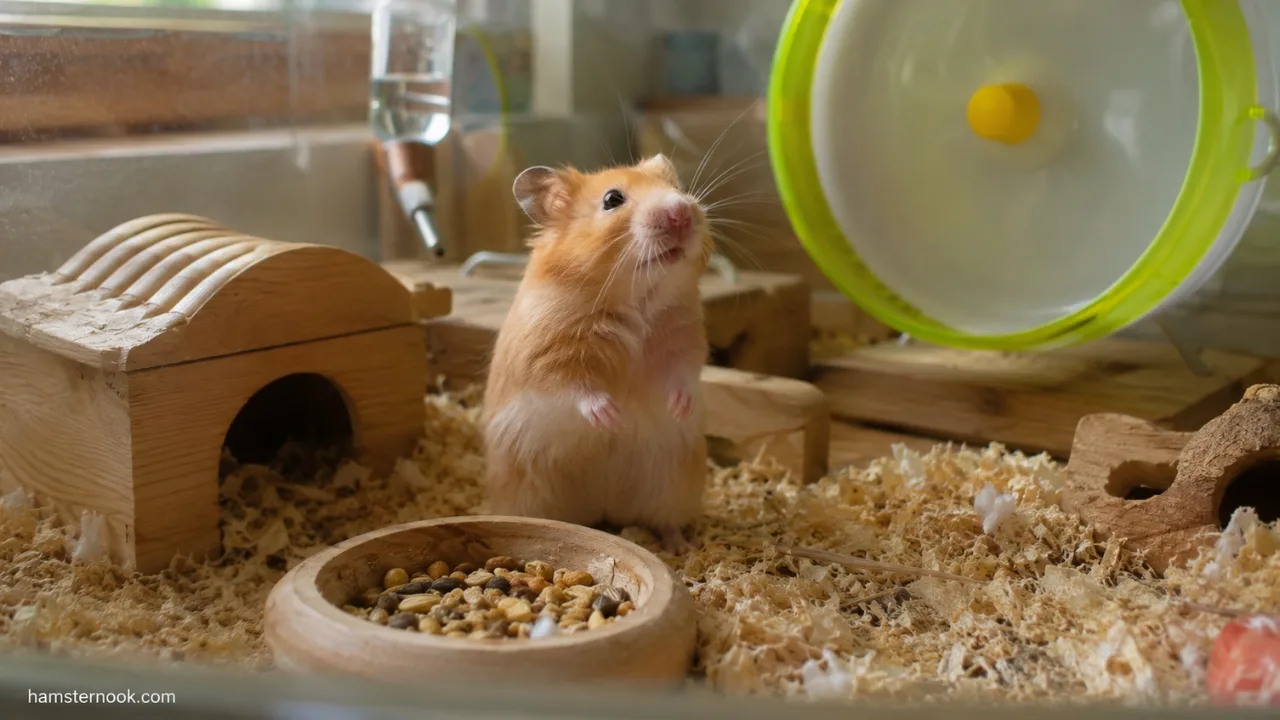
This doesn’t mean hamsters understand human emotions through speech in the same way people do. Rather, the volume, timing, and context of a sound can affect how an animal responds to its environment.
When interacting with your hamster, use a gentle voice and avoid shouting near its enclosure.
Familiarity is not the same as language comprehension
A hamster that responds to your voice may have learned to recognize a familiar sound pattern. That is different from understanding grammar, sentence structure, or the meaning of individual words.
There is no good basis for assuming that a hamster understands a complete sentence simply because it reacts when you speak.
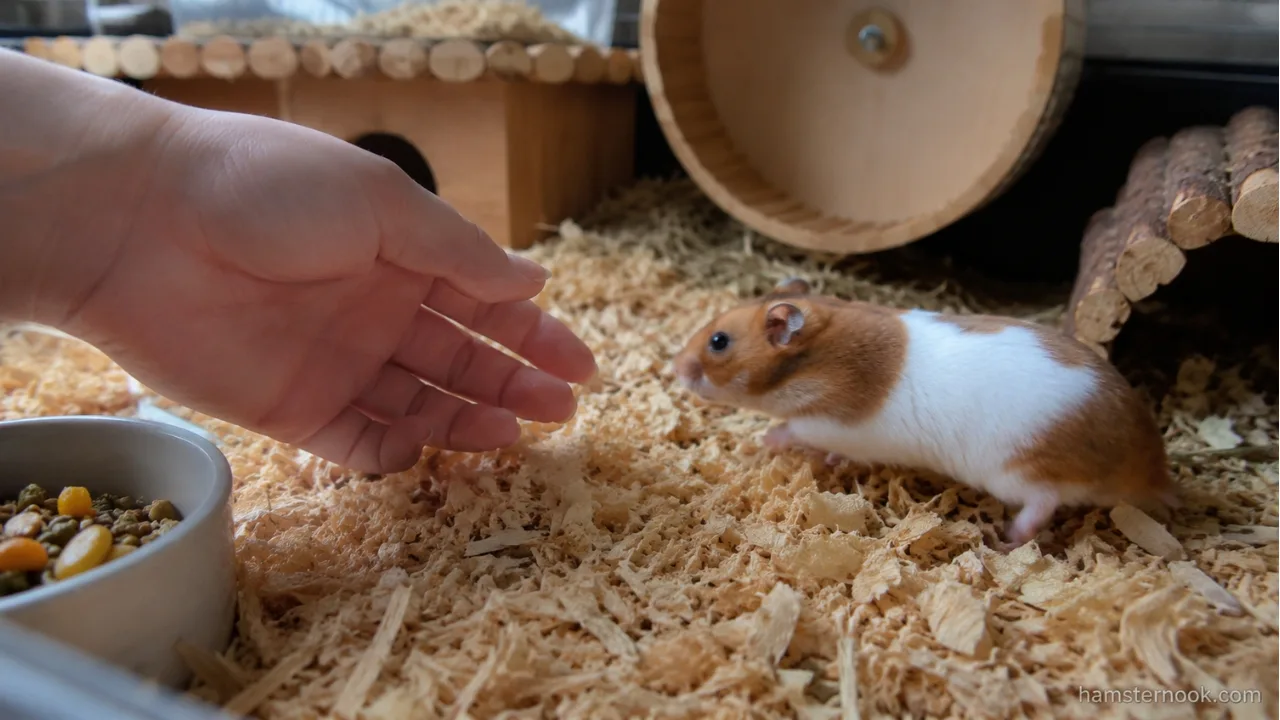
What Can Hamsters Actually Learn From Humans?
Hamsters can become accustomed to familiar routines and learn associations through repeated experiences. The most useful way to understand their abilities is to look at what they do in response to consistent cues rather than assuming they understand spoken language.
1. Recognizing familiar sounds
Your hamster may become accustomed to the sound of your footsteps, your voice, or the familiar noises you make when preparing its food.
If it appears near the enclosure when you enter the room, it may have learned that these sounds often precede something interesting.
However, footsteps, movement, smell, and the time of day can all contribute to that response. You cannot tell from the behavior alone which cue your hamster recognizes.

2. Learning a feeding routine
Suppose you say “dinner time” before putting your hamster’s food in its enclosure.
After repeated experiences, your hamster may start approaching when it hears the phrase. It may have associated the sound pattern with feeding, even though it doesn’t understand the phrase’s meaning in English.
You can use the same principle to make daily care more predictable. Speak gently, prepare the food, and place it in the usual location without startling your pet.
3. Becoming familiar with your hands
A hamster can gradually become more comfortable with a person’s presence and handling when interactions are gentle and predictable.

For example, you might rest your hand inside the enclosure while your hamster is awake, allowing it to investigate at its own pace. Later, you can offer a small suitable treat from your palm if it seems comfortable.
Over time, the hamster may learn that your hand is not necessarily a threat.
Building comfort with your presence takes patience, and some hamsters may remain cautious around hands. Gentle, voluntary interactions are more useful than forcing contact. If biting makes handling difficult, How to Tame a Hamster That Bites: Step-by-Step Guide to Build Trust offers more specific guidance.
This is a useful form of learning, but it is not language comprehension. The animal is responding to experience and the way you interact with it.

4. Learning simple cues
You can try using a consistent sound before offering a treat or inviting your hamster to approach your hand.
Some hamsters may begin responding to that cue, particularly when the same action follows it consistently.
There is no guarantee that every hamster will learn a cue, respond reliably, or enjoy training. Their personalities, previous experiences, environment, and willingness to interact can differ.
5. Learning through repeated experiences
Hamsters can form associations between events and their outcomes. Research on hamsters has examined learned responses to auditory cues, although such experiments do not establish that pet hamsters understand human words.
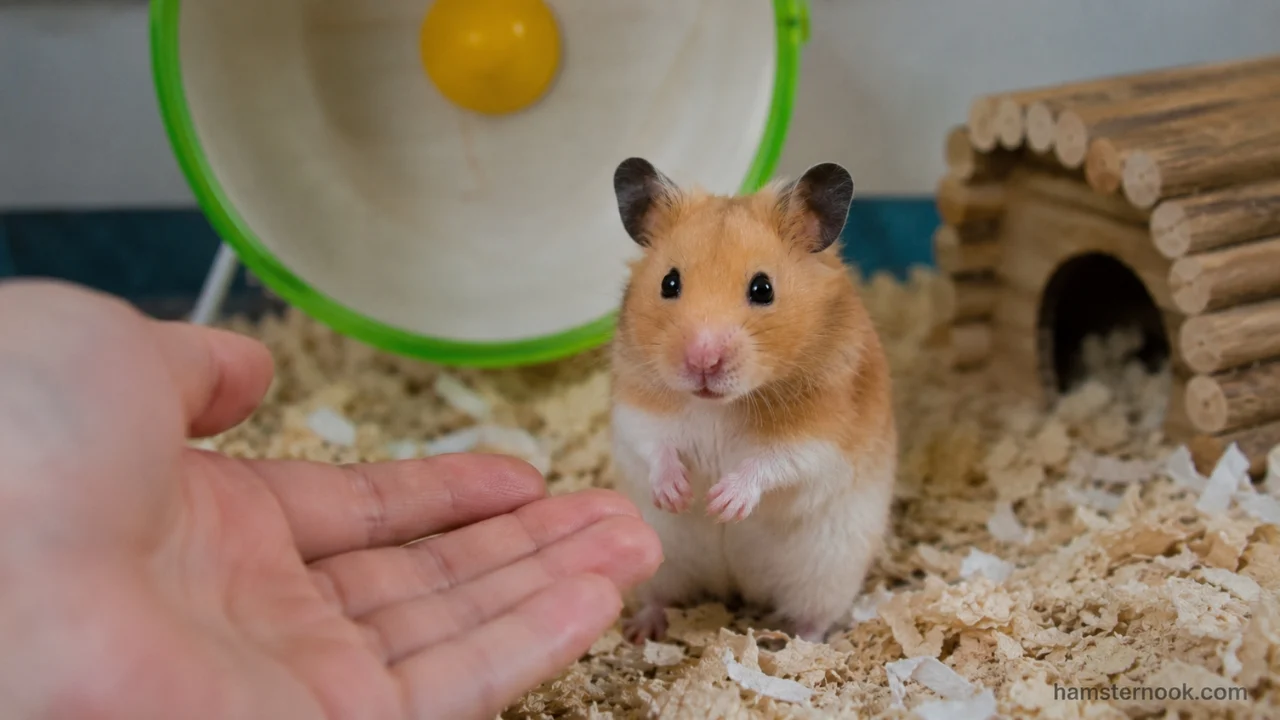
For owners, the practical lesson is straightforward: consistency can help your hamster become familiar with everyday activities.
Use predictable, gentle interactions rather than expecting your pet to follow spoken instructions like a dog trained to respond to verbal commands.
Can Hamsters Recognize Their Names?
Your hamster may learn to respond when you say its name, but that does not necessarily mean it understands that the word identifies it as an individual.
A name is simply a sound pattern that you repeat in a particular context. If you say the same name before offering food or approaching the enclosure, your hamster may associate that sound with the experience that follows.
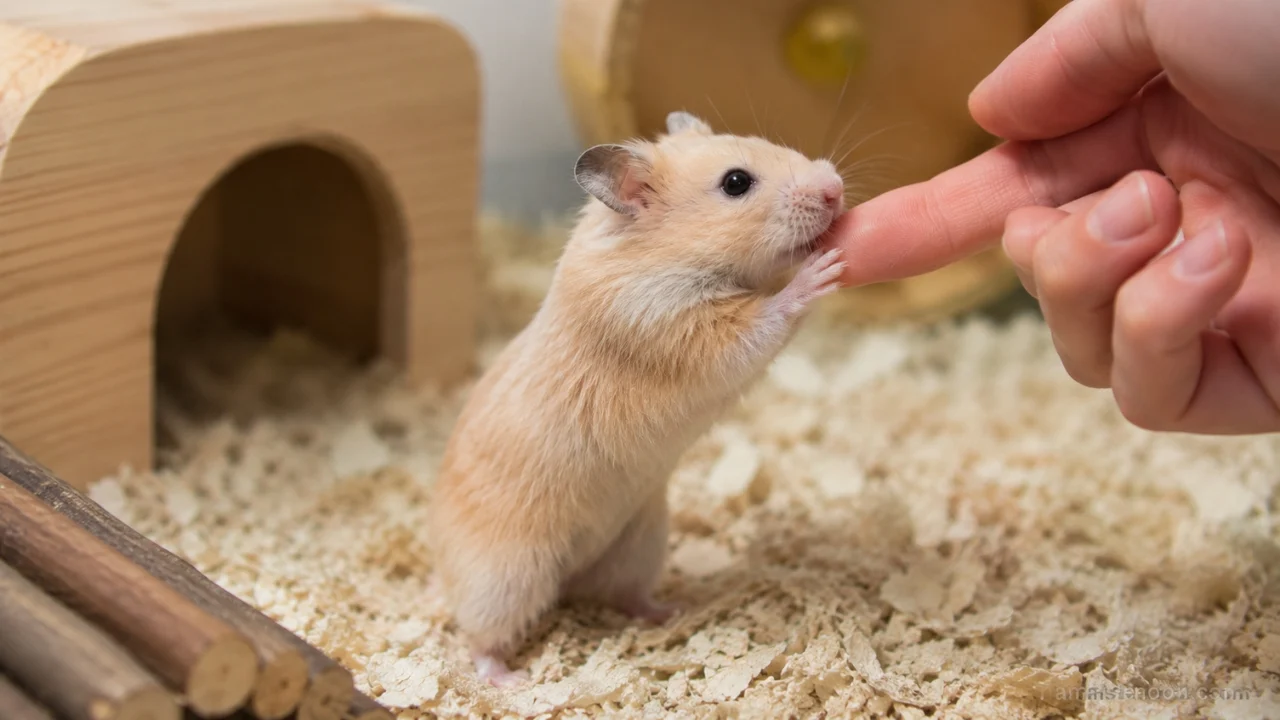
How to test whether your hamster responds to its name
You can try a simple, low-pressure observation:
- Choose a time when your hamster is naturally awake.
- Say its name once in a calm, consistent voice.
- Pause and watch what it does without moving toward it immediately.
- Repeat the observation on different occasions.
- Notice whether its response occurs consistently or mainly when food, movement, or another familiar cue is present.
A response might include pausing, turning toward the sound, or approaching the familiar area. These behaviors do not prove name recognition, because your hamster may be responding to your voice or another cue.
To interpret these reactions more carefully, look at your hamster’s overall posture and behavior instead of relying on one response. Hiding, freezing, or approaching can mean different things depending on the situation. Hamster Body Language: Signs of Happiness, Stress, Fear & Illness explains how to interpret a wider range of behavioral signals.
Avoid repeatedly calling its name, making loud noises, or withholding food to test its learning.

The fairest conclusion is that a hamster may learn to associate its name with familiar experiences, but a response alone cannot establish that it understands the name as a personal identifier.
Do Hamsters Understand When You Say “No”?
Not in the human sense of understanding a word as a rule or instruction.
If you say “no” whenever your hamster approaches a particular object, it might eventually associate your tone or the surrounding circumstances with an unpleasant interruption. However, that doesn’t mean it understands why you disapprove of the behavior.
For example, if your hamster repeatedly chews an unsuitable plastic item, shouting “no” is unlikely to teach it what you want it to do instead.

A more useful approach is to make the environment safer and provide appropriate alternatives.
- Remove access to objects that could cause injury.
- Provide suitable chew items and enrichment.
- Redirect attention without chasing or frightening your hamster.
- Keep interactions calm and consistent.
Hamsters explore their surroundings through natural behaviors such as chewing, digging, and investigating. The goal should be to provide a suitable environment rather than expecting the animal to understand human rules.
Do Hamsters Understand Human Emotions?
It is tempting to think that your hamster knows when you’re sad, happy, or stressed because it approaches you at a particular moment.
However, there is not enough evidence to conclude that pet hamsters interpret human emotional states in the same complex way people do.

Your hamster may respond to changes in your voice, movements, routine, or handling. It may also approach because it has learned that you provide food or other familiar experiences.
These explanations do not make your relationship less meaningful. They simply distinguish observable behavior from assumptions about what an animal understands.
A hamster that willingly approaches your hand or explores near you may be showing familiarity or comfort in that situation. It is better to judge its response by its behavior than to assign a human emotion or intention to it.
How to Teach Your Hamster to Respond to Your Voice
You don’t need complicated training equipment to help your hamster become familiar with your voice. A calm, predictable routine is a sensible place to start.
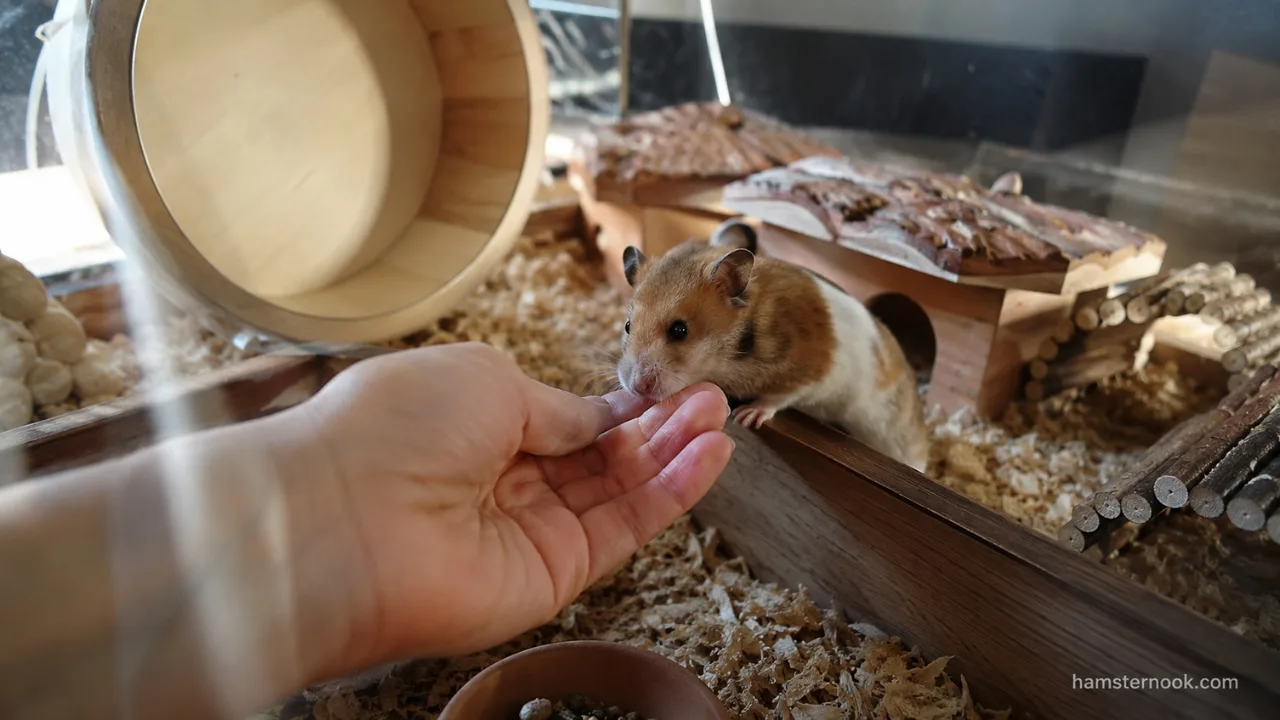
Step 1: Choose the right time
Hamsters are generally most active around dusk and during the night, although activity patterns vary. Avoid waking your hamster just to practice training.
Wait until it is naturally awake and moving around. A hamster that is sleepy or startled may be less willing to interact.
Choosing an appropriate time matters because hamsters generally rest during much of the day and become more active around dusk and at night. Avoid waking your pet just to practice a cue. Are Hamsters Nocturnal? Their Natural Sleep Schedule Explained explains their typical activity patterns and sleep routine.
Step 2: Use one consistent cue
Choose a short word or sound, such as your hamster’s name, and use it in the same way each time.
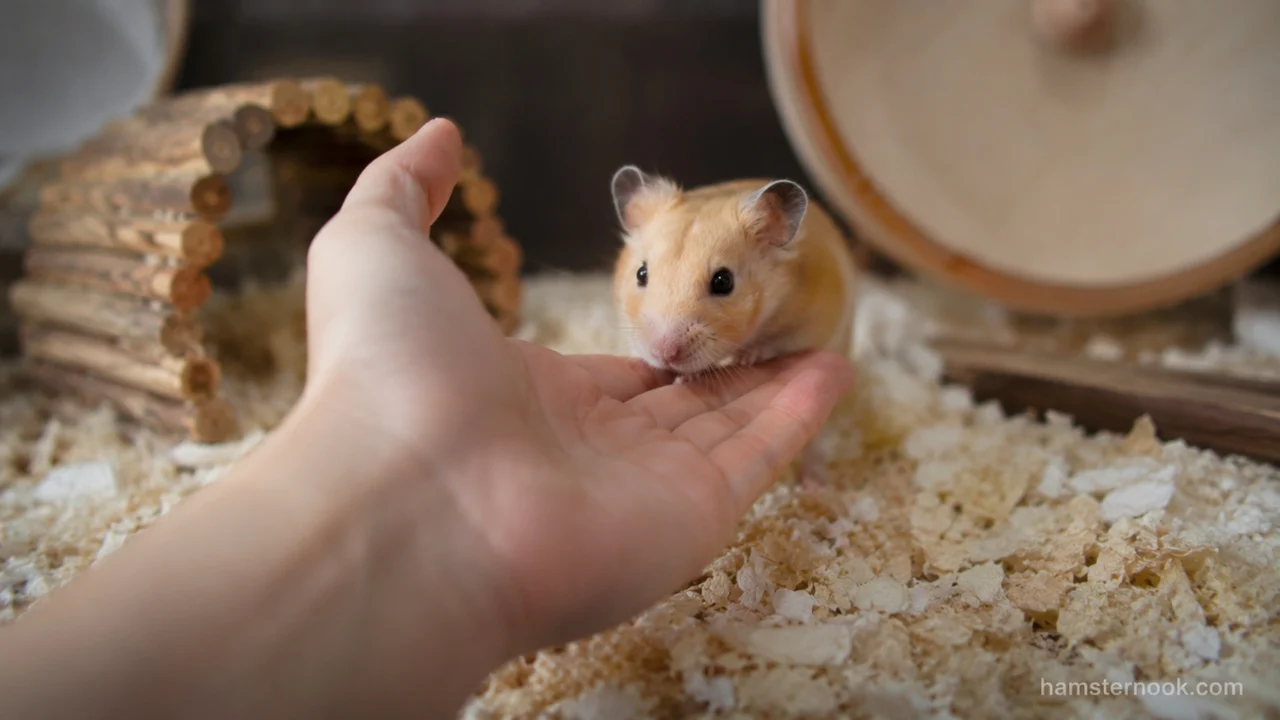
For example, say its name softly before placing a suitable treat near your hand. Keep your tone and timing reasonably consistent.
The aim is to create a predictable association, not to teach the hamster the word’s dictionary meaning.
Step 3: Let your hamster choose whether to approach
Place your hand where your hamster can investigate it without being cornered. Keep your fingers relaxed and allow your pet to approach voluntarily.
If it retreats, hides, or seems uncomfortable, give it space. Never chase it around the enclosure or block its access to a hiding place.

Step 4: Reward calm, voluntary interaction
If your hamster approaches your hand, you can offer a small piece of an appropriate treat.
Keep sessions brief and end them before your hamster becomes uncomfortable. Food should be a small reward, not a replacement for its regular balanced diet.
Step 5: Be patient and consistent
Some hamsters become comfortable with human interaction relatively quickly, while others remain cautious. Individual differences matter, and a hamster does not have to enjoy being handled to receive good care.
Measure progress by whether your pet appears increasingly comfortable and willing to investigate, not by how many words it responds to.
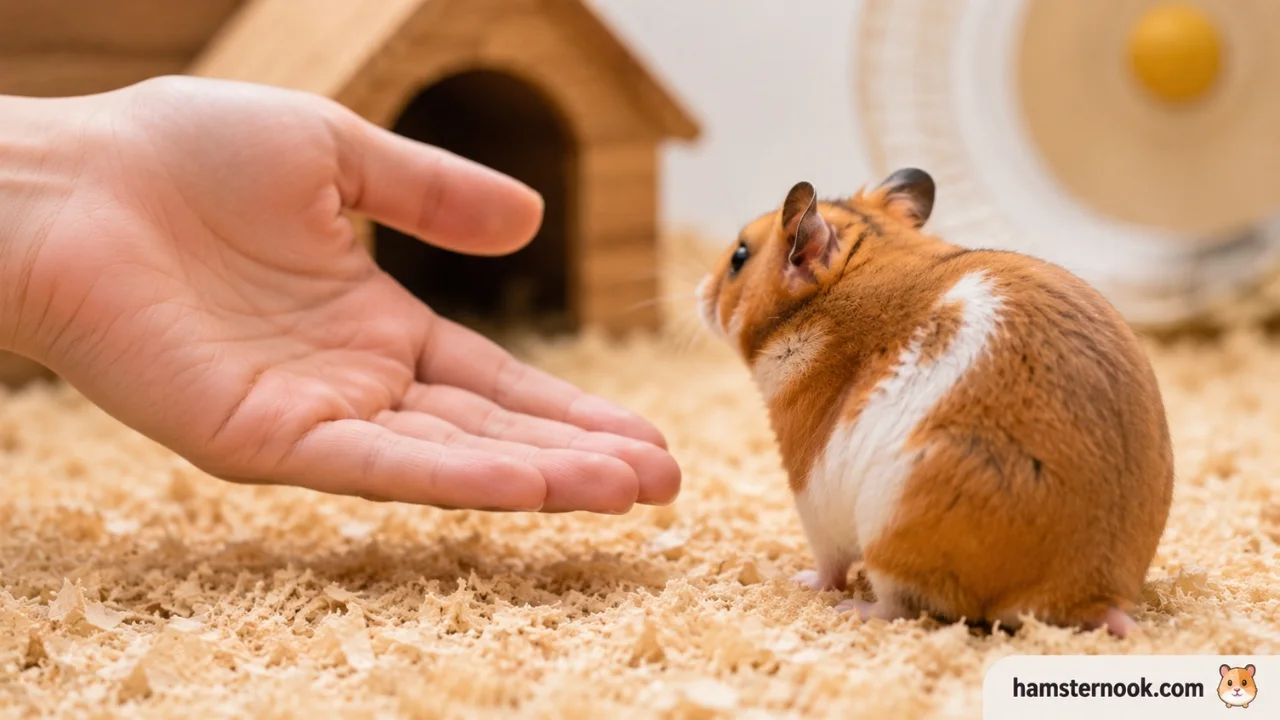
A hamster becoming comfortable around you is more meaningful than how quickly it reacts to a spoken cue. Look for patterns of voluntary approach and relaxed interaction rather than assuming that every response signals attachment. See 10 Signs Your Hamster Trusts You: How to Tell If They Like You for more examples of behaviors associated with familiarity and trust.
Can Hamsters Learn Tricks From Spoken Commands?
Hamsters can learn associations and may learn simple behaviors through patient, reward-based interaction. However, their ability to respond to a cue should not be confused with understanding spoken instructions.
You can experiment with simple activities, such as encouraging your hamster to approach your hand or enter a familiar tunnel voluntarily.
| Activity | What your hamster may learn | What it does not prove |
|---|---|---|
| Approaching after hearing its name | An association with a familiar sound | Understanding of its name as an identity |
| Coming near at feeding time | A connection between familiar cues and food | Understanding a sentence about dinner |
| Stepping onto your hand | That approaching your hand can have a positive outcome | Understanding a spoken command |
| Entering a familiar tunnel | An association with a familiar object or routine | Comprehension of human instructions |
| Responding differently to loud and quiet speech | Sensitivity to differences in sound | Understanding human emotions or intentions |
Keep training voluntary. Never punish your hamster for failing to respond, and don’t deprive it of its normal food to make it more interested in treats.

Common Mistakes When Talking to Hamsters
Talking to your hamster can be a pleasant part of daily care, but a few common mistakes can make interactions less comfortable.
Assuming every reaction means understanding
If your hamster comes out of its hideout when you speak, consider the other possible cues. It may have heard your footsteps, noticed movement, or anticipated food.
Observe patterns over time rather than drawing conclusions from a single reaction.
Speaking too loudly or suddenly
Hamsters are sensitive to their surroundings and can be startled by loud or threatening noises. Shouting, banging on the enclosure, or making sudden sounds to get attention can create unnecessary stress.
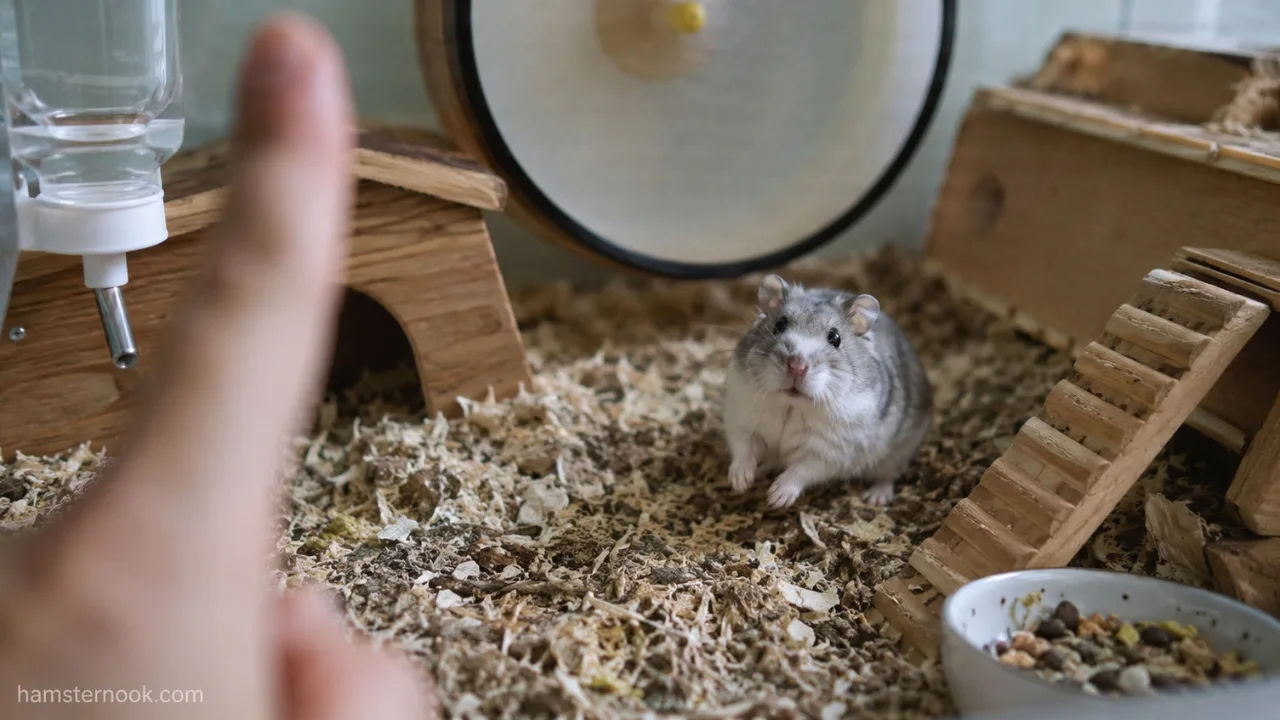
If your hamster seems unsettled during interactions, reduce the disturbance and give it space rather than trying to get a stronger response. Repeated disruption and other environmental factors can affect how comfortable a hamster feels. 7 Ways You’re Accidentally Stressing Your Hamster: Signs & What to Do covers common stress triggers and ways to avoid them.
Use a gentle voice and let your hamster approach at its own pace.
Waking your hamster for attention
Your hamster may be less receptive when resting. Disturbing it repeatedly can cause stress and interfere with its normal sleep pattern.
Schedule interactions for times when it is naturally awake.

Expecting every hamster to behave the same way
A hamster that readily approaches your hand is not necessarily more intelligent or more attached to you than a hamster that prefers to keep its distance.
Temperament, experience, and comfort with handling vary. Respect your individual pet’s boundaries.
Treating your hamster like a small dog
Hamsters have different behavioral needs from dogs and other commonly trained pets. Don’t expect reliable responses to multiple verbal commands, or assume that your hamster understands a rule simply because it stops doing something after you speak.
Focus on trust, predictable routines, enrichment, and safe handling.
What You Should Do
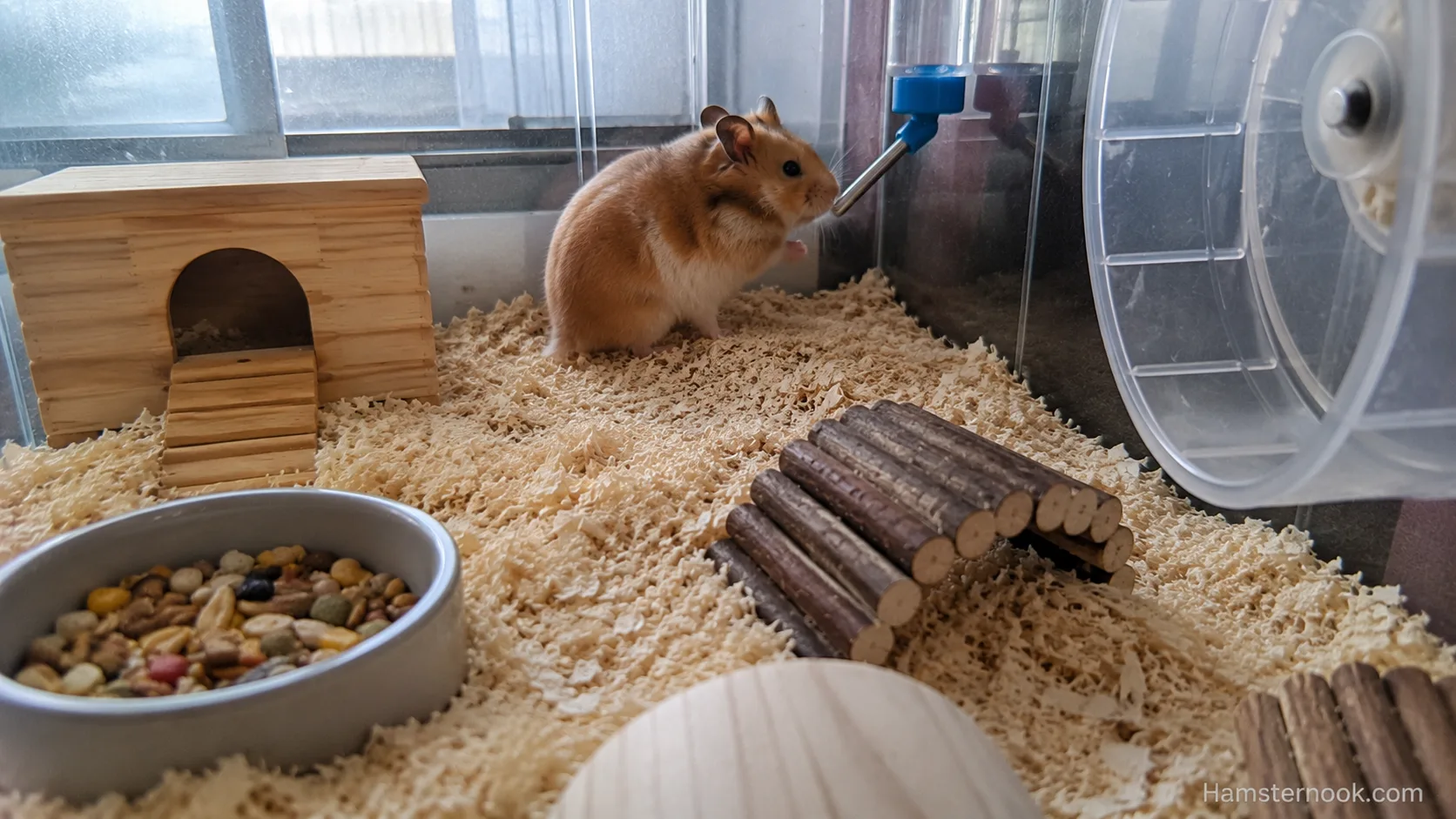
If you want your hamster to become familiar with your voice, follow these practical guidelines:
- Talk gently when approaching the enclosure.
- Use the same short cue before familiar activities.
- Interact when your hamster is naturally awake.
- Allow your pet to investigate your hand voluntarily.
- Reward suitable behavior with small, appropriate treats.
- Keep sessions short and stop if your hamster seems uncomfortable.
- Observe consistent behavior instead of assuming what your hamster is thinking.
- Provide a suitable enclosure, hiding places, opportunities to dig, and other forms of enrichment.
You can also talk to your hamster during ordinary care, even when you are not trying to teach it anything. A calm voice can become part of a familiar routine without requiring your hamster to understand your words.
When to Pay Attention to Changes in Behavior
A hamster that ignores your voice is not necessarily unhappy, unbonded, or unable to learn. It may simply be occupied, resting, cautious, or uninterested in interacting at that moment.
However, a sudden change in responsiveness accompanied by unusual behavior deserves attention. For example, if your hamster becomes unusually inactive, stops eating, or appears disoriented, don’t assume it is simply ignoring you or being stubborn.

Observe its overall behavior and contact a veterinarian experienced with small mammals if you notice concerning changes. A response to sound alone is not a reliable way to assess a hamster’s health or hearing.
Final Thoughts
Can hamsters understand human language? Not in the way people do. They can hear familiar sounds, become accustomed to their owners, and learn associations between repeated cues and everyday experiences.
Your hamster may respond to its name, approach when it hears your voice, or become more comfortable with your hand over time. Those are meaningful behaviors to observe, but they do not prove that it understands words, sentences, or human emotions as we do.
The best way to build a positive relationship is to speak gently, respect your hamster’s sleep, offer voluntary interactions, and keep daily routines predictable.
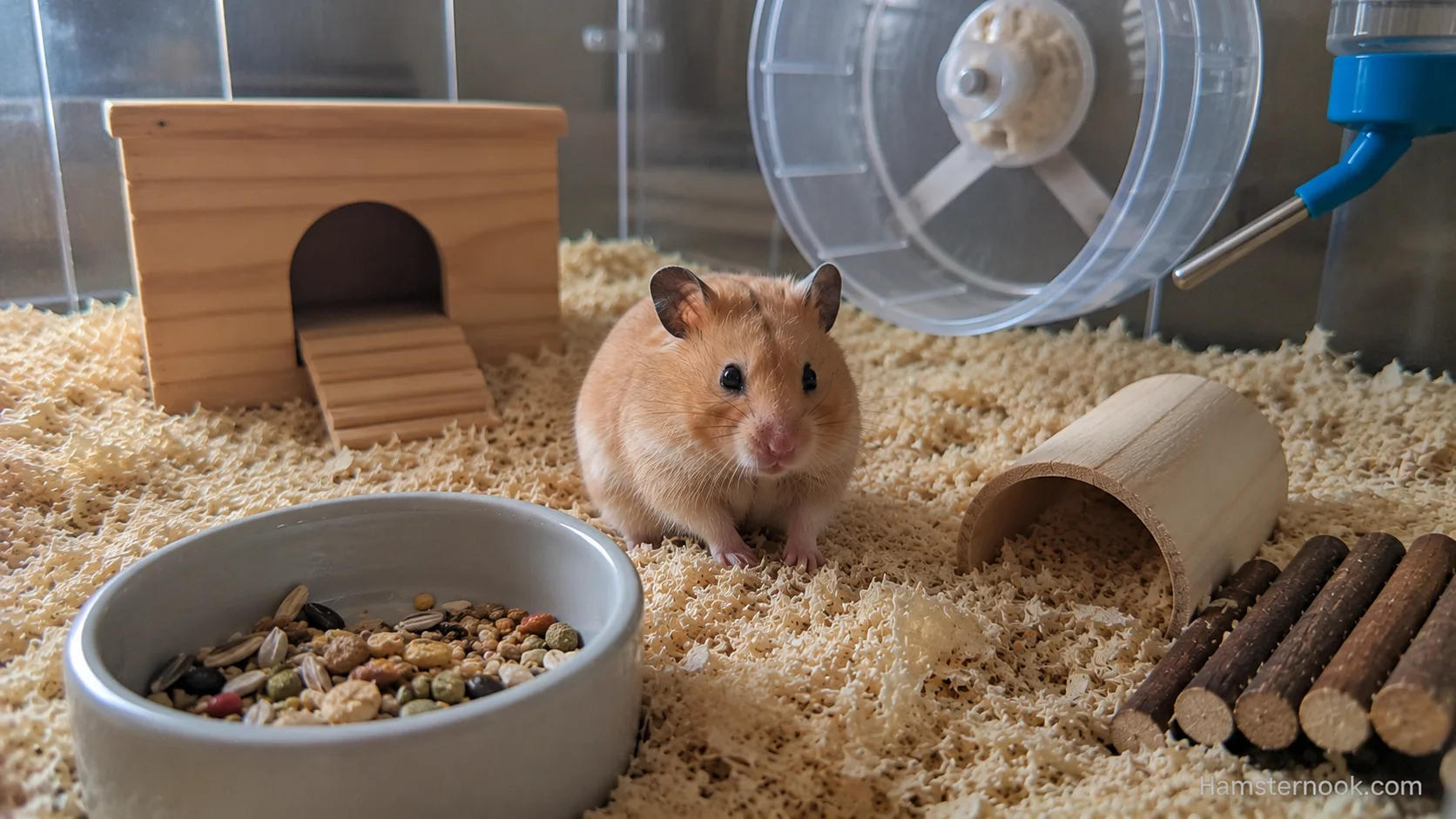
You don’t need your hamster to understand every word you say to become a familiar and reassuring presence in its life.
Frequently Asked Questions
1. Can hamsters understand what humans say?
Hamsters can learn associations with familiar sounds and routines, but there is no good evidence that pet hamsters understand human language in the way people do.
2. Does my hamster know its name?
Your hamster may learn to associate its name with familiar experiences. However, turning toward you or approaching when you say the name does not prove that it understands the word as its personal identifier.
3. Can hamsters recognize their owners?
Hamsters can become familiar with people through repeated, gentle interactions. They may respond to a person’s voice, smell, movements, or handling. A particular response does not establish exactly which cues the hamster recognizes.

4. Do hamsters like being talked to?
Some hamsters may become accustomed to a calm human voice, but individual responses vary. Speak gently and pay attention to your pet’s behavior rather than assuming every hamster enjoys the same kind of interaction.
5. Can hamsters understand when you are angry?
There is insufficient evidence to conclude that hamsters understand human anger as an abstract emotional concept. They may respond to loud voices, sudden movements, and changes in how they are handled.
6. Can I teach my hamster to come when called?
You can try pairing a consistent sound with a familiar, positive experience. Your hamster may learn to approach, but reliable responses are not guaranteed. Keep training gentle and voluntary.
7. Do hamsters understand the word “no”?
A hamster may associate a particular sound or situation with an interruption, but that does not mean it understands the word as a human rule. Making the environment safe and providing suitable alternatives are more useful than shouting commands.

8. Should I talk to my hamster every day?
You can speak gently during everyday care if your hamster seems comfortable. Consistent, calm interactions may help it become familiar with your presence. Avoid waking it or making loud noises to get its attention.
9. Why does my hamster come out when it hears my voice?
Your hamster may have learned that your voice often accompanies feeding, movement, or another familiar activity. It could also be responding to other cues in the environment. The behavior alone cannot reveal exactly what it has learned.
10. Are some hamsters better at learning than others?
Hamsters differ in temperament, previous experience, and willingness to interact. There is not enough evidence to rank individual pet hamsters by their ability to understand human language based on how quickly they respond to their owners.
References
This guide is based on trusted animal welfare guidance and published research on hamster behavior, handling, stress, and responses to sound, including:
- RSPCA – Understanding Hamster Behaviour – Guidance on hamster behavior, sleep, appropriate handling, and reducing stress during interactions.
- Blue Cross – Hamster Care – Practical guidance on hamster activity patterns, gentle handling, familiarization, and enrichment.
- RSPCA – Hamster Health and Welfare Tips – Advice on considerate handling, avoiding frightening noises, and recognizing changes in behavior.
- Iturrian, W. B., and Johnson, H. D. – Conditioned Seizures Susceptibility in the Hamster Induced by Prior Auditory Exposure (Experientia, 1971) – Published research involving auditory exposure and conditioned responses in hamsters. This study concerns responses to sound, not comprehension of human language.

Narayan Kumar is the founder and author of HamsterNook. He creates practical, research-based hamster care guides covering hamster behavior, nutrition, cage setup, enrichment, health, and everyday care. His goal is to help hamster owners make informed decisions and provide safer, healthier lives for their pets through clear, beginner-friendly information based on trusted animal care resources.