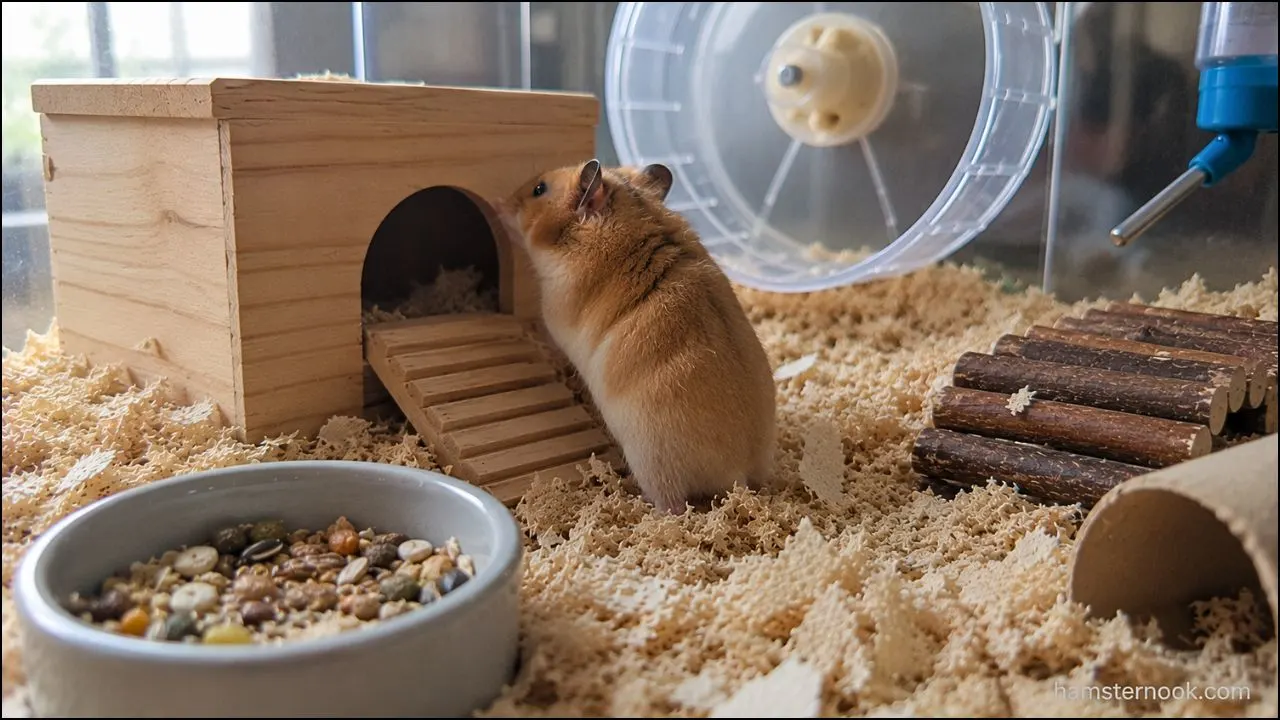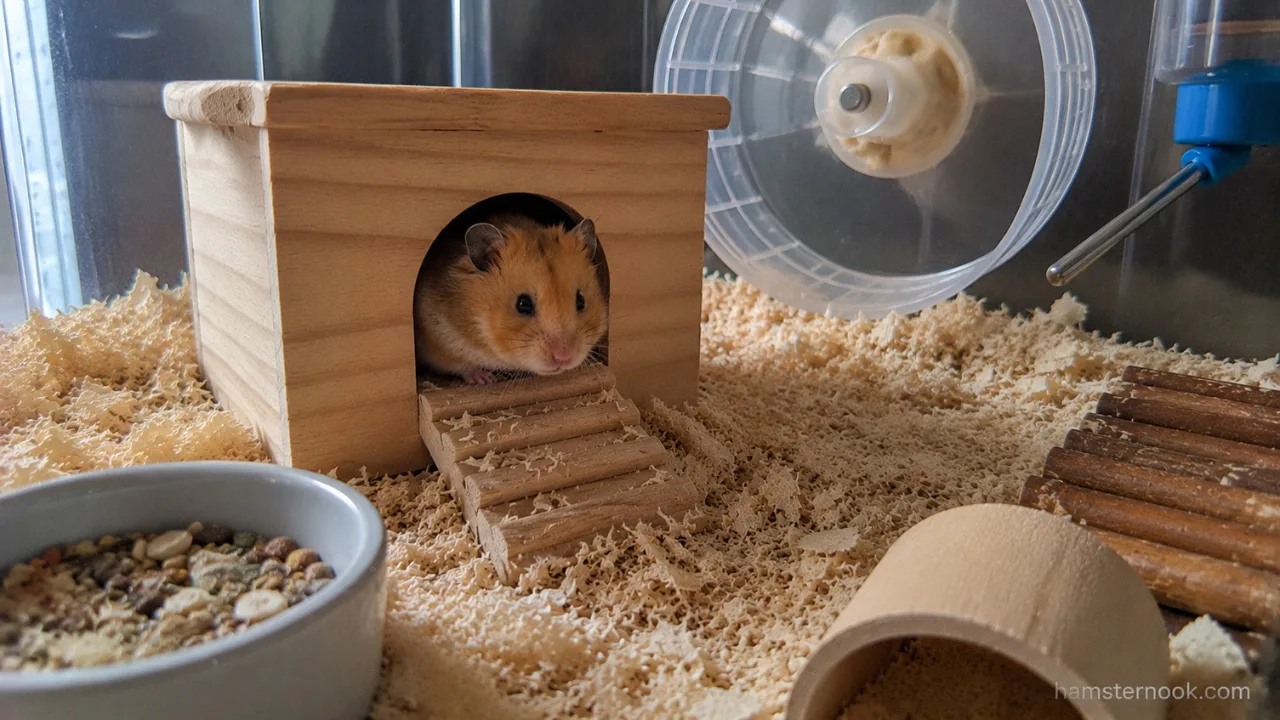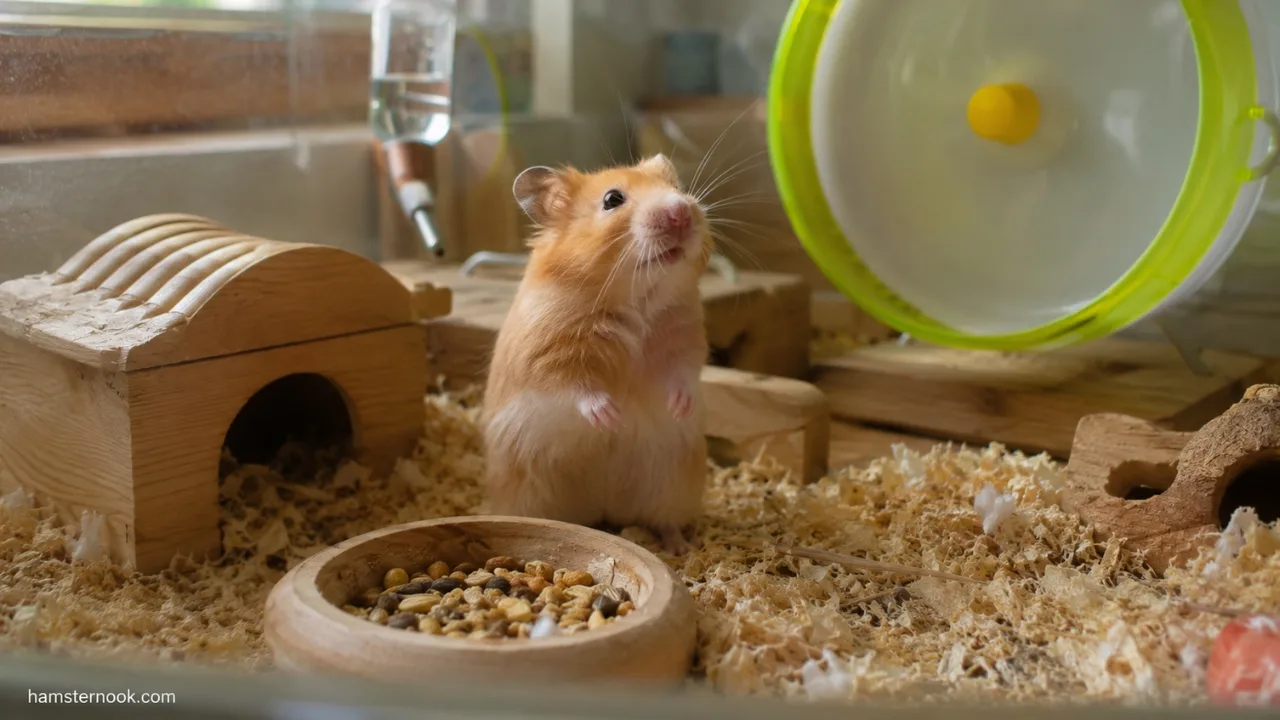
If you’ve ever wondered what your hamster is trying to tell you, you’re not alone. Unlike dogs or cats, hamsters communicate in much quieter and more subtle ways that are easy to overlook at first. Instead, they rely on subtle body language, scent marking, and occasional sounds to express how they feel. Learning to recognize these signals can help you understand your hamster’s mood, build trust, and spot potential problems early.
This guide explains how hamsters communicate with people and other hamsters, what different behaviors usually mean, and which signs deserve closer attention.
Quick Answer
Hamsters communicate primarily through body language and scent marking, while vocal sounds play a much smaller role. Their posture, ears, eyes, whiskers, movement, and scent glands all provide clues about whether they feel relaxed, curious, frightened, territorial, or uncomfortable.
Understanding these natural behaviors helps owners respond appropriately without misinterpreting normal hamster communication.
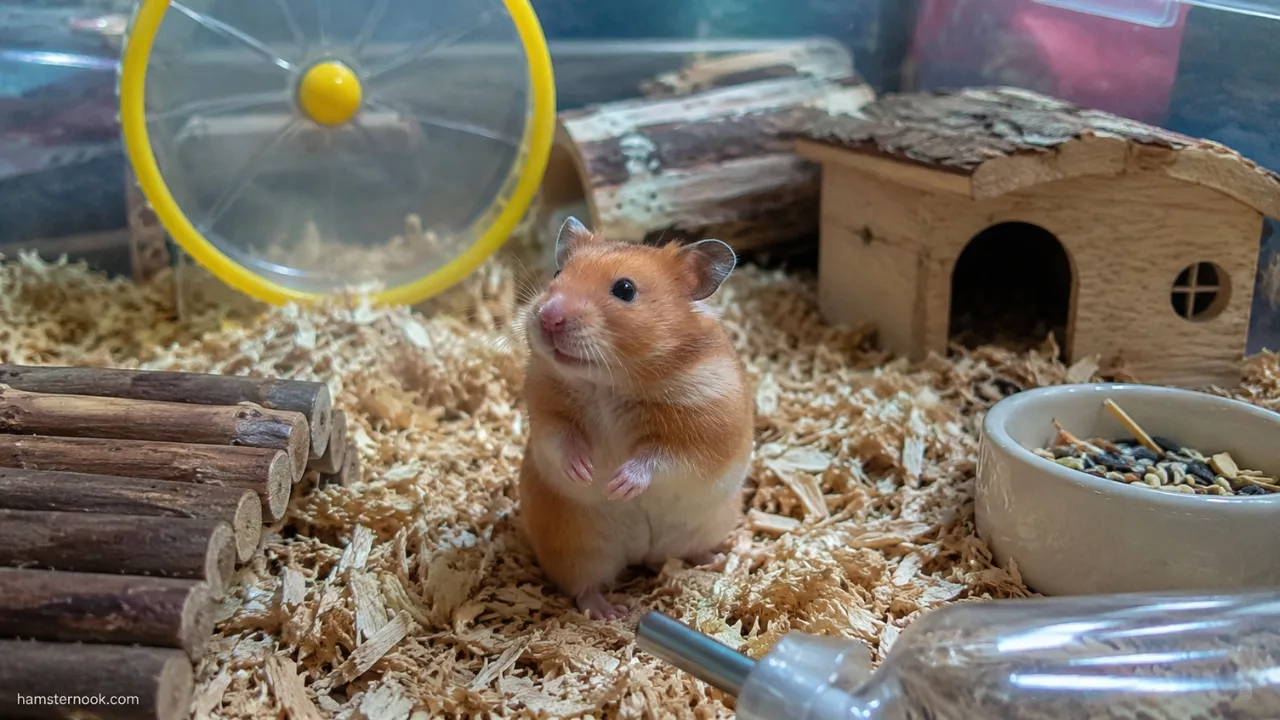
How Hamsters Communicate
Unlike highly social animals, most pet hamsters are naturally solitary. Because they spend much of their lives alone, they don’t rely on constant vocal communication.
Instead, they communicate through three main methods:
- Body language
- Sounds
- Scent marking
Each method provides different information about how the hamster feels or what it wants.
Watching several signals together is usually more accurate than focusing on a single behavior. For example, a hamster standing upright while calmly sniffing its surroundings is very different from one standing upright with flattened ears and defensive body posture.
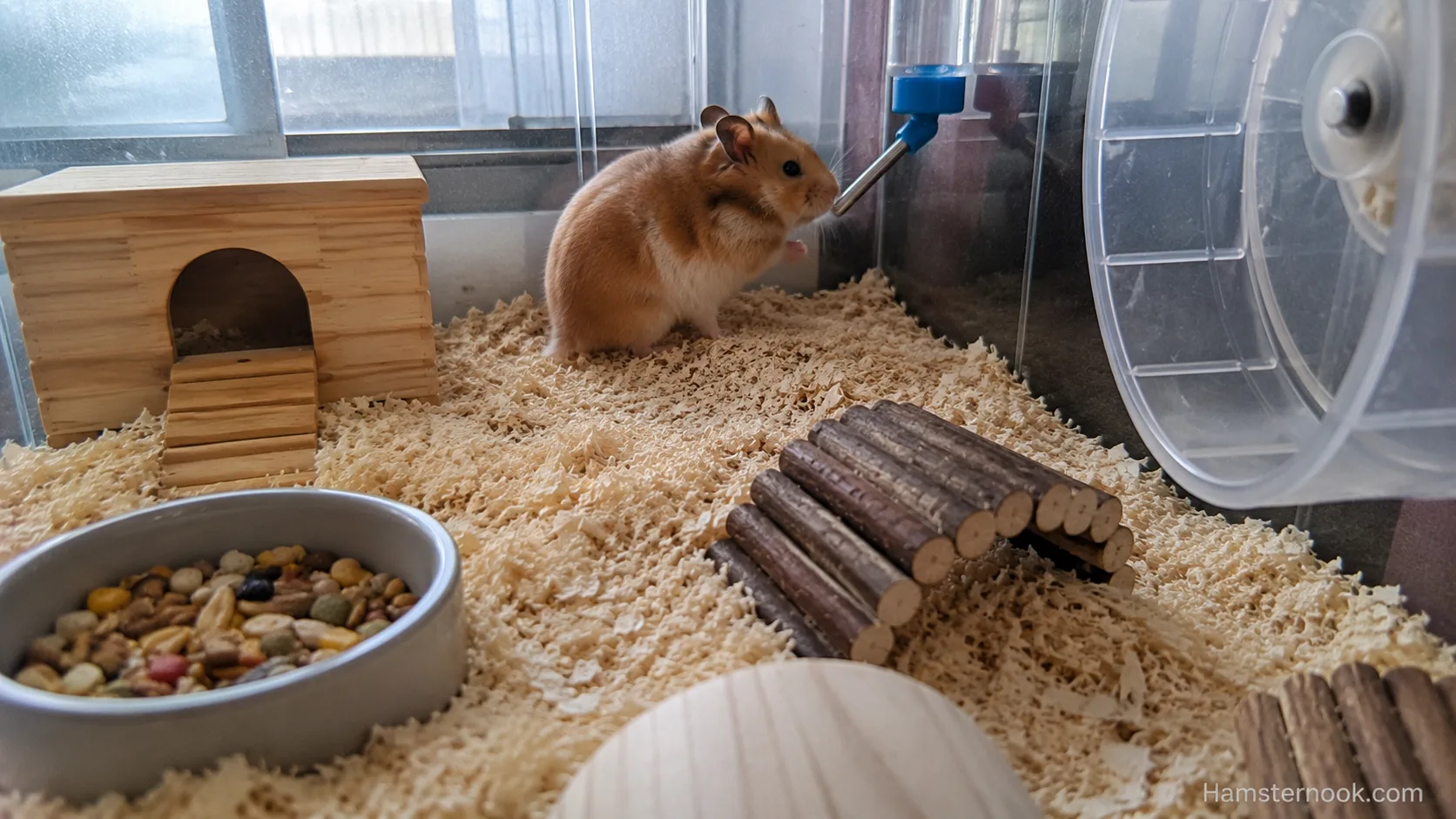
Learning your hamster’s normal sleep and activity pattern can make communication changes easier to recognize; our How Active Should a Healthy Hamster Be at Night? Normal vs Unhealthy Activity guide explains what typical activity can look like.
How Hamsters Communicate With Humans
Hamsters do not communicate with people through human-like language. Instead, they respond to familiar routines, handling, sounds, scents, and the way a person interacts with them. Approaching willingly, sniffing your hand, moving away, freezing, or showing defensive body language can all provide clues about how your hamster feels during an interaction.
Body Language: The Most Important Form of Communication
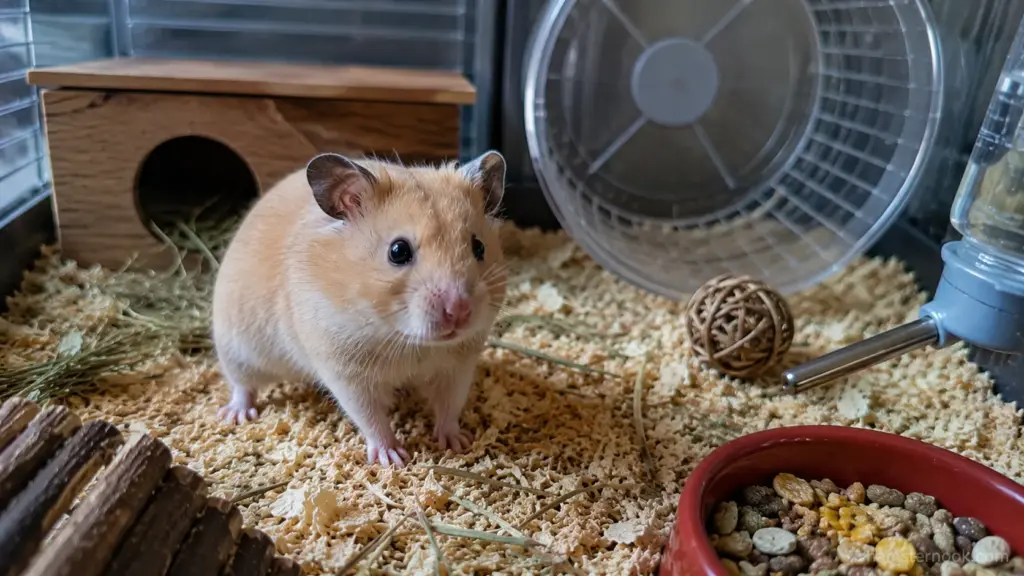
Body language is usually the easiest and most reliable form of communication for hamster owners to observe.
Instead of focusing on a single behavior, look at your hamster’s posture, movement, and surroundings together.

Relaxed Body
A relaxed hamster often shows:
- Smooth, natural movement
- Normal grooming
- Gentle exploration
- Bright, open eyes
- Curious sniffing
For a more detailed look at how posture, movement, and other behaviors can reflect comfort, fear, stress, or illness, see our Hamster Body Language: Signs of Happiness, Stress, Fear & Illness guide.
This usually indicates that your hamster feels comfortable in its environment.
Curious Behavior
Curious hamsters often:

- Stand on their back legs
- Sniff the air
- Investigate new objects
- Approach slowly
- Pause before exploring further
This behavior is completely normal and reflects a hamster using its senses to gather information.
Introducing safe enrichment items can encourage this natural curiosity without overwhelming your pet.
Providing appropriate opportunities for digging, foraging, and exploration can also support natural behavior; our Hamster Cage Enrichment: 10 Ideas to Prevent Boredom guide covers practical enrichment options.
Freezing Suddenly
A hamster that suddenly stops moving isn’t always frightened.
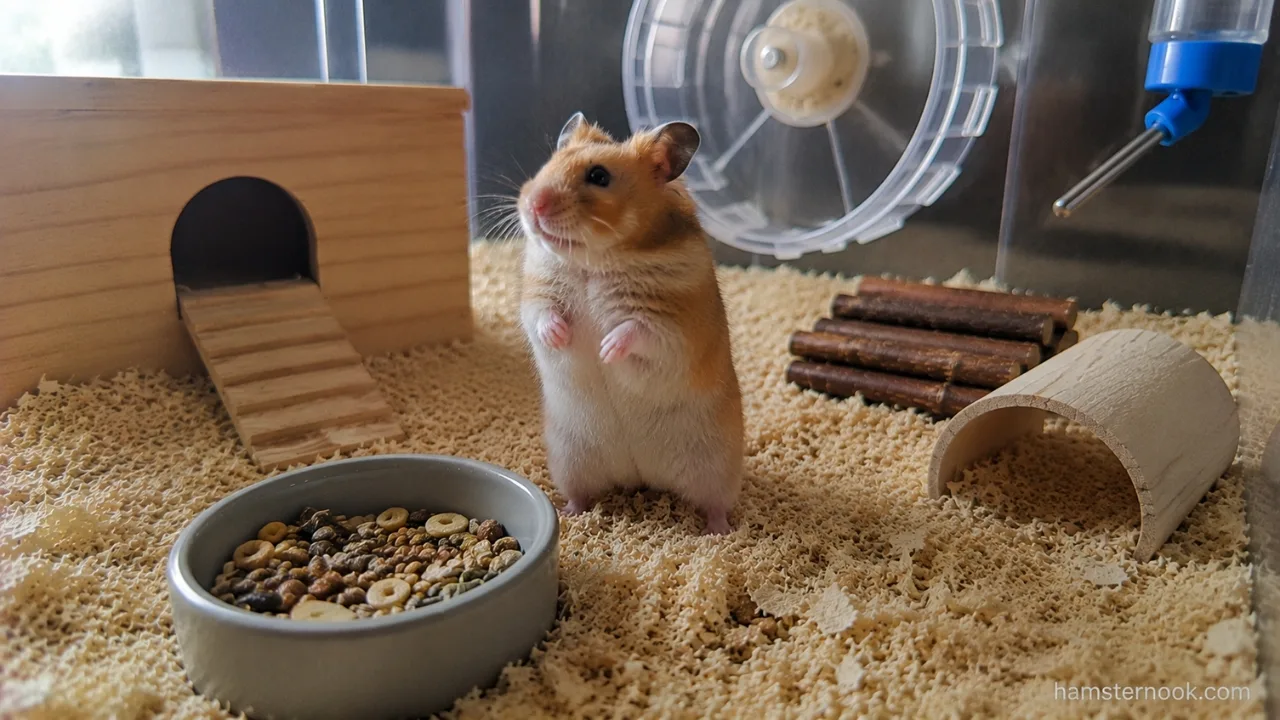
Freezing is a natural response that allows the hamster to listen, smell, and assess its surroundings before deciding what to do next.
Brief freezing is common after hearing an unfamiliar sound or noticing movement nearby.
If freezing becomes frequent and is accompanied by hiding or other fearful behaviors, it may indicate stress rather than simple caution.
If these behaviors become more frequent or are accompanied by other signs of stress, our 7 Signs You’re Accidentally Stressing Your Hamster (Without Even Realizing It) guide covers common stress signals and what owners can do.
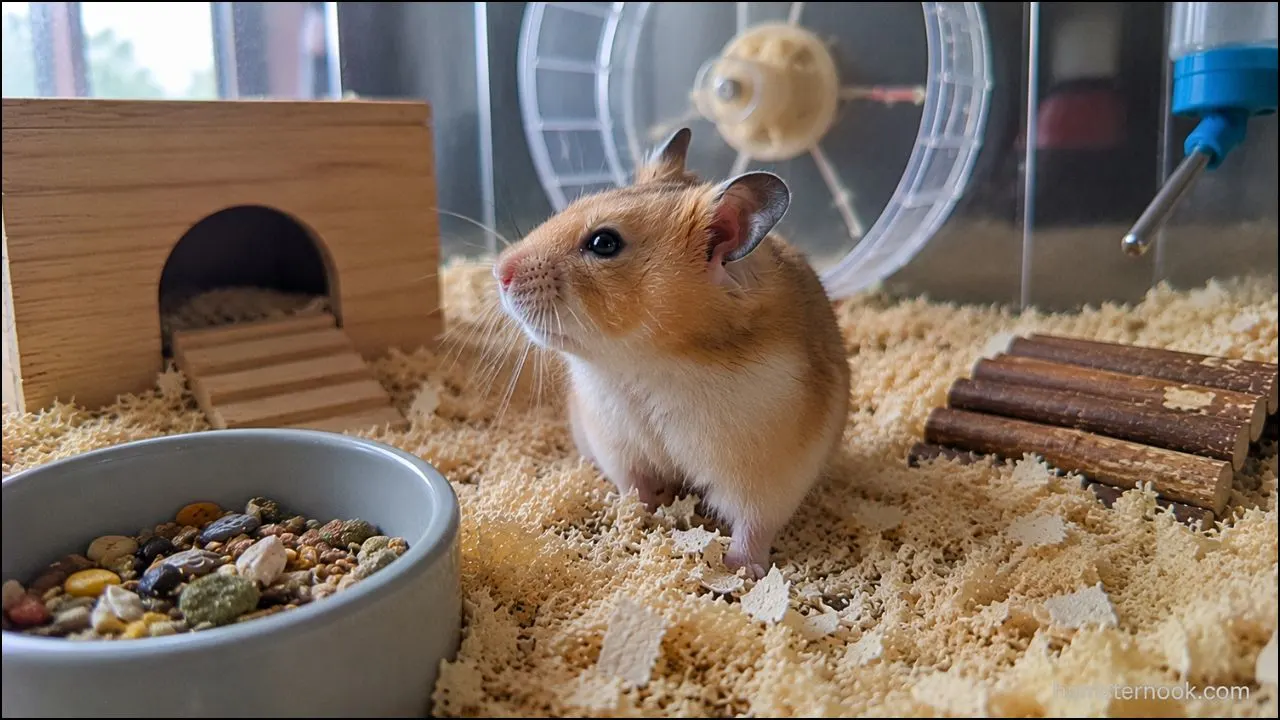
Flattening Against the Ground
When a hamster presses its body close to the ground, it may be attempting to avoid attention or assess a situation more carefully.
This posture can appear when:
- Hearing loud noises
- Encountering unfamiliar surroundings
- Feeling uncertain
Looking at the surrounding circumstances helps determine whether the behavior is temporary caution or part of a broader pattern of stress.
Standing Upright
Standing upright can have different meanings depending on the situation.
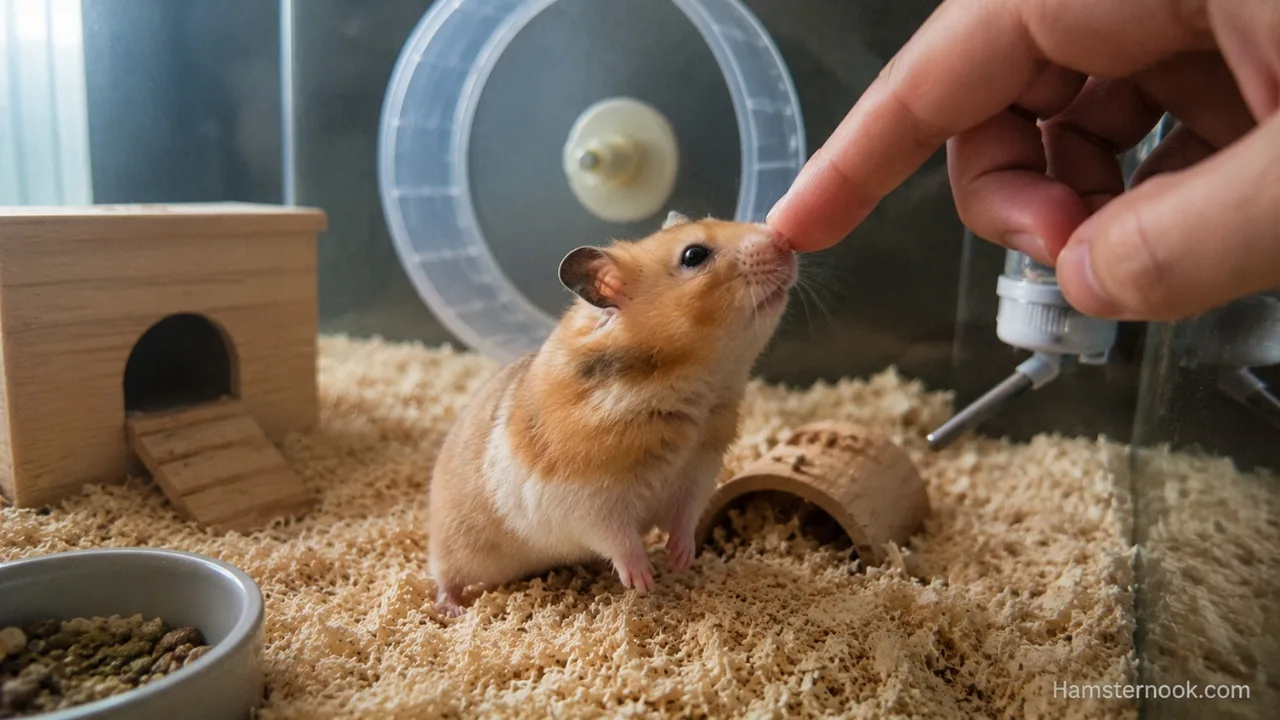
Sometimes a hamster simply wants a better view or is sniffing the air.
In other situations—particularly when another hamster is nearby—an upright posture may be defensive.
The same posture can have different meanings depending on what is happening around your hamster, so always consider the situation before drawing conclusions.
Changes in posture are also easier to interpret when you understand normal sleep behavior; our What Your Hamster’s Sleeping Position Says About Their Health (Normal vs Warning Signs) guide explains common sleeping positions and when changes may deserve closer attention.
How Hamsters Use Sounds
Hamsters are generally quiet animals.
Many owners rarely hear their hamster make any noise at all.
When they do vocalize, the sounds are usually brief and associated with a particular situation.
| Sound | What It May Mean | How to Respond |
|---|---|---|
| Soft squeak | Brief surprise, discomfort, or communication | Observe the surrounding situation and your hamster’s body language. |
| Loud or repeated squealing | Fear, distress, or possible pain | Stop handling and check for other signs of discomfort or illness. |
| Hissing | A defensive warning or feeling threatened | Give your hamster space and do not force interaction. |
| Teeth chattering | May occur during agitation or defensive behavior | Consider the context and look for other signs of stress. |
These sounds should always be interpreted alongside body language rather than on their own.

A single squeak doesn’t automatically indicate illness, just as silence doesn’t always mean a hamster is relaxed.
Understanding Common Hamster Sounds
Soft Squeaking
Some hamsters produce quiet squeaks during handling or when briefly startled.
If the hamster quickly returns to normal behavior and shows no other signs of distress, occasional squeaking is usually not considered unusual.
Loud Squealing
A loud squeal often signals that the hamster is experiencing intense fear, discomfort, or pain.

If you hear repeated loud vocalizations, stop handling the hamster immediately and check for possible causes.
Persistent vocalizations combined with changes in appetite, activity, or movement should be evaluated by an experienced exotic animal veterinarian.
Hissing
Hissing is generally a defensive warning.
The hamster is communicating that it feels threatened and wants more space.

Continuing to handle a hissing hamster may increase its stress.
Instead, allow it time to calm down before attempting interaction again.
Scent Communication
One of the most fascinating ways hamsters communicate is through scent.
Although humans can’t easily detect these scent messages, they play an important role in a hamster’s daily life.

Hamsters use scent to:
- Mark familiar areas
- Recognize their environment
- Leave information for other hamsters
- Reinforce territorial boundaries
This is one reason why completely replacing all bedding during every cage cleaning may be stressful—the hamster loses many familiar scent cues that help it recognize its home.
Because the enclosure itself can influence how secure a hamster feels, our What Makes a Hamster Feel Safe in Its Cage? 10 Things Every Owner Should Know guide covers the environmental factors that can support a more comfortable home.
Why Does My Hamster Rub Against Objects?
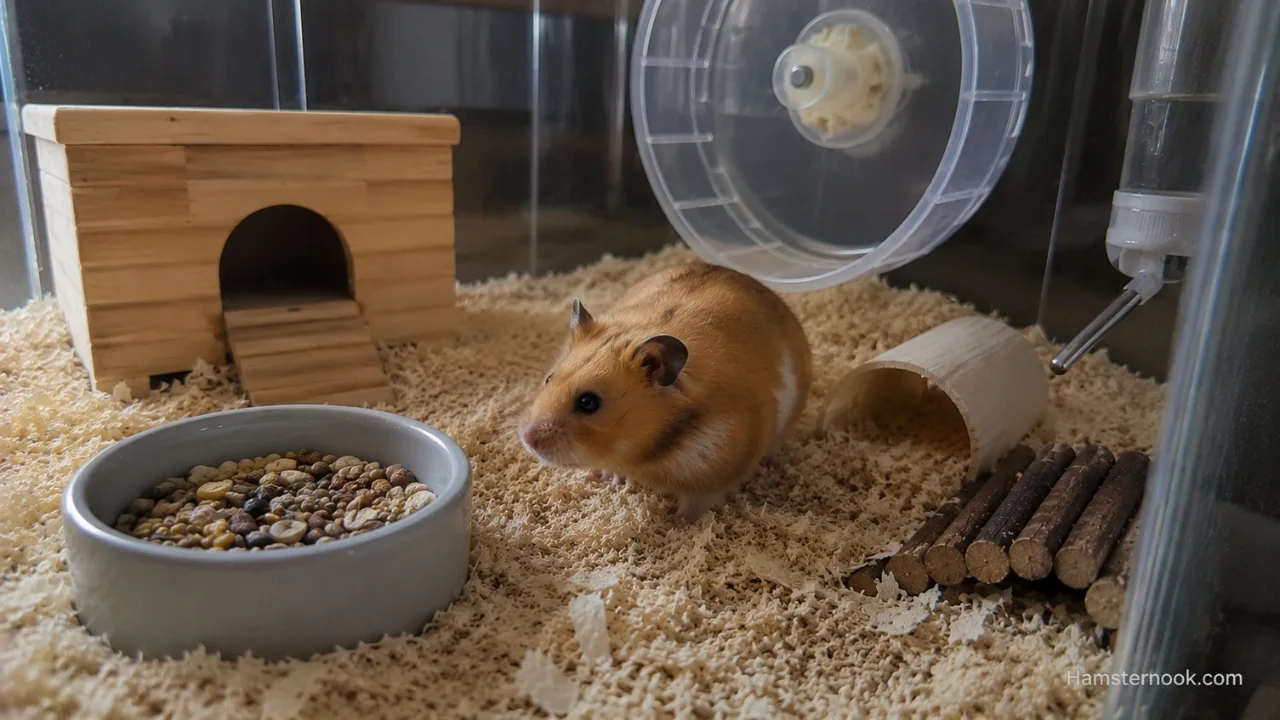
Some hamsters rub parts of their body against cage accessories, tunnels, hides, or other objects.

This behavior is commonly associated with scent marking.
It helps the hamster make its environment feel familiar and may contribute to territorial communication.
This is generally considered a normal behavior unless accompanied by signs of skin irritation or excessive rubbing.
Avoid cleaning or replacing every item in the enclosure at the same time whenever possible, as familiar scents help many hamsters feel secure in their environment.
How Hamsters Communicate During Handling
Your hamster also communicates through its behavior while you interact with it.
Pay attention to how it responds when you place your hand in the enclosure.
Approaching Your Hand
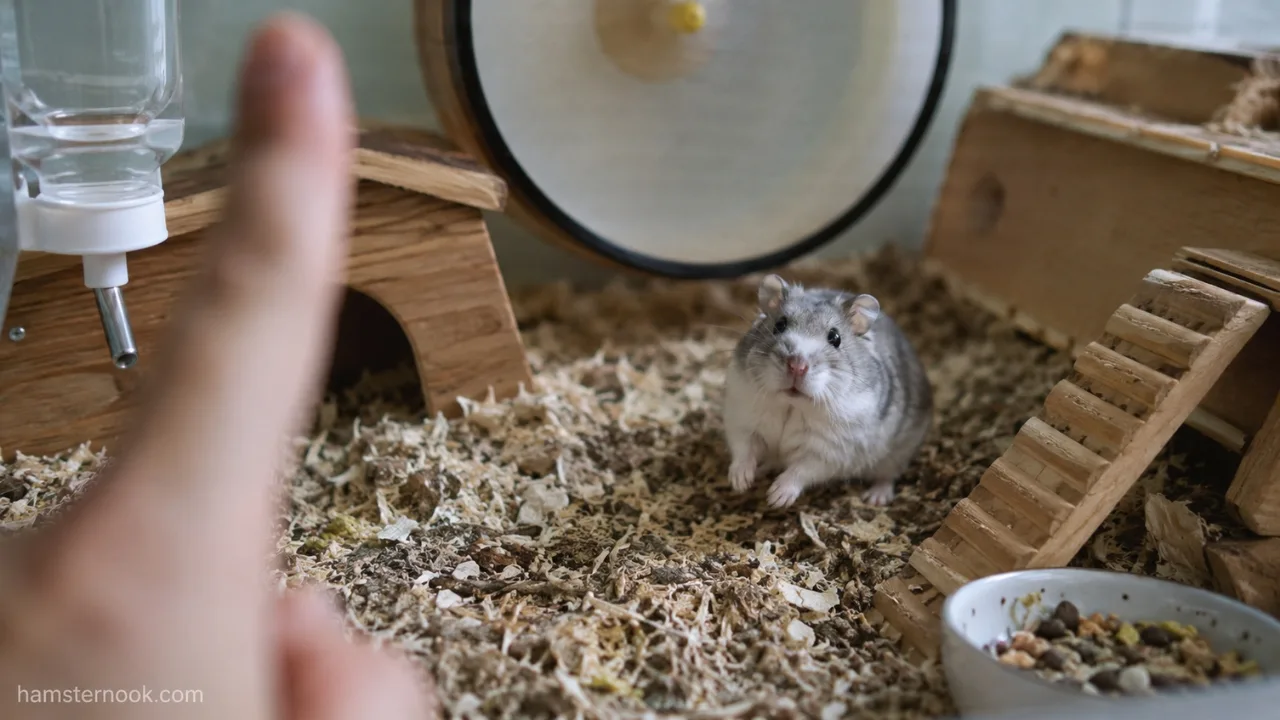
If your hamster slowly walks toward your hand, sniffs your fingers, or climbs onto your palm voluntarily, it’s usually showing curiosity rather than fear.
Allow your hamster to move at its own pace instead of trying to pick it up immediately.
Moving Away
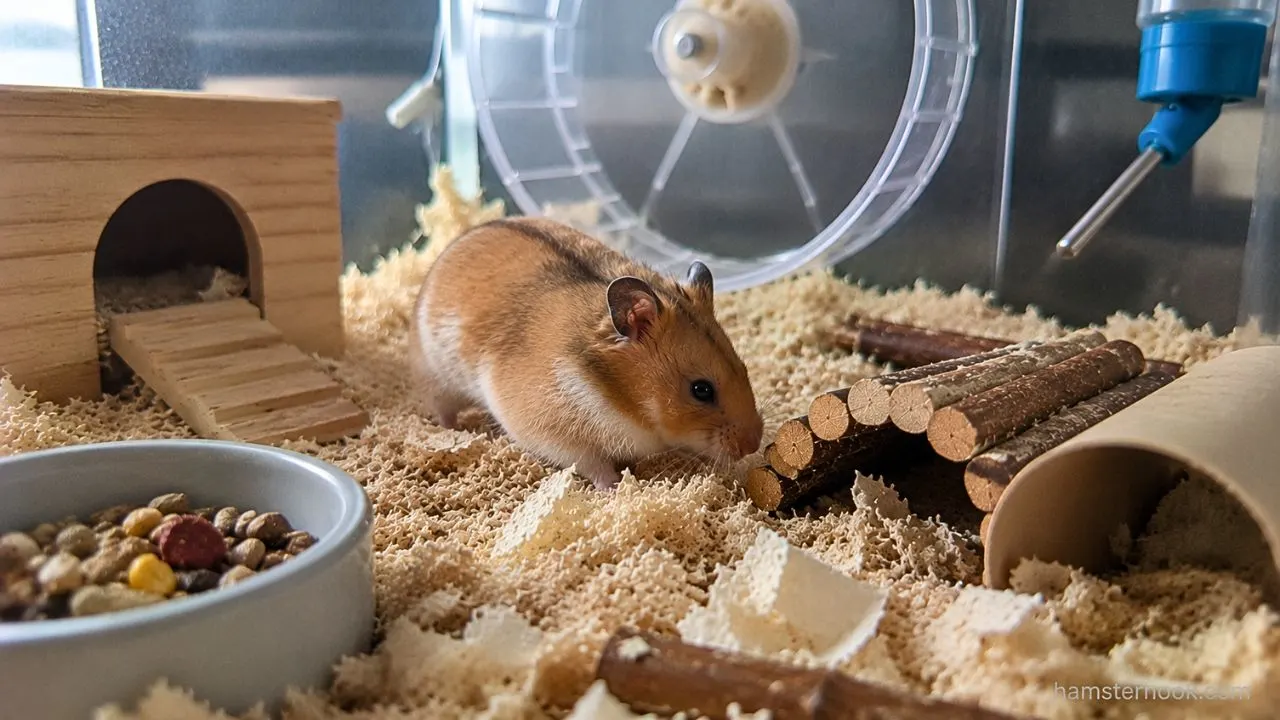
Walking away doesn’t necessarily mean your hamster dislikes you.
It may simply:
- Be focused on exploring
- Have just woken up
- Prefer not to be disturbed
- Need more time to build trust
Respecting these signals helps create positive experiences during future handling sessions.
How Hamsters Communicate With Other Hamsters

Most commonly kept pet hamsters, particularly Syrian hamsters, are naturally solitary.

When two unfamiliar hamsters meet, communication may include:
- Sniffing
- Defensive postures
- Scent investigation
- Warning vocalizations
- Chasing or fighting
These behaviors often establish territory rather than friendship.
For this reason, owners should never assume that two hamsters want companionship simply because they appear interested in each other.
Behaviors Owners Often Misunderstand
Some hamster behaviors are easy to misinterpret.
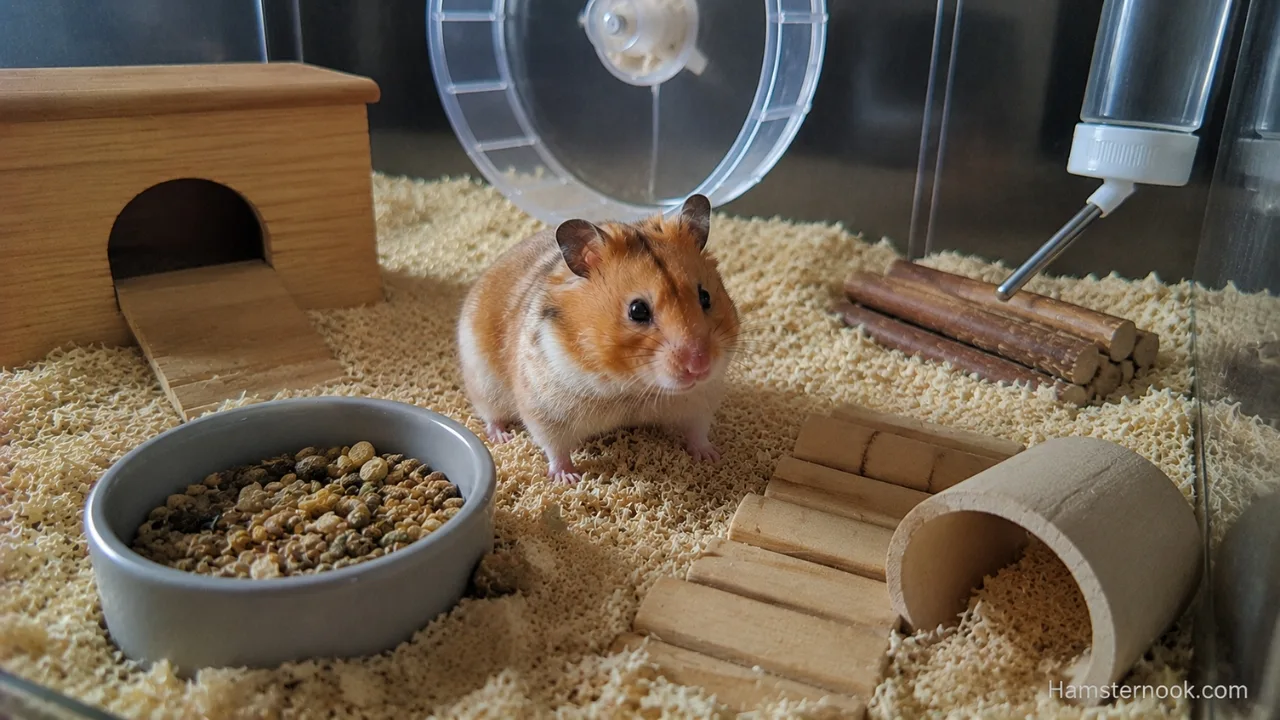
| Behavior | Possible Meaning | What to Notice |
|---|---|---|
| Standing upright | Curiosity or a defensive response | Check posture and what is happening nearby. |
| Freezing | Assessing an unfamiliar sound, smell, or movement | Brief pauses may be normal; repeated freezing with other fearful behavior deserves attention. |
| Sniffing | Investigating the environment through scent | Notice whether your hamster appears curious or distressed. |
| Grooming | Normal self-care | Persistent or excessive grooming with skin irritation may need attention. |
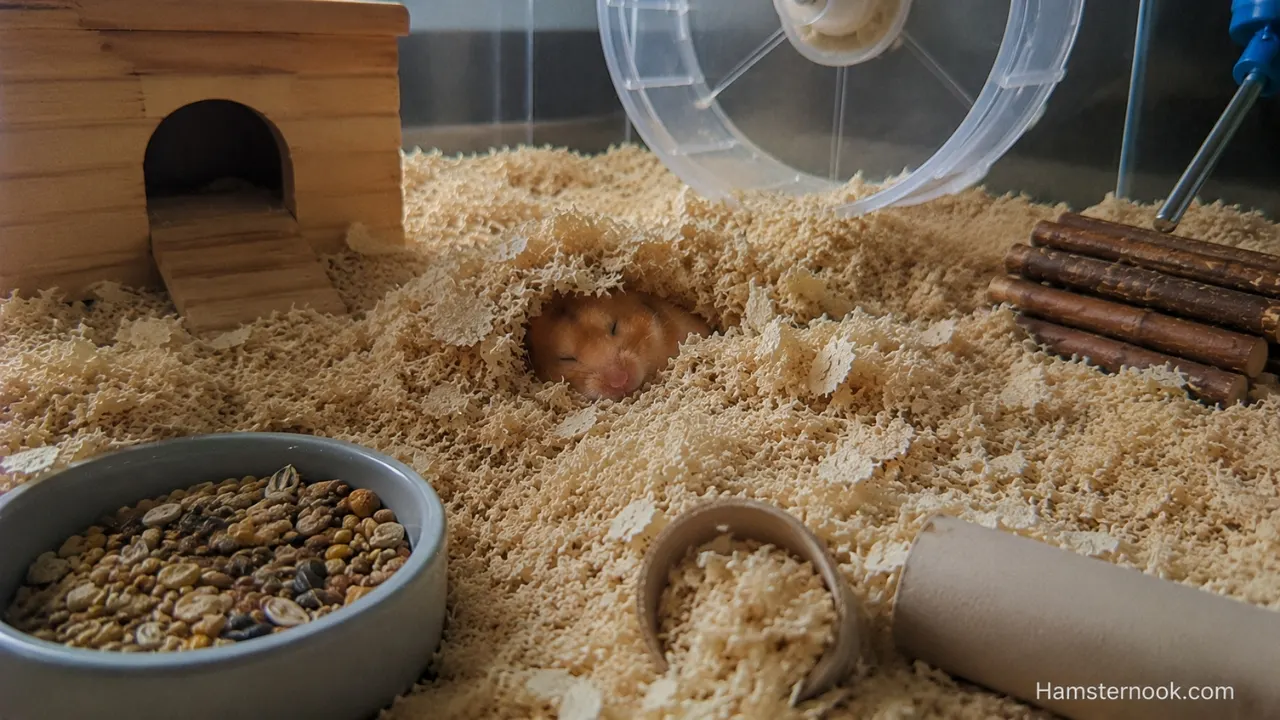
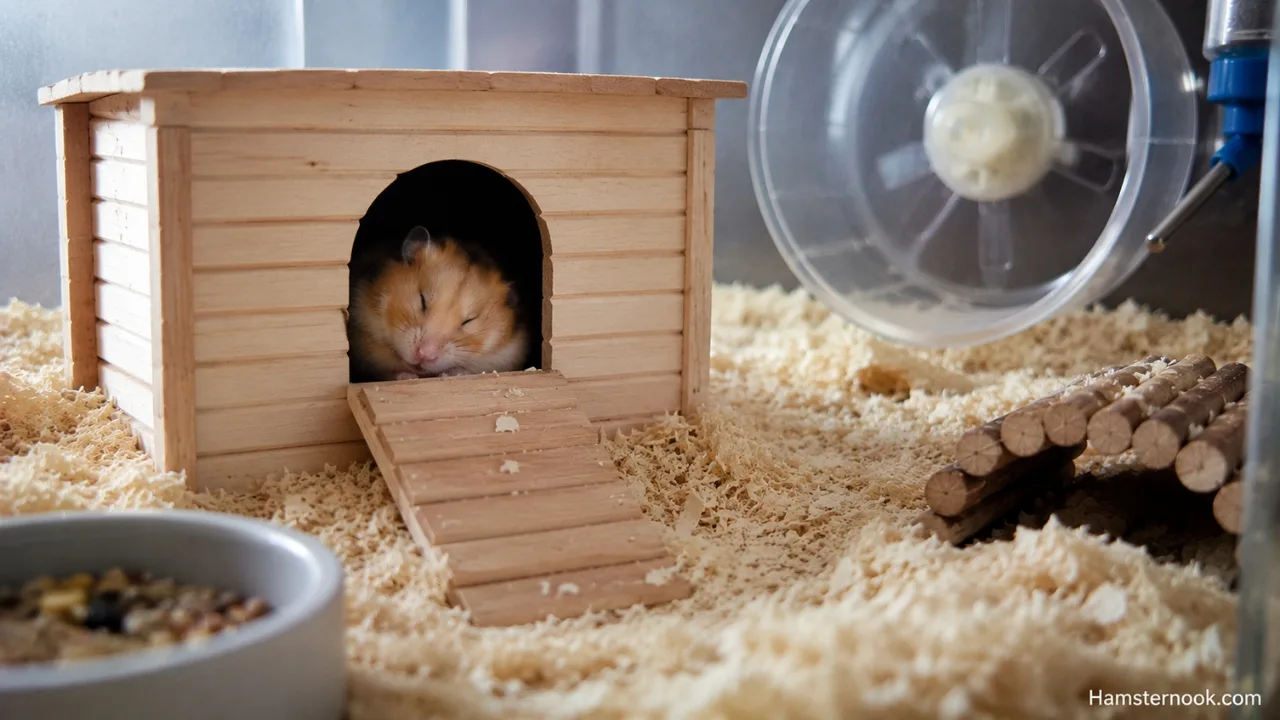
| Hiding | Sleeping, resting, or seeking security | Consider normal sleep habits and any sudden change in behavior. |
| Rubbing against objects | Often associated with scent marking | Repeated rubbing with skin irritation is different from ordinary marking. |
Looking at your hamster’s overall behavior is far more reliable than judging a single action in isolation.
What Should You Do?
The best way to understand your hamster’s communication is to observe its normal daily behavior consistently and patiently over time.
Helpful habits include:
- Observe your hamster during its normal active hours.
- Avoid waking it unnecessarily.
- Learn its usual daily routine.
- Watch for changes rather than isolated behaviors.
- Respect signals that your hamster wants space.
- Provide a consistent, enriching environment.
Over time, you’ll begin to recognize your hamster’s unique personality and normal habits, making unusual behavior much easier to spot.
When Should You Be Concerned?
Not every unusual behavior is a medical emergency, but some communication changes should not be ignored.
Contact an experienced exotic animal veterinarian if your hamster suddenly develops:
- Loud, repeated squealing
- Difficulty breathing
- Persistent lethargy
- Loss of appetite
- Difficulty walking
- Severe aggression that is unusual for your hamster
- Rapid changes in behavior accompanied by signs of illness
Behavior should always be considered alongside your hamster’s physical condition.
If a sudden communication or behavior change appears alongside physical symptoms, our Signs of a Sick Hamster: Symptoms, Warning Signs & When to See a Vet guide covers the signs that should not be ignored.
Common Mistakes When Reading Hamster Body Language
Many misunderstandings happen because owners expect hamsters to communicate like larger pets.
Avoid these common mistakes:
- Assuming every squeak means pain
- Waking a sleeping hamster to interact with it
- Ignoring body language while focusing only on sounds
- Forcing handling after defensive behaviors
- Mistaking normal scent marking for unusual behavior
- Assuming all hamsters communicate in exactly the same way
Patience and consistent observation usually provide a much clearer understanding than reacting to a single behavior.
Conclusion
Hamsters may be quiet, but they communicate constantly through their body language, scent marking, and occasional vocalizations. Learning to recognize these signals helps you understand when your hamster feels relaxed, curious, cautious, or uncomfortable.

Understanding your hamster’s normal communication patterns makes it much easier to notice subtle changes that could signal stress, discomfort, or illness.
Rather than focusing on one behavior alone, observe your hamster’s posture, movement, environment, and daily routine as a whole. With time, you’ll become familiar with your hamster’s normal communication style, making it much easier to recognize changes that may need attention.
Frequently Asked Questions
Do hamsters understand humans?
Hamsters do not understand human language, but they can learn to recognize familiar voices, scents, routines, and gentle handling through repeated positive experiences.
Why does my hamster stand on its back legs?
Standing upright often helps a hamster see, smell, and investigate its surroundings. In some situations, it may also be a defensive posture, depending on the context.
Why is my hamster making squeaking sounds?
Occasional soft squeaks may occur when a hamster is surprised or communicating. Loud or repeated squealing, especially when combined with other unusual symptoms, deserves closer attention.
Why does my hamster rub against objects?
Hamsters commonly rub against objects to leave scent markings that help them recognize familiar areas and establish territory.
Can hamsters communicate with each other?
Yes. Hamsters communicate using scent, body language, and occasional vocalizations. However, because many pet hamster species are naturally solitary, communication between unfamiliar hamsters may involve territorial behavior rather than friendly interaction.
References
This guide draws on established hamster welfare and husbandry resources covering natural behavior, scent communication, handling, and appropriate care.
- RSPCA – Understanding Hamster Behaviour
- RSPCA – Keeping Hamsters Together
- RSPCA – Hamster Health and Welfare

Narayan Kumar is the founder and author of HamsterNook. He creates practical, research-based hamster care guides covering hamster behavior, nutrition, cage setup, enrichment, health, and everyday care. His goal is to help hamster owners make informed decisions and provide safer, healthier lives for their pets through clear, beginner-friendly information based on trusted animal care resources.