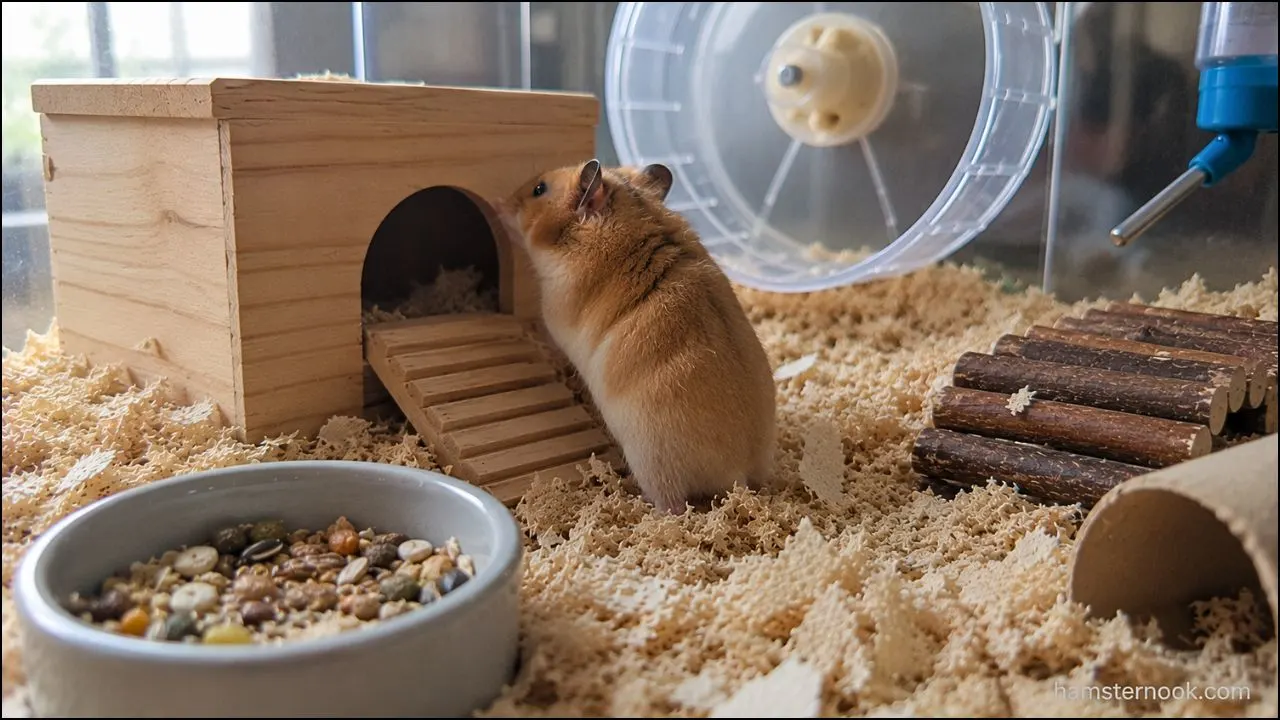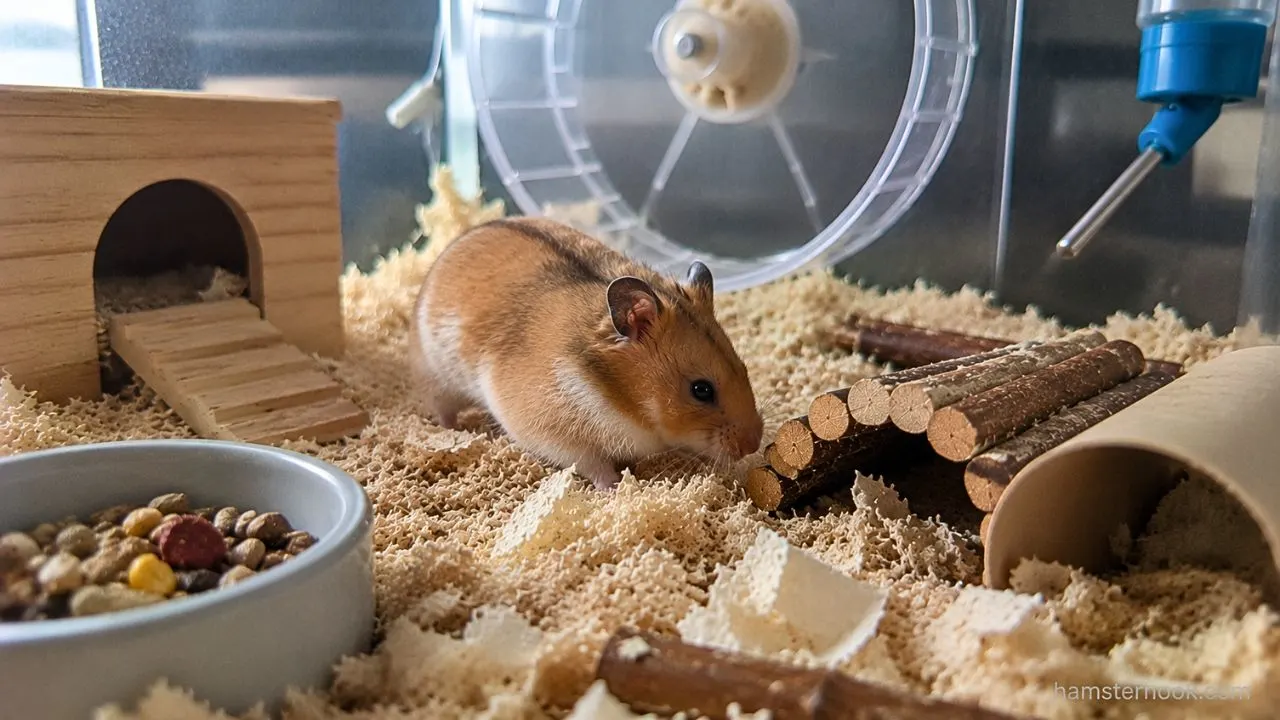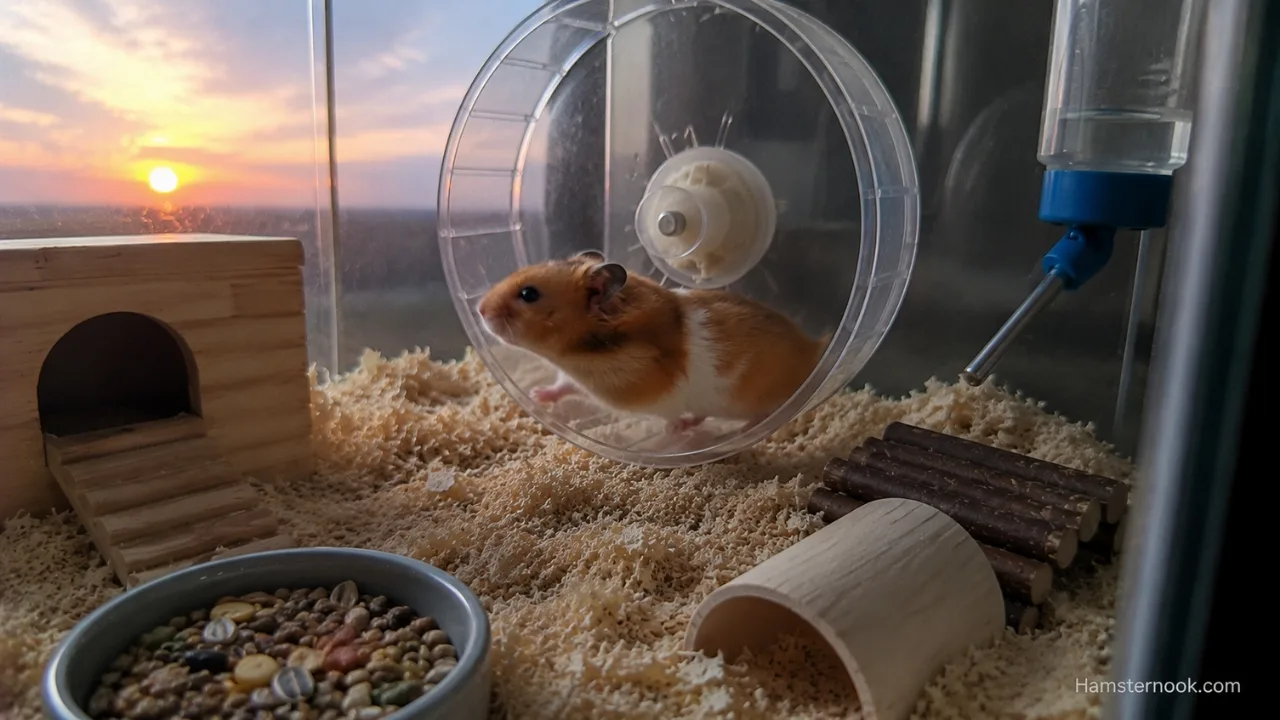
If your hamster has started running on its wheel, digging through bedding, or exploring its enclosure just as the sun begins to rise, you might wonder whether something has changed. In most cases, activity around dawn is a normal part of a hamster’s natural daily rhythm rather than a sign that something is wrong.
Quick Answer
A hamster suddenly becoming more active at dawn is often normal, especially if it is simply shifting when it explores, runs on its wheel, or checks its food stores. Hamsters are generally active during the night and low-light periods around dawn and dusk, and their schedules can vary. Changes in household noise, lighting, or routine may also affect when activity becomes noticeable. If your hamster is eating, moving, and behaving normally, the timing alone is usually not a concern. However, a sudden change accompanied by poor appetite, weight loss, unusual restlessness, or breathing difficulties deserves veterinary attention.
Why Are Hamsters Active at Dawn?
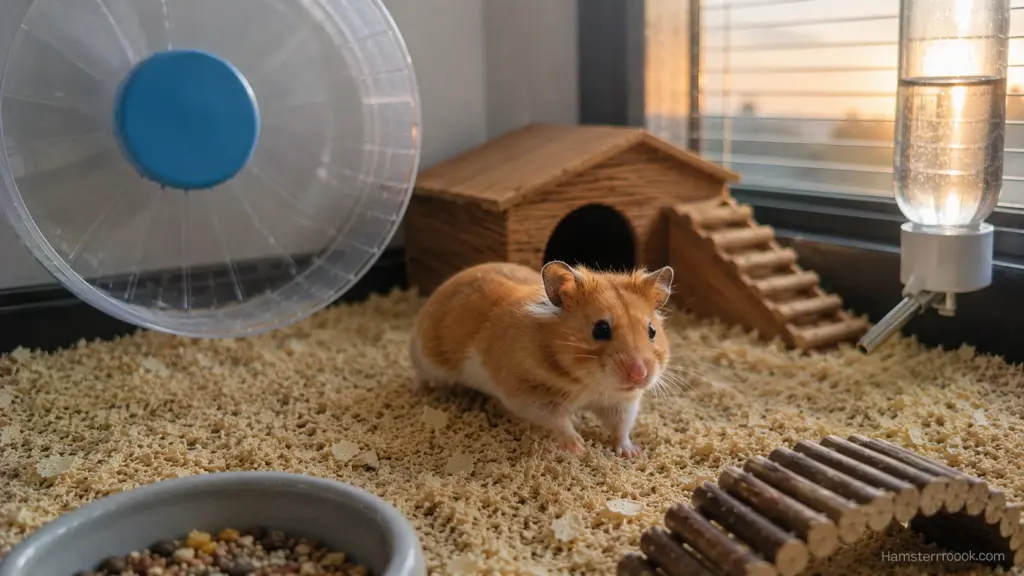
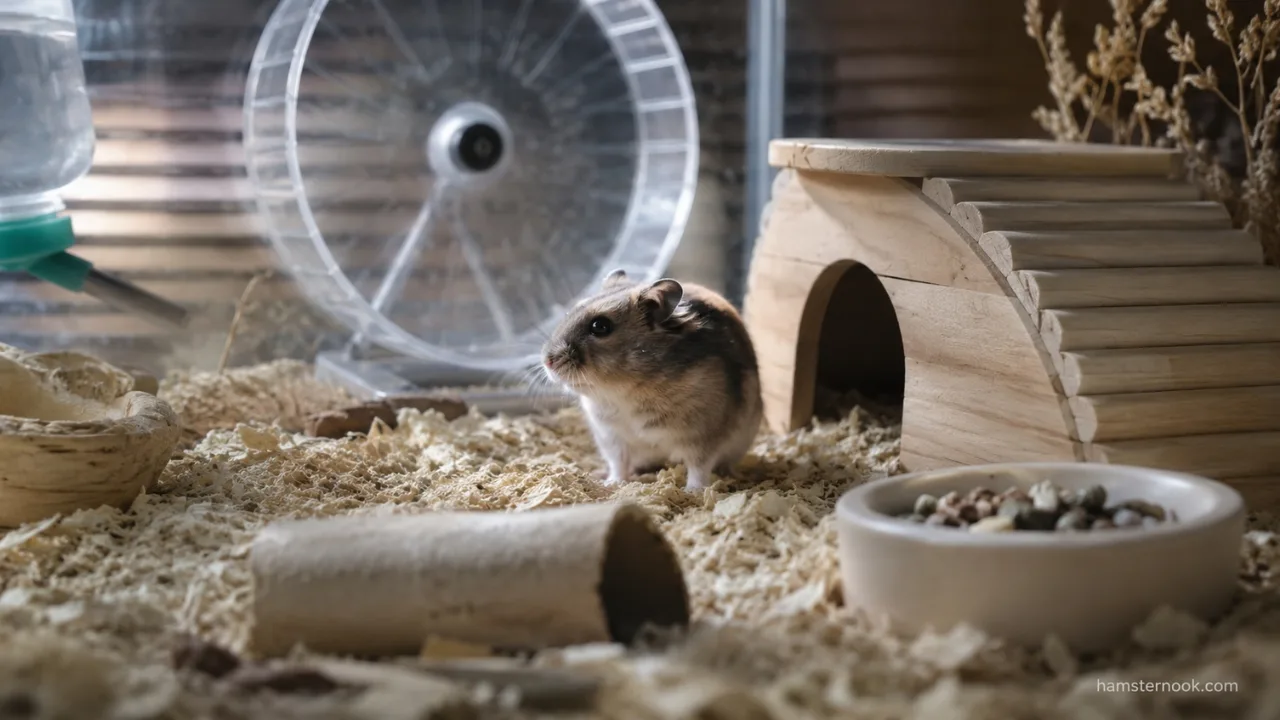
Wild hamsters evolved to avoid the hottest and brightest parts of the day.
Low-light periods provide cooler temperatures and may reduce exposure to predators. Although pet hamsters live in a safe home environment, these natural instincts remain.
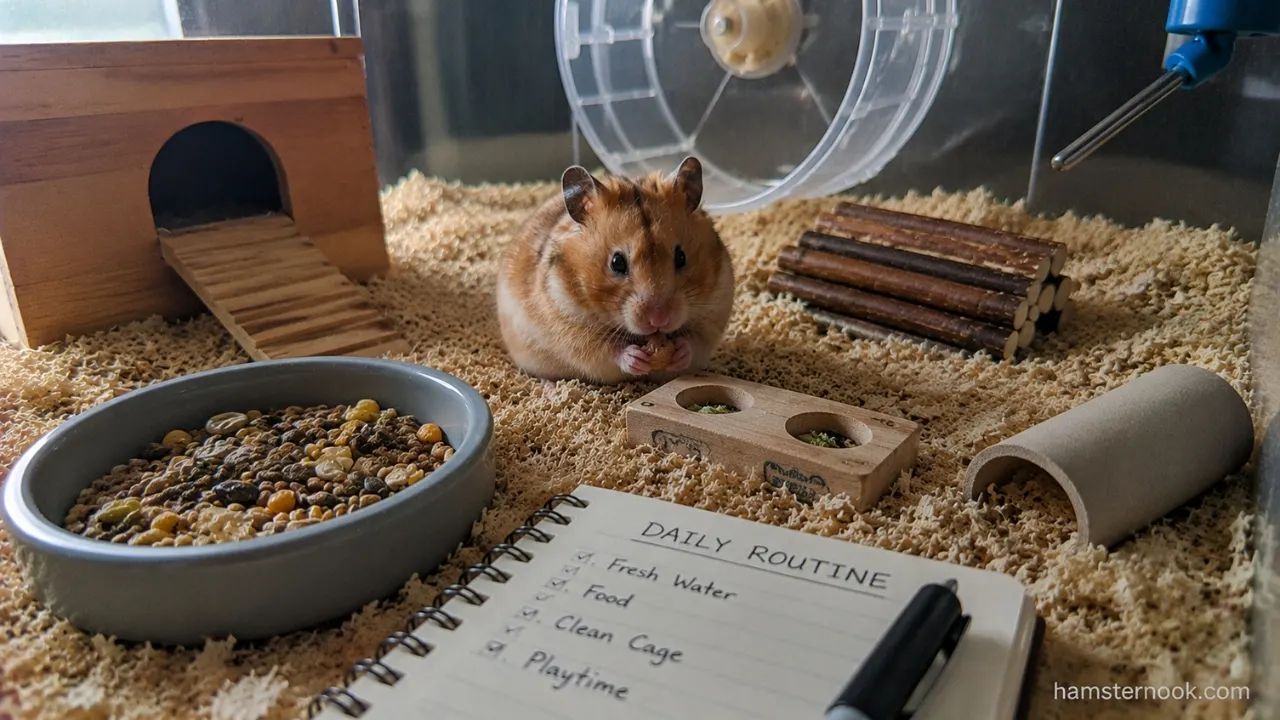
As a result, your hamster may naturally wake up before sunrise to:
- Search for food
- Explore its enclosure
- Exercise on the wheel
- Rearrange bedding
- Groom itself
- Check familiar scent trails
Not every hamster follows exactly the same schedule, but activity around dawn is considered normal for many individuals.
Some hamsters may be active for only a short period around sunrise before returning to their nest, while others remain awake longer. Both patterns can be completely normal if your hamster continues eating, exercising, and behaving as usual.
If you’d like to understand your hamster’s natural sleep cycle in more detail, Are Hamsters Nocturnal? Their Natural Sleep Schedule Explained explains how hamster activity differs from true nocturnal animals.
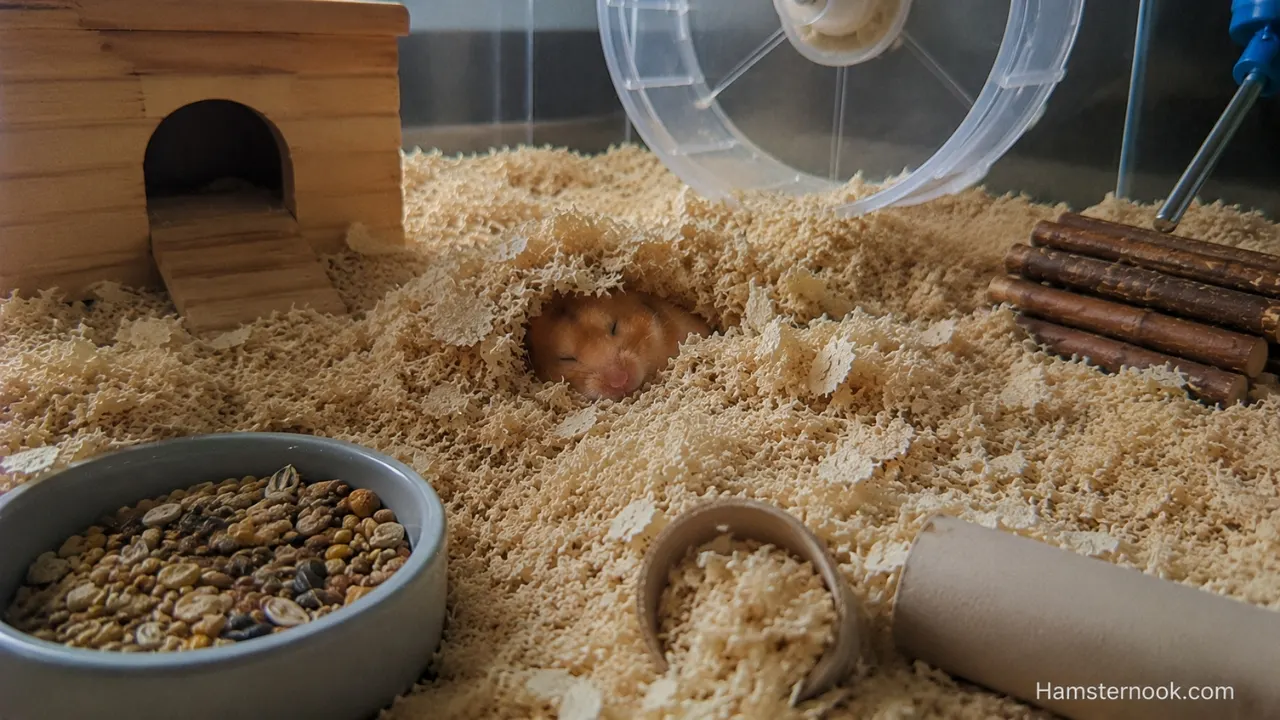
Is Dawn Activity Normal?
For most healthy hamsters, yes.
Some owners assume their hamster should sleep continuously until evening, but daily activity patterns vary between individual hamsters.
Factors that influence activity include:
| Factor | How It May Affect Dawn Activity |
|---|---|
| Individual differences | Some hamsters naturally become active earlier than others. |
| Age | Activity levels can change as a hamster matures or grows older. |
| Household routine | Quieter early mornings may encourage a hamster to explore. |
| Lighting | Changes in the light-dark cycle may influence activity timing. |
| Enclosure environment | Bedding, hideouts, and enrichment provide opportunities for natural activity. |
The most helpful approach is to look at your hamster’s overall health and daily behavior rather than concentrating on the exact hour it wakes up.
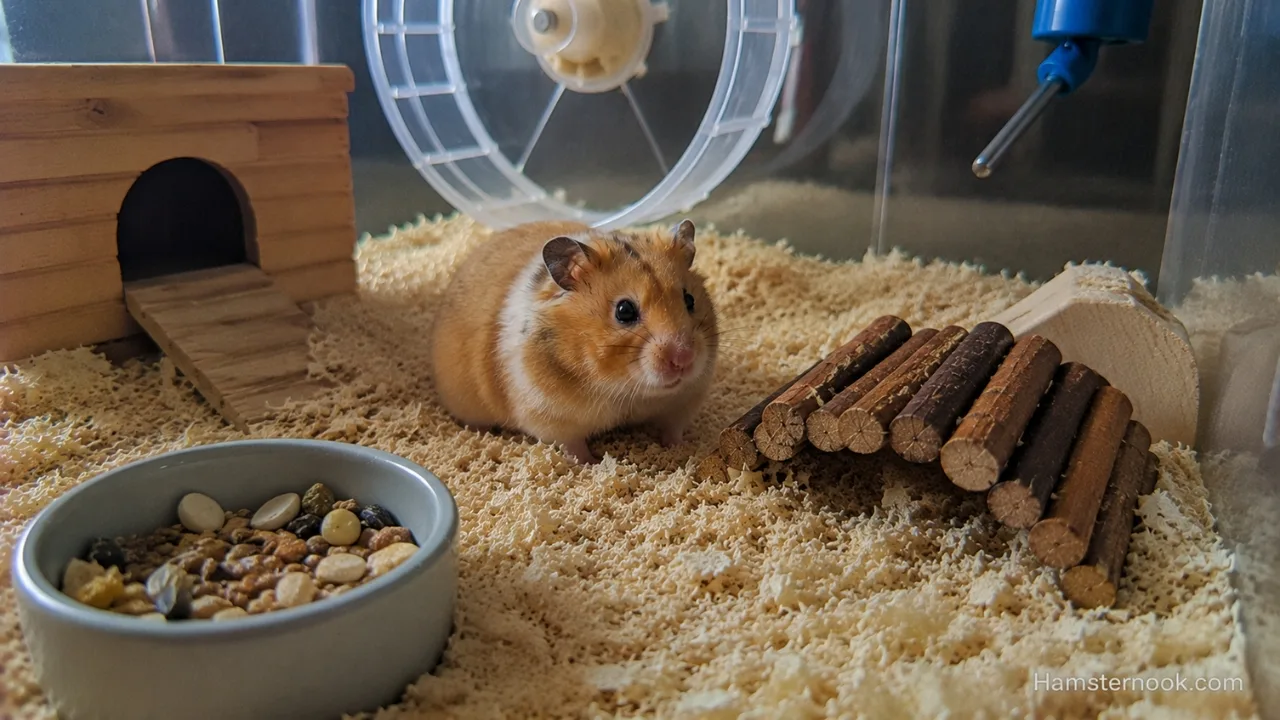
Common Reasons Your Hamster Is More Active at Dawn
1. It’s Following Its Natural Biological Rhythm
One of the simplest explanations is also the most common.
Many hamsters naturally wake before sunrise, spend time exploring, then return to sleep later in the morning.
This pattern is considered normal for many healthy hamsters and usually doesn’t require any changes to their daily care.
2. Your Home Is Quieter
Some hamsters wait until the environment becomes calm before becoming active.

Early morning often means:
- Less household movement
- Fewer loud noises
- Reduced vibrations
- Lower activity from other pets
These quieter conditions may encourage your hamster to leave its hideout and explore.
3. Your Hamster Is Checking Food Stores
Hamsters naturally collect and store food in different parts of their enclosure.
After waking, they may visit these food caches, move stored food, or collect fresh food from the bowl before returning to their nest.
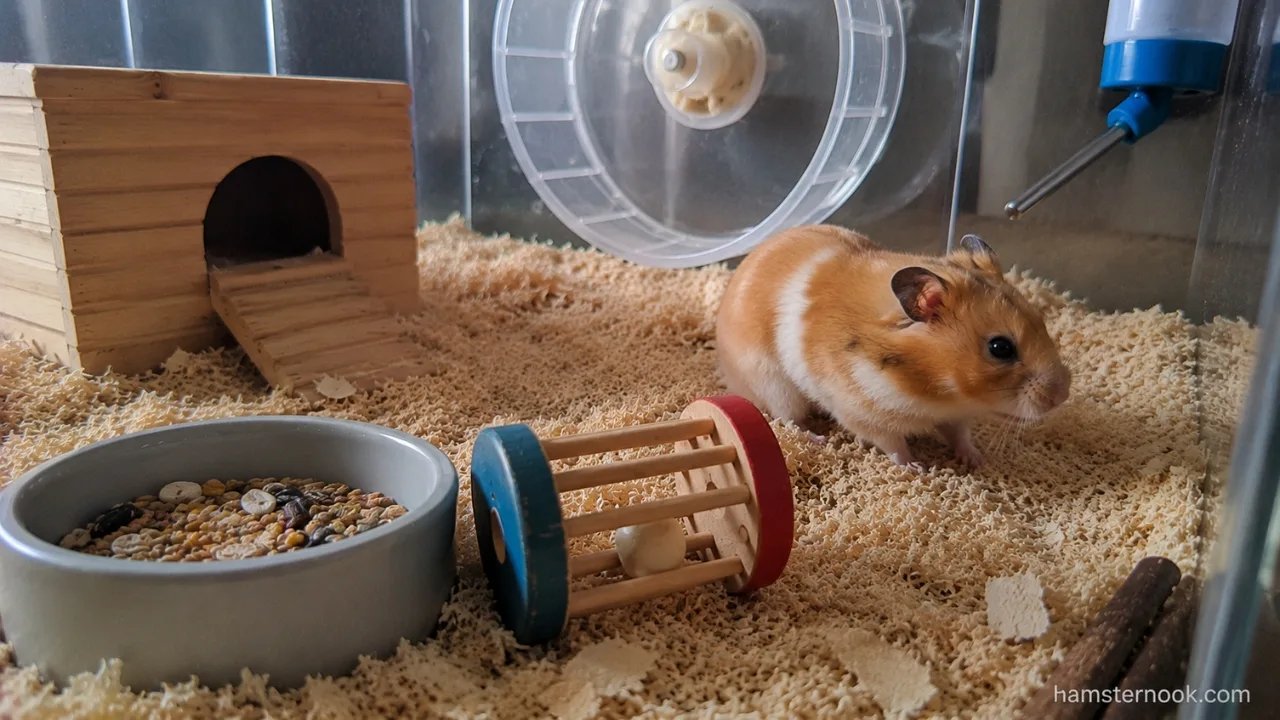
This is a normal instinct rather than a sign of hunger.
If you’re interested in understanding food-hoarding behavior, Why Does My Hamster Keep Hiding Food? Explained Simply explains why hamsters build food stores and when it’s considered completely normal.
4. They’re Getting Exercise Before Resting Again
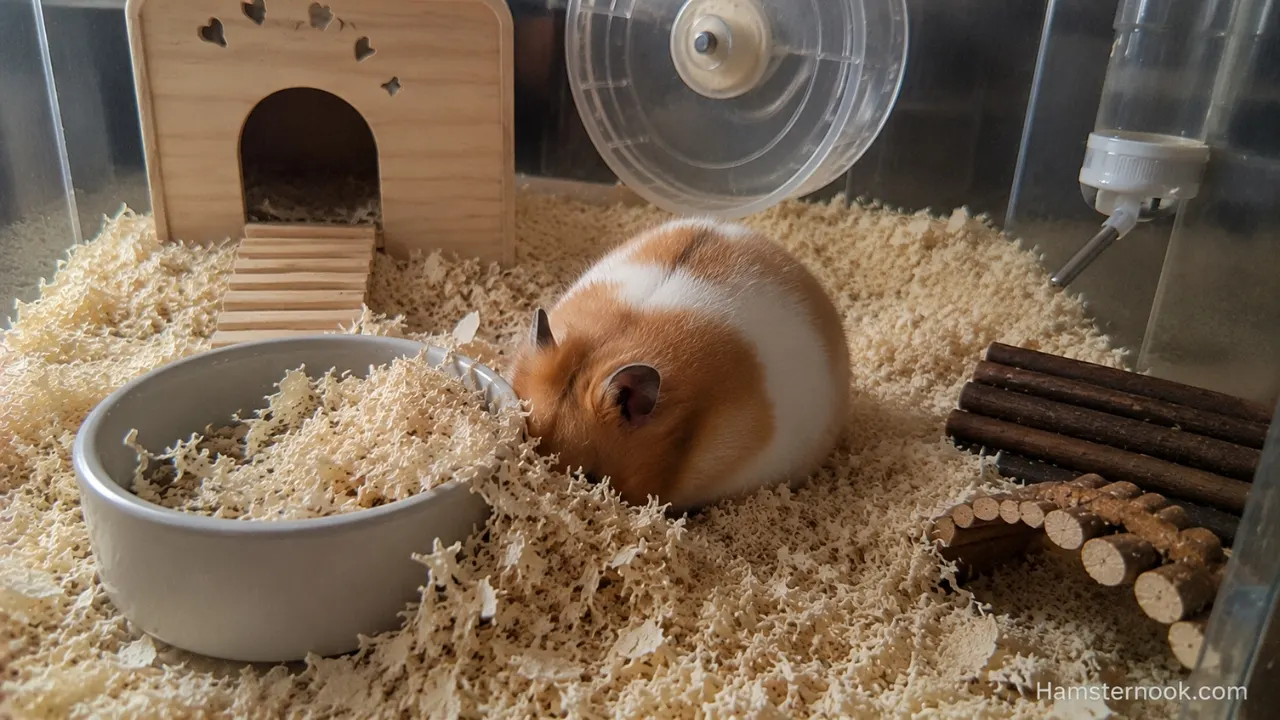
Some hamsters spend part of the early morning running on their wheel before returning to sleep.
Long wheel sessions by themselves are not necessarily unusual.
Instead, consider whether your hamster also:
- Eats normally
- Uses hideouts
- Grooms regularly
- Explores different areas of the enclosure
These are all signs of healthy activity.
To understand whether your hamster’s overall activity level is typical, our How Active Should a Healthy Hamster Be at Night? guide explains normal nighttime behavior and signs that may need attention.
For a closer look at wheel-running habits, Why Is My Hamster Running on the Wheel So Much? What’s Normal and When to Worry explains when frequent wheel use is expected and when it deserves closer attention.

5. Seasonal Changes Can Slightly Shift Activity
Changes in natural daylight entering your home may slightly influence when your hamster wakes up.
For example, longer summer mornings or darker winter mornings can sometimes shift activity earlier or later.
However, individual personality and household routine usually have a greater influence than the season alone.
Keeping the enclosure in a location with a consistent day-night cycle helps support your hamster’s natural activity pattern without needing to adjust lighting artificially. Our Do Hamsters Need Light? Daylight, Darkness & Night Lights Explained guide covers how normal light and darkness affect a hamster’s daily routine.
Should You Change Your Hamster’s Routine?
Usually not.
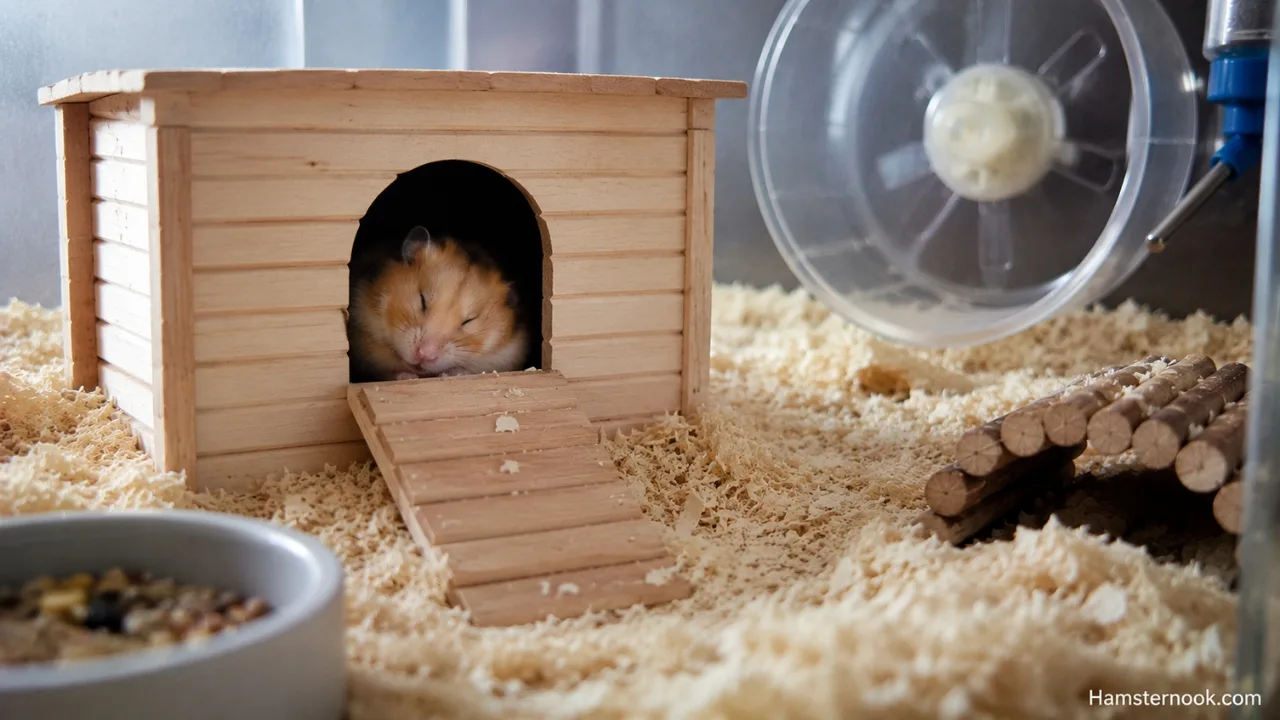
If your hamster is healthy and simply chooses to be active around dawn, there’s rarely a reason to interfere.
Instead of trying to keep your hamster awake later or wake it earlier, allow it to follow its own natural schedule.
Consistent feeding times, regular cage maintenance, and avoiding unnecessary disturbances during sleeping hours help support healthy daily habits.

If you want to better understand how your hamster communicates through its everyday behavior, Hamster Body Language Explained: Signs of Stress, Fear, Happiness & Trust provides additional insight into what different behaviors may mean.
Could Increased Dawn Activity Ever Be a Problem?
In most cases, no.
A hamster that becomes more active around dawn is usually following its normal daily rhythm.
However, it’s worth paying closer attention if the increase in activity is accompanied by other unusual changes.
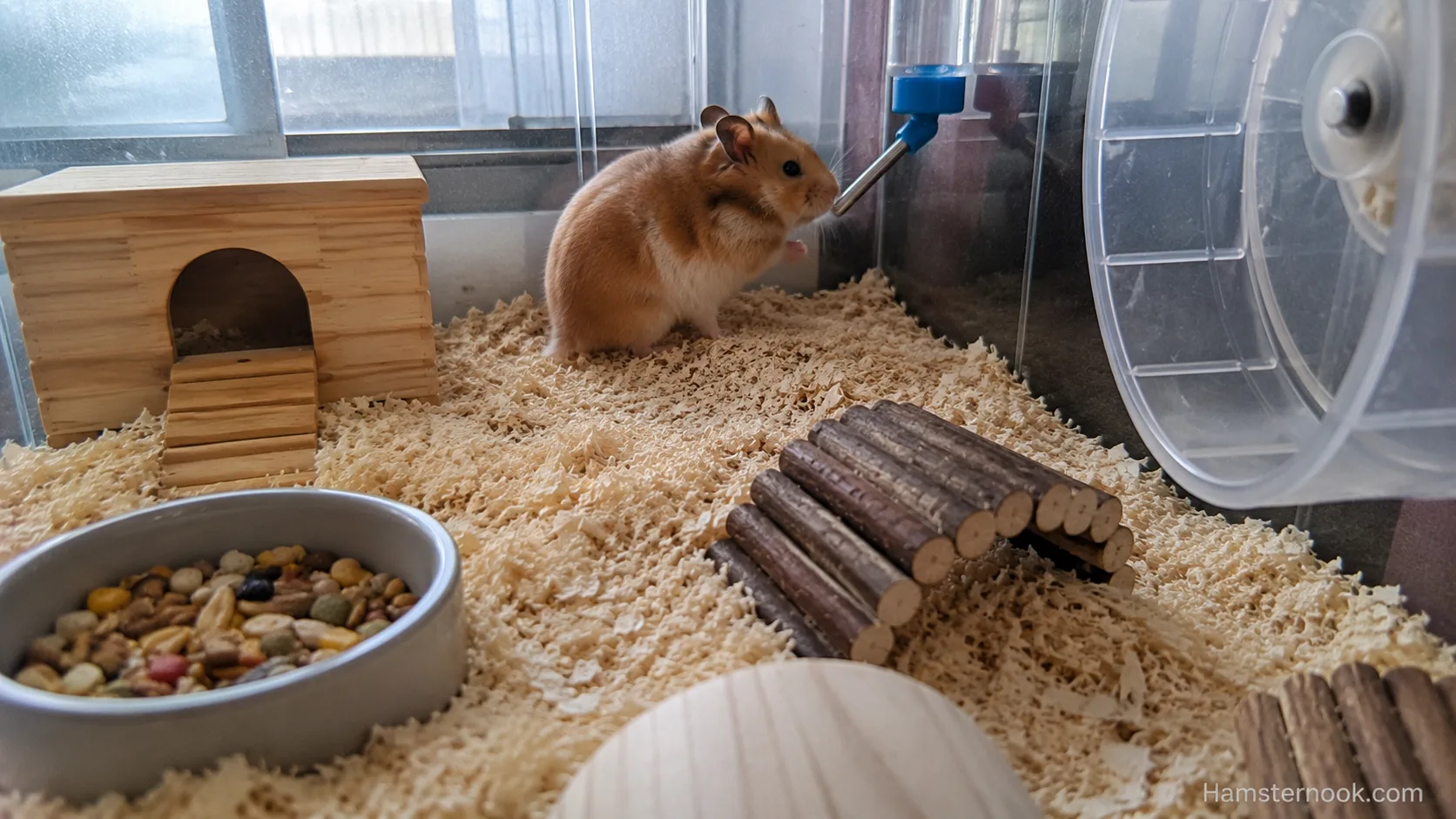
Watch for signs such as:
- Refusing food
- Noticeable weight loss
- Difficulty moving
- Constant pacing without exploring
- Persistent restlessness throughout the entire day
- Changes in breathing
- Hair loss or skin problems
- Sudden aggression that is unusual for your hamster
These signs are more important than the timing of the activity itself.
How to Check a Sudden Change in Dawn Activity
If your hamster has only recently started waking earlier, consider what else may have changed:
- Lighting: Has the room started getting brighter earlier, or has its usual light-dark cycle changed?
- Household activity: Is the room quieter or busier around sunrise than before?
- Enclosure changes: Have you recently moved the enclosure, changed its layout, or introduced new enrichment?
- Overall behavior: Is your hamster still eating, drinking, grooming, moving comfortably, and resting normally?
If dawn activity is the only noticeable difference, observe your hamster without disturbing its sleep. If the change comes with persistent agitation, unusual daytime activity, reduced appetite, weight loss, or other signs of illness, contact a veterinarian experienced with hamsters.

What You Should Do
If your hamster has recently become more active around sunrise, there’s usually no need to change anything.
Instead:
- Continue feeding at a consistent time each day.
- Keep the enclosure clean without removing all familiar scents.
- Provide enough bedding for burrowing.
- Make sure the exercise wheel is the correct size.
- Allow your hamster to sleep undisturbed during the day.
- Observe its overall health rather than focusing only on activity times.
Watching for consistent eating, grooming, and normal movement over several days provides a much clearer picture of your hamster’s well-being than a single change in activity time.
Consistency is often more beneficial than trying to adjust your hamster’s natural schedule.
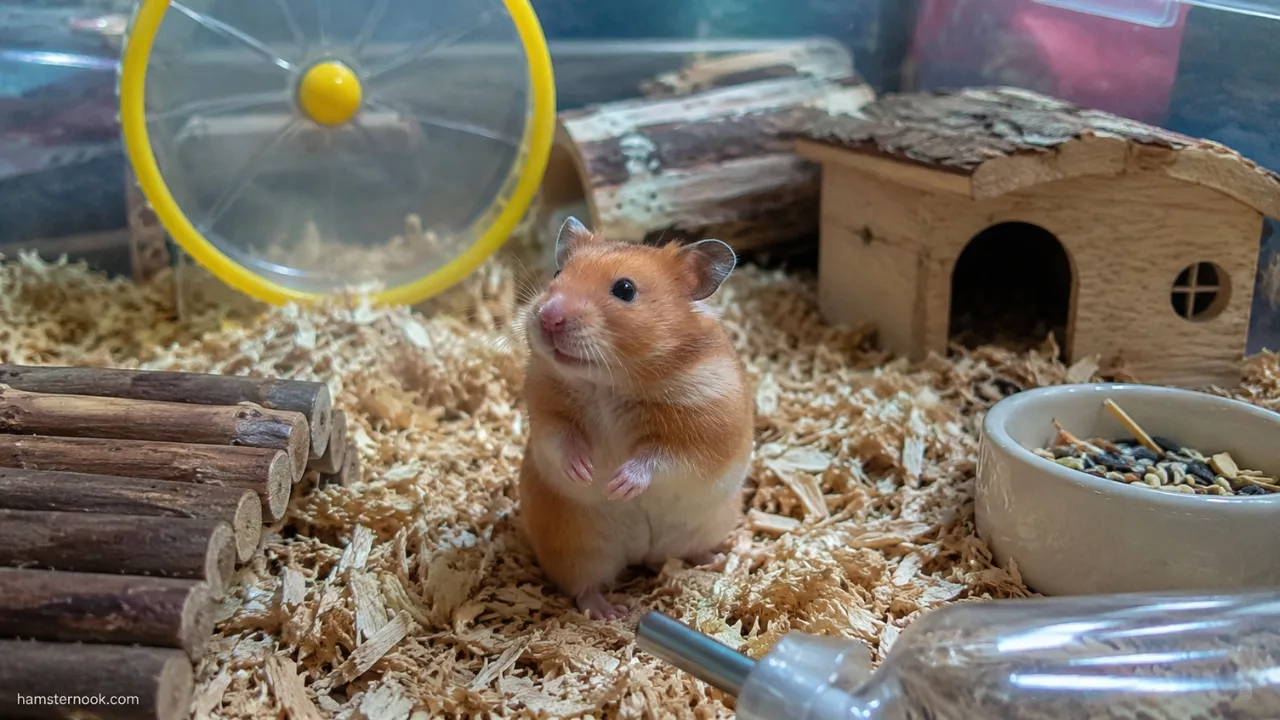
Consistent feeding, cleaning, and interaction times can also make daily activity more predictable; our Do Hamsters Prefer Routine? Why Daily Habits Matter guide explains how stable daily habits can support a hamster’s routine.
Common Mistakes Owners Make
Many owners become concerned simply because their hamster’s schedule changes slightly.
Avoid these common mistakes:
- Waking your hamster during the day to encourage play.
- Assuming early-morning activity automatically means something is wrong.
- Rearranging the enclosure because your hamster seems “too active.”
- Changing feeding times every day.
- Trying to keep lights on longer to alter your hamster’s schedule.
Providing a stable environment and allowing your hamster to follow its natural rhythm is usually the best approach.
When Should You Contact a Veterinarian?
Dawn activity alone is not a reason to visit a veterinarian.
However, veterinary advice is appropriate if the activity change occurs together with:
- Loss of appetite
- Weight loss
- Severe lethargy between active periods
- Difficulty walking
- Persistent scratching
- Swelling or injuries
- Other signs of illness
In these situations, the change in activity is only one part of the overall picture. Contact a veterinarian experienced with hamsters if you notice signs of illness. Breathing difficulties, collapse, severe weakness, or an inability to move normally require urgent veterinary attention rather than waiting to see whether the activity pattern returns to normal.
Conclusion
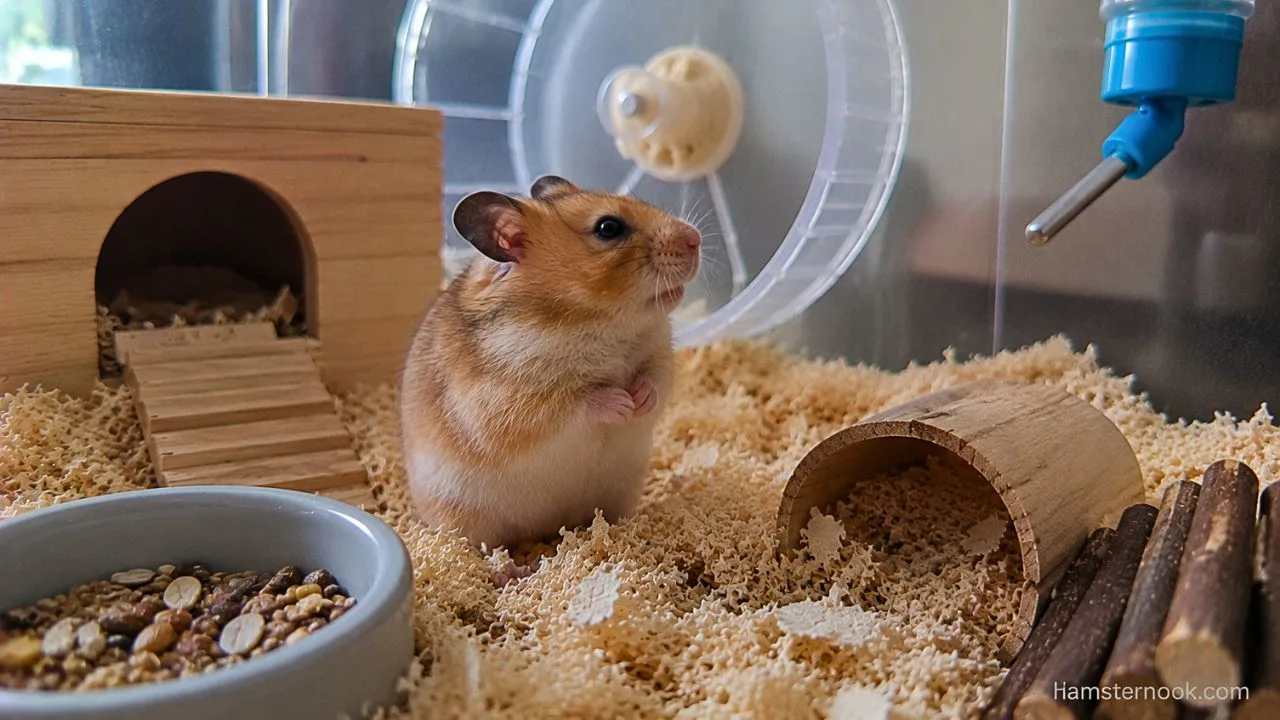
Seeing your hamster become more active at dawn is usually a reflection of its natural instincts rather than a cause for concern. Many hamsters naturally wake during the low-light hours around sunrise to explore, exercise, groom, or check their food stores before returning to sleep.
Rather than trying to change your hamster’s schedule, focus on providing a consistent routine, a comfortable enclosure, and opportunities to express natural behaviors. Looking at your hamster’s overall health, appetite, and behavior is far more useful than focusing on the exact time it becomes active.
Frequently Asked Questions
Is it normal for my hamster to wake up before sunrise?
Yes. Many hamsters are naturally most active during the low-light periods around dawn and dusk.
Why is my hamster suddenly running on its wheel early in the morning?
Wheel running at dawn is often part of a hamster’s normal activity cycle, provided it is eating well and behaving normally.
Should I try to change my hamster’s sleep schedule?
No. It’s generally best to let your hamster follow its natural rhythm while maintaining consistent feeding and care routines.
Can seasonal daylight affect my hamster’s activity?
Seasonal changes in daylight may slightly influence when some hamsters become active, although personality and household routine often have a greater effect.
When should I worry about changes in my hamster’s activity?
Seek veterinary advice if increased activity is accompanied by symptoms such as weight loss, poor appetite, difficulty moving, breathing problems, or other signs of illness.
References
This guide is informed by established hamster welfare guidance on natural activity patterns, predictable lighting, undisturbed sleep, appropriate enrichment, and recognizing possible signs of illness.
- RSPCA – Understanding Hamster Behaviour
- RSPCA – Hamster Health and Welfare
- RSPCA – Creating a Good Home for Hamsters

Narayan Kumar is the founder and author of HamsterNook. He creates practical, research-based hamster care guides covering hamster behavior, nutrition, cage setup, enrichment, health, and everyday care. His goal is to help hamster owners make informed decisions and provide safer, healthier lives for their pets through clear, beginner-friendly information based on trusted animal care resources.