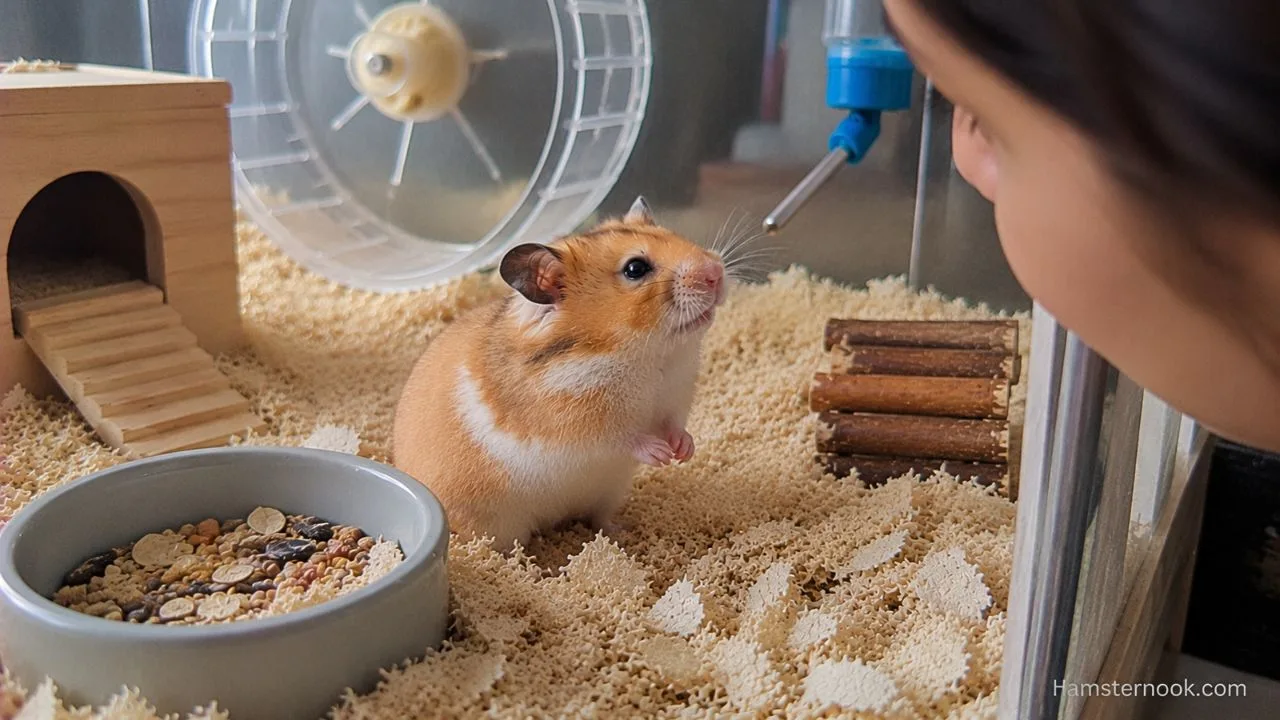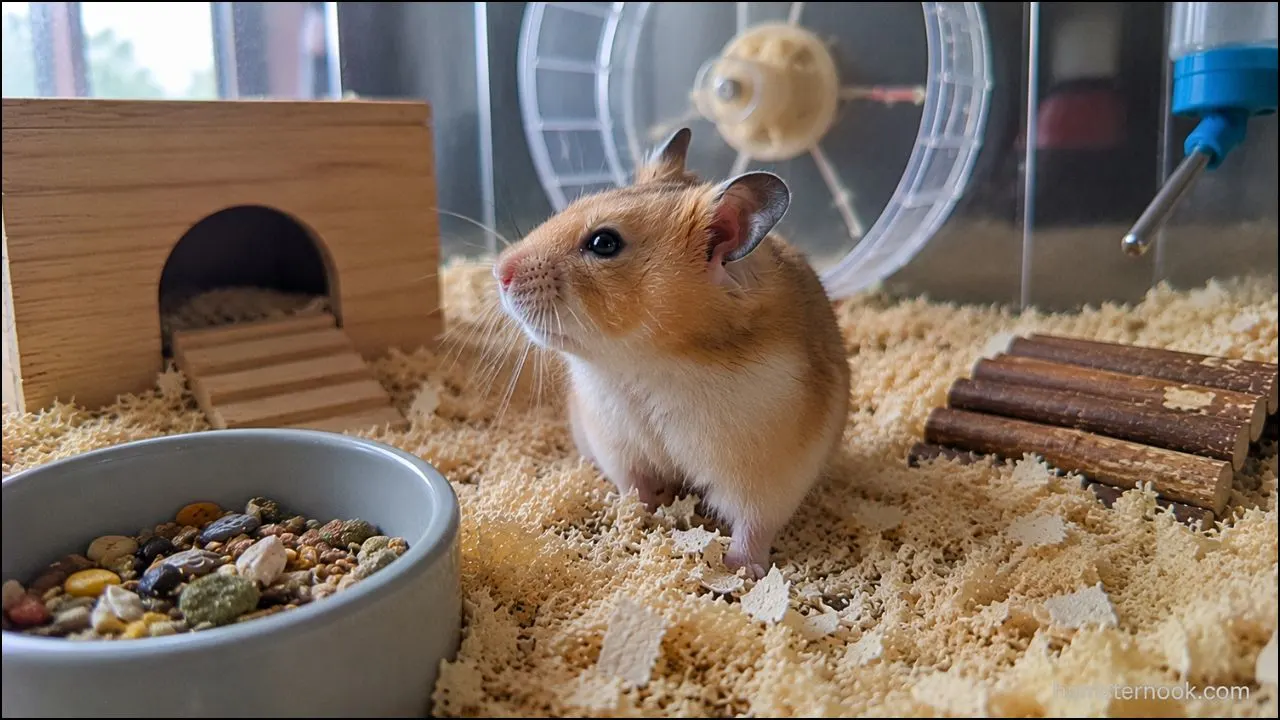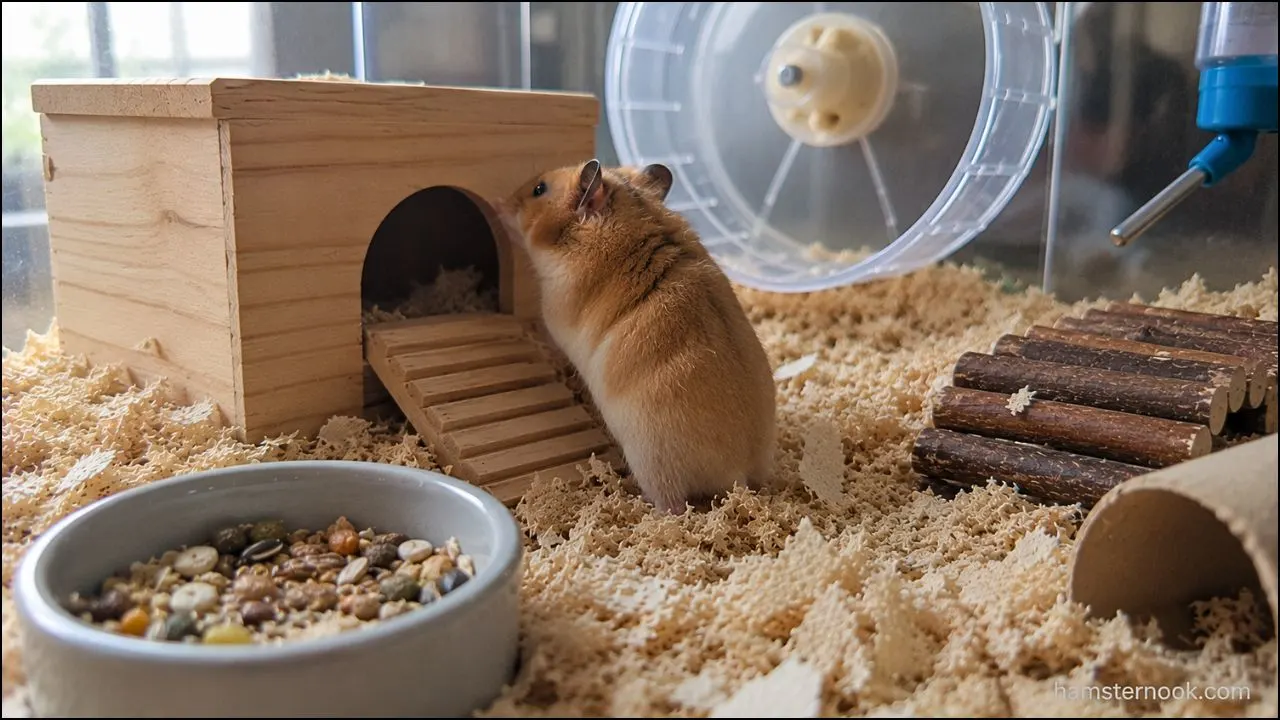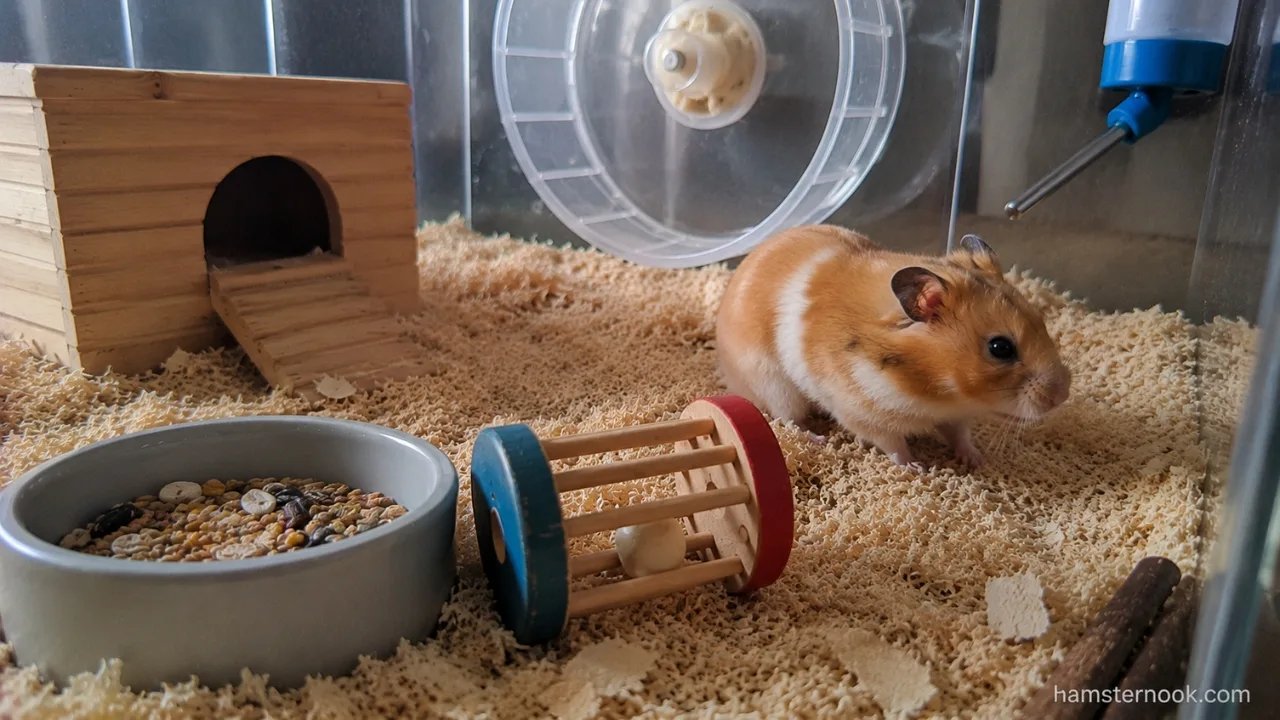
You finally buy your hamster a new toy, place it in the enclosure, and wait for it to start exploring. Instead, your hamster sniffs it briefly—or ignores it completely. While this can be disappointing, it’s usually a normal response to something unfamiliar rather than a sign that your hamster dislikes the toy.
Understanding how hamsters explore unfamiliar objects can help you introduce enrichment in a way that feels safe and natural.
Quick Answer
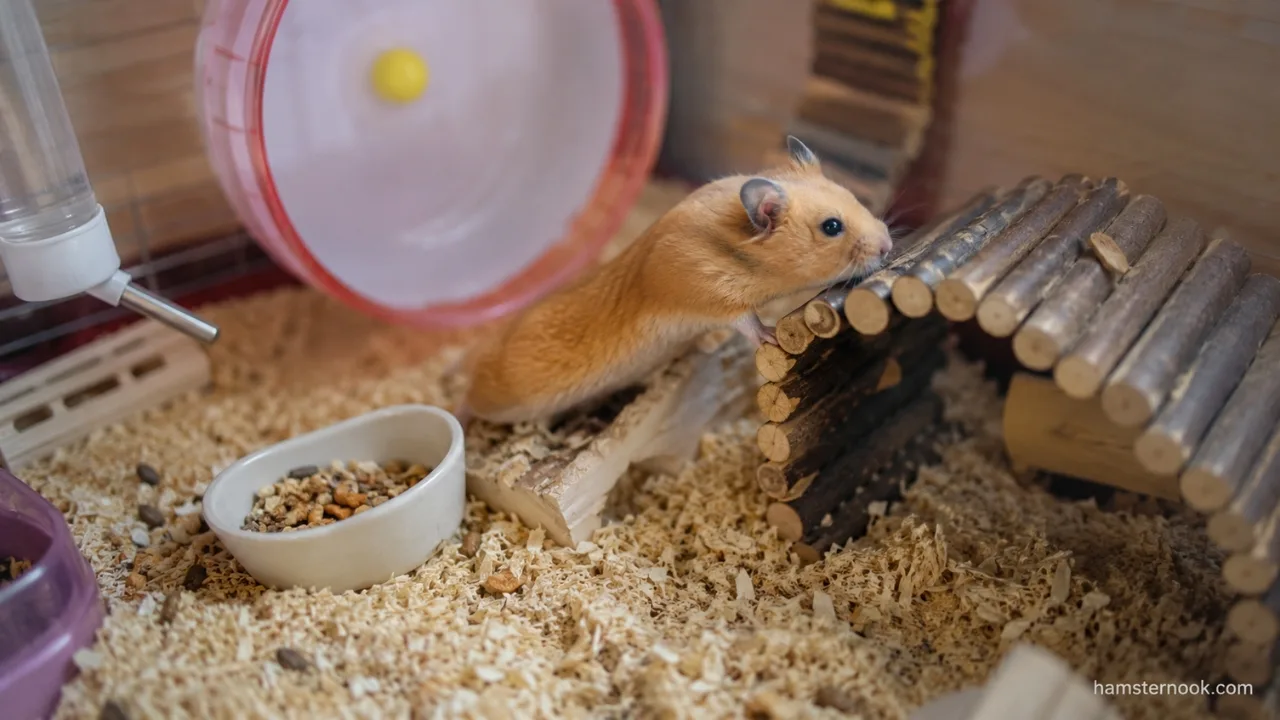
Yes, it’s normal for many hamsters to ignore a new toy at first. Hamsters are naturally cautious animals and often investigate unfamiliar objects slowly using their sense of smell before deciding whether to interact with them. Some hamsters investigate a new toy quickly, while others may ignore it for a while before deciding whether it belongs in their environment. There is no fixed amount of time that every hamster needs.
If your hamster remains active, eats normally, and shows interest in other parts of the enclosure, there’s usually no reason to worry.
If you’re new to hamster ownership, Complete Hamster Care Guide for Beginners (2026) provides a strong foundation for understanding natural hamster behavior and everyday care.
Why Don’t Hamsters Always Play With New Toys?
Unlike many pets, hamsters don’t immediately recognize every new object as something meant for play.
In the wild, unfamiliar items could represent potential danger. Because of this, many hamsters prefer to observe and investigate before interacting.
Some hamsters may:

- Sniff the toy several times.
- Walk around it cautiously.
- Ignore it for a day or two.
- Begin using it later when they feel comfortable.
Patience is usually more effective than repeatedly moving, replacing, or introducing new toys before your hamster has had time to adjust.
If your hamster is generally cautious around you as well as new enrichment, 10 Signs Your Hamster Trusts You can help you recognize gradual signs of growing confidence.
Normal Caution vs. Possible Problem
| Behavior | Usually Normal? | What to Do |
|---|---|---|
| Sniffs a new toy and walks away | Yes | Let your hamster investigate at its own pace. |
| Ignores a new toy for several days | Usually | Check that the toy is safe and leave familiar enrichment available. |
| Uses other enrichment and behaves normally | Usually | Try a different safe activity if the toy does not suit its preferences. |
| Stops exploring or becomes unusually inactive | Not necessarily | Look for other changes in appetite, drinking, movement, or appearance; contact a veterinarian if these changes are concerning. |
| Shows reduced appetite, weight loss, or other signs of illness | Needs attention | Seek veterinary advice rather than assuming the cause is boredom or the new toy. |
Looking at your hamster’s overall behavior is much more helpful than focusing on one toy.
Common Reasons Your Hamster Ignores New Toys
1. The Toy Is Unfamiliar
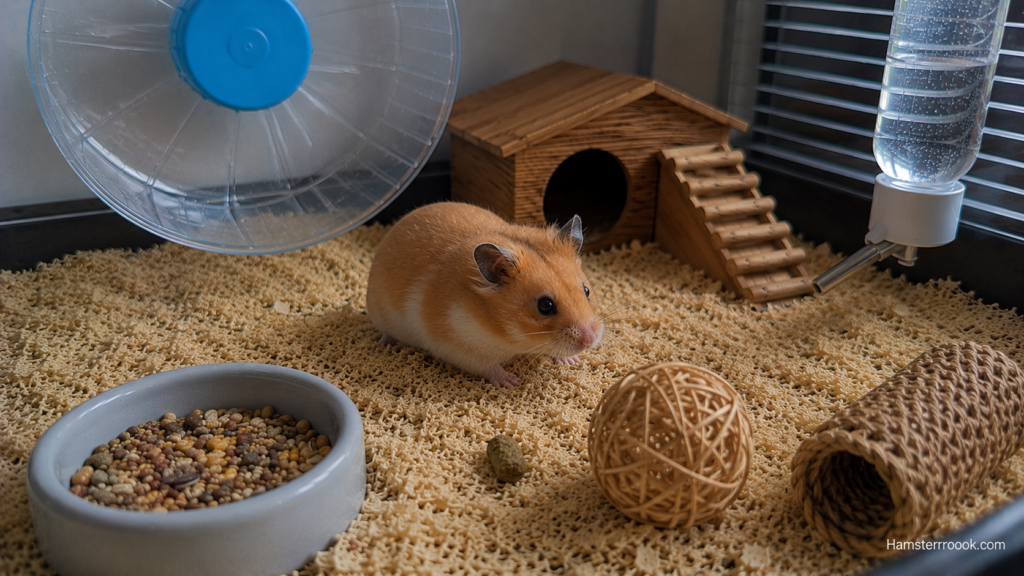
Hamsters rely heavily on familiar scents.
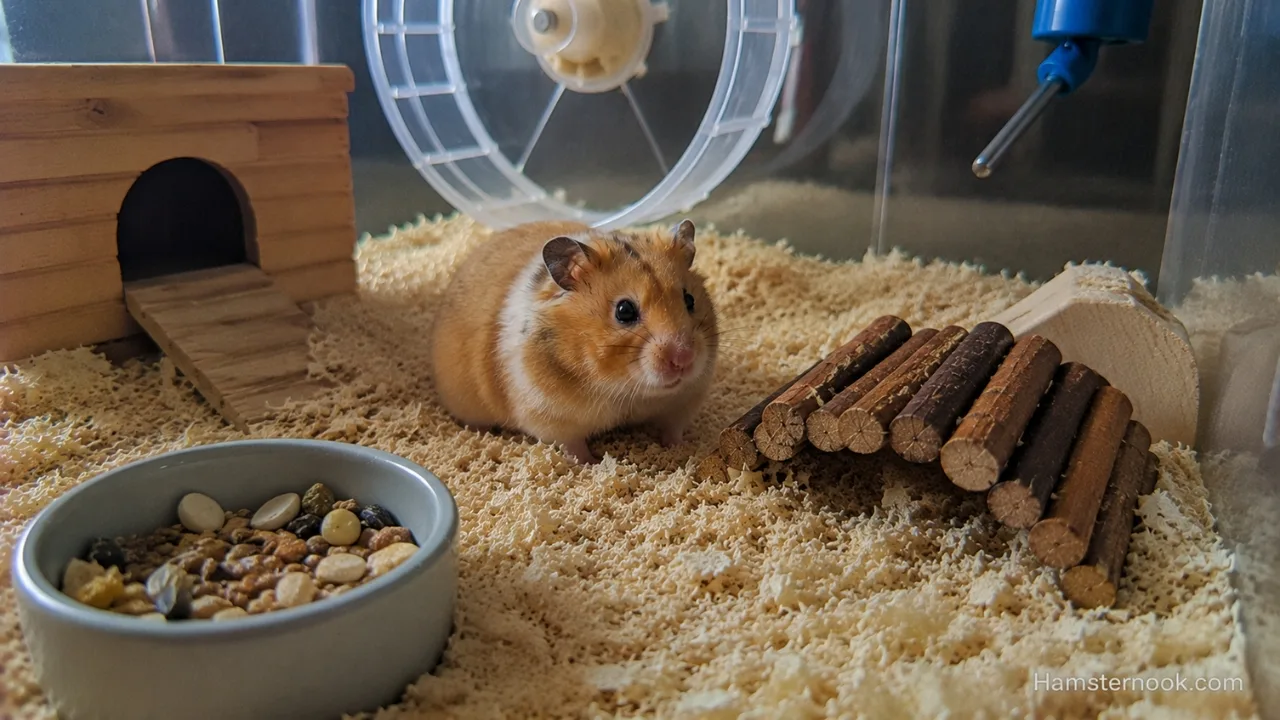
A brand-new toy smells different from everything else in the enclosure, so your hamster may simply need time to investigate it.
Avoid forcing interaction by placing your hamster directly onto the toy.
Allow your pet to approach it naturally.
Leaving a new toy in the enclosure without moving it around too often allows it to pick up familiar scents from the habitat, which may help cautious hamsters become more comfortable investigating it.
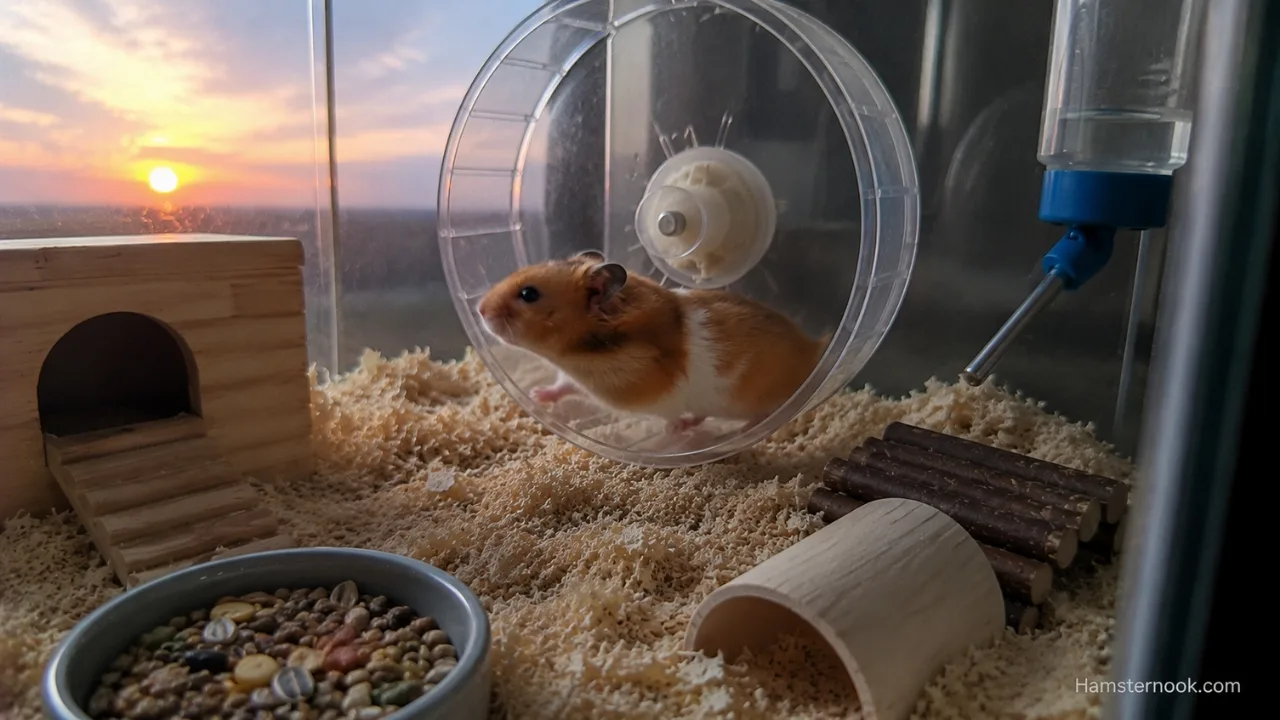
2. Your Hamster Prefers Different Types of Enrichment
Not every hamster enjoys the same activities.
Some enjoy chewing.
Others spend most of their time digging, climbing, or foraging.
A hamster that ignores one toy may enthusiastically use another type of enrichment.
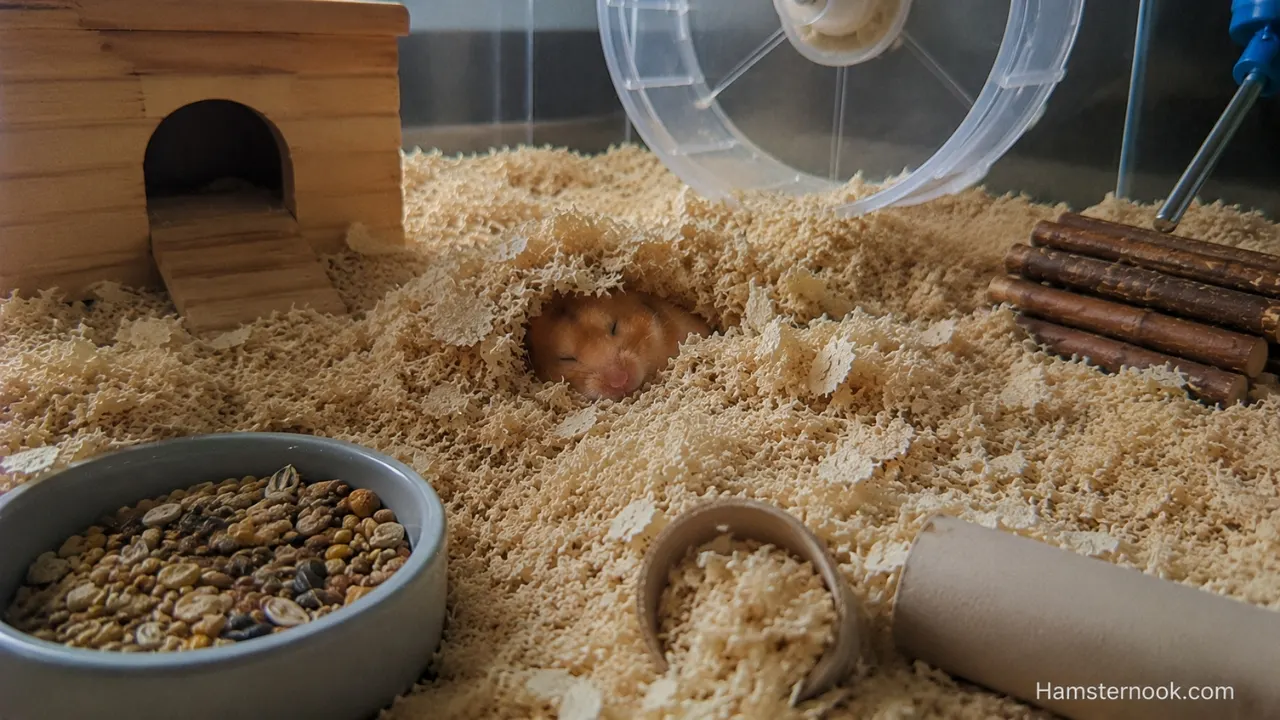
If you’d like more ideas, Fun Ways to Keep Your Hamster Mentally Stimulated: 15 Easy Activities to Prevent Boredom and Keep Them Happy explores a variety of enrichment options that encourage natural behaviors.
3. The Toy Doesn’t Match Natural Behaviors
Hamsters are far more likely to use enrichment that supports the behaviors they naturally perform every day.
Examples include:
- Digging
- Burrowing
- Foraging
- Chewing
- Exploring
- Climbing appropriate structures
Decorative accessories may look attractive to owners but provide little value from the hamster’s perspective.

4. Your Hamster Is Already Comfortable With Its Routine
Hamsters often establish favorite paths, tunnels, sleeping areas, and hiding places.
Adding something completely new changes that familiar environment.
Rather than immediately playing with the new object, your hamster may spend time deciding whether it fits safely into its territory.
This cautious approach is completely normal.

If you’d like to understand how hamsters respond to environmental changes, Do Hamsters Get Bored? 10 Signs Your Hamster Needs More Enrichment explains why enrichment should encourage natural exploration without overwhelming your pet.
5. The Toy Was Introduced Too Quickly
Sometimes owners replace several accessories at once.
When too many unfamiliar objects appear together, a hamster may become more cautious than curious.
Instead, introduce one new enrichment item at a time and leave the rest of the enclosure familiar.
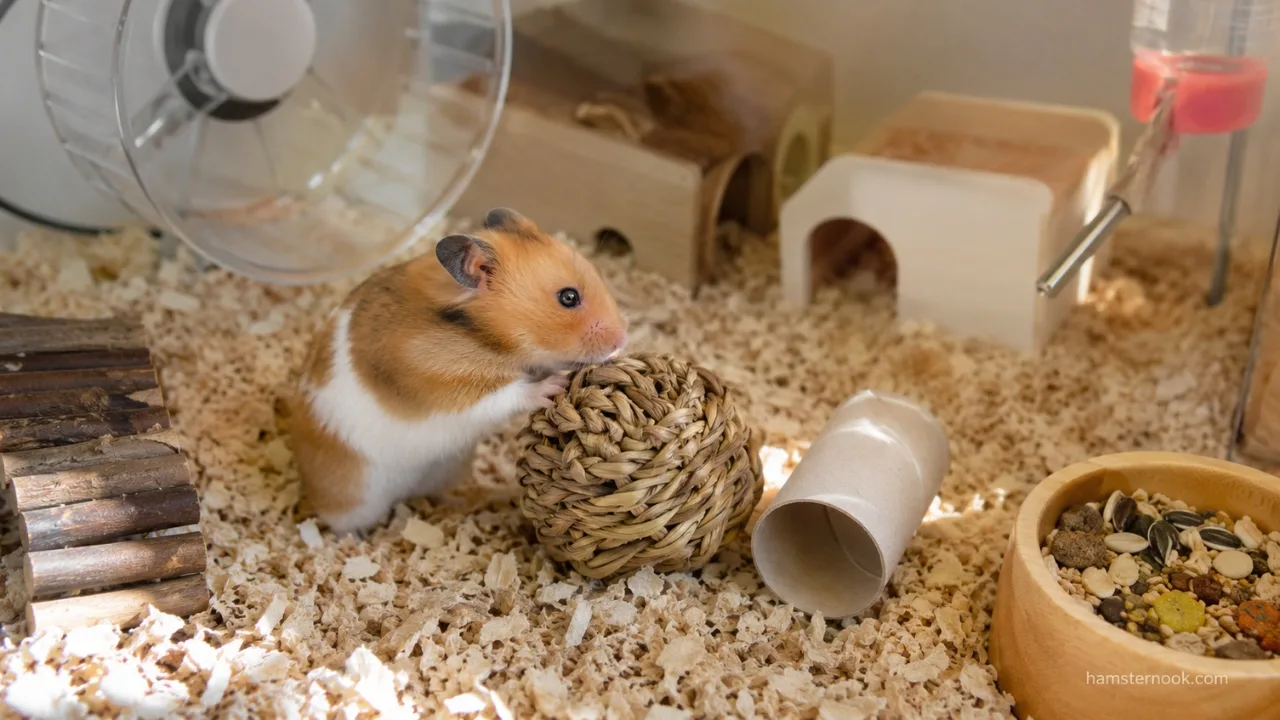
This makes it easier for your hamster to investigate without feeling that its entire environment has changed.
Does Breed or Personality Matter?
Individual personality often influences how quickly a hamster accepts something new. Some hamsters investigate immediately, while others prefer to observe from a hideout before approaching. Age, previous experiences, and confidence can also affect how quickly an individual hamster explores unfamiliar enrichment.
Some hamsters investigate immediately.
Others prefer watching from a hideout before approaching.
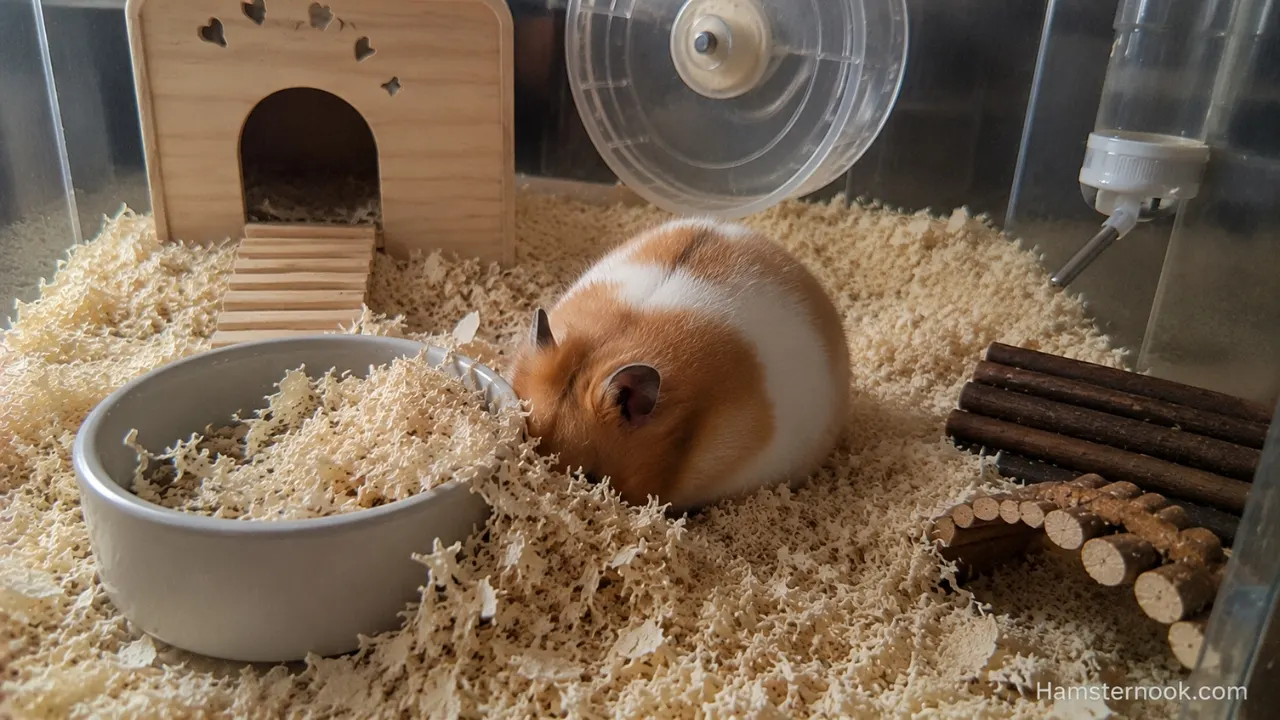
Age, previous experiences, and confidence levels can also affect how quickly a hamster begins using new enrichment.
Young, confident hamsters may investigate sooner, while naturally cautious individuals often need more time before interacting with unfamiliar objects.
A cautious hamster isn’t necessarily unhappy—it may simply be behaving exactly as nature intended.
If your hamster also seems nervous around other changes, Hamster Body Language Explained: Signs of Stress, Fear & Happiness can help you recognize whether your pet is curious, relaxed, or feeling uncertain.
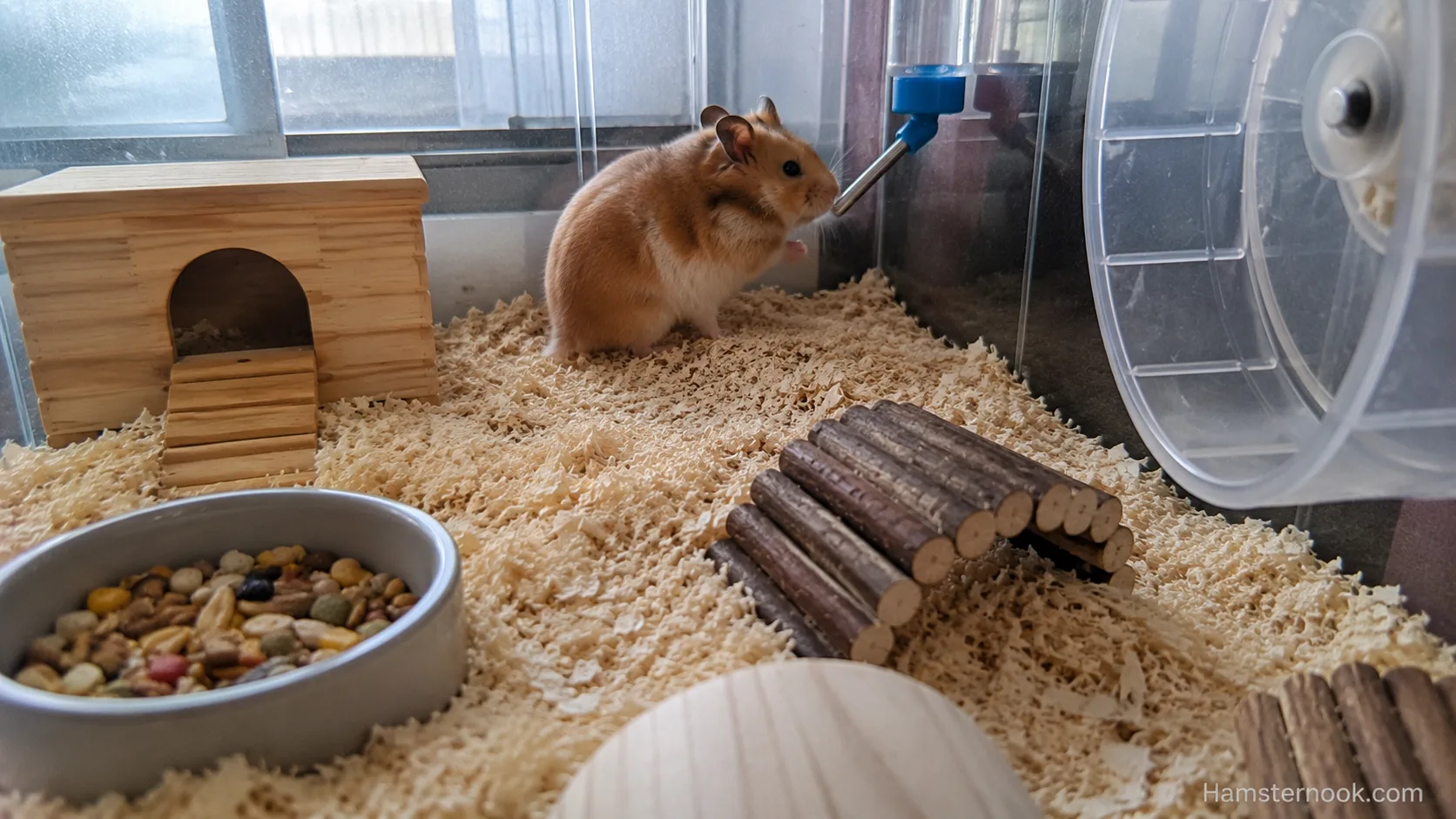
Could the Toy Be Unsuitable?
Not every product marketed for hamsters is equally useful.
A toy may be ignored if it:
- Is too large for your hamster.
- Doesn’t encourage natural behaviors.
- Is placed in an inconvenient location.
- Blocks a favorite tunnel or pathway.
- Has a strong manufacturing odor.
Safe chew items often become more appealing after they’ve been part of the enclosure for a short time.
For owners looking specifically for chewing enrichment, Best Hamster Chew Toys for Healthy Teeth (Prevent Overgrown Teeth) explains what types of chew toys are most suitable.

How to Check a New Toy Before Leaving It in the Cage
Before leaving unfamiliar enrichment in the enclosure, check that it is appropriate for a hamster and does not create a new hazard. Look for secure construction, no exposed sharp edges or loose parts, and materials that are suitable for hamster use. The toy should also leave enough clear space for normal movement and should not block access to food, water, nesting areas, or the hamster’s usual pathways.
If a toy becomes damaged, develops sharp edges, or creates a safety problem, remove it rather than waiting to see whether your hamster starts using it.
How to Encourage Your Hamster to Use New Toys
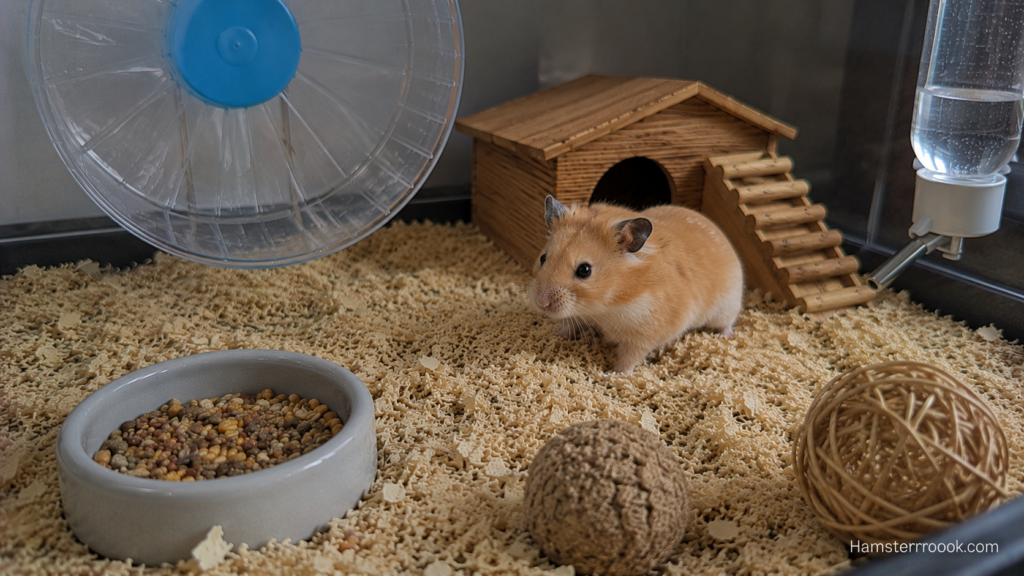
If your hamster ignores a new toy, resist the urge to keep moving it around or placing your hamster directly on top of it.
Instead, let your hamster discover it naturally.
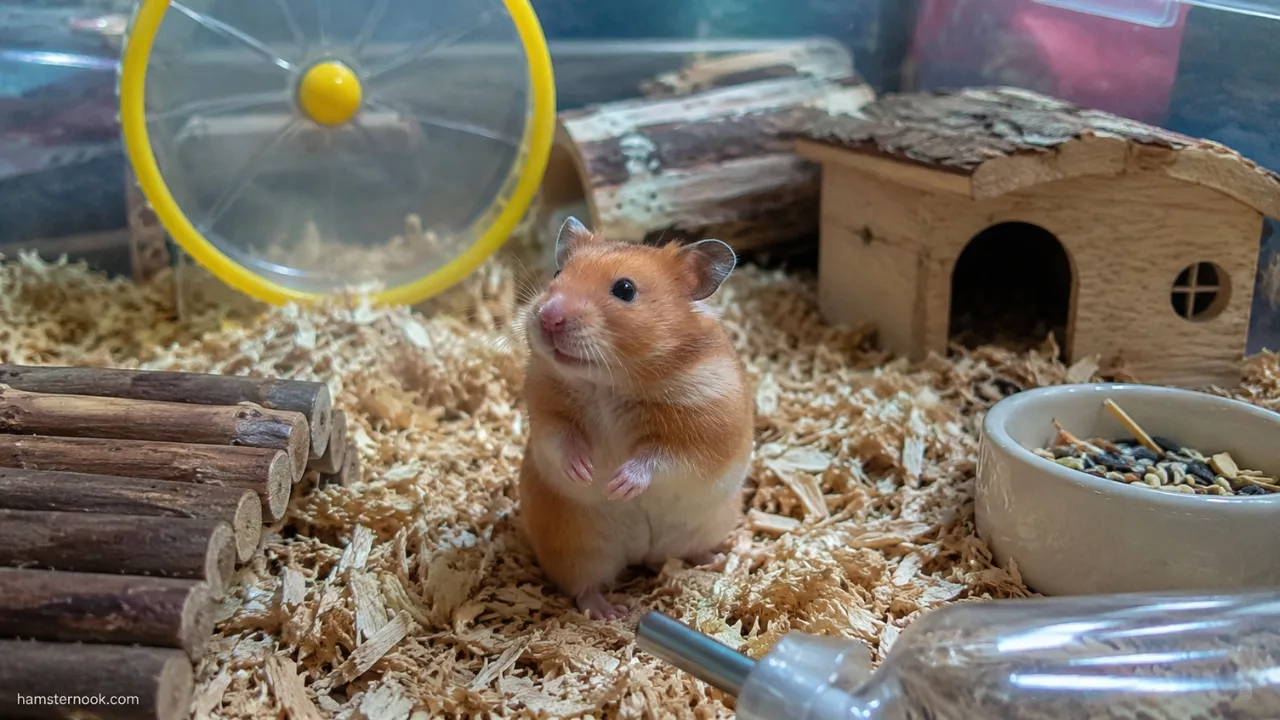
Here are a few simple ways to encourage curiosity:
- Introduce only one new toy at a time.
- Place it near a familiar pathway rather than inside the sleeping area.
- Leave it in the enclosure for several days before deciding your hamster dislikes it.
- Continue providing your hamster’s usual enrichment alongside the new item.
- Observe from a distance instead of interrupting the investigation.
Many hamsters investigate new objects during the quietest hours of the night, so you may not always see them using a toy immediately even if they have already started exploring it.
Remember, curiosity develops at your hamster’s own pace.
Should You Replace an Ignored Toy?
Not immediately.
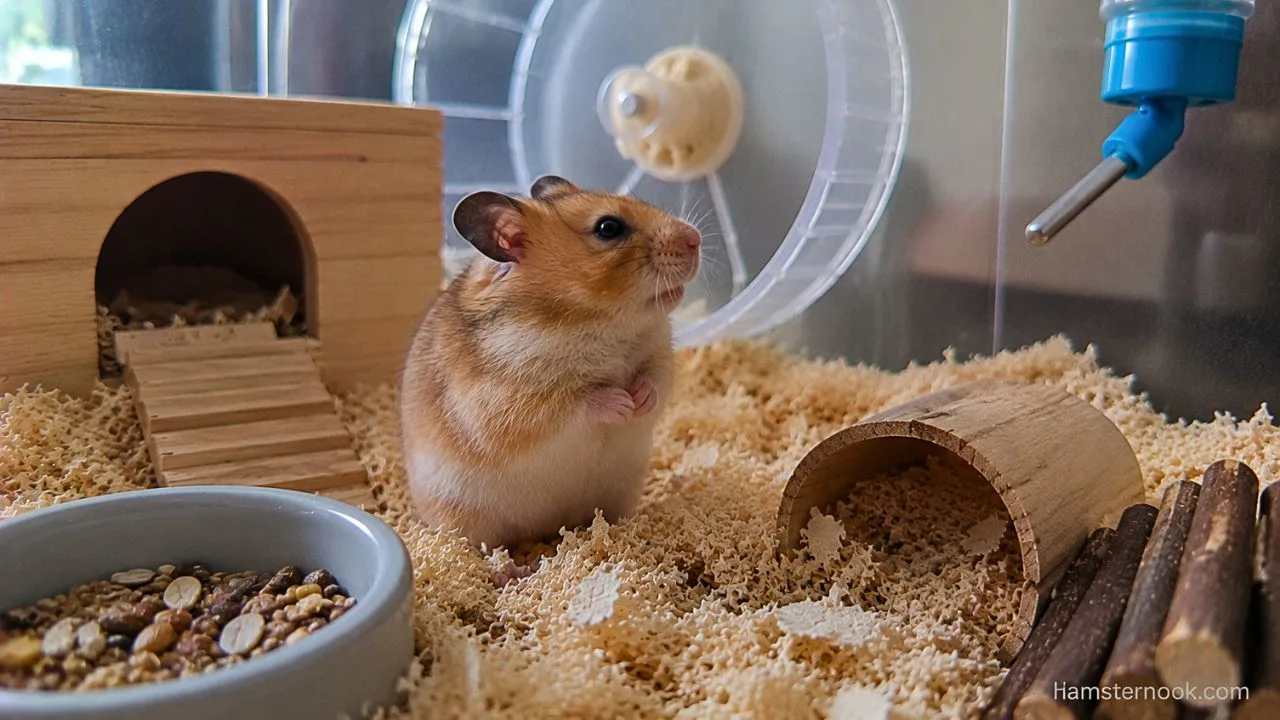
A toy may become more interesting after your hamster has had time to investigate it, but there is no need to keep an ignored item indefinitely. If it remains safe and does not interfere with the enclosure, you can leave it available while offering other types of enrichment as well.
If the toy is safe, appropriately sized, and doesn’t interfere with your hamster’s normal movement, it’s perfectly reasonable to leave it in place while your hamster decides whether to use it.
If the toy continues to be ignored after an extended period, consider whether another type of enrichment would better match your hamster’s natural preferences.
Common Mistakes Owners Make
New hamster owners often assume a toy has failed if their pet doesn’t use it right away.
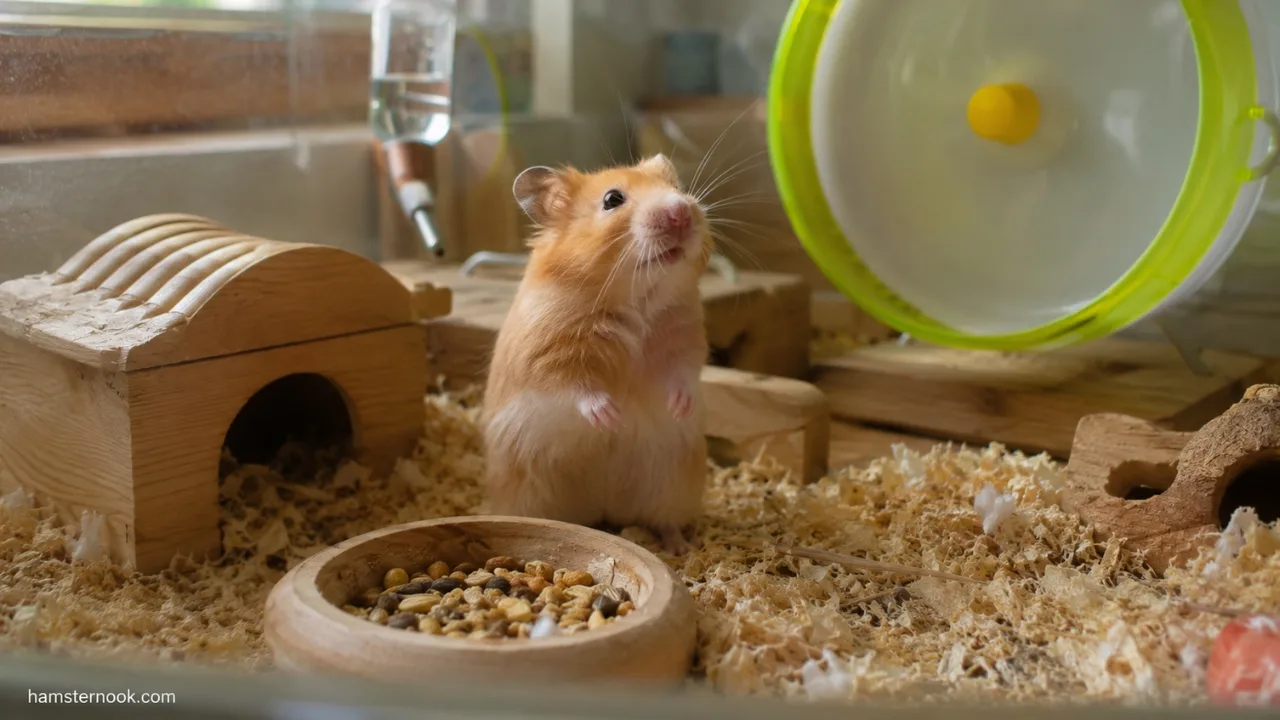
Avoid these common mistakes:
- Introducing several new toys at once.
- Rearranging the entire enclosure every time you buy something new.
- Waking your hamster to show it a toy.
- Removing a toy after only one day.
- Choosing toys based only on appearance instead of function.
- Expecting every hamster to enjoy the same enrichment.
Giving your hamster time to adjust is usually far more effective than repeatedly changing the enclosure or replacing toys.
If you’d like more ideas for creating an engaging habitat, Best Hamster Toys for Mental Stimulation & Exercise explains how different types of enrichment support natural hamster behaviors.
When Should You Be Concerned?
Ignoring a single toy by itself is usually not enough to indicate a health problem. What matters more is whether your hamster has also developed a broader change in normal behavior, appetite, activity, or appearance.
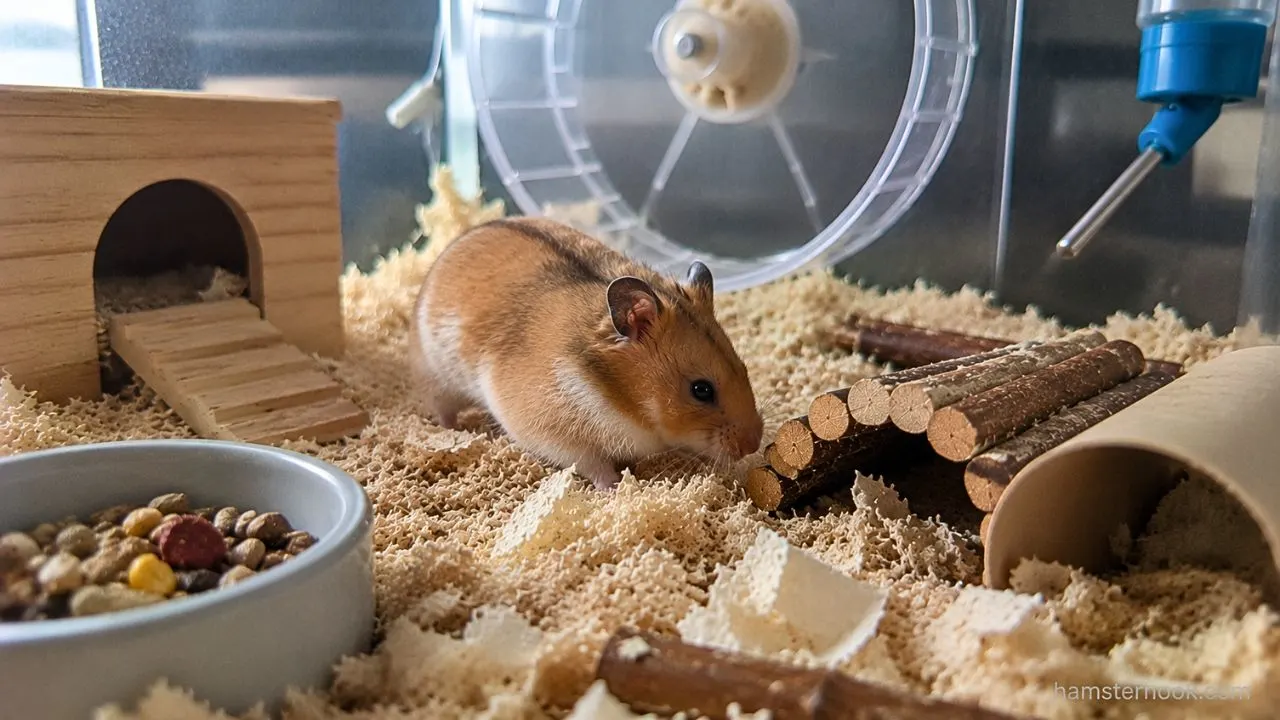
However, you should pay closer attention if your hamster also:
- Stops exploring altogether.
- Eats significantly less than usual.
- Becomes unusually inactive during its normal waking hours.
- Loses weight.
- Shows signs of illness alongside reduced curiosity.
In these situations, the lack of interest is less important than the overall change in behavior.
If your hamster is showing several signs of stress at the same time, Is My Hamster Stressed? 5 Warning Signs & How to Help explains the environmental and behavioral changes owners should watch for.
If several unusual behaviors appear together, an examination by an experienced exotic animal veterinarian is recommended.

What You Should Do
If your hamster ignores a new toy:
- Give your hamster time to investigate naturally.
- Avoid forcing interaction with the toy.
- Introduce one unfamiliar enrichment item at a time.
- Keep the rest of the enclosure familiar.
- Observe overall activity rather than focusing on one accessory.
- Continue offering opportunities to dig, chew, forage, and explore.
Give your hamster time to investigate new enrichment naturally, while continuing to provide familiar activities that it already uses. If overall eating, drinking, movement, and normal activity remain unchanged, ignoring one new toy is usually not a reason for concern.
Conclusion
Ignoring a new toy doesn’t necessarily mean your hamster is bored, unhappy, or difficult to please. In most cases, it’s simply behaving like a cautious prey animal that prefers to investigate unfamiliar objects before interacting with them.
The most effective enrichment encourages your hamster’s natural instincts rather than expecting it to interact with toys the way other pets might. By introducing new toys gradually, choosing items that encourage digging, chewing, climbing, or foraging, and allowing your hamster to explore at its own pace, you’ll create an environment that feels both stimulating and secure.
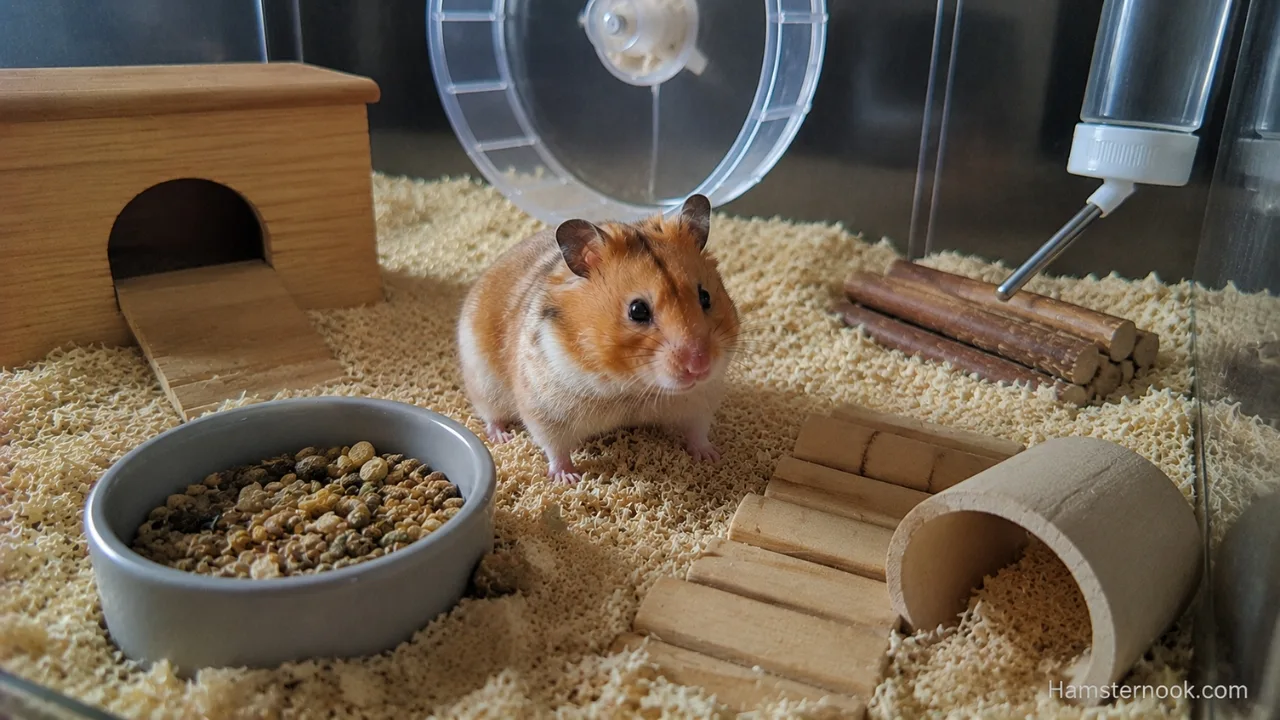
For another behavior that often surprises new owners, Why Does My Hamster Keep Licking Everything? explains why hamsters use their mouths to investigate unfamiliar objects and when that behavior is completely normal.
Frequently Asked Questions
Is it normal for a hamster to ignore a new toy?
Yes. Many hamsters need time to investigate unfamiliar objects before deciding whether to interact with them.
How long should I leave a new toy in the cage?
If the toy is safe and doesn’t interfere with normal movement, leaving it in the enclosure for several days allows your hamster to become familiar with it.
Should I place my hamster directly on a new toy?
No. It’s better to let your hamster approach and investigate the toy on its own.
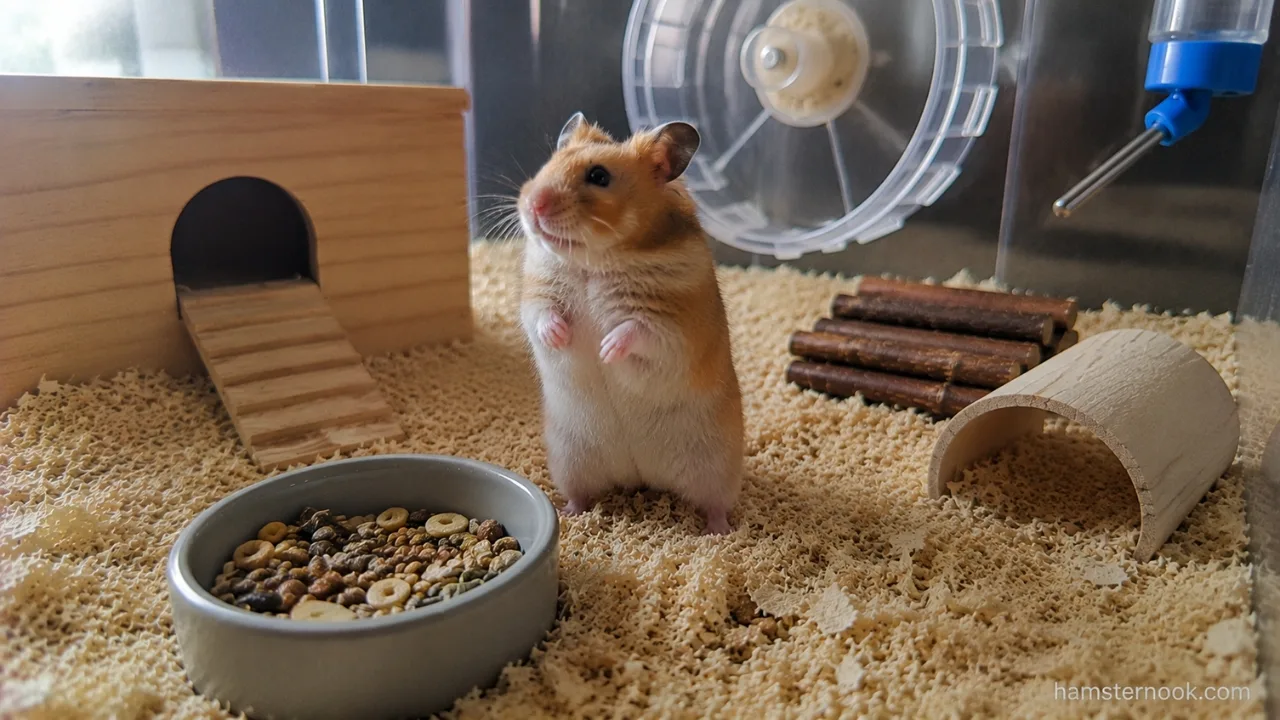
Why does my hamster only use certain toys?
Every hamster has individual preferences. Some enjoy chewing, while others spend more time digging, foraging, or climbing.
Can an ignored toy mean my hamster is sick?
Usually not. However, if your hamster also shows reduced appetite, weight loss, lethargy, or other unusual behaviors, veterinary advice is appropriate.
References
This guide draws on established hamster care and welfare guidance, including advice on enrichment, natural behavior, safe handling, and providing a suitable environment.
- RSPCA – Understanding Hamster Behaviour
- Blue Cross – Hamster Care Guide
- RSPCA – Hamster Health and Welfare

Narayan Kumar is the founder and author of HamsterNook. He creates practical, research-based hamster care guides covering hamster behavior, nutrition, cage setup, enrichment, health, and everyday care. His goal is to help hamster owners make informed decisions and provide safer, healthier lives for their pets through clear, beginner-friendly information based on trusted animal care resources.