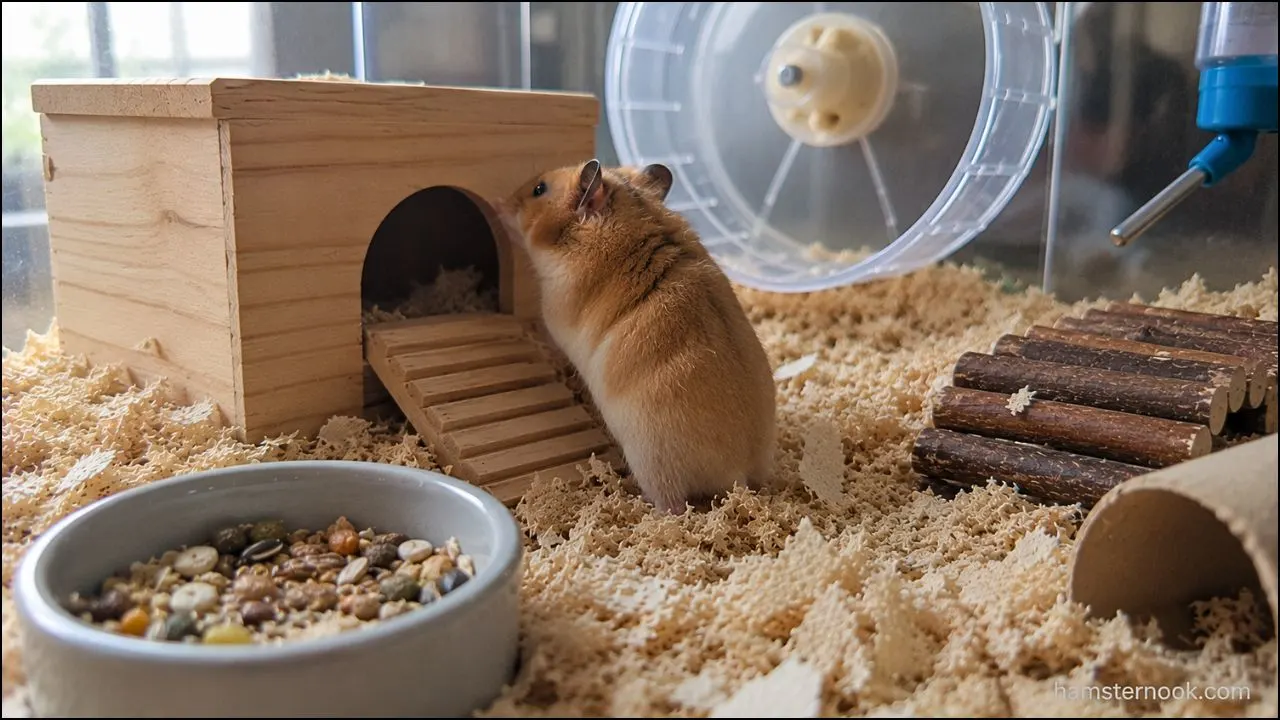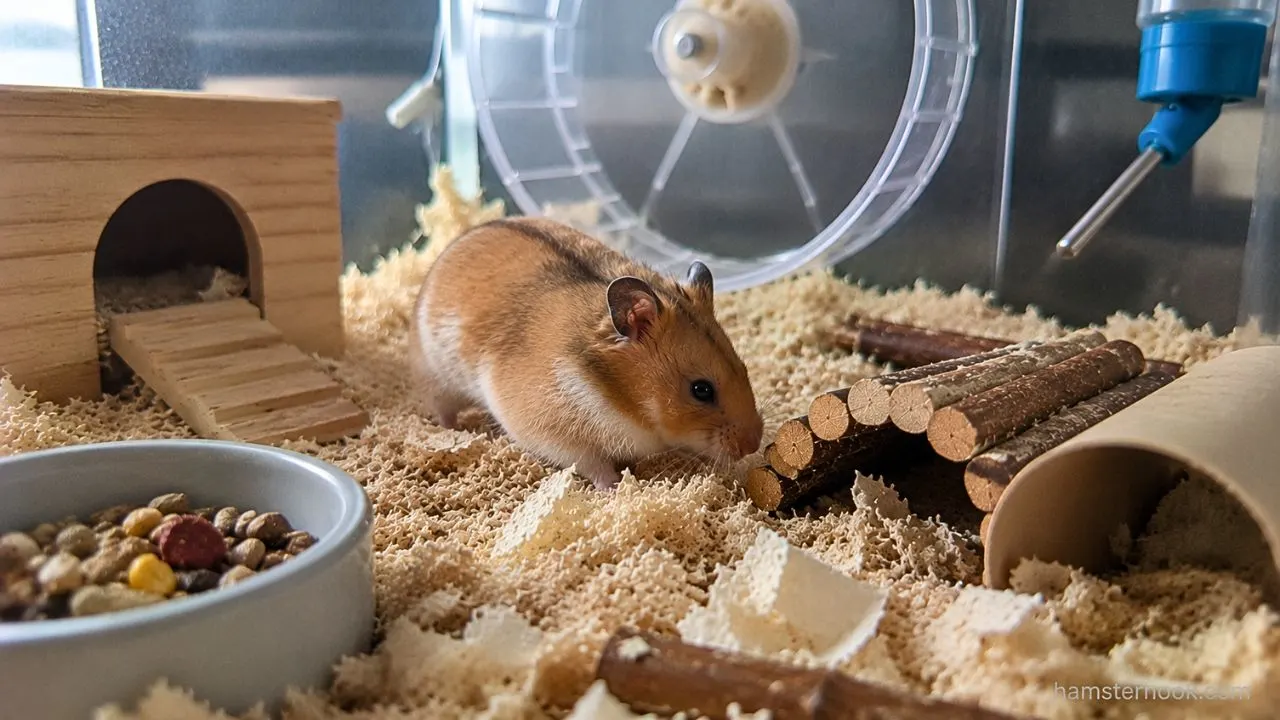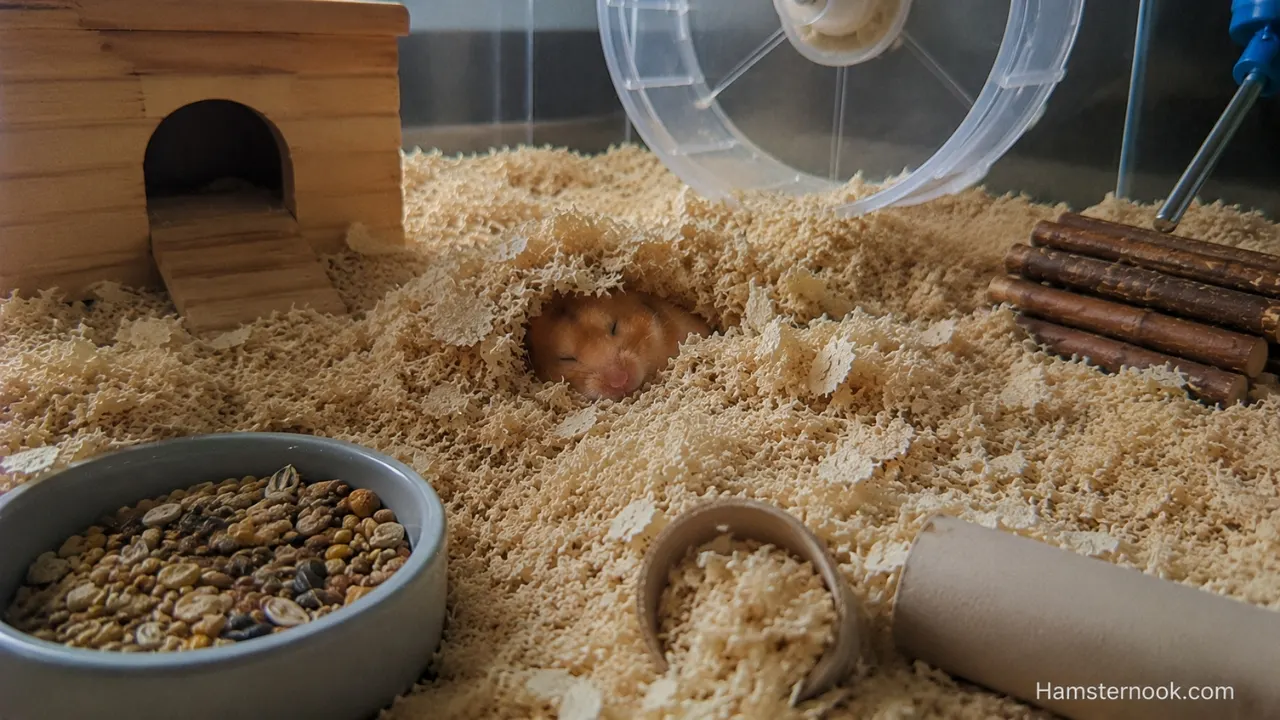
Just when you think you’ve figured out your hamster’s favorite sleeping spot, you find it curled up somewhere completely different the next day. One morning it sleeps inside its hideout, the next under a tunnel, and later beneath a pile of bedding. While this can seem unusual, it’s usually a normal part of hamster behavior rather than a reason for concern.
Quick Answer
Yes, many hamsters occasionally change where they sleep. They may choose different sleeping areas based on bedding depth, temperature, privacy, comfort, or changes they’ve made to their enclosure. As long as your hamster is eating normally, staying active during its usual waking hours, and showing no signs of illness, changing sleeping locations is generally considered normal.
If you’re new to hamster ownership, Complete Hamster Care Guide for Beginners (2026) provides a helpful overview of natural hamster behavior and daily care.
Is It Normal for Hamsters to Change Sleeping Spots?
Absolutely.
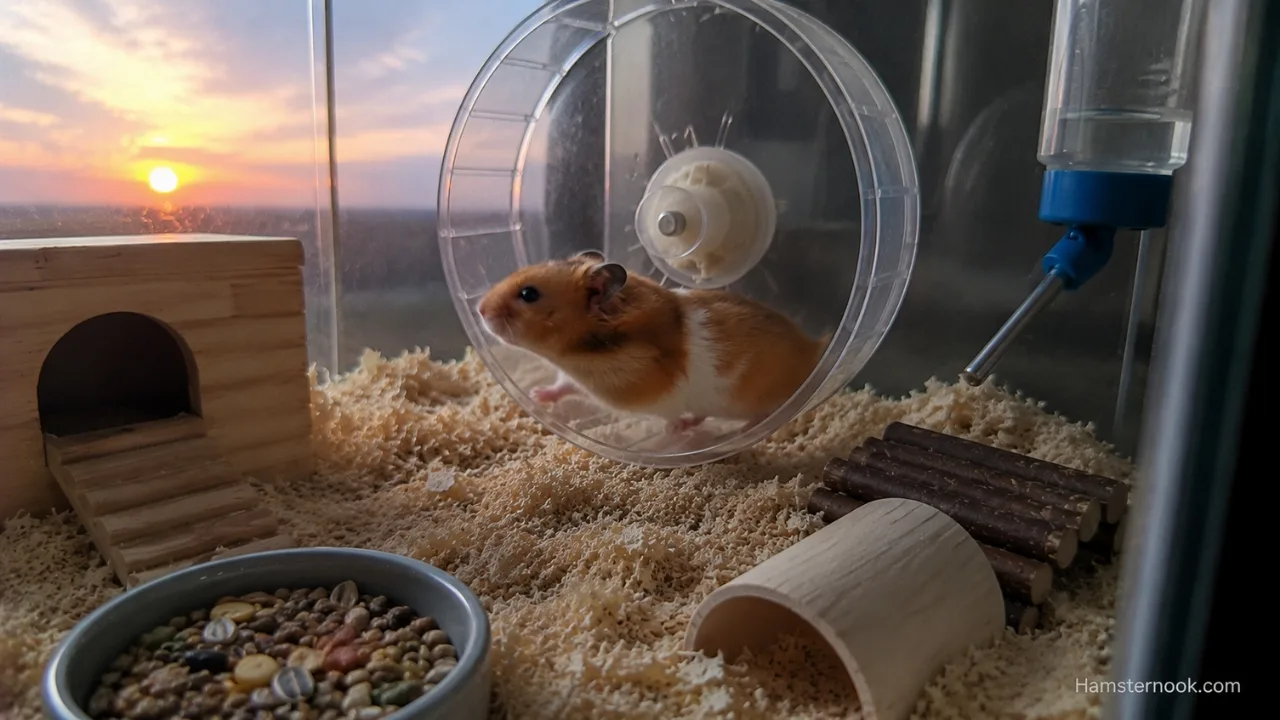
Unlike humans, hamsters don’t always sleep in exactly the same location every day. In the wild, they use complex burrow systems with multiple chambers that serve different purposes, including sleeping, storing food, and nesting.
Pet hamsters still retain these natural instincts. Even in a secure enclosure, they may decide one area feels more comfortable than another on a particular day.
A sleeping spot that seems unusual to you may simply offer the bedding depth, warmth, or privacy your hamster prefers at that moment.
Some hamsters rotate between several preferred nesting areas instead of using the same location every day. As long as the rest of their behavior remains normal, this variation is usually nothing to worry about.

Common Reasons Hamsters Sleep in Different Places
| Reason | Usually Normal? | Cause for Concern? |
|---|---|---|
| Rearranging bedding | Yes | No |
| Choosing a warmer or cooler area | Yes | No |
| Building a new nest | Yes | No |
| Exploring different hideouts | Yes | No |
| Sleeping differently along with signs of illness | No | Yes |
Looking at your hamster’s overall health is much more important than focusing only on where it sleeps.
1. Your Hamster Is Building a Better Nest
Hamsters naturally improve their nesting areas.
You may notice your hamster carrying soft bedding to a completely different part of the enclosure before deciding that’s where it wants to sleep.
This doesn’t necessarily mean it disliked its previous nest. Instead, it may simply have found a location that feels quieter or more comfortable.
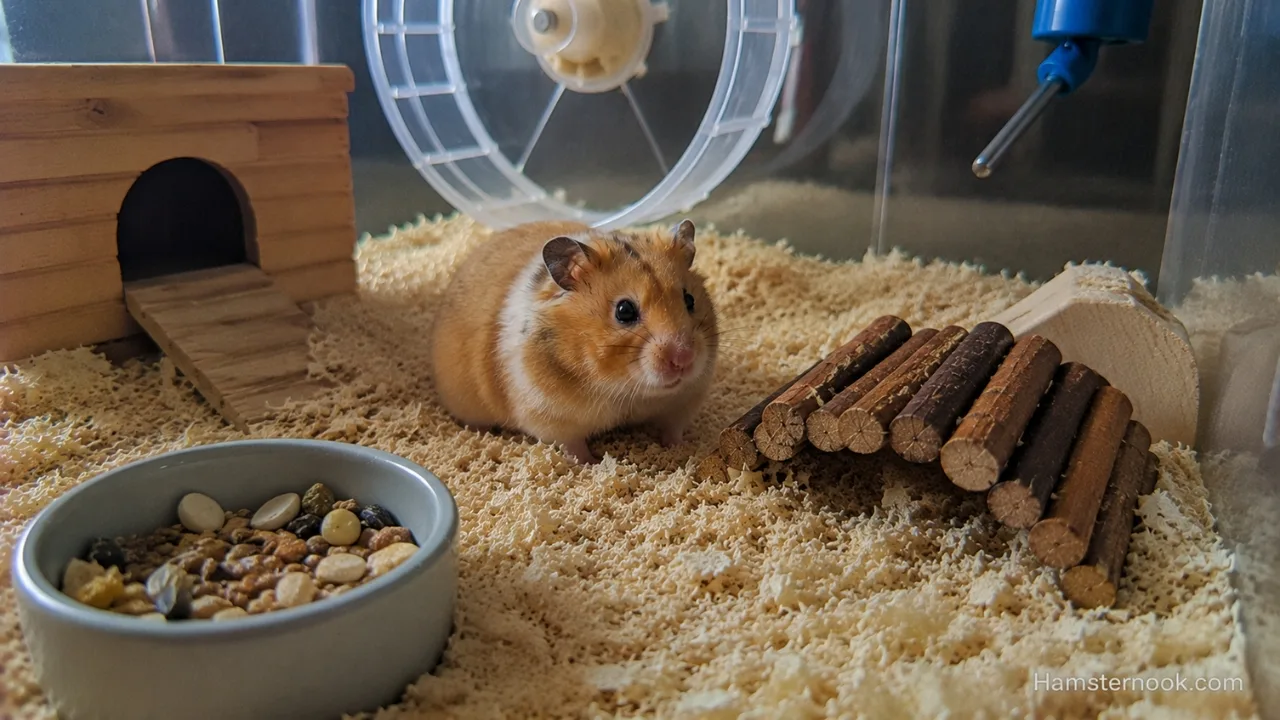
If you’re interested in creating a better sleeping environment, Best Hamster Hideouts and Sleeping Areas: What Hamsters Actually Prefer explains what makes a secure nesting area.
2. Bedding Depth Can Influence Sleeping Location
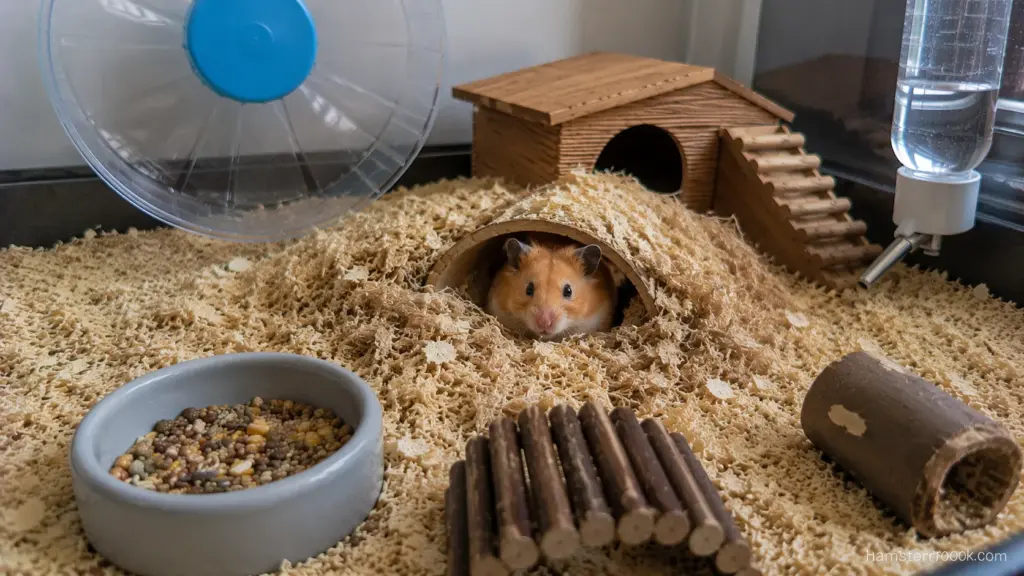
Hamsters love to burrow.
If one side of the enclosure has deeper bedding than another, your hamster may gradually move its sleeping area there because it’s easier to dig tunnels and create a stable nest.
Many owners notice that after providing deeper bedding, their hamster naturally starts building underground nests instead of sleeping in exposed hideouts.
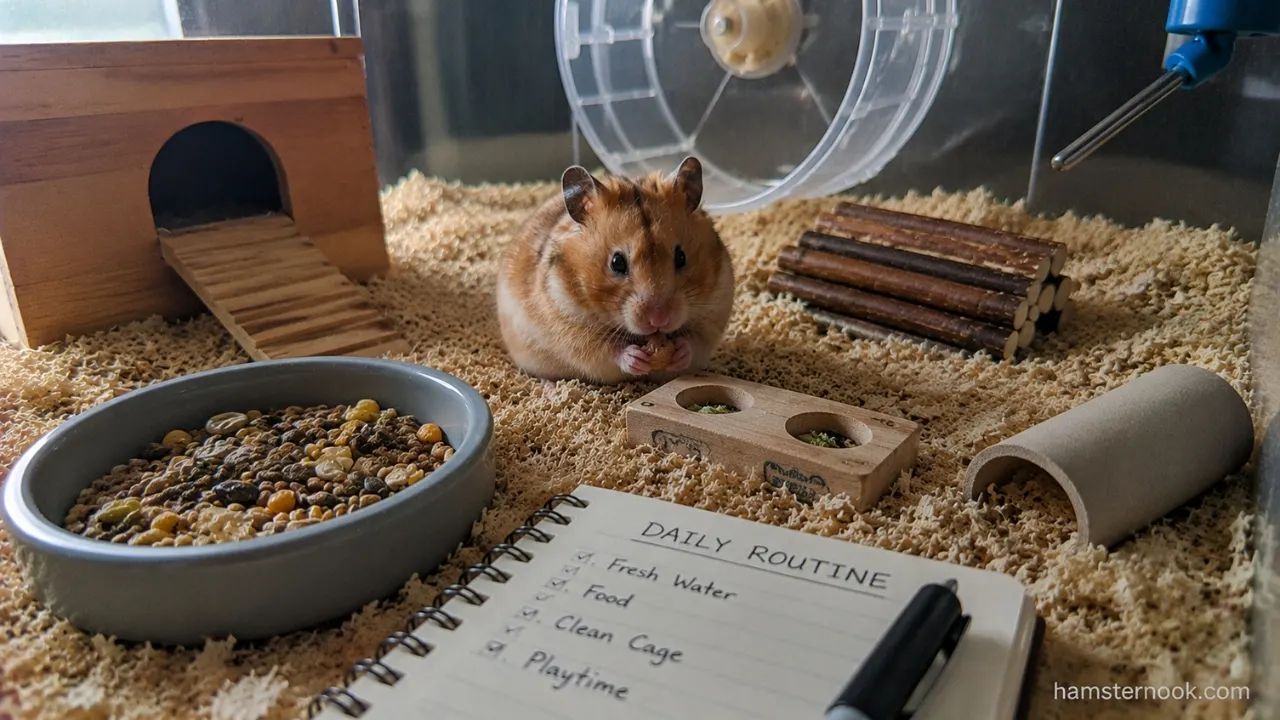
For a closer look at suitable bedding depth, How Much Bedding Does a Hamster Need? Minimum Depth Requirements Explained explains why deep bedding supports natural burrowing behavior.
3. Temperature and Comfort
Hamsters may also adjust their sleeping location depending on comfort.
For example, they might choose:
- A cooler corner during warm weather.
- A more enclosed hideout during cooler conditions.
- A spot with softer nesting material.
- A quieter area away from frequent activity outside the enclosure.
These small changes usually reflect normal preferences rather than a health problem.
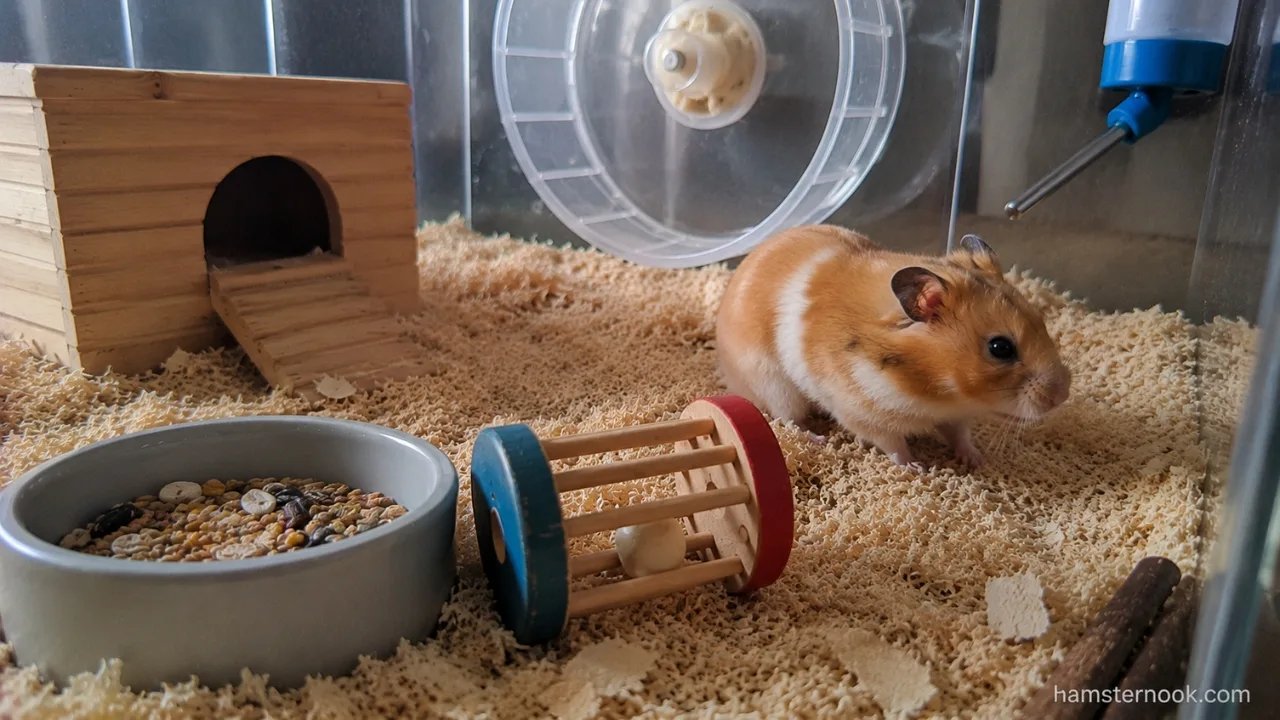
If your hamster is moving between warmer and cooler sleeping areas, our Hamster Temperature: Safe Range, Too Hot & Too Cold guide explains how room temperature can affect comfort and when temperature becomes a safety concern.
4. They’re Simply Exploring Their Territory
Hamsters are naturally curious.
Even after becoming familiar with an enclosure, they continue exploring, digging, and rearranging different areas.
As part of this routine, they may decide to build a temporary nest somewhere new before eventually returning to an older sleeping spot.
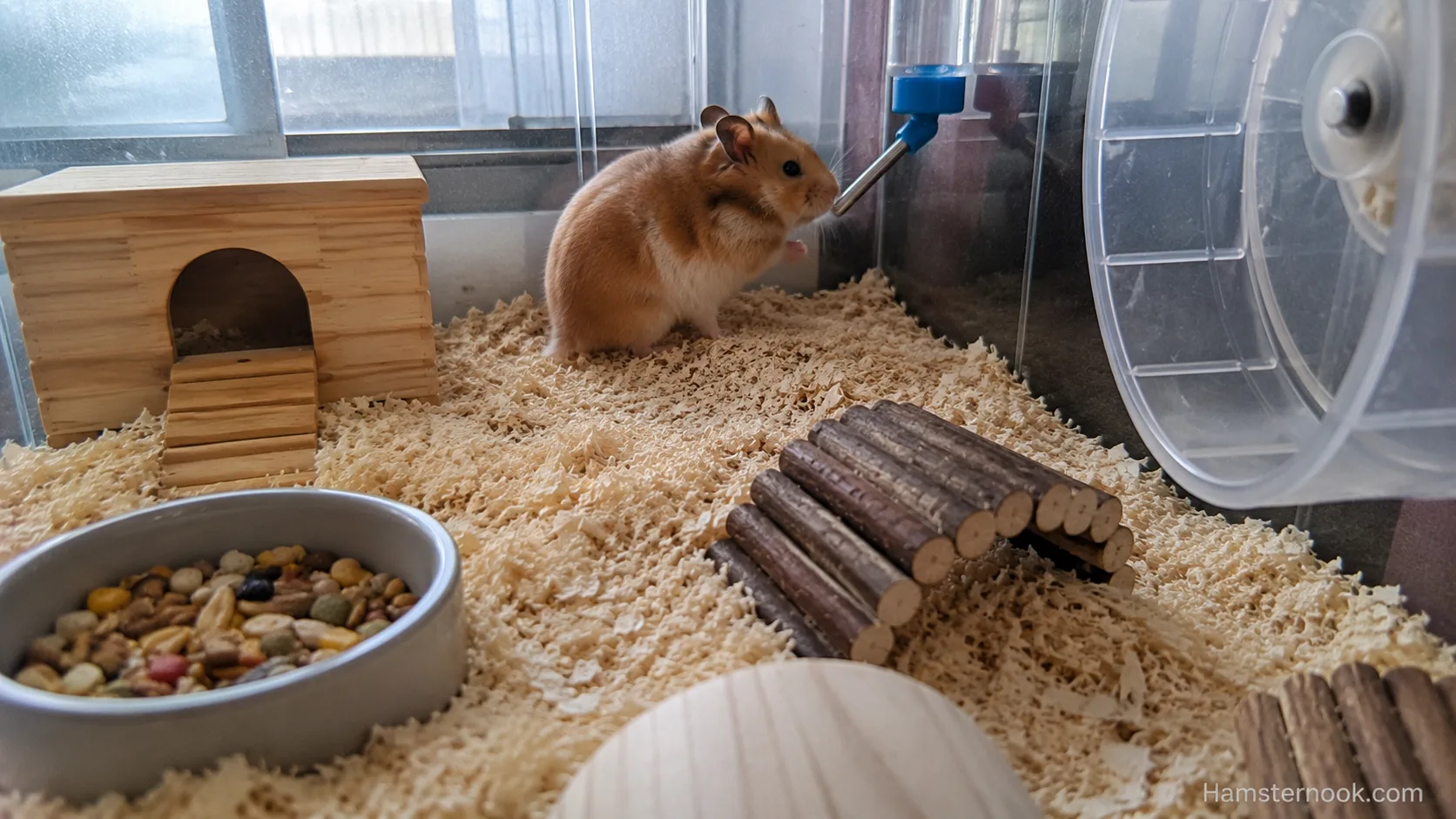
Changing sleeping places from time to time is often just another expression of these natural instincts.
Exploring, digging, and changing how different areas of the enclosure are used can also be part of normal enrichment; our Do Hamsters Get Bored? 10 Signs Your Hamster Needs More Enrichment guide explains why opportunities for natural behaviors remain important.
5. Cage Changes Can Affect Sleeping Habits
Even small environmental changes may influence where your hamster decides to sleep.
Examples include:

- Adding a new hideout.
- Rearranging accessories.
- Replacing bedding.
- Moving food or water.
- Cleaning the enclosure.
Most hamsters gradually settle after an enclosure change and establish another preferred sleeping area.
Allowing a small amount of clean, familiar nesting material to remain after routine cleaning can help your hamster settle into its preferred sleeping area more quickly.
Frequent major changes, however, may encourage your hamster to keep rebuilding nests instead of settling into one location.
If you recently cleaned the enclosure, How Often Should You Change Hamster Bedding? A Complete Cleaning Schedule explains how to maintain cleanliness while preserving familiar scents that help hamsters feel secure.

Is Sleeping Somewhere New Always Normal?
Usually, yes—but context matters.
A hamster that changes sleeping spots while continuing to eat, drink, groom, explore, and exercise on its wheel is generally behaving normally.
However, if a new sleeping location is accompanied by other unusual changes, it’s worth paying closer attention.
For example, if your hamster suddenly begins sleeping in exposed areas after previously hiding underground, observe its overall behavior rather than assuming the sleeping location alone is a problem.
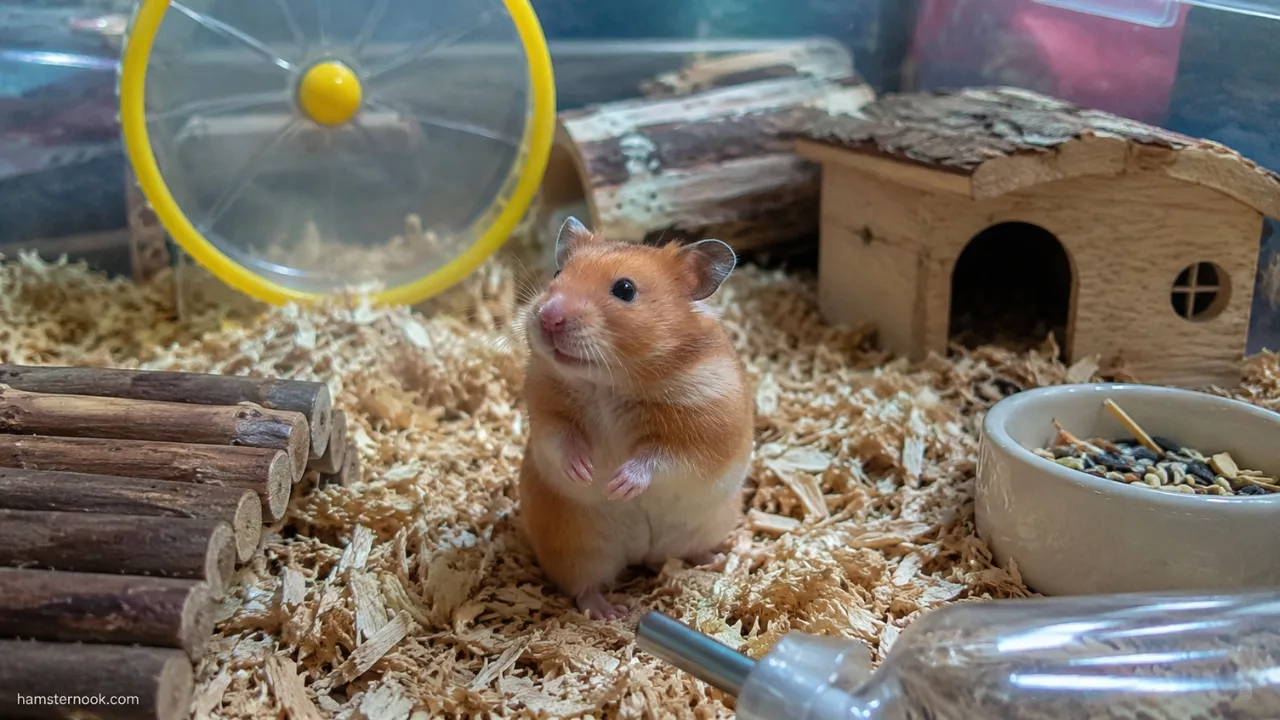
Learning to recognize subtle behavioral changes can help you better understand what your hamster is trying to communicate. Hamster Body Language Explained: Signs of Stress, Fear, Happiness & Trust offers a detailed look at these everyday signals.
When Could Changing Sleeping Spots Be a Problem?
Changing sleeping locations by itself is rarely a reason to worry.
Instead, pay attention to your hamster’s overall condition.
The behavior deserves closer observation if it’s accompanied by:
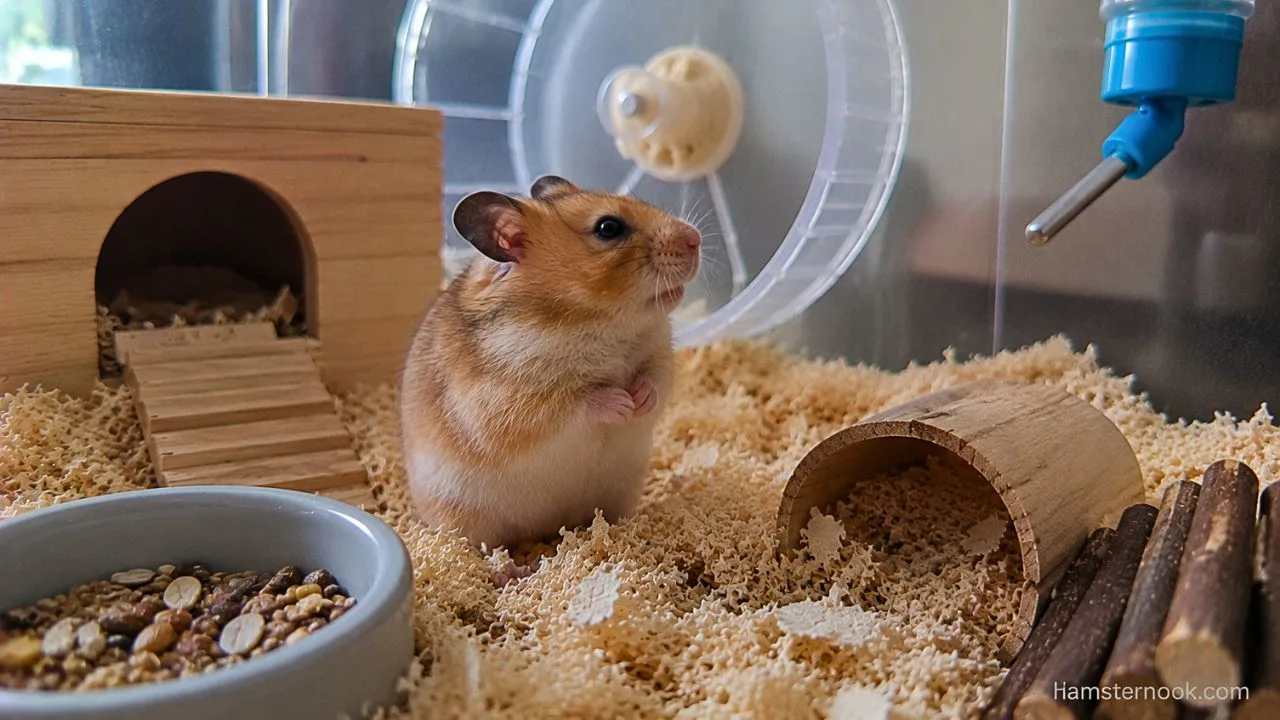
- Loss of appetite
- Weight loss
- Difficulty moving
- Persistent lethargy
- Labored breathing
- Discharge from the eyes or nose
- Sleeping outside the nest while appearing weak or unwell
These signs are much more significant than the sleeping location itself and may indicate an underlying health issue that requires veterinary attention.
Changes in how your hamster sleeps can also be easier to judge alongside posture and body position; our What Your Hamster’s Sleeping Position Says About Their Health (Normal vs Warning Signs) guide explains which sleeping positions are common and which may deserve closer attention.
What You Should Do
If your hamster keeps choosing different sleeping spots, the best approach is usually to let it decide where it feels most comfortable.
Here are a few simple tips:
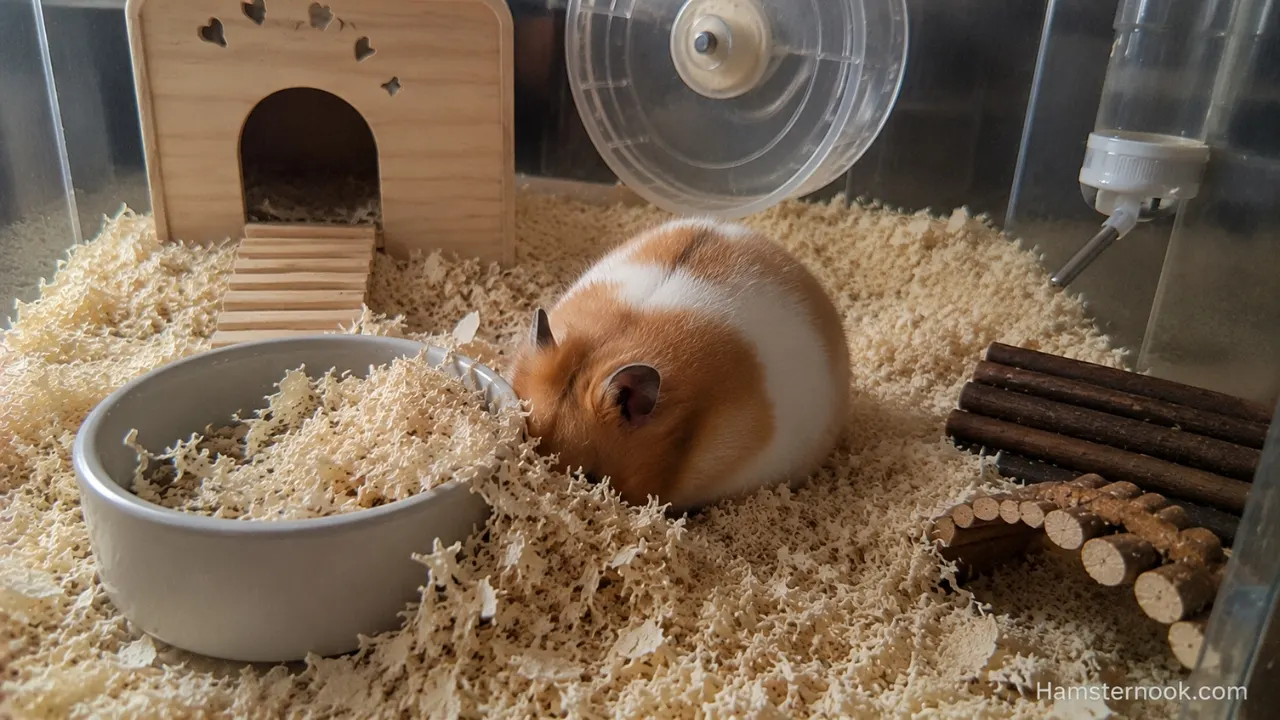
- Provide deep bedding for burrowing.
- Keep at least one secure hideout available.
- Avoid moving accessories too often.
- Clean the enclosure on a regular schedule without removing every familiar scent.
- Maintain a comfortable room temperature.
- Observe your hamster’s overall behavior rather than focusing only on its nest location.
Giving your hamster control over where it sleeps helps support its natural instincts.
Checking your hamster’s body condition, appetite, and activity level over several days provides a much clearer indication of its health than monitoring sleeping location alone.
Common Mistakes Owners Make
Many owners become concerned simply because their hamster isn’t sleeping where they expect.
Try to avoid these common mistakes:
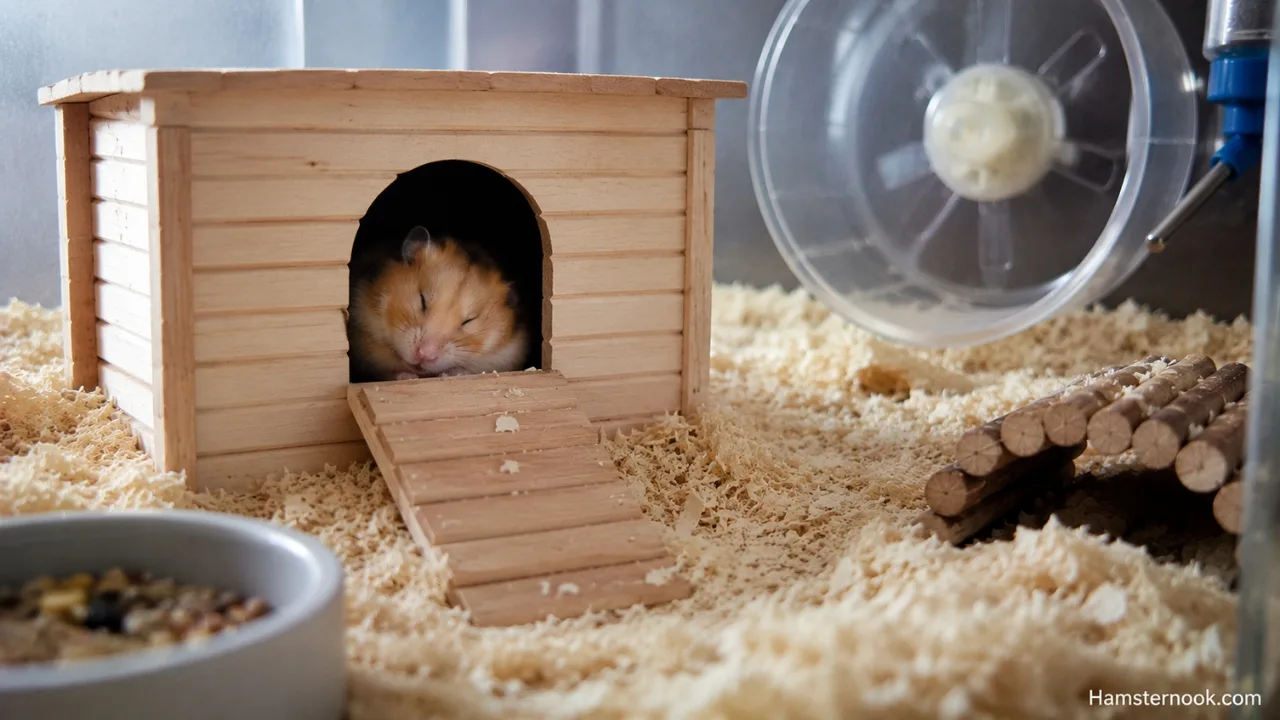
- Moving your hamster back to its old sleeping spot.
- Removing a newly built nest because it looks messy.
- Rearranging the enclosure every few days.
- Frequently checking inside the nest during the daytime.
- Waking your hamster just to see where it’s sleeping.
Hamsters usually feel safest when they can choose and maintain their own nesting area without frequent interruptions or unnecessary changes.
Can Seasonal Changes Affect Sleeping Spots?
Sometimes.
Although indoor temperatures are usually more stable than outdoor conditions, hamsters may still choose slightly different areas of the enclosure depending on seasonal changes within your home.
For example, a hamster might:

- Move closer to deeper bedding during cooler months.
- Choose a better-ventilated area during warmer weather.
- Build a larger nest when the environment feels cooler.
These changes are usually subtle and don’t necessarily indicate a problem.
Should You Add More Hideouts?
If your hamster frequently alternates between sleeping locations, providing additional hideouts may give it more choices.
Good hideouts allow your hamster to:
- Feel secure.
- Block out light.
- Build nests.
- Rest without disturbance.
However, avoid overcrowding the enclosure with accessories that reduce open floor space or limit natural movement.

When Should You Contact a Veterinarian?
A hamster that changes sleeping spots but otherwise behaves normally usually doesn’t need veterinary care.
Arrange a veterinary examination if your hamster also has:
- A noticeable loss of appetite
- Significant weight loss
- Difficulty walking
- Trouble breathing
- Unusual swelling
- Persistent weakness
- Other signs of illness
In these cases, the concern isn’t where your hamster sleeps but the accompanying changes in its health and behavior.
Conclusion
Finding your hamster asleep in a different place each day is usually a reflection of its natural instincts rather than a sign that something is wrong.
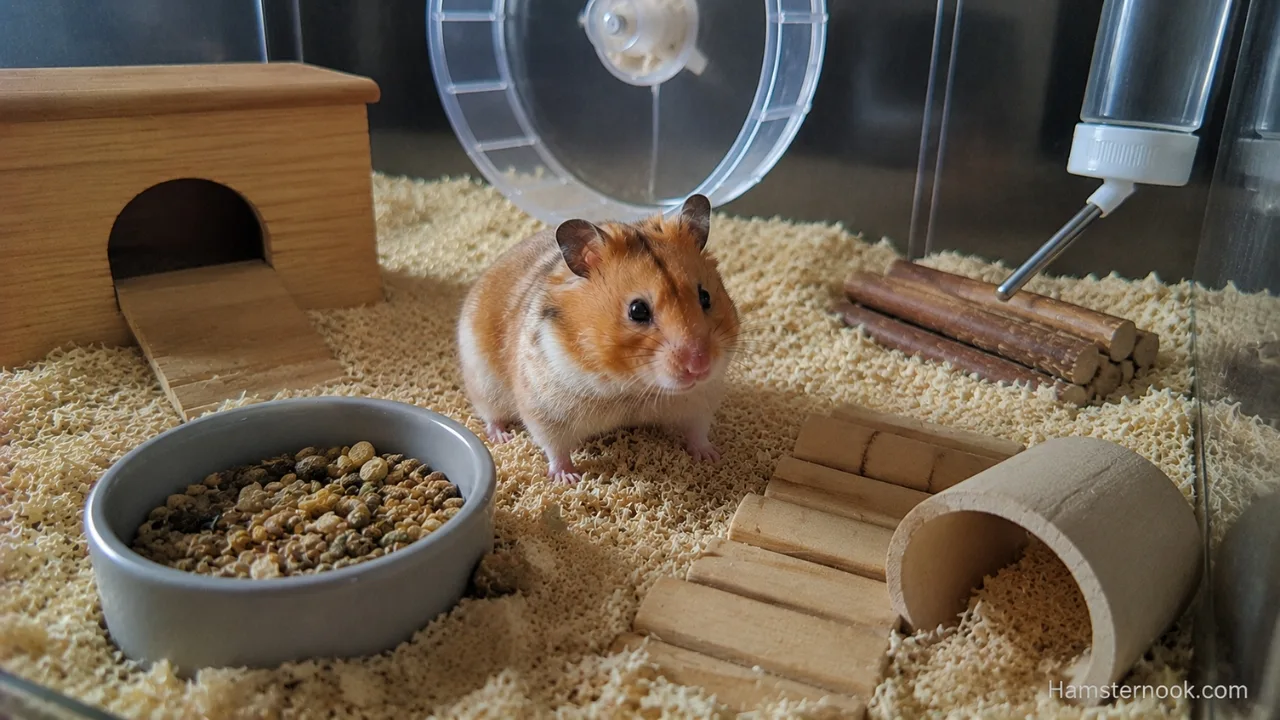
Hamsters instinctively adjust their nests, explore their environment, and choose sleeping locations that feel comfortable, secure, and suitable for current conditions. As long as your hamster continues eating well, remains active during its normal waking hours, and shows no signs of illness, changing sleeping spots is generally considered perfectly normal.
Rather than encouraging your hamster to sleep in one permanent location, focus on providing deep bedding, secure hideouts, and a stable environment where it can choose the sleeping spot that feels safest each day.
If your hamster also moves bedding, hideouts, or other items around the enclosure, our Why Does My Hamster Keep Rearranging Its Cage? Reasons & When to Worry guide explains when this behavior is normal and when other changes deserve attention.
Frequently Asked Questions
Is it normal for my hamster to sleep somewhere different every day?
Yes. Many hamsters naturally switch sleeping locations as they build nests, rearrange bedding, or choose areas that feel more comfortable.
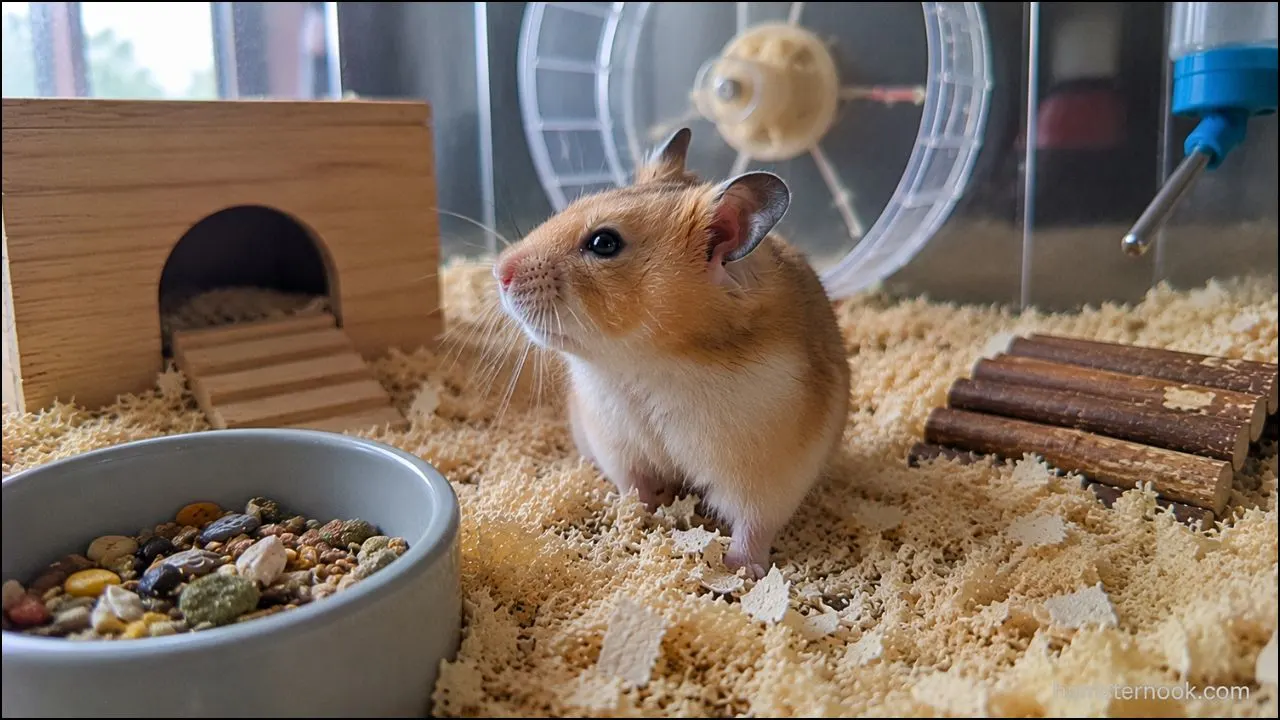
Why did my hamster stop using its hideout?
It may simply have found another location with better bedding depth, privacy, or comfort. As long as your hamster is otherwise healthy, this is often normal.
Should I move my hamster back to its favorite sleeping spot?
No. It’s generally best to let your hamster choose where it wants to sleep rather than relocating it yourself.
Can cage cleaning make my hamster change sleeping areas?
Yes. Cleaning removes familiar scents and may encourage your hamster to build a new nest in another part of the enclosure until it feels settled again.
Does changing sleeping spots mean my hamster is stressed?
Not necessarily. Many healthy hamsters change nests occasionally. Look for other behavioral or physical changes before assuming stress is the cause.
References
To help ensure the accuracy and reliability of this guide, the information has been reviewed against trusted veterinary references and internationally recognized animal welfare resources.
- NC3Rs – Housing and Husbandry: Hamster
- RSPCA – Keeping Hamsters as Pets
- Blue Cross – Hamster Care Guide
- MSD Veterinary Manual – Providing a Home for a Hamster

Narayan Kumar is the founder and author of HamsterNook. He creates practical, research-based hamster care guides covering hamster behavior, nutrition, cage setup, enrichment, health, and everyday care. His goal is to help hamster owners make informed decisions and provide safer, healthier lives for their pets through clear, beginner-friendly information based on trusted animal care resources.