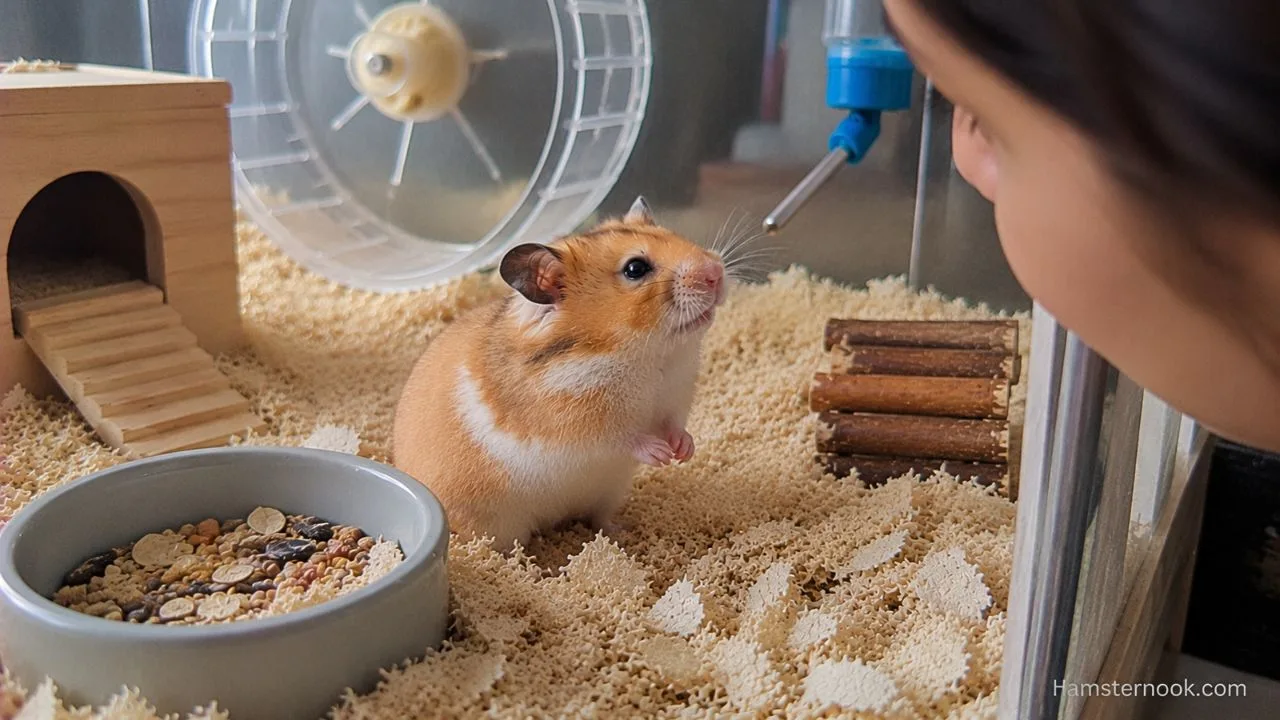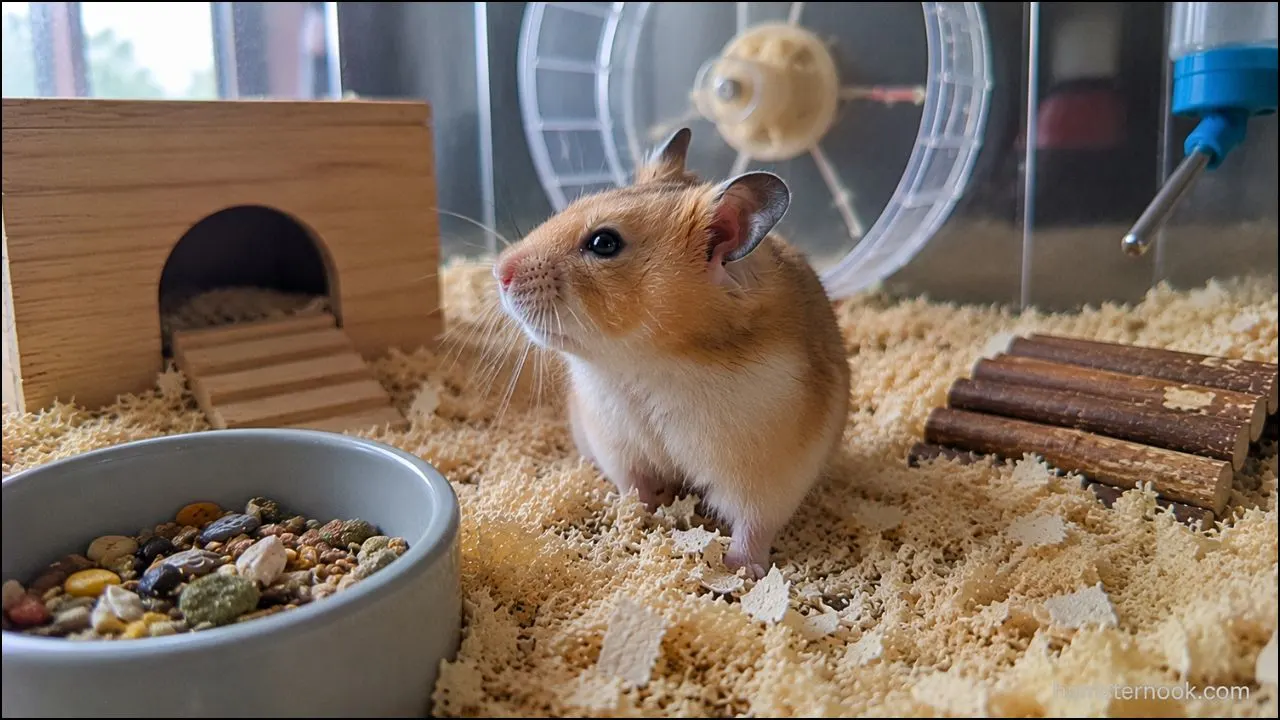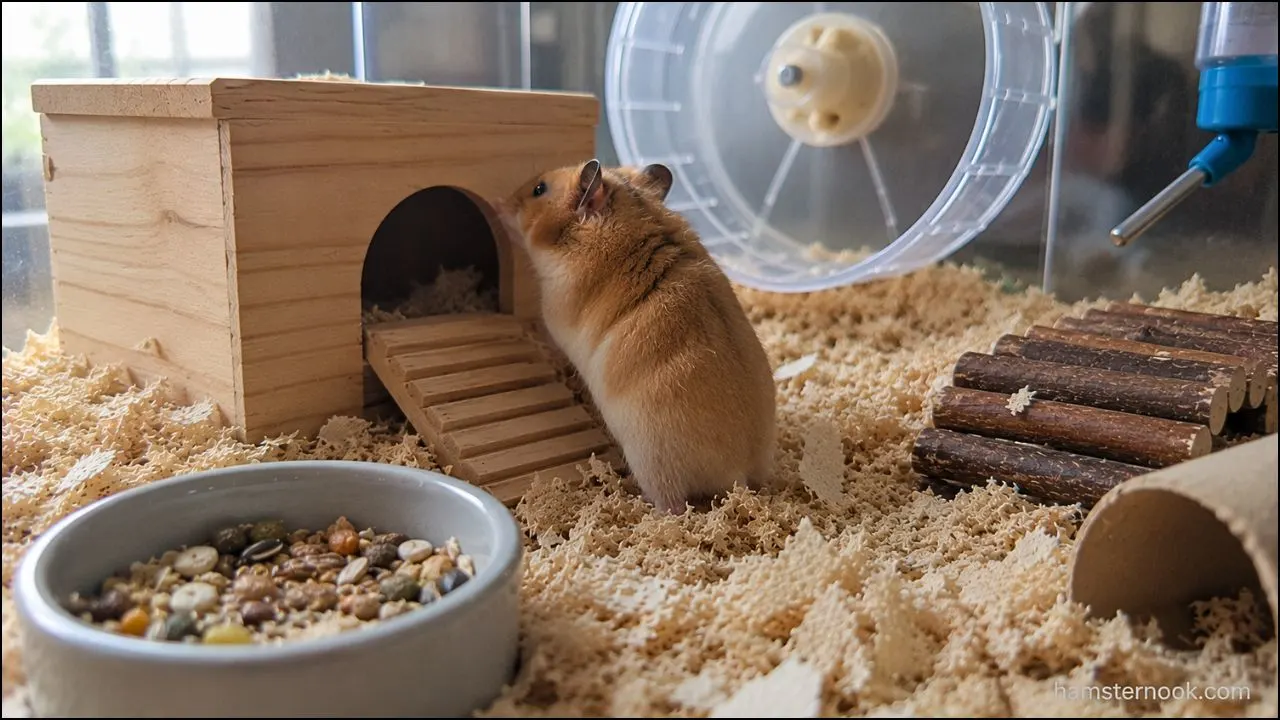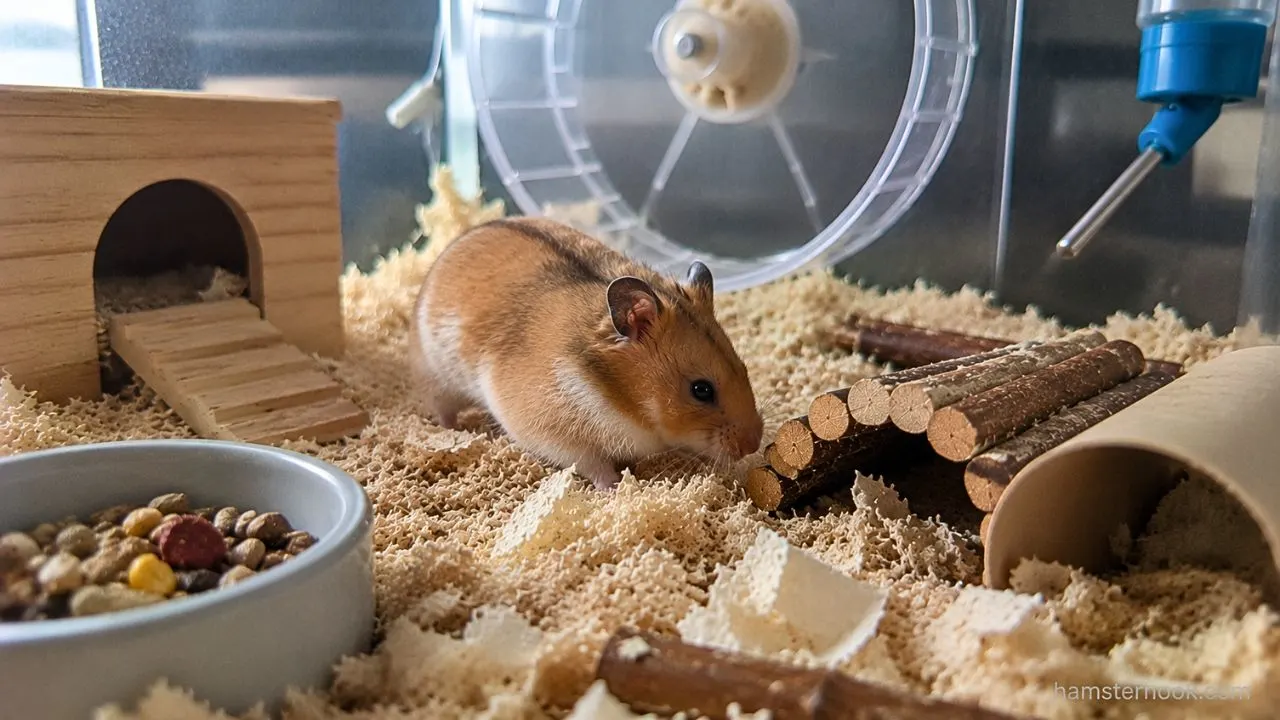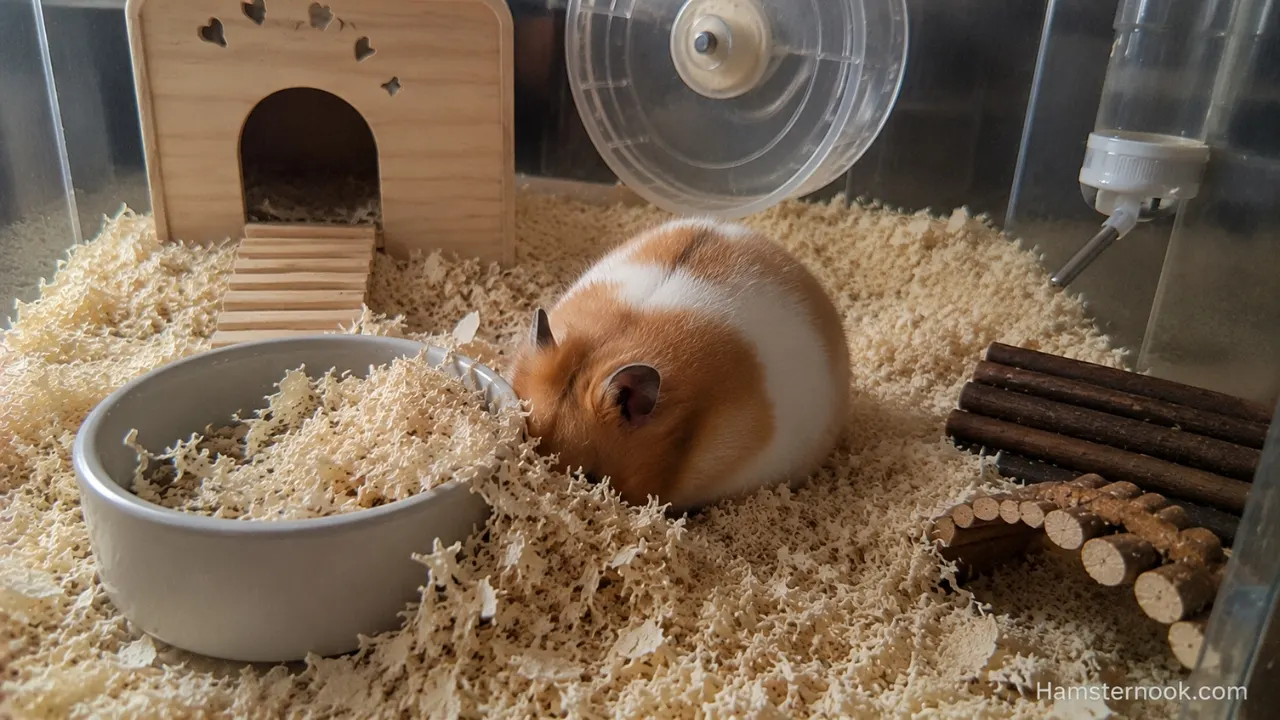
If you’ve ever filled your hamster’s food bowl only to find it buried under bedding a few hours later, you’re not alone. Many owners wonder whether this means their hamster dislikes its food or something is wrong. In most cases, covering a food bowl is a completely normal instinctive behavior that reflects how wild hamsters protect and manage their food stores.
Understanding why your hamster hides its food bowl can help you distinguish between healthy natural behavior and situations that may need a closer look.
Quick Answer
Hamsters often cover their food bowl with bedding because they instinctively protect and store food. In the wild, covering food helps keep it hidden from potential competitors and keeps their nest area organized. As long as your hamster is eating normally, staying active, and maintaining a healthy weight, covering the food bowl is usually not a cause for concern.
If you’re new to hamster care, Complete Hamster Care Guide for Beginners (2026) provides a broader understanding of natural hamster behaviors and daily care routines.
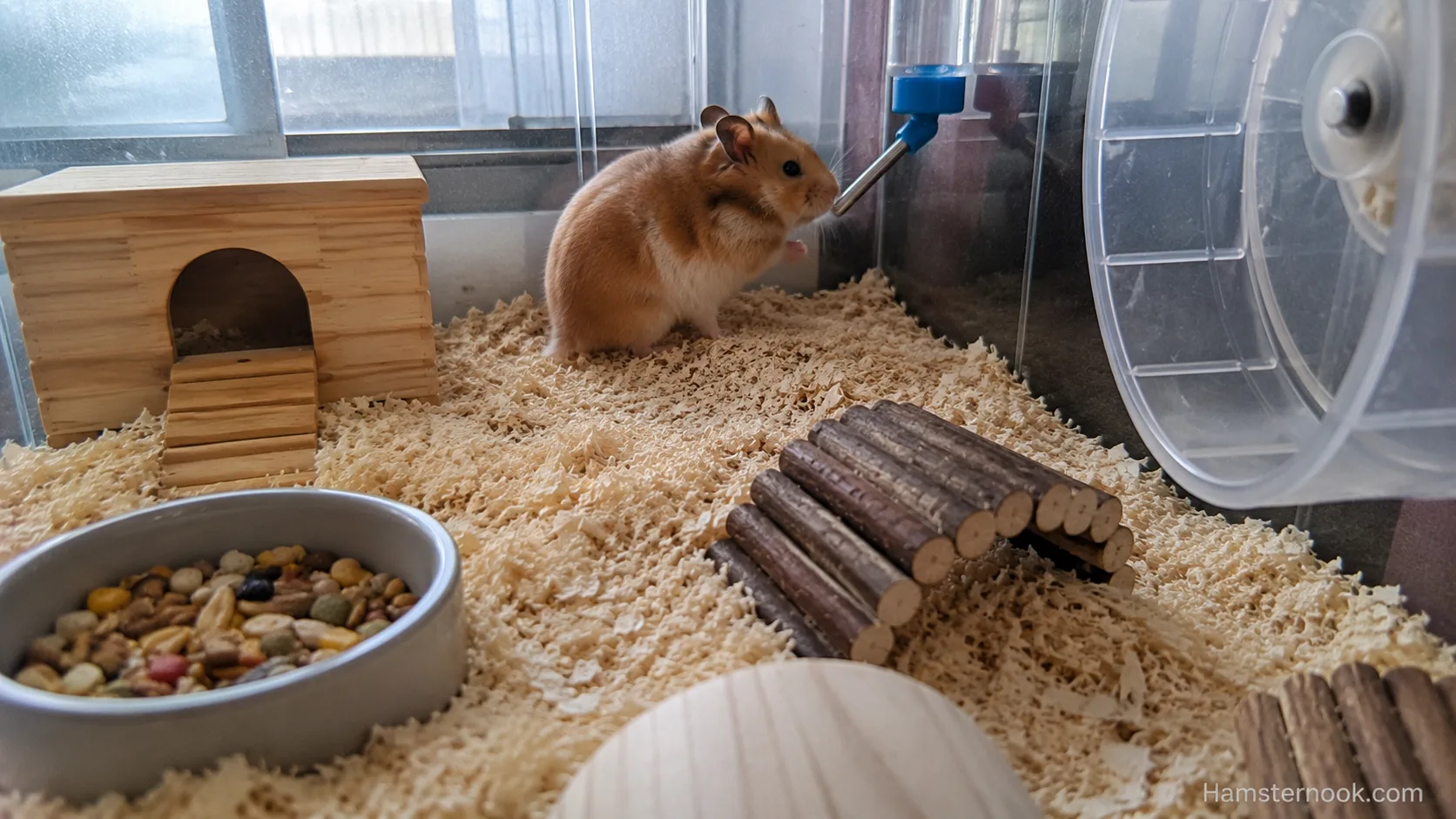
Is It Normal for Hamsters to Cover Their Food?
Yes.
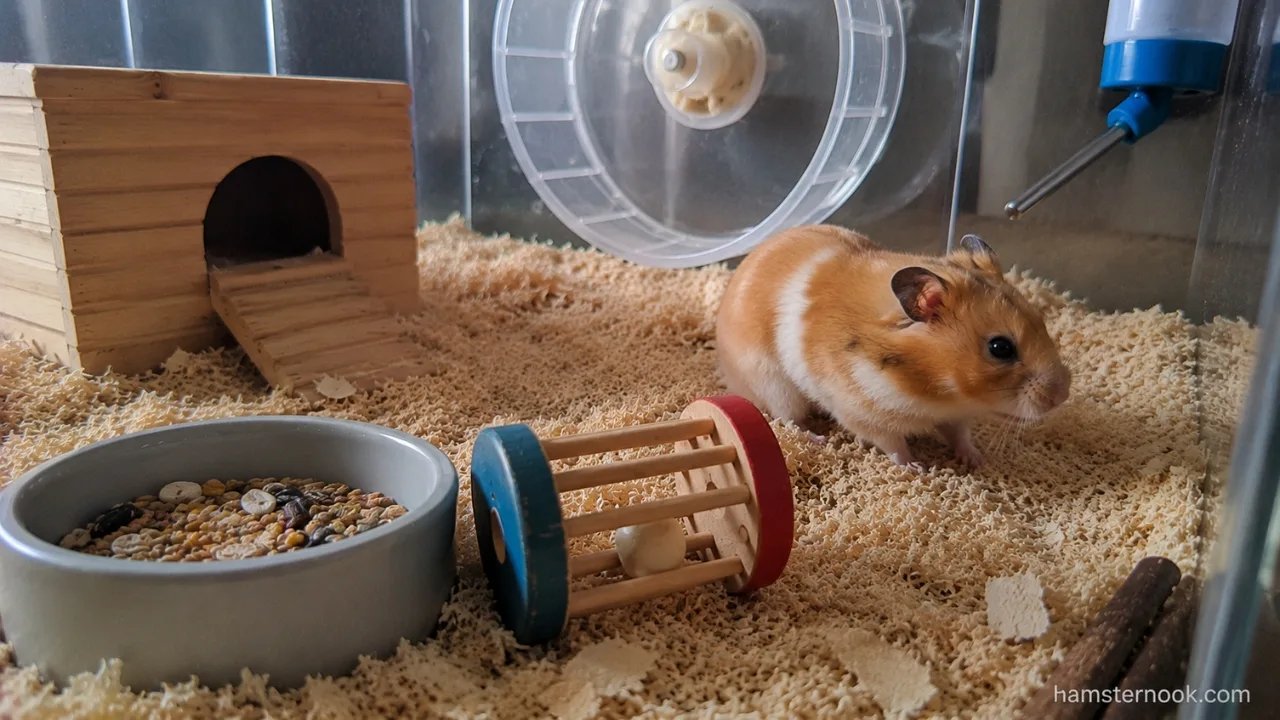
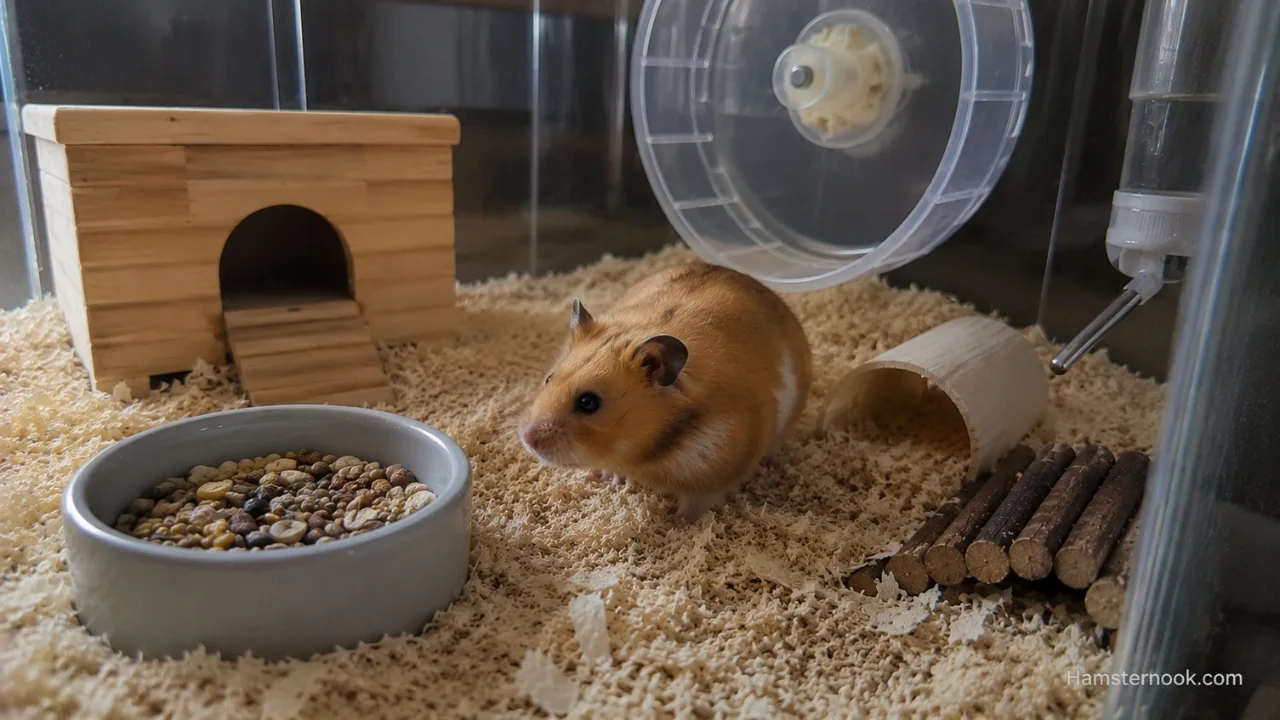
Many hamsters naturally move bedding, nesting material, or paper over their food bowl. Some completely bury the bowl, while others simply scatter a thin layer of bedding across the top.
This behavior may seem unusual from a human perspective, but for a hamster it can be a perfectly normal part of managing its environment.
Different hamsters also develop different habits. One hamster may always eat directly from the bowl, while another immediately carries food away and covers whatever remains.
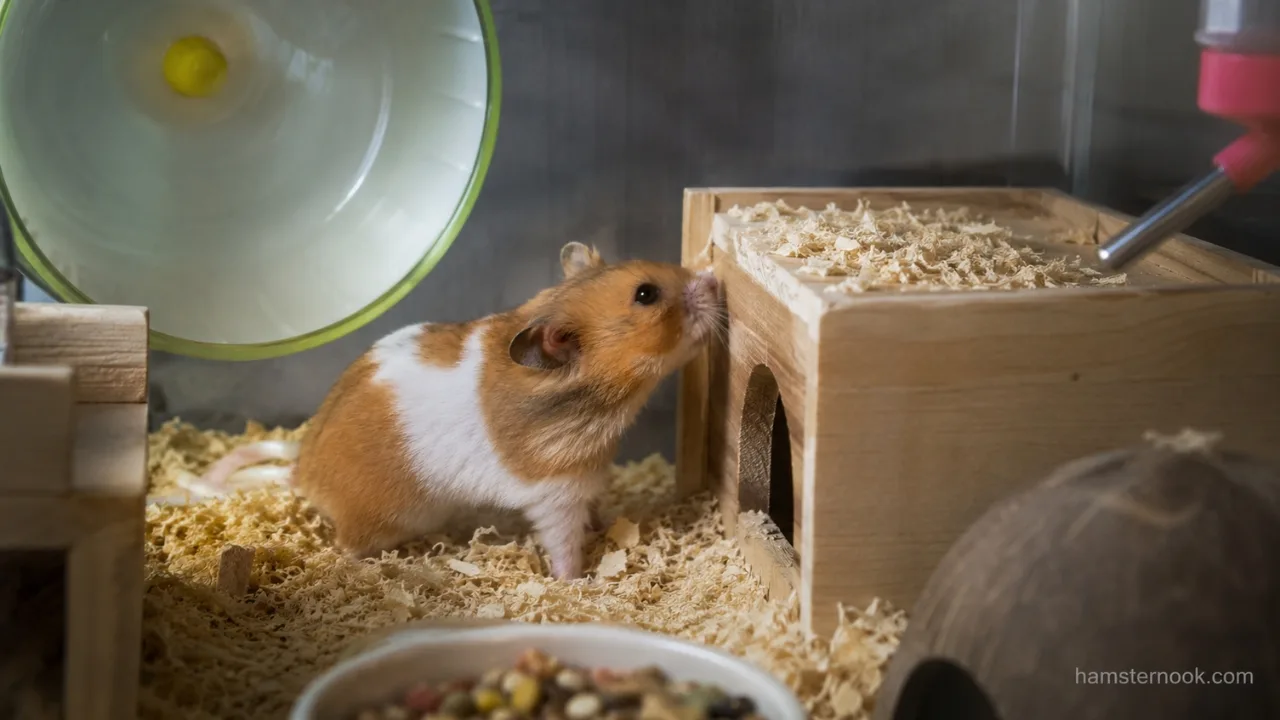
Why Do Hamsters Cover Their Food Bowl?
Several natural instincts can explain this behavior.
| Possible Reason | Is It Usually Normal? | What to Do |
|---|---|---|
| Natural food-hoarding instinct | Yes | Allow normal food storage and check hidden food during routine cleaning. |
| Protecting or storing food | Yes | Make sure your hamster has regular access to its usual balanced diet. |
| Digging and moving bedding | Yes | Allow natural digging and provide suitable bedding. |
| Food bowl placed near a tunnel or nesting area | Usually | Try moving the bowl to another quiet, accessible spot. |
| Actually chewing or swallowing bedding, or eating less than usual | Needs attention | Check the bedding material and contact a veterinarian if eating changes or other signs of illness appear. |
1. Natural Food-Hoarding Instinct
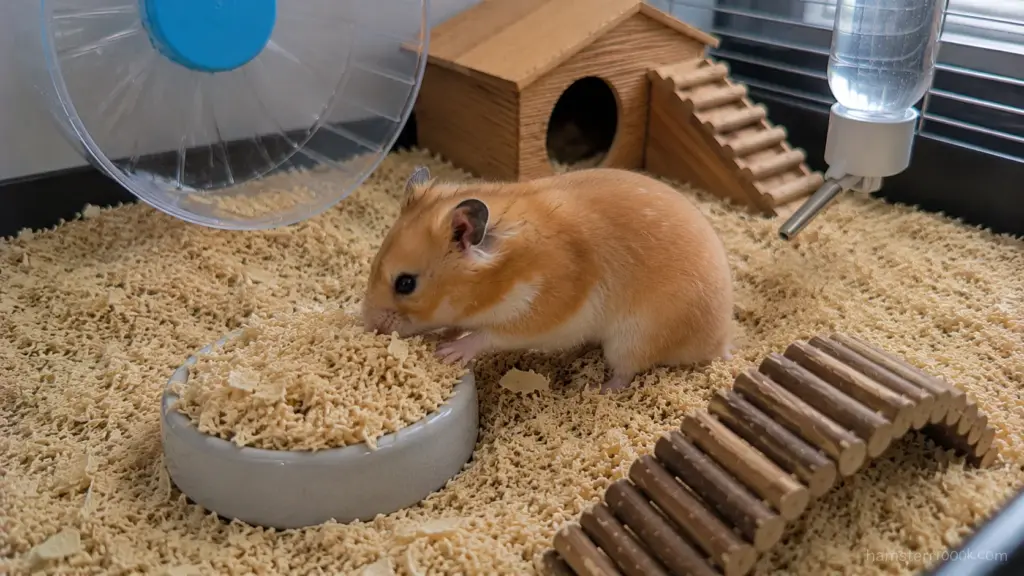
Wild hamsters spend much of their active time collecting food and transporting it back to underground chambers.
Although pet hamsters receive food every day, those instincts remain.
Many hamsters prefer to move food away from the bowl and store it somewhere they consider safer. Covering the remaining food with bedding may simply be another expression of that instinct.
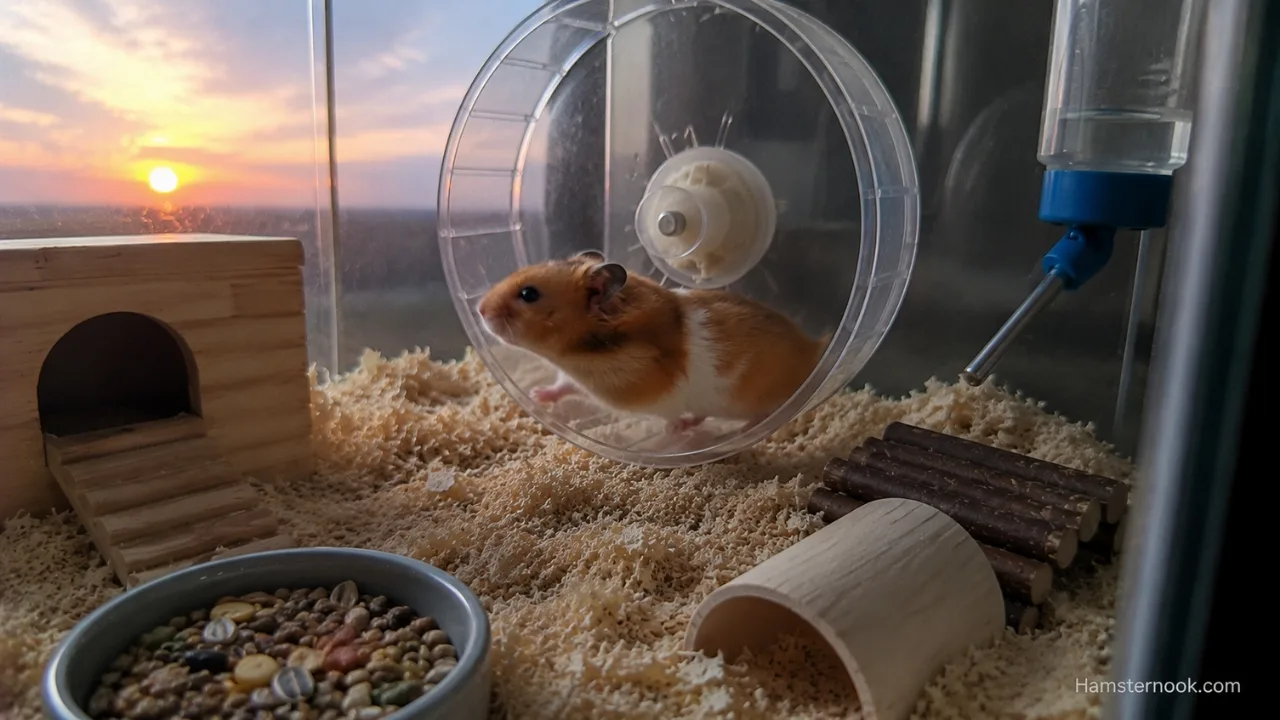
Some hamsters may empty the bowl completely, while others leave a small amount behind and cover it with bedding. Both patterns are considered normal if your hamster continues eating regularly.
If you’d like to understand food storage behavior in more detail, Why Does My Hamster Keep Hiding Food? Explained Simply explores why hamsters build food caches and when it’s considered normal.
2. Protecting Valuable Resources
In the wild, uncovered food could attract unwanted attention.
Although your hamster no longer faces predators or competing hamsters inside its enclosure, instinctive behaviors don’t simply disappear.
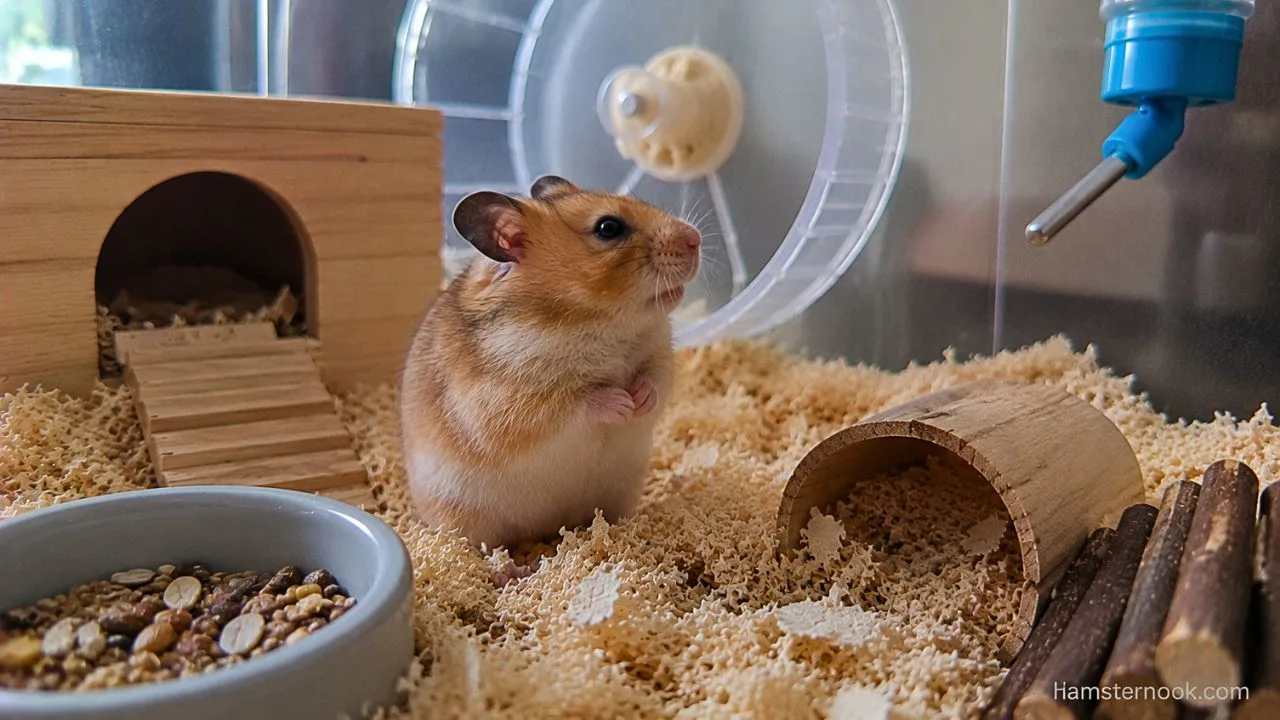
Covering food may help your hamster feel that its valuable resources are protected.
This is especially common in confident adult hamsters that have established favorite nesting and storage areas.
3. Bedding Gets Moved During Digging
Sometimes the food bowl isn’t intentionally covered at all.
Hamsters enjoy digging, tunneling, and rearranging bedding throughout their enclosure. During these activities, loose bedding naturally gets pushed over nearby objects—including food bowls.
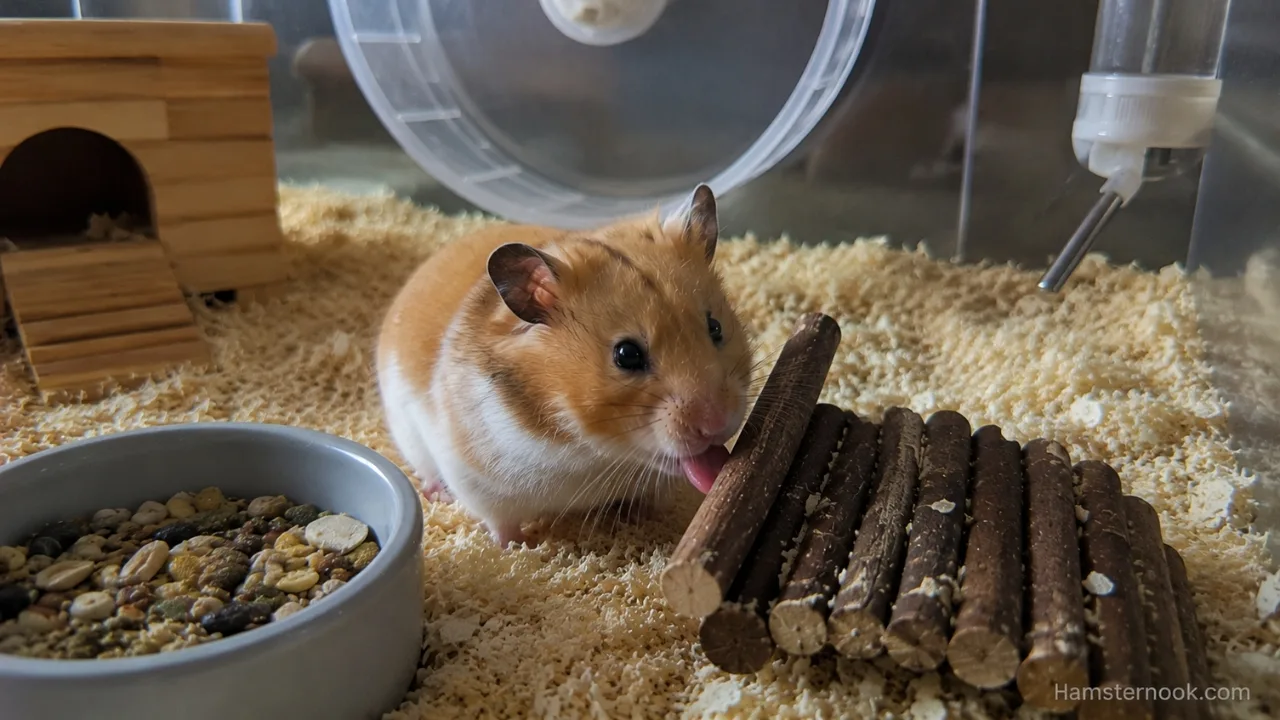
If the bowl is located close to a favorite digging area, it’s common to find it partially buried the next morning.
Deep bedding encourages these natural behaviors. How Much Bedding Does a Hamster Need? Minimum Depth Requirements Explained explains why adequate bedding depth is important for burrowing and overall welfare.
4. Organizing Their Living Space
Hamsters are surprisingly organized animals.
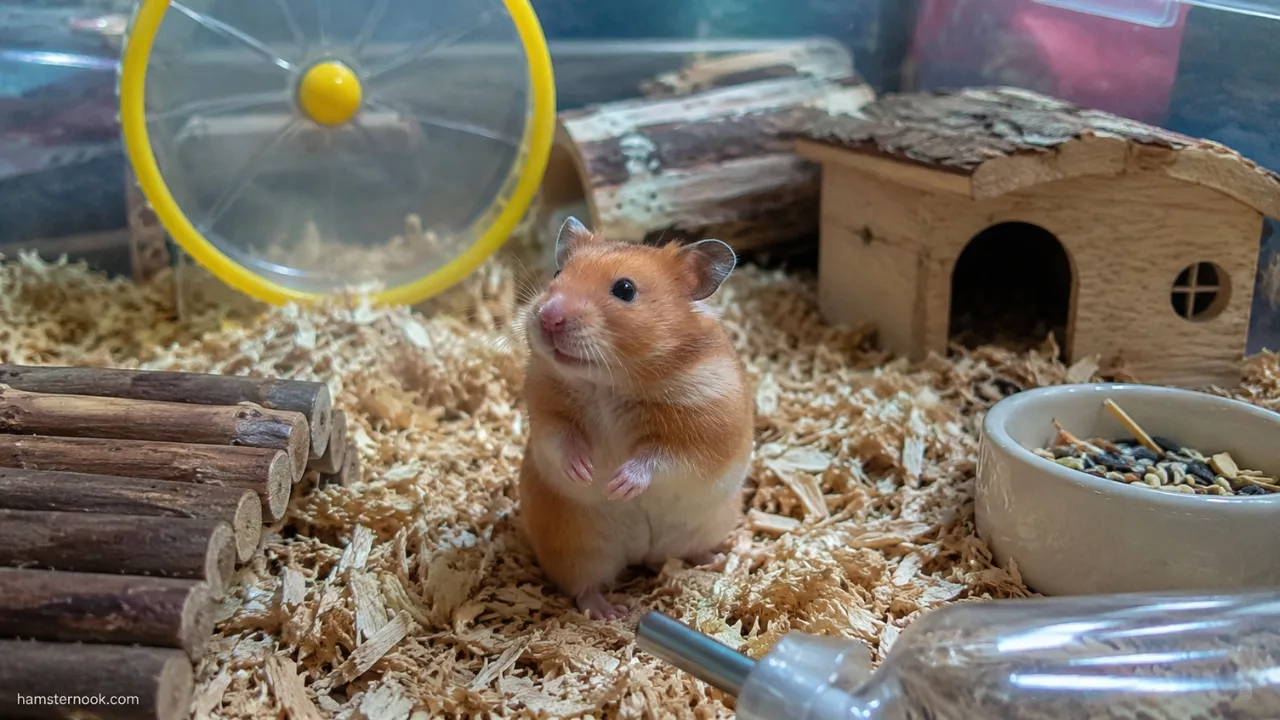
Many create separate areas for:
- Sleeping
- Food storage
- Bathroom use
- Exploring
- Grooming
Moving bedding around the enclosure is often part of maintaining these different areas.
Rather than creating a mess, your hamster may actually be arranging its home in a way that feels natural and secure.
5. They Prefer Eating Somewhere Else
Not every hamster likes eating directly from the food bowl.
Some collect several pieces of food before carrying them to a quiet corner, hideout, or underground tunnel where they can eat without interruption.
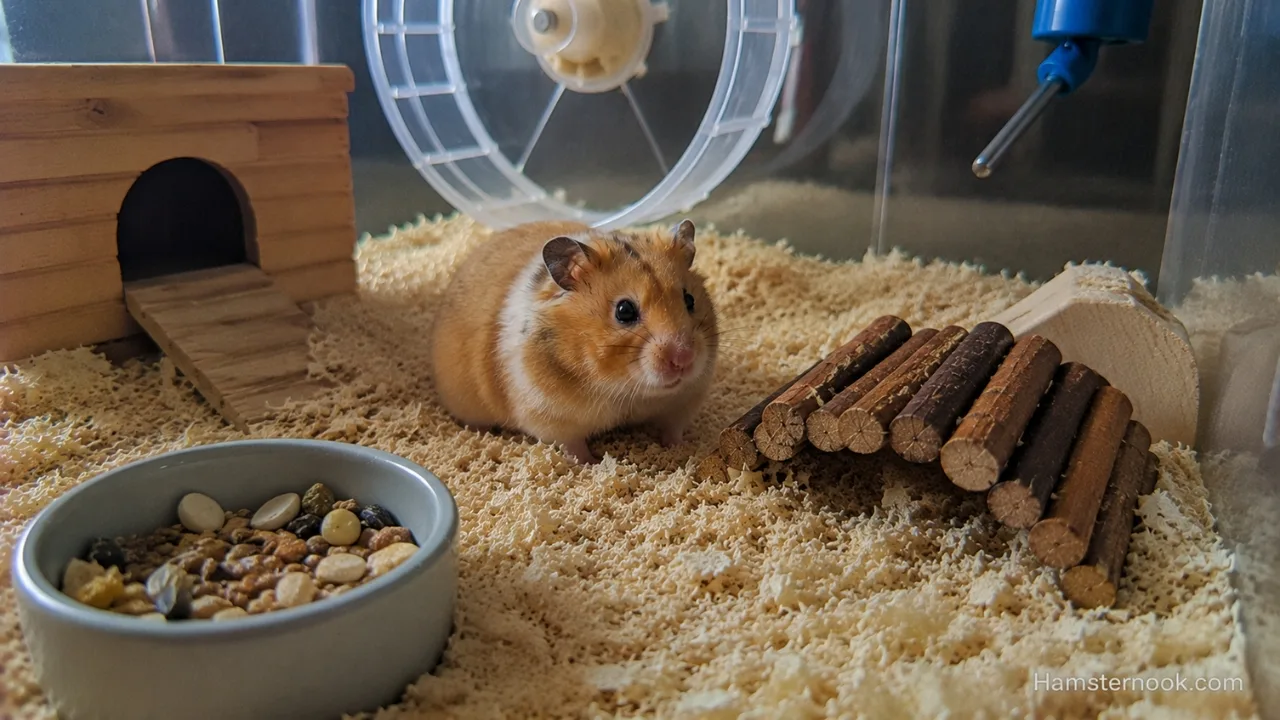
After removing the food they want, they may push bedding over whatever remains in the bowl.
This doesn’t necessarily mean they dislike the food.
Your hamster may simply prefer eating in a location where it feels safer.
A balanced diet is still essential regardless of where your hamster chooses to eat. Complete Hamster Diet Guide: Best Foods, Safe Treats & Toxic Foods provides a detailed overview of healthy daily feeding.

Could the Food Bowl Be in the Wrong Place?
The location of the food bowl can also influence how often it becomes buried during your hamster’s normal daily activities.
A food bowl placed directly beside:
- A favorite tunnel
- A sleeping hide
- A deep digging area
- A nesting corner
may naturally become covered as your hamster rearranges bedding.
If the bowl repeatedly becomes buried, consider moving it slightly rather than preventing your hamster from digging.
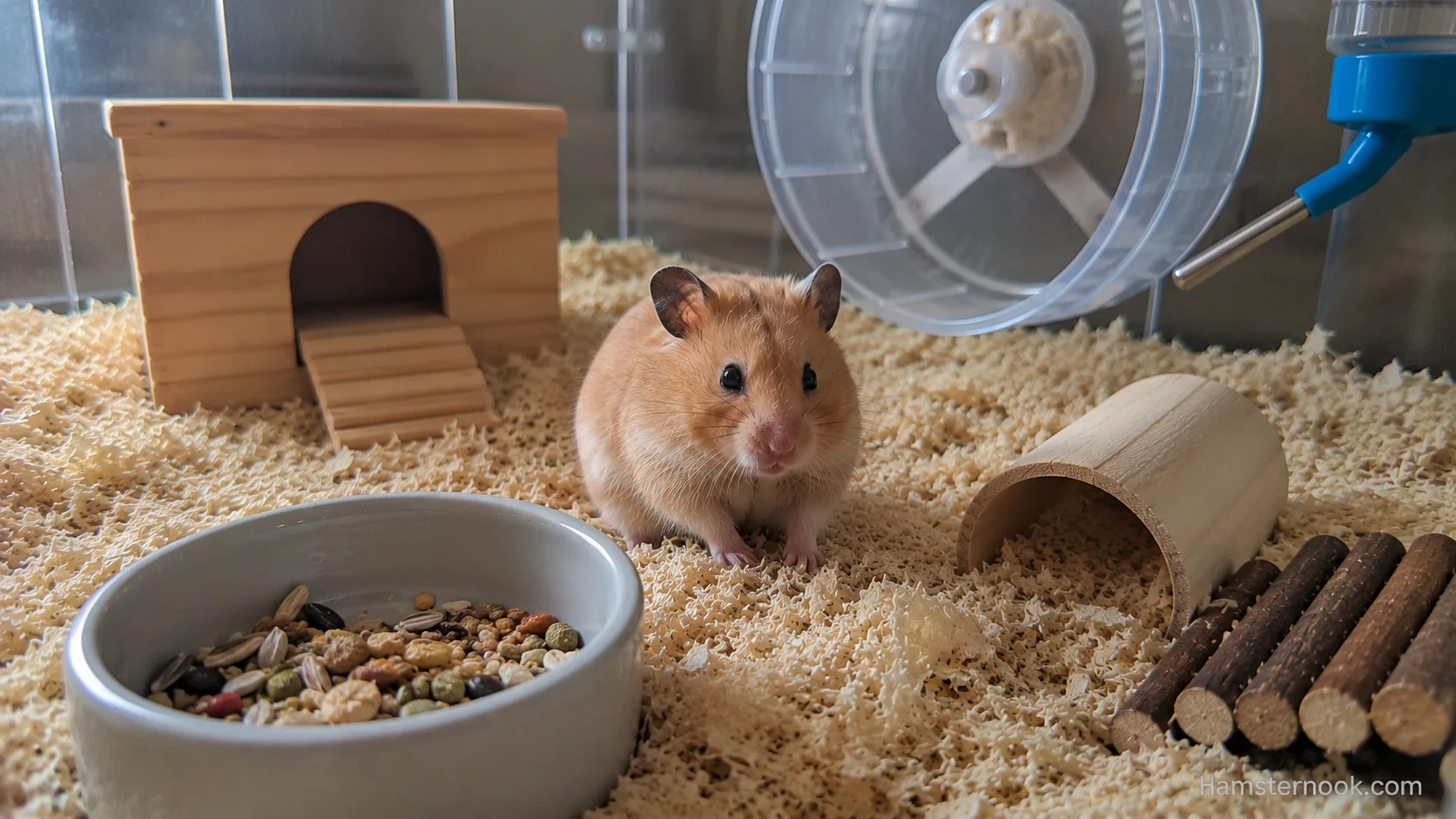
A small change in placement is often enough while still allowing natural behaviors to continue.
If you move the food bowl, choose another quiet area of the enclosure rather than placing it directly beside your hamster’s nest or favorite tunnel. This helps reduce the chance of it being buried again during normal digging.
When Could This Behavior Be a Problem?
In most cases, covering a food bowl is completely harmless.
However, it’s worth paying closer attention if the behavior is accompanied by other changes that suggest your hamster isn’t eating or feeling well.
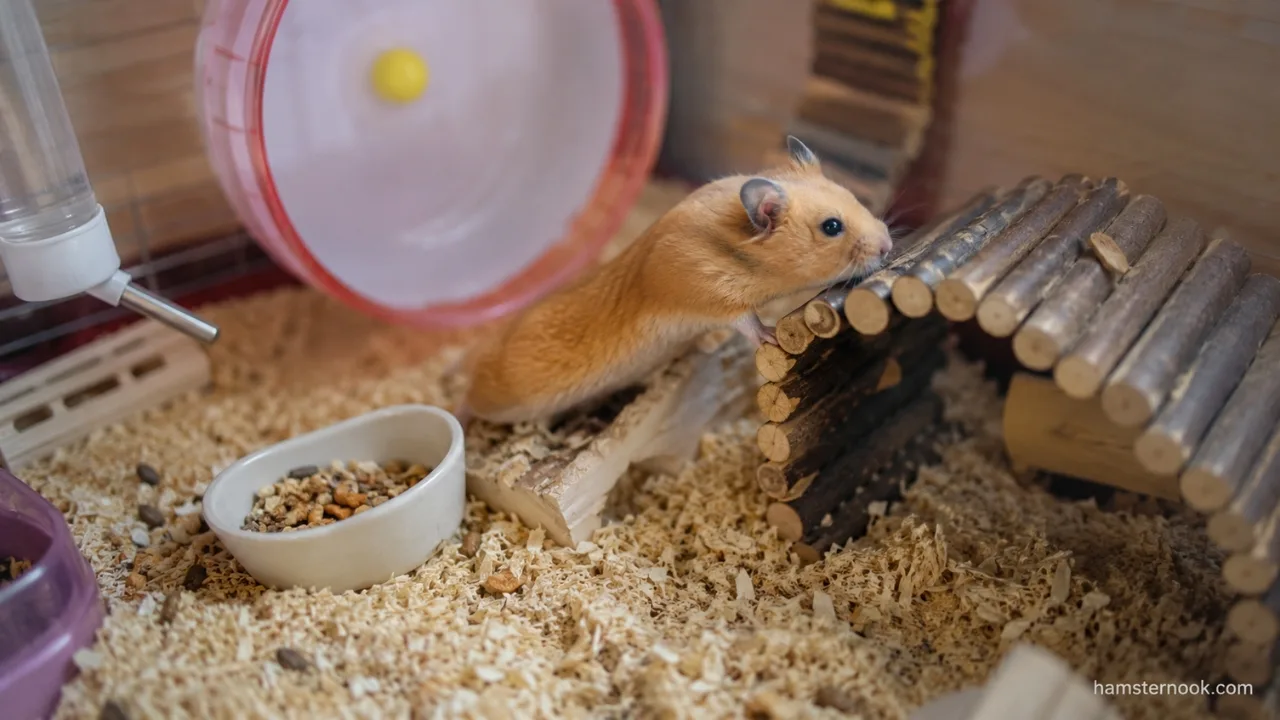
Watch for signs such as:
- Your hamster is eating noticeably less than usual or has stopped eating
- Noticeable weight loss
- Reduced activity during normal waking hours
- Difficulty chewing or dropping food
- Loss of appetite
- Wet or spoiled food hidden under bedding
These changes are more important than the act of covering the bowl itself.
Is My Hamster Eating Bedding or Just Burying Food?
Moving bedding over a food bowl is different from chewing or swallowing the bedding itself. Hamsters naturally dig, burrow, and store food, so bedding around the bowl does not automatically mean your hamster is eating it.
Watch what your hamster actually does. If it pushes bedding over the bowl and carries food away to store it, this is consistent with normal food-hoarding behavior. If you repeatedly see it chewing or swallowing bedding, check that the material is suitable and replace any unsafe fluffy nesting material with appropriate alternatives.

Do not assume that repeated bedding-eating is harmless, especially if your hamster is eating less, losing weight, drooling, or having difficulty chewing. Contact a veterinarian experienced with small mammals if you notice these changes. If your hamster stops eating or appears unwell, seek veterinary advice promptly.
If your hamster is actually eating less or leaving food untouched, our Why Is My Hamster Not Eating? 9 Causes, Warning Signs & What to Do guide covers common causes and warning signs that need prompt attention.
What Should You Do?
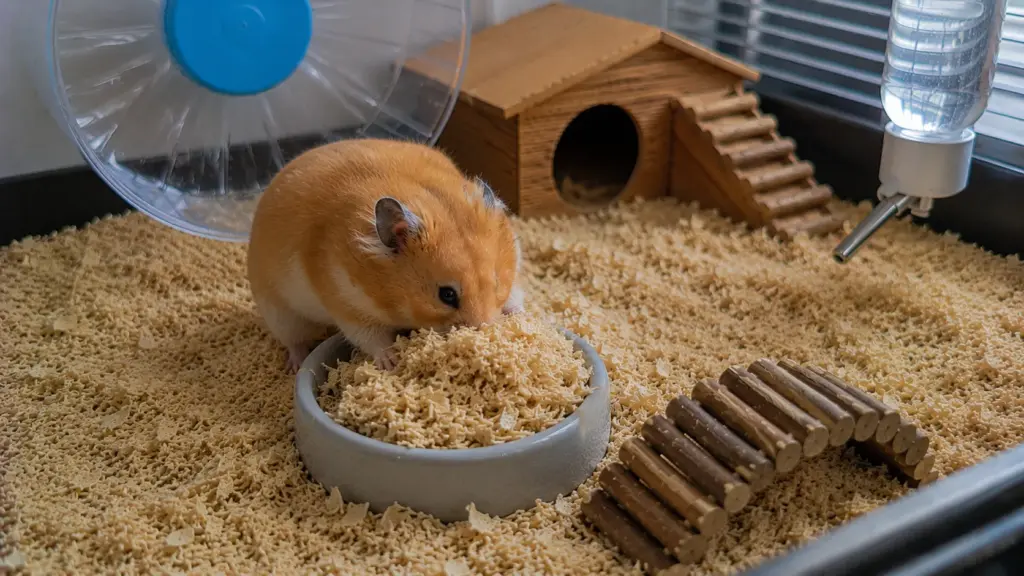
Most owners don’t need to stop this behavior.
Instead, focus on making sure your hamster has everything it needs.
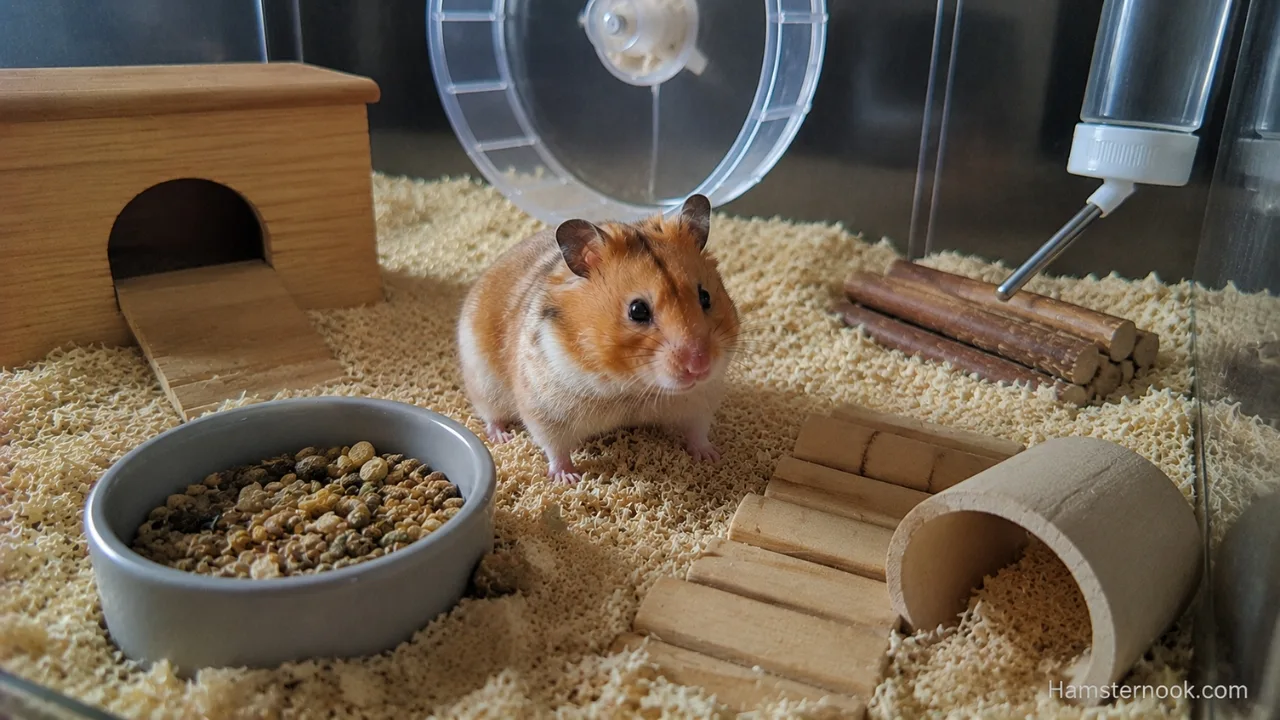
Keep Fresh Food Available
Continue providing a balanced daily diet and remove any fresh foods before they spoil.
Dry food stored in hidden food caches is usually less concerning than fresh fruits or vegetables, which can spoil quickly if buried.
Check Food Stores Occasionally
It’s normal for hamsters to create food caches.
Rather than removing every stored seed or pellet, simply inspect food storage areas during routine cage cleaning to ensure no fresh food has spoiled.
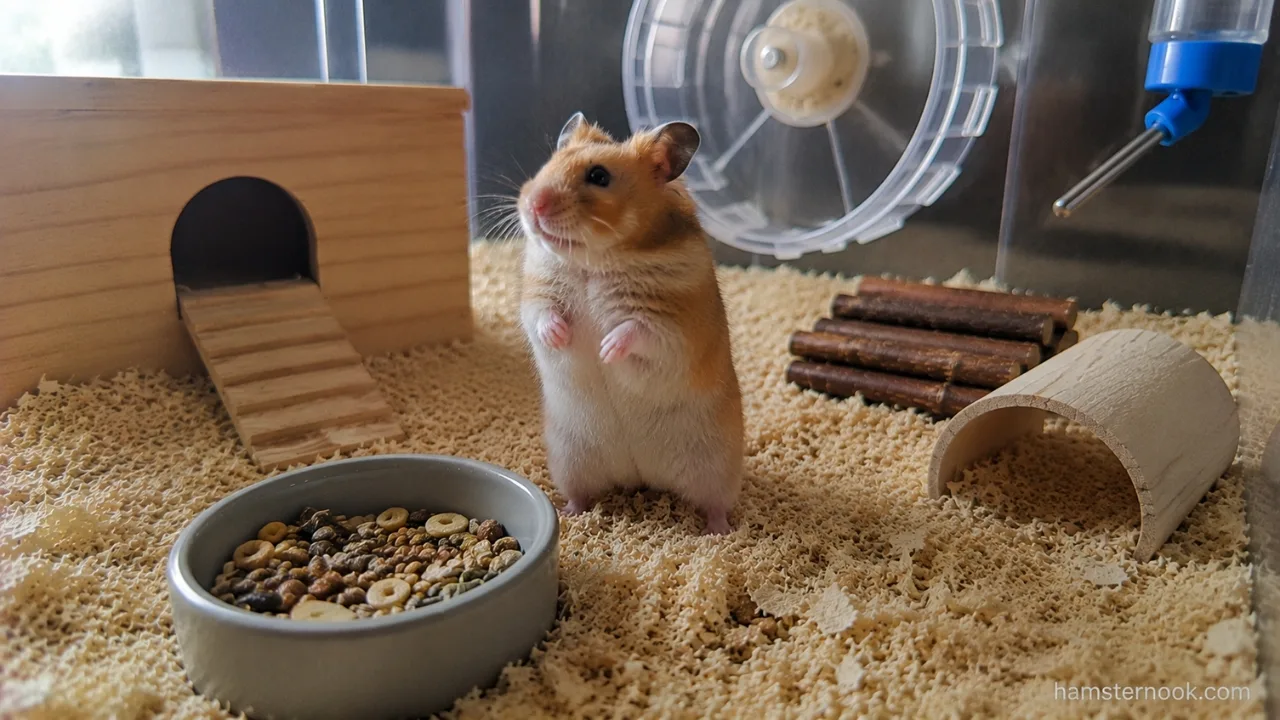
Checking hidden food stores once or twice between full enclosure cleanings is usually enough to remove any fresh foods that may spoil without disturbing normal food-hoarding behavior.
Allow Natural Digging
Digging and burrowing are important natural behaviors.
Avoid flattening or constantly rearranging bedding simply because your hamster keeps burying its food bowl.
Giving your hamster enough bedding often results in a calmer, more natural routine.
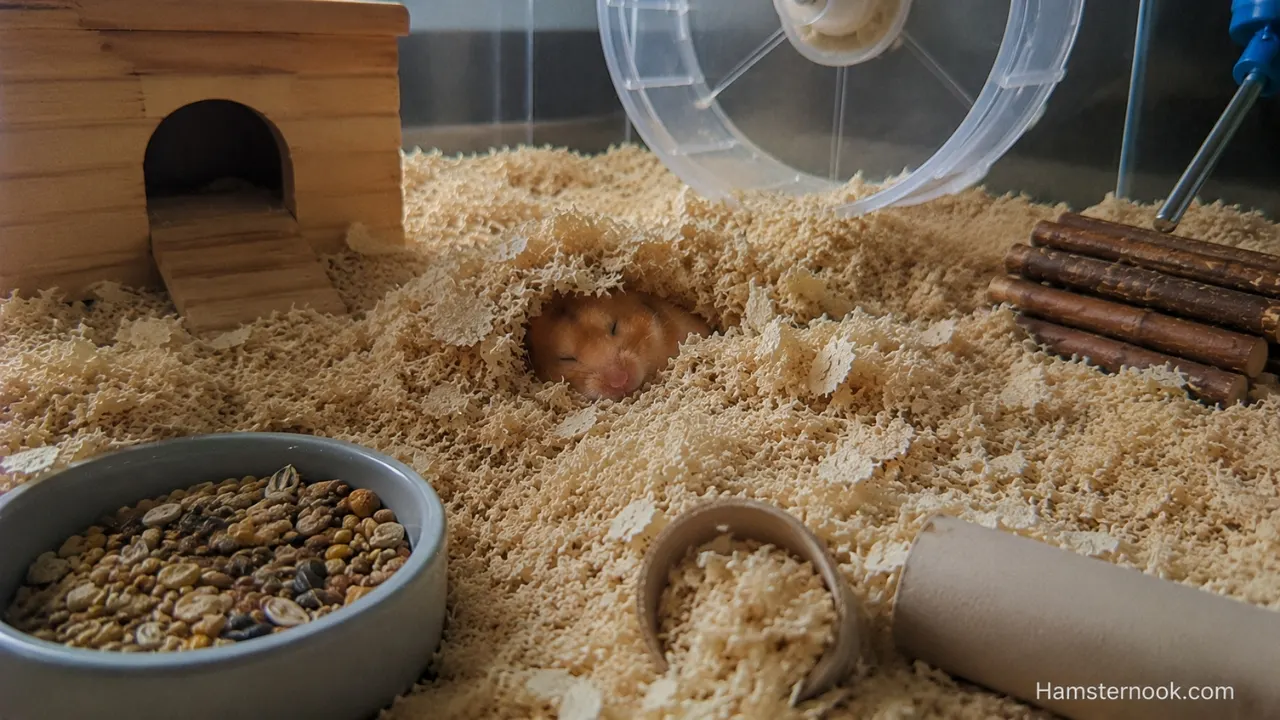
Natural digging and foraging also provide useful enrichment; our Do Hamsters Get Bored? 10 Signs Your Hamster Needs More Enrichment guide explains how a lack of opportunities for these behaviors can affect everyday activity.
Common Mistakes Owners Make
Many new hamster owners unintentionally interfere with completely normal instincts.
Try to avoid these common mistakes:
- Removing every hidden food stash each day
- Constantly uncovering the food bowl
- Rearranging the enclosure too often
- Assuming your hamster dislikes its food
- Preventing burrowing by using very shallow bedding
Allowing your hamster to express natural behaviors usually creates a healthier and less stressful environment.

Supporting natural behaviors such as digging, burrowing, and food hoarding helps create a more secure and less stressful environment for your hamster.
When Should You Contact a Veterinarian?
Covering a food bowl alone is not considered a medical concern.
However, veterinary advice is appropriate if you notice:
- Your hamster has stopped eating.
- Food remains untouched for an extended period.
- Rapid weight loss.
- Difficulty chewing.
- Swelling around the mouth.
- Excessive drooling.
- Unusual lethargy.
- Other signs of illness alongside changes in eating habits.
These symptoms deserve prompt veterinary evaluation because they may indicate an underlying health problem rather than normal food-hoarding behavior.
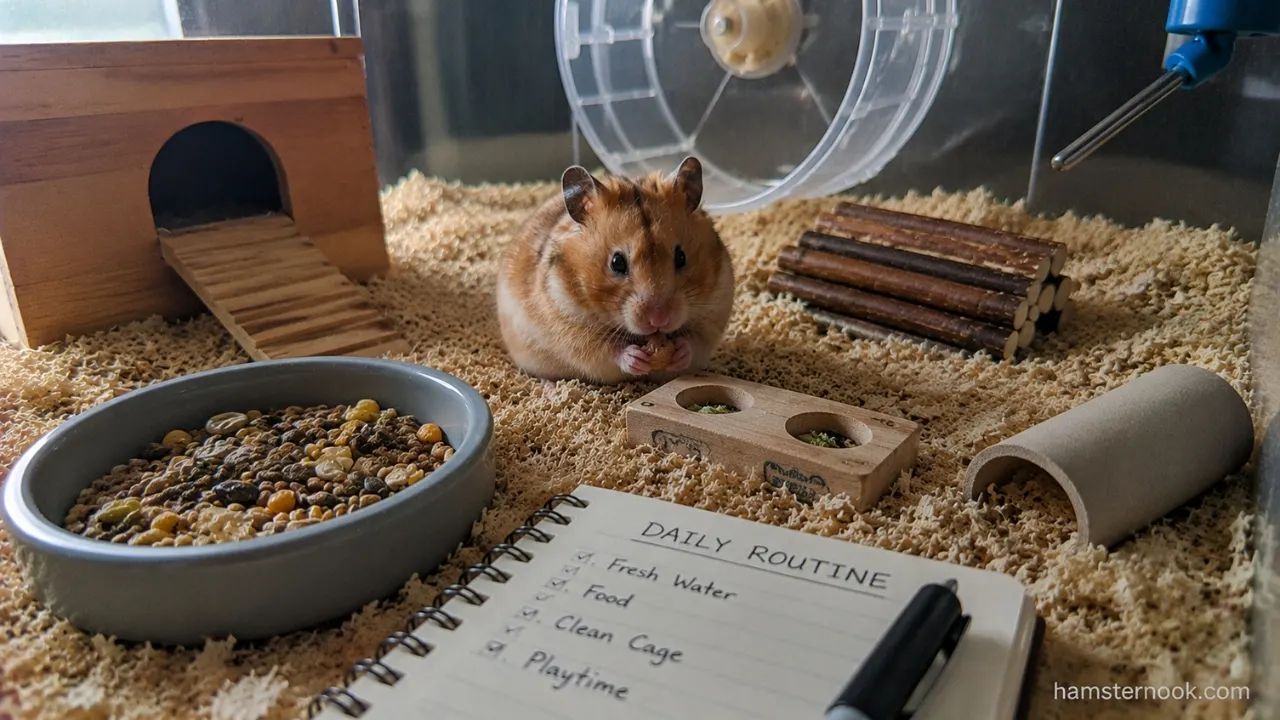
Conclusion
Finding your hamster’s food bowl buried beneath bedding may look strange at first, but it’s usually a sign that your pet is following natural instincts rather than developing a bad habit.
Hamsters are born to collect, store, and protect food. They also enjoy digging and organizing their living space, so a buried food bowl often reflects perfectly normal behavior.
Rather than trying to prevent this behavior, provide deep bedding, a balanced diet, and an enclosure that encourages natural digging, burrowing, and food-hoarding instincts.
If your hamster also frequently moves bedding, toys, or other items around the enclosure, our Why Does My Hamster Keep Rearranging Its Cage? Reasons & When to Worry guide explains when rearranging is normal and when other behavior changes deserve attention.
Frequently Asked Questions
Why does my hamster bury its food bowl every day?
Most hamsters do this because storing and protecting food is a natural instinct. Others accidentally cover the bowl while digging or rearranging bedding.
Should I uncover the food bowl every time?
No. Occasional covering is normal. Simply make sure your hamster continues eating and that fresh foods are removed before they spoil.
Is my hamster hiding food because it’s hungry?
Not necessarily. Even well-fed hamsters naturally collect and store food. Food-hoarding is an instinct rather than a sign that your hamster isn’t receiving enough to eat.
Can I stop my hamster from covering its food?
It’s usually best not to. This behavior is part of your hamster’s natural routine and generally doesn’t need to be discouraged.
Should I remove hidden food caches?
Dry food caches can usually remain unless you’re performing routine enclosure cleaning or the food has become dirty or spoiled. Fresh foods should always be removed before they spoil.
References
This guide draws on established animal-welfare guidance about hamster food-hoarding, feeding, suitable bedding, and safe enclosure care.
- RSPCA – What to Feed a Pet Hamster
- RSPCA – Creating a Good Home for Hamsters
- Blue Cross – Hamster Care Guide

Narayan Kumar is the founder and author of HamsterNook. He creates practical, research-based hamster care guides covering hamster behavior, nutrition, cage setup, enrichment, health, and everyday care. His goal is to help hamster owners make informed decisions and provide safer, healthier lives for their pets through clear, beginner-friendly information based on trusted animal care resources.