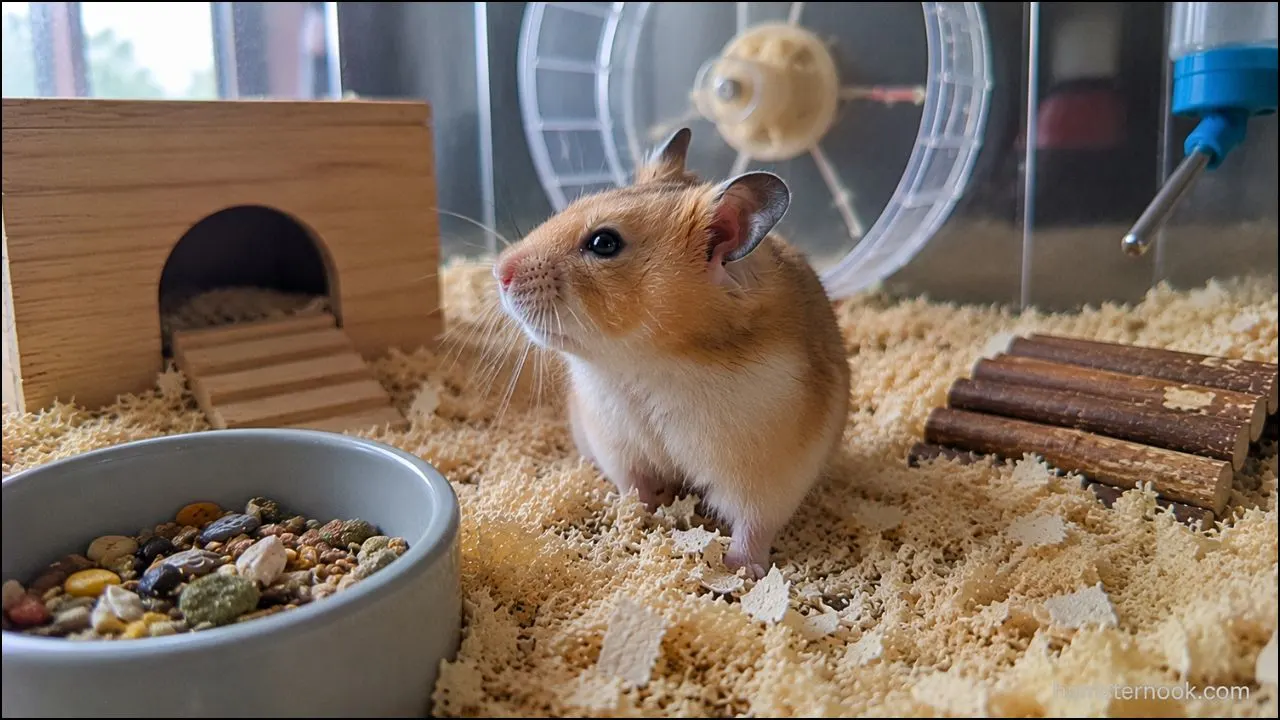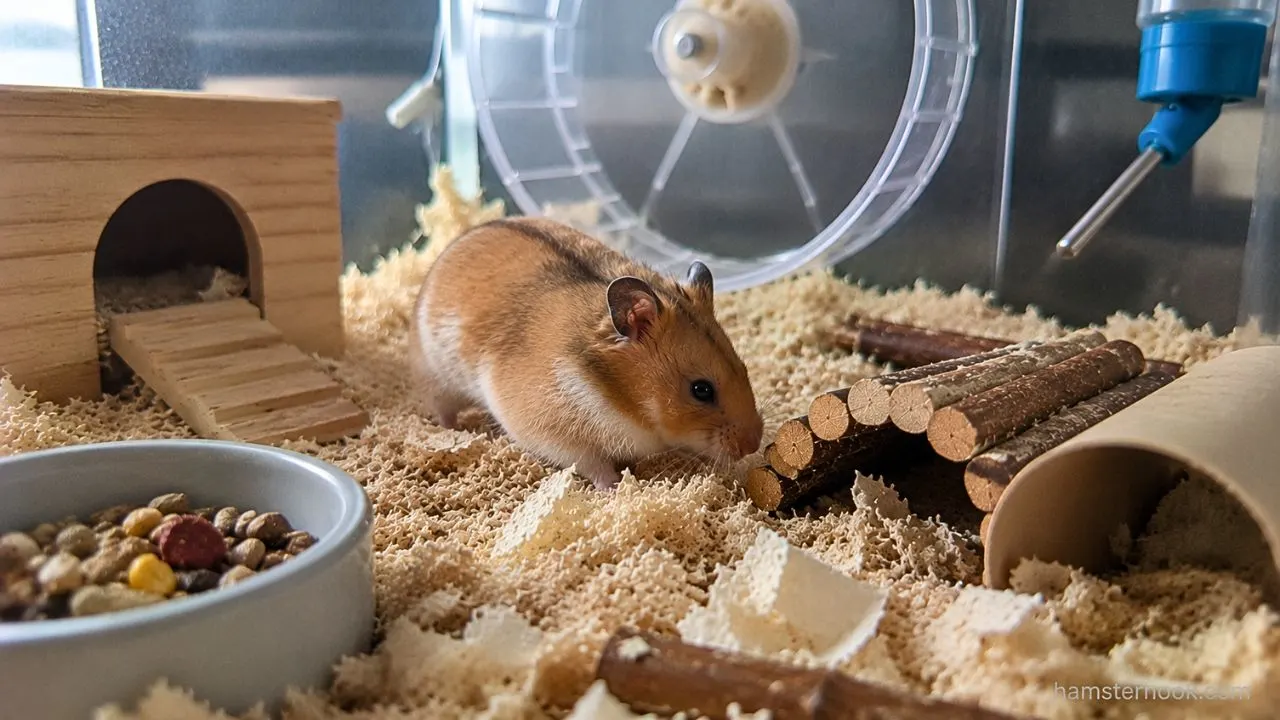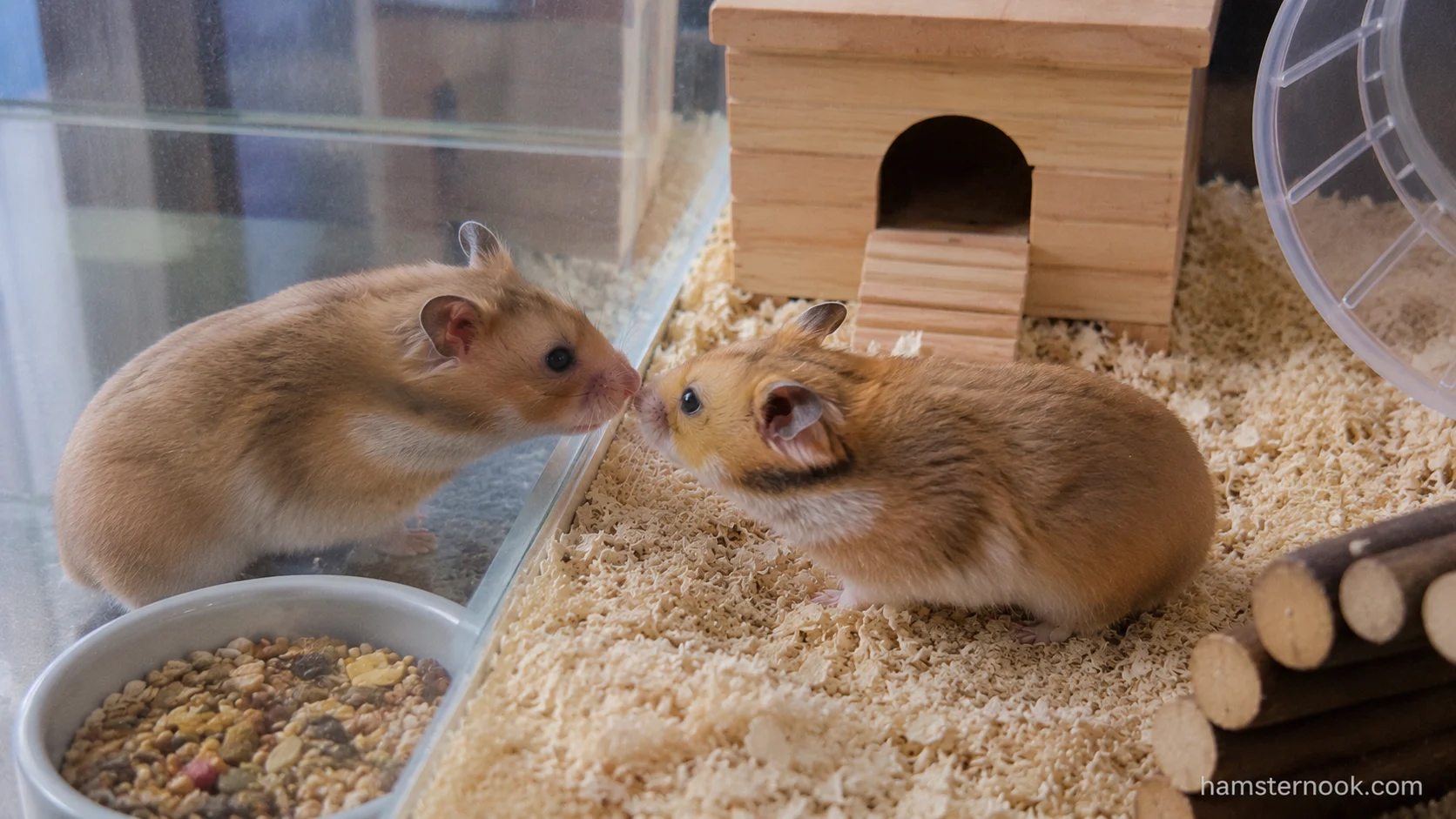
If two hamsters have lived together before, it’s natural to wonder whether they’ll remember each other after being separated. Hamsters have an excellent sense of smell and can recognize familiar scents, but that doesn’t necessarily mean they’ll safely accept another hamster again. Understanding the difference between recognition and territorial behavior is essential before attempting any reunion.
This guide explains what science and experienced hamster care tell us about hamster recognition, why reunions often fail, and how to keep your pets safe.
Quick Answer
Yes, hamsters can likely recognize familiar scents from other hamsters, especially after recent contact. However, recognition does not guarantee acceptance. Even if two hamsters recognize one another, territorial instincts can still cause aggression after they have been separated.
For most pet species—particularly Syrian hamsters—owners should never attempt to reunite adult hamsters simply because they previously lived together.
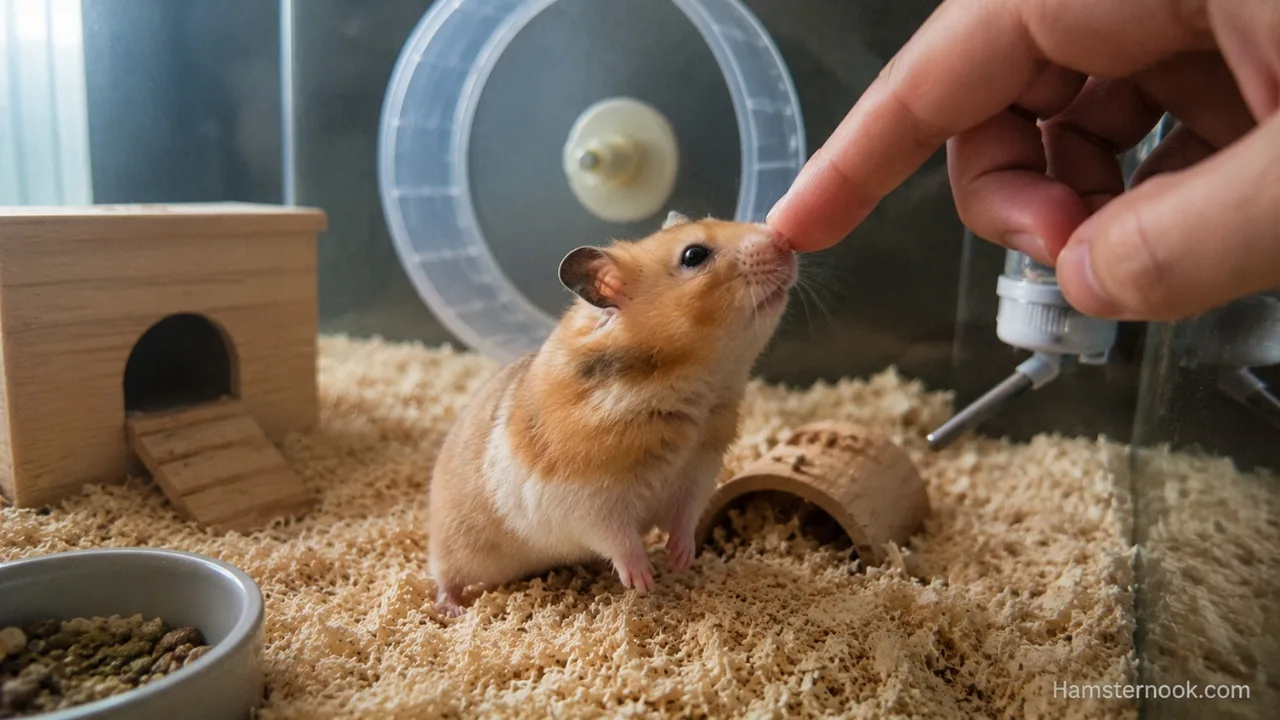
If you’re new to hamster behavior, Complete Hamster Care Guide for Beginners (2026) provides an excellent foundation for understanding how hamsters behave in captivity.
How Do Hamsters Recognize One Another?
Hamsters don’t rely on eyesight the way humans do.
Instead, they gather information using several senses, including:
- Scent
- Body language
- Vocalizations
- Familiar movement patterns
Among these, scent is by far the most important.
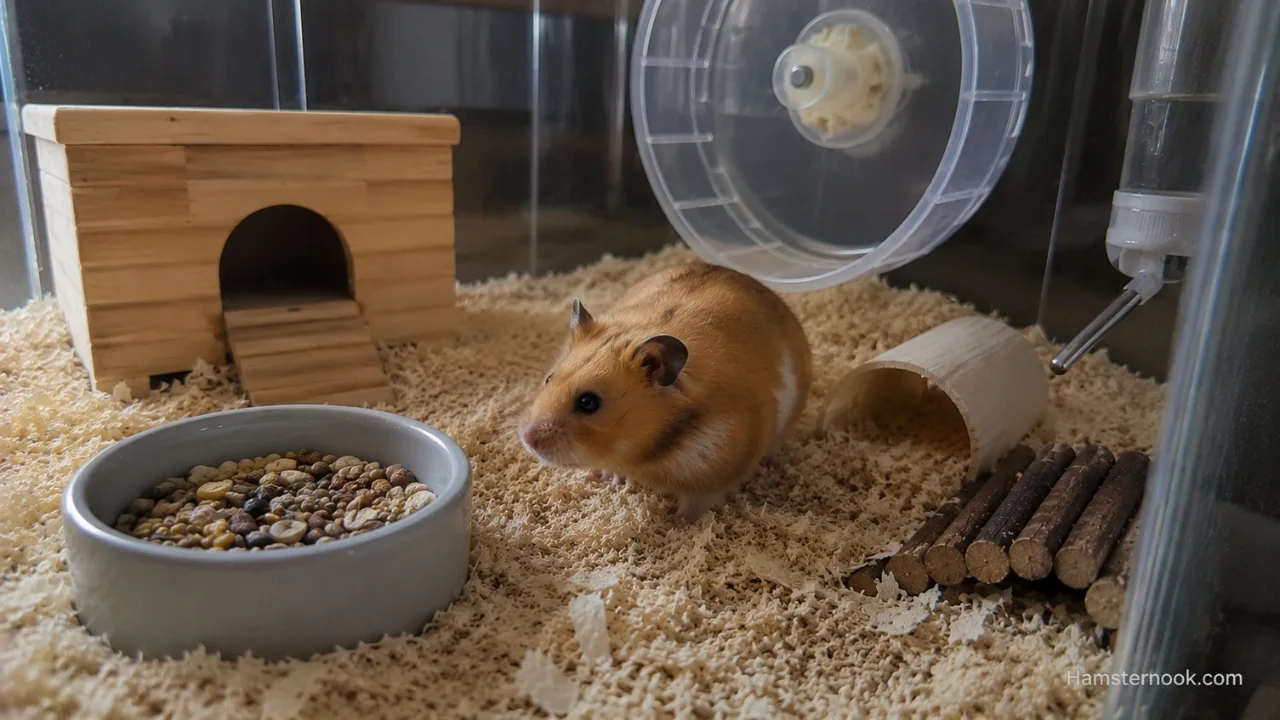
Hamsters naturally investigate new objects, animals, and environments by sniffing. Their scent glands also leave chemical signals throughout their territory, helping them recognize familiar surroundings and other hamsters.
Why Smell Is So Important
A hamster’s sense of smell is extremely well developed and plays a central role in daily life.
It helps them:
- Identify food.
- Detect unfamiliar animals.
- Navigate familiar territory.
- Recognize scent markings.
- Investigate potential mates.
- Distinguish between familiar and unfamiliar individuals.
Because scent carries so much information, a hamster may recognize another hamster’s odor even after some time apart. However, recognition alone doesn’t override natural territorial behavior.

Handling two different hamsters without washing your hands between them can transfer scents. While this isn’t usually harmful, clean hands help reduce unfamiliar odors during routine handling.
For a closer look at how hamsters use scent in everyday life, our guide Can Hamsters Smell Their Owners? How Powerful Is a Hamster’s Sense of Smell? explains this fascinating ability in greater depth.
Recognition Doesn’t Mean Friendship

This is where many owners become confused.
Humans often associate recognition with affection.
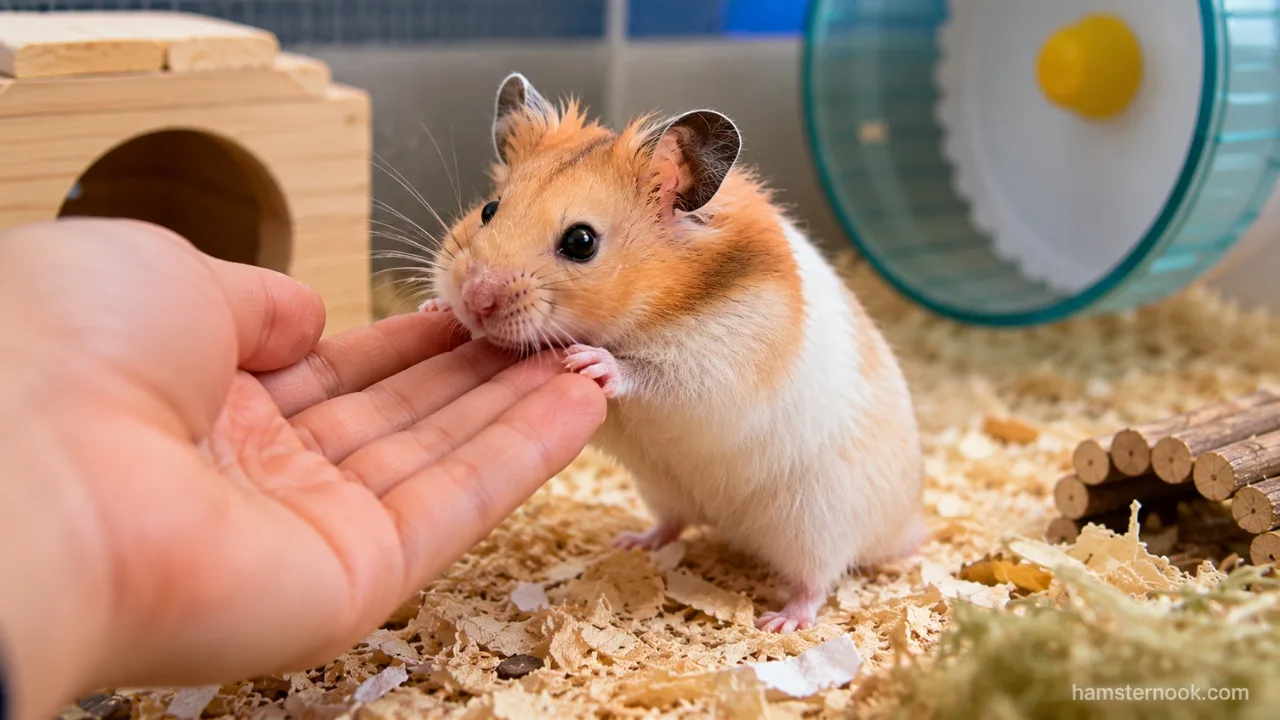
Hamsters do not.
Even if one hamster recognizes another’s scent, it may still react defensively if it views that hamster as an intruder.
This is especially true after both animals have established separate territories.
Recognition simply means something is familiar—not necessarily welcome.
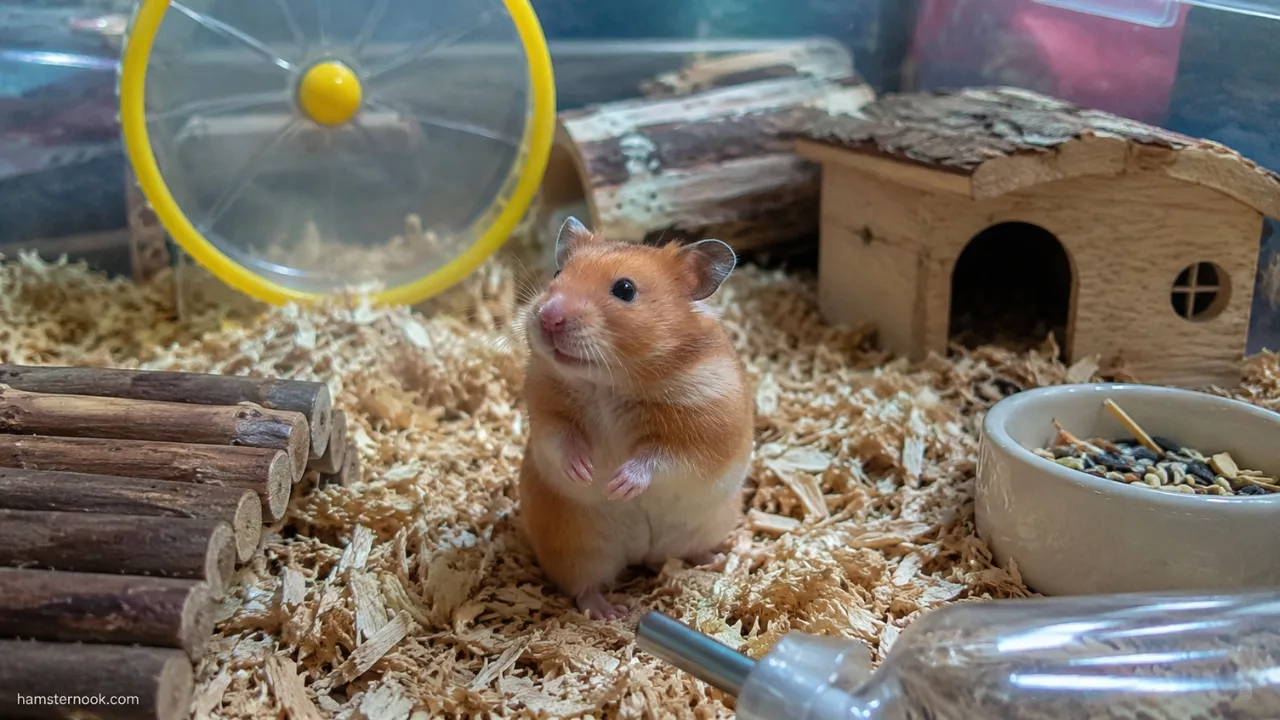
What Happens After Hamsters Have Been Apart?
Several factors influence how separated hamsters respond if they encounter one another again.
| Situation | Likely Outcome |
|---|---|
| Adult Syrian hamsters reunited | High risk of territorial aggression |
| Dwarf hamsters separated for a long time | May no longer tolerate each other |
| Brief separation during cleaning | Usually less disruptive if companions remain together |
| Hamsters introduced as strangers | Careful introductions are still required for compatible species |
Each hamster is an individual, but territorial instincts should always be respected.
If two compatible dwarf hamsters already live together, monitor their interactions after any temporary separation, such as a veterinary visit. Even short separations can occasionally change social dynamics, so watching for early signs of tension helps prevent injuries.
Species Makes a Big Difference
A hamster’s response to a former companion depends heavily on its species, as social behavior varies considerably between Syrians and dwarf hamsters.
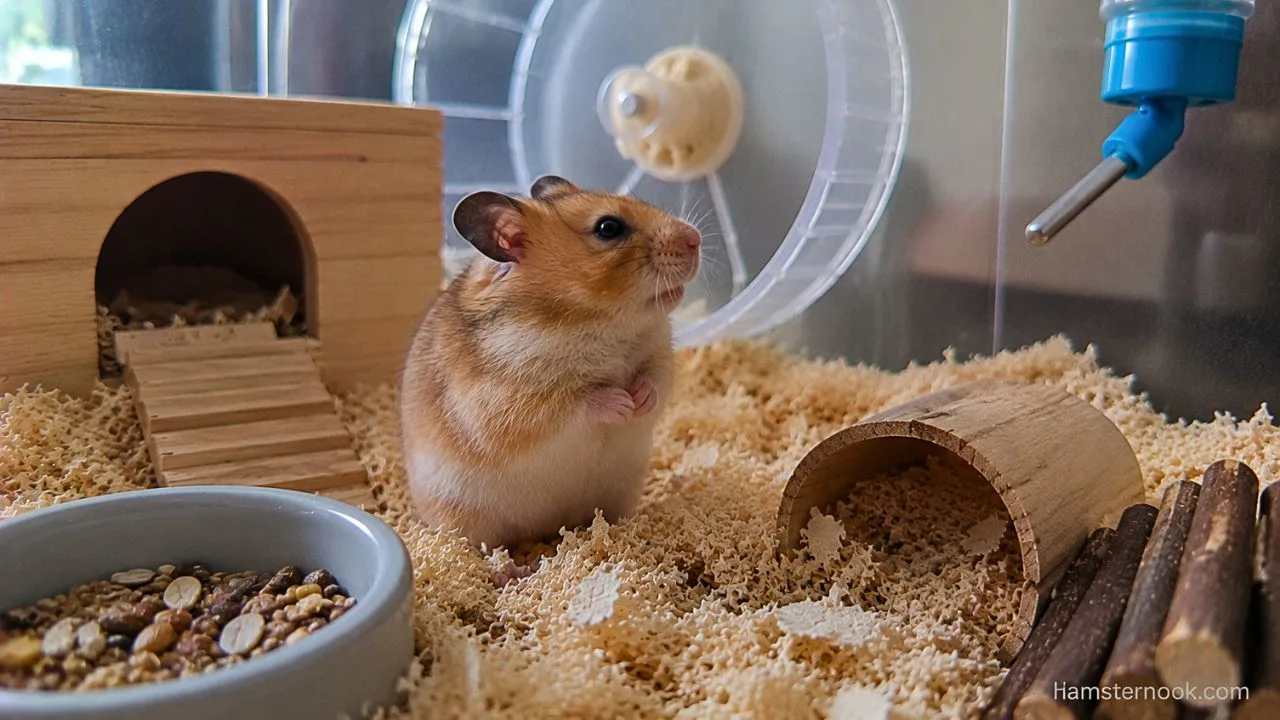
Syrian Hamsters
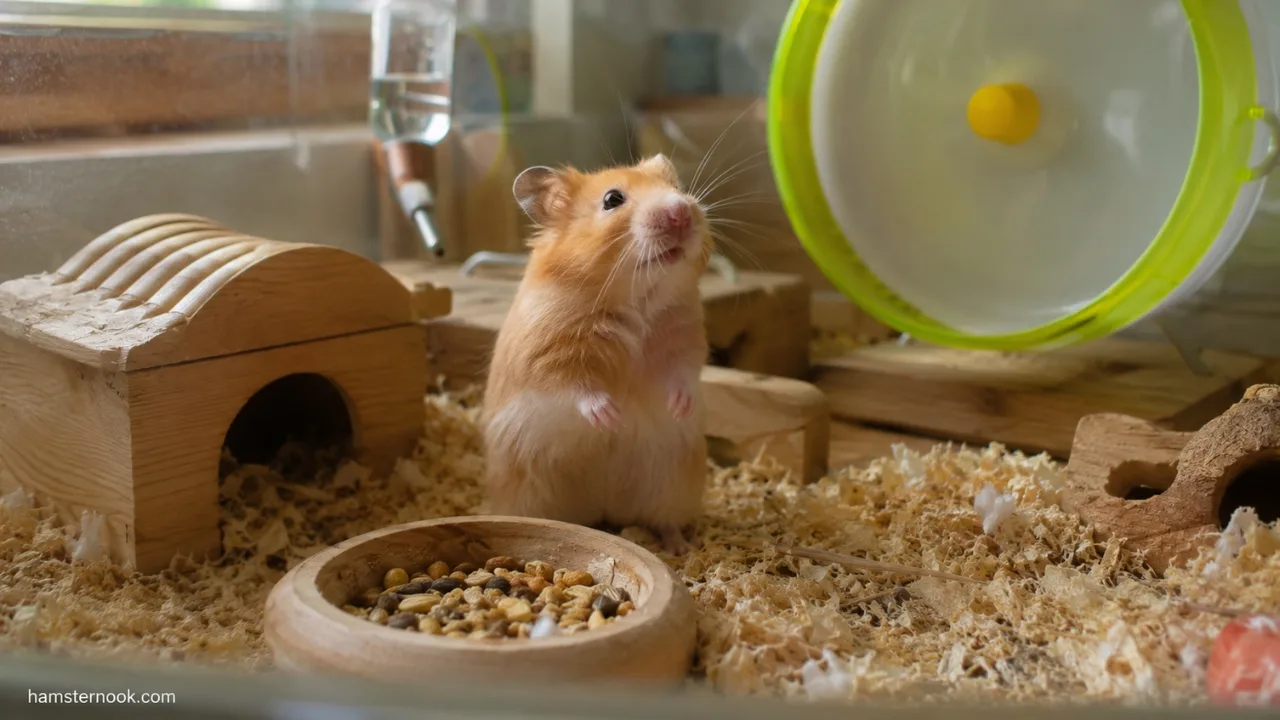
Syrian hamsters are naturally solitary as adults.
Once mature, they should be housed alone regardless of whether they previously shared an enclosure.
Separating adult Syrians and then attempting to reunite them can result in serious fighting.
If you’re still deciding which hamster is right for you, The Truth About Syrian, Dwarf, and Robo Hamsters Most Owners Don’t Know explains the key behavioral differences between the most popular pet species.
Some Dwarf Hamsters
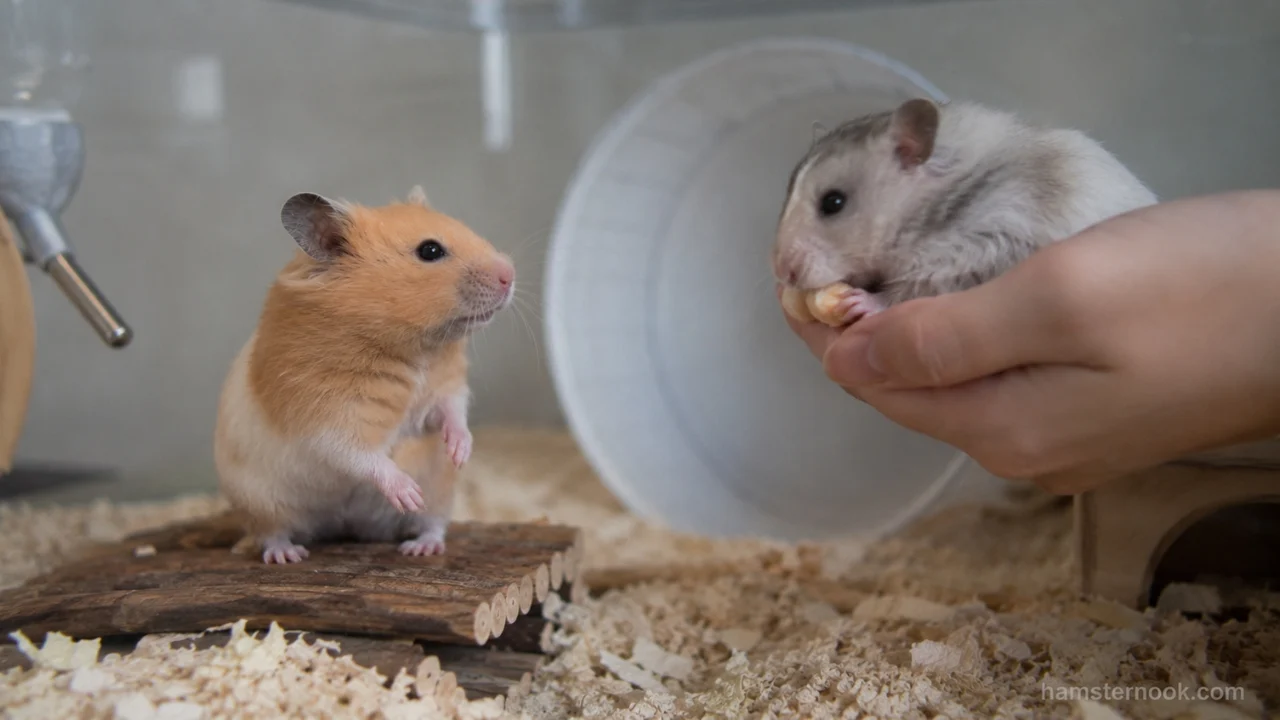
Certain dwarf hamster species may tolerate living with compatible companions under suitable conditions.
However, relationships can change over time.
Even previously peaceful pairs may begin competing for space, food, nesting areas, or other resources.
For this reason, owners should continue monitoring their behavior instead of assuming lifelong compatibility.
Why Separation Can Change Behavior
When hamsters are separated, several things happen naturally.
Each hamster begins to:
- Establish its own territory.
- Build its own nest.
- Leave new scent markings.
- Develop independent routines.
By the time they meet again, each hamster may view the other as an unfamiliar animal entering its space—even if the scent seems somewhat familiar.
Can Baby Hamsters Remember Their Siblings?
Young littermates spend their earliest weeks together, so they are naturally exposed to one another’s scent.

However, once they mature and become independent, species-appropriate social behavior becomes much more important than early familiarity.
Owners should never assume adult siblings can safely live together simply because they were born in the same litter.
Understanding normal social behavior helps avoid dangerous misunderstandings. Hamster Behavior Guide: Understanding Every Common Hamster Behavior (2026) explores many of these natural instincts in greater detail.
Signs Two Hamsters May Not Accept Each Other
If two hamsters are placed together and immediately display defensive behavior, they should be separated before injuries occur.
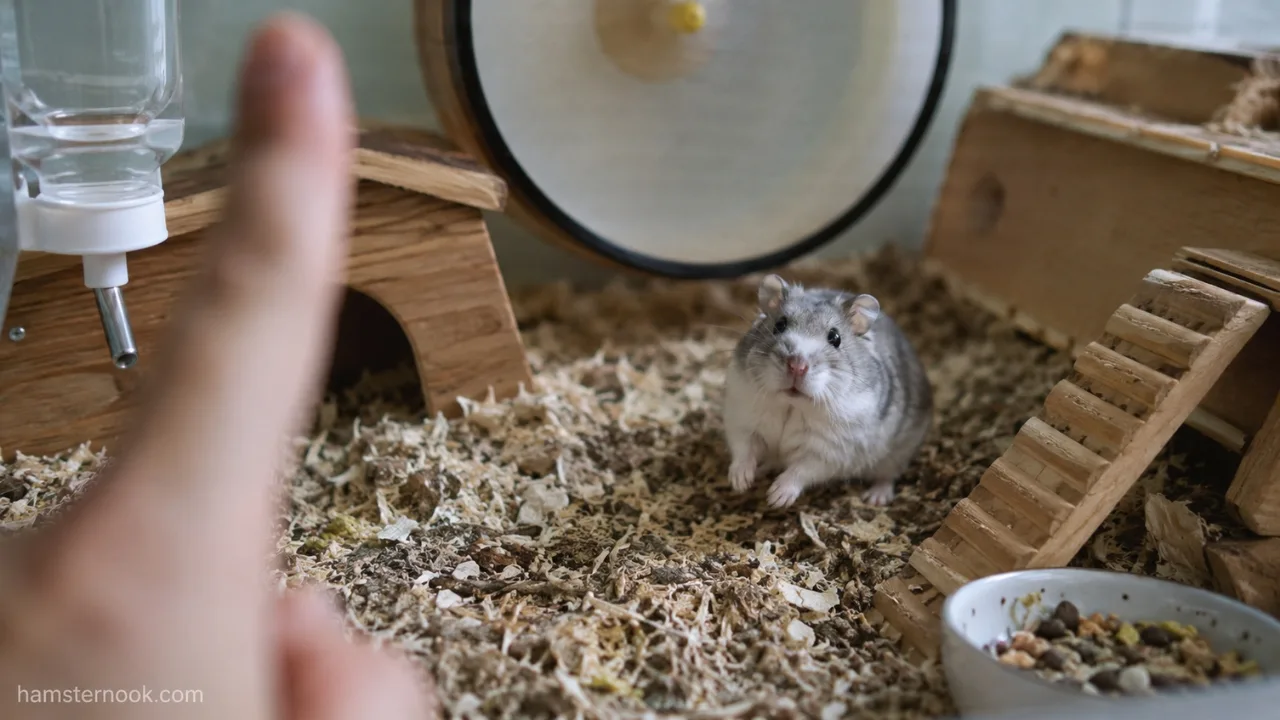
Warning signs include:
- Chasing
- Loud squeaking
- Lunging
- Biting attempts
- Boxing or wrestling
- One hamster repeatedly cornering the other
These behaviors indicate conflict rather than friendly recognition.
Separate the hamsters calmly using a safe barrier or container rather than your bare hands, as frightened hamsters may bite when breaking up a fight.
Even if the hamsters previously lived together, these warning signs should never be ignored.
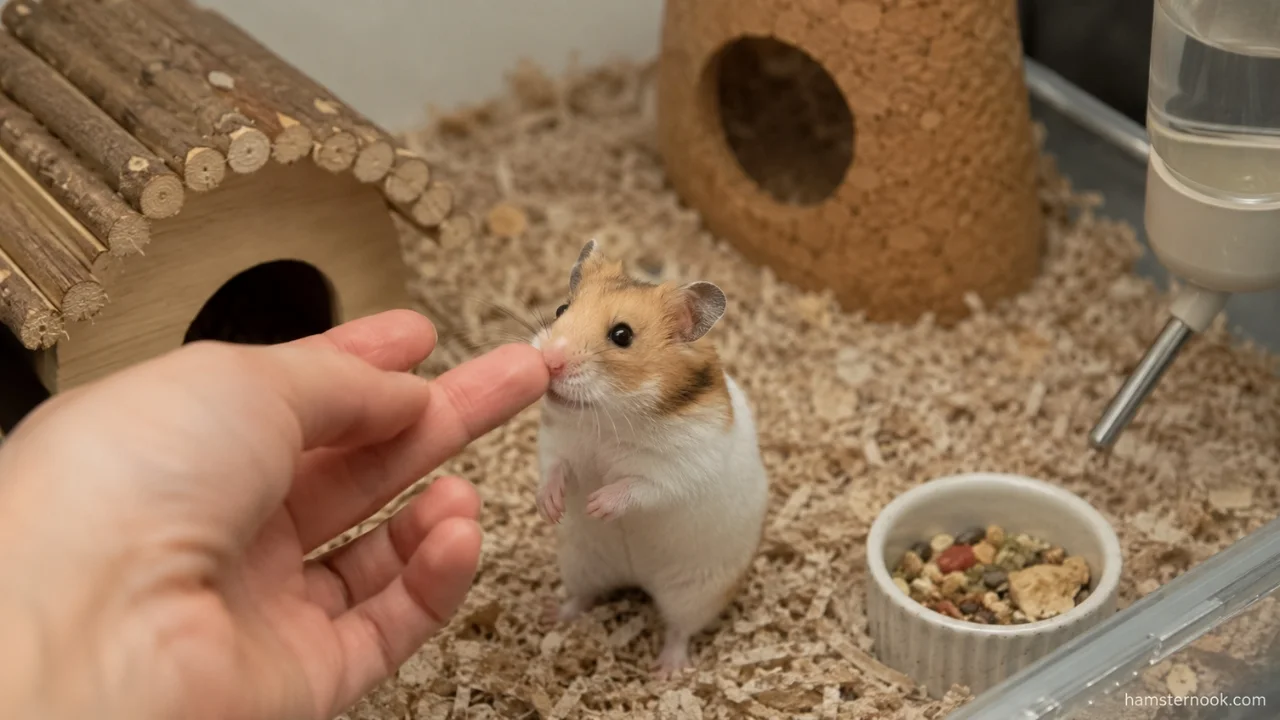
Owners often notice stress signals before aggression escalates. Our article Hamster Body Language Explained: Signs of Stress, Fear & Happiness can help you recognize these behaviors more confidently.
Do Hamsters Miss Other Hamsters?
This is a question many owners ask after separating two hamsters.
At present, there is limited scientific evidence showing that pet hamsters experience “missing” another hamster in the same way humans think about friendships or family relationships.
Instead, their behavior is largely guided by natural instincts such as territory, reproduction, safety, and access to resources.
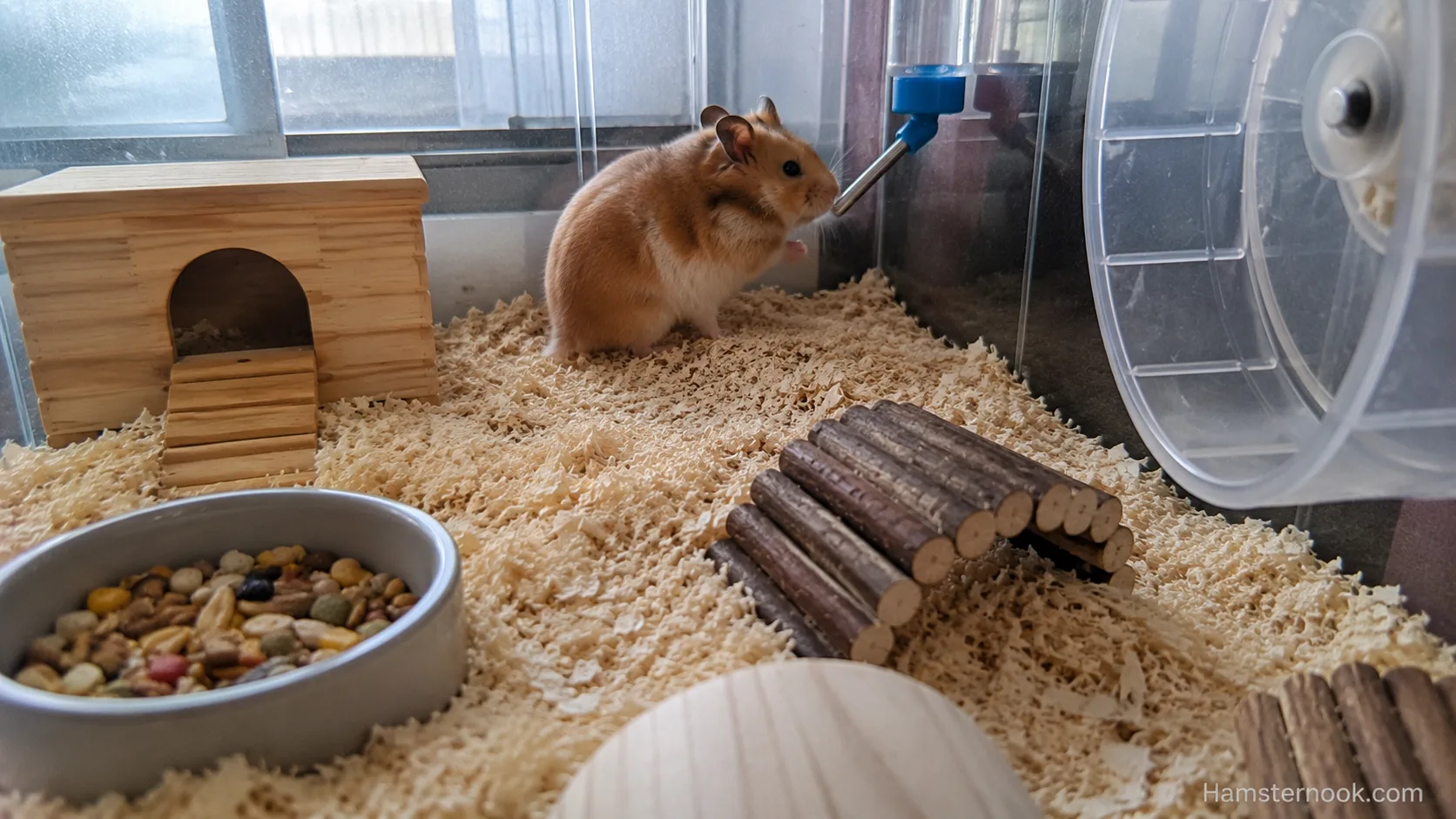
If a hamster appears quieter after separation, it does not necessarily mean it is lonely or grieving. Changes in behavior can result from many factors, including adjusting to a new environment or routine.
For species that naturally live alone as adults, providing a spacious enclosure with plenty of enrichment is generally more beneficial than introducing another hamster.
If you’re interested in keeping your hamster mentally stimulated, Do Hamsters Get Bored? 10 Signs Your Hamster Needs More Enrichment explores simple ways to encourage natural behaviors.
Common Mistakes Owners Make
Many injuries happen because owners misunderstand hamster behavior rather than because the hamsters are unusually aggressive.
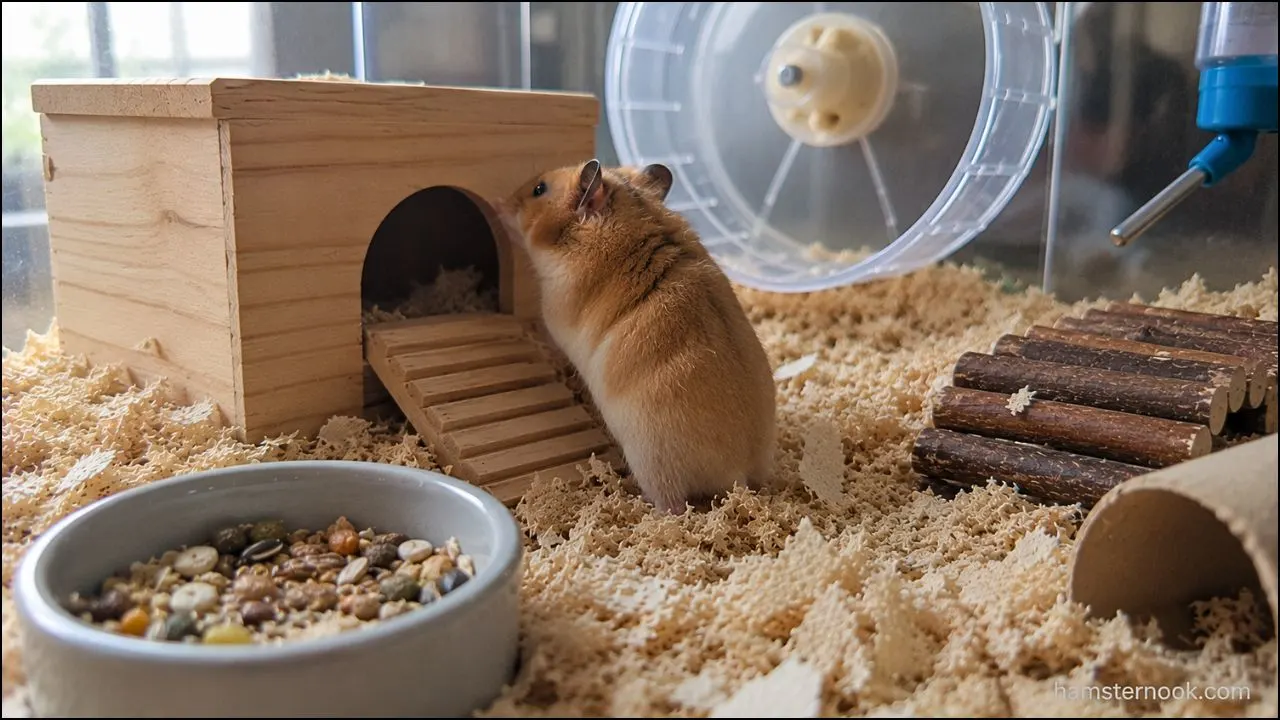
Avoid these common mistakes:
- Reuniting adult Syrian hamsters because they “remember each other.”
- Assuming siblings can safely live together forever.
- Introducing two hamsters without understanding their species.
- Ignoring early signs of aggression.
- Believing peaceful behavior during the first few minutes guarantees long-term compatibility.
Many hamsters display subtle warning signs before aggression escalates, so recognizing these early behaviors can help prevent injuries.
What You Should Do

If your hamsters have been apart and you’re wondering whether they recognize one another, it’s safest to focus on their welfare rather than testing their memory.
A few practical guidelines include:
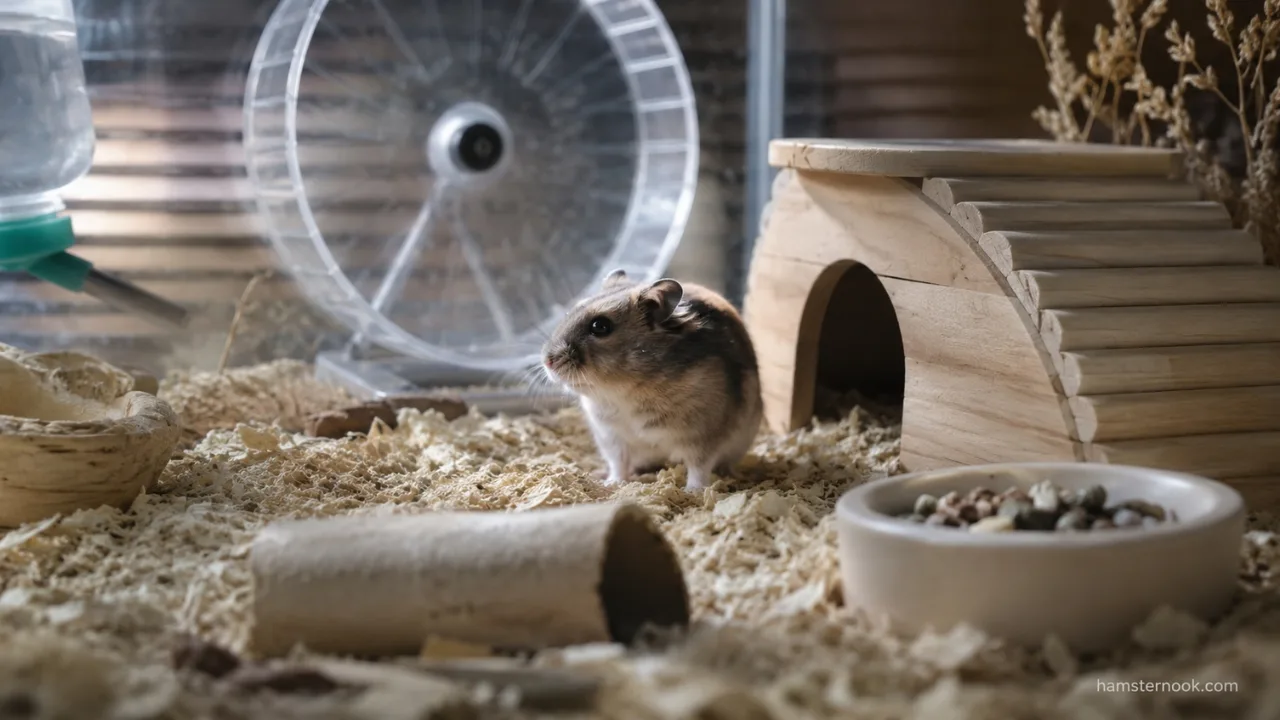
- House adult Syrian hamsters individually.
- Learn the natural social behavior of your hamster’s species.
- Watch for signs of stress if compatible dwarf hamsters live together.
- Never force two hamsters to interact.
- Provide enough space, hiding places, food, and enrichment for each hamster.
Learning how your hamster’s species naturally behaves makes it much easier to provide appropriate housing and reduce the risk of stress or fighting.
When Should You Be Concerned?
Recognition itself is not a health issue, but interactions between hamsters can quickly become dangerous if aggression develops.
Separate hamsters immediately if you notice:
- Persistent chasing
- Repeated biting
- Blood or visible injuries
- One hamster preventing the other from eating or drinking
- Continuous fighting that does not stop within seconds
Any wounds should be examined by an experienced exotic animal veterinarian, as bite injuries can become infected.
Conclusion
Hamsters can recognize familiar scents, including those left by other hamsters they have encountered before. However, recognizing another hamster is very different from accepting it as a companion.
For most pet hamsters—especially Syrian hamsters—territorial instincts become stronger as they mature. Even if two hamsters remember one another, reintroducing them may still lead to conflict.
The safest approach is to respect your hamster’s natural social behavior, provide housing that matches its species, and remember that recognizing another hamster is not the same as accepting it as a companion.
If you’d like to learn more about how hamsters recognize people as well as other animals, Do Hamsters Recognize Their Owners? What Owners Should Know provides additional insight into hamster learning and recognition.

Frequently Asked Questions
Can hamsters remember each other after several months?
They may recognize familiar scents, but there is limited evidence showing how long individual scent recognition lasts after extended separation. Recognition also does not guarantee peaceful behavior.
Should I reunite two Syrian hamsters that used to live together?
No. Adult Syrian hamsters are naturally solitary and should not be housed together simply because they previously shared an enclosure.
Do sibling hamsters always get along?
Not necessarily. While young littermates often live together before weaning, adult compatibility depends on the species and individual behavior. Early familiarity does not ensure lifelong acceptance.
Why did my hamsters start fighting after living together peacefully?
As hamsters mature, territorial behavior can become stronger. Competition for space, food, nesting areas, or other resources may also contribute to aggression.

Can hamsters recognize their owners better than other hamsters?
Hamsters can become familiar with both human and hamster scents through repeated exposure. However, recognition depends on experience and does not necessarily predict how they will respond to either.
References
The information in this guide is based on trusted veterinary and animal welfare resources, including:
- RSPCA – Keeping Hamsters as Pets
- Blue Cross – Hamster Care Guide
- MSD Veterinary Manual – Providing a Home for a Hamster
- NC3Rs – Housing and Husbandry: Hamster

Narayan Kumar is the founder and author of HamsterNook. He creates practical, research-based hamster care guides covering hamster behavior, nutrition, cage setup, enrichment, health, and everyday care. His goal is to help hamster owners make informed decisions and provide safer, healthier lives for their pets through clear, beginner-friendly information based on trusted animal care resources.