
Choosing a hamster seems simple at first. Many new owners walk into a pet store, see a few adorable hamsters, and assume they’re all basically the same. After all, they’re all small, furry, and sleep during the day—right?
That’s what many new owners assume until they bring their hamster home and discover how different the species really are.
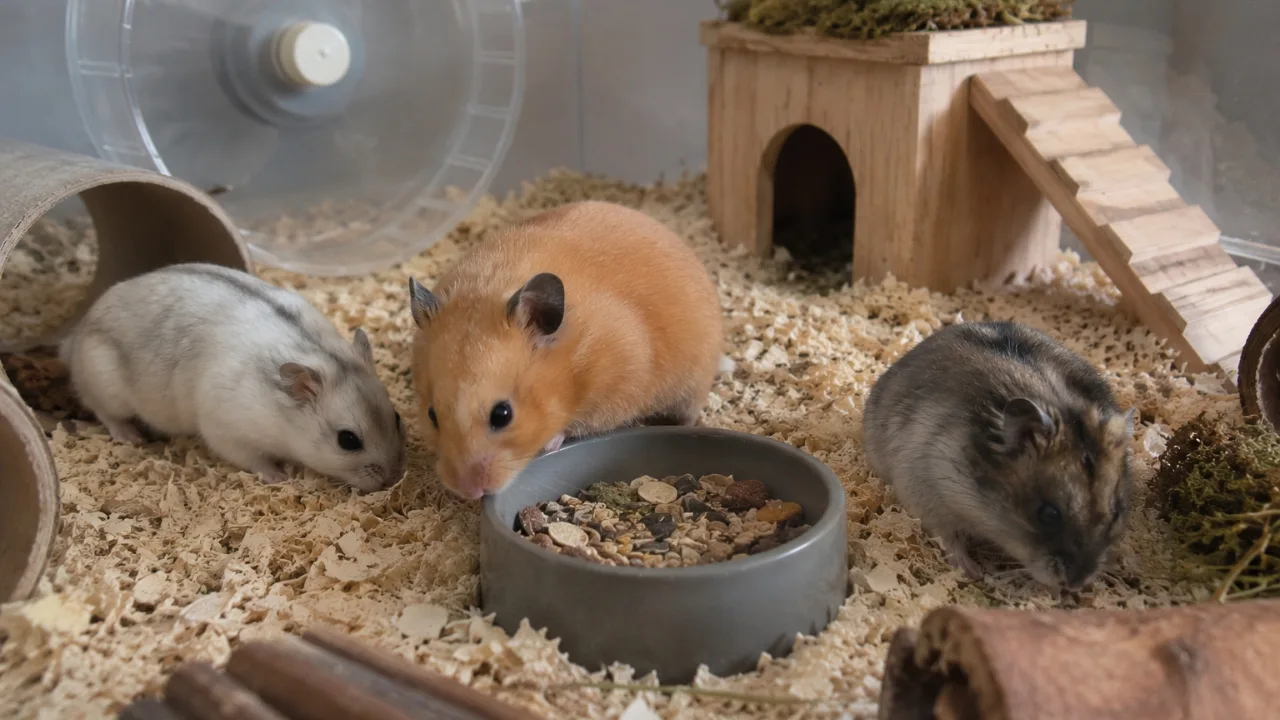
One of the biggest surprises for first-time hamster owners is how dramatically different hamster species can be. A Syrian hamster behaves differently from a Roborovski hamster. A Campbell’s Dwarf hamster has different care considerations than a Winter White. Even their personalities, activity levels, handling preferences, and health risks can vary significantly.
Many common hamster frustrations start with choosing a species that doesn’t fit the owner’s expectations for handling, activity, or personality. Understanding the real differences between Syrian, Dwarf, and Robo hamsters can help you make better care decisions and build a stronger relationship with your pet.

Quick Answer
Syrian, dwarf, and Roborovski hamsters can make good pets, but they suit different owners. Syrian hamsters are generally easier to handle, dwarf hamsters are smaller and faster, and Roborovski hamsters are especially quick and often better suited to owners who enjoy observing natural behavior. The best choice depends on how much handling, interaction, and activity you want from your hamster.
Understanding the Main Pet Hamster Species
Although these species share many basic care requirements, their behavior, size, and handling characteristics can be quite different.
For this comparison, the main groups are:
- Syrian Hamsters
- Russian Dwarf Hamsters, including Campbell’s and Winter White types
- Roborovski Hamsters
- Chinese Hamsters
Roborovski hamsters are themselves a dwarf species, but they are often discussed separately because of their very small size and extremely fast, active behavior. Chinese hamsters are a separate species and should not simply be treated as another Russian dwarf type.

Before discussing the differences, here’s a quick comparison.
Species is only one part of responsible ownership. For the bigger picture on housing, feeding, behavior, and everyday care, see our Complete Hamster Care Guide for Beginners.
Syrian, Dwarf, and Robo Hamster Differences at a Glance
| Feature | Syrian Hamster | Dwarf Hamster | Roborovski Hamster |
|---|---|---|---|
| Average Size | Largest | Small | Smallest |
| Handling Ease | Generally easiest | Moderate | Most difficult |
| Activity Level | Moderate | High | Extremely high |
| Speed | Moderate | Fast | Very fast |
| Beginner Friendly | Yes | Usually | Depends on expectations |
| Typical Human Interaction Level | High | Moderate to High | Lower due to speed |
| Housing Needs | Large enclosure | Large enclosure | Large enclosure |
| Escape Risk | Moderate | High | Very high |
Appearance is only a small part of the decision. Daily care, handling, and long-term enjoyment are often influenced far more by species differences.
The Truth About Syrian Hamsters: They’re Not Always the “Easy” Option

Syrian hamsters earn their beginner-friendly reputation for several reasons, but that reputation doesn’t tell the whole story.

They are generally larger, easier to handle, and slower-moving than smaller hamster species. Their size makes them less intimidating to hold, especially for new owners.
However, many people don’t realize that Syrian hamsters can also be among the most demanding when it comes to enclosure requirements.
Syrians Need More Space Than Most Owners Expect
Many owners are surprised to learn that Syrian hamsters are responsible for a large percentage of escape attempts and cage-related stress behaviors when housed in enclosures that are too small.
One of the most common mistakes is assuming a larger hamster can live comfortably in a standard pet store cage.

In reality, Syrian hamsters are known for developing stress-related behaviors when housed in cramped environments.
Signs may include:
- Bar chewing
- Cage climbing
- Persistent pacing
- Escape attempts
Owners researching enclosure upgrades often benefit from reading Does My Hamster Need a Bigger Cage? because many escape behaviors are linked to inadequate space and enrichment.
Syrian Hamsters Are Strictly Solitary
Another misconception is that Syrians become lonely without companions.

They do not.
Adult Syrian hamsters are solitary animals and should live alone. Housing multiple Syrians together can result in serious fighting and injuries.
The Truth About Dwarf Hamsters: They’re More Complex Than People Think
Dwarf hamsters often fall between Syrians and Robos in terms of handling and activity, which is why experiences can vary significantly between owners.
Many new owners choose dwarf hamsters because they’re small, cute, and often appear social.

While they can be wonderful pets, there are a few important realities that pet stores rarely explain.
Not All Dwarf Hamsters Are the Same
“Dwarf hamster” is a broad term that can cause confusion because several different species are commonly grouped under it.
Campbell’s and Winter White hamsters are commonly described as Russian dwarf hamsters, while Roborovski hamsters are another dwarf species with very different activity and handling characteristics. Chinese hamsters are a separate hamster species rather than simply another Russian dwarf type.
Each species can have different characteristics and care considerations. That means choosing a hamster based on size alone can be misleading. Before bringing one home, consider the individual species as well as your expectations for handling, activity, diet, housing, and daily care.

Dwarf Hamsters Can Be More Food-Sensitive
Some Russian dwarf hamsters are particularly prone to diabetes, so sugary treats should be limited and should not become a routine part of the diet. The exact risk varies by species and individual hamster, so avoid treating every dwarf hamster as if it has the same health profile.
PDSA specifically identifies Russian dwarf hamsters as particularly prone to diabetes.
Owners frequently overlook this risk when feeding fruit treats. Learning about Can Hamsters Eat Grapes? or other sugary foods can help prevent dietary mistakes.
Many Owners Underestimate How Fast Dwarf Hamsters Are
Many beginners assume smaller hamsters are easier to manage because they require less space.

In reality, dwarf hamsters are often much quicker and more agile than Syrians.
This can make handling sessions more challenging, especially for children or first-time owners.
The Truth About Robo Hamsters: They Are Not Tiny Syrian Hamsters
Roborovski hamsters, often called Robos, are among the most fascinating hamster species.
They are also one of the most misunderstood.

Many people choose Robos because of their tiny size and adorable appearance, expecting them to behave like miniature Syrian hamsters.
That expectation usually leads to disappointment.
The issue is not that Robos are unfriendly. The issue is that their natural behavior is very different from what many owners expect from a pet hamster.
Robos Are Built for Speed
Roborovski hamsters are extremely active.

Many owners are shocked by how quickly they move.
Unlike Syrians, which may pause during handling sessions, Robos often dart rapidly from place to place and rarely sit still.
For some owners, this makes them less suitable as traditional “holding” pets.
Watching Can Be More Rewarding Than Holding
The happiest Robo owners often treat their hamster more like an observation pet.

Watching them:
- Dig tunnels
- Run on wheels
- Forage for food
- Explore enrichment items
can be incredibly entertaining.
Owners who expect frequent cuddling may find Syrians a better match.
If handling is an important part of your decision, our Which Hamster Breed Likes Being Held the Most? Best Breeds for Handling Ranked guide gives a more focused comparison of handling preferences.

The Biggest Myth: One Species Is “Better” Than the Others
Many articles try to rank hamster species from best to worst.
The reality is much simpler.
The best hamster is the one that matches your expectations.
| Owner Preference | Best Match |
|---|---|
| Enjoy handling and interaction | Syrian |
| Want a small but active pet | Dwarf |
| Love observing natural behaviors | Roborovski |
| First-time owner wanting easier taming | Syrian |
| Interested in watching enrichment activities | Robo or Dwarf |
What Most Owners Don’t Know About Hamster Personalities

Species matters, but personality matters too.

Two Syrian hamsters can have completely different temperaments.
One may eagerly approach your hand for treats, while another remains cautious despite excellent care.
Likewise, some dwarf hamsters become highly interactive, while others prefer limited contact.
Owners sometimes worry that a shy hamster dislikes them, but personality differences are completely normal.

Understanding topics like How Long Does It Take for a Hamster to Trust You? can help set realistic expectations during the bonding process.
Common Mistakes Owners Make With Different Hamster Species
Assuming Small Means Easier
Smaller hamsters are often faster, more agile, and harder to handle than larger species.
Buying the Wrong Cage
All hamster species require spacious enclosures.
Many commercial cages marketed for hamsters are too small regardless of species.
Expecting Instant Bonding
Trust takes time.
Owners who rush handling often experience setbacks.
Learning The Biggest Mistake New Hamster Owners Make in the First Week can help prevent common trust-building mistakes.
Ignoring Natural Activity Patterns
Hamsters are naturally most active during evening and nighttime hours.

Owners expecting daytime interaction may mistakenly think their hamster is lazy or unhealthy.
Warning Signs That Your Hamster’s Needs Aren’t Being Met
Regardless of species, these behaviors may indicate a problem:
| Behavior | Possible Cause |
|---|---|
| Bar chewing | Stress or insufficient space |
| Excessive hiding | Fear or adjustment period |
| Repeated escape attempts | Boredom or enclosure issues |
| Weight gain | Dietary imbalance |
| Aggression during handling | Fear, stress, or poor taming |
| Lethargy | Illness or environmental concerns |
Persistent changes in behavior should always be monitored carefully.
If biting is one of the concerns behind handling difficulties, our Which Hamster Is Least Likely to Bite? 5 Breeds Compared for Beginners guide compares bite-related differences between hamster breeds.

Choosing a hamster based on personality expectations rather than appearance alone often leads to a much better ownership experience.
How to Choose the Right Hamster for Your Lifestyle
Before choosing a hamster, ask yourself a few honest questions.
Do you want a pet you can handle regularly?
A Syrian may be the best fit.

Do you enjoy observing natural behaviors more than handling?
A Robo may be ideal.
Do you want something in between?
A dwarf hamster could be a good option.

Many owners also enjoy learning Can Hamsters Learn Their Names? because interaction and training opportunities vary slightly between individual hamsters and species.
The goal isn’t finding the “perfect hamster.” It’s finding the hamster whose natural behaviors match your expectations. If you are choosing your first hamster, comparing breeds before bringing one home can make it easier to match handling preferences, activity level, and care expectations with the right species.
If you’re still deciding which type of hamster fits your experience level, our Best Hamster Breeds for Beginners guide compares the options from a first-time owner’s perspective.
Final Thoughts
The biggest truth most hamster owners don’t know is that Syrian, Dwarf, and Roborovski hamsters are far more different than they appear.

Their personalities, activity levels, handling preferences, dietary considerations, and care needs can vary significantly. Many common frustrations occur not because an owner is doing something wrong, but because they expected one species to behave like another.
By understanding these differences before bringing a hamster home, you’ll be better prepared to create an environment that meets your pet’s needs and supports a successful long-term relationship.
Every hamster species can make a wonderful companion when cared for properly. Owners who succeed with hamsters usually adapt their expectations to the species they choose rather than expecting every hamster to behave the same way.
Frequently Asked Questions
Which hamster species is best for beginners?
Syrian hamsters are often considered the most beginner-friendly because they are larger, easier to handle, and generally slower-moving than dwarf or Roborovski hamsters.
Are Roborovski hamsters friendly?
Yes, Robos can become comfortable around their owners, but they are typically less interested in handling than Syrian hamsters due to their fast and active nature.
Do dwarf hamsters require different diets than Syrian hamsters?
The overall diet is similar, but some dwarf hamster species may be more sensitive to sugary foods and treats.
Which hamster species is easiest to tame?
Syrian hamsters are usually considered the easiest species to tame because of their larger size and calmer handling characteristics.
Can different hamster species live together?
In most cases, hamsters should be housed individually. Syrian hamsters must always live alone, and even species that may tolerate companions can experience conflicts.
Which hamster lives the longest?
Lifespan varies by species and individual health, but most pet hamsters live approximately 2–3 years with proper care, nutrition, and housing.
For a breed-by-breed lifespan comparison, see our Which Hamster Breed Lives the Longest? Roborovski vs Syrian vs Dwarf Lifespan guide.
Are Roborovski hamsters good for children?
Roborovski hamsters can be enjoyable pets for families who primarily enjoy observing behavior, but their speed and small size often make them more difficult for young children to handle safely.
References
This guide is based on hamster breed characteristics, behavior, housing, handling, nutrition, and welfare guidance from trusted veterinary and animal welfare resources, including:
- RSPCA – Keeping Hamsters as Pets – General guidance on hamster species, housing, behavior, diet, handling, exercise, and welfare.
- Blue Cross – Hamster Care Guide – Practical information on hamster care, housing, enrichment, handling, behavior, and wellbeing.
- PDSA – Hamsters as Pets – Information on hamster types, lifespan, behavior, handling, housing, nutrition, and common health considerations.
- MSD Veterinary Manual – Hamsters – Veterinary reference information covering hamster species, husbandry, nutrition, health, behavior, and common medical concerns.
- NC3Rs – Housing and Husbandry: Hamster – Guidance on species-appropriate hamster housing, bedding, environmental needs, enrichment, and welfare.

Narayan Kumar is the founder and author of HamsterNook. He creates practical, research-based hamster care guides covering hamster behavior, nutrition, cage setup, enrichment, health, and everyday care. His goal is to help hamster owners make informed decisions and provide safer, healthier lives for their pets through clear, beginner-friendly information based on trusted animal care resources.