Grapes are a common fruit, but they are not a good treat to give your hamster. The safest approach is to avoid feeding grapes because reputable animal-care guidance is not consistent: the RSPCA advises that hamsters should not be given grapes because they can be poisonous to rodents, while some hamster-care sources allow small occasional amounts.
Because there is no clear, reliable hamster-specific safe portion that resolves this difference, this guide takes the cautious approach: skip grapes and choose safer fresh foods instead.
If your hamster has already eaten a grape, do not offer any more and contact your veterinarian for advice rather than waiting for symptoms.
Are Grapes Safe for Hamsters?
Yes, grapes are generally safe for healthy hamsters when fed in very small amounts as an occasional treat.

Guidance on grapes is not consistent. The RSPCA specifically advises not giving grapes to hamsters because they can be poisonous to rodents. Woodgreen Pets Charity, however, currently lists small pieces of grapes as an occasional hamster treat. Because these recommendations conflict and there is no clear hamster-specific evidence establishing a universally safe amount, HamsterNook recommends the more cautious option: do not feed grapes.
Can All Hamster Breeds Eat Grapes?
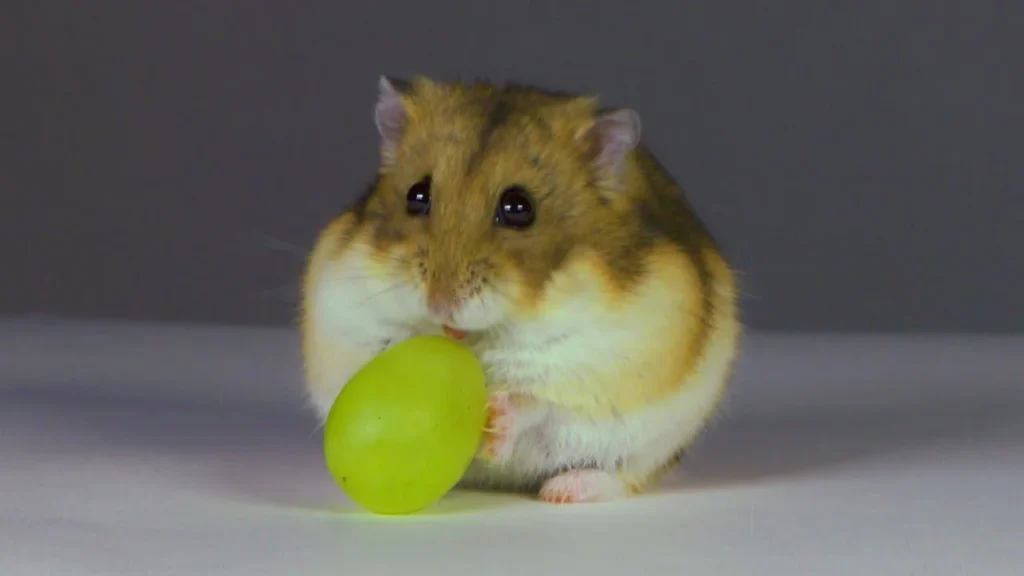
There is no reliable breed-specific grape portion that makes grapes a safe choice for hamsters. Syrian, Roborovski, Campbell’s dwarf, Winter White, and Chinese hamsters should not be given a “safe amount” based simply on their size or breed.
Dwarf hamsters can be particularly sensitive to sugary foods, but giving a smaller piece does not resolve the underlying safety concern.
| Hamster Breed | Can They Eat Grapes? | Important Notes |
|---|---|---|
| Syrian Hamsters | Yes | Small amounts occasionally are usually safe |
| Roborovski Hamsters | Yes | Very tiny portions only due to small size |
| Campbell’s Dwarf Hamsters | Limited | Higher diabetes risk; avoid frequent sugary treats |
| Winter White Hamsters | Limited | Should only receive extremely small portions |
| Chinese Hamsters | Limited | Sugar-sensitive compared to Syrians |
Dwarf hamster breeds are especially prone to diabetes, so sugary fruits like grapes should be rare treats or avoided entirely if your hamster already shows signs of weight gain or health issues.

Risks of Feeding Grapes to Hamsters
Even though some hamster-care sources allow grapes, the safer recommendation is to avoid them because the RSPCA advises that grapes can be poisonous to rodents. The main concern is not simply their sugar or water content; there is no clear hamster-specific safety margin that supports recommending a particular grape portion.
If your hamster has eaten a grape, do not give any more. Contact a veterinarian for advice rather than waiting for symptoms, because suspected exposure to a potentially harmful food should not be managed by simply watching for signs.
High Sugar Content Can Be Harmful
Grapes are naturally very sweet. Too much sugar can lead to:
- Obesity
- Digestive upset
- Increased diabetes risk
- Reduced appetite for healthier foods
This is especially dangerous for dwarf hamster species.

Too Much Water May Cause Diarrhea
Because grapes contain a lot of moisture, overfeeding can upset a hamster’s digestive system.
Signs of digestive problems include:
- Loose stools
- Wet tail symptoms
- Lethargy
- Loss of appetite
If diarrhea develops after feeding grapes, stop offering fruit immediately and monitor your hamster closely.
Choking Hazards in Large Pieces
Whole grapes are far too large for hamsters and may become a choking risk.

Always cut grapes into tiny pieces before serving.
Pesticide Residue on Grape Skin
Grapes are often treated with pesticides during farming. Unwashed grapes may expose your hamster to harmful chemicals.
Always wash grapes thoroughly before feeding.
How Much Grape Can a Hamster Eat?
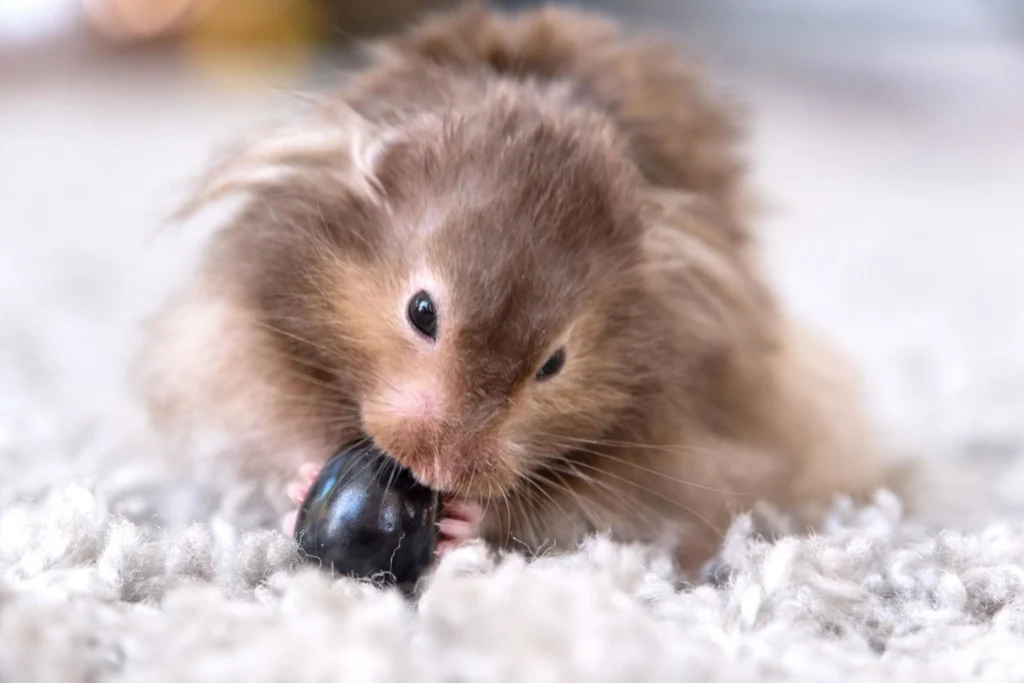
There is no recommended safe grape portion for hamsters. Because reputable guidance differs on whether grapes should be fed at all, this guide does not recommend a specific number of pieces, frequency, or breed-based serving size.
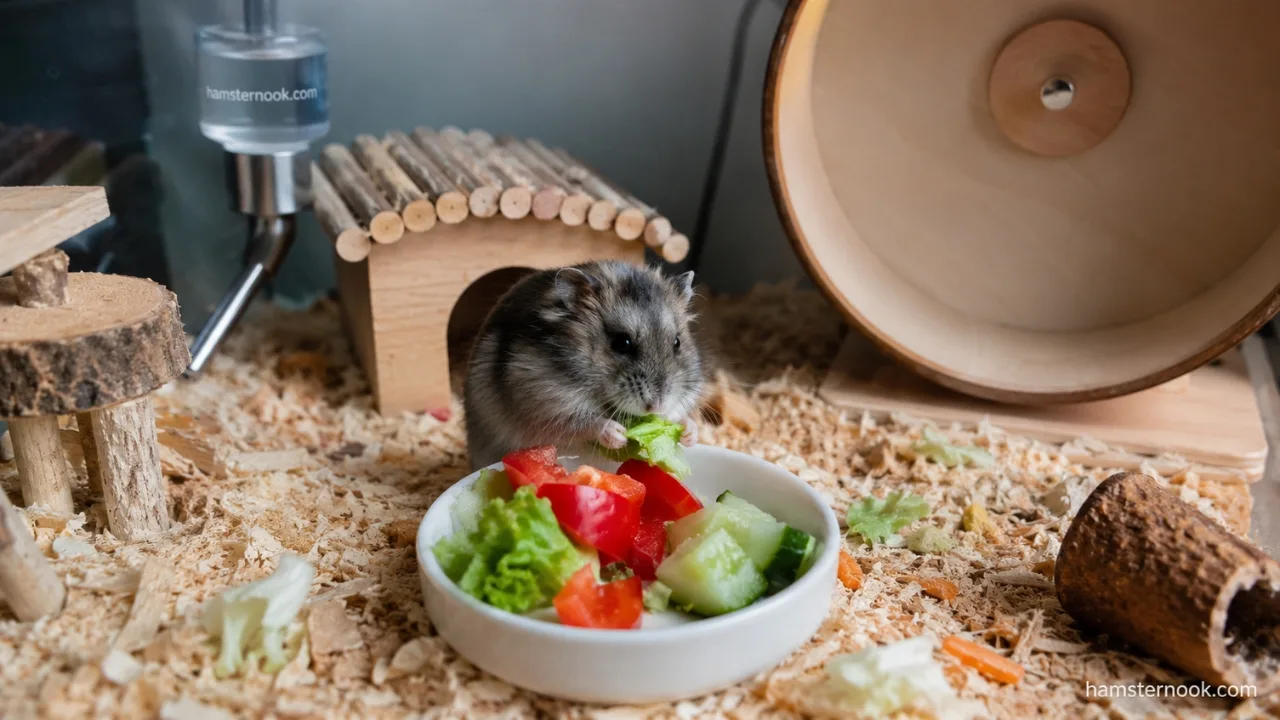
The safest choice is to leave grapes out of your hamster’s diet and use a suitable fresh-food alternative instead.
Many owners accidentally offer several different treats on the same day without realizing how quickly sugar and calories add up. Understanding which everyday foods are suitable helps prevent this common mistake. Our What Do Hamsters Eat? Complete Food List for Beginners explains how fruits, vegetables, grains, and protein treats fit into a balanced weekly diet.
Should Grapes Be Peeled Before Feeding?
Peeling grapes is optional. If grapes are washed thoroughly, the skin is generally safe for healthy hamsters. However, owners who are concerned about pesticide residue may choose to peel the grape before cutting it into tiny pieces. Whether peeled or unpeeled, grapes should always be fresh, seedless, and served in very small portions.
Can Hamsters Eat Green Grapes or Red Grapes?
No grape color changes the basic concern. Green, red, purple, and Cotton Candy grapes are still grapes, so the cautious recommendation is to avoid all of them for hamsters.

Both red and green grapes are generally safe for hamsters when fed in tiny amounts. Neither variety is significantly healthier than the other, so choosing fresh, thoroughly washed, seedless grapes and feeding them in moderation is far more important than the grape’s color.
However, red grapes may contain slightly more antioxidants, while green grapes are often a bit more tart. Nutritionally, the differences are minor for hamsters since they eat such tiny amounts.
Can Hamsters Eat Grape Seeds?
Removing the seeds does not make grapes a recommended food for hamsters. The concern is the grape itself, so choosing seedless grapes does not change the recommendation to avoid feeding them.
Seeds can become choking hazards and may be difficult for hamsters to digest safely. Seedless grapes are the better option.
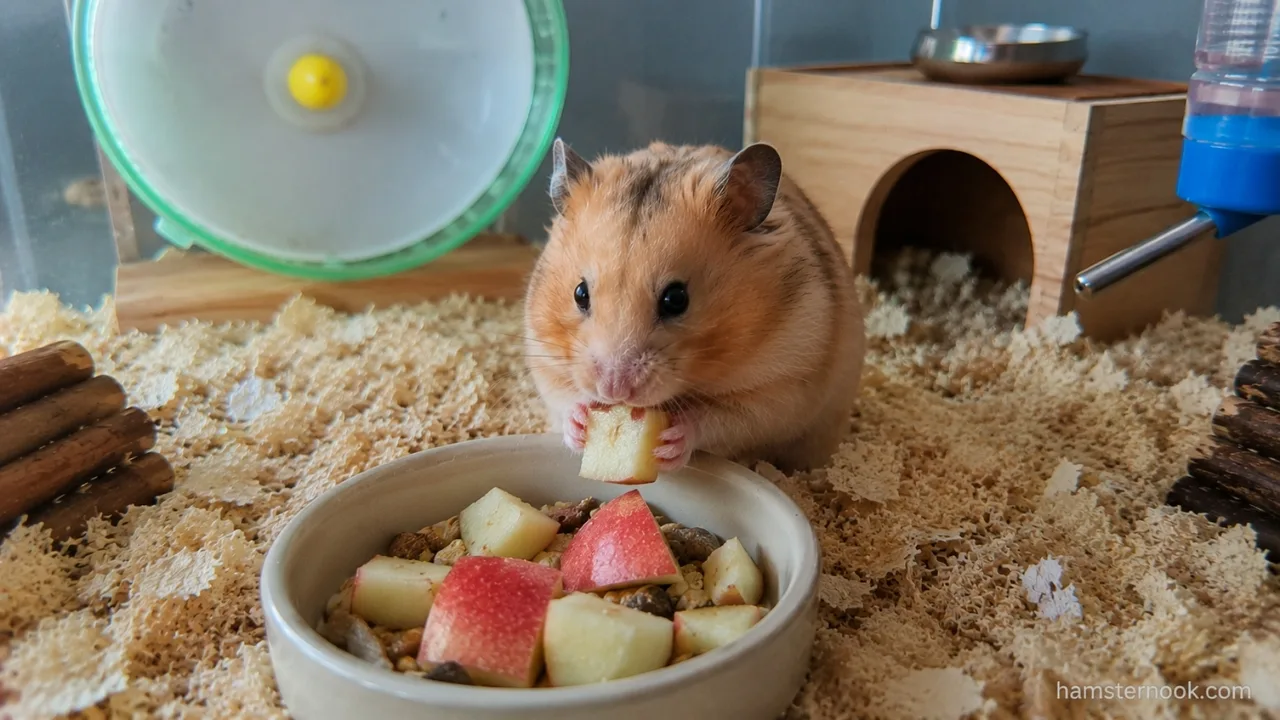
If using regular grapes, remove every seed carefully before feeding.
Can Hamsters Eat Grape Skin?
Removing the skin does not make grapes a recommended food for hamsters. Washing or peeling the grape may reduce surface contamination, but it does not remove the underlying concern about feeding grapes.
The skin itself is not toxic, but it may carry pesticide residue if not cleaned thoroughly.
Some owners prefer peeling grapes to reduce pesticide exposure further, although this is optional if the grapes are washed carefully.

Fresh Grapes vs Raisins for Hamsters
Raisins should also be avoided. Drying removes much of the fruit’s water and concentrates its sugars, but the more important point is that avoiding grapes does not make raisins a suitable alternative.
| Food | Sugar Level | Safety for Hamsters |
|---|---|---|
| Fresh Grapes | Moderate | Safe in tiny amounts |
| Raisins | Very High | Best avoided or extremely limited |
Raisins contain concentrated sugar because the water has been removed during drying. Even a single raisin can contain a surprisingly high sugar load for a tiny hamster.
Fresh grapes are generally the safer choice.
Signs Your Hamster Ate Too Much Grape
Watch for these symptoms after feeding grapes:

- Diarrhea
- Sticky or wet fur near the tail
- Bloated stomach
- Reduced activity
- Loss of appetite
- Excessive thirst
If symptoms are severe or continue for more than a day, contact an exotic veterinarian.
Best Fruits for Hamsters Besides Grapes
If you’re comparing different fruits before introducing them to your hamster, it’s worth understanding that each fruit has different sugar and water levels. Our Can Hamsters Eat Cucumber? Safe Amounts, Benefits & Risks guide explains why some water-rich foods are suitable more often than sugary fruits like grapes, making treat rotation much easier.
If you want to offer fresh food instead of grapes, choose established hamster-safe options in tiny portions, such as:
- Apple without seeds
- Pear
- Strawberries
- Blueberries
- Banana in a small amount
Fresh food should remain a small part of the overall diet rather than replacing the main hamster food. PDSA and Woodgreen both recommend small portions of fresh foods, while PDSA specifically cautions against overfeeding sugary fruit.

Rotating treats occasionally is usually better than feeding the same fruit repeatedly.
For a broader list of suitable fresh foods and portion guidance, see our Best Fruits and Vegetables for Hamsters guide.
Final Thoughts
Grapes are not a necessary part of a hamster’s diet, and the safest approach is to avoid feeding them. The RSPCA advises against grapes for hamsters because they can be poisonous to rodents, while some hamster-care sources give different advice. With safer fresh-food options available, there is no need to take that risk.
A complete hamster food should remain the foundation of the diet, with suitable fresh foods offered in small amounts. Fresh water should always be available.

Frequently Asked Questions
Can hamsters eat grapes every day?
No. The safest approach is to avoid feeding grapes altogether because the RSPCA advises against them for hamsters.
How many grapes can a hamster eat?
There is no recommended safe grape portion for hamsters. Because reputable guidance differs, the cautious choice is not to feed grapes.
Are grapes toxic to hamsters?
The RSPCA advises not giving grapes to hamsters because they can be poisonous to rodents. Some hamster-care sources give different advice, so the safest recommendation is to avoid grapes rather than assume a small amount is safe.
Can dwarf hamsters eat grapes?
It is safest not to give grapes to dwarf hamsters either. A smaller portion does not resolve the uncertainty around grapes, and there are safer fresh-food choices available.
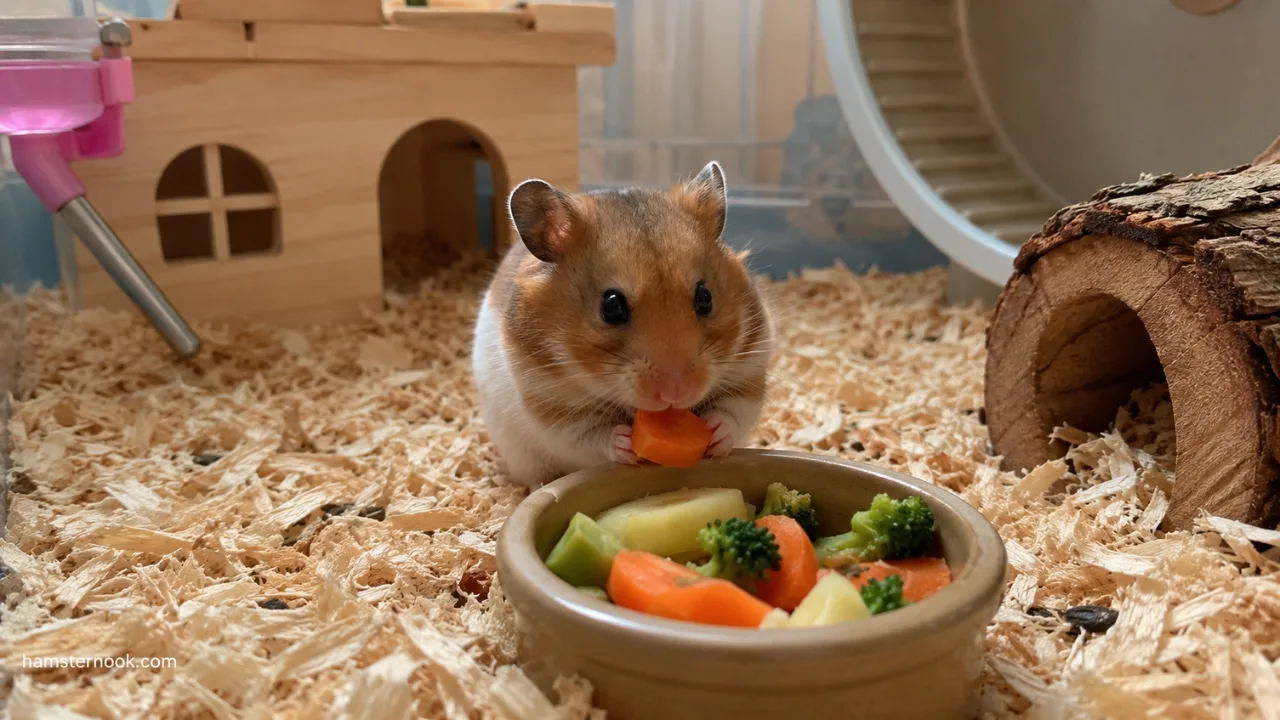
Can baby hamsters eat grapes?
It’s better to avoid grapes for very young hamsters. Baby hamsters have more sensitive digestive systems and should stay on a simple, stable diet.
What should I do if my hamster eats too many grapes?
Do not give any more grapes and contact your veterinarian for advice rather than waiting for symptoms. RSPCA guidance for suspected poisoning advises against “watch and wait” and recommends contacting a vet immediately.
Can hamsters eat frozen grapes?
Frozen grapes are not a safer alternative. Since the cautious recommendation is to avoid grapes, do not offer them frozen or thawed.
References
This guide is based on hamster nutrition, feeding, food safety, and welfare guidance from trusted veterinary and animal care organizations, including:
- RSPCA – Hamster Diet and Feeding Advice – Guidance on hamster diets, suitable foods, treats, and foods that should not be given to hamsters.
- PDSA – Caring for Hamsters – Advice on balanced hamster nutrition, fresh foods, treats, portions, and general hamster welfare.
- Blue Cross – Hamster Care Guide – Practical information on hamster diet, feeding, fresh foods, treats, and everyday care.
- Merck Veterinary Manual – Hamsters – Veterinary reference information covering hamster nutrition, digestive health, diseases, and general care.
- Woodgreen Pets Charity – Hamster Care and Feeding Advice – Hamster-specific guidance on suitable foods, treats, feeding, and welfare.

Narayan Kumar is the founder and author of HamsterNook. He creates practical, research-based hamster care guides covering hamster behavior, nutrition, cage setup, enrichment, health, and everyday care. His goal is to help hamster owners make informed decisions and provide safer, healthier lives for their pets through clear, beginner-friendly information based on trusted animal care resources.