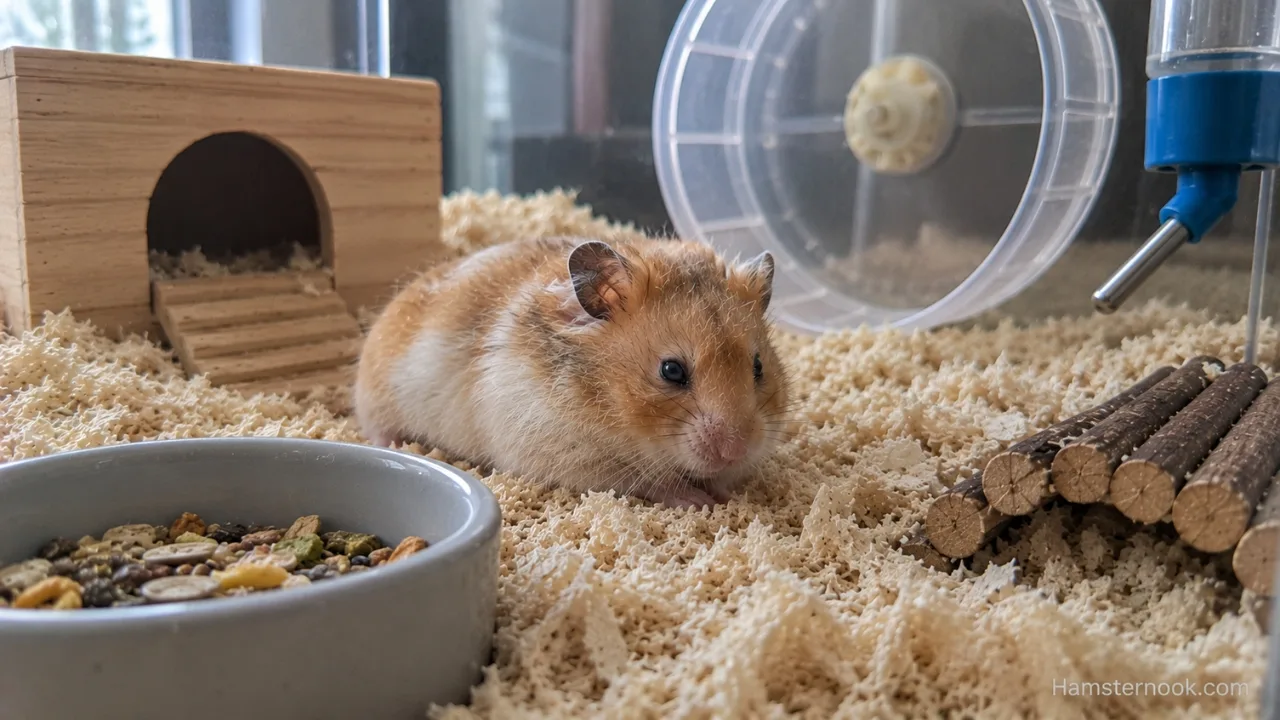
Wet tail is a potentially life-threatening condition in hamsters, but the term can be confusing for new owners. It commonly refers to severe diarrhea that leaves the fur around a hamster’s bottom wet or soiled. Because diarrhea can also result from other illnesses, you cannot confirm wet tail by appearance alone. If your hamster develops watery stools, a dirty rear end, or unusual weakness, contact a veterinarian promptly rather than waiting for symptoms to worsen.
Quick Answer: What Is Wet Tail in Hamsters?
Wet tail is a term commonly used for diarrhea in hamsters, particularly a serious intestinal disease called proliferative ileitis. This disease is associated with the bacterium Lawsonia intracellularis and is especially concerning in young Syrian hamsters.
Not every hamster with diarrhea has proliferative ileitis. Other infections, parasites, dietary problems, and digestive disorders can produce similar symptoms.
The key points are:

- Symptoms: Watery diarrhea, a wet or dirty bottom, reduced appetite, lethargy, and weight loss.
- Causes: A serious intestinal infection or another condition affecting the digestive system.
- Higher-risk hamsters: Young hamsters, particularly recently weaned Syrian hamsters, are especially vulnerable to severe disease.
- Treatment: Veterinary care may involve fluids, prescribed medication, and supportive treatment tailored to the cause.
- Urgency: Suspected wet tail needs prompt veterinary assessment because dehydration and deterioration can occur quickly.
Do not try to treat suspected wet tail with home remedies or unprescribed medication. A hamster can appear relatively normal early in an illness and still need urgent attention.
Wet Tail Symptoms in Hamsters: What to Look For
Symptoms may begin with changes in droppings or appetite and progress to more obvious signs of illness. Check your hamster daily, especially after bringing a new pet home.
Common warning signs
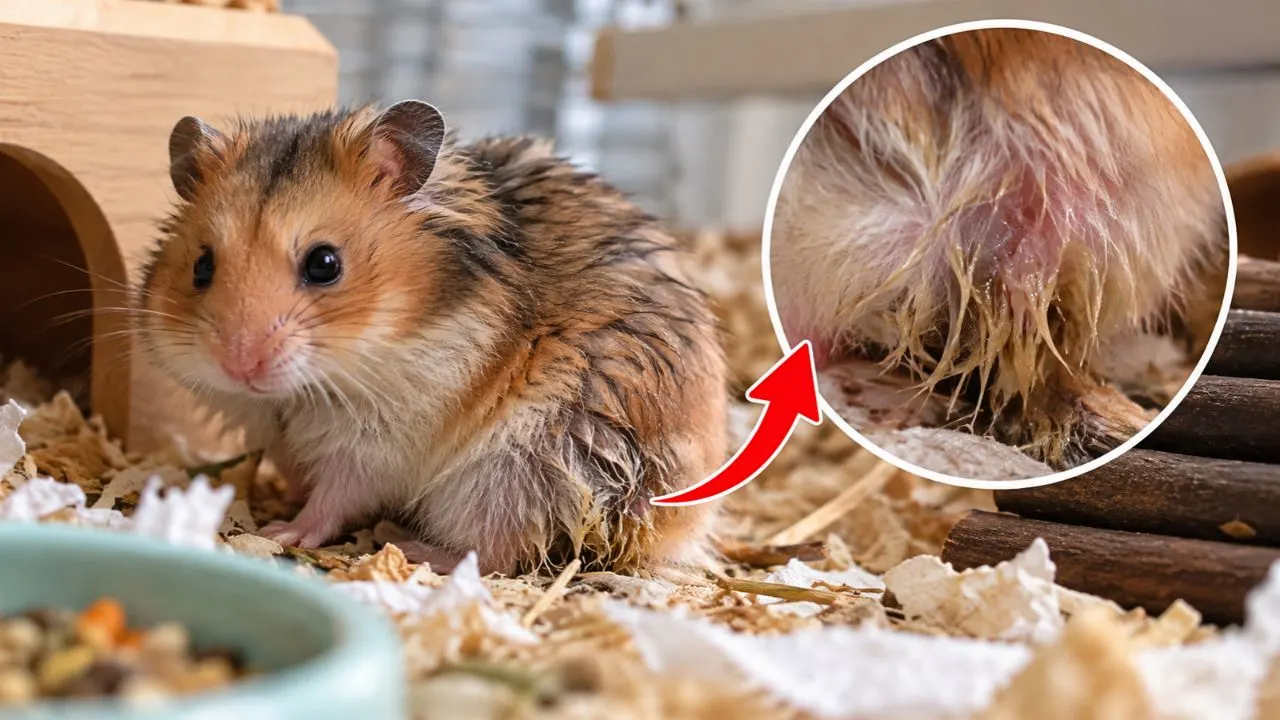
- Wet or soiled fur around the tail: The hindquarters may become matted with loose stool.
- Watery diarrhea: Droppings may be loose, unformed, or noticeably wetter than usual.
- Reduced appetite: Your hamster may eat less or stop eating.
- Lethargy: It may move less, hide more than usual, or seem unusually weak.
- Weight loss: The body may become thinner as illness progresses.
- Hunched posture: Your hamster may sit hunched up or appear uncomfortable.
- Unkempt fur: The coat may look rough or poorly groomed.
- Abdominal swelling: A swollen or firm abdomen can indicate a serious problem and needs urgent assessment.
Not every hamster will develop every symptom. A hamster can also become seriously ill before the signs are obvious.
Wet tail versus normal droppings
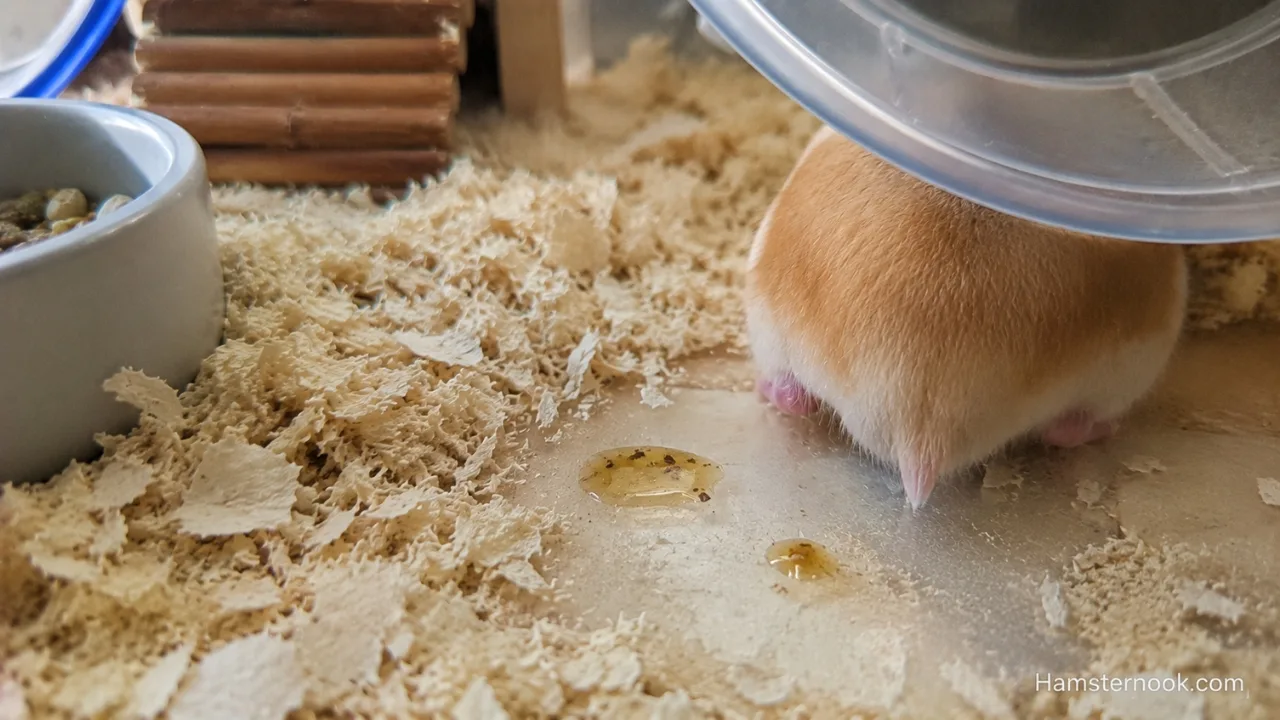
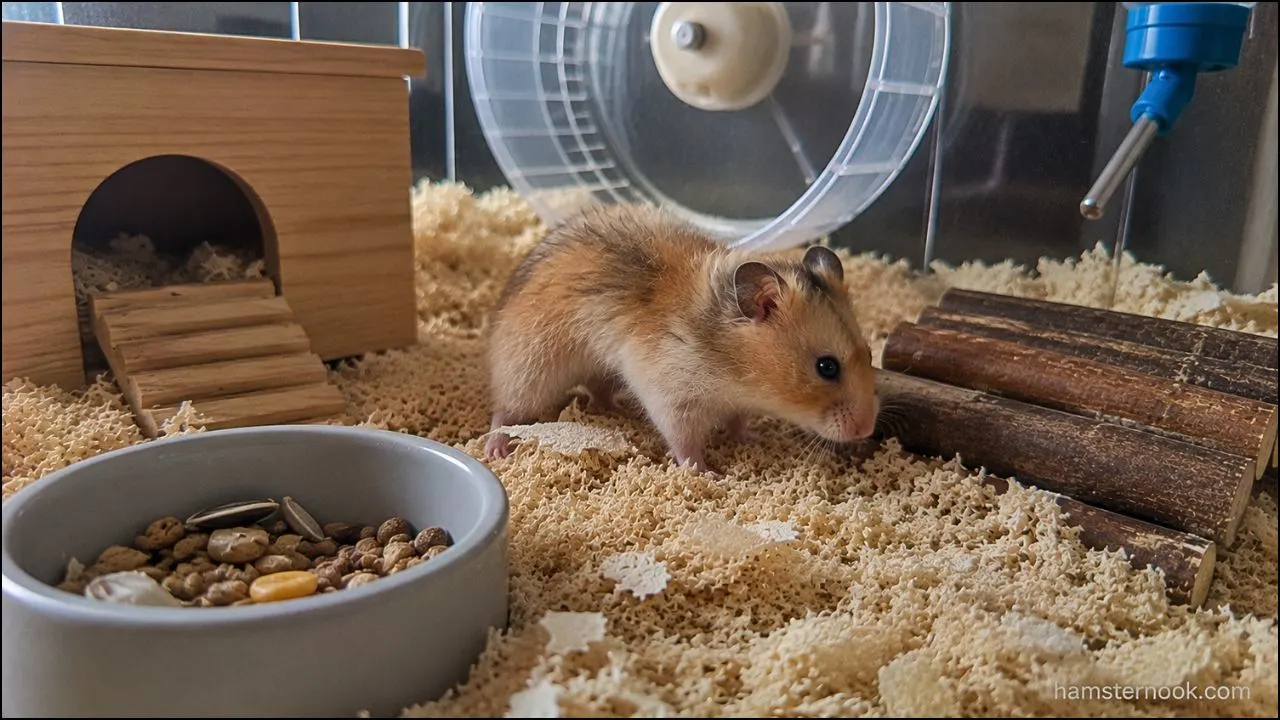
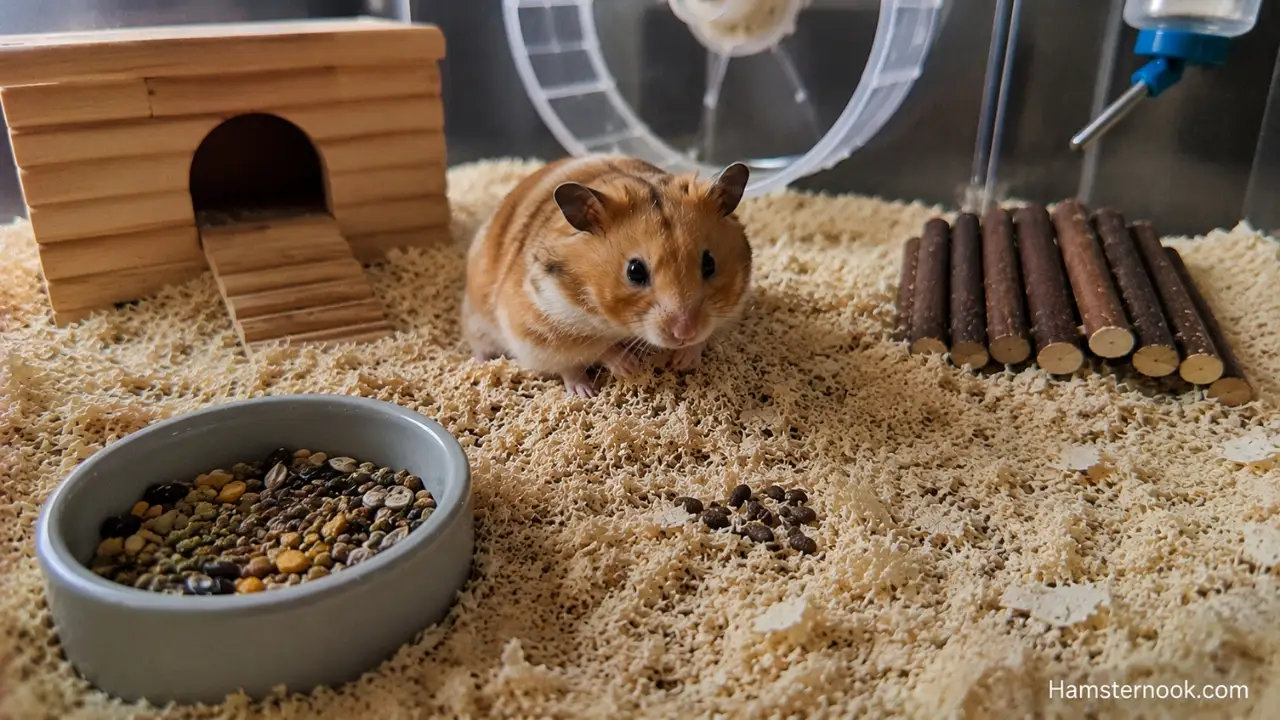
Healthy hamster droppings are generally small, firm, and pellet-shaped. A damp patch in the enclosure does not automatically mean diarrhea; spilled water or urine may be responsible.
| What you notice | Possible explanation | Recommended action |
|---|---|---|
| Firm, dry pellets | Usually normal droppings | Continue daily checks. |
| Damp bedding, but normal droppings | Urine or spilled water | Check the water bottle and observe your hamster. |
| Soft or unusually loose stools | Possible digestive problem | Contact a veterinarian for advice. |
| Watery diarrhea and a dirty rear | Possible wet tail or another intestinal illness | Seek prompt veterinary assessment. |
| Diarrhea with weakness or refusal to eat | Potentially serious illness | Seek urgent veterinary care. |
You cannot determine the cause of diarrhea from stool appearance alone.
Knowing what your hamster’s normal droppings look like can help you notice changes, although appearance alone cannot diagnose the cause of diarrhea. Compare unusual stools with the normal characteristics described in What Do Healthy Hamster Droppings Look Like? Normal Color, Shape & Warning Signs, and contact a veterinarian if you suspect illness.
What Causes Wet Tail in Hamsters?
The term wet tail is often used broadly, but several different conditions can produce diarrhea. Identifying the underlying cause matters because the appropriate treatment may differ.
1. Proliferative ileitis
Proliferative ileitis is a serious intestinal disease associated with Lawsonia intracellularis. It is particularly significant in young Syrian hamsters, including those around the weaning period.
Signs can include watery diarrhea, wet fur around the tail and abdomen, reduced appetite, lethargy, and weight loss. The disease can progress rapidly and may be fatal.
2. Stress and recent rehoming
Travel, overcrowding, illness, surgery, and changes in diet can contribute to stress associated with certain intestinal diseases.
Recently purchased hamsters may be dealing with several changes at once, including transport, unfamiliar surroundings, and different handling routines.
A new hamster may need a quiet settling-in period after transport, but diarrhea should never be treated as a normal adjustment response. For practical guidance on reducing disturbance during the initial transition, see The First Night With a New Hamster: What to Expect and What to Avoid.

However, diarrhea after rehoming should never be dismissed as ordinary stress. A new hamster with watery stools needs prompt veterinary attention.
3. Other bacterial infections
Other bacterial diseases can cause diarrhea that resembles wet tail. These include Tyzzer disease, associated with Clostridium piliforme, and infections caused by other disease-causing bacteria.
Some infections spread through contaminated feces, food, water, or enclosure materials. A veterinarian may need to examine a fecal sample or perform other tests to determine the cause.
4. Parasites and other digestive problems
Intestinal parasites and other digestive disorders can also cause diarrhea. In some cases, medication itself can disrupt a hamster’s digestive system.
Certain antibiotics are particularly dangerous for hamsters because they can disturb the normal intestinal bacteria and cause severe illness.
Never give your hamster leftover antibiotics or medication prescribed for another animal.
5. Dietary changes and contaminated food
Sudden changes in food, spoiled ingredients, and contaminated food or water can contribute to digestive problems.
Keep your hamster’s diet consistent, introduce appropriate new foods gradually, and remove fresh food before it spoils. These measures support good digestive health, but they cannot prevent every cause of diarrhea.
Is Wet Tail Contagious?
Wet tail is a symptom description, so contagiousness depends on the underlying cause.
Some infections responsible for hamster diarrhea can spread through contaminated feces or enclosure materials. Other causes are not contagious in the same way.
If you have multiple hamsters, take precautions while arranging veterinary care:
- Separate the sick hamster from healthy hamsters if they share an enclosure.
- Use separate food bowls, water bottles, and cleaning supplies until appropriate cleaning has been completed.
- Remove soiled bedding carefully.
- Wash your hands thoroughly after handling the hamster or cleaning its enclosure.
- Ask your veterinarian how to clean and disinfect the enclosure safely.
Some infections that cause diarrhea, including salmonellosis, can also affect people. Good hygiene is particularly important around sick animals.
Wet Tail Treatment: What Does a Veterinarian Do?
Wet tail cannot be reliably treated at home. A veterinarian will assess your hamster’s symptoms, hydration, appetite, and overall condition before deciding what care is appropriate.
Examination and diagnosis
The veterinarian may ask when the diarrhea began, whether your hamster recently moved homes, what it eats, and whether it has received any medication.
Depending on the suspected cause, testing may include a fecal examination or laboratory tests. In some cases, the diagnosis is based on the clinical signs, history, and response to treatment.
Fluids and supportive care
Diarrhea can cause dehydration and disturbances in the body’s electrolyte balance.
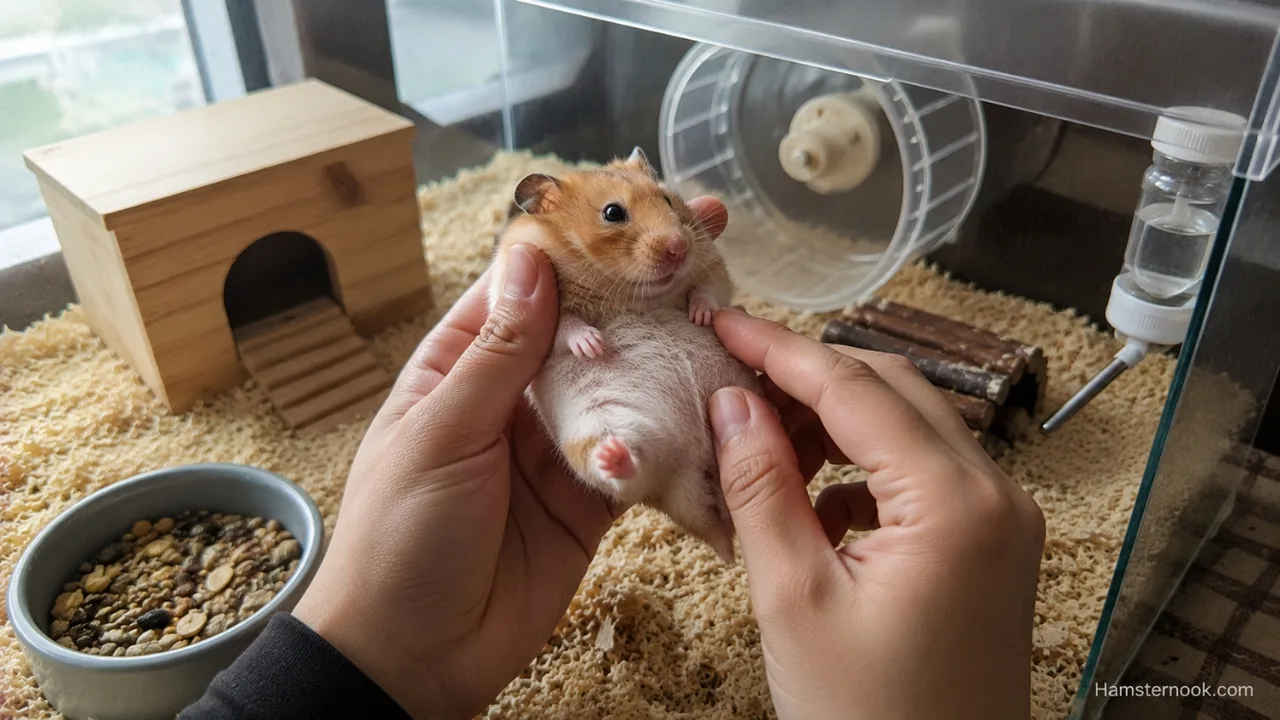
Veterinary treatment may include fluid replacement, nutritional support, and other supportive care based on the hamster’s condition. A very weak hamster may require more intensive treatment.
Do not attempt to give fluids by syringe unless a veterinarian has specifically instructed you how to do so. Incorrect administration can cause additional harm.
Medication when appropriate
If a bacterial infection is suspected or diagnosed, the veterinarian may prescribe an appropriate antimicrobial. Other causes may require different treatments.
There is no single medication that is suitable for every case of diarrhea. Some antibiotics can be dangerous to hamsters, so never choose a drug or calculate a dose yourself.
Recovery and follow-up
Recovery depends on the cause, severity, and speed of treatment. Some hamsters improve with appropriate care, while severe disease can have a poor outcome.
Follow your veterinarian’s instructions about medication, feeding, hydration, cleaning, and follow-up examinations. If symptoms persist or return, contact the veterinarian rather than changing the treatment yourself.
What Can You Safely Do at Home?
Home care should support professional treatment, not delay it.
If you suspect wet tail, take these steps while arranging veterinary assessment:

- Call a veterinarian promptly. Describe the diarrhea, when it began, and any changes in appetite or activity.
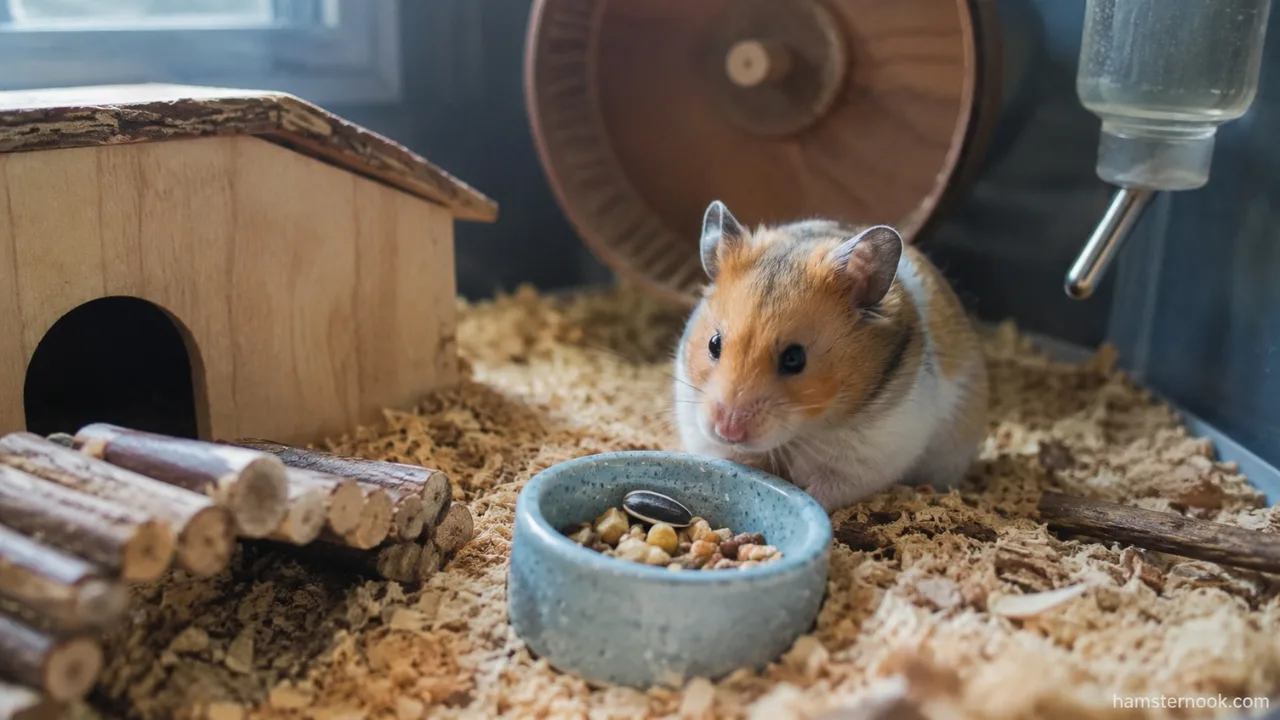
- Keep fresh water available. Check that the bottle or bowl is clean and functioning properly.
- Keep the environment calm. Avoid unnecessary handling, loud noises, and other avoidable stress.
- Remove heavily soiled bedding. Clean affected areas carefully without repeatedly disturbing your hamster.
- Record what you observe. Note changes in droppings, eating, drinking, activity, and body weight if you can weigh your hamster safely.
- Prepare for the appointment. Bring information about the usual diet, recent food changes, and any medication given. Ask whether the veterinarian would like a fresh stool sample.
Avoid bathing your hamster, force-feeding it, or using human antidiarrheal medication. A full-body bath can cause unnecessary stress, and home remedies may delay appropriate treatment.
If your hamster’s fur is badly soiled, ask the veterinarian how to handle the area safely.
When to Worry: When Should You See a Vet?
Contact a veterinarian as soon as you suspect wet tail. Do not wait several days to see whether the diarrhea improves.
Seek urgent veterinary care if you notice:
- Persistent or watery diarrhea.
- Refusal to eat or a marked reduction in drinking.
- Unusual lethargy, weakness, or a hunched posture.
- Rapid weight loss or a swollen abdomen.
- Blood in the stool.
- Tissue protruding from the anus.
- Collapse or difficulty breathing.
Collapse, severe weakness, and tissue protruding from the anus are emergencies.
Young hamsters are particularly vulnerable to severe intestinal disease. If your hamster is newly weaned or recently purchased, tell the veterinary clinic its approximate age and when it came into your care.
How to Help Prevent Wet Tail in Hamsters
Not every case can be prevented, but good husbandry can reduce avoidable risks.
Keep the enclosure clean
Remove soiled bedding and spoiled food regularly. Keep food containers and water equipment clean, and maintain a dry, comfortable living environment.
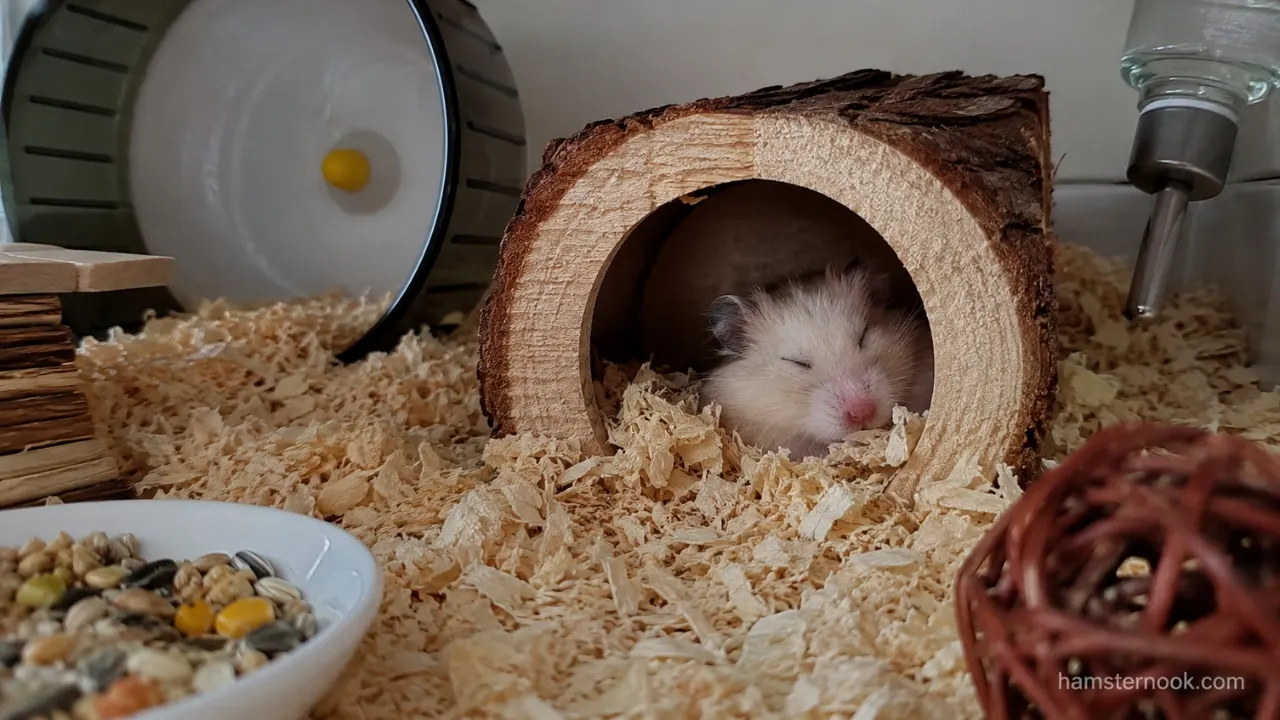
Regular cleaning helps you remove soiled bedding and spoiled food before they accumulate. Follow a consistent routine while avoiding unnecessary disturbance to your hamster. How Often Should You Clean a Hamster Cage? Daily, Weekly & Deep Cleaning Guide explains how to approach routine enclosure cleaning.
If a hamster has been diagnosed with an infectious disease, follow your veterinarian’s instructions for cleaning and disinfecting the enclosure.
Reduce avoidable stress
Prepare the enclosure before bringing a new hamster home. Provide a quiet settling-in period and avoid unnecessary handling or sudden environmental changes.
Stress reduction supports welfare, but it does not guarantee protection against intestinal disease.
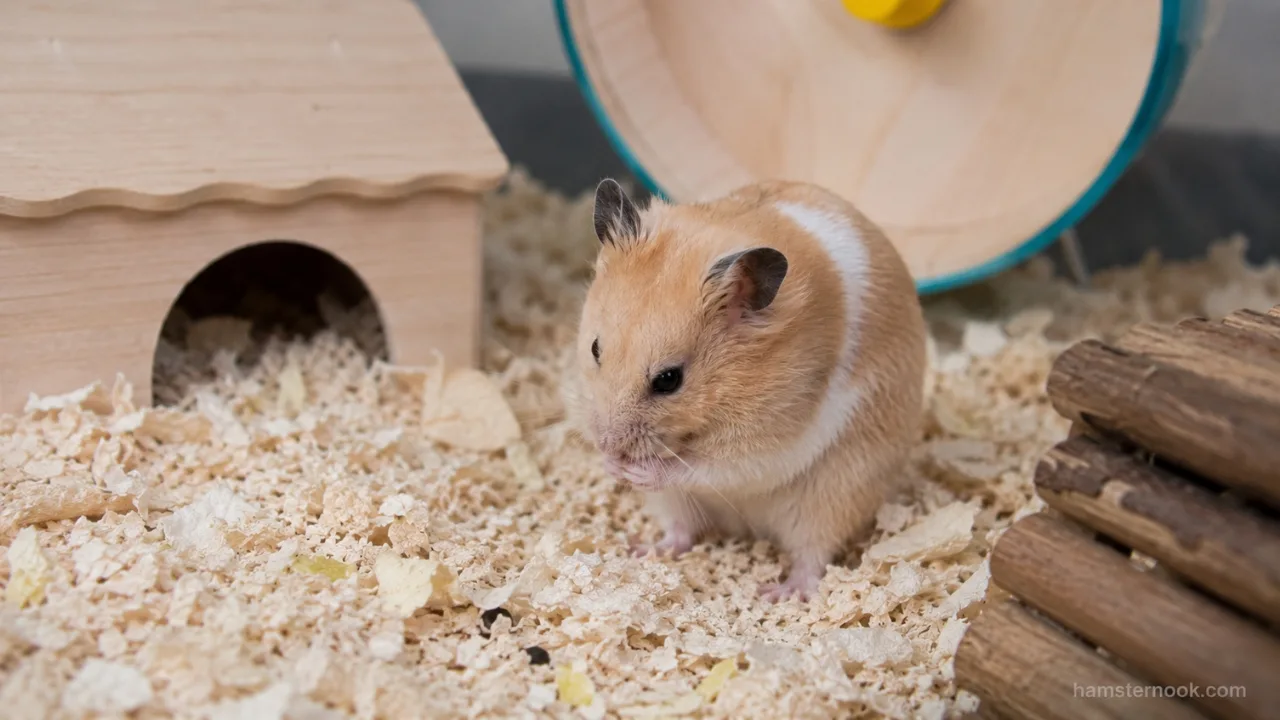
Reducing avoidable stress is part of responsible hamster care, especially during changes to the animal’s surroundings or routine. It cannot replace veterinary assessment when symptoms appear. Hamster Stress: Common Causes, Warning Signs & How to Reduce It covers common stressors and ways to make the environment more comfortable.
Maintain a consistent diet
Provide a complete hamster food, clean drinking water, and suitable supplementary foods. Introduce new foods gradually and avoid spoiled ingredients.
Do not make sudden dietary changes to try to manage diarrhea without veterinary guidance.
Check your hamster daily
Look for changes in appetite, activity, droppings, fur condition, and the area around the tail. Familiarity with your hamster’s normal behavior makes unusual changes easier to recognize.

Daily checks cannot prevent every illness, but they can help you seek care earlier.
Common Mistakes Hamster Owners Make
Assuming diarrhea is just stress
A recent move may be relevant, but stress does not rule out infection or another serious condition. Do not assume a newly purchased hamster will improve once it settles in.
Waiting for several symptoms to appear
You do not need to see weight loss, lethargy, and appetite loss together before contacting a veterinarian. Watery diarrhea alone deserves prompt attention.
Changes in appetite, activity, and general behavior can provide additional context when assessing whether a hamster may be unwell. Do not wait for several symptoms to appear before seeking help for suspected wet tail. For a broader overview of illness warning signs, see How to Tell If Your Hamster Is Sick: Signs, Symptoms & When to See a Vet.

Giving medication without veterinary guidance
Some medicines that are safe for other animals can be dangerous for hamsters. Never use leftover antibiotics or human medication.
Changing the entire diet at once
Sudden food changes can complicate digestive problems. Keep the usual appropriate food available unless your veterinarian advises otherwise.
Bathing the hamster to clean its rear
A bath will not treat the underlying illness and may add unnecessary stress. Seek veterinary advice about safely managing severe soiling.
Final Thoughts
Wet tail in hamsters is a serious warning sign, not simply a dirty bottom. Although the term is often associated with proliferative ileitis, several illnesses can cause similar symptoms, and only veterinary assessment can help determine the cause.

Watch for watery stools, wet or matted fur around the rear, reduced appetite, and unusual weakness. Keep fresh water available, maintain good hygiene, and avoid unprescribed medication or home remedies.
Most importantly, seek veterinary care promptly when you suspect wet tail. Hamsters can deteriorate quickly, and early assessment is essential for giving your pet the best chance of receiving appropriate treatment.
Frequently Asked Questions
1. Can hamsters recover from wet tail?
Some hamsters recover with appropriate veterinary treatment, but the outcome depends on the underlying cause and severity. Severe intestinal disease can be fatal, particularly in young hamsters.
2. How quickly can wet tail become serious?
Some causes of wet tail can progress rapidly. Diarrhea can lead to dehydration and weakness, so contact a veterinarian promptly instead of waiting to see whether the symptoms disappear.

3. Does wet tail only affect baby hamsters?
No. Young Syrian hamsters are particularly susceptible to severe proliferative ileitis, but adult hamsters can also develop diarrhea and other digestive diseases.
4. Is wet tail always caused by bacteria?
No. Bacterial infections are important causes, but parasites and other digestive disorders can produce similar symptoms. A veterinarian may recommend testing to help identify the cause.
5. Can stress alone cause wet tail?
Stress can contribute to the development of certain intestinal diseases, especially in young hamsters. However, you should not assume that stress is the only explanation for diarrhea.
6. Can I treat wet tail at home?
No home remedy can reliably identify or treat the underlying cause. Keep your hamster comfortable, provide access to fresh water, and contact a veterinarian. Avoid bathing, force-feeding, and unprescribed medication.
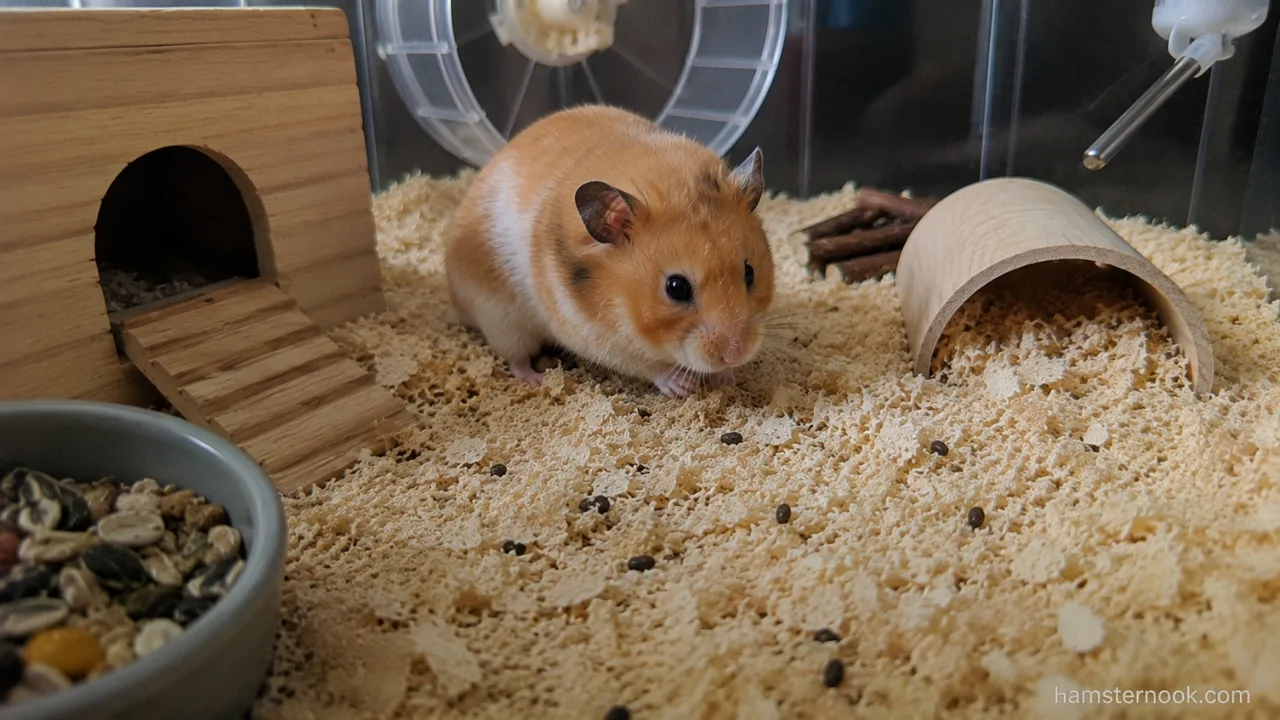
7. Should I separate a hamster with wet tail?
If your hamster shares an enclosure with another hamster, separate the sick animal while seeking veterinary advice because some causes are infectious. Maintain good hygiene and follow your veterinarian’s cleaning recommendations.
8. Can wet tail spread to humans?
Wet tail itself is a symptom rather than a single infectious organism. Some infections that cause hamster diarrhea, including Salmonella, can spread to people. Wash your hands after handling your hamster or cleaning its enclosure.
9. How can I tell wet tail from a wet enclosure?
A spilled water bottle or urine may dampen bedding without causing diarrhea. Wet or feces-stained fur around the rear, particularly alongside watery stools, is more concerning. If you are unsure, contact a veterinarian.
10. Can a hamster have wet tail without losing its appetite?
Yes. Symptoms vary, and a hamster may not show every warning sign at the same time. A normal appetite does not rule out a serious problem when watery diarrhea is present.
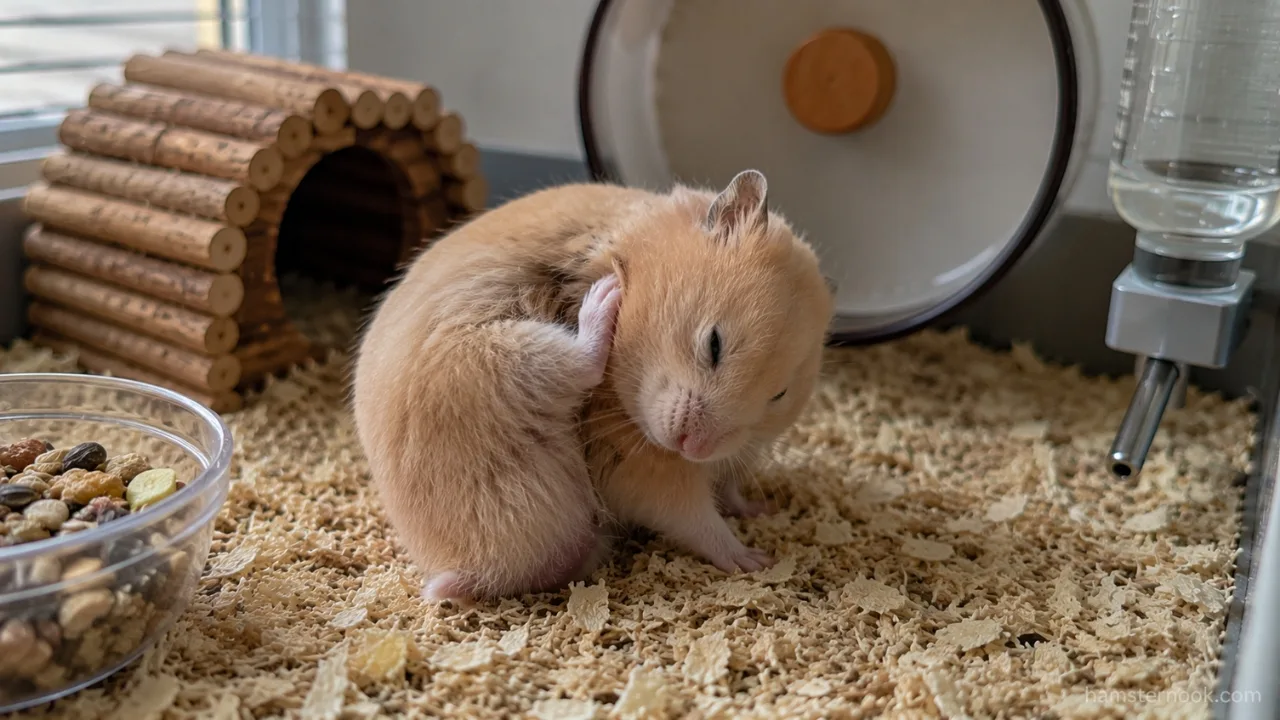
11. What should I feed a hamster with wet tail?
Ask your veterinarian what is appropriate for your hamster’s condition. Keep fresh water available, avoid introducing unfamiliar foods, and do not force-feed unless the veterinarian has instructed you how to provide nutritional support safely.
12. Can wet tail return after treatment?
Diarrhea can recur if the underlying cause persists or another digestive problem develops. Follow your veterinarian’s instructions and seek reassessment if symptoms persist or return.
References
This guide is based on veterinary and animal welfare guidance about wet tail in hamsters, digestive diseases, hygiene, nutrition, and recognizing signs of illness.
- MSD Veterinary Manual – Disorders and Diseases of Hamsters – Veterinary information on diarrhea, proliferative ileitis, bacterial and parasitic causes, clinical signs, and treatment considerations.
- MSD Veterinary Manual – Hamsters: Exotic and Laboratory Animals – Veterinary reference covering infectious diseases of hamsters, including proliferative ileitis and other causes of diarrhea.
- Blue Cross – Hamster Care – Animal welfare guidance on wet tail, stress associated with rehoming, settling-in routines, and hygiene.
- RSPCA – Hamster Health and Welfare Tips – Guidance on recognizing illness, seeking veterinary care, avoiding unsafe medications, and maintaining hamster welfare.
- RSPCA – What to Feed Your Pet Hamster – Guidance on consistent feeding, fresh water, food hygiene, and recognizing changes in appetite and droppings.
Medical Disclaimer
This article provides general educational information and does not replace a veterinary examination. Diarrhea in hamsters can have several causes, some of which are life-threatening. Contact a veterinarian promptly if wet tail is suspected, and seek emergency care for severe symptoms. Only use treatments prescribed for your hamster by a qualified veterinarian.

Narayan Kumar is the founder and author of HamsterNook. He creates practical, research-based hamster care guides covering hamster behavior, nutrition, cage setup, enrichment, health, and everyday care. His goal is to help hamster owners make informed decisions and provide safer, healthier lives for their pets through clear, beginner-friendly information based on trusted animal care resources.