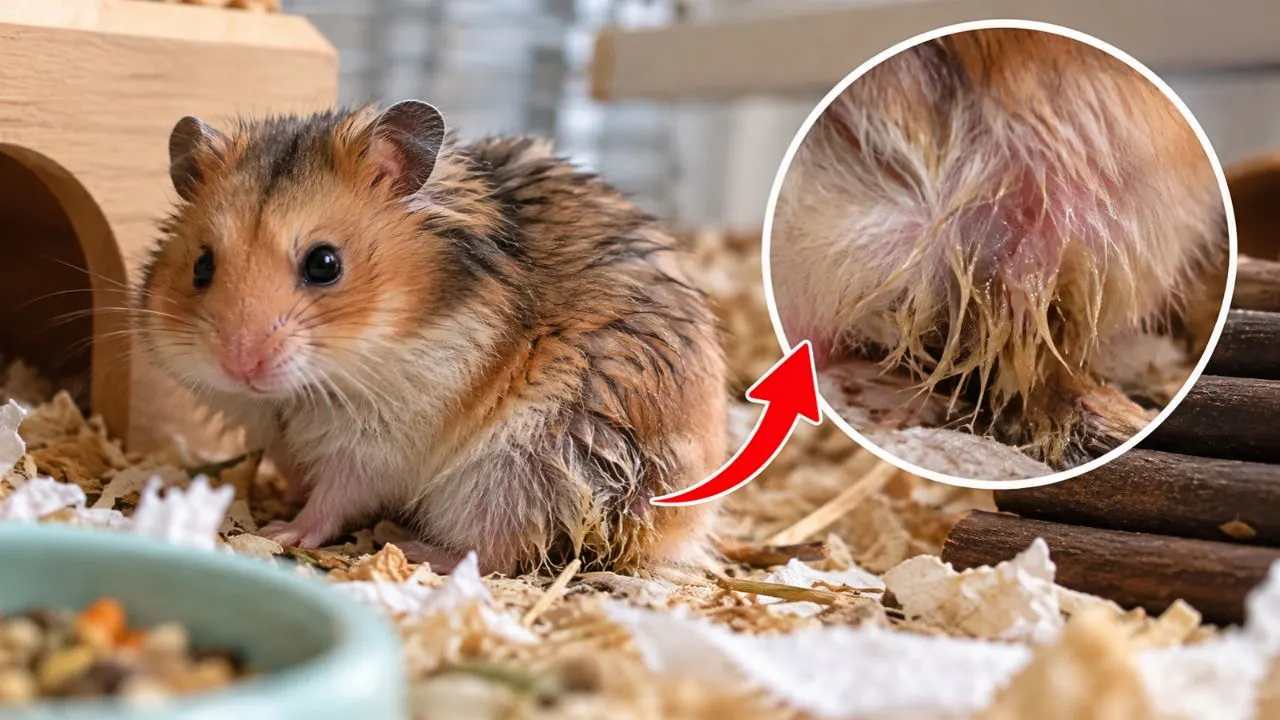
Perfume, incense, and scented candles may make a room smell pleasant to us, but your hamster experiences those smells very differently. Hamsters have a highly developed sense of smell and are sensitive to changes in their environment. Smoke and airborne particles can also affect the respiratory system. For that reason, it’s safest to keep strong fragrances, burning incense, and scented candles away from your hamster’s living area.
Quick Answer
Yes, perfume, incense, and scented candles can potentially harm hamsters, particularly when they create strong airborne fragrances, smoke, vapors, or particles in a poorly ventilated room.
The evidence does not support claiming that every scented product will cause illness in every hamster. However, there is a clear reason to avoid exposing a small animal to unnecessary airborne irritants. Hamsters have sensitive respiratory systems, and MSD Veterinary Manual notes that inhaled harmful gases, vapors, and particulate matter can cause respiratory injury in animals. Hamsters with breathing difficulty can become seriously ill quickly because of their small size.
The safest approach is simple: keep your hamster’s room free from smoke and avoid using strongly scented products around the enclosure.

Keeping the air clean is one part of providing a healthy overall environment. The Complete Hamster Care Guide for Beginners (2026) covers the wider housing, environmental, feeding, and daily-care practices that help keep a hamster comfortable and healthy.
Why Hamsters Are More Sensitive to Strong Scents
A hamster’s sense of smell is an important part of how it understands its surroundings. RSPCA guidance notes that hamsters have well-developed senses of smell and hearing, and that smell is important for communication.
That doesn’t mean every strong smell is automatically poisonous. It does mean that introducing powerful fragrances into a hamster’s environment can significantly change the sensory environment it depends on.
Your hamster spends much of its time close to the bedding, tunnels, nest, and floor of its enclosure. If a fragrance is being released into the same room, the hamster cannot simply choose to leave the smell behind in the way a person can walk into another room.
This is particularly relevant with products that burn.
Perfume, Incense, and Candles: What’s the Difference?

| Product | Main Concern | Safest Approach Around Hamsters |
|---|---|---|
| Perfume | Fragrance compounds released into the air | Apply away from the enclosure and allow the area to air out |
| Incense | Smoke, gases, vapors, and particles from combustion | Do not burn it in the hamster’s room |
| Scented candles | Fragrance plus combustion products and airborne particles | Avoid burning them near the hamster |
| Essential-oil fragrance products | Concentrated aromatic compounds released into the environment | Avoid exposing the hamster directly |
| Unscented candle | Still produces combustion products when burned | Keep away from the hamster and use only where good ventilation is available |
The important distinction is that smell and smoke are not the same thing. A strong fragrance can be unpleasant or disruptive without necessarily producing smoke, while burning incense or candles introduces combustion products into the air.
MSD Veterinary Manual describes smoke inhalation injury in animals as involving harmful gases, vapors, and particulate matter produced during combustion.
Can Incense Smoke Hurt a Hamster?
Incense is the product I’d be most cautious about using around a hamster.

When incense burns, it produces smoke. That smoke contains a mixture of gases and particulate matter. Veterinary guidance on smoke inhalation in animals recognizes that inhaling harmful gases, vapors, and particles can cause respiratory injury.
A hamster does not need to be visibly coughing for the exposure to be worth avoiding.
The practical rule is straightforward: don’t burn incense in the same room as your hamster.
If you enjoy incense, use it somewhere completely separate from the hamster’s living area and make sure the hamster is not exposed to lingering smoke.

Opening a window after burning incense may improve ventilation, but it should not be treated as a way to make direct exposure safe. Preventing the exposure in the first place is better.
What About Scented Candles?
Scented candles present two separate concerns: fragrance and combustion.
Even though a candle may smell mild to you, the flame is still producing combustion products. A scented candle also intentionally releases fragrance into the surrounding air.
For a hamster, there is little reason to introduce these airborne substances into its environment when an unscented, well-ventilated room provides everything the animal needs.

NC3Rs guidance for hamster housing emphasizes that hamster enclosures should be well ventilated and that environmental conditions should be carefully controlled.
That makes a fragrance-free environment a sensible choice, particularly in the room where your hamster spends most of its time.
Is Perfume Safe Around Hamsters?
Perfume is different from incense because it doesn’t involve combustion. Still, spraying perfume directly beside your hamster or around its enclosure is not a good idea.
Perfume contains fragrance substances designed to become airborne. A hamster’s strong sense of smell means that the scent can be much more noticeable to the animal than it is to you.
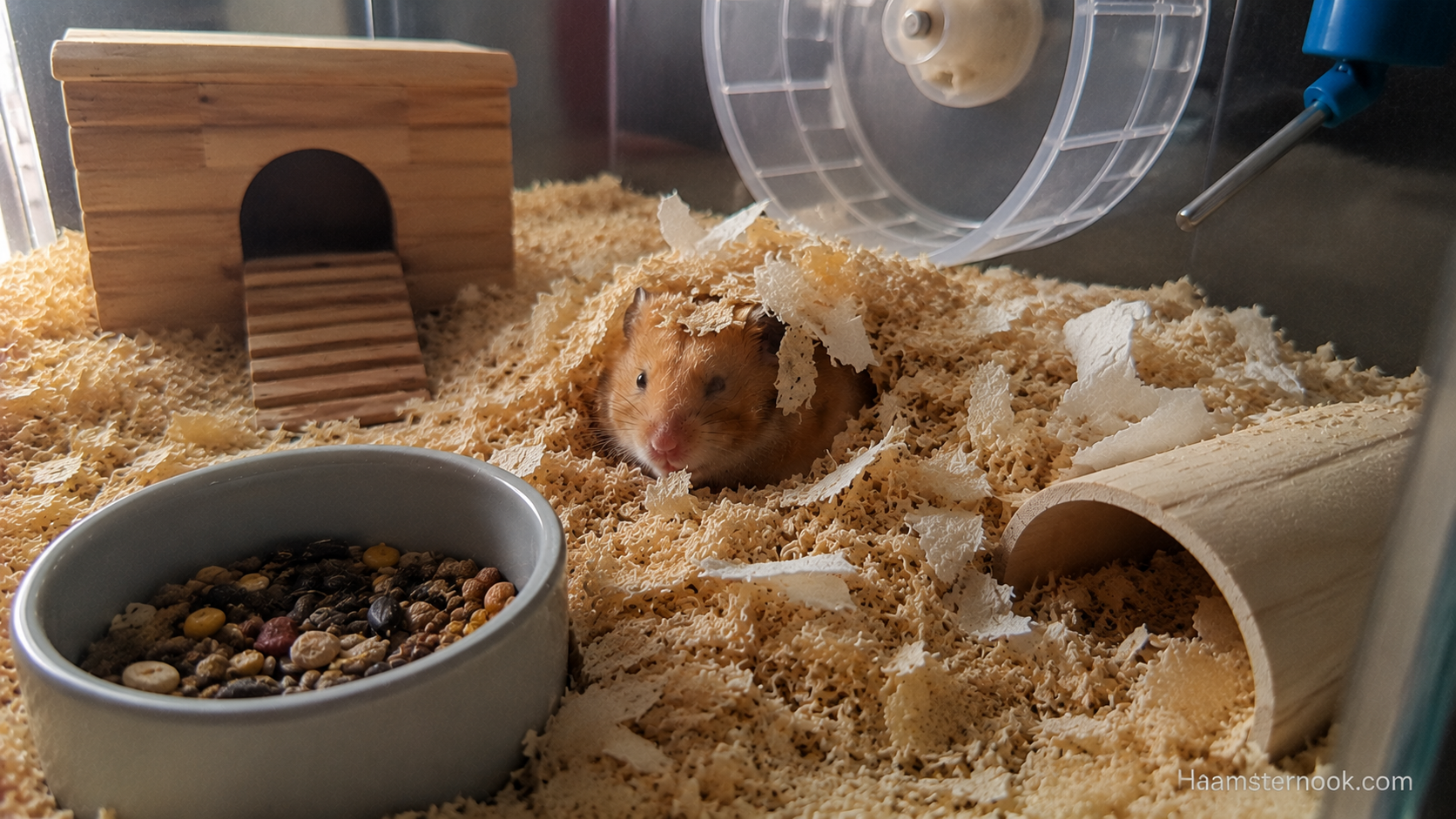
Never spray perfume:
- Directly on your hamster
- Inside the enclosure
- Onto bedding
- Onto nesting material
- Onto toys or hides
- Immediately beside the cage
If you apply perfume to yourself, do it away from the enclosure and avoid handling your hamster while the product is still wet on your hands or clothing.
Does a Strong Smell Stress Hamsters?
It can be difficult to say that a particular fragrance will definitely cause stress in every hamster because individual responses vary.
What we do know is that hamsters are sensitive to smells and are generally cautious around unfamiliar sights, sounds, and smells. RSPCA guidance specifically notes that hamsters can become nervous around new environmental stimuli and rely heavily on smell and hearing.
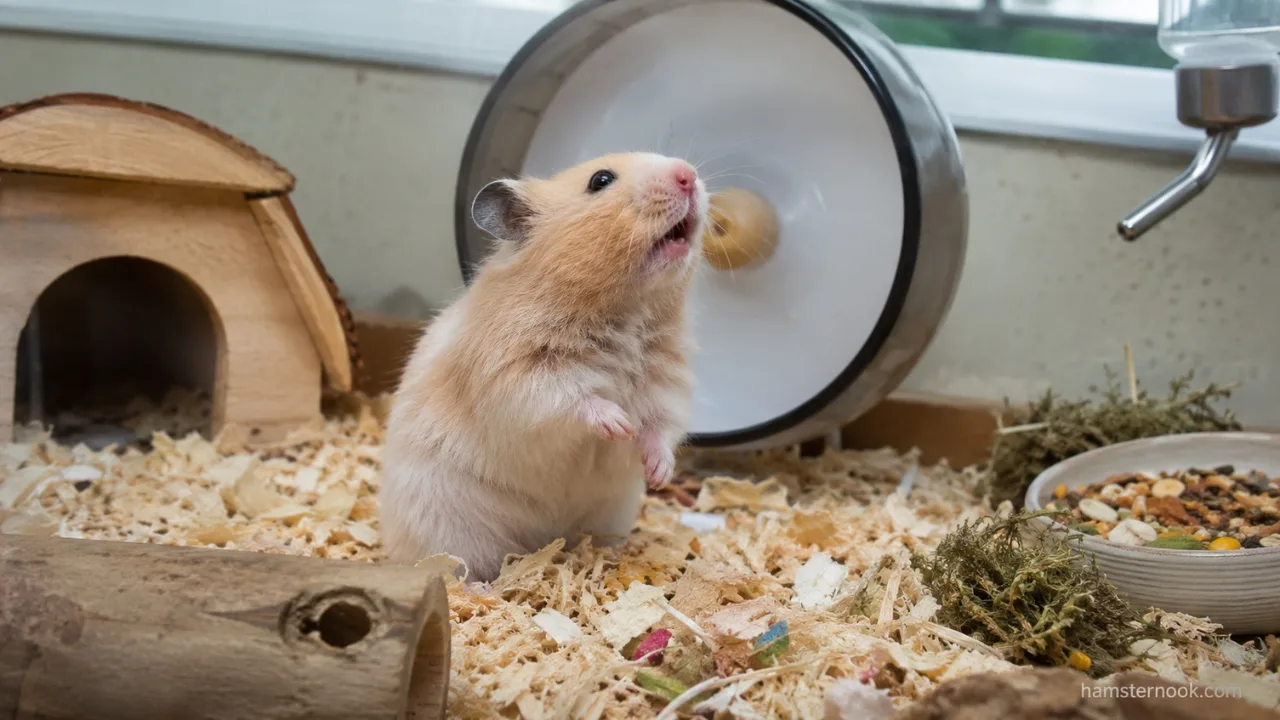
A sudden strong fragrance therefore isn’t something I’d deliberately introduce into a hamster’s environment.
A hamster may investigate a new smell, retreat to its nest, or simply behave differently for a while. Those reactions need to be interpreted alongside its normal behavior rather than treated as proof that a particular product has caused harm.
Repeated changes in behavior are more meaningful when several signs appear together. 7 Signs You’re Accidentally Stressing Your Hamster (Without Even Realizing It) explains the broader patterns that can indicate an unsuitable environment.
Practical Example
Imagine your hamster’s enclosure is in your bedroom.

You light a scented candle on your desk for an hour. The hamster isn’t sitting directly beside the candle, so it may seem harmless.
But the fragrance and combustion products are still entering the same room air that reaches the enclosure.
A better setup would be to keep the candle in a separate room where the hamster isn’t housed and maintain good ventilation around the hamster’s enclosure.
The same principle applies to incense and strong perfume sprays.
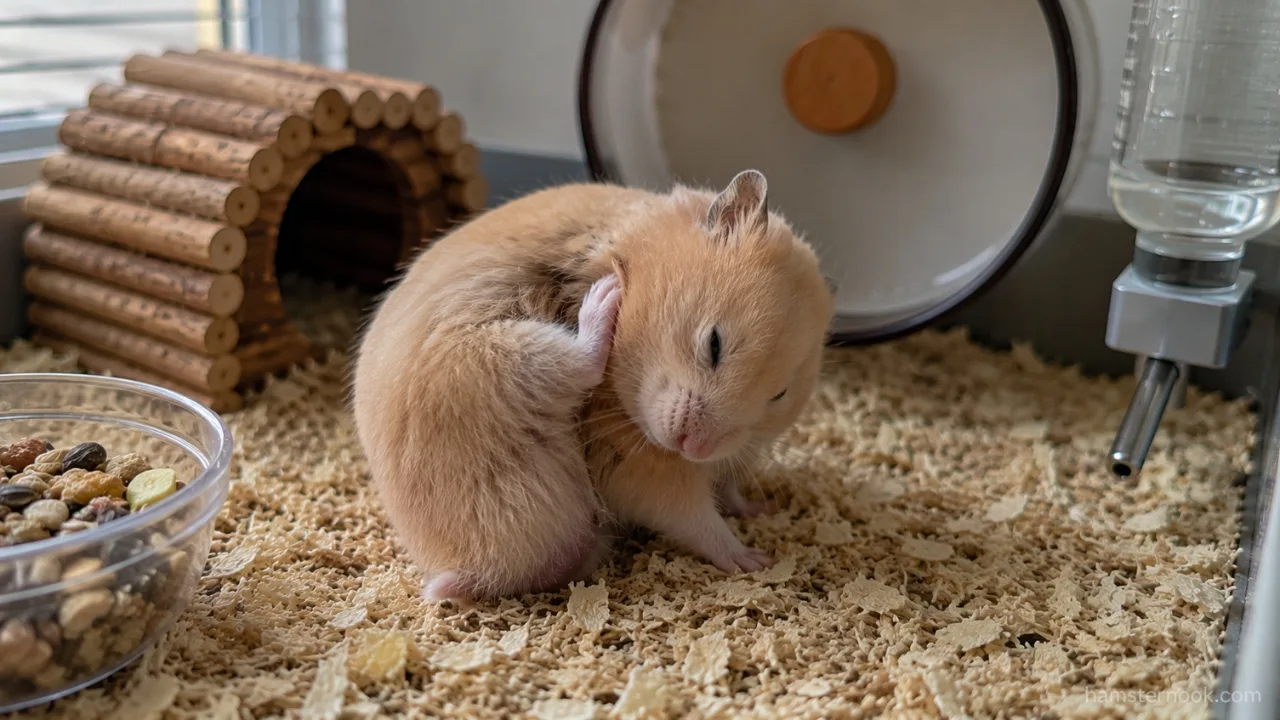
Why Ventilation Matters
A hamster’s enclosure should have adequate ventilation rather than being placed in an enclosed, stuffy area.
RSPCA recommends keeping hamsters in a suitable, dry environment and emphasizes the importance of avoiding conditions that can negatively affect their welfare. NC3Rs specifically states that hamster rooms and cages should be well ventilated.
Good ventilation does not make smoke or strong fragrances safe. It can improve air quality and reduce the buildup of airborne substances, but preventing the exposure is still the better approach.
For a hamster room, the simplest setup is usually the best one: clean air, normal household smells, no smoke, and no unnecessary fragrance products.
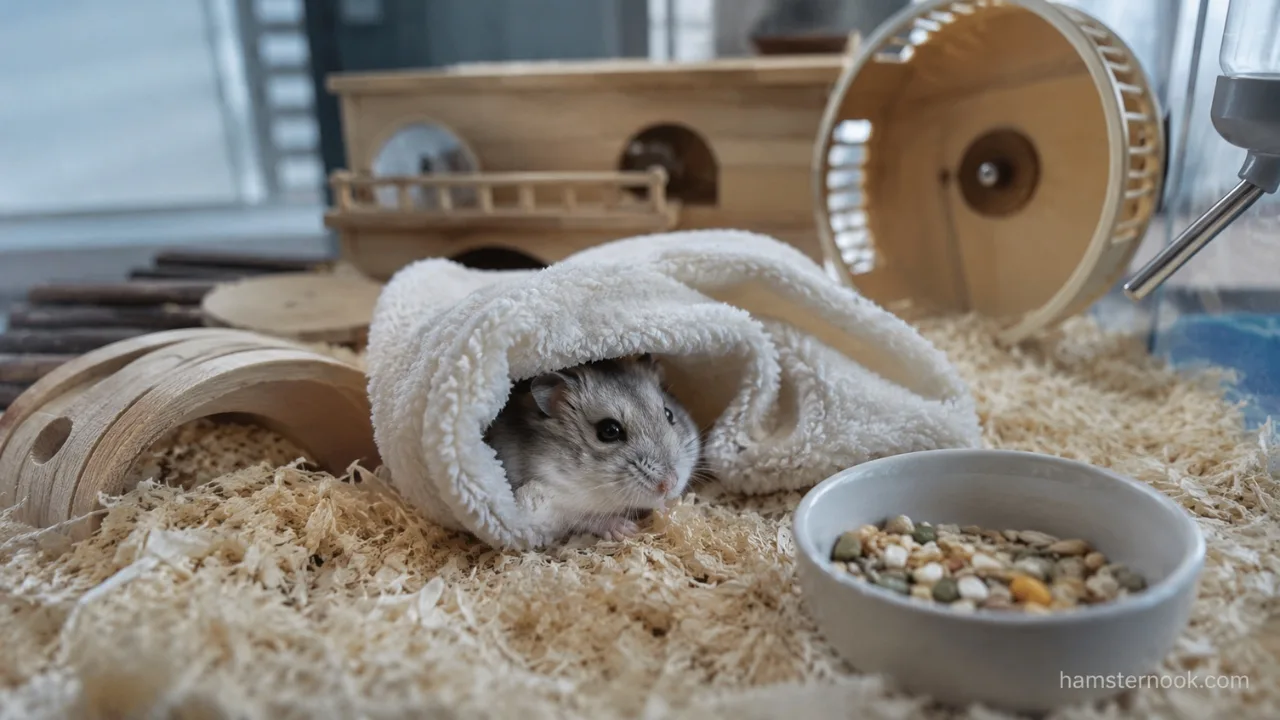
The location of the enclosure also matters because environmental conditions can change significantly depending on where the cage is placed. Should a Hamster Cage Be Near a Window? Risks Every Owner Should Know explains the potential problems with direct sunlight, drafts, and unsuitable window locations.
Common Mistakes Hamster Owners Make
The biggest mistake is assuming that a product is safe simply because it is sold for use in a normal household. Products designed to make a room smell pleasant are not automatically appropriate for a hamster’s environment.
Burning Incense Near the Cage
Incense produces smoke and combustion byproducts. Keeping the stick near a window or several feet from the enclosure does not make direct exposure a good idea.
If your hamster lives in the room, the safest choice is not to burn incense there.
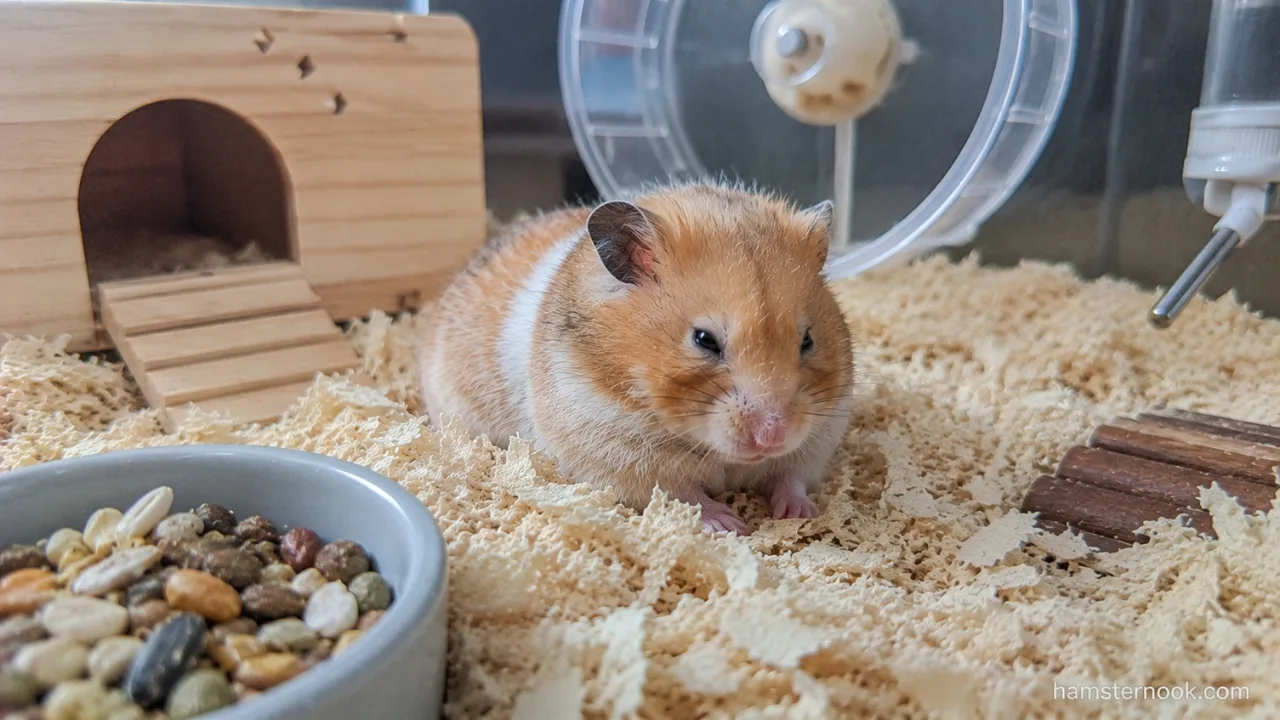
Covering the Cage With a Blanket
Some owners try to block smells by covering the enclosure. This isn’t a reliable solution. A cover can interfere with normal ventilation, while the hamster still remains in the same indoor environment.
A better solution is to remove the source of the airborne irritant.
Spraying Air Freshener Around the Enclosure
Air fresheners, room sprays, and perfume should never be sprayed into or around the cage simply to make it smell fresher.
If you’re also wondering about room sprays and other fragranced products, our Are Air Fresheners Safe Around Hamsters? What to Avoid guide explains what to keep away from the enclosure.
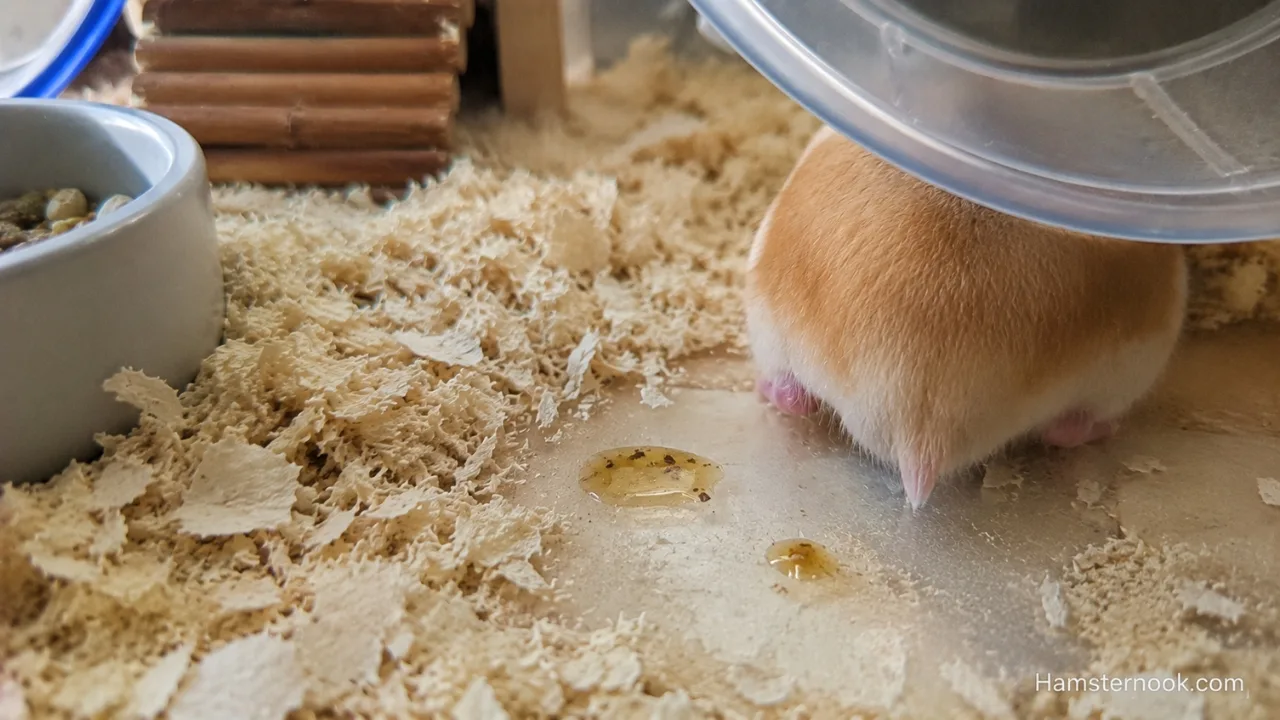
If the enclosure smells strongly, deal with the source instead. Spot-clean soiled bedding and remove spoiled food rather than masking the odor with fragrance.
RSPCA recommends maintaining clean, dry bedding while also avoiding excessive cage disturbance. It also notes that smell is particularly important to hamsters.
Assuming Essential Oils Are Automatically Safe
“Natural” does not mean harmless to every animal.
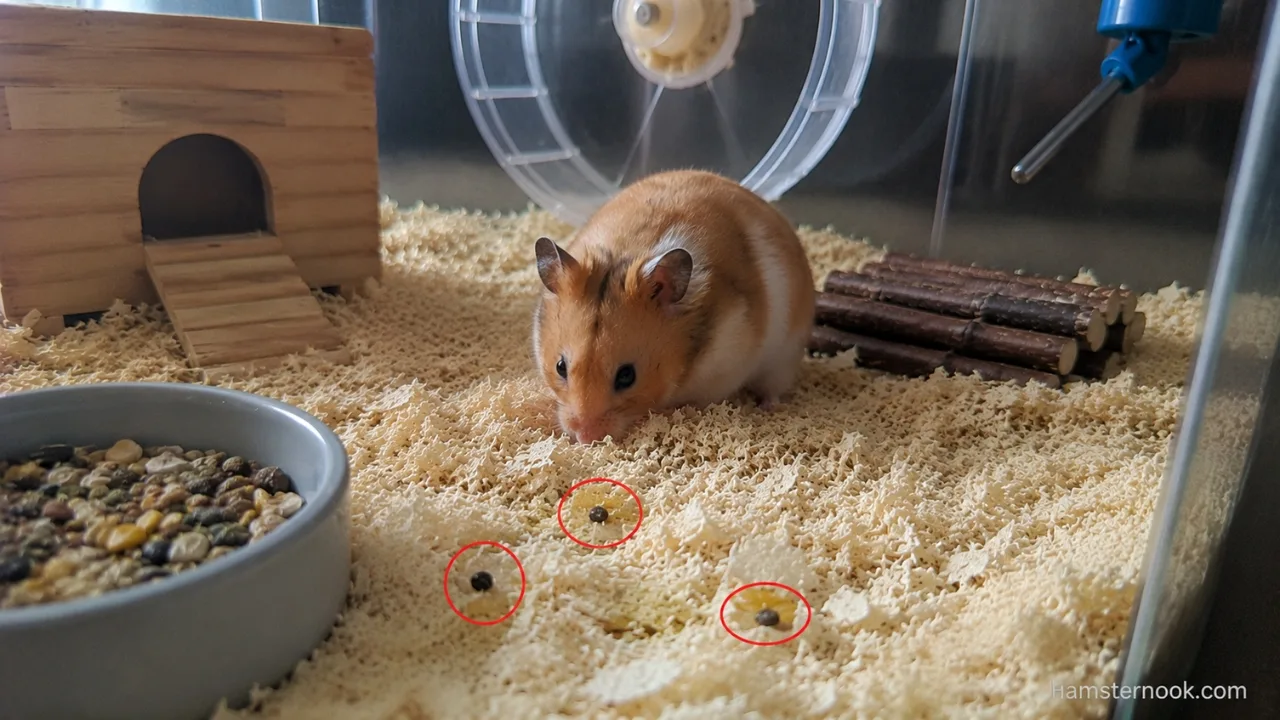
Concentrated essential oils and fragrance products can release strong aromatic compounds into the air. There is not enough hamster-specific evidence to confidently declare every oil or fragrance safe for routine exposure, so deliberately exposing a hamster to concentrated scents is unnecessary.
What You Should Do
The simplest way to protect your hamster is to keep its living area as close as practical to normal, clean household air.
Keep the Hamster Room Smoke-Free
Don’t smoke, burn incense, or burn scented candles in the same room as your hamster.
Smoke contains gases, vapors, and particulate matter that can injure the respiratory tract of animals. Veterinary guidance on smoke inhalation recommends taking exposure seriously rather than assuming that a small amount cannot cause harm.
Use Perfume Away From the Cage
If you wear perfume, apply it away from the hamster’s enclosure.

There is no need to panic about having perfume on your skin after applying it normally, but avoid spraying it directly beside the hamster, onto its bedding, or onto anything inside the enclosure.
Keep the Enclosure Well Ventilated
Good ventilation is an important part of appropriate hamster housing. NC3Rs specifically recommends that hamster rooms and cages be well ventilated.
This doesn’t mean placing the cage directly in a draft. The goal is fresh, clean air without excessive airflow, smoke, or strong airborne chemicals.
Fresh air should also be balanced with a stable room temperature rather than creating strong airflow simply to cool the enclosure. Safe Temperature for Hamsters: How Hot or Cold Is Too Much? explains the temperature conditions hamsters generally tolerate best.
Don’t Mask Cage Odors With Fragrance
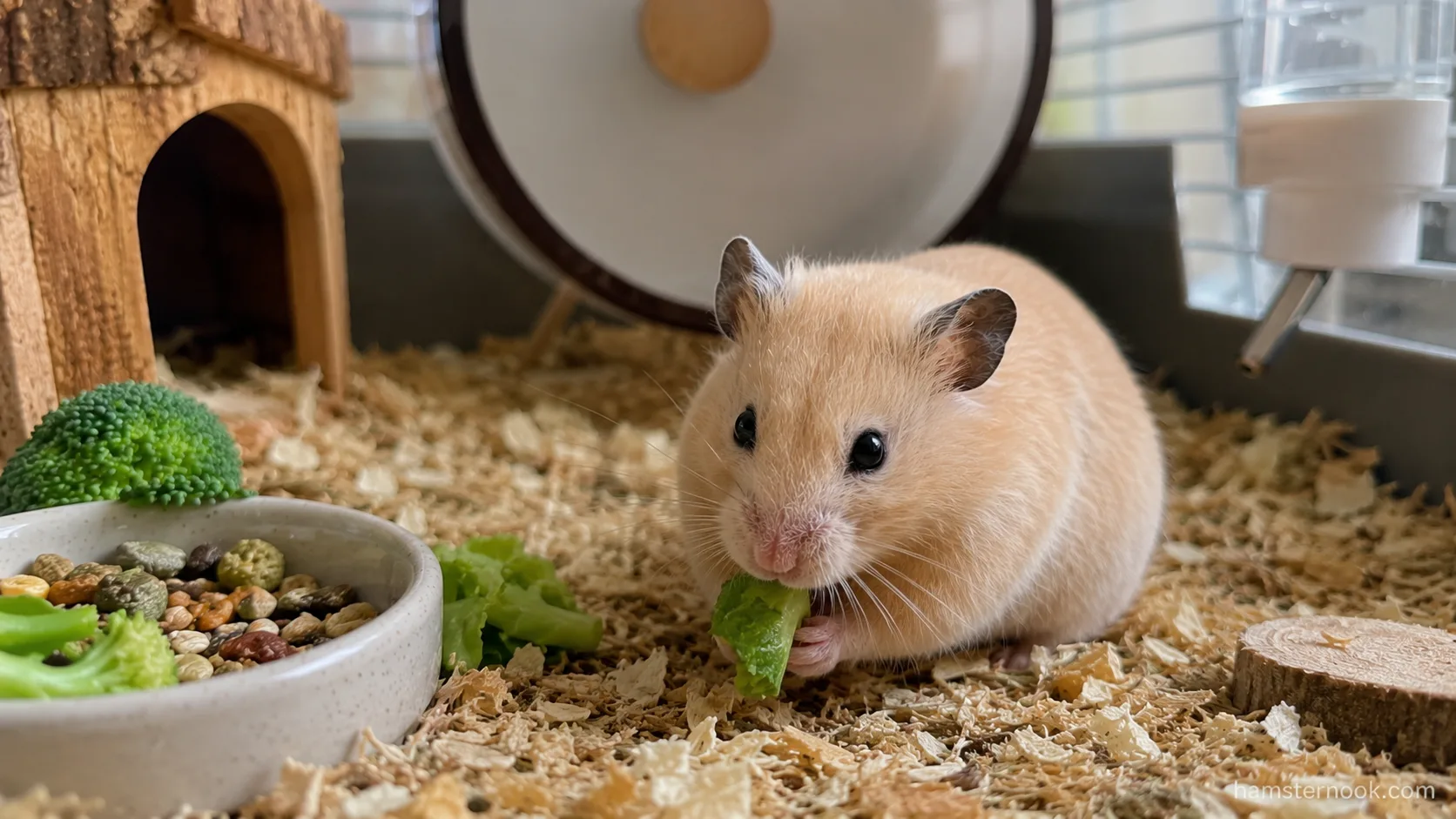
A healthy enclosure should not need perfume to smell pleasant.
Instead:
- Remove visibly soiled bedding.
- Remove uneaten food that has spoiled.
- Check areas where urine has accumulated.
- Keep the bedding dry.
- Preserve some clean, familiar nesting material during larger cleans.
Keeping familiar odors is useful because hamsters rely heavily on scent information. NC3Rs recommends retaining some clean nesting material during a full cage clean, while RSPCA also recommends transferring a small amount of old, unsoiled bedding and nesting material.
What If You Accidentally Used a Scented Product Near Your Hamster?

Don’t panic.
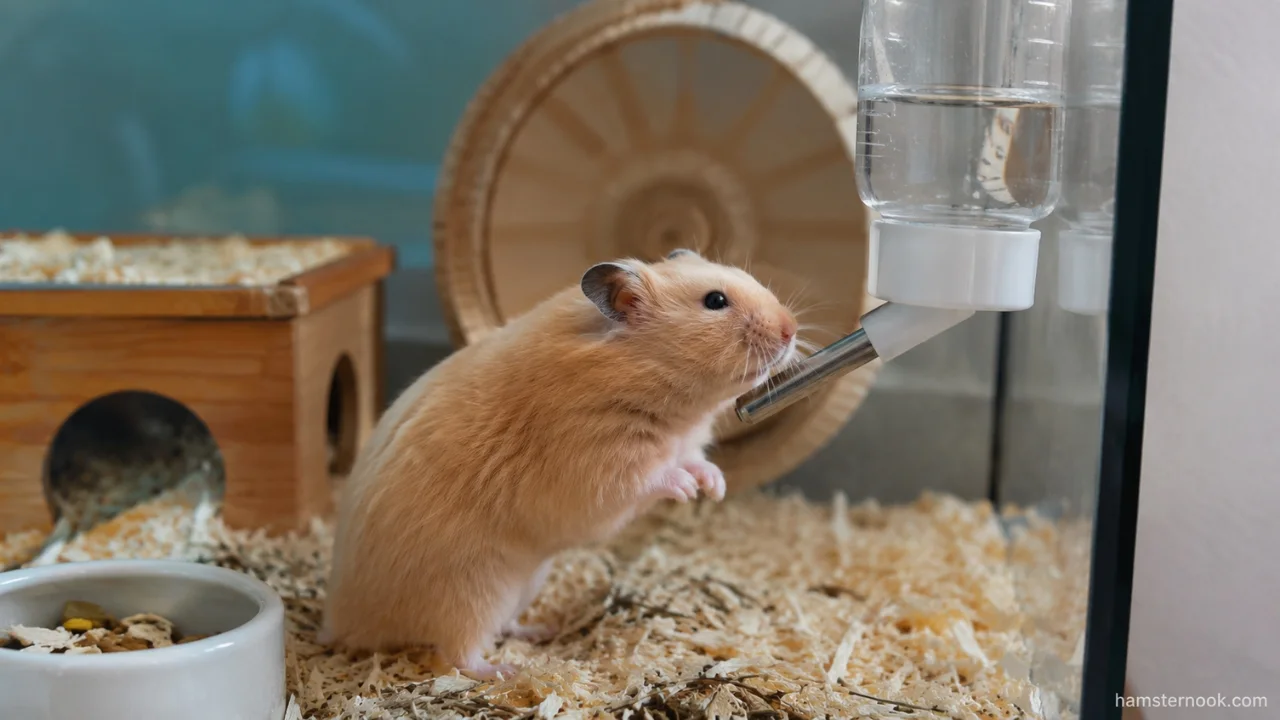
If you accidentally sprayed perfume nearby or burned a candle briefly in the same room, stop using the product and move the hamster away from the source of exposure.
Ventilate the room appropriately and allow the air to clear before returning the hamster to that environment.
Do not attempt to cover the smell with another fragrance.
If the exposure involved noticeable smoke or your hamster was in a poorly ventilated room, do not assume that looking normal immediately means there is no problem. Watch closely for changes in breathing, activity, or responsiveness afterward.
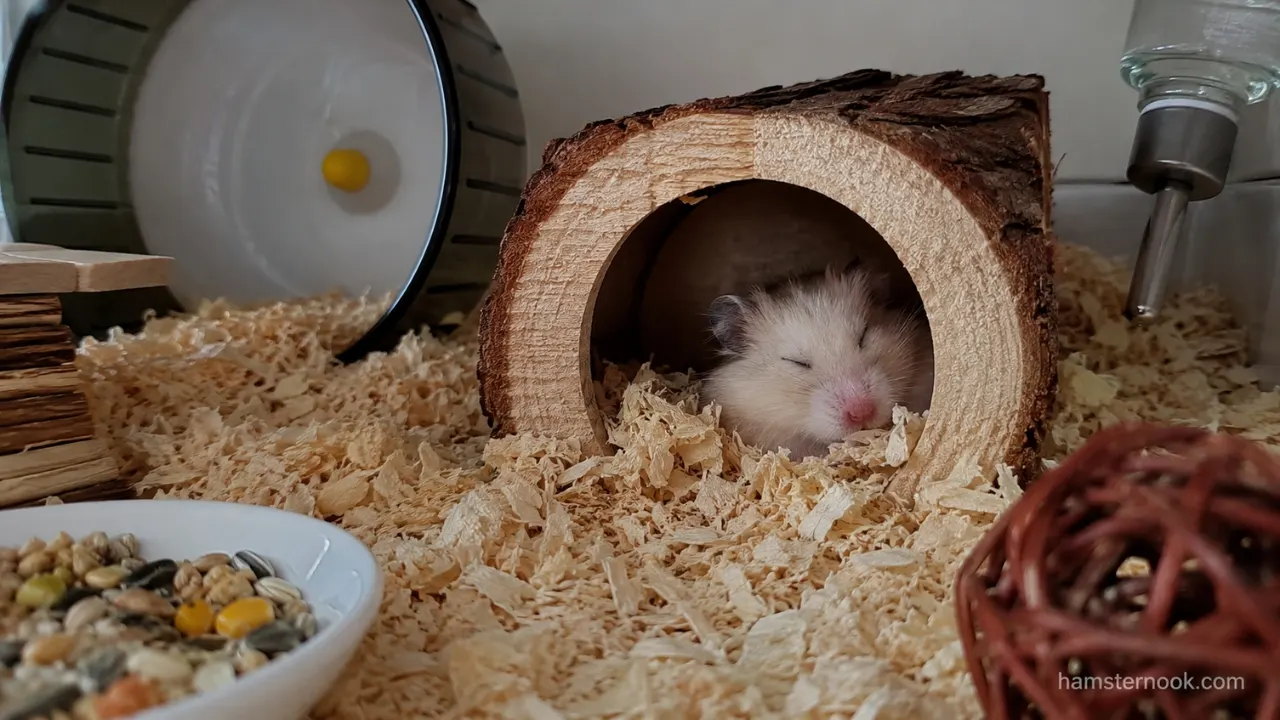
If smoke was involved, particularly if the room became visibly smoky, take the exposure more seriously because combustion produces airborne particles and gases that can affect the respiratory tract.
Warning Signs After Fragrance or Smoke Exposure
A hamster that has been exposed to smoke or another irritating airborne substance may not show obvious signs immediately, and some respiratory injuries can become more apparent after the exposure.
Pay attention to changes such as:
- Breathing that looks different from normal
- Labored or unusually rapid breathing
- Persistent coughing or unusual respiratory noises
- Marked weakness or unusual inactivity
- Sudden difficulty moving normally
- A major change in normal behavior
These signs are not proof that perfume, incense, or a candle caused the problem. They simply indicate that your hamster may need professional assessment.
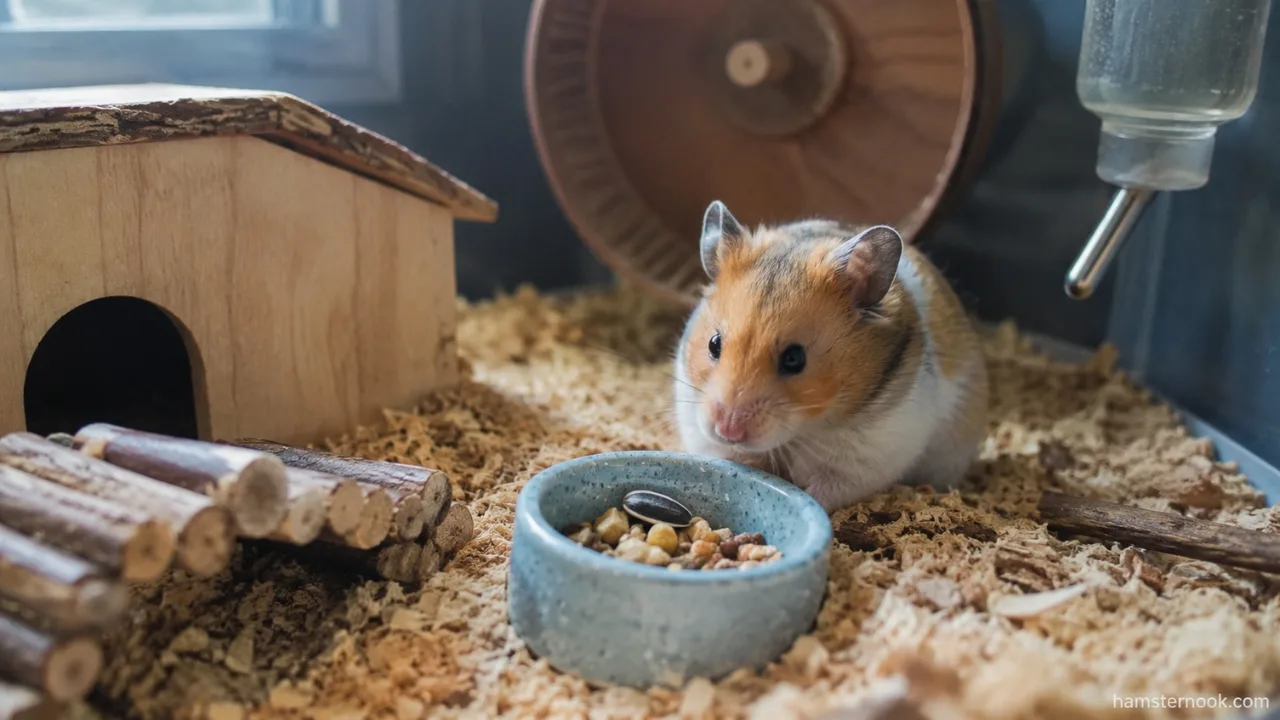
Loss of appetite can also occur alongside other health problems, so it is worth considering the wider picture rather than attributing every change to fragrance exposure. Why Is My Hamster Not Eating? 9 Causes You Should Never Ignore covers the main reasons a hamster may suddenly lose interest in food.
When to Worry
A mild unfamiliar smell is not automatically an emergency, and there is no reliable basis for claiming that every scented candle or perfume exposure will make a hamster sick.
The situation becomes more concerning when there has been substantial smoke exposure or when your hamster develops an obvious change in breathing, activity, or general condition afterward.
Don’t wait for symptoms to become severe before seeking professional advice if you are concerned about a significant exposure.

A hamster that becomes unusually weak or inactive after an exposure should also be monitored closely rather than assuming the change is temporary. Why Is My Hamster Suddenly Weak? 9 Possible Causes & What To Do covers other situations that can cause a sudden change in energy.
Hamsters are small animals, and changes in health can become important quickly. Veterinary assessment is the appropriate way to determine whether a particular exposure has caused respiratory or other problems.
Final Thoughts
Can perfume, incense, or scented candles harm hamsters? The safest answer is to avoid unnecessary exposure, especially when smoke or combustion is involved.
Hamsters depend heavily on smell to understand their environment, and their housing should have clean, well-ventilated air. Incense and burning candles add smoke and combustion products that your hamster doesn’t need. Strong perfumes, room sprays, and concentrated fragrances are also better kept away from the enclosure.

You don’t need to make your entire home fragrance-free. The practical solution is simply to keep scented and burning products away from the room where your hamster lives, avoid spraying anything around the cage, and maintain good ventilation.
For a hamster, clean air is a much better choice than a beautifully scented room.
Medical Disclaimer
This article provides general hamster-care information and is not a substitute for veterinary diagnosis or treatment. If your hamster develops breathing difficulty, severe weakness, or another concerning change after exposure to smoke or a fragranced product, contact a veterinarian experienced with small mammals promptly.
Frequently Asked Questions
Can I use perfume if my hamster is in the same room?
It is better to apply perfume away from the hamster’s enclosure. Avoid spraying it near the cage, onto bedding, or directly around your hamster.
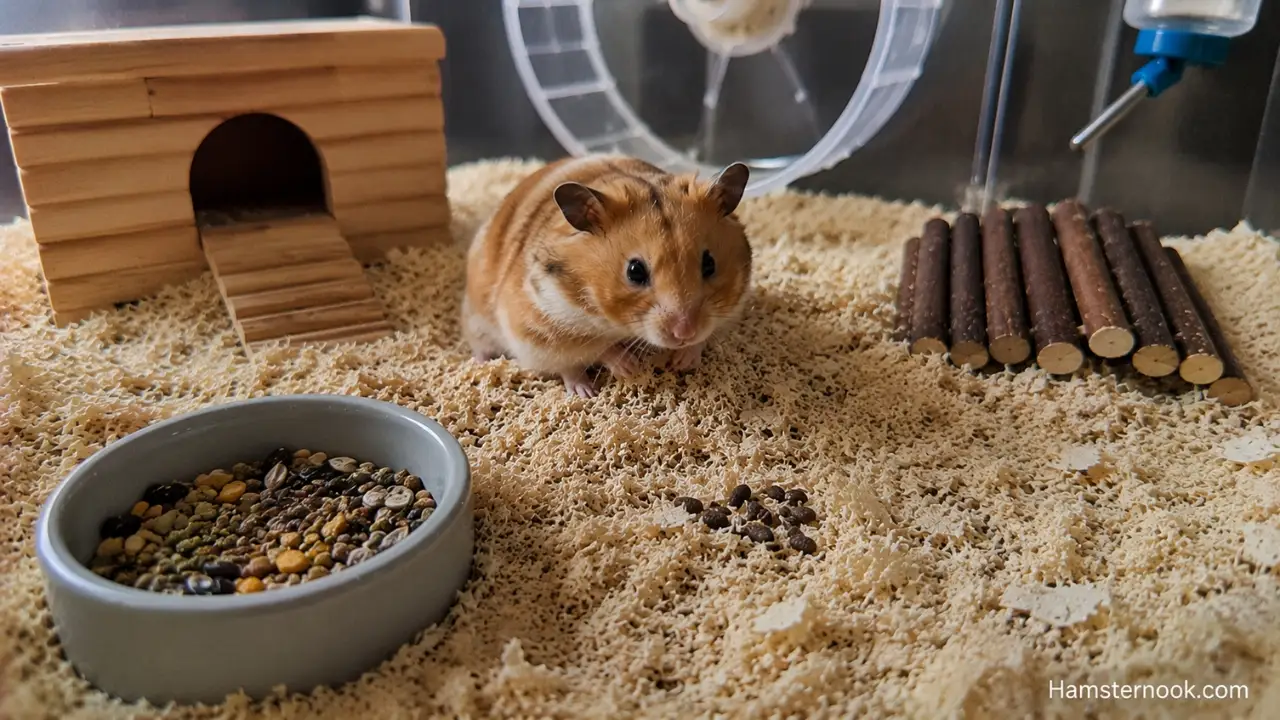
Can hamsters be around scented candles?
The safest practice is to avoid burning scented candles in the same room as a hamster. A candle produces combustion products, while a scented candle also releases fragrance into the surrounding air.
Is incense worse than a scented candle for hamsters?
Incense is particularly concerning because it intentionally produces smoke. Smoke contains gases, vapors, and particulate matter that can be harmful when inhaled.
Can I burn incense in another room?
Using incense in a separate room is preferable to burning it in the hamster’s room. Keep the hamster away from the smoke and allow appropriate ventilation before allowing air from that area to circulate into the hamster’s living space.
Are essential oils safe for hamsters?
There isn’t enough hamster-specific evidence to treat every essential oil or method of fragrance exposure as safe. Because concentrated scents are unnecessary for hamster care, avoiding deliberate exposure is the safer approach.

Can air fresheners be used near a hamster cage?
It’s best not to spray air fresheners around the enclosure. If the cage smells, identify and remove the source rather than masking it with fragrance.
What should I do if I accidentally burned incense near my hamster?
Stop the incense, move your hamster away from the smoke, and ventilate the area. If your hamster develops breathing problems, unusual weakness, or another concerning change, contact a veterinarian promptly.
Does a hamster need scented bedding?
No. Hamsters don’t need scented bedding to be comfortable. Their own familiar smells are useful environmental information, and appropriate bedding should provide a safe place for nesting and burrowing.
References
This guide is based on hamster respiratory health, housing, ventilation, environmental safety, and welfare guidance from trusted veterinary and animal welfare resources, including:
- MSD Veterinary Manual – Hamsters – Veterinary information on hamster health, respiratory conditions, environmental factors, and signs of illness.
- RSPCA – Creating a Good Home for Hamsters – Guidance on suitable hamster environments, ventilation, bedding, housing conditions, and reducing environmental stressors.
- RSPCA – Hamster Health & Welfare – Information on hamster health, respiratory concerns, signs of illness, and when veterinary care may be needed.
- NC3Rs – Housing and Husbandry: Hamster – Guidance on hamster housing, ventilation, environmental conditions, bedding, and appropriate husbandry.
- Blue Cross – Hamster Care Guide – Practical guidance on hamster housing, environmental care, bedding, ventilation, and general wellbeing.
Medical Disclaimer
This article is intended for educational purposes only and should not be considered veterinary advice. Exposure to smoke, strong fragrances, or other airborne irritants may affect individual hamsters differently. If your hamster develops breathing difficulties, unusual respiratory sounds, severe weakness, marked inactivity, or another concerning change after exposure to smoke or a fragranced product, contact a qualified exotic animal veterinarian promptly.

Narayan Kumar is the founder and author of HamsterNook. He creates practical, research-based hamster care guides covering hamster behavior, nutrition, cage setup, enrichment, health, and everyday care. His goal is to help hamster owners make informed decisions and provide safer, healthier lives for their pets through clear, beginner-friendly information based on trusted animal care resources.