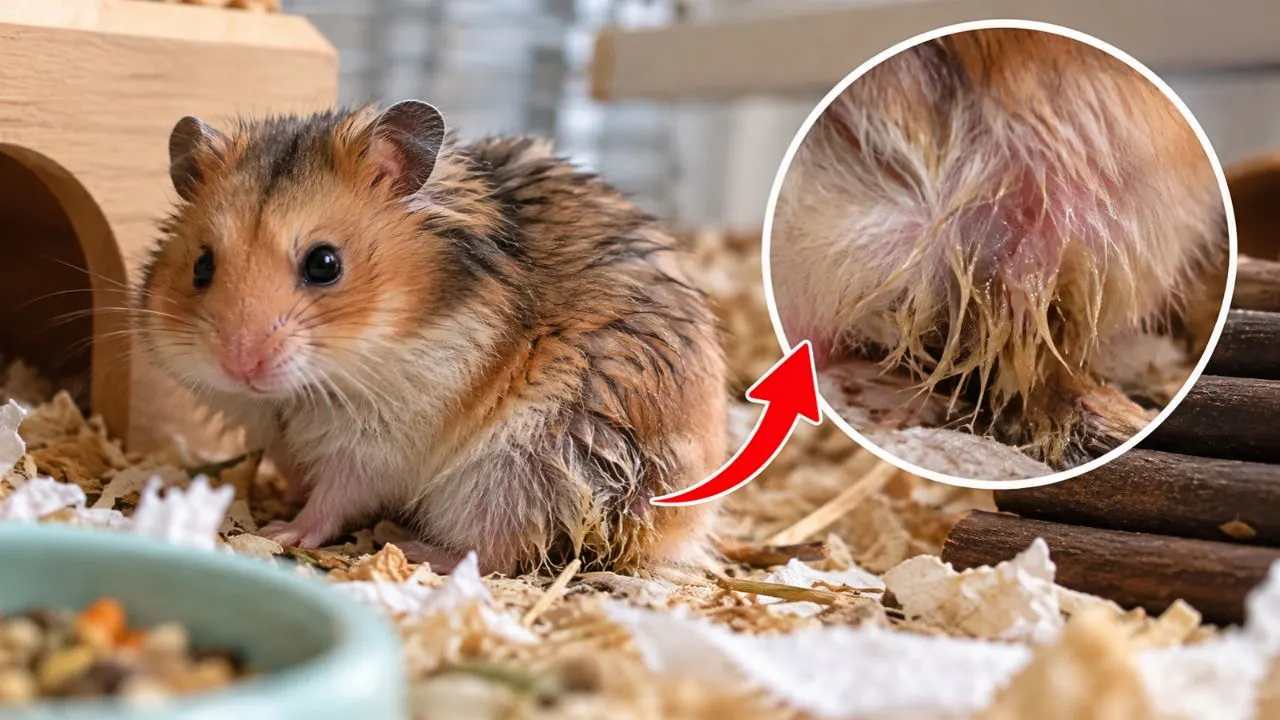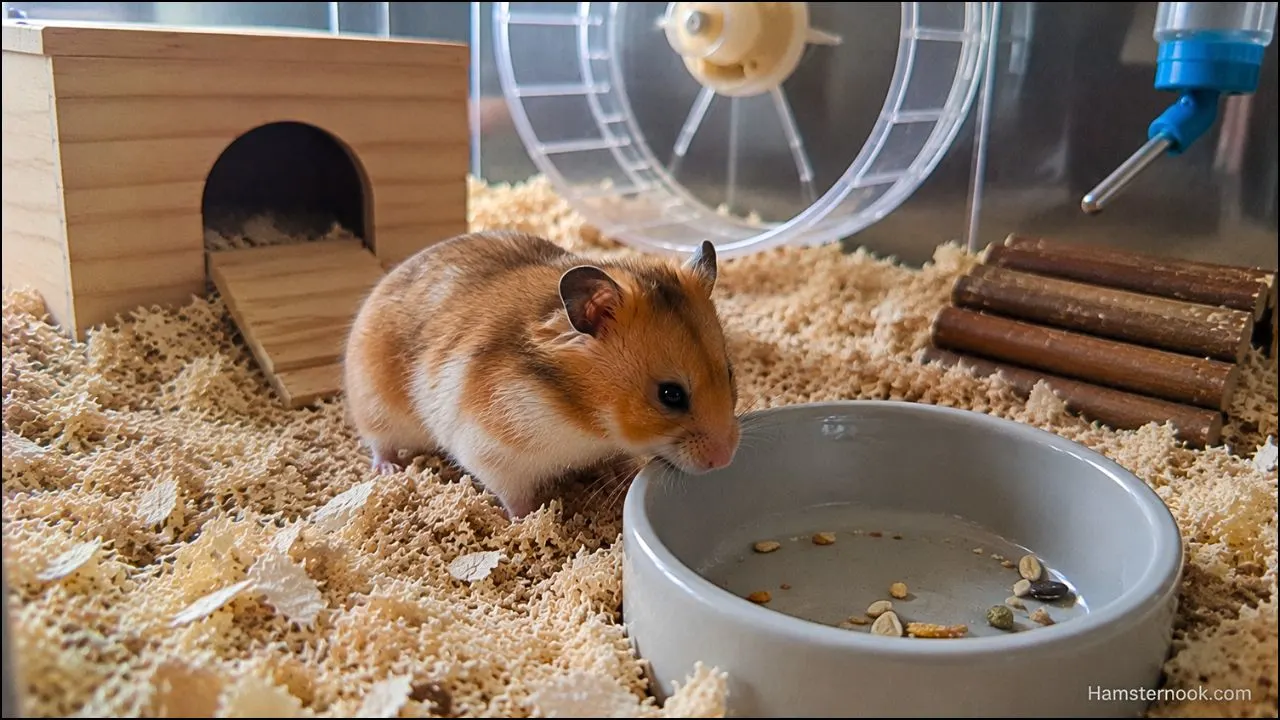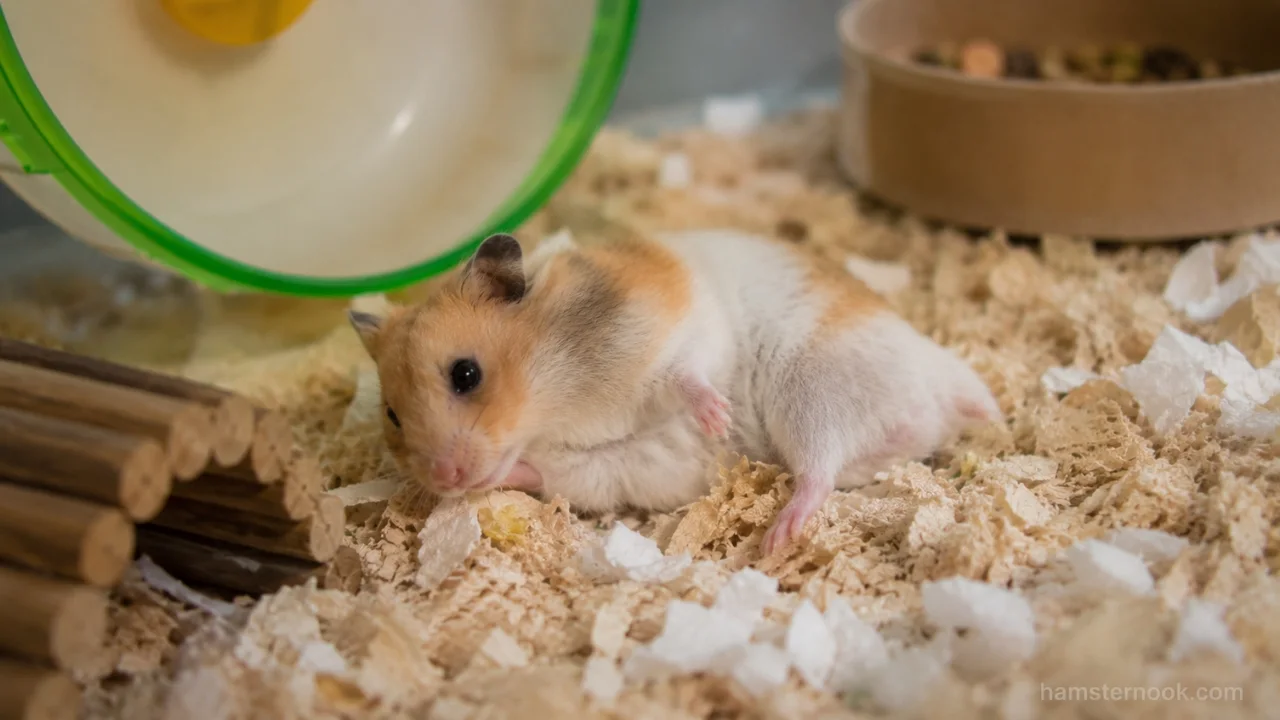
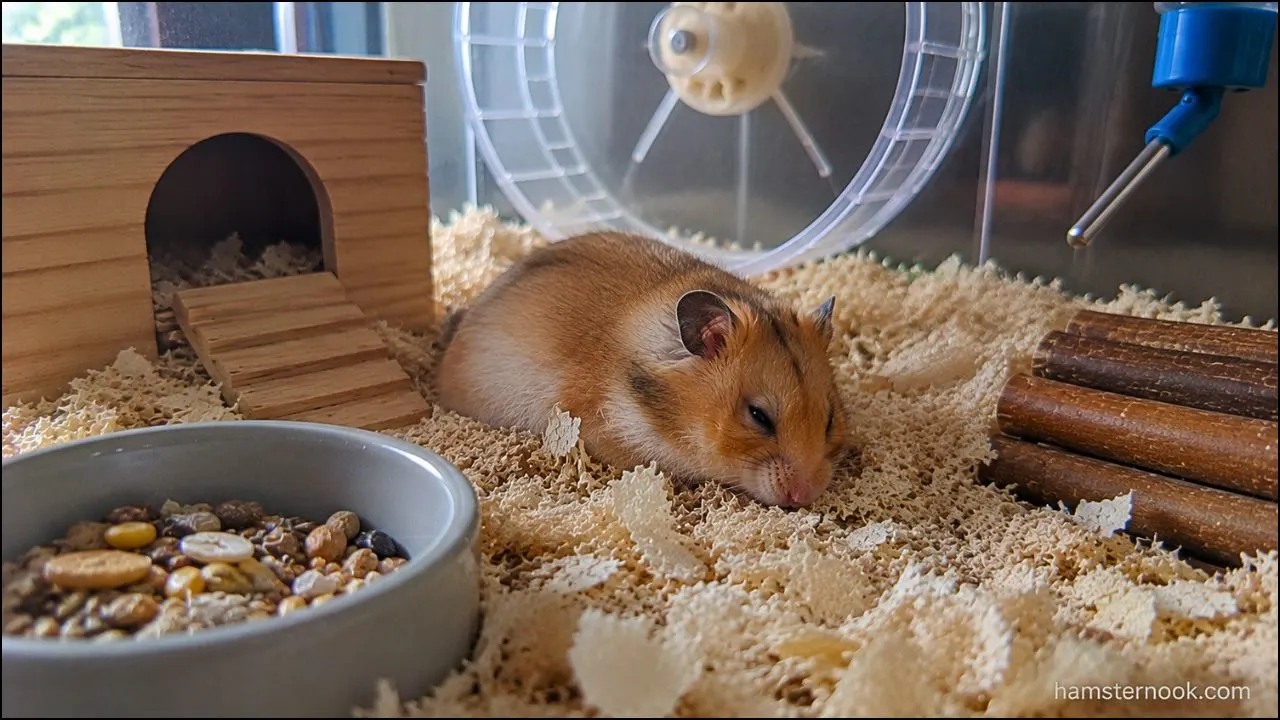
Seeing your hamster suddenly become weak, wobbly, or unusually tired can be frightening. Because hamsters naturally hide signs of illness, noticeable weakness is often a warning sign that something more serious may already be developing. One day your pet may be running on its wheel, exploring its enclosure, and acting completely normal. The next, it may appear lethargic, shaky, unsteady, or unwilling to leave its nest.
Weakness in hamsters is not a disease itself. Instead, it is a symptom that can be caused by many different underlying problems, ranging from minor issues like dehydration to serious medical emergencies that require immediate veterinary attention.
Recognizing health problems early is often difficult because symptoms can be subtle at first. Our Signs of a Sick Hamster: Warning Symptoms Every Owner Should Know guide explains the early warning signs many owners miss.
Quick Answer
A hamster can suddenly become weak because of dehydration, illness, injury, heat stress, wet tail, poor nutrition, diabetes, or neurological problems. Weakness may also appear as wobbling, shaking, unusual sleepiness, difficulty walking, or reluctance to move. Because hamsters can become seriously unwell quickly, sudden or severe weakness should not be ignored.

What Does Weakness Look Like in a Hamster?
Weakness can appear in several ways depending on the underlying cause.
Common signs include:
- Difficulty walking
- Wobbling or stumbling
- Sleeping much more than usual
- Reduced activity levels
- Reluctance to climb or explore
- Shaking or trembling
- Sitting hunched for long periods
- Difficulty holding food
- Collapsing or lying flat
If your hamster is suddenly less active than normal, struggles to move, or appears unusually tired, it’s important to investigate the cause as early as possible.
Quick Guide: Common Causes of Sudden Weakness
| Possible Cause | Signs That May Occur | What to Do |
|---|---|---|
| Dehydration | Low energy, reduced activity, changes in drinking or eating | Check the water source and seek veterinary advice if weakness or other concerning signs are present |
| Illness or infection | Poor appetite, weight loss, breathing changes, discharge, lethargy | Arrange veterinary assessment |
| Aging | Gradual slowing, less activity, increased sleeping | Monitor closely and discuss sudden or worsening changes with a veterinarian |
| Injury | Limping, pain, swelling, reluctance to move | Avoid unnecessary handling and seek veterinary assessment |
| Heat stress | Weakness, lethargy, rapid breathing, unsteady movement | Move away from excessive heat and seek veterinary care promptly |
| Poor nutrition | Weight loss, low energy, reduced body condition | Review the diet and discuss ongoing weakness or weight loss with a veterinarian |
| Wet tail or diarrhea | Diarrhea, weakness, dehydration, loss of appetite | Seek veterinary care promptly |
| Diabetes | Increased thirst, frequent urination, weight loss, reduced energy | Do not diagnose at home; veterinary assessment is needed |
| Neurological problems | Circling, head tilt, tremors, balance problems, falling | Seek veterinary assessment promptly |
Dehydration Can Cause Rapid Weakness
Dehydration can contribute to weakness and low energy, particularly when a hamster is also eating or drinking less, has diarrhea, or is exposed to excessive heat. Because several health problems can cause similar signs, weakness should not automatically be attributed to dehydration without considering the hamster’s other symptoms.
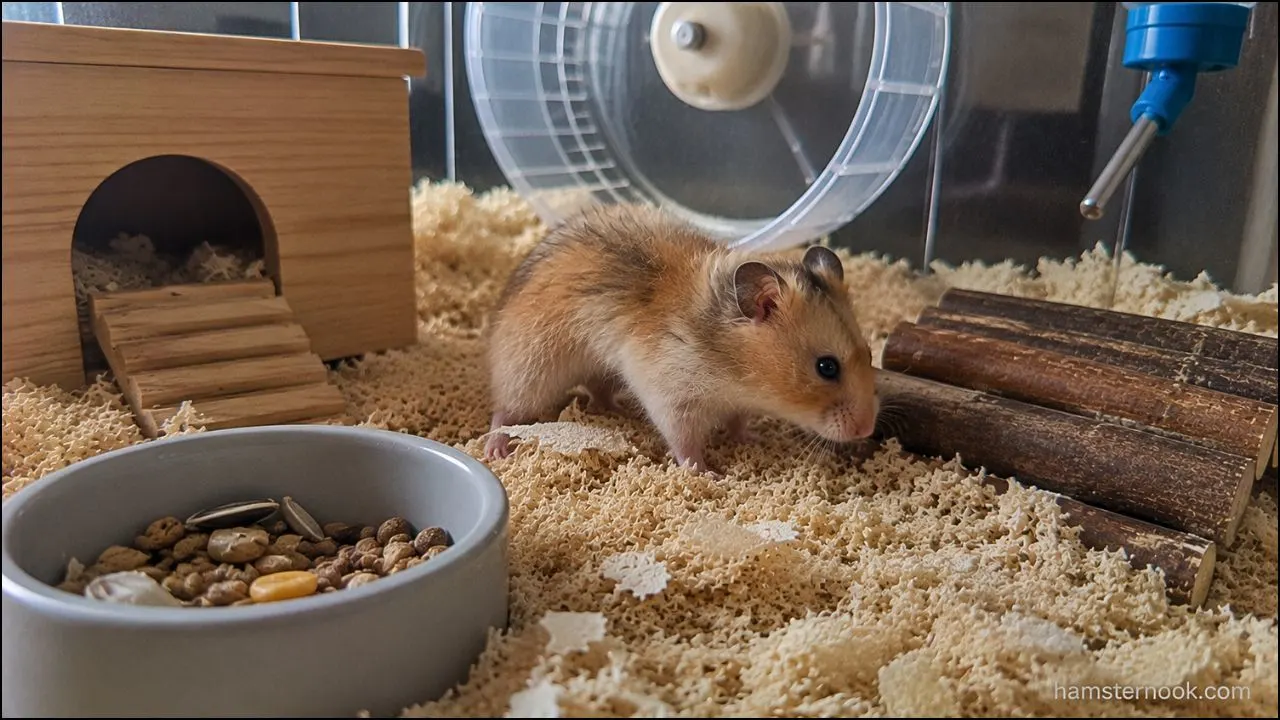
Dehydration is one of the most common reasons a hamster may suddenly appear weak.
Hamsters can become dehydrated if:
- Their water bottle stops working
- They are sick
- They experience diarrhea
- Temperatures become too high
A dehydrated hamster may become lethargic surprisingly quickly.
Watch for additional changes such as dull or sunken-looking eyes, reduced activity, or changes in drinking and eating. If you suspect dehydration, check the water source immediately but do not rely on home care alone if your hamster is weak or showing other signs of illness.
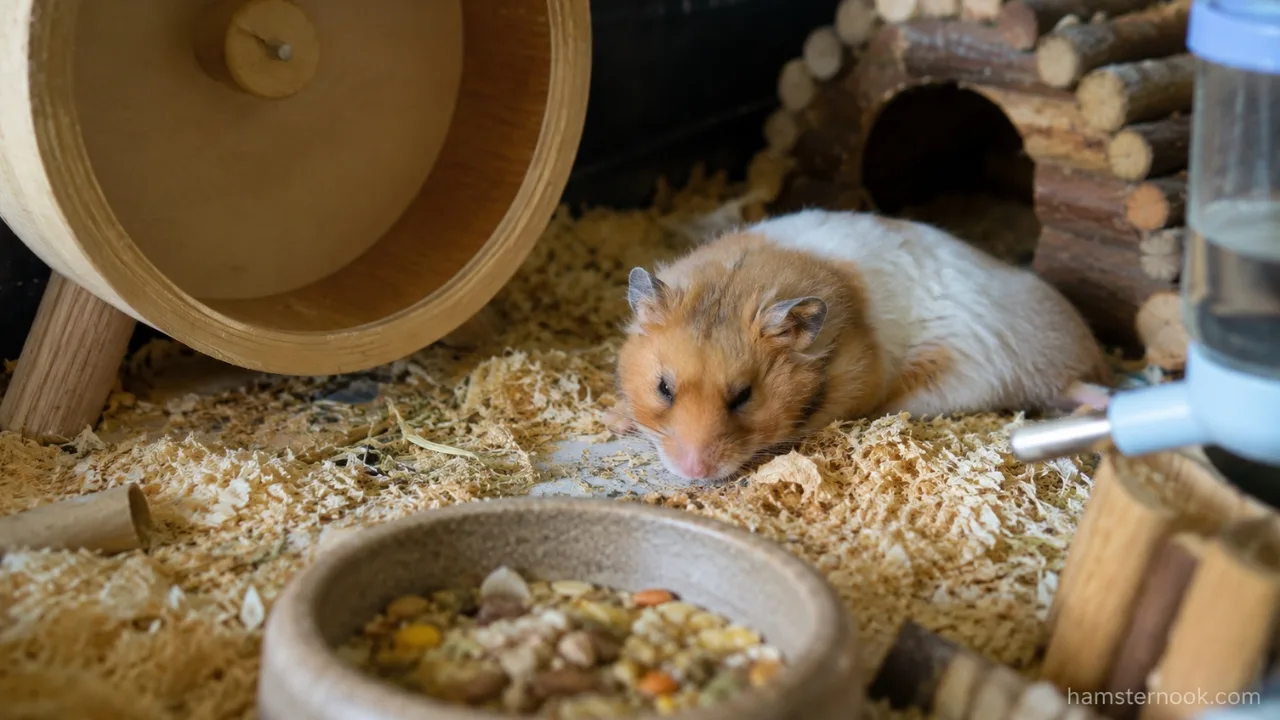
If your hamster has stopped drinking, read Why Is My Hamster Not Drinking Water? to learn the most common causes of dehydration and when veterinary care may be needed.
Why Is My Hamster Weak and Sleeping All the Time?
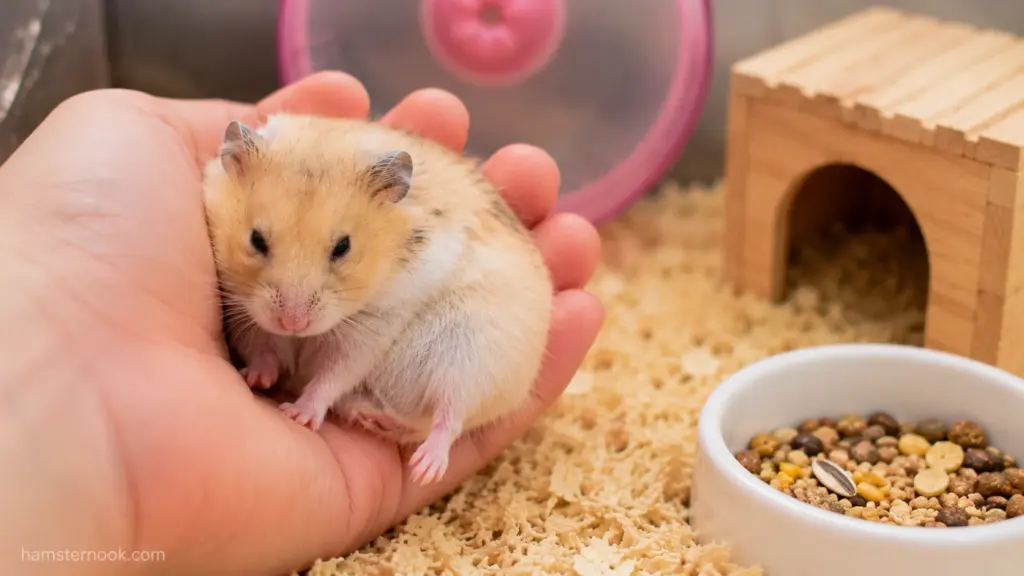
It is normal for hamsters to sleep for long periods during the day, but a hamster that seems weak and sleeps almost constantly may be experiencing an underlying problem. Illness, dehydration, stress, pain, poor nutrition, and age-related health issues can all reduce activity levels and increase the need for rest.
Pay attention to what happens when your hamster is awake. A healthy hamster should still show interest in food, water, grooming, and exploring its enclosure. If your hamster wakes up but remains sluggish, struggles to move normally, or quickly returns to sleep, the behavior may be more than simple tiredness.
A sudden increase in sleeping, especially when combined with weakness or appetite loss, should always be monitored carefully. Looking for changes in body weight, eating habits, breathing, and overall behavior can help determine whether the issue is temporary or requires veterinary attention.
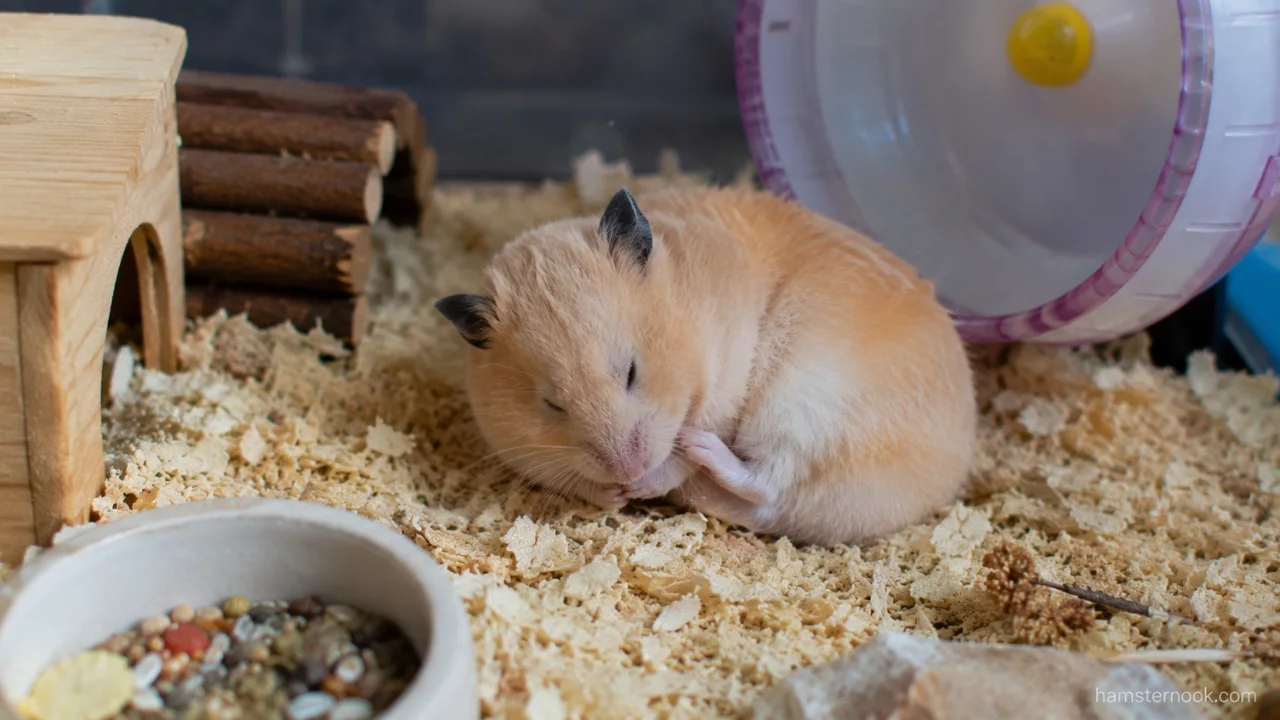
Changes in sleep patterns are often easier to understand when compared with normal hamster sleeping behavior and common warning signs.
Signs of Dehydration
| Symptom | What You May Notice |
|---|---|
| Sunken Eyes | Eyes appear dull or slightly recessed |
| Dry Mouth | Reduced moisture around the mouth |
| Weakness | Less movement than normal |
| Weight Loss | Noticeable reduction in body condition |
| Increased Sleeping | Unusual inactivity |
Check that your hamster’s water source is functioning properly and seek veterinary care if dehydration is suspected.
Infection or Illness May Be Developing
Many bacterial, viral, or internal illnesses can cause weakness.
Often, weakness is accompanied by:

- Loss of appetite
- Weight loss
- Poor grooming
- Changes in breathing
- Discharge from the eyes or nose
Because symptoms can overlap between different illnesses, a veterinarian is often needed to determine the exact cause.
Why Is My Hamster Suddenly Weak and Not Eating?
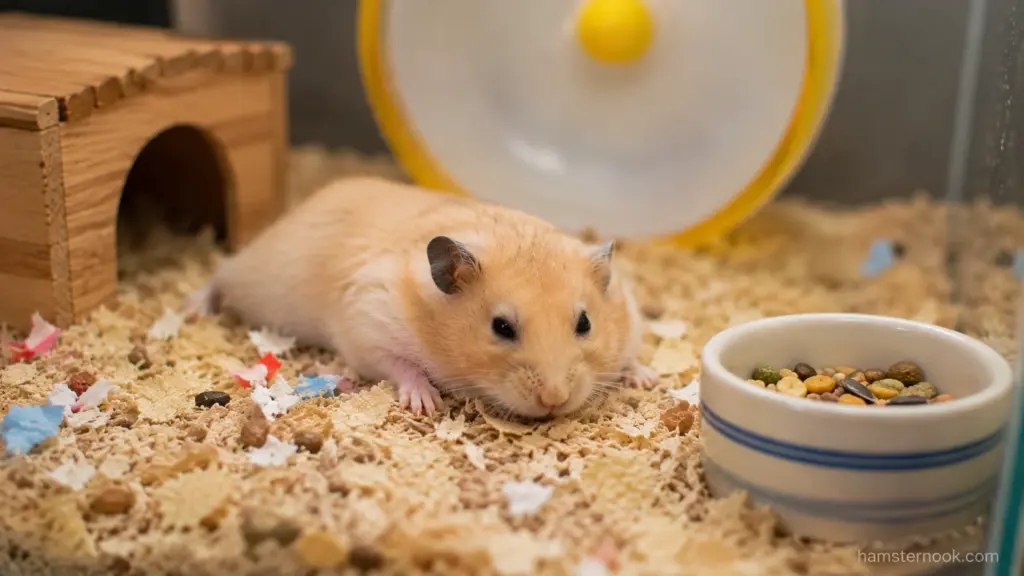
Many owners first notice weakness after changes in eating habits. Our Why Is My Hamster Not Eating? 9 Causes, Warning Signs & What to Do guide explains common causes and warning signs of appetite loss.
A hamster that is both weak and refusing food often needs closer attention than a hamster showing only one of those symptoms. Appetite loss combined with low energy can be caused by dehydration, infection, dental problems, pain, digestive issues, or other underlying health conditions.
You may notice your hamster staying in one spot for long periods, ignoring favorite foods, sleeping more than usual, or appearing uninterested in normal activities. Some hamsters will still approach food but struggle to chew or quickly lose interest after taking a few bites.

If your hamster is suddenly weak and has also stopped eating or drinking, is having diarrhea, is struggling to breathe, has difficulty walking, or shows another sudden change in behavior, contact a veterinarian promptly. Hamsters can deteriorate quickly when they become unwell, so do not wait a full day to seek help when serious symptoms are present.
Aging Can Reduce Strength and Mobility
If your hamster is approaching the later stages of life, weakness may be age-related.
Most pet hamsters have relatively short lifespans, and senior hamsters commonly experience:
- Reduced muscle strength
- Slower movement
- Increased sleeping
- Less interest in exercise
If your older hamster is becoming thinner as well as weaker, our guide on Why Is My Hamster Losing Weight? explains the most common causes of unexpected weight loss and when it may require veterinary care.
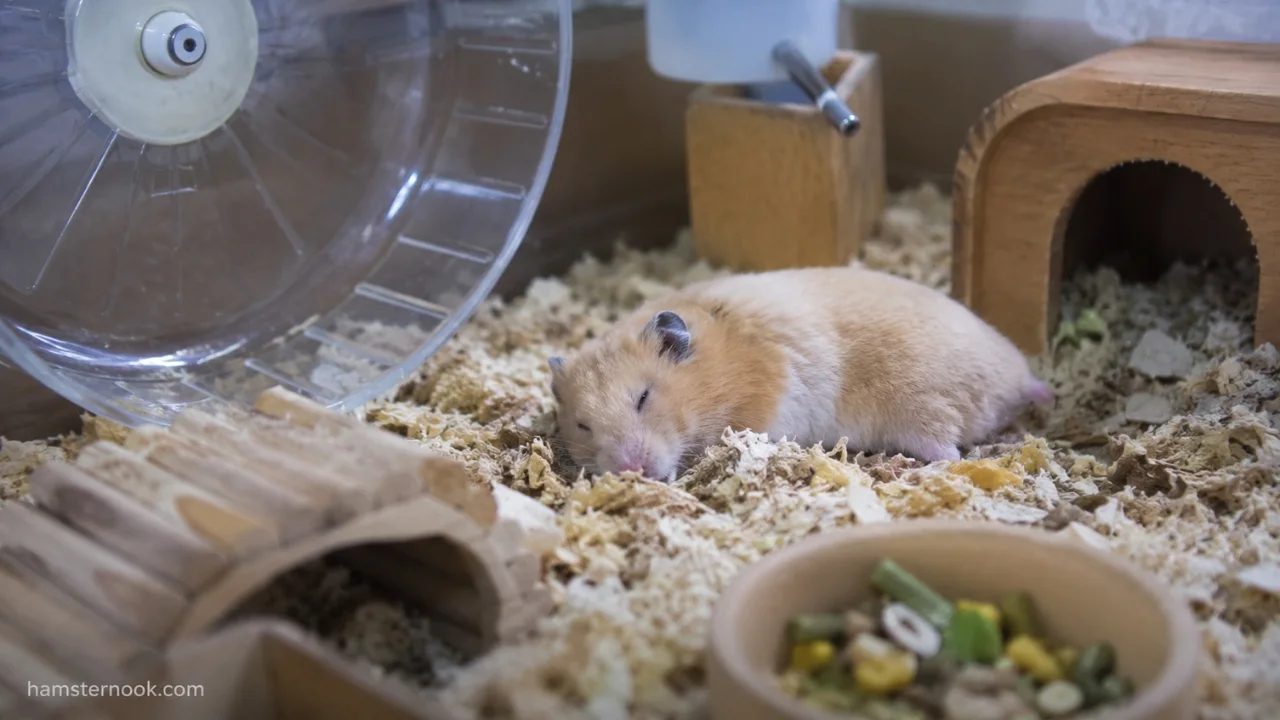
Typical Age Ranges
Lifespan varies by hamster species and individual health. More importantly, sudden weakness should not automatically be attributed to old age, especially when the change happens quickly or appears with other symptoms.
Weakness caused by aging usually develops gradually rather than overnight.
Injuries Can Lead to Sudden Weakness
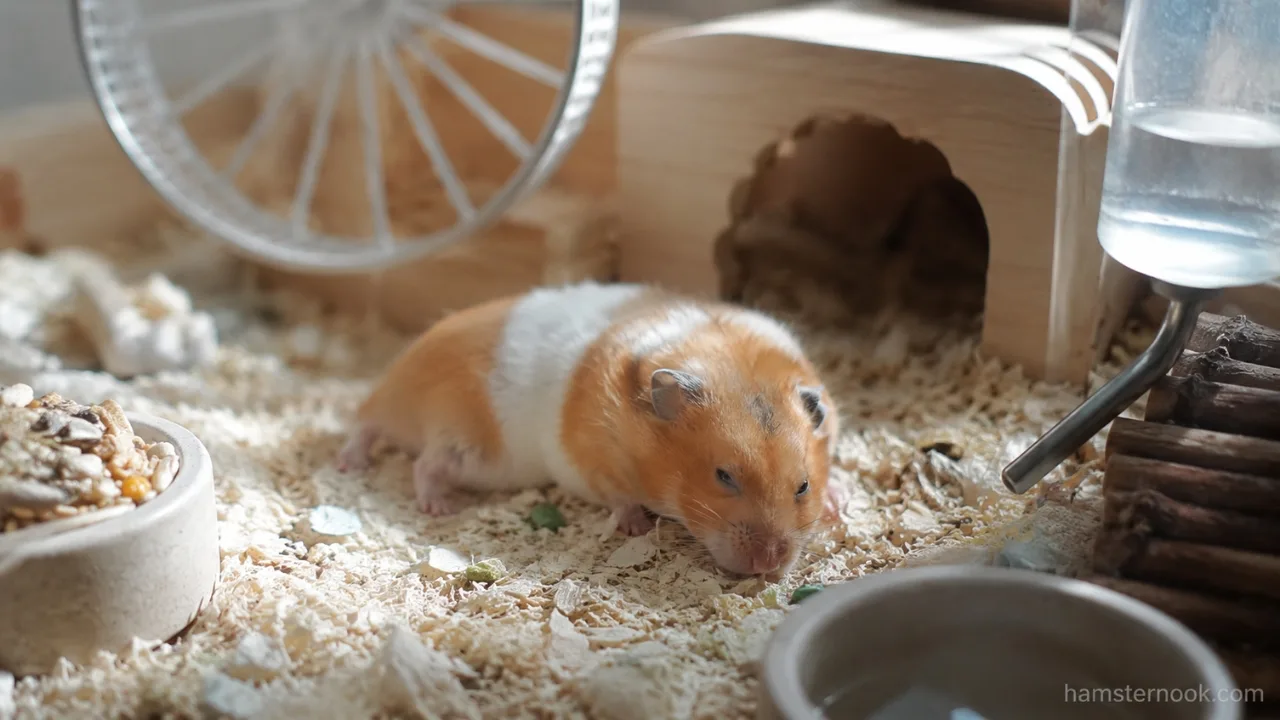
Falls, cage accidents, and fights with other hamsters can result in injuries that affect mobility.
Watch for:
- Limping
- Swelling
- Sensitivity to touch
- Unusual posture
- Refusal to move
Even seemingly minor injuries can significantly affect a hamster because of its small size.
If your hamster seems reluctant to move or reacts painfully when touched, our How to Tell If Your Hamster Is in Pain: 10 Warning Signs guide explains behaviors that may indicate discomfort or injury.
Heat Stress Is a Medical Emergency
Hamsters are highly sensitive to excessive heat.
If temperatures become too warm, a hamster may quickly become weak and distressed.

Warning Signs of Heat Stress
| Symptom | Description |
|---|---|
| Weakness | Difficulty moving normally |
| Lethargy | Extreme tiredness |
| Rapid Breathing | Faster breathing than usual |
| Stretching Out | Lying flat on cool surfaces |
| Loss of Coordination | Unsteady movement |
Heat stress requires immediate action and veterinary assistance.
Learn how temperature can affect your hamster and what environmental conditions to watch for in our Hamster Temperature: Safe Range, Too Hot & Too Cold guide.
Poor Nutrition Can Affect Energy Levels
A hamster that is not receiving a balanced diet may eventually become weak.
Possible nutritional issues include:
- Poor-quality food mixes
- Selective eating
- Long-term dietary deficiencies
- Inadequate protein intake
Weakness related to nutrition often develops gradually but may become noticeable suddenly.
Wet Tail Can Cause Severe Weakness
Wet tail is one of the most serious health conditions seen in hamsters, particularly younger animals.
It is often associated with:
- Severe diarrhea
- Rapid dehydration
- Loss of appetite
- Lethargy
- Weakness
Wet Tail Warning Signs
| Sign | Why It Matters |
|---|---|
| Wet Fur Around Tail | Classic symptom |
| Diarrhea | Causes dehydration |
| Weakness | Indicates illness progression |
| Weight Loss | Often develops quickly |
| Hunched Posture | Common sign of discomfort |
Wet tail is considered a veterinary emergency.
Diabetes Can Cause Weakness in Some Hamsters
Certain dwarf hamster species are more prone to diabetes than Syrian hamsters.
Potential signs include:
- Excessive thirst
- Frequent urination
- Weight loss
- Reduced energy
- Weakness
Excessive thirst can have several causes besides diabetes. Learn more in Why Is My Hamster Drinking So Much Water? to understand what is considered normal and when increased drinking becomes a concern.
Owners should not attempt to diagnose diabetes at home based on increased thirst alone. Several health conditions can cause similar symptoms, so a proper veterinary examination is needed to identify the underlying cause and recommend appropriate treatment. Veterinary evaluation is important.

Neurological Problems May Affect Balance and Strength
Some hamsters develop neurological issues that interfere with normal movement.
Possible signs include:
- Circling
- Head tilting
- Tremors
- Difficulty balancing
- Falling over
Neurological symptoms should always be evaluated by a veterinarian as soon as possible.
Signs such as sudden circling, head tilting, tremors, falling over, or loss of balance can look like what owners describe as a stroke, but these signs do not confirm a stroke by themselves. Several neurological or other medical problems can cause similar changes, so sudden neurological symptoms should be assessed by a veterinarian promptly.

Can a Hamster Recover From Sudden Weakness?
Recovery depends entirely on what caused the weakness. Some hamsters improve quickly once dehydration, overheating, or a minor injury is addressed, while others may need veterinary treatment for infections, wet tail, diabetes, or neurological conditions.
Some causes can improve quickly with supportive care, while others require prompt veterinary diagnosis and treatment to prevent further deterioration.
If your hamster is suddenly weak, check whether it is drinking, eating, moving normally, and responding to its surroundings, but do not delay veterinary care when the weakness is severe, sudden, or accompanied by other warning signs. Even if your hamster seems slightly better, continue watching for difficulty breathing, severe lethargy, weight loss, diarrhea, or loss of balance.
If weakness appears suddenly, becomes more severe, or is accompanied by diarrhea, bleeding, seizures, or collapse, emergency veterinary care should not be delayed. Early treatment often gives hamsters the best chance of recovery.

Can Stress Make a Hamster Look Weak?
Yes, severe stress can sometimes make a hamster appear unusually quiet, withdrawn, or less active than normal. However, stress alone rarely causes true physical weakness. If weakness occurs alongside weight loss, appetite changes, diarrhea, breathing problems, or difficulty moving, an underlying medical issue should be suspected.
If stress may be contributing to the change in activity, our 7 Ways You’re Accidentally Stressing Your Hamster: Signs & What to Do guide explains common environmental stressors and the signs they can cause.
What To Do If Your Hamster Suddenly Becomes Weak
If your hamster appears unusually weak, take the situation seriously.
Immediate Steps
| Action | Purpose |
|---|---|
| Check Water Supply | Rule out dehydration |
| Observe Breathing | Look for respiratory distress |
| Check Temperature | Ensure cage is not overheating |
| Monitor Appetite | Assess overall condition |
| Examine for Injury | Look for visible trauma |
| Contact a Veterinarian | Especially if symptoms are sudden |
Avoid delaying veterinary care if weakness appears severe or develops rapidly.

When Should You Seek Emergency Veterinary Help?
Some symptoms require urgent medical attention.
Seek veterinary care immediately if your hamster has:
- Severe weakness
- Collapse
- Difficulty breathing
- Persistent diarrhea
- Inability to stand
- Seizure-like activity
- Significant bleeding
- Signs of heat stroke
Do not wait for several warning signs to appear before contacting a veterinarian. Sudden weakness, difficulty walking, unsteady balance, breathing problems, diarrhea, or a major change from your hamster’s normal behavior can all warrant prompt veterinary attention.
How To Help Prevent Weakness in Hamsters
While not all illnesses are preventable, good husbandry can reduce many risks.
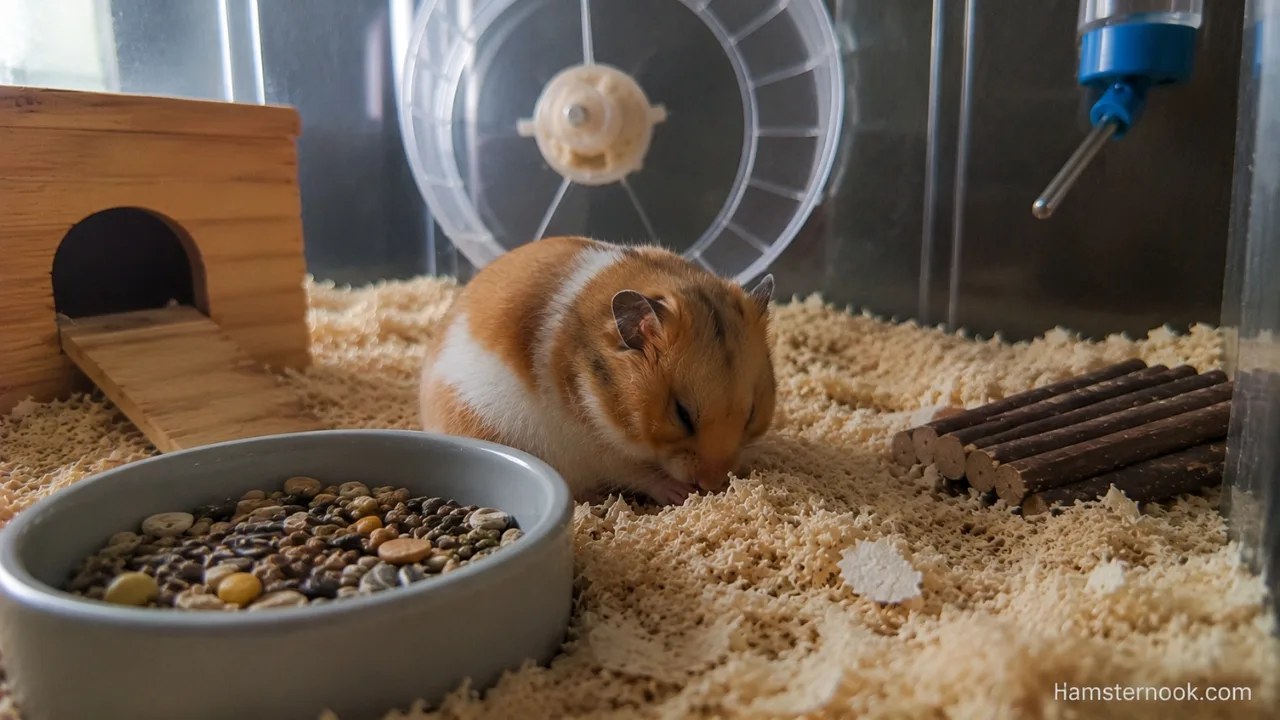
Prevention Checklist
| Prevention Measure | Benefit |
|---|---|
| Fresh Water Daily | Prevents dehydration |
| Balanced Diet | Supports overall health |
| Proper Cage Temperature | Reduces heat-related illness |
| Clean Habitat | Helps prevent infections |
| Routine Observation | Allows early detection of problems |
| Safe Enclosure Setup | Lowers injury risk |
Regularly observing your hamster’s behavior is one of the best ways to identify problems before they become serious.
Final Thoughts
A hamster that suddenly becomes weak is often experiencing an underlying problem that should not be ignored. While causes can range from dehydration and aging to infections, injuries, heat stress, or serious medical conditions, weakness is rarely something that resolves on its own without investigation.
Pay close attention to any accompanying symptoms, ensure your hamster has access to fresh water and a safe environment, and seek veterinary care whenever weakness appears severe, sudden, or persistent. Fast action can make a significant difference when dealing with small animals that tend to hide illness until they become seriously affected.
Frequently Asked Questions
My hamster is alive but barely moving. Is that normal?
No. While hamsters sleep deeply during the day, a hamster that remains weak, unresponsive, or struggles to move when awake should be evaluated promptly.
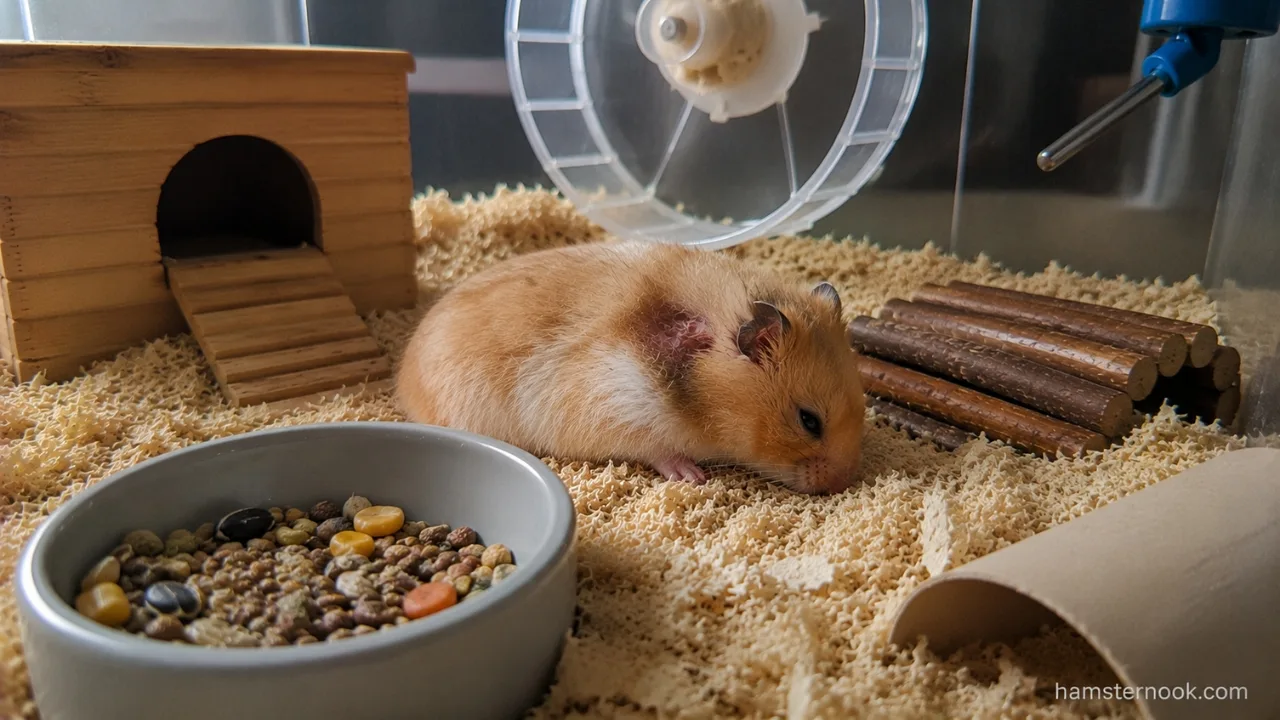
Can dehydration make a hamster weak overnight?
Yes. Because hamsters are very small animals, dehydration can develop relatively quickly and may cause noticeable lethargy or weakness.
Why is my old hamster suddenly losing strength?
Senior hamsters naturally experience reduced muscle mass and mobility. However, sudden weakness should not automatically be blamed on age and may still require veterinary assessment.
Can stress cause weakness in hamsters?
Severe stress can contribute to lethargy and reduced activity, but true weakness often has an underlying medical cause that should be investigated.
Is weakness a symptom of wet tail?
Yes. Weakness is a common symptom of wet tail and often occurs because the condition causes dehydration and illness progression.

Should I wait a day to see if my hamster improves?
Do not rely on a fixed waiting period if your hamster is suddenly weak. Difficulty standing, breathing problems, refusal to eat or drink, diarrhea, collapse, seizures, or rapidly worsening weakness warrant prompt veterinary attention. If the change is mild but unexplained or persistent, contact a veterinarian for guidance rather than assuming it is normal.
Why Is My Hamster Weak but Still Eating?
A hamster can sometimes continue eating while still appearing weak. Dehydration, heat stress, aging, injuries, and certain illnesses may reduce strength and energy levels before appetite is affected. If weakness persists, worsens, or appears suddenly, a veterinary examination is recommended.
Why Is My Hamster Suddenly Weak and Shaking?
Weakness and shaking occurring together may indicate stress, pain, dehydration, illness, neurological problems, or temperature-related issues. Because several serious conditions can cause these symptoms, owners should closely monitor the hamster and seek veterinary advice if the behavior continues or becomes more severe.
Can a weak hamster recover on its own?
Recovery depends on the underlying cause and how quickly it is treated. Some conditions can improve with appropriate care, while others require veterinary treatment. Sudden, worsening, or unexplained weakness should not be assumed to resolve on its own, particularly when it occurs with appetite loss, diarrhea, breathing problems, difficulty standing, or other serious symptoms.

References
This guide is based on hamster health, illness symptoms, veterinary care, hydration, nutrition, housing, and welfare guidance from trusted veterinary and animal welfare resources, including:
- RSPCA – Hamster Health & Welfare – Guidance on recognizing illness, monitoring health, common warning signs, veterinary care, and maintaining hamster wellbeing.
- RSPCA – Keeping Hamsters as Pets – General hamster care, health, nutrition, housing, behavior, and welfare guidance.
- PDSA – Hamsters as Pets – Information on hamster health, nutrition, common illnesses, behavior, and when veterinary care may be needed.
- MSD Veterinary Manual – Disorders and Diseases of Hamsters – Veterinary reference information on hamster diseases, clinical signs, digestive problems, respiratory conditions, neurological problems, and other health concerns.
- MSD Veterinary Manual – Routine Health Care of Hamsters – Veterinary guidance on routine health monitoring, nutrition, hydration, body condition, and recognizing changes that may require veterinary attention.
- MSD Veterinary Manual – Providing a Home for a Hamster – Guidance on appropriate housing, environmental conditions, temperature, bedding, and husbandry practices that support hamster health.
- Merck Veterinary Manual – Hamsters – Veterinary reference information covering hamster health, diseases, clinical signs, nutrition, and general medical care.
Medical Disclaimer
This article is intended for educational purposes only and should not be considered veterinary advice. Sudden weakness, severe lethargy, difficulty breathing, diarrhea, collapse, seizures, inability to stand, significant bleeding, or other rapidly worsening symptoms can indicate a serious health problem in a hamster. If your hamster shows sudden or severe weakness or any concerning symptoms, contact a qualified exotic animal veterinarian promptly for proper examination, diagnosis, and treatment.

Narayan Kumar is the founder and author of HamsterNook. He creates practical, research-based hamster care guides covering hamster behavior, nutrition, cage setup, enrichment, health, and everyday care. His goal is to help hamster owners make informed decisions and provide safer, healthier lives for their pets through clear, beginner-friendly information based on trusted animal care resources.