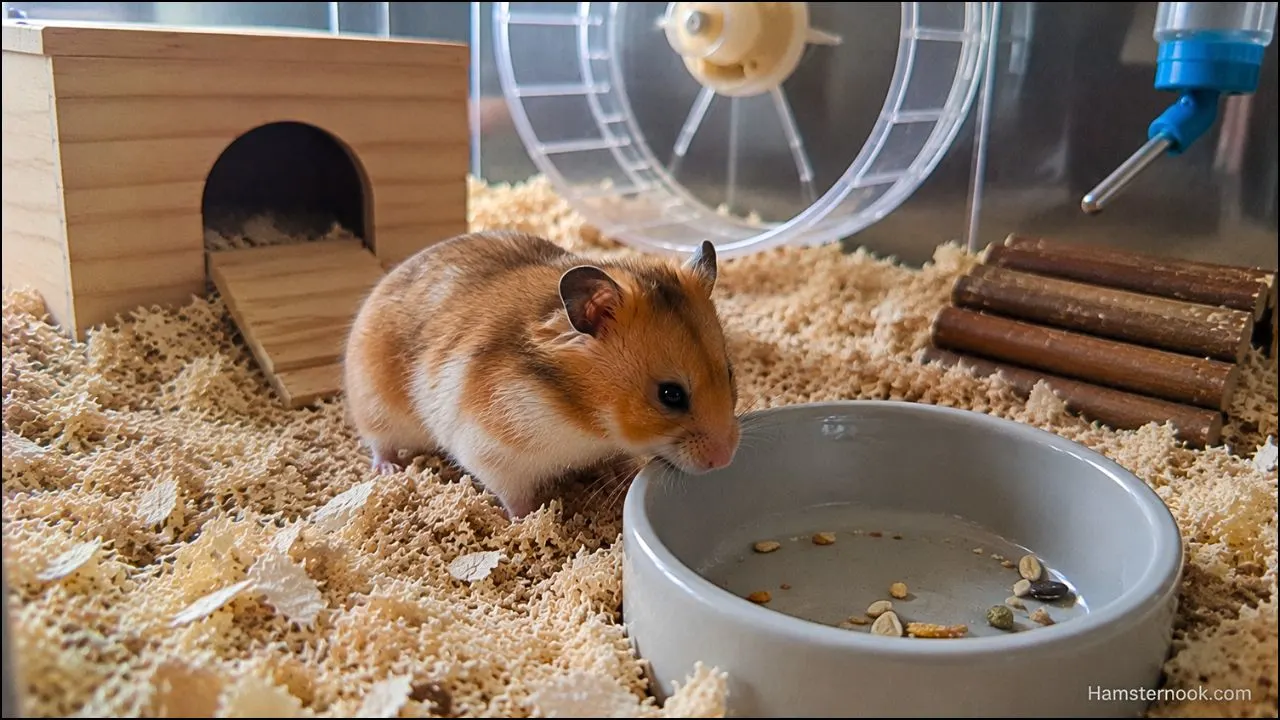
Seeing your hamster suddenly lying still can be frightening, especially if they were active just hours earlier. While sudden immobility can feel alarming, there are several possible explanations besides death.
A hamster not moving may simply be deeply asleep or temporarily frozen by fear, but immobility can also occur with cold-related torpor, dehydration, injury, or serious illness. If your hamster is unusually unresponsive, weak, cold, struggling to breathe, or unable to stand, veterinary attention may be needed urgently.
Because hamsters are prey animals, they naturally hide signs of illness for as long as possible. By the time a hamster stops moving normally, the underlying problem may already be advanced. That’s why it’s important for owners to stay calm, observe carefully, and know how to identify the difference between normal behavior and dangerous symptoms.
This guide explains the most common reasons a hamster may suddenly stop moving, how to check if your hamster is alive, warning signs that need urgent veterinary care, and what owners should do next.

Quick Answer
A hamster that suddenly stops moving may be deeply asleep, frightened and freezing in place, too cold, dehydrated, injured, sick, or experiencing age-related weakness. Start by quietly observing breathing and responsiveness without shaking or repeatedly handling the hamster.
If your hamster is difficult to rouse, cold, breathing abnormally, unable to stand, bleeding, having seizures, or showing severe weakness, contact an exotic animal veterinarian promptly.
Common Reasons Why a Hamster Suddenly Stops Moving
A hamster becoming still or inactive can happen for several different reasons. Some are harmless, while others require fast action.
| Possible Cause | What You May Notice | What to Do |
|---|---|---|
| Deep sleep | Relaxed posture, steady breathing, body feels normally warm | Observe quietly and avoid startling the hamster |
| Fear or freezing | Suddenly motionless but alert to nearby sounds or movement | Reduce noise and give the hamster space |
| Cold-related torpor | Very cold body, extremely reduced movement, very slow breathing | Treat as serious and contact a veterinarian |
| Illness | Weakness, appetite changes, unusual inactivity or abnormal breathing | Seek veterinary advice promptly |
| Injury | Limping, swelling, abnormal posture or inability to move normally | Minimize handling and seek veterinary care |
| Dehydration | Weakness, reduced activity or other signs of illness | Check water access and seek veterinary advice if the hamster is weak |
| Age-related decline | Gradual reduction in normal activity | Monitor for additional health changes |
| Severe unresponsiveness | No obvious response or breathing may be difficult to detect | Do not assume death from immobility alone; contact a veterinarian if uncertain |
Understanding these possibilities can help prevent panic and improve the chance of helping your hamster quickly.
How to Tell if Your Hamster Is Sleeping or Seriously Sick
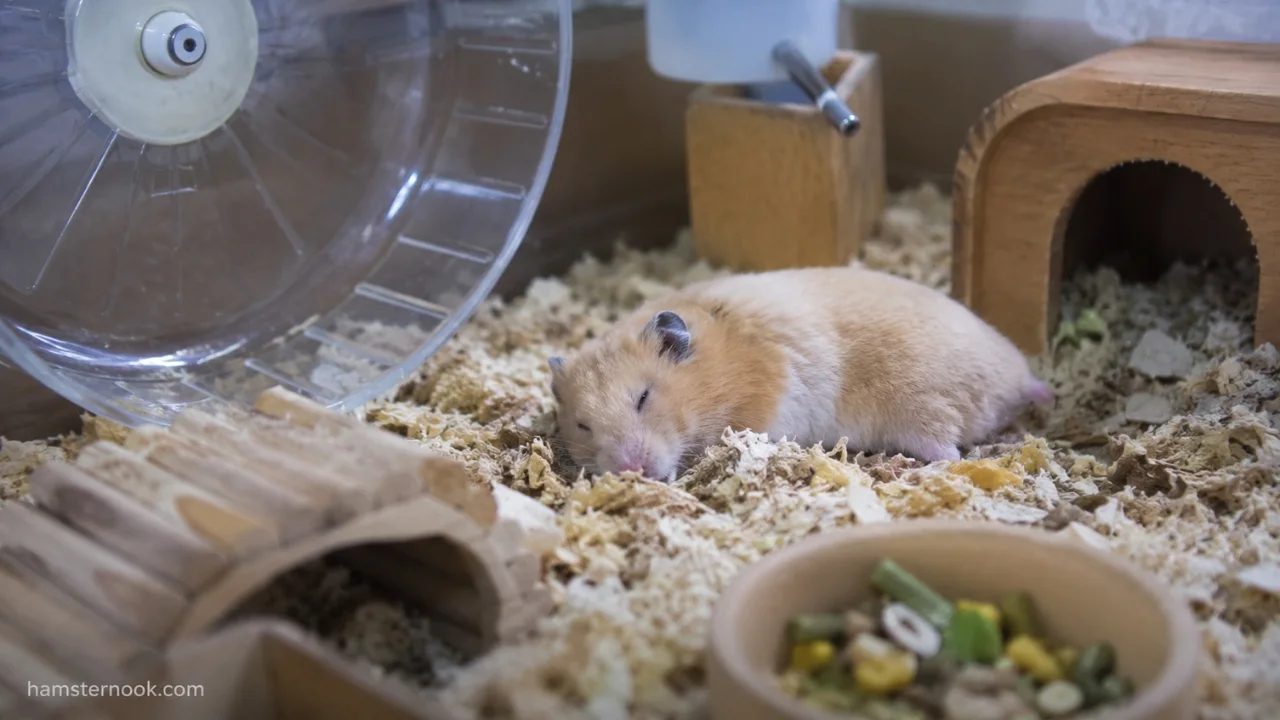
Hamsters naturally sleep for much of the daytime and are generally more active during the evening, nighttime, and early morning hours. Deep daytime sleep can sometimes make a healthy hamster appear unusually still. Sometimes owners mistake normal daytime sleep for a health problem.
Here are some signs that usually indicate normal sleep:
| Normal Sleeping Signs | Dangerous Signs |
|---|---|
| Slow steady breathing | No visible breathing |
| Warm body temperature | Cold body |
| Responds slightly when touched | Completely unresponsive |
| Relaxed posture | Stiff or unnatural posture |
| Wakes gradually | Cannot wake up |
Sleeping, Freezing, or Unable to Move?
These situations can look similar but have different contexts.
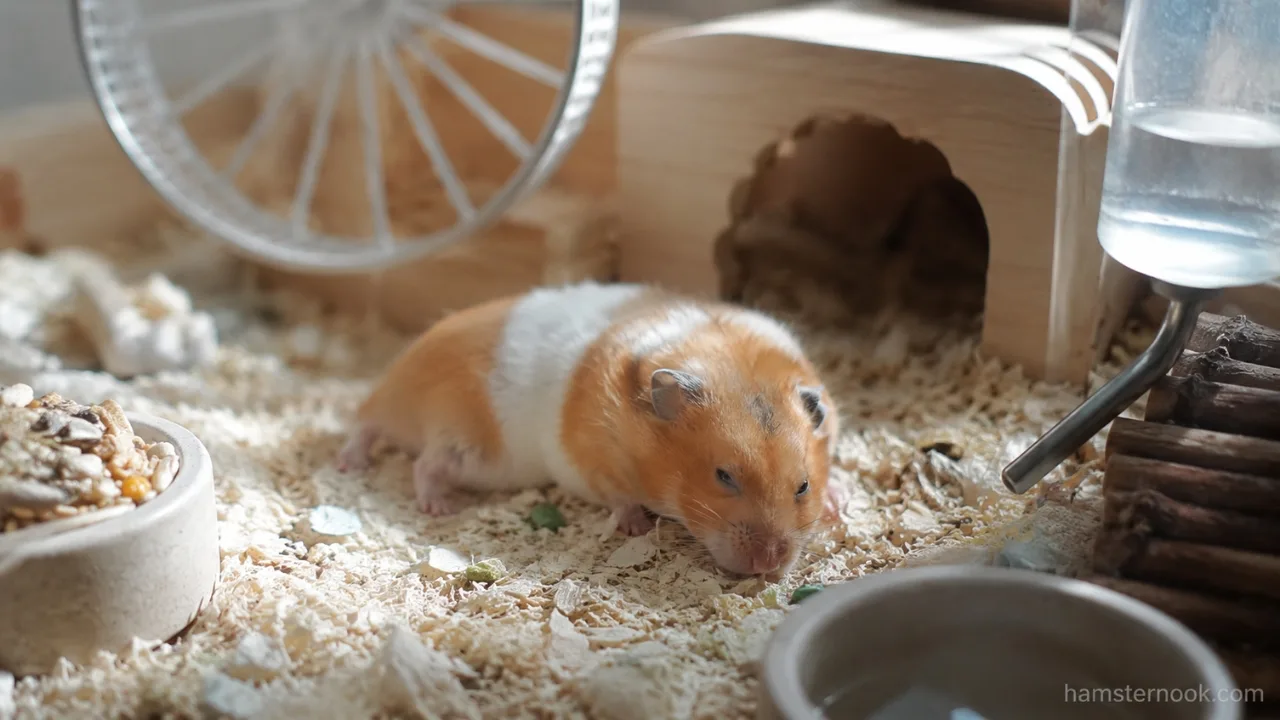
A sleeping hamster usually has a relaxed posture and eventually wakes normally. A frightened hamster may suddenly freeze while remaining alert to sounds or movement around it. A hamster that is physically unable to move may appear weak, uncoordinated, collapsed, or unusually unresponsive.
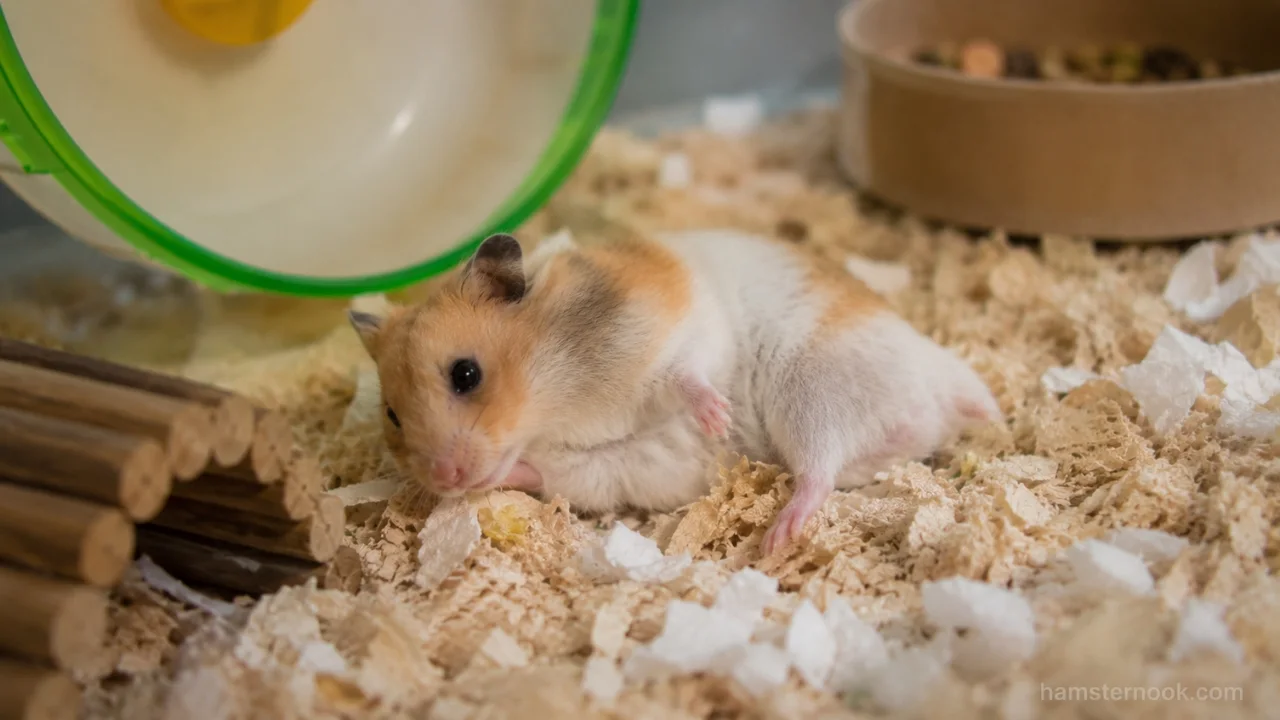
Because owners cannot reliably diagnose the cause from appearance alone, persistent or severe immobility should be treated as a health concern rather than assumed to be sleep or fear.
A sleeping hamster may take a few moments to respond, especially if awakened suddenly. Always approach gently and avoid startling them.
Could Your Hamster Be in Torpor?
One of the most misunderstood hamster conditions is torpor.
Cold exposure can also change a hamster’s activity dramatically. Hamster Temperature: Safe Range, Too Hot & Too Cold explains how to maintain a safer indoor environment and recognize temperature-related warning signs.
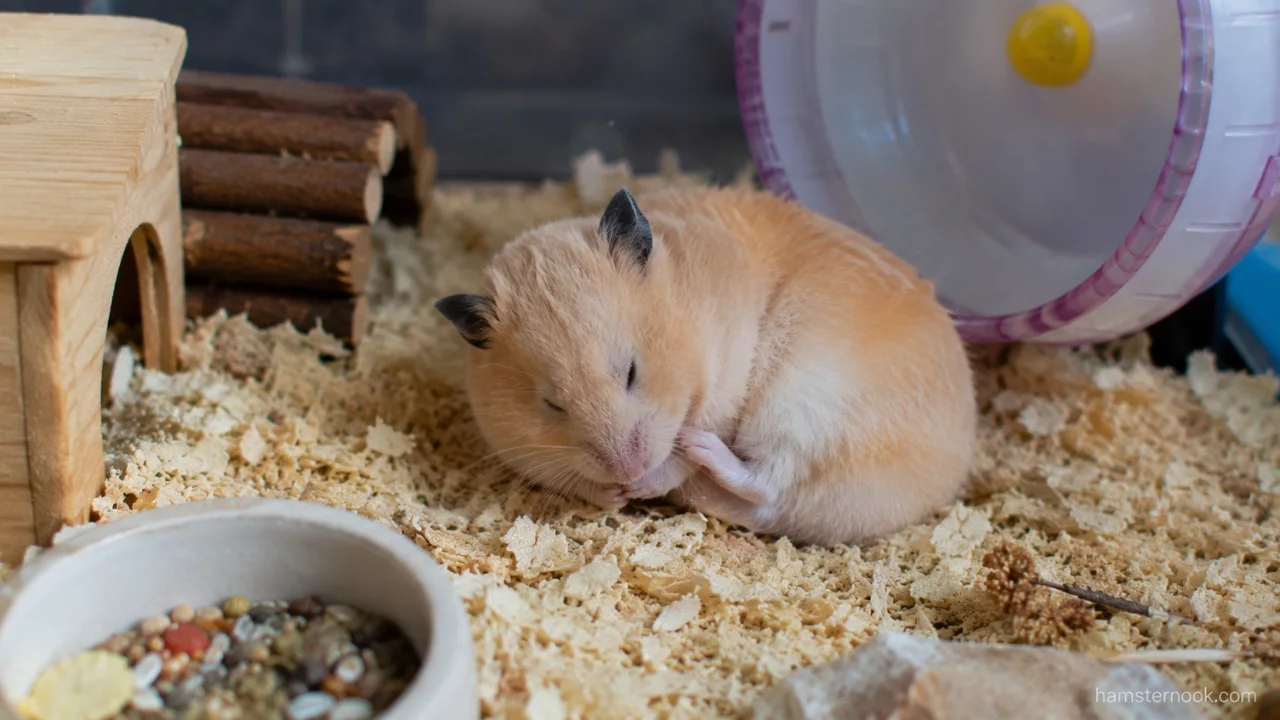
Torpor is a state of greatly reduced activity and metabolism that can occur when environmental conditions become unsuitable, particularly when a hamster becomes too cold. A hamster in torpor may appear extremely still and can be mistaken for a dead hamster.
Suspected torpor should be treated seriously because a cold, minimally responsive hamster may require prompt veterinary assessment rather than observation alone.
Signs of Torpor in Hamsters
| Symptom | What It Looks Like |
|---|---|
| Cold body | Ears and paws feel cool |
| Very slow breathing | Barely noticeable chest movement |
| Minimal movement | Weak or almost frozen appearance |
| Curled posture | Hamster stays tightly curled |
| Low energy | Unable to walk normally |
Keep your hamster’s enclosure in a comfortably warm, dry indoor location away from cold drafts and sudden temperature changes. If your hamster feels unusually cold and is barely responsive, treat the situation seriously rather than assuming it is simply sleeping.
What To Do if Your Hamster Is in Torpor
If you suspect torpor:
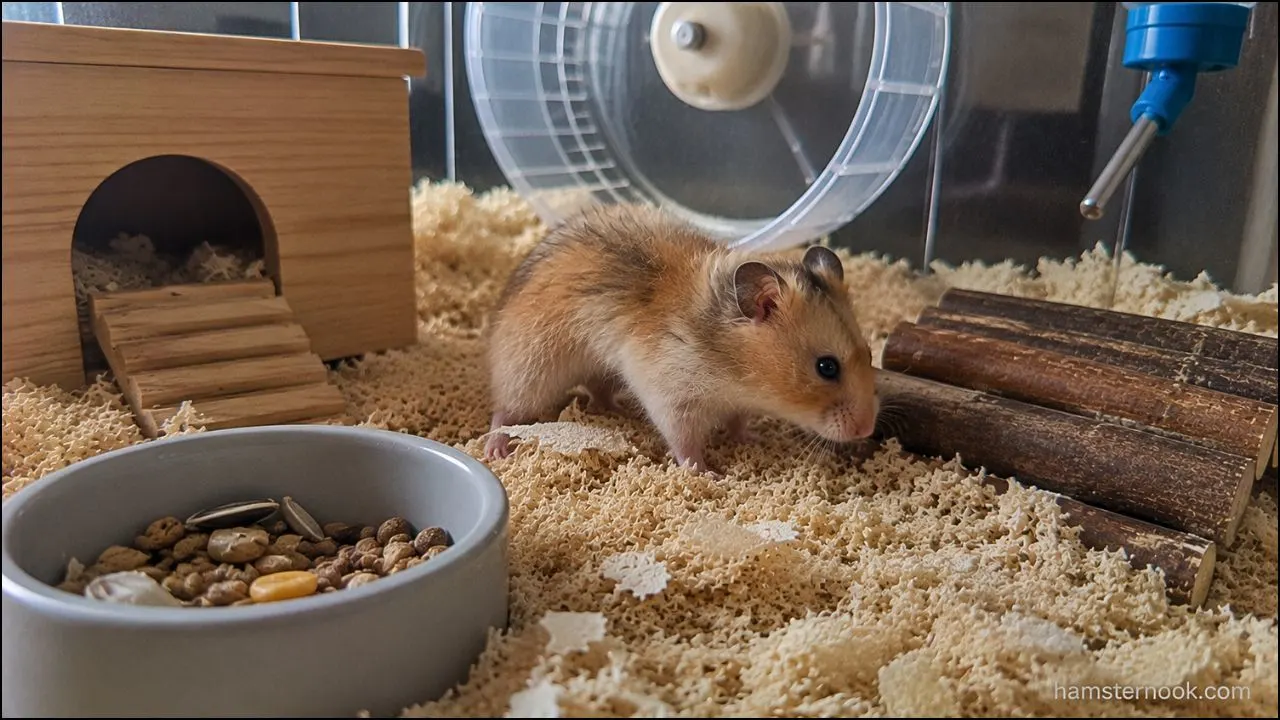
- Move the enclosure to a comfortably warm, quiet, draft-free room.
- Avoid direct heat sources, hot surfaces, or rapid temperature changes.
- Minimize unnecessary handling while checking for breathing and responsiveness.
- Make fresh food and water available if the hamster becomes alert enough to use them normally.
- Contact a veterinarian promptly if your hamster is cold, minimally responsive, or difficult to rouse.
Sudden overheating can shock the hamster’s body, so warming should happen gradually.
Illnesses That Can Cause Sudden Weakness or Immobility
Hamsters can stop moving normally due to underlying health problems.
Because they hide illness well, symptoms may appear suddenly even if the condition has been developing for days.
Respiratory Infections
Respiratory problems can cause reduced activity, weakness, and changes in normal behavior. How to Tell If Your Hamster Is Sick: Signs, Symptoms & When to See a Vet covers additional warning signs that can appear alongside sudden inactivity.

Symptoms May Include:
- Wheezing
- Sneezing
- Labored breathing
- Discharge around nose or eyes
- Sleeping more than usual
Breathing problems in hamsters can worsen quickly without proper care.
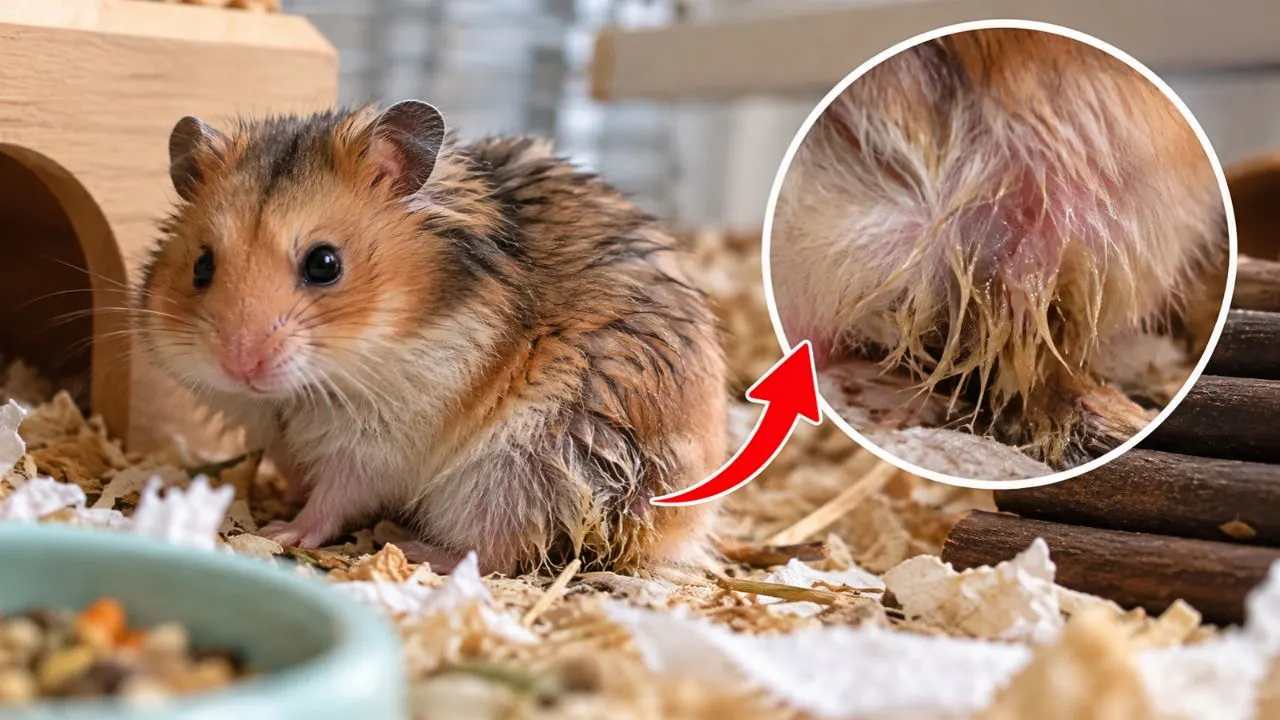
Wet Tail Disease
| Wet Tail Symptoms | Why It’s Dangerous |
|---|---|
| Diarrhea | Causes dehydration rapidly |
| Wet fur near tail | Indicates digestive infection |
| Weakness | Hamster may stop moving |
| Loss of appetite | Worsens energy loss |
| Hunched posture | Sign of pain or illness |
Wet tail symptoms should always be taken seriously because dehydration can develop rapidly.
Dehydration and Starvation
A hamster that stops eating or drinking may become too weak to move normally.
Signs include:
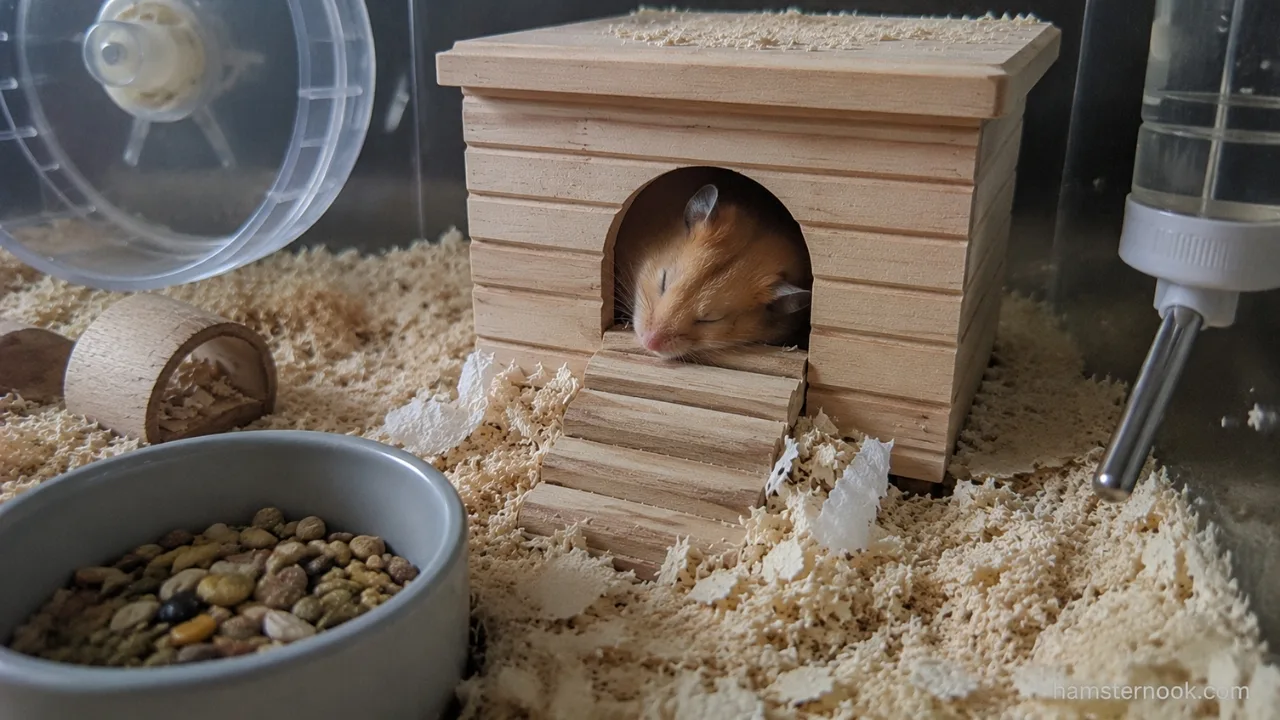
- Sunken eyes
- Dry mouth
- Thin appearance
- Weak walking
- Sleeping excessively
Blocked water bottles are a surprisingly common cause of dehydration in pet hamsters.
Always check water bottle function daily.
Injuries That May Prevent Movement
Hamsters are active climbers and can injure themselves during falls or unsafe play.
Possible injuries include:
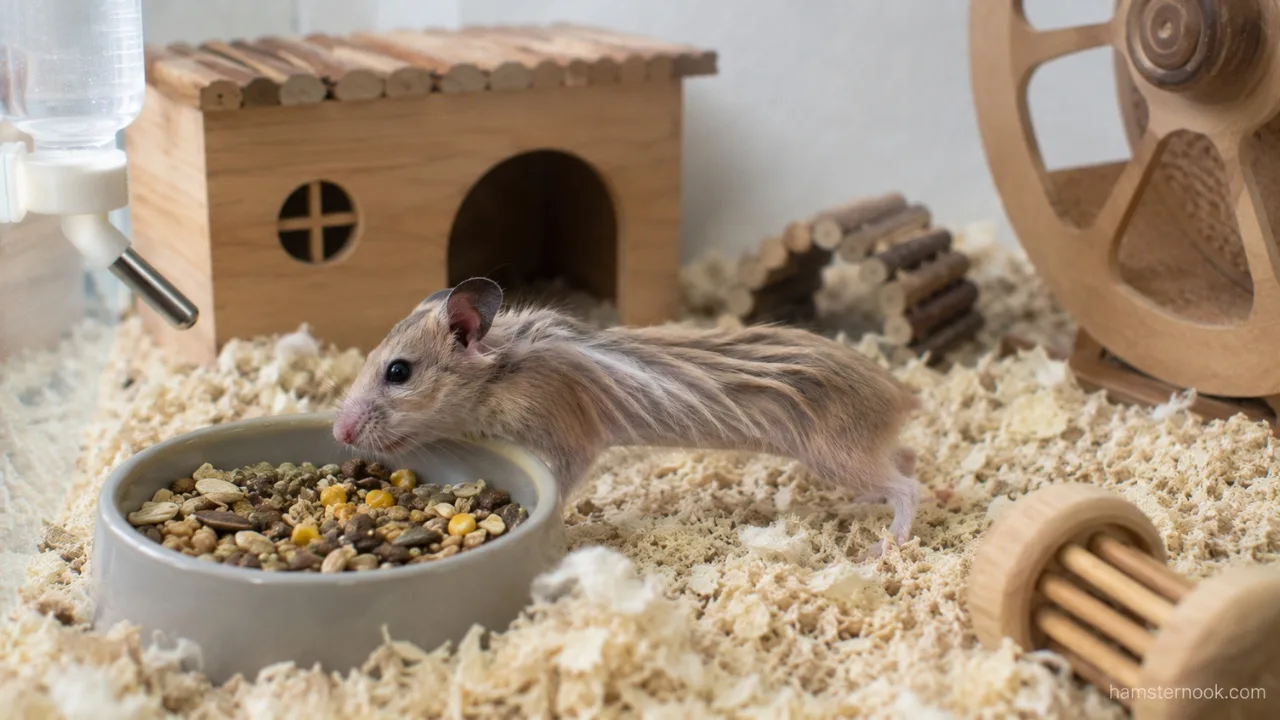
- Broken bones
- Spine injuries
- Foot injuries
- Internal injuries
Signs of Injury in Hamsters
| Injury Sign | Possible Meaning |
|---|---|
| Dragging legs | Spinal injury |
| Limping | Leg or foot injury |
| Crying when touched | Pain |
| Swelling | Trauma or fracture |
| Refusing to move | Severe discomfort |
Avoid handling an injured hamster excessively because movement may worsen injuries.
Stress and Fear Can Cause Freezing Behavior
Freezing is only one possible response to fear. Our 5 Warning Signs Your Hamster Is Stressed guide explains other behavioral changes that may appear when a hamster feels unsafe or overwhelmed.
This behavior is part of their natural survival instinct in the wild. Sudden loud noises, new environments, rough handling, or predator scents can trigger temporary immobility.
Stress-related freezing usually improves once the hamster feels safe again.

Common Stress Triggers
| Trigger | Possible Effect |
|---|---|
| Loud sounds | Hiding or freezing |
| Bright lights | Fear response |
| Sudden cage changes | Anxiety |
| Other pets nearby | Stress |
| Overhandling | Defensive behavior |
Fear-related freezing is usually temporary, but the duration can vary. If your hamster remains unusually still, appears weak, cannot walk normally, or shows other signs of illness, do not assume stress is the only cause.
Is Your Hamster Old?
Older hamsters often become less active gradually as they age. Our Which Hamster Breed Lives the Longest? Breed Lifespan Comparison guide provides additional context for typical lifespan ranges and age-related differences across common pet hamster species.
As hamsters approach the end of their lifespan, owners may notice:
- Longer sleeping periods
- Reduced wheel activity
- Slower walking
- Less curiosity
- Weight loss
Average hamster lifespan varies by species.

While aging slows movement naturally, sudden collapse or complete immobility is not considered normal aging alone.
How To Check if a Hamster Is Still Alive
If your hamster appears completely still, stay calm and check carefully.
Hamsters can sleep deeply or hide symptoms naturally, so calm observation is important before assuming the worst.
Look for Signs of Life Carefully
Observe the hamster quietly for several minutes and watch the chest or abdomen for subtle breathing movements. Breathing may be difficult to notice when a hamster is extremely cold or unwell.
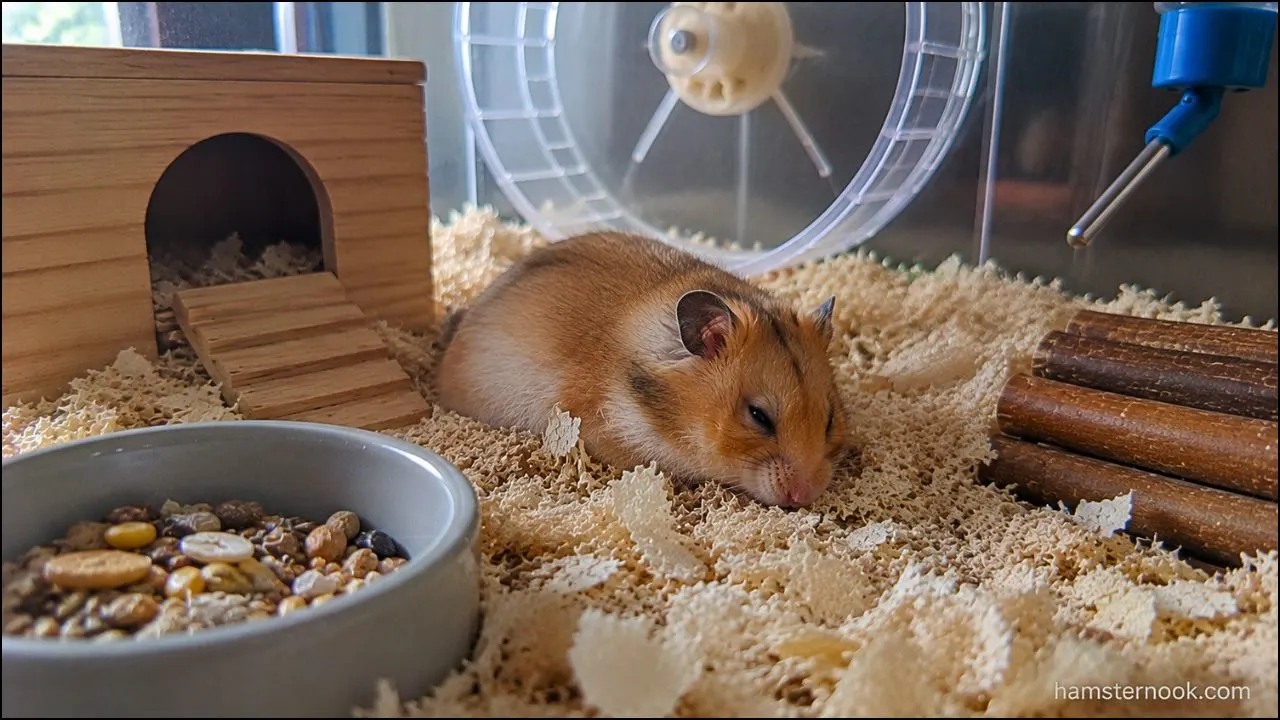
Avoid shaking, squeezing, repeatedly poking, or aggressively trying to wake the hamster.
If you cannot confidently determine whether your hamster is breathing or alive, especially if the body is cold or the hamster is completely unresponsive, contact an exotic veterinarian for guidance rather than assuming the hamster has died.

Emergency Signs That Need Immediate Vet Care
Some symptoms should never be ignored.
Seek urgent veterinary help if your hamster shows:
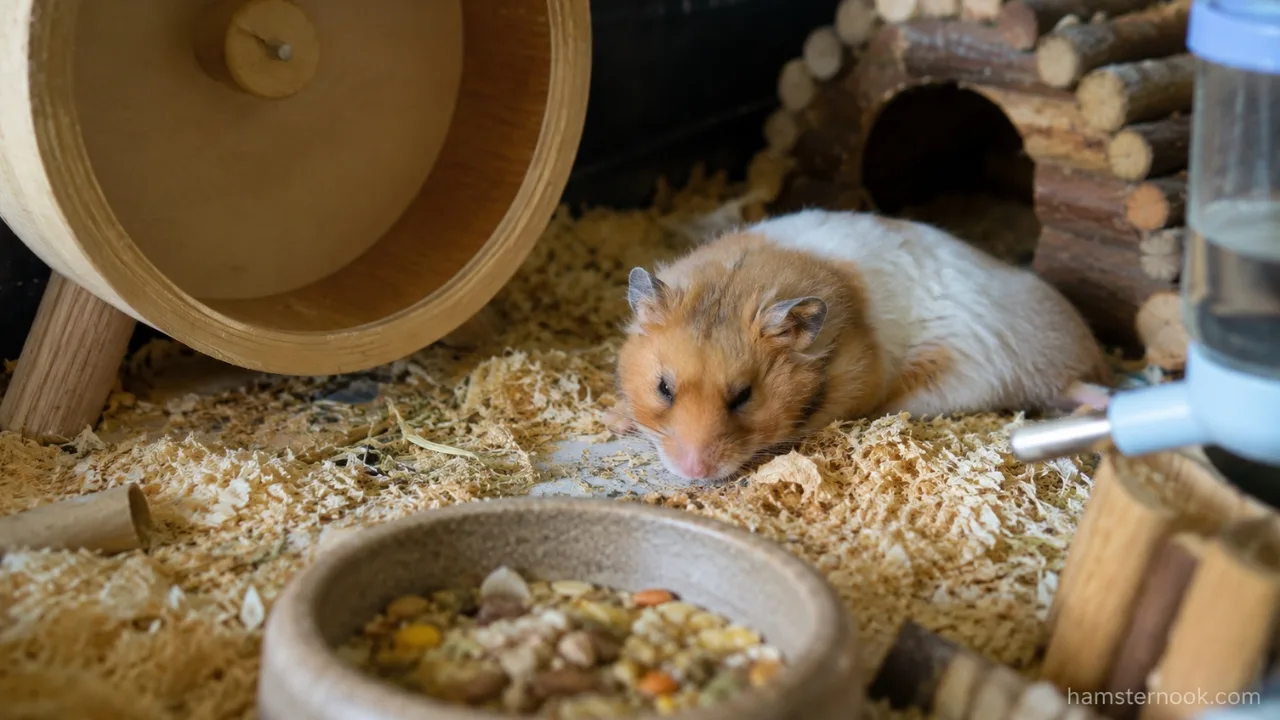
- Trouble breathing
- Blue or pale skin
- Bleeding
- Seizures
- Severe weakness
- Inability to stand
- Extreme lethargy
- Cold body with shallow breathing
- Diarrhea with weakness
Exotic veterinarians are usually the best option for hamster emergencies.
How To Help a Weak or Immobile Hamster at Home
While arranging veterinary care, keeping the environment quiet and minimizing unnecessary handling can help reduce additional stress. How to Tell If Your Hamster Is in Pain: 10 Warning Signs explains behaviors and physical changes that may indicate pain while professional help is being sought.
| Supportive Action | Why It Helps |
|---|---|
| Keep the environment comfortably warm | Avoids additional cold stress |
| Keep the enclosure quiet | Reduces unnecessary stress |
| Minimize handling | Prevents additional strain or injury |
| Remove dangerous climbing hazards | Reduces risk if movement is impaired |
| Seek veterinary guidance | Helps identify and treat the underlying cause |
Do not force-feed your hamster unless instructed by a veterinarian.
Do not force water into the mouth of a weak or poorly responsive hamster, as improper administration can create additional risks.
Preventing Future Health Problems
Daily monitoring of behavior, eating habits, and activity levels can help owners notice health issues earlier.
Consistent daily care makes changes in appetite, activity, water intake, and behavior easier to notice early. How to Care for a Hamster: Complete Beginner Guide (2026) covers the housing, diet, enrichment, and routine monitoring that support long-term hamster wellbeing.
Prevention Tips
- Maintain proper cage temperature
- Provide clean water daily
- Feed balanced hamster food
- Clean the enclosure regularly
- Avoid unsafe cage heights
- Minimize stress
- Watch for early illness signs
Small behavior changes are often the first warning signs of health problems.
Final Thoughts
A hamster suddenly not moving can range from harmless deep sleep to a serious medical emergency. The key is observing carefully instead of panicking immediately.

Check for breathing, body warmth, responsiveness, and signs of illness or injury. Conditions like torpor, dehydration, infections, or injury can quickly become dangerous without treatment.
Because hamsters hide sickness naturally, sudden weakness or immobility should always be taken seriously. When in doubt, contacting an exotic veterinarian is the safest choice.
Early recognition of abnormal behavior can help owners seek veterinary care sooner when a hamster is seriously unwell.
Frequently Asked Questions
Why is my hamster alive but not moving?
Your hamster may be sleeping deeply, stressed, cold, injured, or sick. Check for breathing, warmth, and responsiveness carefully.

Can hamsters fake being dead?
Hamsters do not intentionally “fake death” like some animals, but they may freeze completely when frightened or enter torpor in cold temperatures.
Why is my hamster cold and barely moving?
A cold hamster with very little movement may be experiencing torpor, which is a dangerous condition caused by low temperatures or lack of food.
Should I wake my hamster if it is not moving?
Gently checking your hamster is fine, but avoid shaking or startling it aggressively. Hamsters can sleep very deeply during the daytime.
How do I know if my hamster passed away?
A completely unresponsive hamster with no detectable breathing may have died, but severe illness or torpor can sometimes make signs of life difficult to detect. If you are uncertain, avoid assuming death based only on coldness or immobility and contact a veterinarian for guidance.
Can dehydration make a hamster unable to move?
Yes. Severe dehydration can cause weakness, lethargy, and collapse if not treated quickly.
Why is my hamster awake but not moving?
A hamster may freeze when frightened, but weakness, pain, injury, cold stress, or illness can also reduce movement. If your hamster remains unusually still while awake or shows difficulty walking, breathing, eating, or responding normally, veterinary assessment is appropriate.
References
This guide is based on hamster health, illness, emergency warning signs, temperature-related concerns, hydration, injury, and veterinary care guidance from trusted animal welfare and veterinary resources, including:
- RSPCA – Hamster Health & Welfare – Guidance on recognizing signs of illness, changes in behavior, health monitoring, and when veterinary attention may be needed.
- RSPCA – Creating a Good Home for Hamsters – Guidance on suitable environmental conditions, housing, temperature, bedding, and reducing risks within the hamster enclosure.
- PDSA – Hamsters as Pets – Information on hamster health, common problems, care, behavior, nutrition, and signs that may require veterinary attention.
- MSD Veterinary Manual – Disorders and Diseases of Hamsters – Veterinary reference information on hamster diseases, respiratory problems, digestive disorders, weakness, and other health conditions.
- MSD Veterinary Manual – Routine Health Care of Hamsters – Veterinary guidance on routine health monitoring, examination, nutrition, hydration, and recognizing health concerns in hamsters.
- MSD Veterinary Manual – Providing a Home for a Hamster – Veterinary guidance on hamster housing, environmental conditions, temperature, bedding, and safe enclosure management.
Medical Disclaimer
This article is intended for educational purposes only and should not be considered veterinary advice, diagnosis, or treatment. Sudden immobility, severe weakness, breathing difficulties, seizures, bleeding, inability to stand, extreme lethargy, or unusual unresponsiveness can indicate a serious health problem and may require urgent veterinary attention. If you are unsure whether your hamster is sleeping, experiencing torpor, seriously ill, injured, or deceased, contact a qualified exotic animal veterinarian for professional guidance.

Narayan Kumar is the founder and author of HamsterNook. He creates practical, research-based hamster care guides covering hamster behavior, nutrition, cage setup, enrichment, health, and everyday care. His goal is to help hamster owners make informed decisions and provide safer, healthier lives for their pets through clear, beginner-friendly information based on trusted animal care resources.