Hamsters are experts at hiding illness. In the wild, small prey animals naturally conceal weakness to avoid predators, and pet hamsters still carry that instinct today. Because symptoms are often subtle, many owners may not notice a problem immediately.
The good news is that hamsters usually show subtle warning signs before becoming visibly sick. These changes are often small at first: different sleeping habits, reduced activity, unusual grooming behavior, or changes in eating patterns. Recognizing early behavior changes may help owners respond more quickly when something feels unusual.
This guide explains the most common things hamsters often do right before they get sick, what those behaviors may mean, and when it’s time to contact a veterinarian.
Why Hamsters Hide Illness So Well
Many beginner owners expect obvious symptoms when a hamster feels unwell, but hamsters rarely work that way.
👉 Hamster Body Language Explained
As prey animals, they instinctively avoid appearing weak. Even sick hamsters may continue eating, running, or acting somewhat normal until their condition worsens.
Because of this, owners should pay close attention to behavioral changes rather than waiting for dramatic symptoms.
Early Signs Your Hamster May Be Getting Sick
The behaviors below are among the most common early warning signs owners notice before illness develops.
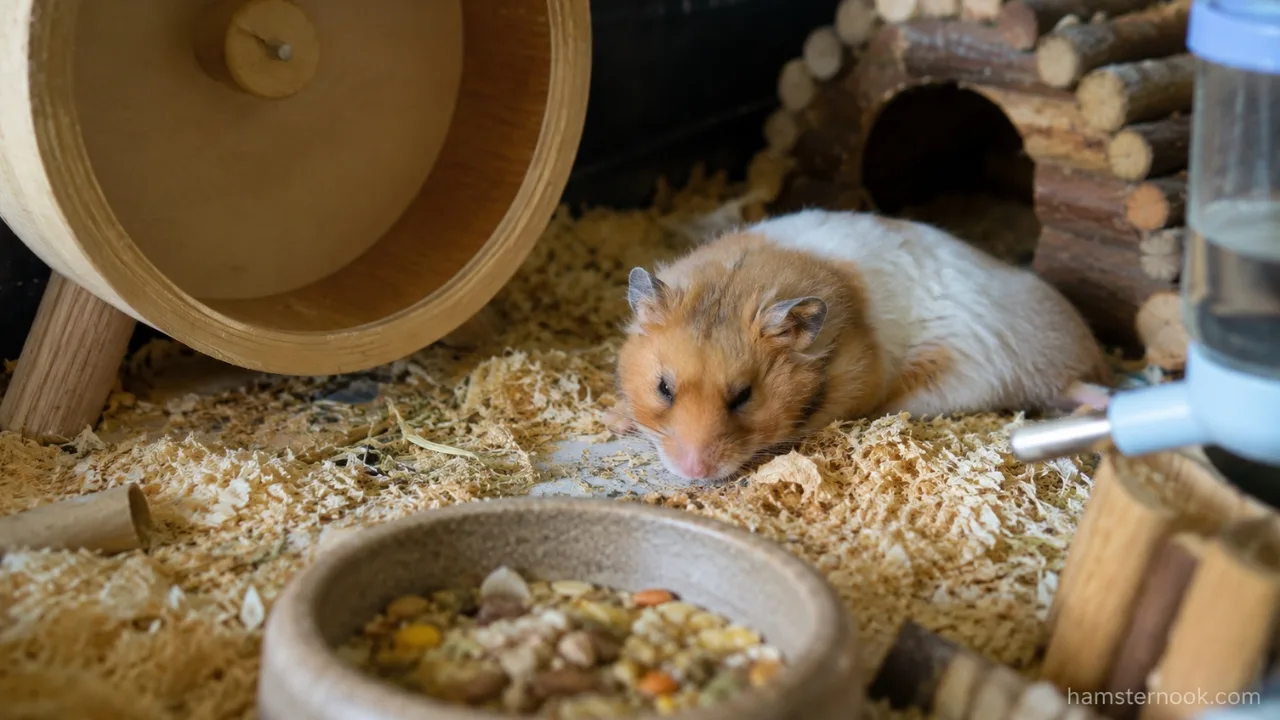
Sudden Changes in Activity Levels
One of the earliest clues is often a change in normal activity.
A healthy hamster usually follows a predictable routine. If your hamster suddenly becomes less active, avoids exercise, or stops exploring at night, it may indicate discomfort or illness.
Some hamsters also become unusually restless before getting sick, especially if they are stressed or in pain.
Healthy vs Concerning Activity Changes
| Normal Behavior | Possible Warning Sign |
|---|---|
| Runs on wheel regularly | Stops using wheel suddenly |
| Explores cage at night | Hides constantly |
| Reacts to sounds and movement | Appears sluggish or slow |
| Maintains normal curiosity | Seems withdrawn or uninterested |
A single quiet day is not always serious, but ongoing changes deserve attention.
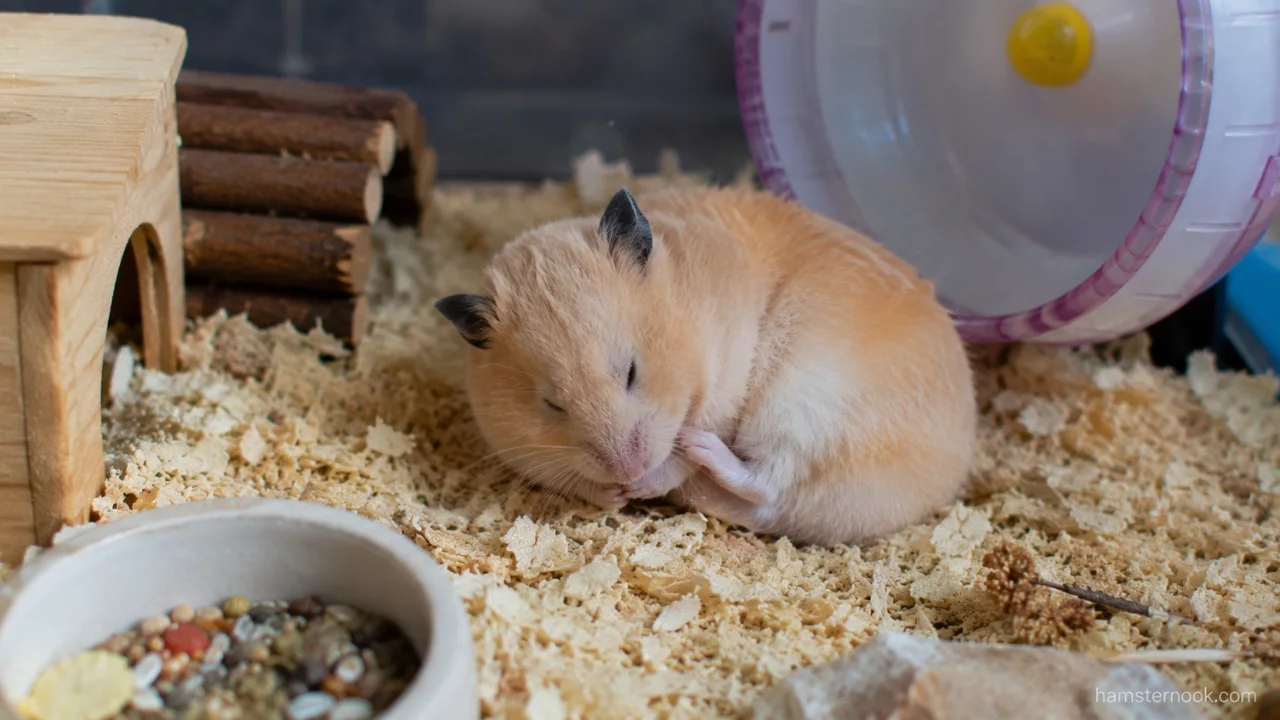
Eating Less Than Normal
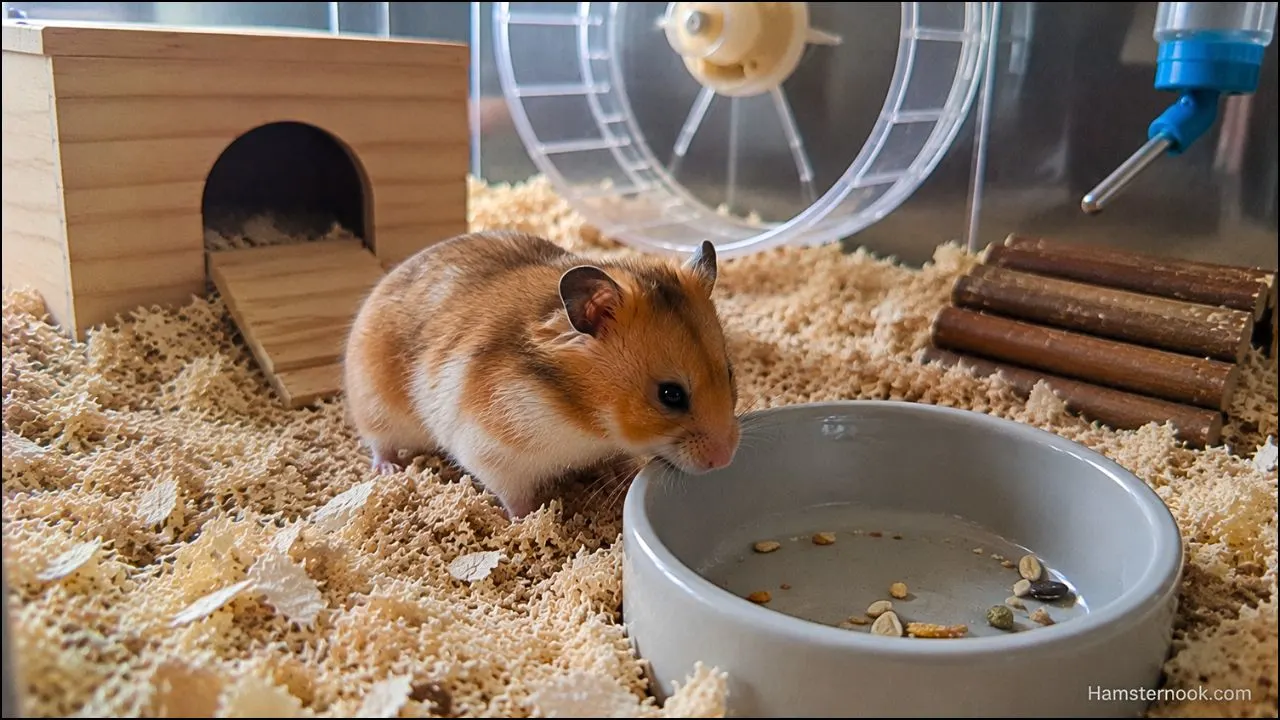
Reduced appetite is one of the most important warning signs in hamsters.
👉 Why Is My Hamster Not Eating?
Because hamsters are small animals with fast metabolisms, even short periods without eating can become dangerous.
Owners may notice:

- Food remaining untouched
- Less excitement during feeding time
- Slower chewing
- Hoarding less food than usual
Sometimes dental problems, infections, digestive issues, or stress can cause appetite changes.
Drinking More or Less Water
Changes in water intake can also signal health problems.
Water Intake Changes and Possible Causes
| Behavior Change | Possible Concern |
|---|---|
| Drinking excessively | Diabetes, dehydration, illness |
| Barely drinking | Weakness, dehydration, stress |
| Difficulty using bottle | Dental pain or injury |
Dwarf hamsters are especially prone to diabetes, so excessive thirst should never be ignored.
Sleeping at Unusual Times
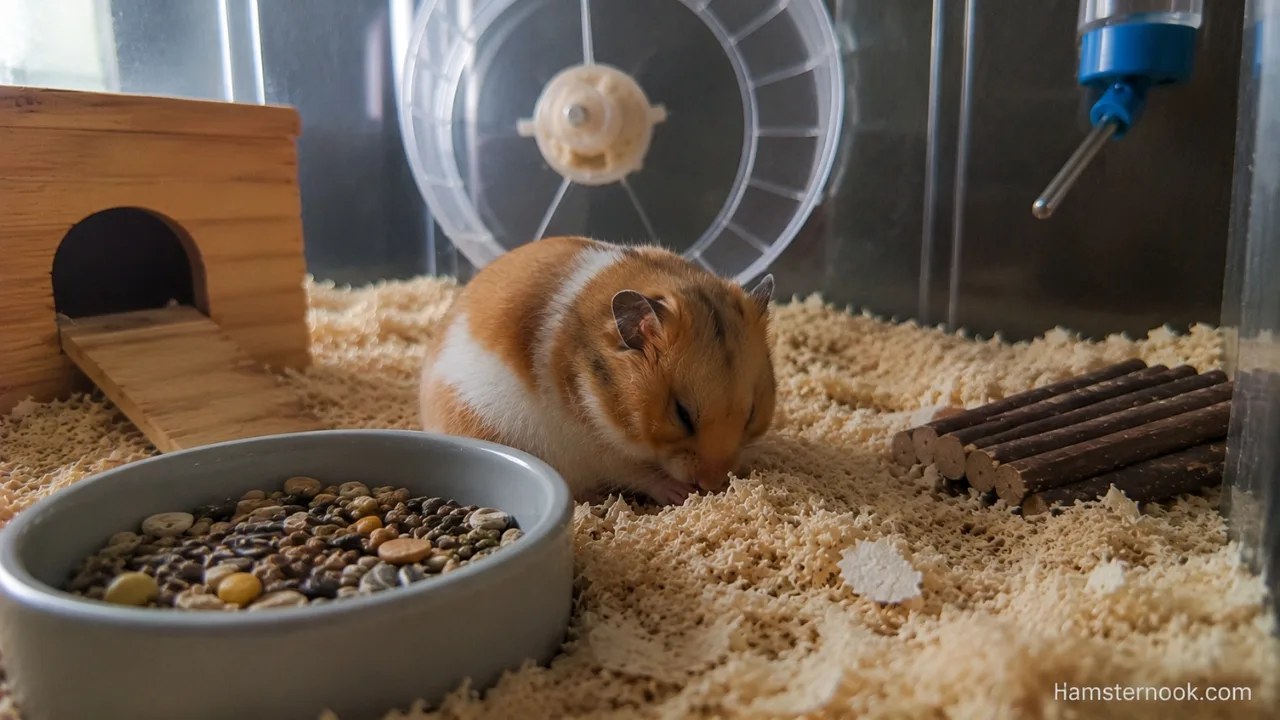
Hamsters naturally sleep during the day and become active at night. However, illness may disrupt this routine.

👉 Why Is My Hamster Sleeping So Much?
A hamster sleeping far more than usual or appearing unusually weak after waking should be monitored carefully.
Pay attention if your hamster:
- Misses regular nighttime activity
- Sleeps outside its usual nest
- Appears difficult to wake
- Seems weak after waking up
Severe tiredness or unusual weakness should never be ignored in hamsters.

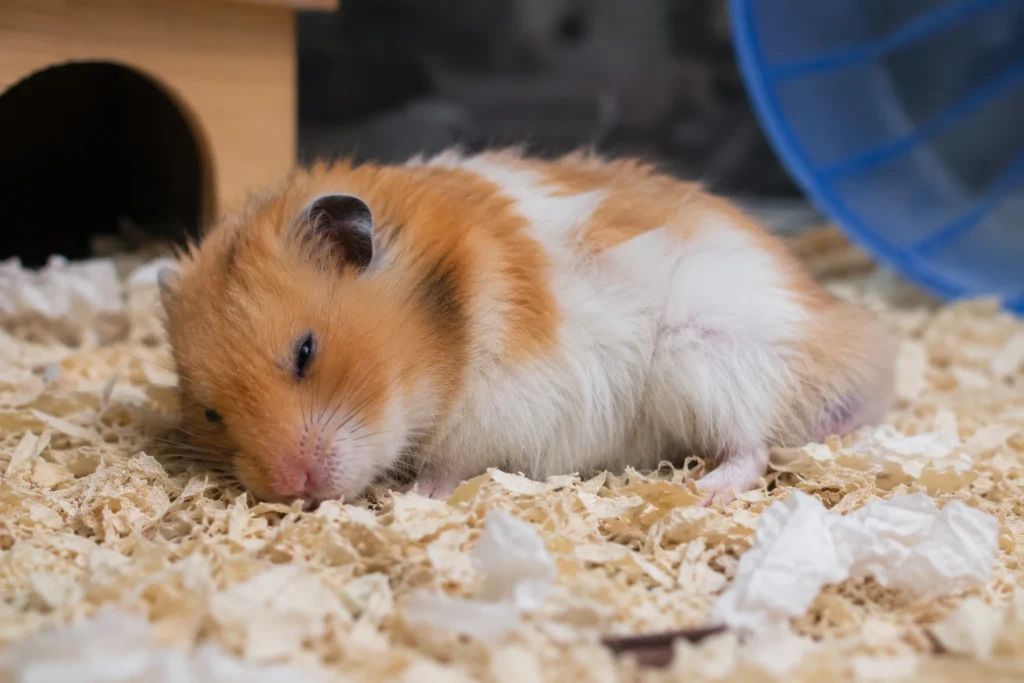
Hiding More Than Usual
Hamsters enjoy hiding naturally, but excessive hiding may indicate stress, fear, pain, or illness.
👉 5 Warning Signs Your Hamster May Be Stressed
Owners sometimes notice that a sick hamster:
- Refuses interaction
- Stays buried constantly
- Avoids favorite toys
- Stops exploring the cage
While some personality differences are normal, sudden behavior changes matter more than overall shyness.
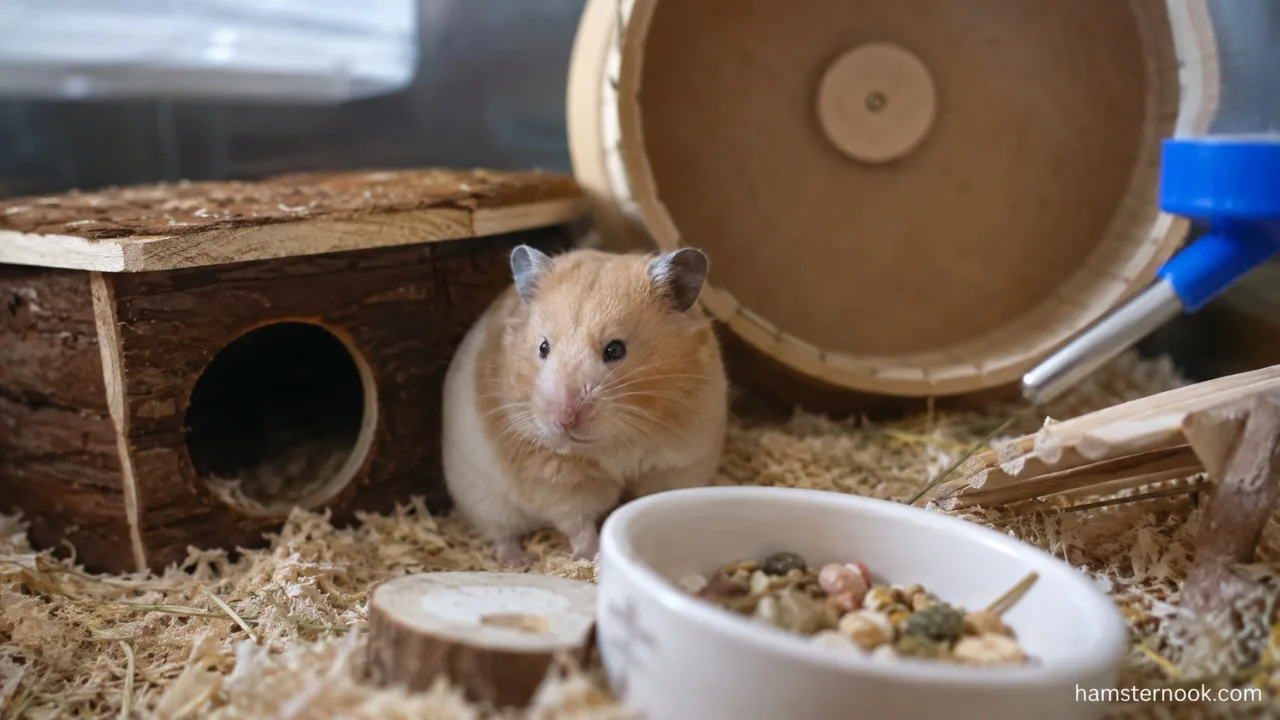
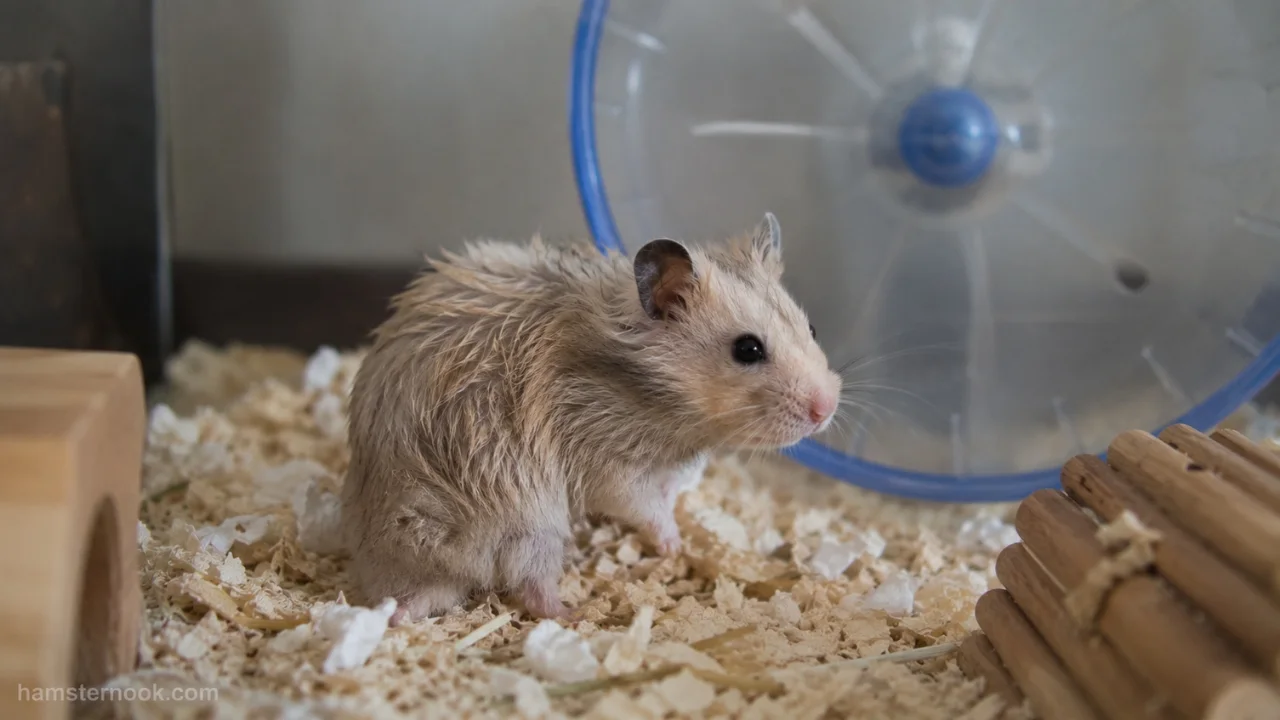
Changes in Grooming Habits
Hamsters normally groom themselves frequently. Grooming helps maintain clean fur and regulate scent.
👉 Why Is My Hamster Losing Hair?
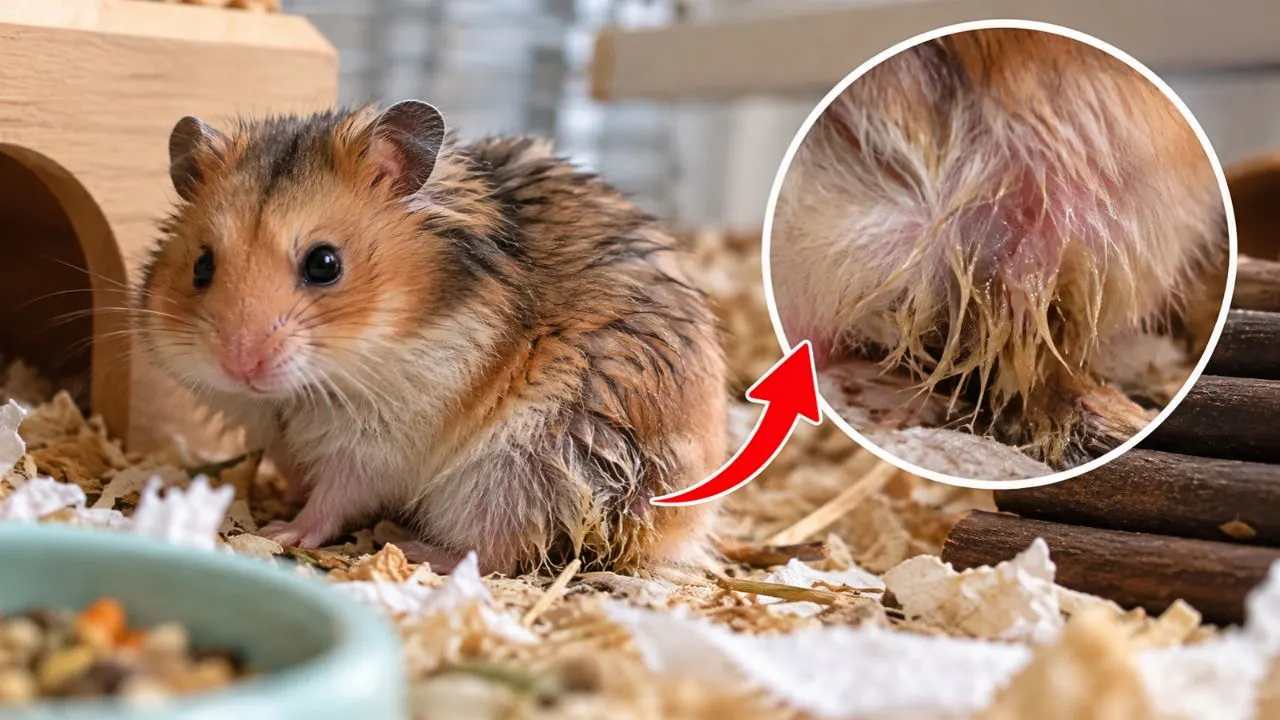
A hamster preparing to get sick may suddenly stop grooming properly or overgroom certain areas.
Grooming Changes to Watch For
| Grooming Behavior | What It May Mean |
|---|---|
| Greasy or messy fur | Weakness or illness |
| Matted fur | Reduced grooming ability |
| Bald patches | Stress or skin problems |
| Excessive scratching | Parasites or irritation |
Fur condition is often one of the easiest ways to notice early health changes.
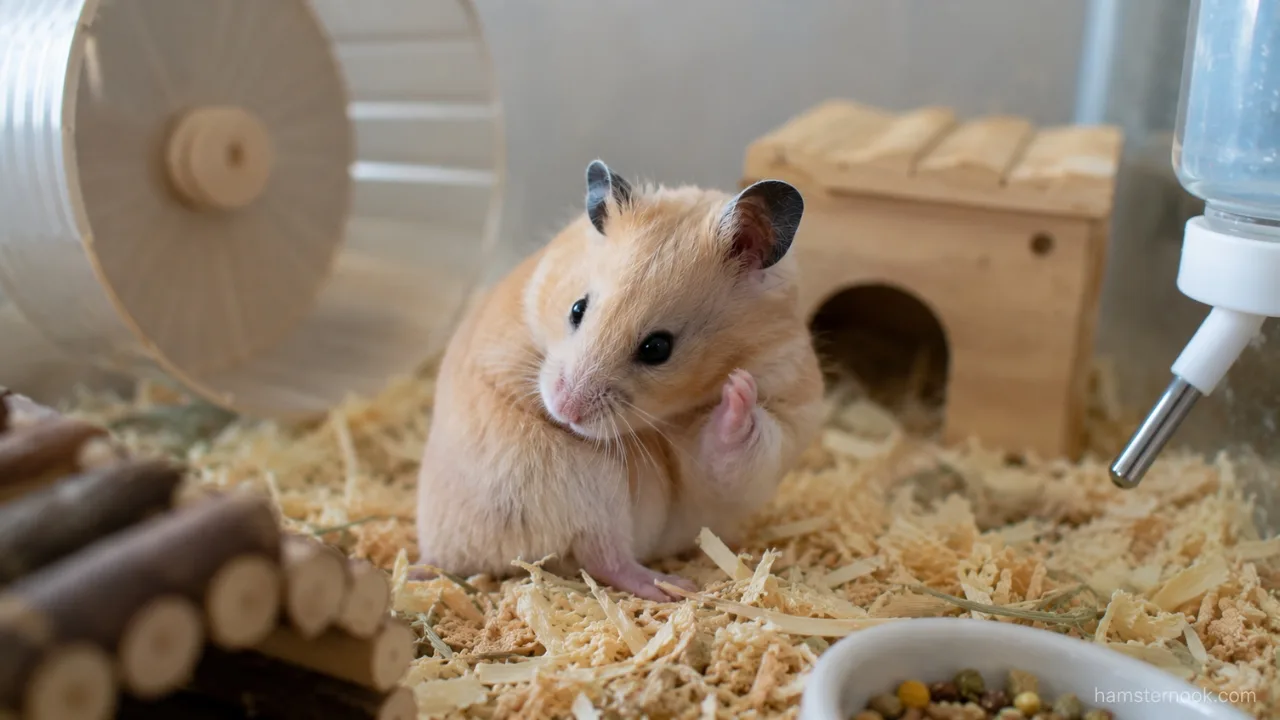
Unusual Aggression or Irritability
A normally friendly hamster may become defensive or aggressive when feeling unwell.
Pain and discomfort can make hamsters more sensitive to touch or handling.
Warning behaviors may include:
- Biting unexpectedly
- Squeaking frequently
- Jumping during handling
- Avoiding contact
Sudden temperament changes are worth monitoring carefully.
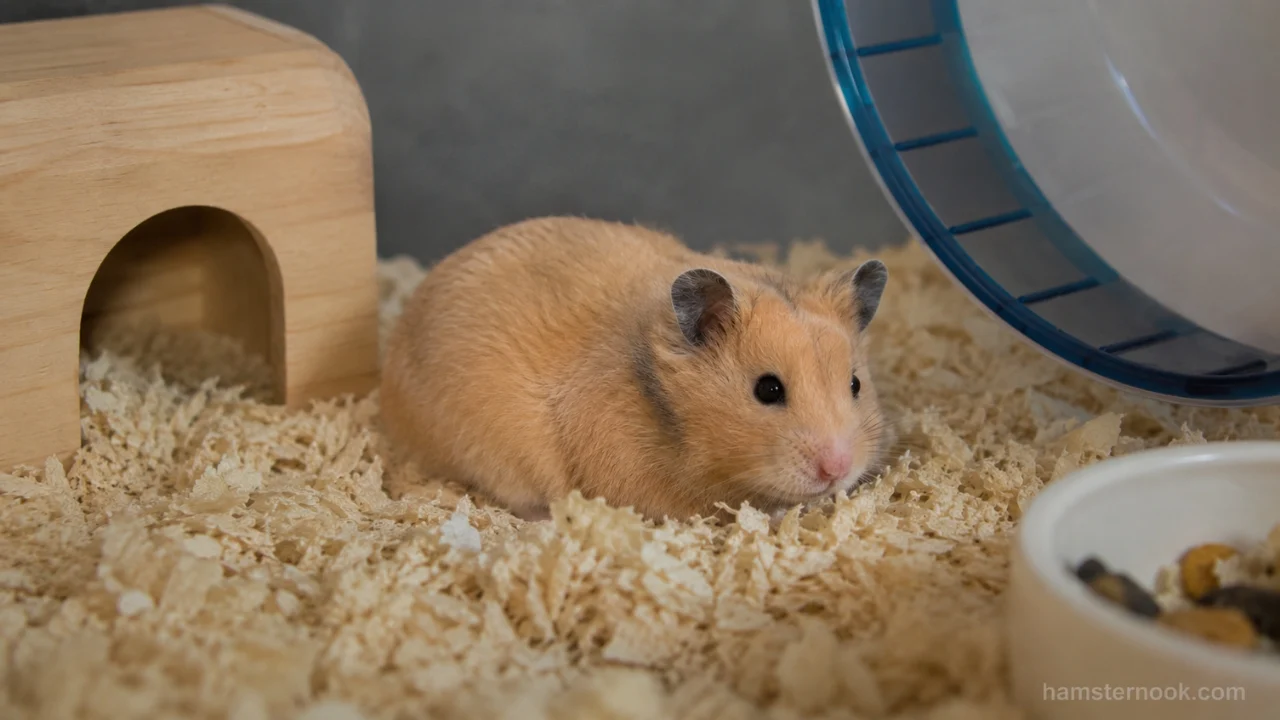
Changes in Bathroom Habits
Hamsters often show digestive changes before obvious illness develops.
Owners should monitor both urine and stool appearance regularly.
Stool and Urine Warning Signs
| Symptom | Possible Concern |
|---|---|
| Diarrhea | Infection, poor diet, stress |
| Very dry stool | Dehydration |
| Blood in urine | Urinary issues |
| Strong unusual odor | Infection |
Wet tail disease, which causes severe diarrhea, is especially dangerous in young hamsters and requires immediate veterinary care.

Breathing Changes Before Illness
Respiratory problems are common in hamsters and can worsen quickly.
A hamster becoming sick may show subtle breathing changes before severe symptoms appear.
Watch for:
- Faster breathing
- Clicking sounds
- Sneezing repeatedly
- Mild wheezing
- Sleeping with head elevated
Breathing problems in hamsters can worsen quickly and should be monitored closely.
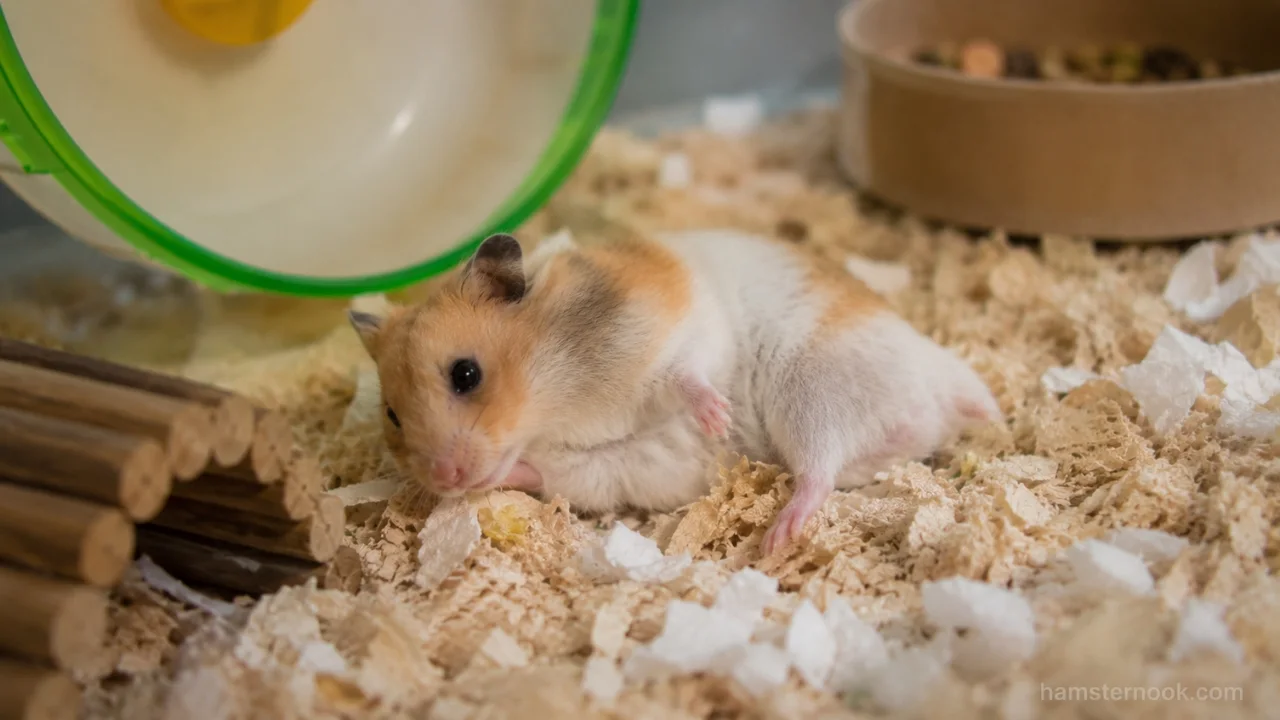
Weight Loss Before Visible Illness
Weight loss often appears before major symptoms.
Because hamsters are fluffy, owners may not notice gradual weight changes immediately. Regularly observing body shape and gently feeling for weight changes can help detect problems earlier.
Signs of Unhealthy Weight Loss
| Normal Appearance | Concerning Appearance |
|---|---|
| Rounded body shape | Noticeably thinner body |
| Full cheeks and hips | Visible bones or spine |
| Stable eating habits | Weight dropping despite eating |
Rapid weight loss should always be taken seriously.
What Causes Hamsters to Get Sick?
Many illnesses develop due to a combination of factors.

Common causes include:
- Poor cage hygiene
- Stress
- Incorrect diet
- Temperature extremes
- Dirty water
- Infections
- Unsafe bedding
- Overcrowding
- Poor ventilation
Even minor environmental problems can affect hamsters because they are extremely small and sensitive animals.
How to Monitor Your Hamster’s Health at Home
Daily observation is one of the best ways to catch illness early.
Daily observation helps owners notice small health changes before they become more serious.
Simple Daily Health Checklist
| What to Check | Healthy Signs |
|---|---|
| Eating | Normal appetite |
| Drinking | Consistent water intake |
| Activity | Regular nighttime movement |
| Fur | Clean and smooth |
| Breathing | Quiet and steady |
| Stool | Firm and dry |
Small changes become easier to notice when owners know their hamster’s normal routine.
When Should You See a Vet?
Hamsters can decline rapidly once symptoms become obvious.
Hamsters often hide symptoms until illness becomes more advanced, which is why early veterinary advice is important.
Contact an exotic pet veterinarian if you notice:
- Severe lethargy
- Diarrhea
- Breathing problems
- Refusal to eat
- Rapid weight loss
- Blood in urine or stool
- Swollen abdomen
- Difficulty walking
It is safer to seek help early rather than waiting for symptoms to worsen.
Common Mistakes Owners Make
Many hamster owners unintentionally miss early illness signs.
Frequent Mistakes Include
| Mistake | Why It’s Risky |
|---|---|
| Assuming hamsters sleep “a lot” | May overlook lethargy |
| Ignoring appetite changes | Hamsters decline quickly without food |
| Waiting too long for symptoms | Illness may worsen rapidly |
| Feeding unhealthy treats excessively | Can contribute to disease |
| Using unsafe bedding | May trigger respiratory problems |
Learning normal hamster behavior is one of the best ways to spot problems early.
How to Reduce the Risk of Illness
While some health issues are unavoidable, good care reduces many risks.
👉 Hamster Care Guide for Beginners
Healthy Hamster Care Tips
- Clean the cage regularly
- Provide fresh water daily
- Feed a balanced hamster diet
- Avoid overcrowded cages
- Keep temperatures stable
- Use dust-free bedding
- Minimize loud stressors
- Schedule vet visits when needed
A stable, low-stress environment supports long-term hamster health.
Final Thoughts
Hamsters rarely become sick without showing some kind of warning sign first. The challenge is that those signs are often subtle and easy to miss.
👉 Happy and Healthy Hamster Signs

Changes in activity, appetite, grooming, sleeping habits, or social behavior can all signal that something is wrong. Paying close attention to your hamster’s daily routine helps you recognize these early clues before illness becomes severe.
Because hamsters are very small animals, health problems may sometimes progress rapidly. If your hamster suddenly behaves differently for more than a short period, monitoring closely and contacting a qualified exotic veterinarian can make a major difference in recovery.
Medical Disclaimer
The information provided in this article is for educational and informational purposes only and should not be considered veterinary advice, diagnosis, or treatment. If your hamster is showing signs of illness, injury, or unusual behavior, consult a qualified veterinarian as soon as possible.
Sources
- – RSPCA – Hamster Care Guidance
- – PDSA – Hamster Health Information
- – Veterinary Partner – Small Animal Health Resources
- – Blue Cross – Small Pet Care Resources
Frequently Asked Questions
Do hamsters hide when they are sick?
Yes. Hamsters naturally hide illness and may isolate themselves more when feeling unwell.
What is the first sign of illness in hamsters?
Reduced activity and appetite changes are often among the earliest warning signs owners notice.
Why is my hamster suddenly sleeping more?
Extra sleeping may happen because of stress, aging, temperature changes, or illness. Persistent lethargy should be checked carefully.
Can stress make hamsters sick?
Yes. Chronic stress weakens the immune system and may increase the risk of illness.
How quickly can a hamster become seriously sick?
Hamsters can decline very quickly, sometimes within a day or two, especially with infections or dehydration.
Should I wake my hamster to check if it’s sick?
Avoid waking your hamster unnecessarily, but if you notice major behavior changes, gently checking responsiveness may help assess its condition.

Narayan Kumar is the founder and author of HamsterNook. He creates practical, research-based hamster care guides covering hamster behavior, nutrition, cage setup, enrichment, health, and everyday care. His goal is to help hamster owners make informed decisions and provide safer, healthier lives for their pets through clear, beginner-friendly information based on trusted animal care resources.