Most hamster owners don’t think much about water until they notice an empty bottle or realize the nozzle has stopped working. Unfortunately, even a short period without water can be dangerous for such a small pet. Because hamsters are small animals, even a short period without access to fresh water can become a serious problem.
Finding an empty water bottle can be stressful, especially if you’re not sure how long your hamster has been without water. Many owners underestimate how quickly dehydration can affect a hamster. While these tiny pets don’t drink large amounts at once, they still need consistent access to clean water every day.
Understanding how long a hamster can survive without water, the warning signs of dehydration, and what to do in an emergency can help protect your pet’s health and potentially save its life.
How Long Can Hamsters Survive Without Water?
Quick Answer:
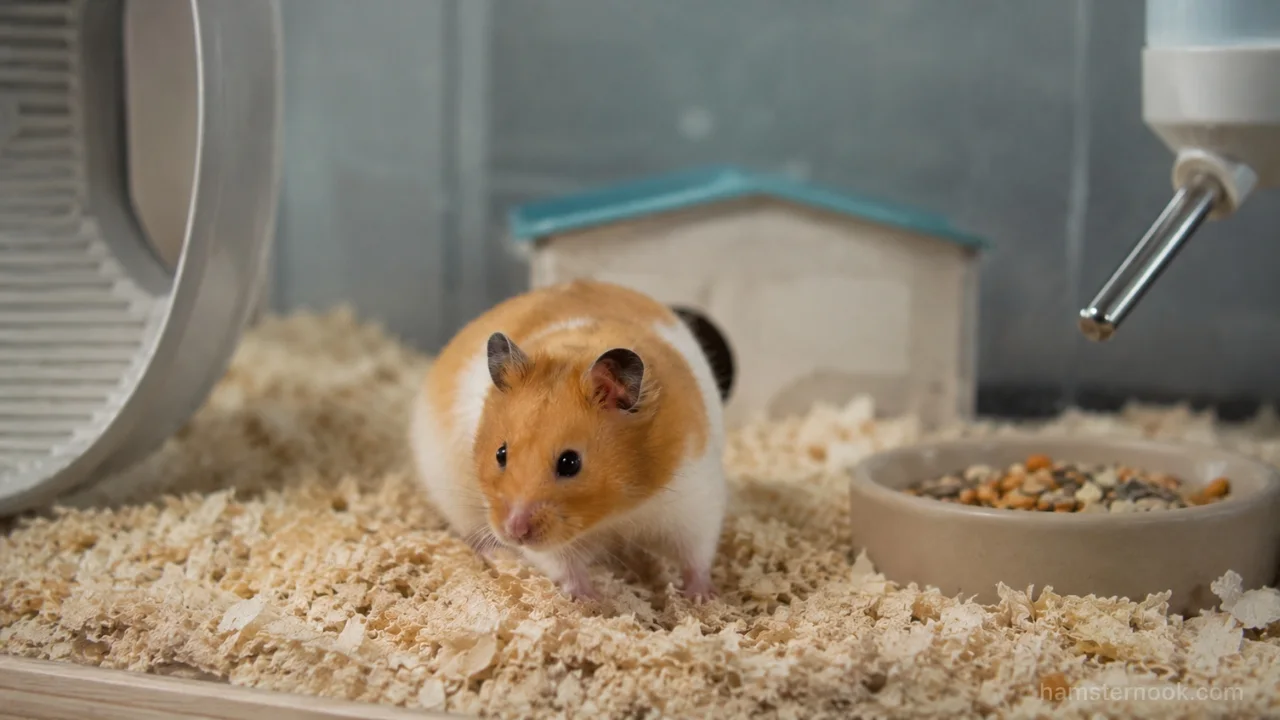
There is no reliable number of hours that is safe for every hamster. Dehydration risk depends on factors such as age, health, temperature, diet, and whether the hamster is also losing fluids. Treat any loss of access to water as a problem to correct promptly rather than waiting for a specific time limit.
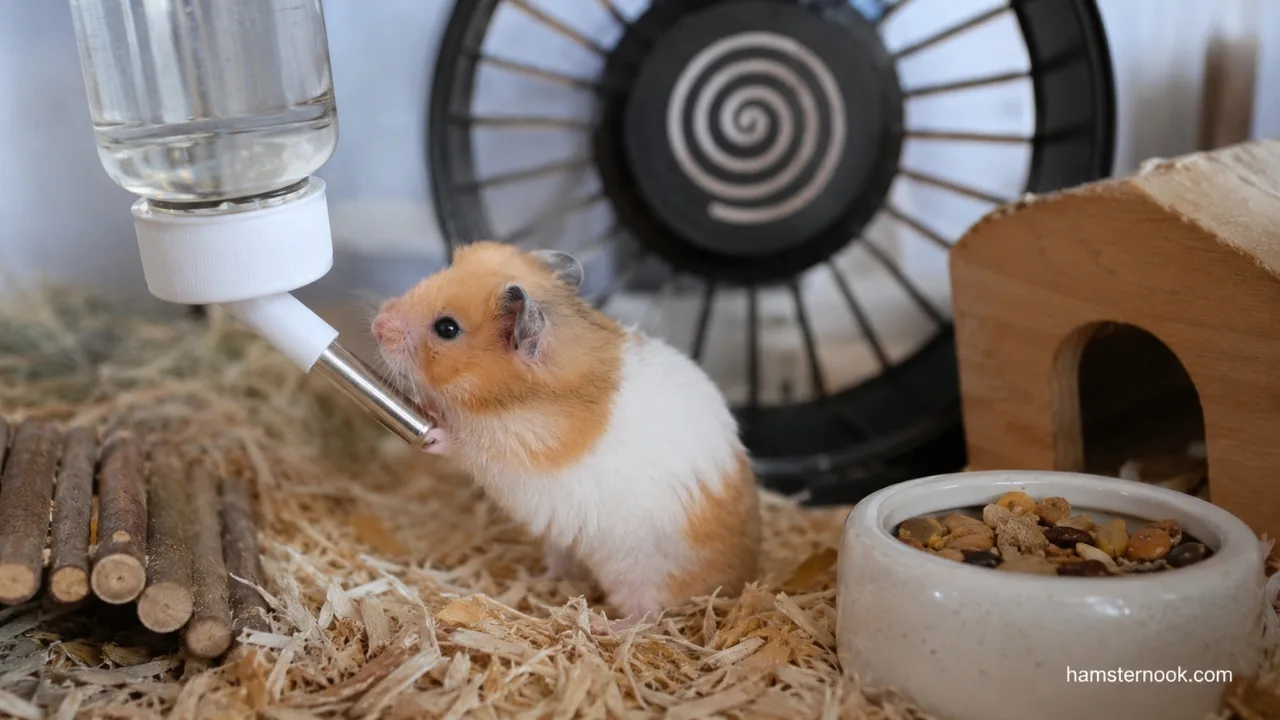
Hamsters should have access to fresh drinking water at all times.
In general, a healthy hamster may survive for a short period without water, but dehydration can begin much sooner than many owners realize. Factors such as temperature, age, activity level, overall health, and diet all influence how quickly dehydration develops.
| Situation | Risk |
|---|---|
| Water bottle is empty or blocked | Dehydration risk begins when fresh water is unavailable |
| Hot environment with no water | Dehydration may develop more quickly |
| Sick hamster without water | Higher risk of complications |
| Elderly or young hamster without water | May be more vulnerable to dehydration |
If your hamster has been without water, restore access to fresh water promptly and watch for signs of dehydration or illness. There is no universal number of hours that can safely predict when a particular hamster will become seriously dehydrated.
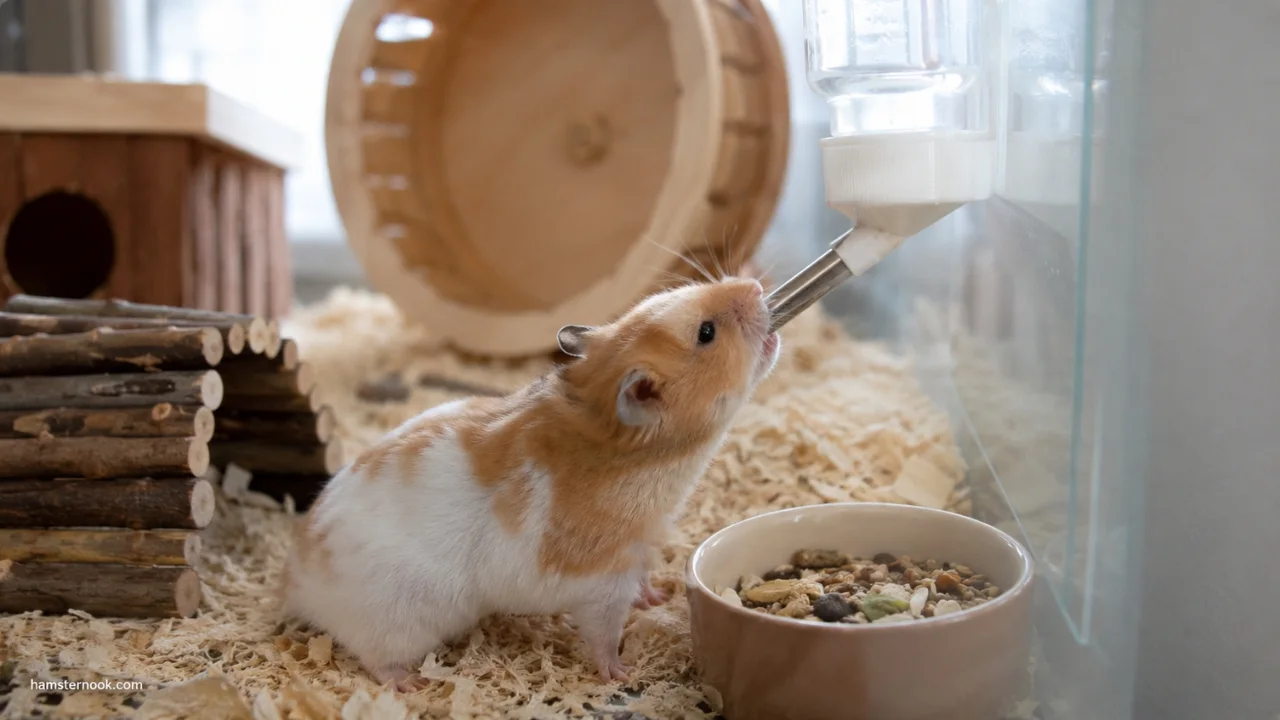
Why Water Is Essential for Hamsters
Water supports nearly every major function in a hamster’s body.
Proper hydration helps with:
- Digestion
- Temperature regulation
- Nutrient absorption
- Organ function
- Blood circulation
- Waste removal
Even mild dehydration can affect a hamster’s comfort and activity levels.
Because hamsters are small animals, they have less room for error than larger pets when water becomes unavailable.

How Much Water Does a Hamster Need Each Day?
The amount varies depending on species, diet, temperature, and activity level.
Most healthy pet hamsters typically drink only a few teaspoons of water daily, which can make it difficult for owners to notice problems immediately.
| What Can Affect Water Intake | Why It Matters |
|---|---|
| Diet | Fresh foods can contribute some moisture, while a drier diet may increase reliance on drinking water |
| Temperature | Warmer conditions can increase fluid needs |
| Activity | More activity can affect water consumption |
| Health | Illness or fluid loss can increase dehydration risk |
| Individual hamster | Normal intake varies, so sudden changes are more useful to monitor than a fixed daily target |
There is no single daily milliliter amount that reliably applies to every Syrian, dwarf, or Chinese hamster. Monitor your hamster’s usual drinking pattern and pay attention to sudden increases or decreases.
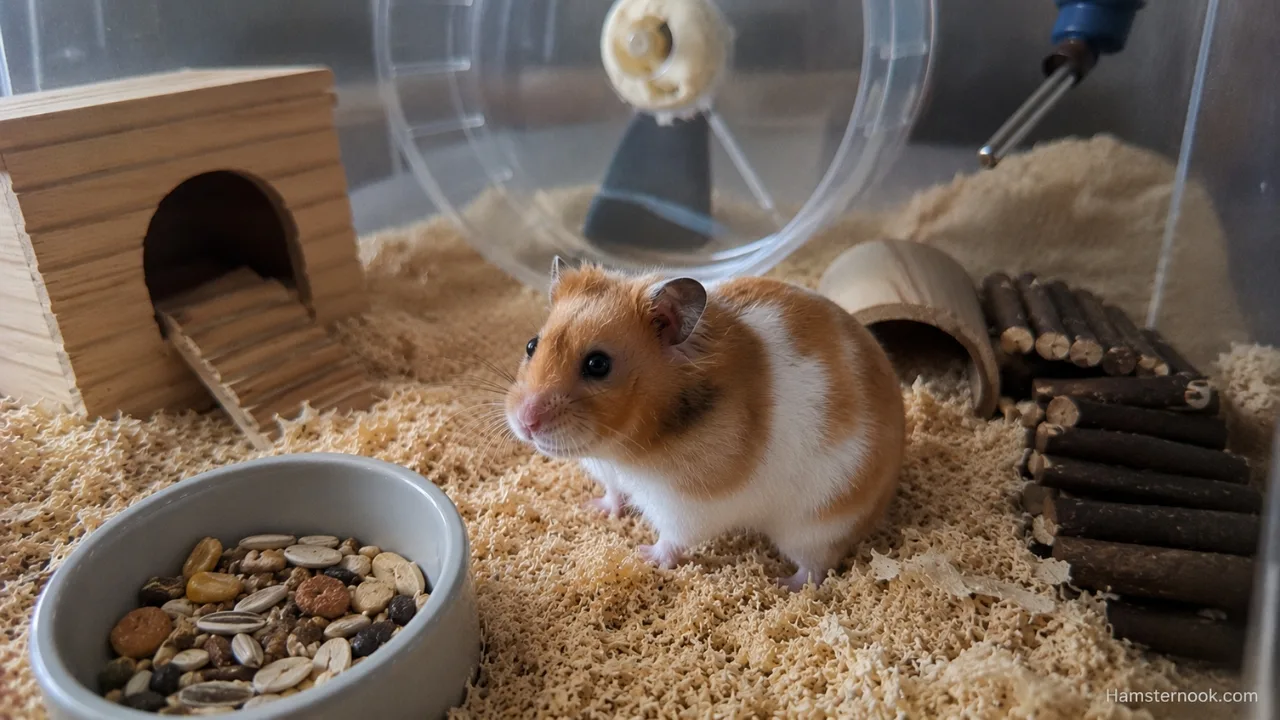
These numbers are averages and can vary based on individual needs.
Hamsters eating fresh vegetables may consume slightly less water because they receive additional moisture from their food. However, it’s important to know which vegetables are actually safe. Read our guide on What Vegetables Can Hamsters Eat?
What Happens When a Hamster Becomes Dehydrated?
Dehydration occurs when the body loses more fluid than it receives.
As water levels drop, the body begins struggling to perform normal functions efficiently.
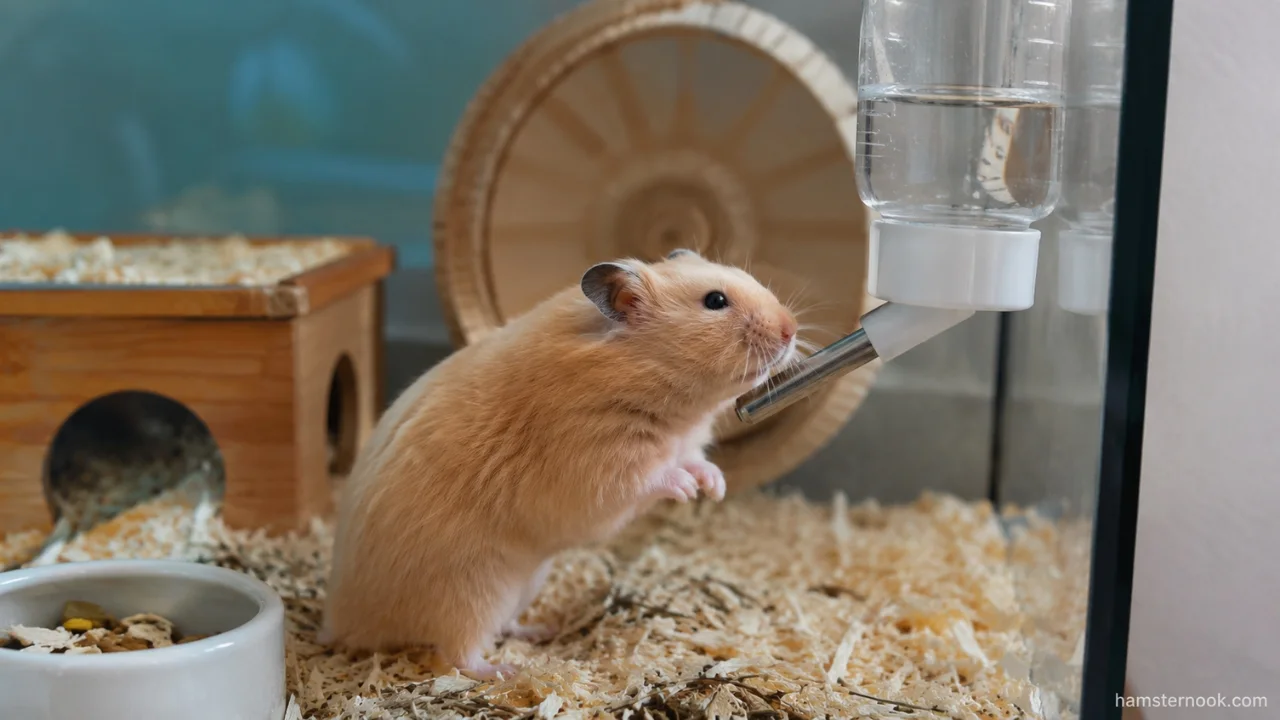
Early dehydration may cause:
- Increased thirst
- Reduced activity
- Slight weakness
- Dry mouth
More severe dehydration can affect multiple body systems and may become life-threatening if not addressed quickly.
If severe weakness is accompanied by abnormal breathing, that combination should not be treated as simple thirst alone. Our Why Is My Hamster Breathing Fast? guide covers the warning signs that can indicate a more serious health problem.
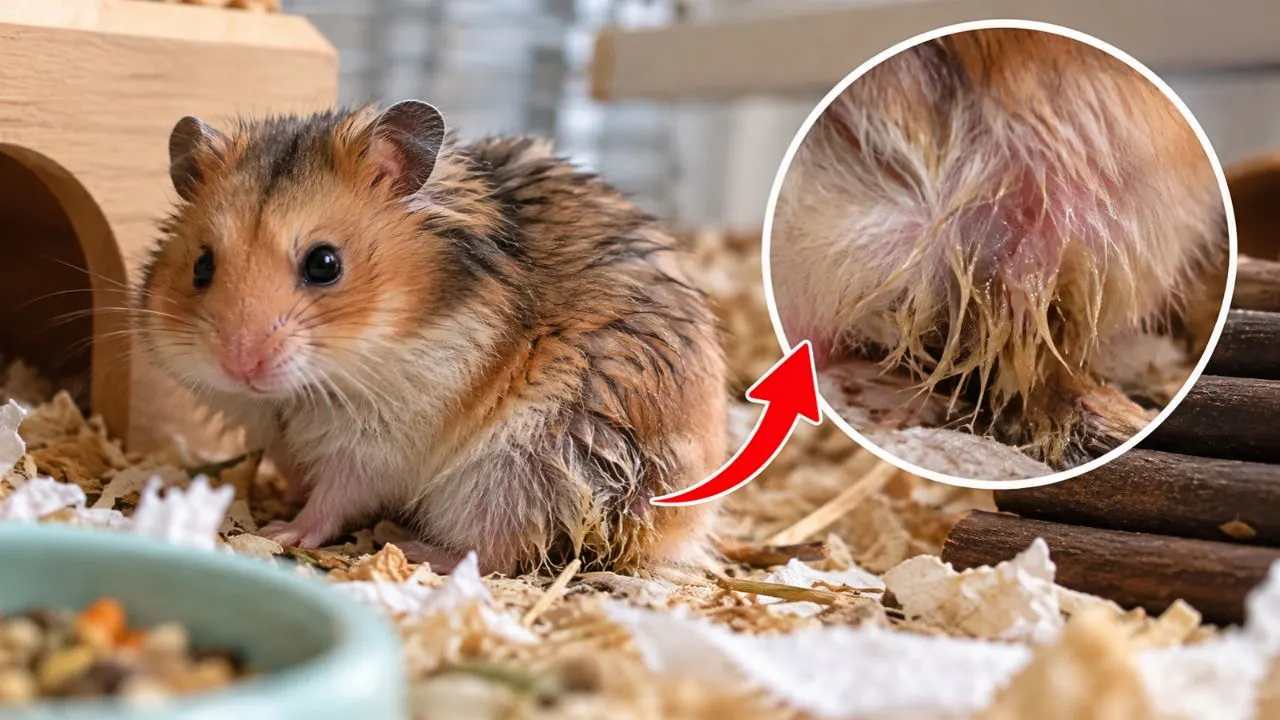
Common Signs of Dehydration in Hamsters
Recognizing symptoms early can make a major difference.
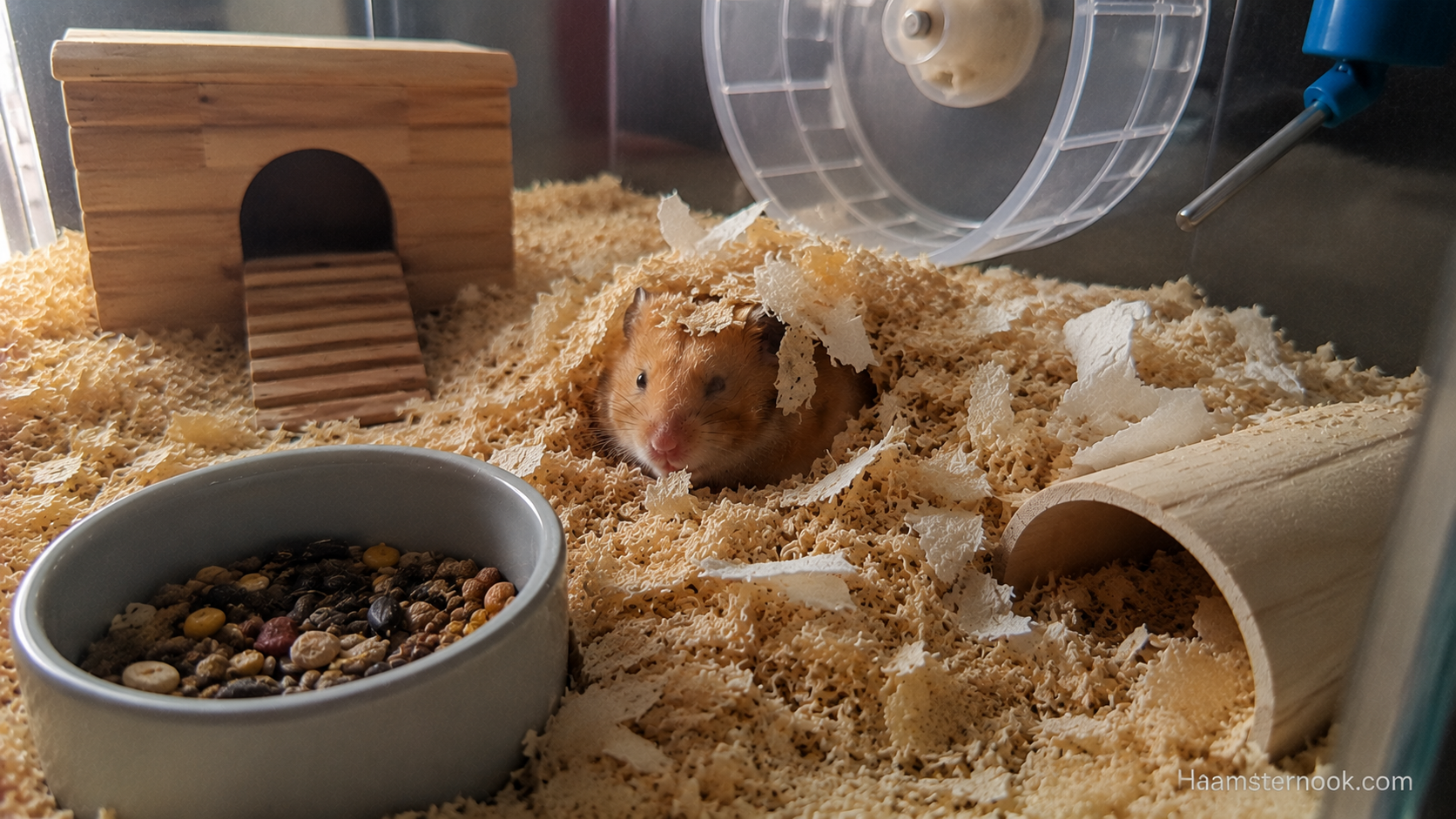
| Symptom | What It May Indicate |
|---|---|
| Lethargy | Reduced energy due to dehydration |
| Sunken eyes | Significant fluid loss |
| Dry or sticky mouth | Poor hydration |
| Reduced appetite | Possible dehydration or illness |
| Weakness | Advanced dehydration |
| Weight loss | Fluid and body mass loss |
| Dull coat appearance | Overall health decline |
Some symptoms may also be associated with illness, so veterinary evaluation may be necessary if symptoms persist.
Reasons a Hamster May Not Have Access to Water
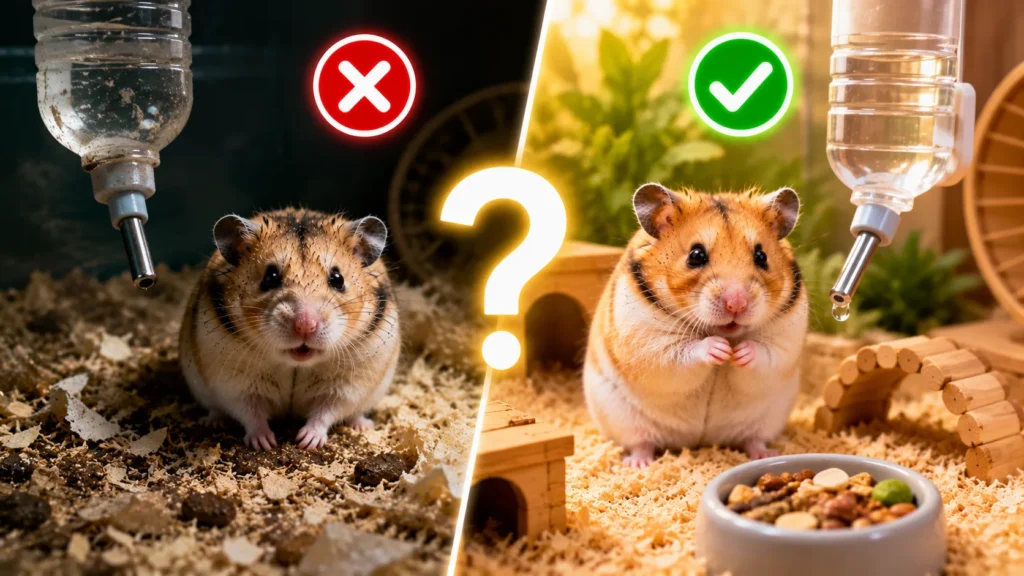
If the problem started because the bottle stopped working, our Why Is My Hamster Not Using Its Water Bottle? 8 Reasons & What to Do guide covers common bottle problems and what to check.
Sometimes dehydration occurs because of equipment failure rather than owner neglect.
Common causes include:

- Blocked water bottle nozzle
- Leaking water bottle
- Empty water bottle
- Frozen bottle in cold conditions
- Tip clogged with bedding
- Hamster unable to reach water source
Regular checks help prevent these issues.
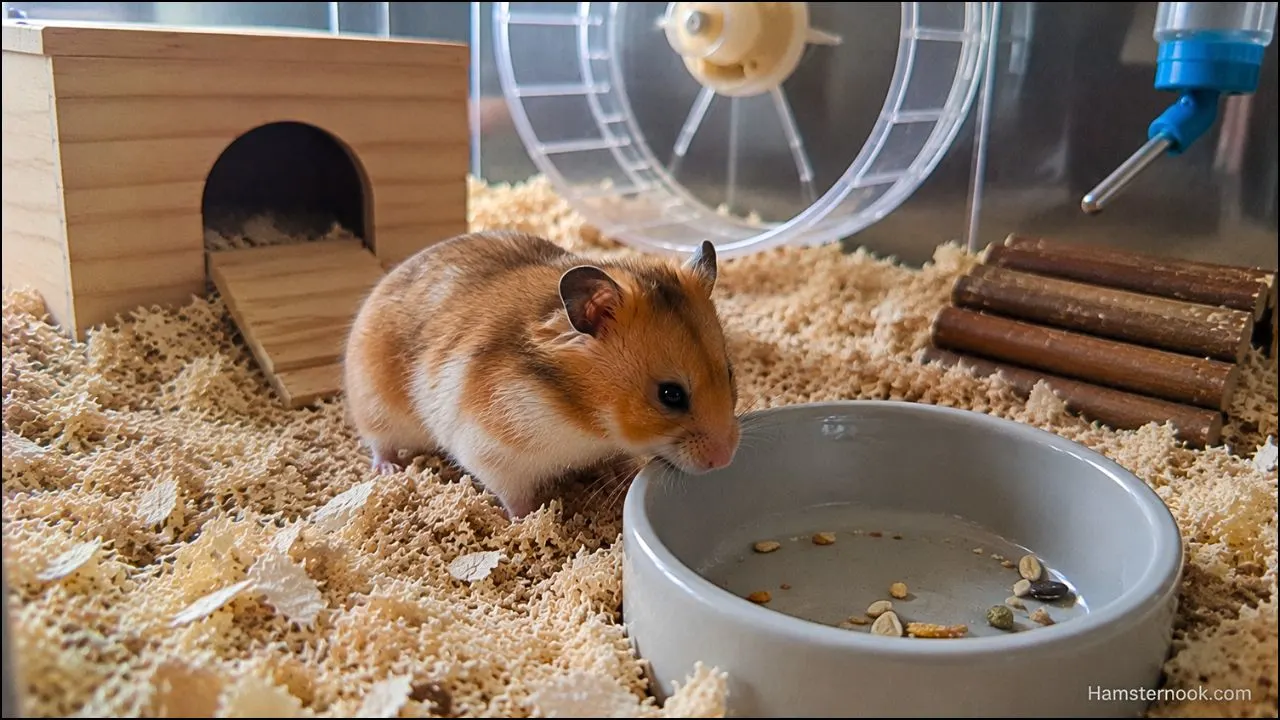
Water Bottle vs Water Bowl: Which Is Better?
Both options can work when used correctly.
| Feature | Water Bottle | Water Bowl |
|---|---|---|
| Cleanliness | Usually cleaner | Can collect bedding |
| Ease of Monitoring | Easy to track water levels | Harder to measure consumption |
| Spill Risk | Low | Higher |
| Natural Drinking Position | Less natural | More natural |
| Maintenance | Requires nozzle checks | Requires frequent cleaning |
Many owners successfully use either method, while some provide both for added security.
Can Hamsters Get Water From Food Alone?
No. Fresh foods contain moisture, but they should never replace drinking water.
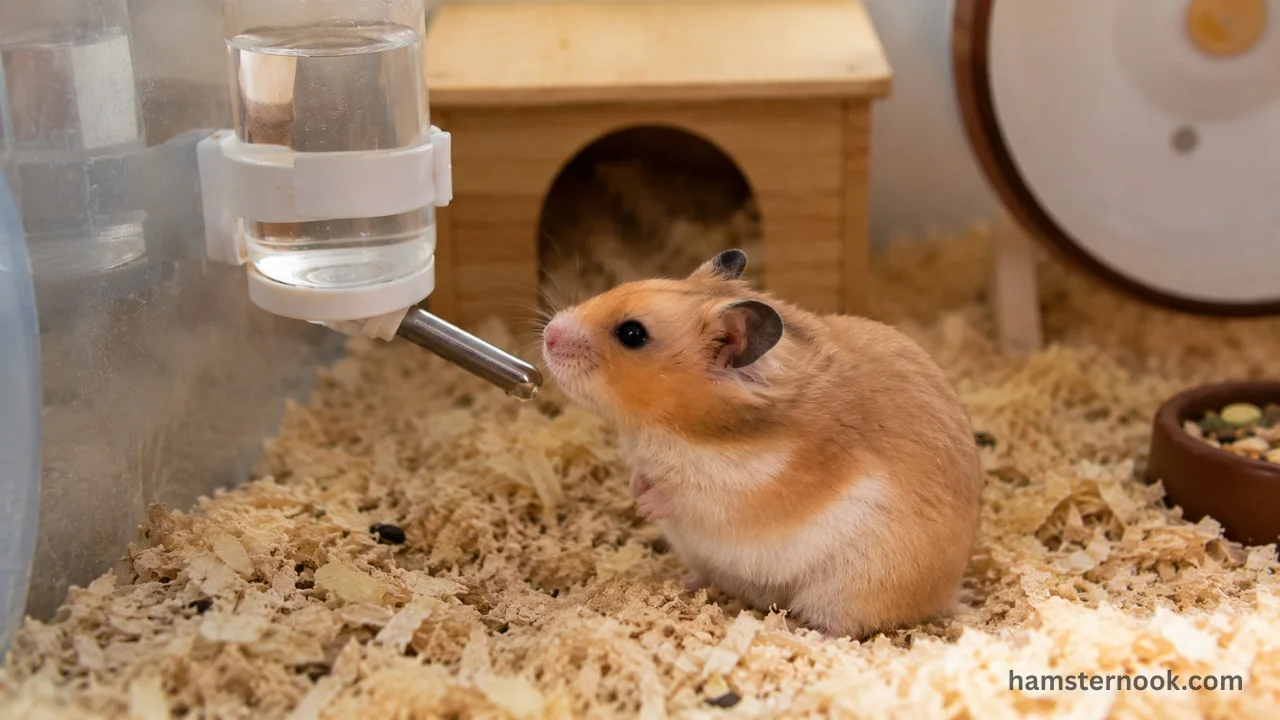
Some water-rich foods include:
- Cucumber
- Lettuce
- Zucchini
- Bell pepper
While these foods contribute moisture, they cannot provide all the hydration a hamster needs.
Fresh drinking water should always remain available.
What To Do If Your Hamster Hasn’t Had Water
If you discover that your hamster has been without water, act calmly and quickly.
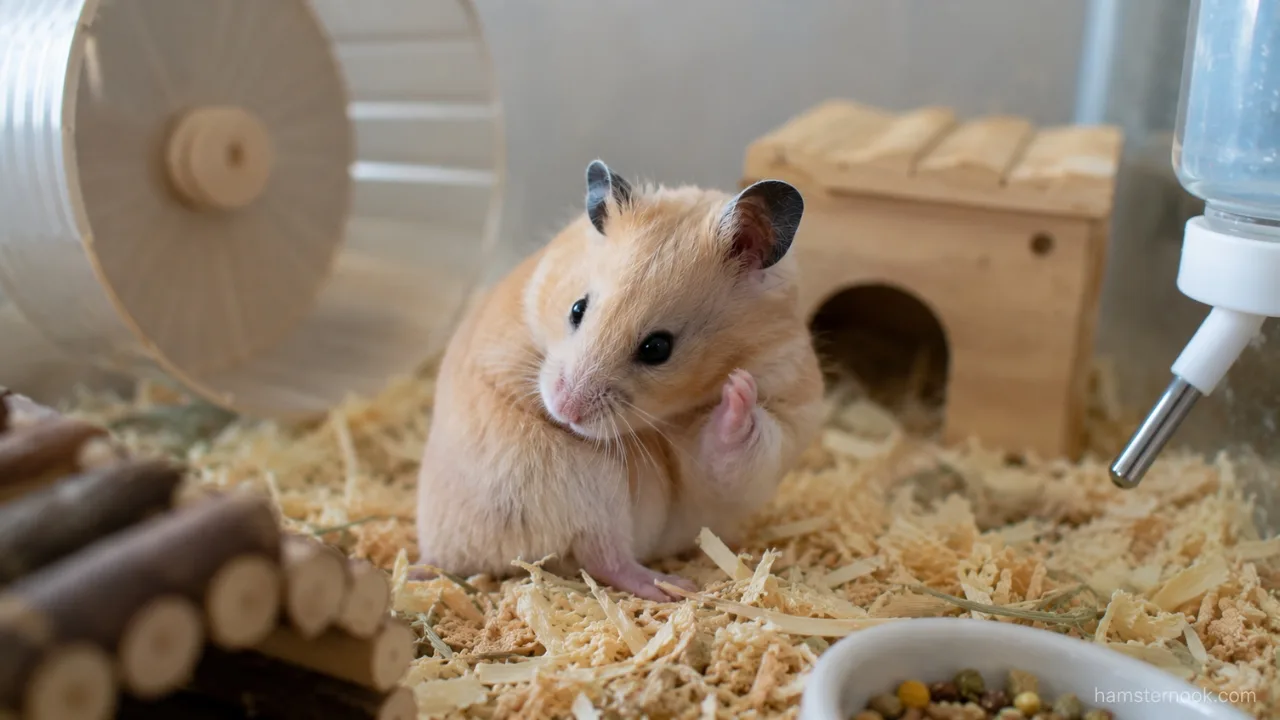
First confirm that the water source is actually working rather than assuming your hamster simply refused to drink. Check that the bottle is releasing water, that the nozzle is not blocked, and that the bottle has not leaked or emptied. If you use a bowl, make sure it has not tipped over or become contaminated with bedding.
Step 1: Restore Access to Fresh Water
Provide clean, fresh water immediately.
Step 2: Check Drinking Equipment
Make sure the bottle or bowl is functioning correctly.
Check the bottle every day for leaks or blockages and make sure water is flowing freely before relying on it. Regular checks can help you find a problem before your hamster is left without water.
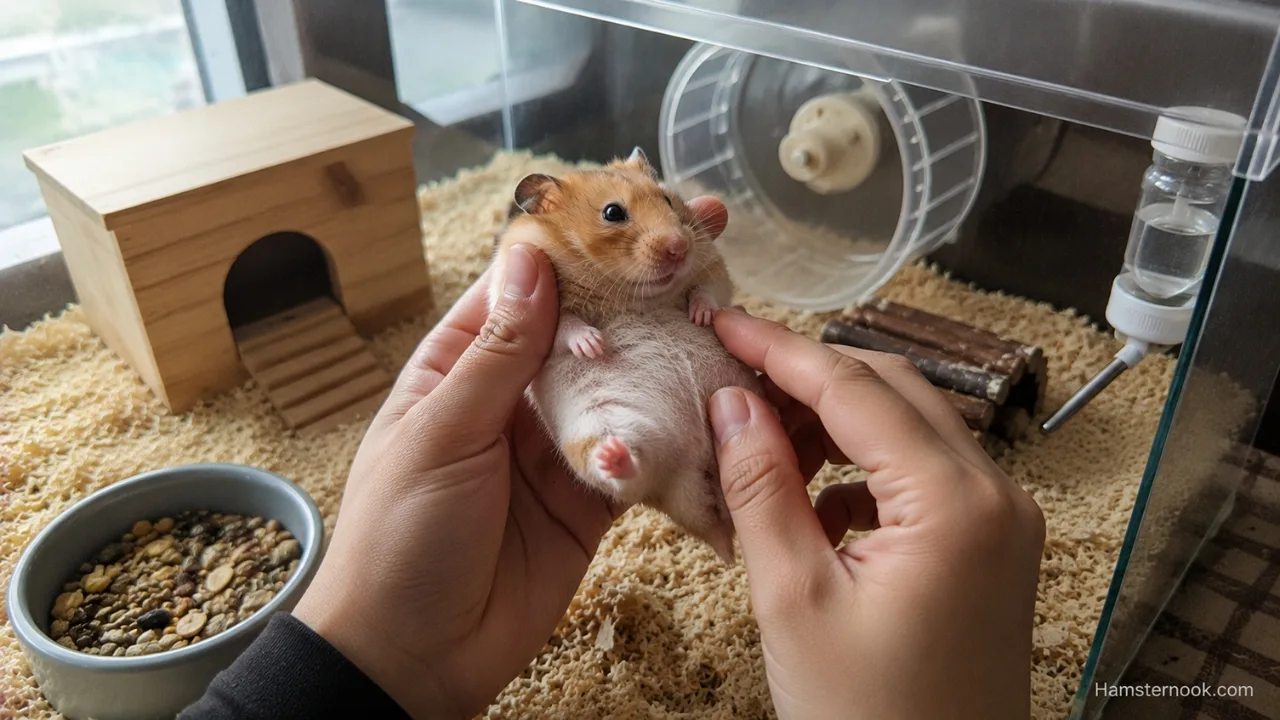
RSPCA guidance specifically recommends checking hamster water bottles daily for leaks or blockages and ensuring a constant supply of fresh, clean water.
Step 3: Observe Your Hamster
Dehydration can also appear alongside other changes in movement and behavior. If your hamster becomes weak, shaky, or unusually unsteady after losing access to water, our Why Is My Hamster Shaking? guide explains other situations that can cause shaking and when the behavior needs veterinary attention.
Watch for signs of:
- Drinking excessively
- Weakness
- Lethargy
- Poor coordination
Step 4: Do Not Use Food as a Substitute for Water
Do not rely on vegetables or other foods to replace drinking water. Restore access to fresh, clean drinking water immediately. If your hamster is weak, severely lethargic, unresponsive, or showing other signs of illness, contact a veterinarian promptly.
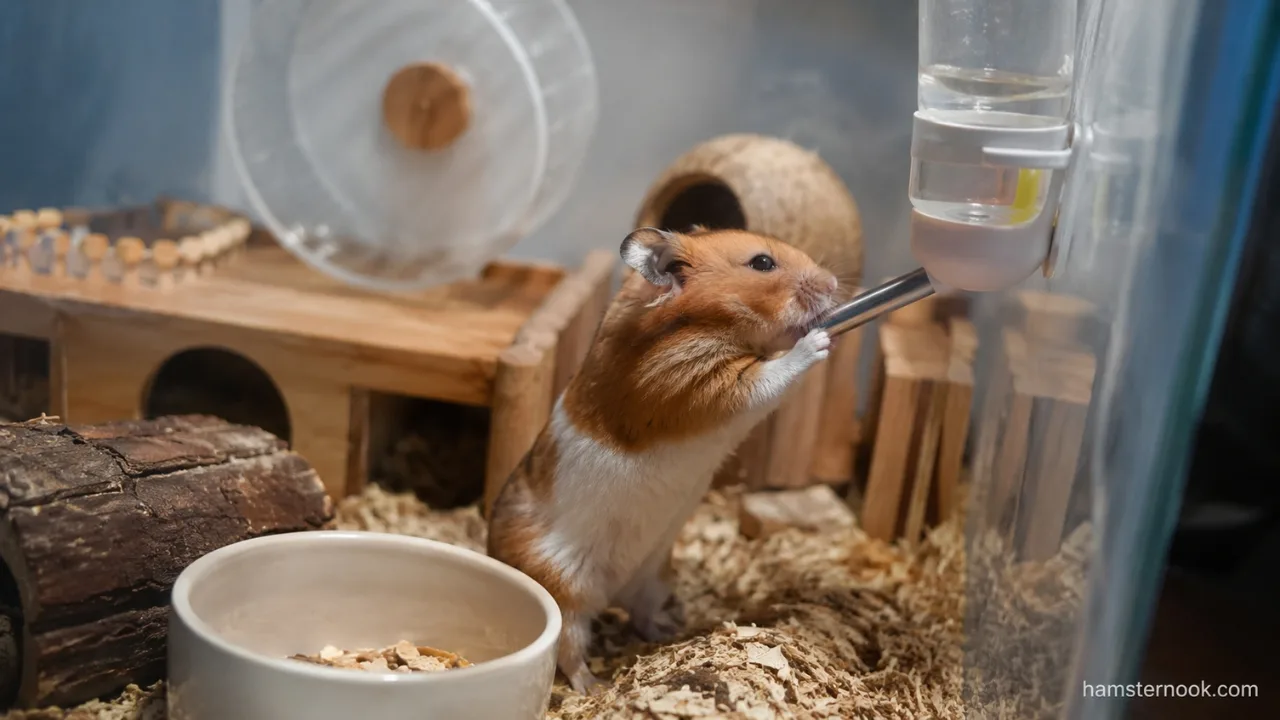
When Is a Missing Water Supply an Emergency?
Contact an exotic-pet veterinarian promptly if your hamster has been without water and is showing marked weakness, severe lethargy, difficulty standing or walking, very dry mouth, sunken-looking eyes, or other signs of serious illness. Do not wait for the hamster to become unresponsive before seeking help. Hamsters can deteriorate quickly when dehydration is combined with another illness.
Step 5: Contact a Veterinarian if Necessary
If your hamster appears weak, severely dehydrated, or unresponsive, veterinary care should be sought as soon as possible.
Are Some Hamsters More Vulnerable to Dehydration?
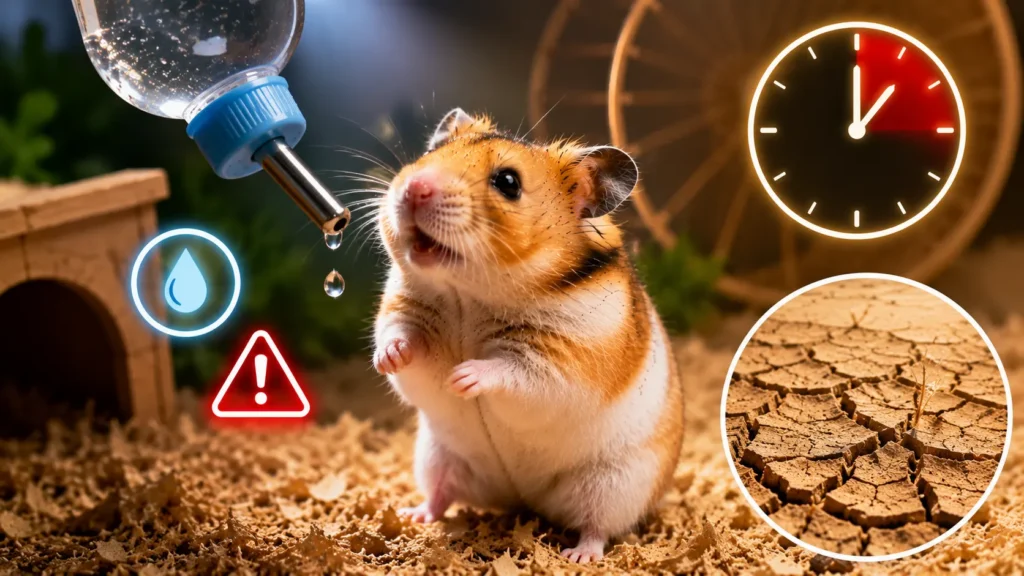
Yes. Certain hamsters may become dehydrated more quickly.
| Higher-Risk Group | Reason |
|---|---|
| Baby Hamsters | Smaller body reserves |
| Elderly Hamsters | Reduced resilience |
| Sick Hamsters | Existing health challenges |
| Pregnant Females | Increased hydration needs |
| Nursing Mothers | Supporting offspring requires extra fluids |
Young hamsters require extra monitoring because their small size and developing bodies can make loss of access to water more concerning.

These hamsters should be monitored especially carefully.
How to Prevent Dehydration in Hamsters
Prevention is far easier than treating dehydration.
Simple daily habits can reduce risk significantly.
Check Water Sources Daily
Verify that water is available and flowing properly.

Clean Equipment Regularly
Bacteria can grow inside dirty bottles or bowls.
Monitor Water Consumption
Sudden increases or decreases may signal health problems.
Keep the Cage Cool
Overheating increases fluid loss.
During hot weather, check the water bottle more than once a day. Warm temperatures can increase water consumption, and a bottle that empties or stops working may become a problem much faster than usual.
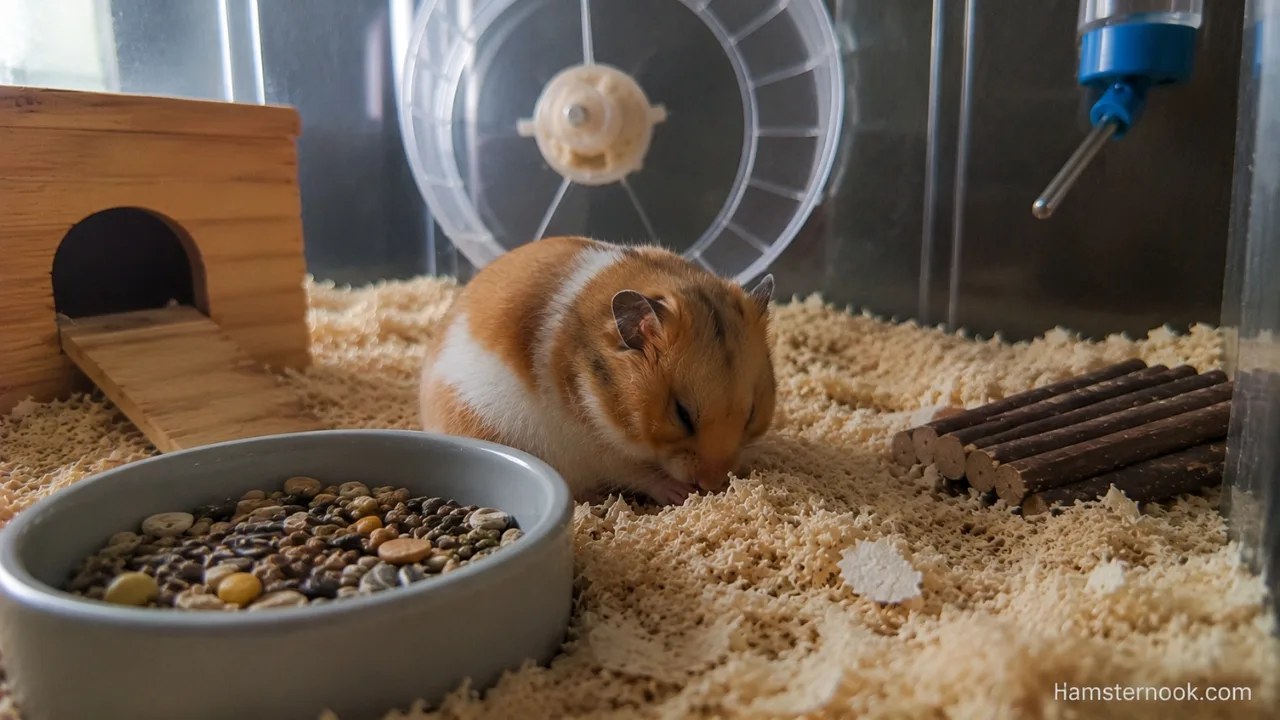
Proper cage setup also helps prevent overheating and dehydration. See our complete Hamster Cage Setup Guide for safe habitat tips.
Provide Fresh Water Every Day
Even if water remains in the bottle, replacing it regularly helps maintain cleanliness.
Common Myths About Hamsters and Water
Many misconceptions still circulate among pet owners.
| Myth | Reality |
|---|---|
| Hamsters barely drink water | They drink small amounts but still need constant access |
| Fresh vegetables replace water | Food moisture cannot replace drinking water |
| Water bottles never fail | Bottles can clog, leak, or stop working |
| Wild hamsters survive without water for days | Pet hamsters still require reliable hydration |
| Small pets are less affected by dehydration | Small animals often become dehydrated faster |
Understanding these myths helps owners provide better care.
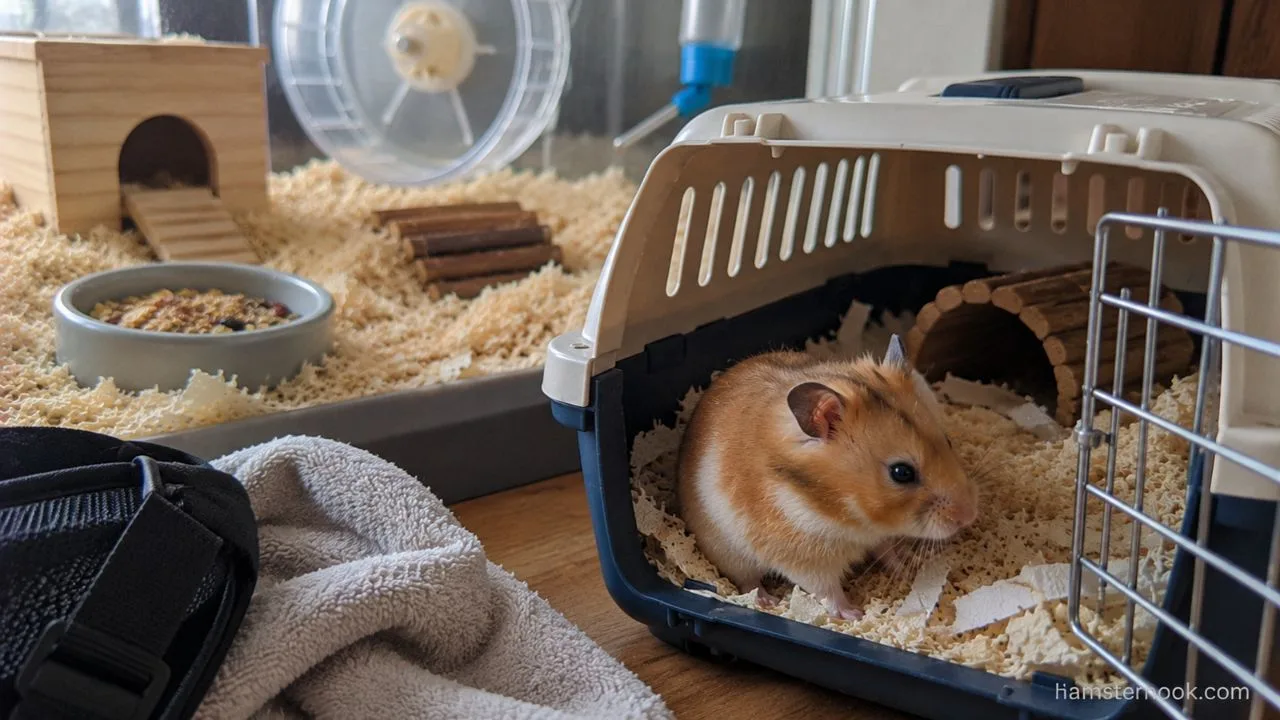
Veterinary Reminder:
If your hamster shows severe lethargy, sunken eyes, inability to stand, or refuses to drink after water is restored, seek veterinary care immediately. Severe dehydration can become life-threatening in a very short time.
Final Thoughts
Hamsters may not drink large quantities of water, but they depend on a constant supply to stay healthy. While a healthy hamster might survive for a limited time without water, dehydration can begin developing far sooner than many owners expect.
Checking water bottles daily, monitoring for signs of dehydration, and acting quickly when problems arise are some of the simplest yet most important responsibilities of hamster ownership. A few seconds spent checking a water source each day can help prevent a potentially serious health emergency.
Reliable water access is one of the basic parts of daily hamster care, alongside safe housing, appropriate food, clean bedding, and regular health checks. Keeping these routines consistent makes it much easier to notice when something changes. Our Daily Hamster Care Checklist: 15 Things Every Owner Should Do covers the essential daily routines every owner should follow.

Frequently Asked Questions
Can a hamster survive one day without water?
There is no reliable one-day safety limit for every hamster. Dehydration risk depends on the hamster’s age, health, environment, and how much fluid it is losing. If your hamster has been without water, restore access to fresh water promptly and watch for signs of dehydration or illness.
How often should I check my hamster’s water bottle?
It’s best to check the water bottle every day to ensure it contains water and is functioning properly.
What are the first signs of dehydration in hamsters?
Early signs often include lethargy, increased thirst, reduced activity, and a dry mouth.
Can cucumbers keep a hamster hydrated?
Cucumbers provide moisture but cannot replace fresh drinking water. Hamsters still need constant access to water.

Is dehydration an emergency for hamsters?
Yes. Severe dehydration can quickly become life-threatening, especially in young, elderly, or sick hamsters.
Why is my hamster drinking more water than usual?
Sudden increases in water consumption can sometimes indicate an underlying health issue. If the change is significant or persistent, consult a veterinarian.
If your hamster is drinking noticeably more than usual rather than simply recovering from a temporary water shortage, our Why Is My Hamster Drinking So Much Water Suddenly? guide covers possible reasons for the change.
Can a hamster survive overnight without water?
There is no guaranteed safe overnight period without water. Restore access to fresh, clean water as soon as you notice the problem, and check your hamster for signs of dehydration or illness. Hot conditions or existing health problems can increase the risk.
References
This guide is based on hamster hydration, health, welfare, nutrition, and veterinary care guidance from trusted animal welfare and veterinary resources, including:
- RSPCA – Hamster Health & Welfare – Guidance on hamster health monitoring, hydration, drinking water, signs of illness, and daily care.
- RSPCA – Hamster Diet – Guidance on providing fresh drinking water, feeding, hydration, and appropriate nutrition for hamsters.
- RSPCA – Keeping Hamsters as Pets – General hamster care, daily husbandry, water, diet, housing, and welfare guidance.
- PDSA – Hamsters as Pets – Small-pet care information covering hamster nutrition, hydration, health, housing, and welfare.
- MSD Veterinary Manual – Hamsters – Veterinary reference information on hamster health, diseases, husbandry, and conditions that can affect small mammals.
- MSD Veterinary Manual – Routine Health Care of Hamsters – Veterinary guidance on routine health monitoring, preventive care, and recognizing health problems in hamsters.
- Blue Cross – Hamster Care Guide – Practical guidance on hamster water, feeding, housing, daily care, and general wellbeing.
Medical Disclaimer
This article is intended for educational and informational purposes only and should not be considered veterinary advice, diagnosis, or treatment. Dehydration can become serious in hamsters, particularly when accompanied by illness, weakness, or other concerning symptoms. If your hamster shows severe lethargy, weakness, difficulty standing or walking, abnormal breathing, refuses to drink, or appears seriously unwell, contact a qualified exotic-pet veterinarian promptly.

Narayan Kumar is the founder and author of HamsterNook. He creates practical, research-based hamster care guides covering hamster behavior, nutrition, cage setup, enrichment, health, and everyday care. His goal is to help hamster owners make informed decisions and provide safer, healthier lives for their pets through clear, beginner-friendly information based on trusted animal care resources.