Most hamster owners know that food is important, but water often gets far less attention. Because hamsters are small prey animals that instinctively hide signs of weakness, dehydration can sometimes progress before obvious symptoms become noticeable. In some cases, a hamster may appear tired, sleep more than usual, or stop eating, while the real issue is a lack of adequate hydration.
In many cases, dehydration can be avoided when owners regularly monitor water access and notice early changes in behavior. Whether you’re caring for a young hamster, a senior pet, or a newly adopted companion, recognizing dehydration early can help protect your hamster’s health and potentially prevent a serious emergency.
This guide explains how dehydration happens, the signs to watch for, common causes, and practical steps every hamster owner should take.
Can Hamsters Really Get Dehydrated?
Yes, hamsters can become dehydrated if they do not consume enough fluids or lose more water than they take in.

Like all mammals, hamsters rely on proper hydration for normal body functions. Water helps regulate body temperature, supports digestion, transports nutrients, and assists with waste removal.
Although hamsters require relatively small amounts of water compared to larger pets, even a short period without access to clean drinking water can become dangerous because of their small body size.
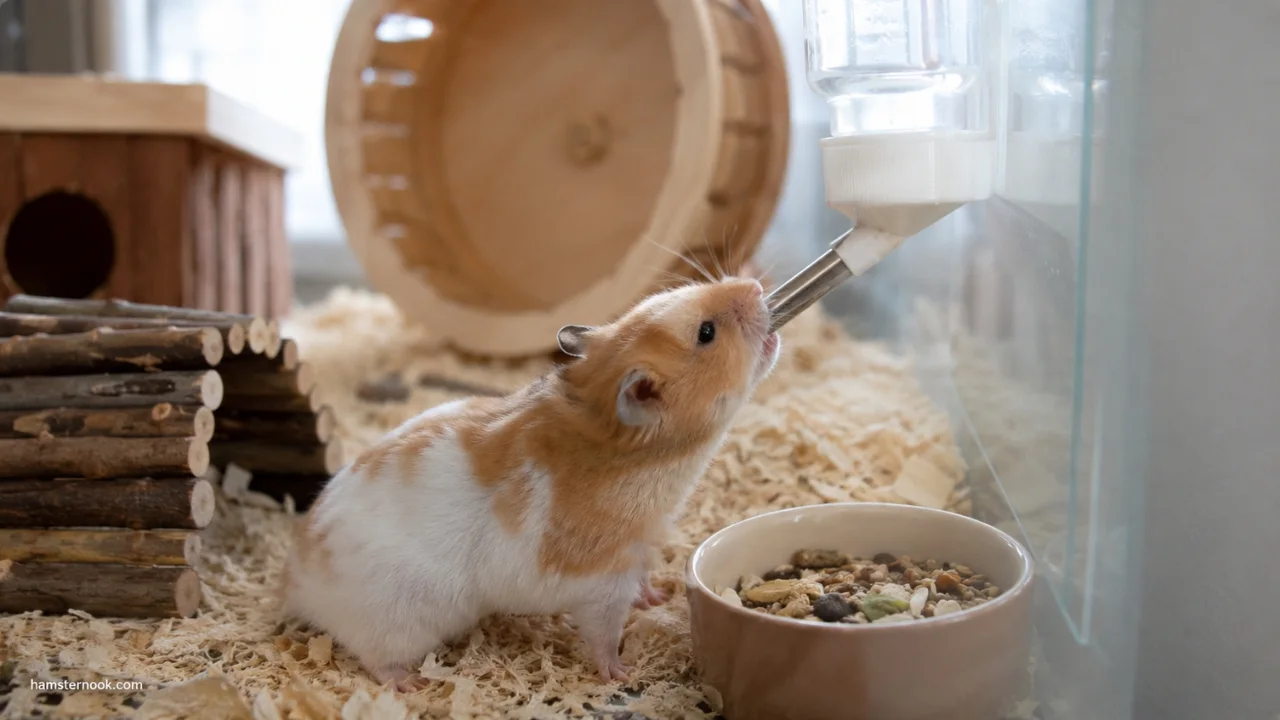
This is one reason why checking water availability should be part of your daily care routine, alongside providing food and monitoring general health.
For new owners learning basic care requirements, the Ultimate Hamster Care Guide for Beginners (2026) can help establish a healthy daily routine from the start.

Why Dehydration Can Be Dangerous for Hamsters
Hamsters have very small bodies, which means they have less margin for error when it comes to fluid loss.
When dehydration occurs, important body systems may not function properly. Severe dehydration can affect:
- Energy levels
- Digestion
- Kidney function
- Temperature regulation
- Overall health and recovery from illness
Because hamsters often conceal illness in its early stages, dehydration may not be recognized until noticeable behavioral or physical changes appear.
Common Causes of Dehydration in Hamsters
Knowing the most common causes makes it easier to avoid hydration problems in the first place.
Empty or Malfunctioning Water Bottles
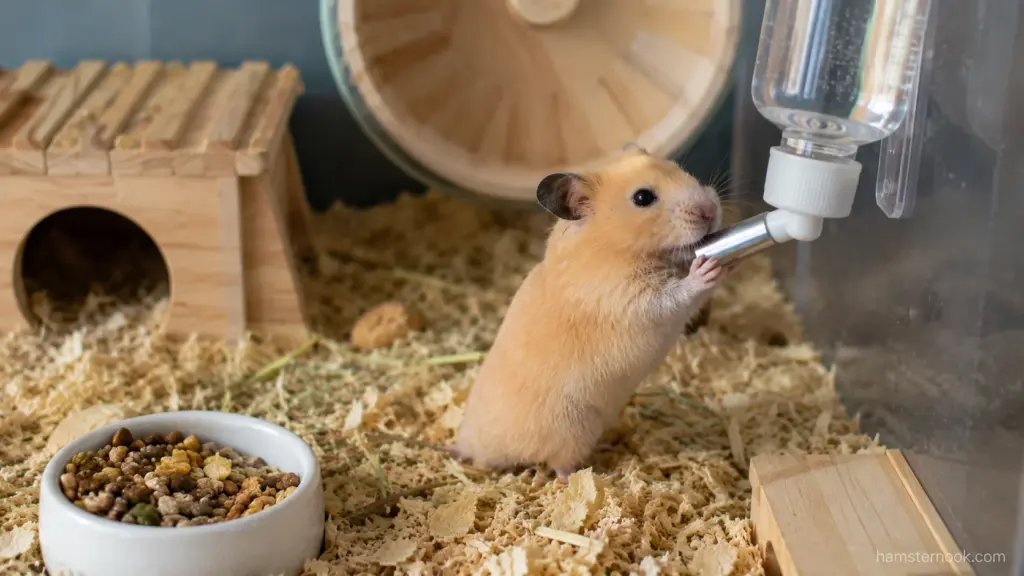
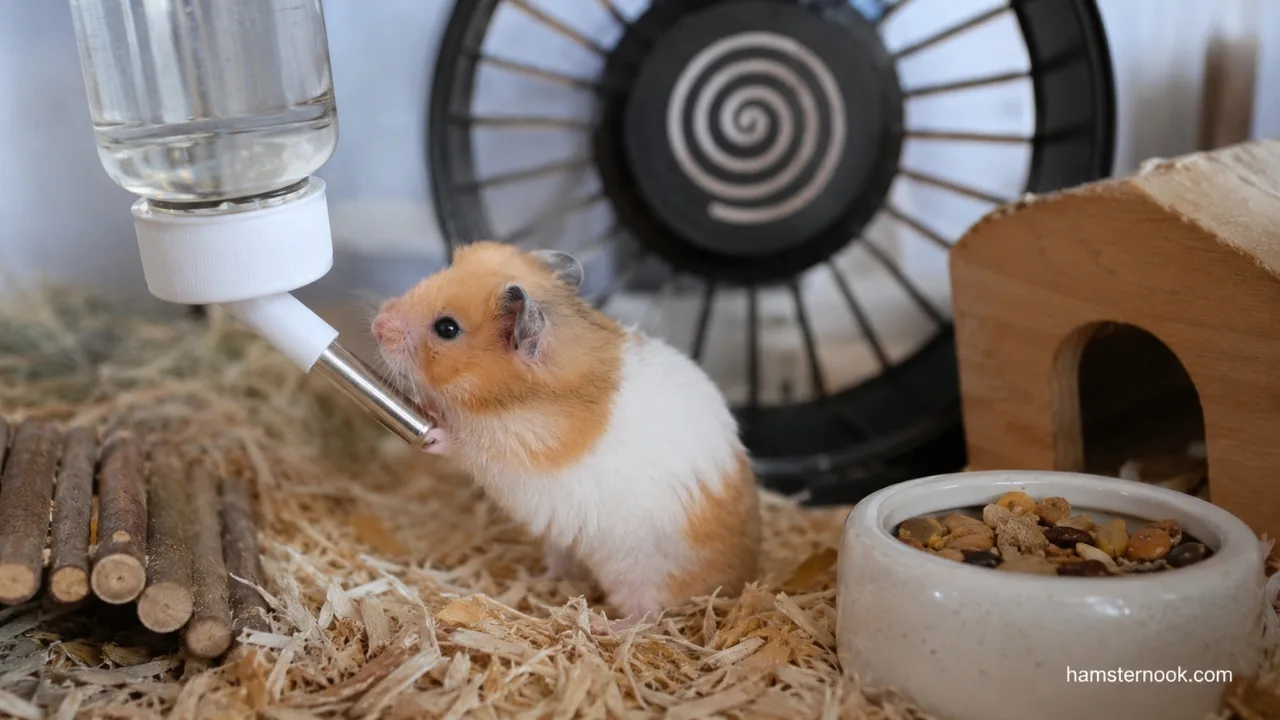
Sometimes the bottle appears full, but the drinking tube becomes clogged. A hamster may be unable to access water even though it looks available.
Checking bottle function daily is essential.
If your hamster is not using its bottle even when it appears to work, the cause may be a blockage, bottle setup, or a change in your hamster’s health. The guide Why Is My Hamster Not Drinking Water? 8 Reasons, Bottle Checks & What to Do covers additional causes and practical checks.
Hot Environmental Temperatures
Hamsters are sensitive to overheating.
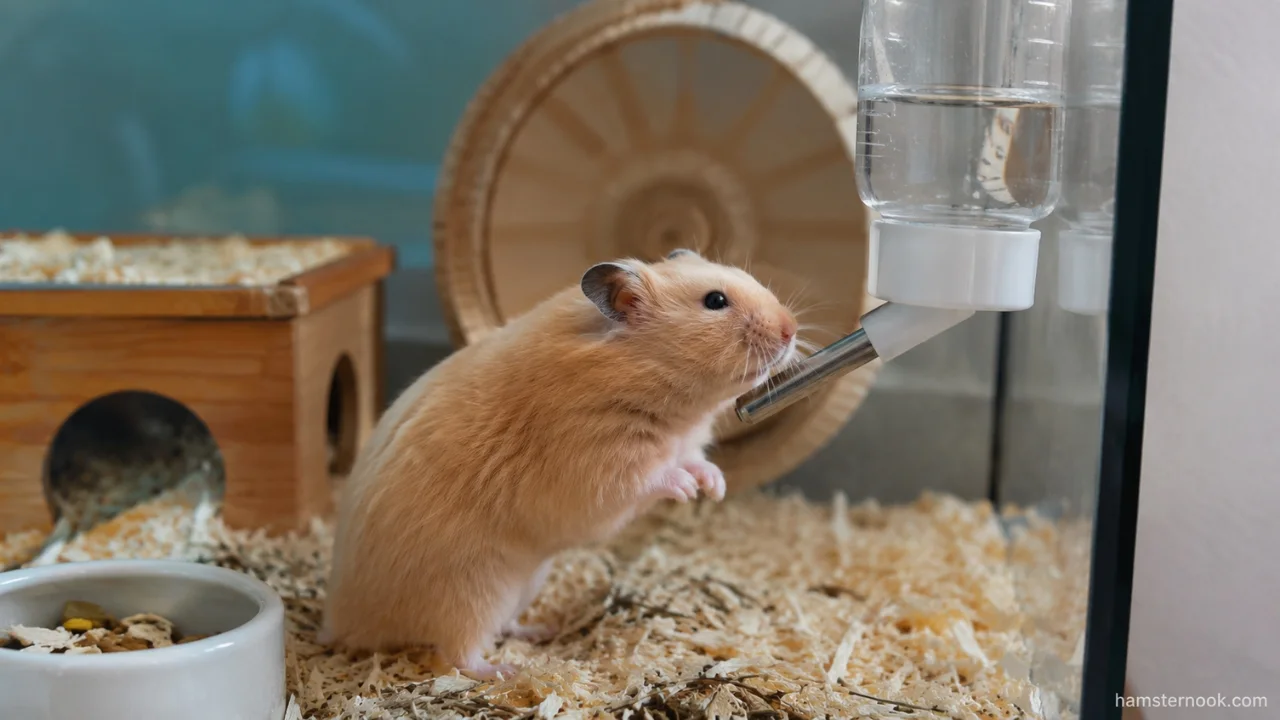
Warm weather, poor ventilation, direct sunlight, or rooms without adequate cooling can increase water loss and raise dehydration risk.
If you are concerned about heat-related issues, you may also find How to Keep a Hamster Cool During Hot Weather helpful.
Illness or Digestive Problems
Certain illnesses may contribute to dehydration, especially conditions that cause:
- Diarrhea
- Reduced appetite
- Reduced water intake
- General weakness
Digestive issues can be particularly concerning because fluid loss may occur rapidly.

Owners who notice digestive changes should also review Why Is My Hamster Not Eating? Common Causes and Solutions.
Stress After Moving to a New Home
A newly adopted hamster may drink less while adjusting to its environment.
Stress can temporarily affect eating and drinking habits, which is why observation is especially important during the first week.
This is also related to The Biggest Mistake New Hamster Owners Make in the First Week, where early stress can impact overall health.
Advanced Age
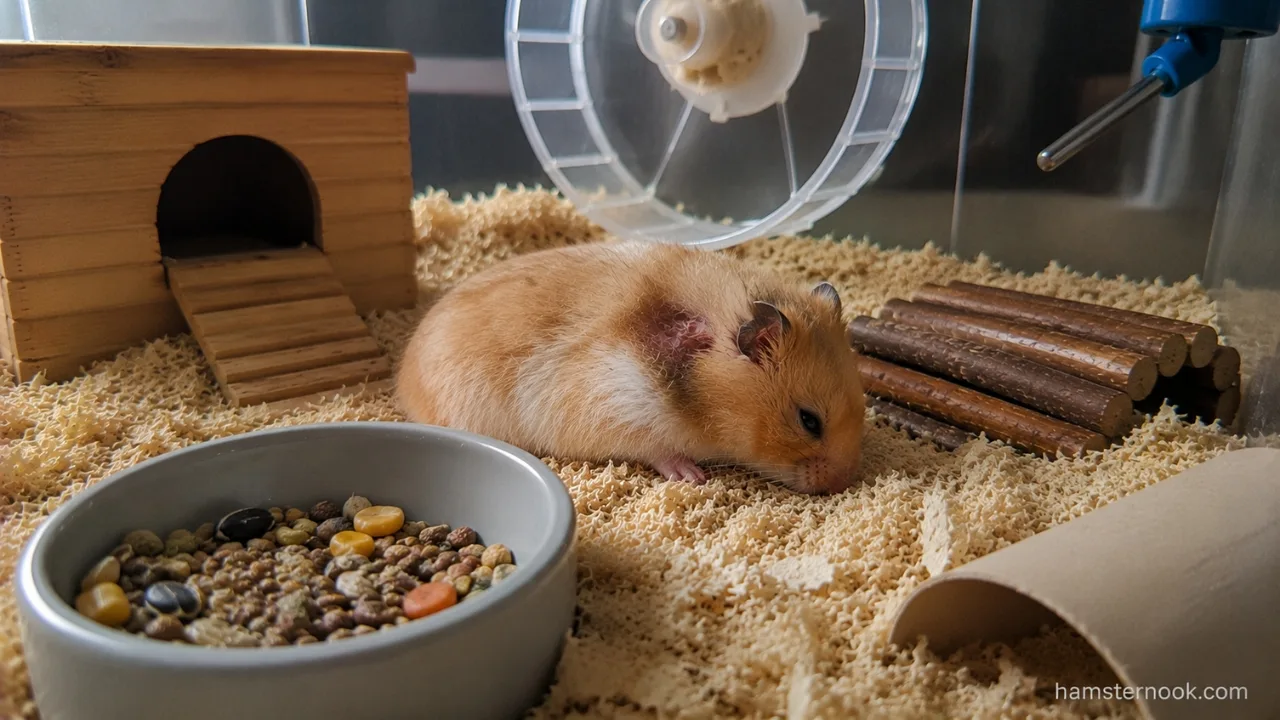
Senior hamsters sometimes experience changes in mobility, activity levels, and drinking habits.
Older pets may need closer monitoring to ensure they continue drinking normally.
Owners caring for older pets may also find How to Tell If Your Hamster Is Happy, Healthy, Stressed, or Sick helpful when evaluating age-related changes.
Signs of Dehydration in Hamsters
Recognizing the signs early can make a significant difference.

The following signs may suggest a hamster is becoming dehydrated.
Early Signs Owners Often Miss
Before obvious symptoms appear, a dehydrated hamster may show subtle changes such as:
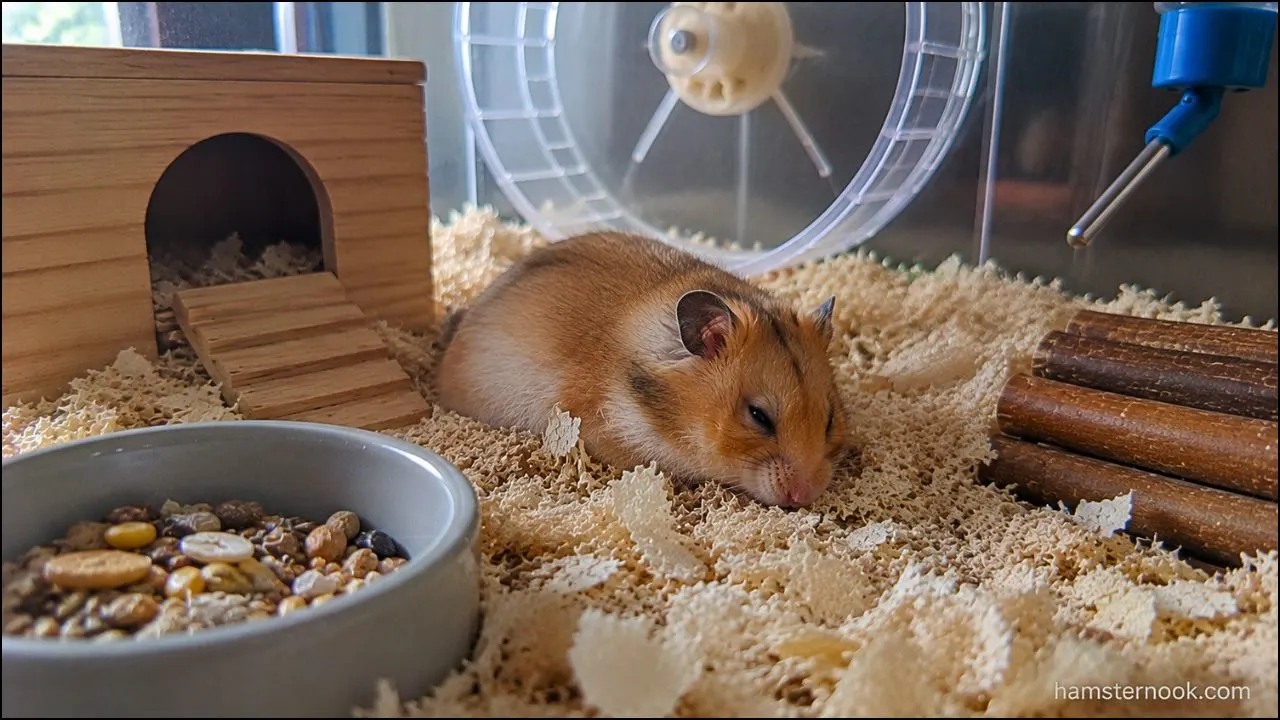
- Spending more time sleeping than usual
- Visiting the water bottle more frequently
- Becoming less interested in treats
- Reduced wheel activity
- Slower movement when awake
These signs do not always indicate dehydration, but they can be early clues that hydration should be checked more closely.
| Possible Sign | What Owners May Notice | What to Do |
|---|---|---|
| Reduced activity or weakness | Less active or weaker than usual | Check water access and seek veterinary advice promptly if your hamster seems unwell |
| Sunken eyes | Eyes appear more sunken than usual | Contact a veterinarian promptly |
| Reduced appetite or drinking | Eating or drinking less than usual | Check water access and contact a veterinarian if the change is significant or persistent |
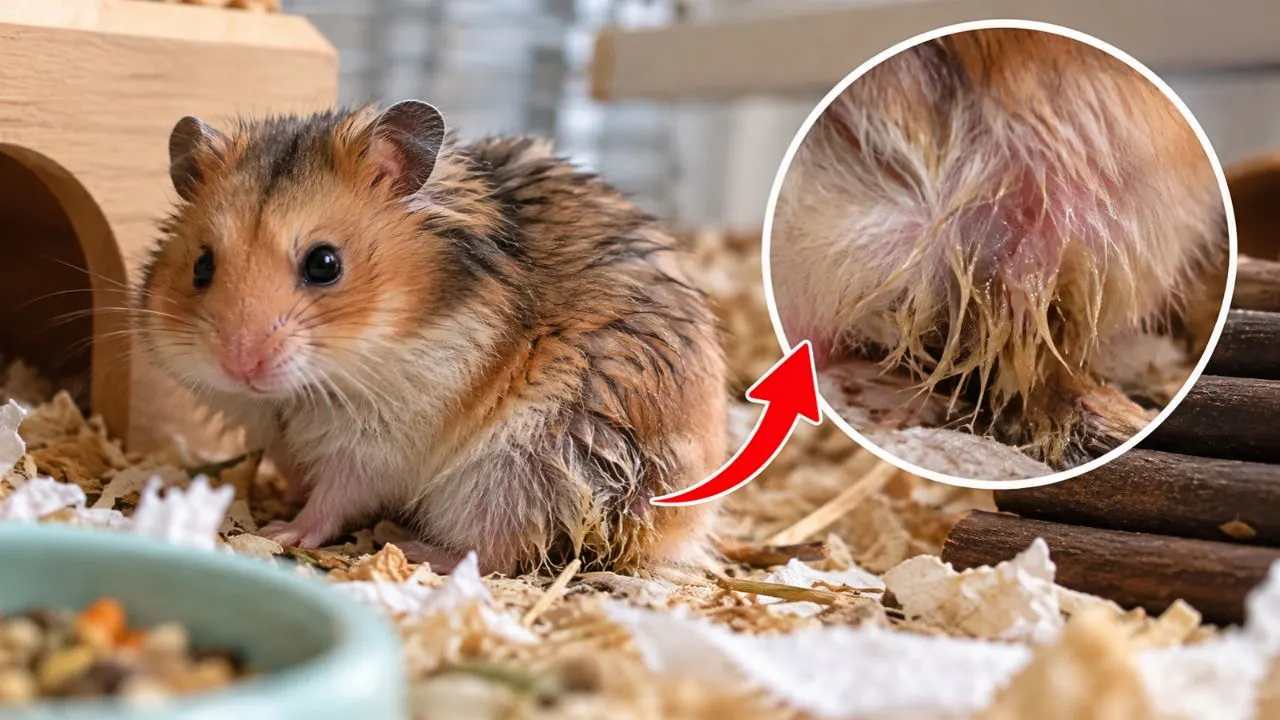
| Diarrhea or a wet, soiled rear | Loose stools or damp fur around the hindquarters | Seek urgent veterinary advice because diarrhea can cause dehydration |
| Weight loss or a dull coat | Changes from your hamster’s usual condition | These signs are not specific to dehydration; arrange a veterinary assessment if noticed |
A single symptom does not automatically mean dehydration is present, but multiple signs together warrant attention.
How Much Water Does a Hamster Need?
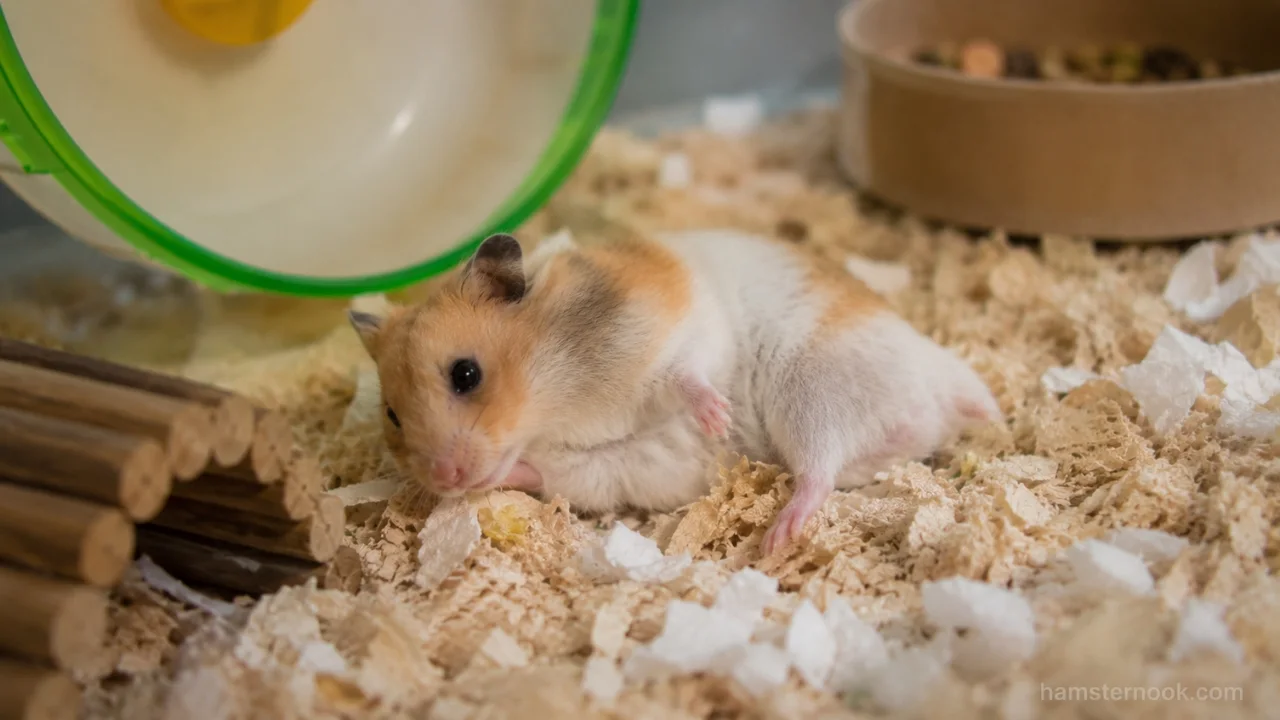
Water requirements vary based on factors such as:
- Species
- Age
- Diet
- Environmental temperature
- Activity level
Rather than focusing only on exact measurements, owners should pay attention to consistent daily drinking habits and easy access to fresh water.
Healthy hamsters should have constant access to fresh, clean drinking water.
Becoming familiar with your hamster’s usual drinking habits makes unusual changes easier to spot.
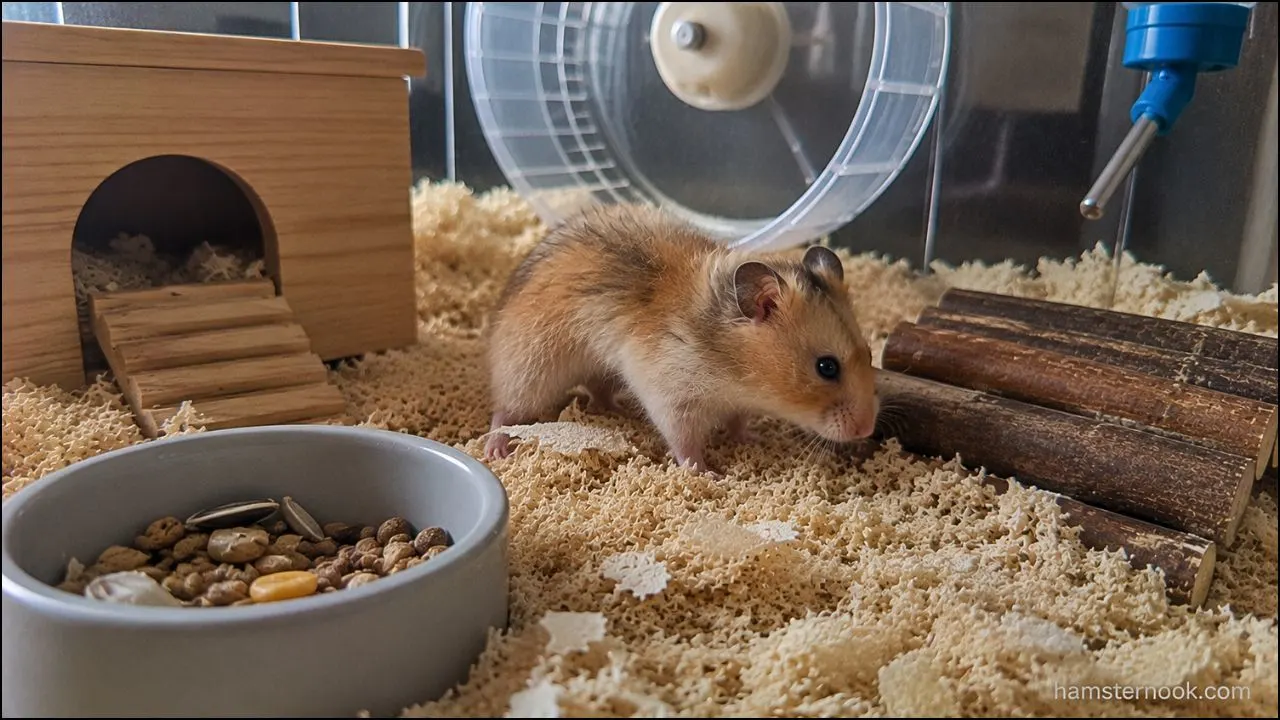
How to Check If Your Hamster Is Drinking Normally
Many owners rarely see their hamster drink because hamsters are often active at night.
Instead of relying solely on observation, look for indirect signs.
Monitor Water Levels
Check whether the water level changes slightly each day.
While consumption amounts vary, a complete lack of change may indicate a problem.
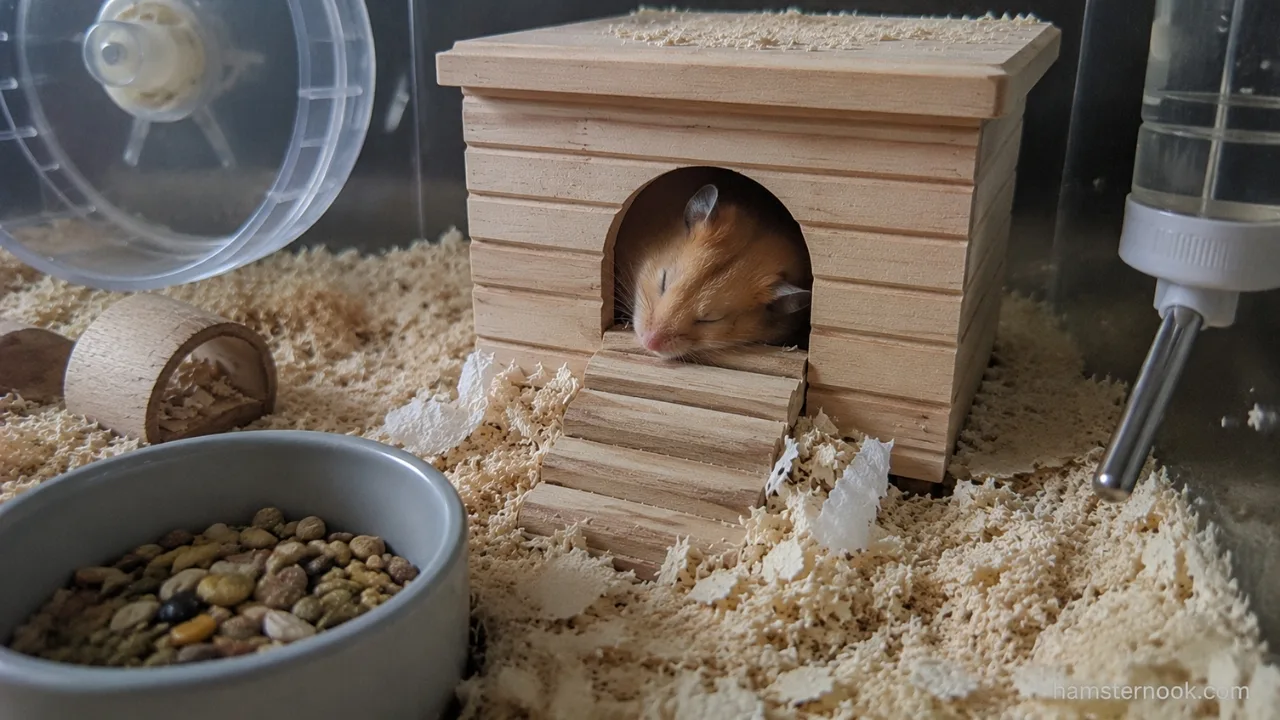
Observe General Behavior
Hamsters that are eating, exercising, grooming, and exploring normally are more likely to be drinking appropriately.
If activity levels suddenly change, Why Does My Hamster Suddenly Act Different? Common Reasons Behind Behavior Changes can help you understand what may be causing the shift.
Test the Water Bottle Daily
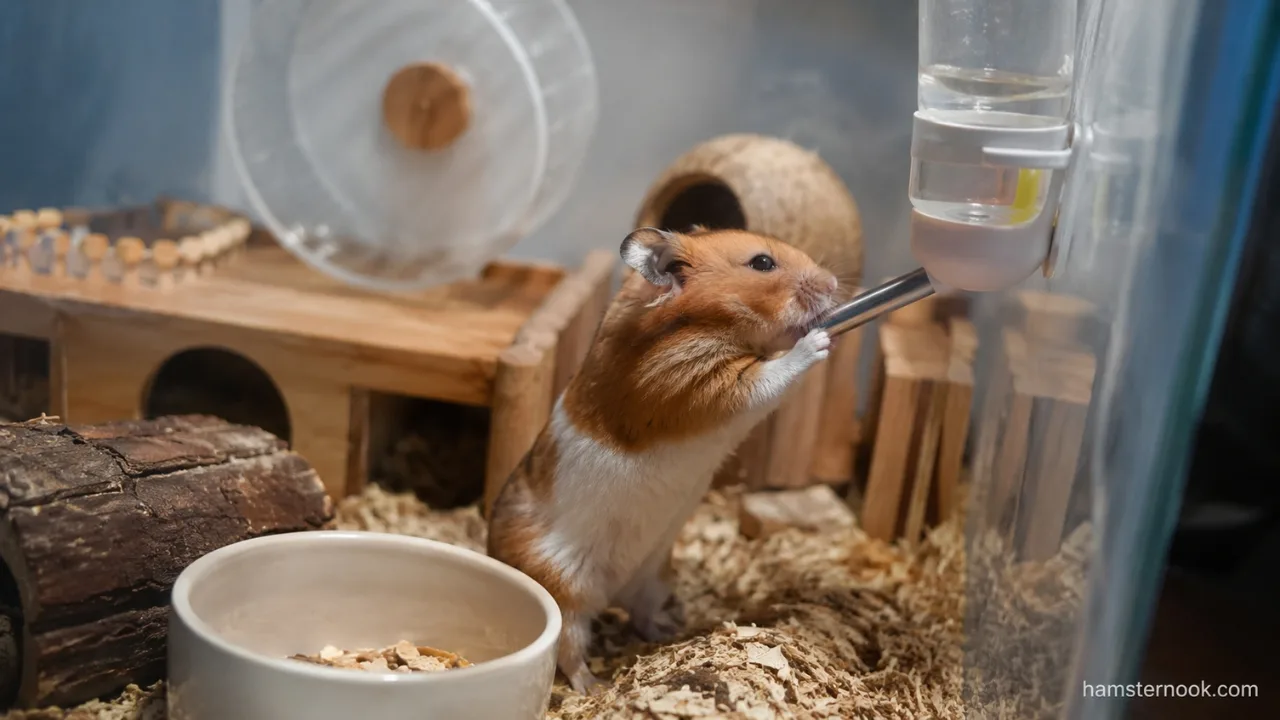
A simple way to check functionality is to gently press the bottle nozzle with a finger and confirm that a small drop of water appears. This helps verify that the drinking tube is not blocked.
A blocked drinking tube is a surprisingly common issue.
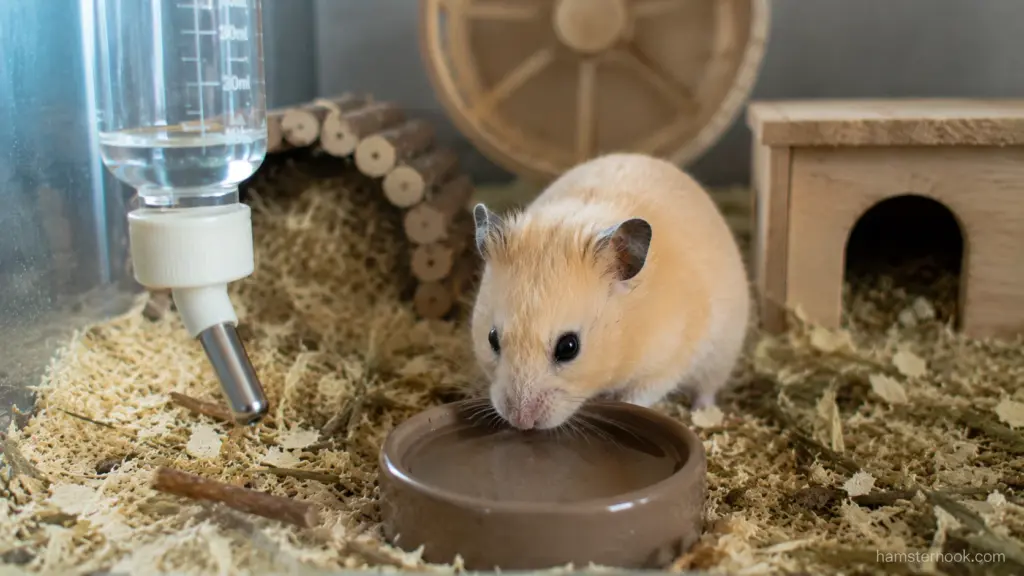
Water Bottle vs Water Bowl: Which Is Better?
Both options have advantages and disadvantages.
| Feature | Water Bottle | Water Bowl |
|---|---|---|
| Main check | Confirm the nozzle works and water flows freely | Confirm the bowl is clean, stable and easy to reach |
| Main risk | The nozzle may clog or the bottle may leak | The bowl may tip, become soiled or wet the bedding |
| Cleaning | Clean the bottle and nozzle regularly and refresh the water daily | Refresh the water daily and clean the bowl regularly |
| Monitoring | Check the water level and test the nozzle every day | Check the water level and account for spills |
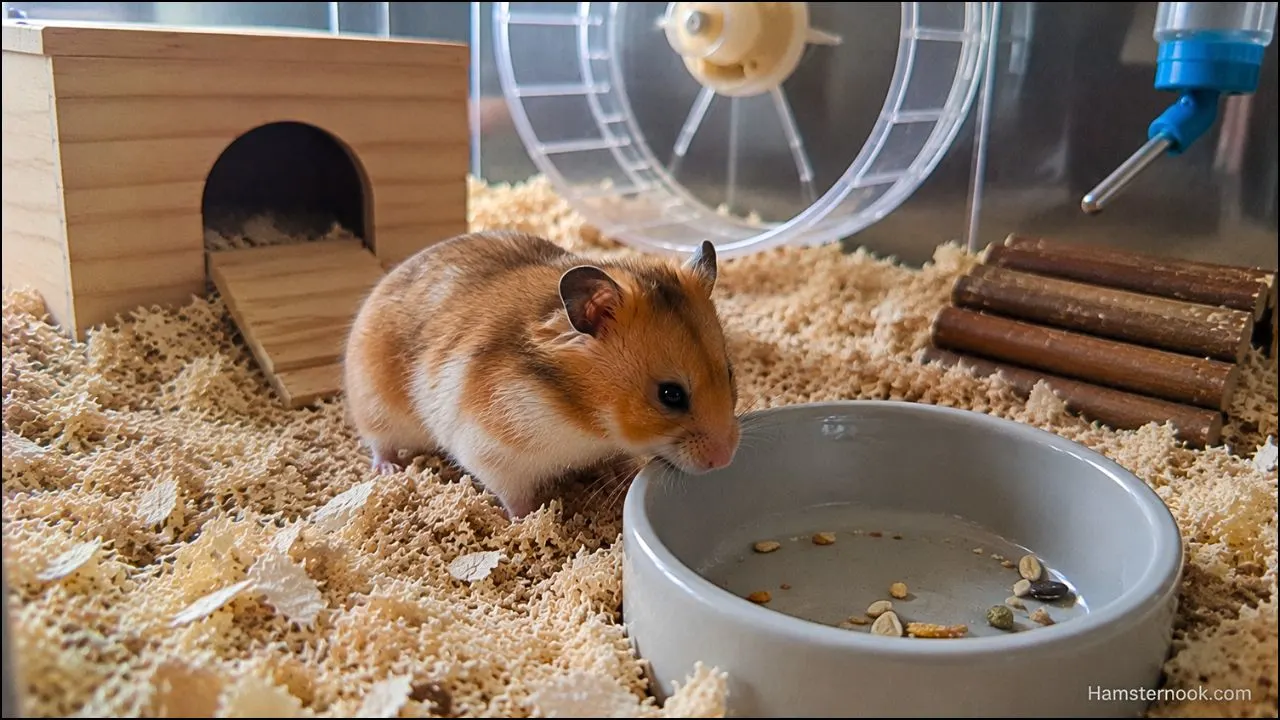
| Practical option | A suitable, working bottle can provide constant access | A shallow, stable bowl may be offered if it stays clean and accessible |
Many owners successfully use water bottles, while some provide both options for added security.
Regardless of the method used, cleanliness and accessibility are the most important factors.
What To Do If You Suspect Dehydration
If you believe your hamster may be dehydrated, act promptly.
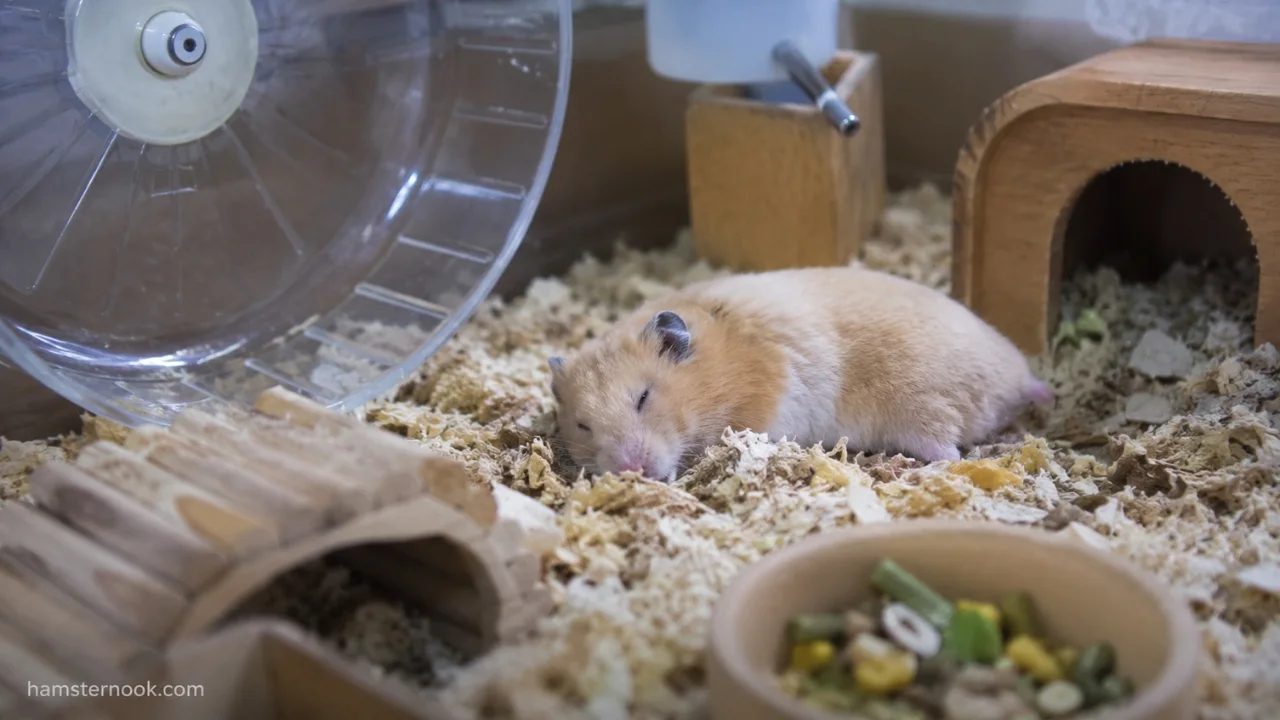
Check Water Access Immediately
Make sure:
- Water is available
- The bottle works properly
- The nozzle is not blocked
- The bowl is clean if using one
Encourage Hydration Safely
Fresh water should always be the first priority.
Do not pour water into your hamster’s mouth or force it to drink with a syringe unless a veterinarian specifically instructs you. If you suspect dehydration, especially alongside weakness, diarrhea, sunken eyes, or refusal to drink, seek prompt veterinary advice rather than relying on watery foods or home treatment.
Moisture-rich hamster-safe vegetables may help provide additional fluids, but they should never replace access to drinking water.
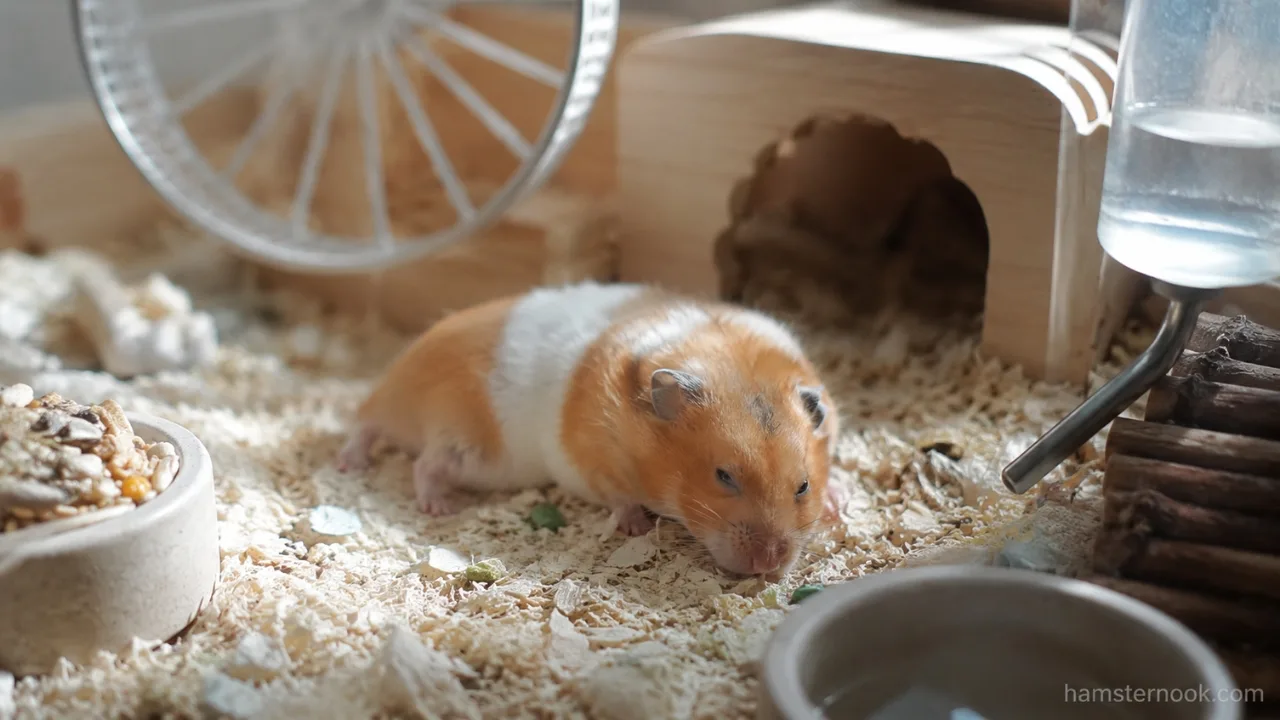
Monitor Closely
Watch for:
- Drinking behavior
- Activity levels
- Appetite changes
- Improvement or worsening symptoms
Contact a Veterinarian When Necessary
If symptoms appear severe or your hamster seems weak, unresponsive, or significantly unwell, veterinary care is important.
Dehydration may be a symptom of another underlying medical issue rather than the primary problem.
Common Mistakes That Increase Dehydration Risk
Several avoidable mistakes can increase the likelihood of dehydration.
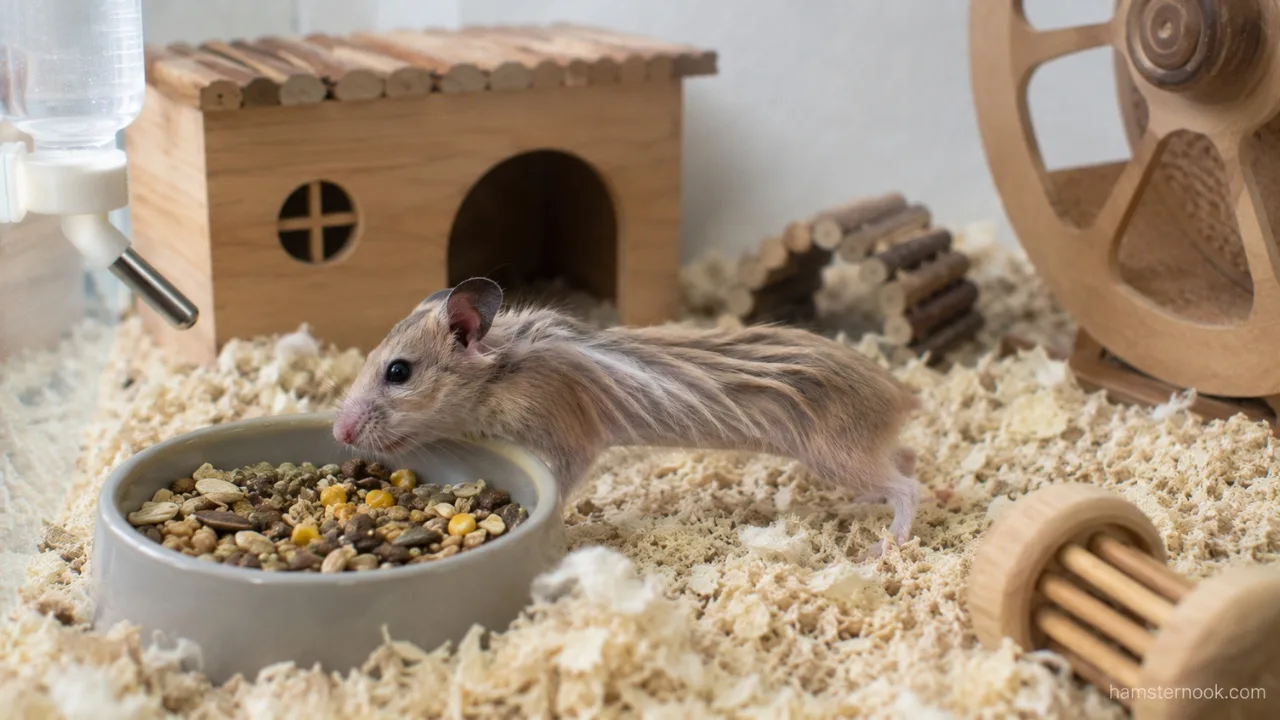
Forgetting Daily Water Checks
Water bottles should be inspected every day, even if they appear full.
Placing the Cage in Direct Sunlight
Direct sunlight can quickly raise cage temperatures and increase fluid loss.
Assuming Fruits Replace Water
Some owners believe high-moisture foods eliminate the need for drinking water.
While foods can contribute small amounts of moisture, fresh water remains essential.

For example, even if you’re feeding treats discussed in Can Hamsters Eat Grapes? What Owners Need To Know, water must always remain available.
Ignoring Changes in Behavior
Subtle changes often appear before major symptoms.
Reduced activity, hiding, or decreased appetite should never be dismissed automatically.
If unusual behavior occurs, Why Is My Hamster Suddenly Sleeping in a Different Spot? may also help identify potential causes.
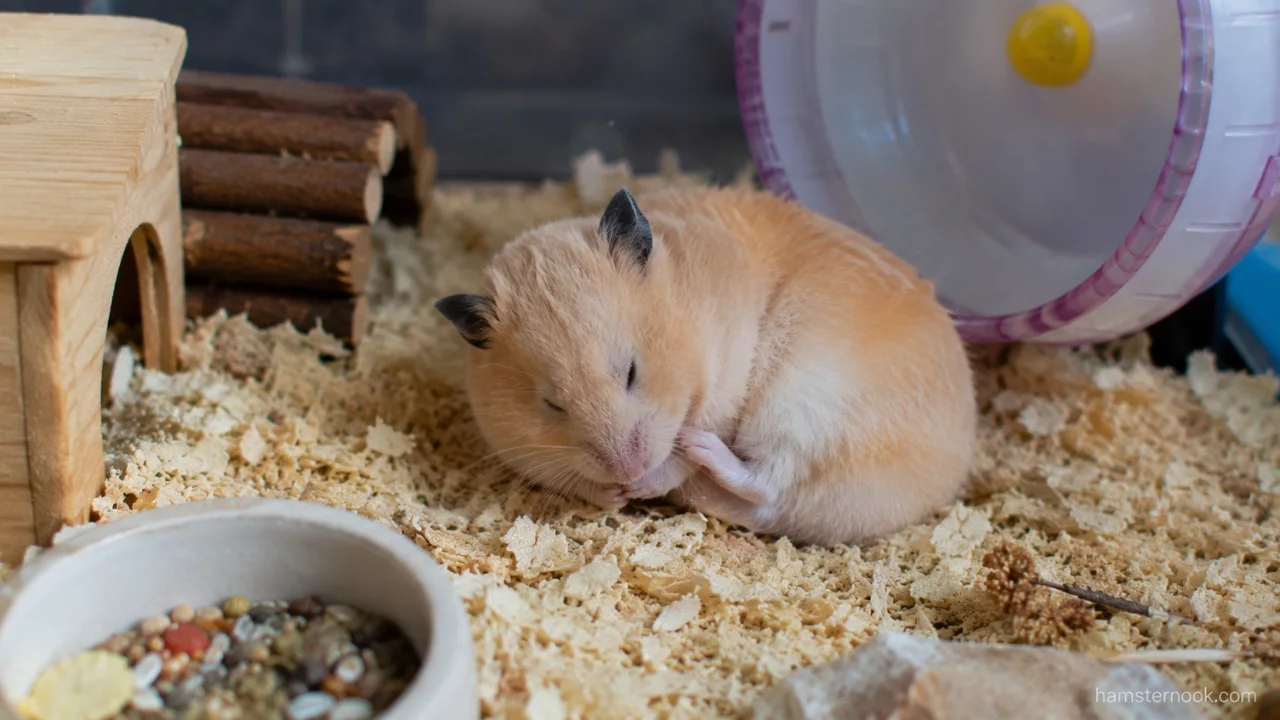
How to Prevent Dehydration in Hamsters
Preventing dehydration is usually much simpler than dealing with its consequences later.
A few simple habits can significantly reduce risk.
| Prevention Method | Why It Helps |
|---|---|
| Check water access daily | Helps catch an empty bottle, blocked nozzle or leak |
| Clean the bottle or bowl regularly | Reduces dirt and contamination |
| Keep the enclosure out of direct sunlight and excessive heat | Helps reduce overheating risk |
| Monitor normal eating and drinking habits | Makes significant changes easier to notice |
| Provide a balanced, appropriate diet | Supports overall health without replacing drinking water |
| Respond to unusual behavior or illness signs | Helps you seek veterinary advice before a problem worsens |
Keep Track of Normal Habits
Many owners only notice dehydration after symptoms appear. Knowing your hamster’s normal activity level, appetite, and drinking patterns makes it easier to spot problems early.
Even small changes are often easier to recognize when you already know what is normal for your individual hamster.

Consistent daily care is usually the best defense against dehydration.
When Is Dehydration an Emergency?
Suspected dehydration can be serious, especially when your hamster is weak, has sunken eyes, develops diarrhea, refuses water, or seems unusually unwell. Contact an exotic-pet veterinarian promptly rather than waiting for symptoms to worsen. If your hamster is unresponsive, cannot stand normally, or has difficulty breathing, seek emergency veterinary care immediately.
Merck Veterinary Manual notes that diarrhea and other illnesses can cause dehydration in hamsters and may require veterinary treatment, including fluids.
Seek veterinary attention promptly if your hamster:

- Refuses water completely
- Appears extremely weak
- Has severe diarrhea
- Cannot stand normally
- Shows rapid deterioration
- Stops eating for an extended period
Because hamsters are small animals, serious dehydration can progress faster than many owners expect.
If your hamster has been without access to water, How Long Can a Hamster Go Without Water? What Happens & What to Do explains why continuous water access matters and what steps to take next.
Early veterinary intervention generally provides the best chance of recovery.
Final Thoughts
Yes, hamsters can become dehydrated, and the condition can become serious if left unrecognized. Fortunately, most cases can be prevented through simple daily habits such as checking water supplies, maintaining a comfortable environment, and monitoring changes in behavior.

One challenge for owners is that dehydration often starts with subtle changes that are easy to overlook at first. A hamster may simply seem quieter, less active, or less interested in food. Learning to recognize these early warning signs can help you act before a minor problem becomes a major one.
Fresh water, regular observation, and prompt attention to unusual symptoms remain some of the most important parts of responsible hamster care.
Frequently Asked Questions
Can a hamster survive without water for a day?
A hamster should never intentionally be left without access to water. Because of their small size, dehydration can develop much faster than many owners realize.
How can I tell if my hamster’s water bottle is working?
Tap the nozzle gently and ensure water flows freely. Check the bottle daily for clogs, leaks, or blockages.
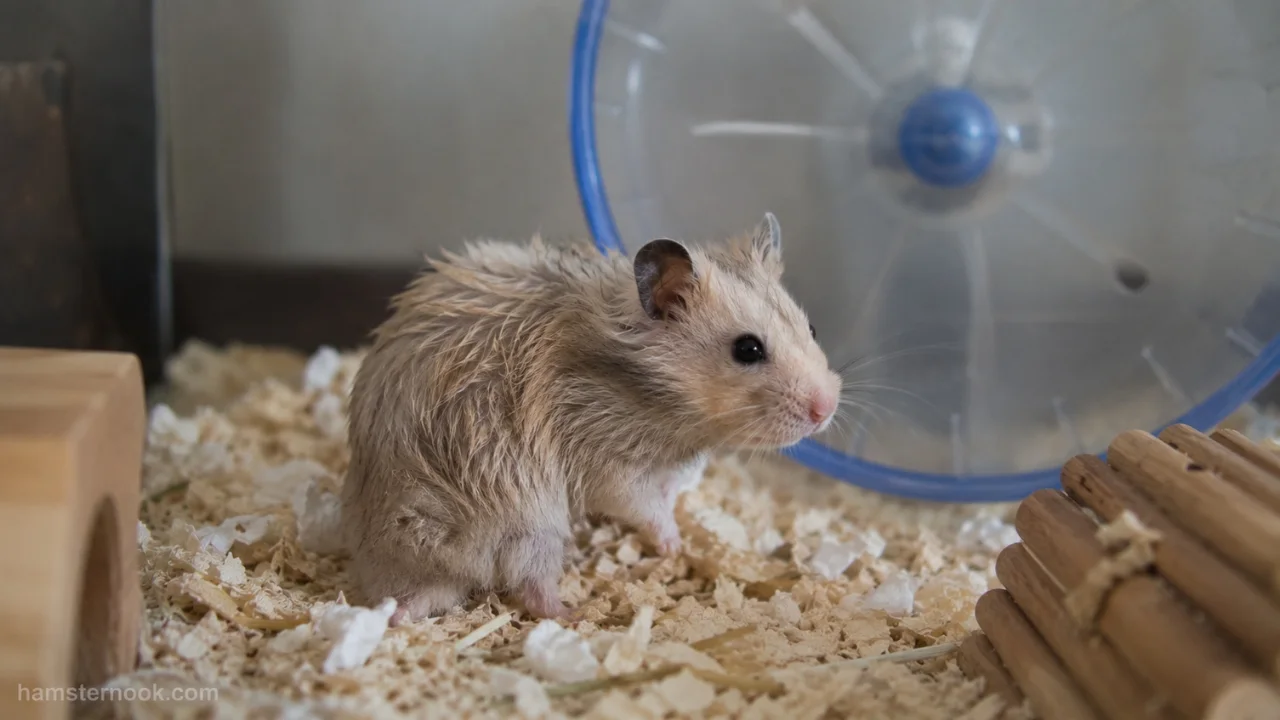
Do hamsters drink water every day?
Yes. Healthy hamsters typically drink water daily, although the exact amount varies based on species, diet, temperature, and activity level.
Can cucumbers help a dehydrated hamster?
Cucumbers contain water and may provide some additional moisture, but they are not a substitute for clean drinking water or veterinary care when dehydration is suspected.
Why is my hamster drinking more water than usual?
Increased drinking can sometimes be related to diet, temperature, or underlying health conditions. Sudden or excessive changes should be discussed with a veterinarian.
Are dwarf hamsters more likely to get dehydrated?
All hamster species can become dehydrated if they do not consume enough fluids or lose excessive amounts of water. Proper hydration is important regardless of breed.
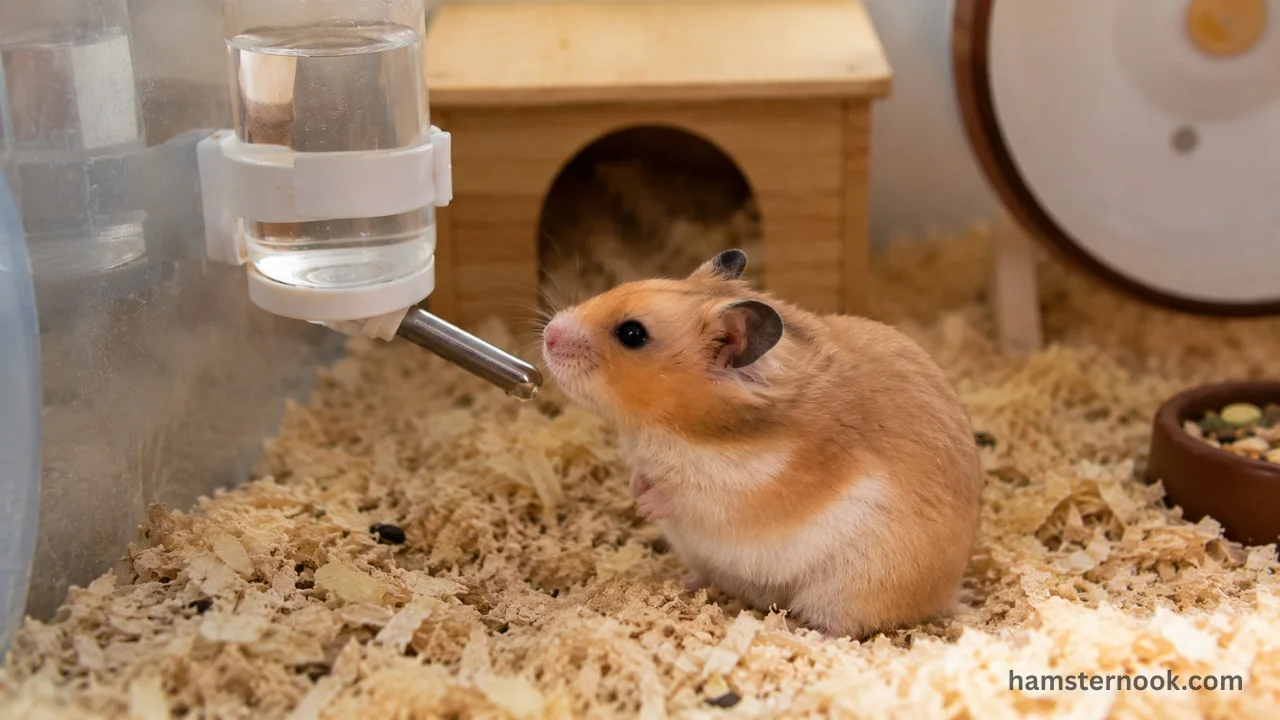
Can a hamster become dehydrated even if a water bottle is full?
Yes. A bottle may appear full while the nozzle is blocked or malfunctioning. Always test that water flows properly.
How quickly can dehydration become serious in a hamster?
Because hamsters are very small animals, severe dehydration can become dangerous much faster than it would in larger pets. Early intervention is important.
Should I give extra watery foods if my hamster seems dehydrated?
Fresh water should always be the priority. Moisture-rich vegetables may provide additional fluids, but they should not replace proper hydration or veterinary care when symptoms are significant.
Can dehydration make a hamster sleepy?
Yes. Lethargy and reduced activity are common signs that can occur when a hamster is dehydrated.
References
This guide is based on hamster hydration, health monitoring, nutrition, environmental care, and veterinary guidance from trusted animal welfare and veterinary resources, including:
- MSD Veterinary Manual – Hamsters – Veterinary information on hamster health, common illnesses, dehydration risks, and clinical care.
- MSD Veterinary Manual – Routine Health Care of Hamsters – Guidance on monitoring hamster health, recognizing concerning symptoms, and providing appropriate care.
- RSPCA – Hamster Health & Welfare – Guidance on health monitoring, signs of illness, and maintaining hamster wellbeing.
- RSPCA – Hamster Diet – Advice on providing a balanced diet, fresh drinking water, and appropriate feeding practices.
- RSPCA – Creating a Good Home for Hamsters – Guidance on suitable environmental conditions, temperature, ventilation, and safe hamster housing.
- PDSA – Hamsters as Pets – Practical advice on hamster care, feeding, hydration, and recognizing health concerns.
- Blue Cross – Hamster Care Guide – Guidance on daily hamster care, feeding, water access, housing, and general wellbeing.
Medical Disclaimer
This article is intended for educational purposes only and should not be considered veterinary advice. Dehydration can become serious in hamsters, and symptoms such as weakness, sunken eyes, diarrhea, refusal to drink, or unusual lethargy may indicate an urgent health problem. Do not force water into your hamster’s mouth or attempt to treat suspected severe dehydration at home without veterinary guidance. Contact a qualified exotic animal veterinarian promptly if you suspect dehydration or notice concerning symptoms.

Narayan Kumar is the founder and author of HamsterNook. He creates practical, research-based hamster care guides covering hamster behavior, nutrition, cage setup, enrichment, health, and everyday care. His goal is to help hamster owners make informed decisions and provide safer, healthier lives for their pets through clear, beginner-friendly information based on trusted animal care resources.