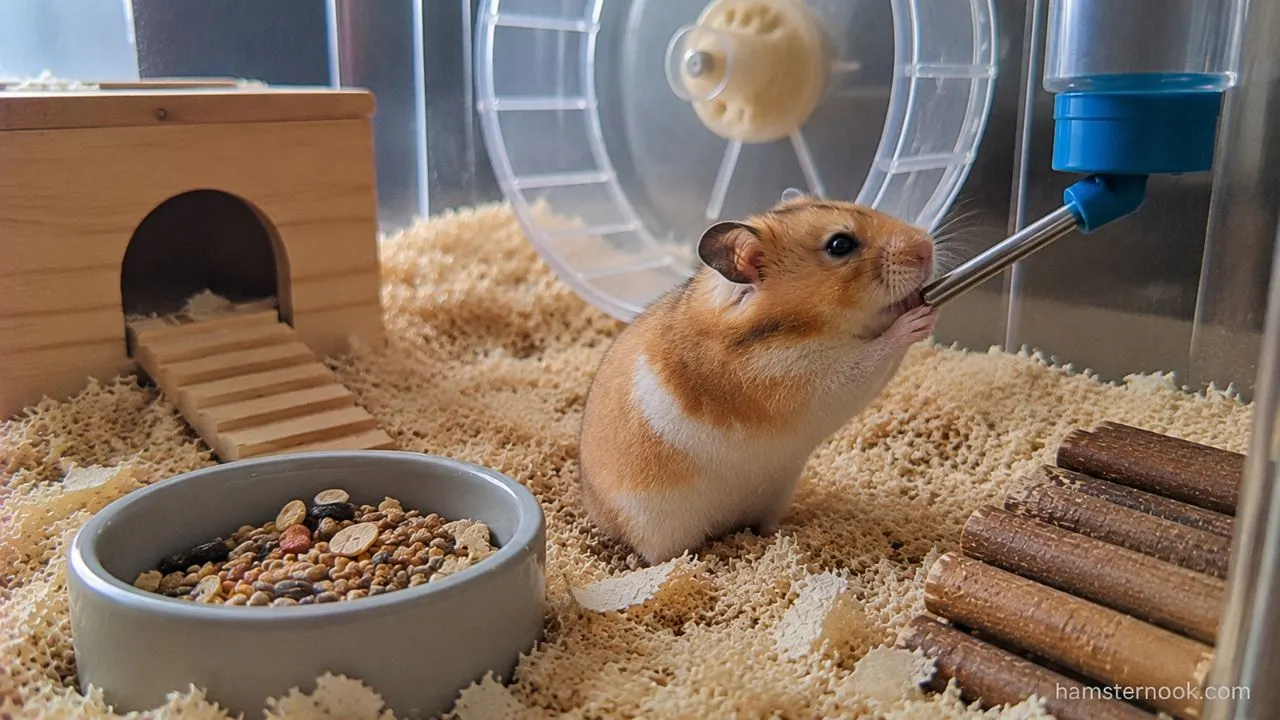
Bringing home a hamster seems simple. Many new owners assume all a hamster needs is a cage, some food, and a wheel. In reality, proper hamster care involves much more than the basics.
Hamsters may be small pets, but they have specific needs when it comes to housing, nutrition, enrichment, exercise, and health. When those needs are met, hamsters often become active, curious, and enjoyable companions. When they are overlooked, stress, boredom, health problems, and behavioral issues can develop surprisingly quickly.
Hamster care can sometimes feel overwhelming because there is so much conflicting advice online.
Whether you’ve just adopted your first hamster or want to improve the care of your current pet, understanding the basics early can help prevent many common health and behavior problems.
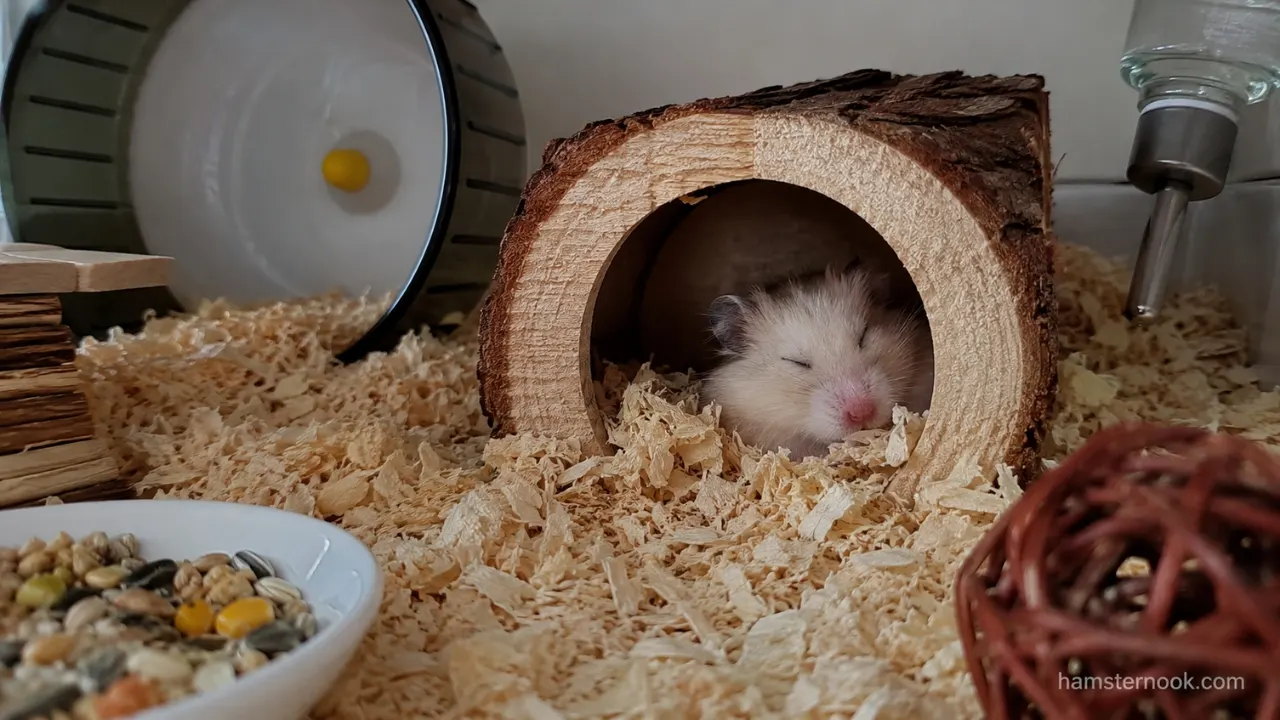
This complete beginner’s guide covers everything new hamster owners need to know, from choosing the right hamster and cage setup to feeding, cleaning, handling, and recognizing early health concerns.
Choosing the Right Hamster

Before buying supplies, it helps to understand that not all hamster species are the same.
The most common pet hamster species include:
- Syrian hamsters
- Campbell’s dwarf hamsters
- Winter White dwarf hamsters
- Roborovski hamsters
- Chinese hamsters
For most beginners, Syrian hamsters are often considered the easiest species to handle because of their larger size and generally calmer nature.
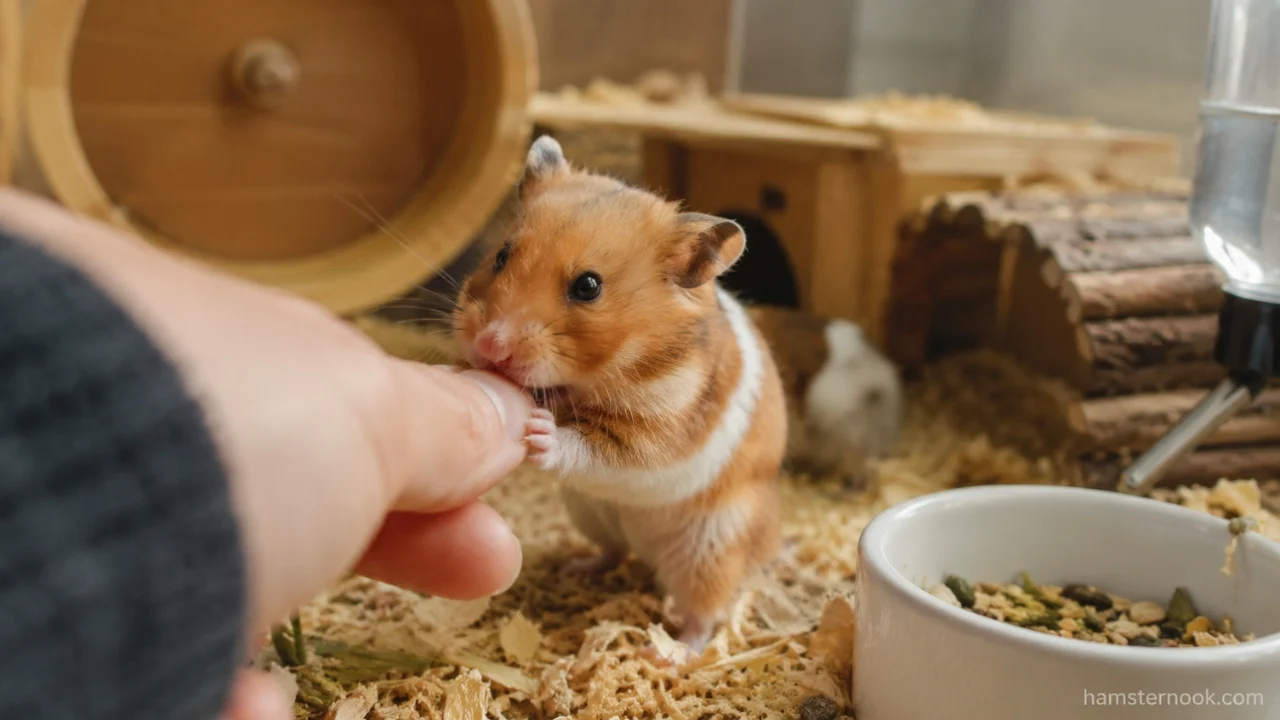
Roborovski hamsters are extremely active and fast, which can make handling more difficult for inexperienced owners.
Choosing the right species is one of the most important decisions for a new owner. Our Hamster Breeds Guide compares the most common pet hamster species, their personalities, and the type of home each one is best suited for.
Understanding Your Hamster’s Life Stages
Caring for a hamster becomes much easier when you understand that its needs change throughout its life. A young hamster behaves very differently from an older one, and knowing what is normal at each stage can help you provide better care while recognizing potential health concerns sooner.
Although individual hamsters develop at slightly different rates, most go through four general life stages: baby, juvenile, adult, and senior.
Baby Hamsters (Birth to Around 4 Weeks)
Baby hamsters are completely dependent on their mother during the first few weeks of life. During this stage they grow rapidly, begin opening their eyes, develop fur, and slowly start exploring outside the nest.
Pet owners should avoid handling very young hamsters unless absolutely necessary. Disturbing the nest too early may cause unnecessary stress for the mother and can interfere with normal development.
If you adopt a hamster from a responsible breeder or pet store, it will usually already be fully weaned before coming home.
Young Hamsters (Around 1–6 Months)
This is usually the most active stage of a hamster’s life.
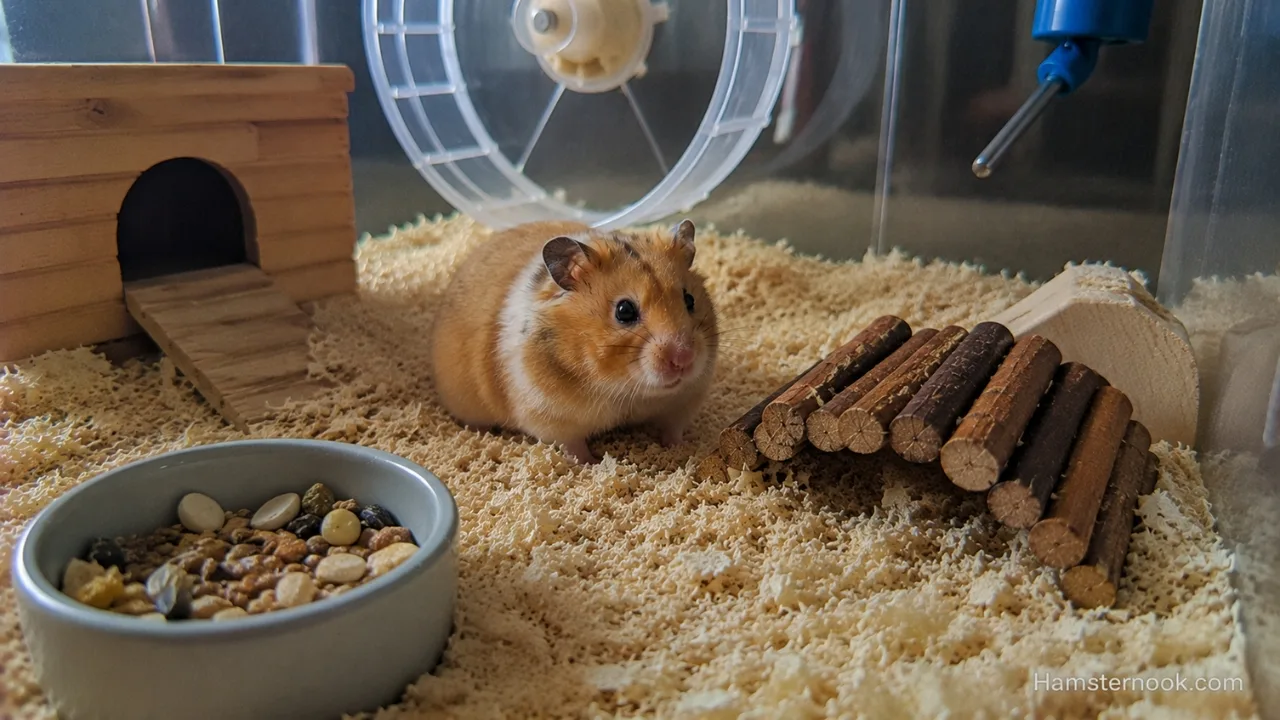
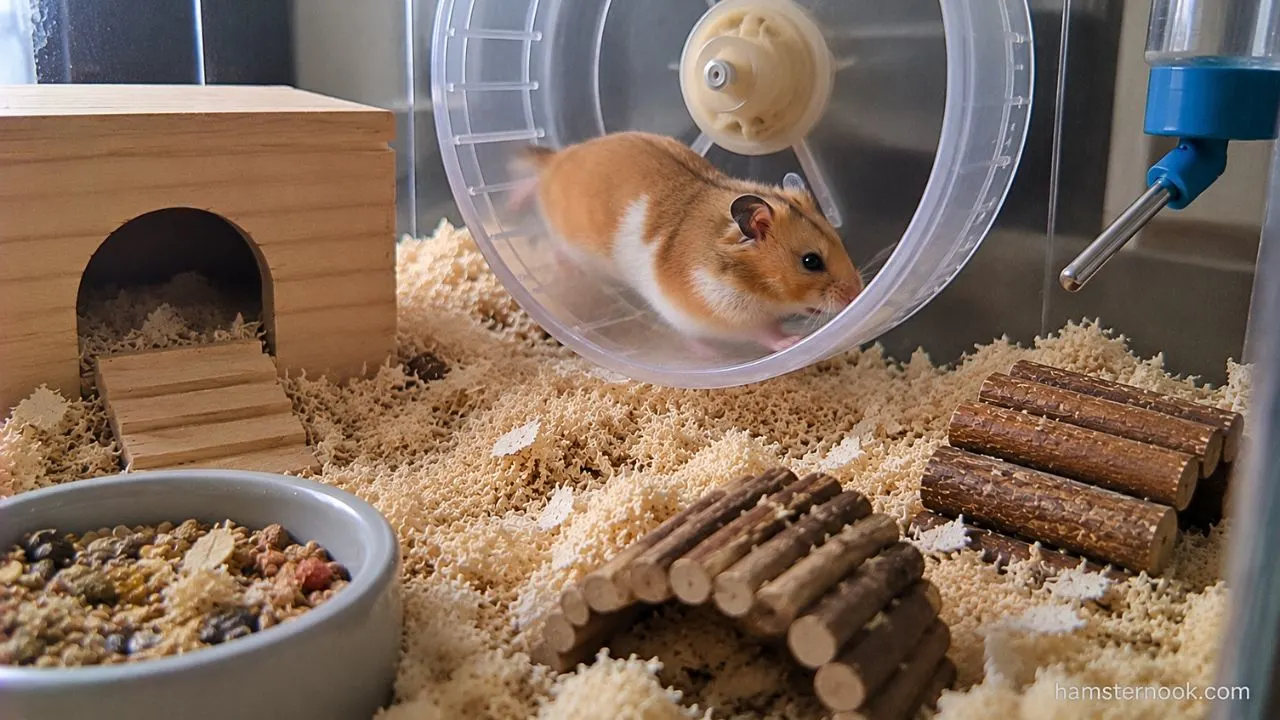
Young hamsters spend much of their waking hours exploring, digging, running on the wheel, rearranging bedding, collecting food, and investigating new objects placed inside the enclosure.
During this period, providing plenty of enrichment is especially important because curious young hamsters learn about their environment through exploration.
Owners may also notice that younger hamsters adapt to handling more quickly than older animals when trust is built gradually and patiently.
Adult Hamsters (Around 6–18 Months)
Most healthy adult hamsters settle into predictable daily routines.
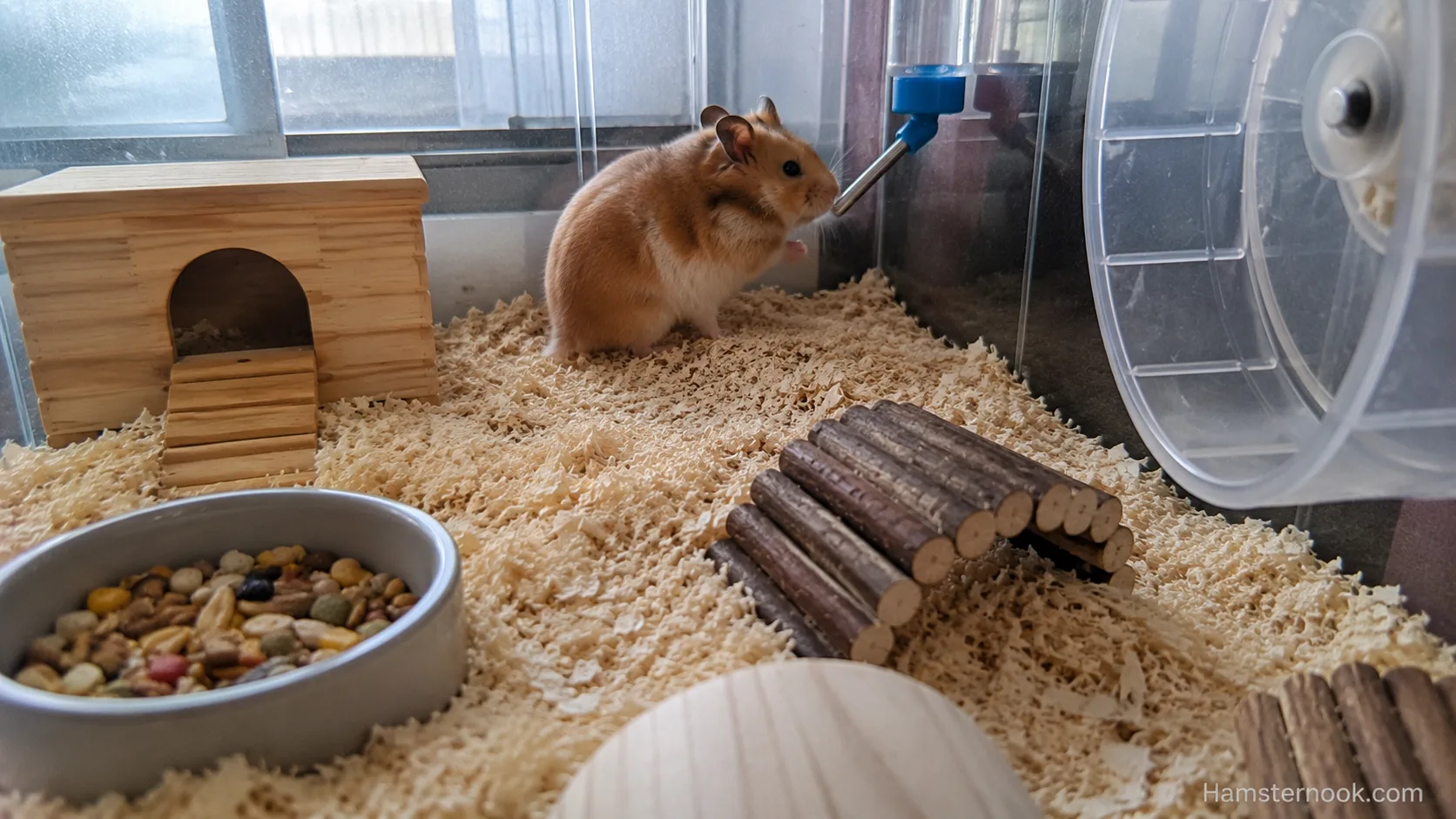
They generally become more confident inside their enclosure, establish preferred sleeping areas, and develop consistent feeding and exercise habits. Many adult hamsters become easier to understand because their normal behavior remains relatively stable from week to week.
This is often the easiest stage for owners to monitor overall health because even small changes in appetite, activity, grooming, or behavior are easier to notice against an otherwise consistent routine.
Senior Hamsters (Around 18 Months and Older)
As hamsters grow older, gradual changes in behavior become more common.
Senior hamsters may:
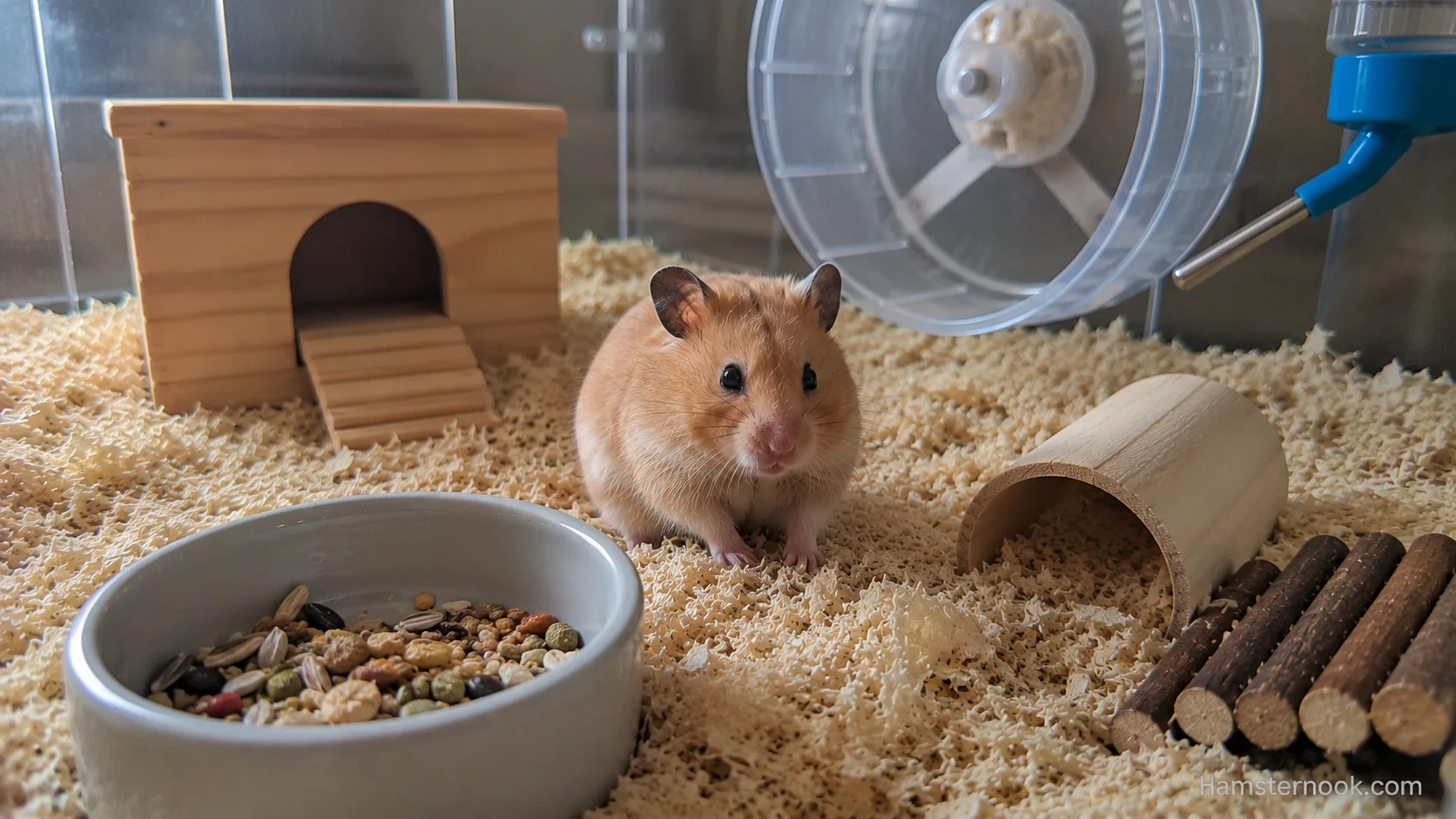
- Sleep longer than they did previously.
- Move more slowly.
- Spend less time running on the wheel.
- Become less interested in rearranging bedding.
- Require additional rest between activities.
These changes can be completely normal parts of aging and should not automatically be mistaken for illness.
However, sudden weight loss, difficulty eating, breathing problems, or dramatic changes in activity still deserve careful attention regardless of age.
Older hamsters often benefit from slightly easier access to food and water, lower climbing opportunities, and softer nesting materials that make resting more comfortable.
Why Knowing Your Hamster’s Age Matters
One of the biggest mistakes new owners make is comparing their hamster to photos or videos of much younger animals.

A two-year-old hamster will naturally behave differently from a three-month-old hamster, even when both are perfectly healthy.
Instead of comparing your hamster with others, focus on its own normal routine. Consistent eating habits, regular grooming, comfortable movement, curiosity during waking hours, and stable body weight are usually much better indicators of health than age alone.
Understanding these natural life stages helps owners recognize which changes are expected as a hamster grows older and which changes may require closer observation or veterinary advice.
Essential Hamster Supplies Checklist
A proper hamster setup should be prepared before bringing your pet home.
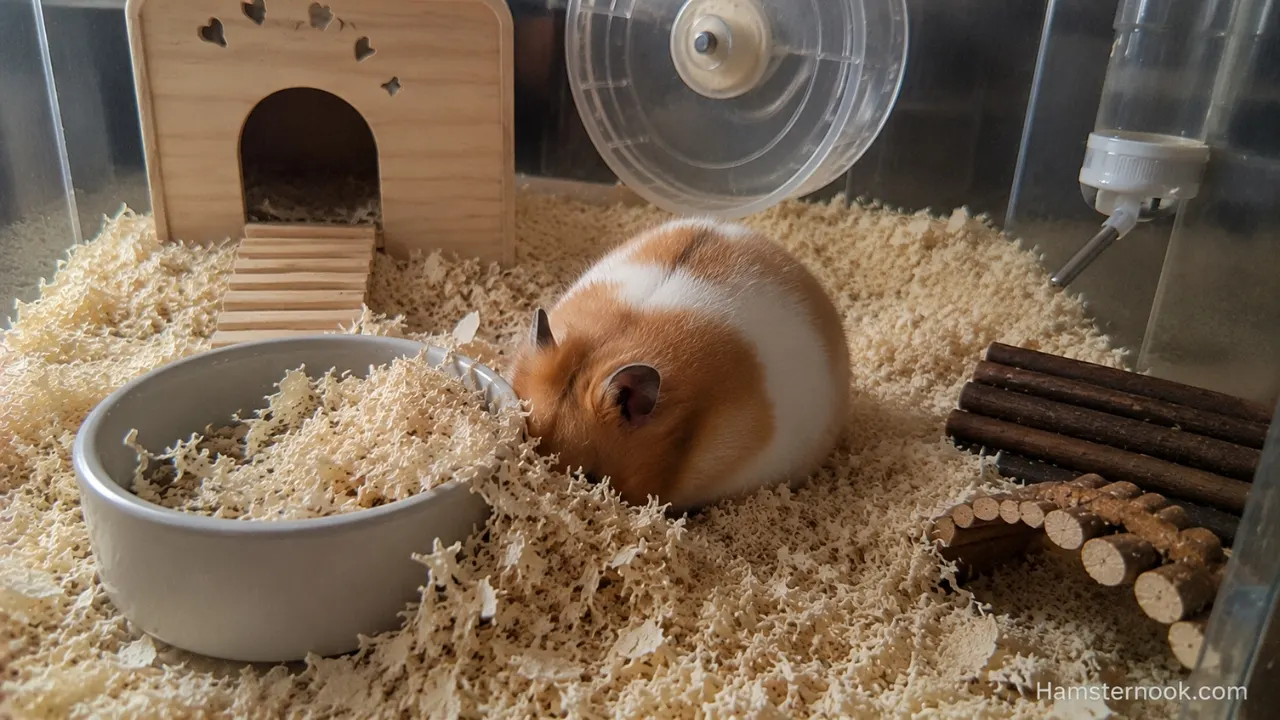
Basic Supplies Every Hamster Needs
| Item | Why It Matters |
|---|---|
| Large enclosure | Provides space for natural behaviors |
| Deep bedding | Supports digging and burrowing |
| Exercise wheel | Encourages physical activity |
| Water bottle | Constant access to fresh water |
| Food dish | Makes feeding easier |
| Hideouts | Creates security and comfort |
| Chew toys | Helps maintain healthy teeth |
| Sand bath | Supports coat maintenance for many species |
Many beginner problems can be avoided simply by having the correct setup from day one.
Choosing the Right Hamster Cage
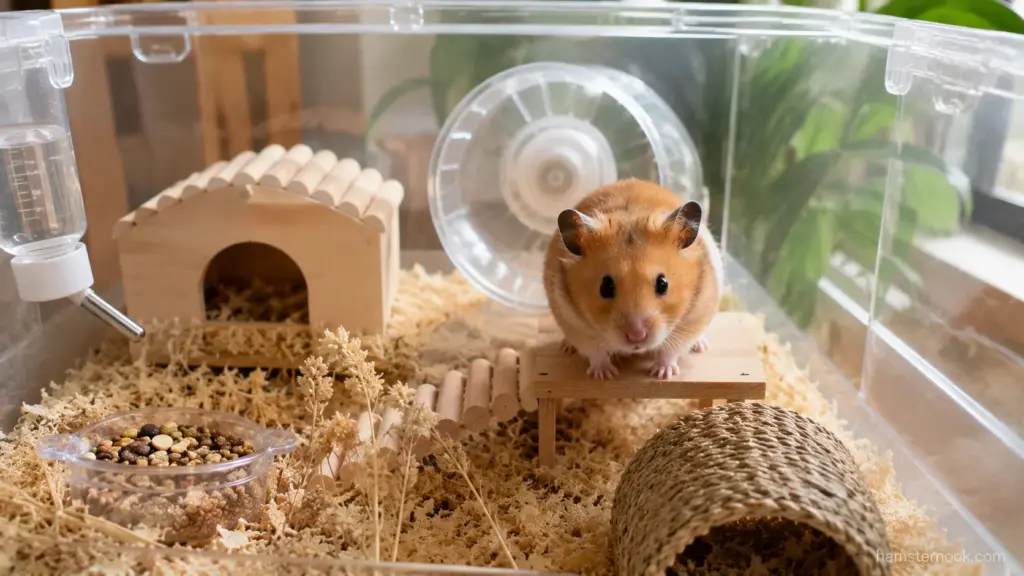
One of the biggest mistakes new owners make is purchasing a cage that is too small.
Hamsters are naturally active animals. In the wild, they may travel significant distances searching for food and exploring their environment.
A suitable enclosure should provide enough room for:
- Running
- Digging
- Nesting
- Exploring
- Climbing (where appropriate)
What Makes a Good Hamster Cage?
Look for:
- Good ventilation
- Solid flooring
- Space for deep bedding
- Room for enrichment items
- Secure construction
Many experienced owners prefer large glass tanks, bin cages, or spacious wire enclosures.
A spacious enclosure is only part of creating a healthy habitat. Best Hamster Cage Setup for Beginners explains how bedding depth, hideouts, wheel placement, and enrichment work together to create a comfortable home.
Why Deep Bedding Is More Important Than Most Owners Realize
Hamsters are natural burrowers.
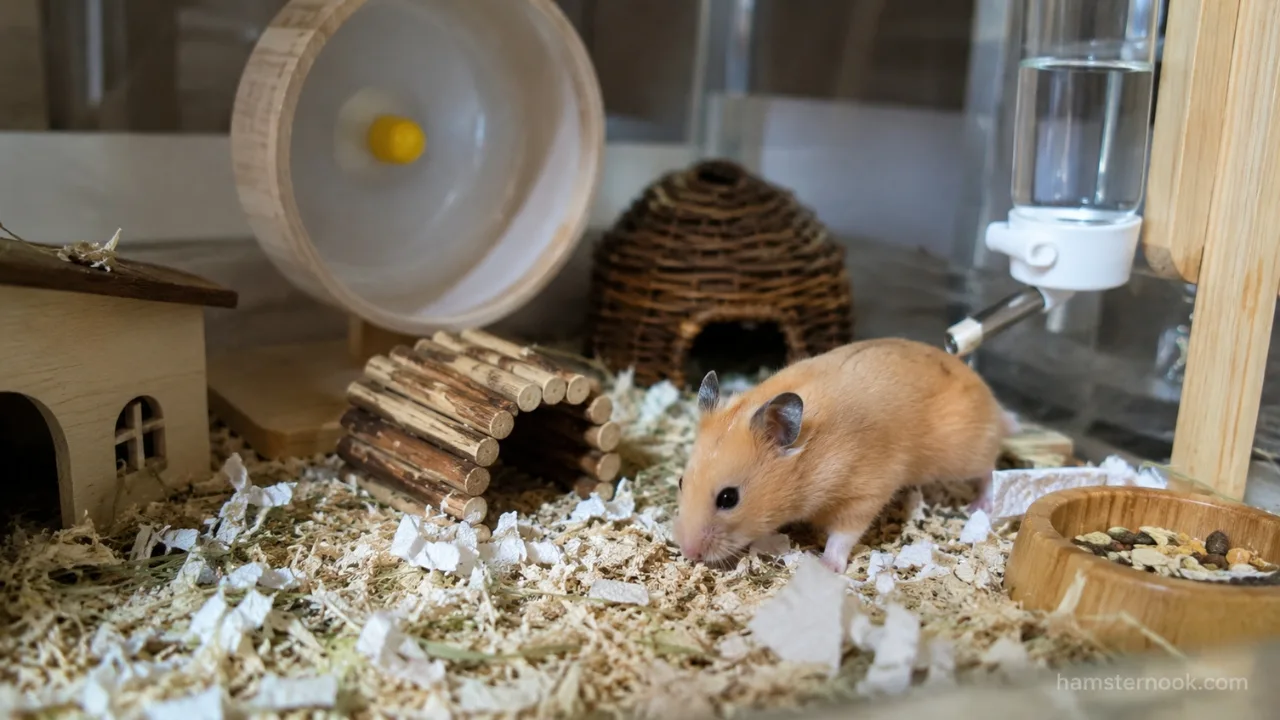
In the wild, they create complex tunnel systems that help them:
- Feel safe
- Store food
- Sleep comfortably
- Regulate temperature
Without enough bedding, many hamsters become stressed and frustrated.
Recommended Bedding Features
Good hamster bedding should be:
- Unscented
- Soft
- Absorbent
- Dust-controlled
Avoid heavily scented bedding products, as strong fragrances may irritate sensitive respiratory systems.
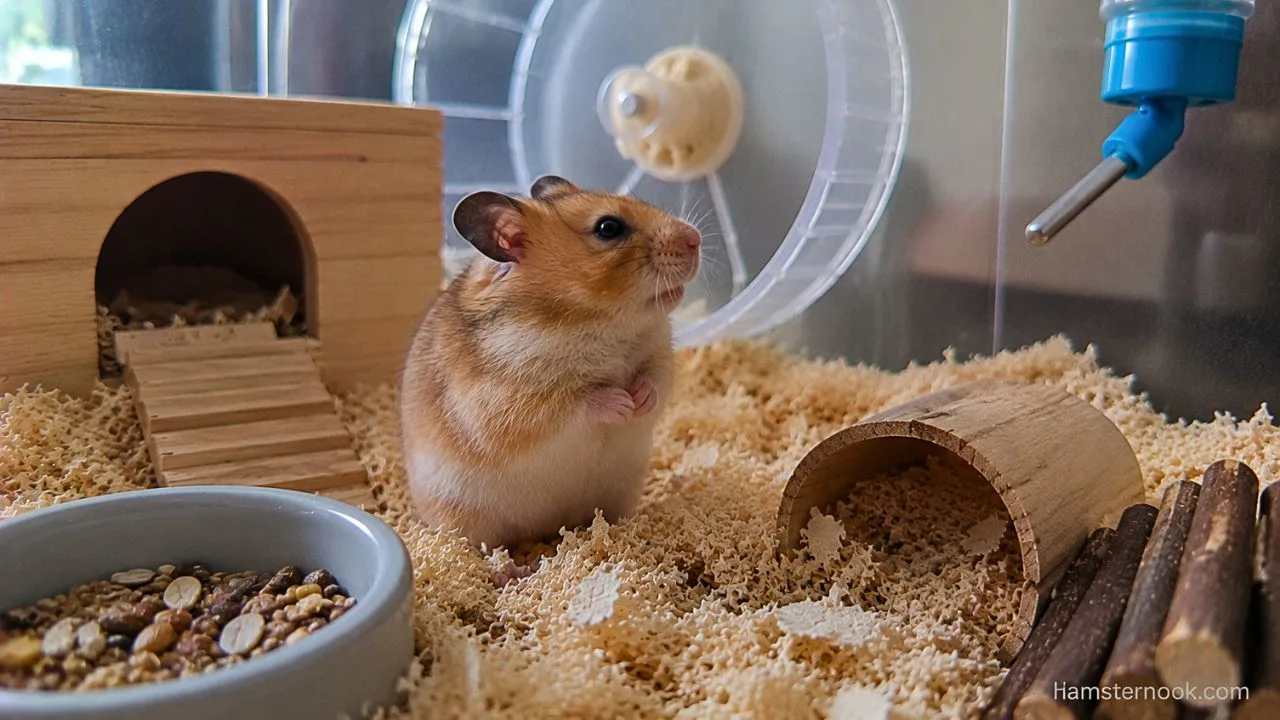
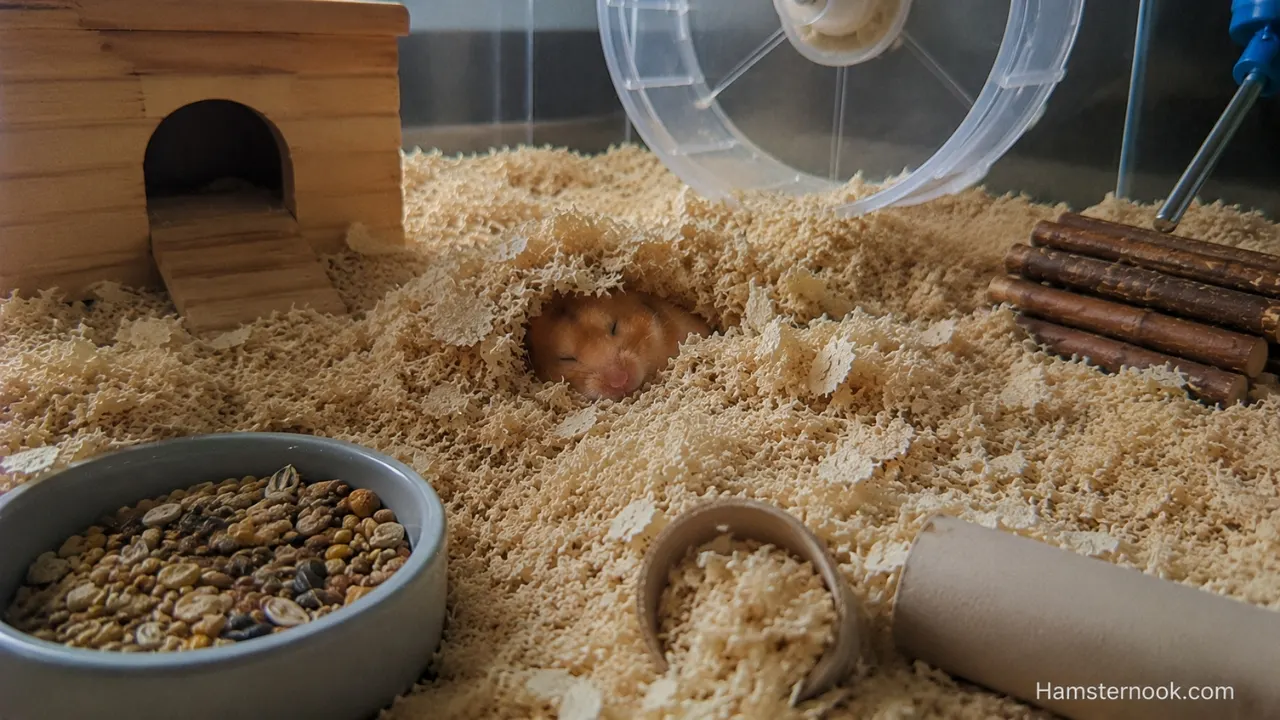
A hamster that spends time digging, tunneling, and rearranging bedding is usually displaying completely natural behavior.
If your hamster seems to spend most of its time underneath the bedding, read Why Do Hamsters Dig? to learn why burrowing and hiding beneath bedding are natural hamster behaviors.
Creating a Safe Sleeping Area
Hamsters spend a large portion of their lives sleeping.
Because they are primarily nocturnal, owners often underestimate the importance of a secure sleeping area.
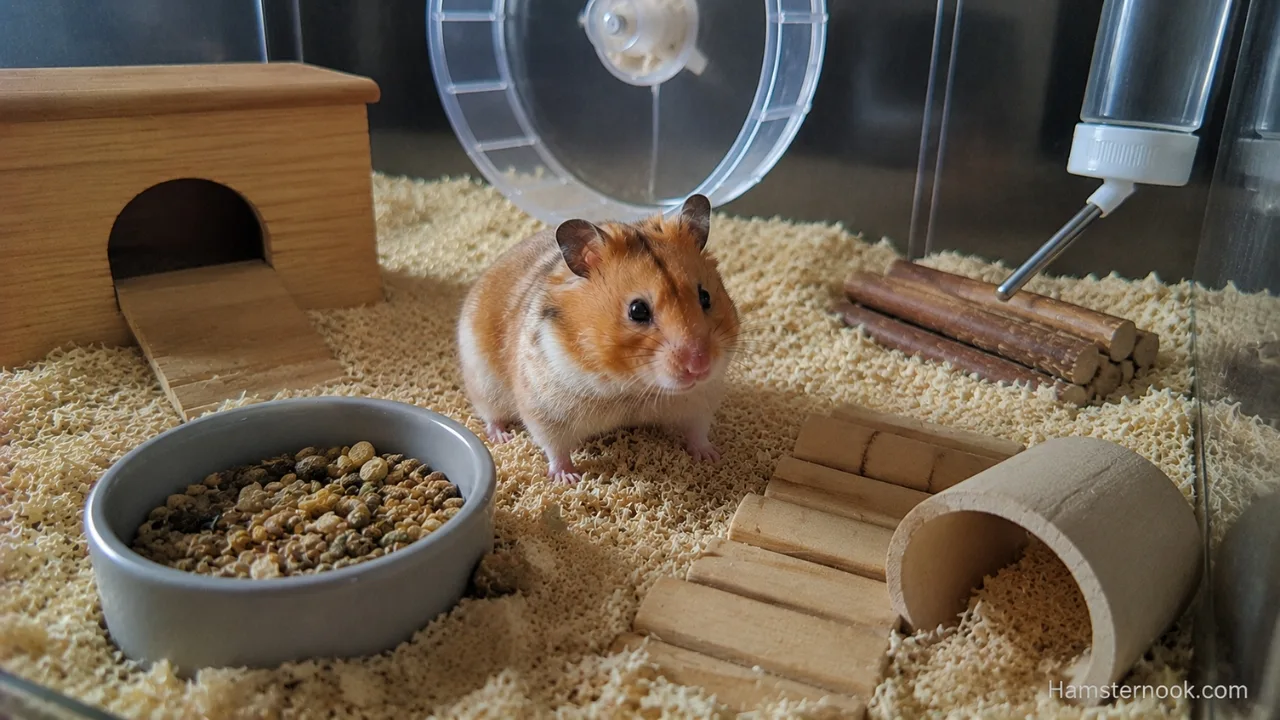
A good sleeping area should:
- Remain quiet
- Stay relatively dark
- Feel protected
- Contain nesting material
Most hamsters prefer sleeping inside enclosed hideouts rather than open areas.
The type of hideout you choose can affect how secure and relaxed your hamster feels. Best Hamster Hideouts and Sleeping Areas: What Hamsters Actually Prefer explains which designs encourage natural nesting and better daytime rest.
Understanding Hamster Diet Basics

Proper nutrition affects nearly every aspect of hamster health.
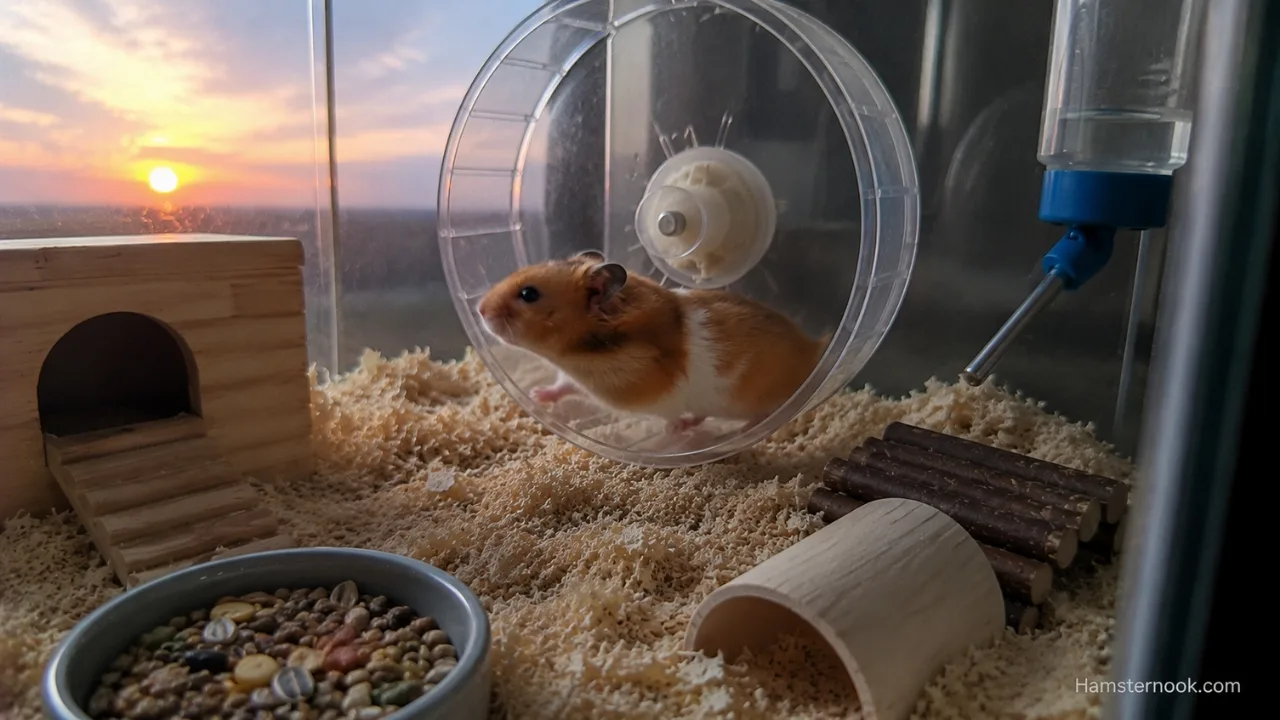
A balanced diet supports:
- Healthy weight
- Energy levels
- Immune function
- Coat quality
- Dental health
What Should Hamsters Eat?
A healthy diet typically includes:
- Quality commercial hamster food
- Safe vegetables
- Occasional fruits
- Protein sources in moderation
Food variety can be beneficial, but sudden dietary changes should always be avoided.
If you’re unsure what a balanced hamster diet actually looks like, What Do Hamsters Eat? Complete Food List for Beginners explains the safest foods, feeding schedule, and common mistakes new owners should avoid.

Foods Hamsters Should Never Eat
Some foods can be harmful or unsafe.
Examples include:
- Chocolate
- Onions
- Garlic
- Alcohol
- Highly processed snacks
Owners should always verify food safety before introducing something new.
Before introducing any new food, make sure you understand which foods are completely unsafe and which can be fed occasionally. Foods Hamsters Should Never Eat covers the most dangerous foods to avoid, while Safe vs Unsafe Foods for Hamsters provides a broader guide to everyday food choices.
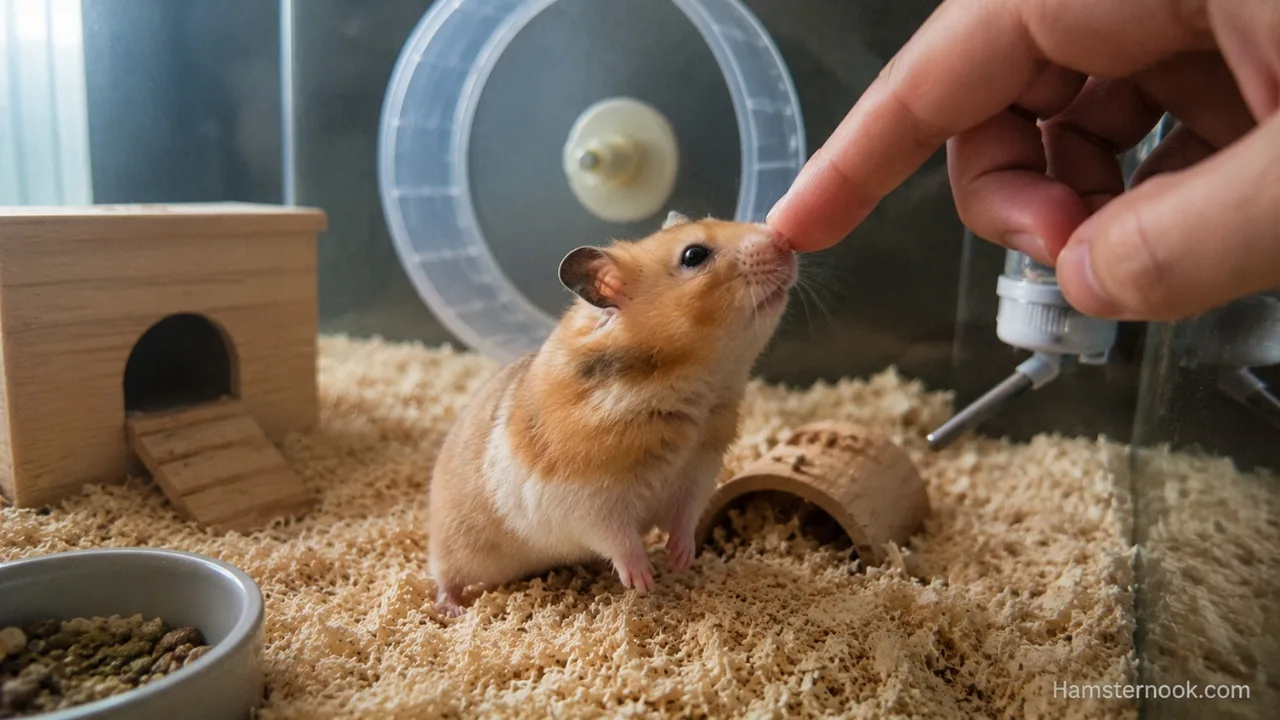
Water Requirements and Hydration
Fresh water should always be available.
Many owners focus heavily on food but overlook hydration.
Monitor:
- Water bottle function
- Water intake
- Signs of dehydration
Sudden increases or decreases in drinking behavior may indicate a health concern.
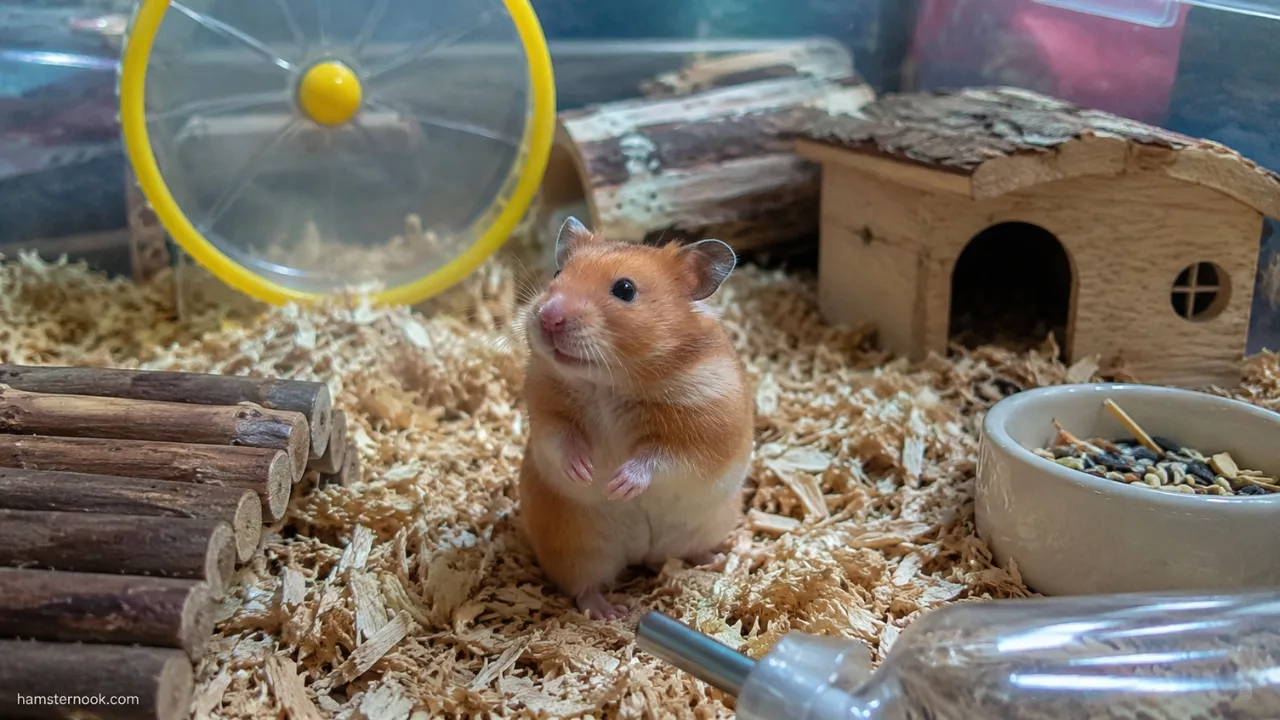
A noticeable change in water intake is especially worth tracking when it happens together with changes in appetite, activity, or weight. Our Why Is My Hamster Drinking So Much Water? guide explains what unusually high water consumption can mean and which accompanying signs deserve veterinary attention.
The Importance of Exercise
Exercise is one of the most important parts of hamster care.
Without sufficient activity, hamsters may develop:
- Boredom
- Frustration
- Weight gain
- Stress-related behaviors
Choosing the Right Wheel
A quality wheel should:

- Have a solid running surface
- Allow a natural running posture
- Spin smoothly
- Match the hamster’s size
A wheel that is too small may cause discomfort or poor posture over time.
Other Forms of Enrichment
Besides wheels, enrichment may include:
- Tunnels
- Foraging opportunities
- Hideouts
- Safe chew toys
- Climbing structures where appropriate
Mental stimulation is just as important as physical exercise.
How to Handle a Hamster Safely

Many bites happen because owners move too quickly.
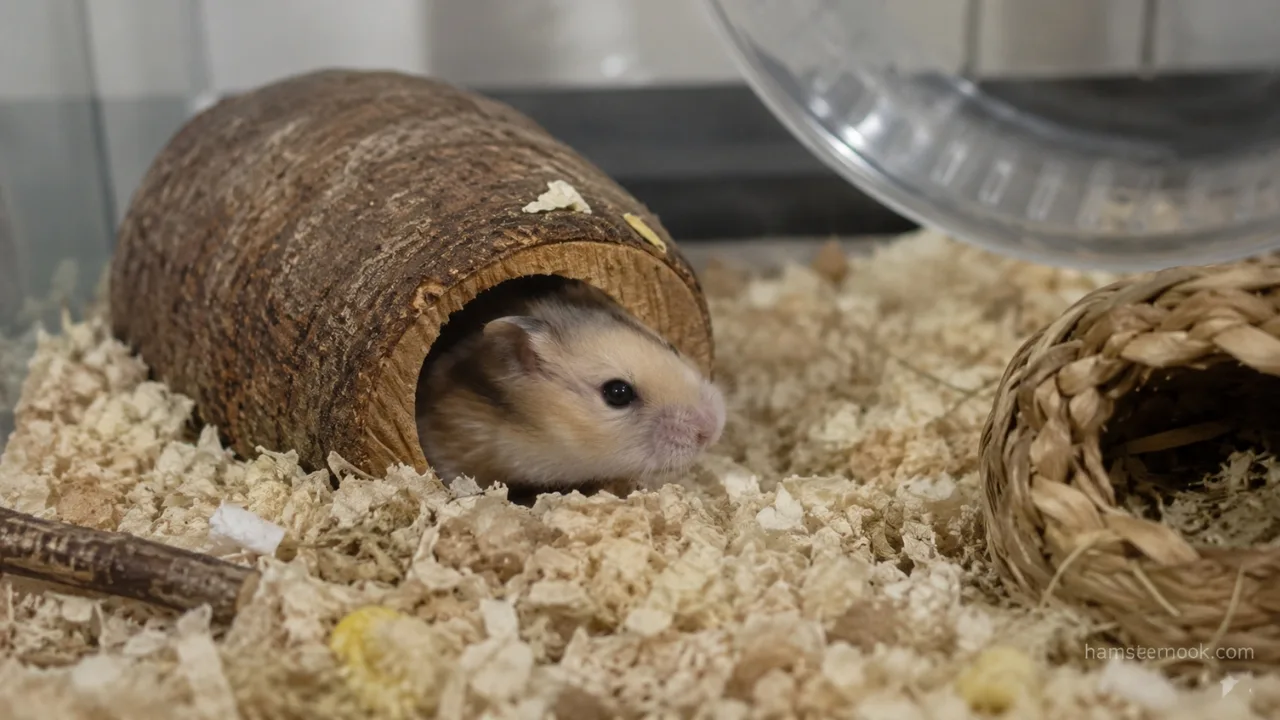
Hamsters are prey animals and naturally cautious.
The best approach is gradual trust-building.
Tips for New Owners
- Allow adjustment time after bringing a hamster home
- Avoid waking a sleeping hamster
- Use treats to build trust
- Let the hamster approach voluntarily
- Support the body when lifting
Patience often leads to better long-term results than forcing interaction.
Building trust takes time, especially with a new hamster. How to Tame a Hamster Without Getting Bitten explains simple trust-building techniques that help many hamsters become more comfortable with gentle handling over time.

Common Signs of a Happy Hamster
Many owners wonder whether their hamster is actually happy.
Happiness is easier to judge when you know what normal behavior looks like for your individual hamster. Sleep and resting behavior can also provide useful context, especially if you are trying to decide whether a change is normal or concerning. Our Hamster Sleeping Positions Meaning guide explains what different sleeping positions may indicate about comfort and normal behavior.
Positive signs often include:
- Active nighttime behavior
- Normal grooming
- Curiosity
- Healthy appetite
- Comfortable nesting behavior
- Regular wheel use
A hamster that consistently explores its environment and follows normal routines is usually doing well.

A relaxed hamster may also show comfortable body language rather than constantly staying alert. Voluntary exploration, normal grooming, digging, food hoarding, nesting, and returning to familiar activities are generally more useful signs when they occur as part of your hamster’s usual routine. The important point is to compare your hamster with its own normal behavior rather than expecting every hamster to behave exactly the same way.
Common Signs of Stress
Stress can develop when important needs are not being met.
Environmental stress is not always obvious to owners. Repeated loud sounds, sudden disturbances, or an unsuitable environment can make a hamster more nervous over time. Our Loud Noises Stress Hamster Signs and Prevention guide explains how noise can affect hamsters and what owners can do to reduce unnecessary disturbance.
Common signs include:
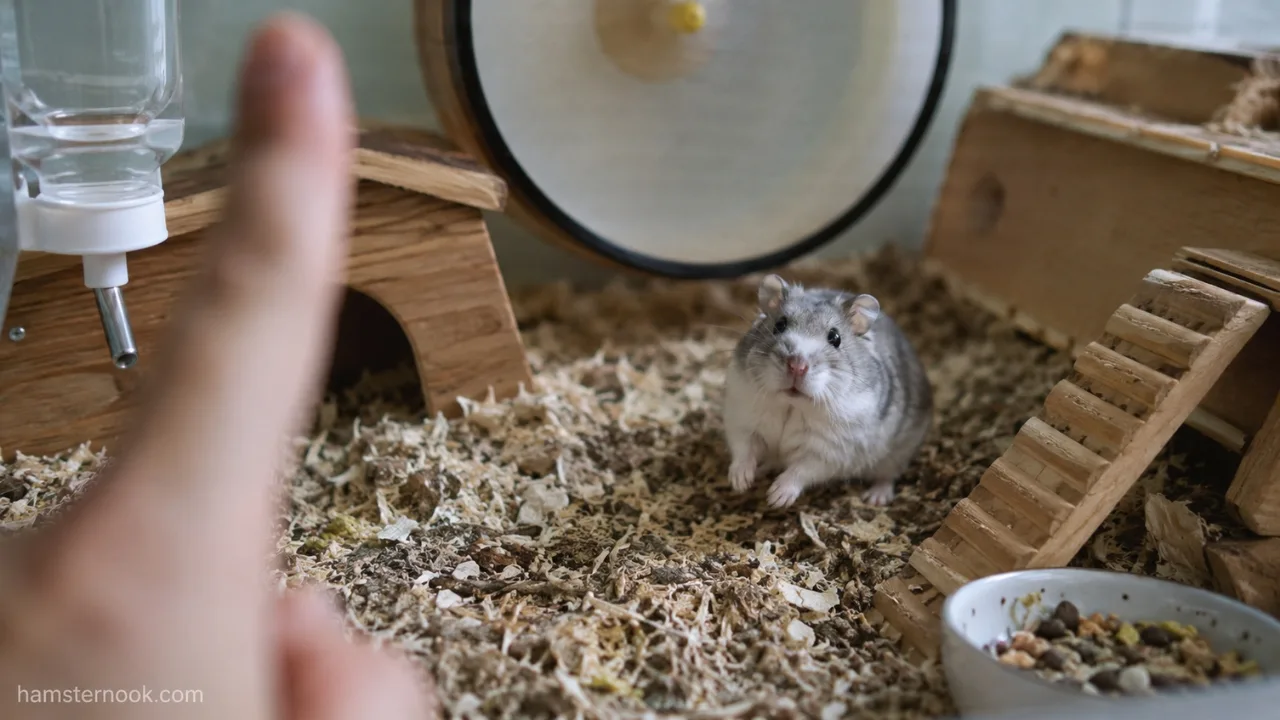
- Excessive hiding
- Cage biting
- Freezing behavior
- Reduced activity
- Nervous reactions
Environmental improvements often help reduce stress significantly.
When stress is suspected, first look for an environmental trigger such as excessive noise, insufficient hiding places, frequent cage changes, unsuitable cage placement, or repeated disturbance during sleep. Correcting the likely trigger and then watching your hamster over the next few days can help you determine whether the behavior improves.
Stress-related behaviors often improve once the underlying cause is identified and corrected. 5 Warning Signs Your Hamster May Be Stressed explains the most common warning signs, why they happen, and practical steps owners can take to help their hamster feel more secure.
Hamster Health Basics Every Owner Should Know
One of the biggest challenges of hamster ownership is recognizing illness early.

Unlike dogs or cats, hamsters often hide signs of weakness because they are prey animals. By the time symptoms become obvious, the problem may already be serious.
Spending just a minute or two watching your hamster each day can help you notice small changes long before they become serious problems.
Changes in appetite are often among the first warning signs owners notice. Why Is My Hamster Not Eating? Warning Signs Every Owner Should Know explains the most common causes and when the problem may require veterinary attention.
Signs of a Healthy Hamster
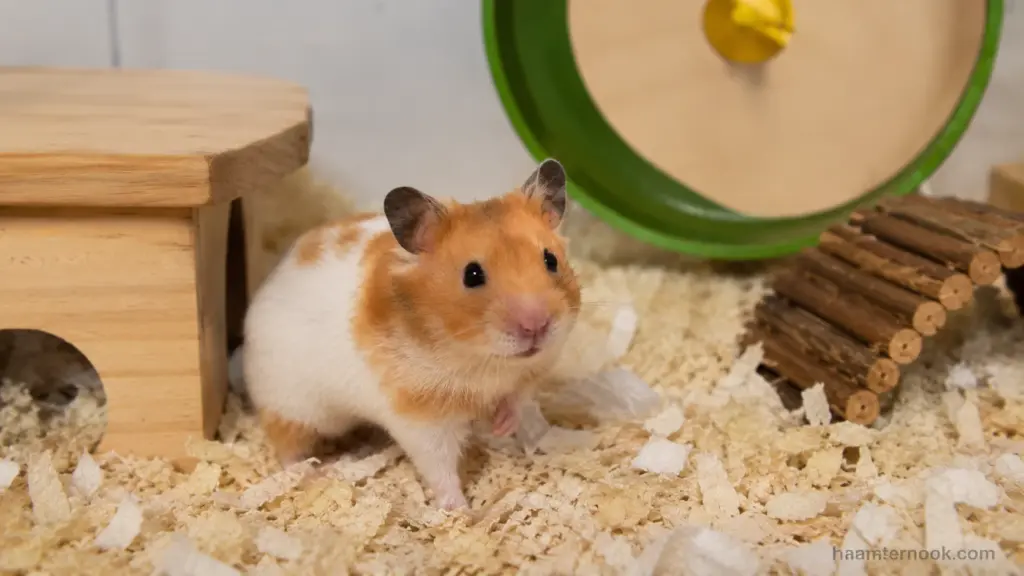
A healthy hamster usually has:
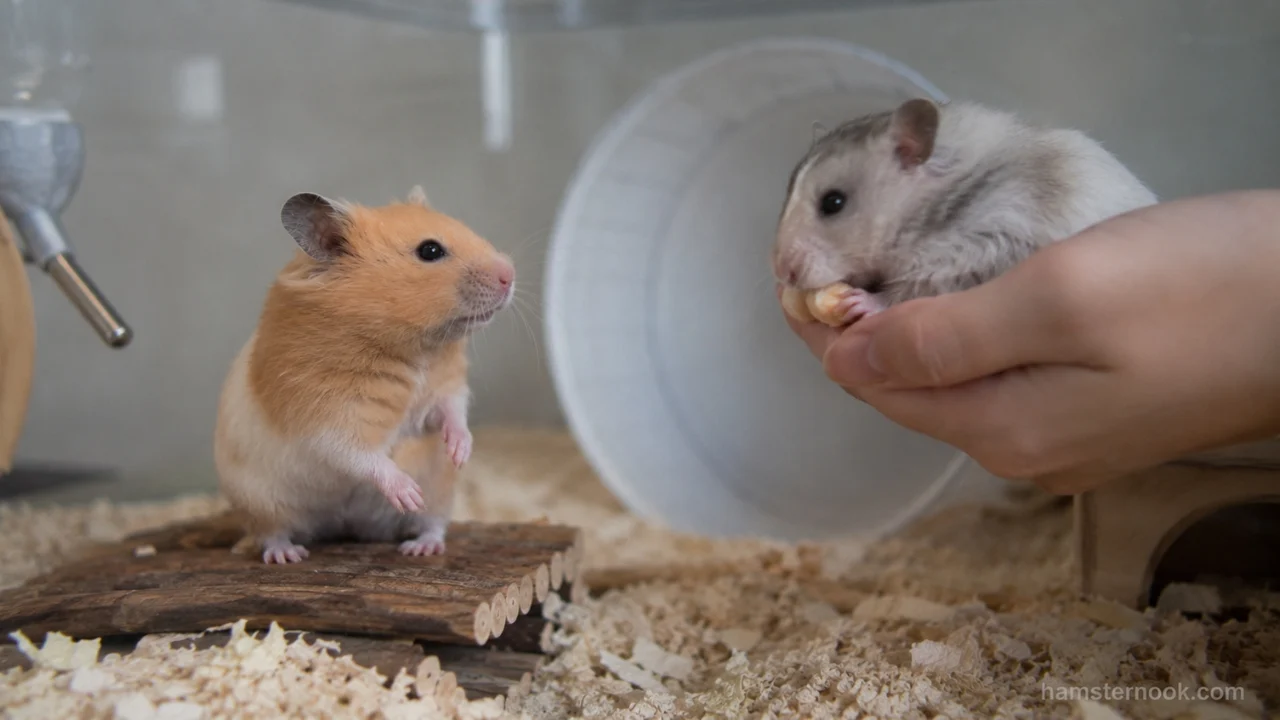
- Bright, open eyes
- Clean ears and nose
- Smooth, well-maintained fur
- Consistent appetite
- Regular activity during normal waking hours
- Stable body weight
- Firm droppings
Small daily observations often reveal changes before a problem becomes severe.
Signs of a Sick Hamster
A hamster that suddenly changes its normal routine should never be ignored.
Watch for signs such as:
- Refusing food
- Drinking unusually large or small amounts of water
- Weight loss
- Breathing difficulties
- Diarrhea
- Wet tail symptoms
- Lethargy
- Unusual posture
- Discharge from the eyes or nose
Recognizing illness early can make a significant difference because hamsters often hide symptoms until they become seriously unwell. Signs of a Sick Hamster explains the most common warning signs, possible causes, and when veterinary care should be sought.
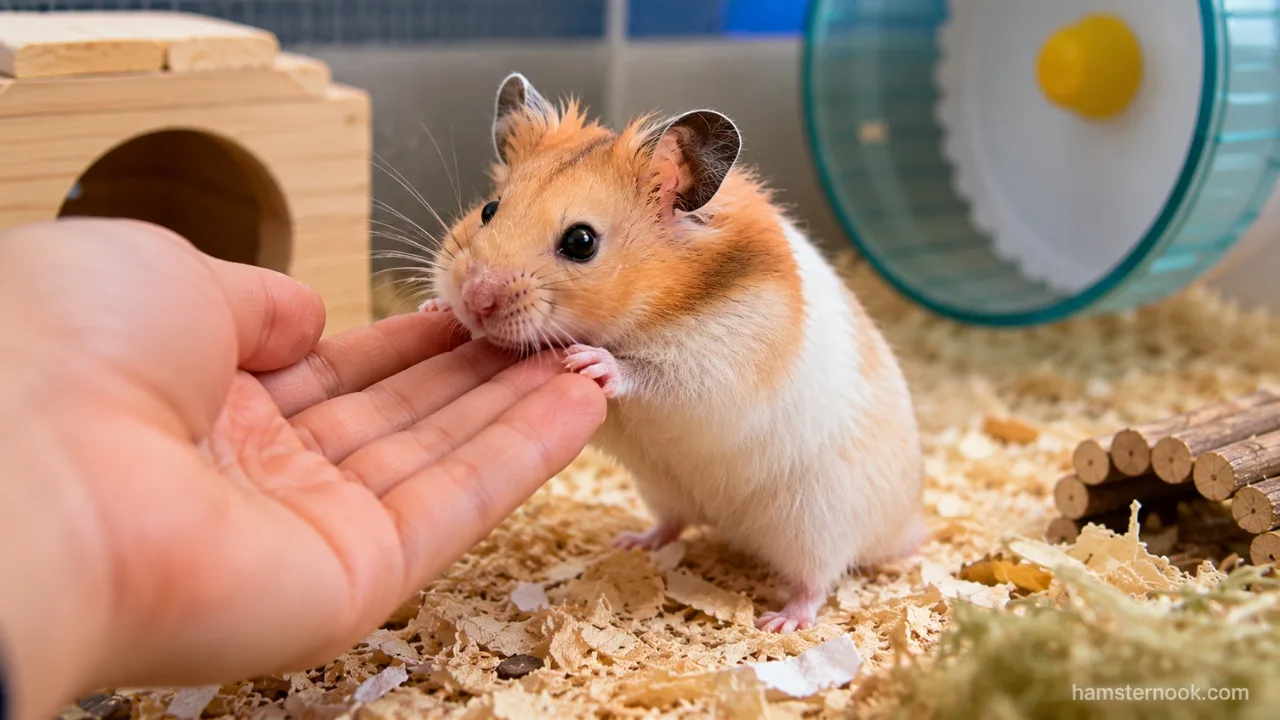
Happy, Stressed, and Sick Hamster Comparison
A simple way to interpret changes is to compare your hamster’s current behavior with its normal baseline. A happy or comfortable hamster generally continues eating, grooming, exploring, nesting, and using its enclosure normally. A stressed hamster may become more defensive, hide more, freeze, or show repetitive behaviors. A sick hamster is more likely to show physical warning signs or a sustained decline in normal functions.
The categories can overlap, so a hamster showing both behavioral and physical changes should not automatically be assumed to be stressed.
Many new owners struggle to tell the difference between stress and illness.
The table below can help.

| Behavior | Happy Hamster | Stressed Hamster | Sick Hamster |
|---|---|---|---|
| Appetite | Normal | Slightly reduced | Often poor |
| Activity | Active | Nervous or reduced | Low energy |
| Grooming | Regular | Less frequent | Often neglected |
| Curiosity | High | Reduced | Very low |
| Wheel Use | Normal | May decrease | Often stops |
| Body Condition | Stable | Usually stable | Weight loss common |
| Breathing | Normal | Normal | May be abnormal |
The key is looking for patterns rather than a single behavior.
A useful rule is to look at the whole picture. Stress may cause hiding, freezing, nervous reactions, or reduced activity, but illness becomes more concerning when behavioral changes occur alongside physical signs such as weight loss, breathing difficulty, persistent diarrhea, discharge, obvious weakness, or a sustained loss of appetite. When several warning signs appear together, veterinary advice is more appropriate than assuming the hamster is simply stressed.
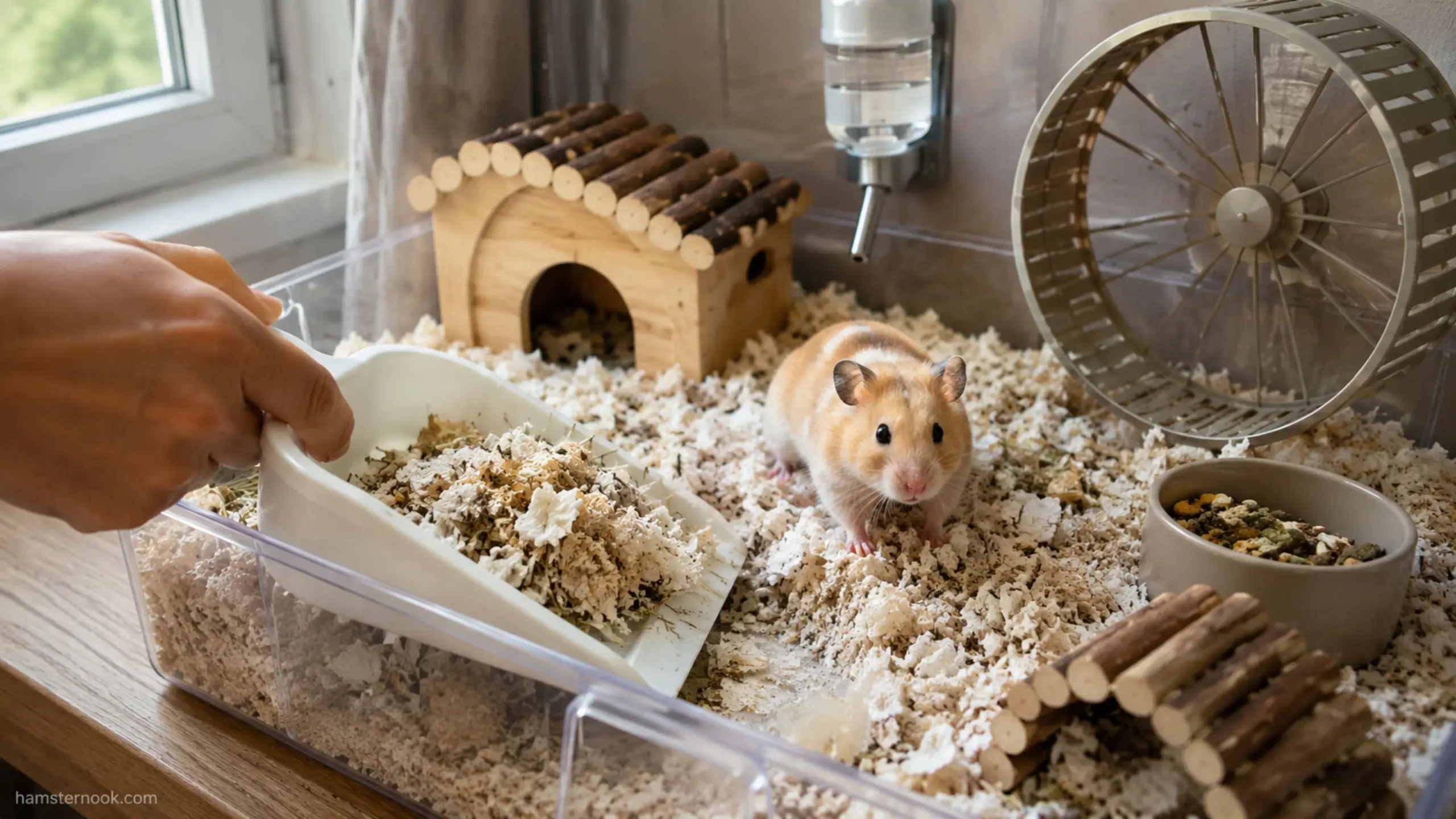
How Often Should You Clean a Hamster Cage?
Cleaning is important, but many beginners accidentally overclean.
Hamsters depend heavily on familiar scents to feel secure.
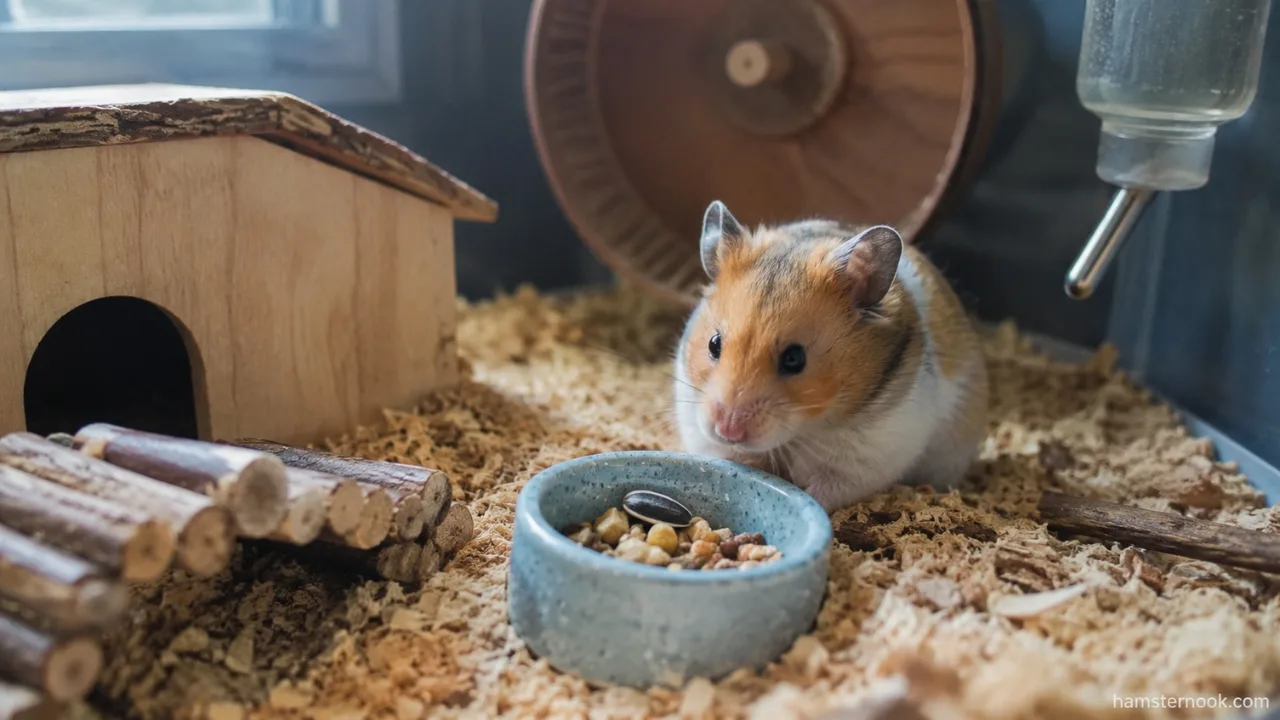
Removing every scent too often can cause unnecessary stress.
Daily Tasks
A few minutes each day can make a big difference.
Daily tasks include:
- Checking food
- Replacing fresh foods
- Refilling water
- Removing obvious waste
- Monitoring health and behavior
Weekly Tasks
Weekly maintenance may include:
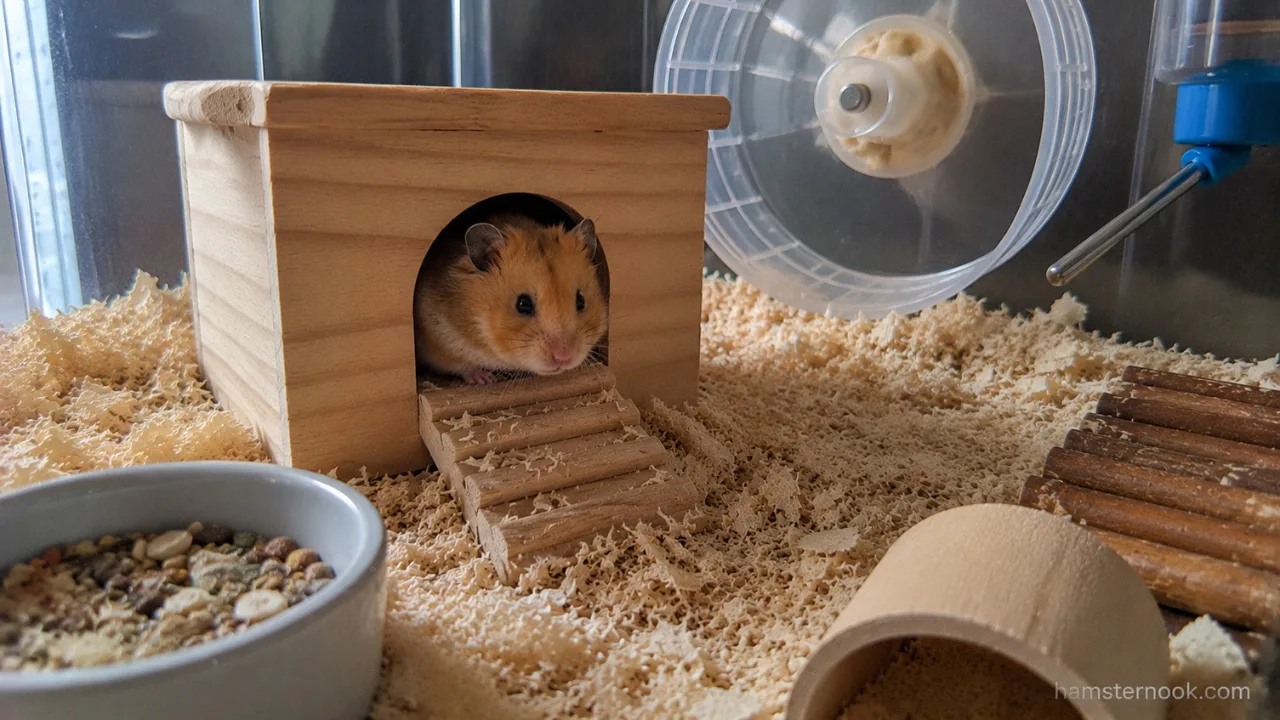
- Spot cleaning soiled bedding
- Cleaning accessories when needed
- Checking enrichment items
Deep Cleaning
Complete cage cleanouts should be performed carefully and only when necessary.
Always keep some clean, familiar bedding to help your hamster adjust after cleaning.
A consistent cleaning routine helps keep the enclosure hygienic without removing too much of your hamster’s familiar scent. How Often Should You Clean a Hamster Cage? explains the ideal daily, weekly, and deep-cleaning schedule while helping you avoid common cleaning mistakes that can cause unnecessary stress.
Common Beginner Mistakes That Cause Problems
Many hamster health and behavior issues can be traced back to a few common mistakes.
Choosing a Cage That’s Too Small
This remains one of the most common problems.
Small cages often contribute to:
- Stress
- Cage biting
- Excessive climbing
- Frustration
Using Unsafe Products
Not every pet product marketed for hamsters is actually suitable.
Always research:
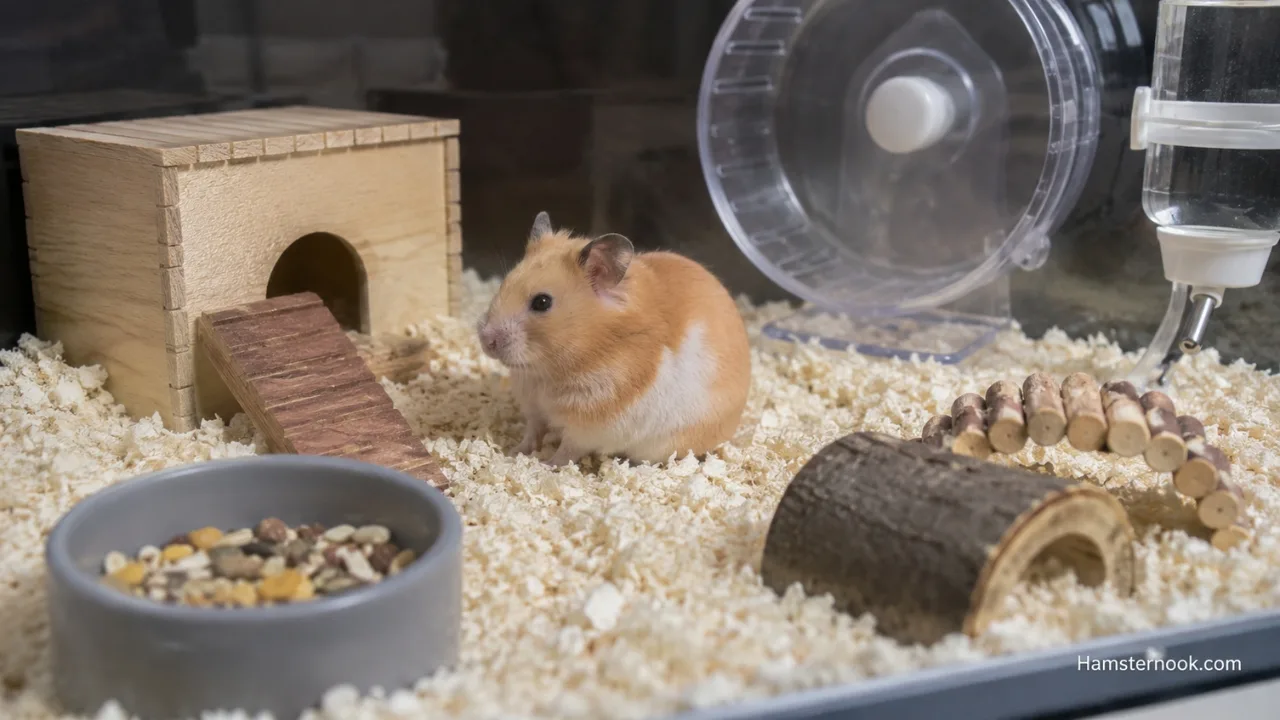
- Bedding
- Toys
- Treats
- Exercise equipment
Overhandling
New owners sometimes try to build trust too quickly.
A frightened hamster needs time to adjust before regular handling begins.
Feeding Too Many Treats
Treats should remain an occasional addition rather than the foundation of the diet.
Too many treats can contribute to:

- Selective eating
- Weight gain
- Nutritional imbalance
Ignoring Small Changes
Many serious illnesses begin with subtle symptoms.
Changes in:
- Appetite
- Activity
- Grooming
- Weight
should always be monitored carefully.
Creating a Low-Stress Environment
A hamster’s environment influences both health and behavior.

Ideal Cage Placement
The best location is:
- Quiet
- Stable
- Away from direct sunlight
- Away from drafts
- Away from constant household traffic
Avoid placing cages near:
- Loud televisions
- Speakers
- Busy hallways
- Heating vents
Even a well-designed enclosure can cause stress if it’s placed in the wrong part of the home. Where Should You Put a Hamster Cage? Best and Worst Locations Explained covers the best room conditions, noise levels, and locations to help your hamster feel safe.
Maintaining a Consistent Routine
Hamsters thrive when daily routines remain predictable.
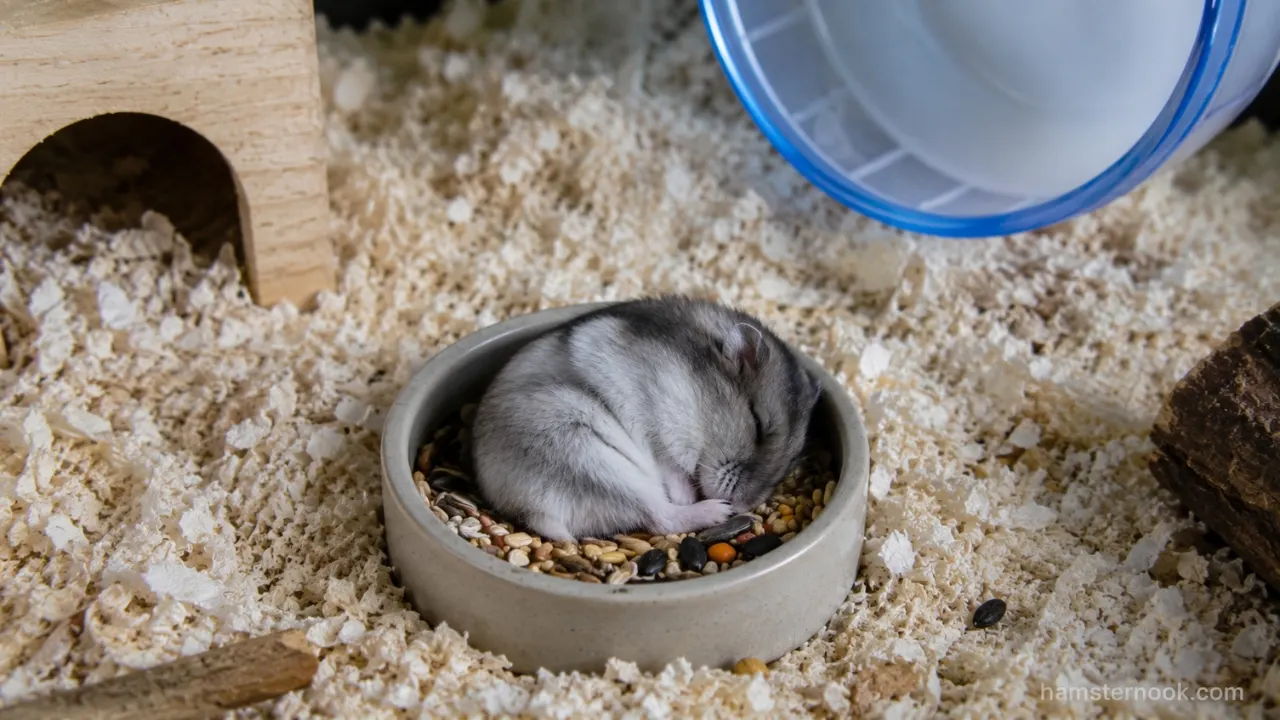
Try to keep:
- Feeding times
- Cleaning schedules
- Handling sessions
reasonably consistent.
How to Monitor Your Hamster’s Health Without Causing Stress
Many new owners worry that checking their hamster’s health means picking it up every day. In reality, the best health checks often happen while simply watching your hamster behave naturally inside its enclosure.
A few minutes of quiet observation each evening can reveal far more than frequent handling. Over time, you’ll become familiar with your hamster’s normal routine, making it much easier to notice when something changes.

Watch Daily Habits Instead of Individual Behaviors
Healthy hamsters rarely behave exactly the same every single day. Some nights they may spend more time running on the wheel, while other nights they may prefer digging or rearranging bedding.
Rather than focusing on one unusual behavior, pay attention to consistent patterns over several days.
Questions to ask yourself include:
- Is my hamster eating about the same amount as usual?
- Has its activity level changed noticeably?
- Is it still grooming regularly?
- Has it stopped using favorite enrichment items?
- Does it appear comfortable while moving around the enclosure?
Small changes in several areas are often more meaningful than one isolated behavior.

For example, one quieter evening may not mean anything serious. But if your hamster is eating less, drinking differently, grooming less, and spending much more time hiding than usual for several days, the combination deserves closer attention. Keeping a simple record of food intake, weight, activity, and unusual behaviors can make these gradual changes much easier to recognize.
Perform Quick Weekly Health Checks
A gentle visual inspection once a week is usually enough for most healthy hamsters.
Without forcing unnecessary handling, look for:
- Bright, clear eyes
- Clean ears and nose
- Smooth, well-maintained fur
- Teeth that appear even and not excessively long
- A body condition that looks similar to previous weeks
If your hamster enjoys being handled, you can also briefly check its feet and nails during these sessions.
Weigh Your Hamster Occasionally
Body weight is one of the easiest ways to notice health problems before obvious symptoms appear.
Using a small digital kitchen scale every few weeks can help you identify gradual weight loss or gain that might otherwise go unnoticed.
The exact number matters less than consistency. A sudden change deserves closer observation, especially if it occurs alongside changes in appetite or activity.
Keep a Simple Care Record
Some experienced hamster owners find it helpful to keep a short notebook or phone note recording:
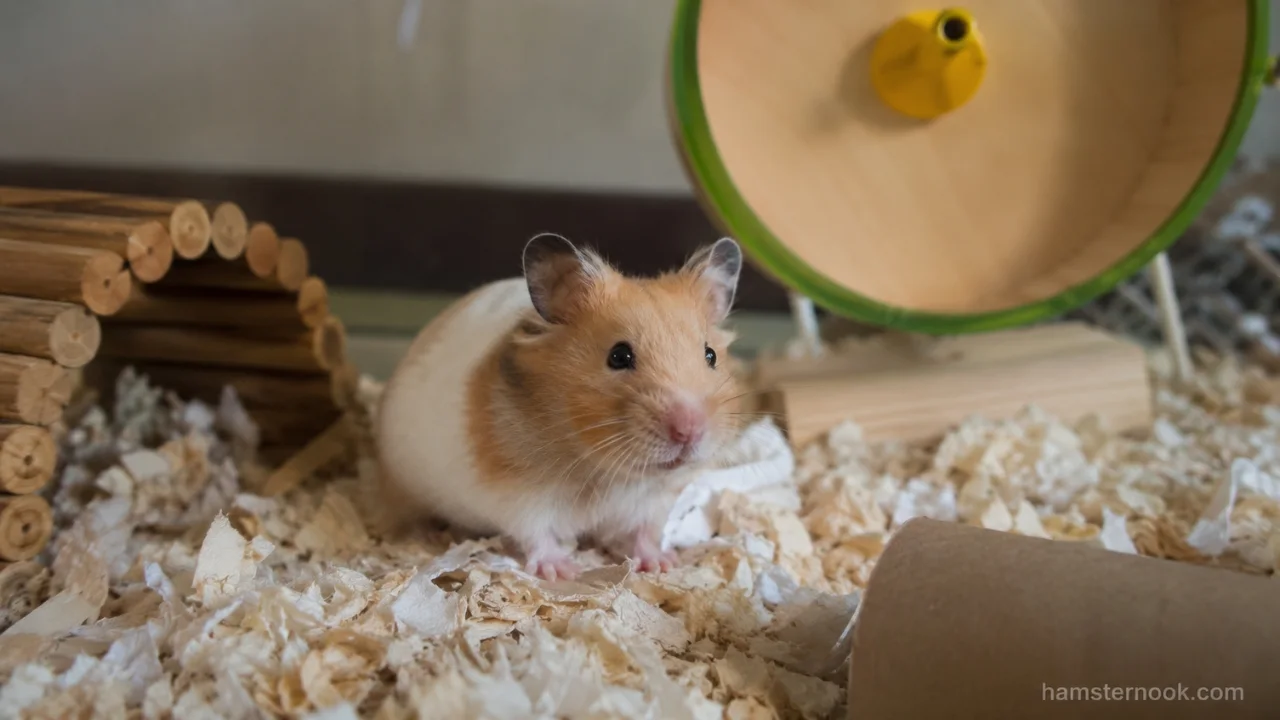
- Approximate body weight
- Changes in appetite
- New foods introduced
- Cleaning dates
- Any unusual behavior
These notes become surprisingly useful if your hamster later develops health problems, as they make gradual changes much easier to identify.
Avoid Overchecking
While monitoring is important, checking too often can become stressful for some hamsters.
Constantly waking your hamster, rearranging its nest, or lifting it repeatedly simply to confirm that everything looks normal may create unnecessary stress.
A calm routine built around observation rather than interruption is usually the best approach.
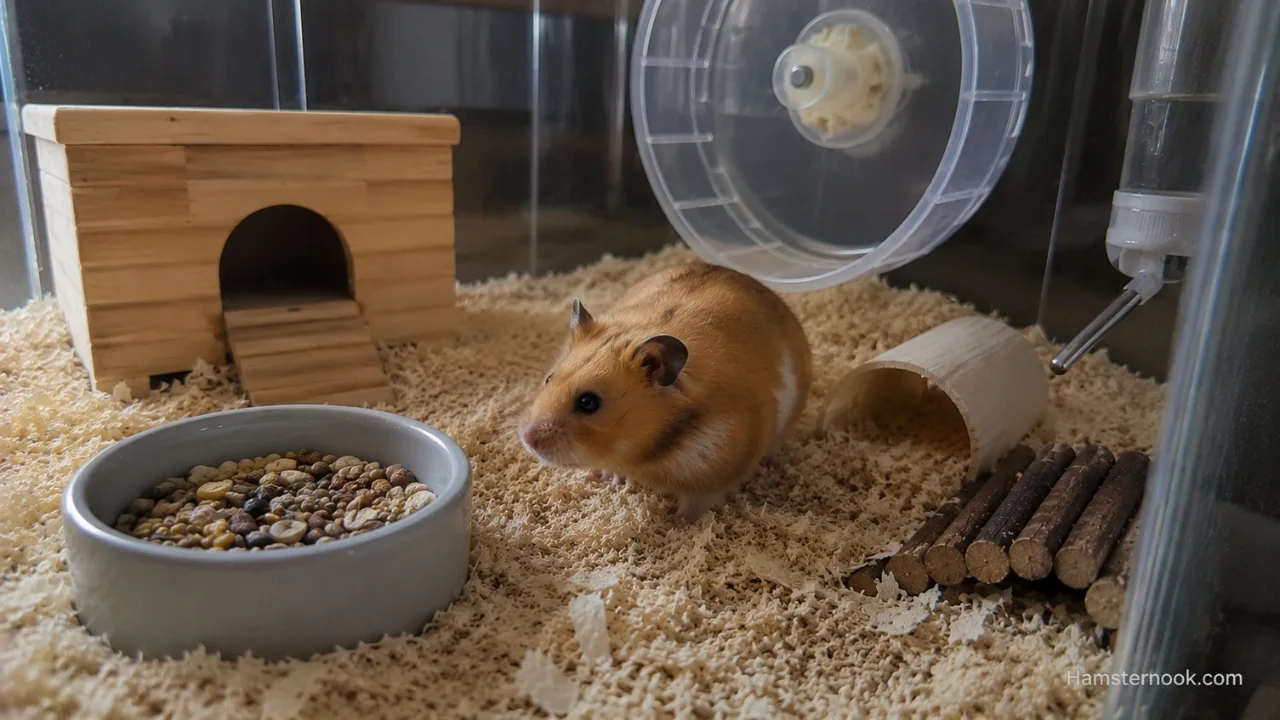
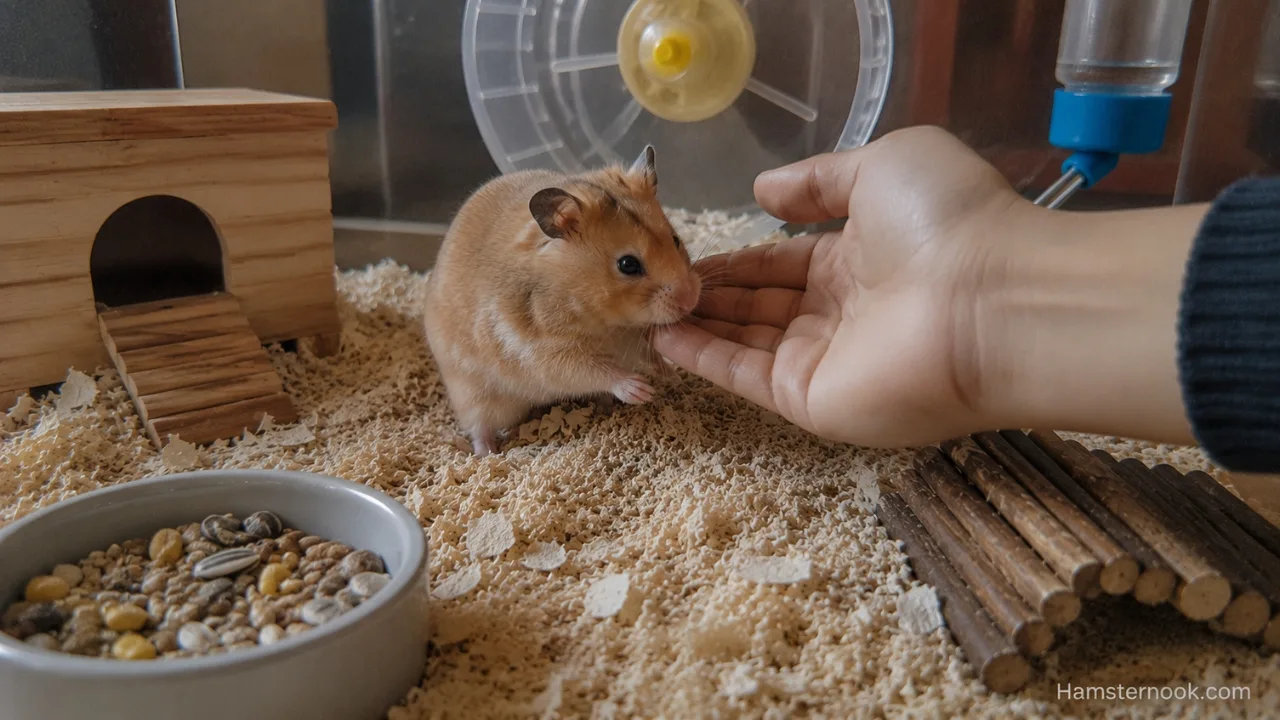
How to Tell If Your Hamster Trusts You
Trust develops gradually.
Many owners expect immediate affection, but hamsters usually require time.
Positive trust signals include:
- Taking treats from your hand
- Approaching the cage front
- Climbing onto your hand voluntarily
- Relaxed grooming near you
- Remaining calm during interaction
Trust-building should always move at the hamster’s pace.
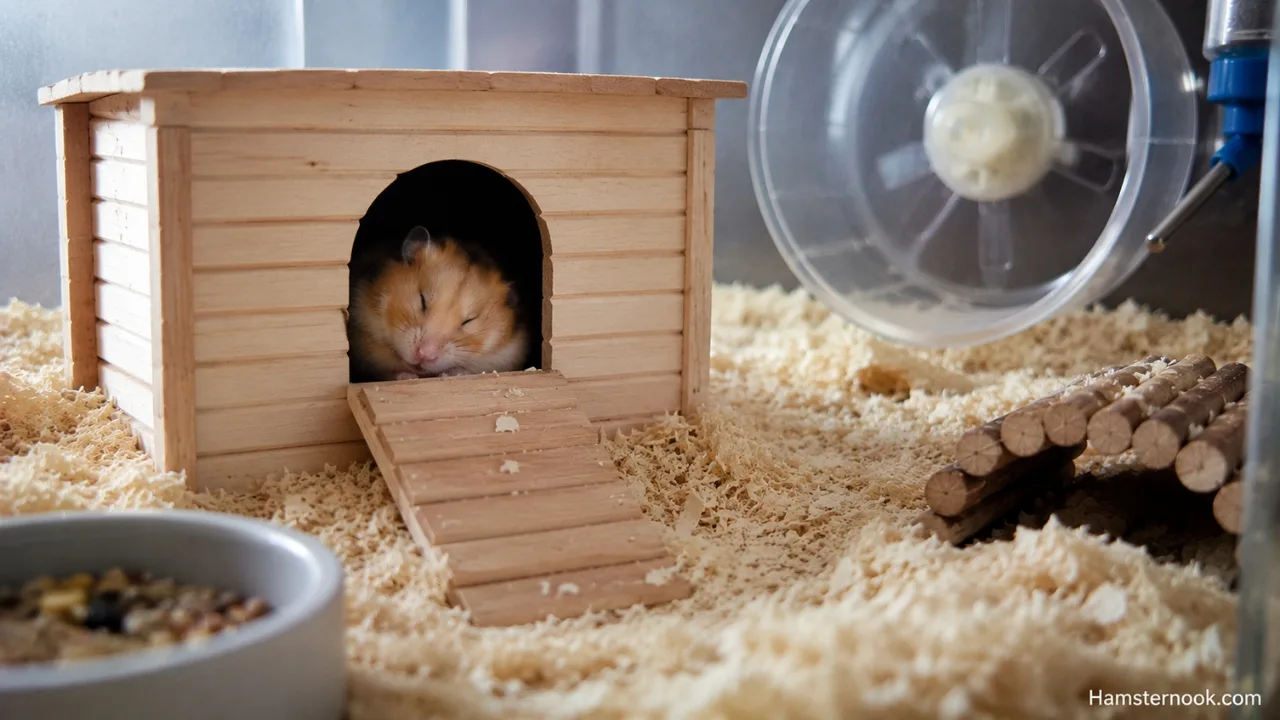
Trust develops gradually through patience, consistency, and positive interactions. 10 Signs Your Hamster Trusts You explains the subtle behaviors that show your hamster is becoming more comfortable and confident around you.
When Should You Contact a Veterinarian?
Some situations require immediate professional attention.
Seek veterinary care if your hamster:
- Stops eating for 24 hours
- Has diarrhea or wet tail symptoms
- Experiences breathing difficulties
- Appears weak or unresponsive
- Shows rapid weight loss
- Has bleeding or injury
- Develops a swollen abdomen
Because hamsters are small animals, health problems can worsen quickly.

Early intervention often improves outcomes significantly.
Common Hamster Emergencies Every Owner Should Recognize
Most hamster health problems start with subtle changes that are easy to overlook. Because hamsters naturally hide signs of illness, waiting until symptoms become severe can make treatment much more difficult. Learning to recognize genuine emergencies helps owners respond quickly and avoid unnecessary delays.
While not every unusual behavior requires an emergency vet visit, certain symptoms should never be ignored.
Your Hamster Suddenly Stops Eating
A hamster that refuses food for an entire day should always be monitored carefully.
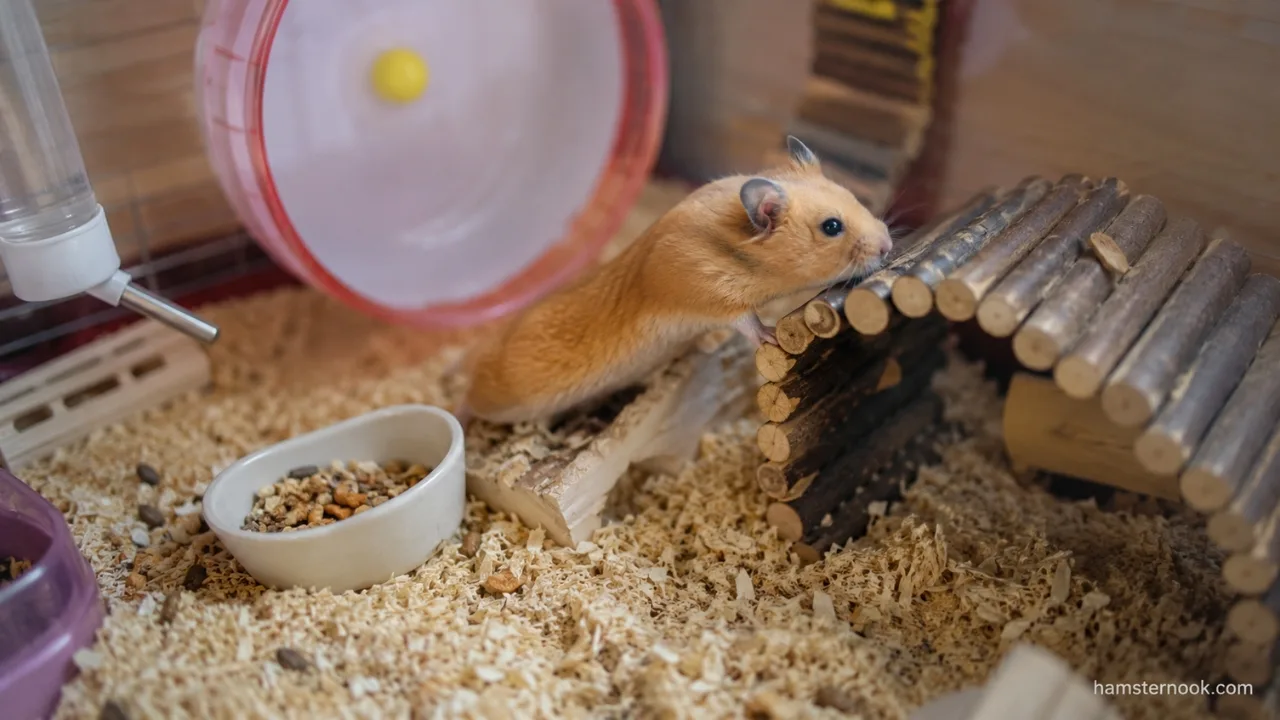
Loss of appetite can sometimes be linked to stress after moving into a new home, dental problems, illness, or digestive issues. Because hamsters have very small bodies, they cannot safely go without food for long.
If your hamster refuses its normal food, favorite treats, and fresh vegetables while also appearing unusually quiet or weak, contact an experienced exotic veterinarian as soon as possible.
Difficulty Breathing
Healthy hamsters breathe quietly and without obvious effort.
Warning signs include:

- Rapid breathing while resting
- Wheezing
- Clicking sounds
- Open-mouth breathing
- Constantly stretching the neck to breathe
Respiratory illnesses can worsen quickly in small animals, especially if dusty bedding or poor ventilation is involved.
Severe Diarrhea or Wet Tail Symptoms
Occasionally, soft droppings may appear after introducing a new food. However, persistent diarrhea is never considered normal.
If you notice:
- Wet fur around the tail
- Strong odor
- Lethargy
- Loss of appetite
- Dehydration
Immediate veterinary care is recommended. Young hamsters are particularly vulnerable to dehydration caused by severe diarrhea.
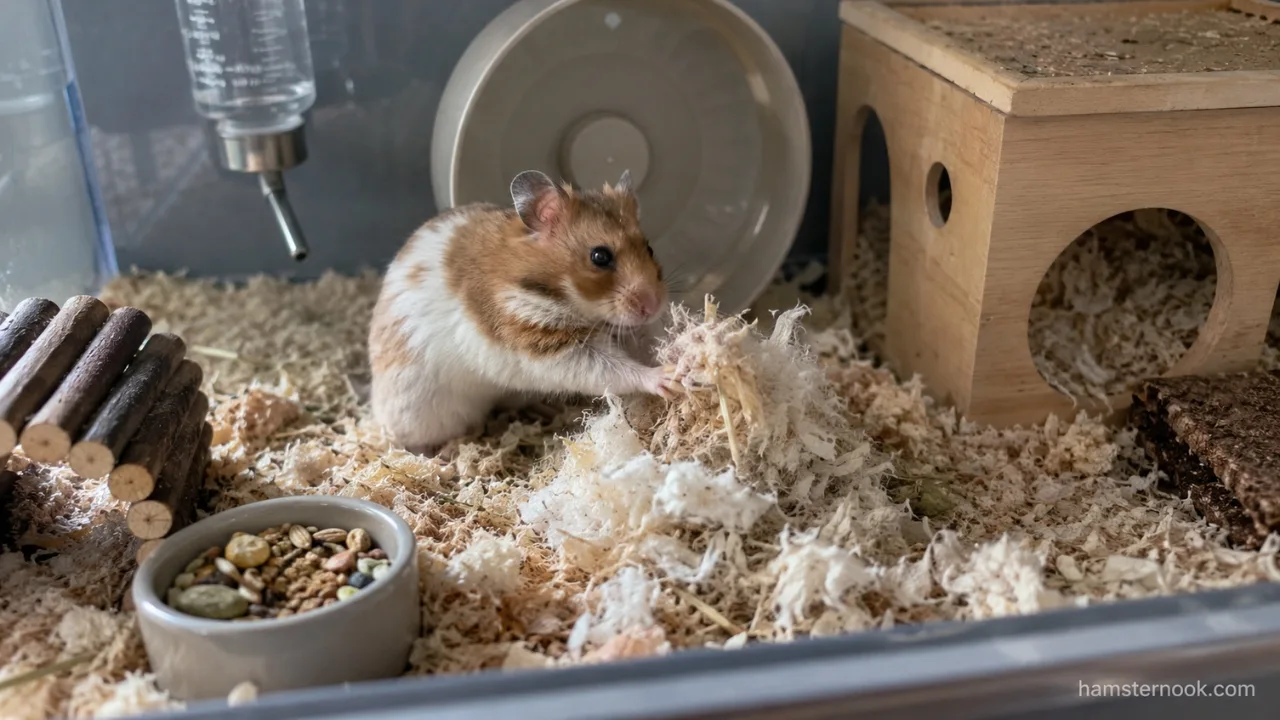
Serious Injuries
Hamsters can sometimes injure themselves by falling from furniture, becoming trapped, or fighting with another hamster.
Watch for:
- Bleeding
- Limping
- Swelling
- Difficulty walking
- Bones appearing out of position
Even if an injury looks minor, monitor your hamster closely over the next several hours because pain often causes them to hide symptoms.
Sudden Collapse or Extreme Weakness
A hamster that suddenly collapses, cannot stand, or becomes completely unresponsive should always be treated as an emergency.

Although older hamsters may naturally become less active with age, sudden weakness is very different from gradual slowing down.
Keeping the hamster warm, quiet, and minimizing unnecessary handling while arranging veterinary care is usually the safest approach.
Heat Stress
Hot weather can become dangerous surprisingly quickly.
Possible warning signs include:
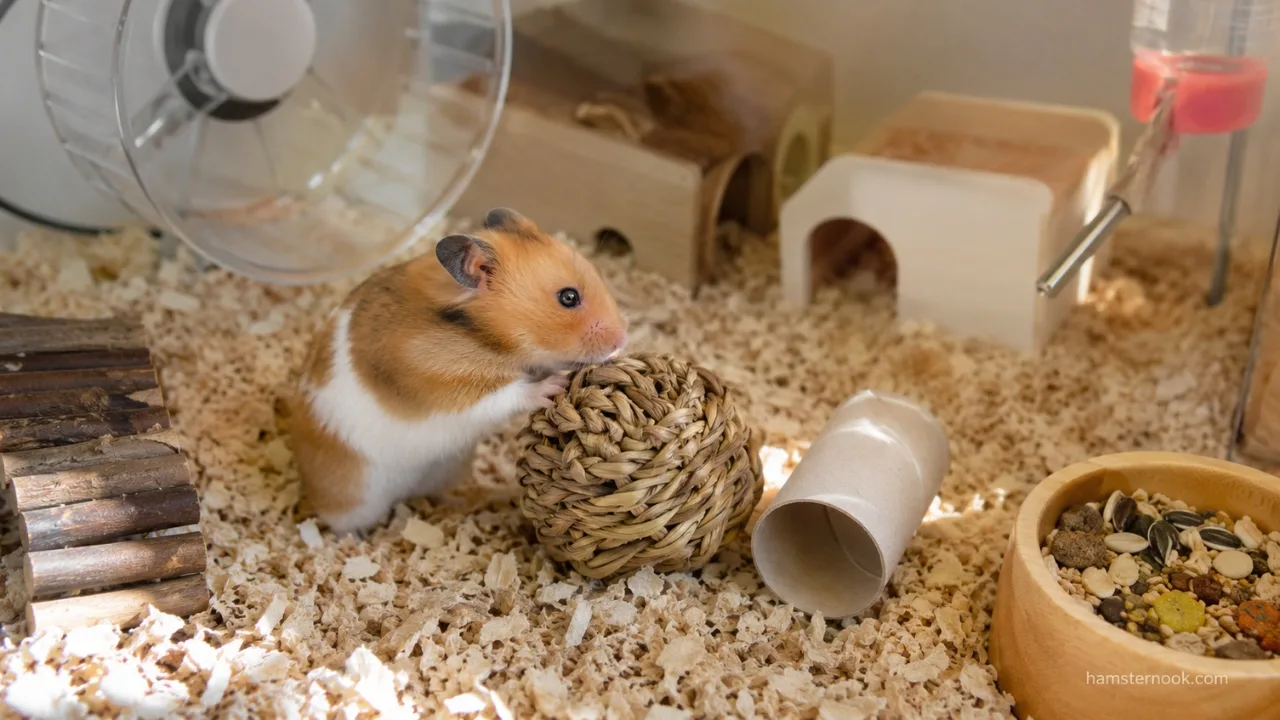
- Lying flat against cool surfaces
- Heavy breathing
- Weakness
- Lack of movement
- Refusing food
Move the enclosure to a cooler room immediately, provide fresh water, and avoid placing the hamster in direct cold air or ice-cold water, as sudden temperature changes can create additional stress.
When Observation Is Enough
Not every unusual behavior requires an emergency appointment.
For example, your hamster may simply sleep longer after an active night, ignore food for a short time after moving to a new enclosure, or spend extra time hiding while adjusting to environmental changes.
The key is watching for patterns rather than isolated events. A single unusual behavior is often less concerning than several warning signs appearing together over a short period.
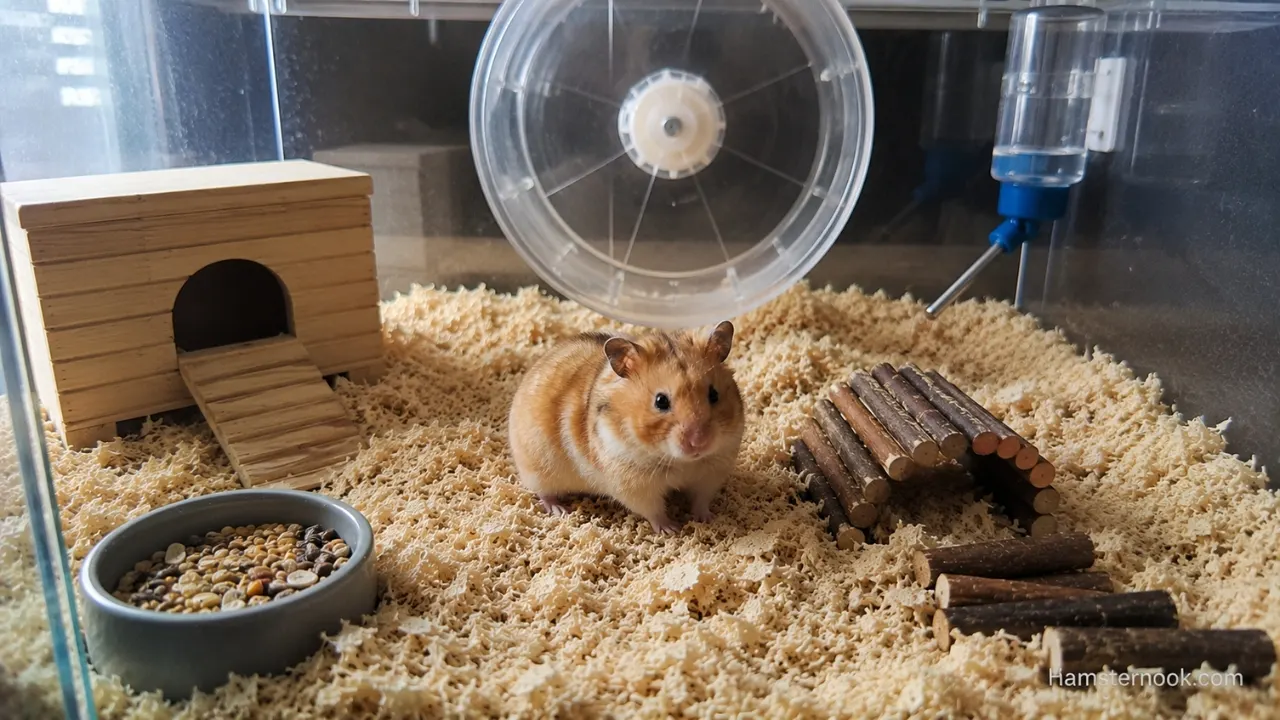
Keep Emergency Contact Information Ready
One simple habit that many experienced owners recommend is finding an exotic veterinarian before an emergency happens.
Save the clinic’s phone number, opening hours, and emergency contact details somewhere easy to access. During a stressful situation, knowing exactly where to seek help can save valuable time.
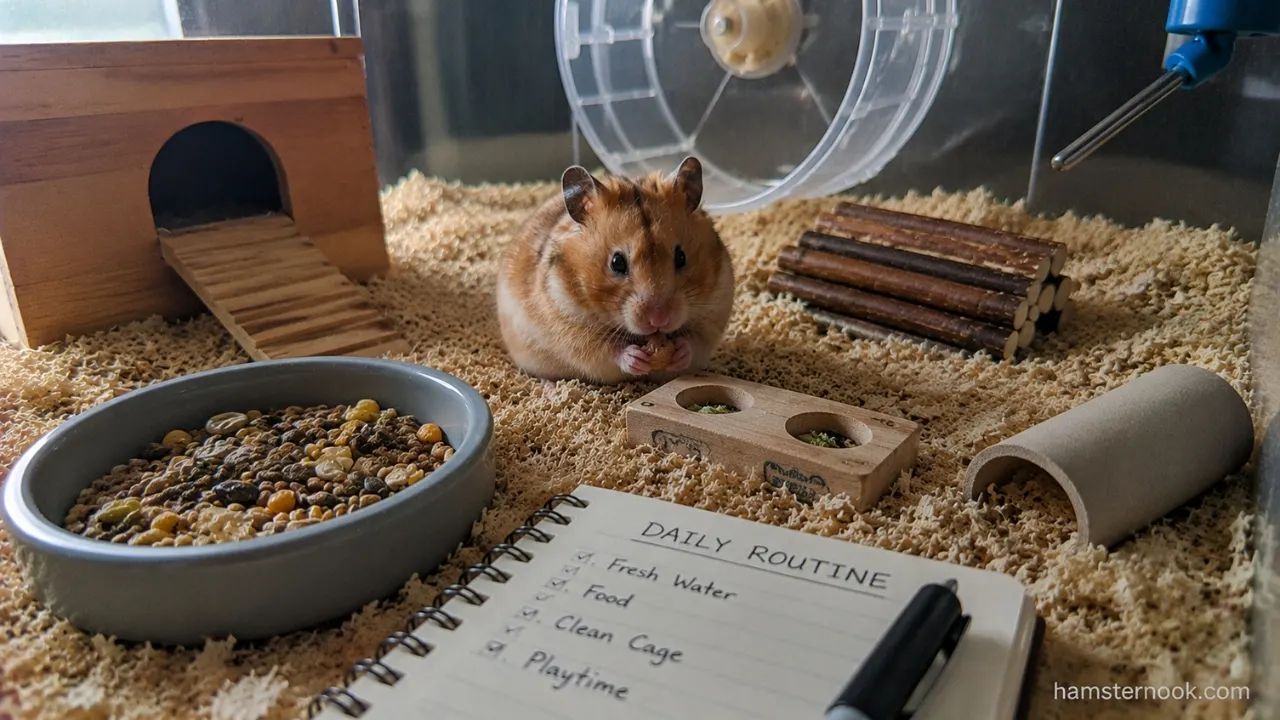
Daily Hamster Care Checklist
The easiest way to keep a hamster healthy is through consistent daily care.
| Task | Frequency |
| Check food supply | Daily |
| Check water bottle | Daily |
| Observe behavior | Daily |
| Remove spoiled food | Daily |
| Spot clean if needed | Daily |
| Check body condition | Weekly |
| Clean accessories | Weekly |
| Review enrichment items | Weekly |
This simple routine helps owners catch potential problems before they become serious.
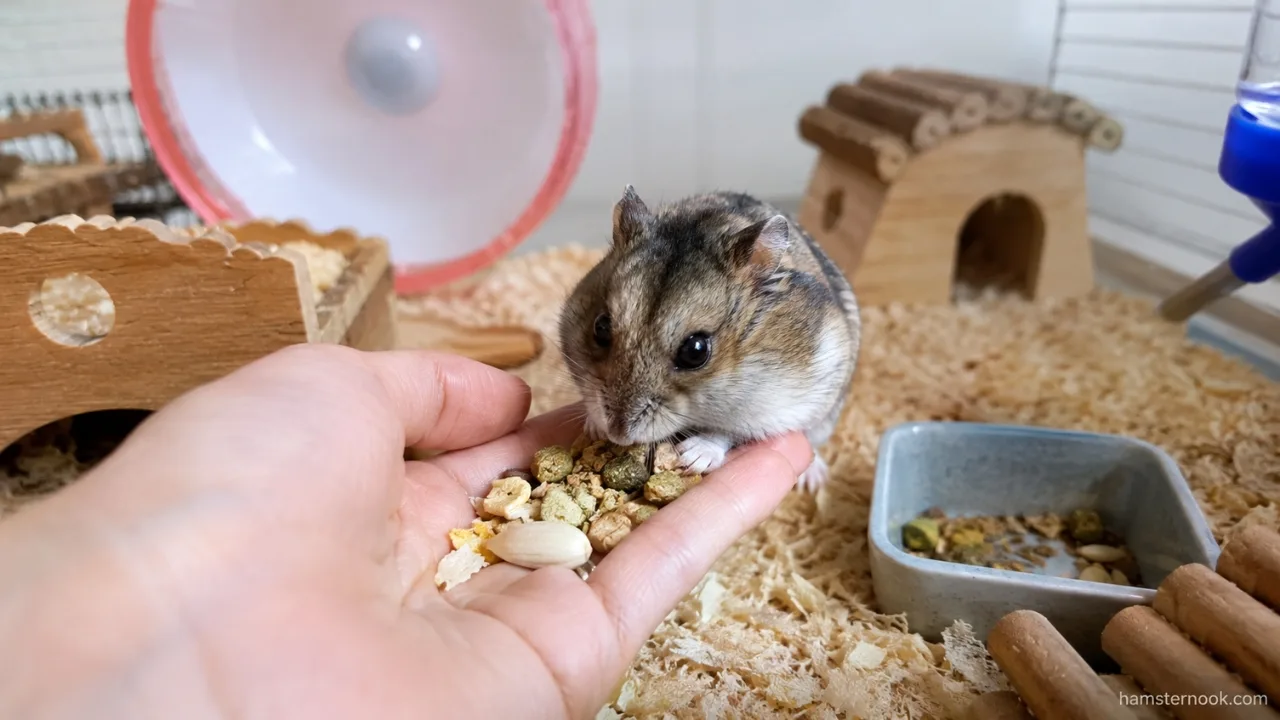
A Complete Daily Hamster Care Routine for Beginners
Many new hamster owners assume that caring for a hamster only takes a few minutes each day. While hamsters are generally low-maintenance pets, a simple daily routine helps prevent many common health and behavior problems before they become serious.
The goal isn’t to constantly interact with your hamster or clean its enclosure. Instead, focus on observing small changes in behavior and maintaining a consistent routine that supports your hamster’s natural habits.
Morning Routine
Since hamsters are mostly nocturnal, they are usually asleep during the morning. This is a good time to perform quiet checks without disturbing them.
A quick morning routine may include:

- Making sure the water bottle is working properly.
- Removing any spoiled fresh food left from the previous night.
- Checking that the room temperature remains comfortable.
- Looking around the enclosure for anything broken or unsafe.
Avoid waking your hamster unless there is a genuine emergency. Quality daytime sleep is essential for both physical health and normal nighttime activity.
Evening Routine
Most hamsters begin waking during the evening, making this the best time for feeding, observation, and interaction.
During this time, you can:
- Refill the food dish if needed.
- Offer fresh vegetables or occasional treats.
- Watch your hamster move around the enclosure.
- Check that it walks normally without limping.
- Make sure it is eating, drinking, grooming, and exploring as expected.
Spending just five to ten minutes quietly watching your hamster each evening often helps owners notice subtle changes long before obvious signs of illness appear.

Weekly Routine
Some important tasks don’t need to be performed every day but should still become part of a regular weekly schedule.
These include:
- Spot-cleaning soiled bedding.
- Wiping food dishes and water bottle nozzles.
- Inspecting chew toys for damage.
- Checking the exercise wheel spins smoothly.
- Looking for hidden spoiled fresh food inside nests or tunnels.
Keeping a consistent weekly routine usually creates a cleaner enclosure while reducing unnecessary stress caused by frequent deep cleaning.
Monthly Routine
A monthly review is also useful for making sure the overall habitat continues meeting your hamster’s needs.
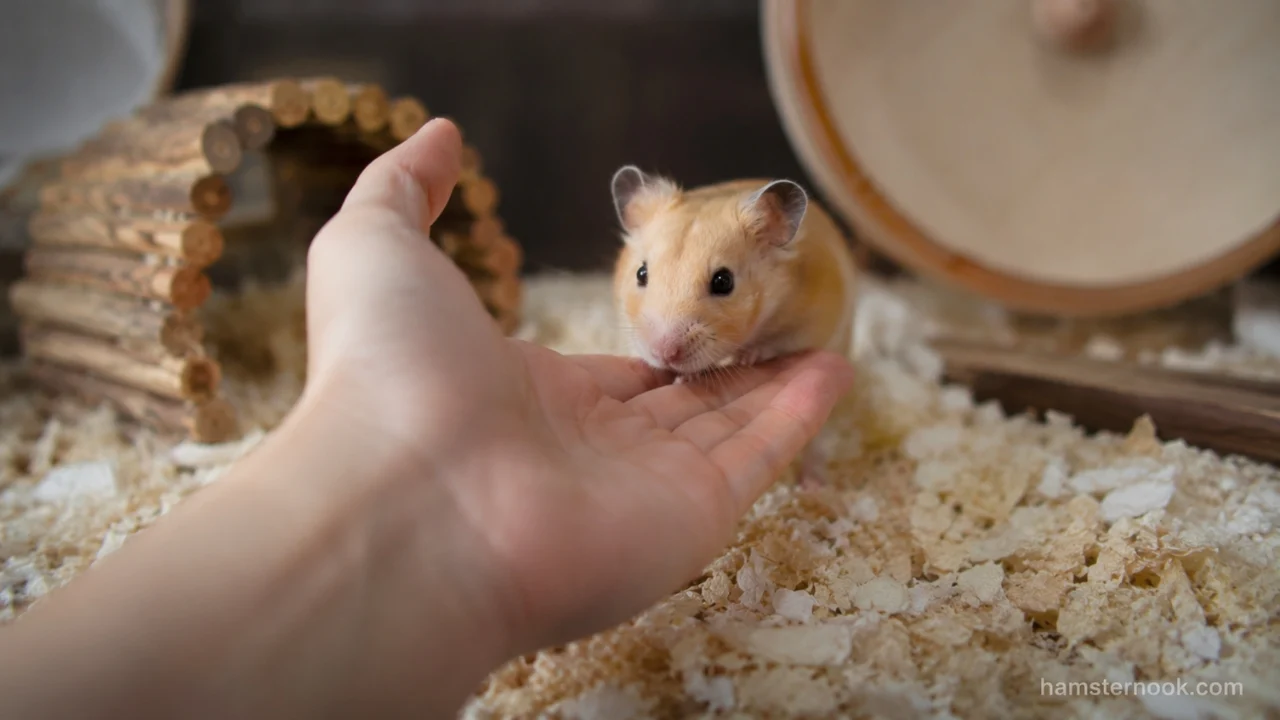
Take time to check:
- Whether the bedding depth is still suitable for burrowing.
- The condition of hideouts and tunnels.
- Whether enrichment items need rotating.
- If any wooden toys have become heavily worn.
- Whether the enclosure layout still provides enough open space for movement.
These small maintenance checks help prevent gradual problems that are easy to overlook during daily care.
Observe Behavior Instead of Following the Clock
One of the biggest differences between experienced and beginner owners is that experienced owners pay close attention to patterns rather than isolated behaviors.
For example, sleeping later than usual on a single day is rarely a concern. However, if your hamster suddenly becomes less active for several nights, stops eating normally, drinks unusually large amounts of water, or avoids its favorite activities, the combination of changes deserves closer attention.
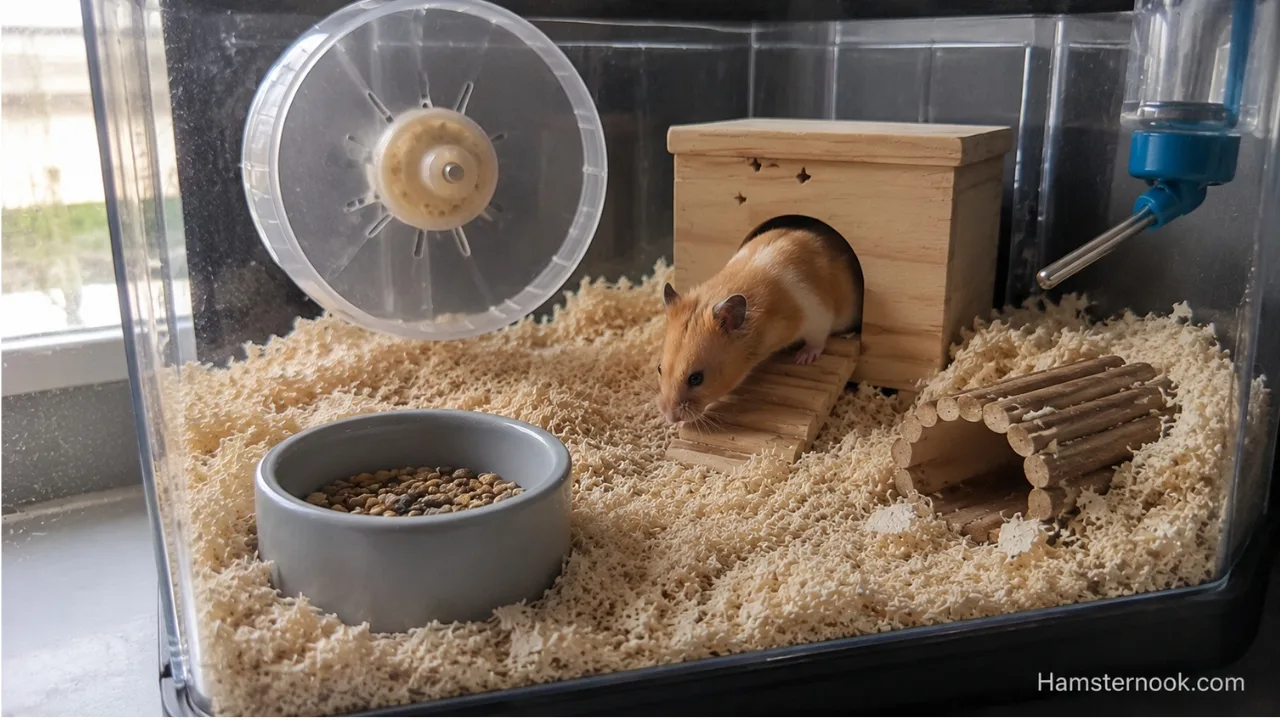
Learning what is normal for your own hamster is far more valuable than comparing it with another hamster online.
Build a Routine Your Hamster Can Predict
Hamsters usually respond well to consistency.
Try to feed your hamster at roughly the same time each evening, clean the enclosure on a regular schedule, and avoid making frequent changes to the cage layout without a reason.
Predictable routines help reduce stress because your hamster becomes familiar with its daily environment and knows what to expect.

Over time, many owners notice that their hamster becomes more confident, explores more often, and responds more calmly when daily care follows a consistent routine.
Advanced Hamster Care Tips for Long-Term Success
Once the basics are covered, good hamster care becomes less about buying more products and more about understanding your hamster’s individual needs.
Experienced owners often notice that the healthiest and happiest hamsters usually have three things in common:
- A secure environment
- Consistent routines
- Opportunities to express natural behaviors
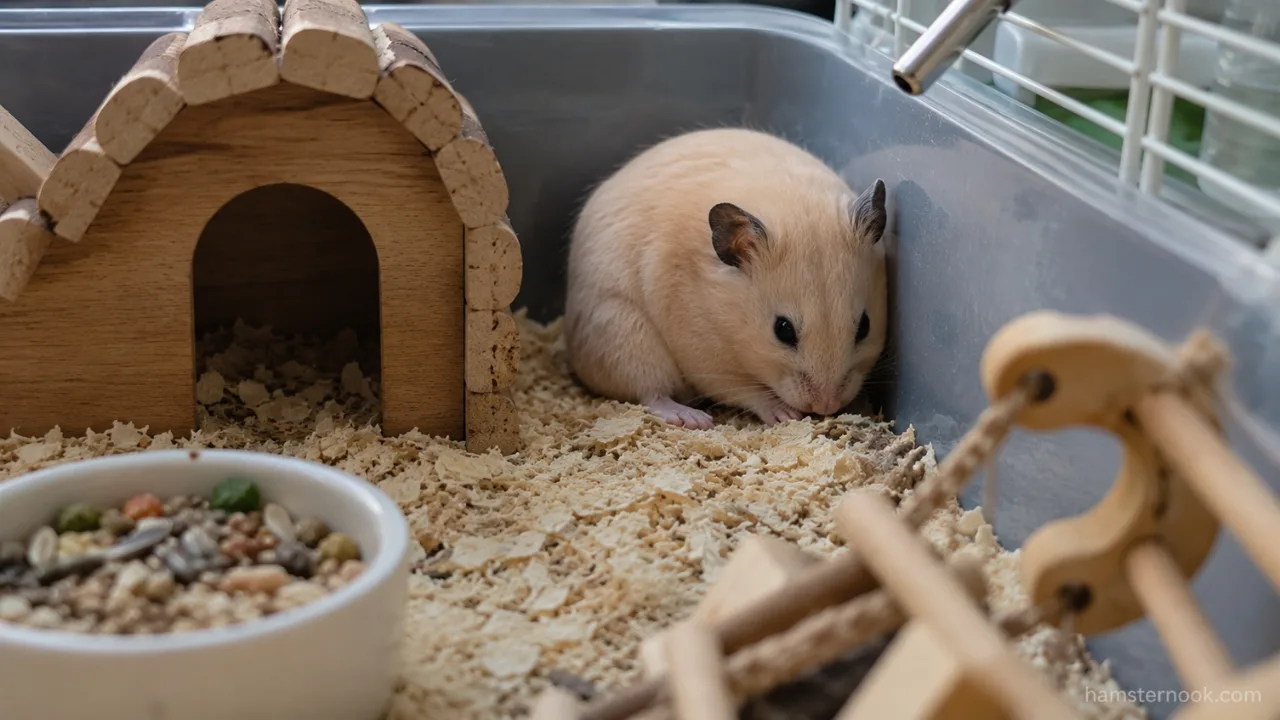
Encourage Natural Behaviors
Hamsters are naturally driven to:
- Dig
- Burrow
- Forage
- Explore
- Collect food
- Create nests
A good setup allows these behaviors to happen daily.
When hamsters can perform natural behaviors, they are often more active, confident, and mentally stimulated.
If you’re looking for safe options, Best Hamster Chew Toys for Healthy Teeth and Preventing Overgrown Teeth explains which chew toys support healthy dental wear.
Rotate Enrichment Items Occasionally
Adding variety can help prevent boredom.

Examples include:
- New tunnels
- Different hideouts
- Safe chew toys
- Foraging opportunities
- Cardboard enrichment items
Introducing one or two new items at a time is usually better than completely rearranging the enclosure, which can leave some hamsters feeling unsettled.
Respect Your Hamster’s Personality
Not every hamster behaves the same way.
Some hamsters enjoy interaction and willingly approach owners.

Others remain independent throughout their lives.
Neither personality type is wrong.
Successful hamster ownership involves working with your hamster’s personality rather than trying to force a particular behavior.
Common Hamster Behaviors That Are Often Misunderstood
One of the biggest reasons new hamster owners worry unnecessarily is that many completely normal hamster behaviors look unusual at first. Understanding these natural instincts makes it much easier to tell the difference between healthy behavior and a genuine problem.

Sleeping More Than Expected
Hamsters naturally sleep for long periods during the day because they are primarily nocturnal animals. A healthy hamster may remain inside its nest for several hours without showing any signs of illness.
Instead of focusing on how long your hamster sleeps, pay attention to what it does after waking up. A hamster that eats normally, explores its enclosure, grooms itself, and stays active during the evening is usually behaving as expected.
Rearranging the Cage Overnight
Many owners spend time creating the perfect cage layout only to find that everything has been moved by the next morning.
This behavior is completely normal.
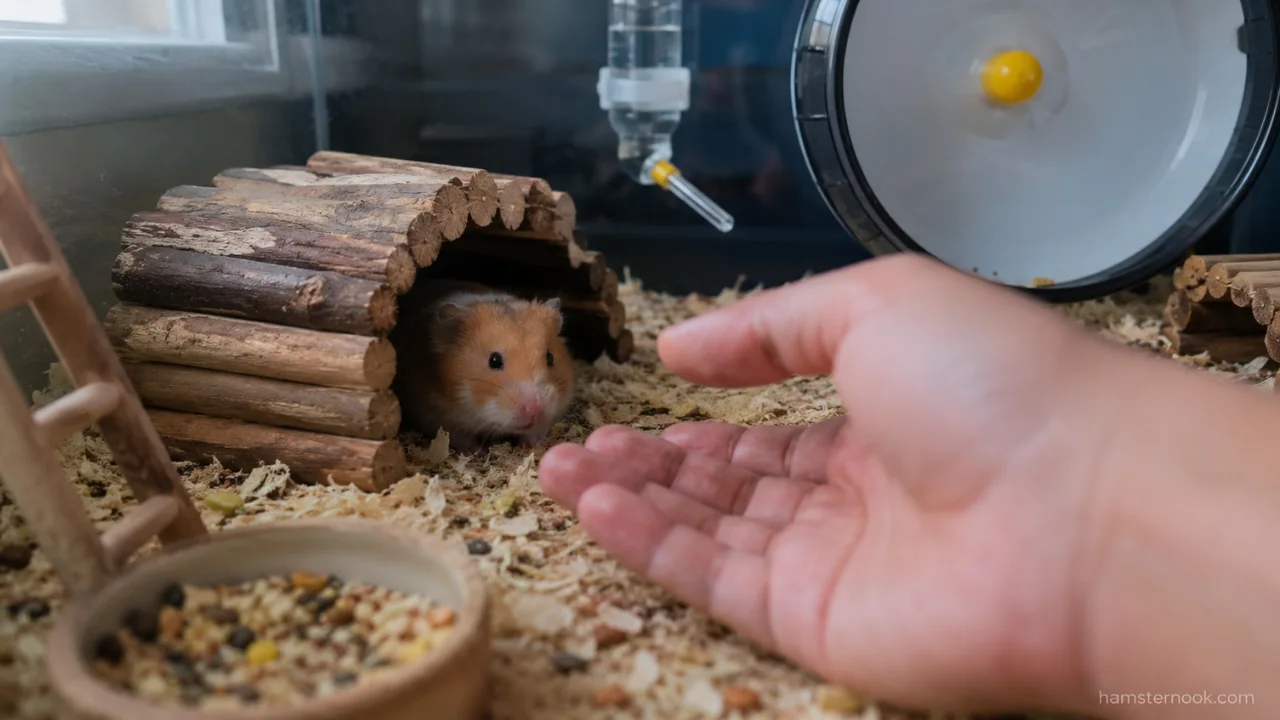
Hamsters naturally rearrange bedding, tunnels, nesting material, and even food storage areas to create an environment that feels secure. Allowing them to make these adjustments is part of providing proper enrichment.
Hiding for Long Periods
A hamster that spends several hours inside a hideout is not necessarily unhappy.
In the wild, hamsters avoid open spaces whenever possible because they are prey animals. Spending time inside tunnels or enclosed shelters often indicates that your hamster feels safe enough to rest rather than exposed or threatened.
Only become concerned if hiding is accompanied by other changes such as refusing food, difficulty moving, weight loss, or unusual breathing.

Hoarding Food
Finding piles of food hidden beneath bedding surprises many first-time owners.
Food hoarding is one of the strongest natural instincts that hamsters have. They collect and store food so they can return to it later, even when food is always available.
Regularly checking hidden food stores during routine cage maintenance helps remove spoiled fresh foods while allowing dry food hoards to remain largely undisturbed.
Occasional Biting Doesn’t Always Mean Aggression
Many bites happen because a hamster becomes frightened rather than aggressive.

Sudden movements, waking a sleeping hamster, reaching into a hideout unexpectedly, or carrying unfamiliar scents on your hands can all trigger defensive biting.
Building trust gradually usually reduces these reactions over time.
Every Hamster Has a Different Personality
Some hamsters eagerly approach the front of the enclosure whenever they see their owner, while others remain independent throughout their lives.
Neither personality is right or wrong.

A confident hamster may enjoy exploring your hands and interacting regularly, whereas another may prefer observing from a distance while still living a healthy and stress-free life.
Learning to respect your hamster’s individual personality often leads to a stronger relationship than trying to force interaction.
Seasonal Care Considerations
Hamsters can be sensitive to environmental changes.
Summer Care
During warmer months:
- Keep cages out of direct sunlight
- Monitor room temperatures
- Ensure constant water access
- Improve ventilation when needed
Overheating can quickly become dangerous.
Winter Care
During colder months:
- Avoid drafts
- Maintain stable room temperatures
- Provide sufficient nesting material
Sudden temperature changes can cause unnecessary stress.
Signs Your Hamster Is Thriving
Owners often focus on warning signs while forgetting to recognize positive indicators.

A hamster that is thriving typically:
- Eats regularly
- Drinks normally
- Maintains body weight
- Uses the wheel
- Explores confidently
- Grooms frequently
- Builds nests
- Shows curiosity
- Responds predictably to routine
No hamster is active every minute of every day.
The goal is consistency rather than perfection.
Building a Strong Relationship With Your Hamster
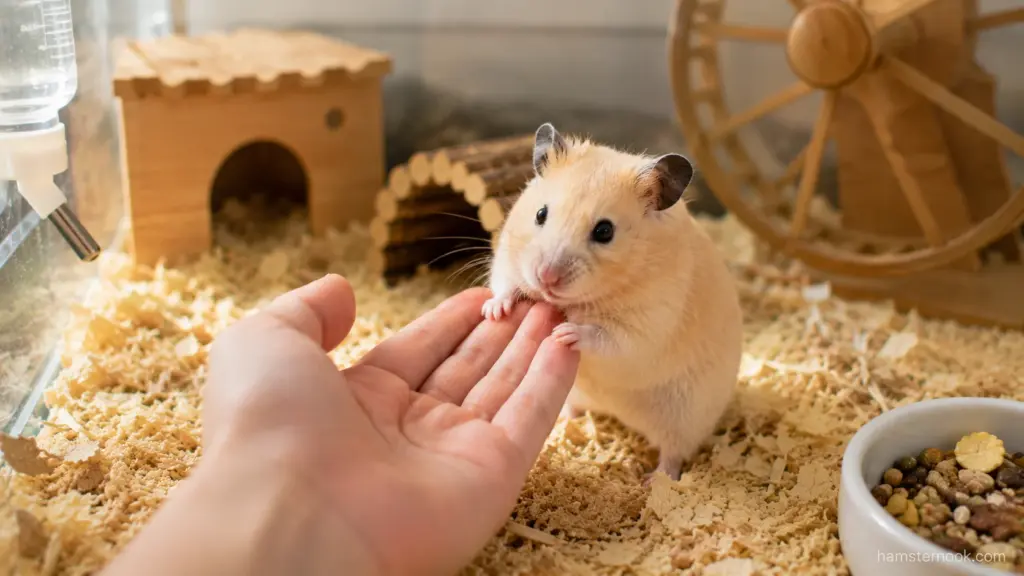
Trust develops through repeated positive experiences.
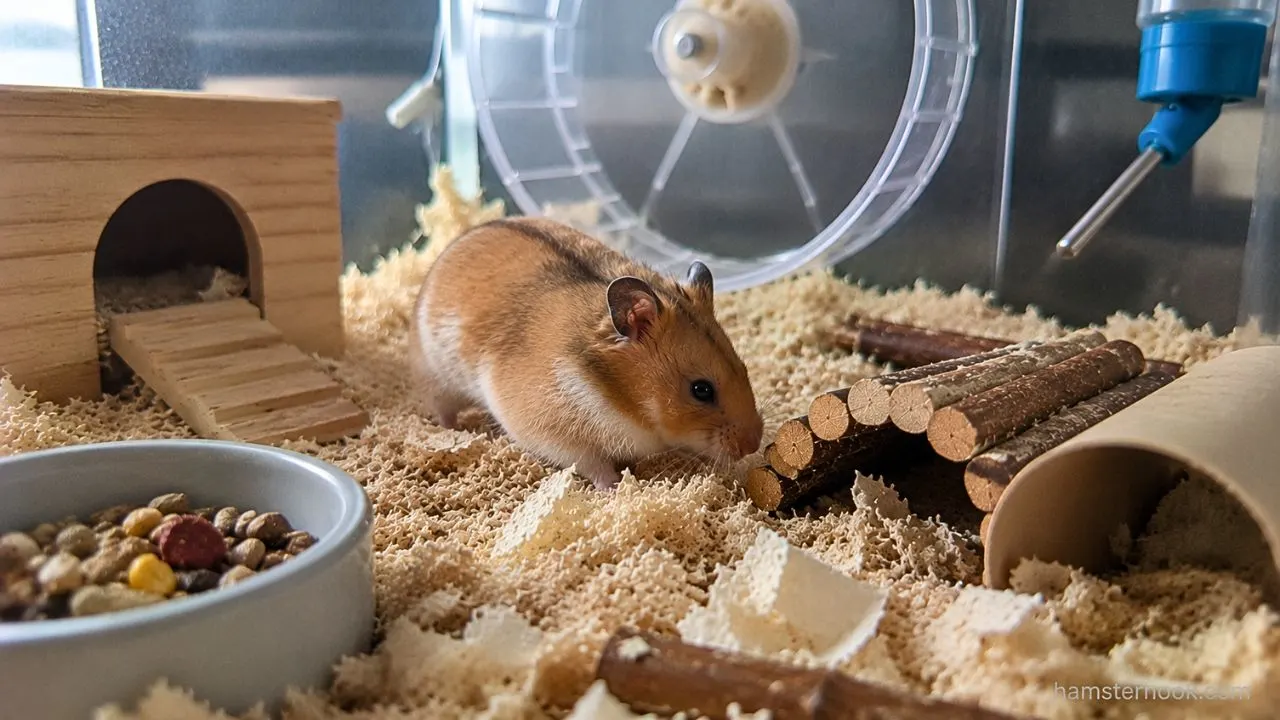
If your hamster still seems nervous around people, How to Tame a Hamster Without Getting Bitten explains simple trust-building techniques that help many hamsters become more confident over time.
The most effective approach includes:
- Patience
- Consistency
- Gentle handling
- Respect for boundaries
Many owners find that relationships improve significantly once they stop trying to rush the process.
Allow your hamster to decide when interaction feels comfortable.

Over time, many hamsters begin approaching their owners voluntarily and showing greater confidence.
Final Thoughts
Hamster care is often portrayed as simple, but the reality is that these small animals have complex needs and unique personalities.
In reality, good hamster care is usually more about consistency than expensive products.
A spacious enclosure, deep bedding, proper nutrition, regular enrichment, fresh water, and daily observation provide the foundation for a healthy and comfortable life.

Expensive accessories matter far less than paying attention to your hamster’s daily habits. Owners who notice small changes early are often the ones who prevent bigger problems later.
Whether you are bringing home your first hamster or improving the care of a current pet, focusing on the fundamentals will have the greatest impact on your hamster’s health, happiness, and overall wellbeing.
The more you learn about your hamster’s habits and needs, the easier it becomes to create an environment where it can feel comfortable and thrive.
Medical Disclaimer
This article is intended for educational purposes only and should not be considered veterinary advice. Every hamster is unique, and changes in behavior, appetite, activity level, grooming, or overall health may indicate an underlying medical condition. If your hamster develops persistent or concerning symptoms, consult a qualified exotic animal veterinarian for an accurate diagnosis and appropriate treatment.
References
This guide is based on hamster health, welfare, nutrition, behavior, and husbandry information from trusted veterinary and animal welfare organizations, including:
- RSPCA – Hamster Health & Welfare
- RSPCA – Keeping Hamsters as Pets
- RSPCA – Hamster Behaviour
- RSPCA – What to Feed a Pet Hamster
- PDSA – Hamsters as Pets
- Merck Veterinary Manual – Routine Health Care of Hamsters
- Merck Veterinary Manual – Providing a Home for a Hamster
Frequently Asked Questions
How long does it take a hamster to settle into a new home?
Most hamsters need several days to a few weeks to fully adjust. During this period, minimizing handling and maintaining a calm environment can help reduce stress.
Is it normal for a hamster to sleep all day?
Yes. Hamsters are primarily nocturnal and usually sleep during daylight hours before becoming active in the evening.
How do I know if my hamster is bored?
Signs may include cage biting, excessive climbing, repetitive behaviors, or reduced interest in the environment. Additional enrichment often helps.
How often should I handle my hamster?
This depends on the hamster’s personality and level of trust. Short, positive interactions are usually more effective than long handling sessions.
What is the biggest mistake new hamster owners make?
Choosing an enclosure that is too small is one of the most common mistakes and can contribute to stress, behavioral issues, and reduced welfare.

Narayan Kumar is the founder and author of HamsterNook. He creates practical, research-based hamster care guides covering hamster behavior, nutrition, cage setup, enrichment, health, and everyday care. His goal is to help hamster owners make informed decisions and provide safer, healthier lives for their pets through clear, beginner-friendly information based on trusted animal care resources.