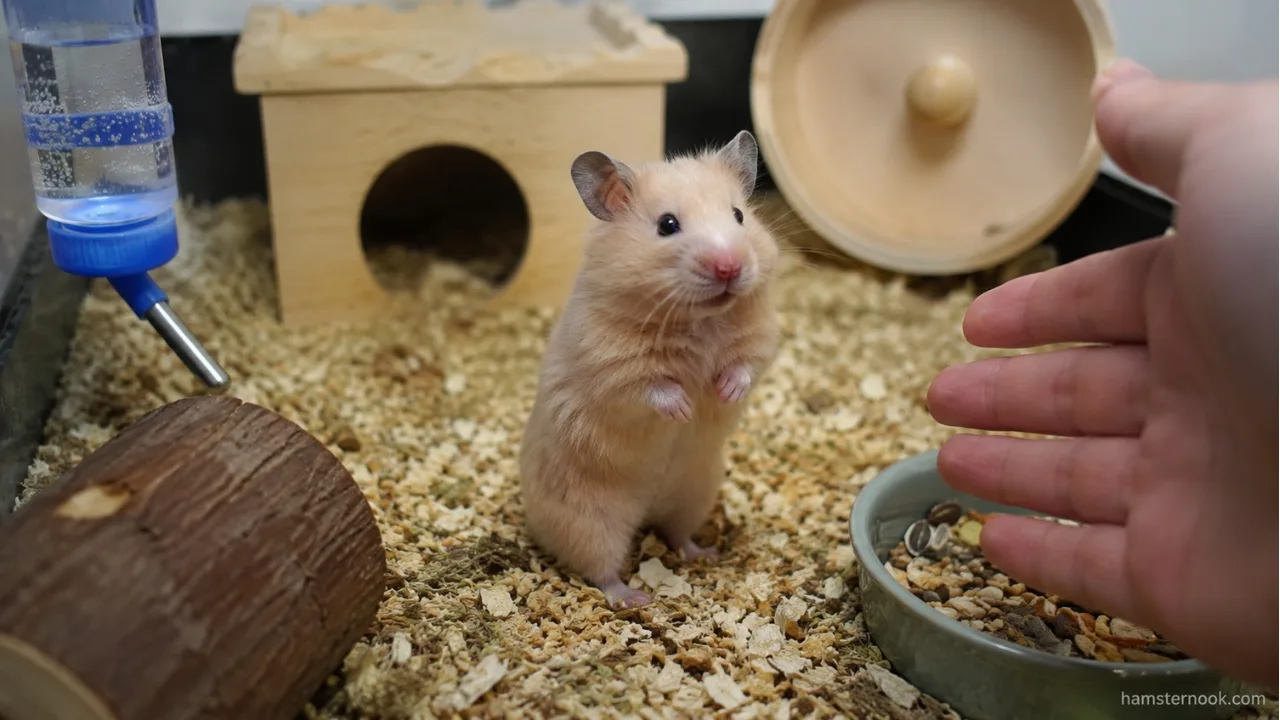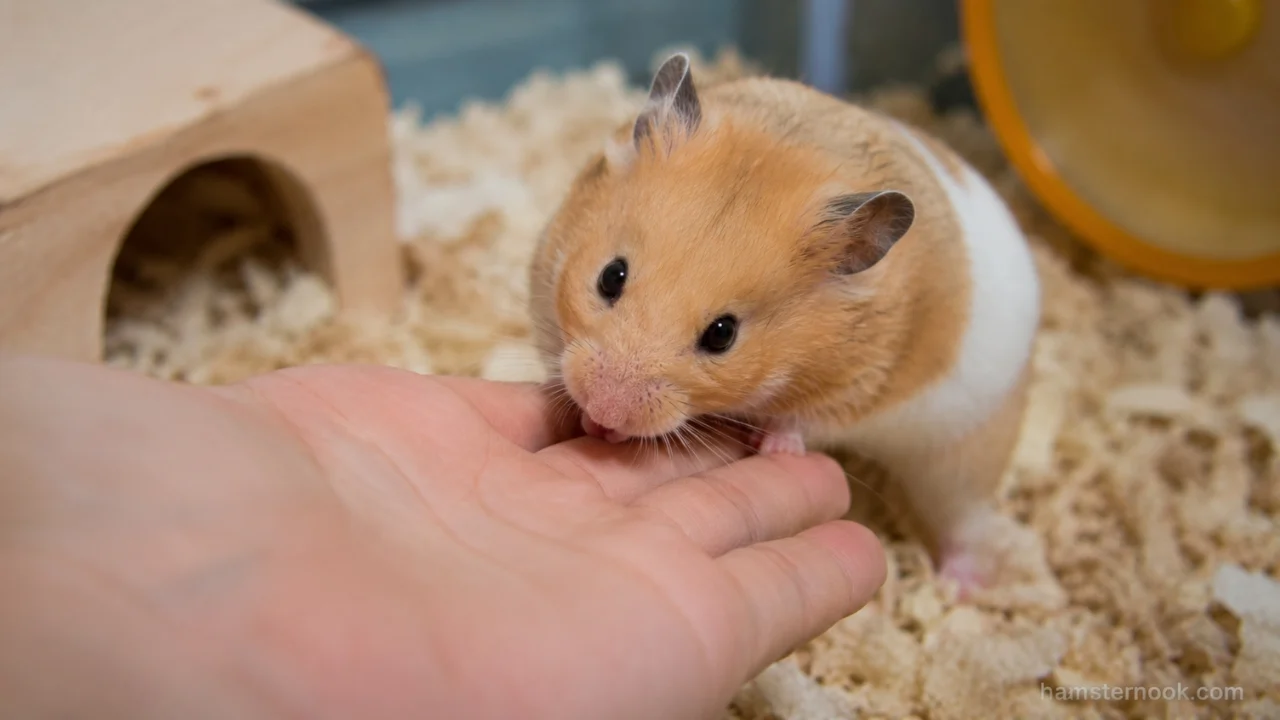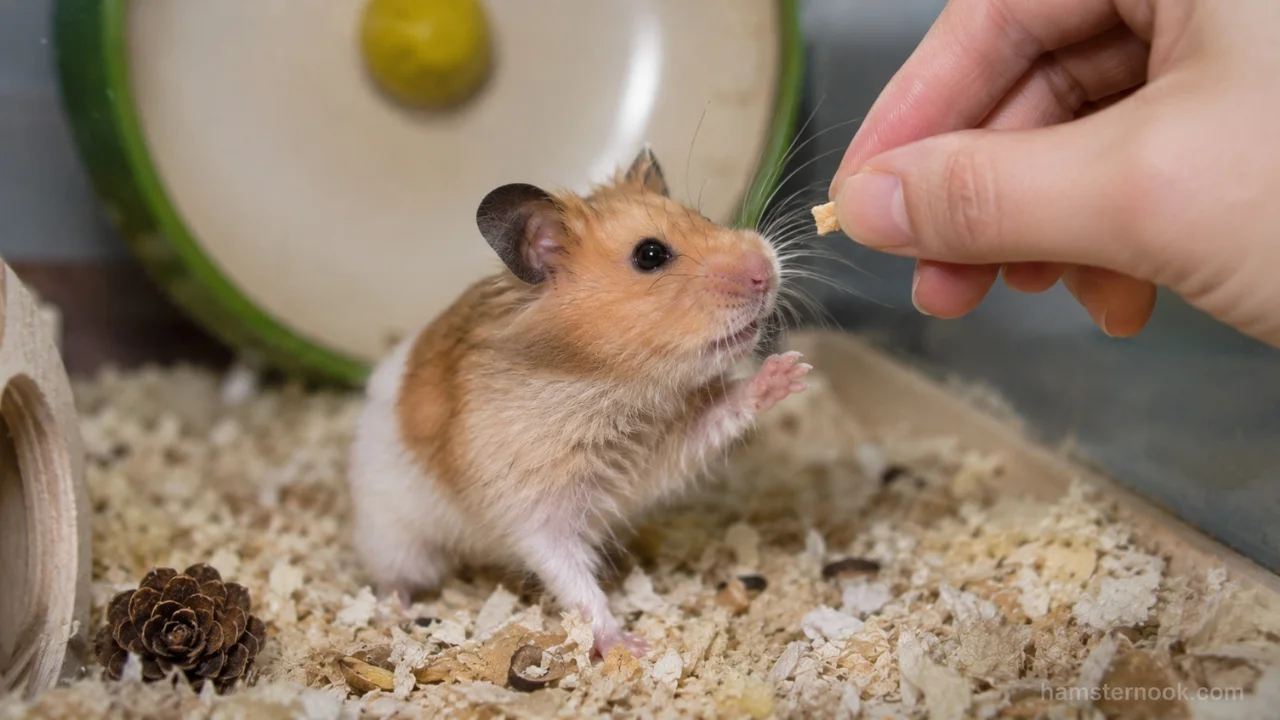
Many hamster owners have experienced a surprising moment: you place your hand near the cage, and your hamster seems to know it’s you before you’ve even spoken. Some hamsters calmly approach familiar hands, while others appear more cautious around strangers. This naturally raises an interesting question: can hamsters actually recognize their owners by smell alone?
The short answer is that hamsters have an extremely powerful sense of smell and likely use scent as one of their primary ways of identifying familiar people. However, scent is only one part of the process. Hamsters also learn through repeated experiences, daily routines, familiar sounds, and regular interactions over time.
Knowing how hamsters recognize familiar people makes many everyday behaviors easier to understand.
How Important Is a Hamster’s Sense of Smell?
A hamster’s nose is constantly gathering information about its surroundings, which is why scent changes often trigger curiosity long before visual changes do.

For hamsters, smell is one of the most important senses they possess.
Unlike humans, who rely heavily on vision, hamsters navigate much of their world through scent. In the wild, scent helps them:
- Find food
- Identify safe territory
- Detect predators
- Locate potential mates
- Recognize familiar environments
Because hamsters are naturally active during low-light conditions, their sense of smell often provides more useful information than their eyesight.
This is one reason a hamster may recognize a familiar person even before making direct visual contact.

Can Hamsters Recognize Their Owners Through Scent?
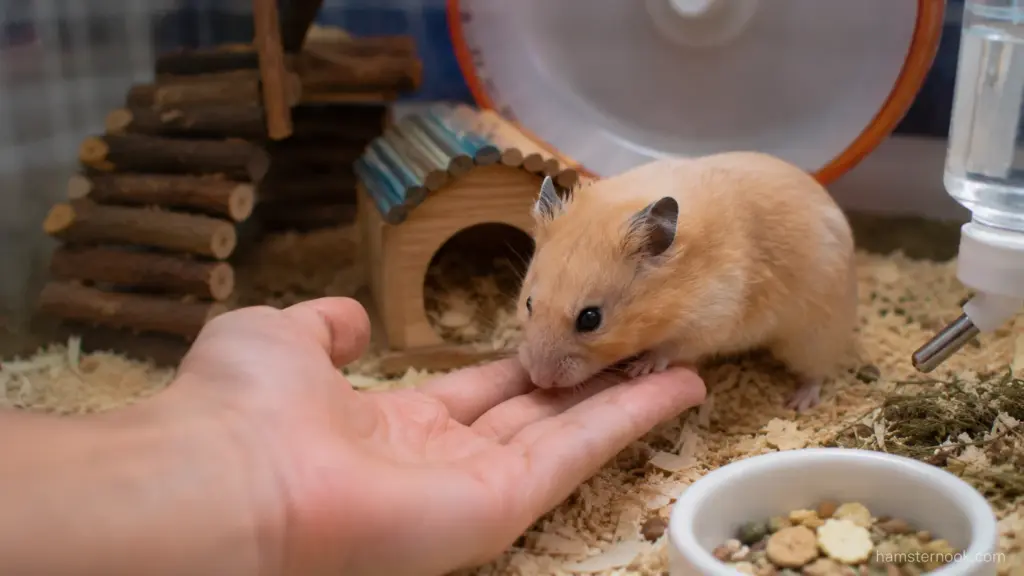
The more often a hamster connects a scent with positive experiences, the more familiar and trustworthy that scent becomes.
Hamsters rely heavily on scent, and familiar odors may help them distinguish people and surroundings. However, direct research confirming exactly how pet hamsters recognize individual human owners is limited.
While there is limited research specifically testing owner recognition in pet hamsters, their reliance on scent and their ability to distinguish between familiar and unfamiliar odors support this idea.
Over time, your hamster becomes exposed to:

- Your natural skin scent
- The scent of your clothing
- Your home environment
- Your handling routine
These repeated scent associations allow your hamster to learn that your presence is familiar and generally safe.
Recognition is only the beginning. Our How to Get a Hamster to Trust You Faster Without Stressing It Out guide explains how to turn familiarity into long-term trust.
Scent recognition develops gradually through repeated positive experiences rather than overnight. The more calm and predictable your interactions are, the easier it becomes for your hamster to associate your scent with safety instead of uncertainty.
Why Smell Matters More Than Vision for Hamsters
Many new owners assume their hamster recognizes them by sight. While vision plays a role, smell is likely much more important.
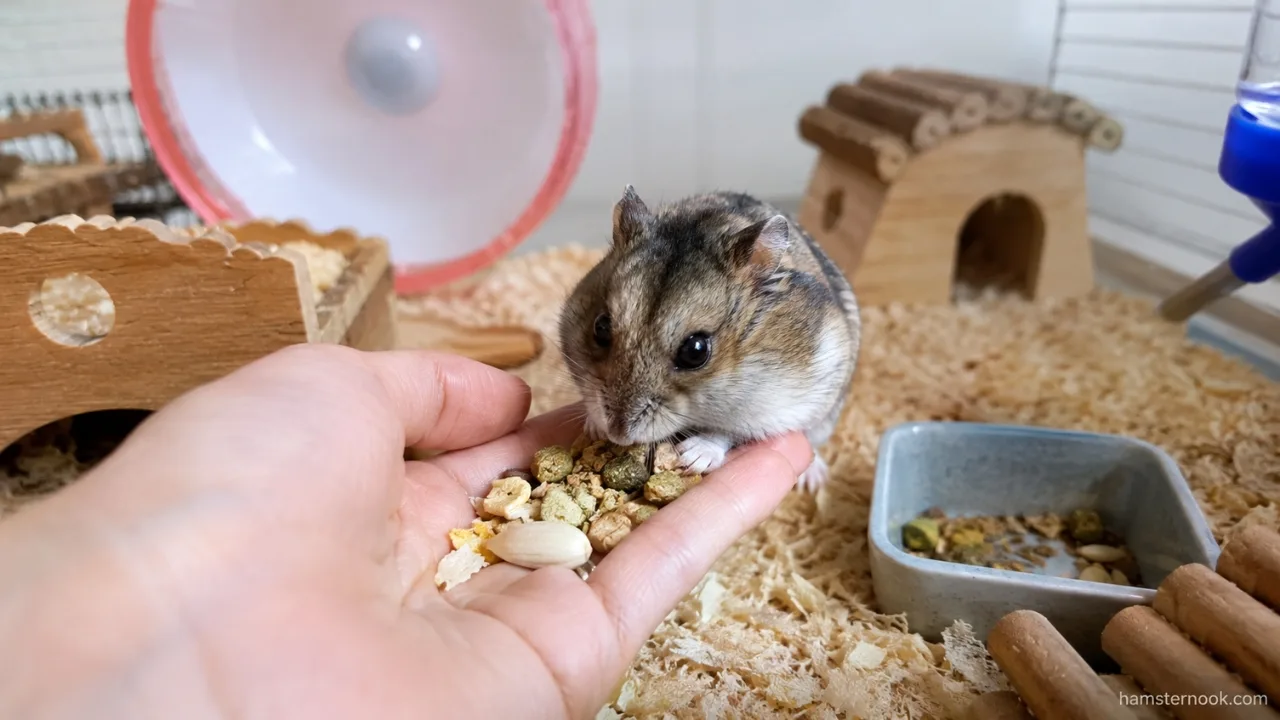
Comparing Hamster Senses
| Sense | Role in a Hamster’s World | Possible Role in Recognizing You |
|---|---|---|
| Smell | Helps detect odors and gather information about surroundings | May help distinguish familiar people and scents |
| Hearing | Helps detect sounds in the environment | May help a hamster become familiar with your voice and routine |
| Touch | Provides information during close contact | Handling experiences can affect comfort and trust |
| Vision | Contributes to awareness of the surroundings | May contribute alongside other sensory cues |
Smell remains the dominant sense for most day-to-day recognition and environmental awareness.
Because hamsters have relatively poor eyesight compared with their sense of smell, scent provides a more reliable way to identify familiar people and surroundings.
This is also why a hamster may react differently if your hands suddenly smell unfamiliar due to a new soap, lotion, or food scent.
How Hamsters Learn to Associate Your Scent with Safety
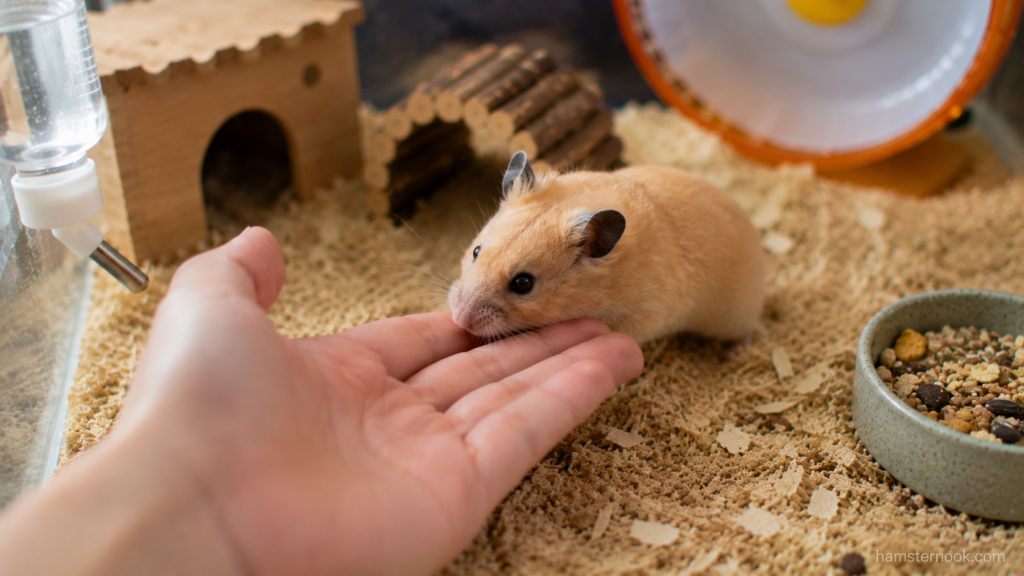
Familiarity takes time to develop.

When a hamster first arrives in a new home, every smell is unfamiliar. During the first few days, your scent is simply another part of a completely new environment.
Helping a new hamster settle in calmly makes scent recognition much easier. Our The Biggest Mistake New Hamster Owners Make in the First Week guide explains how to avoid slowing the bonding process.
As positive experiences accumulate, your hamster begins associating your scent with:
- Food
- Water
- Gentle handling
- Treats
- A predictable routine
Over time, your scent becomes one of the familiar signals your hamster associates with safety and routine.

Signs Your Hamster Recognizes Your Scent
Experienced owners often notice that scent recognition appears before handling confidence. A hamster may begin approaching a familiar hand long before it feels comfortable climbing onto it.
While we cannot ask a hamster what it recognizes, certain behaviors often suggest familiarity.
Positive Recognition Behaviors
| Behavior | What It May Suggest |
|---|---|
| Approaching your hand calmly | Your presence may have become familiar and less worrying |
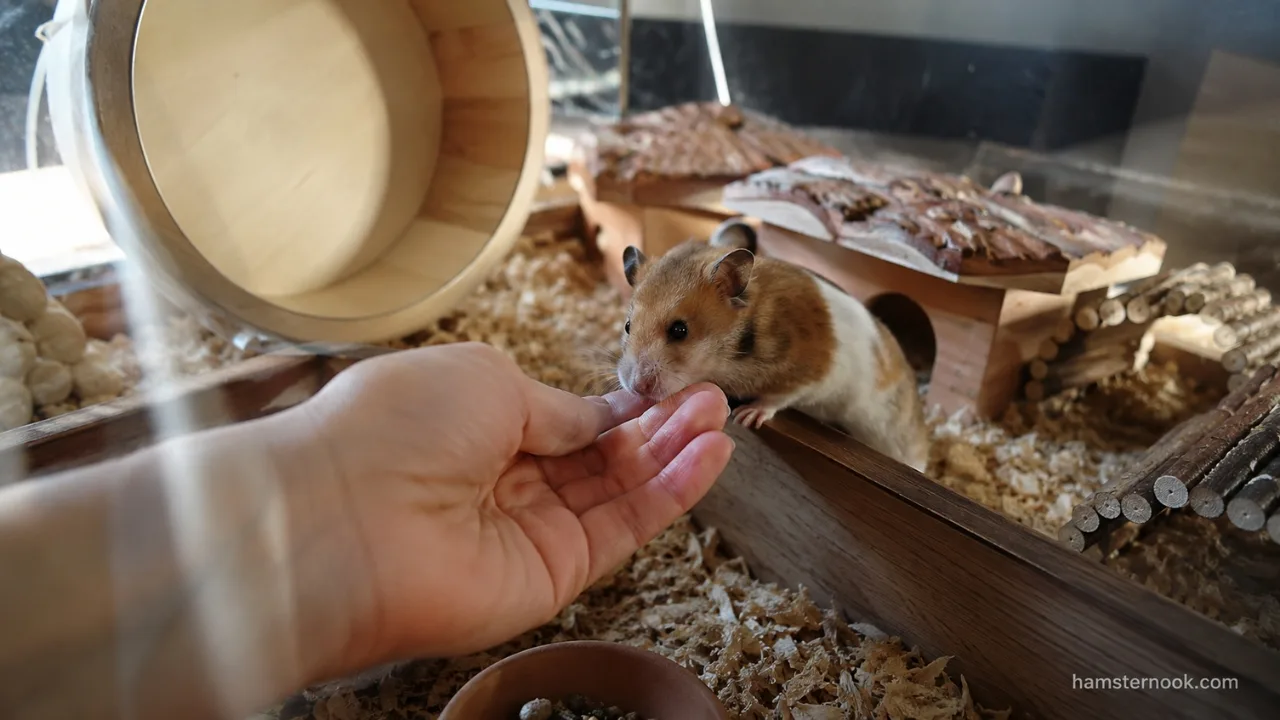
| Taking treats from your hand | Your hamster may feel more comfortable approaching you |
| Hiding less when you approach | Your presence may feel less threatening than before |
| Climbing onto your hand voluntarily | Your hamster may be becoming more confident with handling |
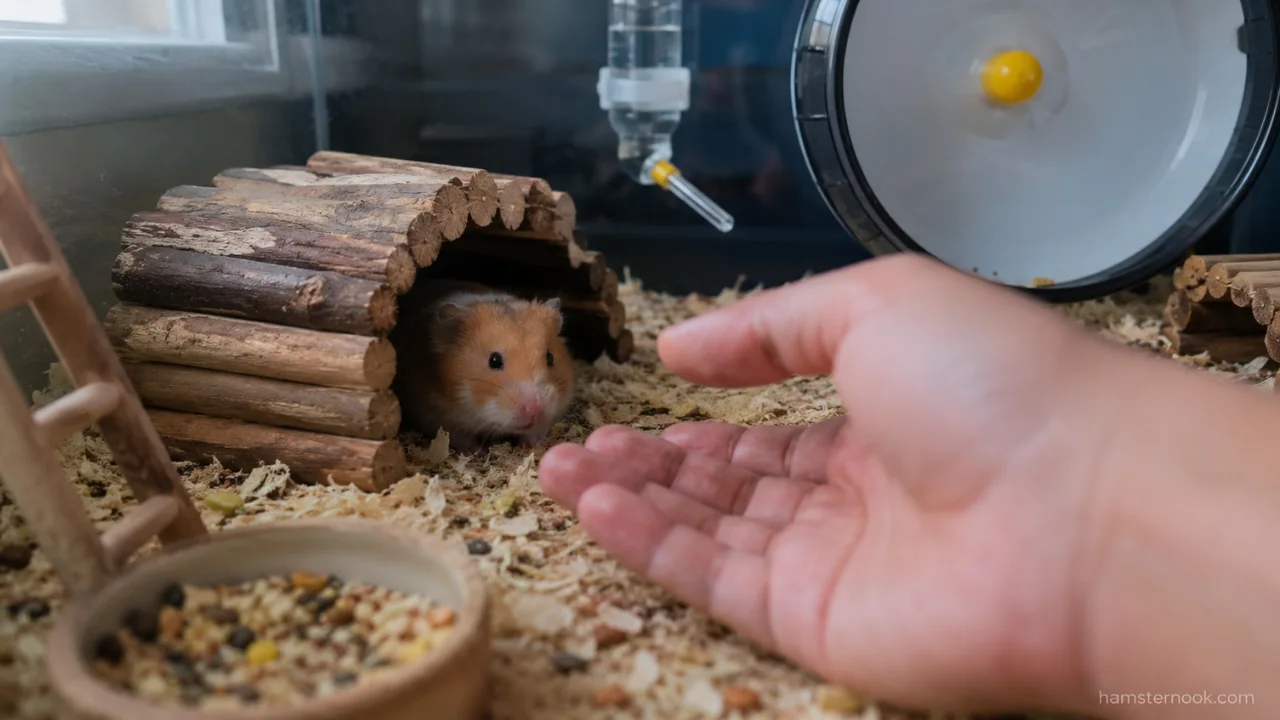
| Sniffing your hand before approaching | Your hamster is investigating the scent; this alone does not prove recognition |
Individual hamsters may display only some of these behaviors, especially during the early stages of taming.
Can Hamsters Distinguish Between Different People?
This is one reason some hamsters willingly approach their primary caregiver but hesitate around unfamiliar visitors.
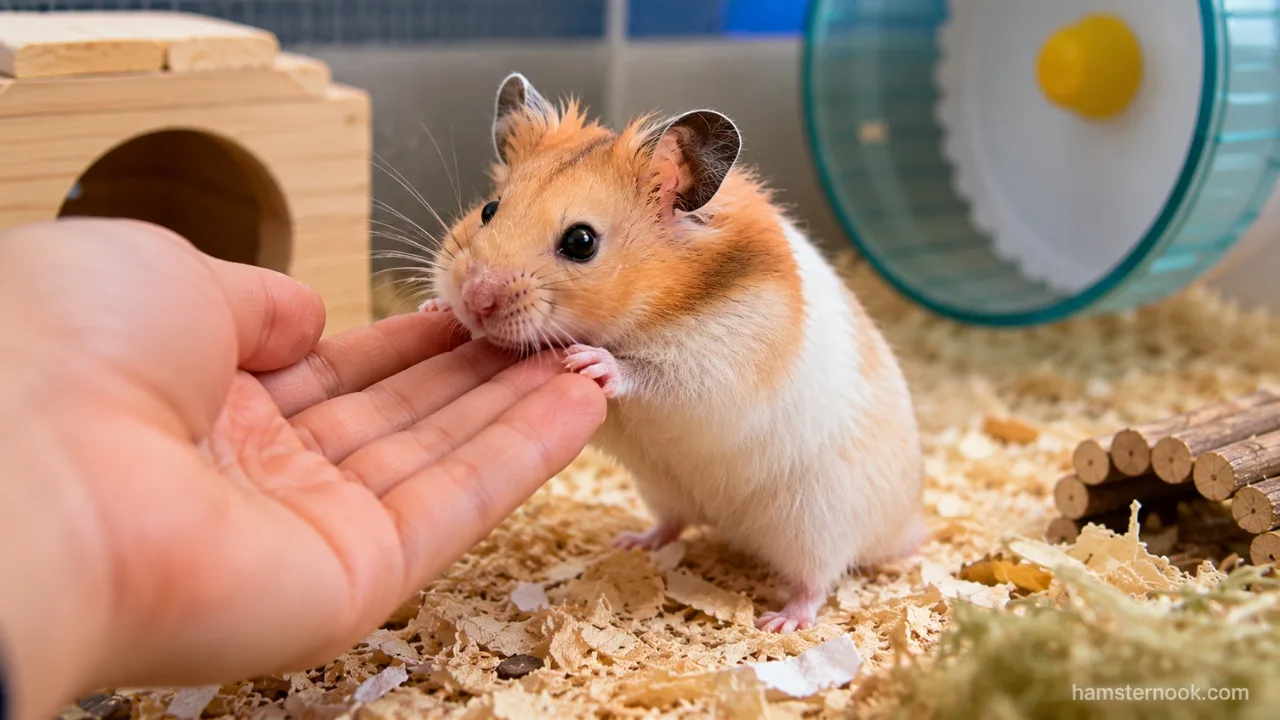
Yes, hamsters appear capable of distinguishing between different individuals.
Many owners notice that their hamster reacts differently to family members, visitors, or strangers.
Some owners even notice that their hamster consistently prefers interacting with one particular person. Our Do Hamsters Prefer One Person? article explores why that may happen.
A hamster may:

- Approach one person confidently
- Remain cautious around another
- Accept treats from a familiar owner
- Avoid unfamiliar hands
Scent is likely one of the major factors behind these differences.
Because hamsters use scent so extensively, they can often detect distinctions that humans cannot notice themselves.
This ability also helps explain why some hamsters seem more relaxed with their primary caregiver than with other household members.
Temporary caution is normal whenever a hamster encounters a scent that differs from what it expects.

What Happens If Your Scent Changes?
One common experience among hamster owners is noticing unusual reactions after using a new product.
Your hamster may become cautious if your hands suddenly smell different because of:
- New soap
- Hand sanitizer
- Lotion
- Perfume
- Food preparation odors
This doesn’t mean your hamster has forgotten you.
Instead, the familiar scent cues they rely on may temporarily be masked.
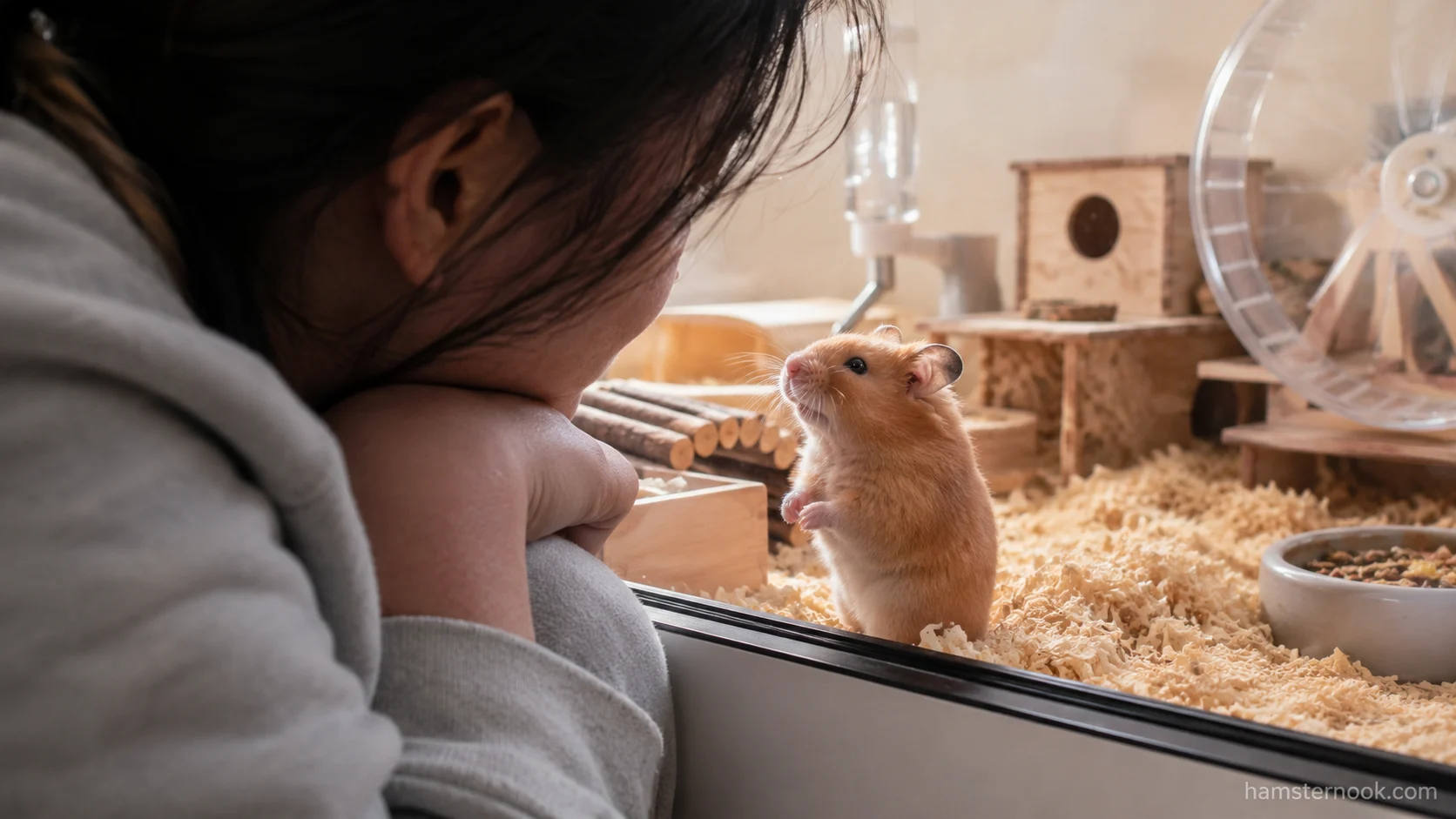
Many owners see their hamster spend extra time sniffing before relaxing and behaving normally again.
If you’ve recently changed soap or handled strong-smelling foods, allow your hamster a little extra time to investigate before attempting to pick it up. Giving it time to confirm your scent often reduces unnecessary stress.
Can Hamsters Recognize Their Owners by Voice Too?
While smell is likely the primary recognition method, hearing also plays a role.
Hamsters can learn to associate certain sounds with positive experiences.

For example, many hamsters begin responding to:
- A familiar voice
- Food preparation sounds
- Cage-opening sounds
- Daily routines
Some owners report that their hamster becomes active when hearing their voice, especially around feeding times.
Many owners also wonder whether hamsters can recognize specific words. Our Do Hamsters Know Their Names? The Surprising Truth About How They Recognize You guide explains how hamsters respond to familiar sounds and routines.
Common Mistakes That Can Disrupt Scent Recognition
Many owners unknowingly interfere with the scent-based trust their hamster is building.

Handling Too Frequently Too Soon
Constant handling before trust develops can create negative associations.
If your hamster still seems frightened by normal interaction, our Why Your New Hamster Seems Scared of Everything guide explains the most common causes and how to help it feel secure.
A hamster that feels stressed may begin associating your scent with uncomfortable experiences.
Wearing Strong Fragrances
Heavy perfumes or scented lotions can mask your natural scent.
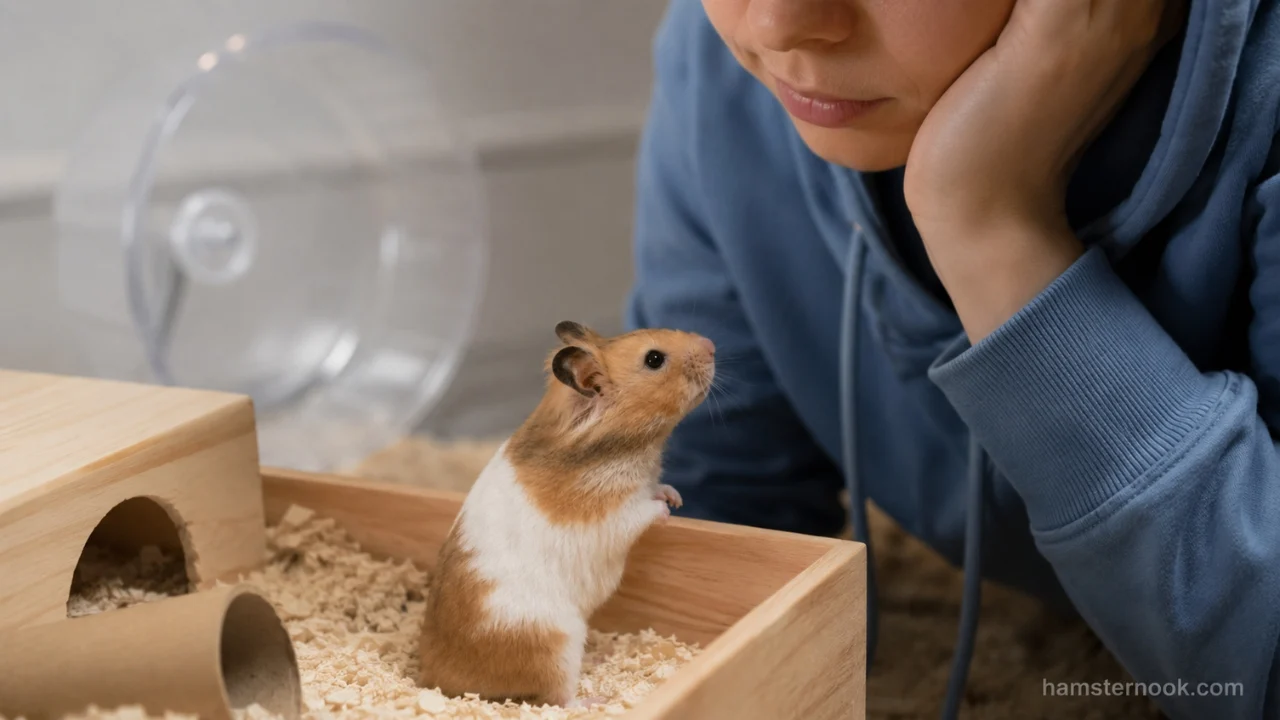
This may make recognition more difficult, especially for newly adopted hamsters.
Forcing Interaction
Positive experiences are what gradually teach a hamster that an interaction is safe.
If a hamster repeatedly feels cornered or chased, familiar scent alone may not overcome the negative association.
How to Help Your Hamster Learn Your Scent
Most hamsters become familiar with their owner’s scent naturally through regular daily interaction.
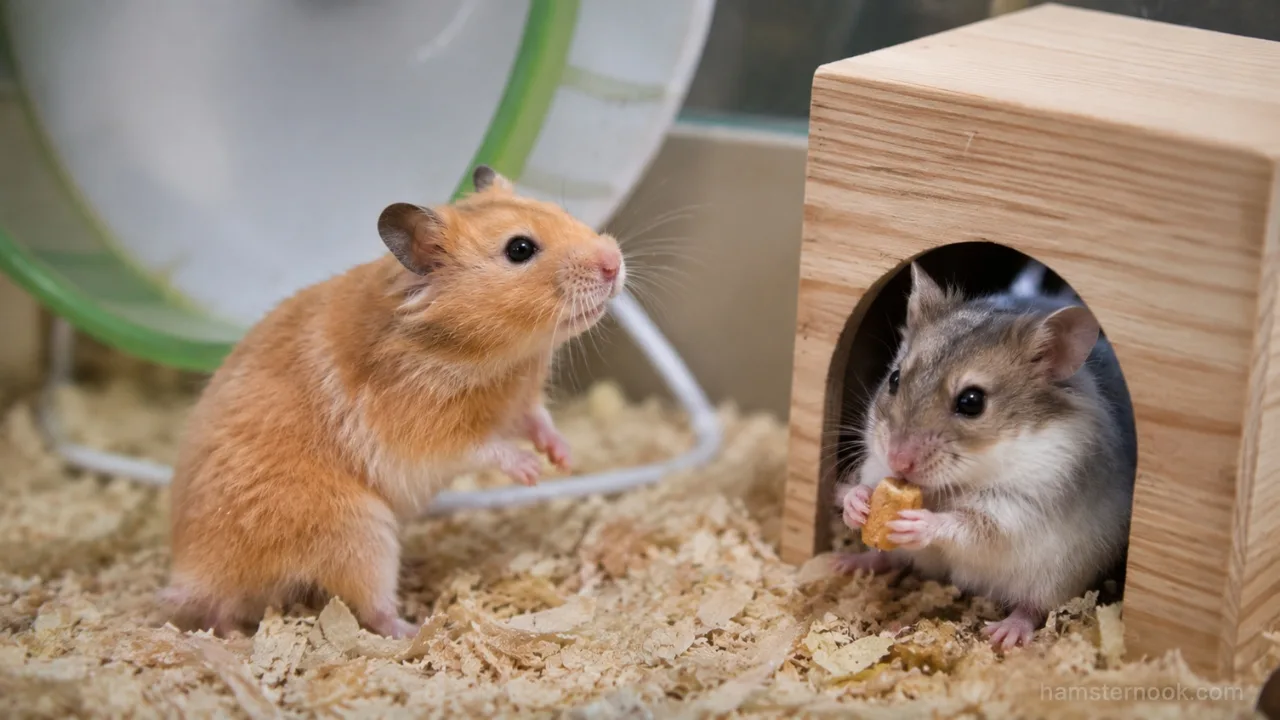
Spend Quiet Time Near the Cage
Your hamster becomes familiar with your scent whenever you’re nearby.
Reading, working, or relaxing near the enclosure can help establish familiarity without direct interaction.
Even talking quietly while doing everyday activities can help your hamster become familiar with both your scent and your voice without feeling pressured to interact.
Offer Treats Consistently
Treats help create positive associations with your presence.

The goal is to create positive associations rather than relying on treats alone.
Positive associations are one of the foundations of taming. Our How to Tame a Hamster Without Getting Bitten guide explains how to build confidence safely.
Let the Hamster Approach You
Place your hand inside the enclosure and allow your hamster to investigate voluntarily.
Keep your hand still and avoid following your hamster around the enclosure. Allowing it to decide when to approach creates a much more positive learning experience.

Hamsters often learn far more quickly when they feel in control of the interaction.
Do Hamsters Remember Owners After Time Apart?
Many owners wonder whether a hamster remembers them after a vacation or several days away.
Researchers have not established an exact timeline for how long scent recognition lasts in pet hamsters. However, hamsters can remember familiar environments and learned associations for extended periods.
In many cases, hamsters appear to quickly recognize familiar caregivers again after short absences.
Factors that influence this include:
- Length of absence
- Strength of previous bonding
- Consistency of interaction
- Age of the hamster
Is Recognition the Same as Affection?
Many owners misunderstand this difference.
A hamster recognizing your scent does not necessarily mean it feels affection in the same way a dog or cat might.
Hamsters are naturally solitary animals. Their behavior is usually based more on familiarity, comfort, and trust than on social attachment.

When a hamster becomes familiar with your scent and feels comfortable around you, you may notice behaviors such as:
- Feel safe around you
- Tolerate handling
- Seek treats
- Approach voluntarily
These behaviors represent trust and positive association, which is often the strongest form of bonding hamsters show.
If you’re wondering whether your hamster is beginning to trust you, our 10 Signs Your Hamster Trusts You guide explains the behaviors that usually indicate growing confidence.
Familiarity usually comes first, followed by trust as positive experiences accumulate over time. While scent helps your hamster recognize you, consistent routines and gentle interactions are what strengthen that recognition into lasting confidence.

Final Thoughts
Hamsters rely heavily on their sense of smell to understand the world around them, and there is strong behavioral evidence suggesting they can recognize familiar owners through scent. Over time, your hamster learns to associate your unique scent with safety, food, routine, and positive experiences.
While smell is likely the most important recognition tool, it works alongside other factors such as sound, routine, and past interactions. Trust usually develops fastest when interactions remain calm, predictable, and positive.
Frequently Asked Questions
Can hamsters recognize their owners by smell alone?
They likely can recognize familiar owners primarily through scent, although hearing, routine, and previous experiences also contribute to recognition.
How long does it take for a hamster to learn my scent?
There is no established, reliable timeline for how quickly a pet hamster learns an individual owner’s scent. Repeated, calm interactions can help your hamster become familiar with you, but the pace varies between individual hamsters.

Why does my hamster sniff my hand before climbing on it?
Sniffing allows the hamster to confirm familiar scent cues and assess whether the situation feels safe before approaching further.
Can a hamster forget its owner?
After long absences, recognition may weaken, but many hamsters appear to remember familiar scents and routines when interactions resume.
Do hamsters recognize family members differently?
Yes. Hamsters often react differently to different people based on scent, handling history, and previous experiences.
Why is my hamster suddenly acting cautious around me?
New soaps, lotions, perfumes, food smells, or other scent changes can temporarily make your hamster more cautious until it confirms the unfamiliar odor is not a threat.
Why does my hamster sniff my clothes as well as my hands?
Your scent is present on both your skin and clothing. Sniffing different items helps your hamster gather familiar scent information and confirm that you are someone it already recognizes.
References
This guide draws on established hamster care and welfare guidance. Research specifically testing whether pet hamsters recognize individual human owners by scent remains limited.
- RSPCA – Understanding Hamster Behaviour
- RSPCA – Keeping Hamsters Together
- Blue Cross – Hamster Care Guide

Narayan Kumar is the founder and author of HamsterNook. He creates practical, research-based hamster care guides covering hamster behavior, nutrition, cage setup, enrichment, health, and everyday care. His goal is to help hamster owners make informed decisions and provide safer, healthier lives for their pets through clear, beginner-friendly information based on trusted animal care resources.