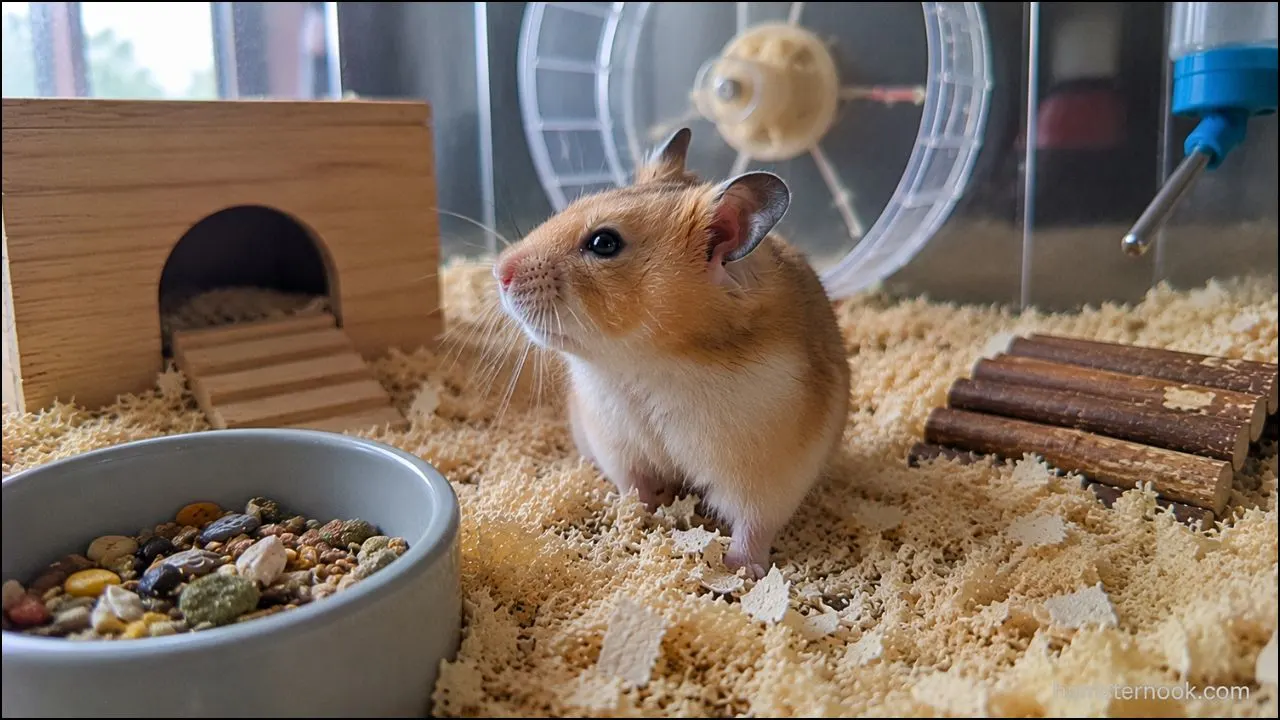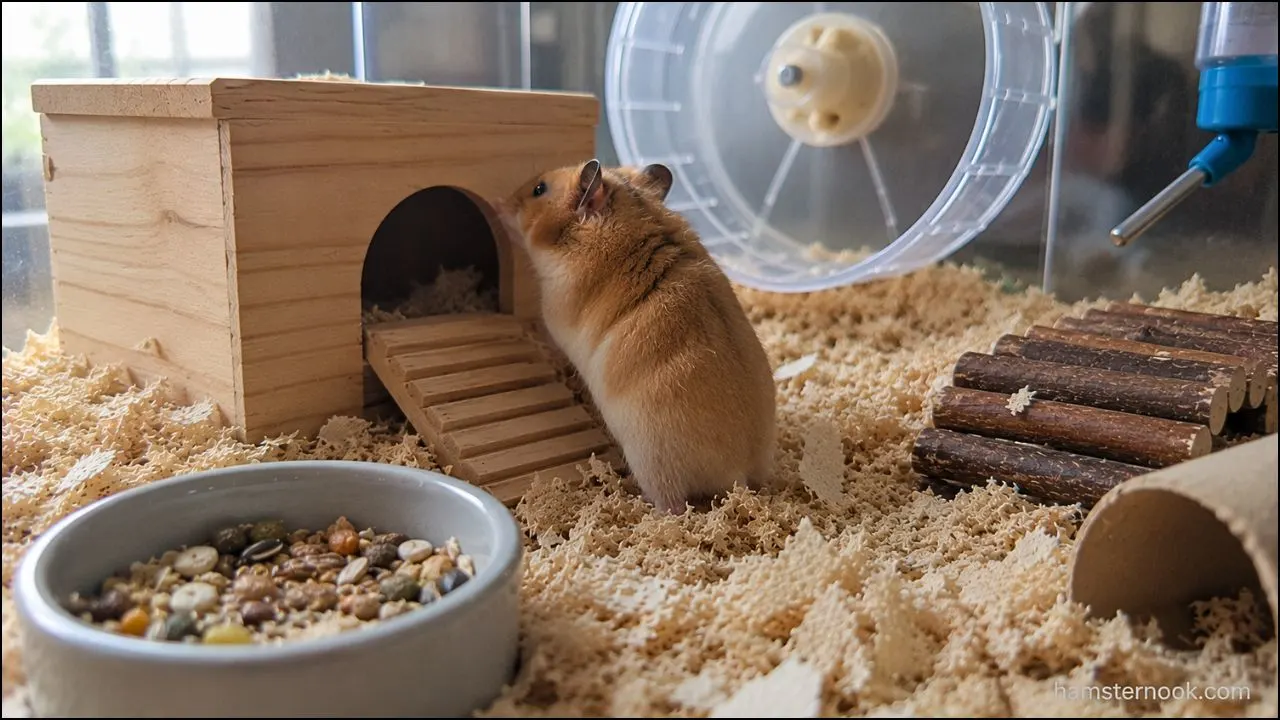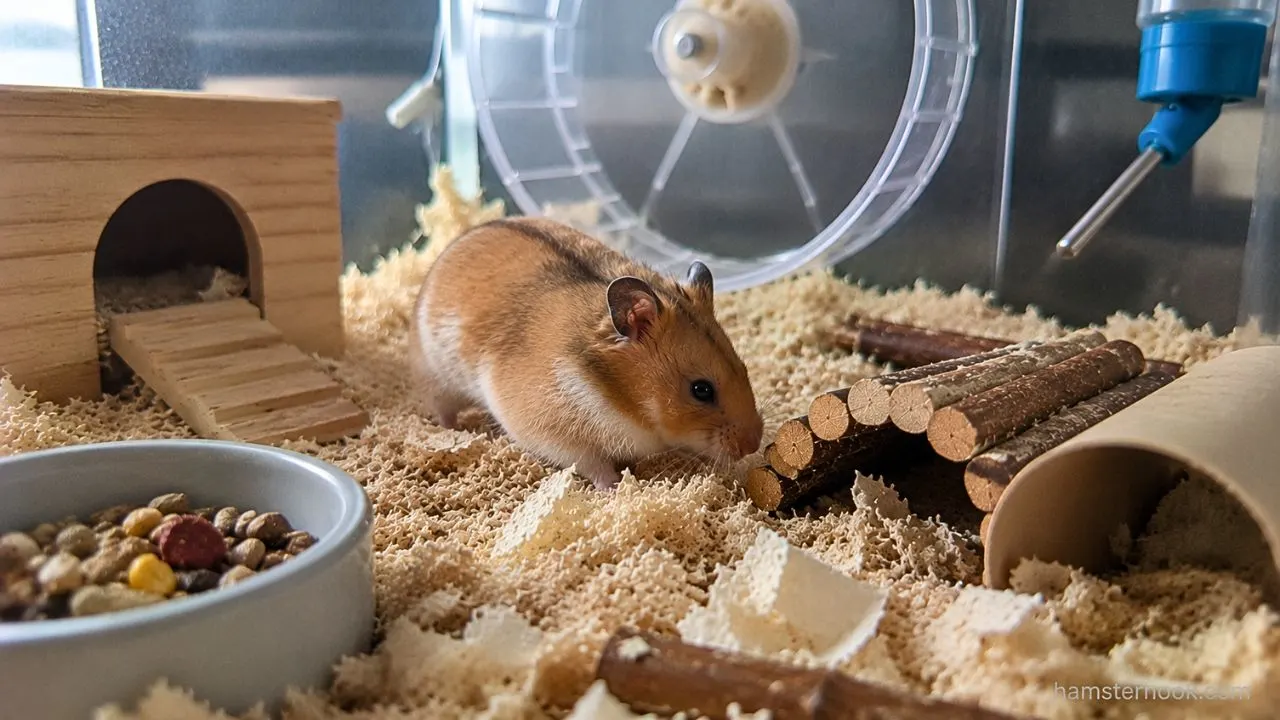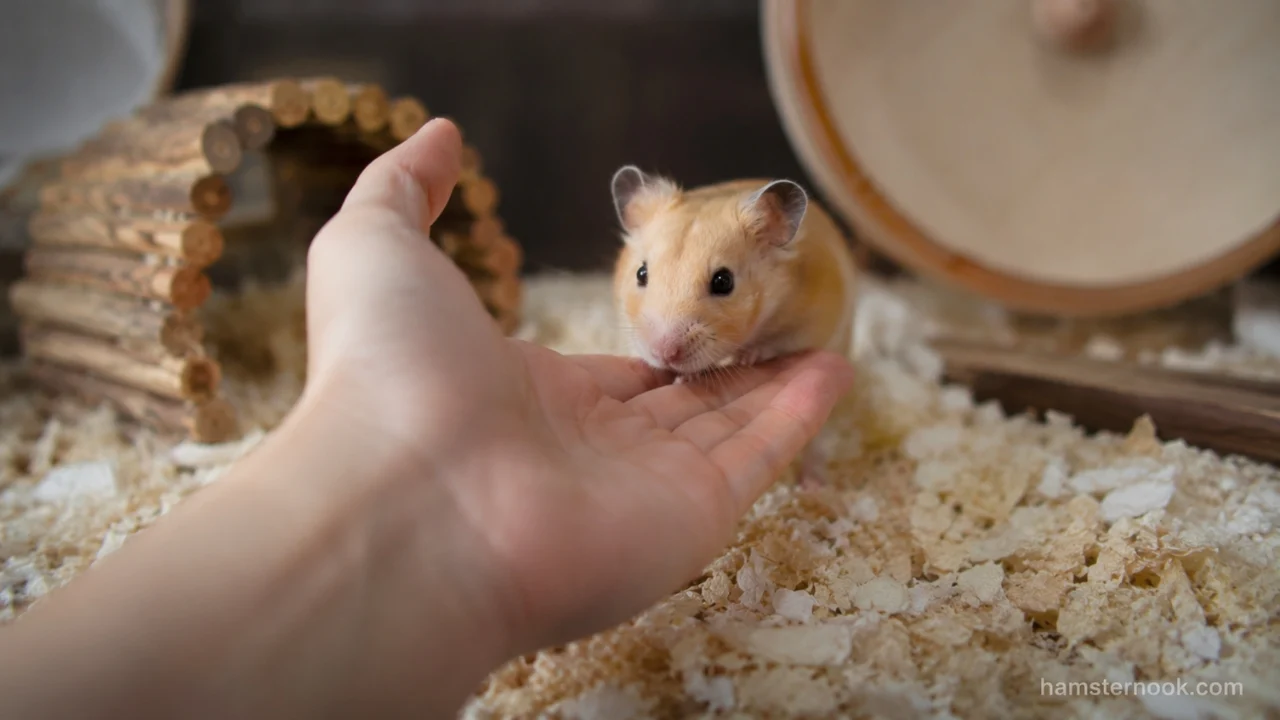
Building trust with a hamster can feel slow at first. Unlike dogs or cats, hamsters do not usually show affection in obvious ways. They are naturally cautious prey animals, and their instincts tell them to be careful around larger creatures—including humans.
Because these signals are so subtle, many owners spend weeks wondering whether their hamster is beginning to trust them or merely putting up with their presence. Even though trust can be difficult to spot at first, hamsters often show small behaviors that reveal how comfortable they feel around you.
In most cases, trust develops gradually through everyday interactions rather than a single moment. It grows through consistent care, gentle handling, and positive experiences. Once a hamster begins to trust you, you’ll often notice changes in how it reacts to your voice, scent, and presence.
Here are ten common signs that your hamster feels secure and trusts you.
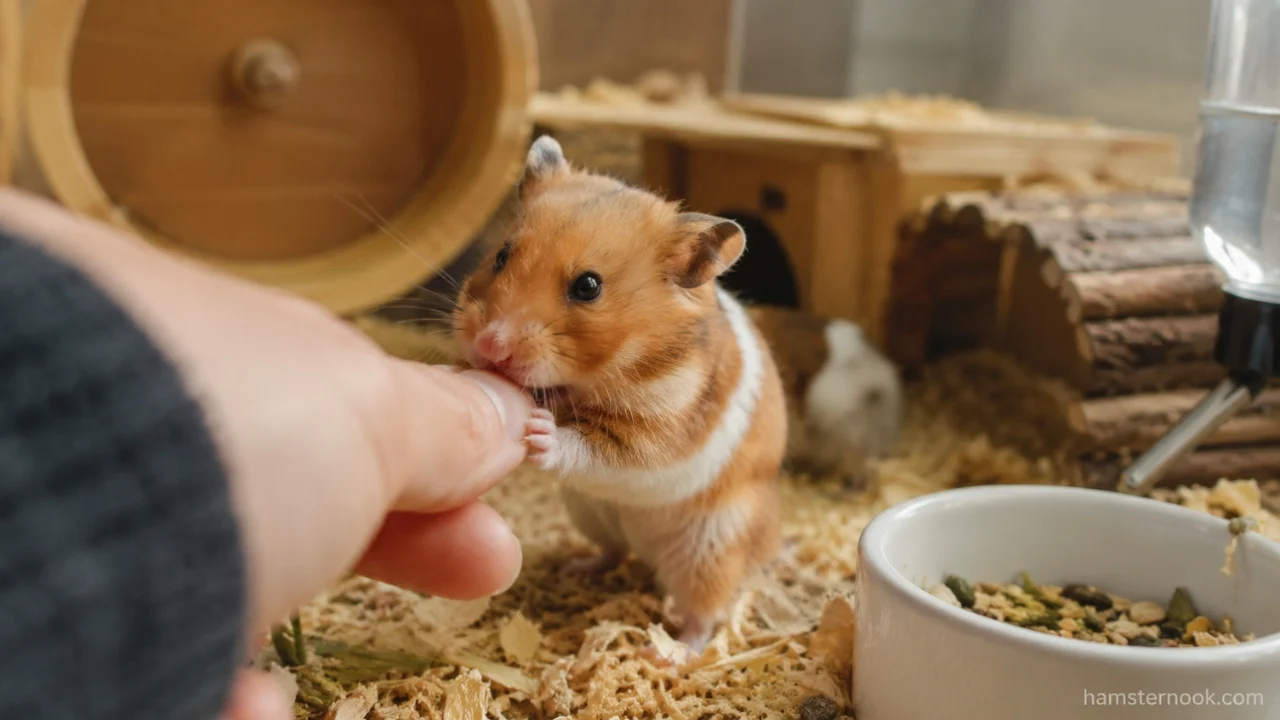
Trust is not only important for handling. A hamster that feels safe around its owner is often easier to health-check, transport, and care for during routine cage maintenance.
For many owners, the first signs of trust are easy to miss because they often look like ordinary hamster behavior.
Trust should always be judged by looking at several behaviors together rather than a single action. For example, taking a treat once does not necessarily mean your hamster fully trusts you, but consistently approaching your hand, remaining relaxed, and exploring confidently in your presence are much stronger indicators.
Why Trust Matters in Your Relationship With a Hamster
A trusting hamster is generally easier to handle, less stressed, and more confident in its environment. Trust also reduces the likelihood of defensive behaviors such as biting, hiding excessively, or running away whenever you approach.

Learning to recognize these signals makes it easier to tell whether your hamster feels genuinely comfortable or is simply putting up with handling.
Quick Overview: Signs of Hamster Trust
| Sign | What It Usually Means |
|---|---|
| Approaches you willingly | Feels safe around you |
| Takes treats from your hand | Positive association |
| Climbs onto your hand | Growing confidence |
| Allows gentle handling | Reduced fear |
| Grooms near you | Feels secure |
| Shows curiosity instead of hiding | Comfortable presence |
| Sleeps peacefully in your environment | Feels secure in its surroundings |
| Recognizes your voice | Familiarity with a repeated sound |
| Explores while you’re nearby | Confidence in its surroundings |
| Rarely displays defensive behaviors | Less fear around interaction |
1. Your Hamster Approaches You Voluntarily
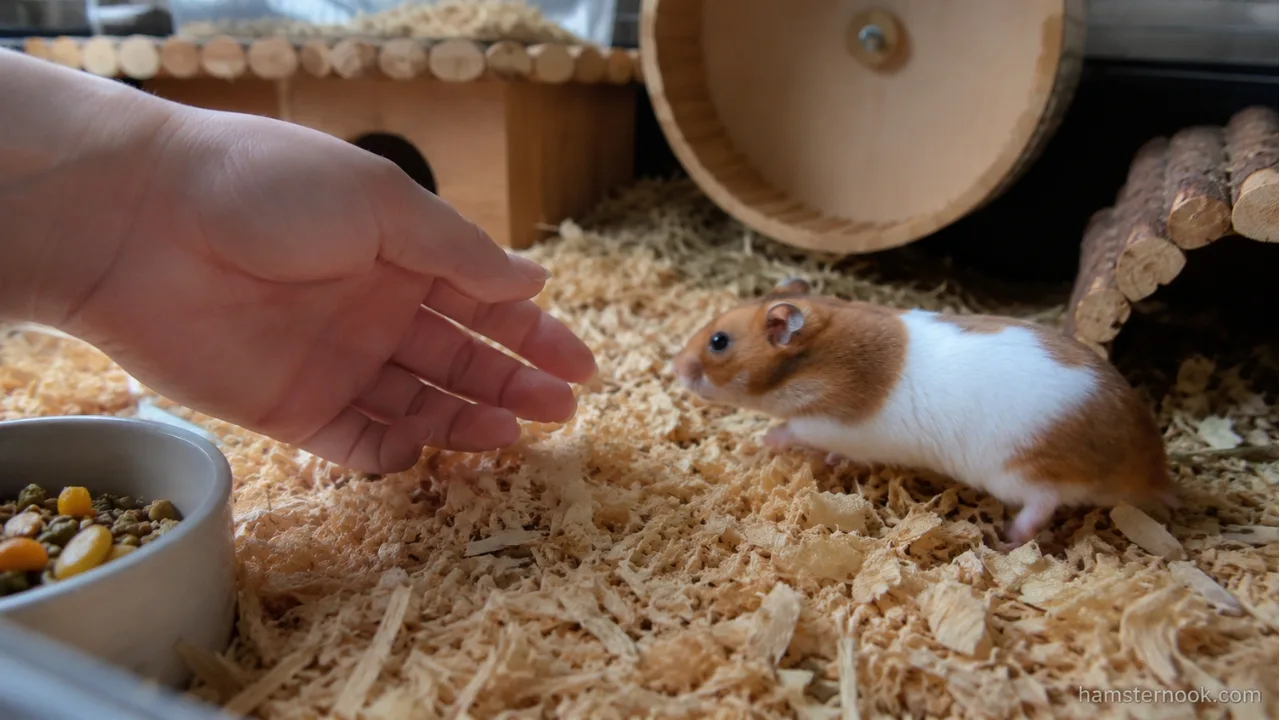
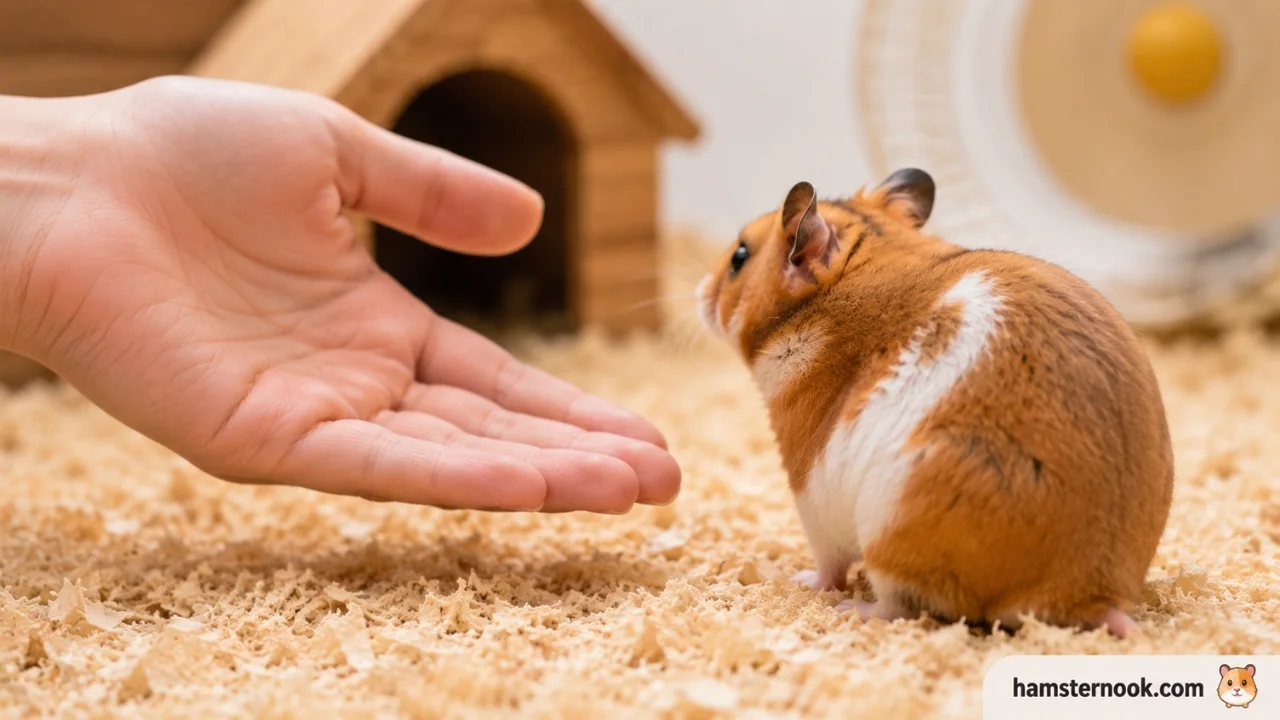
One of the clearest signs of trust is when your hamster chooses to come toward you.
Hamsters naturally avoid potential threats. If your hamster walks over to investigate your hand when you open the cage, it suggests curiosity has replaced fear.
You may notice your hamster:

- Sniffing your fingers
- Walking toward your hand
- Pausing nearby without running away
The important detail is that the hamster makes the choice on its own.
Voluntary interaction is the foundation of successful taming. Our How to Tame a Hamster Without Getting Bitten guide explains how to encourage this behavior safely.
2. Your Hamster Takes Treats Directly From Your Hand
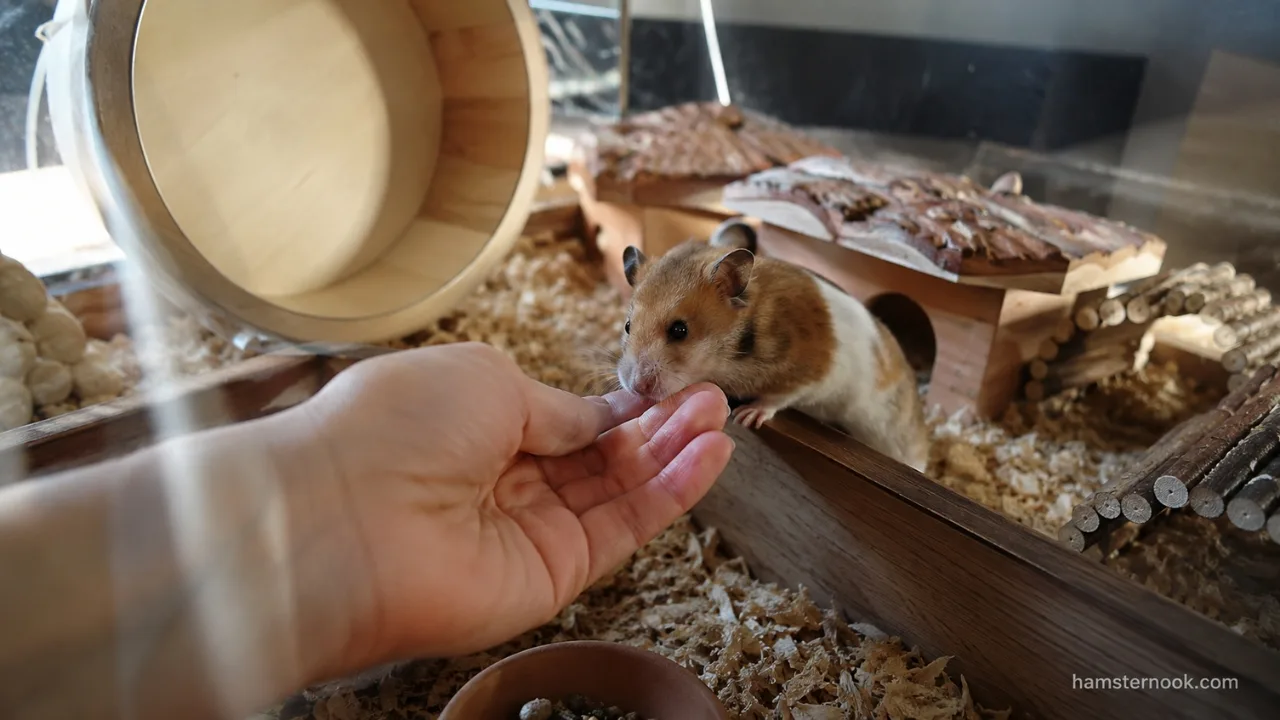
Food is a powerful trust-building tool.
When a hamster accepts treats from your hand, it is demonstrating confidence that you are not a threat. For nervous hamsters, this is often one of the first major trust milestones.
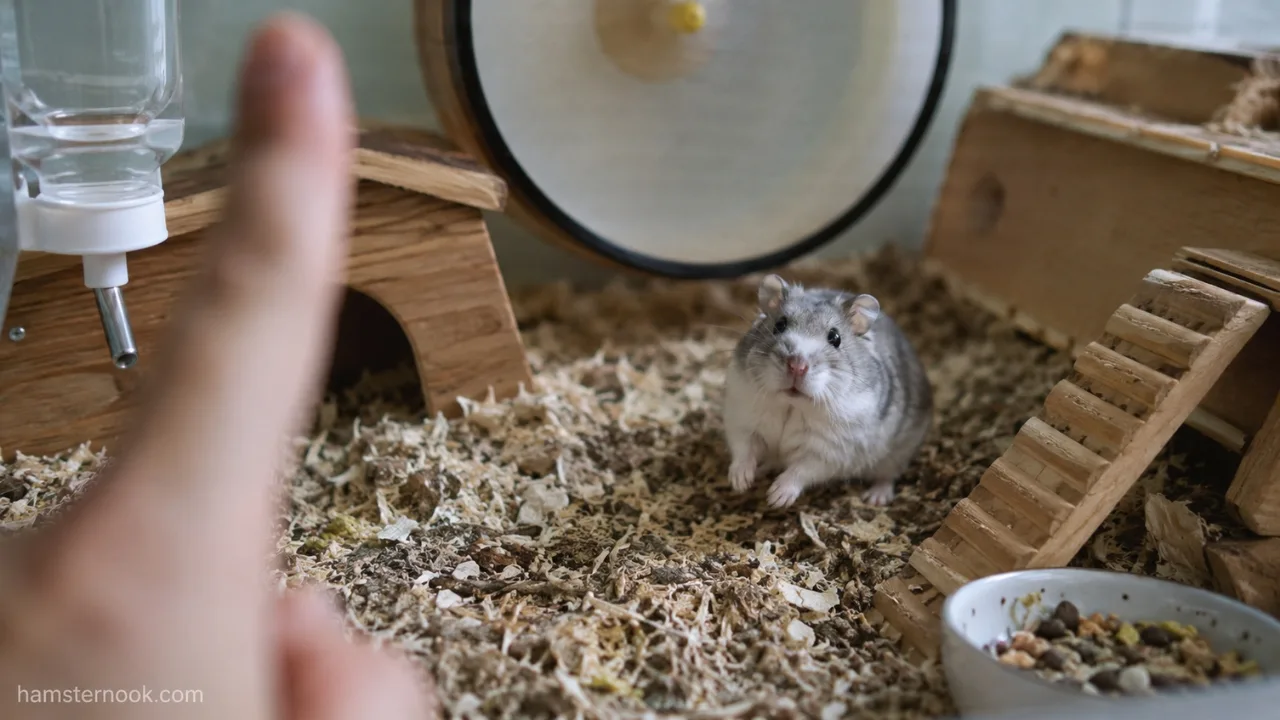
Over time, many hamsters will eagerly approach when they see a familiar hand entering the enclosure.
A hamster that takes treats calmly is usually far more comfortable than one that grabs food and immediately runs away.
Using healthy treats in moderation can make trust-building more effective. Our Healthy Treats for Hamsters: 10 Safe Treats They Actually Love guide covers safe reward options that won’t interfere with a balanced diet.
3. Your Hamster Climbs Onto Your Hand
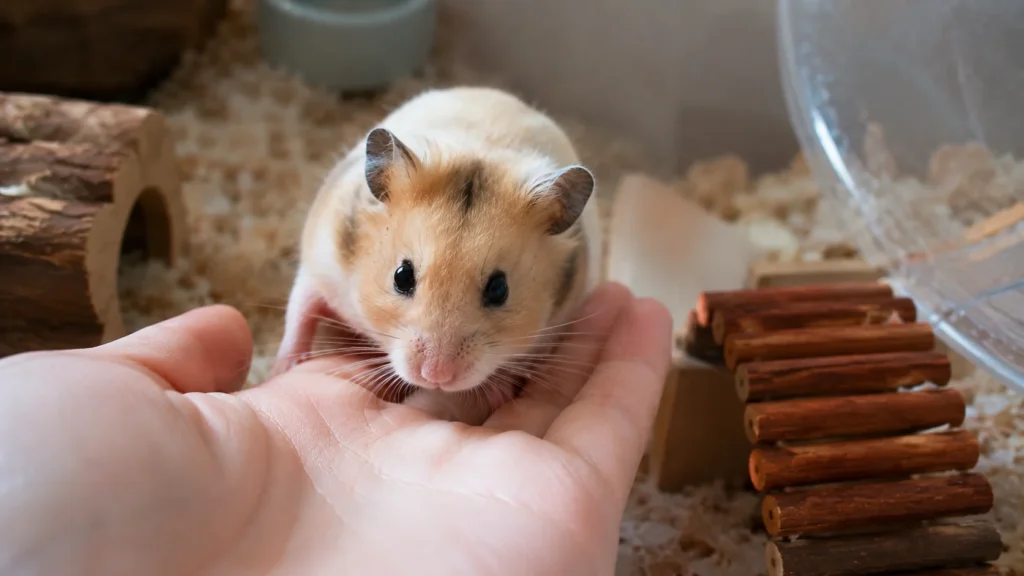
Many owners consider this one of the strongest trust signals because your hamster is actively choosing physical contact instead of avoiding it. This behavior often develops after weeks of patient interaction.
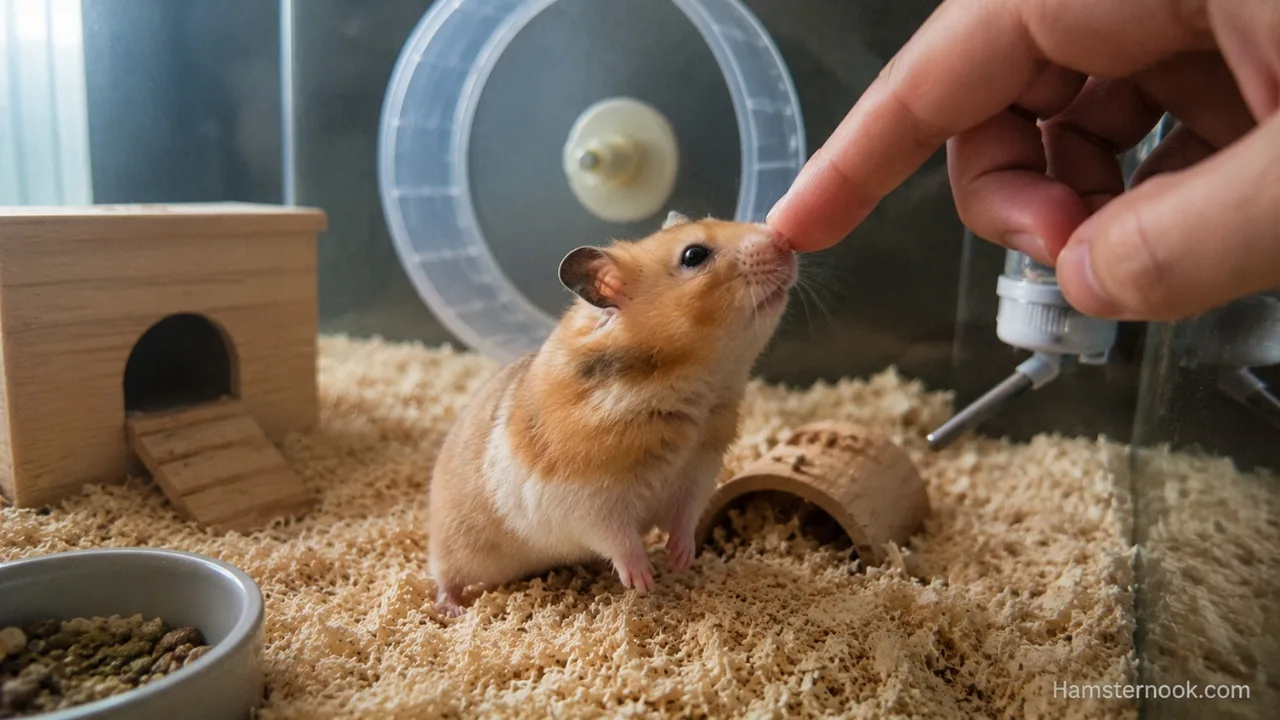
Not every hamster becomes highly social, but even independent hamsters may eventually step onto a trusted owner’s hand.
This behavior indicates that your hamster associates your hand with safety rather than danger.
4. Your Hamster Stays Relaxed During Handling
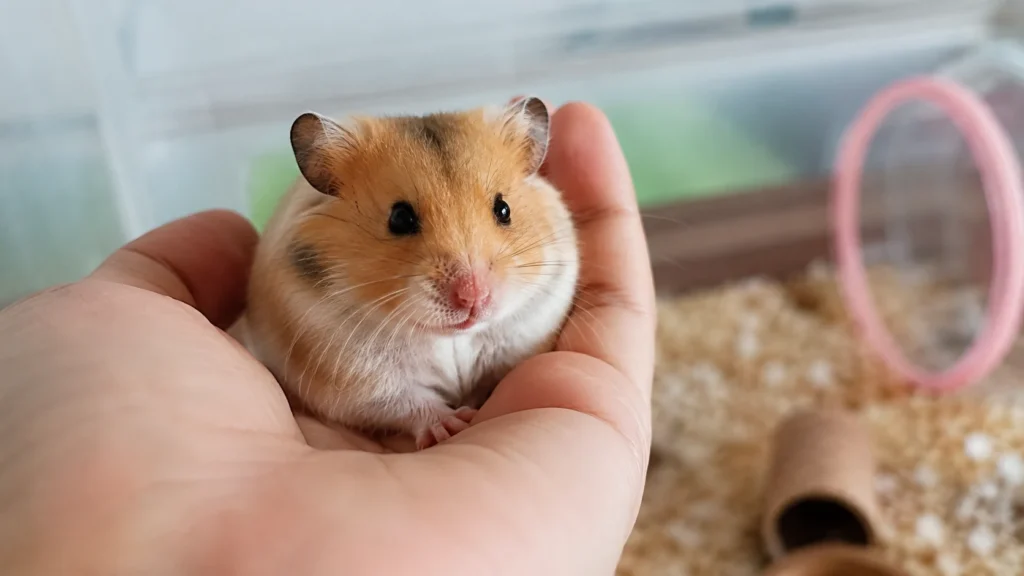
Trust becomes easier to recognize once handling begins.
Compare the differences below:
| Relaxed Hamster | Nervous Hamster |
|---|---|
| Moves calmly | Tries to escape immediately |
| Explores hands | May freeze or avoid interaction |
| Accepts gentle handling | May panic when lifted |
| Shows curiosity | Displays fear responses |
A hamster that remains relatively calm while being handled has usually developed a significant level of trust.
Remember that calm handling should always happen on the hamster’s terms. Allowing your hamster to climb onto your hands voluntarily usually builds stronger long-term trust than lifting it unexpectedly.
5. Your Hamster Grooms Itself Near You
Grooming is a vulnerable activity for small prey animals.
When a hamster cleans its fur, face, or paws while sitting near you, it often indicates that it feels secure enough to focus on self-care instead of monitoring for danger.
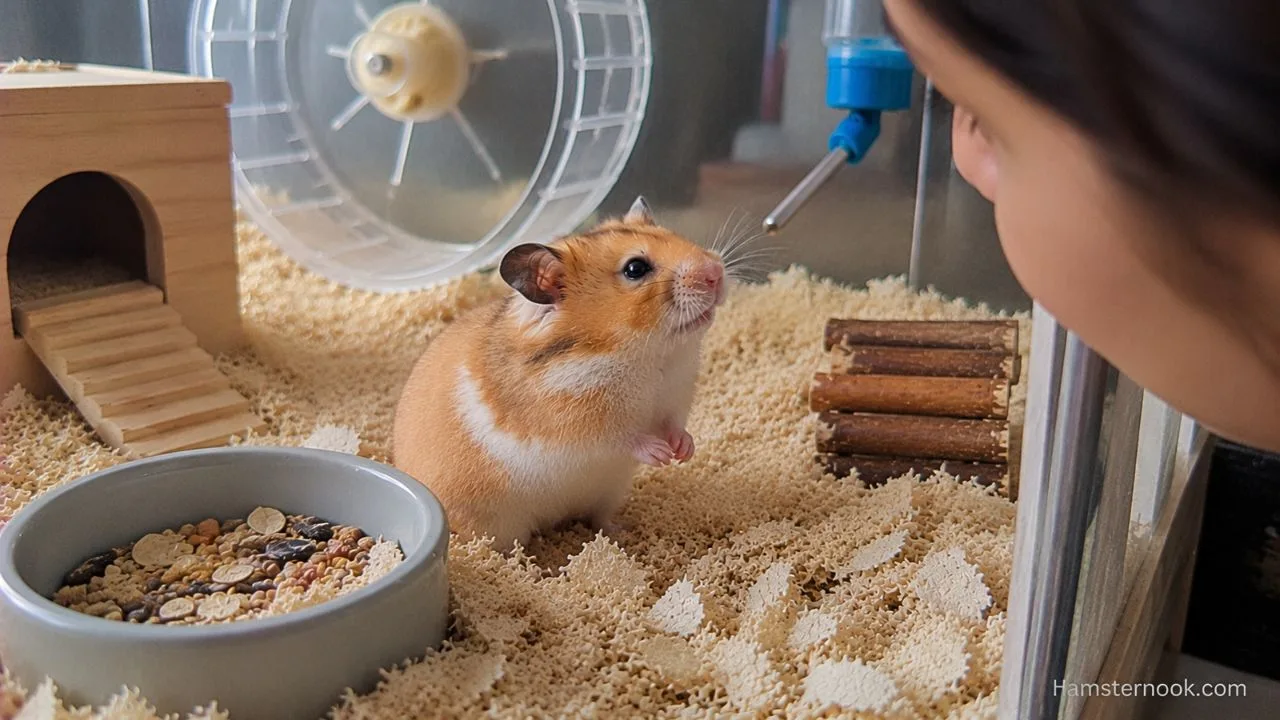
This is particularly meaningful because hamsters tend to stay alert when they feel threatened.
A hamster that grooms comfortably in your presence is often displaying confidence and relaxation.
6. Your Hamster Shows Curiosity Instead of Fear
One of the most common ways trust shows itself is through curiosity.
Rather than running for cover whenever you approach, a trusting hamster may:
- Watch what you’re doing
- Investigate new scents
- Follow your movements
- Explore objects you introduce
Curiosity is often one of the earliest signs that a hamster is becoming comfortable with its owner.
Fear causes avoidance. Trust encourages exploration.
A hamster is far more likely to explore confidently when it feels secure in its enclosure. Our How to Make Your Hamster Happy in a Small Cage guide explains simple habitat improvements that encourage natural confidence.
7. Your Hamster Sleeps Comfortably in Its Environment
Hamsters need to feel safe before they can fully relax.
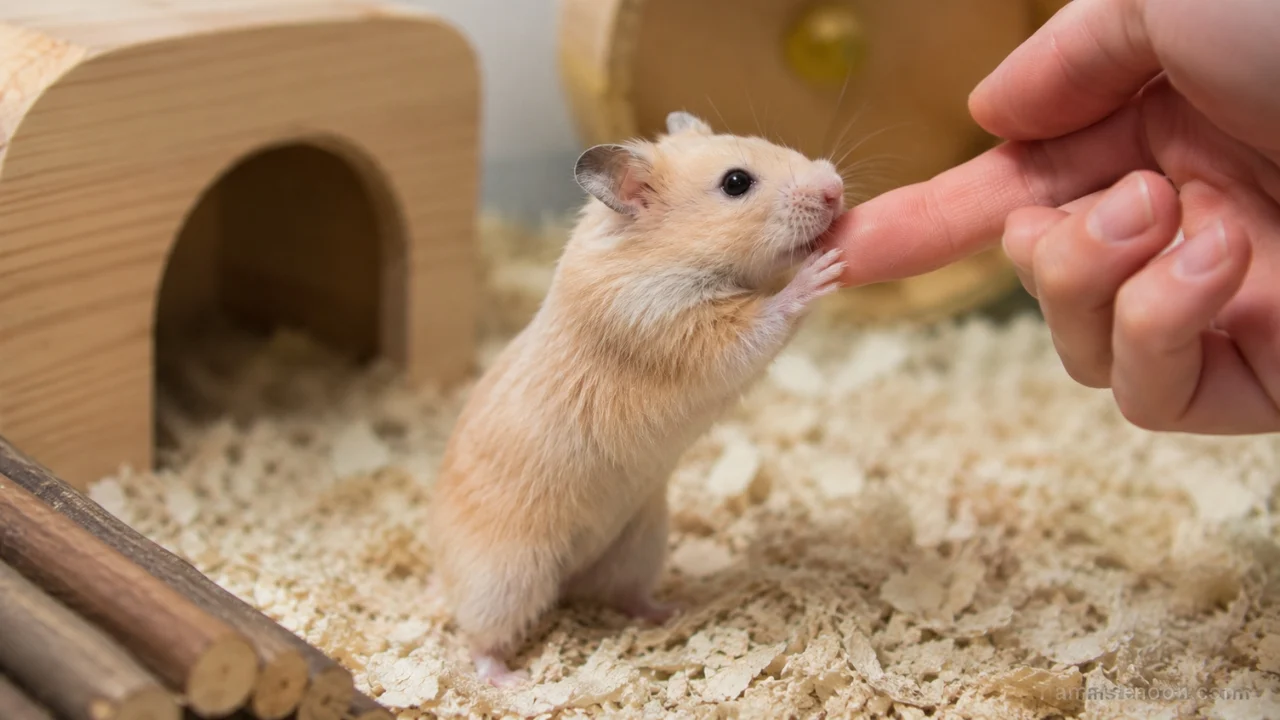
A stressed hamster may frequently change nesting locations, remain hyper-alert, or react dramatically to minor disturbances.
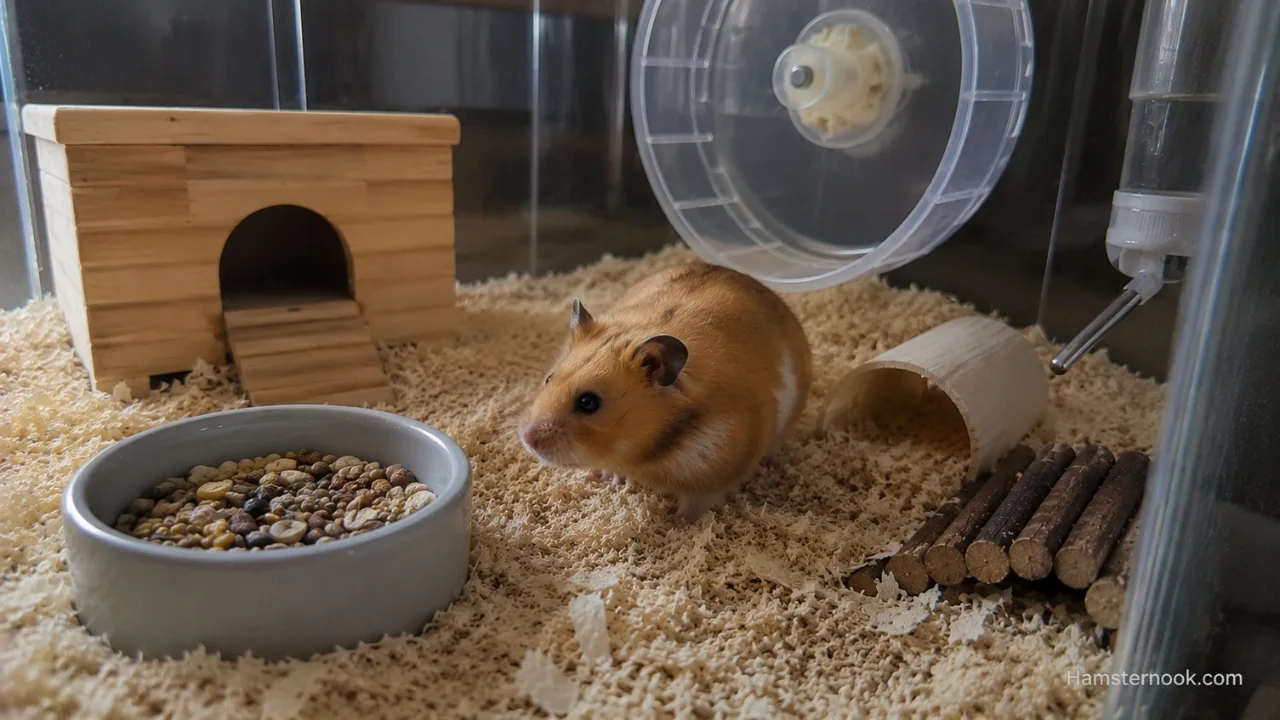
A hamster that regularly sleeps peacefully and maintains a consistent nest often feels secure in its surroundings.
While this behavior reflects trust in the environment as a whole rather than trust in a specific person, owners play a major role in creating that sense of safety.
Providing enough floor space is an important part of creating that secure environment. Our Do Hamsters Need a Bigger Cage? 10 Signs Your Cage Is Too Small guide explains how enclosure size influences confidence and behavior.

8. Your Hamster Responds to Your Voice
Hamsters may not understand words the way dogs do, but they can learn to recognize familiar sounds.
Many owners notice that their hamster reacts differently to their voice than to unfamiliar noises.
Examples may include:
- Emerging from a hideout
- Looking toward the sound
- Becoming more active during routine interaction times
This familiarity develops through repeated positive experiences.
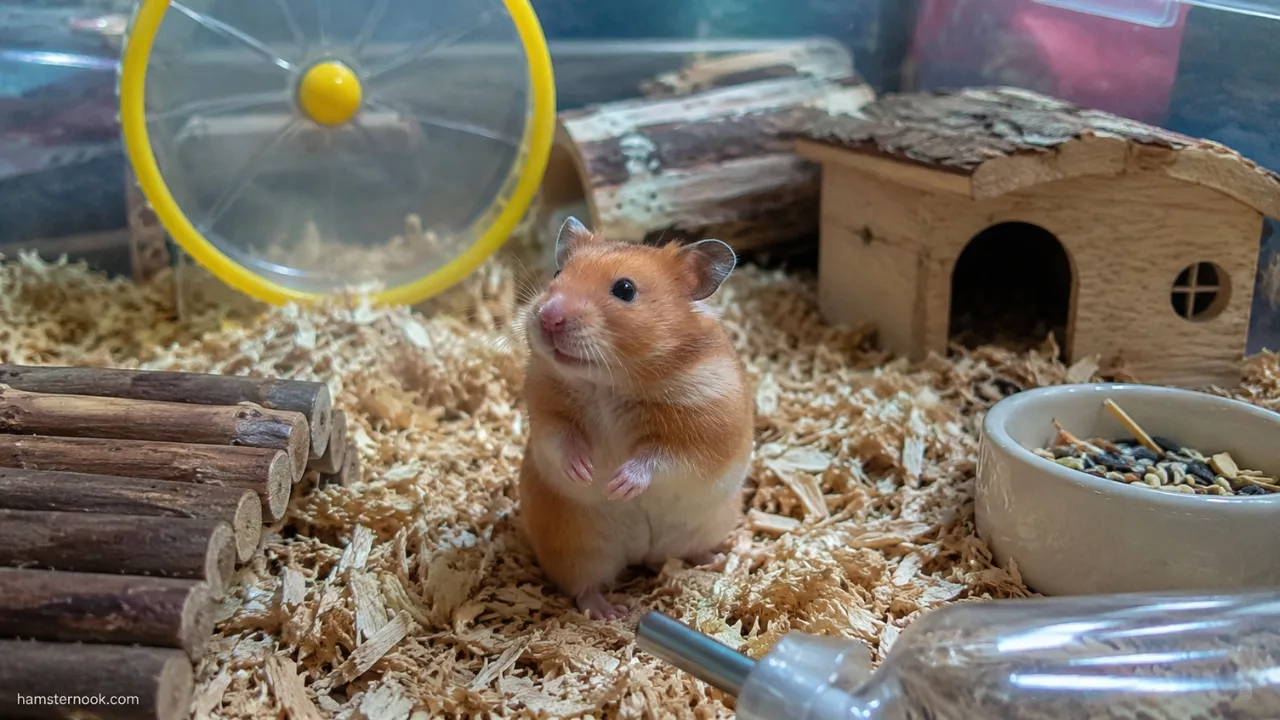
Voice recognition alone does not prove affection, but it often indicates growing trust.
These recognition and familiarity cues can overlap with the behavior discussed in our Do Hamsters Get Excited to See Their Owners? Signs of Trust & Recognition guide, especially when a hamster approaches or investigates you voluntarily.
9. Your Hamster Continues Exploring While You’re Nearby
A hamster that trusts you usually does not feel the need to stop everything when you enter the room.
Instead of freezing or hiding, it may continue:
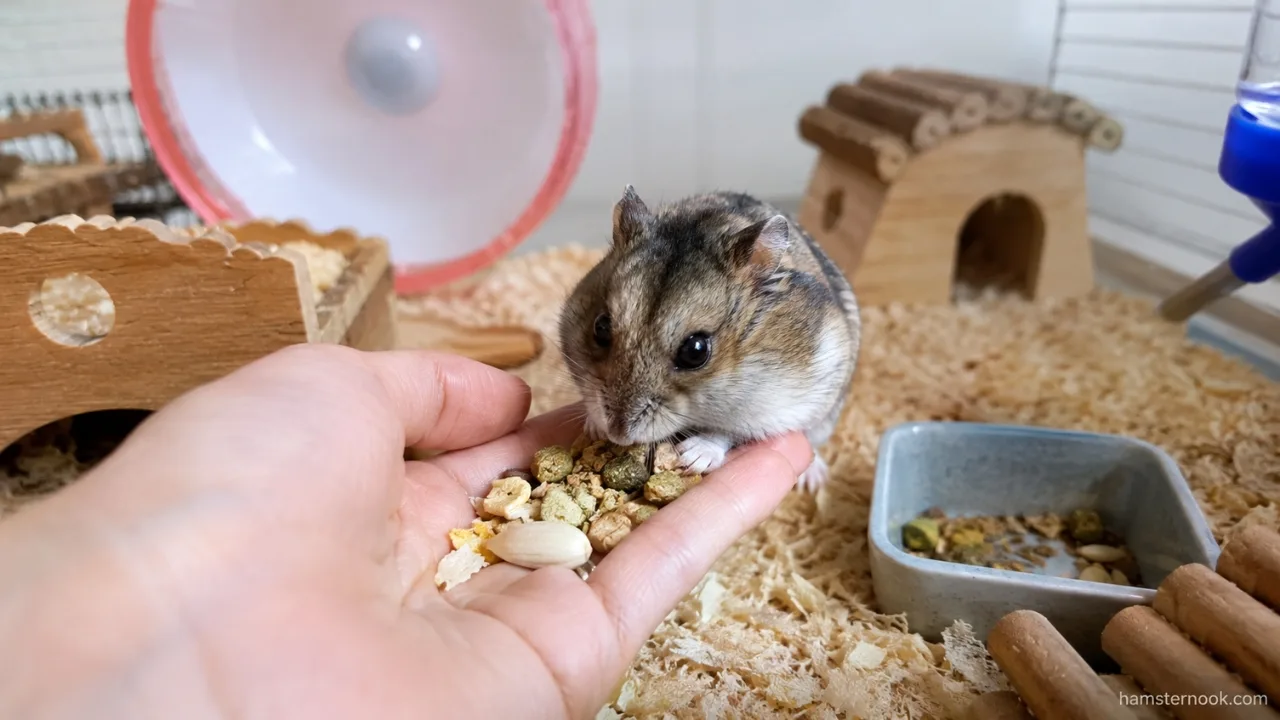
- Digging
- Foraging
- Running on its wheel
- Exploring toys
- Rearranging bedding
This behavior suggests that your presence has become part of the hamster’s normal routine rather than something to fear.
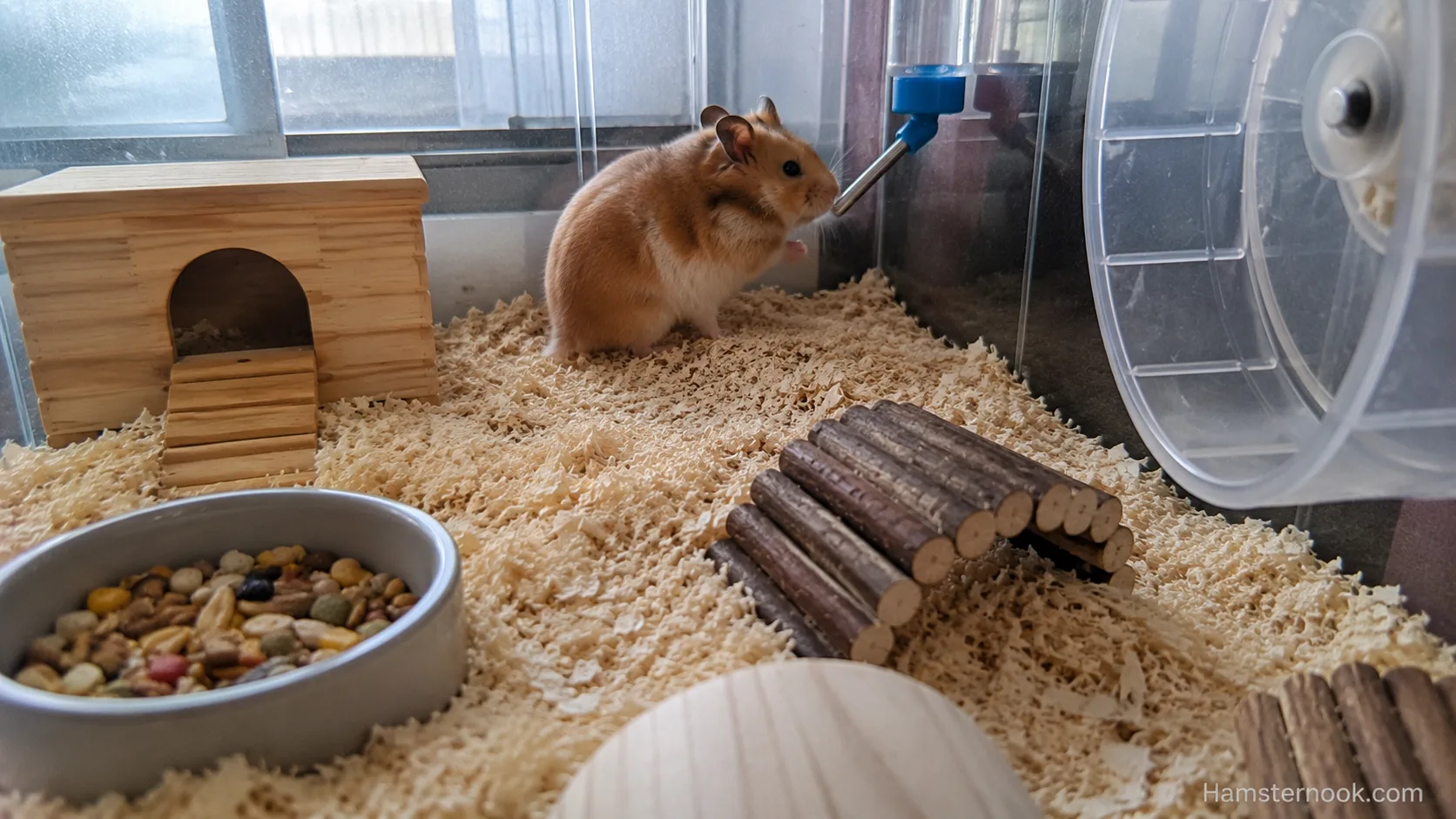
10. Your Hamster Rarely Shows Defensive Behaviors
Trust often becomes most obvious through the absence of fear.
A hamster that trusts its owner is generally less likely to:
- Bite defensively
- Scream or squeak from fear
- Flatten its ears repeatedly
- Flee constantly
- Hide whenever approached
While even trusting hamsters may occasionally become startled, defensive behaviors usually decrease as confidence grows.
Behaviors That Are Often Mistaken for Trust
Some actions can be misleading.
| Behavior | Does It Always Mean Trust? |
|---|---|
| Taking food quickly | Not always |
| Sitting still | Could be fear |
| Sleeping during the day | Normal hamster behavior |
| Climbing cage bars | Usually not trust-related |
| Remaining hidden | Often caution, not trust |
Looking at several behaviors together provides a more accurate picture than relying on a single sign.
Not every hamster shows trust in the same way. Some become confident and interactive, while others remain independent but still learn to feel comfortable around their owner.
Does Trust Mean Your Hamster Likes You?
Trust and affection are not exactly the same thing in hamsters. A hamster cannot tell you that it likes you in the way a person can, so the most useful signs are behaviors showing comfort, familiarity, and willingness to interact.

If your hamster chooses to approach you, stays relaxed around you, explores while you are nearby, and accepts interaction without showing fear, those patterns can indicate that it feels comfortable with you. Individual hamsters vary, so a quieter hamster may still trust you without becoming highly interactive.
How Long Does It Take a Hamster to Trust You?
Every hamster is different.
Factors that influence trust include:
- Individual personality
- Previous experiences
- Age
- Consistency of handling
- Cage setup
- Stress levels
Some hamsters begin showing trust within days, while others may require several weeks or even months.
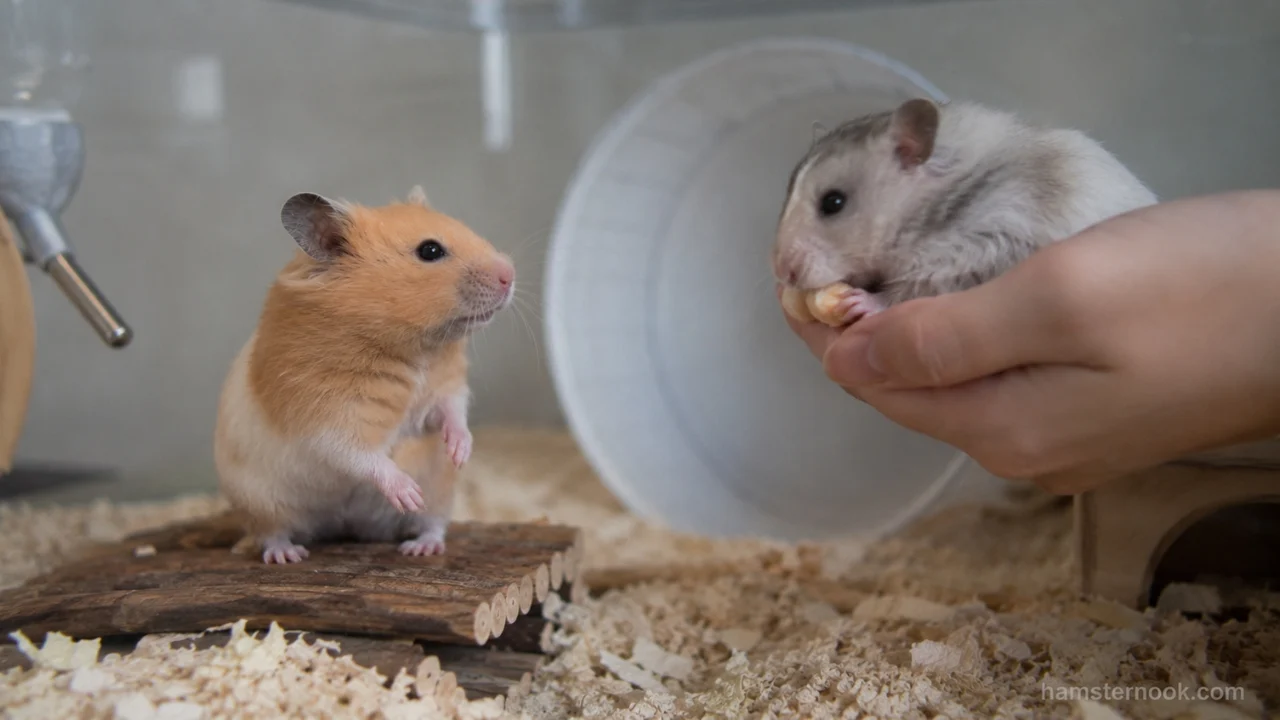
Building trust takes time, and every hamster moves at its own pace.
Progress is rarely perfectly steady. Some days your hamster may seem confident, while on other days it may be more cautious again. Small changes like this are completely normal and usually don’t mean you’ve lost your hamster’s trust.
Changes in environment, loud noises, cage cleaning, illness, or seasonal changes can temporarily affect your hamster’s confidence. A short setback is normal, and returning to calm, positive interactions usually helps rebuild trust naturally.
Trying to rush the bonding process often delays progress.
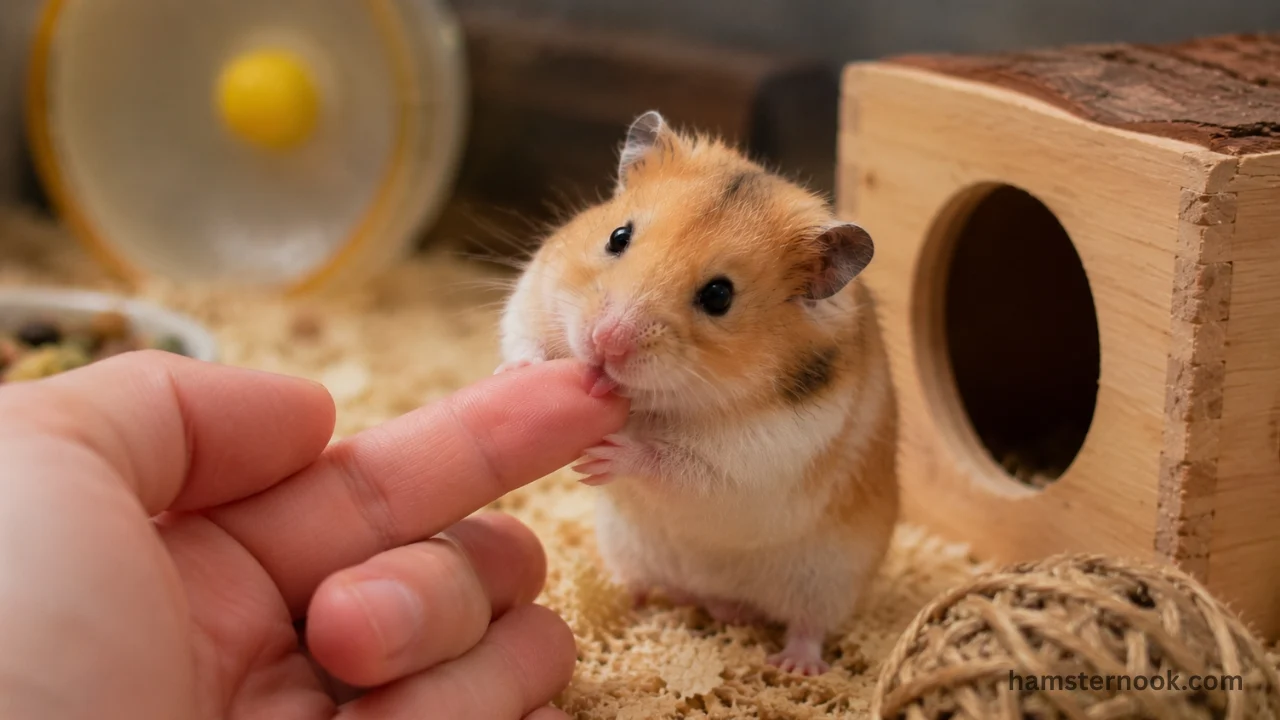
How to Build Trust Faster
Owners can encourage trust through positive interactions.
| Helpful Practice | Why It Works |
|---|---|
| Offering treats by hand | Creates positive associations |
| Speaking softly | Keeps interactions predictable and calm |
| Avoiding sudden movements | Prevents unnecessary fear responses |
| Respecting sleep schedules | Builds comfort and routine |
| Using scent familiarity | Helps your hamster become familiar with you |
| Allowing voluntary interaction | Encourages confidence |
A few positive interactions each day are usually more effective than occasional long handling sessions.
Common Mistakes That Damage Trust
Even well-meaning owners sometimes slow the trust-building process.
Common mistakes include:
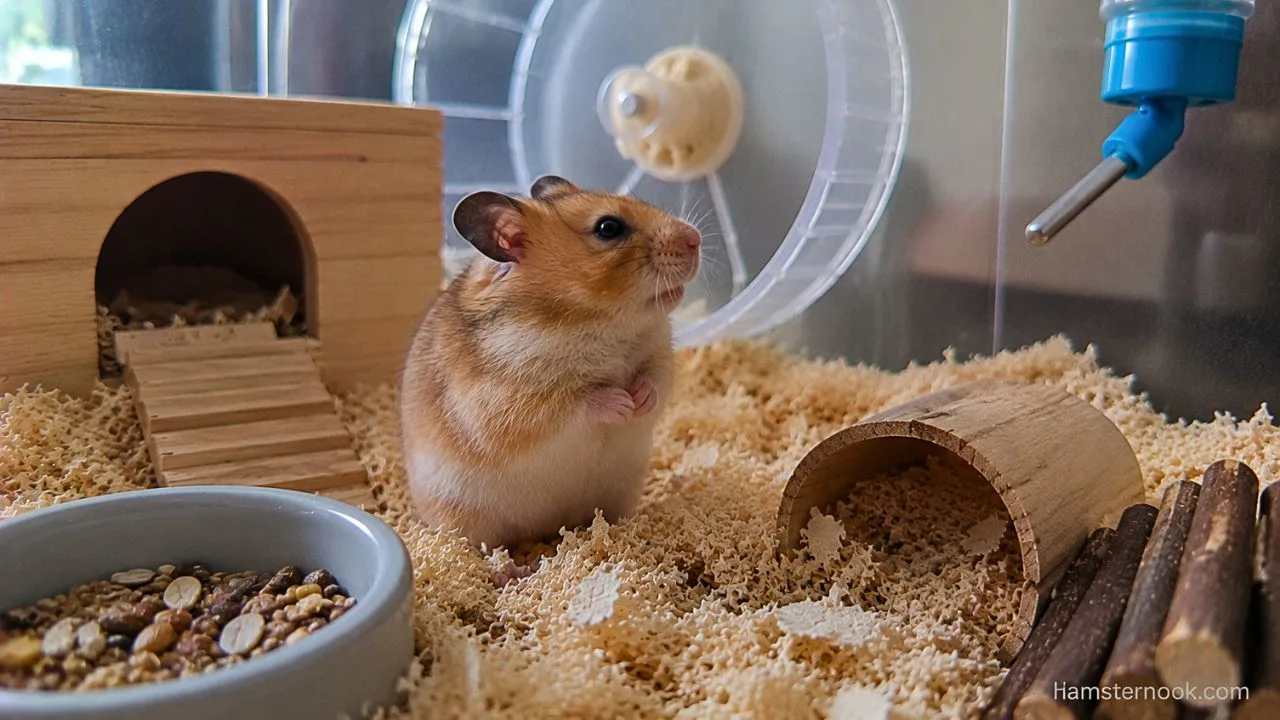
- Waking a sleeping hamster unnecessarily
- Chasing the hamster around the cage
- Grabbing from above
- Forcing handling sessions
- Making loud noises near the enclosure
- Introducing too much interaction too quickly
Avoiding these mistakes helps create a more positive relationship.
Remember that trust is something your hamster chooses to give over time. Respecting its boundaries and allowing interactions to happen at its own pace usually leads to a stronger, longer-lasting bond than trying to speed up the process.
Final Thoughts
Trust between a hamster and its owner often develops through small daily interactions rather than dramatic moments. A hamster that willingly approaches you, takes treats from your hand, explores confidently in your presence, and remains relaxed during handling is usually demonstrating genuine trust.
Since hamsters rarely show trust in dramatic ways, small changes in behavior are often the clearest indicators that your relationship is improving. The key is observing patterns over time rather than focusing on a single behavior.
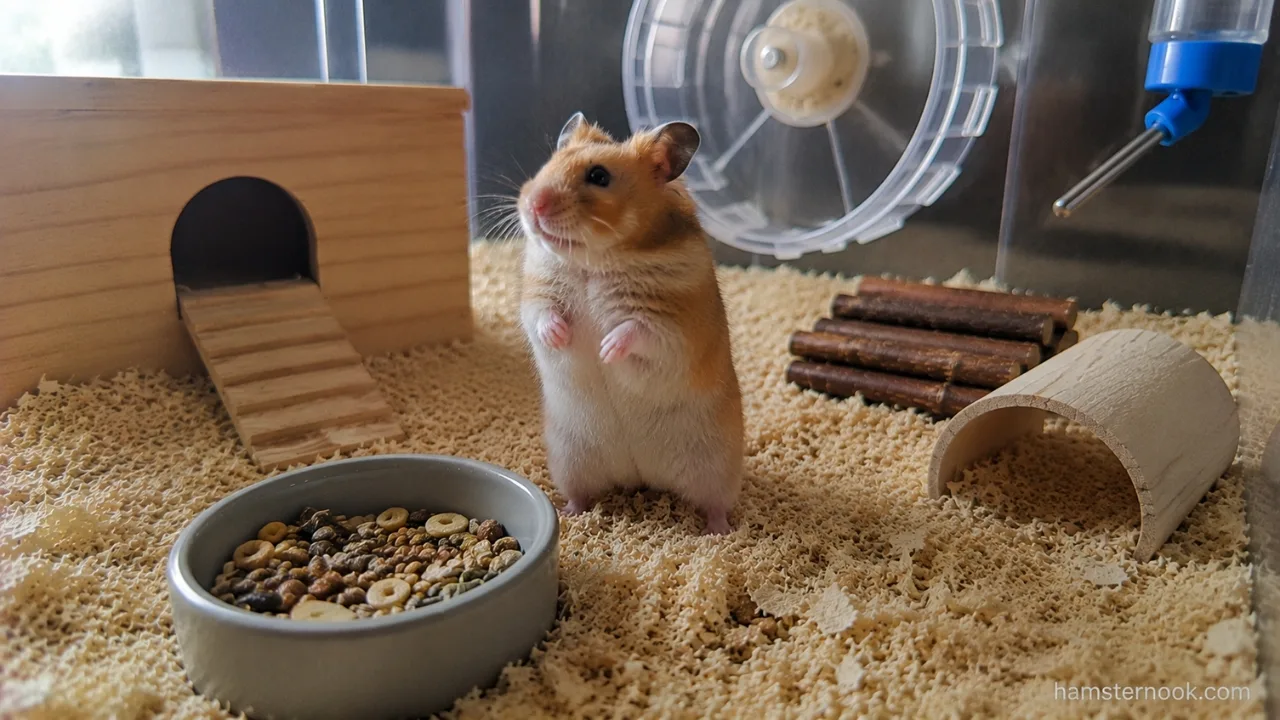
With patience, gentle handling, and consistent care, many hamsters gradually learn that their owner is a source of safety rather than something to fear.
Understanding subtle body language makes trust much easier to recognize. Our Hamster Body Language Explained: Signs of Stress, Fear, Happiness & Trust guide explains many of the behaviors owners commonly misunderstand and how they relate to trust.
Frequently Asked Questions
Can a hamster actually bond with its owner?
Yes. While hamsters do not form relationships exactly like dogs or cats, many recognize their owners and become comfortable with regular interaction.
How do I know if my hamster likes me?
A hamster that approaches willingly, takes treats calmly, explores around you, and accepts handling is often showing positive feelings and trust.
Why does my hamster take treats but still run away?
This is common during the early stages of taming. Your hamster may trust the food but still be building confidence around direct interaction.
Do hamsters recognize their owners?
Many hamsters learn to recognize familiar scents, voices, and routines associated with their primary caregiver.
Is it normal for a hamster to take weeks to trust me?
Yes. Some hamsters become comfortable quickly, while others need much more time depending on personality and past experiences.
Will a hamster ever enjoy being held?
Some hamsters tolerate or enjoy gentle handling, while others prefer limited physical contact. Individual personality plays a major role.
Can a hamster lose trust in its owner?
Yes. Stressful experiences such as forced handling, sudden environmental changes, illness, or repeated disturbances can temporarily reduce trust. Returning to calm, consistent interactions usually helps rebuild confidence over time.
References
This guide is based on hamster behavior, trust, handling, communication, enrichment, and welfare guidance from trusted animal welfare and veterinary resources, including:
- RSPCA – Hamster Behaviour – Guidance on natural hamster behavior, body language, handling, activity patterns, and signs of stress or fear.
- RSPCA – Keeping Hamsters as Pets – General guidance on hamster care, handling, behavior, enrichment, housing, and welfare.
- Blue Cross – Hamster Care Guide – Practical advice on hamster handling, taming, enrichment, housing, behavior, and wellbeing.
- MSD Veterinary Manual – Providing a Home for a Hamster – Veterinary guidance on hamster housing, environmental needs, handling, exercise, and suitable husbandry.
- NC3Rs – Housing and Husbandry: Hamster – Guidance on hamster housing, environmental conditions, natural behaviors, enrichment, and welfare.
- NC3Rs – Choosing Appropriate Enrichment – Guidance on providing enrichment that supports natural behaviors and promotes confidence and welfare.

Narayan Kumar is the founder and author of HamsterNook. He creates practical, research-based hamster care guides covering hamster behavior, nutrition, cage setup, enrichment, health, and everyday care. His goal is to help hamster owners make informed decisions and provide safer, healthier lives for their pets through clear, beginner-friendly information based on trusted animal care resources.