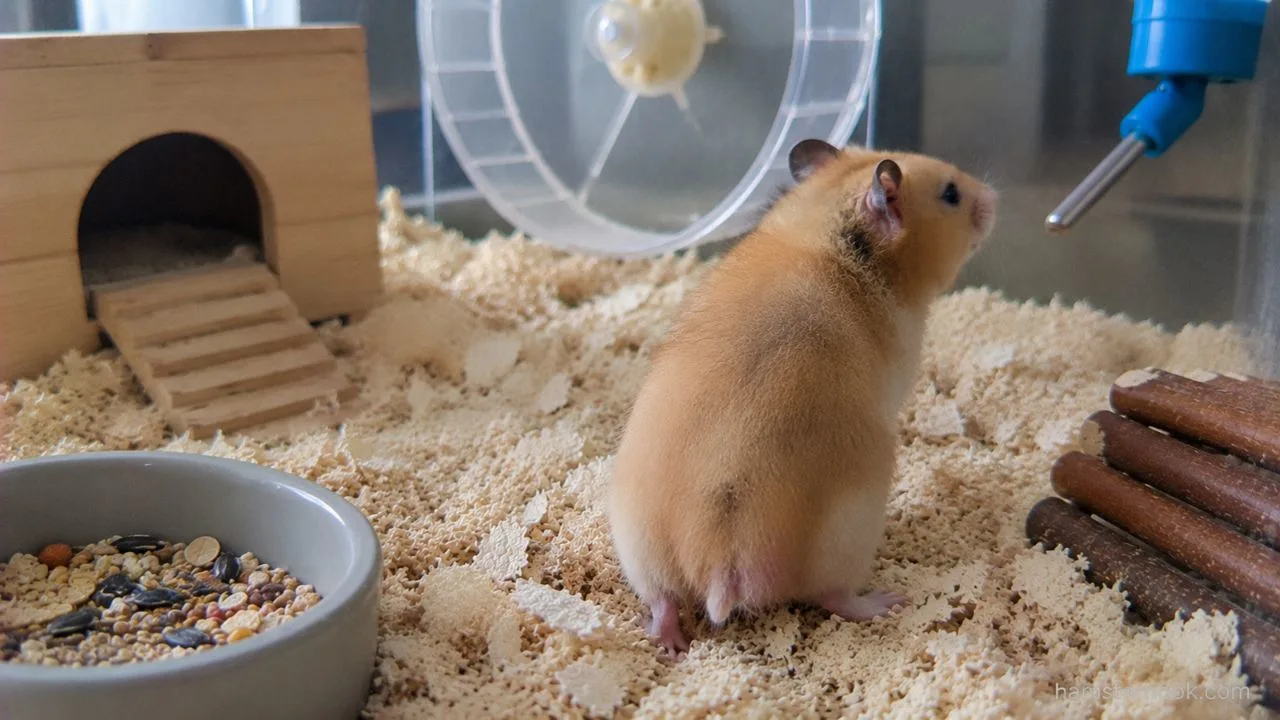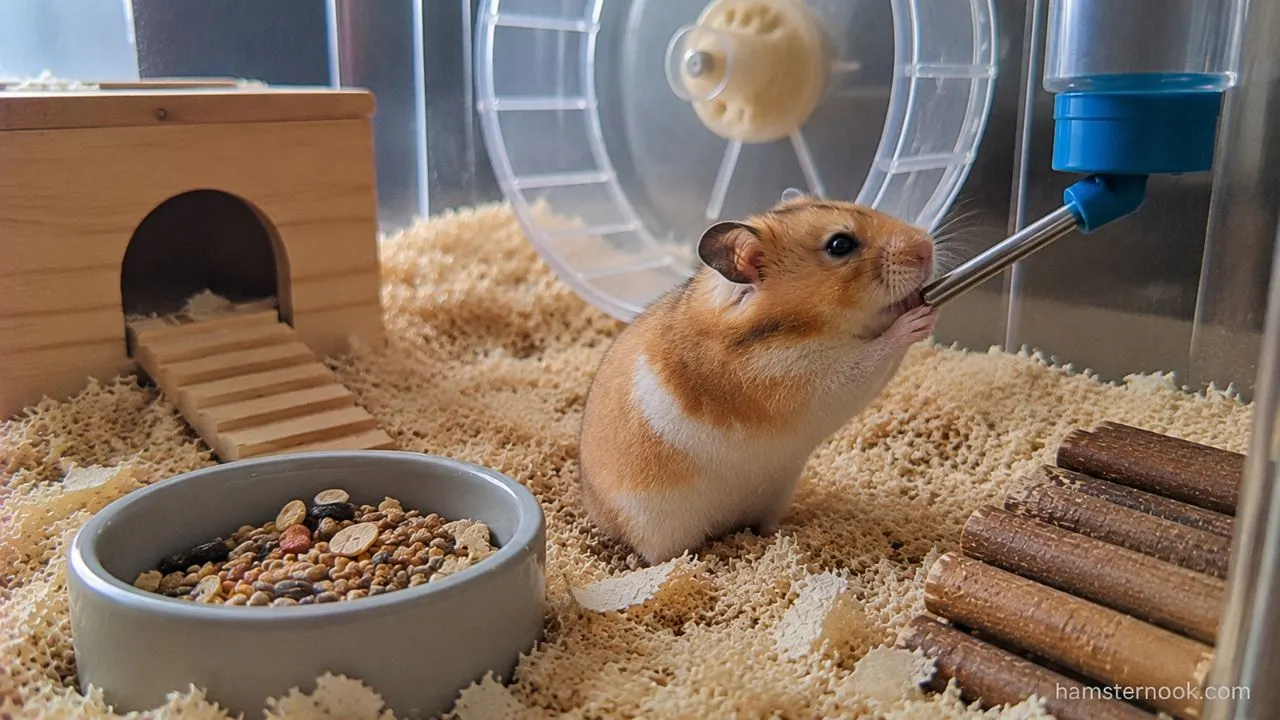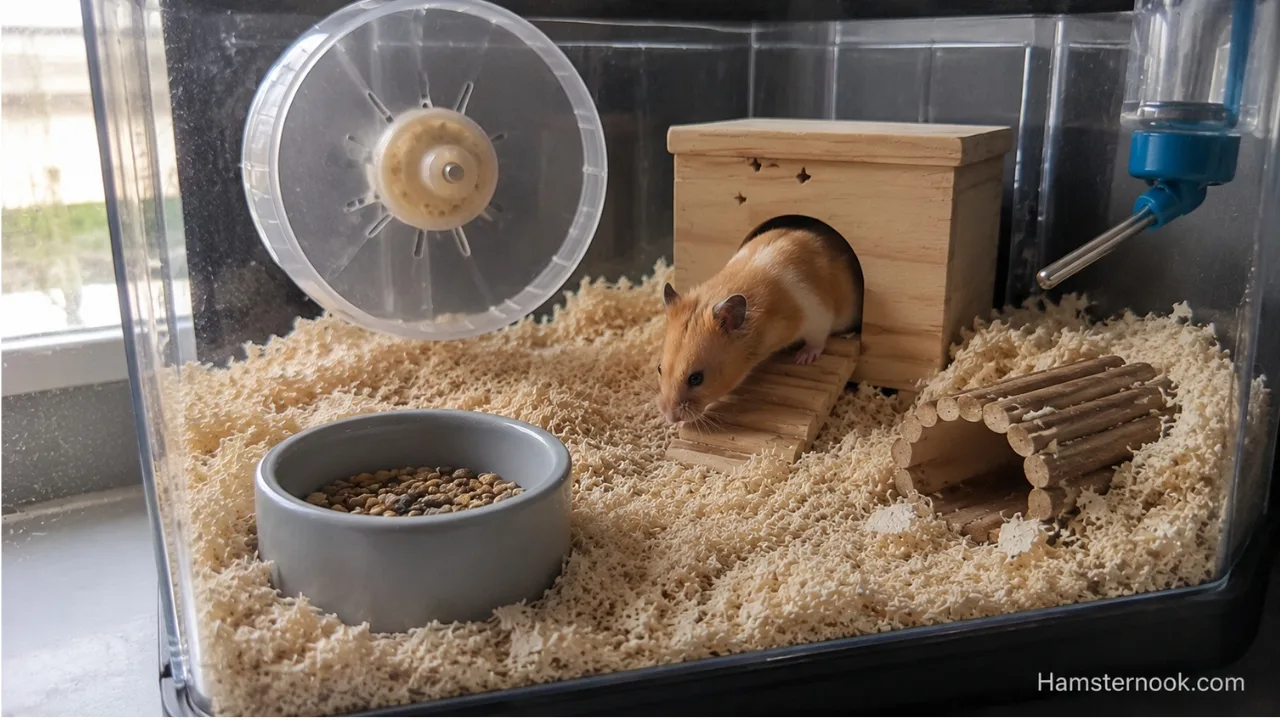
Many hamster owners worry that their pet cannot live a happy life in a smaller cage. While larger enclosures are always better for exercise and enrichment, the reality is that not everyone can upgrade immediately. Budget limits, temporary setups, travel situations, or lack of space sometimes mean a hamster may spend time in a smaller habitat than ideal.
A hamster’s happiness depends on enrichment, comfort, exercise, and proper care — not cage size alone.
A hamster living in a smaller enclosure can still stay mentally active, emotionally secure, and physically healthier when the setup is managed correctly. Enrichment, proper layout, boredom prevention, safe accessories, and daily interaction often matter far more than many beginners realize.
This guide explains practical and realistic ways to help your hamster stay happy in a small cage without unsafe shortcuts or stressful overcrowding.
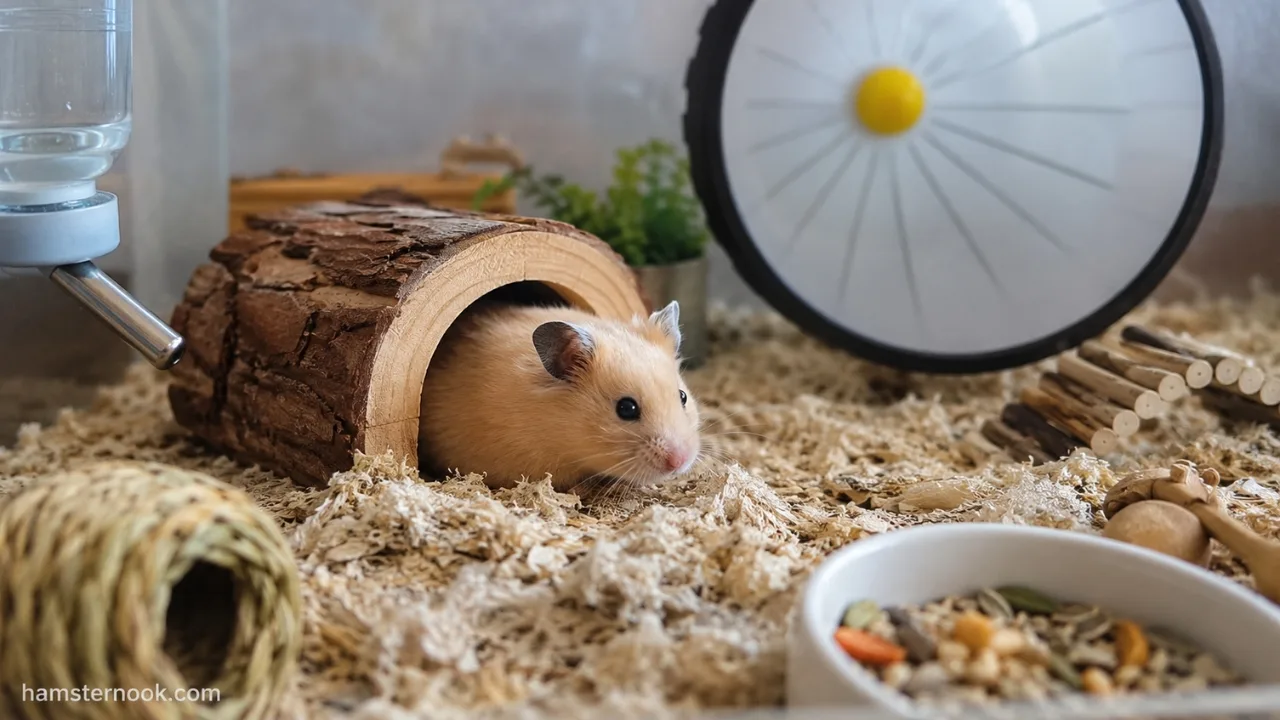
A Small Cage Should Be a Temporary Limitation, Not a Long-Term Goal
Many hamster owners find themselves using a smaller enclosure because of budget, space limitations, travel situations, or temporary housing arrangements.
While enrichment can improve a small cage significantly, it is important to understand that enrichment does not completely replace floor space. Whenever possible, upgrading to a larger enclosure remains one of the best long-term improvements you can make for your hamster’s quality of life.
The goal of this guide is to help owners improve a smaller setup safely while working toward better housing in the future.
Why Small Cages Can Be Challenging for Hamsters
Hamsters are naturally active animals that travel long distances in the wild searching for food and exploring tunnels. A very small enclosure can limit natural behaviors and increase boredom.
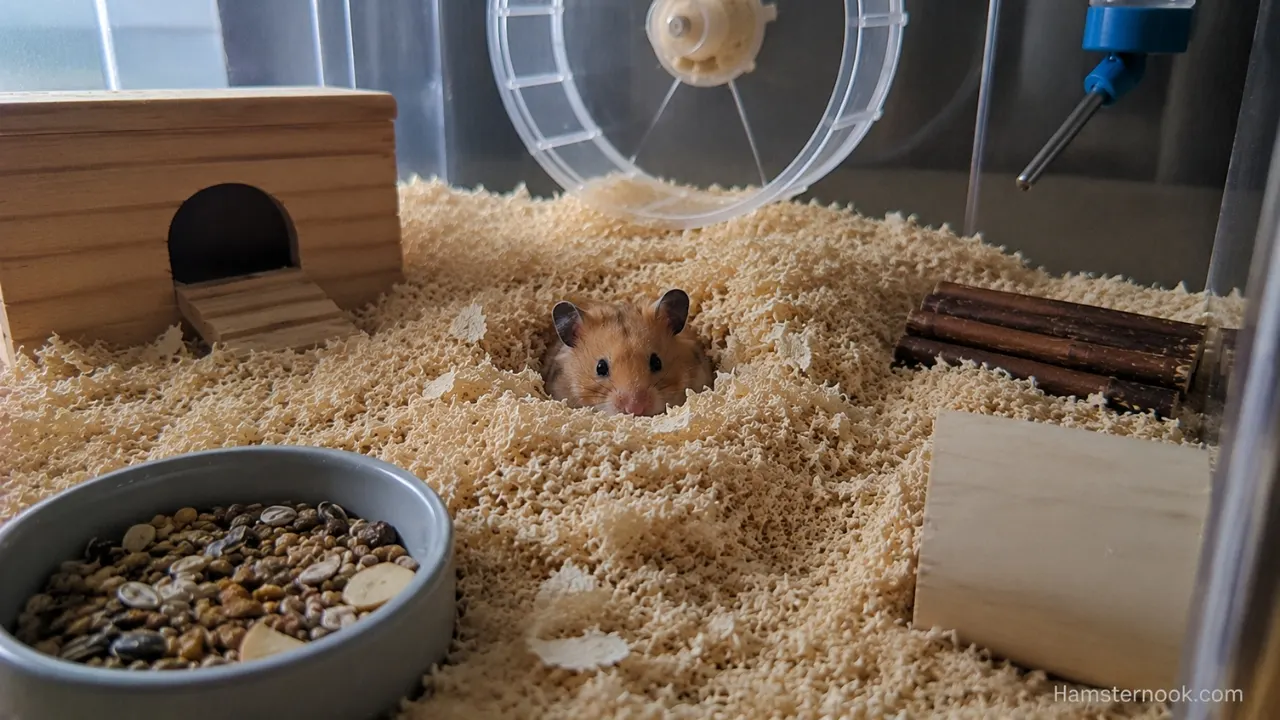
Common problems caused by poor cage setups include:
- Bar chewing
- Stress pacing
- Aggression
- Excessive sleeping
- Obesity
- Depression-like inactivity
- Escape attempts
In many cases, boredom and poor enrichment cause more stress than cage size by itself.
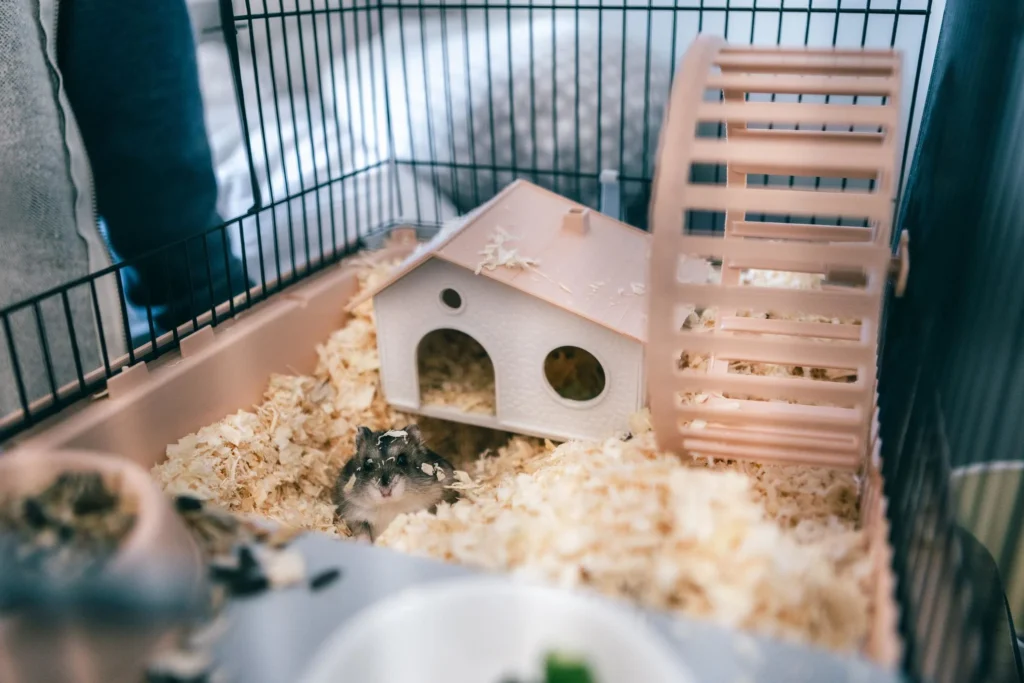
A thoughtfully arranged smaller cage can still support important hamster behaviors.
Signs Your Hamster Is Happy and Comfortable
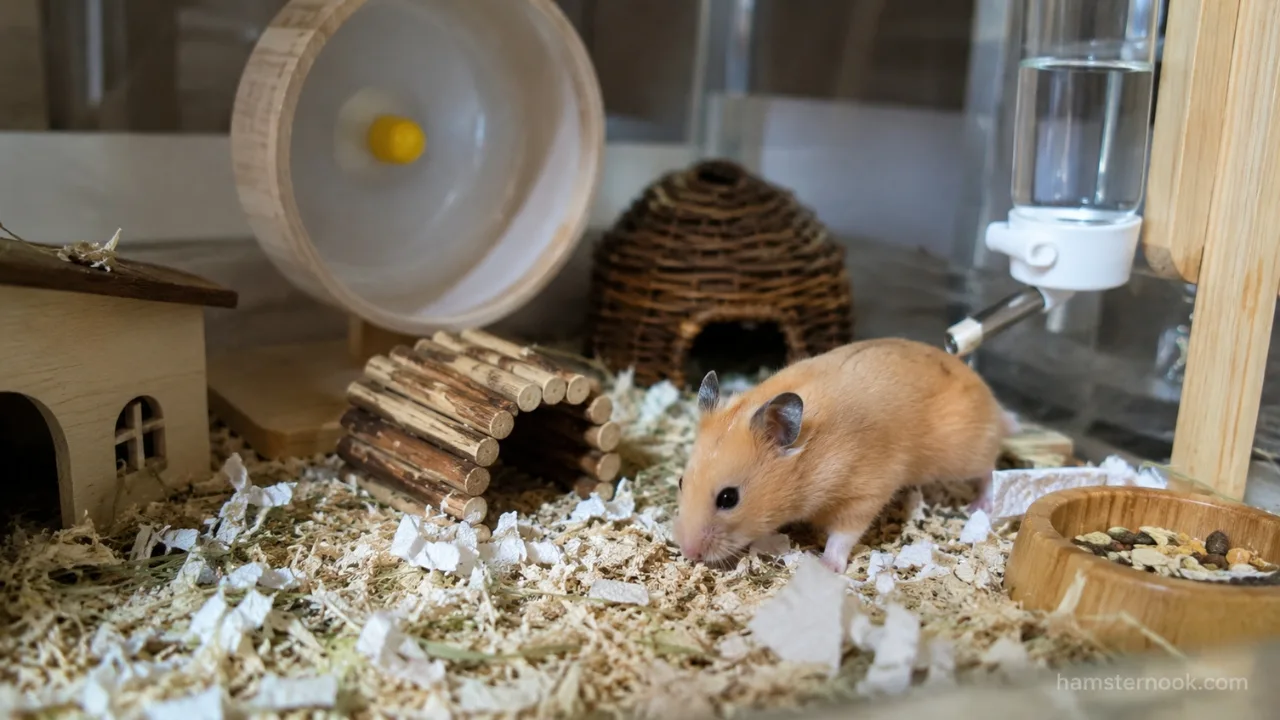
Before improving a setup, it helps to understand what a content hamster looks like.
| Positive Signs | What They Usually Mean |
|---|---|
| Curious exploration | Mental stimulation and comfort |
| Regular eating and drinking | Healthy routine |
| Burrowing behavior | Feeling secure |
| Using the wheel daily | Good activity level |
| Grooming normally | Reduced stress |
| Relaxed body posture | Comfortable environment |
If your hamster shows these behaviors regularly, the enclosure is likely meeting many of its needs.
Signs a Small Cage Is Causing Stress
Many stress-related behaviors first appear as subtle changes in activity, posture, or daily habits. Our 5 Warning Signs Your Hamster May Be Stressed guide explains the behaviors owners should watch for.
Some behaviors suggest the environment may not be stimulating enough.
| Stress Behavior | Possible Cause |
|---|---|
| Constant bar chewing | Frustration or boredom |
| Repetitive pacing | Lack of enrichment |
| Aggression | Stress or overstimulation |
| Refusing interaction | Fear or discomfort |
| Excessive sleeping | Boredom or low stimulation |
| Climbing constantly | Trying to escape |
Recognizing these warning signs early helps prevent long-term stress.
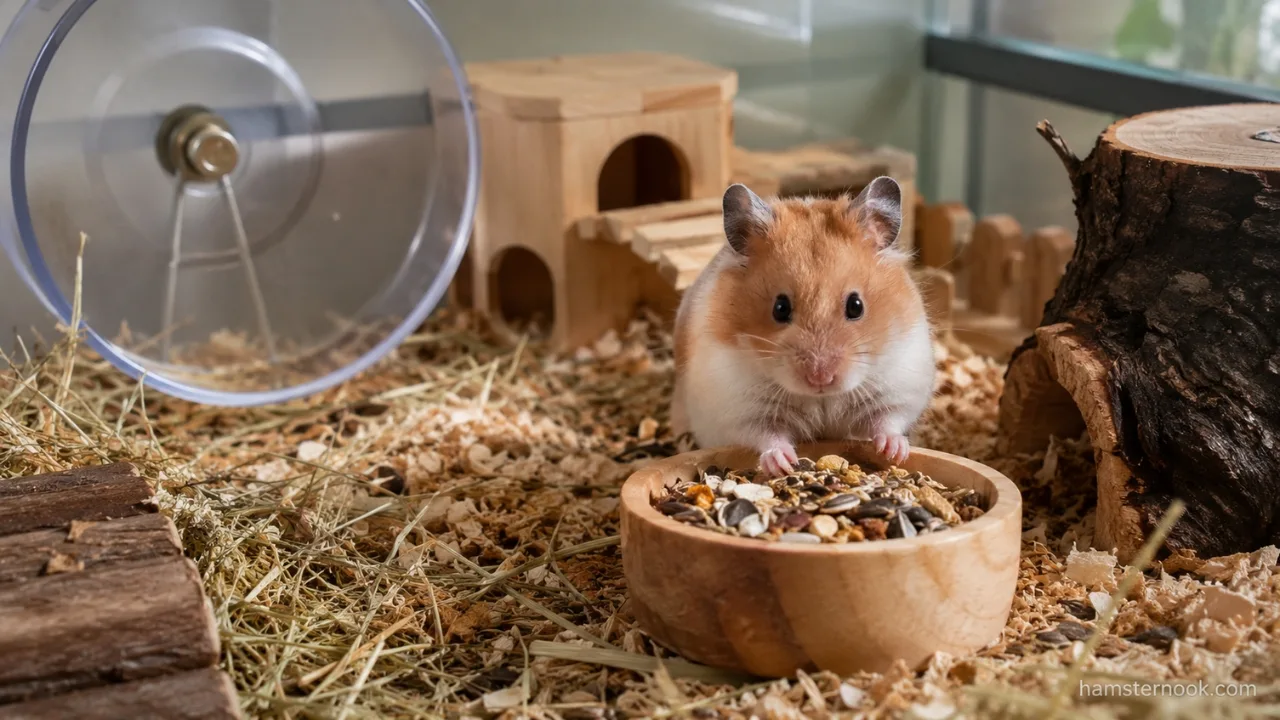
How to Make a Small Hamster Cage Feel Bigger
In a smaller cage, every inch matters.
Instead of leaving large empty areas, focus on creating a layered environment that encourages movement, exploration, hiding, and digging.
Use platforms, tunnels, hides, and layered layouts to maximize safe usable space.
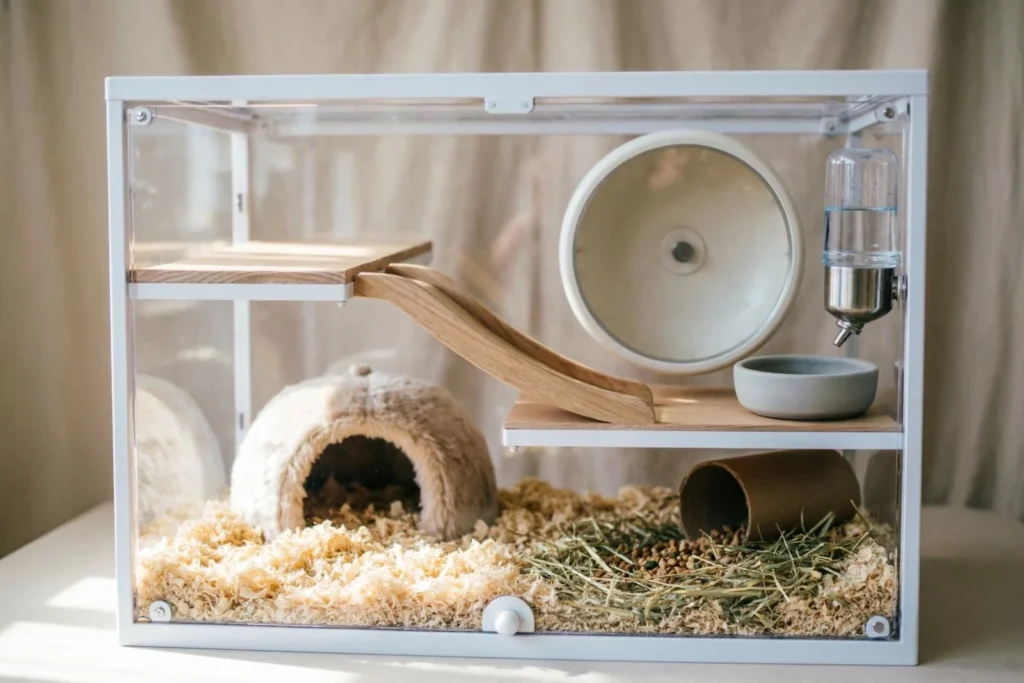
If your hamster is currently in a cage that is smaller than ideal, focus first on providing the essentials without overcrowding the enclosure. Make sure there is enough room for a properly sized wheel, deep bedding, secure hides, and areas for foraging and exploration.

Reduce unnecessary decorations and use the available space for essential enrichment. At the same time, treat these changes as a temporary improvement rather than a replacement for upgrading to a larger enclosure.
Good space management often improves hamster happiness dramatically.
Choose the Right Wheel Size for Comfort
A proper exercise wheel is one of the most important items in any hamster cage.
A properly arranged enclosure often improves comfort more than owners expect. Our Best Hamster Cage Setup for Beginners guide explains how wheel placement, hideouts, bedding depth, and enrichment work together.
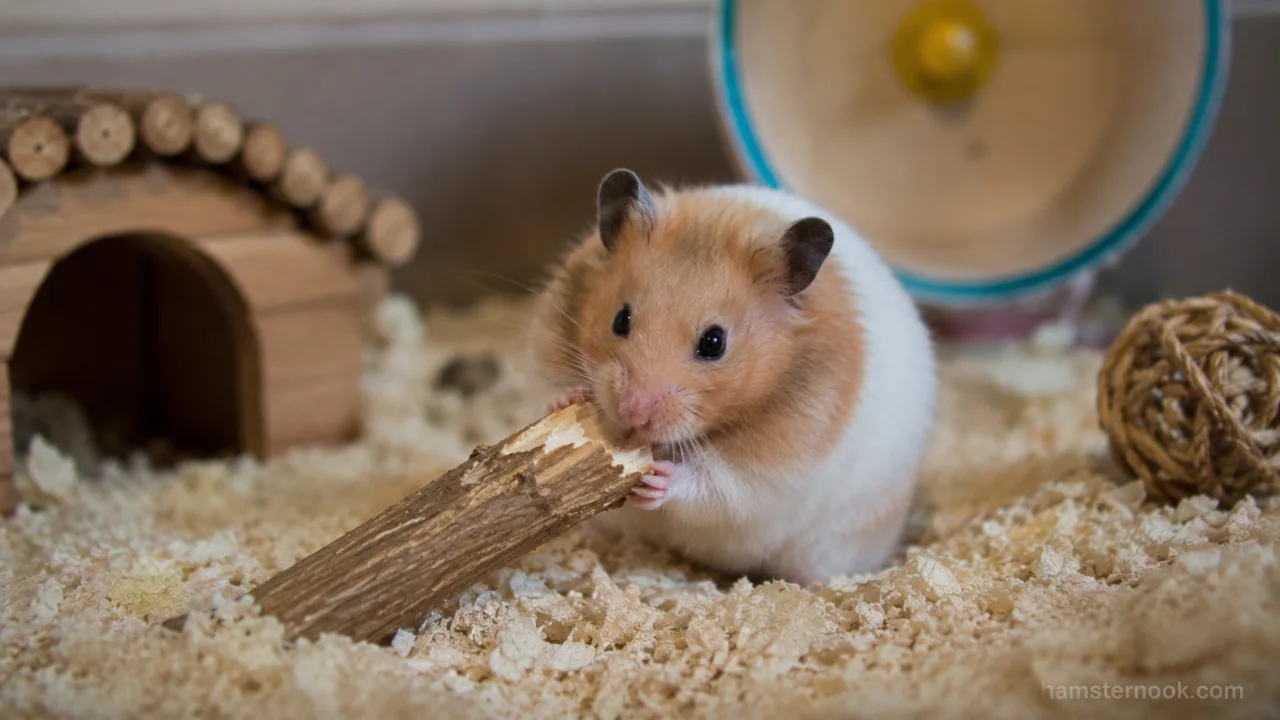
Hamsters run long distances every night, and a bad wheel setup can cause stress and spinal problems.
Recommended Wheel Sizes
| Hamster Type | Minimum Safe Wheel Size |
|---|---|
| Roborovski Hamster | 8 inches |
| Dwarf Hamsters | 8–10 inches |
| Syrian Hamsters | 10–12 inches |
The hamster’s back should stay straight while running.
Avoid wire wheels because they may injure feet and legs.
Add Deep Bedding for Burrowing
Burrowing is a natural hamster instinct.
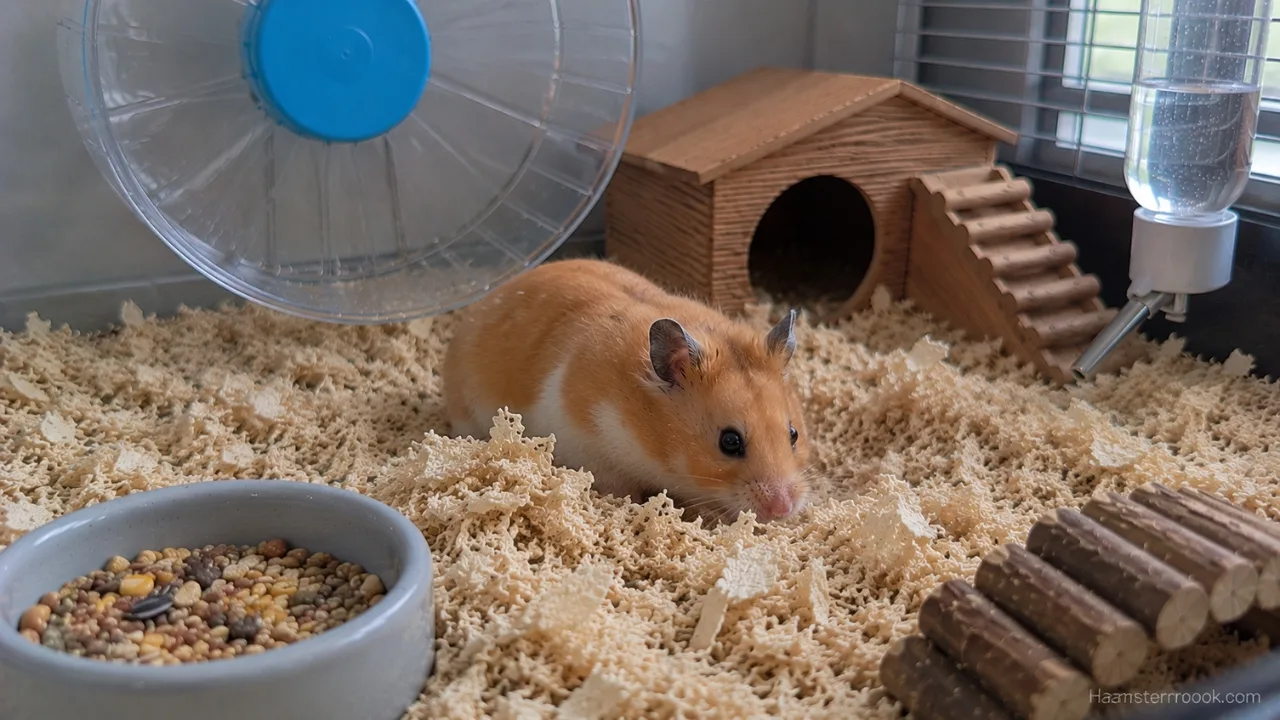
Choosing the right bedding can have a major impact on burrowing behavior and overall comfort. Our Best Hamster Bedding for Beginners: Safe, Unsafe & Best Choices guide compares the most commonly recommended options.
Even in a smaller cage, providing deep bedding can greatly improve comfort and emotional security.
Ideal Bedding Depth
| Hamster Type | Recommended Bedding Depth |
|---|---|
| Dwarf Hamsters | 6–8 inches |
| Syrian Hamsters | 8–10 inches |
Paper-based bedding is usually one of the safest options because it is soft and absorbent.
Deep bedding allows hamsters to:

- Build tunnels
- Create nests
- Feel safer
- Stay mentally stimulated
Create Multiple Hiding Spots
Hamsters are prey animals and naturally prefer hidden spaces.
A cage with only one open sleeping area often feels stressful.
Safe Hiding Spot Ideas
| Safe Options | Unsafe Options |
|---|---|
| Wooden hides | Sharp plastic decor |
| Coconut hides | Painted unsafe wood |
| Cardboard tunnels | Small tight jars |
| Ceramic houses | Cotton nesting pods |
Multiple hideouts help reduce anxiety and encourage natural exploration.
Rotate Toys Instead of Overcrowding the Cage
One common mistake is stuffing too many toys into a small enclosure.
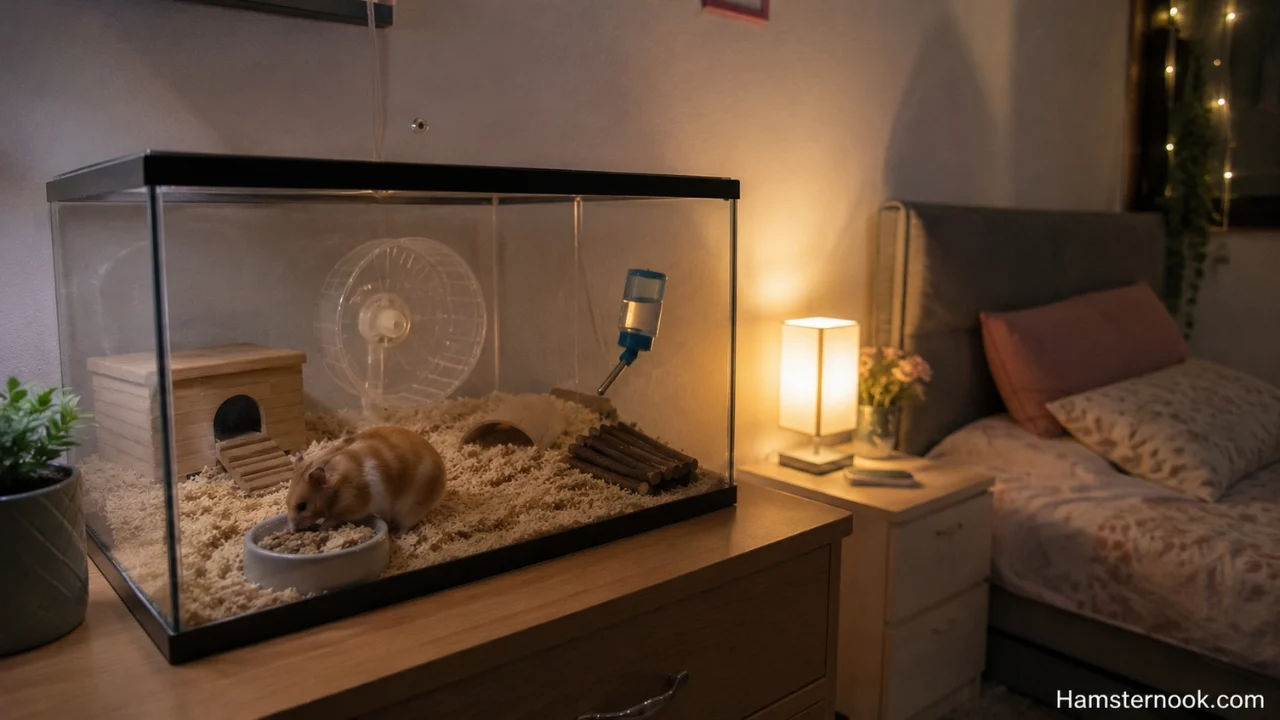
This often reduces movement space instead of improving enrichment.
A better solution is toy rotation.
Smart Rotation Strategy
- Keep 2–3 enrichment items inside at once
- Rotate items every few days
- Introduce different textures and scents
- Rearrange tunnels occasionally
This keeps the environment feeling new without overcrowding.
Best Ways to Keep a Hamster Entertained in a Small Cage
Mental stimulation is critical for hamster happiness.
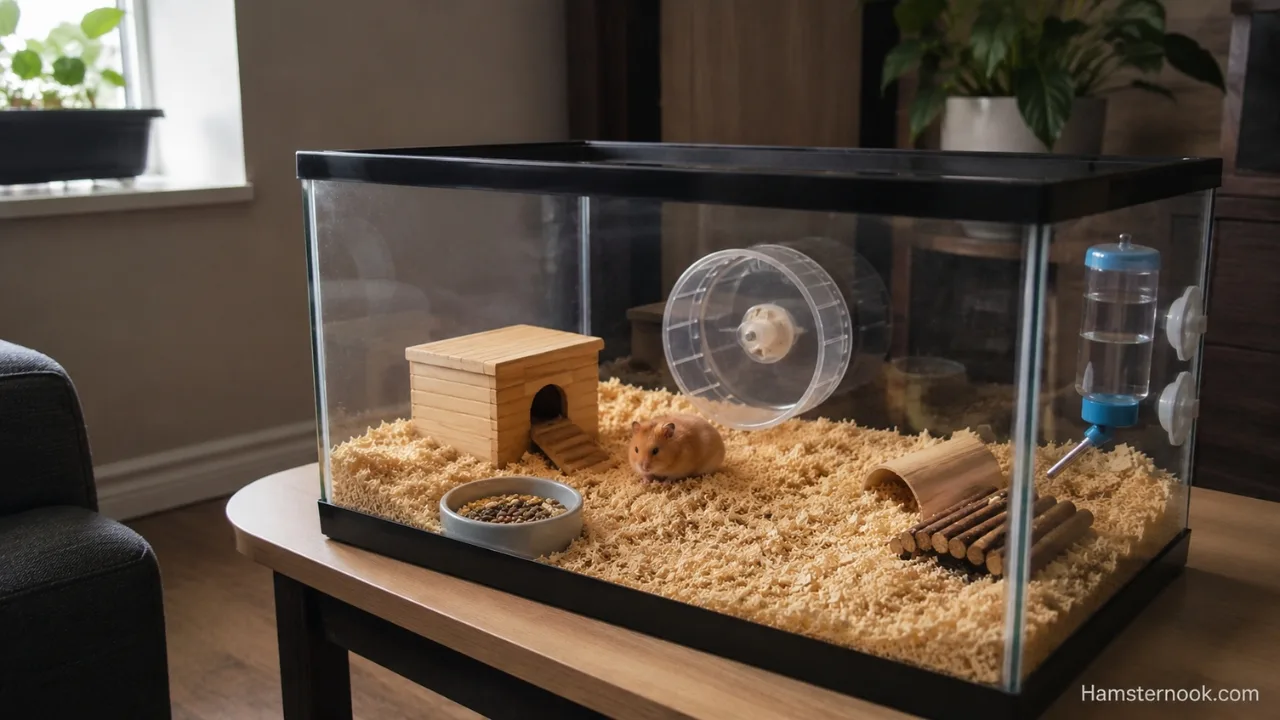
If you’re looking for more ideas to prevent boredom, our Do Hamsters Get Bored in Their Cage? guide covers common boredom signs and ways to provide better stimulation.
Here are some simple enrichment ideas that work well even in limited space.
| Enrichment Activity | Why It Helps |
|---|---|
| Scatter feeding | Encourages foraging |
| Cardboard tunnels | Adds exploration paths |
| Chew toys | Prevents boredom |
| Dig boxes | Supports natural instincts |
| Paper shredding | Nest-building enrichment |
| Treat puzzles | Mental stimulation |
Simple homemade enrichment can often work just as well as expensive store products.
If your hamster still seems bored despite having enrichment, look for repeated behaviors such as constant bar chewing, repetitive pacing, or persistent escape attempts. These signs can mean the current setup needs more suitable enrichment or, importantly, more usable space.
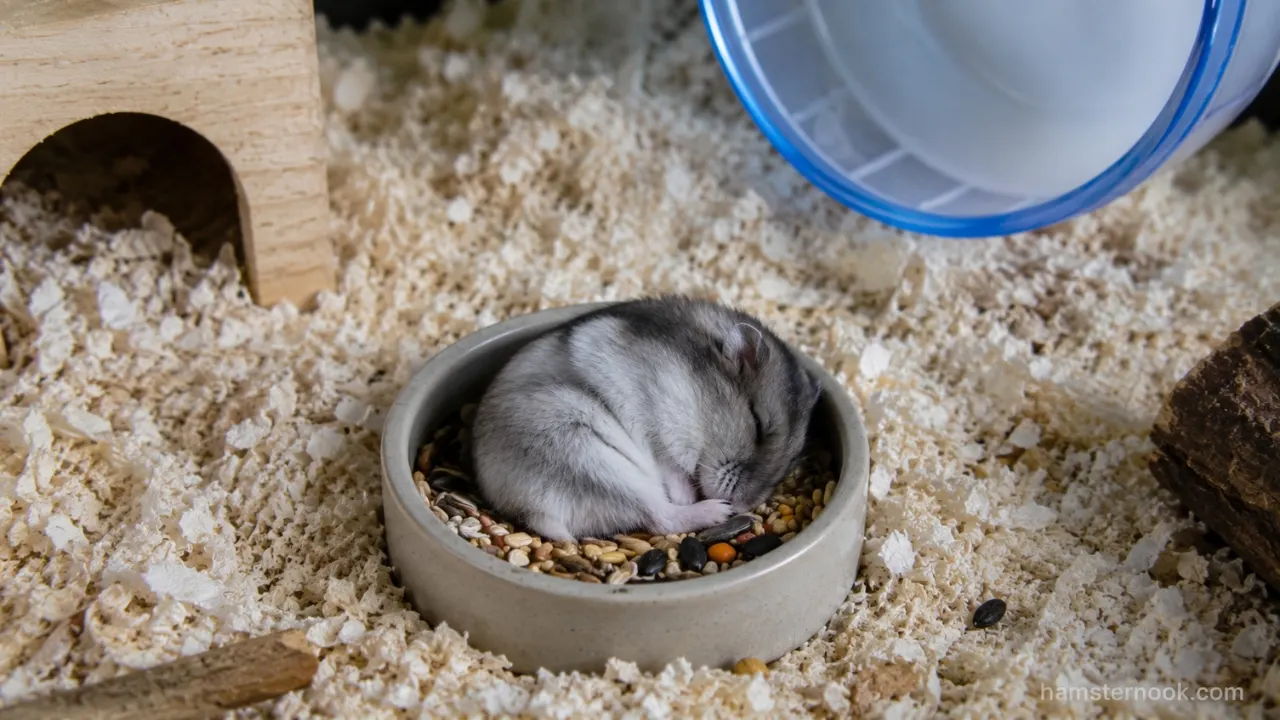
Safe vs Unsafe Cage Accessories
Choosing safe accessories matters even more in smaller cages because the hamster interacts with them constantly.
| Safe Accessories | Unsafe Accessories |
|---|---|
| Solid exercise wheels | Wire wheels |
| Paper bedding | Cedar or pine shavings |
| Wooden chews | Plastic chew toys with sharp edges |
| Ceramic dishes | Cotton fluff nesting material |
| Wide tunnels | Tiny narrow tubes |
Unsafe accessories can increase stress, injury risk, and health problems.
Why Free-Roam Time Is Important for Hamsters
If the enclosure is small, supervised free-roam time becomes even more valuable.
Daily exploration outside the cage helps burn energy and reduce boredom.
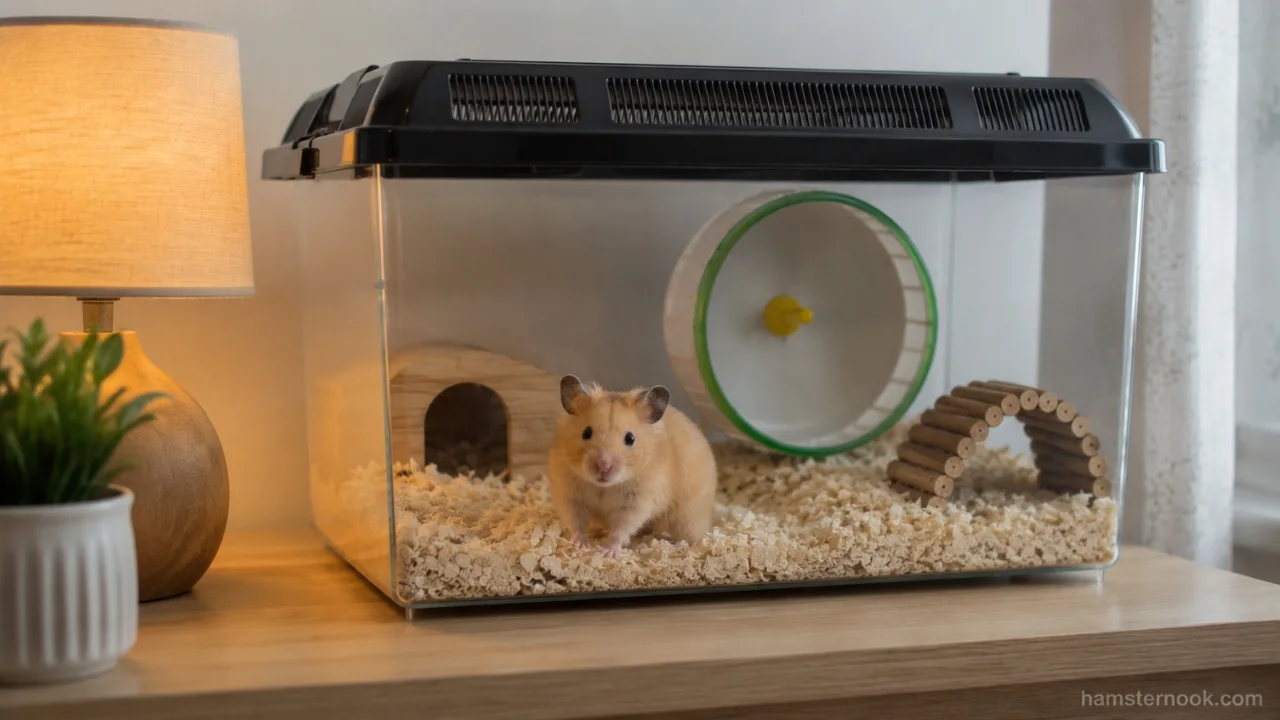
Safe Free-Roam Tips
- Use a secure playpen
- Remove dangerous objects
- Block escape areas
- Supervise constantly
- Keep other pets away
Even 20–30 minutes of safe exploration can make a noticeable difference.
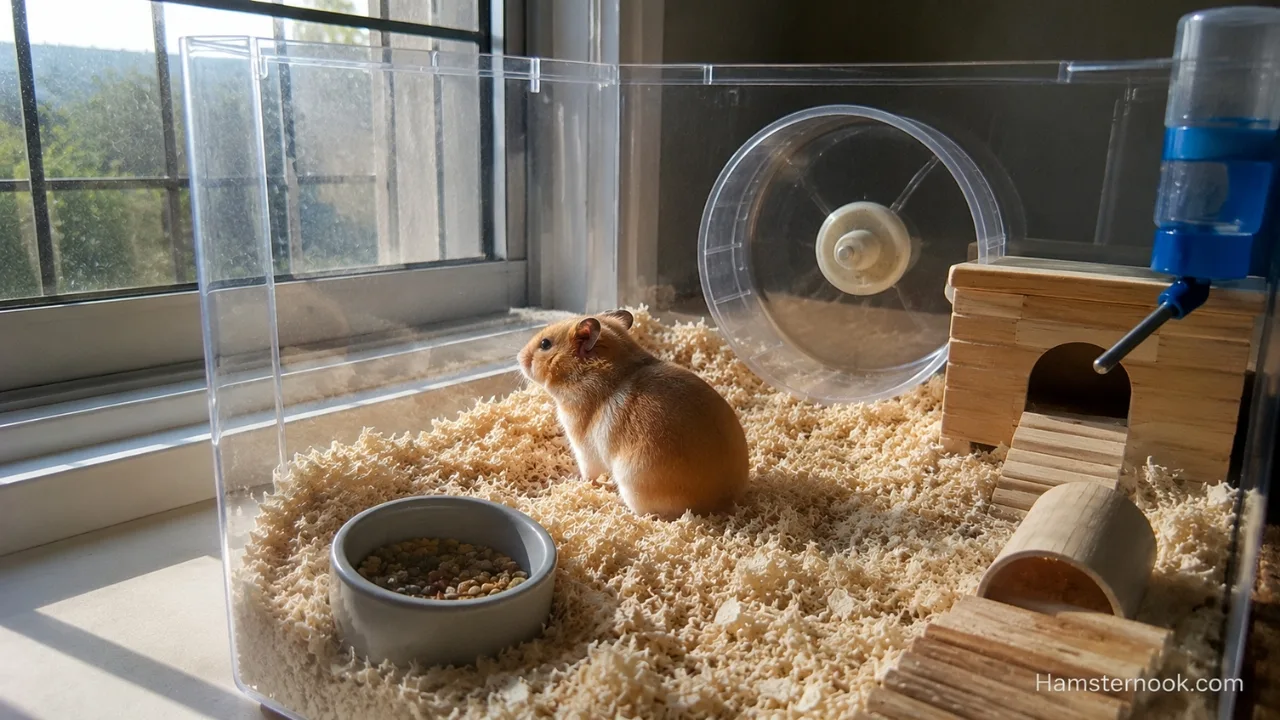
Keep the Cage Clean Without Removing All Scents
Many owners accidentally create stress by deep-cleaning too frequently.
Hamsters rely heavily on scent familiarity.
Removing every scent at once may make the cage feel unfamiliar and stressful.
Better Cleaning Routine
| Cleaning Task | Recommended Frequency |
|---|---|
| Spot cleaning | Daily |
| Remove soiled bedding | Every few days |
| Partial bedding replacement | Weekly |
| Full deep clean | Only when necessary |
Always keep some clean old bedding during cleaning to preserve familiar smells.
Avoid Constant Disturbance
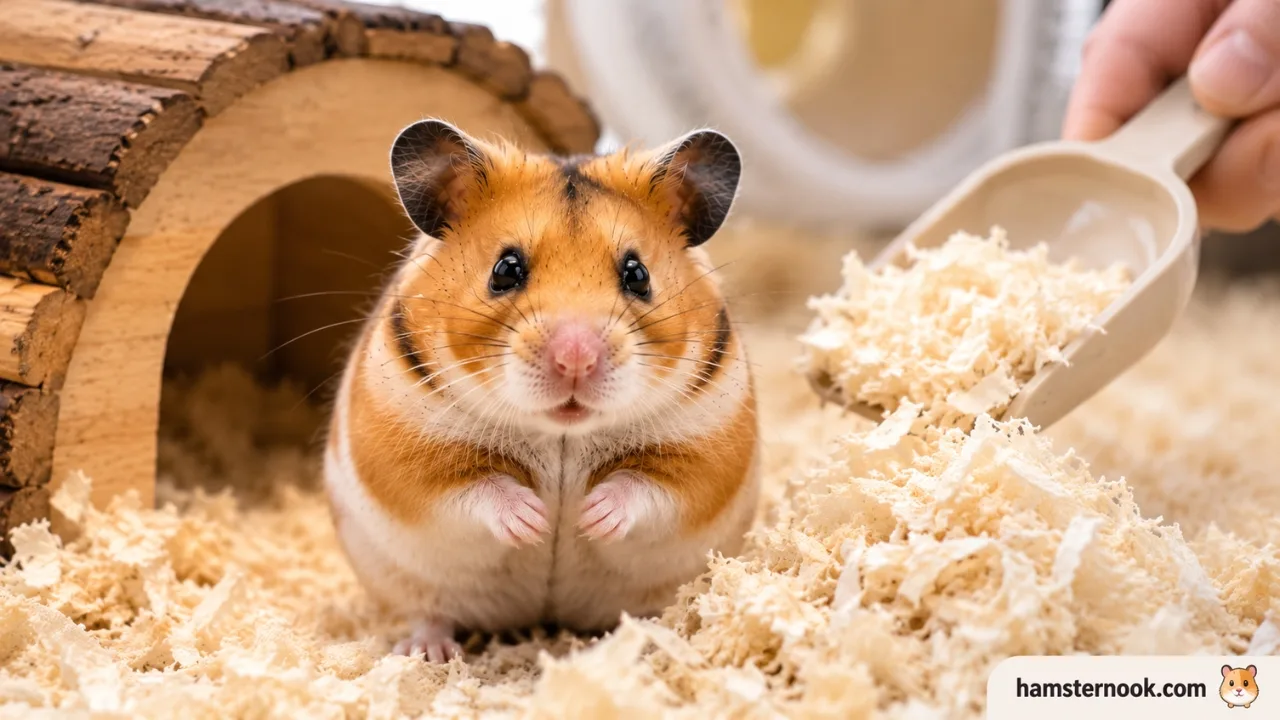
A small cage placed in a noisy or busy area may feel even more stressful.
Hamsters need predictable quiet periods for proper rest.
Avoid placing the cage near:
- Loud TVs
- Speakers
- Direct sunlight
- Constant foot traffic
- Vibrating appliances
A calm environment improves overall well-being significantly.
Feed a Balanced Diet to Support Mood and Health
Nutrition plays an important role in both physical health and activity levels. Our Complete Hamster Diet Guide explains how to build a balanced feeding routine for long-term health.
Poor nutrition can contribute to low energy and health problems.
A healthy hamster diet should mainly include:
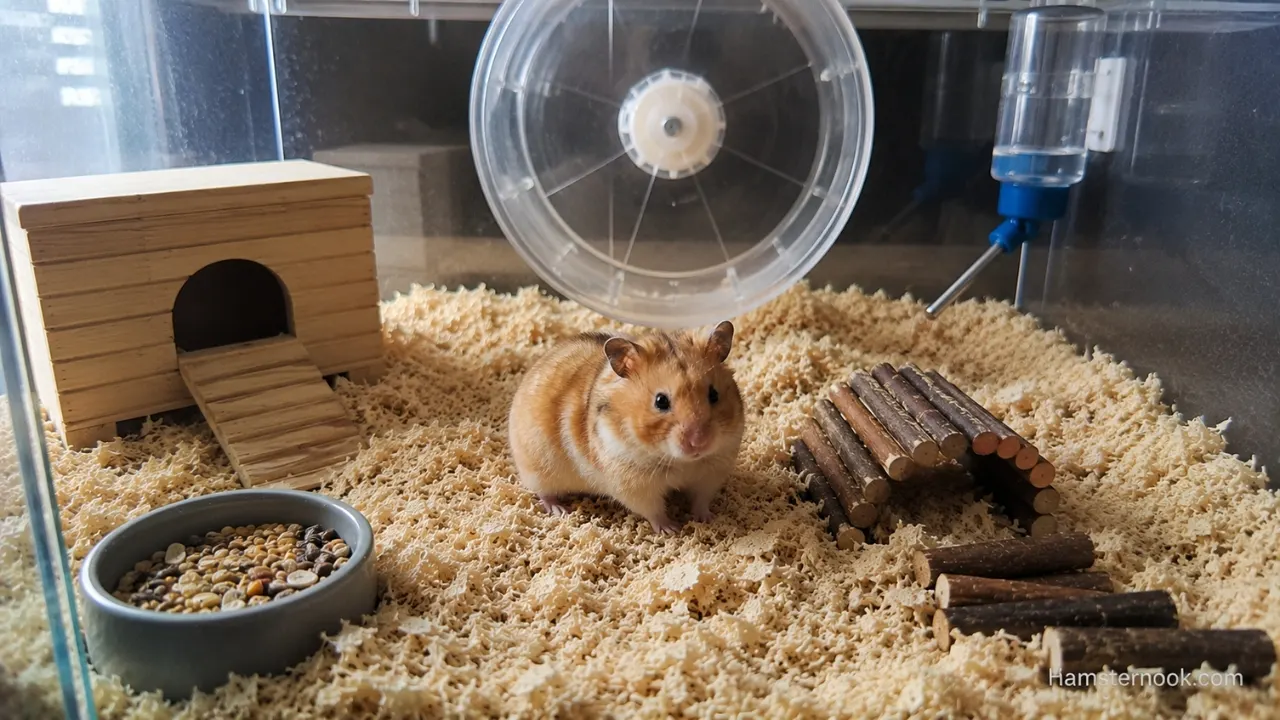
- High-quality hamster pellets
- Seed mix in moderation
- Fresh vegetables
- Occasional protein treats
- Fresh water daily
Sugary treats should stay limited, especially for dwarf hamsters.
Infographic: Quick Ways to Make a Small Hamster Cage Better
| Improvement | Happiness Impact |
|---|---|
| Add deeper bedding | High |
| Upgrade wheel size | High |
| Rotate toys weekly | Medium |
| Add tunnels and hides | High |
| Provide daily free-roam time | High |
| Scatter feed meals | Medium |
| Reduce loud disturbances | Medium |
Small changes often create major improvements in hamster behavior.
Many owners focus on buying more accessories, but simple improvements such as deeper bedding, better wheel sizing, and more opportunities for foraging often have a greater impact on hamster well-being.
Custom Chart: What Matters Most for Hamster Happiness
| Factor | Importance Level |
|---|---|
| Exercise Wheel | Very High |
| Bedding Depth | Very High |
| Mental Enrichment | Very High |
| Cage Size | High |
| Quiet Environment | Medium |
| Toy Variety | Medium |
| Human Interaction | Medium |
This chart shows that enrichment and proper setup often matter almost as much as cage size itself.

When You Should Upgrade the Cage
Even with excellent enrichment, some cages are simply too small long term.
If you’re unsure whether your current enclosure is too small, our Do Hamsters Need a Bigger Cage? 10 Signs Your Cage Is Too Small guide explains the signs that indicate an upgrade is needed.
You should strongly consider upgrading if your hamster:
- Constantly monkey-bars on cage bars
- Shows obsessive escape behavior
- Cannot fit proper bedding depth
- Lacks space for a safe wheel
- Displays chronic stress signs
A larger enclosure almost always improves quality of life when possible.

Common Mistakes Owners Make in Small Cages
Avoiding these mistakes can help immediately.
Many cage-related problems begin with simple setup mistakes that are easy to overlook. Our 10 Biggest Mistakes New Hamster Owners Make (And How to Avoid Them) guide explains the issues owners encounter most often.
Common Problems
- Using tiny colorful pet-store cages
- Overcrowding with toys
- Using unsafe wheels
- Cleaning too aggressively
- Ignoring boredom signs
- Not providing burrowing depth
Small improvements in setup quality usually matter more than decoration.
Final Thoughts
A small hamster cage is not ideal, but thoughtful care can still help a hamster stay active, secure, and mentally stimulated.

Observing normal behavior is often the easiest way to judge whether a hamster feels comfortable in its environment. Our 10 Signs Your Hamster Is Happy and Healthy guide explains the behaviors most owners should expect to see regularly.
The most important goal is maximizing enrichment while reducing stress. Deep bedding, a proper wheel, toy rotation, safe hideouts, quiet surroundings, and supervised free-roam time can dramatically improve a hamster’s daily life.
While upgrading to a larger enclosure remains the best long-term option whenever possible, many hamsters become noticeably happier when owners focus on enrichment and natural behaviors instead of cage size alone.
Even small improvements in enrichment and cage setup can noticeably improve a hamster’s daily quality of life.
Frequently Asked Questions
Can a hamster be happy in a small cage?
A hamster can stay happier in a smaller cage if enrichment, exercise, bedding depth, and daily stimulation are managed properly. However, larger cages are still healthier long term.
What is the biggest mistake in small hamster cages?
The most common mistake is lack of enrichment. Empty cages with little stimulation often cause boredom and stress behaviors.
How do I stop my hamster from chewing cage bars?
Provide a proper wheel, more enrichment, deeper bedding, chew toys, and daily activity outside the cage if possible.
Do hamsters need toys in small cages?
Yes. Toys, tunnels, hides, and foraging activities help reduce boredom and encourage natural behaviors.
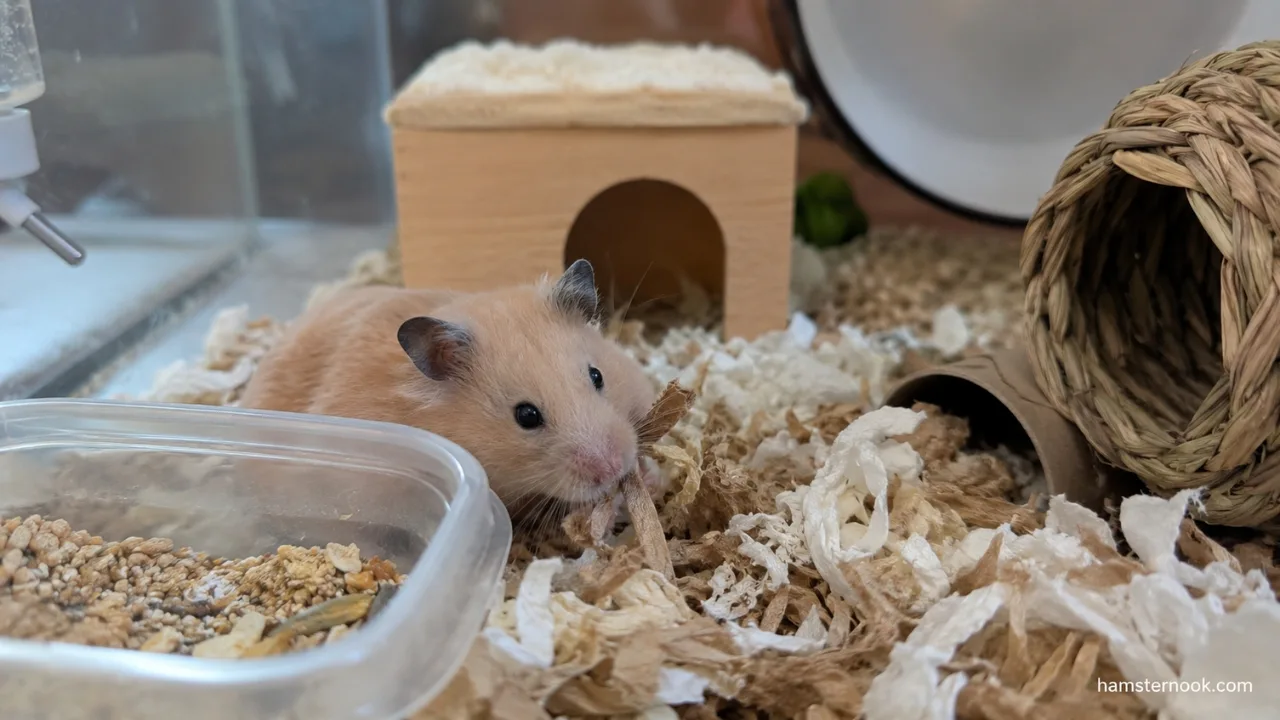
How often should I rearrange a hamster cage?
Minor changes every few days can provide enrichment, but avoid changing everything at once because hamsters rely on familiar scents.
Is free-roam time necessary for hamsters in small cages?
It is highly beneficial. Supervised free-roam sessions provide exercise and mental stimulation that smaller cages may not fully offer.
Can enrichment fully compensate for a small hamster cage?
No. Enrichment can improve quality of life significantly, but it cannot completely replace adequate floor space. A larger enclosure remains the best long-term solution whenever possible.
References
This guide is based on hamster welfare, enrichment, and husbandry guidance from trusted animal care organizations, including:

Narayan Kumar is the founder and author of HamsterNook. He creates practical, research-based hamster care guides covering hamster behavior, nutrition, cage setup, enrichment, health, and everyday care. His goal is to help hamster owners make informed decisions and provide safer, healthier lives for their pets through clear, beginner-friendly information based on trusted animal care resources.