
Many hamster owners become concerned when their normally calm pet suddenly starts running nonstop, climbing the cage, digging frantically, or racing on the wheel for hours after dark. For many owners, sudden nighttime energy can feel surprising or even concerning at first.
In most cases, a hyper hamster at night is completely normal. Hamsters are naturally nocturnal or crepuscular animals, meaning they are most active during the evening and nighttime hours. However, sudden bursts of extreme energy can sometimes point to boredom, stress, environmental problems, or changes in routine.
Understanding the difference between normal nighttime activity and behavior that signals a problem is important for keeping your hamster healthy and comfortable.
This guide explains why hamsters become hyper at night, what behaviors are considered normal, when to worry, and how to help your hamster stay calm and enriched.
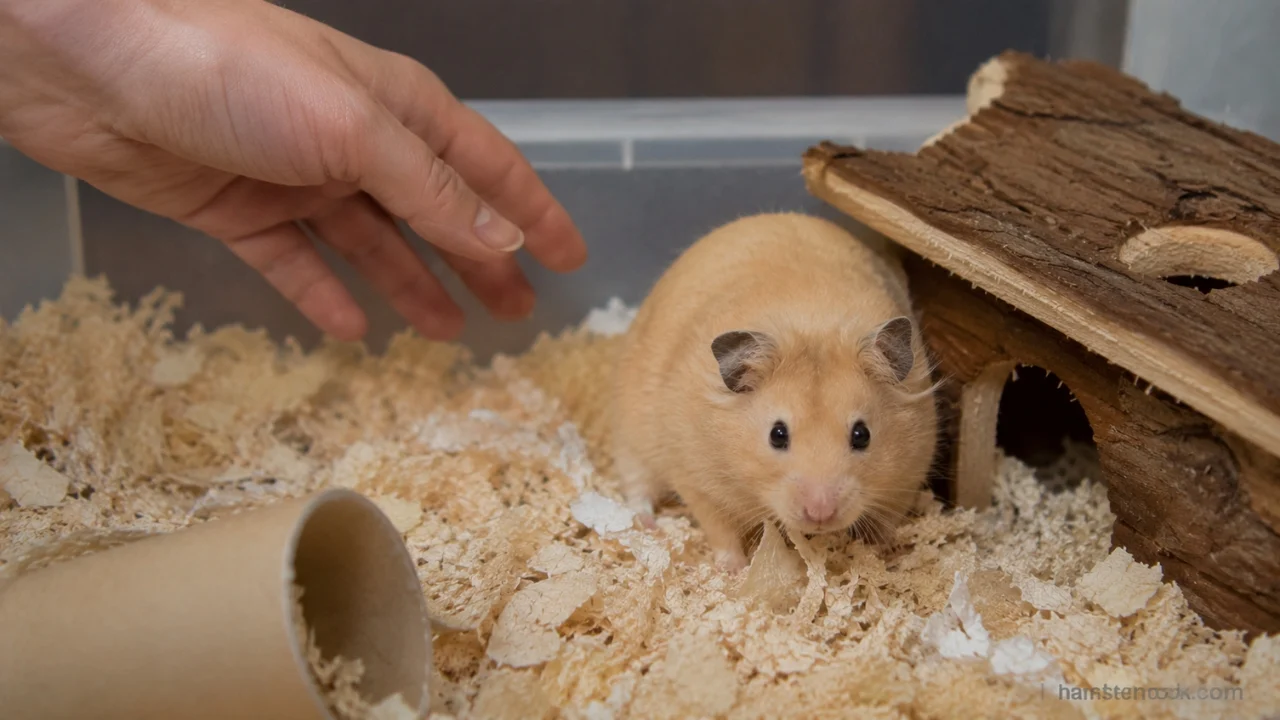
👉 Best Hamster Cage Setup for Beginners
Why Hamsters Become Active at Night Naturally
Hamsters naturally evolved to stay hidden during daylight and active after dark. Staying hidden during the day helped them avoid predators and harsh daytime temperatures. As a result, their bodies are naturally programmed to become active after sunset.
Even pet hamsters still follow these instincts.

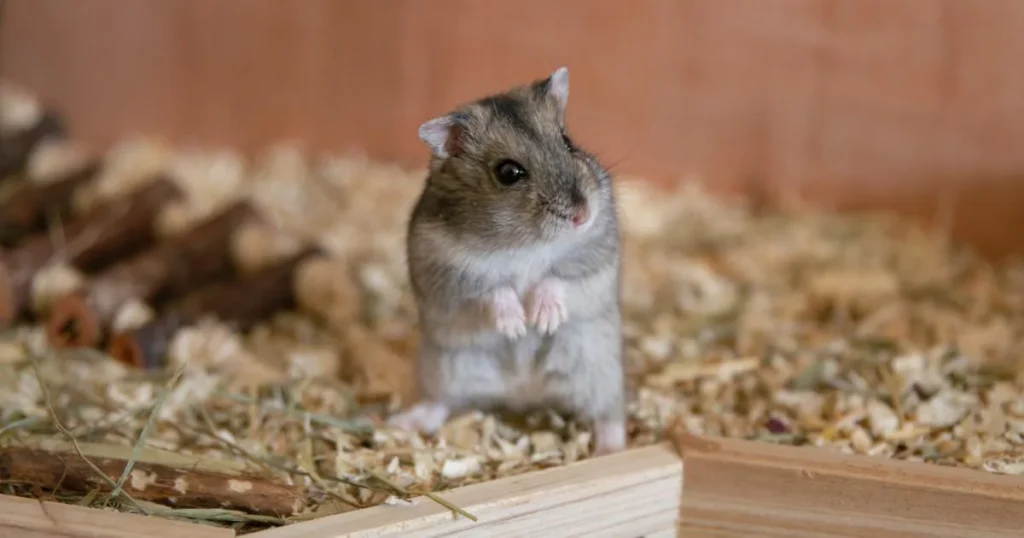
During nighttime hours, hamsters usually:
- Search for food
- Run long distances
- Dig and burrow
- Explore territory
- Collect nesting materials
- Exercise on their wheel
For many owners, this sudden nighttime energy feels surprising because hamsters may appear sleepy and quiet throughout most of the day.
Is It Normal for a Hamster to Run All Night?
Yes, healthy hamsters often run for several hours during the night.
Some hamsters can run several miles on their wheel in a single evening. In most healthy hamsters, long periods of nighttime activity are completely natural behavior. and helps them burn energy naturally.

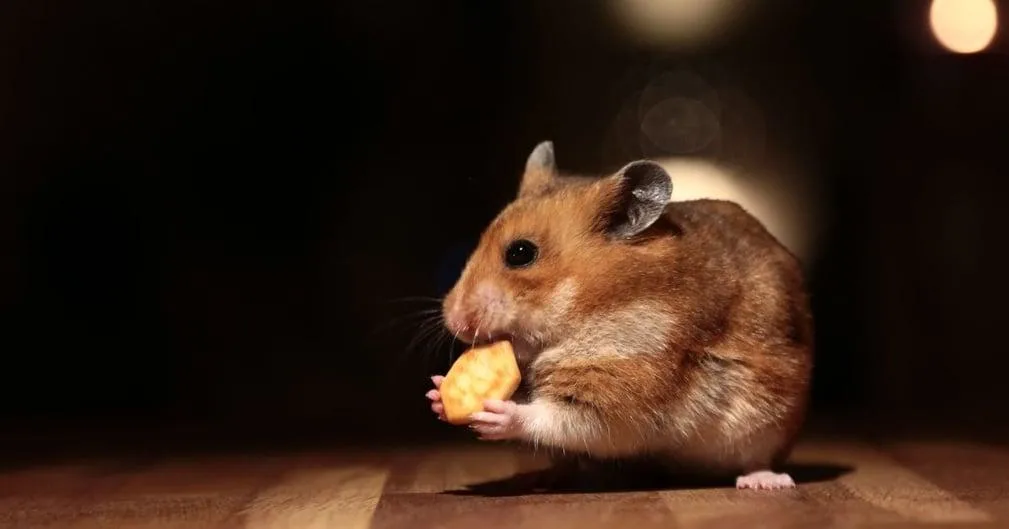
The key is understanding whether the behavior looks healthy or stressed.
| Normal Night Activity | Possible Problem Behavior |
|---|---|
| Running on wheel steadily | Frantic repetitive pacing |
| Digging occasionally | Constant escape attempts |
| Exploring cage calmly | Aggressive cage biting |
| Active during evening/night | Hyperactivity all day and night |
| Stops to eat and groom | Refuses rest completely |
Normal activity usually looks purposeful and balanced, while stress-related hyperactivity often appears frantic or obsessive.
Common Reasons Your Hamster Is Suddenly Hyper at Night
Several factors can increase nighttime energy levels.
Your Hamster May Finally Feel Comfortable
New hamsters are often nervous during the first days or weeks in a home. They may hide constantly and avoid activity until they feel safe.
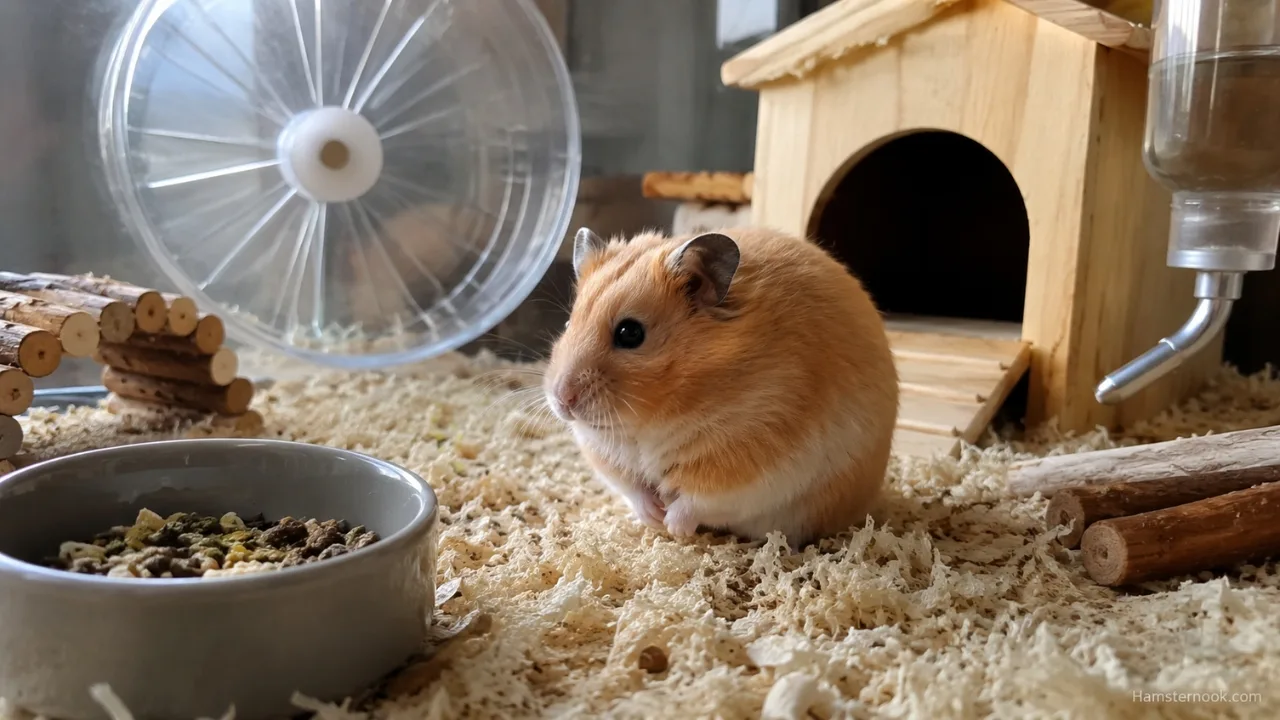
Once trust develops and stress decreases, many hamsters suddenly become much more active at night.
This is actually a positive sign in many cases.
Your Hamster Has Excess Energy
Hamsters are naturally energetic animals that require regular movement and stimulation.
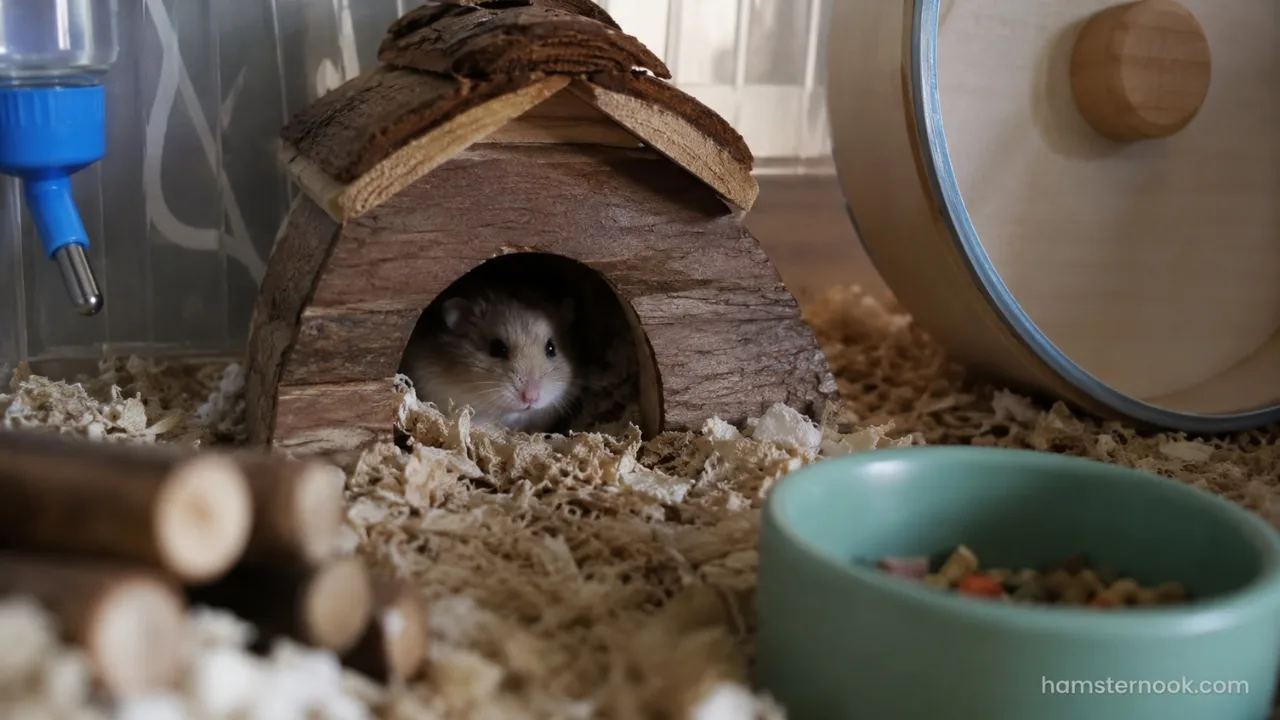
If the enclosure lacks enrichment, your hamster may release pent-up energy through hyperactive behaviors such as:
- Constant wheel running
- Cage climbing
- Zooming around the enclosure
- Digging obsessively
A bored hamster often becomes far more active at night because there is little else to do.
Cage Size May Be Too Small
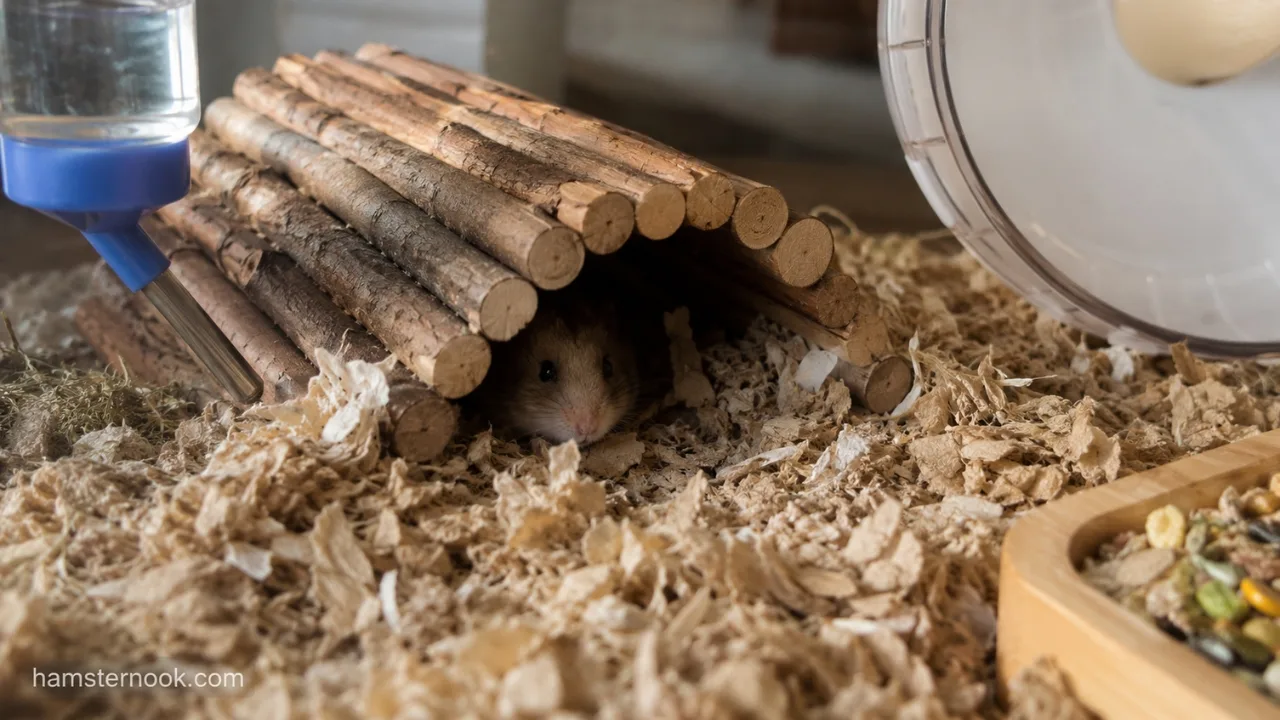
One of the biggest causes of frantic nighttime behavior is an enclosure that is too small.
Hamsters need enough space to:
- Run
- Explore
- Dig
- Hide
- Create separate sleeping and food areas
A cramped cage may lead to stress-related hyperactivity.
Recommended Minimum Cage Sizes
| Hamster Type | Recommended Minimum Space |
|---|---|
| Syrian Hamster | 775+ square inches |
| Dwarf Hamster | 600+ square inches |
Larger enclosures usually encourage calmer and healthier behavior.
Your Hamster’s Wheel May Be Too Small
A wheel that is too small can cause discomfort and frustration.
Hamsters need wheels large enough to keep their backs straight while running.
| Hamster Breed | Recommended Wheel Size |
|---|---|
| Syrian Hamster | 11–12 inches |
| Dwarf Hamsters | 8–10 inches |
If your hamster constantly starts and stops running or seems agitated near the wheel, wheel size may be part of the issue.
Changes in Environment Can Increase Activity
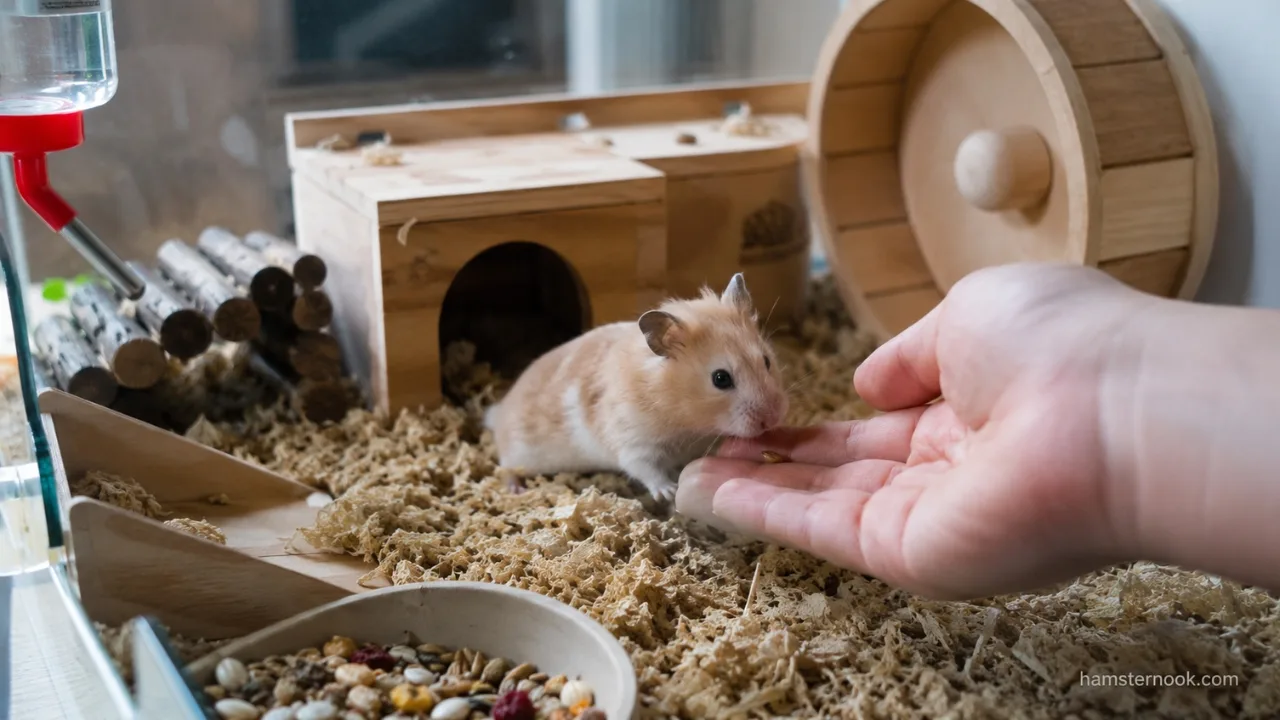
Hamsters are sensitive to environmental changes.
Sudden hyperactivity may happen after:
- Moving the cage
- Changing bedding
- Loud household noise
- New pets nearby
- Bright lights at night
- Temperature changes
Some hamsters react to stress by becoming unusually active.
Seasonal Changes Can Affect Behavior
Many owners notice behavioral shifts during different seasons.
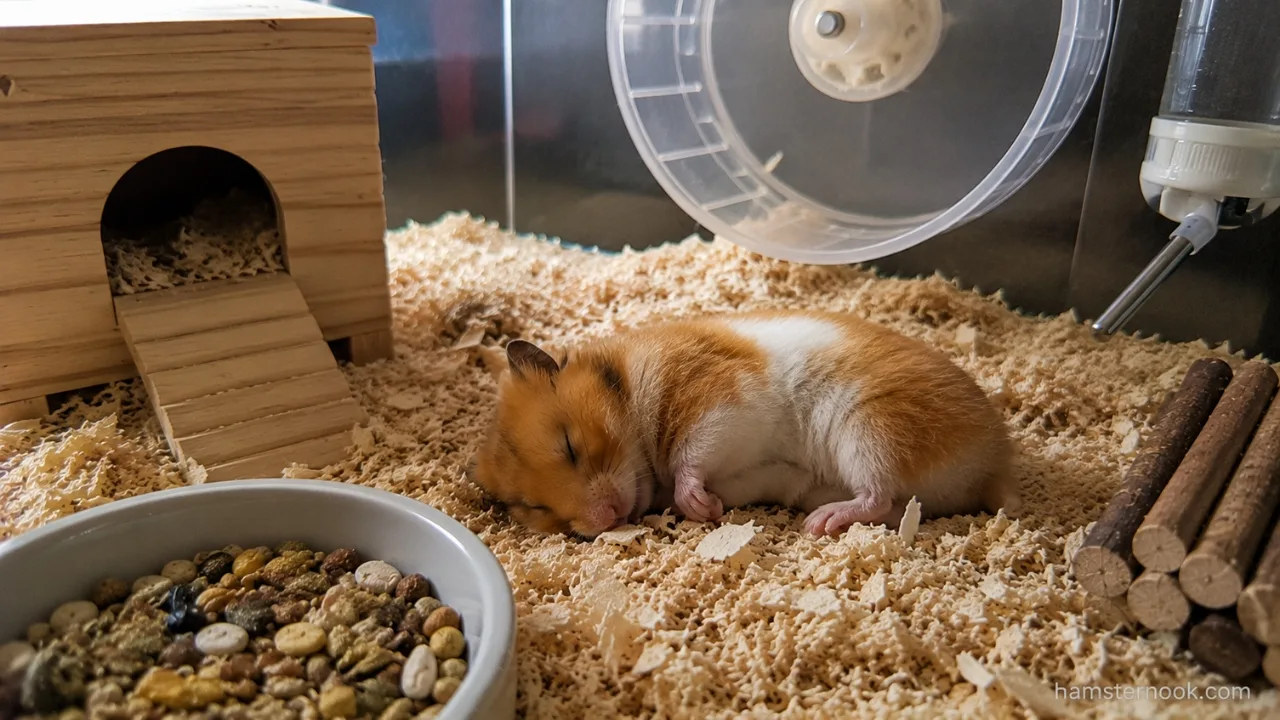
Longer nights, temperature changes, and shifts in household lighting can sometimes increase nighttime activity levels.
While this behavior is often harmless, major changes should still be monitored carefully.
Hormonal and Age-Related Energy Changes
Young hamsters are usually more energetic than older hamsters.
Juvenile hamsters often:
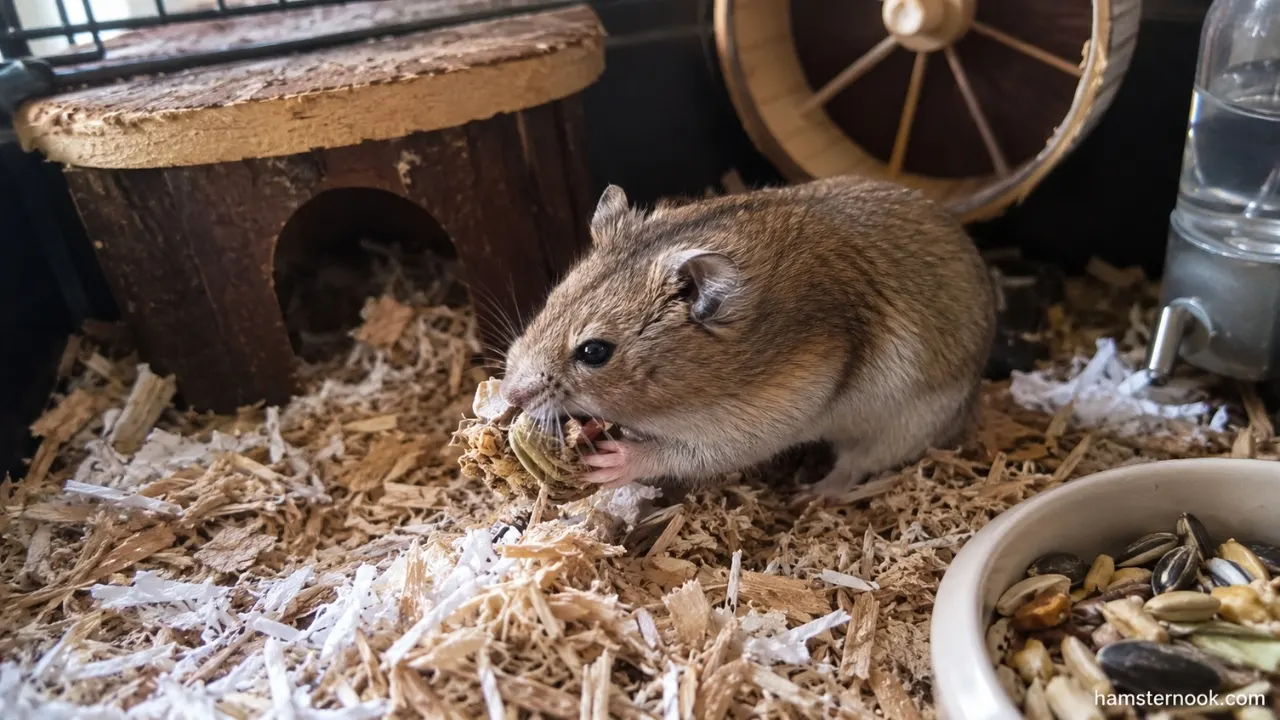
- Run more frequently
- Explore constantly
- Climb excessively
- Play for longer periods
Older hamsters tend to become calmer and sleep more often.
If an adult hamster suddenly becomes extremely hyper without explanation, it is worth observing for other signs of stress or illness.
Signs Your Hamster Is Bored Rather Than Simply Active
Normal activity and boredom behaviors can look similar at first.
👉 5 Warning Signs Your Hamster May Be Stressed
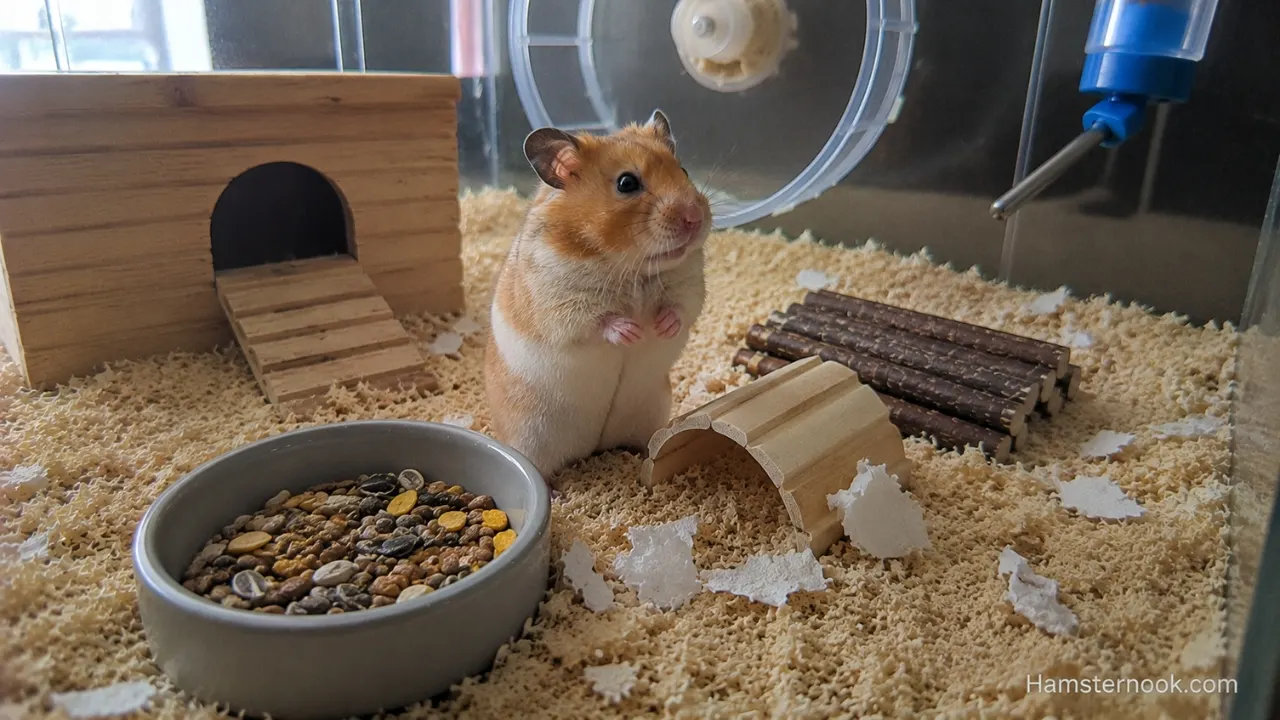
Here are some common boredom-related signs.
| Boredom Signs | What It May Mean |
|---|---|
| Repeated bar chewing | Frustration or stress |
| Constant climbing | Lack of stimulation |
| Digging in corners repeatedly | Wants deeper bedding |
| Excessive wheel obsession | Not enough enrichment |
| Escape attempts nightly | Cage may be too small |
Hamsters need both physical exercise and mental stimulation.
How to Calm a Hyper Hamster at Night
Hyperactivity often improves when the enclosure better matches a hamster’s natural instincts.
Provide Deeper Bedding for Digging
Hamsters love burrowing.
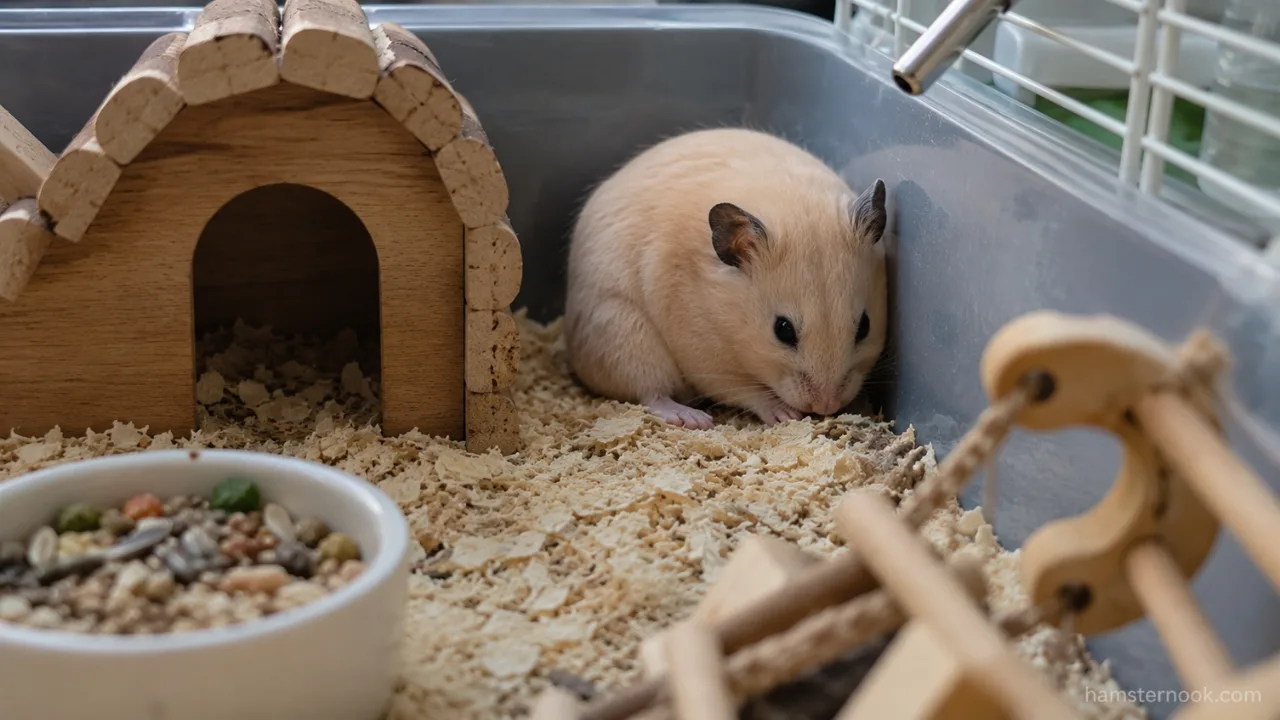
Adding deep bedding allows natural tunneling behavior and often reduces restless activity.
Aim for at least:
- 6–10 inches of bedding for dwarfs
- 10–12 inches for Syrians when possible
Paper-based bedding is usually one of the safest options.
Add More Enrichment Toys
Enrichment helps prevent boredom and stress.
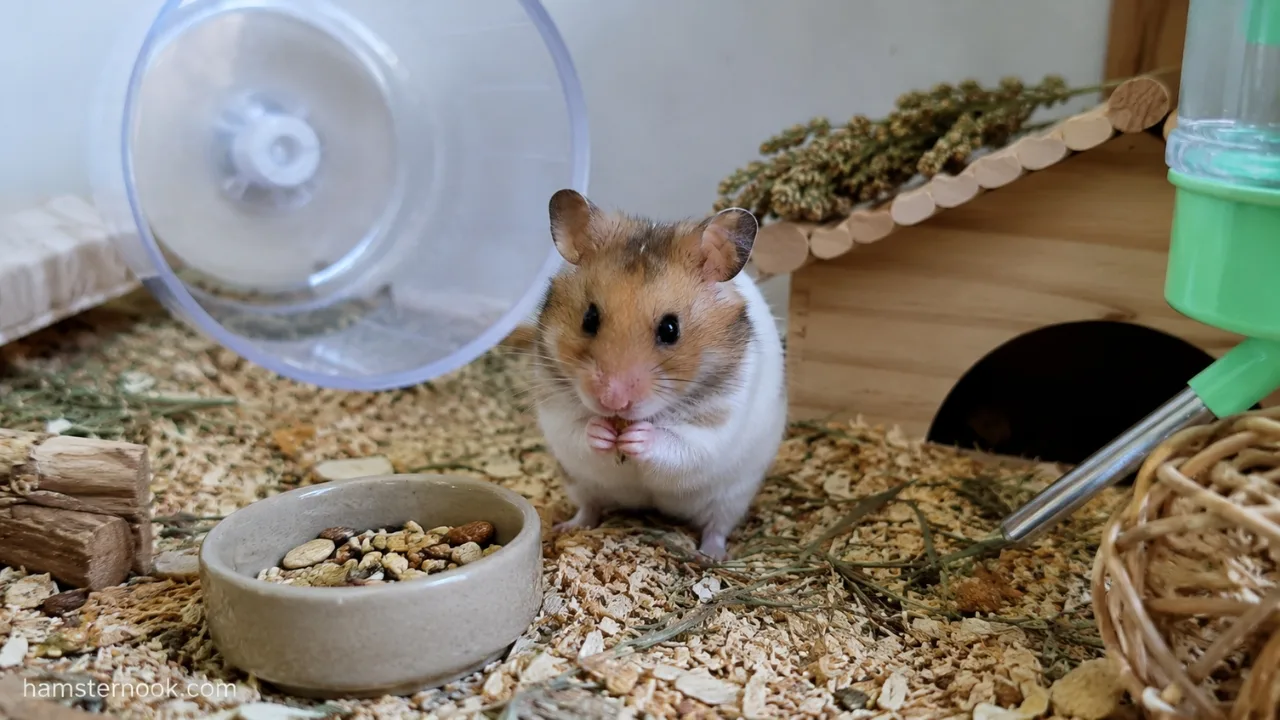
Good enrichment options include:
- Cork logs
- Wooden tunnels
- Sand baths
- Chew toys
- Multi-chamber hides
- Foraging toys
- Cardboard tubes
Rotating toys occasionally can also keep the environment interesting.
Scatter Feed Instead of Bowl Feeding
Scatter feeding encourages natural foraging behavior.
Instead of placing all food in one bowl, sprinkle part of the food mix around the enclosure so your hamster can search for it naturally.

This provides mental stimulation and helps reduce boredom.
Keep the Room Quiet at Night
Hamsters can become stressed by excessive nighttime noise.
Try to avoid:
- Loud TV volume
- Bright flashing lights
- Sudden cage disturbances
- Other pets bothering the enclosure
A calm environment supports healthier behavior.
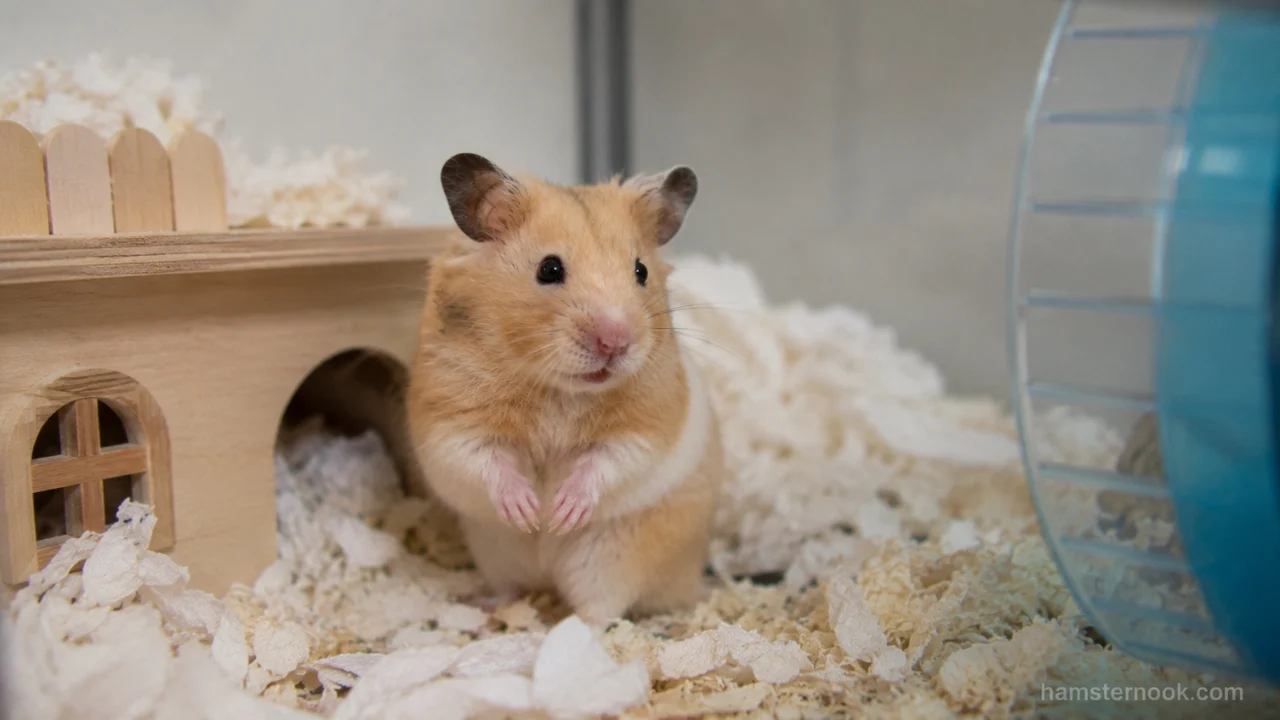
Avoid Waking Your Hamster During the Day
Hamsters need uninterrupted daytime sleep.
Repeatedly waking a hamster may actually make nighttime behavior more erratic and stressed.
Allow your hamster to wake naturally whenever possible.
When Hyperactivity May Signal a Problem
Most nighttime energy is normal, but certain behaviors may require attention.
Watch for these warning signs:
| Concerning Symptom | Possible Concern |
|---|---|
| Sudden aggression | Stress or illness |
| Weight loss | Health issue |
| Hair loss | Anxiety or medical condition |
| Refusing food | Illness |
| Constant frantic behavior | Chronic stress |
| Falling repeatedly while climbing | Weakness or neurological issue |
If unusual behavior appears alongside physical symptoms, contact an exotic pet veterinarian.
Can Hamsters Get the “Zoomies”?
Yes, hamsters can experience sudden bursts of excitement similar to “zoomies” seen in other pets.
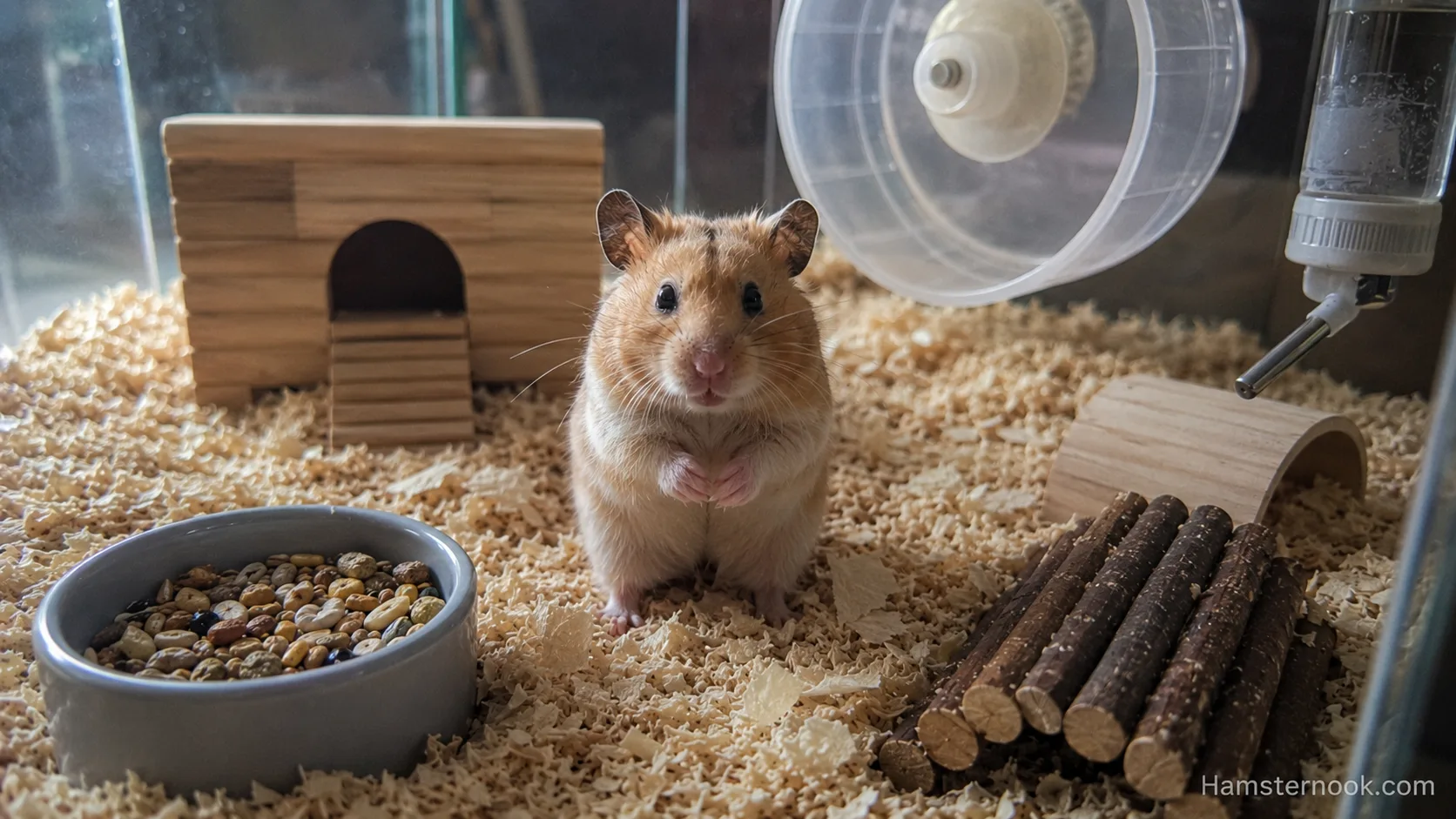
This usually involves:
- Fast running
- Quick direction changes
- Excited wheel use
- Energetic digging
Short periods of energetic behavior are usually harmless if the hamster otherwise appears healthy.
Why Hamsters Often Seem Hyper After Cage Cleaning
Many owners notice increased activity after cleaning the enclosure.
This happens because hamsters rely heavily on scent for comfort and territory recognition. Removing familiar smells may temporarily increase exploration and marking behaviors.

To reduce stress during cleaning:
- Keep some old clean bedding
- Avoid fully removing all scents at once
- Clean gradually when possible
This often helps hamsters settle more quickly afterward.
Some hyper hamster behavior at night is completely normal and linked to natural instincts.
Final Thoughts
A hamster suddenly becoming hyper at night is usually normal behavior tied to natural instincts and nighttime energy patterns. In many cases, increased activity simply means your hamster feels comfortable, healthy, and ready to explore.
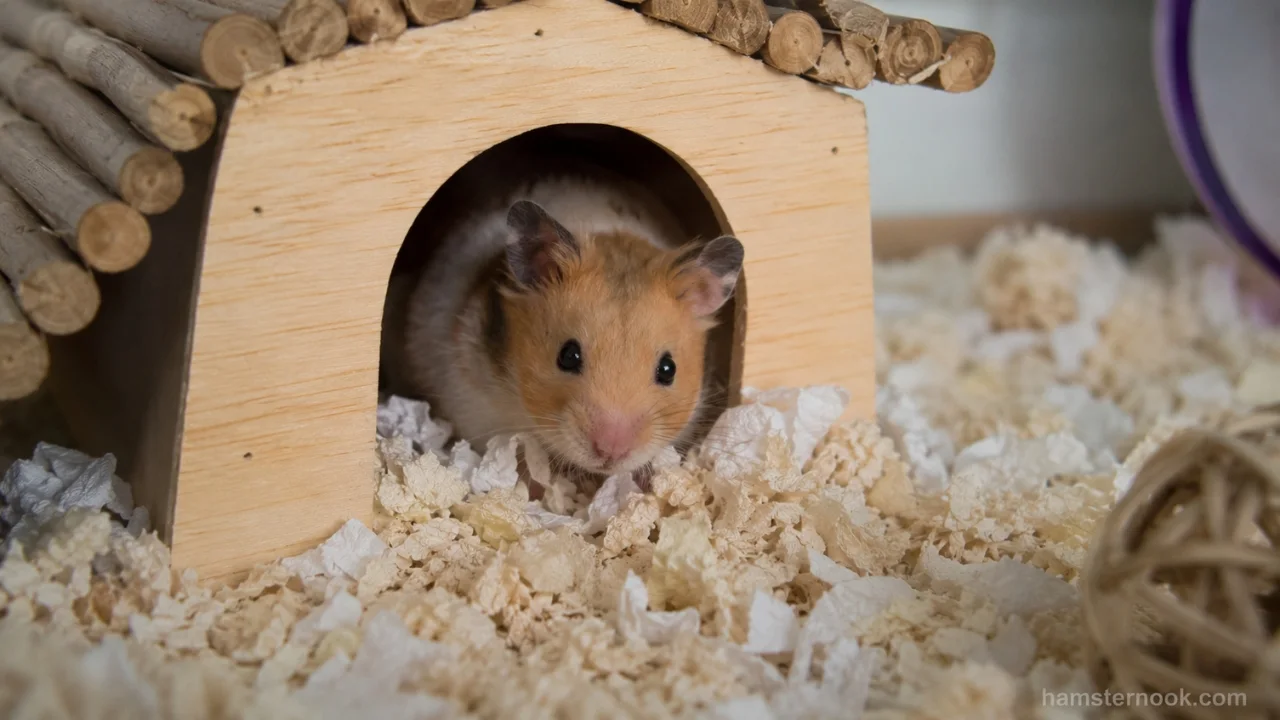
👉 Happy and Healthy Hamster Signs
However, extreme hyperactivity can sometimes signal boredom, stress, or environmental problems such as a cage that is too small or lacks enrichment.
Providing enough space, deep bedding, exercise opportunities, and mental stimulation usually helps create calmer and healthier nighttime behavior. Monitoring your hamster’s overall health and behavior patterns is the best way to determine whether the activity is normal or something that needs attention.
Frequently Asked Questions
Why does my hamster run so much at night?
Hamsters are naturally nocturnal or crepuscular animals, so nighttime is when they are most active and energetic.
Is it normal for hamsters to be noisy at night?
Yes. Wheel running, digging, chewing, and exploring are common nighttime behaviors for hamsters.
Why is my hamster suddenly climbing the cage?
Cage climbing may happen because of boredom, stress, excess energy, or an enclosure that is too small.
Can hamsters become hyper from stress?
Yes. Some hamsters respond to stress with frantic movement, pacing, or excessive activity.
Should I stop my hamster from running at night?
No. Running is healthy exercise for hamsters unless it becomes obsessive or harmful.
Why is my hamster more active after cleaning the cage?
Cleaning removes familiar scents, so hamsters often explore more afterward to remark territory and rebuild comfort.

Narayan Kumar is the founder and author of HamsterNook. He creates practical, research-based hamster care guides covering hamster behavior, nutrition, cage setup, enrichment, health, and everyday care. His goal is to help hamster owners make informed decisions and provide safer, healthier lives for their pets through clear, beginner-friendly information based on trusted animal care resources.