If you’ve noticed bald spots, thinning fur, or unusual shedding on your hamster, it’s natural to be concerned. While some hair loss is normal during seasonal shedding or aging, sudden bald patches, irritated skin, or excessive scratching can signal an underlying health problem. In this guide, you’ll learn the most common causes of hamster hair loss, warning signs to watch for, and when veterinary care may be needed.
Checking your hamster’s skin, fur, and behavior regularly can help you spot potential problems before they become serious. Early detection often makes treatment easier and improves the chances of a full recovery. In this guide, you’ll learn the most common reasons hamsters lose fur, how to recognize warning signs, when to contact a vet, and what you can do to help your hamster stay healthy.
Is Hair Loss Normal in Hamsters?
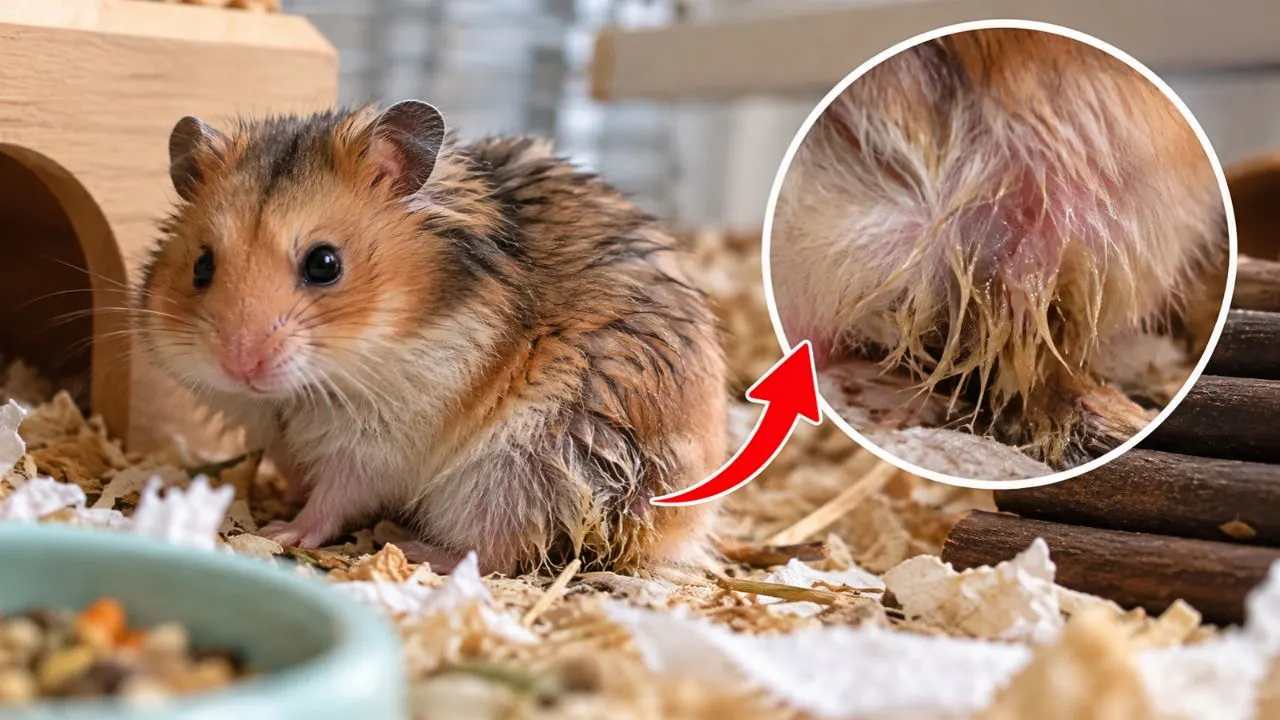
Some minor changes in coat thickness can occur, but obvious bald patches or progressive hair loss should not automatically be assumed to be normal. Hair loss can have several causes, including parasites, fungal infection, irritation, rubbing, nutritional problems, other medical conditions, or barbering. Older hamsters can also develop changes in their coat, but persistent or unexplained hair loss deserves attention.
However, sudden bald patches, red skin, scratching, scabs, or excessive hair loss are not normal and usually point to an underlying issue.
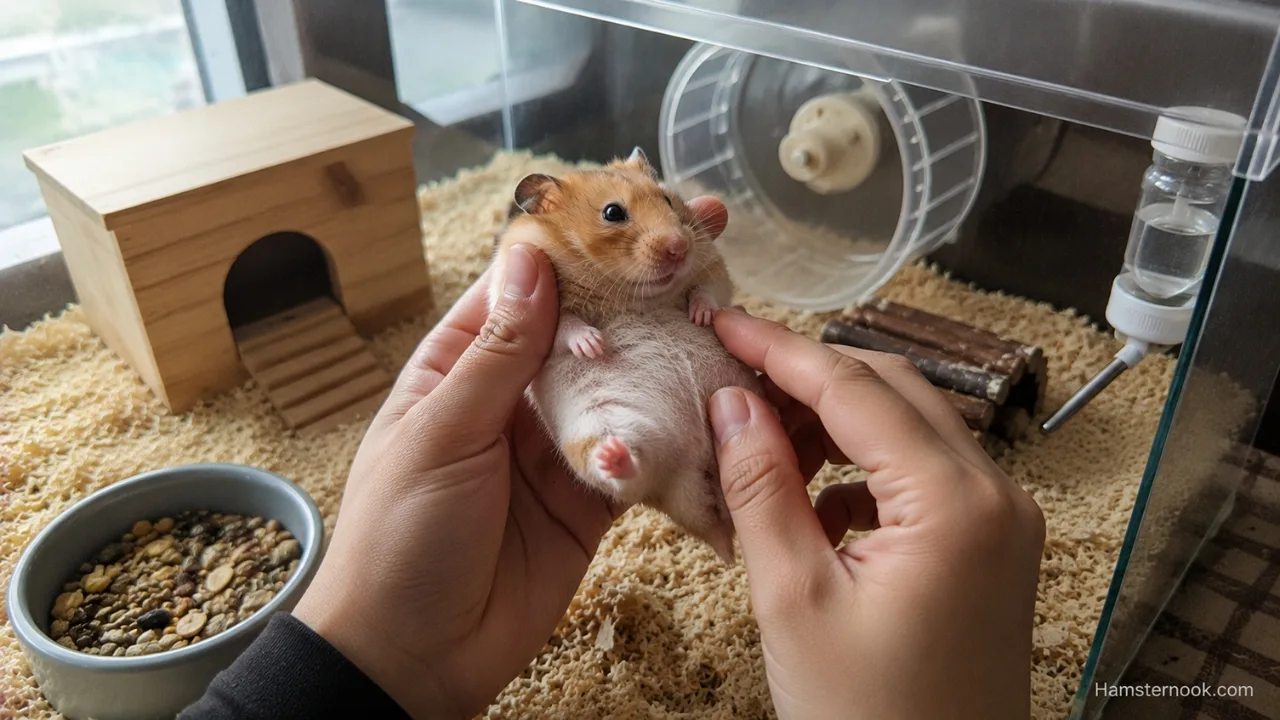
Common Signs That Your Hamster’s Hair Loss May Be Serious
Watch for these symptoms along with fur loss:
- Constant scratching or biting at the skin
- Red, flaky, or irritated skin
- Scabs or wounds
- Strong odor from the skin
- Weight loss
Unexplained weight loss alongside hair loss can sometimes indicate an underlying health issue. Read our guide on Hamster Losing Weight.
- Changes in appetite
Appetite changes should never be ignored. Learn more in Why Is My Hamster Not Eating?
- Low energy or unusual behavior
- Circular bald patches
- Fur loss around the ears, nose, or face
Owners who notice hair loss alongside reduced appetite may find Why Is My Hamster Not Eating? Common Causes and What To Do helpful for understanding possible underlying health concerns.
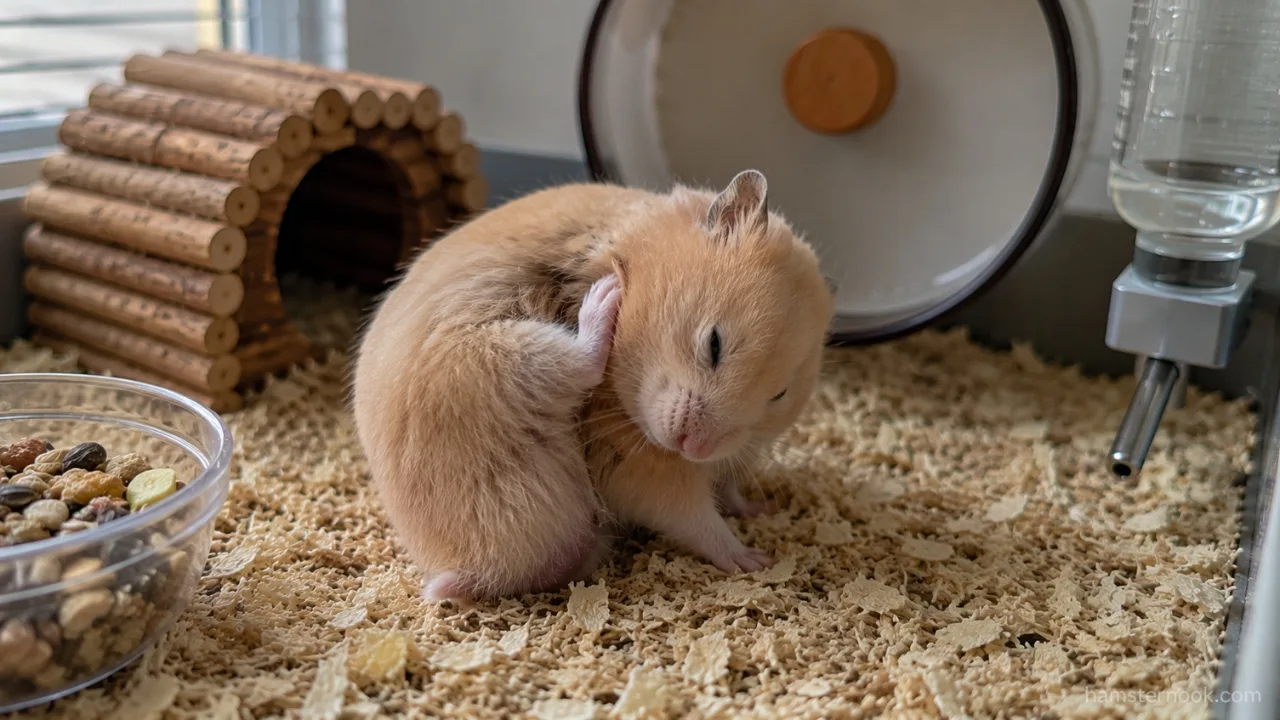
If you notice several of these symptoms together, your hamster should be checked by an exotic vet.
What Can the Location of a Bald Spot Tell You?
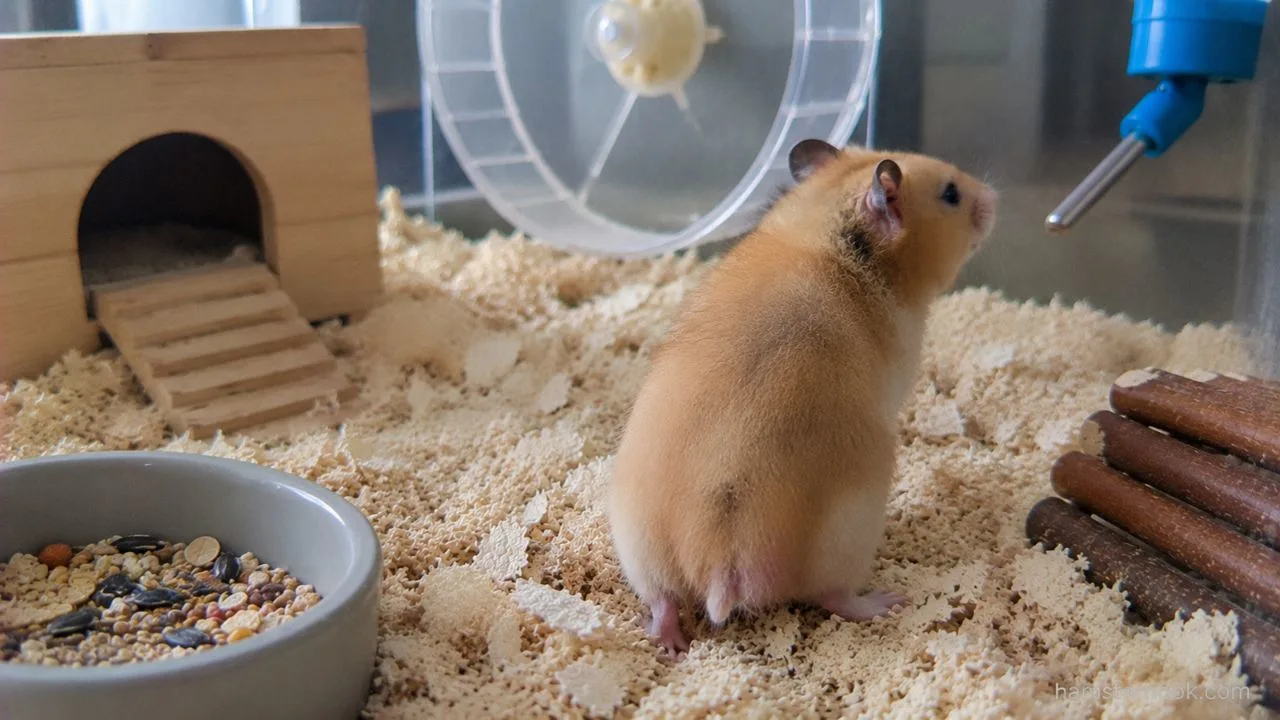
The location and pattern of hair loss can provide useful clues, although they cannot confirm the cause on their own. Hair loss over the back or rear can occur with mite infestations, while hair loss around the ears, face, feet, or tail can also occur with certain mites. Thinning around the hips of a Syrian hamster may simply make the normal scent glands more visible. Localized hair loss can also result from rubbing, grooming, or another skin problem. Because several conditions can look similar, a veterinarian may need to examine the skin to identify the cause.
If your hamster is showing several signs of illness along with hair loss, see our Signs of a Sick Hamster: Symptoms, Warning Signs & When to See a Vet guide for a broader checklist of symptoms that may need veterinary attention.
Most Common Causes of Hair Loss in Hamsters
Here are the most common reasons hamsters lose fur and how to identify them.

Parasites and Mites in Hamsters
Mites are one of the leading causes of hair loss in pet hamsters. These tiny parasites irritate the skin and cause intense itching.
Signs of Mite Infestation
| Symptom | What You May Notice |
|---|---|
| Excessive scratching | Frequent or persistent scratching |
| Bald patches | Fur loss in one or more areas |
| Dry or flaky skin | Visible scaling or irritated-looking skin |
| Scabs | Crusted areas caused by skin irritation or scratching |
| Restlessness | Increased grooming or signs of discomfort |
Mites are usually diagnosed by a veterinarian through a skin examination. Treatment often includes prescription anti-parasite medication.
Because different skin conditions can produce similar signs, a bald patch should not automatically be treated as mites. A veterinarian may need to examine the skin and, when appropriate, perform testing to identify parasites or infection before choosing treatment.
Only use medications approved by an exotic veterinarian because some treatments that are safe for other pets can be dangerous for hamsters.

Ringworm and Fungal Infections
Despite its name, ringworm is not a worm. It is a fungal infection that affects the skin and fur.
Hamsters with ringworm often develop:
- Circular bald spots
- Dry or crusty skin
- Broken hairs
- Mild itching
Some fungal infections may spread through direct contact, so maintaining good hygiene during treatment is important.
Safe Hygiene Steps During Suspected Fungal Infection
| Recommended | Avoid |
| Wash hands after handling | Sharing bedding between pets |
| Clean cage regularly | Ignoring bald spots |
| Replace contaminated bedding | Over-the-counter random creams |
| Visit an exotic vet | Delaying treatment for weeks |
Allergies and Skin Irritation
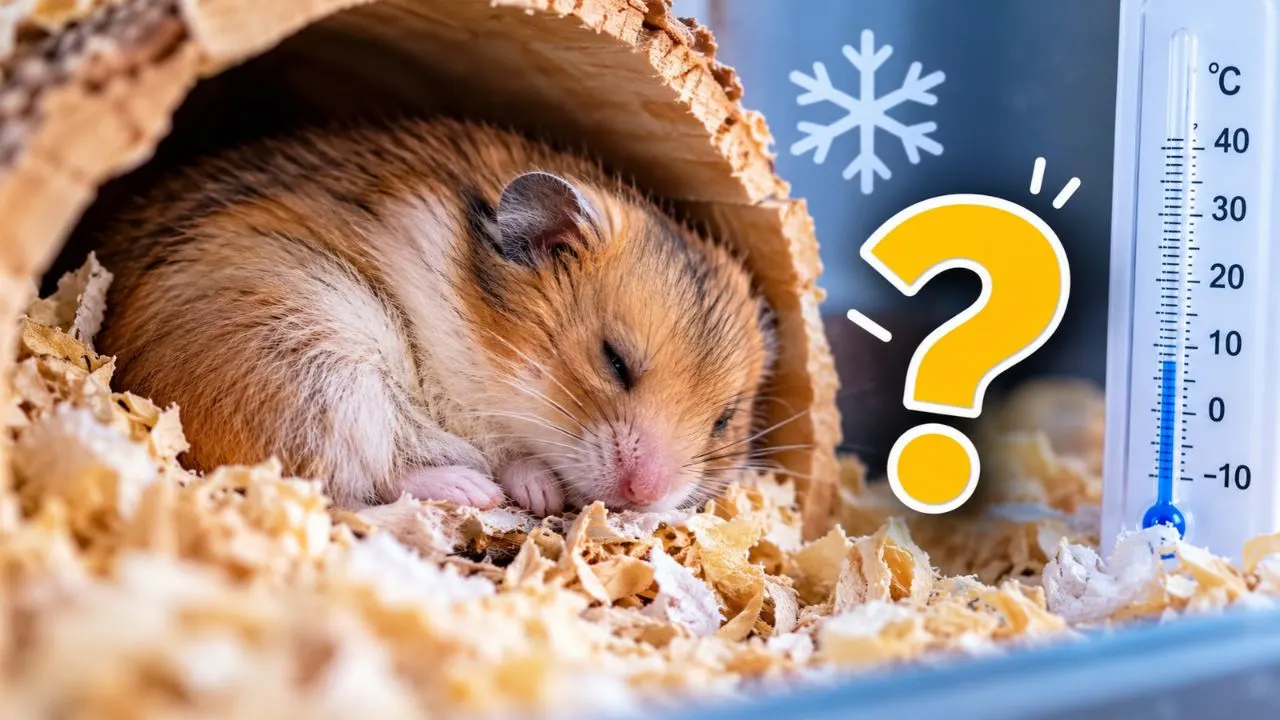
Hamsters can sometimes react to bedding materials, scented products, or dusty environments.
Common Irritants
- Scented bedding
- Pine or cedar shavings
- Strong cleaning sprays
- Dusty substrates
- Perfumes near the cage
These irritants may cause itching, skin inflammation, and fur thinning.
If scratching is a major part of the problem, our Why Does My Hamster Keep Scratching? Normal Grooming or a Health Problem? guide covers common causes and warning signs in more detail.
Better Bedding Choices for Sensitive Hamsters
Choosing the right bedding can reduce irritation and skin problems. Read our complete guide on Best Bedding for Hamsters.
| Bedding Type | Safe or Unsafe | Notes |
| Paper-based bedding | Safe | Soft and low dust |
| Aspen shavings | Usually safe | Less aromatic than cedar or pine |
| Cedar shavings | Unsafe | Can irritate skin and lungs |
| Pine shavings | Often unsafe | Aromatic oils may cause irritation |
| Scented bedding | Unsafe | Can trigger skin sensitivity |
Switching to a low-dust paper bedding often helps reduce irritation.

Nutritional Deficiencies and Poor Diet
A poor diet can weaken skin and fur health over time.
For a more complete look at balanced nutrition, see our Complete Hamster Diet Guide: What to Feed, How Much & How Often.
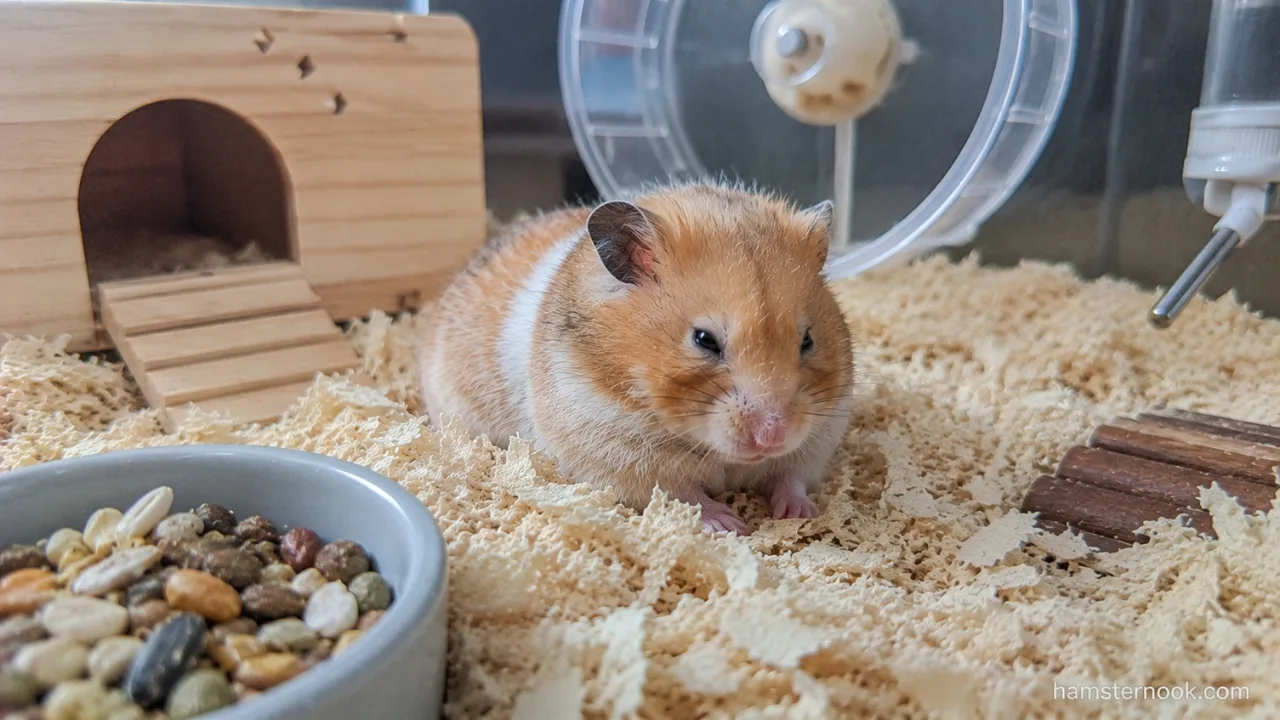
Hamsters need a balanced diet that includes:
- High-quality hamster pellets or lab blocks
- Seed mix in moderation
- Safe vegetables
- Small amounts of protein
- Fresh water daily
Hamsters fed mostly sunflower seeds or sugary treats may develop nutritional imbalances.
Nutrients Important for Healthy Fur
| Nutrient | Why It Matters | Food Sources |
| Protein | Supports fur growth | Cooked egg, mealworms, pellets |
| Vitamin E | Helps skin health | Small seed amounts, greens |
| Omega fats | Supports coat quality | Flax seeds in moderation |
| Zinc | Important for skin repair | Balanced hamster food |
Avoid sudden diet changes, as they may upset digestion.
Stress-Related Hair Loss in Hamsters
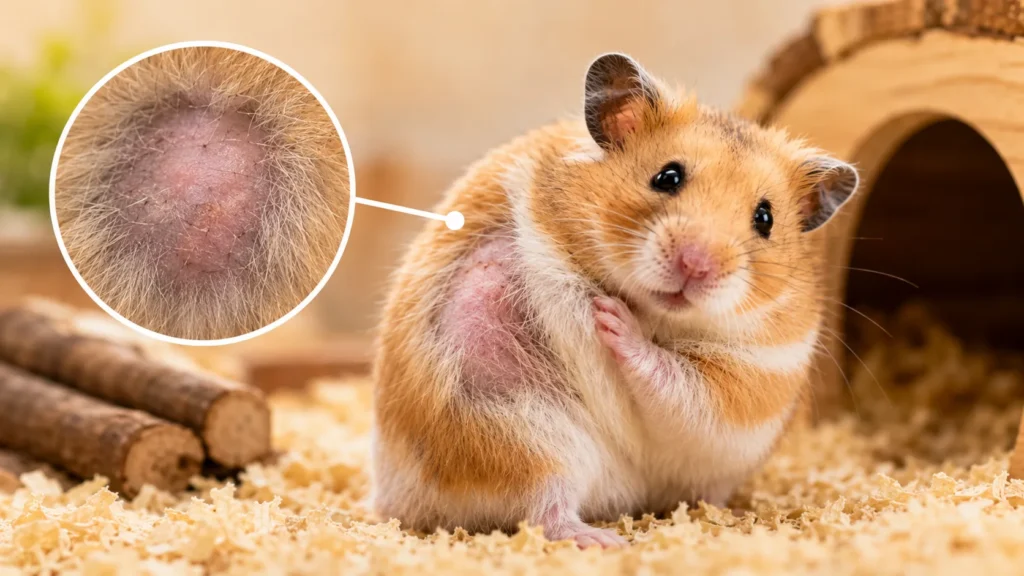
Stress-related fur loss is more common than many owners realize. Read 5 Warning Signs Your Hamster May Be Stressed.
Hamsters are sensitive animals. Chronic stress can sometimes lead to excessive grooming or fur loss.
Common Stress Triggers
- Small cages
- Loud noises
- Frequent handling
- Lack of hiding places
- Dirty cages
- Aggressive cage mates
Understanding common stress signals can help identify the cause early, and 5 Warning Signs Your Hamster May Be Stressed explains several behaviors that often appear before physical symptoms develop.
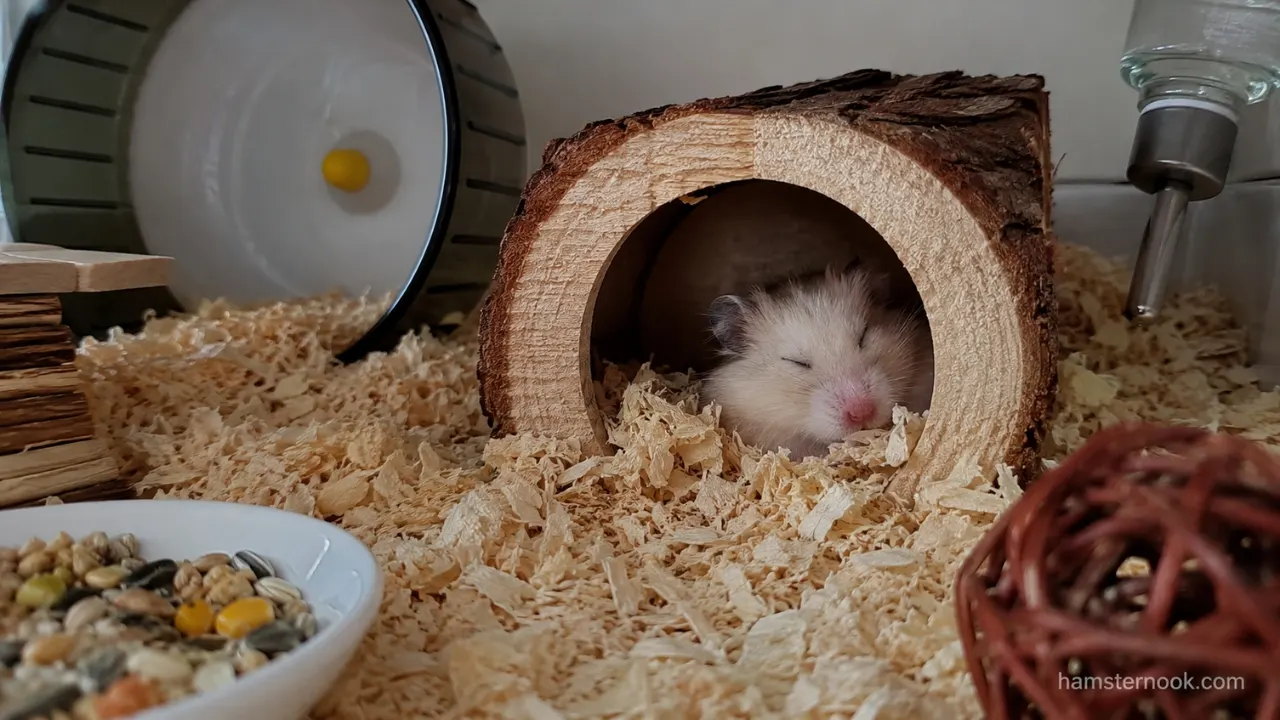
Syrian hamsters should always live alone. Housing them together can lead to fighting, stress, and injury.
Signs of a Stressed Hamster
If your hamster seems unhappy overall, you may also notice changes in behavior and grooming habits. Read Signs Your Hamster Is Unhappy.
👉 You may also like: Things Hamsters Absolutely Hate
| Behavior | Possible Meaning |
| Bar chewing | Boredom or stress |
| Excessive grooming | Anxiety or irritation |
| Hiding constantly | Fear or illness |
| Aggression | Stress or pain |
| Restlessness | Poor enclosure setup |
Providing a larger enclosure, proper enrichment, and a consistent routine can reduce stress significantly.

Hormonal and Age-Related Hair Loss
Older hamsters naturally develop thinner fur as they age. This is especially common in senior Syrian hamsters.
For broader guidance on changes in older hamsters, Is Your Hamster Getting Old? Aging Signs, Care Tips & When to Worry explains common aging changes and when they deserve closer attention.
Age-related thinning usually:
- Happens gradually
- Appears symmetrical
- Does not involve redness or scabs
- Occurs without severe itching
Hormonal problems are less common but can also contribute to fur thinning.
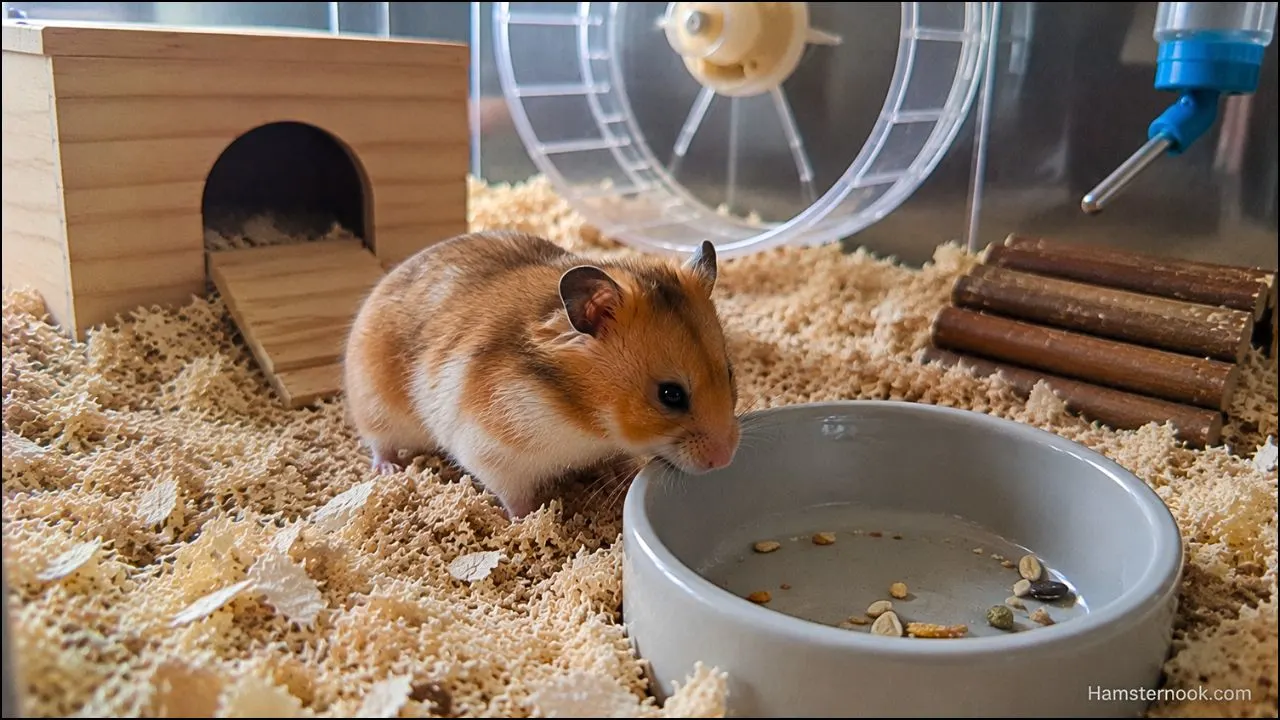
Other Medical Causes of Hamster Hair Loss
Other medical conditions can also cause fur loss in hamsters, including problems affecting hormones or internal organs. Some tumors and chronic illnesses may cause hair loss together with other changes such as weight loss, low energy, or changes in skin condition.
If hair loss is persistent, spreading, or accompanied by weight loss, lethargy, skin changes, or other unusual symptoms, veterinary examination is important rather than assuming the problem is only stress, aging, or diet.
Hair Loss Around Hamster Scent Glands: Is It Normal?
Many owners become concerned when they notice thinning fur or a bald-looking area near their hamster’s scent glands. In Syrian hamsters, the scent glands are located on the hips, while dwarf hamsters have a scent gland on the abdomen. Because these glands naturally have less fur around them, they can sometimes look more noticeable without indicating hair loss.
Because the fur around these areas is naturally thinner, the glands can sometimes appear bald or irritated even when nothing is wrong. Normal scent glands should not be swollen, bleeding, crusty, or have a strong foul odor.

If the area becomes red, enlarged, develops discharge, or your hamster constantly scratches it, veterinary advice should be sought because infection or irritation may be present.
Excessive Grooming and Barbering
Some hamsters chew or over-groom their own fur due to stress, boredom, or skin irritation.
In rare cases, cage mates may chew another hamster’s fur, which is called barbering.
Areas Commonly Affected
- Back
- Hips
- Belly
- Neck
Providing more enrichment, chew toys, tunnels, and space may help reduce compulsive grooming behaviors.
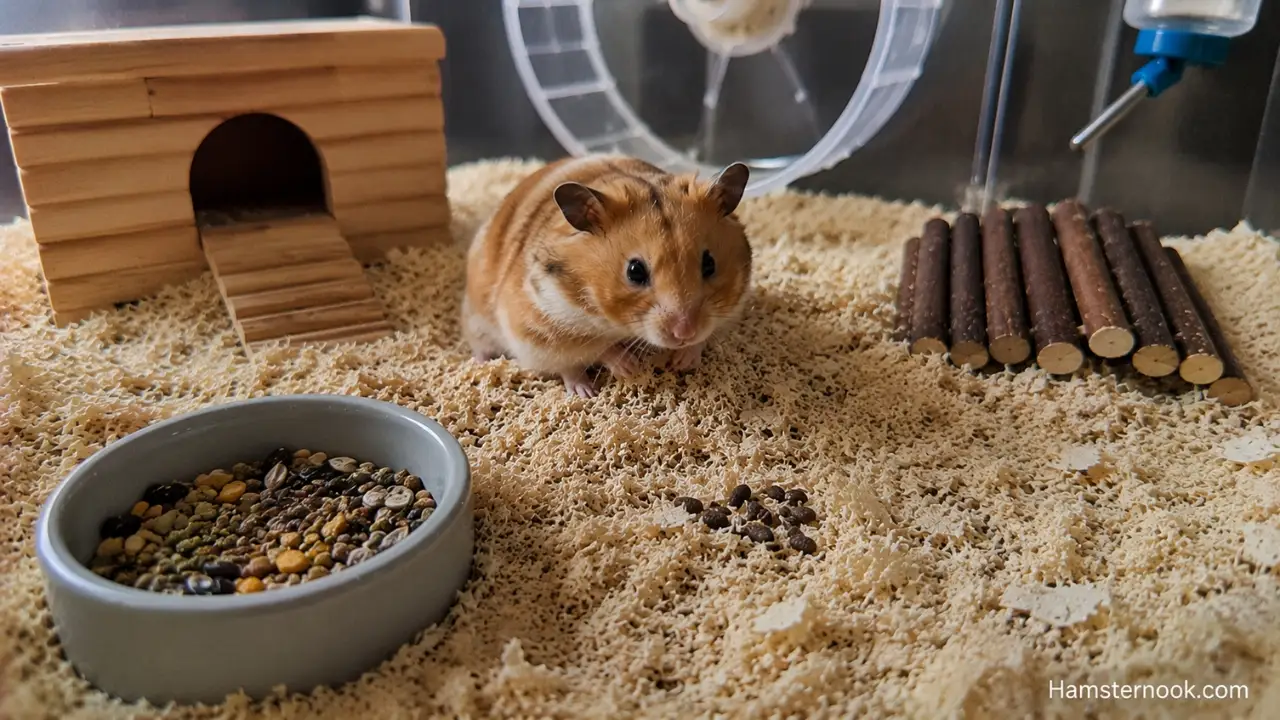
Can Hamster Hair Loss Be Caused by Wet Tail?
Wet tail itself does not directly cause hair loss, but a severely ill hamster may develop poor coat condition while sick.
Wet tail is a medical emergency and usually includes:
- Diarrhea
- Wet fur around the tail
- Lethargy
- Loss of appetite
Immediate veterinary treatment is critical.
When to See a Vet for Hamster Hair Loss
You should contact an exotic animal veterinarian if:
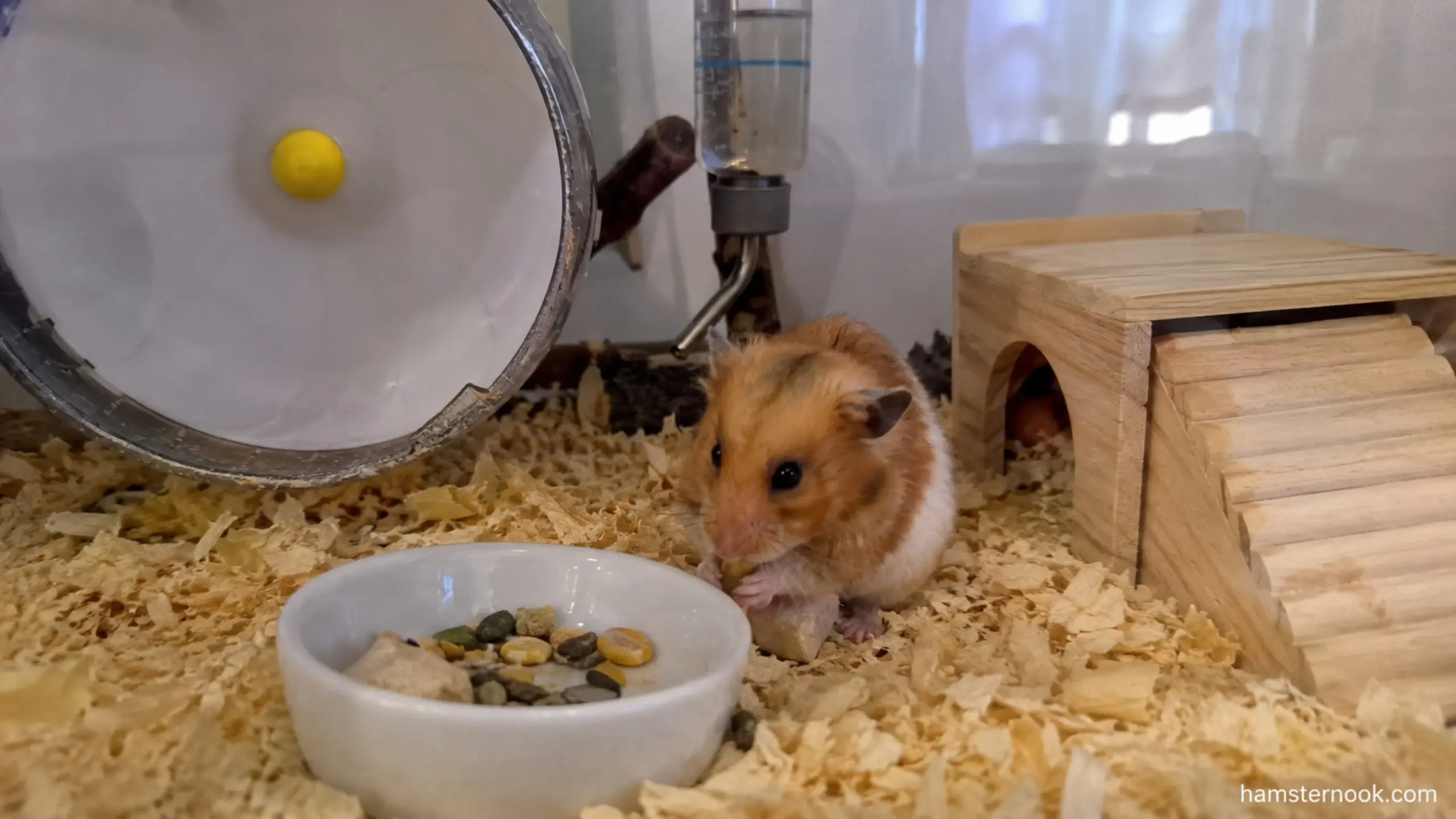
- Hair loss spreads quickly
- Skin becomes red or infected
- Your hamster scratches constantly
- Bald patches appear suddenly
- Your hamster loses weight
- There are open sores or bleeding
- Home care does not improve symptoms
If hair loss is accompanied by signs of discomfort or unusual movement, How to Tell If Your Hamster Is in Pain: 10 Warning Signs can help you recognize other possible signs of pain.
Many skin conditions look similar, so professional diagnosis is important.
How Is Hamster Hair Loss Treated?
Treatment depends on what is causing the hair loss. A veterinarian may examine the skin and fur and, when needed, use tests such as a skin scraping or fungal testing to identify parasites or infection.
- Mites: require a veterinarian-recommended anti-parasite treatment.
- Ringworm or other fungal infection: may require veterinary antifungal treatment and hygiene measures.
- Skin irritation or allergies: treatment focuses on identifying and reducing the trigger.
- Diet-related or underlying health problems: the veterinarian may recommend dietary changes or further testing.
Do not use human medicines, random creams, or treatments meant for dogs or cats unless an exotic veterinarian specifically recommends them. Some medicines can be dangerous to hamsters.

Do not try to diagnose the cause from the appearance of a bald patch alone. Different skin problems can look similar, and the correct treatment depends on the underlying cause. If hair loss is spreading, the skin is inflamed, or your hamster is scratching persistently, veterinary examination is safer than experimenting with home treatments.
Hamster Hair Loss Causes Comparison Chart
| Cause | Itching | Typical Hair-Loss Pattern | Other Signs | Vet Evaluation |
|---|---|---|---|---|
| Normal coat changes | None or mild | Little or no obvious bald patch | Otherwise normal behavior | Usually not needed unless hair loss is unusual |
| Aging | Usually none | Gradual thinning | Other age-related changes may occur | Recommended if loss is persistent or unexplained |
| Mites | Often present | Patchy hair loss | Scaling, irritation or scratching | Yes |
| Ringworm | Variable | Bald or broken-hair patches | Crusting, scaling or redness may occur | Yes |
| Skin irritation | Often present | Localized or uneven thinning | Redness or irritation | If persistent or worsening |
| Stress or over-grooming | Variable | Uneven thinning or barbering | Increased grooming or behavioral changes | If persistent or unexplained |
| Nutritional or medical problems | Variable | Variable | Weight, appetite, energy or other changes | Yes if persistent |
Simple Daily Care Tips to Support Healthy Fur
Safe Daily Habits
| Helpful Habits | Why They Matter |
| Clean cage weekly | Reduces bacteria and irritants |
| Use low-dust bedding | Protects skin and lungs |
| Feed balanced hamster food | Supports coat health |
| Provide enrichment | Reduces stress |
| Check skin regularly | Helps spot problems early |
| Keep cage dry | Prevents fungal growth |
Infographic: Quick Guide to Hamster Hair Loss
Healthy Fur vs Problem Signs
| Healthy Signs | Warning Signs |
| Smooth coat | Bald patches |
| Normal grooming | Constant scratching |
| Even fur thickness | Red or flaky skin |
| Active behavior | Lethargy |
| Clean skin | Scabs or wounds |
How to Prevent Hair Loss Problems in Hamsters
Prevention is easier than treatment in many cases.
Best Prevention Practices
- Use safe bedding materials.
- Feed a balanced hamster diet.
- Avoid overcrowding.
- Clean the cage consistently.
- Reduce stress and loud disturbances.
- Monitor for scratching or skin changes.
- Schedule vet visits if symptoms appear.
A healthy environment greatly lowers the risk of skin and coat problems.
New hamster owners looking for a complete overview of housing, diet, enrichment, health, and daily care may also benefit from reading the Ultimate Hamster Care Guide for Beginners: Everything You Need to Know (2026).
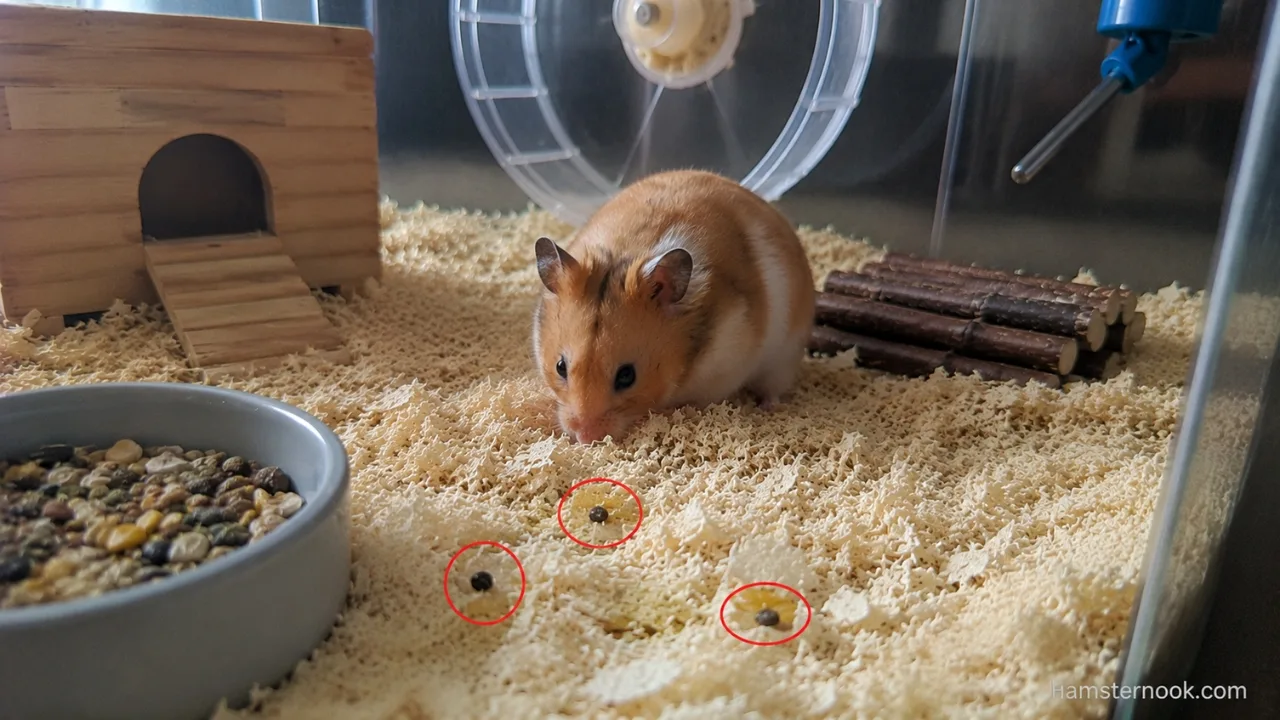
Final Thoughts
Hair loss in hamsters is not always a medical emergency, but it should never be ignored. While seasonal shedding and aging can cause mild fur thinning, bald patches, red skin, excessive scratching, or behavior changes often point to a deeper issue. Regular health checks, proper nutrition, low-stress housing, and a clean habitat can help keep your hamster’s coat healthy. If symptoms worsen or do not improve, consult an exotic veterinarian for a proper diagnosis and treatment plan.
Why Does My Hamster Have a Bald Spot on Its Back?
A bald spot on a hamster’s back can have several causes, including mites, skin infection, irritation, rubbing, over-grooming, or another health problem. Mite-related hair loss can affect the back and rear area, but the appearance of a bald patch alone is not enough to diagnose the cause. If the area is spreading, scaly, red, crusted, or associated with frequent scratching or other illness signs, veterinary examination is recommended.
Frequently Asked Questions
Why is my hamster losing hair around the ears?
Hair loss around the ears may be caused by mites, fungal infections, excessive scratching, or aging. A vet can help determine the exact cause.
Do hamsters shed fur naturally?
Yes. Hamsters naturally shed small amounts of fur, especially during seasonal changes and old age. Normal shedding should not include red skin or bald spots.

Can stress make a hamster lose hair?
Yes. Chronic stress may lead to over-grooming and fur thinning. Small cages, boredom, and loud environments are common stress triggers.
Is hamster hair loss contagious?
Some causes, like ringworm and certain parasites, can spread to other pets or humans. Good hygiene and quick treatment are important.
Can diet affect my hamster’s fur?
Yes. Poor nutrition can weaken skin and coat health. Balanced hamster food with proper protein and nutrients supports healthy fur growth.
Why Is My Hamster Losing Hair but Not Itching?
Not all hair loss is caused by parasites or skin irritation. Aging, hormonal changes, nutritional deficiencies, and normal scent gland visibility can sometimes cause fur thinning without significant itching. If hair loss continues to spread or is accompanied by other symptoms, a veterinary examination is recommended.
Can hamster hair grow back after hair loss?
In many cases, yes. If the underlying cause is treated early, such as mites, stress, or dietary problems, fur often grows back over time. Recovery depends on the cause and the hamster’s overall health.
References
This guide is based on hamster skin and coat health, parasites, fungal infections, nutrition, husbandry, and veterinary care guidance from trusted veterinary and animal welfare resources, including:
- RSPCA – Hamster Health & Welfare – Guidance on common hamster health problems, skin and coat changes, signs of illness, and when veterinary care may be needed.
- RSPCA – Creating a Good Home for Hamsters – Guidance on bedding, enclosure conditions, hygiene, environmental care, and reducing potential sources of irritation and stress.
- PDSA – Hamsters as Pets – Practical guidance on hamster nutrition, welfare, common health concerns, grooming, and general care.
- MSD Veterinary Manual – Disorders and Diseases of Hamsters – Veterinary information on hamster diseases, skin problems, parasites, infections, tumors, and other conditions that can affect health.
- MSD Veterinary Manual – Routine Health Care of Hamsters – Guidance on routine health monitoring, examination, nutrition, dental care, and recognizing changes that may require veterinary attention.
- MSD Veterinary Manual – Providing a Home for a Hamster – Veterinary guidance on bedding, housing, ventilation, sanitation, and environmental factors that support hamster health.
Medical Disclaimer
This article is intended for educational purposes only and should not be considered veterinary advice. Hair loss in hamsters can have several possible causes, including parasites, fungal infections, skin irritation, nutritional problems, stress-related over-grooming, aging, or other medical conditions. If your hamster develops spreading bald patches, persistent scratching, red or crusted skin, open sores, weight loss, appetite changes, lethargy, or other concerning symptoms, consult a qualified exotic animal veterinarian for proper examination, diagnosis, and treatment.

Narayan Kumar is the founder and author of HamsterNook. He creates practical, research-based hamster care guides covering hamster behavior, nutrition, cage setup, enrichment, health, and everyday care. His goal is to help hamster owners make informed decisions and provide safer, healthier lives for their pets through clear, beginner-friendly information based on trusted animal care resources.