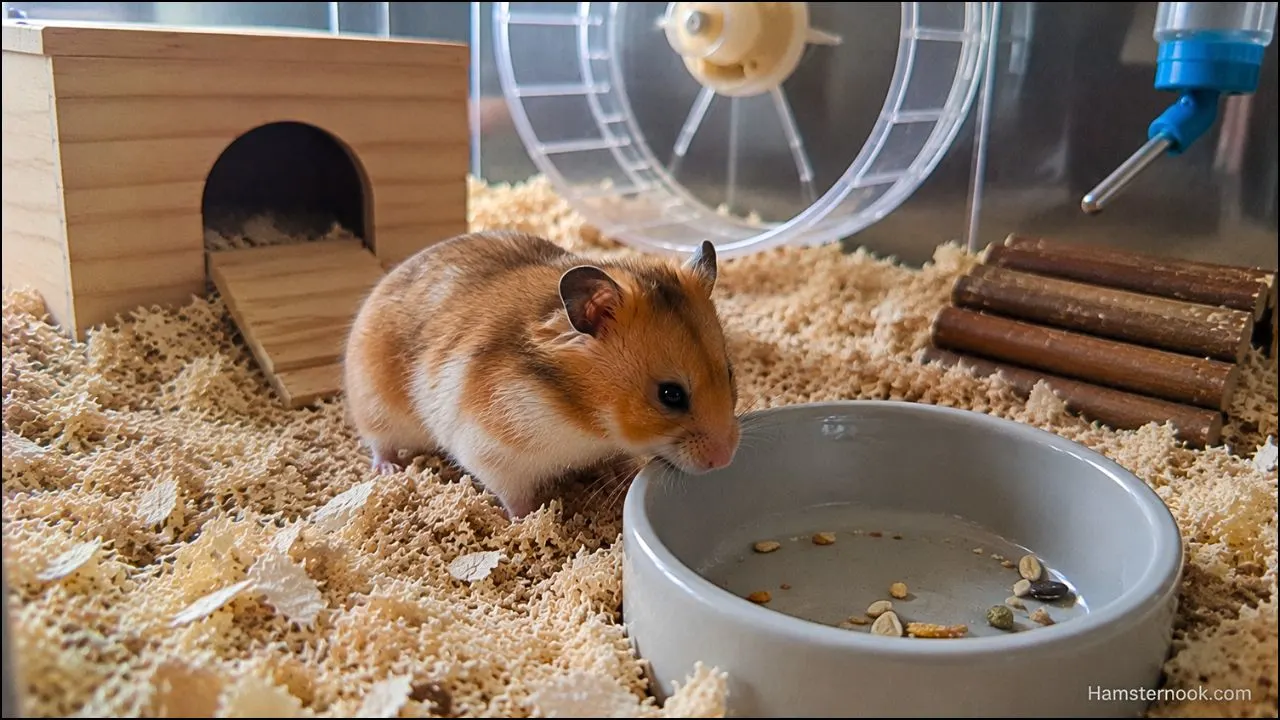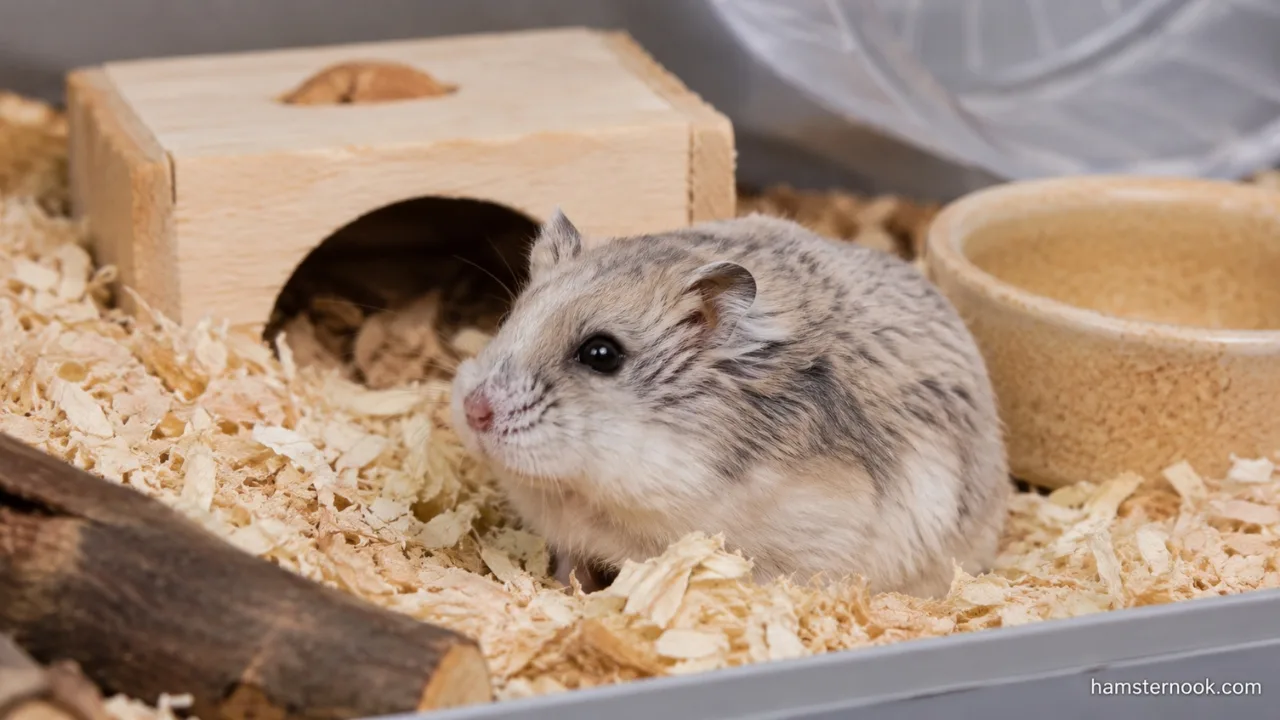
One of the hardest parts of owning a hamster is realizing that your energetic little companion is starting to slow down. You may notice your hamster sleeping through times when it used to be active, spending less time on the wheel, or choosing familiar resting spots instead of exploring every corner of the enclosure. These changes can be worrying, especially for first-time owners who aren’t sure whether they’re seeing normal aging or signs of a health problem.
Many of the changes owners notice in older hamsters are a normal part of aging rather than a sign that something is wrong. Just like people and other pets, hamsters go through a senior stage where their bodies and behaviors gradually change. Understanding what to expect and making a few adjustments to their care can help your hamster stay comfortable and enjoy a good quality of life during their later years.
This guide explains how to recognize an aging hamster, common signs of old age, and practical ways to support a senior hamster’s health and well-being.
Quick Answer
There is no single age when every hamster becomes a senior because lifespan and aging vary between species and individuals. Common signs of aging include increased sleeping, reduced activity, slower movement, gradual changes in body condition, and less interest in climbing. Making food, water, and resting areas easier to reach can help an older hamster stay comfortable.
When Is a Hamster Considered a Senior?
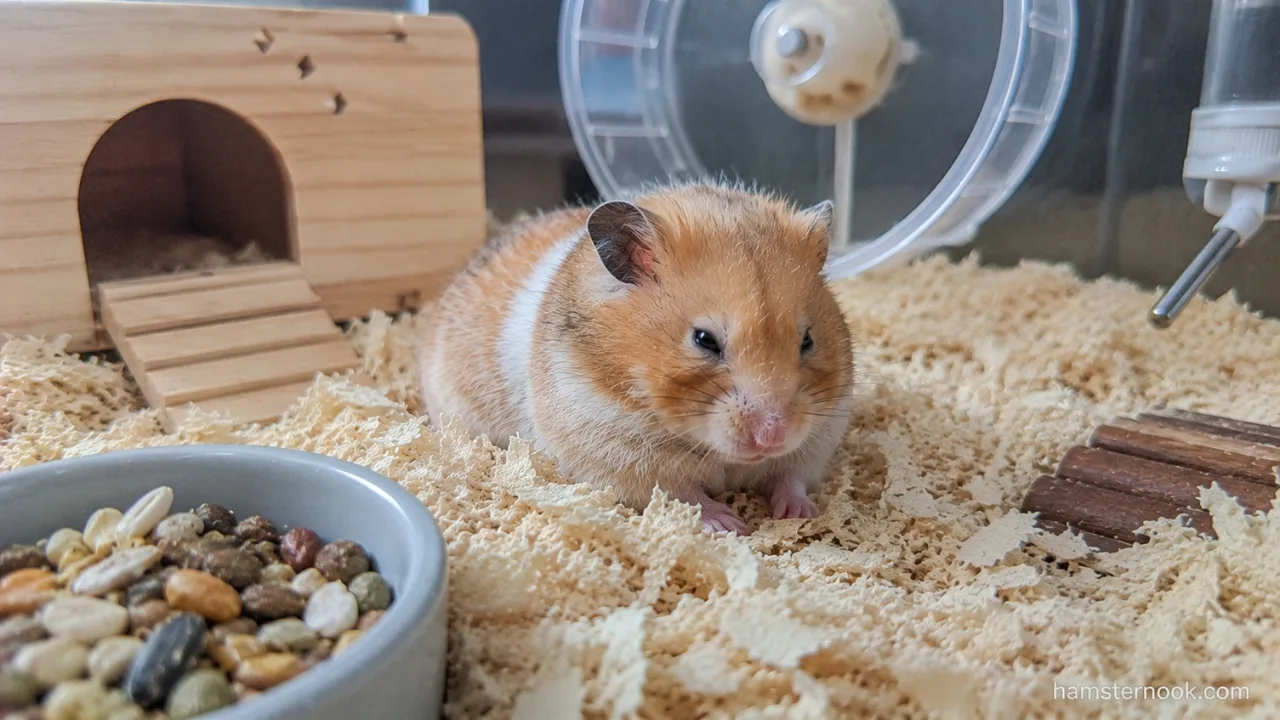
Hamsters have relatively short lifespans compared with many other pets, but there is no universal age that marks the beginning of old age. Species, genetics, health, and individual lifespan all influence when an owner may begin noticing age-related changes. For that reason, gradual changes in your own hamster’s activity, appetite, mobility, and appearance are more useful than relying on age alone.
| Hamster Species | Average Lifespan | Typically Considered Senior |
|---|---|---|
| Syrian Hamster | 2–3 years | Around 18–24 months |
| Roborovski Hamster | 3–4 years | Around 24–30 months |
| Campbell’s Dwarf Hamster | 1.5–2 years | Around 12–18 months |
| Winter White Hamster | 1.5–2 years | Around 12–18 months |
| Chinese Hamster | 2–3 years | Around 18–24 months |
Because senior age varies between hamster species and individuals, understanding the typical lifespan can provide useful context when you notice age-related changes. Our How Long Do Hamsters Live? Average Lifespan & Ways to Help Them Live Longer guide explains the broader factors that influence hamster longevity.
Some hamsters stay surprisingly active well into their later months, while others begin slowing down much earlier. The pace of aging can vary considerably between individual hamsters, so changes in your own hamster are more useful to track than comparisons with another pet.
Common Signs Your Hamster Is Getting Older
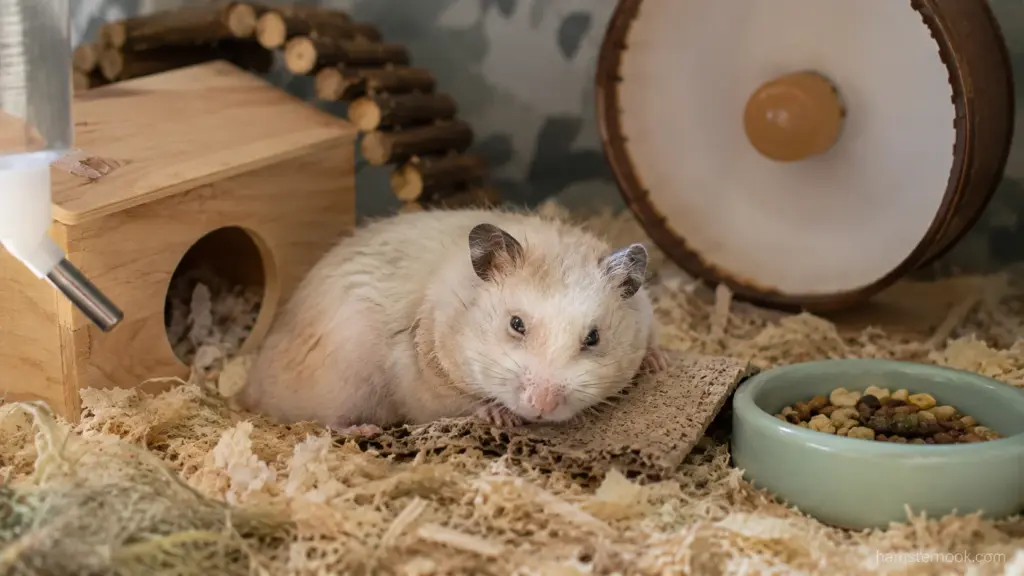
Aging affects every hamster differently, but several changes are commonly seen in senior pets.
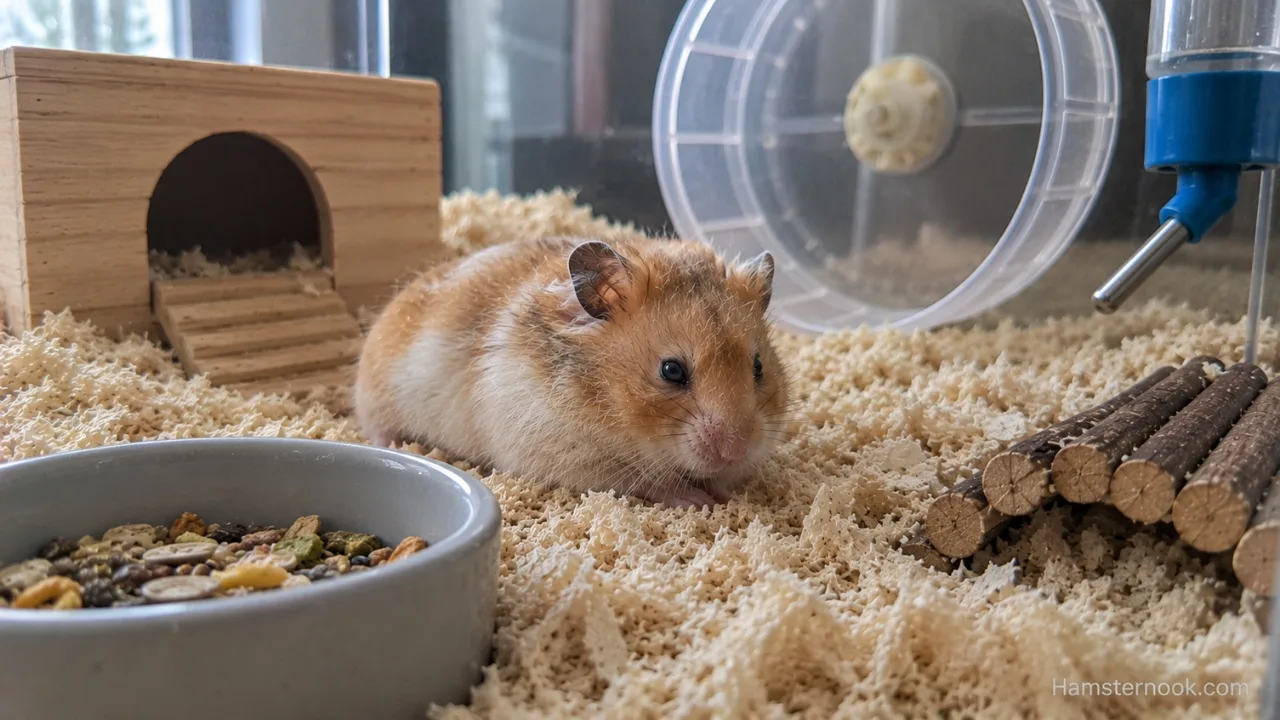
Reduced Activity Levels
One of the first things owners notice is a decrease in activity.
An older hamster may:
- Spend more time sleeping
- Run less on the exercise wheel
- Explore the cage less frequently
- Move more slowly
As long as the change happens gradually and your hamster is still eating, grooming, and interacting with its environment, a slower pace is usually a normal part of growing older.
Changes in Appearance
Senior hamsters may develop physical changes over time.
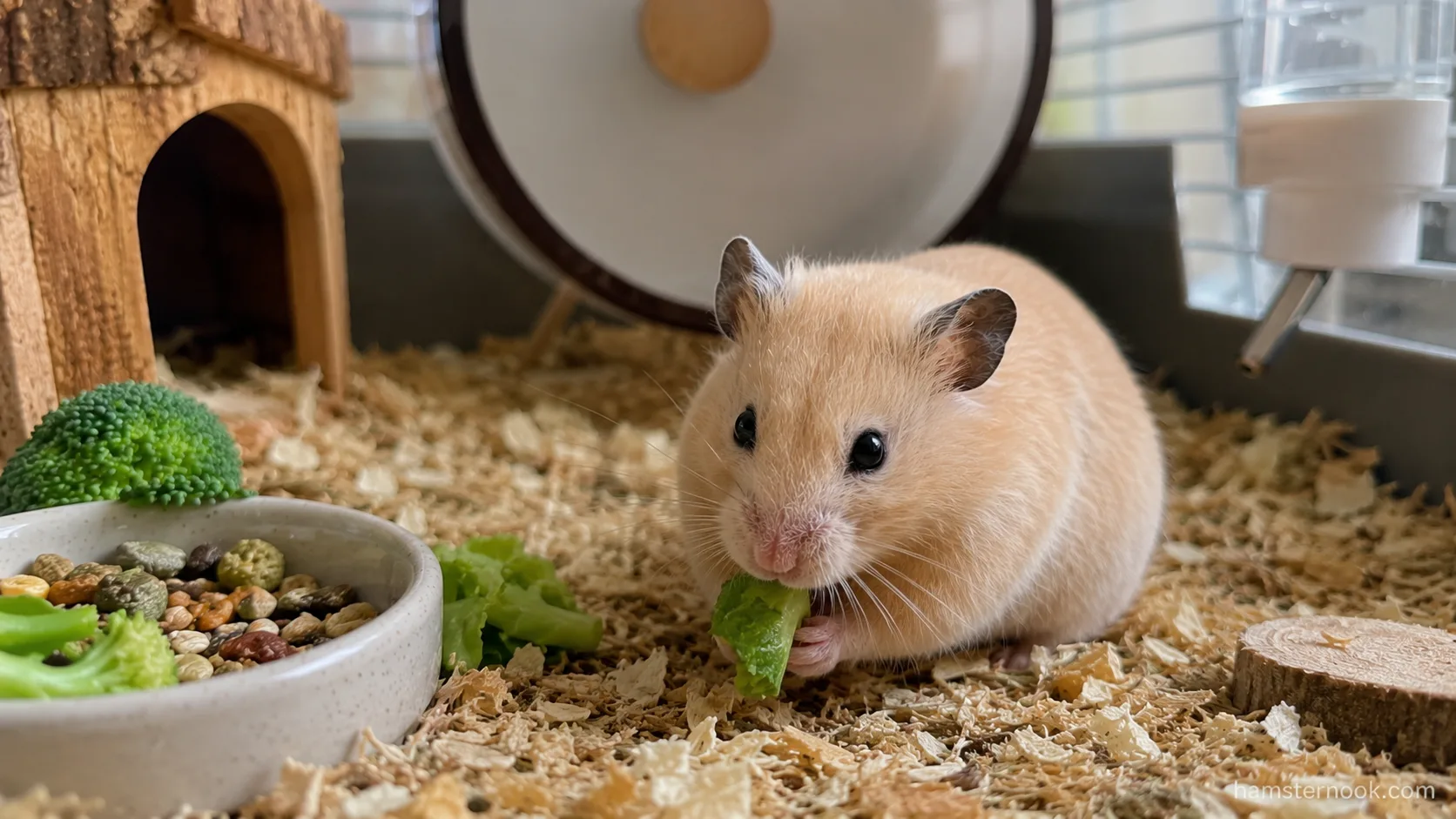
Common examples include:
- Thinning fur
- Slight weight loss
- Less grooming
- Duller coat appearance
- Small patches of fur loss
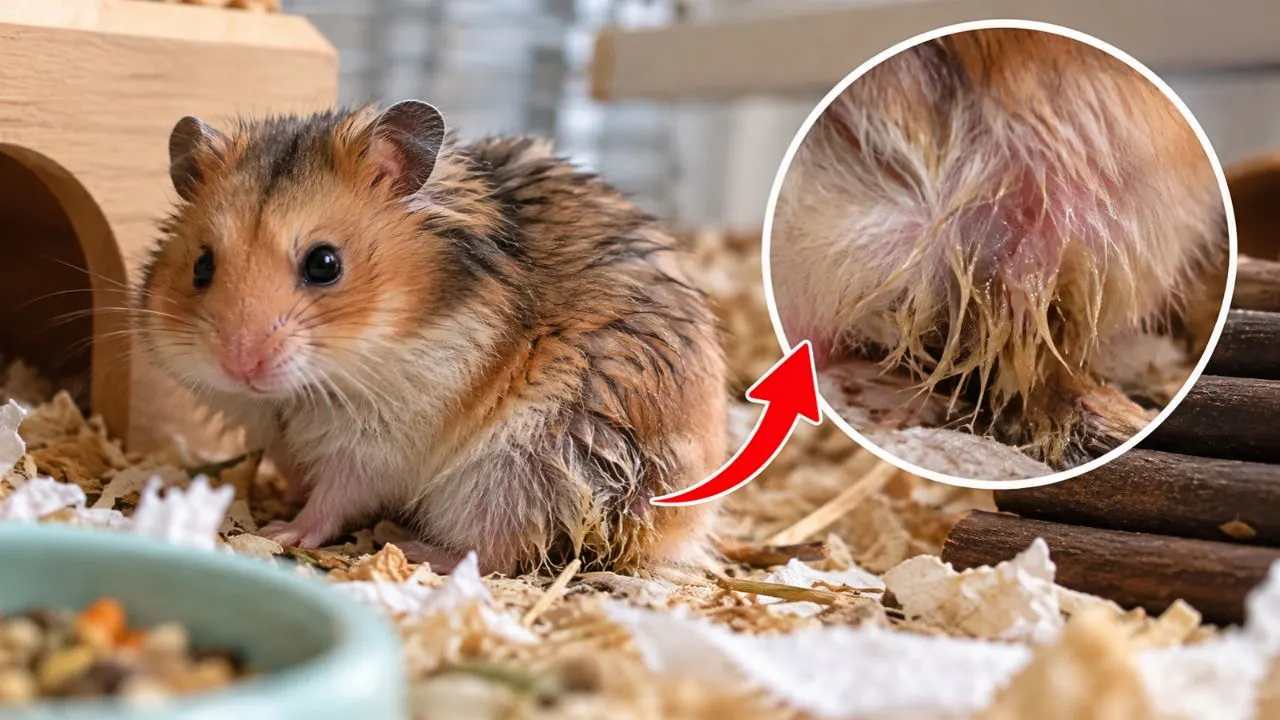
However, sudden or severe hair loss should always be evaluated by a veterinarian since it can also indicate health issues.
Increased Sleeping
Many owners notice that an older hamster starts following a quieter routine, spending longer periods asleep and taking more time to become active in the evening.
Increased sleep can occur with aging, especially when the change is gradual. However, a sudden or marked change in sleeping behavior should not automatically be blamed on old age, particularly if it occurs with reduced appetite, weight loss, weakness, breathing changes, or other unusual symptoms.

If your hamster is sleeping much more than usual, Why Is My Hamster Sleeping So Much? Normal Sleep, Causes & Warning Signs explains when increased sleep may need closer attention.
Stiffness and Mobility Issues
Senior hamsters may have difficulty climbing, balancing, or navigating obstacles that were easy when they were younger.
You might notice:
- Slower movement
- Difficulty climbing platforms
- Less interest in elevated areas
- Trouble using steep ramps
These changes often require modifications to the enclosure setup.
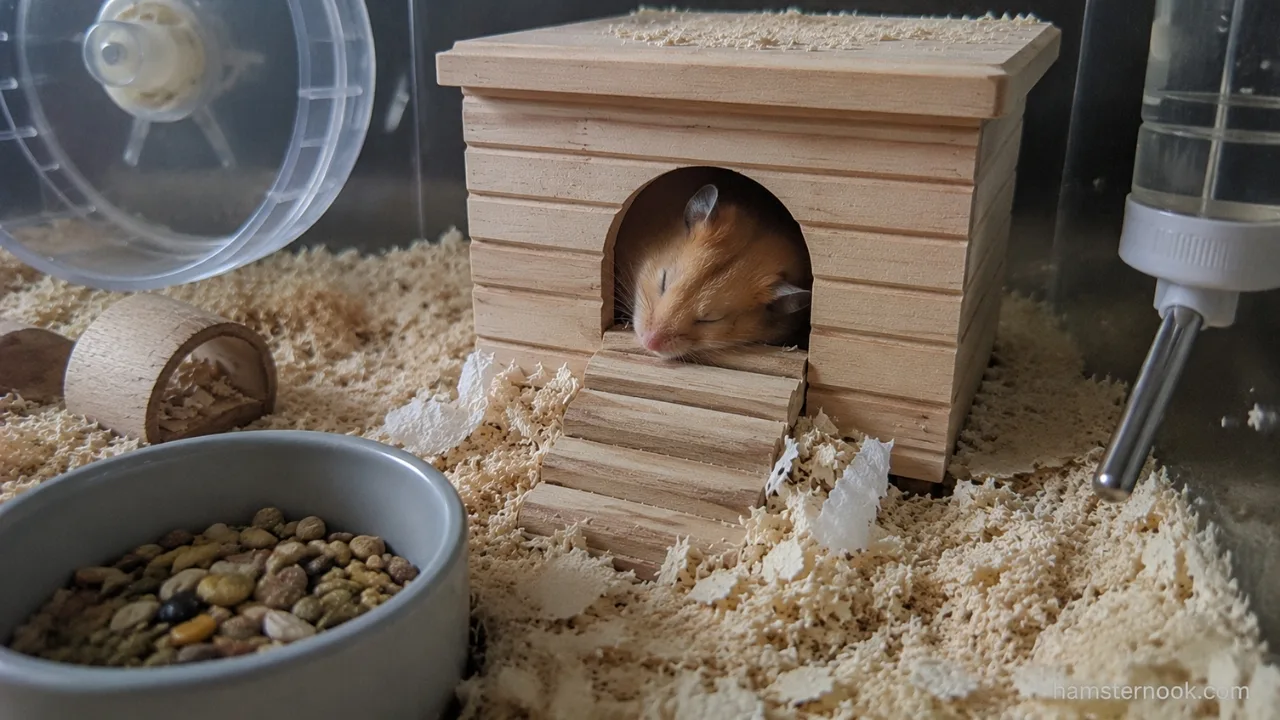
Not Every Senior Hamster Ages the Same Way
Some hamsters experience only mild changes during their senior years, while others develop noticeable physical or behavioral differences.
Factors that influence aging include:
- Genetics
- Diet quality
- Cage size
- Activity levels
- Previous health conditions
This is why comparing your hamster to another owner’s pet can sometimes create unrealistic expectations.
Normal Aging vs Health Problems
Not every change in an older hamster should be dismissed as “just old age.”
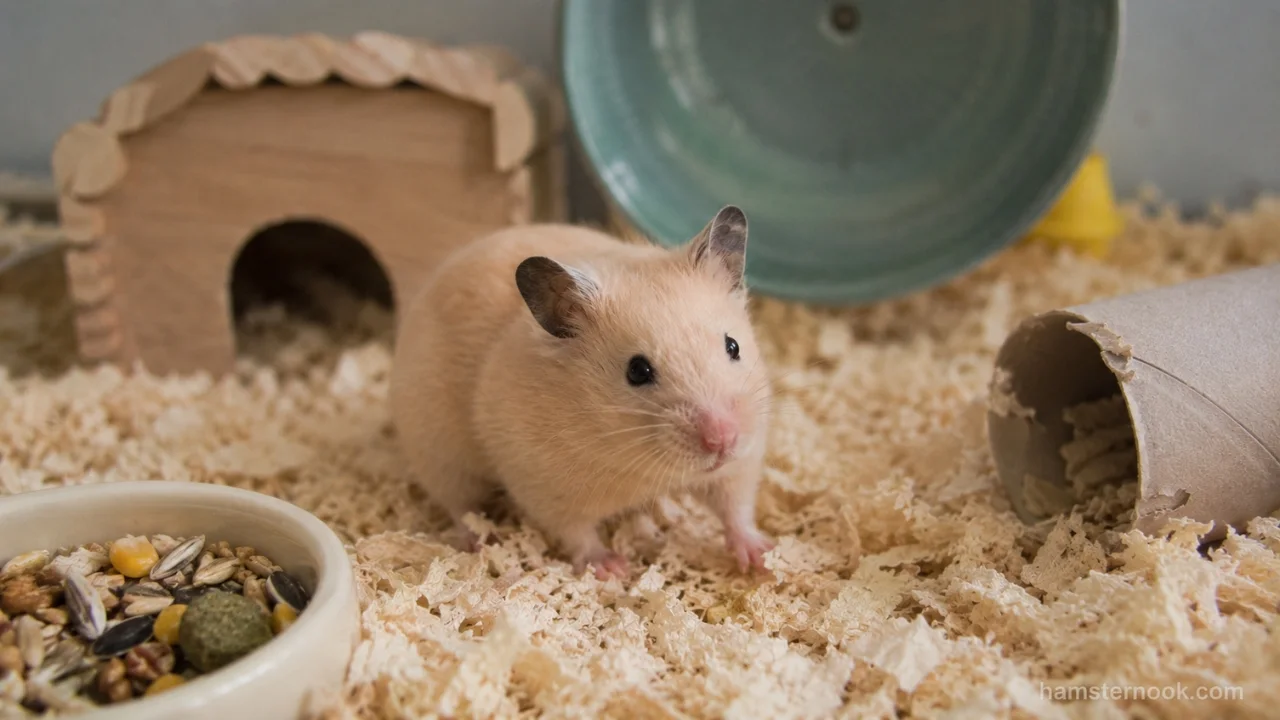
The table below can help distinguish common aging signs from symptoms that may require veterinary attention.
| Common Aging Changes | Potential Health Concerns |
|---|---|
| Sleeping more | Sudden lethargy or collapse |
| Slightly slower movement | Difficulty walking or paralysis |
| Mild weight changes | Rapid weight loss |
| Less wheel use | Complete inactivity |
| Gradual fur thinning | Large bald patches or skin irritation |
| Reduced climbing | Frequent falls or balance problems |
When in doubt, a veterinary examination is always the safest option.
How to Adjust a Senior Hamster’s Habitat
As hamsters age, their cage setup may need modifications to keep them comfortable and safe.
Reduce Climbing Hazards
Older hamsters may struggle with heights and balance.
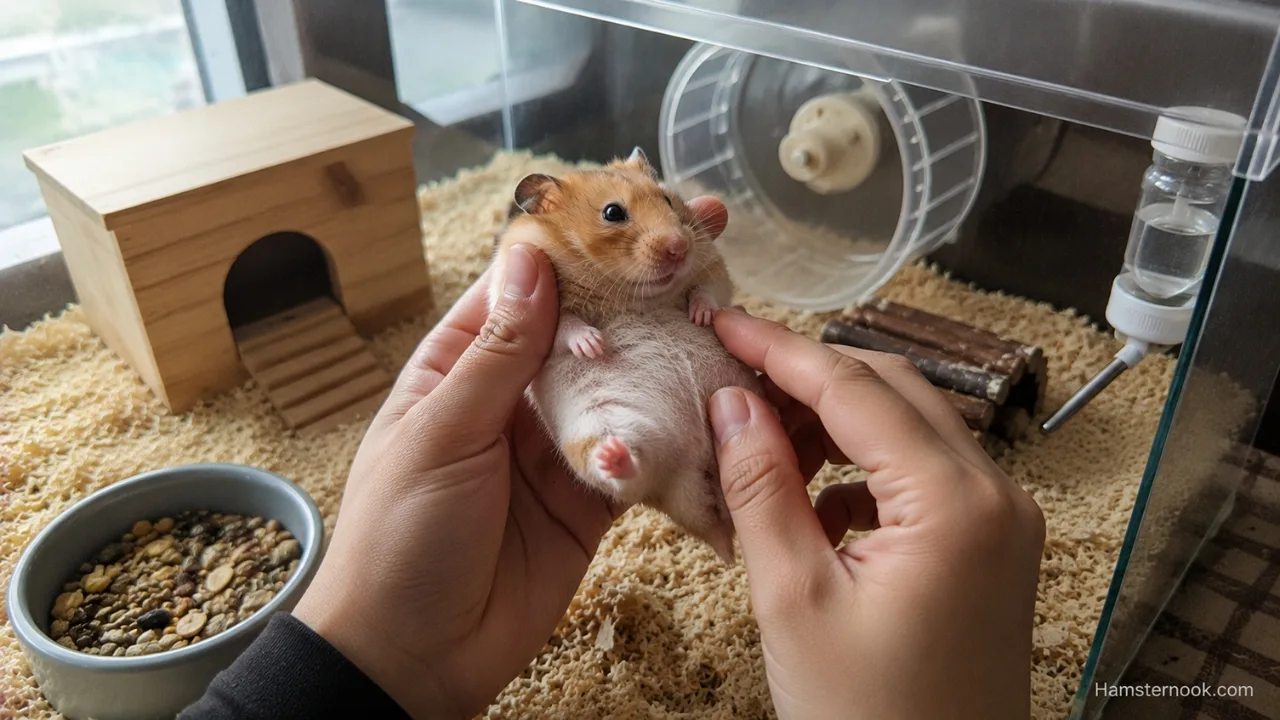
Consider:
- Lowering platforms
- Using gentler ramps
- Removing difficult climbing structures
- Providing easier access to food and water
A fall that might not bother a young hamster can lead to injury or prolonged recovery in an elderly one.
Maintain Deep Bedding
Even elderly hamsters often enjoy burrowing.
Providing adequate bedding allows them to continue expressing natural behaviors while staying comfortable.

If your hamster has stopped digging altogether, you may find useful information in Why Isn’t My Hamster Burrowing? Common Reasons Explained.
Keep Food and Water Easy to Reach
Avoid forcing a senior hamster to travel long distances or climb obstacles for basic necessities.
Food bowls and water sources should remain easily accessible from sleeping and resting areas.
Signs Your Senior Hamster Is Still Comfortable
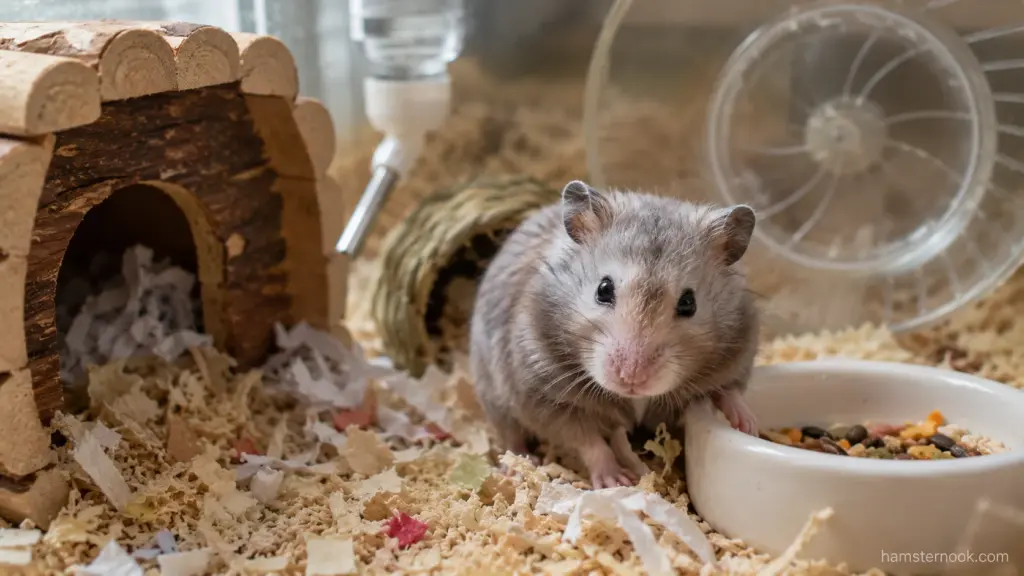
Positive signs include:
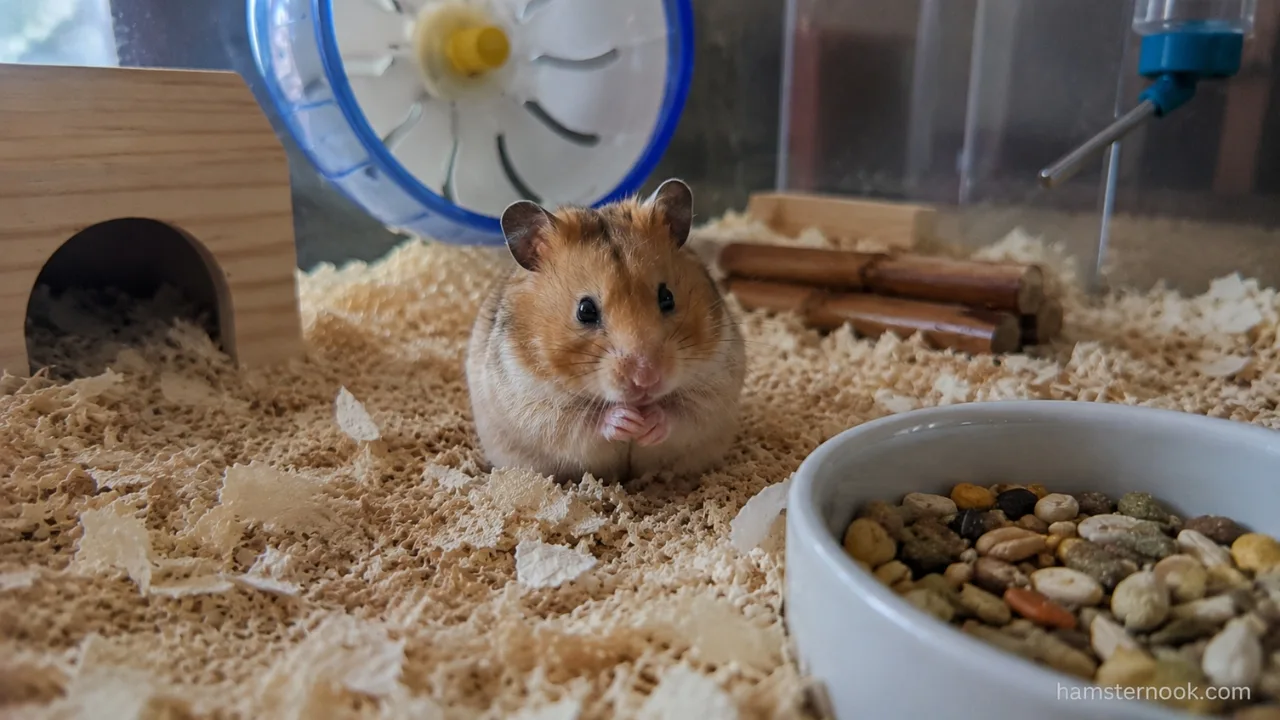
- Regular eating and drinking
- Consistent grooming habits
- Interest in treats
- Exploring during awake periods
- Comfortable resting posture
These behaviors often indicate that age-related changes are being managed well.
Feeding and Nutrition for Older Hamsters
Nutrition remains important throughout a hamster’s life, but older hamsters sometimes develop changing dietary needs.
If your senior hamster’s appetite or chewing ability is changing, the overall diet still matters more than simply adding softer foods. For a broader look at everyday feeding, portions, and safe food choices, see our Complete Hamster Diet Guide.
Monitor Weight Regularly
Both weight loss and weight gain can become more common in older hamsters.

A weekly weight check can help identify problems before they become serious.
| What to Monitor | Why It Matters |
|---|---|
| Weight loss | May indicate illness or dental issues |
| Weight gain | May result from reduced activity |
| Appetite changes | Can signal health problems |
| Difficulty eating | May suggest dental concerns |
Small changes are normal, but significant fluctuations deserve attention.
Persistent or unexplained weight loss in an older hamster should not automatically be considered normal aging. Why Is My Hamster Losing Weight? Causes, Warning Signs & What to Do explains common causes and warning signs.
Offer Easy-to-Eat Foods
Some senior hamsters may develop dental problems or difficulty chewing. If your hamster is dropping food, struggling to chew, eating less, or losing weight, a veterinarian should assess the cause rather than relying on soft foods alone.
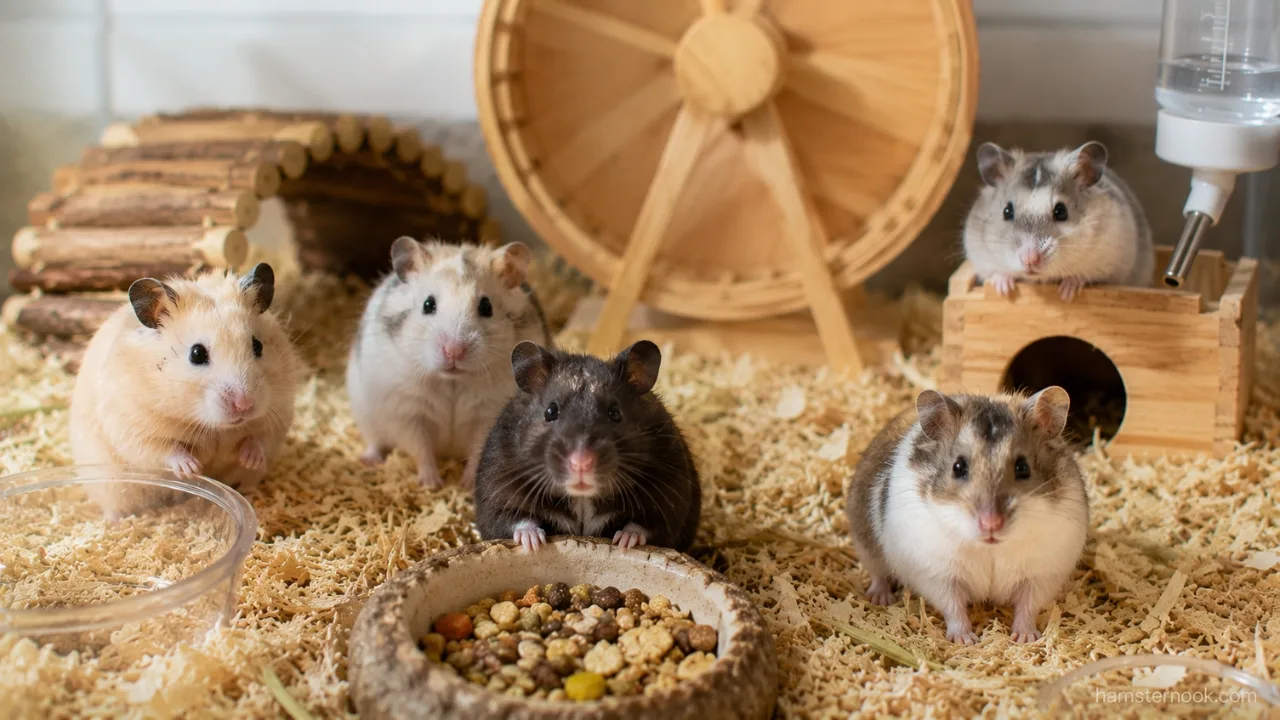
Do not add wet or powdered foods routinely unless your veterinarian recommends them for your hamster. Sudden dietary changes can also upset the digestive system.
RSPCA specifically advises that wet or powdered food should be given only when recommended by a vet.
Avoid Excessive Treats
Owners sometimes spoil older pets with too many treats.
While occasional treats are fine, maintaining a balanced diet remains essential throughout a hamster’s life.
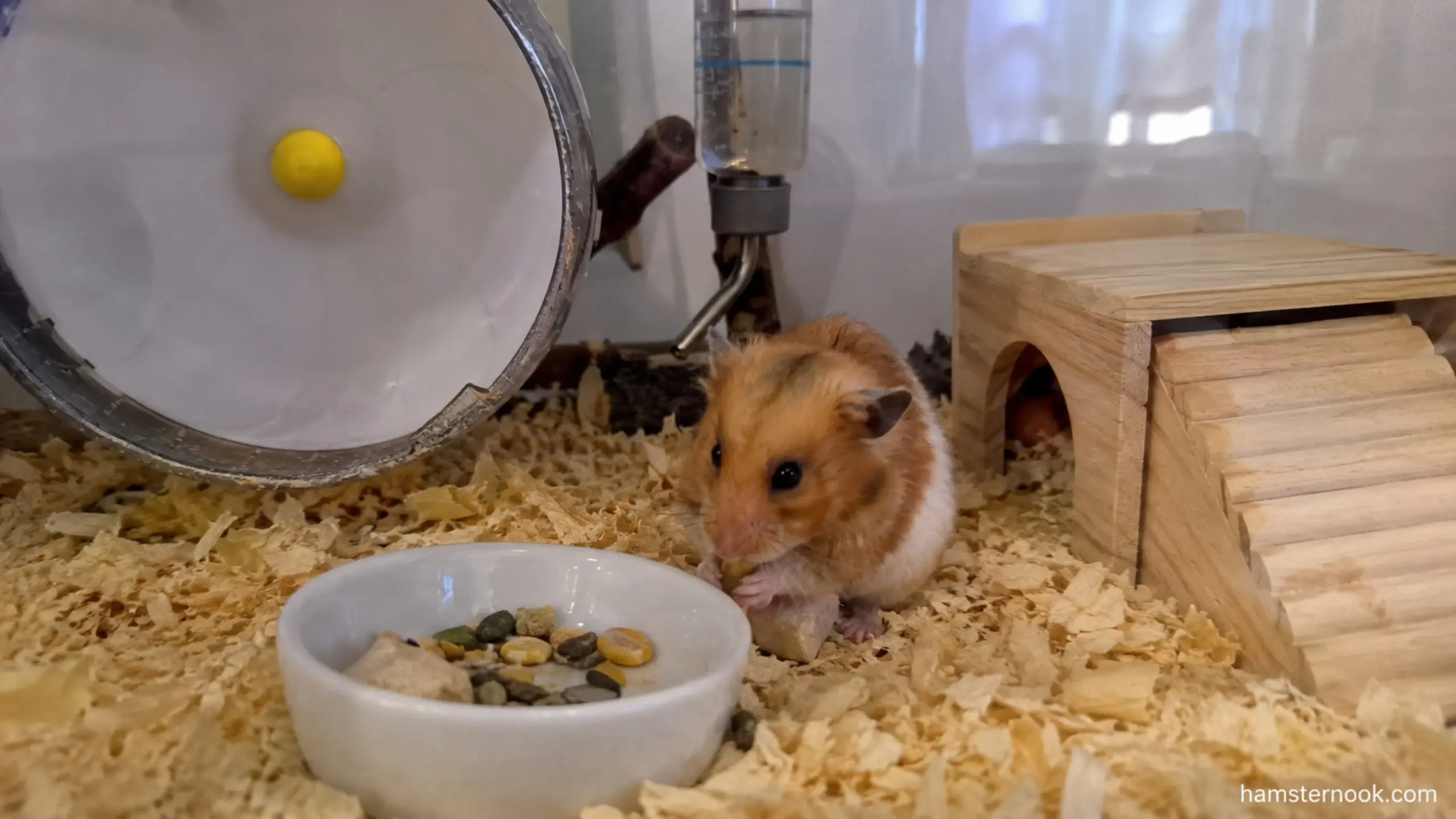
Enrichment Ideas for Senior Hamsters
Aging doesn’t mean enrichment should stop.
Older hamsters still benefit from mental stimulation, although activities may need to be adjusted.
Good options include:
- Scatter feeding
- Gentle foraging opportunities
- New safe scents
- Simple puzzle feeders
- Rearranging accessories occasionally
Many owners are surprised to discover that older hamsters continue learning and recognizing routines. In fact, understanding Can Hamsters Learn Their Names? may help owners appreciate how intelligent these small pets can be throughout their lives.

Common Health Issues Seen in Senior Hamsters
Older hamsters become more susceptible to certain health conditions.
Dental Problems
Hamster teeth grow continuously throughout life.
Signs of dental issues include:
- Dropping food
- Weight loss
- Difficulty chewing
- Reduced appetite
Regular observation is important because hamsters often hide symptoms well.
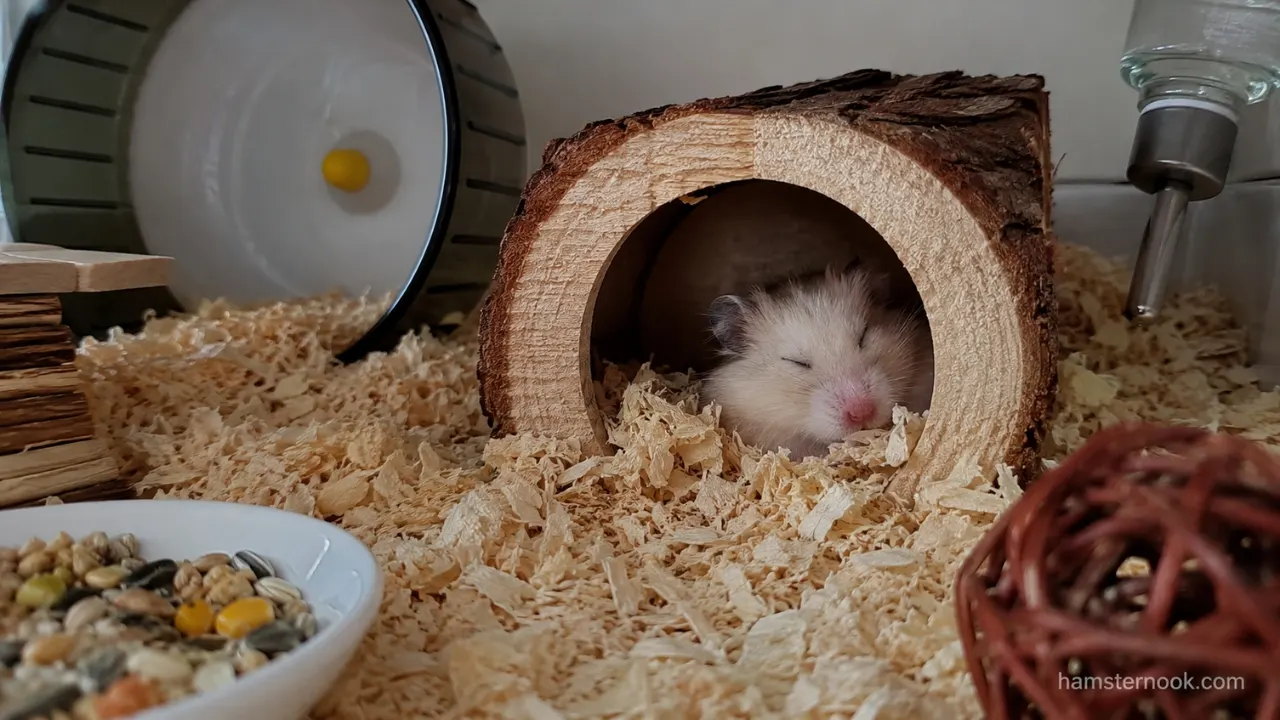
Tumors and Growths
Benign and malignant growths become more common as hamsters age.
Any lump, swelling, or unusual growth should be examined by a veterinarian.
Arthritis and Joint Stiffness
Although difficult to diagnose at home, arthritis can affect older hamsters.
Signs may include:
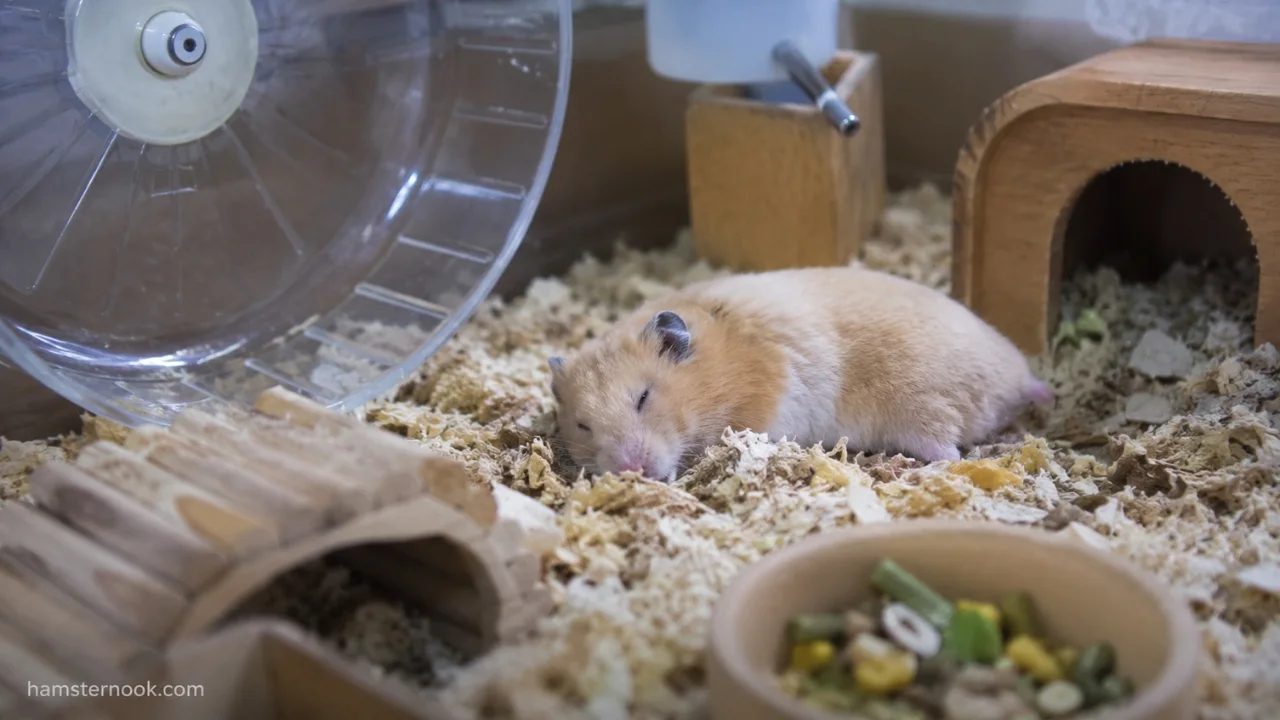
- Reduced mobility
- Stiff movements
- Less climbing
- Slower walking
Creating an easier-to-navigate enclosure can help reduce discomfort.
Mistakes Owners Often Make With Senior Hamsters
Good intentions sometimes lead to mistakes that can make life harder for aging pets.
Rearranging the Entire Cage Frequently
Senior hamsters often rely on familiarity and routine.
Constantly changing the layout can create unnecessary stress and confusion.
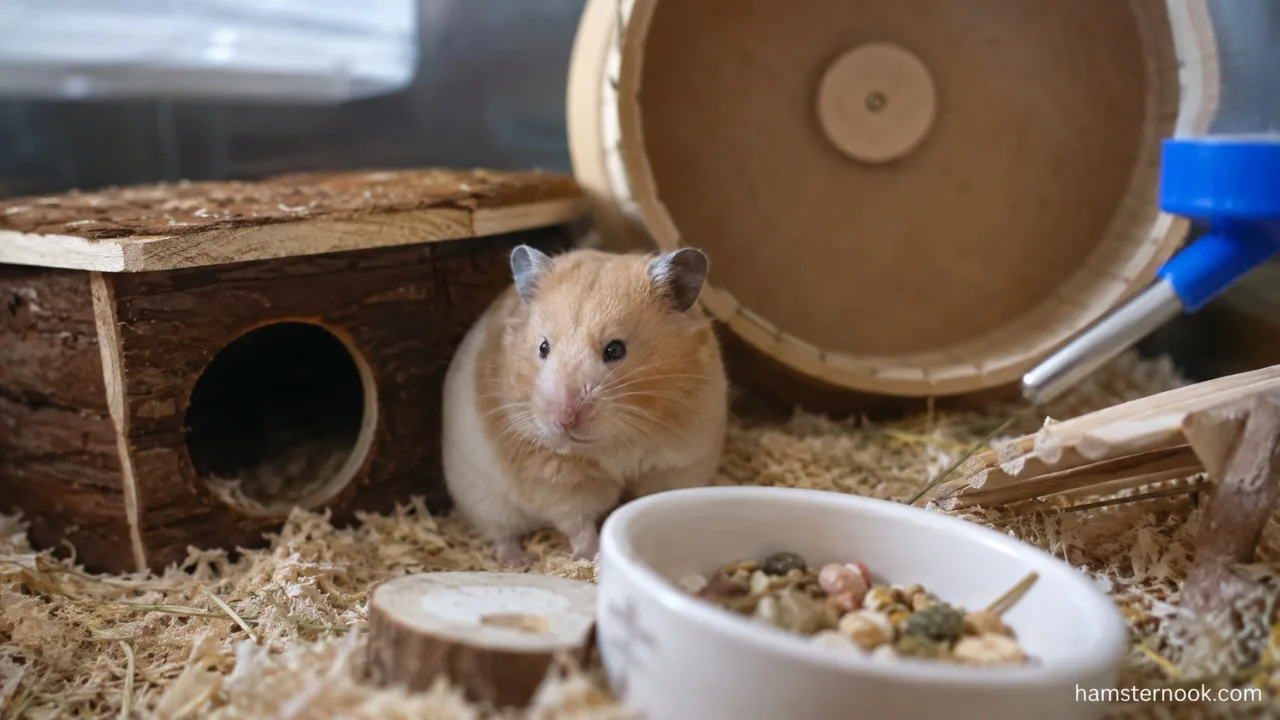
Assuming Every Change Is Due to Old Age
Not every symptom is normal aging.
Serious health conditions can sometimes look similar to age-related changes.
Removing Enrichment Completely
Older hamsters still enjoy exploration and mental stimulation.
The goal should be adapting activities rather than eliminating them.
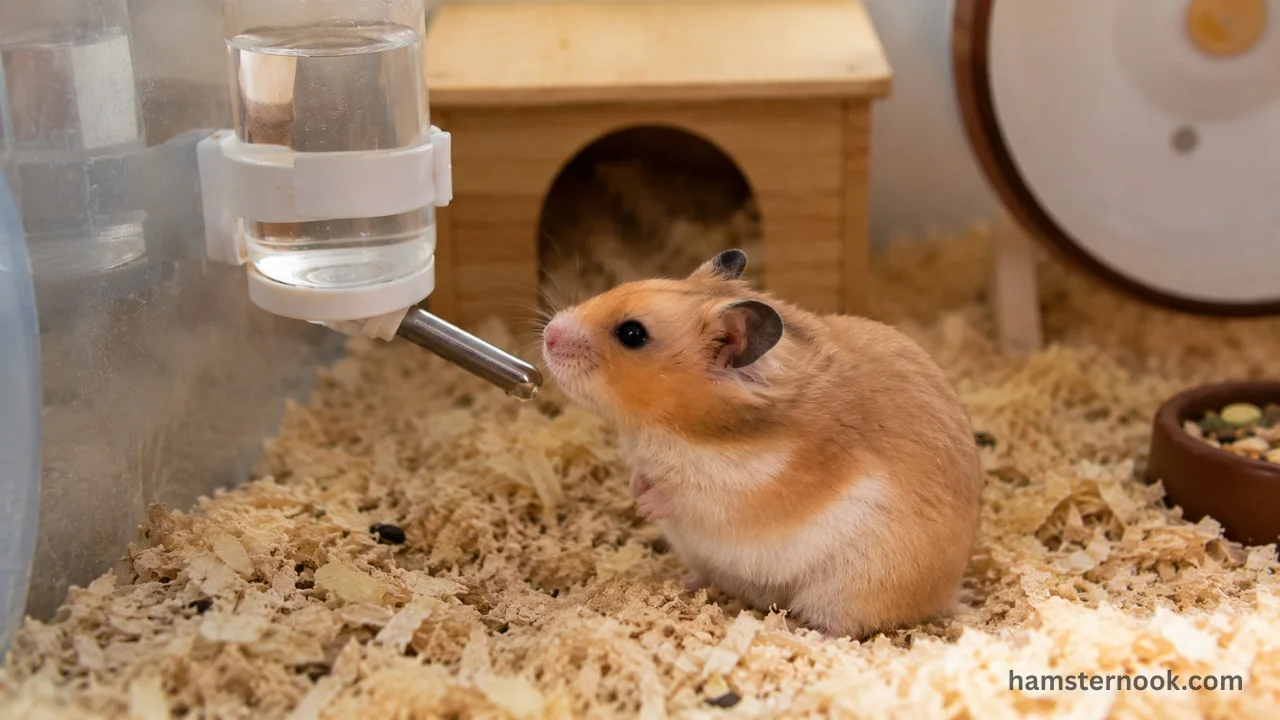
For owners concerned about boredom, 10 Ways to Make a Hamster Cage More Enriching and Less Boring offers ideas that can often be modified for senior pets.
How to Make Your Senior Hamster More Comfortable
Minor changes to the enclosure can noticeably improve day-to-day comfort for an aging hamster.
| Comfort Improvement | Benefit |
|---|---|
| Lower cage accessories | Reduces fall risk |
| Softer nesting material | Improves comfort |
| Easy access to food and water | Supports independence |
| Stable cage layout | Reduces stress |
| Gentle handling | Prevents injury |
| Regular health checks | Detects problems early |
Small adjustments to the enclosure often make daily life easier for senior hamsters, especially when mobility starts to decline.
Why Regular Observation Matters More in Senior Hamsters
Because hamsters naturally hide signs of illness, small daily observations become increasingly important with age.
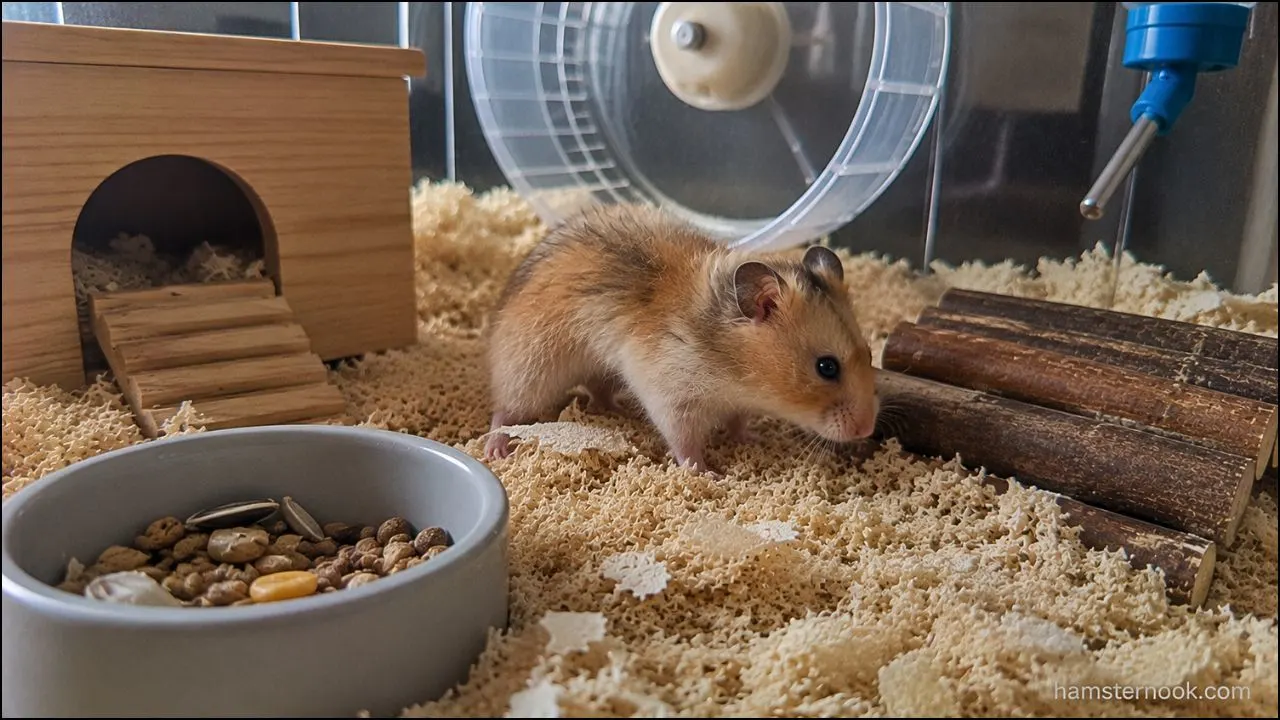
Pay attention to:
- Food consumption
- Water intake
- Body condition
- Mobility
- Grooming habits
A simple weekly health routine can also make subtle changes easier to notice over time. Our Hamster Health Check Weekly Checklist can help you keep track of the basic changes worth watching as your hamster gets older.
Spotting subtle changes early often makes health issues easier to address.
When Should You See a Veterinarian?
While aging itself is normal, certain symptoms should not be ignored.

Age-related changes are usually gradual, while sudden or marked changes deserve more attention. If your hamster stops eating or drinking, has trouble breathing, becomes severely weak, develops a new lump or swelling, or suddenly loses the ability to move normally, contact a veterinarian rather than assuming the change is simply part of aging.
If your older hamster suddenly becomes very weak or inactive, Why Is My Hamster Suddenly Weak? 9 Causes, Warning Signs & What to Do covers important warning signs and when veterinary care may be needed.
Contact a veterinarian if your hamster experiences:
- Rapid weight loss
- Refusal to eat
- Breathing difficulties
- Large growths
- Frequent falls
- Severe lethargy
- Bleeding or discharge
Prompt veterinary evaluation can help distinguish normal age-related changes from an underlying health problem, especially when symptoms are sudden, severe, or worsening.
Cherishing the Final Stages of Your Hamster’s Life
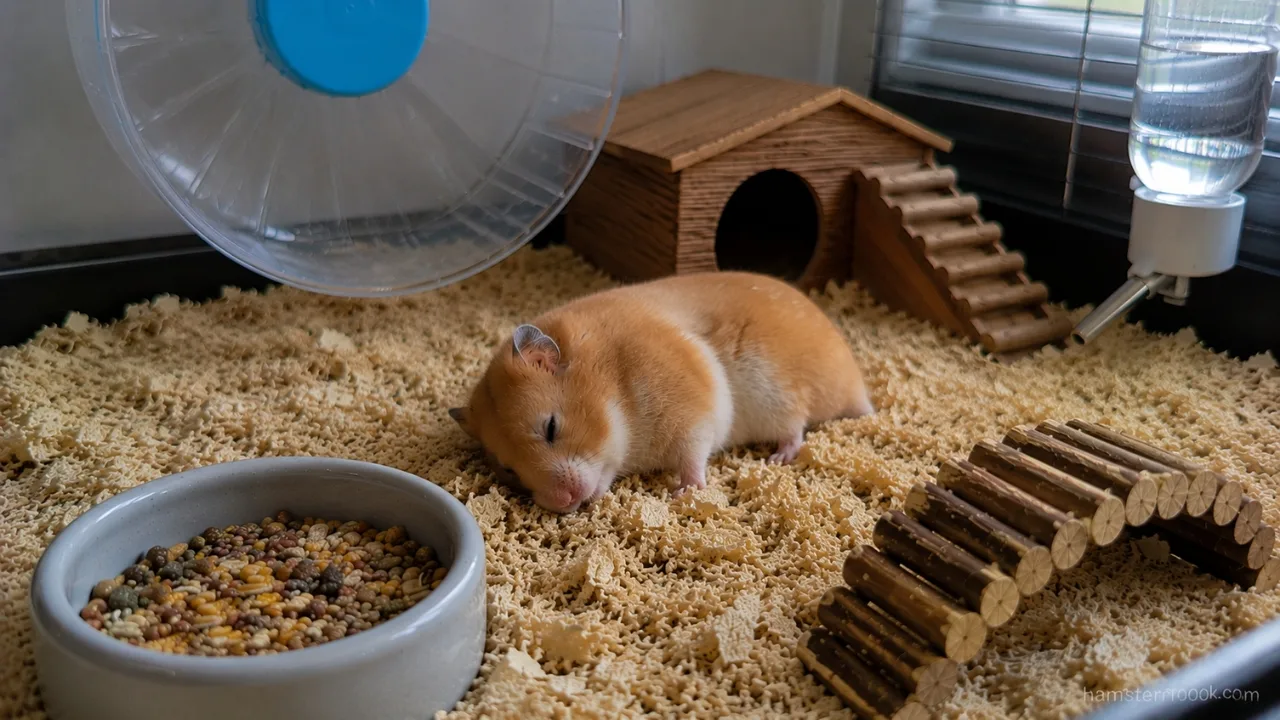
Watching a hamster grow old can be emotional because the changes often happen so gradually that you don’t notice them until one day your pet simply seems different. Although it can be difficult to watch a once-energetic hamster slow down, many seniors continue to enjoy their routines, favorite foods, and familiar surroundings for a long time.
At this stage, comfort and consistency usually matter far more than encouraging the same activity levels your hamster had when it was younger. Spending quiet time near your hamster, maintaining a consistent routine, and paying attention to small changes can help ensure they remain as happy and comfortable as possible.
Frequently Asked Questions
How can I tell if my hamster is old or sick?
Aging usually causes gradual changes such as increased sleeping and reduced activity. Sudden symptoms like rapid weight loss, severe lethargy, breathing problems, or refusal to eat are more likely to indicate illness.
At what age do hamsters become seniors?
Most hamsters are considered seniors between 18 and 24 months of age, although this varies by species.
Do older hamsters sleep more?
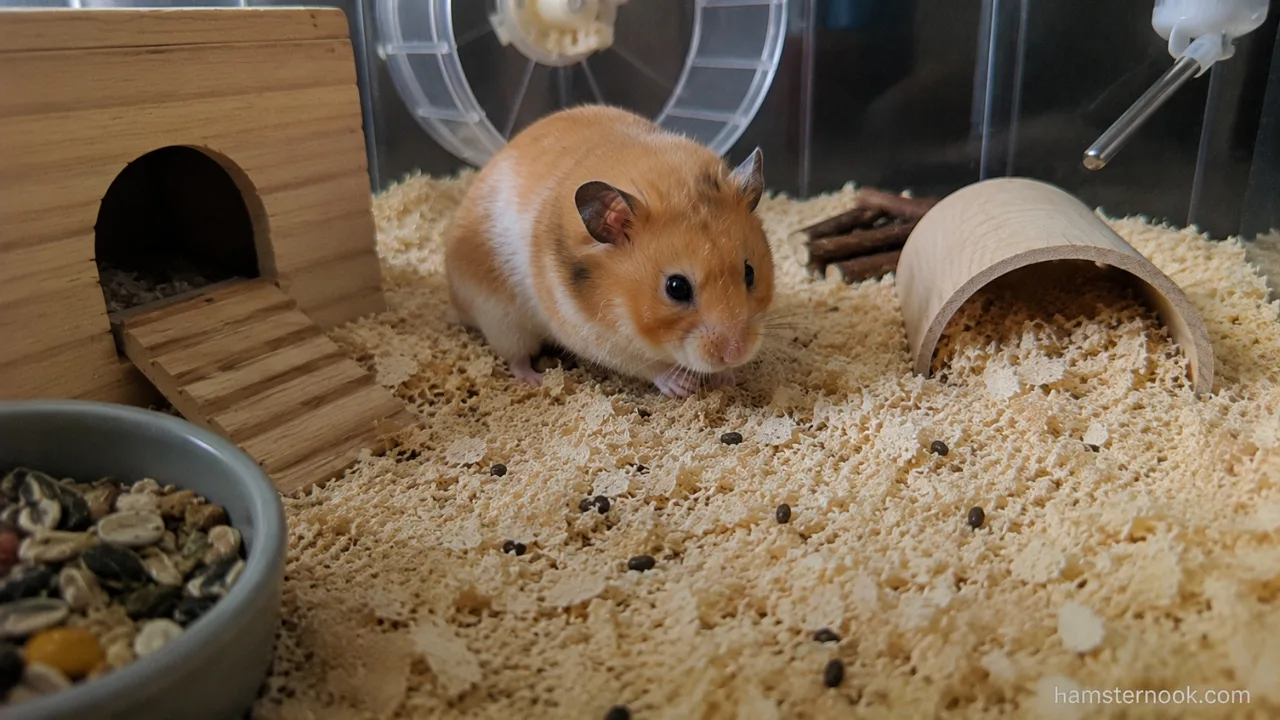
Yes. Increased sleeping is one of the most common signs of aging in hamsters and is usually normal when it develops gradually.
Should I remove my hamster’s wheel when it gets old?
Not necessarily. Many senior hamsters continue using their wheel, although less frequently. Monitor your hamster’s comfort and remove equipment only if it becomes unsafe.
What is the best food for an older hamster?
A balanced hamster diet remains the foundation. Some seniors may benefit from softer foods if chewing becomes difficult, but dietary changes should be made carefully.
Can a senior hamster still be handled?
Yes, but handling should be gentler and shorter than with younger hamsters. Always support the hamster properly and avoid situations where falls could occur.
References
This guide is based on hamster aging, health, nutrition, housing, behavior, and senior care guidance from trusted veterinary and animal welfare resources, including:
- RSPCA – Hamster Health & Welfare – Guidance on hamster health monitoring, dental care, signs of illness, weight changes, and when veterinary attention may be needed.
- RSPCA – Keeping Hamsters as Pets – General guidance on hamster care, lifespan, diet, housing, behavior, exercise, and welfare throughout a hamster’s life.
- RSPCA – Hamster Diet – Guidance on balanced nutrition, feeding practices, fresh foods, treats, and dietary considerations for hamsters.
- RSPCA – Creating a Good Home for Hamsters – Guidance on bedding, enclosure setup, nesting, environmental safety, enrichment, and making the habitat suitable for hamsters.
- PDSA – Hamsters as Pets – Information on hamster lifespan, nutrition, housing, exercise, handling, and common health concerns.
- MSD Veterinary Manual – Hamsters – Veterinary reference information covering hamster health, diseases, dental problems, tumors, nutrition, husbandry, and clinical concerns.
- MSD Veterinary Manual – Routine Health Care of Hamsters – Veterinary guidance on routine health monitoring, nutrition, dental care, body condition, and recognizing health problems.
- NC3Rs – Housing and Husbandry: Hamster – Guidance on appropriate housing, bedding, environmental conditions, enrichment, and species-appropriate husbandry.
Medical Disclaimer
This article is intended for educational purposes only and should not be considered veterinary advice. Some changes associated with aging can be normal, but symptoms such as rapid weight loss, refusal to eat or drink, breathing difficulties, severe weakness, new lumps or swelling, bleeding, discharge, difficulty walking, or sudden changes in behavior may indicate an underlying health problem. If your hamster develops persistent, sudden, severe, or worsening symptoms, consult a qualified exotic animal veterinarian for proper evaluation and treatment.

Narayan Kumar is the founder and author of HamsterNook. He creates practical, research-based hamster care guides covering hamster behavior, nutrition, cage setup, enrichment, health, and everyday care. His goal is to help hamster owners make informed decisions and provide safer, healthier lives for their pets through clear, beginner-friendly information based on trusted animal care resources.