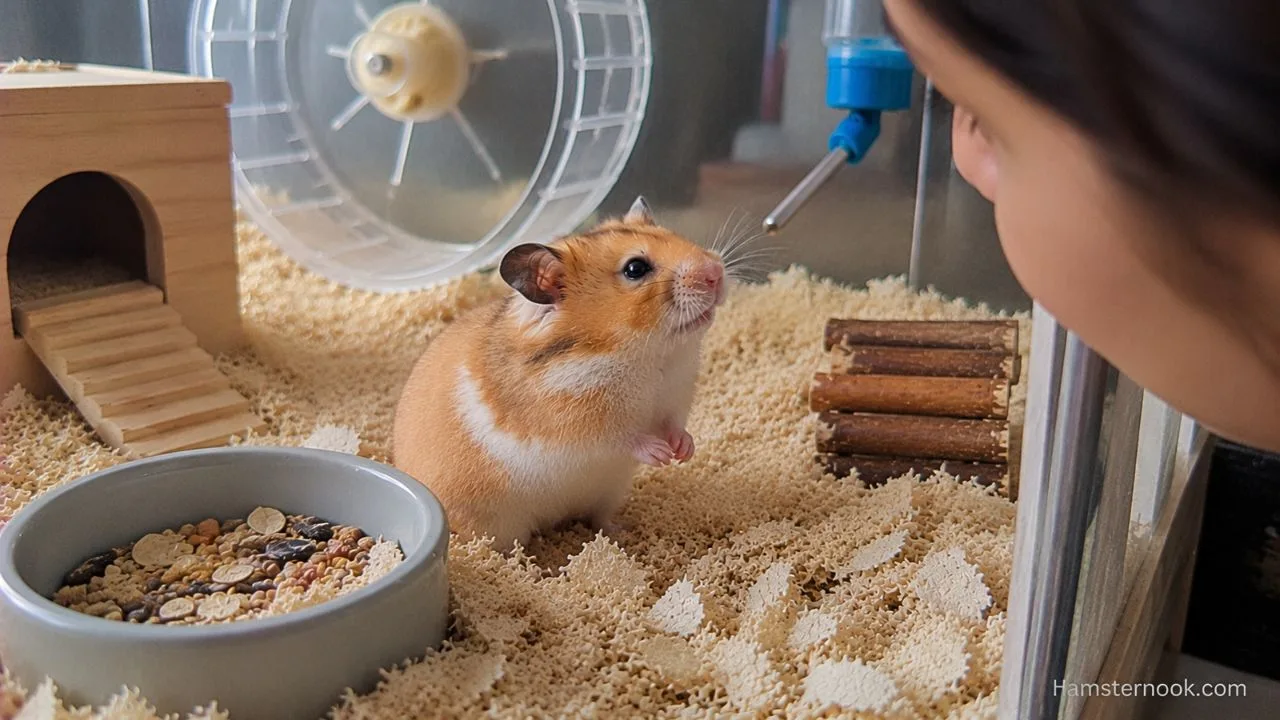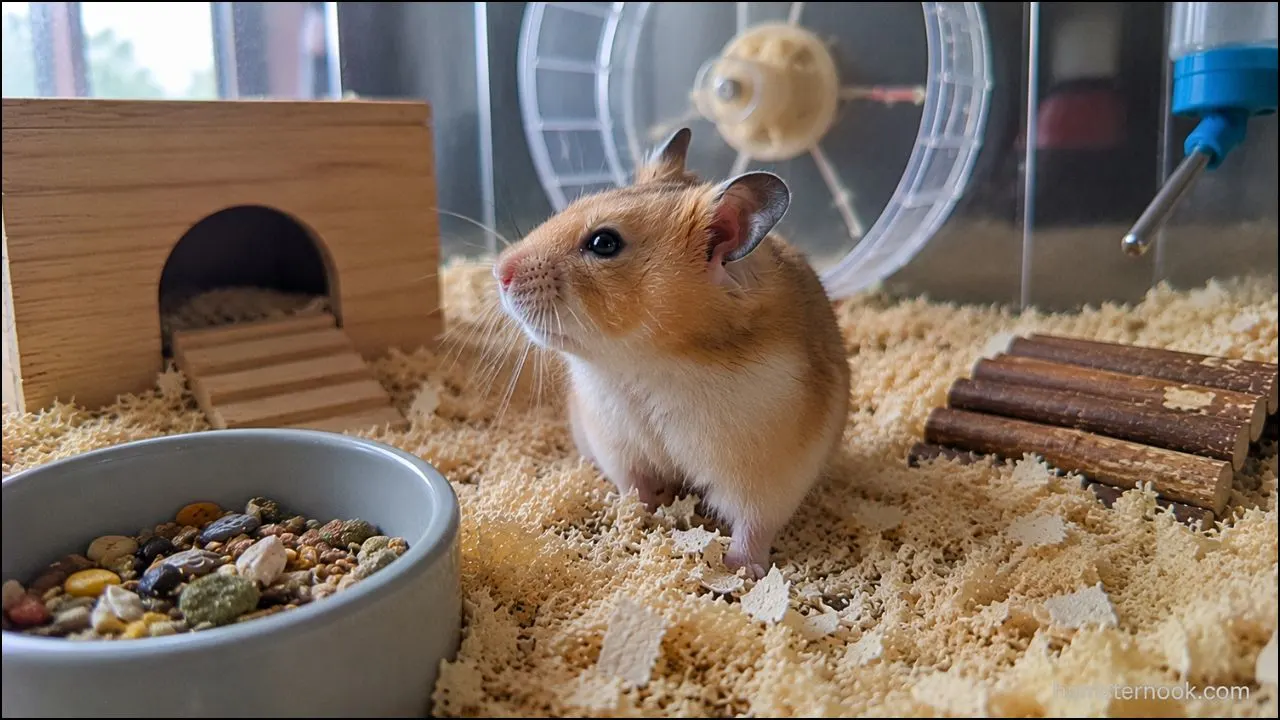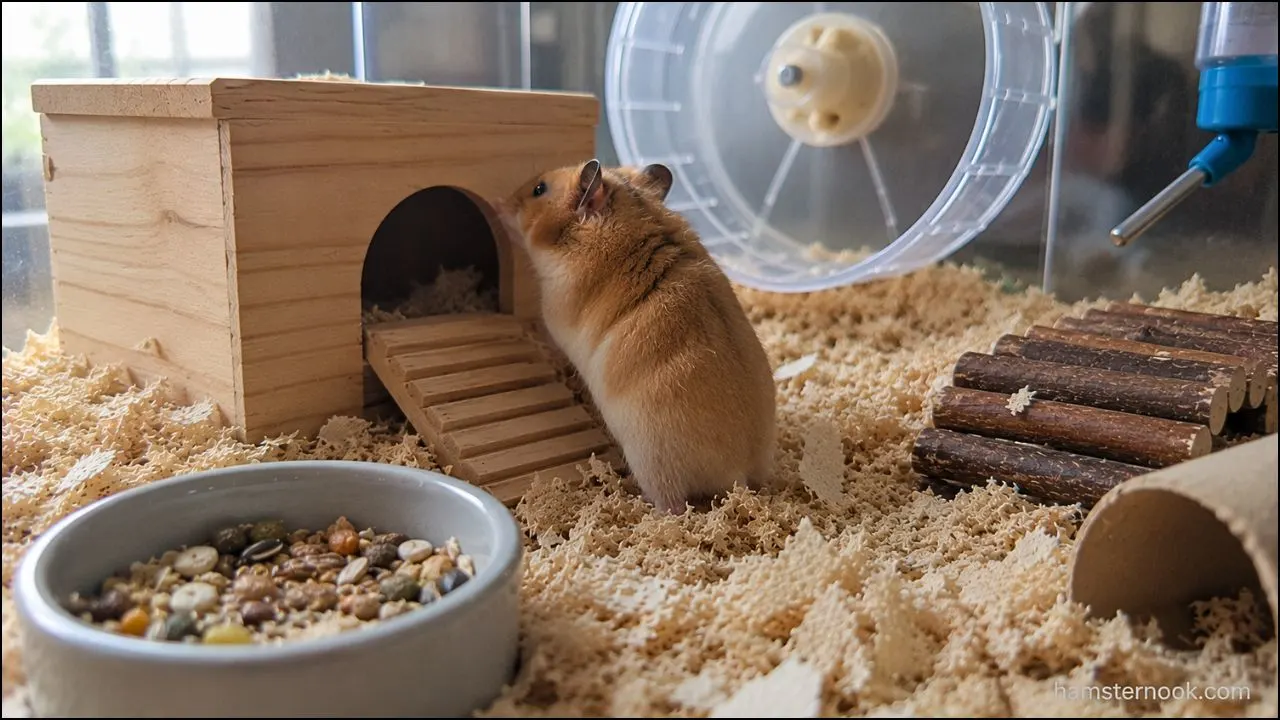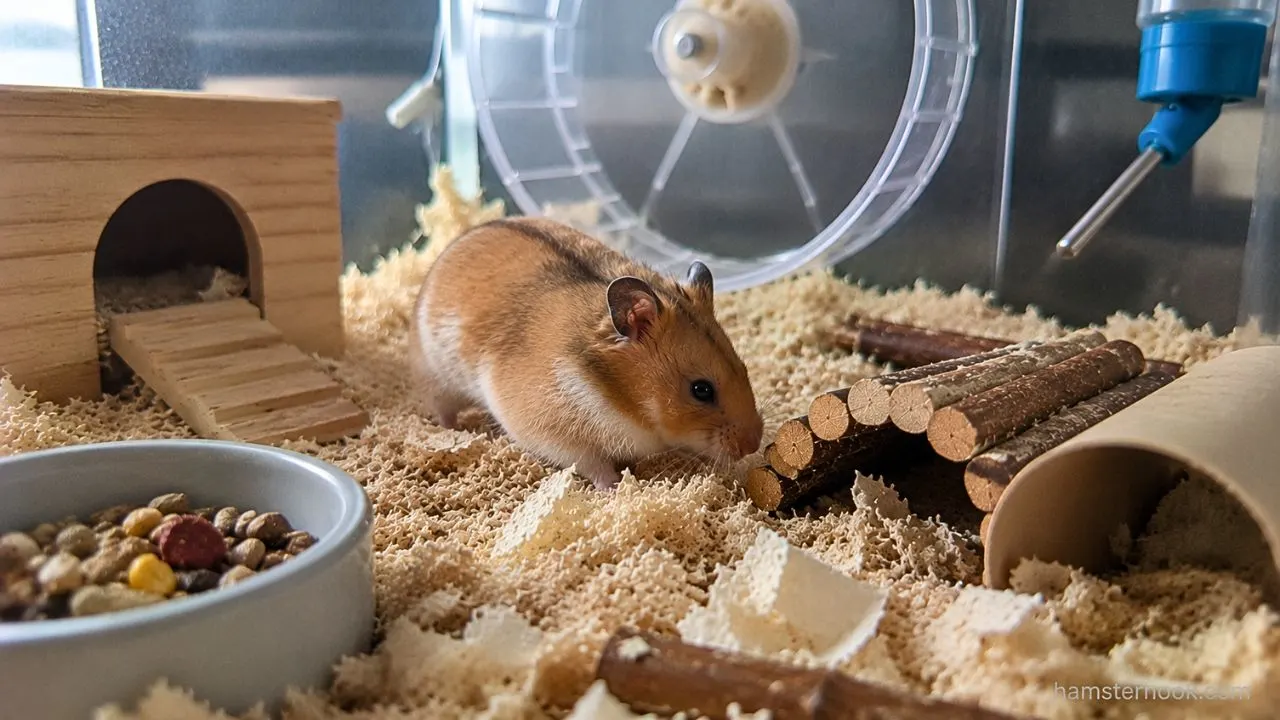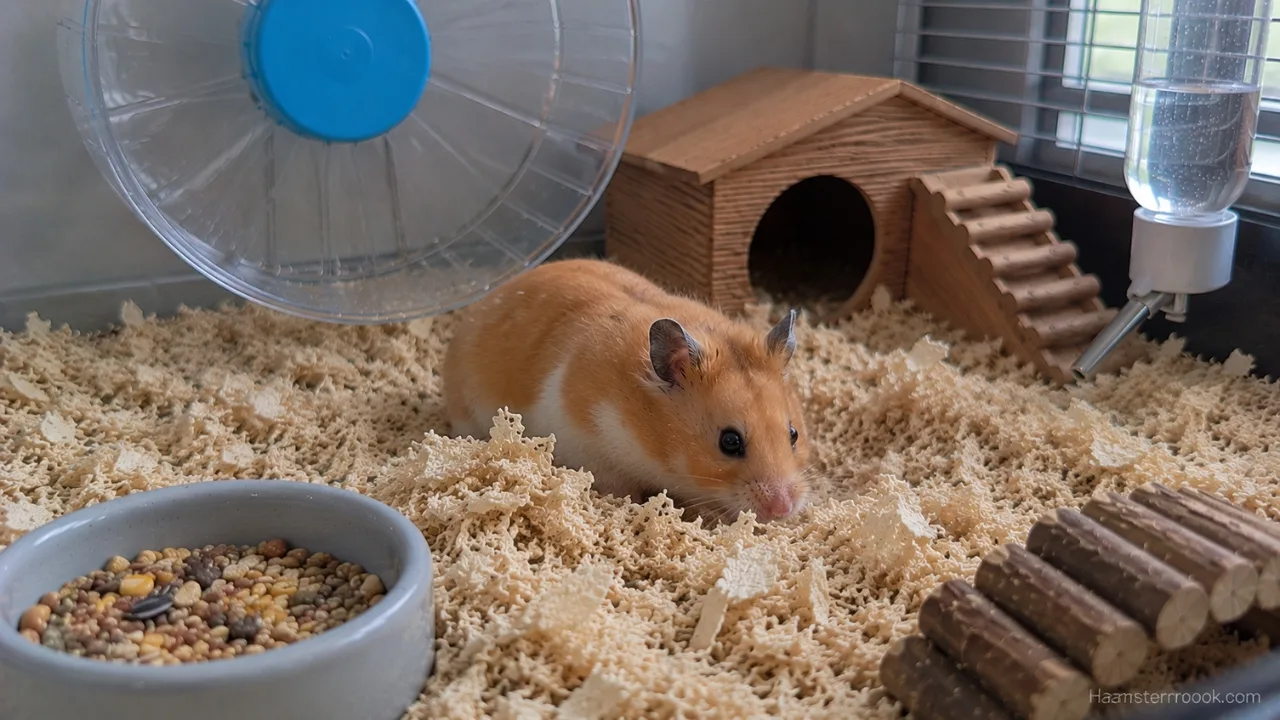
You filled the cage with bedding, added a hideout, and expected your hamster to create an impressive underground tunnel system. Instead, your hamster sleeps in a corner, under a house, or right on top of the bedding without digging at all.
If this sounds familiar, you’re not alone.
It’s common for owners to become concerned when they never see their hamster digging despite providing bedding and hiding places. Since burrowing is one of the most natural hamster behaviors, it can seem like something is wrong. A hamster that isn’t burrowing isn’t automatically unhealthy. In many cases, the reason is related to enclosure setup, bedding conditions, or adjustment time rather than a medical issue.
Bedding depth is only one part of the equation. Our How Much Bedding Does a Hamster Need? Minimum Depth Requirements Explained guide explains how much bedding most hamsters need to create stable tunnels, sleeping chambers, and natural burrows.
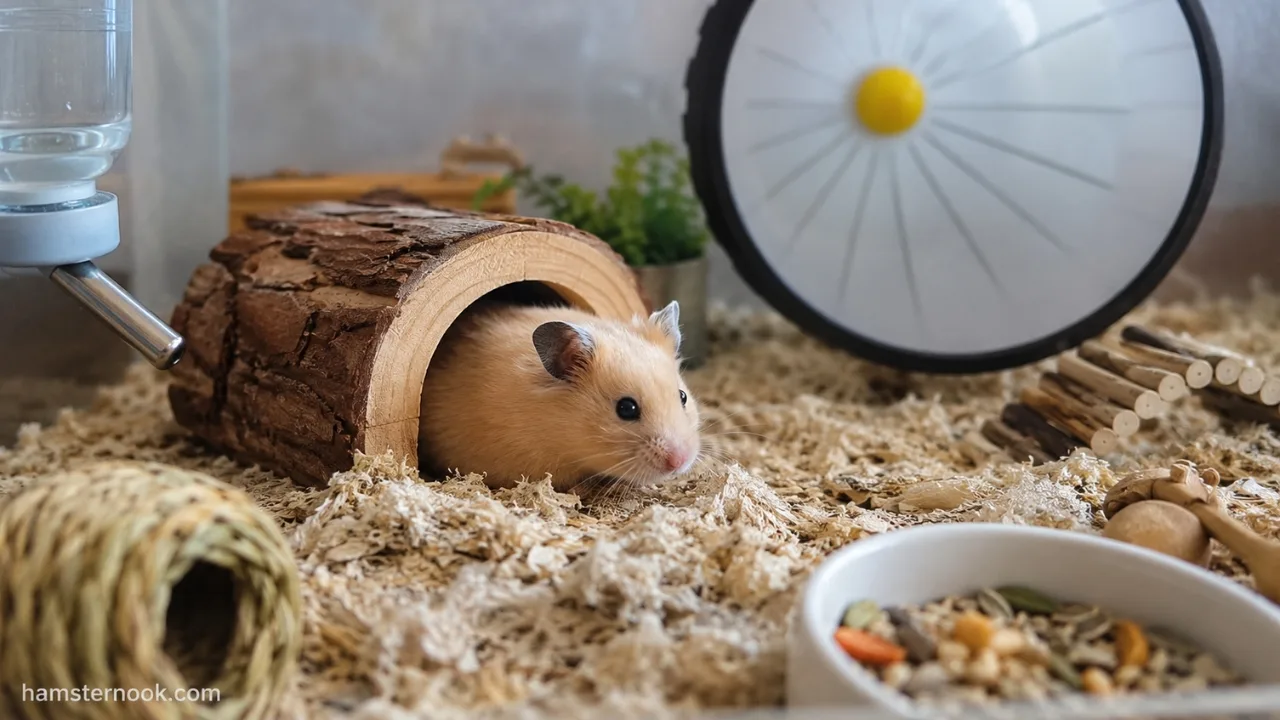
Once you identify what’s preventing burrowing, small changes to the enclosure often make a noticeable difference in how confidently a hamster digs and explores.
Quick Answer
Most hamsters stop burrowing because bedding is too shallow, the substrate does not hold tunnels well, the enclosure is too small, or the hamster is still adjusting to a new environment. In most cases, providing deeper bedding and a low-stress habitat encourages natural burrowing behavior.
Why Burrowing Is Important for Hamsters
Burrowing isn’t just a fun activity for hamsters. It’s a core part of their natural behavior.
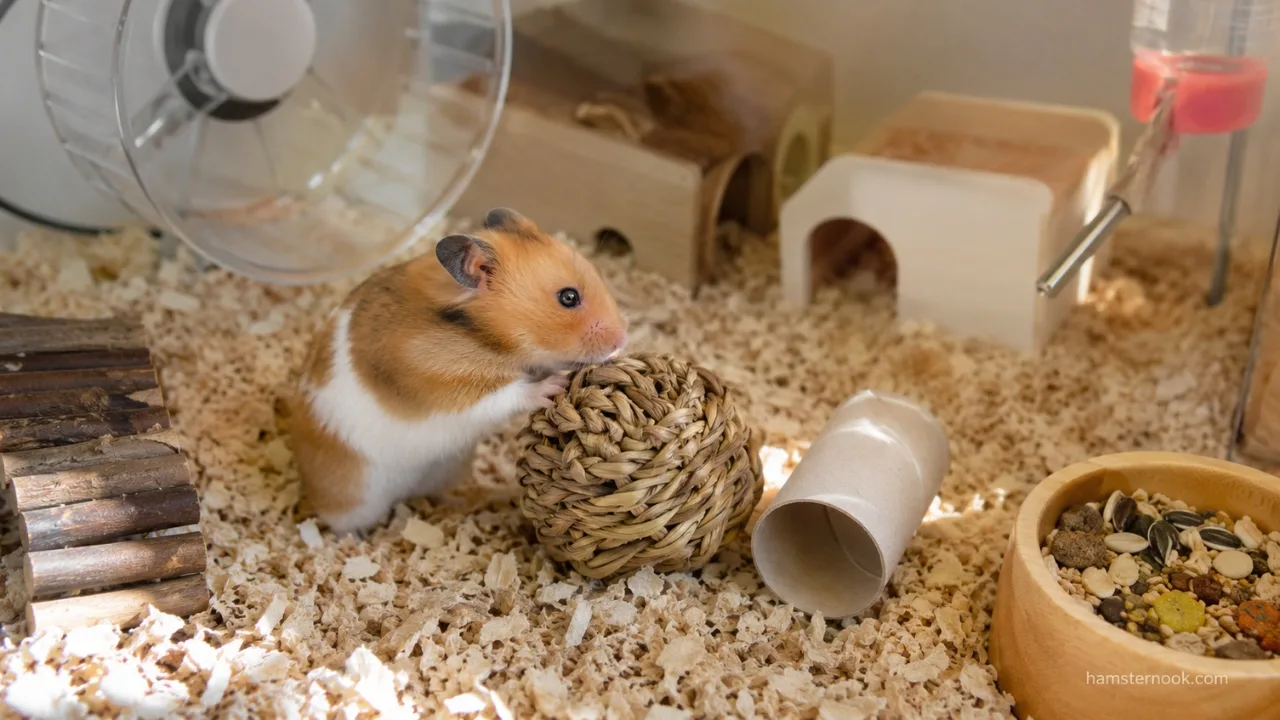
In the wild, hamsters create complex underground tunnel systems that serve multiple purposes:
- Protection from predators
- Temperature regulation
- Food storage
- Sleeping areas
- Raising young
Even domesticated hamsters retain these instincts. That’s why many hamster welfare experts consider burrowing opportunities an essential part of proper hamster care.
Providing opportunities to dig, forage, nest, and explore is a key part of responsible hamster ownership. Our Hamster Care Guide for Beginners explains how habitat design, enrichment, nutrition, and routine care work together to support natural behaviors.
A hamster that can dig and create tunnels often has more opportunities for exercise, mental stimulation, and natural behaviors than one living in a shallow enclosure.
Is It Normal for Some Hamsters Not to Burrow?
Yes, sometimes.
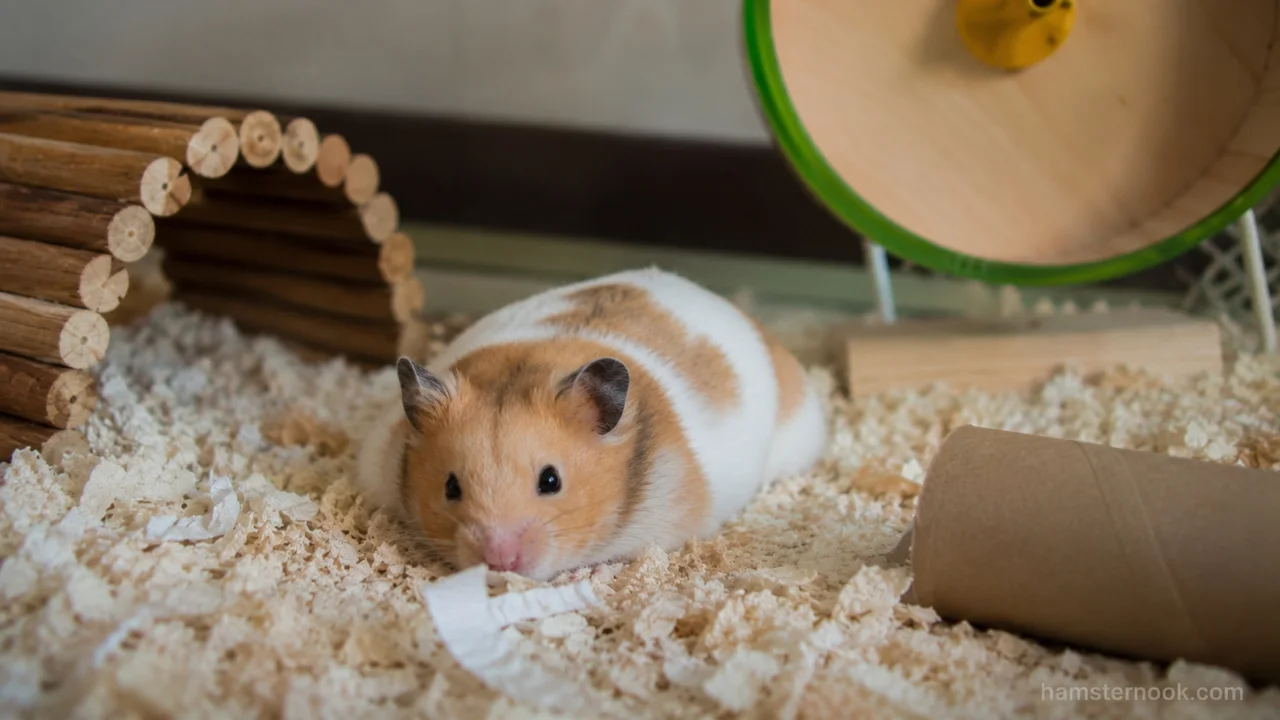
Not every hamster becomes an enthusiastic tunnel builder immediately. Individual personality plays a role, and some hamsters simply burrow less than others.
However, most healthy hamsters will eventually dig, nest, or create some form of underground sleeping area when provided with the right conditions.
Before deciding your hamster simply doesn’t like digging, it’s worth checking whether something in the environment is making burrowing difficult or unrewarding.
What Does Healthy Burrowing Behavior Look Like?
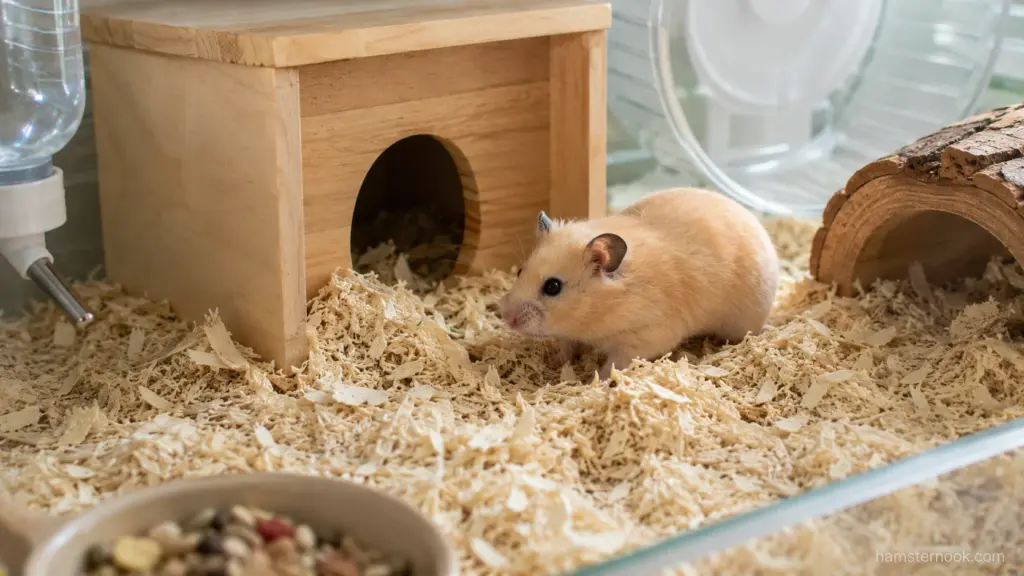
Burrowing does not always mean creating large tunnel systems that owners can easily see.
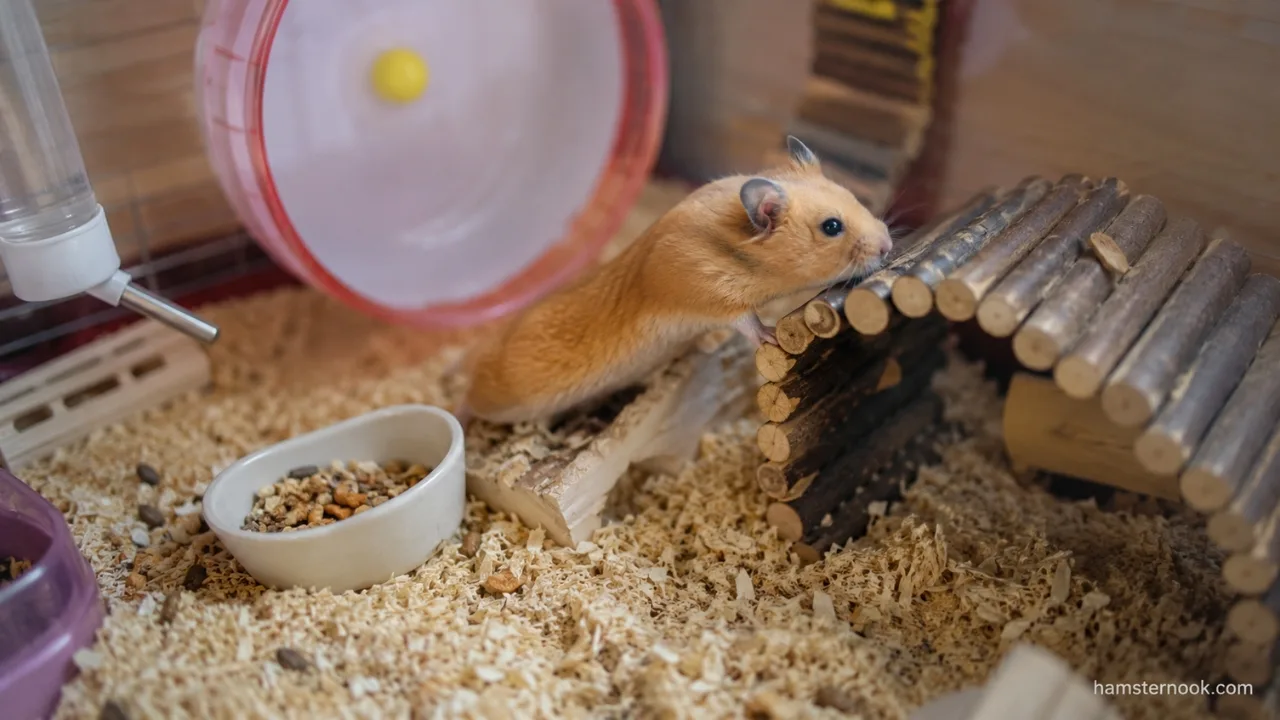
Many healthy hamsters:
- Sleep beneath the bedding
- Create small underground chambers
- Dig temporary tunnels
- Move nesting materials below the surface
- Store food in hidden areas
Even simple underground activity often indicates that natural instincts are being expressed.
Some hamsters create only a small sleeping chamber beneath the bedding rather than a large visible tunnel system. This still counts as normal burrowing behavior and should not be viewed as a problem.
The Most Common Cause: Bedding That Is Too Shallow
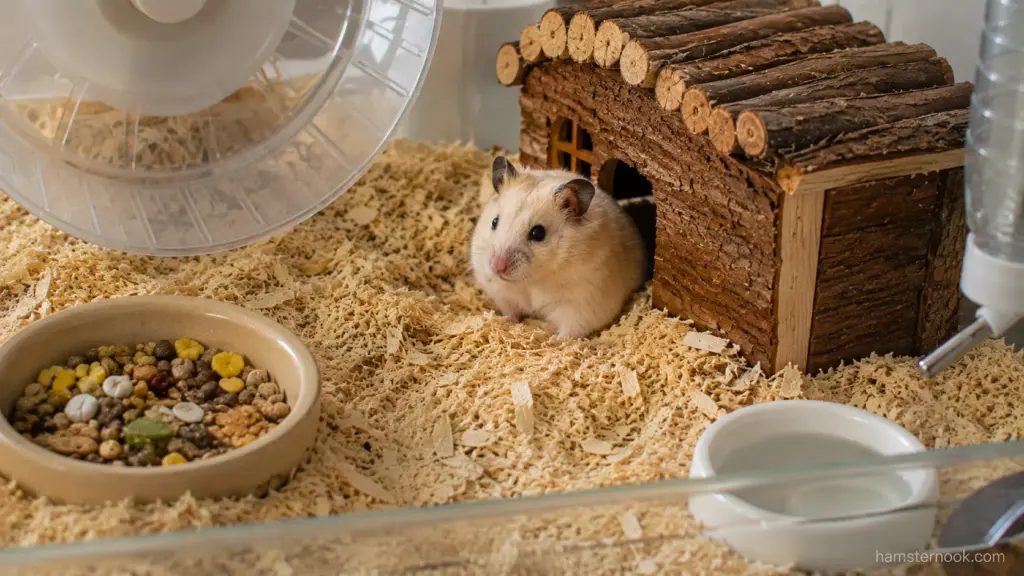
One of the most common reasons pet hamsters don’t burrow is surprisingly simple: they may not have enough bedding to create stable tunnels.
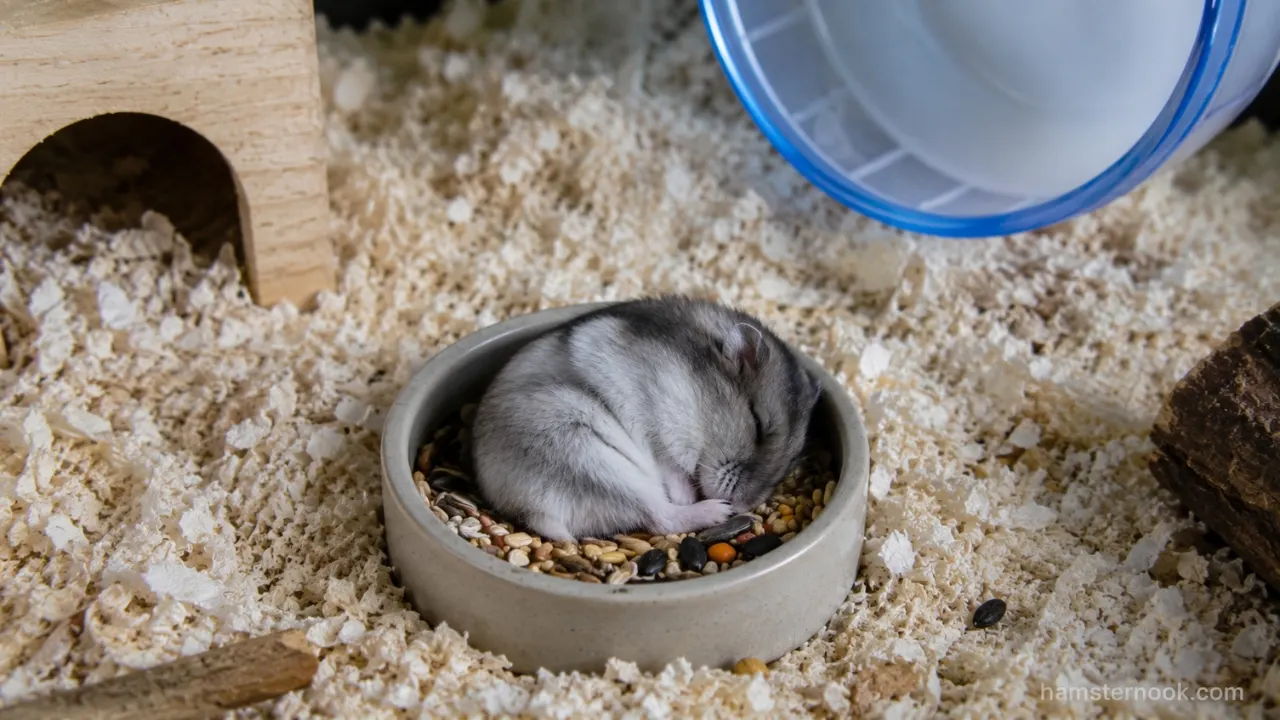
Even the most enthusiastic hamster will struggle to build lasting tunnels if there isn’t enough bedding to support them.
Recommended Bedding Depth
| Hamster Type | Minimum Bedding Depth | Preferred Depth |
|---|---|---|
| Syrian Hamster | 8 inches (20 cm) | 10–12+ inches |
| Dwarf Hamsters | 6–8 inches (15–20 cm) | 8–10+ inches |
| Roborovski Hamsters | 6–8 inches (15–20 cm) | 8–10+ inches |
Many commercial hamster cages only contain 1–3 inches of bedding, which is rarely enough for meaningful burrowing.
If your hamster has limited digging material, increasing bedding depth is often the first and most effective solution.
Your Bedding Might Not Hold Tunnels Properly
Even deep bedding can fail if the material itself doesn’t support tunnel structures.
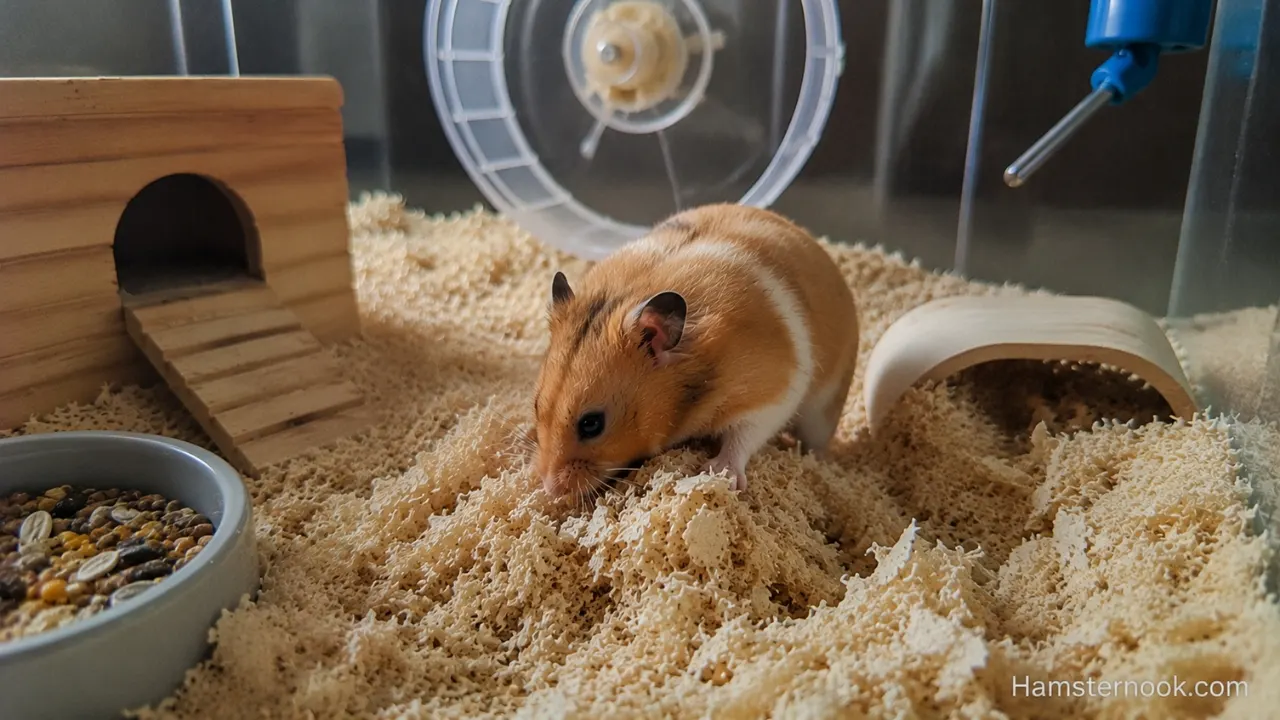
Some bedding types collapse easily, making burrowing frustrating for hamsters.
Bedding Types and Burrowing Performance
| Bedding Type | Burrow Support |
|---|---|
| Paper-Based Bedding | Excellent |
| Aspen Shavings | Moderate |
| Hemp Bedding | Moderate |
| Soft Hay Mixed with Paper Bedding | Excellent |
| Unscented Wood Pulp Bedding | Good |
Mixing paper bedding with small amounts of hay can often improve tunnel stability.
Avoid scented bedding products because strong fragrances may irritate a hamster’s respiratory system.
Your Hamster May Still Be Adjusting to Its Environment
New hamsters often spend their first days or weeks observing their surroundings rather than digging immediately.
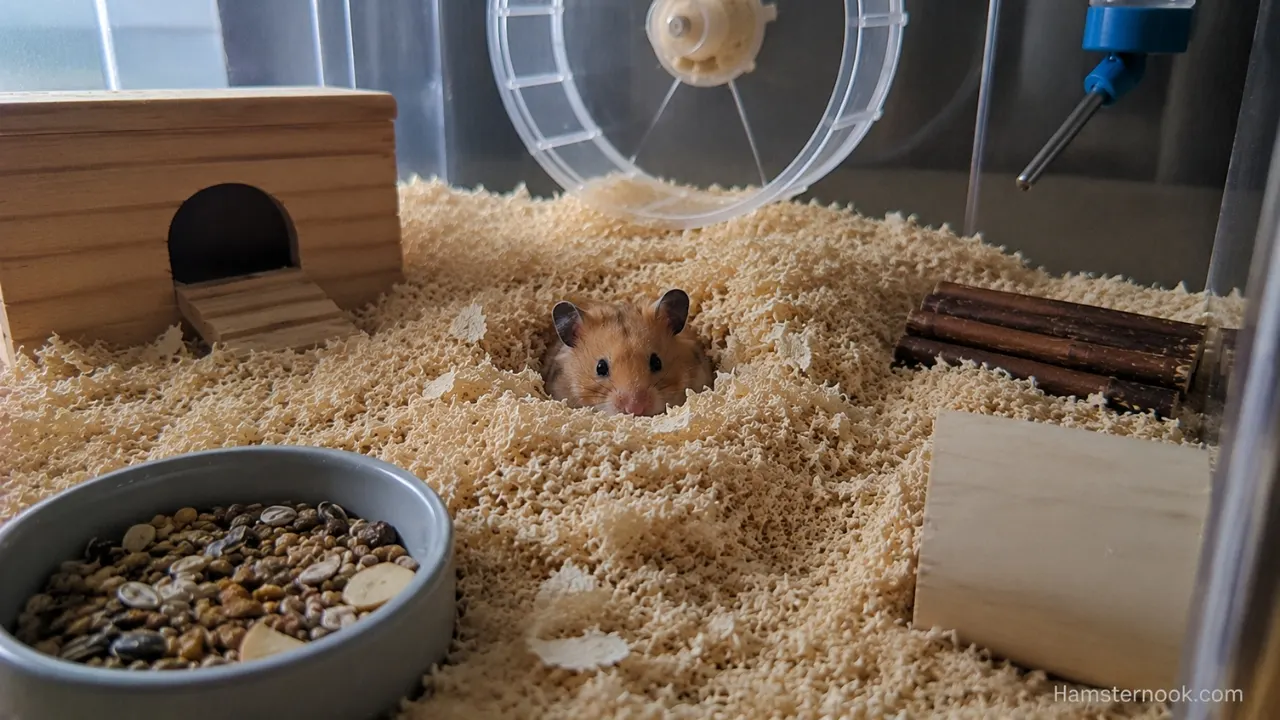
A hamster that feels uncertain may choose the nearest hideout instead of investing energy into building tunnels.
This is particularly common during the first week after adoption.
Many new hamsters need time before they feel secure enough to express natural behaviors. Our The Biggest Mistake New Hamster Owners Make in the First Week guide explains how adjustment stress can affect digging, eating, sleeping, and exploration during the first days at home.
Cage Size Can Affect Burrowing Behavior
A small enclosure doesn’t just limit movement. It can also reduce a hamster’s desire to engage in natural behaviors.
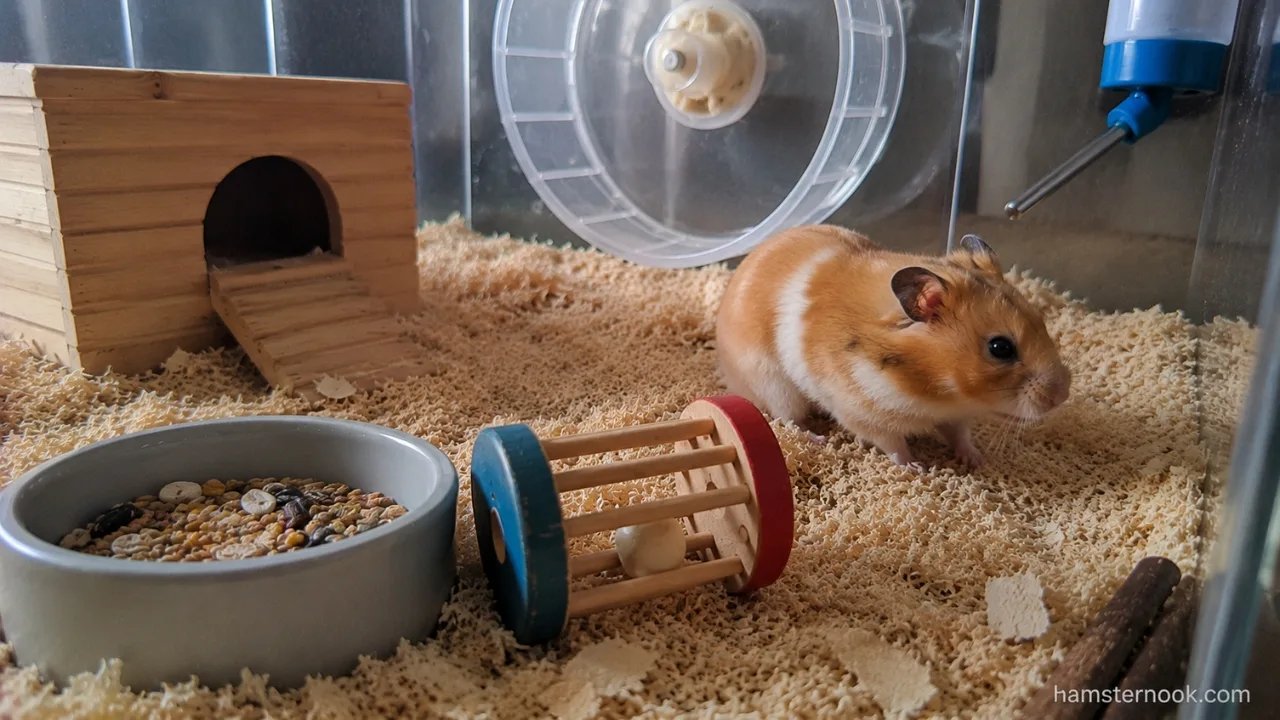
When cage space is restricted:
- Bedding depth is often reduced
- Tunnel systems become difficult to build
- Exploration opportunities decrease
- Stress levels may increase
Hamsters typically become more active and display more natural behaviors when housed in appropriately sized enclosures.
If your hamster also shows signs of boredom, you may want to read 10 Ways to Make a Hamster Cage More Enriching and Less Boring for additional enrichment ideas.
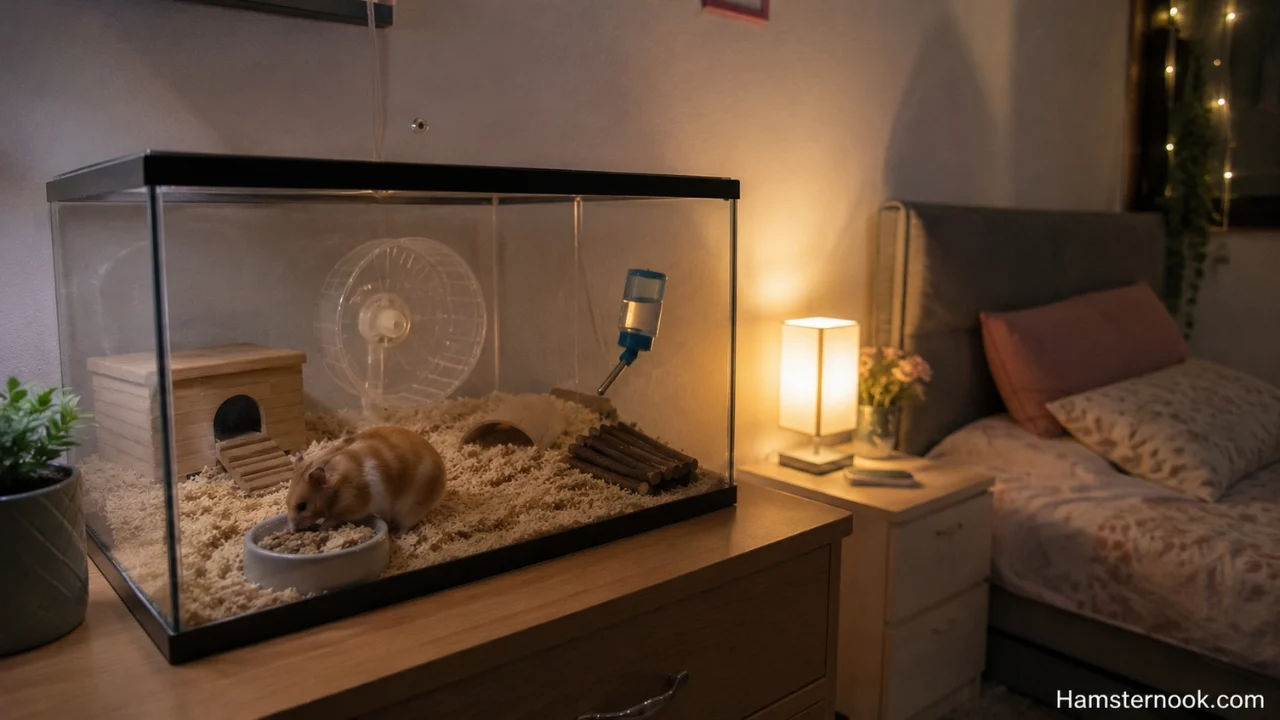
Some Hamsters Prefer Hidden Burrows You Can’t See
Many owners assume their hamster isn’t burrowing simply because they never witness the behavior.
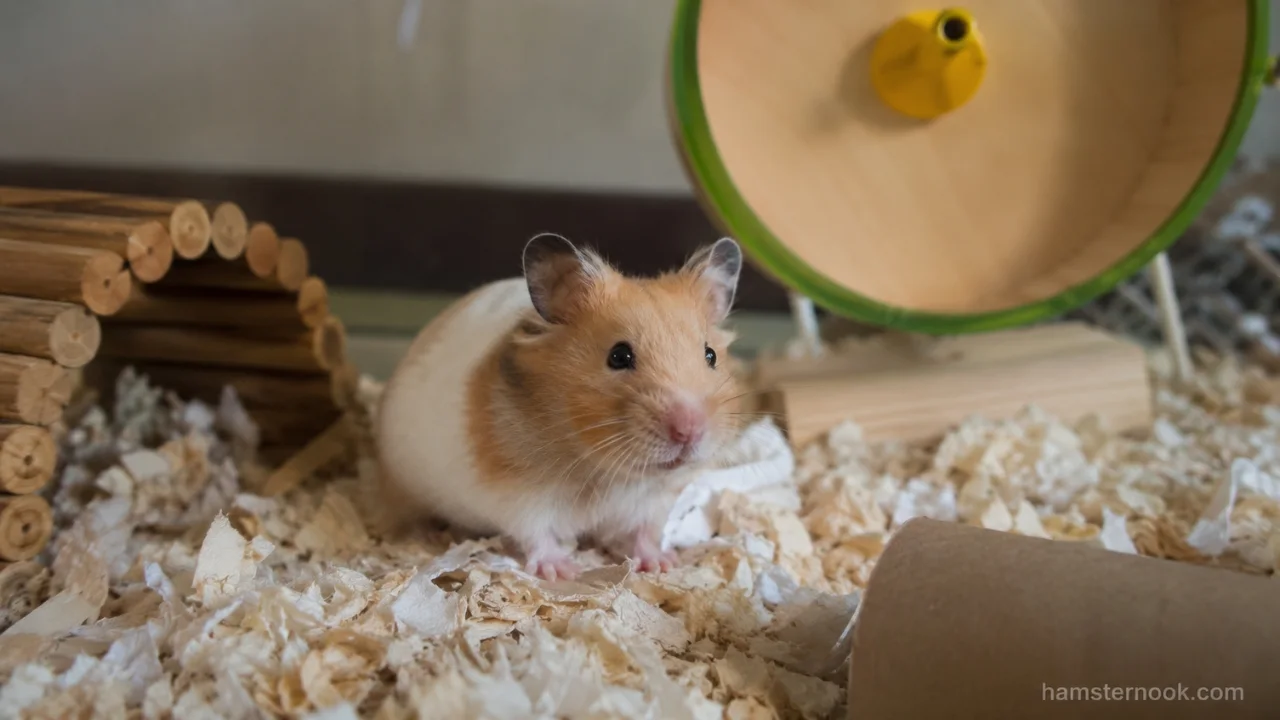
In reality, your hamster may be tunneling beneath the surface while you’re asleep.
Remember that hamsters are primarily active during evening and nighttime hours.
Look for clues such as:
- Bedding shifting overnight
- Hidden food caches
- New entrances appearing
- Sleeping beneath the substrate
Transparent enclosure sides often reveal tunnel systems that owners never knew existed.
How Long Does It Take a Hamster to Start Burrowing?
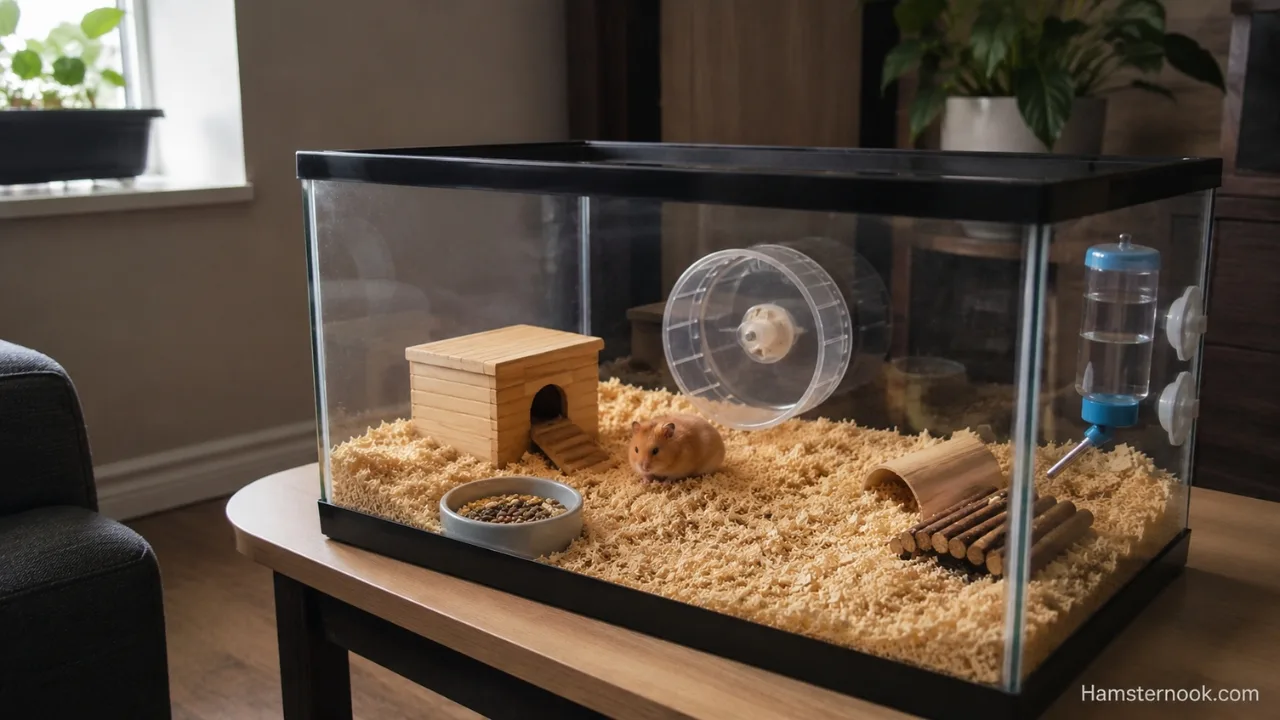
Some hamsters begin digging within their first night in a new enclosure, while others may take several days or even weeks.
The adjustment period is influenced by:
- Previous housing conditions
- Stress levels
- Enclosure size
- Bedding depth
- Individual personality
A recently adopted hamster may need time before displaying its full range of natural behaviors.
Patience is often one of the most important factors. Constantly checking for tunnels or rearranging the enclosure to encourage digging can unintentionally slow the adjustment process.
Stress Can Reduce Burrowing Activity
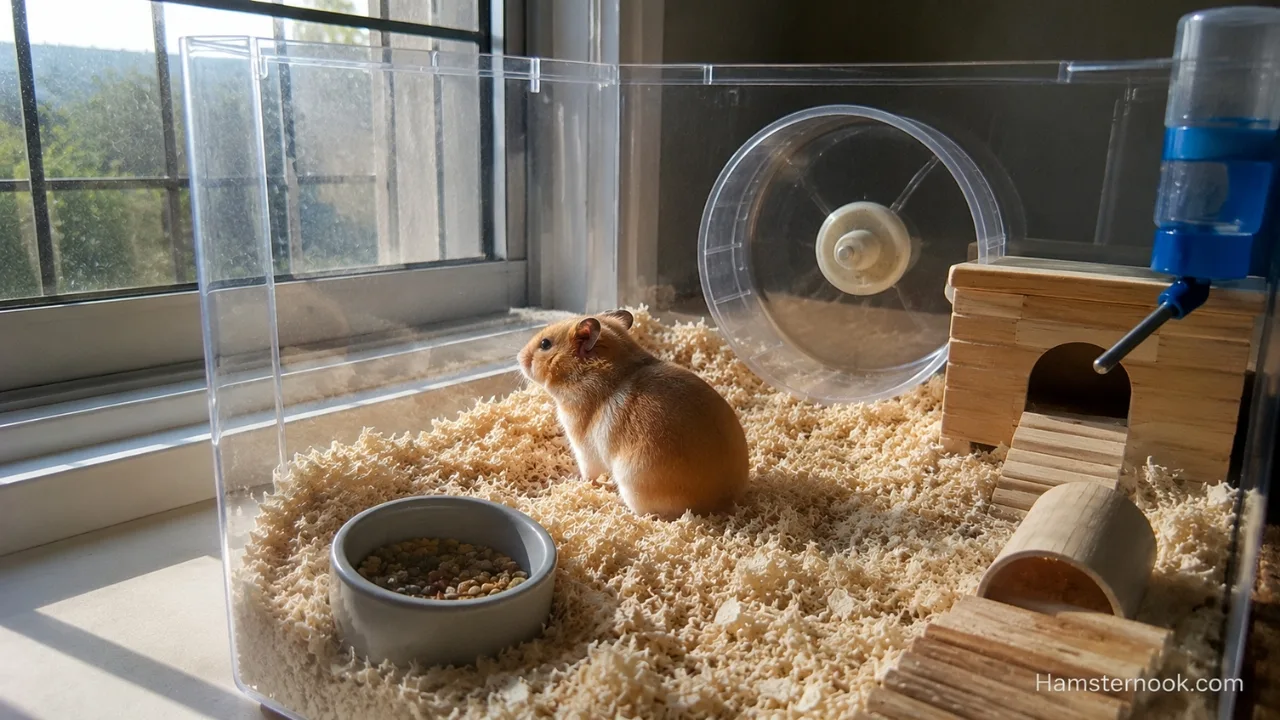
A stressed hamster may stop engaging in normal behaviors.
Stress often affects multiple behaviors at the same time. Our Hamster Body Language Explained: Signs of Stress, Fear & Happiness guide explains the subtle signals that may appear before obvious behavioral changes become noticeable.
When a hamster feels unsafe, it may spend more time hiding in one location rather than exploring and digging.
Common stress triggers include:
- Frequent cage cleaning
- Loud household noises
- Lack of hiding places
- Excessive handling
- Bright lighting
If your hamster also exhibits nervous behaviors, Signs Your Hamster Is Stressed and How to Fix It can help identify additional environmental factors affecting your pet.
As a hamster becomes more comfortable and secure, natural behaviors such as digging, exploring, and foraging often become more noticeable.
The Cage Layout May Be Working Against Your Hamster
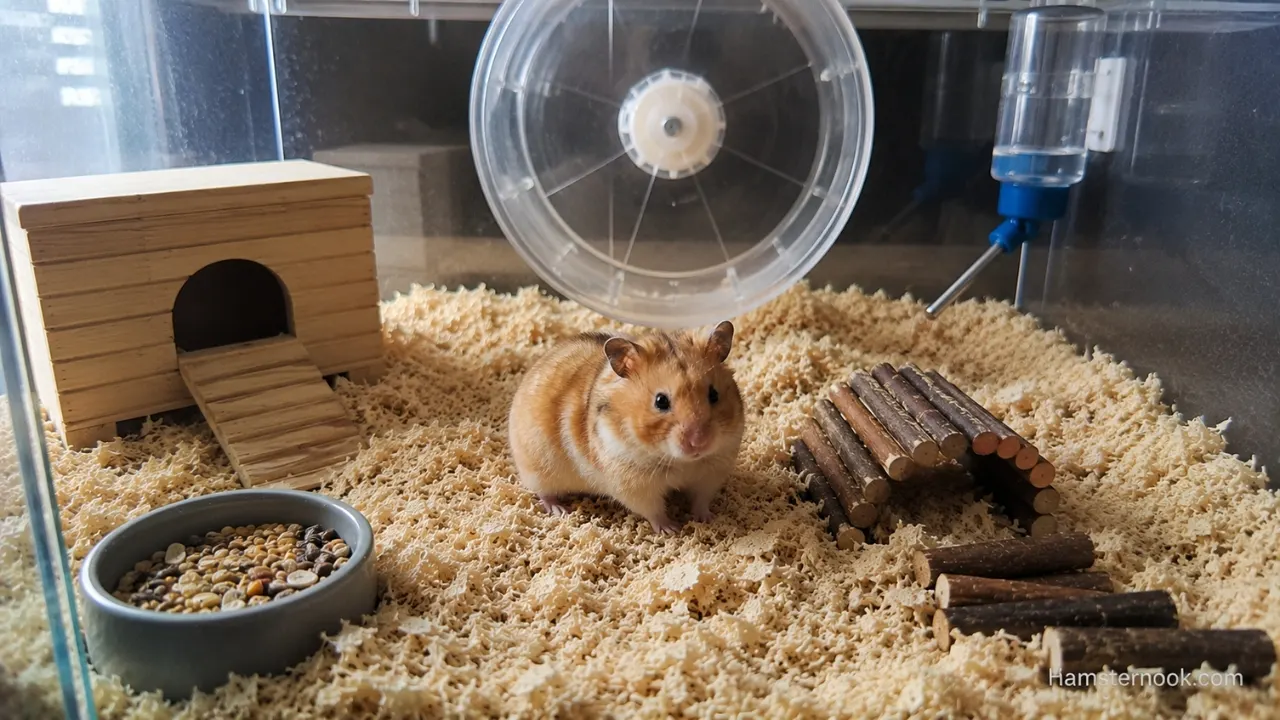
Sometimes owners unintentionally discourage burrowing through cage design.
Heavy items placed directly on loose bedding can make digging unsafe because tunnels may collapse.
Better Cage Setup for Burrowing
| Good Practice | Why It Helps |
|---|---|
| Deep bedding section | Allows tunnel construction |
| Platforms under heavy items | Prevents tunnel collapse |
| Multiple hideouts | Encourages exploration |
| Scatter feeding | Promotes natural foraging |
| Open digging areas | Supports burrow expansion |
Providing a dedicated deep-bedding zone can make a significant difference.
Many experienced owners find that keeping one side of the enclosure especially deep allows hamsters to develop more stable tunnel systems while leaving other areas available for wheels, sand baths, and feeding stations.
Different Hamster Species Burrow Differently
Different hamster species often display slightly different burrowing habits.
General Burrowing Tendencies
| Species | Typical Burrowing Interest |
|---|---|
| Syrian Hamster | High |
| Winter White Dwarf | High |
| Campbell’s Dwarf | Moderate to High |
| Roborovski Hamster | Moderate |
| Chinese Hamster | Moderate |
Individual personality still matters more than breed stereotypes, but species differences can influence expectations.

When Should You Be Concerned About a Lack of Burrowing?
Burrowing becomes more concerning when a hamster that previously dug regularly suddenly stops.
Pay closer attention if the change occurs alongside:
- Reduced activity
- Appetite changes
- Weight loss
- Weakness
- Difficulty moving
The absence of burrowing alone is usually less important than the presence of additional symptoms.
Could a Health Problem Be Preventing Burrowing?
Sometimes.
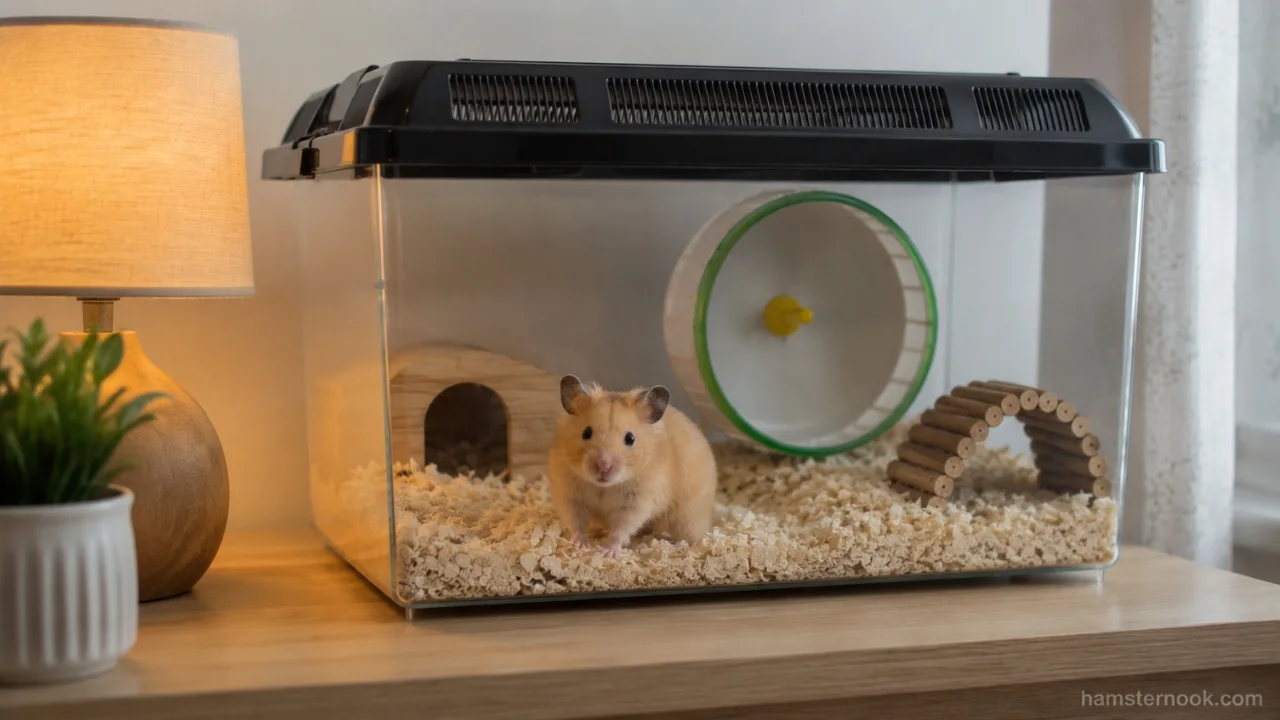
A hamster that suddenly stops burrowing after previously digging regularly may be experiencing a health issue.
Possible warning signs include:
- Weight loss
- Lethargy
- Poor appetite
- Difficulty moving
- Hunched posture
- Changes in grooming habits
A healthy hamster usually remains curious and active during its awake periods.
If behavioral changes appear alongside other symptoms, veterinary advice is recommended.

How to Encourage Burrowing Naturally
Rather than trying to make your hamster dig, focus on creating an environment where digging feels natural, safe, and rewarding.
Increase Bedding Gradually
Adding several inches of suitable bedding is often the most effective change.
Compress the bedding slightly during setup to help tunnels remain stable.
Scatter Food Around the Cage
Rather than always using a food bowl, scatter some food throughout the enclosure.
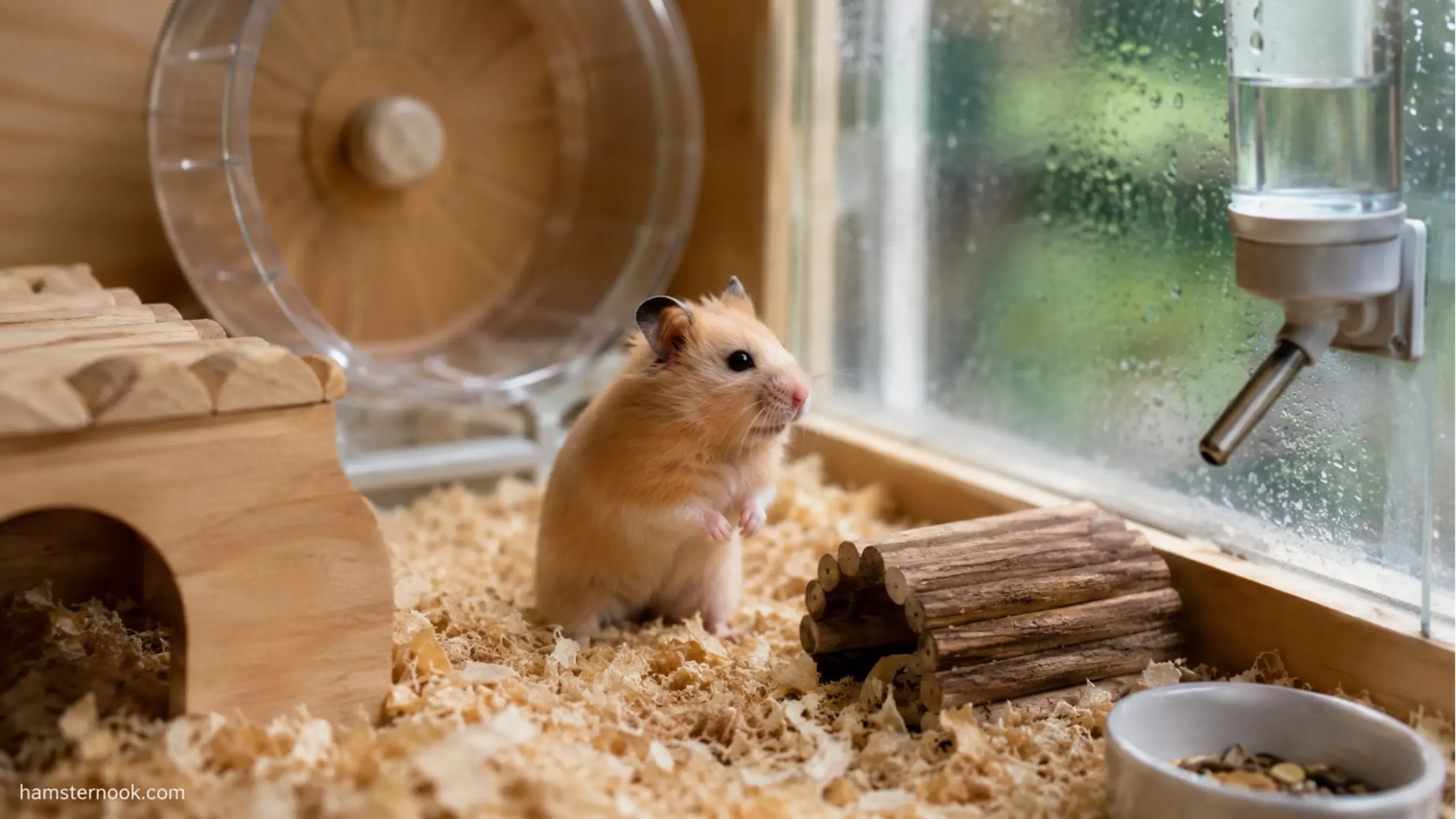
This encourages natural foraging and exploration.
Many owners notice increased digging when food is hidden within the bedding.
Add Natural Enrichment
Burrowing often works hand-in-hand with enrichment.
Useful additions include:
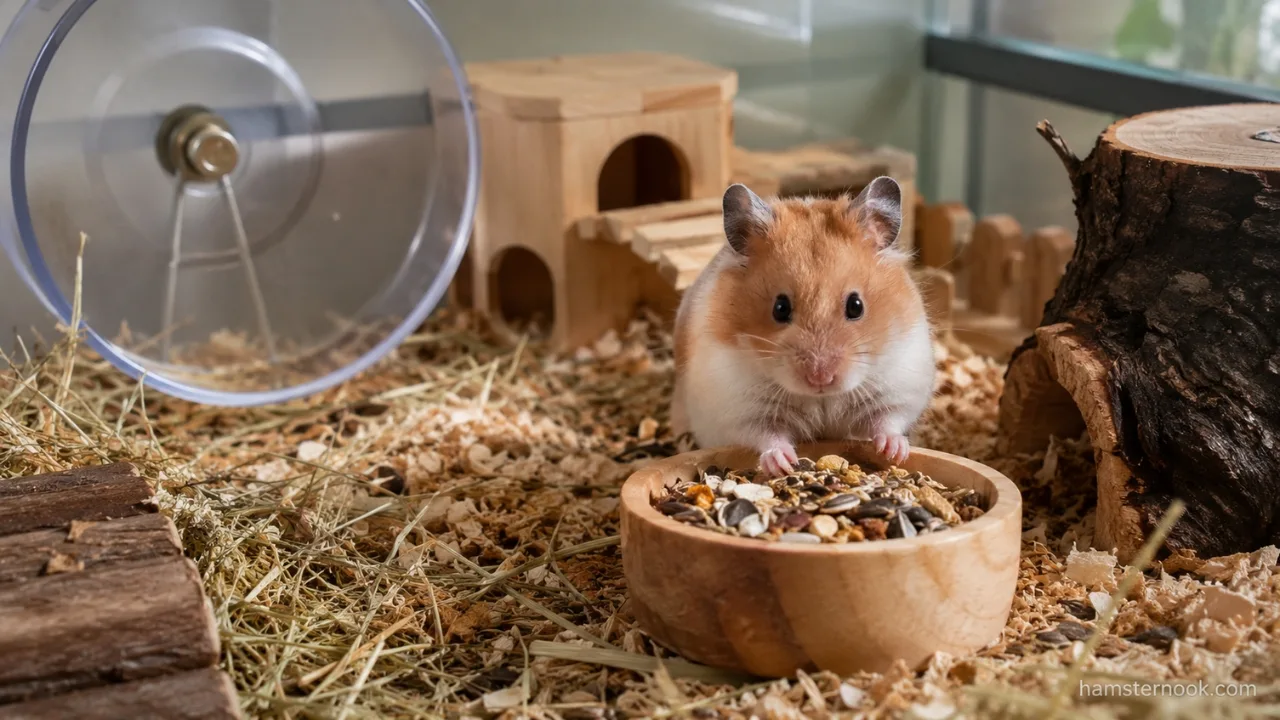
- Cork tunnels
- Cardboard tubes
- Hay
- Dig boxes
- Safe branches
Reduced digging sometimes occurs alongside increased hiding behavior. Our Why Is My Hamster Hiding More Than Usual? When to Worry and When It’s Normal guide explains when hiding is a normal instinct and when it may indicate a problem.
Avoid Frequent Rearranging
Hamsters rely heavily on familiar scents and layouts.
Constantly changing cage decorations may discourage them from investing effort into tunnel construction.
Allow your hamster’s environment to remain stable whenever possible.
Common Mistakes That Prevent Burrowing
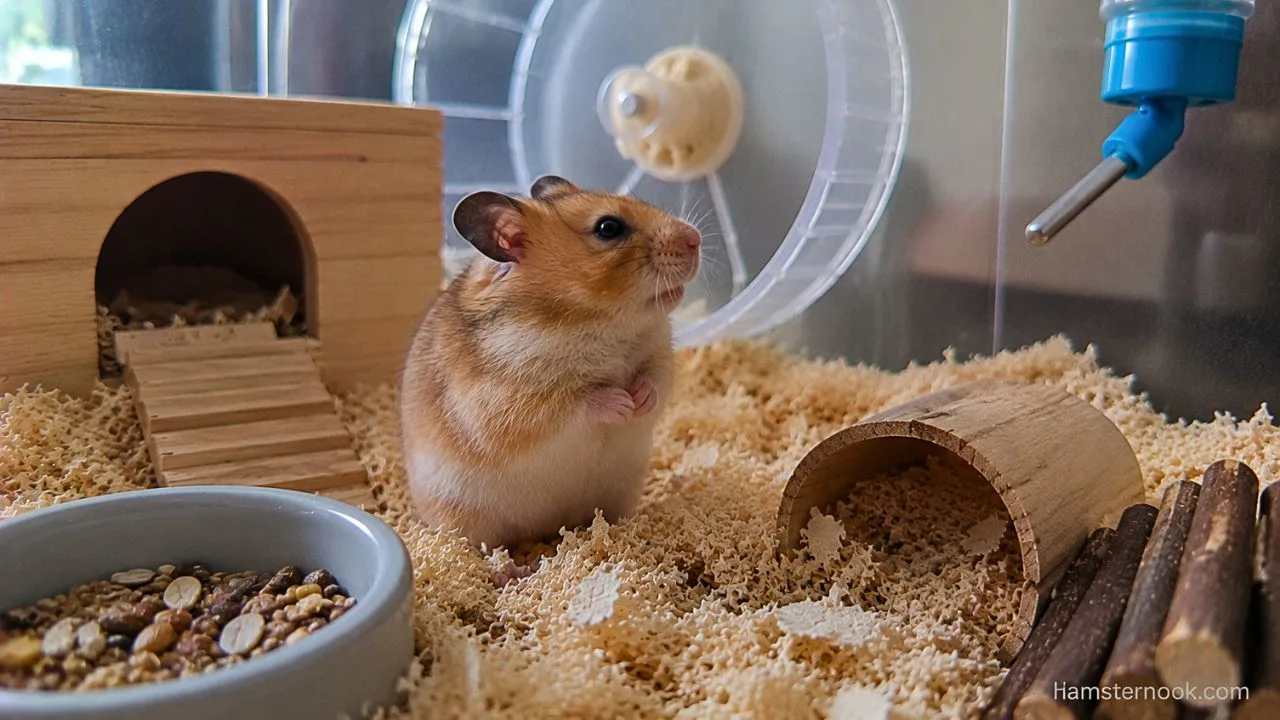
Many well-meaning owners accidentally create conditions that make burrowing difficult.
Frequent Mistakes
| Mistake | Result |
|---|---|
| Using shallow bedding | No space for tunnels |
| Choosing poor-quality substrate | Tunnels collapse |
| Over-cleaning the cage | Removes familiar scents |
| Housing in a small cage | Reduced natural behaviors |
| Disturbing burrows frequently | Discourages digging |
| Placing heavy objects on bedding | Unsafe tunnel conditions |
Correcting even one or two of these issues often leads to noticeable improvements.
What If My Hamster Still Doesn’t Burrow?
Some hamsters simply express natural behaviors differently.
A hamster that:
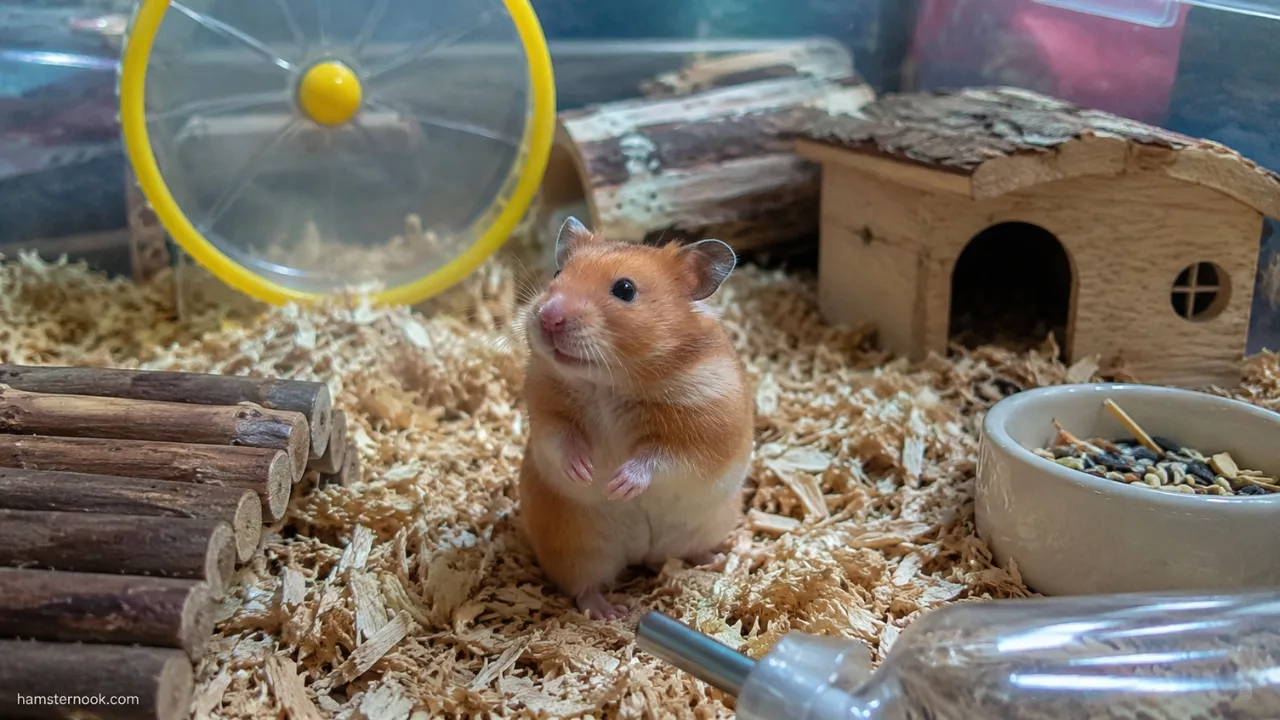
- Eats normally
- Maintains a healthy weight
- Uses its wheel
- Explores regularly
- Shows curiosity
may still be perfectly healthy even if it doesn’t build elaborate tunnel systems.
The goal is to provide the opportunity to burrow rather than expecting every hamster to become a master engineer.
Burrowing behavior often develops gradually as a hamster becomes comfortable in its environment. Giving your hamster time, space, and suitable bedding is usually more effective than trying to force digging behavior.
Final Thoughts
When a hamster avoids burrowing, the explanation is often found in its surroundings rather than a lack of natural instinct. Inadequate bedding depth, unsuitable substrate, stress, cage size limitations, and adjustment periods are among the most common reasons burrowing doesn’t occur.

The good news is that many burrowing problems improve once the enclosure better matches a hamster’s natural needs. Providing deep, supportive bedding, reducing stress, maintaining a stable environment, and allowing your hamster time to settle often leads to more natural digging behavior.
Some hamsters build extensive tunnel systems, while others are satisfied with a few sleeping chambers and short burrows. Both can be perfectly normal as long as the hamster remains active, healthy, and able to express natural behaviors.
Frequently Asked Questions
Why won’t my hamster burrow even with deep bedding?
Some hamsters need time to adjust to a new environment. Others may dislike the bedding type or prefer nesting under hides before creating tunnels.
How deep should hamster bedding be for burrowing?
Most hamsters benefit from at least 8 inches of bedding, with deeper substrate often producing better burrowing behavior.

What is the best bedding for hamster burrows?
Unscented paper-based bedding is generally considered one of the best options because it holds tunnels well and is safe for hamsters.
Do all hamster species burrow?
Most hamster species naturally burrow, but the amount and complexity of digging can vary between individuals and breeds.
Should I destroy old hamster tunnels when cleaning?
No. Preserving parts of existing tunnel systems and familiar scents can reduce stress and encourage continued burrowing.
Is it bad if my hamster sleeps above ground?
Not necessarily. Some hamsters choose hides, houses, or surface nests even when deep bedding is available. This behavior alone does not usually indicate a problem.
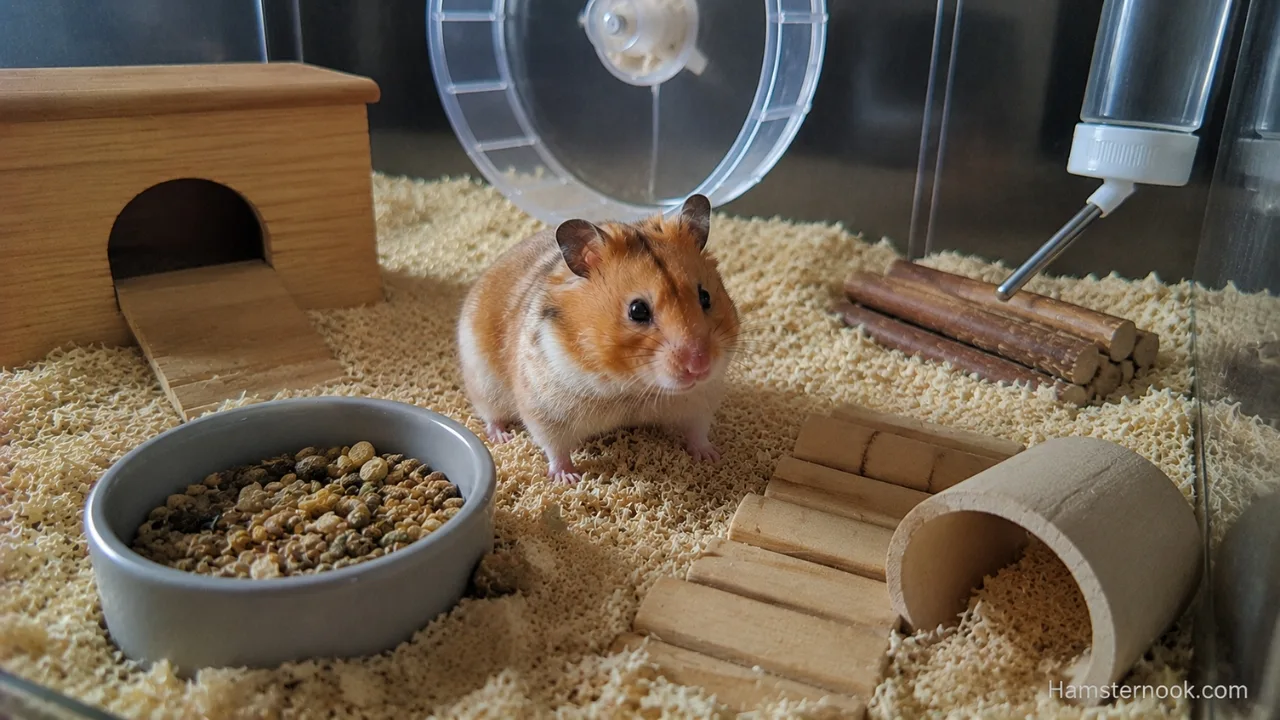
Can a hamster be healthy even if it rarely burrows?
Yes. Some hamsters naturally burrow less than others. If your hamster is eating normally, maintaining a healthy weight, staying active during its waking hours, and showing normal behavior, limited burrowing alone is not usually a cause for concern.
References
This guide draws on recommendations from recognized animal welfare organizations and veterinary resources to provide accurate, practical information about hamster behavior and welfare.
- RSPCA – Hamster Care Advice
- PDSA – Hamster Welfare Guidance
- Blue Cross – Small Pet Care Resources
- Veterinary Partner – Small Mammal Behavior and Husbandry
- Association of Exotic Mammal Veterinarians (AEMV)

Narayan Kumar is the founder and author of HamsterNook. He creates practical, research-based hamster care guides covering hamster behavior, nutrition, cage setup, enrichment, health, and everyday care. His goal is to help hamster owners make informed decisions and provide safer, healthier lives for their pets through clear, beginner-friendly information based on trusted animal care resources.