Many hamster owners focus on food, bedding, and cage accessories but overlook one factor that can affect a hamster’s health every single day: temperature.
Hamsters can regulate their body temperature to some extent, but their small size makes them vulnerable to prolonged heat, cold, and sudden temperature changes. Because pet hamsters depend on their indoor environment for suitable conditions, maintaining a stable room temperature is an important part of everyday care.
In extreme cases, temperatures that are too hot can lead to heatstroke, while temperatures that are too cold may trigger torpor, a dangerous state that many owners mistakenly believe is hibernation.
If you’ve ever worried that your hamster’s room feels too hot in summer or too cold in winter, knowing the safe temperature range can help you avoid problems before they start.
Quick Answer
There is not one universal temperature cutoff for every hamster. PDSA recommends keeping a hamster’s home at a steady 18–21°C (64–70°F), while the MSD Veterinary Manual lists about 18–26°C (64–79°F) as a suitable enclosure temperature. What matters most is keeping the environment stable, avoiding direct sunlight and drafts, and responding promptly to signs of heatstroke, cold stress, or torpor.
What Is the Ideal Temperature for Hamsters?
A stable temperature helps hamsters eat, sleep, and behave normally throughout the year. Even healthy hamsters can become stressed when temperatures remain outside the recommended range for extended periods.
Most pet hamsters are most comfortable when kept in temperatures between 65°F and 75°F (18°C to 24°C).
This range closely matches the conditions in which domesticated hamsters typically thrive. Maintaining a stable environment within these temperatures helps support normal sleeping patterns, activity levels, appetite, and overall health.
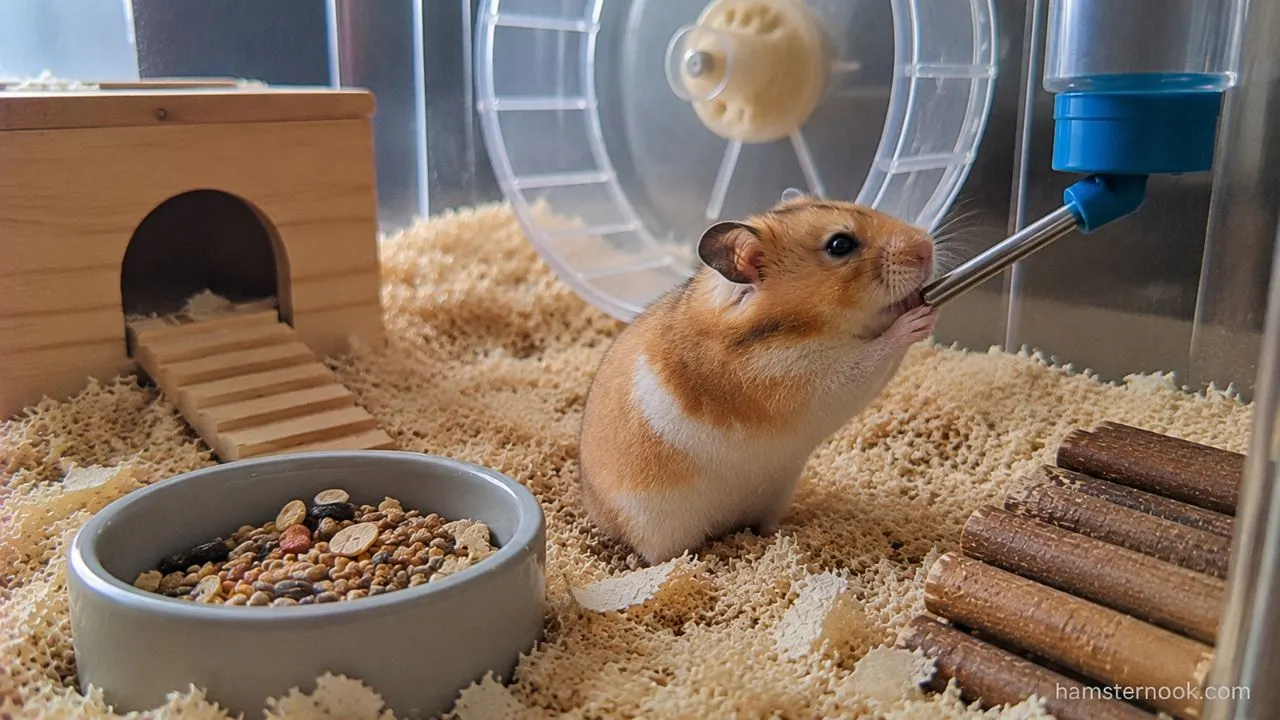
Keeping the temperature consistent is just as important as keeping it within the correct range. Sudden fluctuations can cause stress even if the room remains technically within a safe range.
Room Temperature vs Cage Temperature
The temperature around a hamster’s enclosure can sometimes differ from the temperature shown elsewhere in the room. Direct sunlight, nearby heaters, exterior walls, poor airflow, and enclosed glass habitats can all create warmer or cooler areas around the cage.
For this reason, place a reliable room thermometer close to the enclosure rather than relying only on a thermostat located elsewhere in the home. This gives you a better idea of the conditions your hamster is actually experiencing.
| Temperature Guidance | What It Means |
|---|---|
| 18–21°C (64–70°F) | PDSA recommends keeping a hamster’s home at a steady temperature in this range |
| 18–26°C (64–79°F) | MSD Veterinary Manual lists this as a suitable enclosure temperature |
| Below the recommended range | Monitor for cold stress and changes in activity; torpor can occur if a hamster becomes too cold |
| Hot weather | Keep the enclosure shaded, well ventilated, away from direct sunlight, and provide constant access to fresh water |
| Sudden temperature changes | Avoid rapid changes and drafts; stable conditions are preferable |
How Hot Is Too Hot for a Hamster?
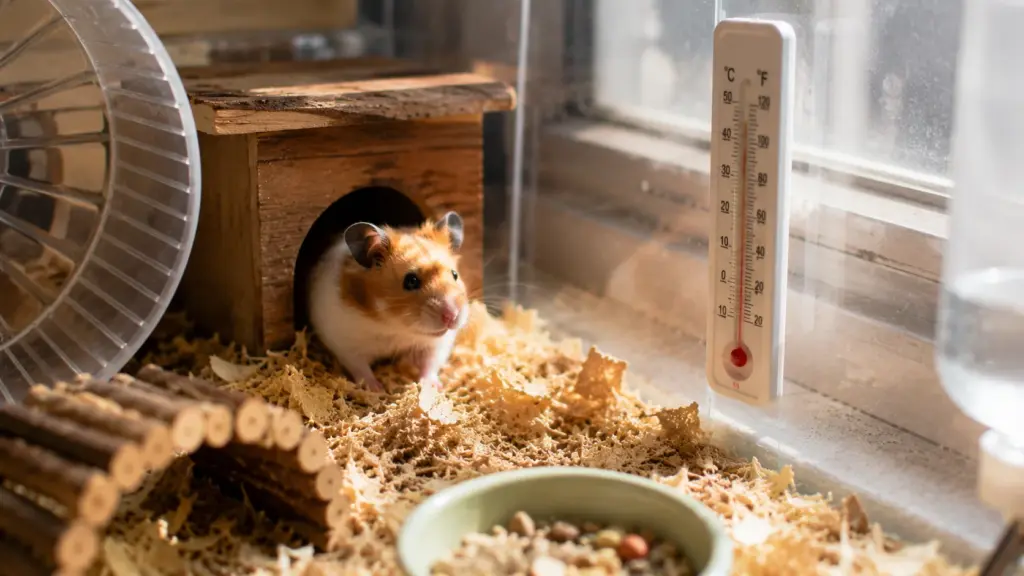
There is no single hamster-specific temperature at which heatstroke is guaranteed to occur. Risk increases when hamsters are exposed to excessive heat, direct sunlight, poor ventilation, or other conditions that make it difficult for them to stay cool.
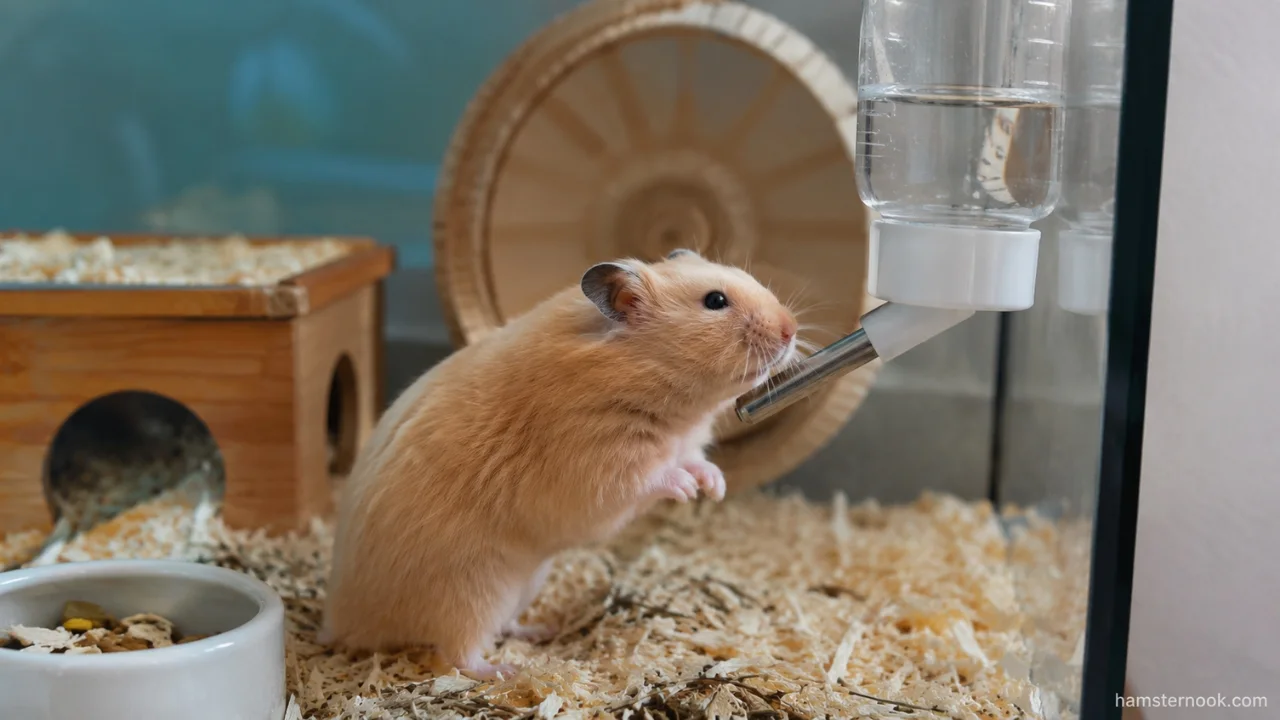
Because hamsters do not sweat like humans, they have limited ways to cool themselves. Once temperatures climb too high, their bodies can struggle to regulate heat effectively.
This becomes even more concerning in glass enclosures placed near windows or in rooms that receive direct sunlight.
Cage placement, ventilation, and enclosure design can all affect how heat builds up around your hamster. Our Best Hamster Cage Setup for Beginners guide explains how to create a safer and more comfortable habitat throughout the year.
Why Heat Affects Hamsters So Quickly
Hamsters have small bodies and limited cooling mechanisms, which means heat can build up faster than many owners expect. Enclosures made of glass can also trap warmth, especially during sunny weather.

Signs Your Hamster Is Too Hot
Watch for these common symptoms:
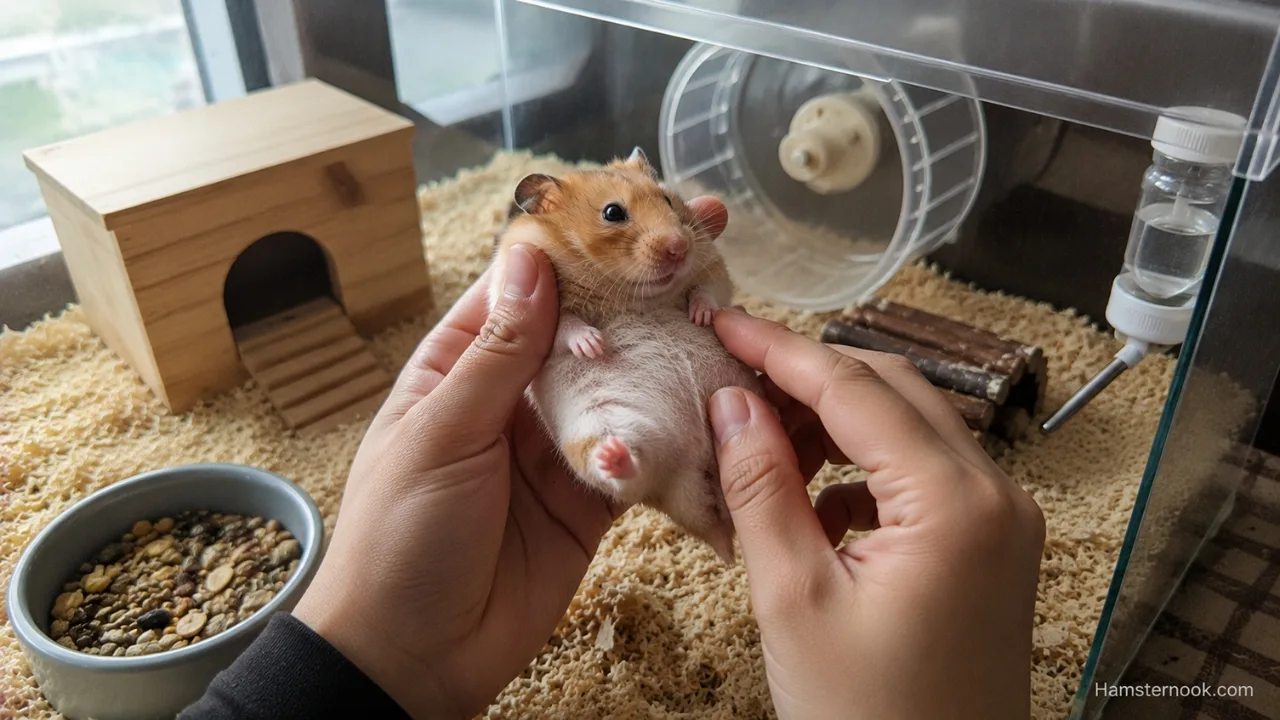
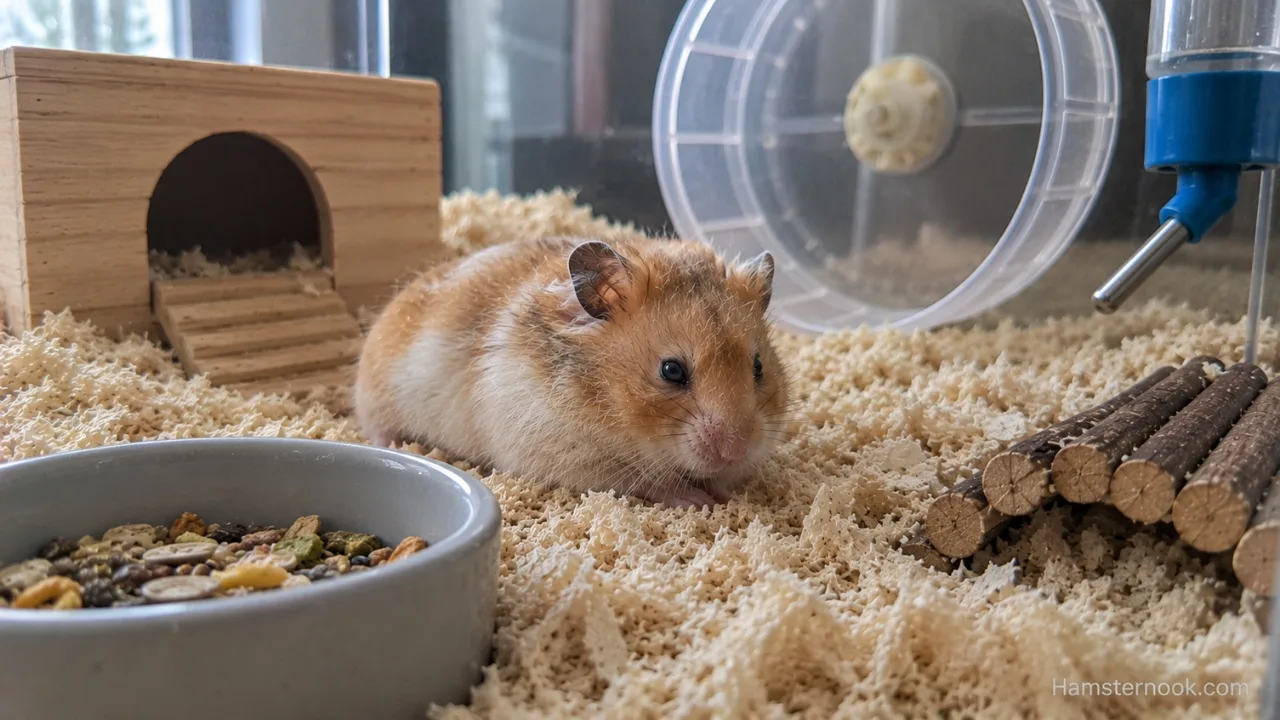
- Lying stretched out unusually flat
- Rapid breathing
- Lethargy
- Reduced activity
- Refusal to exercise
- Drinking more water than usual
- Weakness or unresponsiveness
A hamster showing several of these signs during hot weather should be cooled gradually and monitored closely.
If your hamster shows signs of heatstroke, move the enclosure away from direct heat or sunlight and contact a veterinarian immediately. Heatstroke can be life-threatening, so do not wait for the symptoms to resolve on their own.
Heatstroke in Hamsters: Symptoms and Emergency Risks
Heatstroke is one of the most serious temperature-related emergencies a hamster can experience.
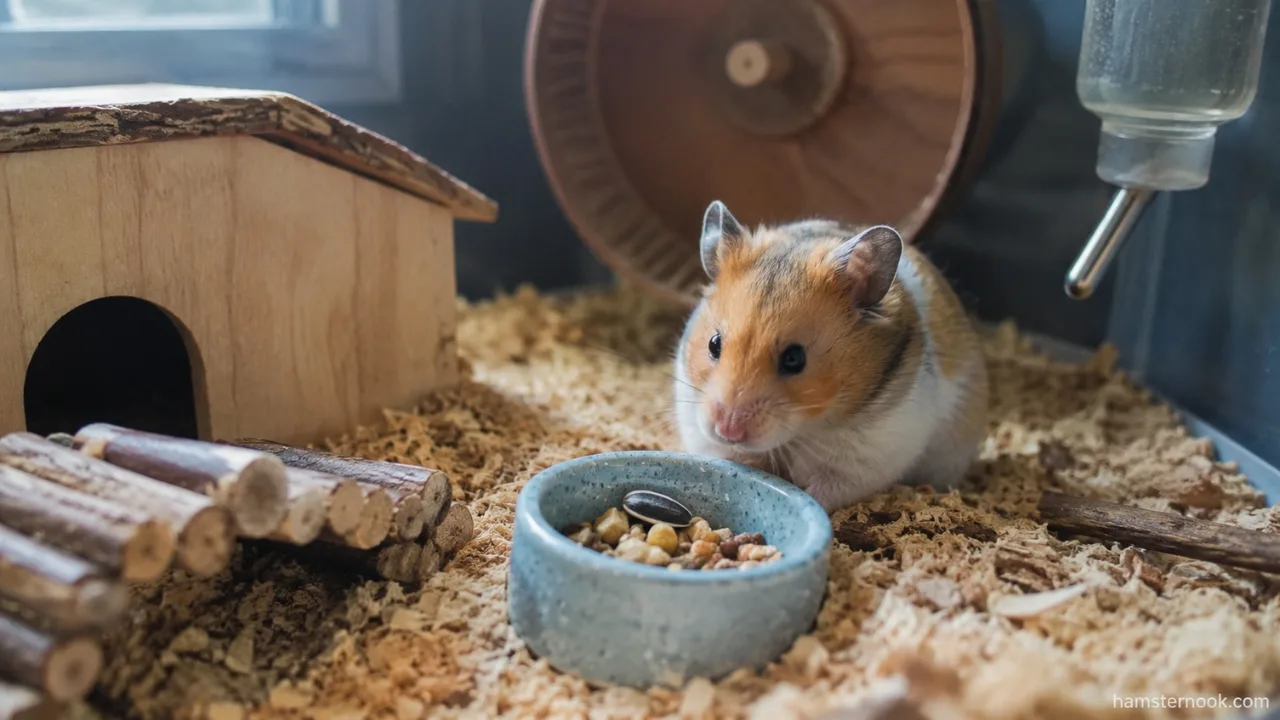
When a hamster’s body temperature rises beyond its ability to cool itself, internal organs may begin to suffer damage.
Common Causes of Heatstroke
| Cause | Why It Is Dangerous |
|---|---|
| Direct sunlight | Rapid cage temperature increase |
| Poor ventilation | Traps heat inside enclosure |
| Heat waves | Raises room temperatures quickly |
| Small enclosed habitats | Reduced airflow |
| Hot cars | Temperatures rise within minutes |
Heatstroke requires immediate attention. A severely overheated hamster may collapse, become unresponsive, or appear extremely weak.
How to Keep Hamsters Cool During Hot Weather
A few simple adjustments can make hot weather much easier for your hamster to handle.
Move the Cage Away From Sunlight
Even indirect sunlight can raise cage temperatures significantly throughout the day.
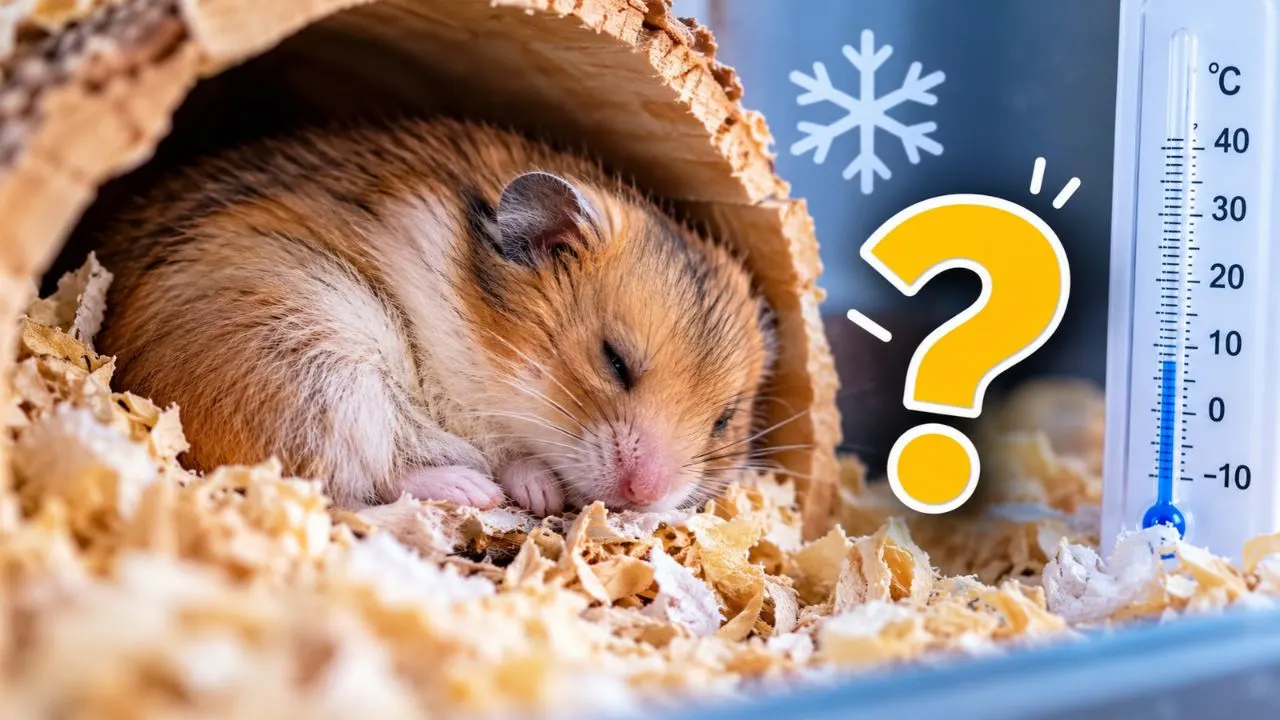
Choose a location away from:
- Windows
- Conservatories
- Sun-facing walls
- Heat-producing appliances
Improve Air Circulation
Good airflow helps prevent heat buildup.
However, avoid placing the cage directly in front of:
- Fans
- Air conditioner vents
- Strong drafts
Direct airflow may create additional stress.

If you use air conditioning during hot weather, our Can Air Conditioning Make Hamster Sick? Safe Temperature & AC Setup guide explains how to keep the room comfortable without exposing the enclosure to direct cold airflow.
Provide Cool Resting Areas
Many hamsters enjoy resting against cool surfaces during warm weather.
Safe options include:
- Ceramic hides
- Ceramic tiles
- Chinchilla-safe cooling platforms
Never place ice directly inside the cage.

Ensure Fresh Water Is Always Available
Hydration becomes especially important during hot weather.
Check water bottles regularly to ensure they are functioning properly.
How Cold Is Too Cold for a Hamster?
Temperatures below the recommended range can increase the risk of cold stress, particularly when the environment remains cold or the hamster cannot maintain a warm nest. PDSA recommends keeping a hamster’s home at a steady 18–21°C (64–70°F).
Many owners assume fur provides enough protection, but hamsters can become dangerously chilled when room temperatures stay too low. However, pet hamsters are not adapted to freezing indoor conditions.
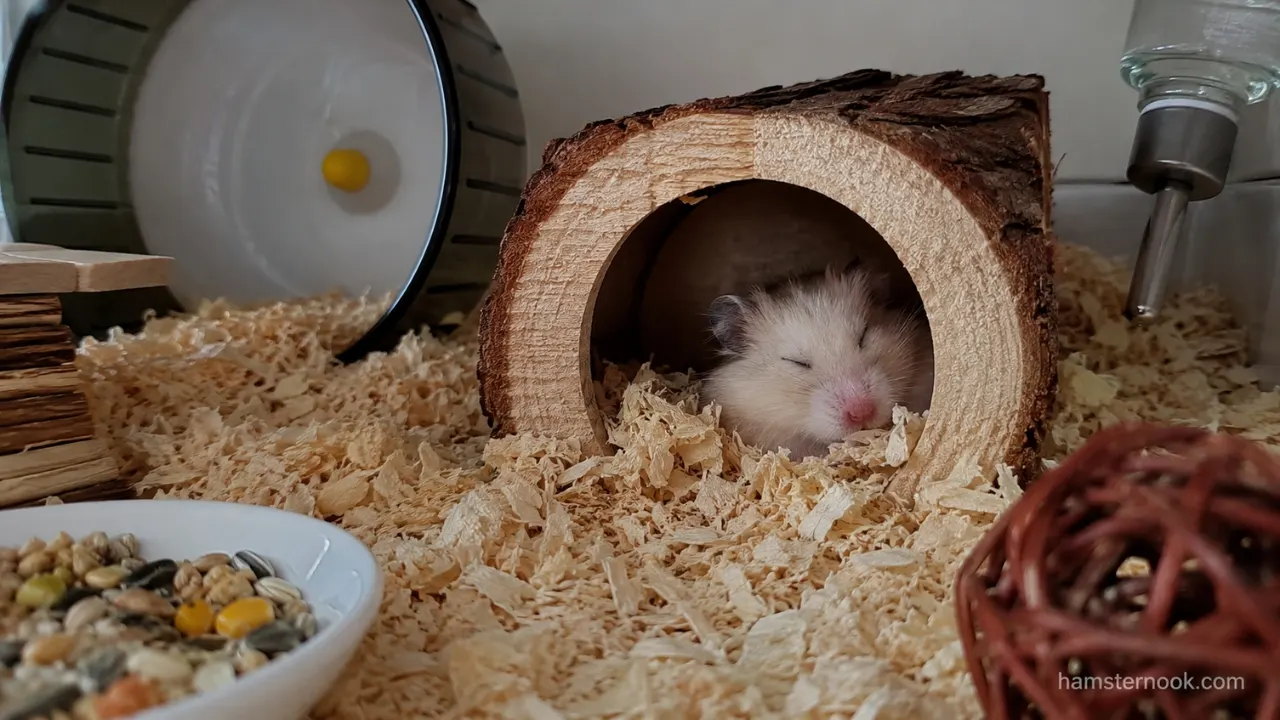
As temperatures drop, hamsters may become less active and spend more time sleeping.
If the temperature falls significantly lower, a dangerous condition known as torpor can occur.
What Is Torpor and Why Is It Dangerous?
Torpor is a temporary state where a hamster’s body slows down dramatically in response to cold temperatures or other stressors.
Many owners mistake torpor for hibernation or even death.
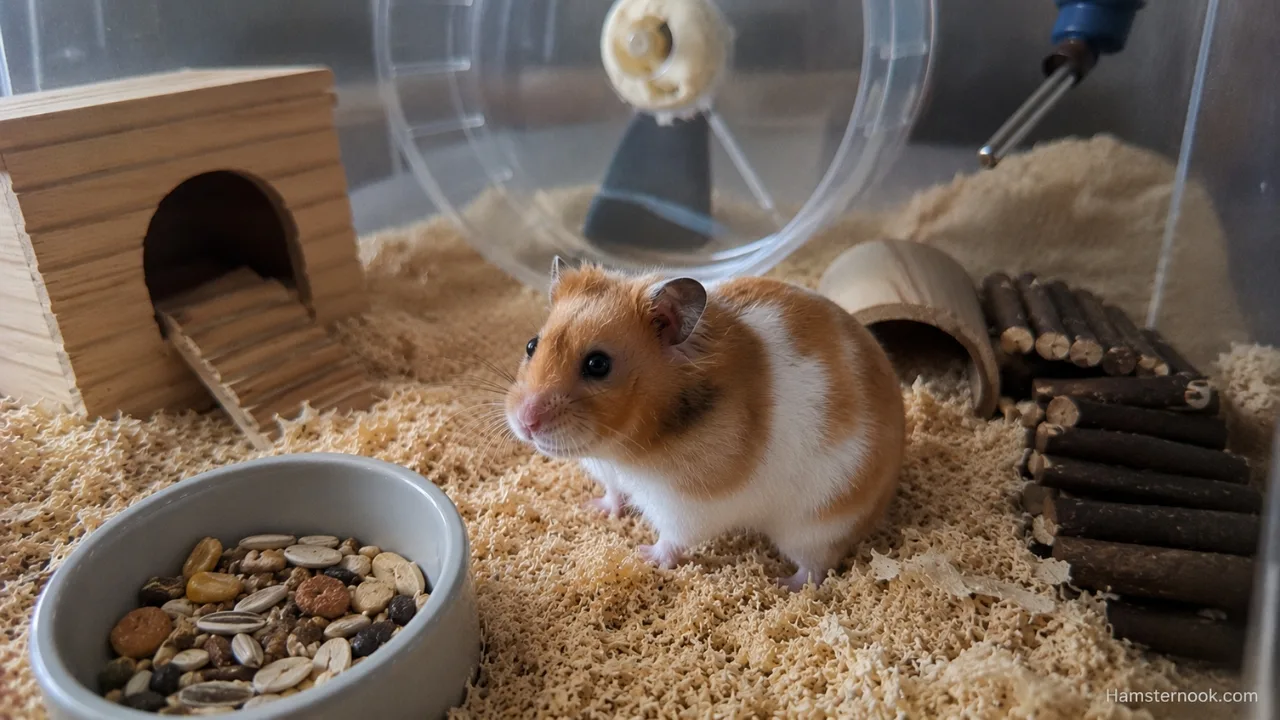
During torpor, a hamster may appear:
- Extremely still
- Cold to the touch
- Difficult to wake
- Barely breathing
Unlike true hibernation, torpor is not a healthy or desirable condition for pet hamsters.
Older hamsters may naturally become less active, which can make cold-related behavior changes harder to recognize. Our Is Your Hamster Getting Old? guide explains how normal age-related changes can affect activity, sleep, and daily behavior.
Why Cold Temperatures Can Be Misleading
A hamster affected by cold may become unusually inactive, sleepy, or difficult to wake. Because these signs can resemble normal sleep, check the room temperature and seek veterinary advice if your hamster is very cold, difficult to wake, weak, or otherwise unresponsive.
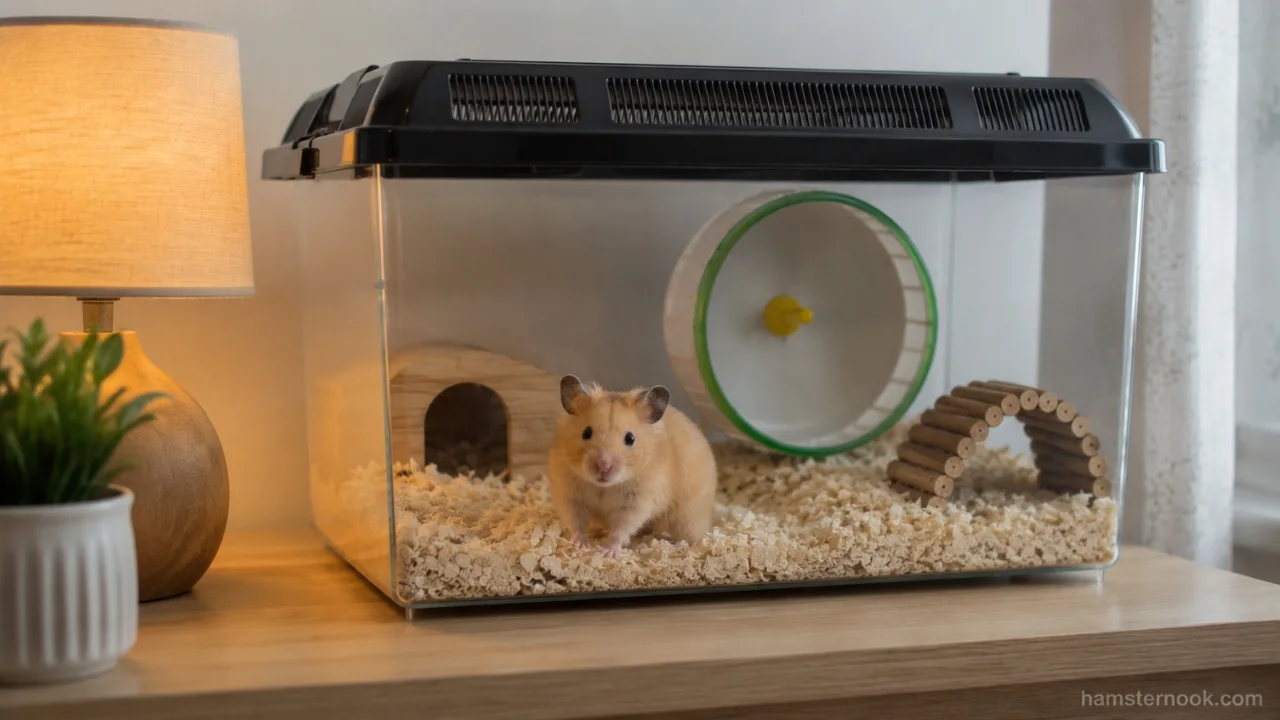
Signs Your Hamster Is Too Cold
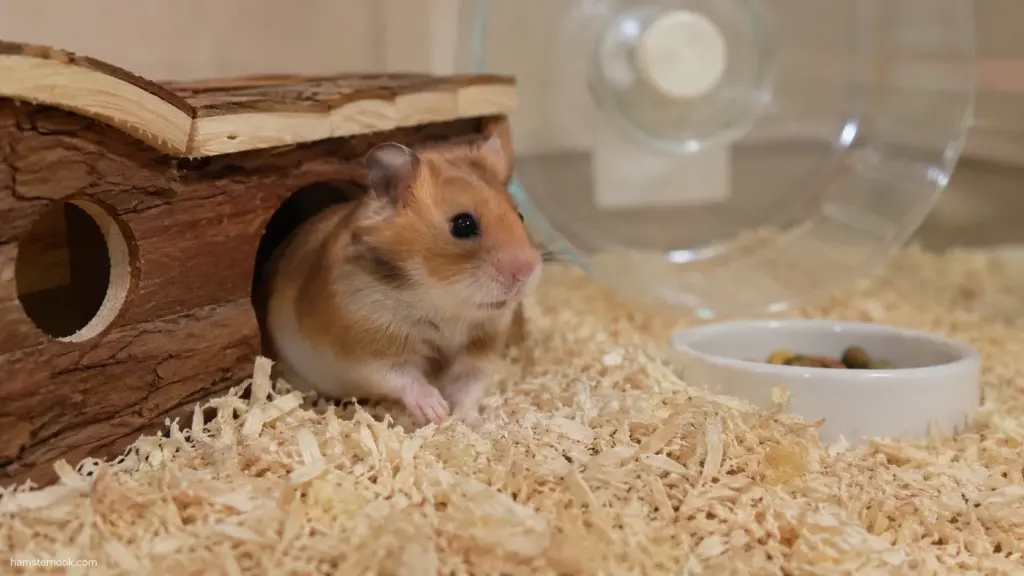
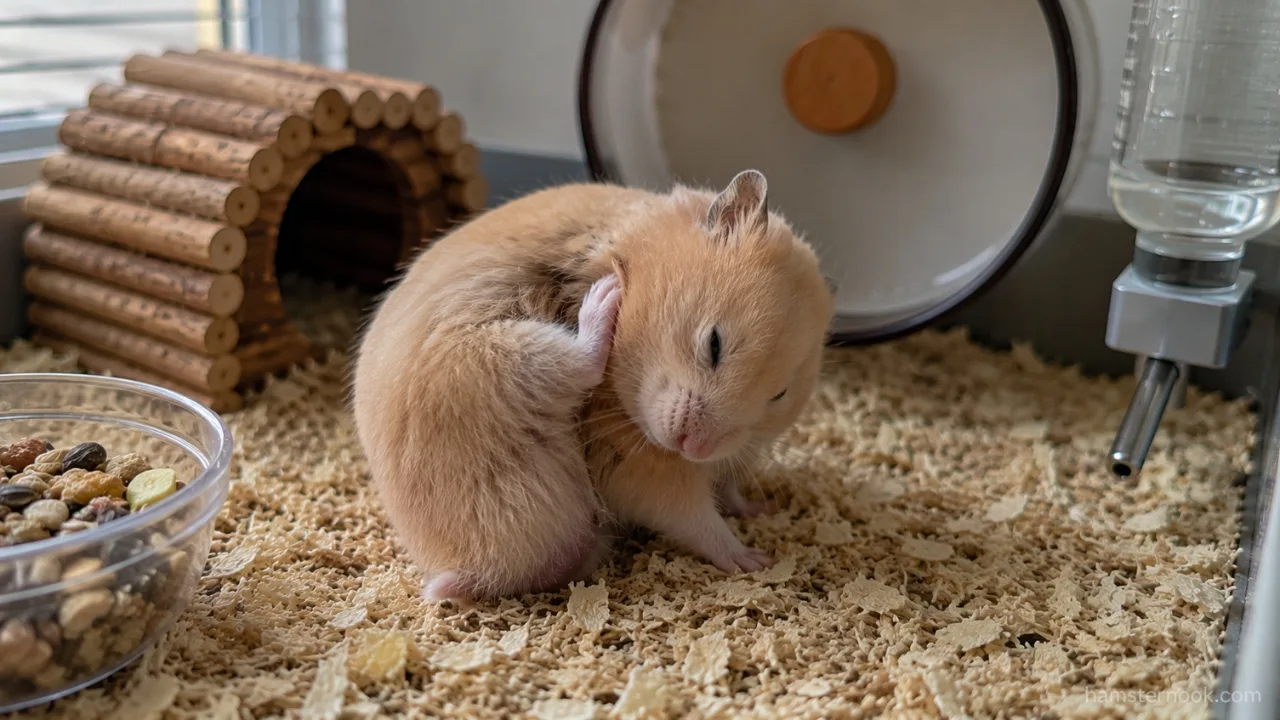
Cold stress often develops gradually.
Common signs include:
| Symptom | What It May Indicate |
|---|---|
| Increased sleeping | Trying to conserve energy |
| Curled-up posture | Attempting to stay warm |
| Reduced activity | Low body temperature |
| Cold ears or feet | Chilling |
| Slower movement | Early cold stress |
| Torpor-like state | Serious temperature issue |
If your hamster seems unusually inactive during colder months, temperature should be one of the first things you check.
If your hamster feels unusually cold, our Why Does My Hamster Feel Cold? guide covers warning signs, possible causes, and what to do next.
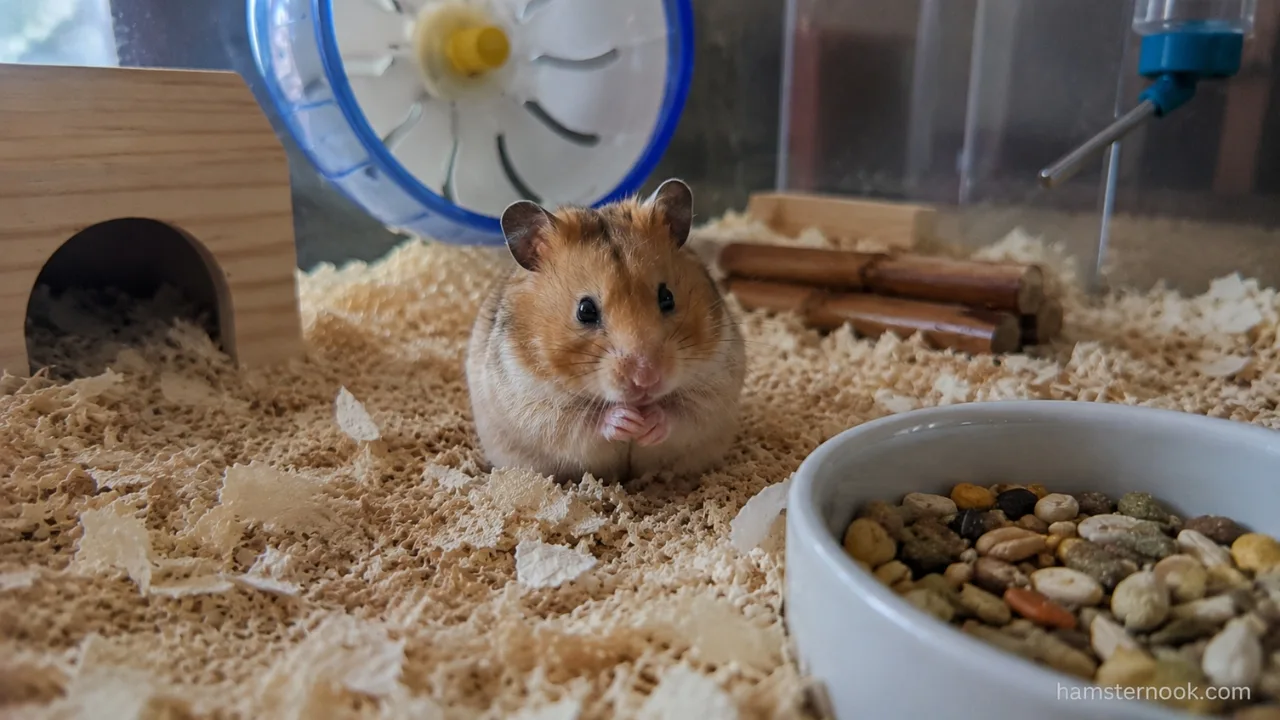
If your hamster is very cold, difficult to wake, weak, or breathing abnormally, do not assume it is simply sleeping. Contact a veterinarian promptly, especially if torpor is suspected.
How to Keep Hamsters Warm in Winter
Maintaining a stable environment is usually more effective than trying to warm a hamster directly.
Keep the Cage Away From Drafts
Avoid placing cages near:
- Exterior doors
- Open windows
- Drafty hallways
- Poorly insulated walls
Small temperature changes can have a larger impact on hamsters than many owners realize.
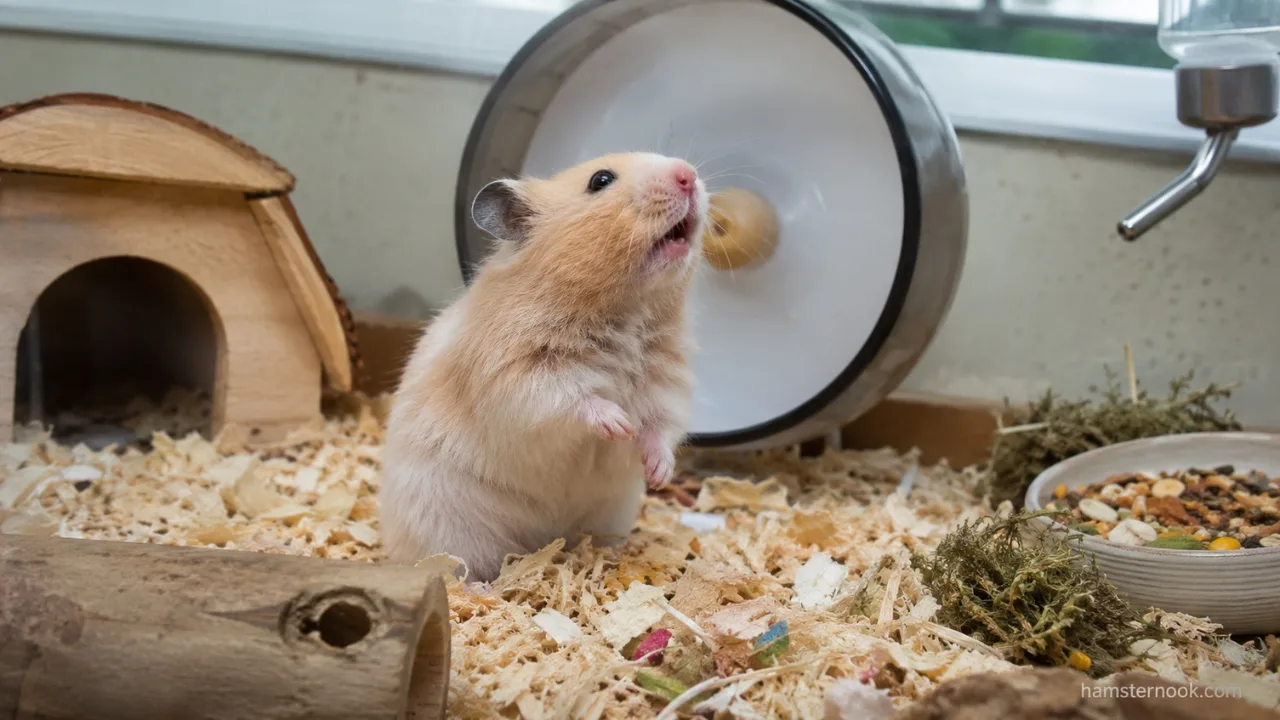
Provide Adequate Bedding
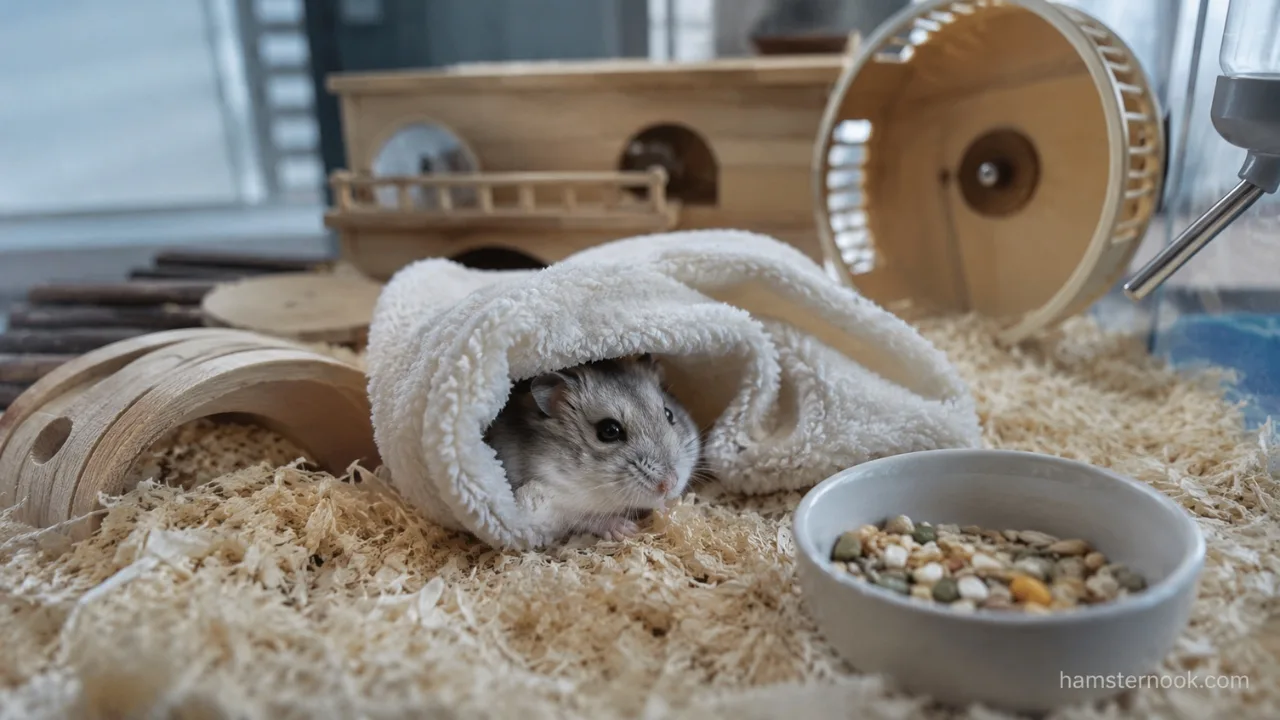
Deep bedding allows hamsters to create insulated sleeping areas.
Many hamsters naturally build warmer nests when temperatures drop.
Bedding depth and burrowing behavior can influence how hamsters create comfortable nesting areas. Our Why Isn’t My Hamster Burrowing? guide explains what can affect normal digging and nesting behavior.
Maintain Consistent Room Temperatures
A stable indoor temperature is often the best solution.
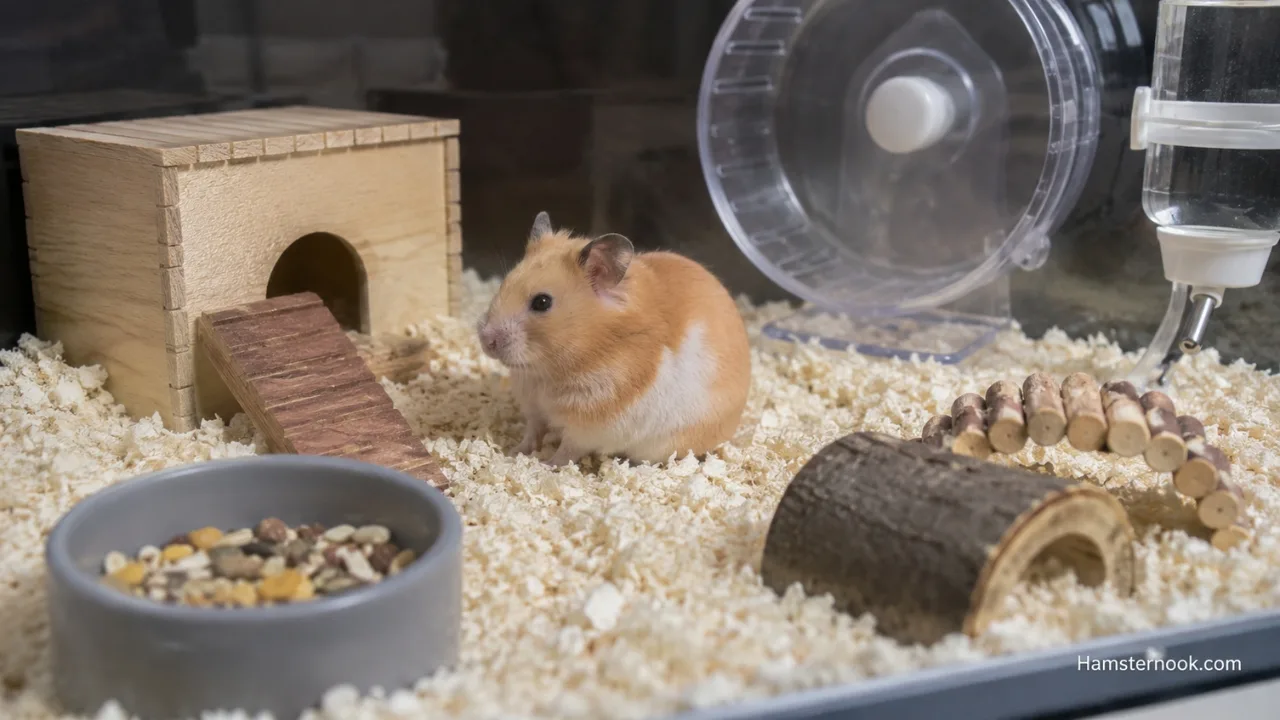
Avoid dramatic daytime and nighttime temperature swings whenever possible.
Common Temperature Mistakes Hamster Owners Make
Many temperature-related problems occur because owners unintentionally create unsafe conditions.
Placing the Cage Near a Window
Windows can expose cages to:
- Direct sunlight
- Cold drafts
- Rapid temperature changes
Even a room that feels comfortable to you may become unsafe inside a cage positioned near a window.

Assuming Fur Provides Enough Protection
Hamsters have fur, but they are still vulnerable to both heat and cold.
Environmental temperature remains one of the most important factors in their care.
Ignoring Seasonal Changes
A cage location that works perfectly in spring may become problematic in summer or winter.
Regularly reassessing your hamster’s environment helps prevent seasonal issues.

Using Unsafe Heating Devices
Heating pads, heat lamps, and similar devices can create overheating risks if used improperly.
Most healthy hamsters simply need a stable room temperature rather than direct heat sources.
Do Different Hamster Species Handle Temperature Differently?
There is not enough reliable evidence to recommend substantially different household temperature ranges for each common pet hamster species. A stable, suitable room temperature and protection from direct heat, sunlight, drafts, and sudden changes are more useful than trying to maintain a separate temperature range for each species.
| Species | Temperature Guidance |
|---|---|
| Syrian Hamster | Keep in a stable, suitable indoor temperature |
| Roborovski Hamster | Keep in a stable, suitable indoor temperature |
| Winter White Hamster | Keep in a stable, suitable indoor temperature |
| Campbell’s Dwarf Hamster | Keep in a stable, suitable indoor temperature |
| Chinese Hamster | Keep in a stable, suitable indoor temperature |
Regardless of species, none should be exposed to extreme heat or cold.

How to Monitor Your Hamster’s Temperature Safely
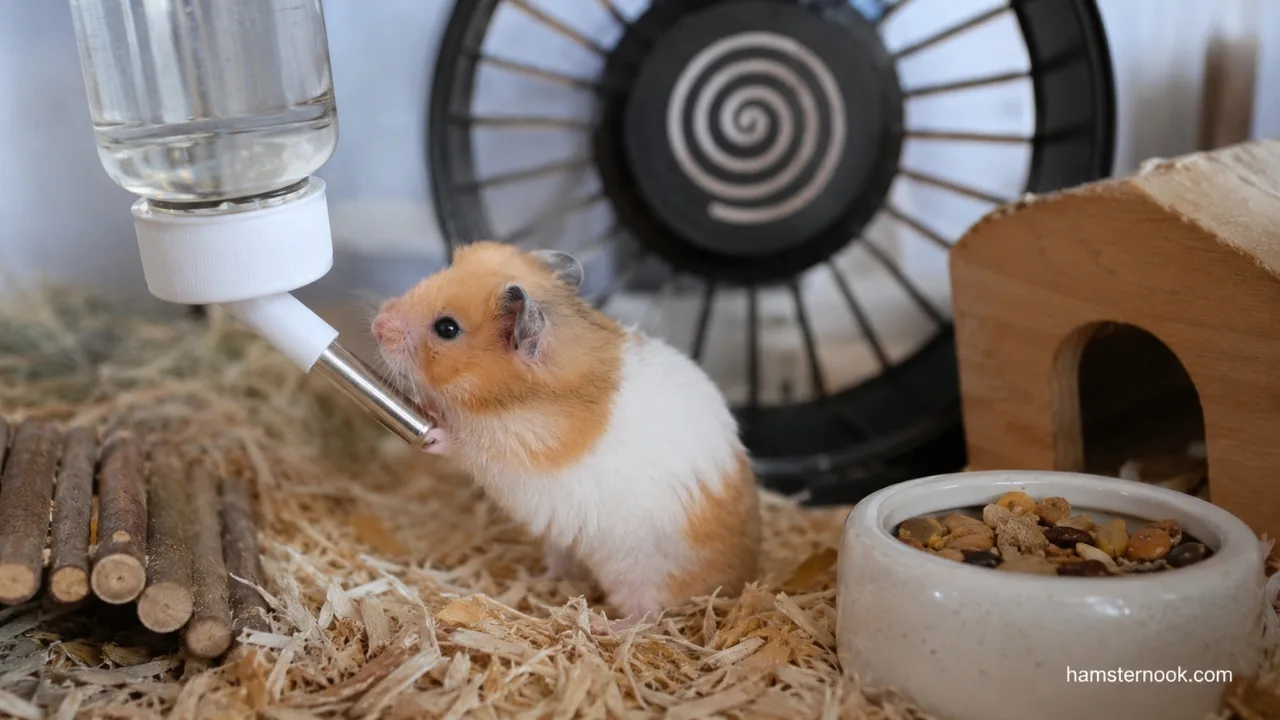
One of the easiest ways to protect your hamster is by using a simple room thermometer.
Place it near the cage, but not directly inside nesting areas.
Check the thermometer at different times of day, especially during very hot or cold weather. A room that feels comfortable in the morning may become significantly warmer in the afternoon if sunlight reaches the enclosure area.
This allows you to monitor:
- Daily temperature changes
- Seasonal shifts
- Potential problem areas in the room
Temperature and cage placement are easy for first-time owners to overlook while focusing on food, bedding, and handling. Our Biggest Mistake New Hamster Owners Make in the First Week guide covers several environmental and routine-related mistakes that can affect a new hamster.
Creating a Safe Year-Round Environment
It’s much easier to keep temperatures stable than to deal with the health problems that can follow overheating or cold stress.
A well-designed habitat should include:
- Proper ventilation
- Deep bedding
- Stable room temperatures
- Fresh water access
- Protection from direct sunlight
- Protection from drafts
Overall habitat quality also affects comfort, activity, and daily behavior. Stable temperatures, suitable bedding, good ventilation, and a consistent day-night environment can help reduce unnecessary environmental stress. Our Best Hamster Cage Setup for Beginners guide explains how to create a safe and comfortable living environment for your hamster.
Seasonal Temperature Checklist
During summer:
- Monitor room temperatures daily
- Keep cages away from direct sunlight
- Ensure water bottles are functioning properly
During winter:
- Check for drafts around the enclosure
- Maintain stable room temperatures
- Provide enough bedding for nesting
Final Thoughts
Temperature is one of the most overlooked aspects of hamster care, yet it has a direct impact on your pet’s comfort, behavior, and health.
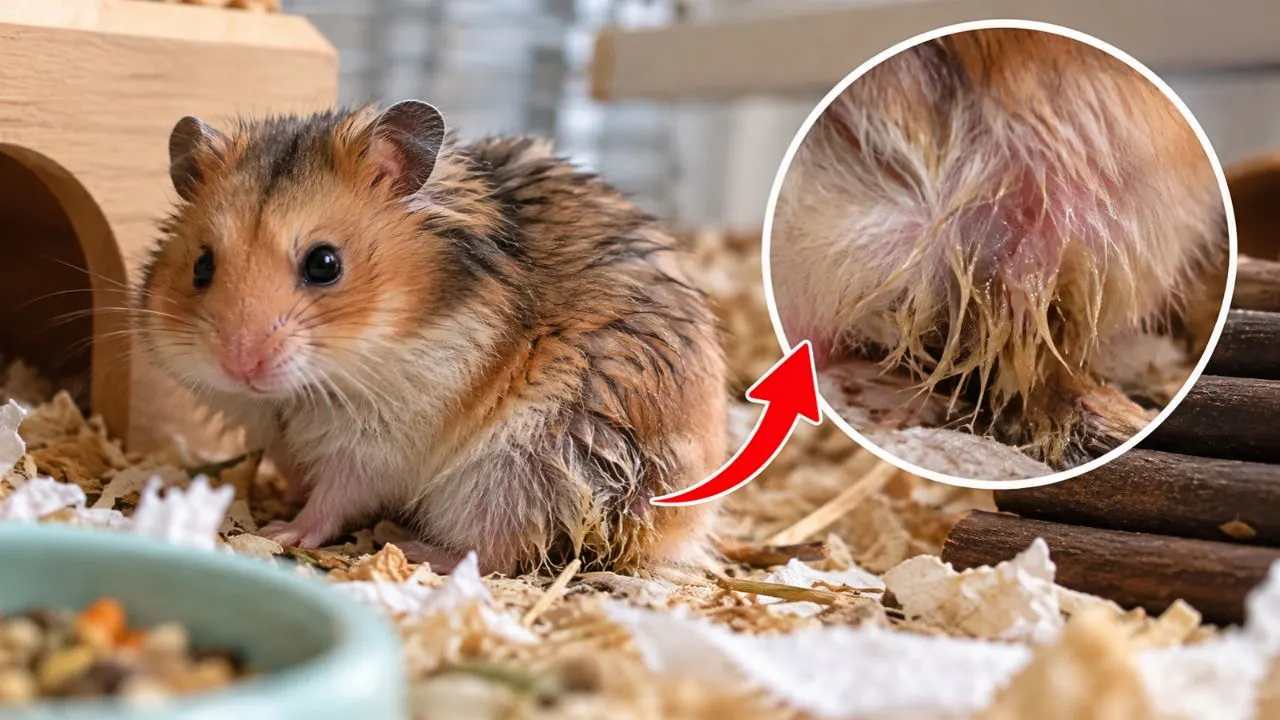
In general, temperatures between 65°F and 75°F (18°C to 24°C) provide the safest environment for most pet hamsters. Prolonged exposure to temperatures above 80°F can increase the risk of overheating and heatstroke, while temperatures below 65°F may lead to cold stress and, in severe cases, torpor.
Regularly checking room temperatures and making small seasonal adjustments can go a long way toward keeping your hamster comfortable year-round.
Frequently Asked Questions
What temperature is dangerous for hamsters?
Temperatures above 85°F (29°C) and below 50°F (10°C) are generally considered dangerous and can lead to serious health risks.
Can hamsters survive hot weather without air conditioning?
Many hamsters can tolerate warm weather if room temperatures remain within a safe range and proper cooling measures are provided. During heat waves, additional monitoring becomes important.
Is 60°F too cold for a hamster?
Yes, 60°F (16°C) is generally colder than recommended for long-term comfort and may increase the risk of cold stress.
How do I know if my hamster has heatstroke?
Signs may include rapid breathing, weakness, lethargy, stretched-out posture, and reduced responsiveness during hot conditions.
Can hamsters hibernate if they get cold?
Pet hamsters do not enter true hibernation under normal household conditions. Cold temperatures may trigger torpor, which is a potentially dangerous state.
Should I use a heating pad for my hamster in winter?
Heating pads are usually unnecessary if room temperatures remain stable. Improper use may create overheating risks, so maintaining a safe ambient temperature is generally the better approach.
What is the best room temperature for a hamster?
A stable room temperature around 65°F to 75°F (18°C to 24°C) is generally suitable for pet hamsters. Avoid placing the enclosure where direct sunlight, drafts, heaters, or air-conditioning vents can cause rapid temperature changes.
References
This guide is based on hamster temperature management, housing, environmental care, heat and cold safety, and welfare guidance from trusted veterinary and animal welfare resources, including:
- PDSA – Hamsters as Pets – Guidance on hamster care, suitable environmental conditions, temperature management, housing, and welfare.
- MSD Veterinary Manual – Providing a Home for a Hamster – Veterinary guidance on hamster housing, enclosure temperature, bedding, ventilation, and environmental management.
- RSPCA – Creating a Good Home for Hamsters – Guidance on hamster housing, bedding, environmental conditions, ventilation, and protecting hamsters from unsuitable surroundings.
- RSPCA – Hamster Health & Welfare – Information on recognizing health concerns and providing appropriate care when environmental conditions may affect a hamster’s wellbeing.
- Blue Cross – Hamster Care Guide – Practical guidance on hamster housing, bedding, environmental comfort, daily care, and wellbeing.
- NC3Rs – Housing and Husbandry: Hamster – Guidance on hamster housing, environmental conditions, bedding, ventilation, and appropriate husbandry practices.
Medical Disclaimer
This article is intended for educational purposes only and should not be considered veterinary advice. Extreme temperatures can contribute to serious health problems in hamsters, including heat-related illness and cold-related torpor. If your hamster shows signs of heatstroke, severe cold stress, abnormal breathing, weakness, collapse, or difficulty waking, move the enclosure away from the environmental stressor and contact a qualified exotic animal veterinarian promptly.

Narayan Kumar is the founder and author of HamsterNook. He creates practical, research-based hamster care guides covering hamster behavior, nutrition, cage setup, enrichment, health, and everyday care. His goal is to help hamster owners make informed decisions and provide safer, healthier lives for their pets through clear, beginner-friendly information based on trusted animal care resources.