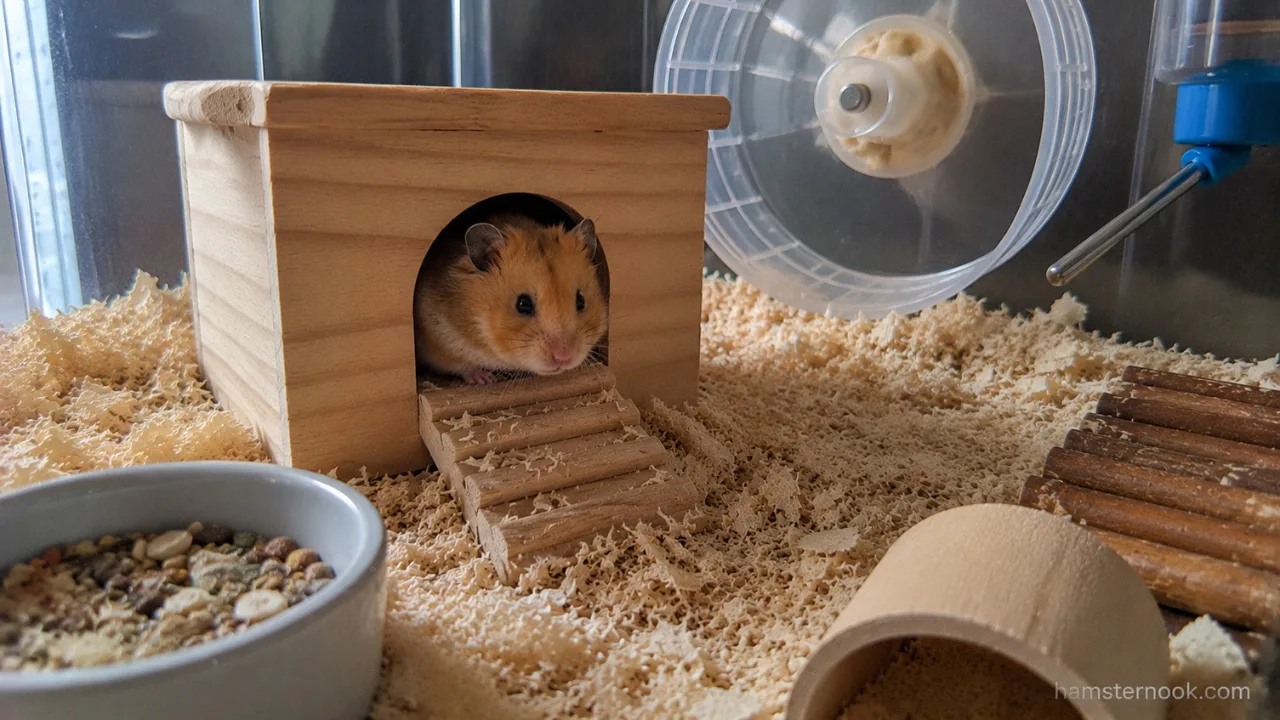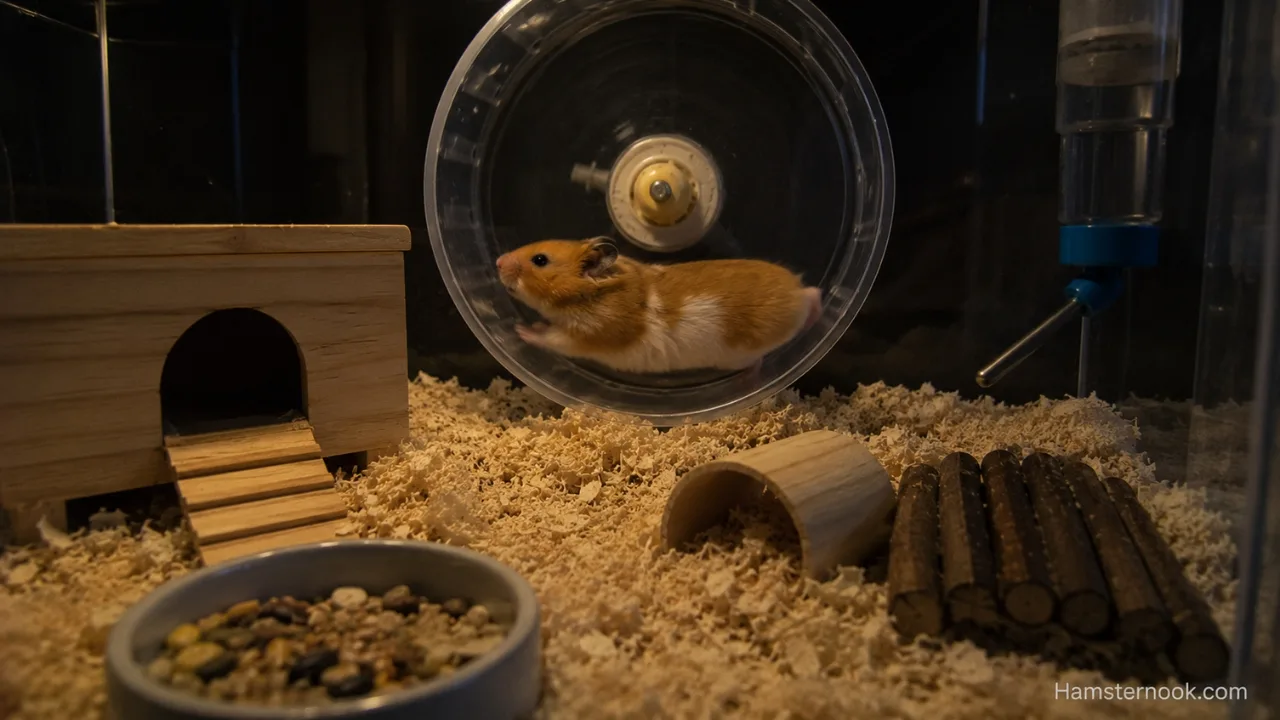
Many new hamster owners spend their first few evenings watching their pet and wondering the same thing: “Is my hamster active enough?”
One night, your hamster seems to run endlessly on the wheel, dig through bedding, and explore every corner of the enclosure. The next night, it appears much quieter and spends more time hiding. This can leave owners worried that something is wrong.
Many owners are surprised to discover that two healthy hamsters can behave very differently at night, yet both may be completely normal. Healthy hamsters are naturally most active during the evening, nighttime, and early morning hours, but there is no single amount of activity that every hamster should display. Age, species, environment, personality, and even seasonal changes can influence how active a hamster appears.
Once you become familiar with your hamster’s usual routine, unusual changes are often much easier to notice.
Why Hamsters Are Most Active at Night
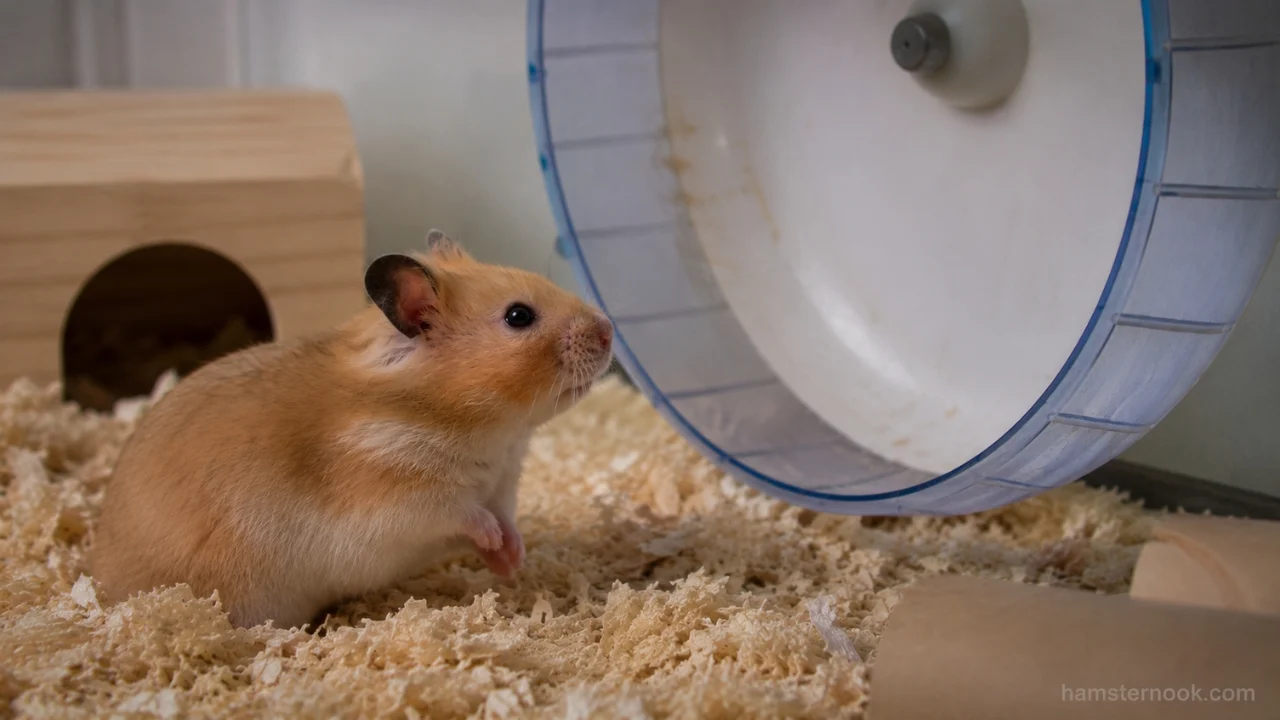
Hamsters are generally crepuscular, meaning they are naturally most active around dawn and dusk. However, pet hamsters often extend their activity well into the nighttime hours.
In the wild, this behavior helps protect them from predators and extreme daytime temperatures. Even after generations of domestication, these instincts remain strong.
This is why many owners rarely see their hamster during the day but hear wheel running, digging, and exploring after sunset.
If you’re concerned because your hamster sleeps most of the daytime, that’s usually completely normal. Constantly waking a hamster during daylight hours can create unnecessary stress and disrupt natural routines. Our Biggest Mistake New Hamster Owners Make in the First Week guide explains why respecting a hamster’s schedule is so important during the adjustment period.
What Does Normal Nighttime Activity Look Like?
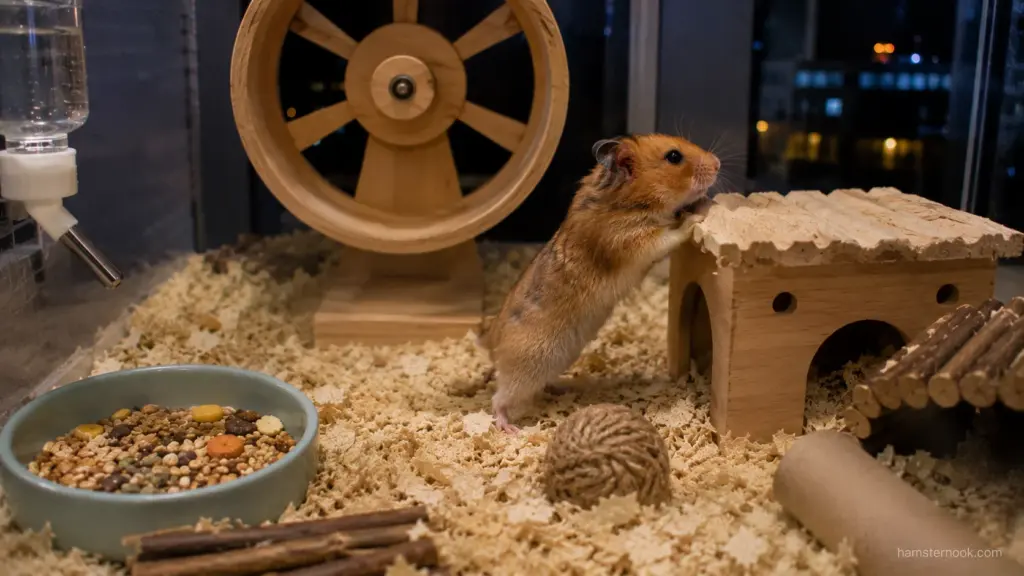
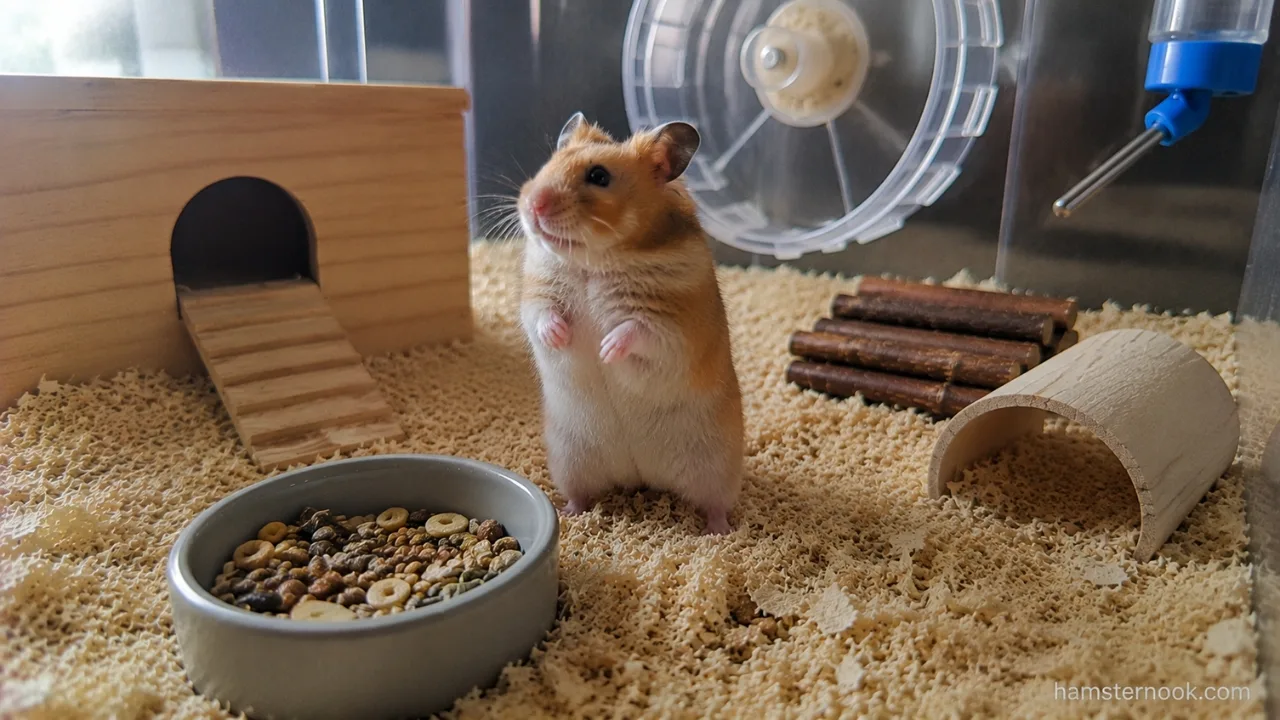
Most healthy hamsters are not active nonstop from evening until morning. They usually alternate between exploring, eating, grooming, burrowing, wheel running, and resting. Owners who expect constant movement often mistake normal rest periods for inactivity.
Healthy hamsters rarely spend the entire night doing one thing.
Instead, their activity usually happens in cycles.
A hamster may:
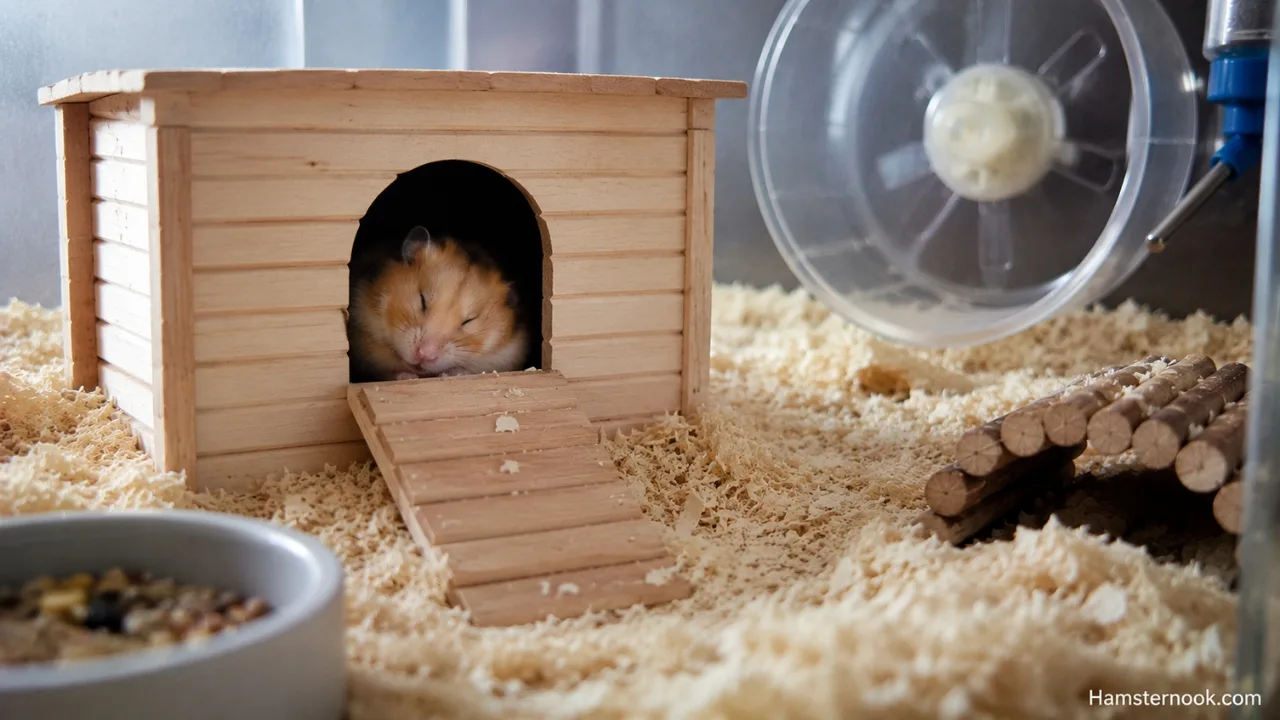
- Wake up and groom
- Search for food
- Explore the enclosure
- Run on the wheel
- Dig or burrow
- Rest briefly
- Resume activity later
This pattern can repeat several times throughout the night.
Many owners assume a healthy hamster should be constantly running on a wheel for hours without stopping. While some hamsters do run impressive distances, others divide their time among several activities.
Normal vs Concerning Hamster Activity Levels
It’s usually more helpful to look at your hamster’s overall routine than to focus on just one behavior, such as wheel running.
| Behavior | Usually Normal | Potential Concern |
|---|---|---|
| Wheel running | Regular use during active periods | Complete avoidance when previously active |
| Exploring cage | Frequent curiosity | Remaining hidden all night |
| Burrowing | Regular digging behavior | Sudden loss of interest in all activities |
| Eating and drinking | Consistent routine | Significant reduction in food intake |
| Grooming | Regular self-cleaning | Neglected or messy appearance |
| Sleep schedule | Sleeping most of the day | Excessive sleeping day and night |
One quiet evening alone does not automatically indicate a problem. Consistent changes over several days are usually more meaningful.
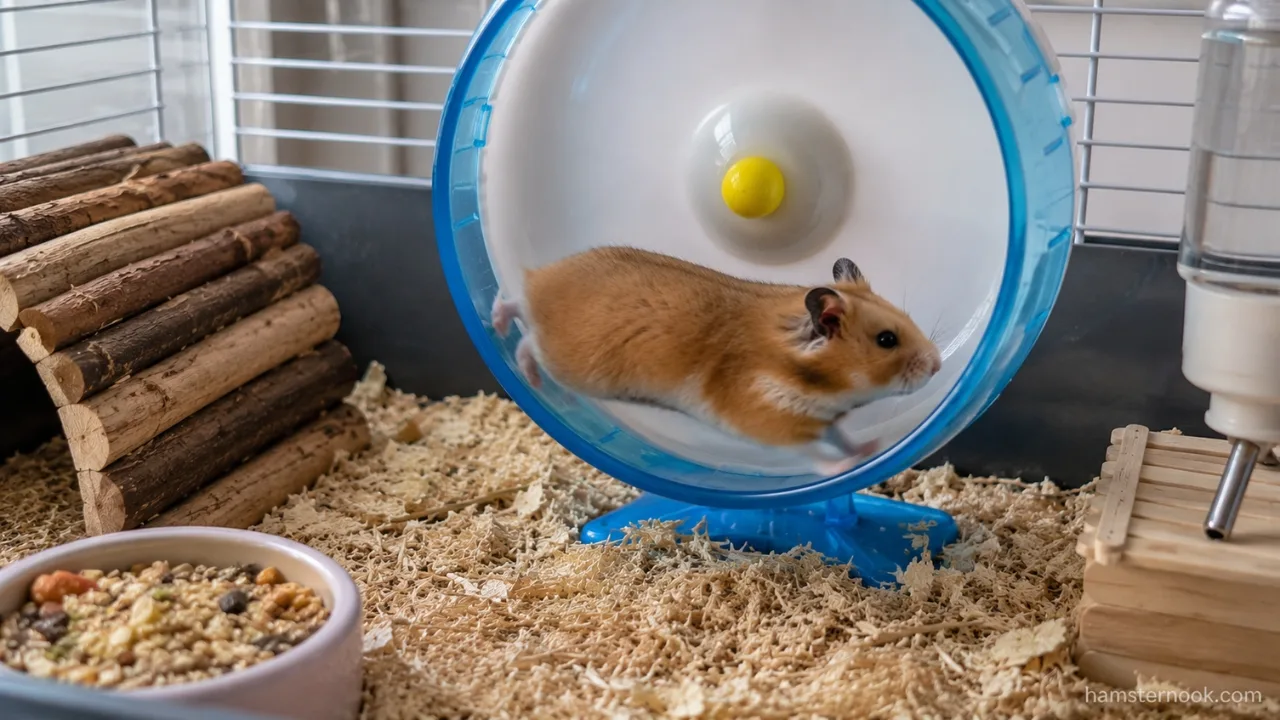
Many healthy hamsters occasionally have quieter nights, especially after environmental changes, temperature fluctuations, or particularly active nights beforehand.
How Much Wheel Running Is Normal for a Hamster?

Because wheel running is easy to notice, many owners use it as their main way of judging activity.
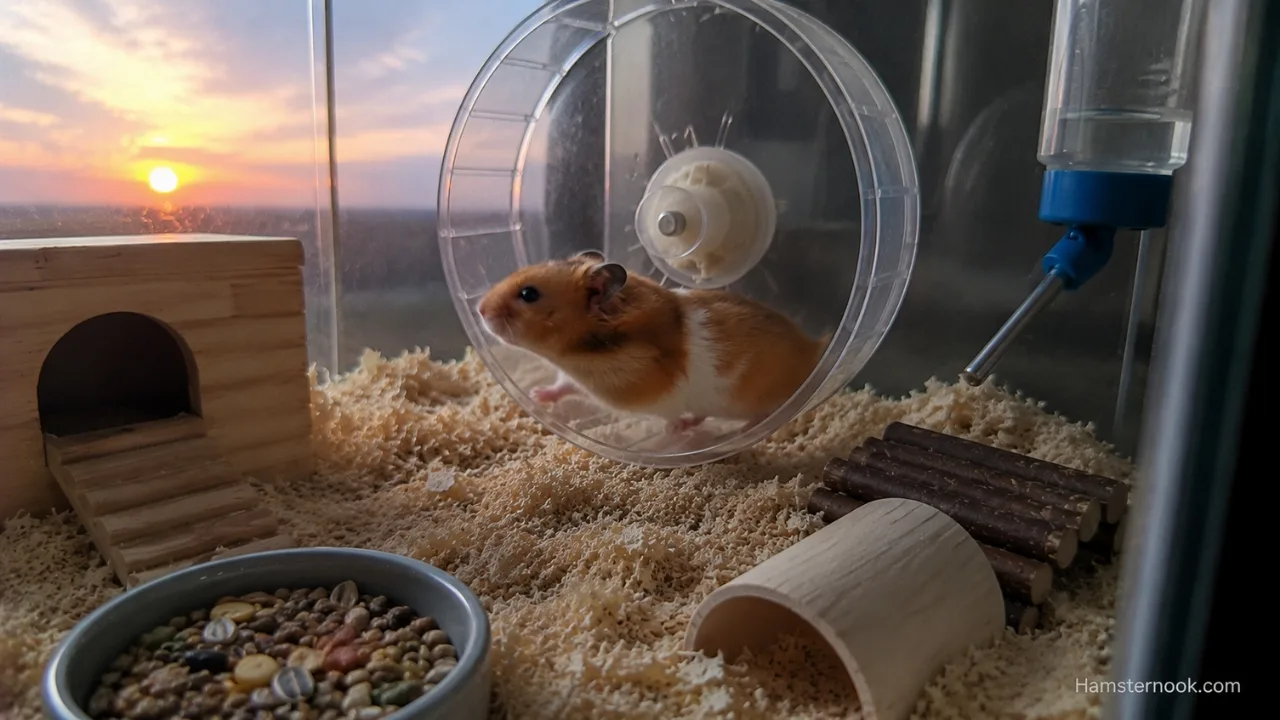
A healthy hamster may spend anywhere from several minutes to multiple hours using its wheel throughout the night. Some hamsters run surprisingly long distances, while others prefer digging, climbing, or exploring.
Factors that influence wheel use include:
| Factor | Effect on Wheel Activity |
|---|---|
| Species | Some species naturally run more |
| Age | Younger hamsters are often more active |
| Cage enrichment | More enrichment may reduce wheel dependency |
| Wheel size | Incorrect wheel size may discourage use |
| Personality | Individual preferences vary greatly |
Owners sometimes worry when their hamster doesn’t spend hours on a wheel. However, if the hamster remains active through other behaviors, this is often perfectly normal.
A sudden loss of interest in wheel running can sometimes indicate a setup issue, discomfort, or a behavior change. Our Why Does My Hamster Suddenly Stop Using Its Wheel? guide explores the most common causes.
Does Nighttime Activity Change With Age?
Yes. Younger hamsters are often more energetic and may spend longer periods exploring, running, and investigating their environment. As hamsters age, activity levels usually become more moderate.
Older hamsters often remain healthy and active, but they may spend more time resting between activities. The most important thing is consistency. A gradual reduction in activity is usually less concerning than a sudden and significant change in behavior.
Why Some Hamsters Seem Less Active Than Others
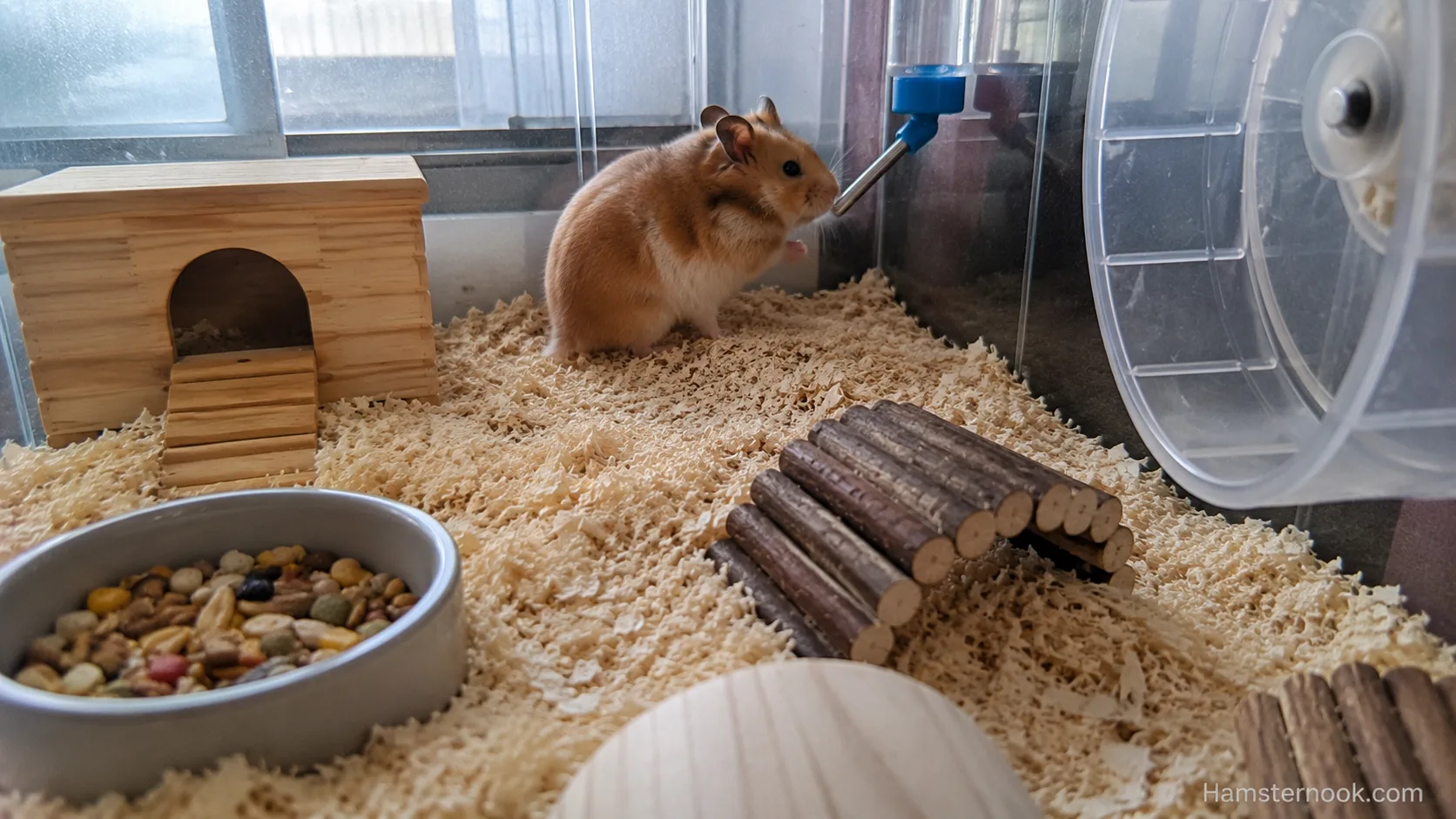
Not every hamster has the same energy level.
Some hamsters seem busy every time they wake up, while others prefer shorter bursts of activity followed by long rest periods.
Some are naturally energetic and constantly on the move. Others are calmer and spend more time resting between activities.
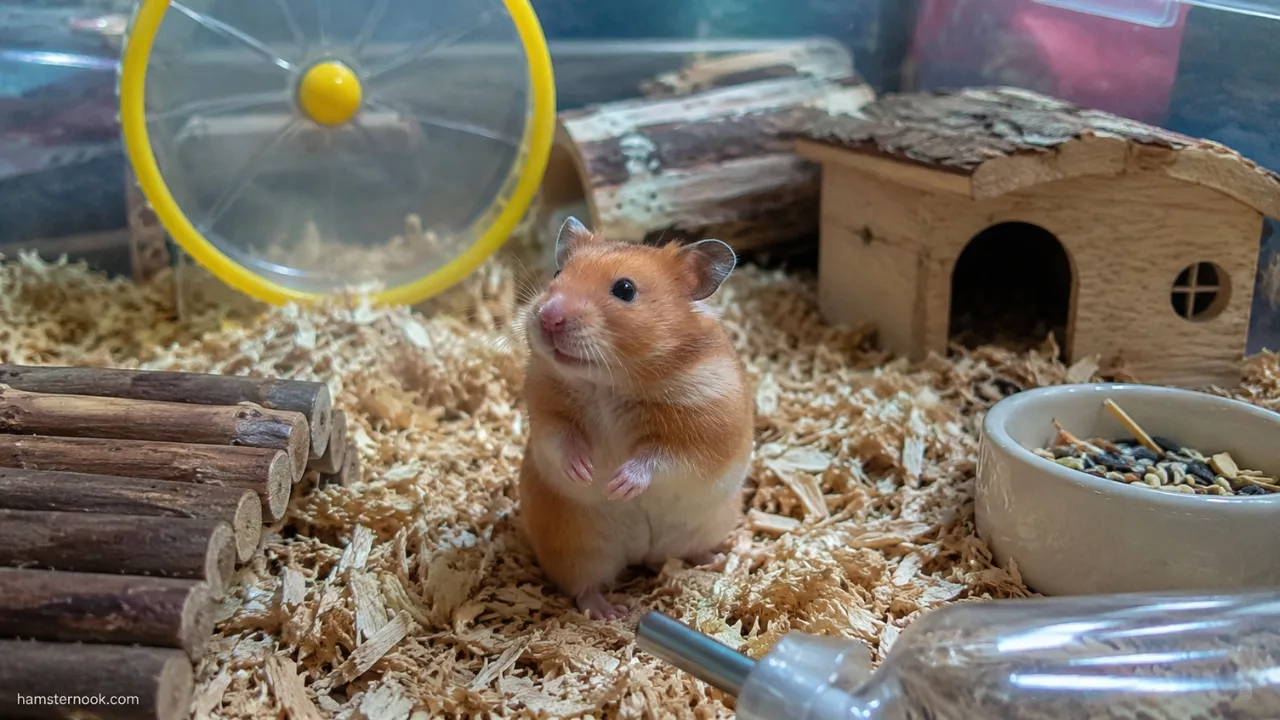
Species differences also matter.
| Hamster Species | Typical Activity Level |
|---|---|
| Roborovski Hamster | Very high |
| Syrian Hamster | Moderate to high |
| Campbell’s Dwarf Hamster | Moderate |
| Winter White Hamster | Moderate |
| Chinese Hamster | Moderate |
Roborovski hamsters are often considered among the most active pet hamster species, while some Syrians may be more relaxed.
Even within the same species, activity levels can vary considerably. A calm Syrian hamster is not automatically unhealthy simply because another Syrian spends more time running or exploring.
Signs Your Hamster Is Getting Healthy Exercise
Rather than counting minutes of activity, focus on overall indicators of health.
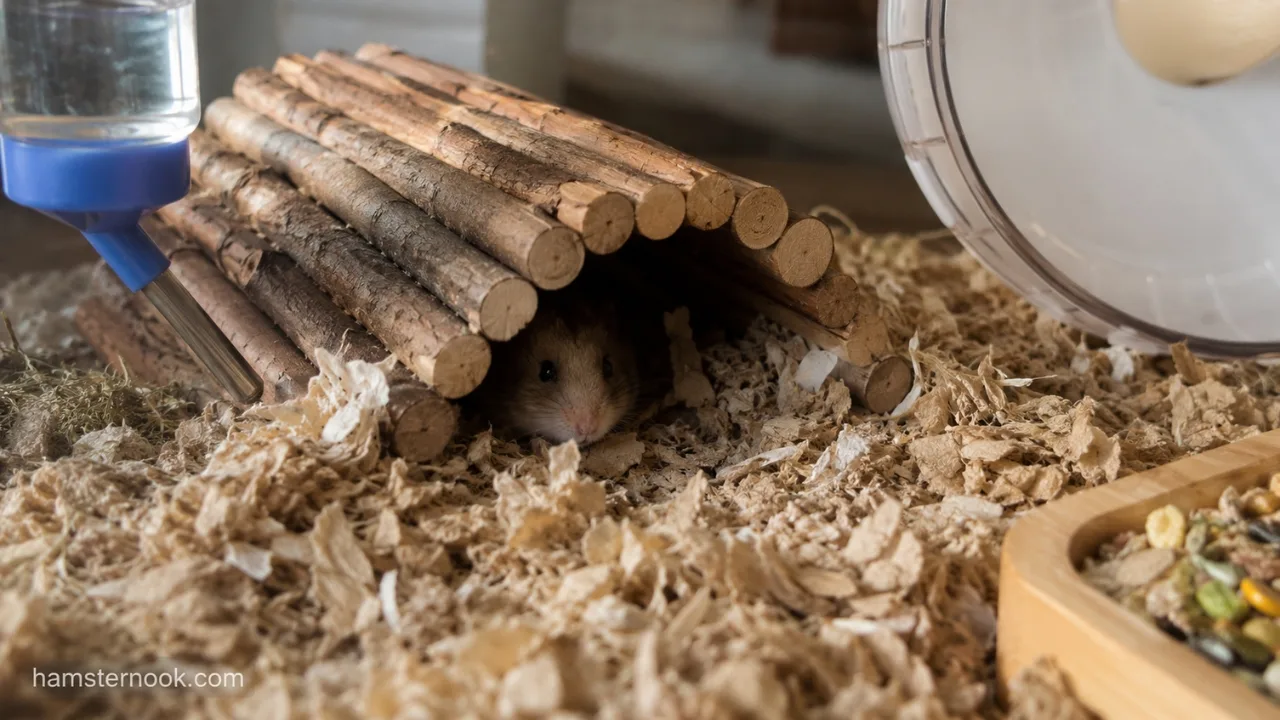
A hamster that is getting enough exercise will typically:
- Maintain a healthy body condition
- Show curiosity during active hours
- Explore the enclosure regularly
- Use enrichment items
- Display normal eating habits
- Move comfortably without difficulty
Hamsters living in larger, well-enriched habitats often display a wider range of natural behaviors and activity patterns. Our Best Hamster Cage Setup for Beginners guide explains how enclosure size, bedding depth, hideouts, and enrichment can influence overall activity levels.
When Reduced Nighttime Activity May Signal a Problem
Although activity levels vary, sudden changes deserve attention.
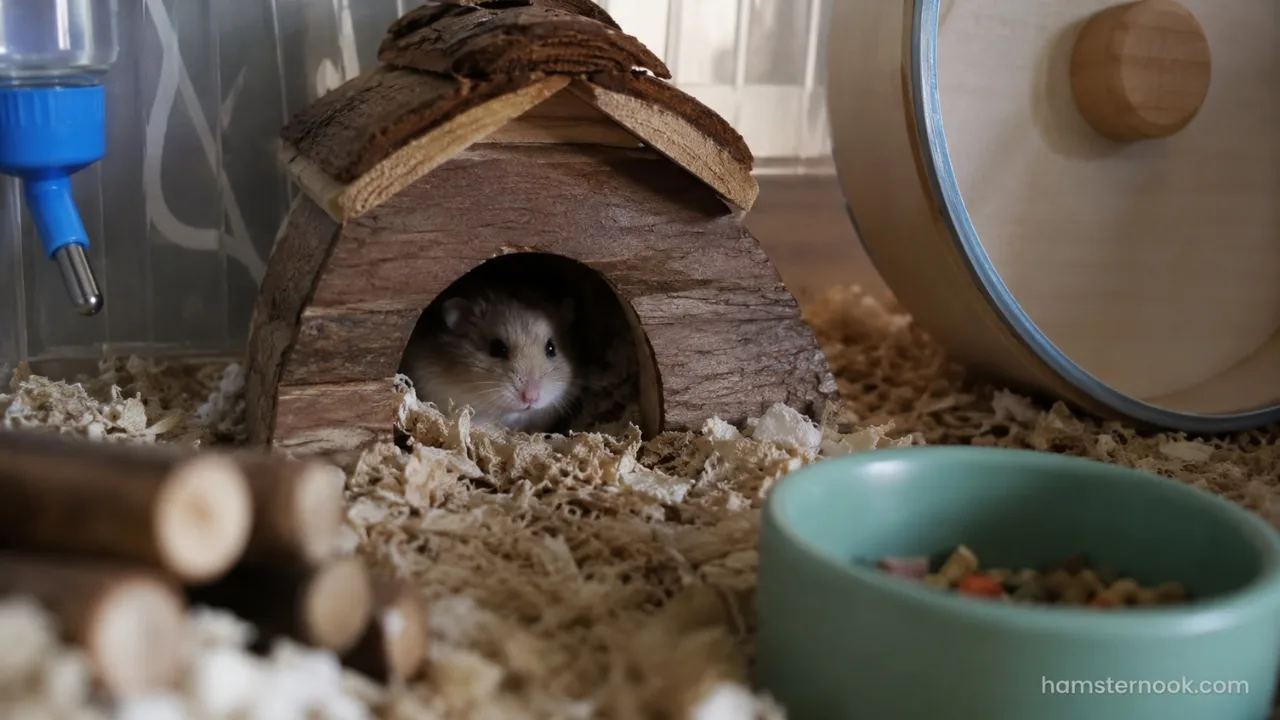
A hamster that was previously active but becomes unusually inactive may be experiencing:
- Illness
- Pain
- Injury
- Environmental stress
- Poor enclosure conditions
- Temperature-related discomfort
Pay attention to additional symptoms such as:
- Weight loss
- Hunched posture
- Labored breathing
- Reduced appetite
- Poor grooming
- Difficulty walking
Multiple symptoms occurring together warrant closer monitoring and potentially a veterinary consultation.
Temperature Can Affect Hamster Activity
Hamsters are sensitive to temperature changes.
If a room becomes too hot or too cold, activity levels may decrease noticeably.
A hamster that appears sluggish during temperature extremes may be trying to conserve energy or avoid discomfort.
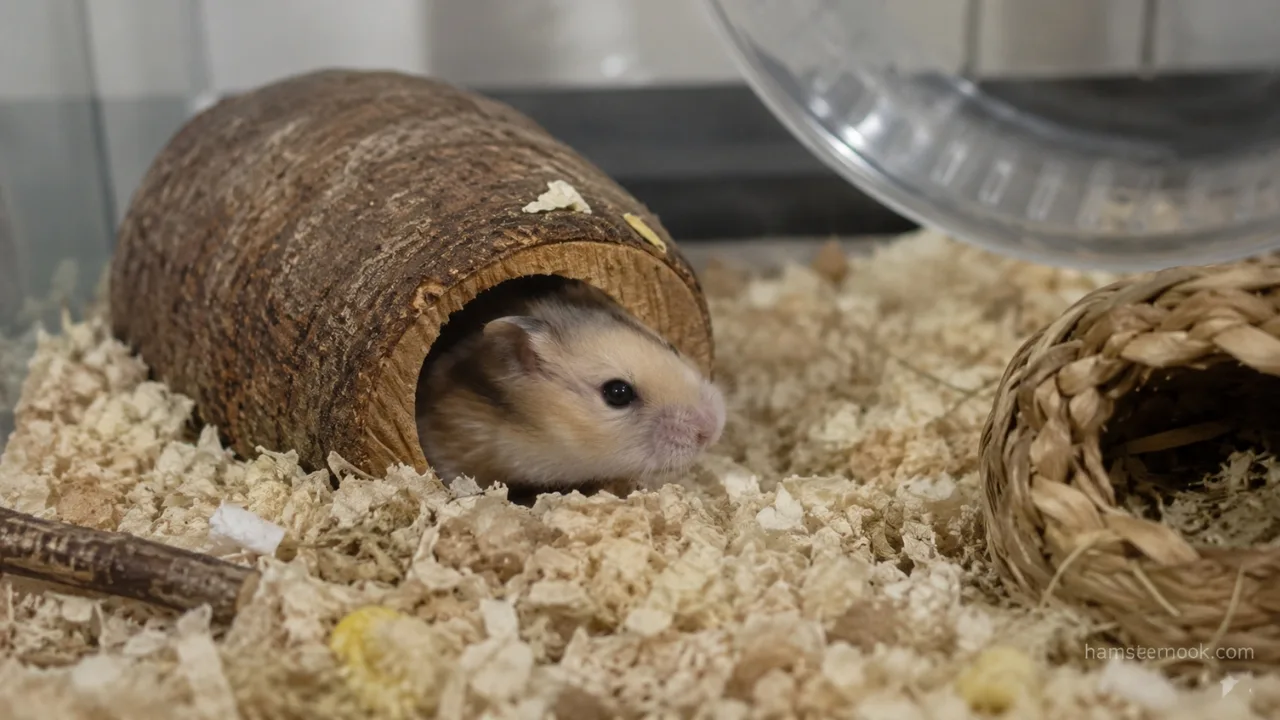
Environmental conditions can directly influence nighttime behavior. Our What Temperature Is Too Hot or Too Cold for Hamsters? guide explains the temperature range that helps support normal activity levels.
Common Reasons Owners Misjudge Hamster Activity
Many activity concerns arise because owners simply miss their hamster’s busiest hours.
Checking Too Early in the Evening
Some hamsters do not fully wake up until later at night.
An owner checking at 8 PM may assume the hamster is inactive when it actually becomes highly active after midnight.
Underestimating Burrowing Behavior
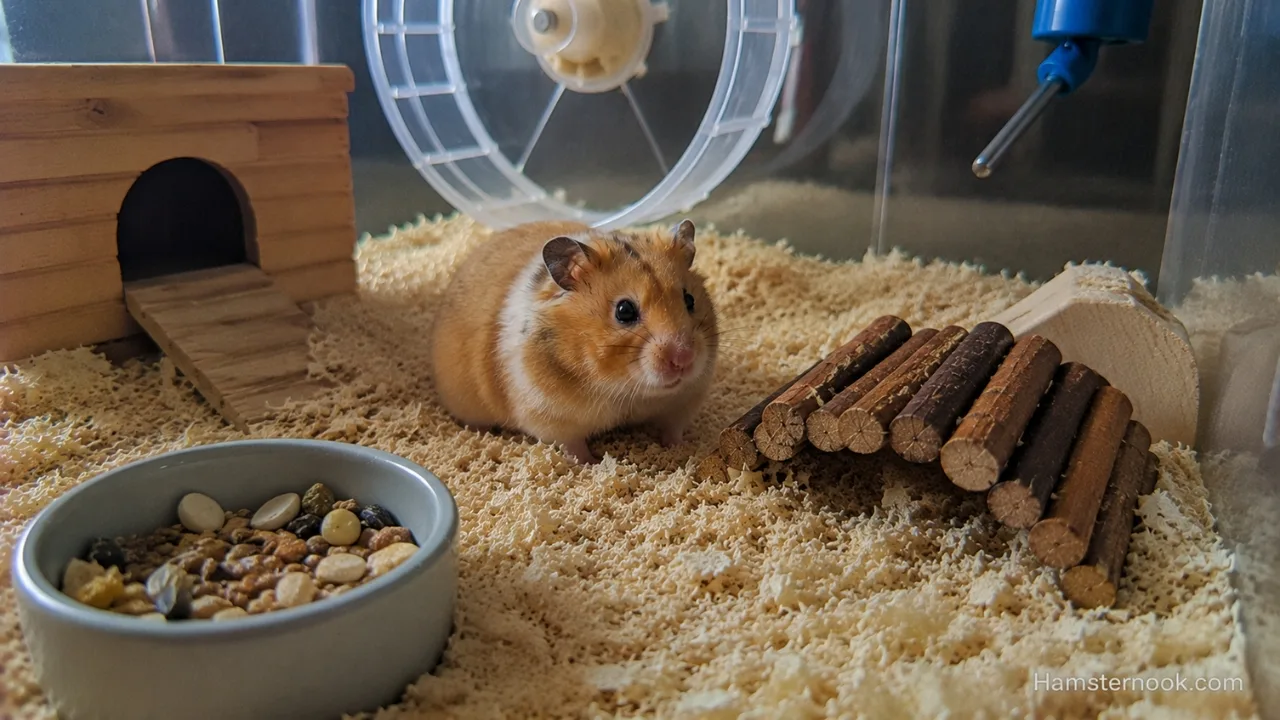
A hamster can be extremely active while remaining out of sight.
Digging tunnels, rearranging nesting materials, and moving food stores are all forms of activity.
A hamster that seems inactive on the surface may actually spend hours digging and creating tunnels beneath the bedding. Our Why Isn’t My Hamster Burrowing? guide explains why some owners rarely see these natural behaviors.
Assuming Every Hamster Behaves the Same
Comparing your hamster to videos online can be misleading.

Many videos showcase unusually active individuals rather than average daily behavior.
How to Encourage Healthy Nighttime Activity
If your hamster seems less engaged than usual, a few changes to the enclosure can sometimes encourage more activity.
Provide Adequate Cage Space
Small enclosures can limit natural movement.
Larger habitats encourage:

- Exploring
- Foraging
- Digging
- Climbing
- Exercise
Increase Bedding Depth
Deep bedding allows hamsters to create tunnels and underground chambers.
Burrowing is one of the most natural activities a hamster can perform.
Rotate Enrichment Items
Changing enrichment occasionally can maintain curiosity.
Examples include:

- Cardboard tunnels
- Safe chew toys
- Foraging opportunities
- Dig boxes
- Hideouts
Offer Opportunities for Mental Stimulation
Activity is not only physical.
Mental stimulation often encourages exploration, confidence, and curiosity. Our Do Hamsters Know Their Names? The Surprising Truth About How They Recognize You article explores how routine interaction and enrichment can influence hamster behavior.
A useful habit is to observe your hamster’s overall pattern instead of focusing on a single night. Temporary changes can happen for many harmless reasons, but a noticeable drop in activity that continues for several days deserves closer attention.
Warning Signs That Require Immediate Attention
Contact an exotic pet veterinarian if reduced activity occurs alongside:
| Warning Sign | Why It Matters |
|---|---|
| Refusal to eat | Can indicate serious illness |
| Rapid weight loss | May signal underlying disease |
| Difficulty breathing | Requires prompt evaluation |
| Trouble walking | Possible injury or neurological issue |
| Persistent lethargy | Not normal for a healthy hamster |
| Wet tail symptoms | Potentially life-threatening condition |
Activity changes alone may not always be an emergency, but activity changes combined with physical symptoms should never be ignored.
Final Thoughts
Healthy hamsters are generally active during the evening and nighttime hours, but there is no perfect amount of activity that applies to every hamster. Some spend hours running on a wheel, while others divide their time between exploring, burrowing, foraging, and resting.
The biggest thing to watch is whether your hamster behaves consistently from week to week. A hamster that regularly eats, explores, exercises, and behaves normally is usually healthy, even if it isn’t constantly active. What deserves attention is a significant change from your hamster’s usual routine.
The more familiar you become with your hamster’s usual habits, the easier it becomes to tell the difference between normal behavior and a change that deserves attention.

Frequently Asked Questions
How active should a hamster be every night?
Most healthy hamsters show several periods of activity throughout the night, including exploring, eating, grooming, burrowing, and exercising. The exact amount varies by individual hamster.
Is it normal for my hamster to sleep all day?
Yes. Hamsters naturally sleep during most daylight hours and become active later in the evening or overnight.
Why is my hamster suddenly less active at night?
Possible causes include aging, stress, illness, injury, temperature changes, or environmental issues. Look for additional symptoms before drawing conclusions.
Do older hamsters become less active?
Yes. Senior hamsters often slow down compared to younger adults, although they should still show interest in food, exploration, and basic daily activities.
Should I worry if my hamster doesn’t use its wheel?
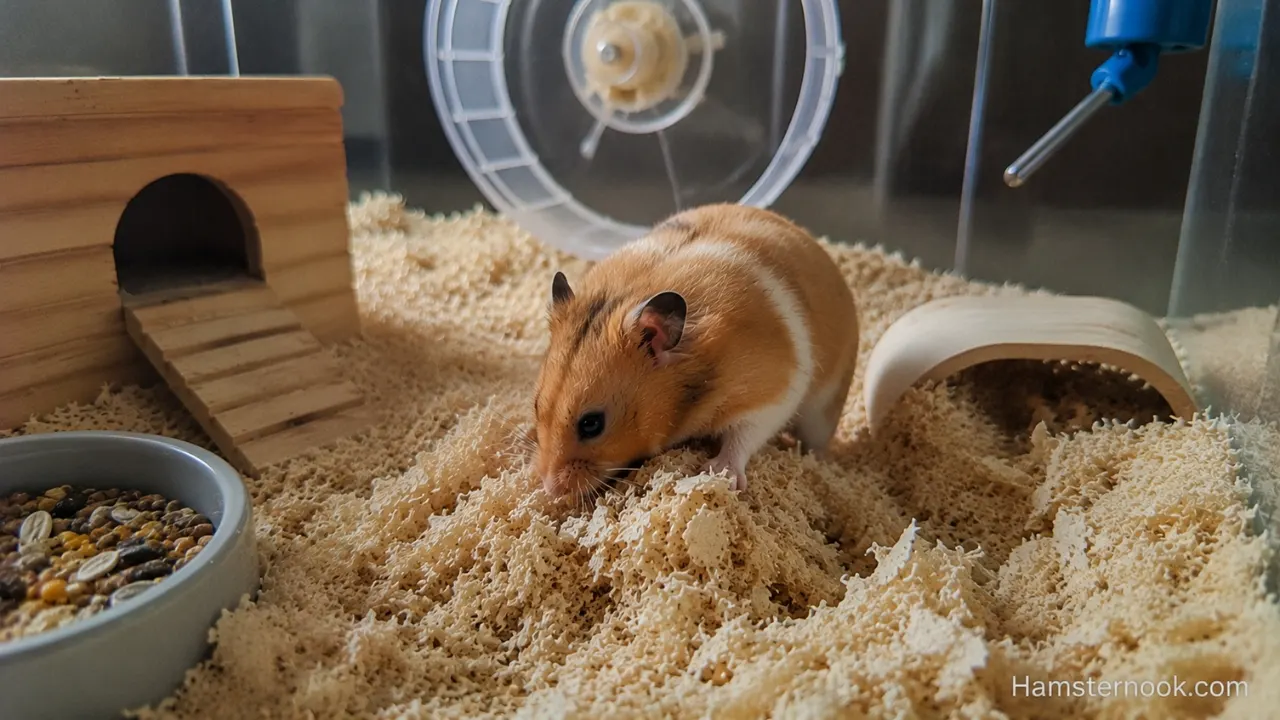
Not necessarily. Some hamsters prefer burrowing or exploring. Concern is more justified if the hamster suddenly stops using a wheel it previously enjoyed.
How can I tell if my hamster is bored?
Signs of boredom may include repetitive behaviors, bar chewing, excessive inactivity, or reduced interest in enrichment. Increasing cage space and mental stimulation often helps.
Is it normal for a hamster to have some active nights and some quiet nights?
Yes. Activity levels naturally fluctuate from night to night. As long as your hamster continues eating, drinking, exploring, and behaving normally overall, occasional quieter nights are usually not a cause for concern.
References
This guide is based on hamster health, behavior, and welfare information from trusted animal care organizations, including:
- RSPCA – Hamster Care Advice
- PDSA – Hamster Care and Welfare Information
- Blue Cross – Small Pet Care Resources
Medical Disclaimer
This article is intended for educational purposes only and should not be considered veterinary advice. While activity levels can vary between individual hamsters, a noticeable decrease in nighttime activity may sometimes be associated with illness, pain, stress, aging, or other health concerns. If your hamster becomes unusually inactive, stops eating or drinking, loses weight, shows signs of weakness, or develops any other concerning symptoms, consult a qualified exotic animal veterinarian for professional advice.

Narayan Kumar is the founder and author of HamsterNook. He creates practical, research-based hamster care guides covering hamster behavior, nutrition, cage setup, enrichment, health, and everyday care. His goal is to help hamster owners make informed decisions and provide safer, healthier lives for their pets through clear, beginner-friendly information based on trusted animal care resources.