Household cleaning sprays can make a room smell fresh and look spotless, but the same products can create a problem for a hamster if they are used too close to the enclosure. Hamsters are small animals, and exposure to concentrated cleaners, sprays, fumes, or wet residues can irritate the eyes, skin, mouth, or respiratory tract. The safest approach is simple: keep your hamster away while cleaning, ventilate the area well, and never spray household chemicals around the enclosure.
Quick Answer
Yes, household cleaning sprays can affect hamsters, particularly when the animal is exposed directly to concentrated products, strong fumes, wet surfaces, or chemical residues.
Household cleaners are not all equally hazardous, and the risk depends on the particular chemical, its concentration, how it is used, and how much exposure occurs. Veterinary toxicology guidance identifies products such as detergents, bleaches, corrosive cleaners, and some disinfectants as potential hazards to companion animals. Properly used household cleaning products are less concerning than concentrated or improperly used products, but unnecessary exposure should still be avoided.
That means you don’t need to stop cleaning your home because you own a hamster. You do need to think about where, when, and how you use cleaning products.

Safe cleaning is one part of responsible hamster care, but the wider setup matters too. The Complete Hamster Care Guide for Beginners (2026) covers the essential housing, environment, feeding, and everyday care practices that help keep a hamster healthy and comfortable.
Why Cleaning Sprays Can Be a Problem for Hamsters
A cleaning spray can expose a hamster in several different ways.
The most obvious is direct contact. If a spray lands on the hamster, its bedding, food bowl, water bottle, toys, or other items it regularly touches, the animal may later come into contact with the residue.
There is also inhalation. Spraying creates droplets or aerosols, and volatile cleaning substances can be inhaled, particularly in poorly ventilated spaces. Veterinary guidance notes that inhalation exposure to cleaners and disinfectants can occur when sprays or aerosols are generated.

A third concern is accidental ingestion. Hamsters investigate their environment with their mouths and may chew objects or groom themselves after walking across a contaminated surface. Household detergents and other cleaners can cause irritation when animals ingest them.
For a hamster, even a small amount of residue matters because its enclosure contains many surfaces it repeatedly touches.
Which Household Cleaning Products Should Hamster Owners Be Most Careful With?

You don’t need to memorize every chemical on a cleaning-product label. It’s more useful to recognize the categories that deserve extra caution.
| Cleaning product or chemical group | Why extra caution is appropriate |
|---|---|
| Bleach and chlorine-based cleaners | Can irritate the eyes, skin, gastrointestinal tract, and respiratory system, particularly with concentrated exposure |
| Strong bathroom or toilet cleaners | Some contain acidic or alkaline corrosive substances that can cause significant tissue injury |
| Ammonia-containing products | Can irritate the respiratory tract and may become especially dangerous if mixed with bleach |
| Strong disinfectant sprays | Some disinfectant chemicals can irritate the skin, eyes, or respiratory tract |
| Aerosol cleaning sprays | Spraying can increase inhalation exposure |
| Concentrated detergents | Can cause irritation if swallowed or contacted directly |
| Fragrance-heavy sprays | The specific risk varies by formulation; avoiding unnecessary airborne chemical exposure is the safer approach |
The exact hazard depends on the ingredients and concentration, so the product label matters more than whether something is simply marketed as a “cleaner” or “disinfectant.” MSD Veterinary Manual notes that acids, alkalis, chlorine compounds, alcohols, peroxides, phenolic compounds, and quaternary ammonium compounds can have different adverse effects depending on the exposure.
Is the Smell of Cleaning Spray Harmful to Hamsters?
A strong smell does not automatically mean that a product has caused poisoning, but it is a good reason to move the hamster away from the area.
Some cleaning chemicals can irritate the respiratory tract when inhaled. Concentrated chlorine exposure, for example, can cause coughing, gagging, sneezing, retching, and other respiratory effects in animals.
The important distinction is between a noticeable household smell and significant chemical exposure. You cannot determine the toxicity of a product simply by how strong it smells.
That’s why relying on smell alone is not a safe way to judge whether a room is ready for a hamster.
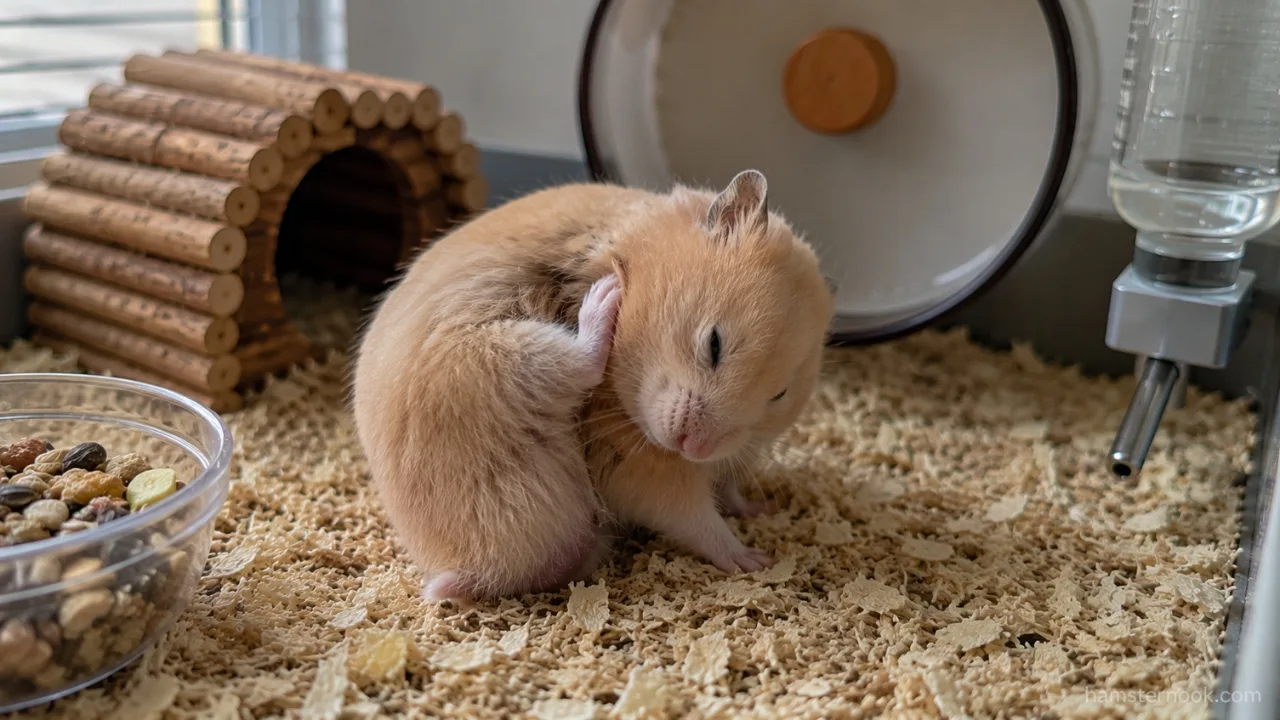
Instead, remove the hamster from the cleaning area, ventilate the room, allow cleaned surfaces to dry completely, and follow the product’s directions before allowing the animal back.
Fresh air should also be balanced with a stable room temperature rather than relying on strong airflow to cool the enclosure. Safe Temperature for Hamsters: How Hot or Cold Is Too Much? explains the temperature conditions owners should maintain throughout the year.
Never Spray Cleaner Around the Hamster’s Cage
This is one of the easiest precautions to follow.
Don’t spray glass, plastic, furniture, floors, walls, or other nearby surfaces while your hamster is sitting inside its enclosure.

Even if the spray isn’t intended for the cage itself, droplets can travel farther than expected. An aerosolized product can also remain suspended in the surrounding air for a period of time.
Where the enclosure is placed can also affect how easily it is exposed to household activity, drafts, and airborne irritants. Our Hamster Cage Placement: Safe Locations, Room Conditions & What to Avoid guide explains what to consider when choosing a safer location.
A safer routine is to move the hamster to a secure temporary enclosure in another suitable area before using cleaning sprays nearby.
MSD Veterinary Manual specifically identifies ventilation and avoiding spray application where possible as measures that can reduce exposure to cleaning and disinfecting agents.

What About Cleaning the Hamster’s Cage?
Your hamster’s enclosure absolutely needs regular cleaning. Avoiding household chemicals does not mean leaving the cage dirty.
Hamster housing should be clean, sanitary, well ventilated, and easy to maintain. Veterinary guidance also recommends clean bedding, clean water, and sanitary housing as part of routine hamster care.
Keeping the enclosure clean is important, but the goal is to maintain hygiene without unnecessary chemical exposure or excessive disruption. How Often Should You Clean a Hamster Cage? Safe Cleaning Schedule explains how to balance regular cleaning with a stable living environment.
The mistake is assuming that a stronger-smelling cleaner automatically produces a cleaner or safer cage.
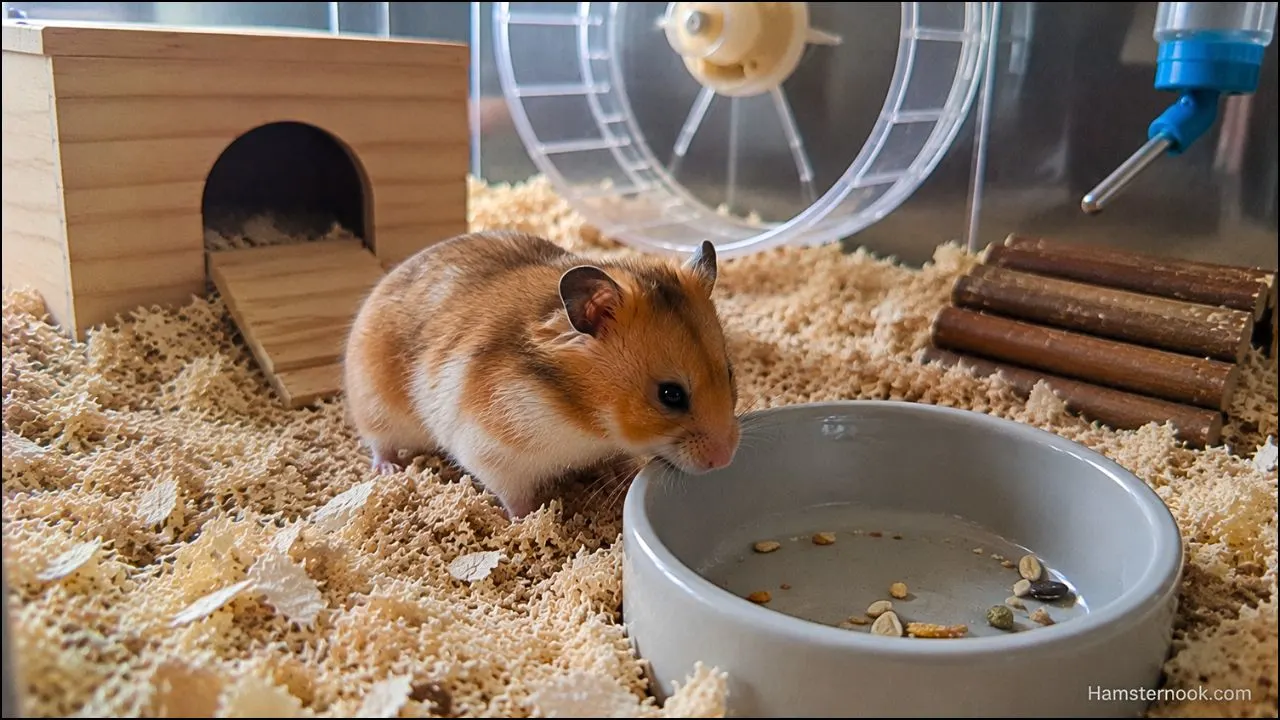
For routine cleaning, follow the directions for the product you are using, use the appropriate dilution if one is specified, rinse when required, and make sure surfaces are completely dry before your hamster returns.
If a product is not intended for use around animals, don’t assume it is appropriate simply because it works well on household surfaces.
What Happens If Cleaner Gets on the Cage?
Don’t panic, but don’t put your hamster back into the enclosure until the affected area has been properly cleaned and the product has been removed according to its instructions.
For example, if an all-purpose cleaner accidentally gets onto the outside of a plastic enclosure, wipe and rinse the surface appropriately and allow it to dry before allowing your hamster back nearby.

If the product gets onto bedding, nesting material, food, or anything your hamster regularly chews, replacing the contaminated material may be the safer option rather than trying to clean every particle.
The correct response depends on the product involved. Concentrated or corrosive products deserve considerably more caution than a small accidental amount of a mild household cleaner.
Never Mix Cleaning Products Near Your Hamster
This rule is important for both your hamster and everyone else in the home.
Never mix bleach with ammonia.
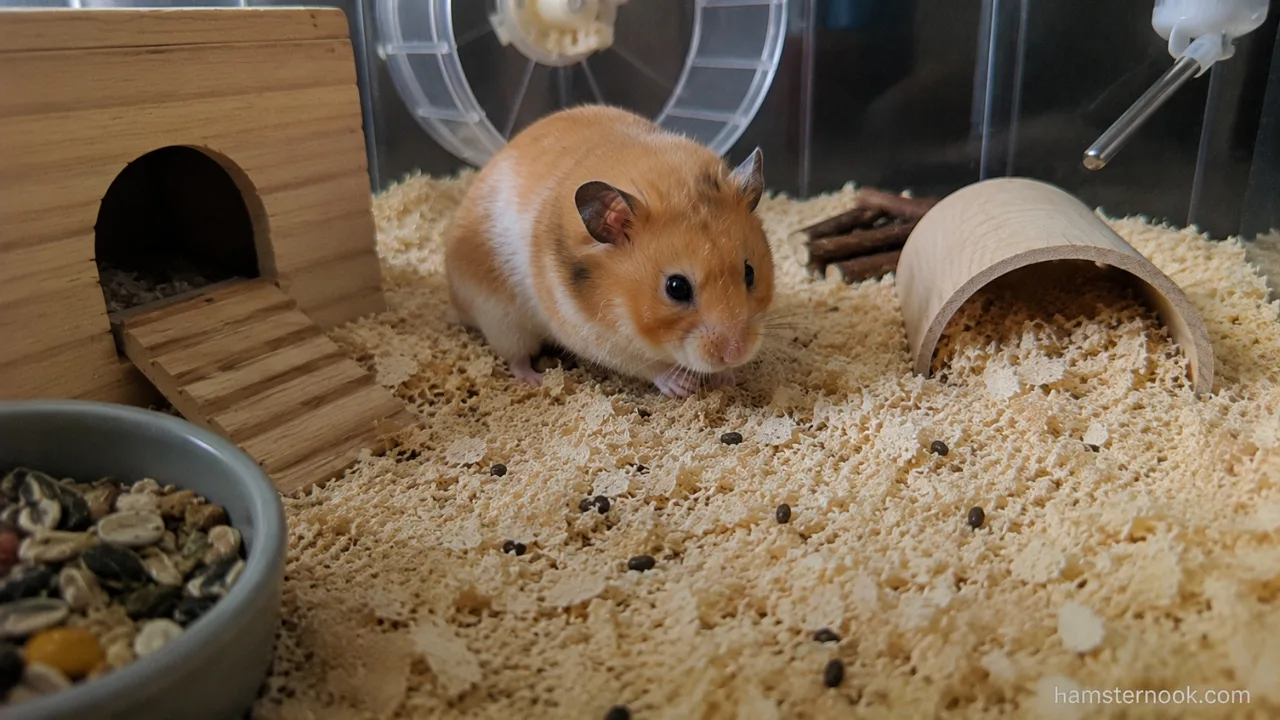
The combination can produce chloramine gases, which can cause acute respiratory distress. Mixing bleach with acids can also release chlorine gas. Veterinary guidance specifically warns about these dangerous chemical reactions.
There is no reason to combine cleaning products to make them “stronger.” Use one product according to its label instructions and keep the hamster completely away from the area while you’re working.
Practical Example: Cleaning the Room Around the Cage

Imagine your hamster’s enclosure is sitting in the bedroom and you want to clean the floor.
The risky approach would be to leave the hamster inside the enclosure and spray floor cleaner around the cage.
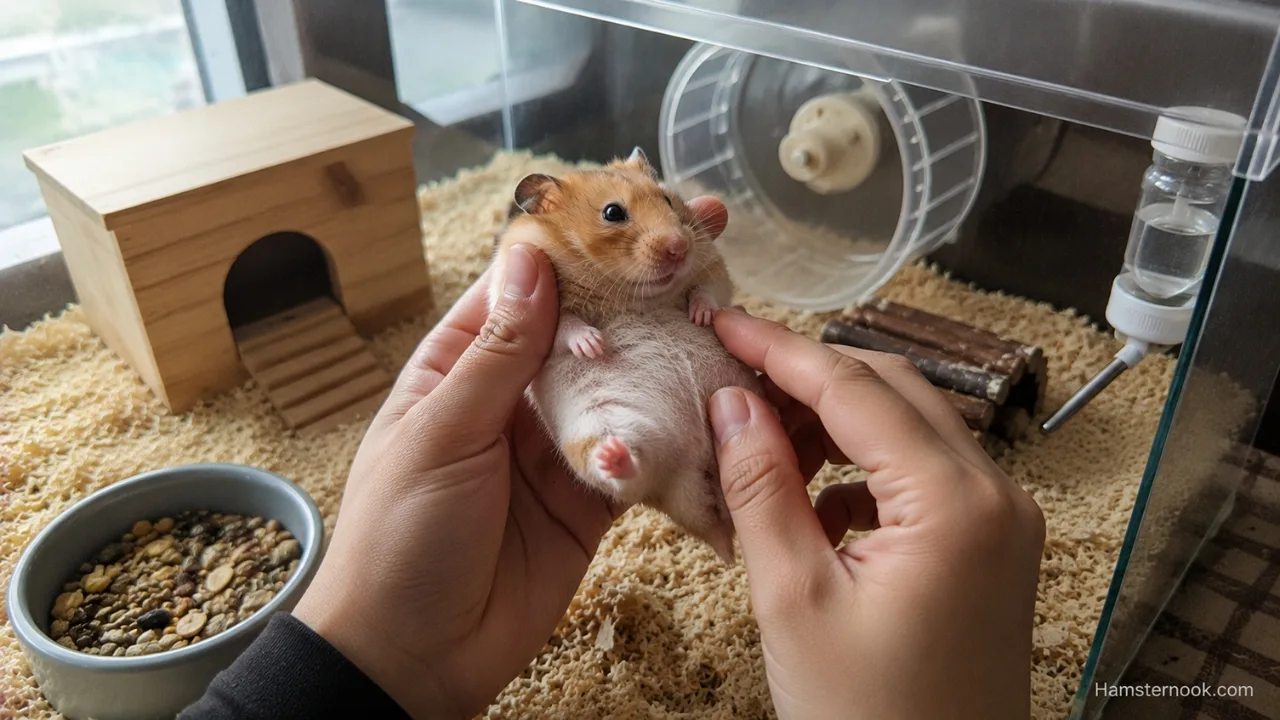
A safer routine is:
- Move the hamster to a secure temporary enclosure.
- Keep the temporary enclosure away from the cleaning area.
- Clean the floor according to the product label.
- Ventilate the room appropriately.
- Allow the cleaned surfaces to dry.
- Make sure there is no wet residue where the hamster could walk.
- Return the hamster only when the area is suitable and free from unnecessary chemical exposure.
This also gives you a chance to prevent your hamster from escaping while you’re moving furniture or cleaning around the enclosure. Veterinary guidance recommends keeping hamsters securely contained whenever they are outside their normal enclosure.
What About “Pet-Safe” Cleaning Sprays?
The phrase pet-safe should not be treated as a blanket guarantee that a product can be sprayed around a hamster.
A product may be considered appropriate for a particular use when used exactly as directed, but the actual ingredients, concentration, application method, required contact time, rinsing instructions, and ventilation requirements still matter.
This is particularly important with disinfectants. Veterinary cleaning guidance emphasizes following manufacturer instructions for dilution and contact time and reducing exposure through appropriate ventilation and application methods.
For hamster owners, the simplest principle is to avoid exposing the animal to cleaning chemicals whenever exposure isn’t necessary.
Chemical exposure is only one part of creating a comfortable environment; other household conditions can also make a hamster uneasy. 13 Things Hamsters Absolutely Hate (Most Owners Don’t Realize) covers other common environmental factors owners may overlook.
Common Mistakes Hamster Owners Make With Cleaning Sprays
Cleaning products become risky when owners focus only on whether a surface looks clean and forget about what happens after the spray is applied.
Leaving the Hamster in the Room
This is the easiest mistake to prevent.
If you’re spraying floors, furniture, glass, or other surfaces close to the enclosure, move your hamster somewhere secure first. Sprays and aerosols can increase inhalation exposure, particularly when ventilation is poor.
Spraying Directly Onto Cage Accessories
Don’t spray a cleaner directly onto a wheel, hide, tunnel, food bowl, or other item while your hamster is nearby.
Remove the item first and clean it somewhere appropriate. Follow the product label for dilution, contact time, rinsing, and drying requirements. Cleaning and disinfecting products can have very different safety profiles depending on their chemical composition and concentration.
Putting Items Back While They’re Still Wet
A surface that looks clean isn’t necessarily ready for your hamster.
If a product requires rinsing, rinse it. If it requires a particular contact time, follow that instruction. Then allow the item to dry completely before putting it back.
This is especially relevant for objects your hamster walks on, sleeps in, or chews.
Using More Cleaner Than Necessary
More product doesn’t automatically mean better cleaning.
The concentration, application method, and contact time all influence exposure and effectiveness. Veterinary guidance recommends following manufacturer instructions rather than improvising dilutions.
Mixing Different Products
Never mix cleaning chemicals simply because you think the combination will clean better.
Bleach mixed with ammonia can produce chloramine gases, while bleach mixed with acids can release chlorine gas. Both can cause serious respiratory injury.
What You Should Do If Your Hamster Is Exposed
The appropriate response depends on what product was involved and how the exposure happened.
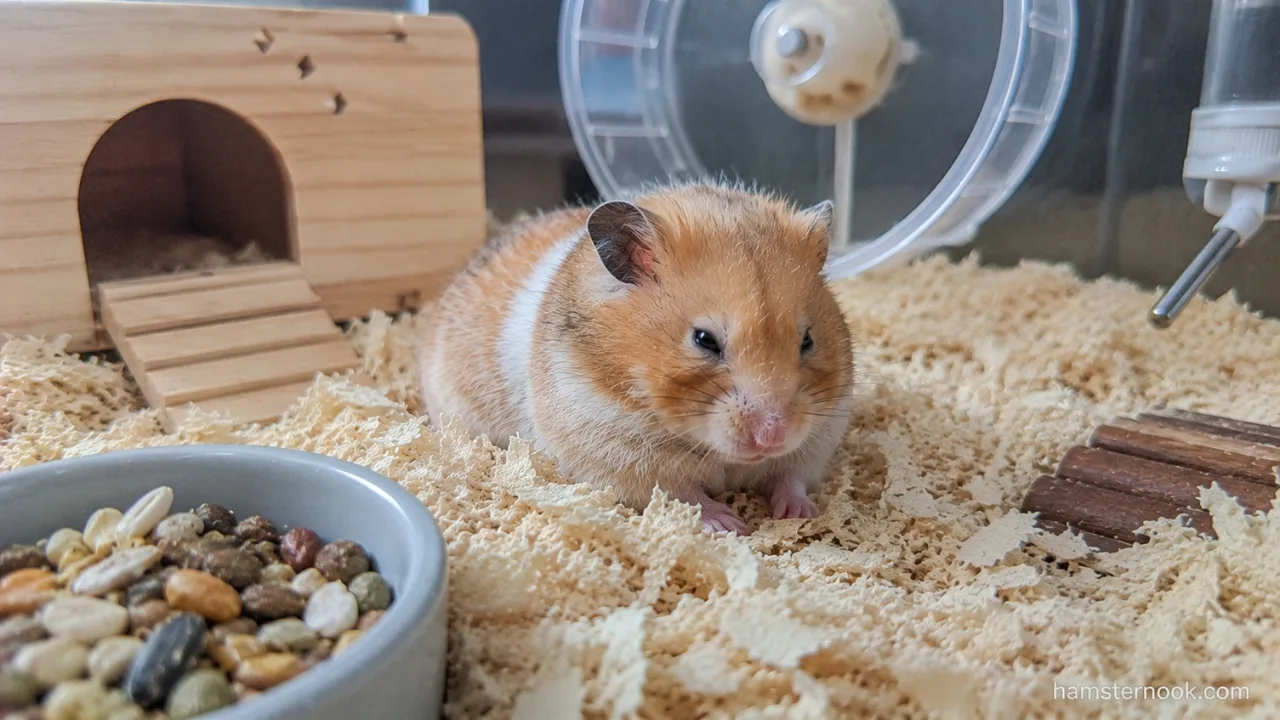
A small accidental contact with a properly diluted household cleaner is very different from a hamster being sprayed directly with concentrated bleach.
If the exposure involved a concentrated cleaner, direct spraying, or noticeable fumes, contact a veterinarian even if your hamster initially appears normal and provide the product name or ingredient list.
If a chemical has contaminated bedding, nesting material, food, or a chewable item, remove the contaminated material rather than allowing your hamster continued access to it.
For skin or eye exposure, the appropriate decontamination depends on the chemical involved. Some exposures require thorough rinsing, while corrosive or irritating products may need prompt veterinary assessment. Keep the product container or ingredient label available when contacting a veterinarian so the correct first-aid advice can be given.
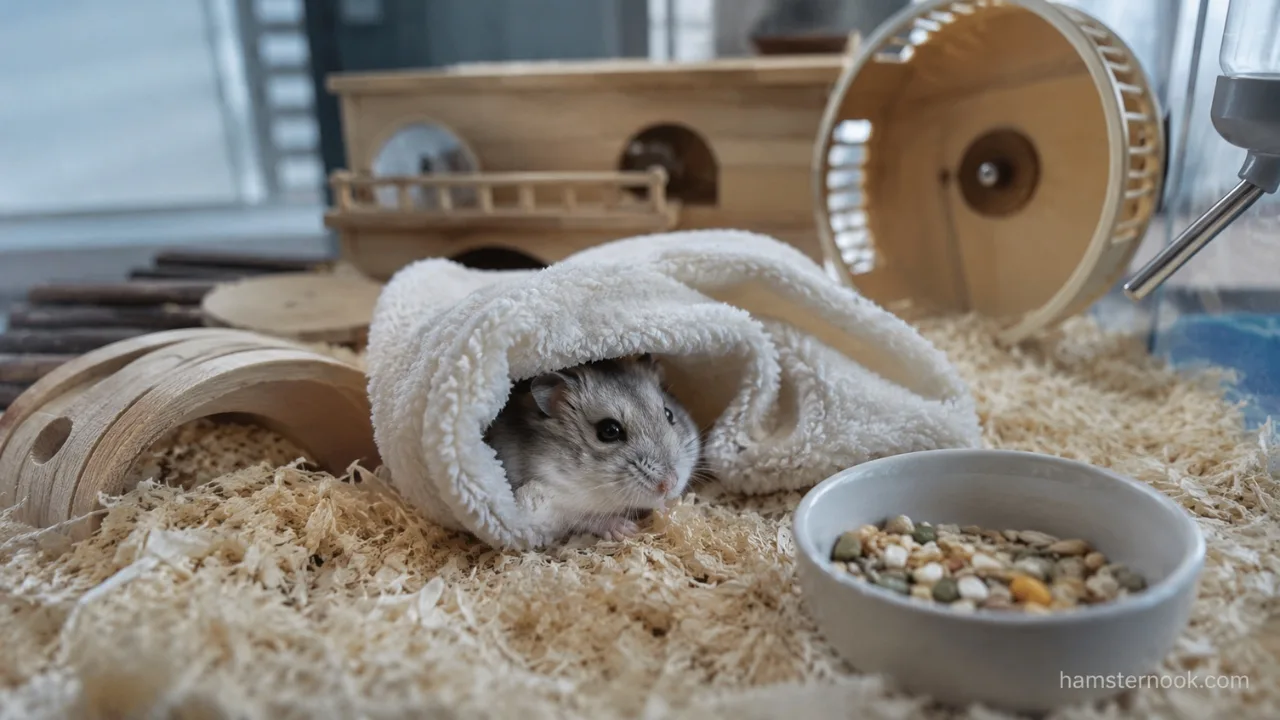
Do not try to make your hamster vomit unless a veterinarian specifically instructs you to do so. Some household cleaners are corrosive, and inducing vomiting can cause additional injury.
Warning Signs After Cleaning Product Exposure
A hamster that has been exposed to a problematic cleaning product may show signs related to the eyes, skin, digestive system, or respiratory tract. The exact signs depend on the substance and the route of exposure.
Potential warning signs include:
- Excessive drooling
- Irritated or watery eyes
- Squinting or keeping the eyes closed
- Diarrhea or other gastrointestinal signs
- Difficulty breathing
- Coughing or abnormal respiratory sounds
- Weakness
- Unusual behavior after a known exposure
MSD Veterinary Manual notes that household cleaner exposures can cause gastrointestinal, ocular, skin, and respiratory irritation, with severity varying according to the product and exposure.
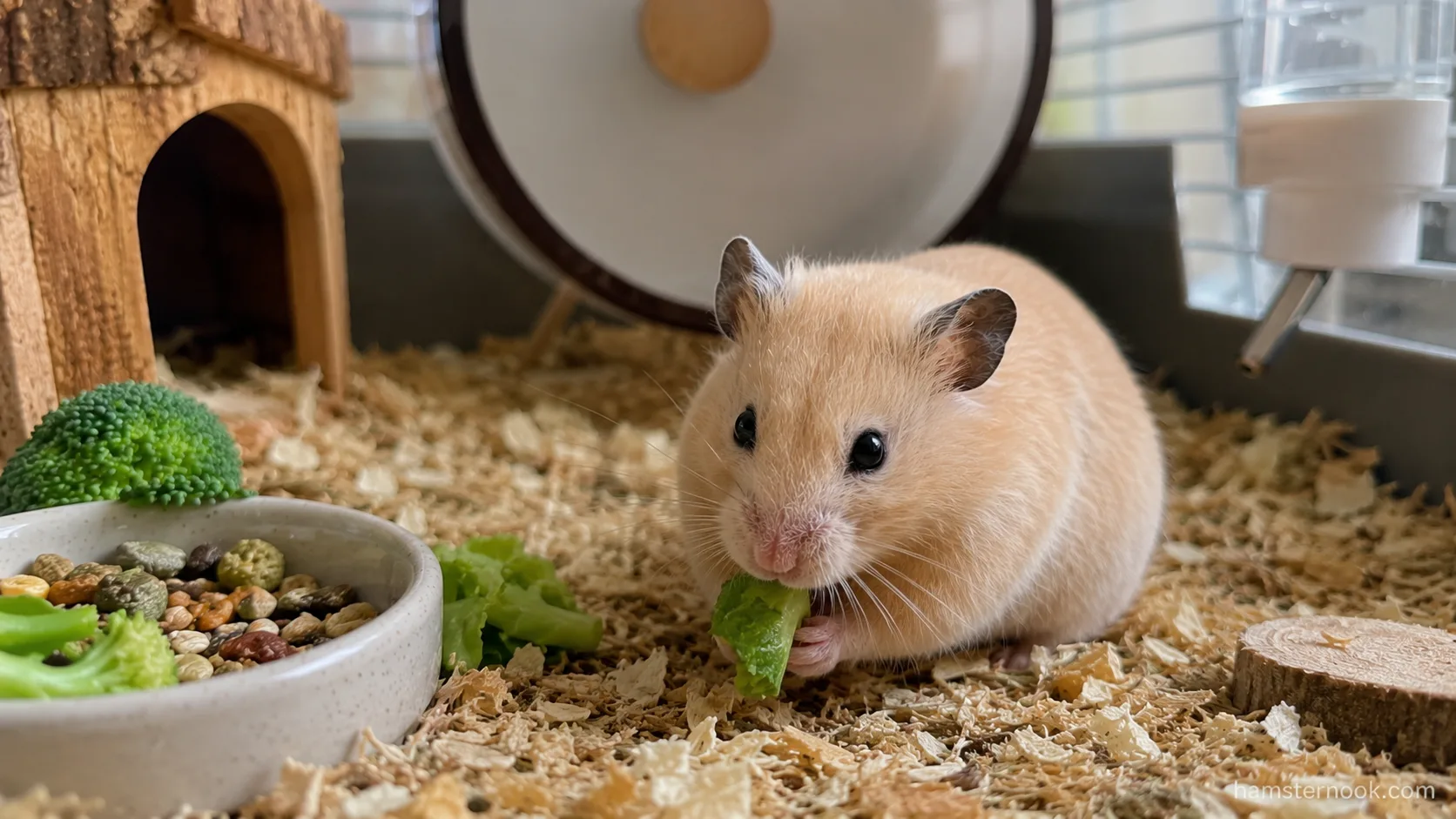
A hamster behaving normally after a brief, indirect exposure is reassuring, but continue watching for changes in breathing, activity, or behavior because some significant chemical exposures can cause effects after the initial exposure.
If your hamster later becomes unusually weak or inactive, don’t assume the change is simply part of recovering from the cleaning process. Why Is My Hamster Suddenly Weak? 9 Possible Causes & What To Do covers other reasons a hamster’s energy can suddenly change.
When to Worry
If your hamster was directly sprayed, swallowed a cleaning product, contacted a concentrated chemical, or is showing respiratory or neurological abnormalities after exposure, contact a veterinarian promptly.
Respiratory difficulty is particularly concerning. Significant exposure to some cleaning chemicals can cause substantial respiratory irritation, and severe cases may require supportive veterinary treatment.

When contacting a veterinarian, have the product container or a clear photograph of its ingredient label available. Tell them:
- The product name
- The ingredients, if listed
- Whether it was diluted
- How the exposure occurred
- Approximately when it happened
- Whether the hamster was exposed through the eyes, skin, mouth, or breathing
Don’t guess about the toxicity of a product based only on its smell or the fact that it is marketed as “natural” or “pet-friendly.” The formulation and actual exposure are what matter.
A Safer Cleaning Routine for Hamster Owners
You don’t need to turn hamster care into a complicated chemical-management routine.
A simple process works well.
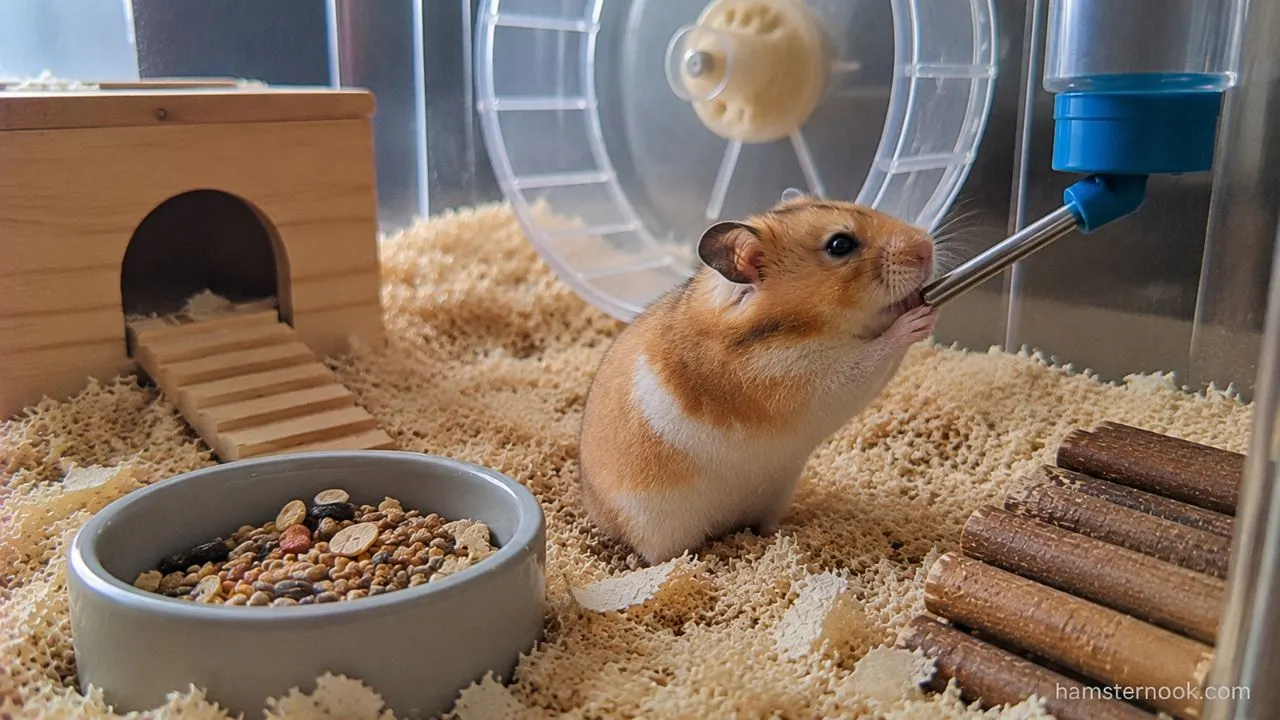
1. Move the Hamster to a Secure Location
Before using household sprays around the enclosure, place your hamster somewhere secure and away from the cleaning area.
2. Remove Items That Need Cleaning
Take out soiled accessories rather than spraying around a hamster that is still inside the enclosure.
3. Follow the Product Instructions
Use the cleaner exactly as directed. Don’t increase the concentration because you think it will work faster.
4. Rinse When Required
Some products require rinsing after use. Don’t skip this step simply because the surface looks clean.
5. Allow Everything to Dry
Wet surfaces should not go straight back into the enclosure.
6. Keep the Room Ventilated
Adequate ventilation helps reduce inhalation exposure while cleaning. Avoid generating unnecessary spray or aerosol around animals.
Ventilation also depends on where the enclosure is positioned within the home. Should a Hamster Cage Be Near a Window? Risks Every Owner Should Know explains how location, drafts, sunlight, and surrounding conditions can affect a hamster’s living environment.
7. Preserve Some Familiar Bedding
Cleaning should not mean removing every familiar scent from your hamster’s home. RSPCA guidance recommends transferring some clean, unsoiled bedding and nesting material during cage cleaning because smell is particularly important to hamsters.

Preserving some familiar scent cues can also help reduce unnecessary environmental disruption. 7 Signs You’re Accidentally Stressing Your Hamster (Without Even Realizing It) explains the broader behavioral changes that can suggest a hamster is experiencing too much environmental stress.
PDSA similarly recommends returning some clean old bedding and keeping cage items in their familiar positions to reduce disruption.
Do You Need Strong Disinfectant for Routine Cleaning?
Not necessarily.
The right cleaning method depends on what you’re cleaning and why. Cleaning removes dirt and organic material, while disinfecting is a separate process intended to reduce or eliminate microorganisms on surfaces. Veterinary guidance explains that effective disinfection depends on using an appropriate product at the correct concentration and for the required contact time.

For routine hamster care, the priority is maintaining a clean, sanitary enclosure while minimizing unnecessary disturbance and chemical exposure.
If your veterinarian has recommended a particular disinfectant because of a disease or infection, follow that specific veterinary advice rather than substituting another product.
Can I Use a Household Spray on the Outside of the Cage?
It depends on the surface and the product, but avoiding unnecessary spray around the enclosure is the safer practice.
If you need to clean the outside of the enclosure, keep the hamster away from the area, apply the product according to its instructions, and make sure the surface is appropriately cleaned and dry before the hamster is returned.

Wiping rather than spraying can also reduce the amount of product dispersed into the surrounding air. Veterinary guidance specifically identifies avoiding spray application where possible as one way to reduce exposure to cleaners and disinfectants.
Final Thoughts
Household cleaning sprays aren’t automatically dangerous to every hamster simply because they contain chemicals. The real concern is unnecessary or significant exposure, especially from concentrated products, direct spraying, contaminated surfaces, or poorly ventilated areas.
The safest habit is straightforward: move your hamster away before cleaning, avoid spraying around the enclosure, follow product directions, rinse when required, ventilate the room, and let surfaces dry completely before your hamster returns.
Good hamster hygiene doesn’t require filling the enclosure with strong fragrances or disinfectants. Clean, dry housing and sensible chemical handling are far more useful than making everything smell freshly cleaned.
Frequently Asked Questions
Can I use Lysol spray around my hamster?
Avoid spraying disinfectant products such as Lysol around a hamster or its enclosure. The specific formulation matters, so check the product label and keep your hamster away from the area during application and until the treated surfaces are appropriately dry and safe for their intended use.
Can cleaning spray fumes hurt a hamster?
Concentrated cleaning fumes can irritate the respiratory system. The risk depends on the chemical, concentration, exposure time, ventilation, and method of application. Spraying in poorly ventilated areas increases inhalation exposure.
Can I clean my hamster’s cage with bleach?
Bleach can be hazardous if used improperly. Undiluted chlorine bleach can cause gastrointestinal, skin, eye, and respiratory irritation in animals. If a disinfectant is necessary, use an appropriate product exactly according to its instructions, including dilution, contact time, rinsing, and ventilation requirements.
Should I remove my hamster before cleaning the room?
Yes. Moving the hamster to a secure location away from the cleaning area is a simple way to prevent direct contact with sprays and reduce inhalation exposure.
Is a strong cleaning smell bad for hamsters?
A strong smell alone cannot tell you how toxic a product is. However, it is sensible to keep hamsters away from cleaning activity and provide adequate ventilation rather than deliberately exposing them to strong chemical fumes.
What if I accidentally sprayed cleaner near my hamster?
Move the hamster away from the area immediately and ventilate the space. If the product contacted the hamster, its food, bedding, or frequently chewed items, remove the contaminated material. If the hamster was directly exposed or develops unusual symptoms, contact a veterinarian and provide the product information.
Can I use a pet-safe cleaner around my hamster?
A product labeled “pet-safe” still needs to be used according to its instructions. Keep the hamster away during application, use the recommended dilution, rinse when required, and allow surfaces to dry before returning the animal.
Should I keep all the old bedding after cleaning?
You don’t need to keep soiled bedding, but retaining some clean, unsoiled bedding and nesting material can preserve familiar scent cues. RSPCA specifically recommends transferring some clean old bedding and nesting material during cage cleaning.
References
This guide is based on hamster health, household chemical exposure, cleaning and disinfection, housing, and welfare guidance from trusted veterinary and animal welfare resources, including:
- MSD Veterinary Manual – Household Hazards – Veterinary information on household chemical hazards, cleaning products, exposure routes, and potential toxic effects in companion animals.
- MSD Veterinary Manual – Providing a Home for a Hamster – Veterinary guidance on hamster housing, ventilation, sanitation, bedding, and maintaining a safe enclosure environment.
- RSPCA – Creating a Good Home for Hamsters – Guidance on hamster housing, bedding, cleaning, ventilation, and maintaining a healthy and comfortable environment.
- RSPCA – Keeping Hamsters as Pets – General hamster health, welfare, housing, hygiene, and everyday care guidance.
- PDSA – Hamsters as Pets – Practical guidance on hamster housing, cleaning, bedding, handling, and general welfare.
- NC3Rs – Housing and Husbandry: Hamster – Guidance on appropriate hamster housing, husbandry, environmental conditions, and maintaining suitable living conditions.

Narayan Kumar is the founder and author of HamsterNook. He creates practical, research-based hamster care guides covering hamster behavior, nutrition, cage setup, enrichment, health, and everyday care. His goal is to help hamster owners make informed decisions and provide safer, healthier lives for their pets through clear, beginner-friendly information based on trusted animal care resources.