As a hamster gets older, the first signs of aging can be subtle and easy to miss. Your hamster may sleep longer, move more carefully, or become less interested in activities it once rushed toward. Some changes are consistent with aging, while others can signal illness or discomfort. Knowing the difference helps you adjust your hamster’s care without dismissing a treatable problem as “just old age.”
Quick Answer
An aging hamster may gradually become less active, rest more, move more slowly, and show changes in coat or body condition. Older hamsters may also lose interest in climbing or begin choosing easier routes around the enclosure.
Not every change in an older hamster is caused by aging. Weight loss, difficulty breathing, persistent diarrhea, wounds, significant mobility problems, reduced appetite, or a sudden change in behavior should not automatically be blamed on aging. Hamsters can deteriorate quickly when ill, so concerning changes deserve prompt veterinary attention.
What Happens as a Hamster Gets Older?
Aging is gradual. You usually won’t wake up one morning and suddenly have a noticeably “old” hamster.
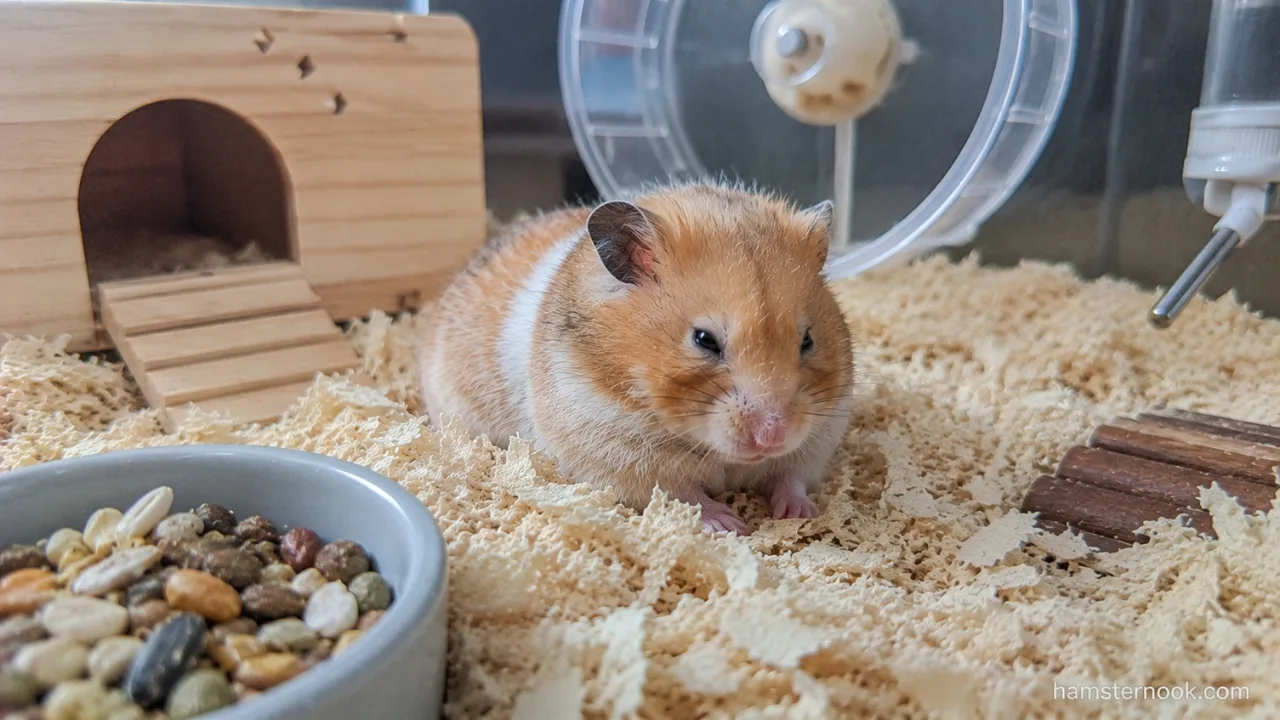
Instead, owners often notice several small changes over time. A hamster that once spent much of its active period running, digging, and investigating may start choosing quieter activities. It may take longer to emerge after waking or spend less time exploring the enclosure.
The most useful comparison is with your hamster’s own normal behavior.
Keeping simple notes about weight, appetite, activity, and mobility can make gradual changes easier to recognize, especially when you see your hamster every day.
A naturally calm hamster becoming gradually less active may be difficult to interpret on its own. A hamster that normally rushes toward food but suddenly stops showing interest deserves much closer attention.

Regular observation becomes particularly valuable as your hamster ages because it helps you distinguish gradual changes from sudden ones.
Good care throughout every life stage also gives you a clearer baseline for recognizing changes later on. Our Complete Hamster Care Guide for Beginners (2026) covers the core housing, diet, enrichment, and health-monitoring needs that support a hamster throughout its life.
Common Signs Your Hamster May Be Getting Older
1. Lower Activity Levels
Some hamsters gradually become less active as they age, especially compared with their own activity levels earlier in life.
Your hamster may still use its wheel, forage, burrow, and explore, but perhaps for shorter periods or at a slower pace. It might spend more time near its nest rather than repeatedly traveling across the enclosure.
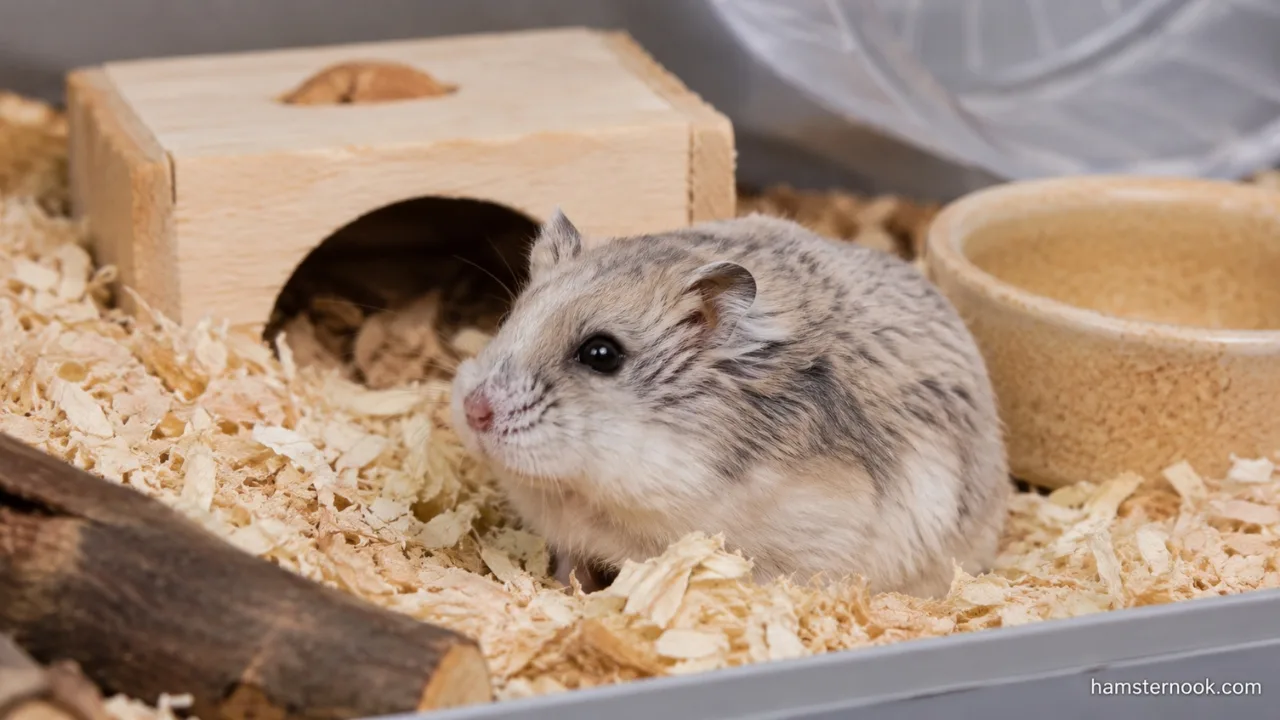
This doesn’t mean enrichment should disappear. Older hamsters still benefit from opportunities to forage, hide, burrow, and explore. The setup may simply need to become easier to navigate.
As those changes become noticeable, small adjustments can help preserve comfort without taking away activities your hamster still enjoys.
A sudden loss of activity is different. If an active hamster abruptly becomes lethargic or reluctant to move, don’t assume age is responsible.
2. Sleeping and Resting More
Older hamsters may spend more time resting and may become less noticeable during their active period.
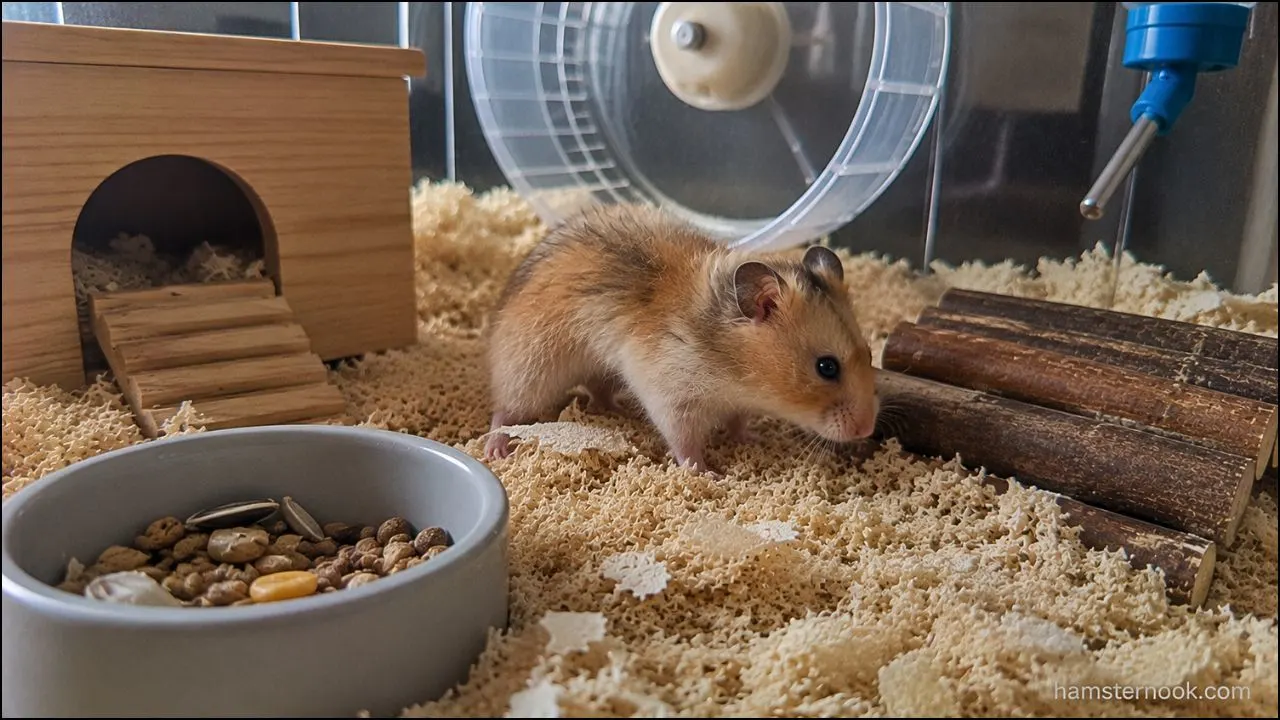
Remember that hamsters naturally sleep during much of the day, so daytime sleep isn’t evidence that your hamster is aging.
If your hamster’s sleeping pattern also seems unusual, our What Your Hamster’s Sleeping Position Says About Their Health (Normal vs Warning Signs) guide can help you understand other changes in resting behavior.
3. Moving More Slowly or Carefully
A younger hamster may scramble over enrichment, rush through tunnels, and climb onto objects without much hesitation.
As it ages, movement may become slower and more deliberate. You might notice your hamster choosing easier routes through the enclosure or becoming less interested in climbing.
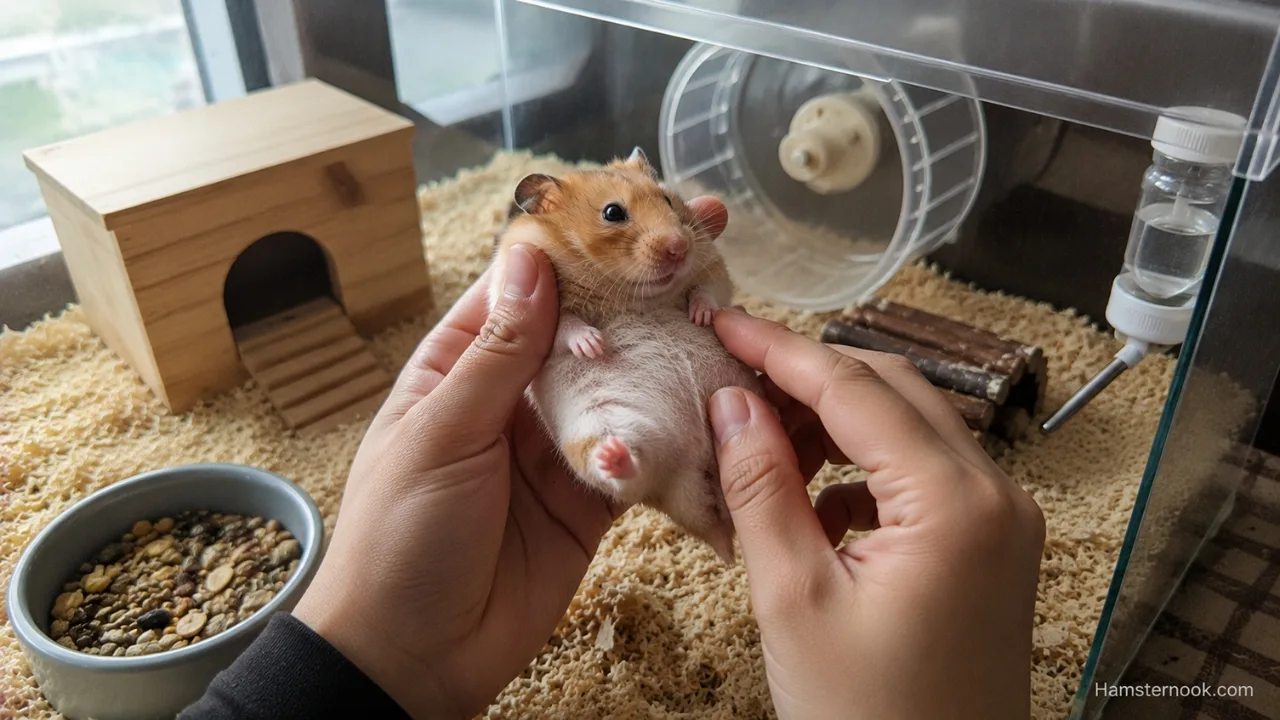
This is a useful reason to reassess enclosure accessibility. A senior hamster shouldn’t need to climb steep structures or navigate difficult obstacles to reach food, water, or a comfortable sleeping area.
Watch your hamster move through the enclosure during its normal active period. If it repeatedly avoids a route, hesitates at an entrance, or struggles to reach something it uses regularly, that specific part of the setup may need adjusting.
If an older hamster starts walking differently or seems less steady than usual, our Why Is My Hamster Walking Weird? Causes & When to See a Vet guide covers possible causes and when the change deserves veterinary attention.
4. Changes in Coat Appearance
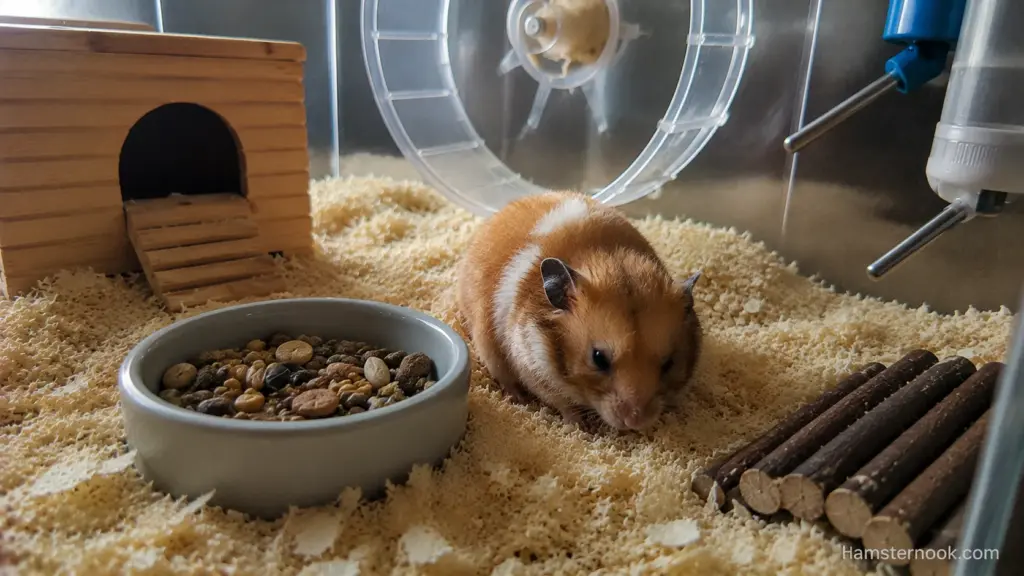
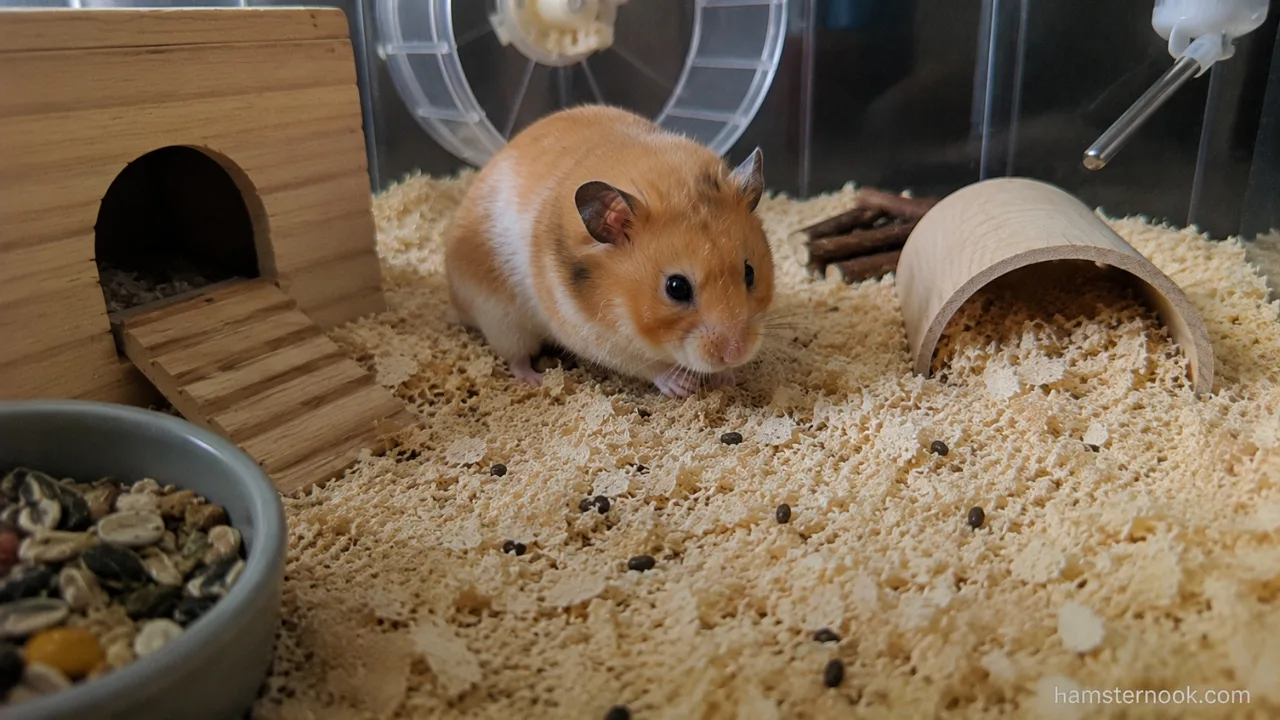
An older hamster’s coat may gradually look different from how it did during early adulthood, including appearing thinner or less sleek.
Coat changes need context, though.
Patchy hair loss, irritated skin, wounds, excessive scratching, swelling, or significant changes in grooming can have causes unrelated to normal aging and deserve further investigation.
Coat condition is only one part of the picture and should be considered alongside weight, appetite, activity, grooming, mobility, and other changes from your hamster’s normal routine.
5. Changes in Body Condition
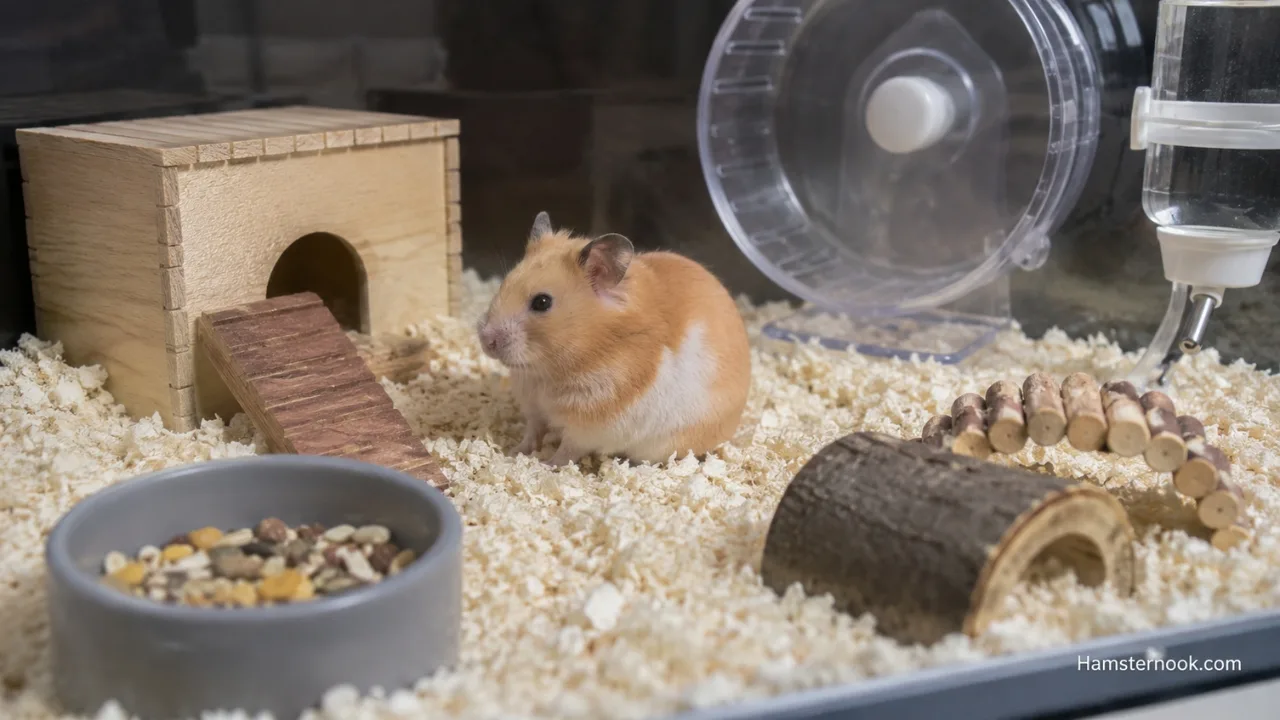
Body condition may change as a hamster ages, especially if its activity level gradually decreases.
This is where routine weighing becomes extremely useful.
Small animals can be difficult to assess visually because fur hides changes in body condition. Recording your hamster’s weight using a suitable digital scale allows you to notice a trend that might otherwise go undetected.
Don’t assume significant or rapid weight loss is a normal consequence of getting older. Weight loss can accompany dental disease and other health problems, and a veterinarian should evaluate unexplained changes.
Because unexplained weight loss can have causes beyond normal aging, a downward trend deserves closer attention. Read Why Is My Hamster Suddenly Losing Weight? for a closer look at this important health change.
6. Less Interest in Climbing
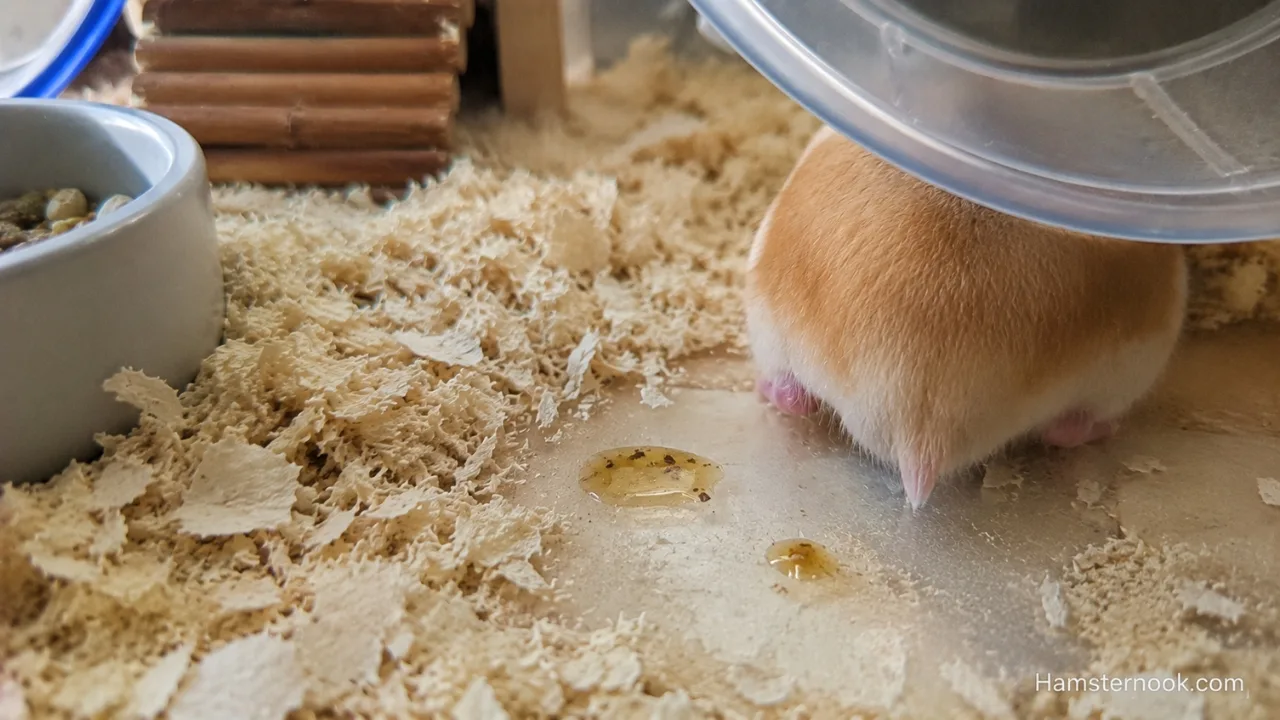
An older hamster may stop using elevated platforms or climbing structures that it previously visited regularly.
Rather than trying to encourage it back onto difficult structures, consider whether the enclosure can provide the same enrichment at ground level.
Tunnels, deep substrate, hides, scatter feeding, forage opportunities, and accessible textures can keep an older hamster engaged without requiring difficult climbing.
7. Changes in Grooming
Hamsters normally groom themselves frequently.
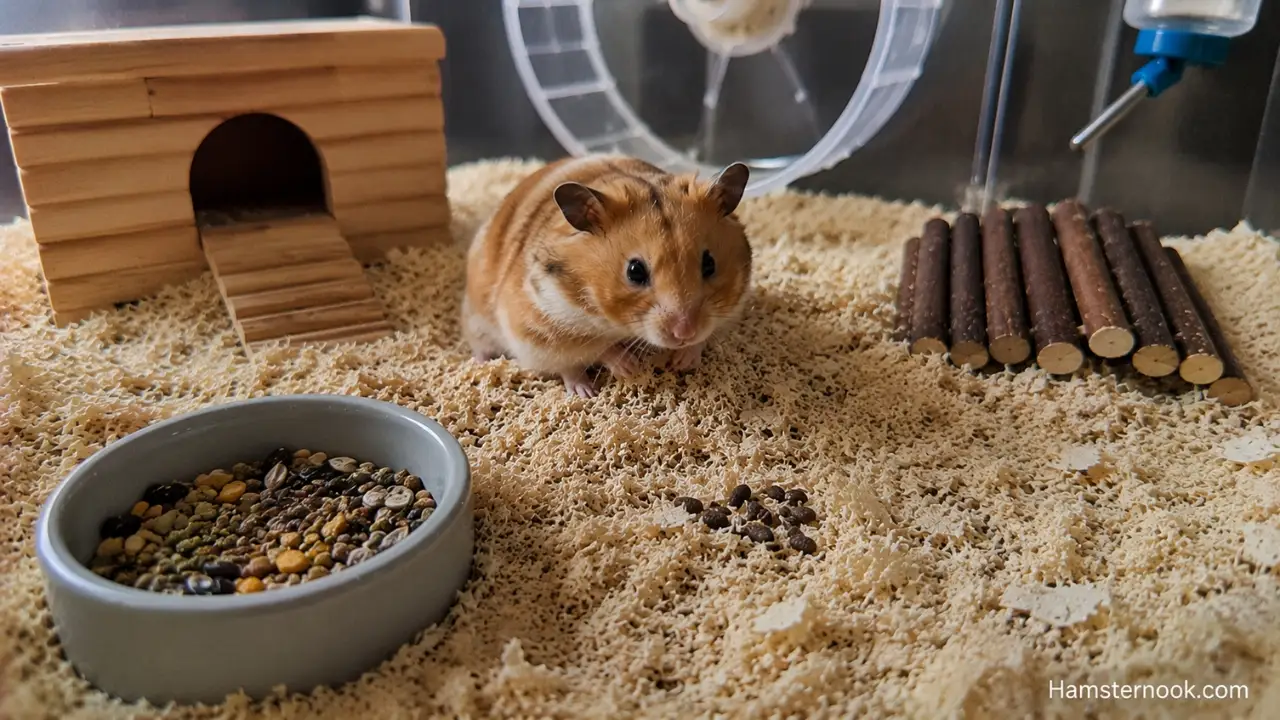
Some older hamsters may become less efficient at maintaining their coat, particularly if mobility becomes limited. You may notice the fur looking less tidy than it did previously.
A dirty or poorly maintained coat isn’t automatically an aging sign, however. Pain, dental problems, illness, obesity, and mobility difficulties can interfere with grooming.
A noticeable decline in grooming should therefore be considered alongside appetite, weight, movement, drinking, toileting, and general behavior.
Normal Aging or a Possible Health Problem?
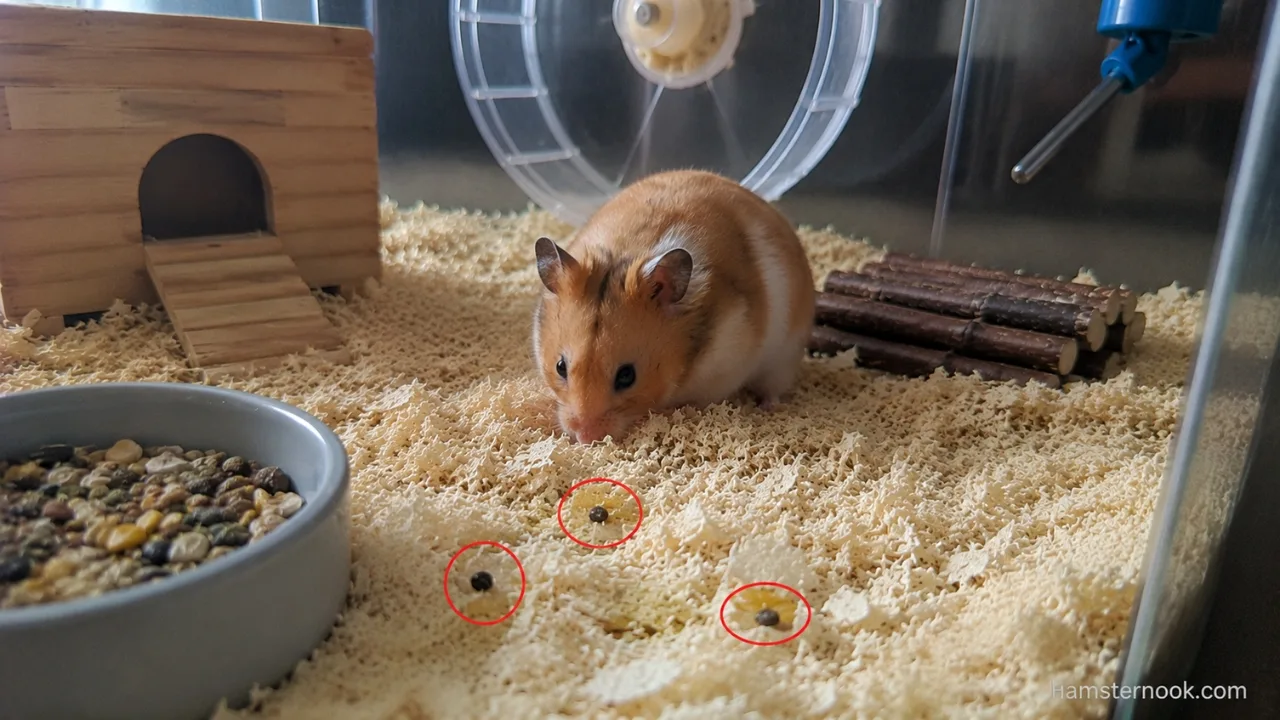
How quickly a change develops and how strongly it affects your hamster are important clues.
| Gradual Change That May Accompany Aging | Change That Deserves Closer Attention |
|---|---|
| Gradually becoming less active | Sudden severe lethargy |
| Spending more time resting | Difficult to wake or unusually unresponsive |
| Moving more carefully | Limping, falling, or dragging a limb |
| Reduced interest in climbing | Unable to reach food or water |
| Gradual change in coat condition | Wounds, swelling, irritated skin, or marked hair loss |
| Mild change in body condition | Significant or unexplained weight loss |
| Slightly less efficient grooming | Wet, heavily soiled, or persistently unkempt coat |
| Shorter periods of exploration | Abrupt withdrawal from normal activity |
This table isn’t a diagnostic tool. It simply highlights why owners shouldn’t treat every change in an older hamster as inevitable.
How Old Is an “Old” Hamster?
There isn’t a single age at which every hamster becomes senior.
Lifespan varies between hamster species and individuals, and welfare organizations give somewhat different ranges. The RSPCA notes that hamsters typically live for around two to three years, while Blue Cross describes an average lifespan of approximately two years.
These lifespan estimates do not define a specific age when every hamster becomes senior. Species, individual health, genetics, and living conditions can all influence lifespan and how age-related changes appear.
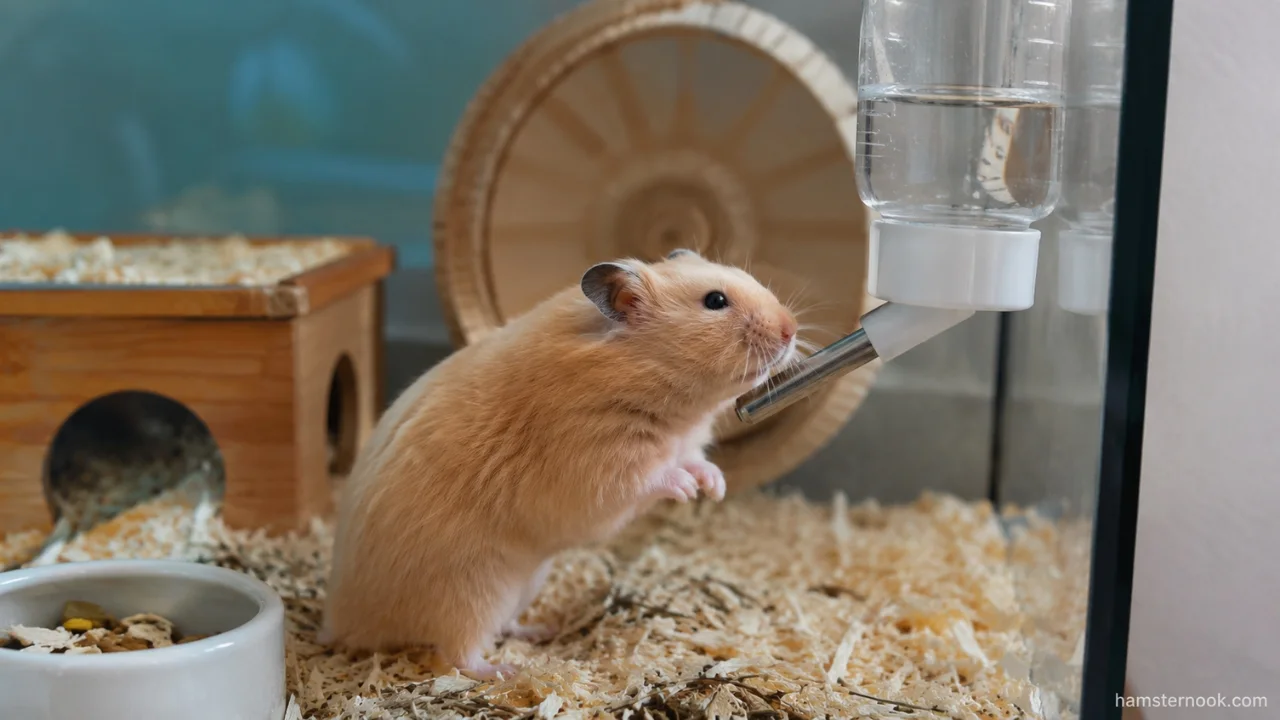
Instead of using age alone, pay attention to your hamster’s function and behavior.
A hamster that remains active and maintains its normal routine shouldn’t be treated as frail simply because it has reached a certain age.
Why Monitoring Weight Matters More as Hamsters Age
Weight is one of the easiest objective measurements an owner can track at home.
Use the same digital scale and weigh your hamster under similar conditions each time. Recording the result gives you a history rather than relying on memory.
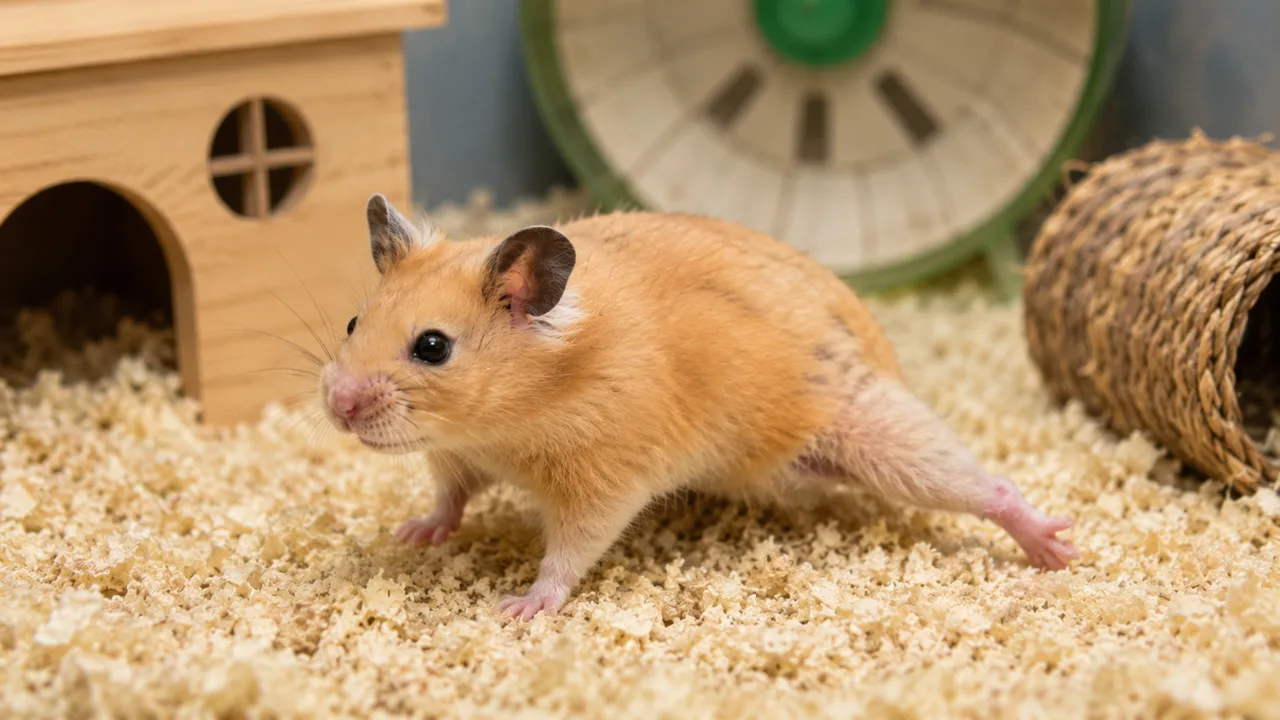
Focus on your hamster’s own weight trend rather than comparing the number with another hamster of the same species. An unexpected change from its established pattern is more useful to notice than whether it matches a generic weight range.
You’re looking for trends.
A single measurement tells you what your hamster weighs today. A record collected over time can reveal whether its weight has remained stable or is steadily changing.
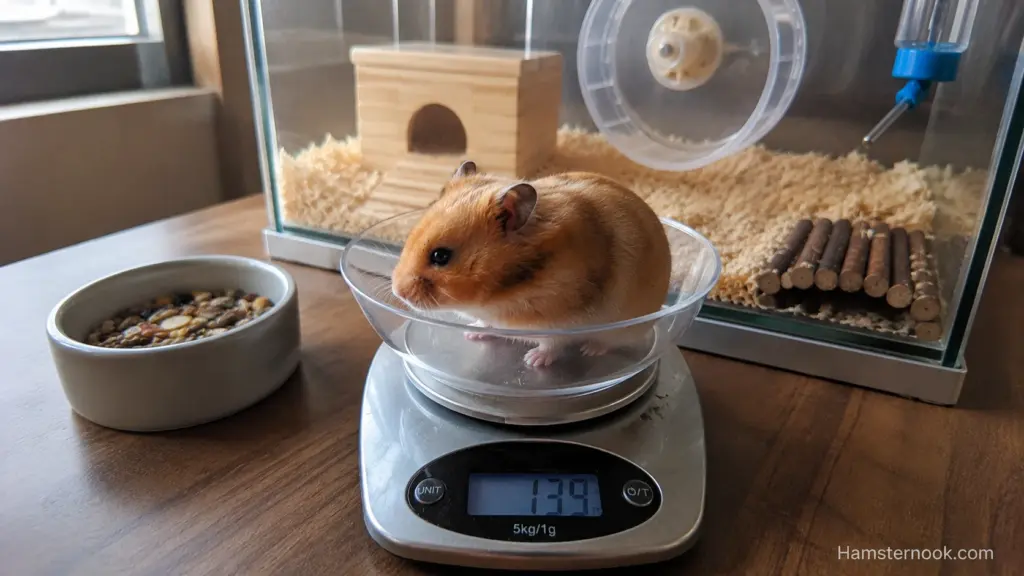
This becomes especially helpful with older hamsters because gradual weight loss may not be obvious beneath their coat.
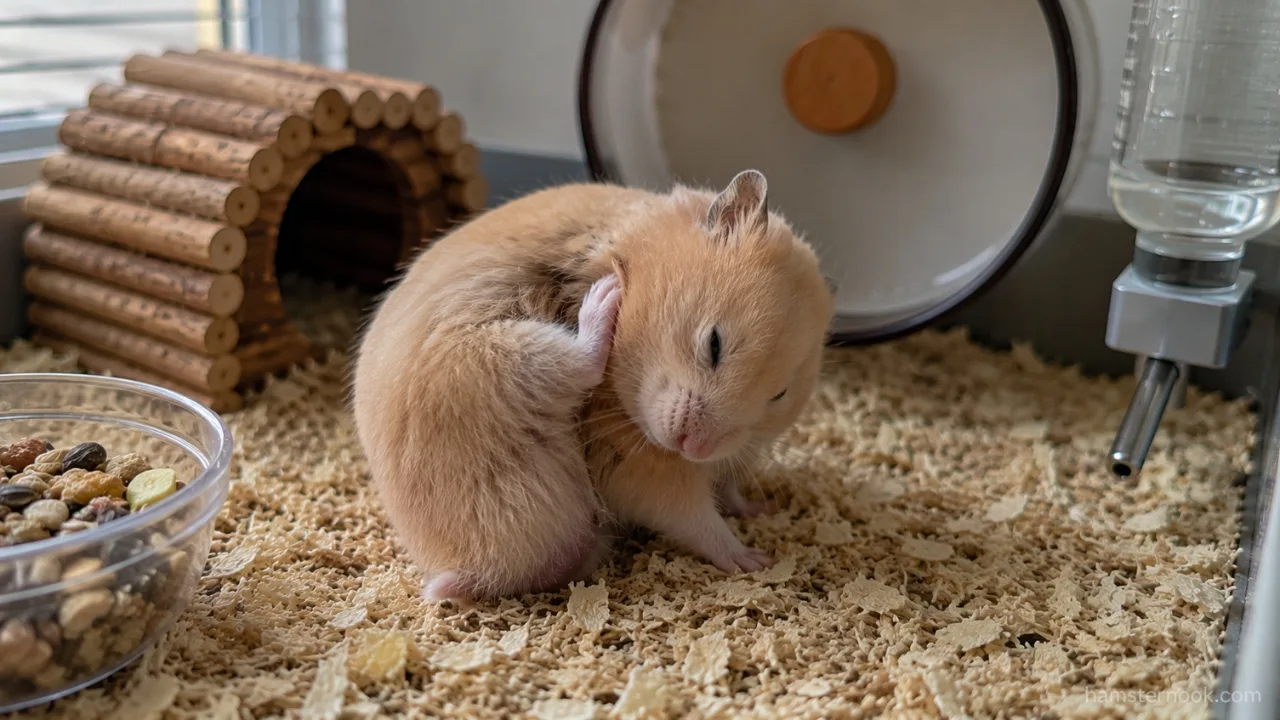
Weight is not a diagnosis. A meaningful change should prompt you to look at the whole hamster, including appetite, drinking, droppings, mobility, teeth, coat, and behavior, and seek veterinary guidance when appropriate.
Practical Examples of Aging Changes
Imagine a hamster that used to spend long periods running on its wheel every evening. Over several months, it still wakes normally, eats, drinks, burrows, and explores, but its wheel sessions become shorter and it rests more often.
That gradual shift may fit with aging, particularly if its weight and overall condition remain stable.
Changes in wheel use can be another useful clue when comparing an older hamster with its established activity pattern. If a hamster that regularly used its wheel suddenly loses interest, see Why Does My Hamster Suddenly Stop Using Its Wheel? Common Causes Explained.
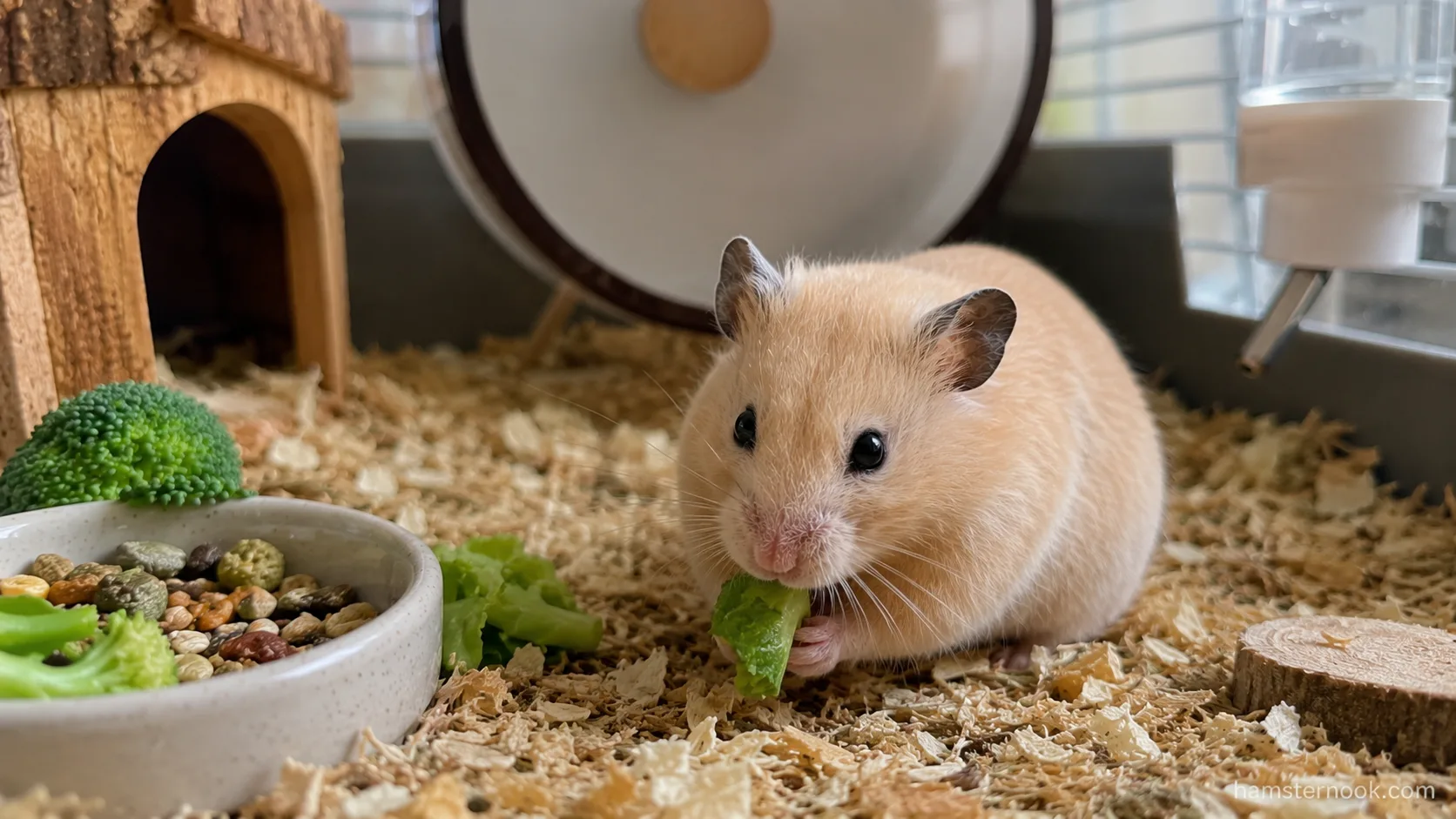
Now consider a hamster that was behaving normally earlier in the week but suddenly stops coming out for food, appears weak, and loses noticeable weight.
That pattern is different. The hamster may happen to be old, but age shouldn’t be used to explain away a rapid decline.
Another older hamster may stop using an elevated platform but happily explores tunnels and forages through bedding at ground level. In that situation, modifying the enclosure to match its changing mobility can allow it to continue performing natural behaviors without unnecessary physical difficulty.
Common Mistakes Owners Make With Aging Hamsters
Caring for a senior hamster often means making small adjustments, but it also means resisting the temptation to explain every change as old age. Older hamsters can develop health problems just like younger animals, and gradual aging should not become a reason to overlook something treatable.
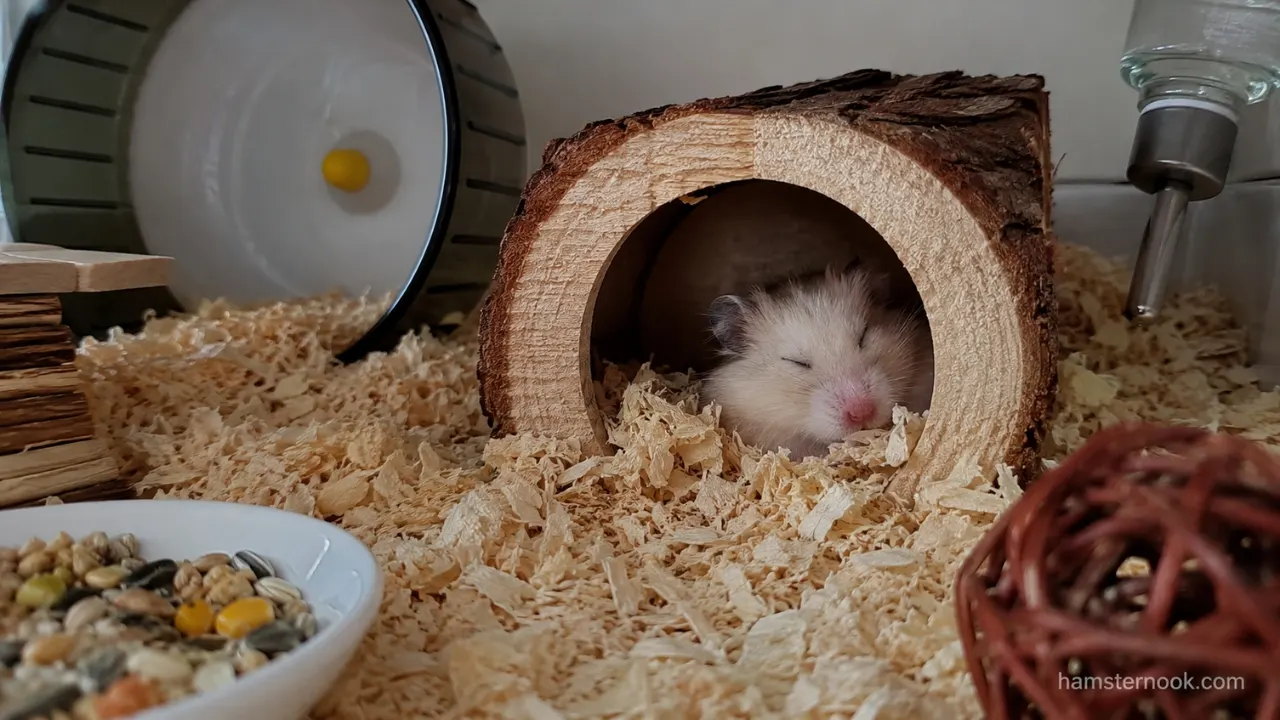
Assuming Every Change Is Normal Aging
This is probably the biggest mistake.
A hamster that gradually becomes less energetic is different from one that suddenly stops eating, struggles to walk, develops breathing problems, or rapidly loses weight.
When a significant change appears quickly, consider it a health concern rather than an expected part of getting older.
Making the Enclosure Too Empty
Some owners remove nearly all enrichment once their hamster slows down because they worry about injuries.
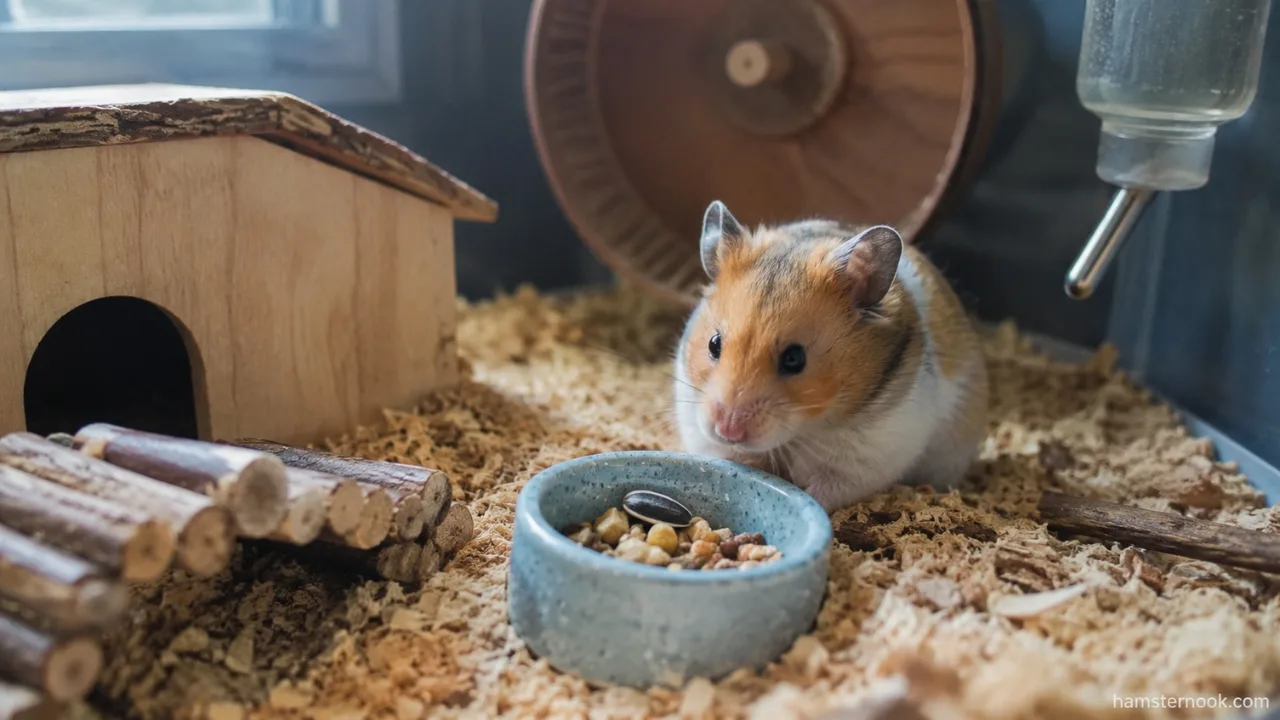
Senior-friendly doesn’t have to mean boring.
Deep bedding for burrowing, accessible hides, tunnels, suitable chew materials, scatter feeding, and an appropriately sized wheel can still provide valuable opportunities for natural behavior. The goal is to remove unnecessary physical challenges while preserving enrichment.
Keeping Difficult Climbing Areas
The opposite problem is leaving an enclosure unchanged even when a hamster can no longer navigate it comfortably.
High platforms, steep access points, and essential resources located above ground level can become inconvenient for a hamster with declining mobility.

Food, water, shelter, and other frequently used areas should remain easy to reach.
Changing Everything at Once
If you decide your older hamster needs a simpler layout, avoid completely redesigning the enclosure unless safety requires immediate changes.
Hamsters use scent to interact with and recognize their environment. Preserving familiar bedding, nesting material, hides, and general locations where practical can make adjustments less disruptive.
What You Should Do for an Aging Hamster
Senior hamster care is mostly about observation, accessibility, comfort, and maintaining opportunities for normal behavior.
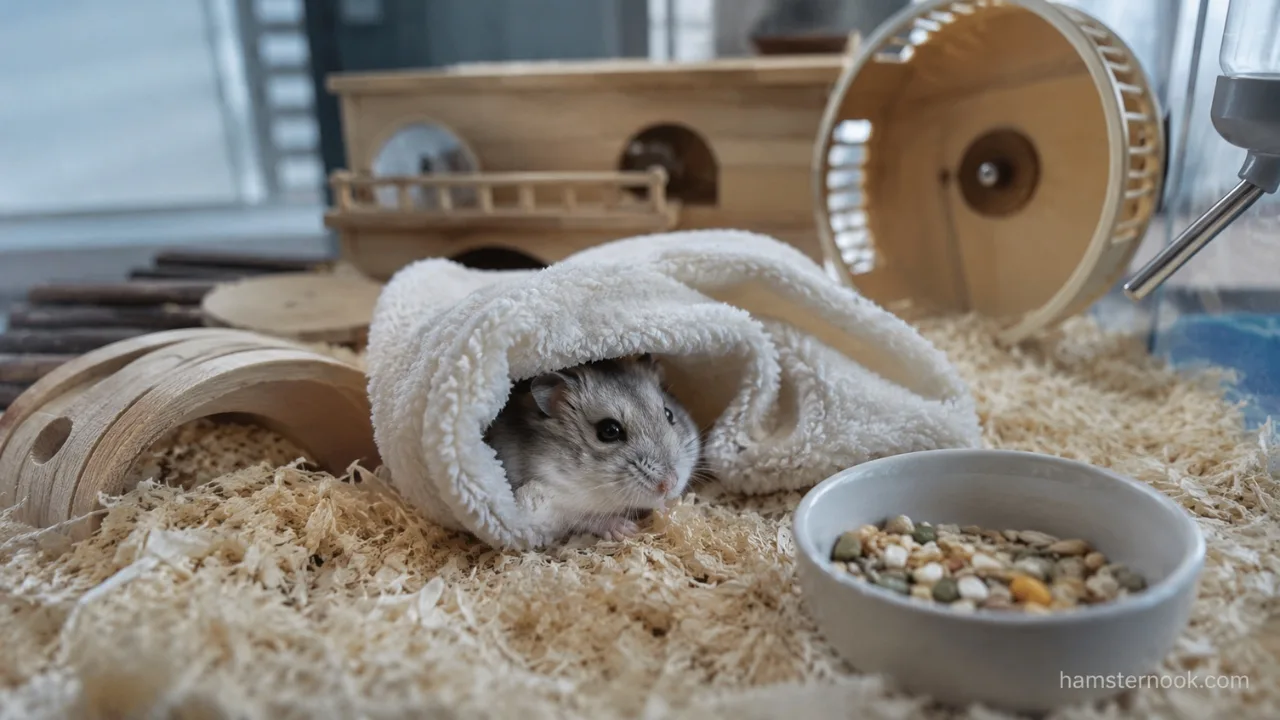
Start by watching what your hamster can still do comfortably rather than deciding what it should stop doing based solely on age.
Make Essential Resources Easy to Reach
Your hamster shouldn’t need to complete an obstacle course to drink water or reach its food.
Keep frequently used resources accessible, especially if movement has become slower. Check that your hamster can comfortably enter its hides and reach its water source without climbing.
Keep Providing Deep Bedding
Older hamsters still need an environment that supports species-appropriate behavior.
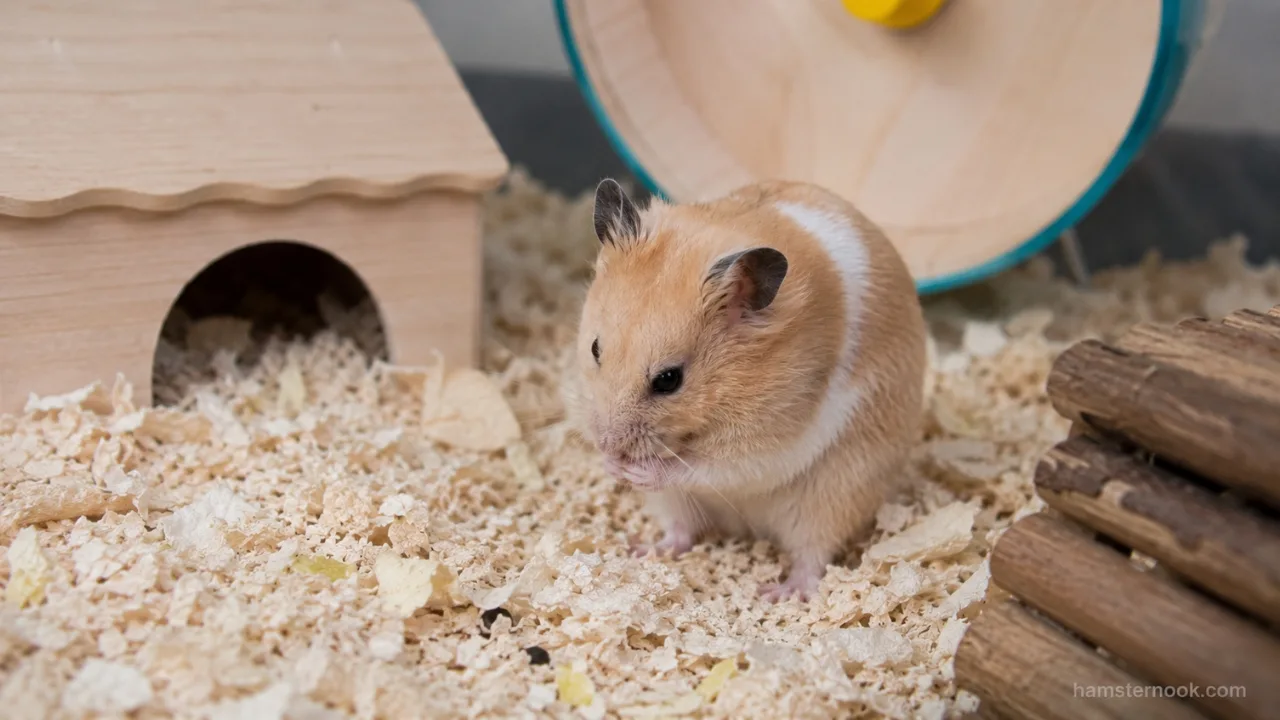
The RSPCA recommends providing hamsters with deep bedding suitable for digging and burrowing. An aging hamster may create a simpler burrow than it once did, but removing the opportunity altogether isn’t necessary simply because it is older.
Keeping enough substrate available allows an older hamster to continue burrowing and creating secure resting areas according to its abilities. See How Much Bedding Does a Hamster Need? Minimum Depth Guide for Healthy Burrowing for guidance on providing suitable bedding depth.
Keep the Wheel Available If It Is Used Comfortably
Don’t automatically remove the wheel when your hamster reaches an advanced age.
If your hamster voluntarily uses it and can run without obvious difficulty, the wheel remains a form of activity and enrichment. Make sure it is appropriately sized and easy to access.

If using the wheel becomes difficult, discuss significant mobility changes with a veterinarian rather than assuming the wheel itself is the problem.
Track Weight and Behavior
A simple record can become surprisingly useful.
Record your hamster’s weight periodically and pay attention to changes in:
- Appetite
- Drinking
- Activity
- Grooming
- Movement
- Droppings
- Urination
- Sleep routine
You don’t need to monitor every movement. You’re trying to recognize meaningful changes from your hamster’s established baseline.

A simple routine can make those changes easier to track over time by combining weight monitoring with checks of movement, coat, teeth, and bathroom habits. Use How Often Should You Check Your Hamster’s Health? A Weekly Wellness Checklist to build a consistent health-monitoring routine.
Continue Gentle Interaction
An older hamster that enjoys handling or interacting with you doesn’t necessarily need that contact reduced simply because of age.
Follow its behavior.
If it willingly approaches and climbs onto your hand, gentle interaction can continue. If it prefers staying in its nest more often, respect that change rather than repeatedly waking it for handling.
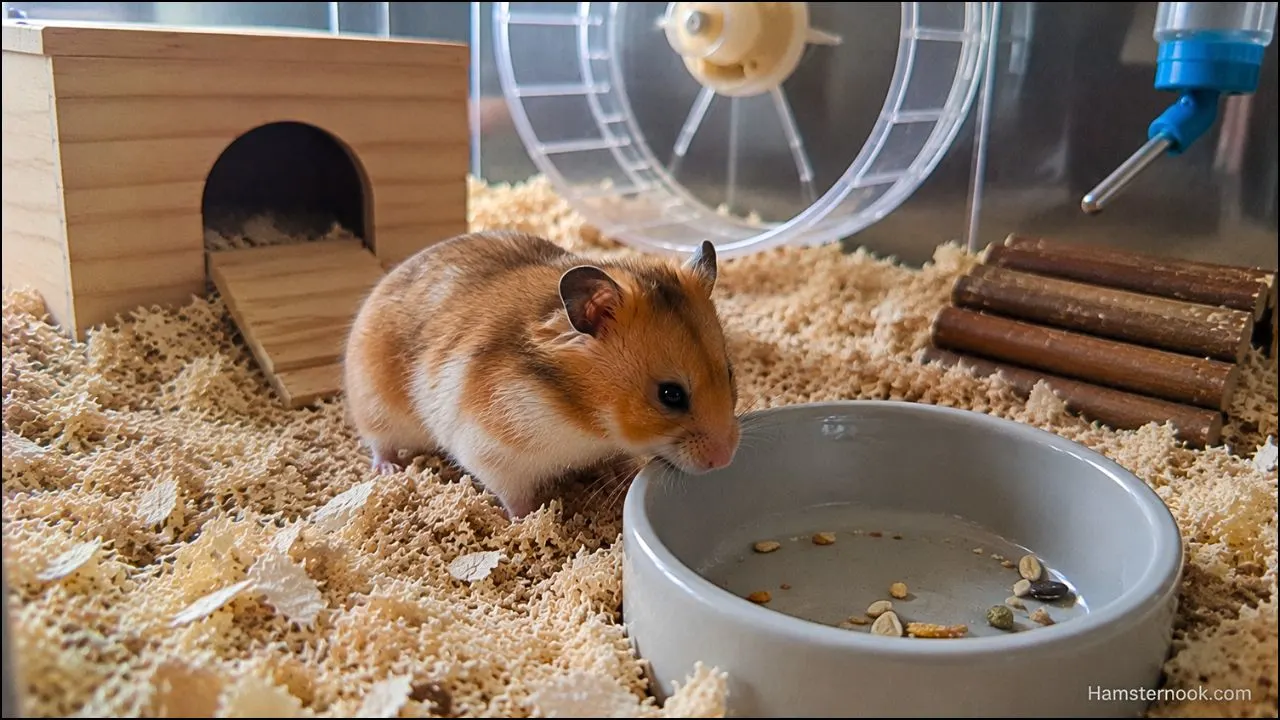
Warning Signs That Shouldn’t Be Blamed on Old Age
Some health problems become easier to miss when an owner already expects an older hamster to slow down.
Contact a veterinarian if you notice concerning changes such as:
- Significant or unexplained weight loss
- Refusal or difficulty eating
- Difficulty breathing
- Persistent diarrhea
- Blood or abnormal discharge
- New lumps or swelling
- Wounds that aren’t healing
- Limping or difficulty walking
- Repeated falling or loss of balance
- Marked changes in drinking or urination
- A sudden, substantial change in normal behavior
- Severe lethargy or weakness
Hamsters are prey animals and may not display illness in an obvious way early on. Changes in normal behavior can therefore be meaningful.
When to Worry About an Older Hamster
When assessing an older hamster, age itself is less important than what has changed from that hamster’s normal condition.

Ask instead, “Has something changed?”
A gradual reduction in activity while your hamster continues eating, drinking, grooming, moving comfortably, and interacting with its environment may fit with normal aging.
A sudden decline deserves a different response.
If your senior hamster stops eating, has trouble breathing, becomes weak, cannot move normally, or develops another concerning symptom, seek veterinary advice promptly. Don’t wait for several additional symptoms before acting simply because the hamster is elderly.

An exotic or small-mammal veterinarian can examine the hamster and determine whether a change is related to aging, illness, pain, dental disease, or another problem.
Final Thoughts
There isn’t one appearance or behavior that tells you a hamster has officially become old. Aging is usually a collection of gradual changes compared with that hamster’s younger self.
You might notice more sleep, shorter periods of activity, slower movement, changes in coat or body condition, or less enthusiasm for climbing. These changes can mean your hamster’s enclosure and routine need some thoughtful adjustments, not that enrichment and interaction should disappear.
Most importantly, don’t use age to explain a sudden decline. Older hamsters can become ill, and a significant change deserves attention regardless of how old they are.
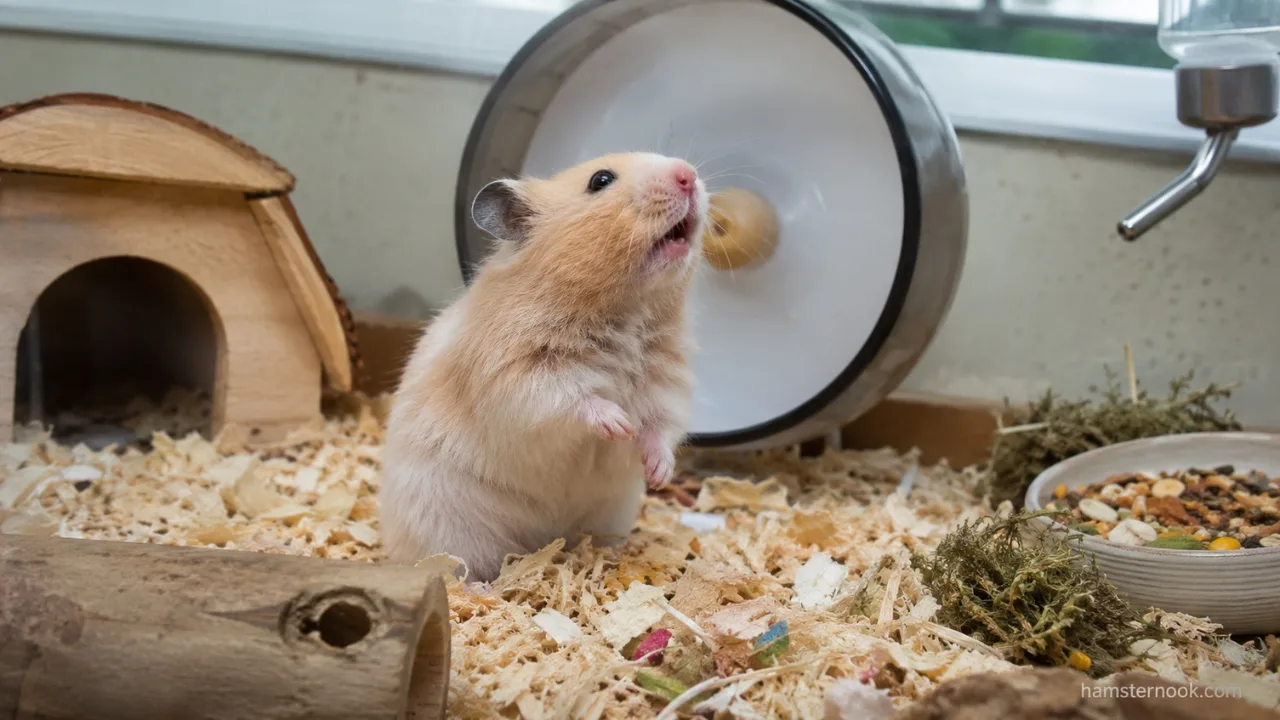
Knowing the broader warning signs of illness can help you recognize when a change goes beyond gradual aging. Read Signs of a Sick Hamster: 10 Warning Symptoms Every Owner Should Know for symptoms that deserve closer attention.
Frequently Asked Questions
How do I know if my hamster is getting old?
Look for gradual changes from your hamster’s established routine. Older hamsters may become less active, rest more, move more carefully, show changes in coat or body condition, and become less interested in climbing. No single sign proves that a hamster is aging.
At what age is a hamster considered old?
There is no universally defined senior age for pet hamsters. Hamsters commonly have relatively short lifespans, but lifespan and the rate of aging vary by species and individual. Your hamster’s health and functional changes are more useful than choosing a specific birthday as the start of old age.
Do old hamsters sleep more?
Older hamsters may spend more time resting and have shorter active periods. Hamsters naturally sleep during much of the day at every age, however, so compare any change with your hamster’s usual routine.

Is weight loss normal in an old hamster?
Changes in body condition can occur with aging, but significant or unexplained weight loss shouldn’t automatically be considered normal. Dental problems, illness, and other conditions can affect a hamster’s weight, so unexplained loss warrants veterinary attention.
Should I remove my old hamster’s wheel?
Not simply because your hamster is old. If it can comfortably access and voluntarily use an appropriately sized wheel, there is no reason to remove it solely based on age. Changes may be necessary if mobility becomes impaired.
Should I change my hamster’s enclosure when it gets older?
You may need to simplify difficult areas as mobility changes. Keep food, water, hides, and other essential resources easy to access while continuing to provide bedding, enrichment, and opportunities for natural behavior.
Why has my older hamster stopped climbing?
Reduced activity or mobility may make climbing less appealing as a hamster ages. However, a sudden inability to climb, weakness, limping, or problems with balance shouldn’t be assumed to be normal aging and should be discussed with a veterinarian.

How can I make my senior hamster more comfortable?
Keep essential resources easily accessible, provide suitable deep bedding and comfortable hiding areas, avoid unnecessary major enclosure disruptions, maintain enrichment that matches its abilities, and monitor weight and behavior for changes.
References
This guide is based on hamster aging, health monitoring, welfare, nutrition, mobility, and veterinary care guidance from trusted animal welfare and veterinary resources, including:
- RSPCA – Hamster Health & Welfare – Guidance on hamster health monitoring, signs of illness, dental health, grooming, body condition, and general welfare.
- RSPCA – Keeping Hamsters as Pets – General information on hamster lifespan, care, behavior, housing, diet, and welfare throughout different life stages.
- PDSA – Hamsters as Pets – Guidance on hamster care, nutrition, activity, handling, health problems, and recognizing changes in normal behavior.
- MSD Veterinary Manual – Routine Health Care of Hamsters – Veterinary guidance on routine health observation, body condition, teeth, diet, grooming, and recognizing health changes.
- MSD Veterinary Manual – Disorders and Diseases of Hamsters – Veterinary reference information on diseases, clinical signs, mobility problems, weight changes, respiratory concerns, and other conditions affecting hamsters.
- MSD Veterinary Manual – Providing a Home for a Hamster – Guidance on hamster housing, bedding, exercise, accessibility, and environmental care.
- Blue Cross – Hamster Care Guide – Practical guidance on hamster lifespan, housing, diet, exercise, handling, enrichment, and general wellbeing.
Medical Disclaimer:
This article is intended for educational purposes only and is not a substitute for professional veterinary advice, diagnosis, or treatment. Changes in activity, mobility, appetite, weight, grooming, or behavior may occur as a hamster ages, but similar changes can also be associated with illness or other health problems. If you notice sudden, persistent, or concerning changes in your hamster, consult a qualified exotic animal veterinarian.

Narayan Kumar is the founder and author of HamsterNook. He creates practical, research-based hamster care guides covering hamster behavior, nutrition, cage setup, enrichment, health, and everyday care. His goal is to help hamster owners make informed decisions and provide safer, healthier lives for their pets through clear, beginner-friendly information based on trusted animal care resources.