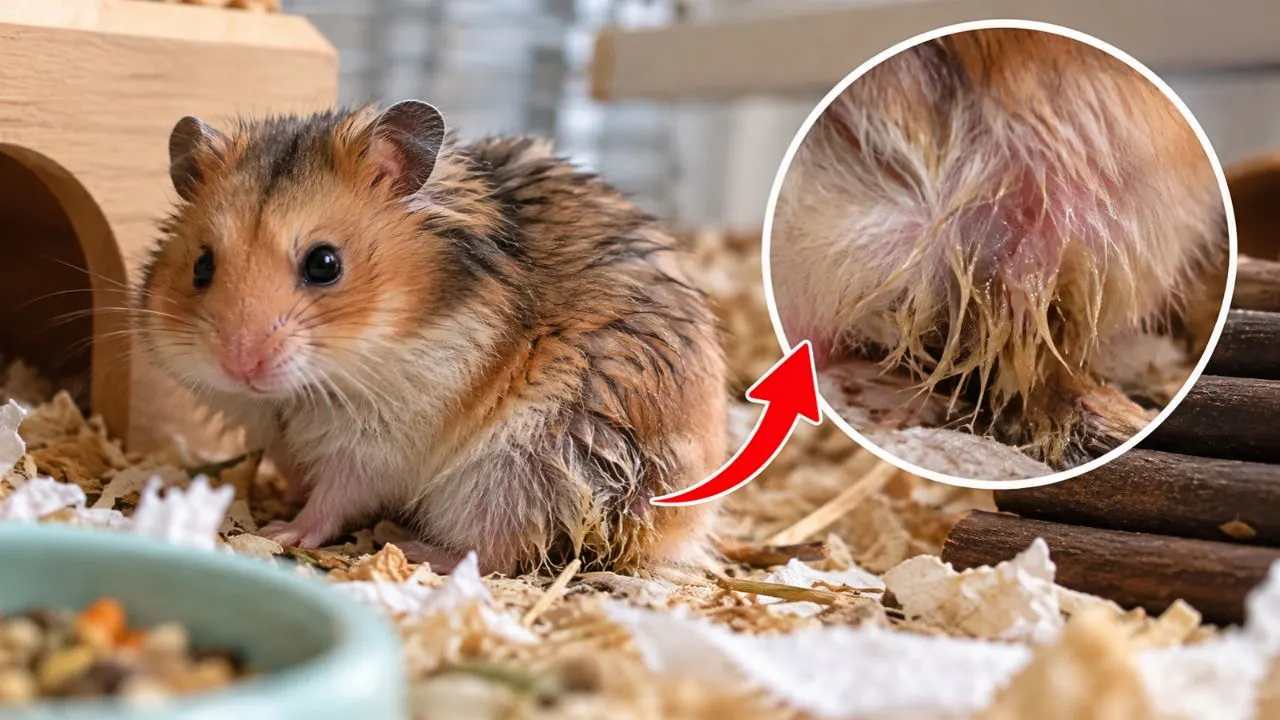
Hamsters are experts at hiding illness. In the wild, showing weakness can make a small prey animal an easy target, so hamsters naturally try to appear healthy even when something is wrong. Unfortunately, this means many owners don’t realize their pet is sick until the condition has already become serious.
Many owners later realize that their hamster’s behavior started changing days before any obvious signs of illness appeared. Spotting these early changes gives you a better chance of getting help before the problem becomes more serious.
Common early warning signs include reduced activity, appetite or drinking changes, increased hiding, grooming changes, weight loss, altered droppings, unusual posture, breathing changes, and personality changes. This guide explains what these changes may mean and when they warrant veterinary attention.
When Should You Worry About These Signs?
Not every unusual behavior means your hamster is sick. For example, a hamster may sleep longer after a stressful day, eat a little less during hot weather, or spend extra time hiding after moving to a new cage. These short-term changes often improve once the hamster feels comfortable again.

Concern is higher when several warning signs appear together or when a noticeable change affects eating, drinking, breathing, movement, or normal activity. Changes such as not eating or drinking, labored breathing, marked lethargy, weight loss, diarrhea, or a hunched posture warrant prompt veterinary attention.
Getting familiar with your hamster’s normal routine is one of the best ways to notice early health problems. Small changes are often easier to spot than obvious physical symptoms, especially in prey animals that naturally try to hide illness.
Why Hamsters Hide Illness So Well
Unlike dogs or cats, hamsters rarely make it obvious when they’re feeling unwell. Many health problems start with small behavioral changes that are easy to overlook.
Early warning signs often appear as changes in:

- Activity levels
- Eating habits
- Sleeping patterns
- Grooming behavior
- Social interaction
- Bathroom habits
The better you know your hamster’s usual habits, the easier it becomes to notice when something feels off.
Quick Overview: Early Warning Signs of Illness in Hamsters
| Warning Sign | Possible Concern | Recommended Action |
|---|---|---|
| Reduced activity | Stress, pain, or illness | Check for other changes; seek veterinary advice if persistent or accompanied by symptoms |
| Eating less or refusing food | Dental or other health problem | Contact a veterinarian promptly, especially if food is refused |
| Drinking noticeably more or less | Possible health problem or reduced water intake | Check water access and contact a veterinarian about a marked change |
| Hiding more than usual | Stress, discomfort, or illness | Compare with the normal evening routine and check for other signs |
| Grooming or coat changes | Discomfort, skin problems, or illness | Check for sores, hair loss, or a dirty rear end |
| Weight loss | Possible underlying illness | Arrange veterinary evaluation |
| Changes in droppings | Digestive or other health problem | Contact a veterinarian for diarrhea or a marked change |
| Hunched posture or difficulty moving | Possible pain or illness | Seek prompt veterinary advice |
| Breathing difficulty or open-mouth breathing | Potential emergency | Seek immediate veterinary care |
| Sudden personality or behavior change | Stress, pain, or illness | Assess alongside appetite, movement, and other symptoms |
These signs do not automatically mean your hamster is sick, but they should never be ignored.
1. Your Hamster Suddenly Becomes Less Active
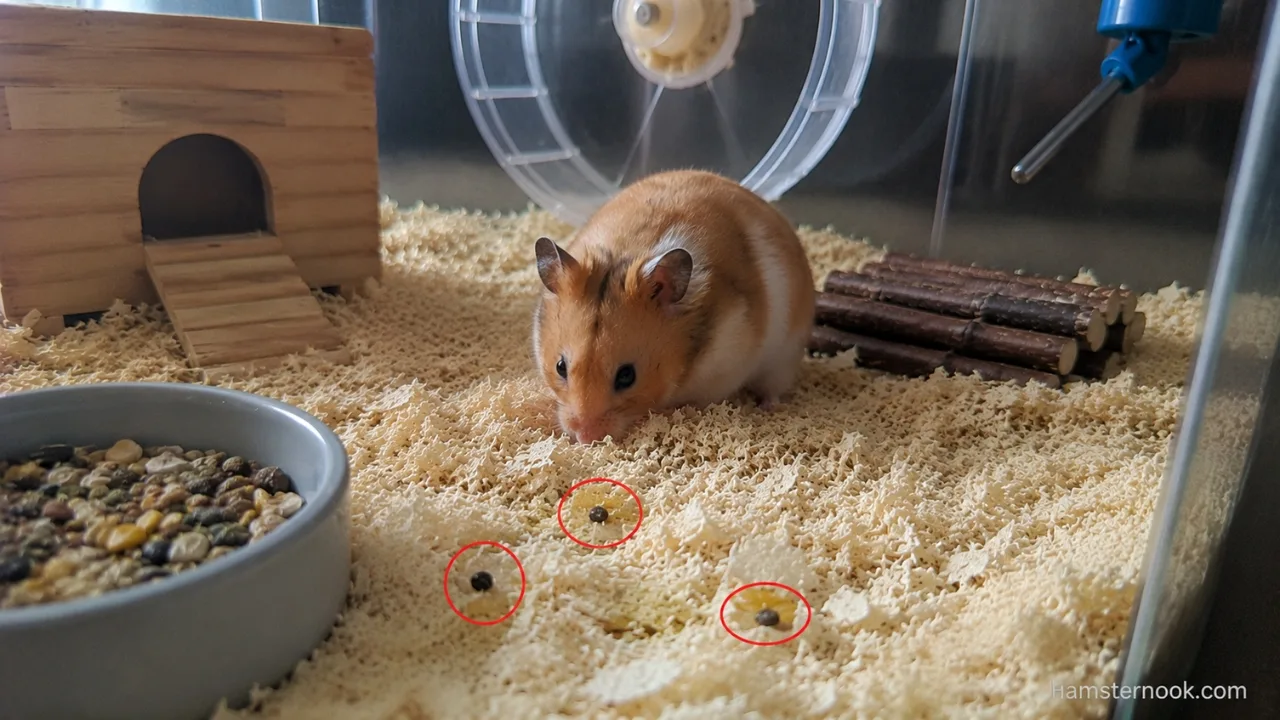
One of the earliest warning signs is a noticeable drop in activity.
Most healthy hamsters spend their evenings:
- Exploring
- Running on their wheel
- Foraging
- Digging
- Rearranging bedding
If your normally active hamster spends significantly more time resting or appears reluctant to move around, illness could be developing.
If the change is more than simply resting, our Why Is My Hamster Sitting Still and Not Moving? Causes, Warning Signs & What to Do guide covers when reduced movement may need closer attention.
One quiet evening may have a harmless explanation, but a noticeable drop in activity during your hamster’s normal waking hours is more concerning, especially when it occurs with appetite changes, weight loss, breathing problems, or other unusual behavior.
2. Your Hamster Starts Eating Less
Changes in appetite are often among the first signs of health problems.

A hamster that normally rushes to its food bowl may begin:
- Leaving food untouched
- Eating smaller amounts
- Ignoring favorite treats
- Taking longer to finish meals
Because hamsters can become unwell quickly, a sudden reduction in eating should be taken seriously, particularly if your hamster is also losing weight, becoming lethargic, or showing other signs of illness.
Monitor food consumption closely if you notice any sudden changes.
A sudden appetite change can have several causes, so our Why Is My Hamster Not Eating? 9 Causes, Warning Signs & What to Do guide covers what owners should check and when veterinary care may be needed.
3. Water Intake Changes Noticeably
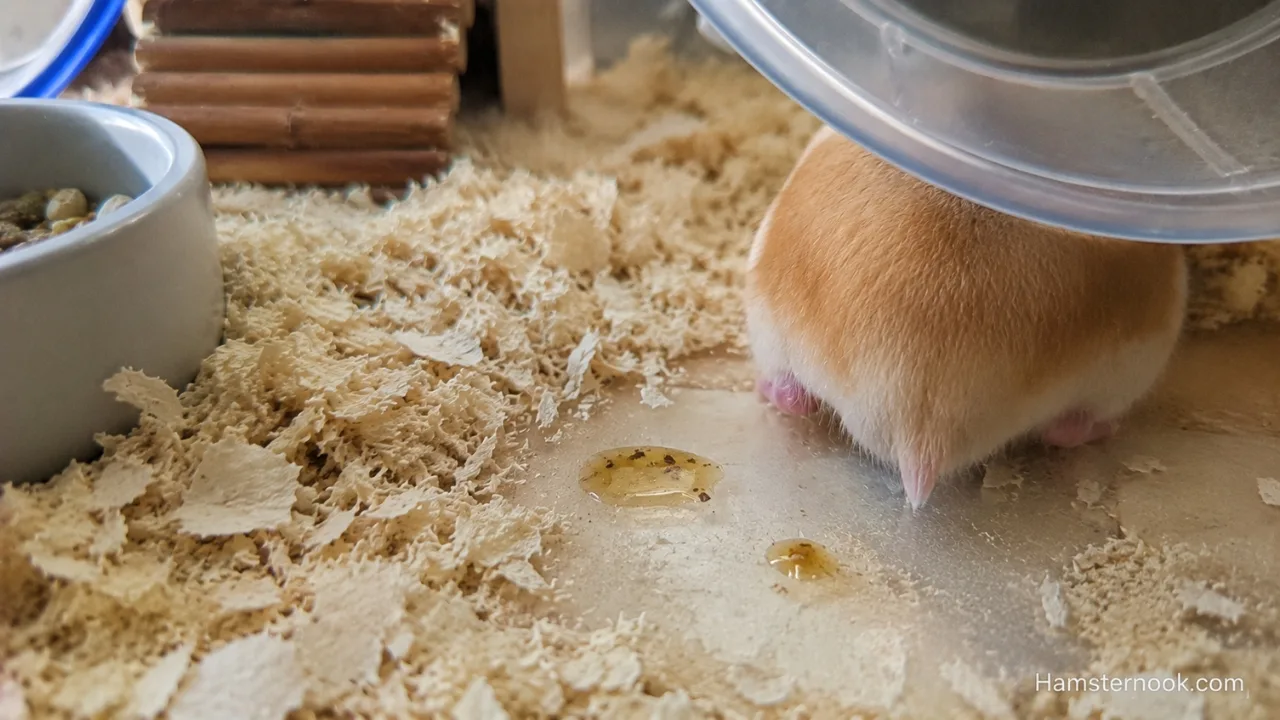
Both increased and decreased drinking can signal potential health issues.
Watch for:
| Drinking Behavior | What It May Indicate | What to Do |
|---|---|---|
| Drinking much more than usual | A possible health problem | Check the bottle for leaks and arrange veterinary advice about a persistent change |
| Drinking very little or not at all | Reduced water intake or illness | Check that water is accessible and contact a veterinarian promptly |
| Repeated visits to the water bottle | Increased thirst or a bottle issue | Check that the bottle works and monitor actual drinking |
| Difficulty drinking | Possible dental, mouth, or other health problem | Seek prompt veterinary advice |
Tracking water consumption can sometimes reveal problems before other symptoms appear.
If you’ve noticed your hamster suddenly drinking much more or much less than usual, our guide on Why Is My Hamster Drinking So Much Water? explains the most common causes, what is considered normal, and when increased thirst may require veterinary attention.

4. Your Hamster Hides More Than Normal

Providing proper shelter is important for a hamster’s sense of security. See Best Hamster Hideouts and Shelters.
You may notice:
- Staying hidden during normal active hours
- Avoiding exploration
- Refusing to leave the nest
- Spending most of the night inside one hideout
When a hamster feels unwell, it will often spend more time tucked away in familiar hiding spots where it feels safest.
5. Grooming Habits Begin to Change
Healthy hamsters spend a surprising amount of time grooming.

Changes in coat condition can sometimes accompany grooming problems. Read Why Is My Hamster Losing Hair?
A hamster that suddenly stops grooming may develop:
- Messy fur
- Oily coat
- Matted areas
- Dirty rear end
In some cases, excessive grooming can also indicate discomfort, skin irritation, or stress.
Any major change in grooming habits is worth investigating.

6. Gradual Weight Loss Appears
If possible, weigh your hamster using a small digital kitchen scale every week or two and record the results. A gradual drop in weight is often easier to detect on a scale than by appearance alone because thick fur can hide early weight loss.
Weight loss is one of the most important health indicators in hamsters.
Because hamsters have thick fur, weight changes can be difficult to notice visually.
Regular weighing can help identify problems early.

Learning how to handle your hamster safely during health checks can make weighing much easier. See How to Tame a Hamster Without Getting Bitten for tips on safe handling and building trust.
| Weight Change | Recommended Action |
|---|---|
| Weight remains stable | Continue routine monitoring |
| Small unexplained loss | Recheck the measurement and watch for other changes; contact a veterinarian if the loss persists |
| Ongoing weight loss | Arrange veterinary evaluation |
| Rapid weight loss or weight loss with weakness or appetite changes | Seek prompt veterinary attention |
Unexpected weight loss often signals an underlying health issue.
Weight loss is often one of the earliest signs that something isn’t right. Our detailed guide to Why Is My Hamster Losing Weight? Causes Owners Should Never Ignore explains the most common reasons, warning signs, and when to seek veterinary care.
7. Droppings Look Different
A hamster’s droppings can reveal a lot about its health.

Healthy droppings are usually:
- Firm
- Dry
- Dark brown
Potential warning signs include:
- Smaller droppings
- Fewer droppings
- Soft stools
- Diarrhea
- Wetness around the tail area
Digestive problems can progress quickly in small animals, making early detection especially important.
8. Your Hamster Sits in an Unusual Position
Body posture often changes when a hamster feels unwell.

You may notice:
- Hunched posture
- Curled-up appearance
- Reluctance to move
- Sitting with eyes partially closed
Healthy hamsters typically appear alert and engaged during active periods.
An unusual posture that persists should not be ignored.
If your hamster’s sleeping or resting position looks unusual, our What Your Hamster’s Sleeping Position Says About Their Health guide explains normal positions and signs that may need attention.

Pain is another possible reason for changes in posture or movement. Learn more in Signs Your Hamster Is in Pain: How to Tell if Something Is Wrong, where we cover subtle behaviors that may indicate discomfort.
9. Breathing Seems Different
Breathing changes are among the most serious warning signs.
Watch for:
| Breathing Sign | Why It Matters |
|---|---|
| Rapid breathing | May indicate illness or stress |
| Wheezing | Possible respiratory issue |
| Clicking sounds | Potential infection |
| Labored breathing | Veterinary attention needed |
| Open-mouth breathing | Emergency situation |
Respiratory illnesses can worsen quickly in hamsters and often require prompt veterinary care.

For more detail on breathing changes, our Why Is My Hamster Breathing Fast? Normal Breathing, Causes & Warning Signs guide explains what owners should watch for.
10. Your Hamster’s Personality Changes
Many owners notice that something feels “off” before obvious symptoms appear.
Personality changes may include:
- Becoming unusually quiet
- Increased irritability
- Less curiosity
- Avoiding interaction
- Increased aggression
- Reduced confidence
Because you know your hamster’s normal behavior better than anyone else, trust your observations when something seems unusual.
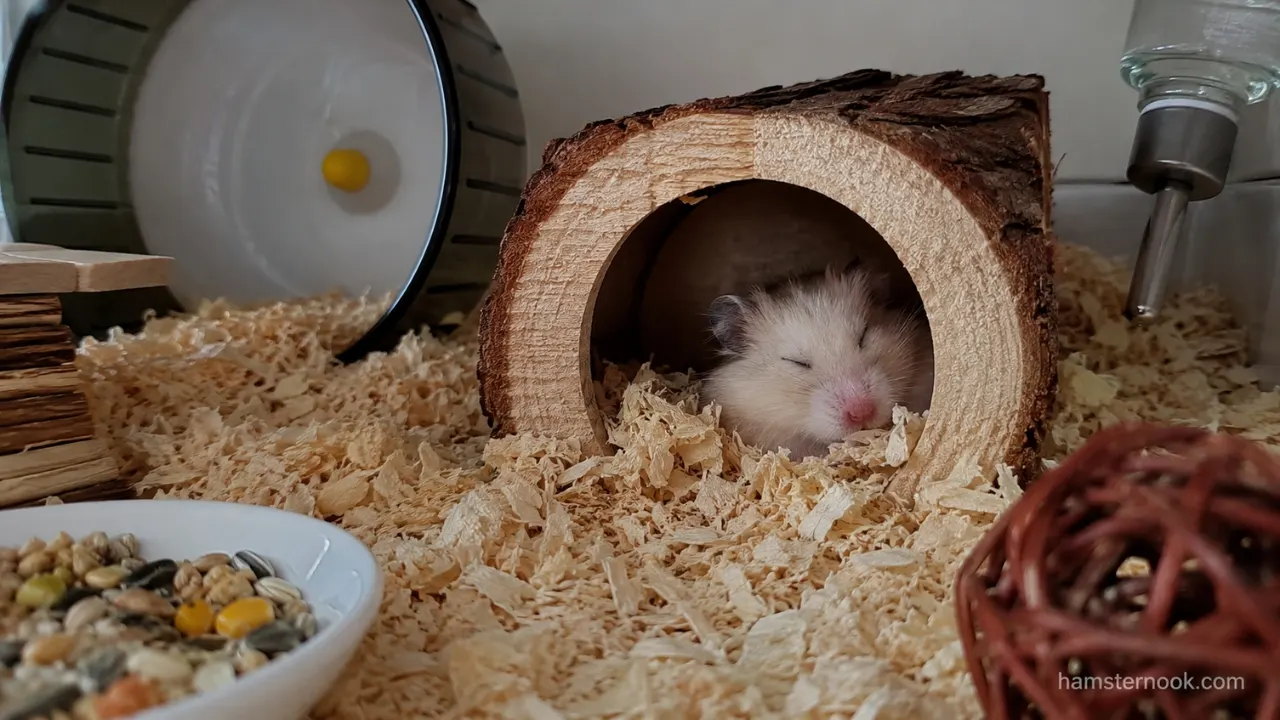
Understanding normal hamster behavior helps owners recognize when something has changed. See our Hamster Body Language Guide to learn more about common hamster behaviors and signals.
When Multiple Signs Appear Together
Try not to panic over one unusual behavior, but check your hamster’s eating, drinking, activity, posture, and other normal habits. If multiple warning signs appear together, your hamster is not eating or drinking, breathing abnormally, or seems to be getting worse, contact a veterinarian promptly.
A single symptom does not always indicate illness.
However, concern increases when several warning signs occur at the same time.

| Combination of Signs | Recommended Action |
|---|---|
| Reduced activity and increased hiding | Check for other changes and seek veterinary advice if persistent |
| Appetite loss and weight loss | Contact a veterinarian promptly |
| Diarrhea and lethargy | Seek urgent veterinary advice |
| Breathing difficulty with inactivity or weakness | Seek immediate veterinary care |
| Several symptoms occurring together | Contact a veterinarian promptly; urgency depends on the symptoms |
A combination of small changes is usually more concerning than any single behavior on its own.
How to Monitor Your Hamster’s Health at Home
Regular observation helps you catch problems earlier.
Establishing a daily care routine makes unusual behavior easier to notice. Read Hamster Care Guide for Beginners for practical daily care tips.
Helpful habits include:

- Checking food intake daily
- Monitoring water consumption
- Watching wheel activity
- Inspecting droppings
- Weighing your hamster regularly
- Observing grooming habits
- Noting behavioral changes
Small observations can make a big difference when identifying health issues.
Common Mistakes Owners Make
Many hamster illnesses are missed because owners assume unusual behaviors are normal.
Some common mistakes include:
| Mistake | Why It Matters |
|---|---|
| Assuming hamsters sleep all the time | Changes during normal waking hours may be overlooked |
| Ignoring appetite changes | Reduced food intake can signal illness and needs prompt attention |
| Not monitoring weight | Gradual weight loss can be difficult to notice by appearance alone |
| Waiting for severe symptoms | Hamsters may hide illness until they are seriously unwell |
| Assuming reduced activity is just aging | Illness or pain can occur at any age |
Being proactive is often the best approach.

Final Thoughts
Hamsters rarely announce when they’re sick. Instead, they tend to communicate through small changes in behavior, appetite, activity, grooming, and daily routines. While any single sign may have a harmless explanation, repeated or combined changes should always be taken seriously.
The earlier illness is recognized, the better the chances of getting appropriate veterinary care before the condition becomes severe. By paying close attention to your hamster’s normal habits, you’ll be much more likely to notice when something isn’t right.
Remember that behavioral changes are often easier to spot than physical symptoms. Keeping track of your hamster’s normal routine can help you recognize potential health concerns much earlier.
If you’re new to hamster ownership or want to build a complete understanding of housing, diet, behavior, enrichment, and health, don’t miss our Ultimate Hamster Care Guide for Beginners (2026). It brings together the essential information every owner should know in one place.

Frequently Asked Questions
Do hamsters always show symptoms before getting sick?
Not always. Some illnesses progress very quickly, but many hamsters show subtle behavioral changes before obvious symptoms develop.
How often should I weigh my hamster?
Many owners find that weighing their hamster once every week or two helps identify unexpected weight changes early.
Is sleeping more always a sign of illness?
No. Hamsters naturally sleep during the day. The concern arises when a hamster becomes less active during its normal waking hours.
What is usually the first sign of illness in a hamster?
Reduced activity, appetite changes, and increased hiding are among the most commonly reported early warning signs.

Should I take my hamster to a vet if it stops eating?
Yes. Hamsters can become weak quickly when they stop eating, so veterinary advice should be sought as soon as possible.
What symptom requires immediate veterinary attention?
Difficulty breathing, open-mouth breathing, severe lethargy, or sudden collapse should be treated as urgent situations and require immediate veterinary care.
References
This guide is based on hamster health, illness warning signs, behavior, welfare, and general care guidance from trusted veterinary and animal welfare resources, including:
- RSPCA – Hamster Health, Care and Welfare Guidance
- PDSA – Hamster Health and Care Advice
- Veterinary Partner – Small Animal Health Resources
- Blue Cross – Hamster Care and Welfare Guidance
- Merck Veterinary Manual – Hamster Health and Husbandry
Medical Disclaimer
The information provided in this article is for educational and informational purposes only and should not be considered veterinary advice, diagnosis, or treatment. If your hamster is showing signs of illness, injury, or unusual behavior, consult a qualified veterinarian as soon as possible.

Narayan Kumar is the founder and author of HamsterNook. He creates practical, research-based hamster care guides covering hamster behavior, nutrition, cage setup, enrichment, health, and everyday care. His goal is to help hamster owners make informed decisions and provide safer, healthier lives for their pets through clear, beginner-friendly information based on trusted animal care resources.