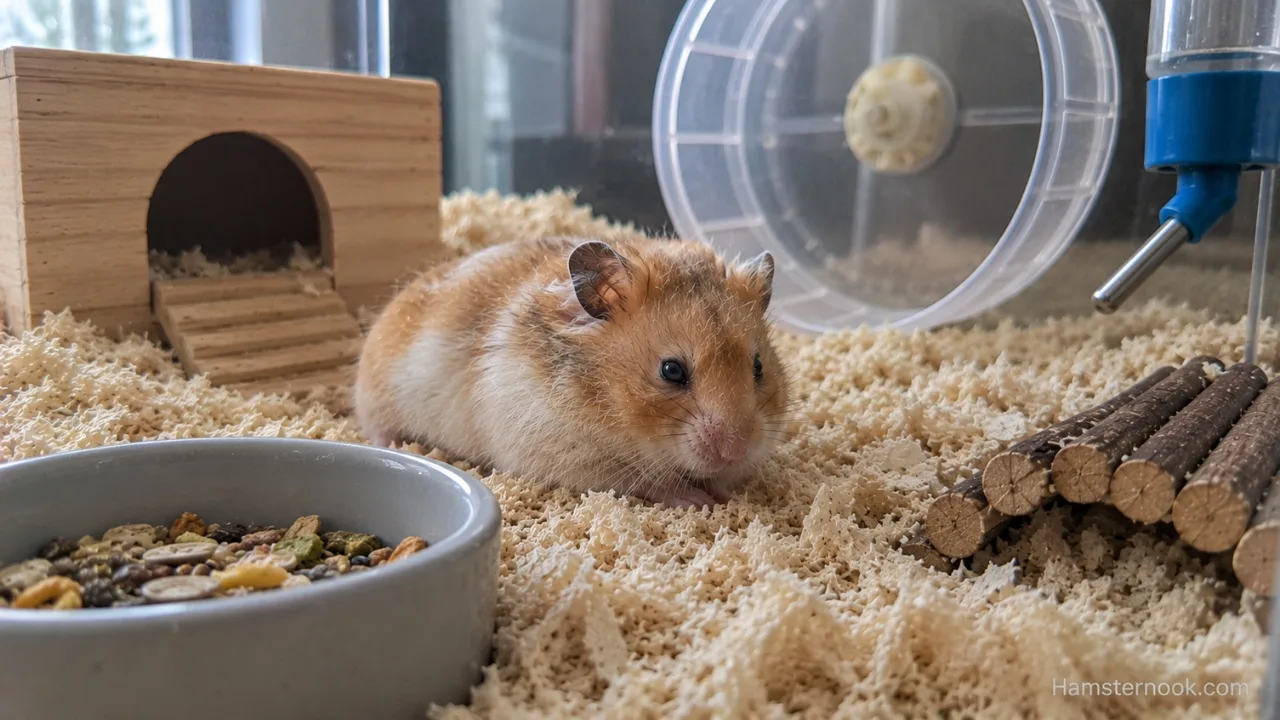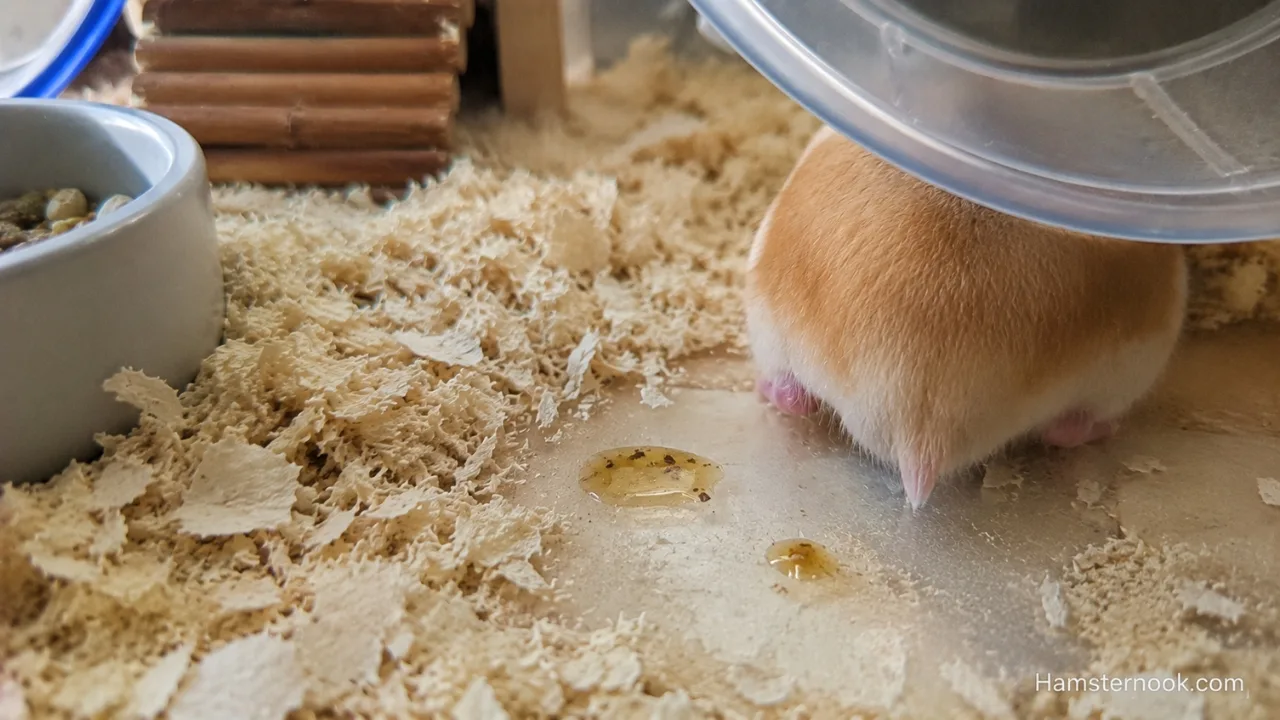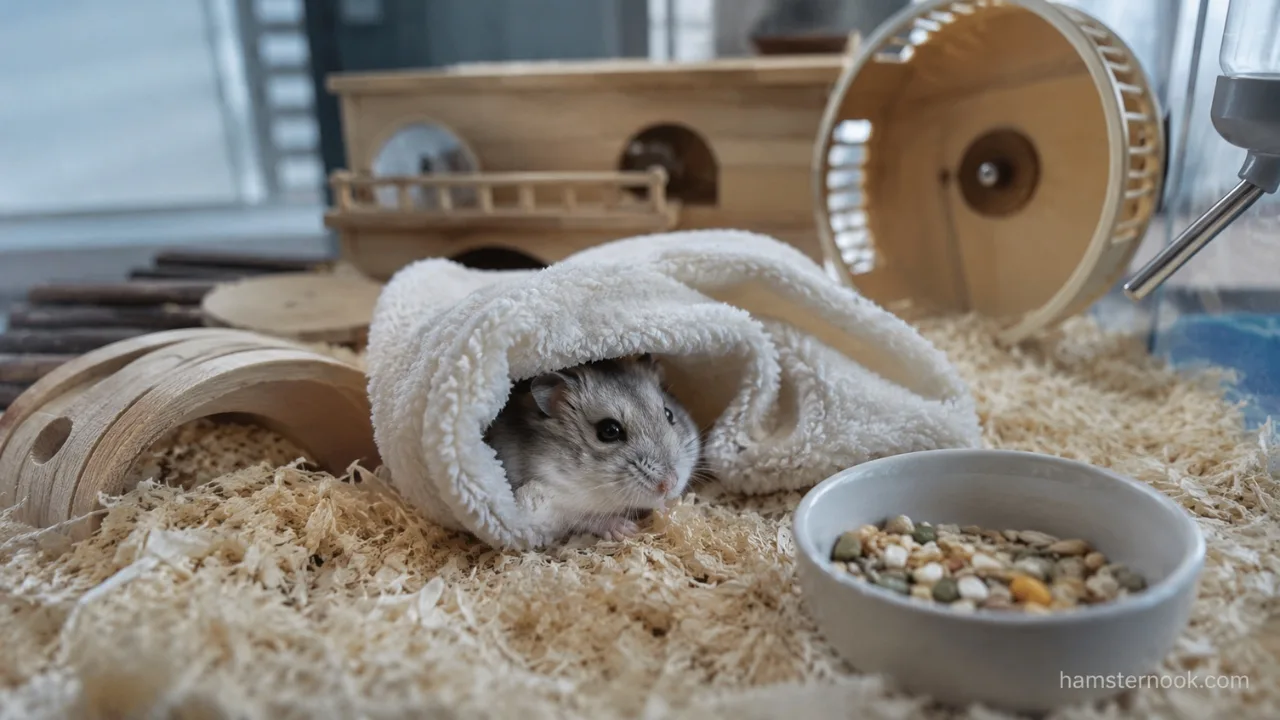
If your hamster suddenly feels colder than normal when you pick them up, it’s understandable to worry. Hamsters are small animals, and factors such as sleep, room temperature, or health changes can affect how warm they feel. In other situations, unusual coldness can be an early warning sign that something is wrong and should not be ignored.
The most important thing is knowing when a cool hamster is simply resting and when the change may point to a more serious problem.
This guide explains the most common reasons a hamster may feel colder than usual, what you should check first, and when it’s time to contact a veterinarian.
Is It Normal for a Hamster to Feel Cool Sometimes?
Yes, sometimes.

Hamsters naturally have a higher body temperature than humans, but they do not always feel noticeably warm to the touch because their fur acts as insulation. The temperature of their ears, feet, and outer fur can also vary depending on room conditions.
A hamster may feel slightly cooler if:
- They have been sleeping for a long period.
- The room temperature has dropped.
- They recently moved from a warm nest to a cooler area of the enclosure.
- You are touching the outer fur rather than feeling body warmth underneath.
However, if your hamster feels unusually cold throughout their body or is showing other concerning symptoms, it deserves closer attention.
How Cold Is Too Cold for a Hamster?
A hamster’s ears, paws, or outer fur may occasionally feel cool without indicating a problem. What is more concerning is when the hamster’s entire body feels unusually cold and is accompanied by behavioral changes.
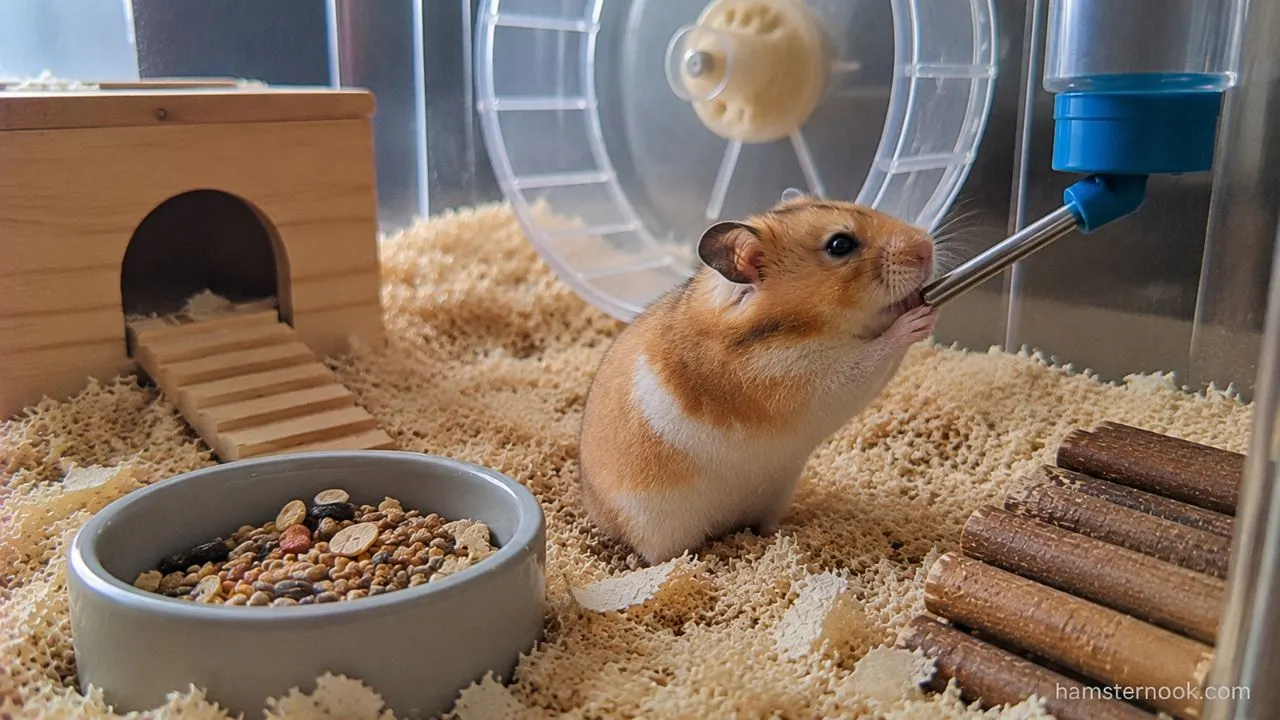
Pay particular attention if your hamster feels cold while also appearing weak, sleepy, hunched, unsteady, or uninterested in food. These signs deserve immediate observation and may require veterinary attention.
Common Reasons a Hamster Feels Colder Than Usual
The Room Temperature Is Too Low
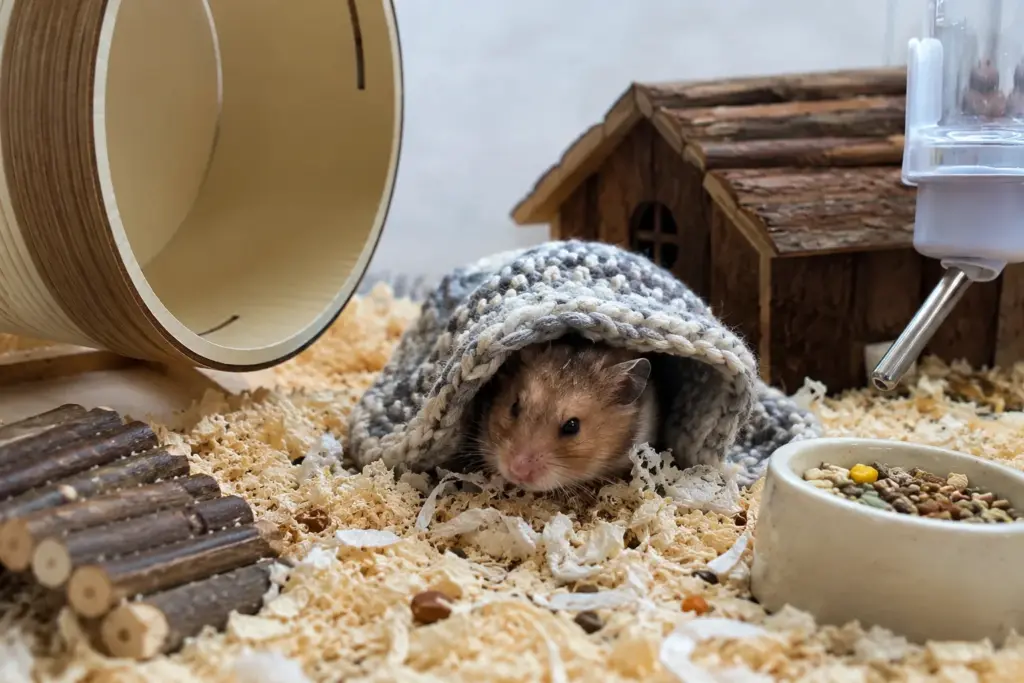
Sometimes the simplest explanation is that the enclosure has become cooler than usual.
Hamsters are sensitive to temperature extremes. A room that feels comfortable to you may still be too cold for a hamster, especially at night or during winter months.
Cold drafts from:
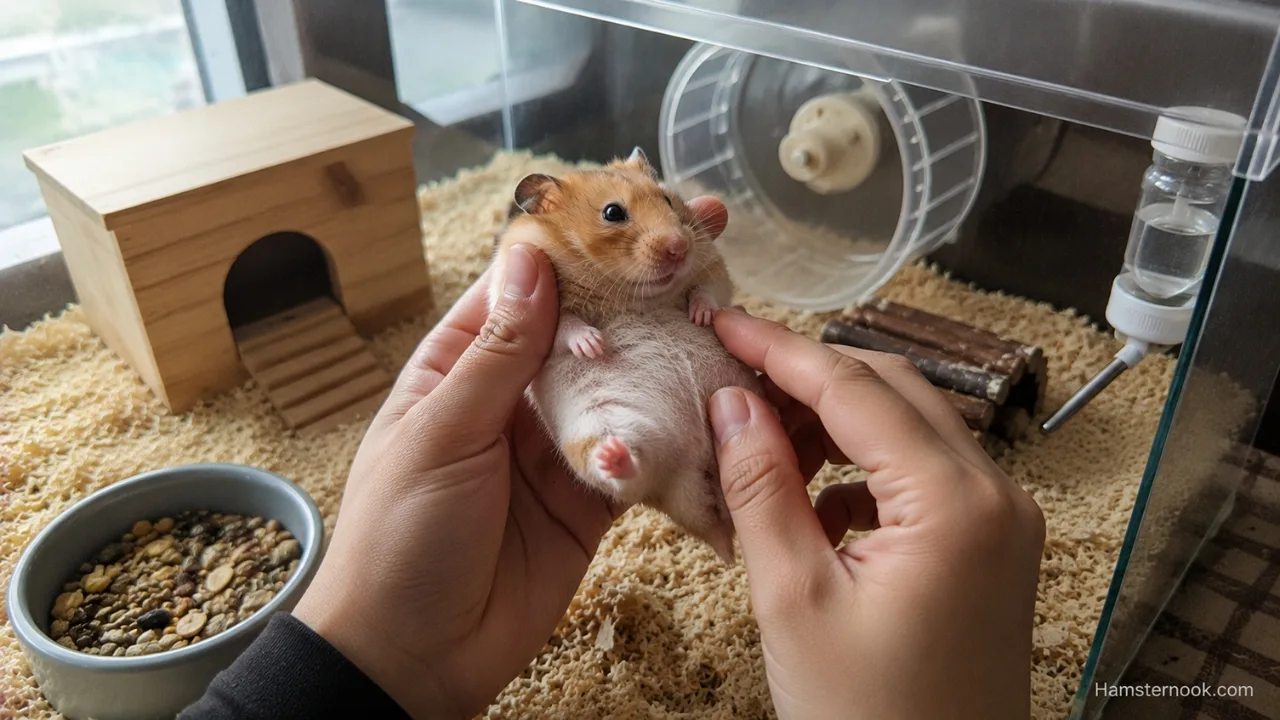
- Open windows
- Air conditioning vents
- Fans
- Poorly insulated rooms
can gradually lower a hamster’s body temperature.
A healthy hamster should have access to deep bedding and a sheltered nesting area where they can stay warm.
For a more detailed temperature guide, see our Safe Temperature for Hamsters: How Hot or Cold Is Too Much? for temperature ranges, warning signs, and safety steps.
What Temperature Should a Hamster’s Enclosure Be?
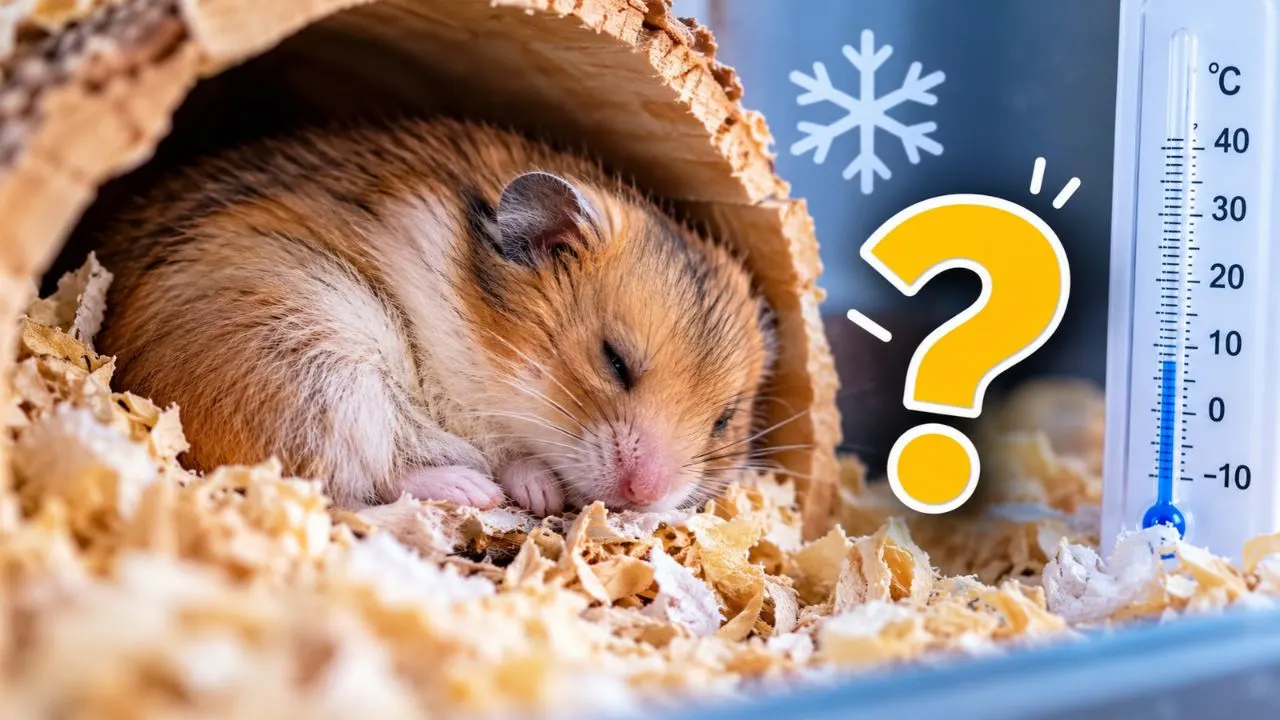
Use a room thermometer rather than judging the enclosure temperature by touch alone. The Merck Veterinary Manual recommends keeping a hamster’s living environment at about 64–79°F (18–26°C). Keeping the temperature stable is more useful than relying only on how warm or cold your hamster feels to your hand.
The current 17°C lower conversion is inaccurate; 64°F is approximately 18°C. Merck currently gives 64–79°F (18–26°C) for hamster housing.
If the enclosure is unusually cold and your hamster also feels very cold, weak, or difficult to wake, treat the situation as more serious and contact an exotic animal veterinarian promptly.
Your Hamster Has Just Woken Up
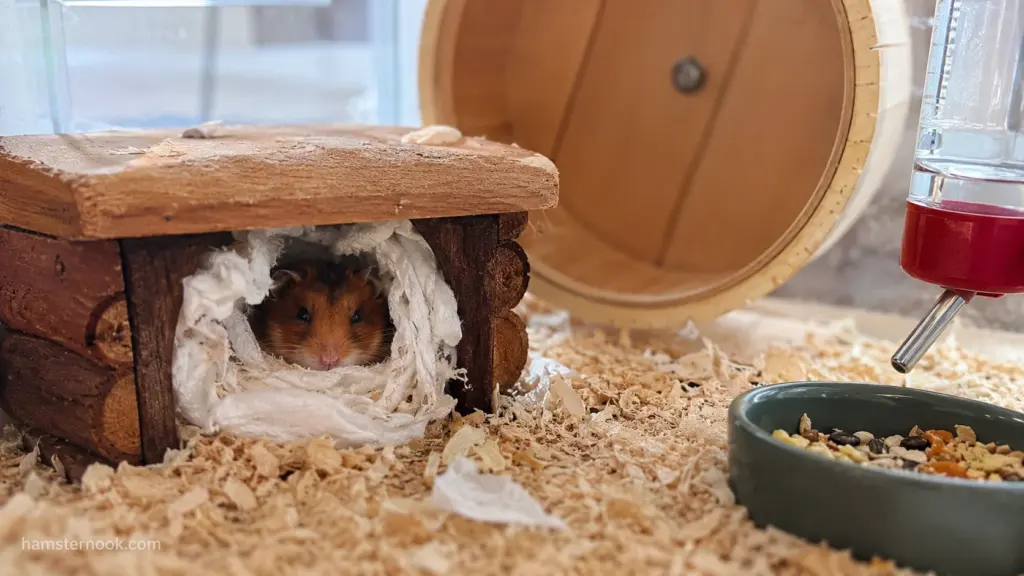
Hamsters are naturally active during the evening and nighttime.
When they have been sleeping deeply in their nest, they may initially feel cooler and less active than they do during their normal waking hours.
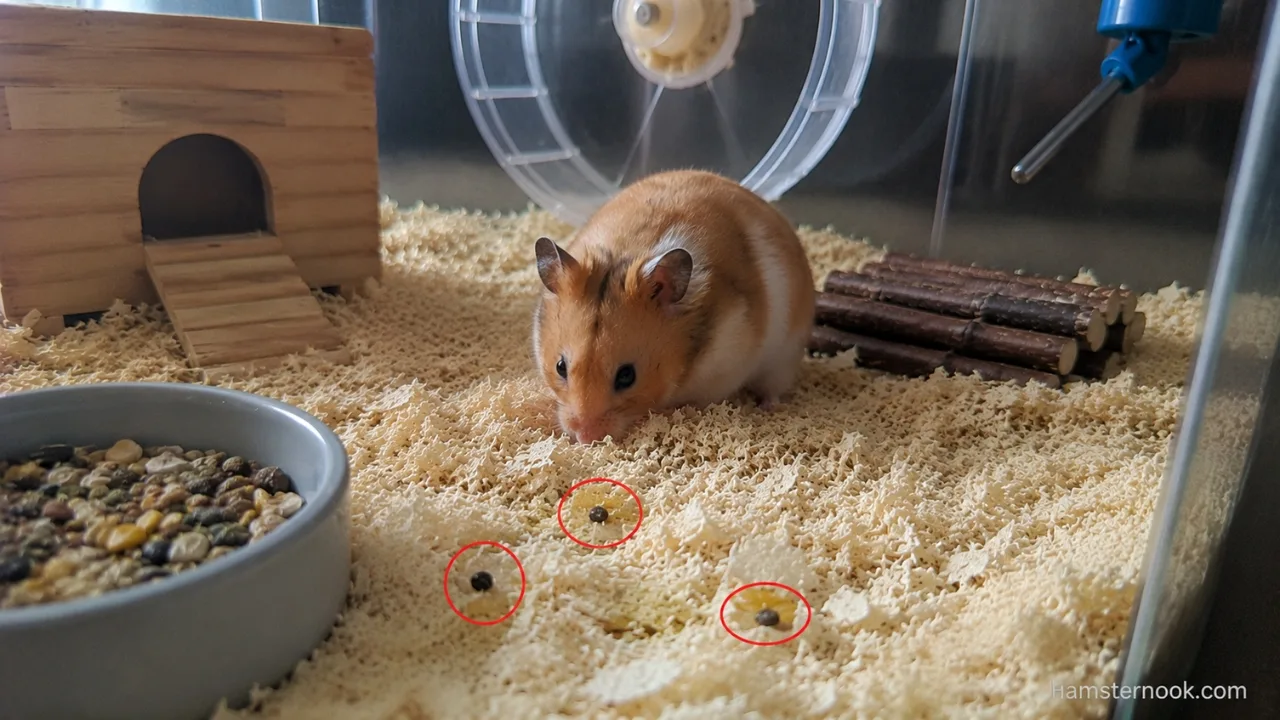
A recently awakened hamster should:
- Become alert within a short time
- Move normally
- Respond to sounds and movement
- Show interest in food or exploration
If your hamster remains sluggish, weak, or unresponsive, another issue may be involved.
Owners noticing unusual inactivity may also find Why Is My Hamster Sitting Still and Not Moving? Causes, Warning Signs & What to Do helpful for understanding when reduced movement may indicate a problem.
Age-Related Changes
Older hamsters often have more difficulty regulating body temperature than younger adults.
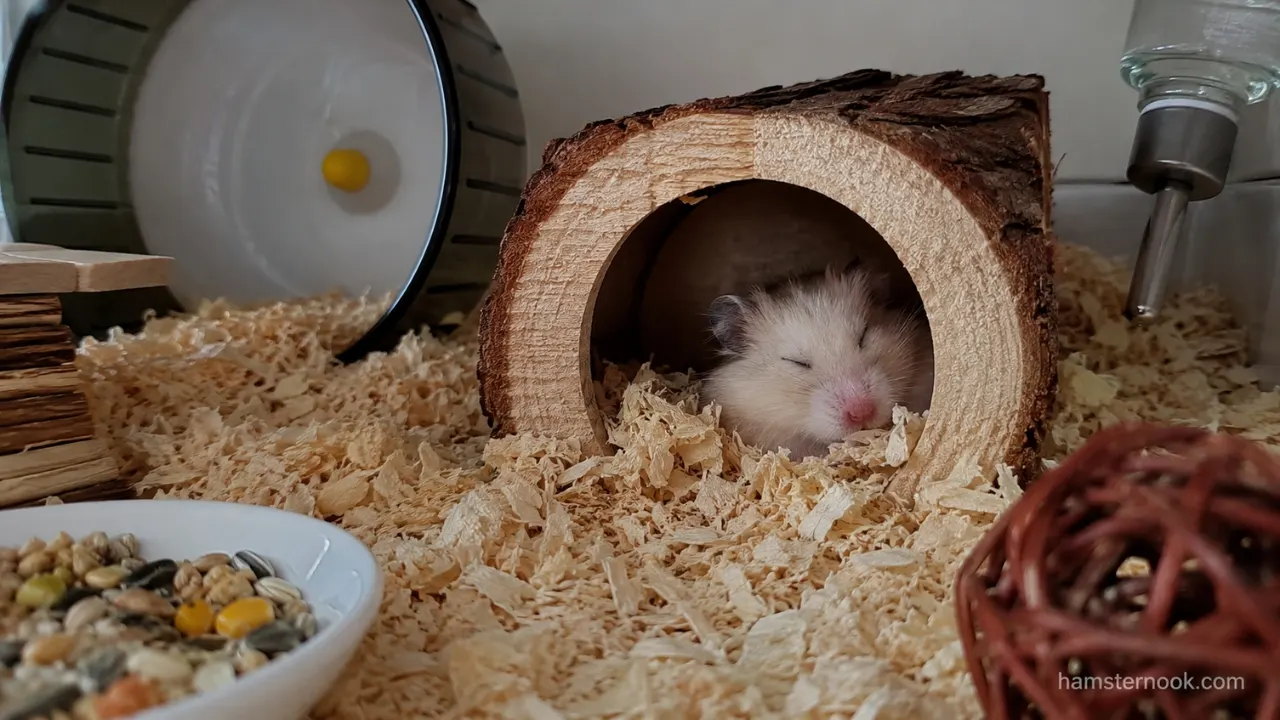
Senior hamsters may:
- Sleep longer
- Move less
- Spend more time in warm nesting areas
- Feel cooler during periods of inactivity
While older hamsters may feel slightly cooler during long rest periods, a noticeably cold body should never be dismissed as a normal part of aging.
If your hamster is getting older and you’ve noticed changes in behavior, Why Does My Hamster Suddenly Act Different? Common Reasons Behind Behavior Changes may help you understand which changes are normal and which may need closer attention.
Illness or Infection
A hamster that feels cold and appears unwell may be experiencing an underlying health problem.
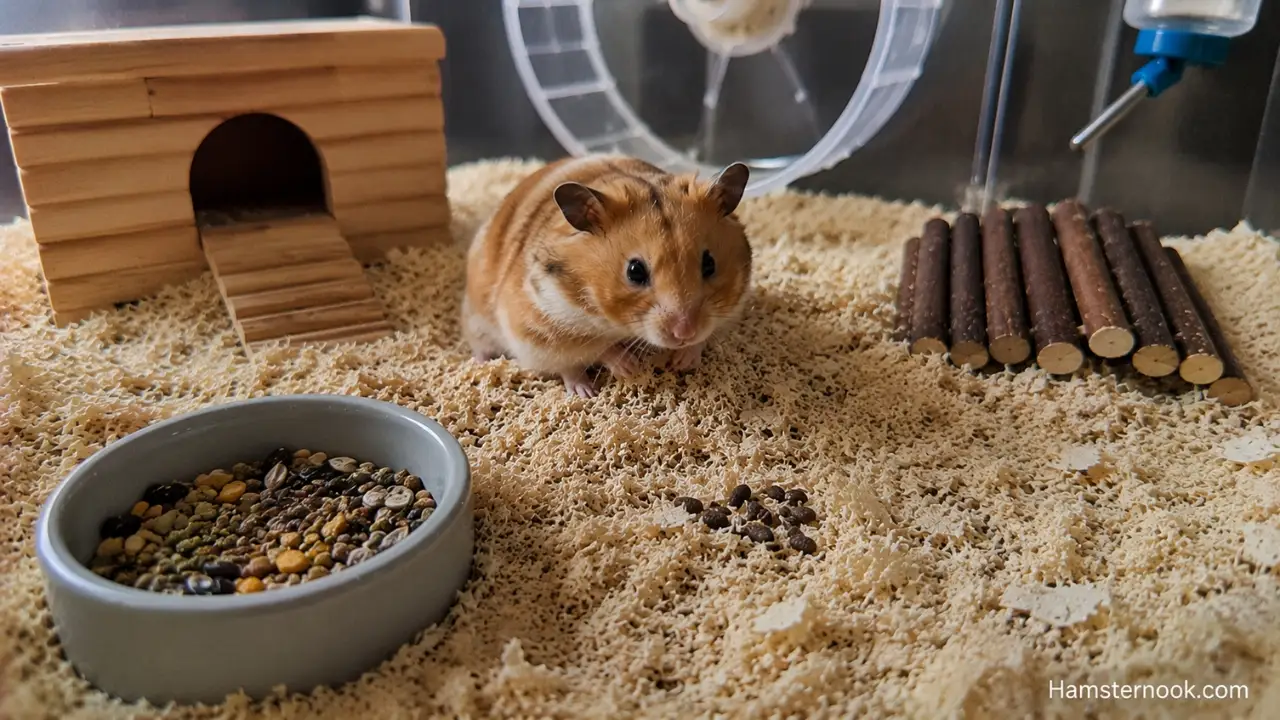
When hamsters become sick, they often conserve energy by reducing activity and spending more time sleeping. Severe illness can sometimes affect circulation and body temperature regulation.
Other warning signs may include:
- Loss of appetite
- Weight loss
- Lethargy
- Hunched posture
- Labored breathing
- Discharge from the eyes or nose
- Diarrhea
A cold hamster that is also showing these symptoms should be evaluated by an exotic animal veterinarian as soon as possible.
For a broader look at subtle health changes, our How Can You Tell If a Hamster Is in Pain? guide explains the warning signs owners should watch for.
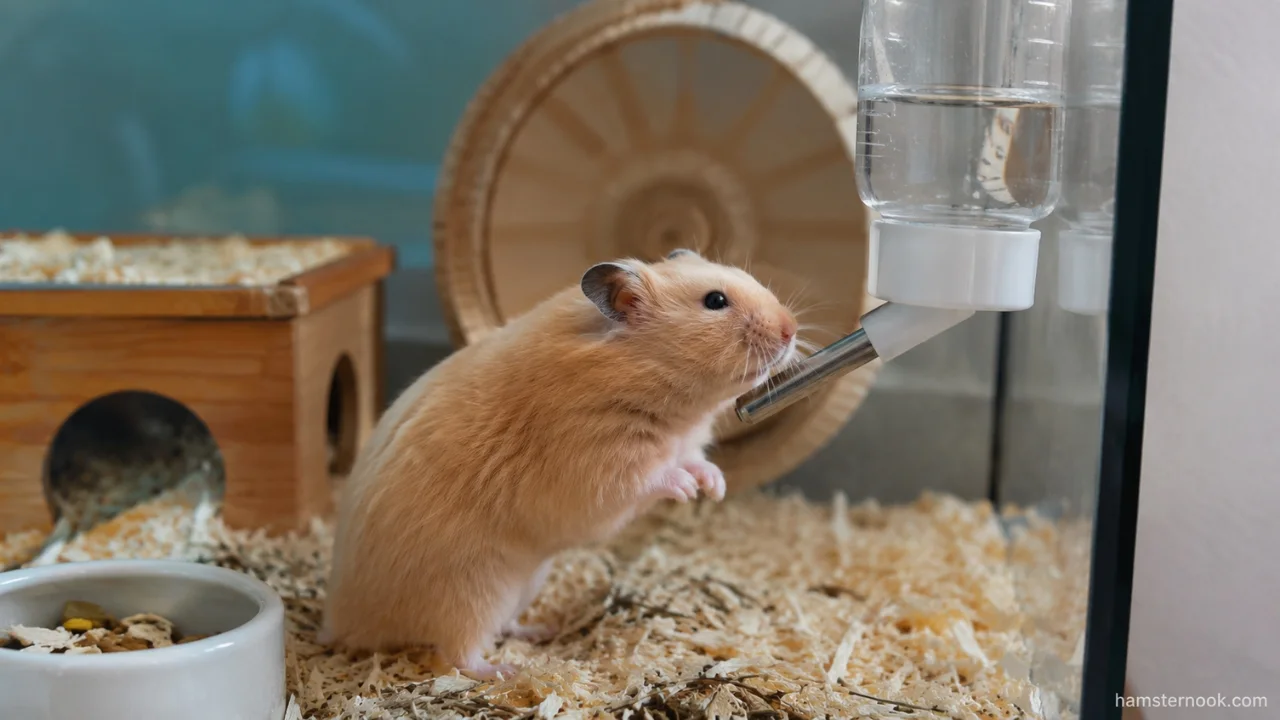
Dehydration
Dehydration can contribute to weakness and poor circulation.
A dehydrated hamster may appear:
- Less active
- Weak
- Sunken around the eyes
- Less interested in food
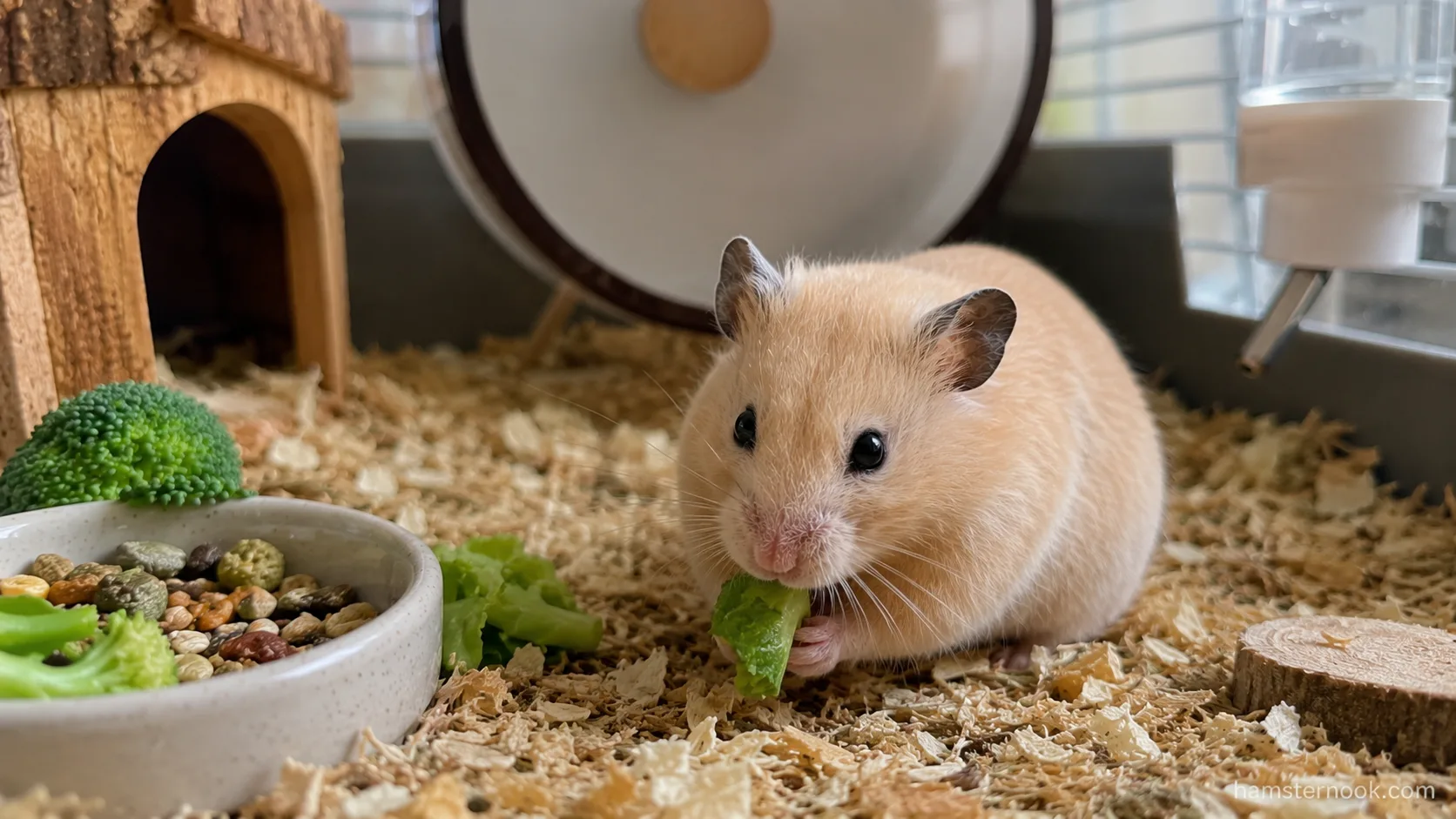
Water bottle malfunctions are surprisingly common, so always confirm that fresh water is available and flowing properly.
If your hamster seems unusually tired along with feeling cool, How to Tell If Your Hamster Is Happy, Healthy, Stressed, or Sick may help you identify additional warning signs.
Recovery After Stress
Major stress can temporarily affect a hamster’s behavior and activity level.
Common stressors include:
- Moving to a new home
- Major cage changes
- Frequent handling
- Loud noises
- Introduction of unfamiliar animals nearby
A stressed hamster may spend more time hiding and resting, which can make them feel cooler simply because they are less active.
If stress may be contributing to the change in activity, 7 Ways You’re Accidentally Stressing Your Hamster: Signs & What to Do covers common environmental and handling stressors to check.

However, stress alone should not cause extreme body coldness or severe lethargy.
Things to Check Before Assuming Something Is Wrong
Before assuming your hamster is sick, check a few simple things:
- Confirm the water bottle is working properly.
- Make sure the enclosure is away from drafts.
- Check whether your hamster recently woke up from sleep.
- Look for normal eating and drinking behavior.
- Observe activity levels during its usual waking hours.
These quick checks often help owners identify whether the issue is environmental or potentially medical.
Could My Hamster Be Entering Torpor?
One of the most important possibilities to understand is torpor.
Torpor is a survival response that can occur when temperatures become too low or environmental conditions become unfavorable.
A hamster in torpor may:
- Feel noticeably cold
- Appear asleep
- Move very little
- Breathe extremely slowly
- Be difficult to wake
Because torpor can make a hamster appear motionless and unresponsive, it can be difficult for an owner to distinguish it from serious illness or another emergency. A cold, barely responsive hamster should therefore be treated as a veterinary concern rather than assumed to be sleeping.
Torpor is a medical concern and should be taken seriously. If you suspect torpor, contact a veterinarian immediately for guidance. Do not place the hamster near direct heat sources or attempt rapid warming.

Preventing cold temperatures is the best way to reduce the risk.
You can learn more about unusual sleep behaviors in Why Is My Hamster Suddenly Sleeping in a Different Spot?
Normal Coolness vs Warning Signs
| Situation | Usually Normal? | Needs Veterinary Attention? |
|---|---|---|
| Slightly cool after sleeping | Yes | No |
| Cool ears or paws only | Usually | Monitor |
| Active hamster with normal appetite | Usually | No |
| Cold body with lethargy | No | Yes |
| Cold body with breathing changes | No | Yes |
| Cold body and not waking normally | No | Yes |
| Suspected torpor | No | Yes |
Why Overall Behavior Matters More Than Temperature Alone
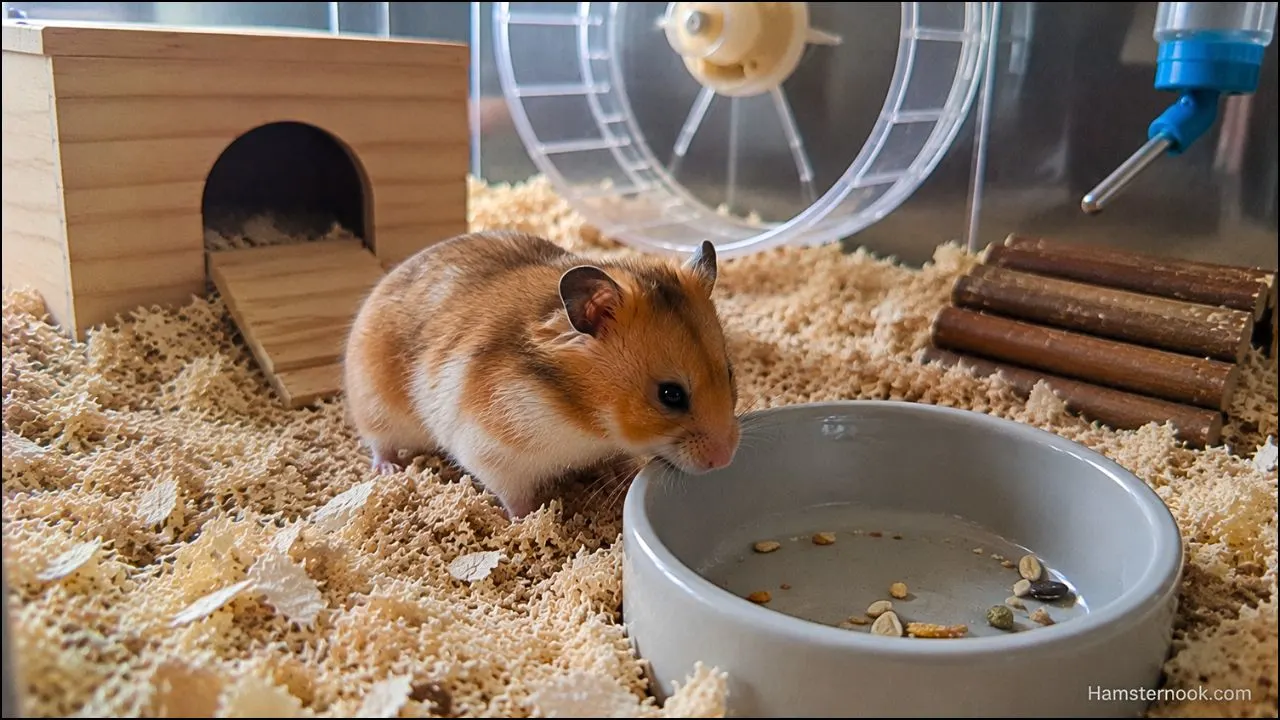
A slightly cool hamster that is eating, drinking, exploring, and responding normally is usually far less concerning than a hamster that feels cold and appears lethargic.
A cool body temperature is far more concerning when it happens alongside changes in appetite, activity, breathing, or alertness.
Our Why Is My Hamster Suddenly Weak? 9 Possible Causes & What To Do guide explains several underlying health issues that can cause weakness, lethargy, and reduced activity levels.
What Should You Do Immediately if Your Hamster Feels Cold?
Check the Environment
Start by inspecting the enclosure.
Ask yourself:
- Is the room unusually cold?
- Is there a draft nearby?
- Has the weather recently changed?
- Is there enough nesting material?
Environmental issues are often the easiest problem to correct.

Observe Your Hamster Closely
If your hamster is alert and moving normally, observe its behavior closely.
Look for:
- Normal walking
- Grooming behavior
- Eating and drinking
- Curiosity
- Responsiveness
A hamster that behaves normally despite feeling slightly cool is far less concerning than one that appears weak or unresponsive.
Monitor Food and Water Intake
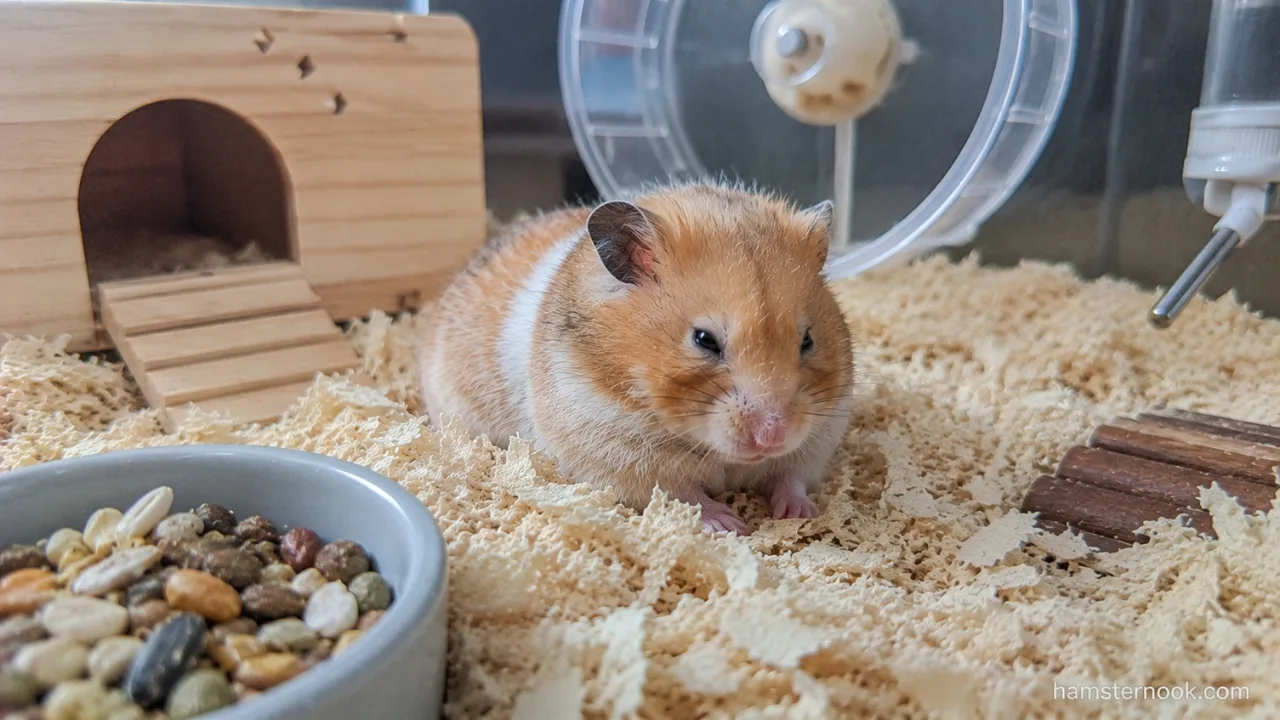
Changes in eating or drinking habits often provide early clues that something is wrong.
You may want to review Why Is My Hamster Not Eating Like Normal? if you’ve noticed a decrease in appetite along with unusual body temperature.
Avoid Sudden Temperature Changes
If your hamster seems cool, resist the urge to warm them rapidly.
Avoid:
- Heating pads without veterinary guidance
- Hair dryers
- Hot water bottles
- Direct sunlight
Sudden temperature changes can cause additional stress.
Contact a Veterinarian When Needed
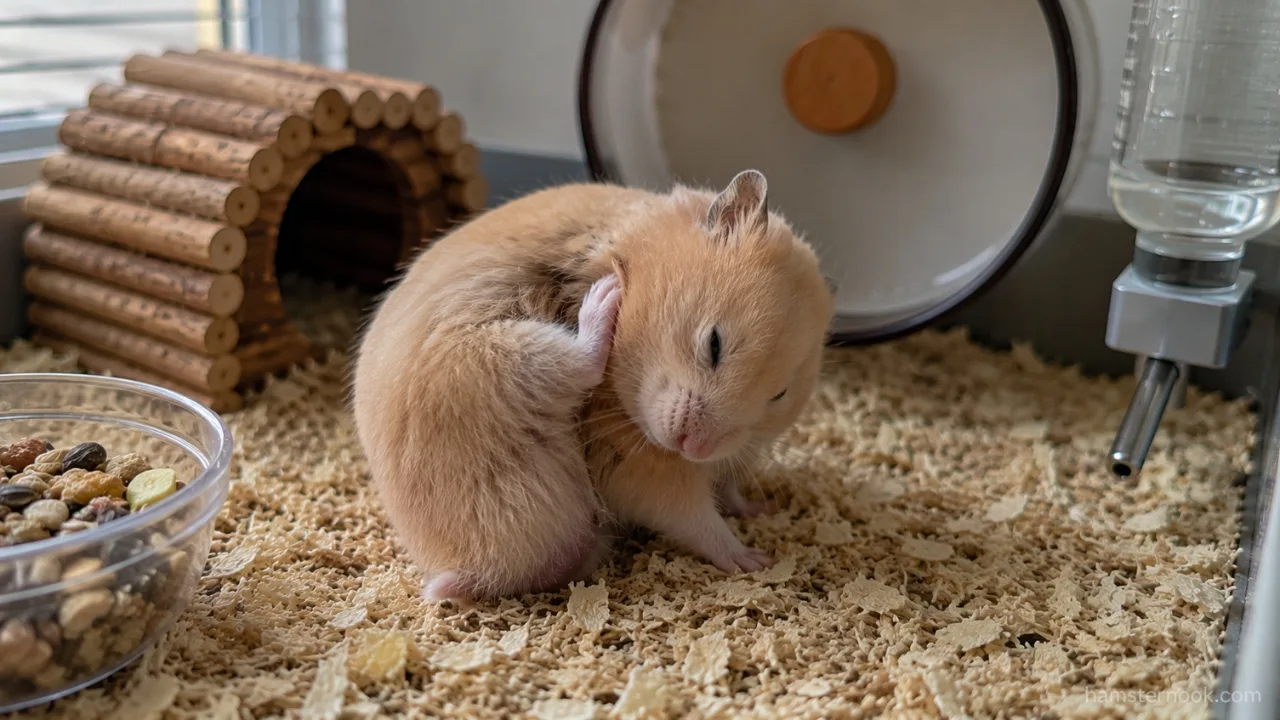
Seek veterinary care promptly if your hamster:
- Feels very cold
- Appears weak
- Cannot stay awake
- Is breathing abnormally
- Refuses food or water
- Shows signs of illness
Small animals can decline quickly, making early intervention important.
Common Mistakes Owners Make When a Hamster Feels Cold
Many hamster owners unintentionally make these mistakes:
- Assuming a cold hamster is simply sleeping.
- Ignoring reduced activity for several days.
- Keeping the enclosure near windows or air vents.
- Attempting rapid warming at home.
- Delaying veterinary advice while hoping the hamster will improve on its own.
When in doubt, it is safer to consult a veterinarian than to assume the problem will resolve on its own.
How to Help Prevent Temperature Problems
Good daily care goes a long way toward preventing temperature-related issues.
Helpful practices include:
- Maintaining a stable room environment
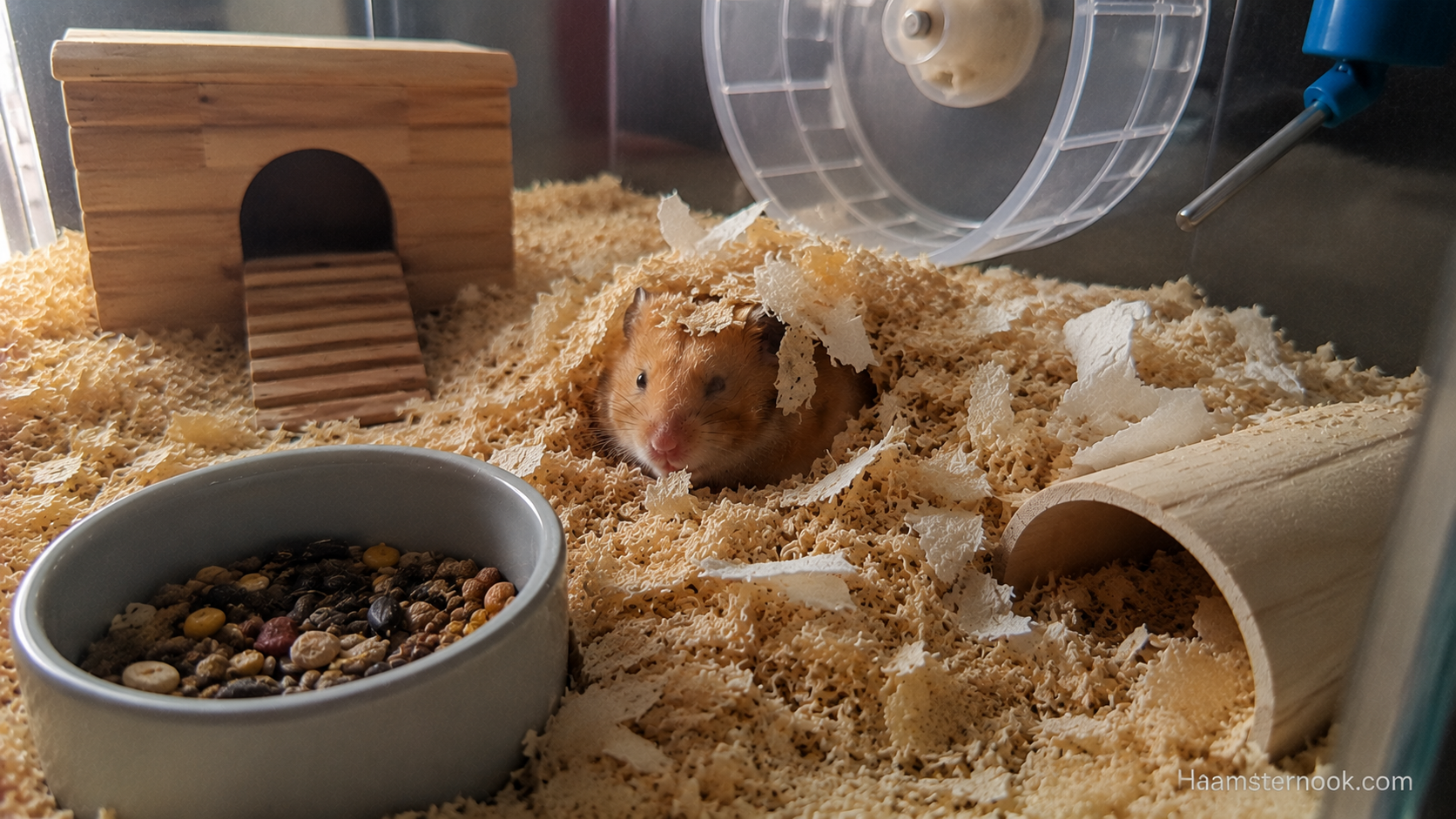
- Providing deep bedding for nesting
- Regularly checking water bottles
- Monitoring eating habits
- Watching for behavior changes
- Performing routine health checks
Knowing your hamster’s usual habits makes unusual changes much easier to recognize.
Even small changes in sleeping patterns, activity levels, appetite, or body temperature can provide important clues that something is wrong.
FAQ
Why does my hamster feel cold but act normal?
If your hamster is eating, drinking, moving normally, and responding as usual, slight coolness may simply be related to sleeping, room temperature, or reduced activity. Continue monitoring for any changes.
Can a cold hamster recover on its own?
If the issue is caused by a mildly cool environment, improving enclosure conditions may help. However, a hamster that is significantly cold, weak, or unresponsive requires veterinary attention.
How can I tell if my hamster is too cold?
Warning signs include excessive sleepiness, sluggish movement, cold body temperature, reduced appetite, and difficulty waking. These signs should never be ignored.
Is it normal for a hamster’s ears to feel cold?
Yes. A hamster’s ears and paws may occasionally feel cooler than the rest of the body, especially after resting. This is not necessarily a sign of illness.

Can hamsters get hypothermia?
Hamsters can experience dangerous drops in body temperature if exposed to prolonged cold conditions. Severe cold exposure may lead to torpor or other serious health concerns.
Should I warm up my hamster if it feels cold?
Avoid rapid warming methods. If your hamster feels unusually cold and appears ill, contact a veterinarian for guidance on the safest next steps.
Why does my hamster feel cold after sleeping?
A hamster may feel slightly cooler immediately after a long sleep because its activity level is lower. It should become more alert and active within a short period after waking.
Can a hamster feel cold during winter?
Yes. Cooler room temperatures, drafts, and insufficient nesting material can all make a hamster feel colder during winter months.
Is a cold hamster always sick?
No. Sleeping, environmental temperature changes, and aging can sometimes make a hamster feel cooler. Illness becomes more likely when coldness occurs alongside lethargy, appetite loss, breathing difficulties, or weakness.
Can a hamster feel cold while sleeping?
Yes. A hamster may feel slightly cooler immediately after sleeping, especially around the ears, paws, or outer fur. However, a noticeably cold body combined with weakness or unusual behavior should be taken seriously.
References
This guide is based on hamster health, temperature regulation, torpor, environmental care, and veterinary guidance from trusted veterinary and animal welfare resources, including:
- MSD Veterinary Manual – Hamsters – Veterinary information on hamster health, environmental conditions, temperature-related concerns, torpor, and common medical problems.
- RSPCA – Hamster Health & Welfare – Guidance on recognizing illness, monitoring hamster health, and identifying changes in behavior and physical condition.
- RSPCA – Creating a Good Home for Hamsters – Guidance on suitable environmental conditions, bedding, nesting areas, drafts, and maintaining a comfortable hamster enclosure.
- PDSA – Hamsters as Pets – Practical advice on hamster care, health monitoring, housing, feeding, and recognizing signs that may require veterinary attention.
- Blue Cross – Hamster Care Guide – Guidance on hamster housing, bedding, environmental care, daily monitoring, and general wellbeing.
Medical Disclaimer
This article is intended for educational purposes only and should not be considered veterinary advice. A hamster that feels unusually cold, appears weak or unresponsive, has difficulty breathing, refuses food or water, or shows other concerning symptoms may require prompt veterinary attention. If you are concerned about your hamster’s body temperature or overall condition, consult a qualified exotic animal veterinarian rather than relying on home treatment alone.

Narayan Kumar is the founder and author of HamsterNook. He creates practical, research-based hamster care guides covering hamster behavior, nutrition, cage setup, enrichment, health, and everyday care. His goal is to help hamster owners make informed decisions and provide safer, healthier lives for their pets through clear, beginner-friendly information based on trusted animal care resources.