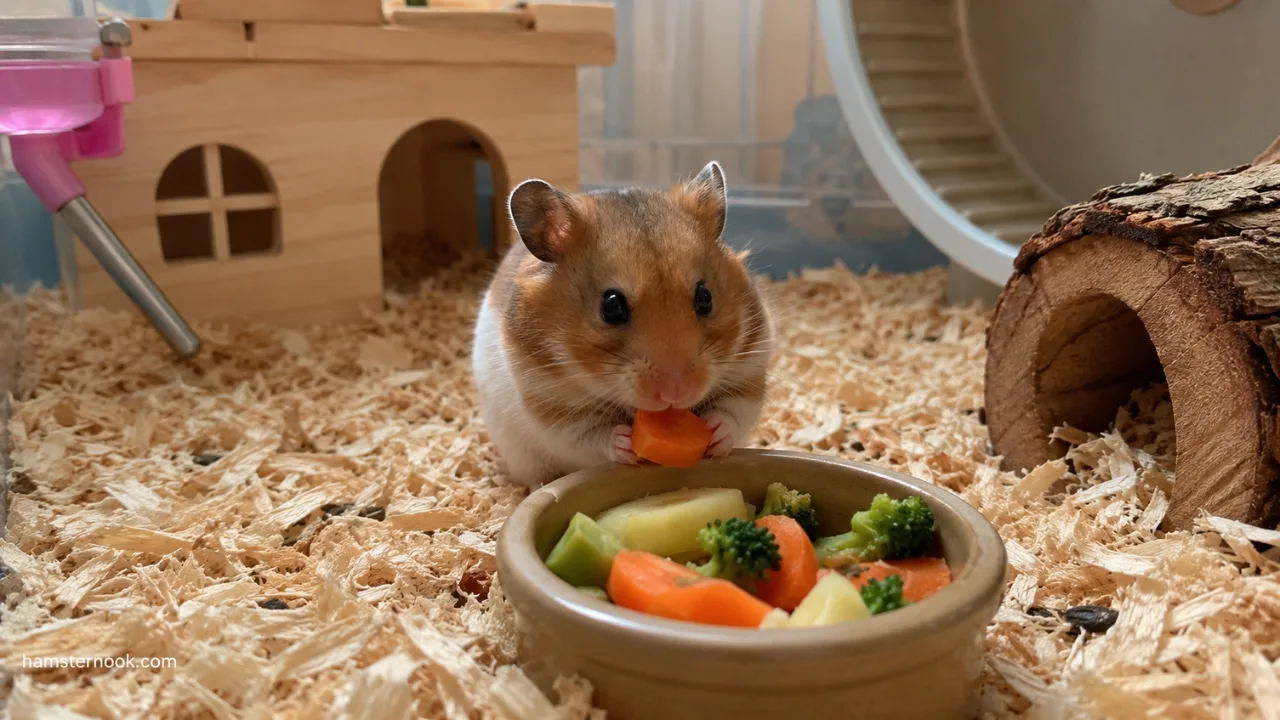
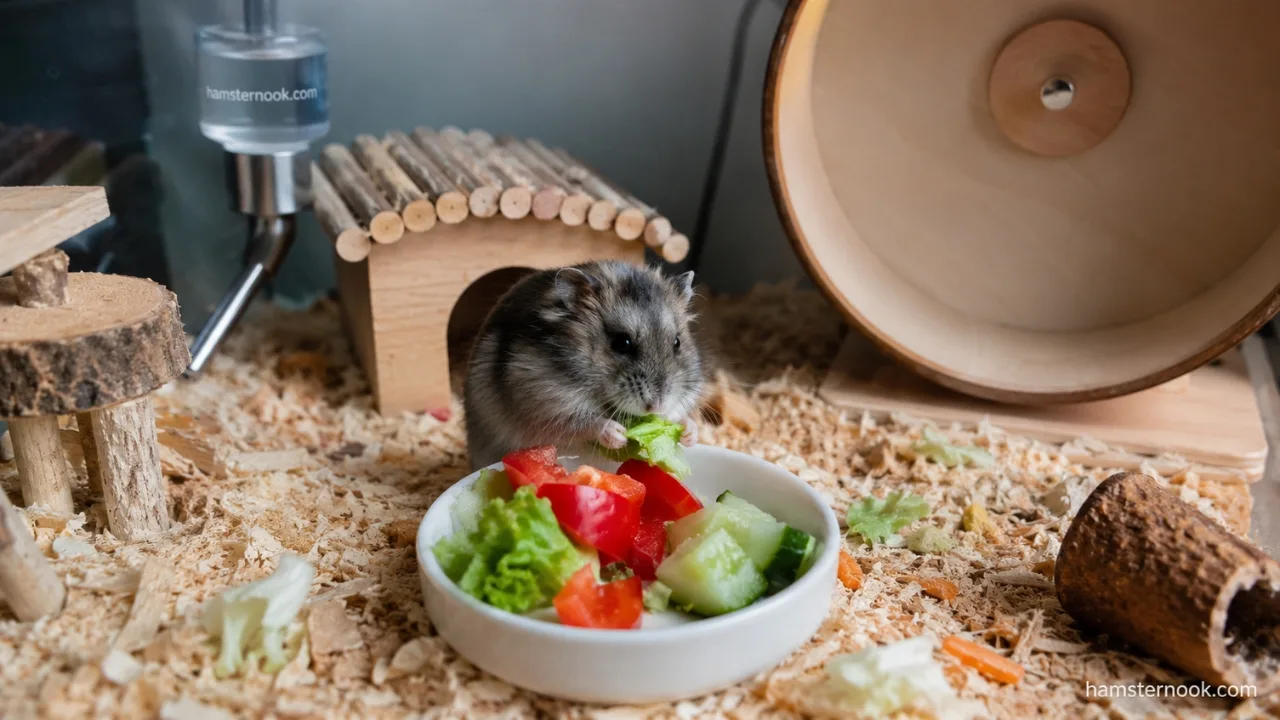
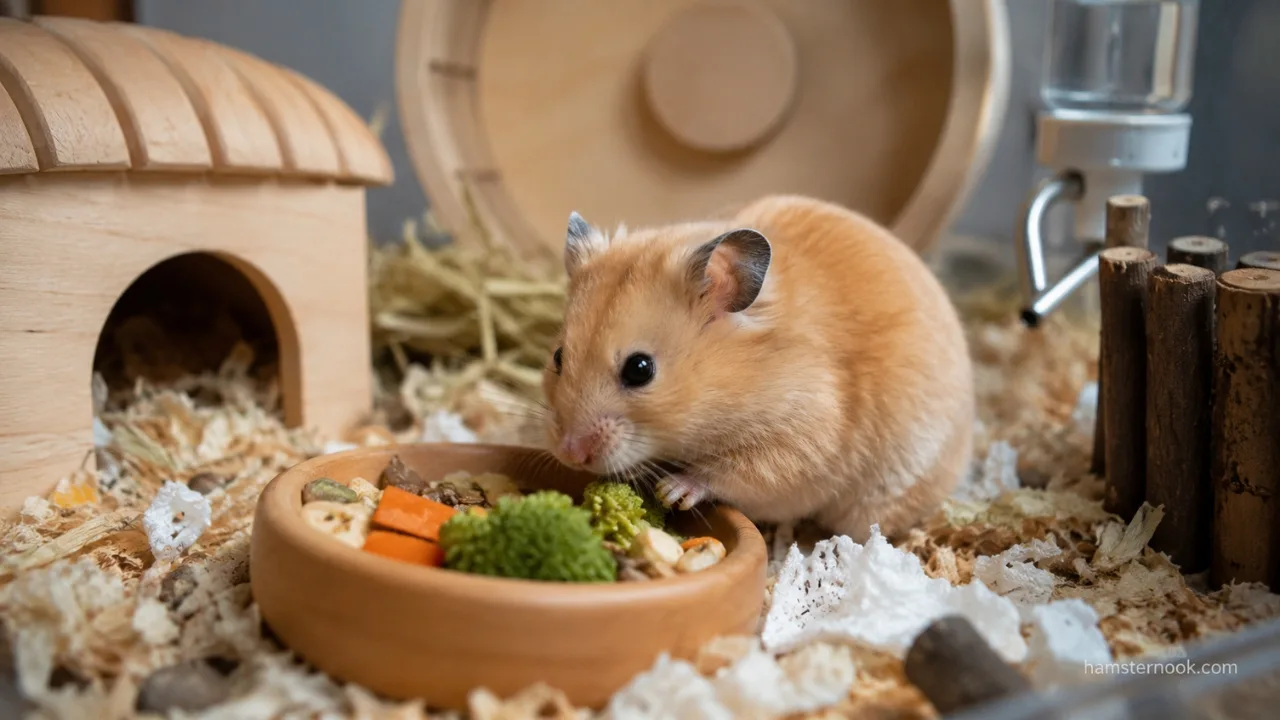
If your hamster begs for a tiny piece of pineapple while you are eating it, it is natural to wonder whether this sweet fruit is safe. Pineapple is not a necessary part of a hamster’s diet, and there is limited hamster-specific guidance on it from major animal-welfare organizations. That makes portion size and frequency especially important. Here is how to approach pineapple safely without letting a sugary treat displace your hamster’s proper diet.
Can Hamsters Eat Pineapple?
Pineapple is best treated as an occasional fruit rather than a regular hamster food.
Major hamster-care organizations recommend that fruit be offered only in small quantities as part of a varied diet. The RSPCA recommends small amounts of fruit such as apple, while PDSA lists several fruits that can be given in moderation. Neither organization specifically lists pineapple among its established hamster-safe fruits.
So, rather than treating pineapple as a routine food, it is sensible to be conservative with it. If you decide to offer some, use a very small piece of fresh pineapple, introduce it cautiously, and do not give it frequently.

The important point is that your hamster does not need pineapple to receive a balanced diet. A good-quality hamster diet should remain the foundation, with fresh foods used for variety rather than as a major source of nutrition.
For a broader guide to building the right everyday diet, see Complete Hamster Diet Guide: What to Feed, How Much & How Often.
Why Is Pineapple a Concern for Hamsters?
The main issue is that pineapple is a sweet fruit, while hamsters only need small amounts of fruit in their diet.
PDSA advises owners to avoid overfeeding sugary fruits and vegetables because excessive sugary foods can contribute to health problems such as obesity and diabetes. This is particularly relevant for dwarf hamsters, which PDSA notes are especially prone to diabetes.
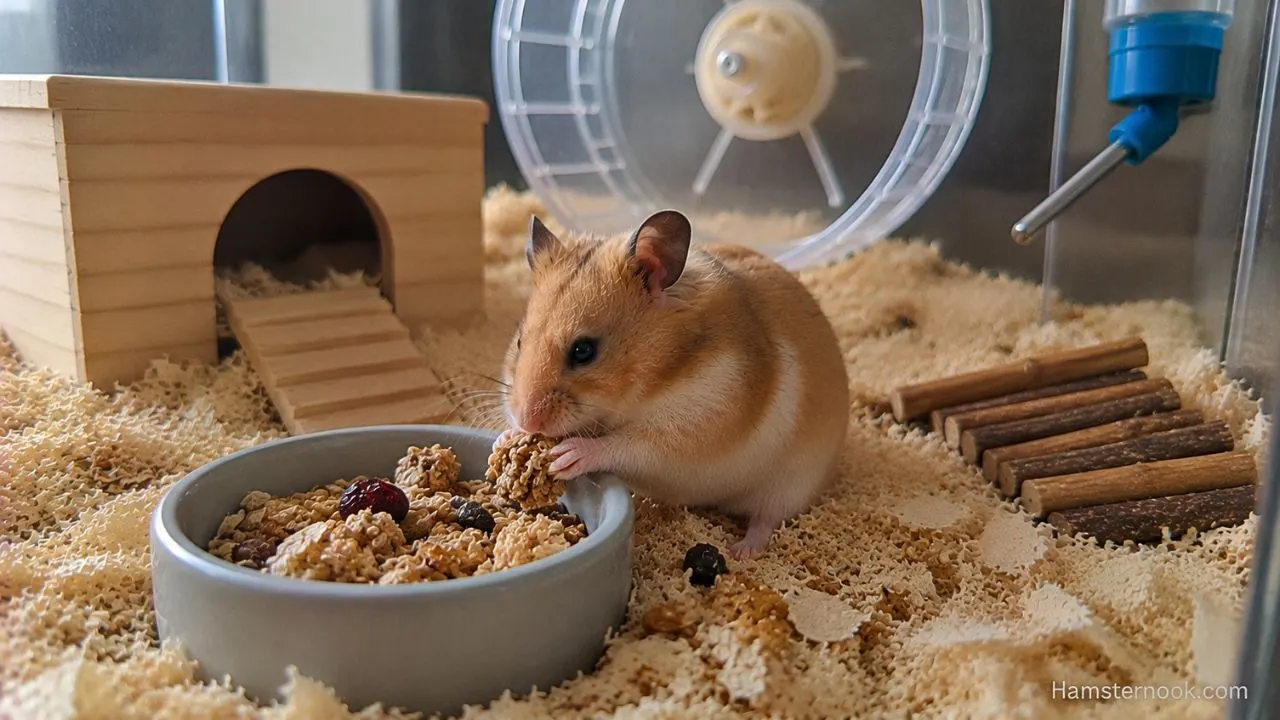
That does not mean a tiny piece of pineapple automatically makes a hamster sick. The concern is more about how much, how often, and what it replaces.
A hamster that regularly receives large pieces of sweet fruit may end up consuming too many treats while eating less of the nutritionally balanced food designed for hamsters.
Pineapple vs. a Hamster’s Main Diet
| Food | Role in the diet | How to approach it |
|---|---|---|
| Complete hamster food | Main diet | Feed according to the food’s directions |
| Fresh vegetables | Variety | Small portions |
| Fresh fruit | Occasional treat | Very small portions |
| Pineapple | Occasional fruit treat | If offered, keep the piece especially small |
| Dried fruit | Concentrated sweet treat | Best avoided or kept extremely limited |
| Pineapple juice | Sugary drink, not necessary | Do not offer as a substitute for water |
The MSD Veterinary Manual similarly recommends that fruits and vegetables be limited treats rather than becoming a major part of a hamster’s diet.
How Much Pineapple Can a Hamster Have?
There is no authoritative hamster-specific pineapple portion established by the RSPCA, PDSA, or MSD Veterinary Manual, so it would be misleading to claim that a particular number of grams or a specific cube is a scientifically established safe serving.
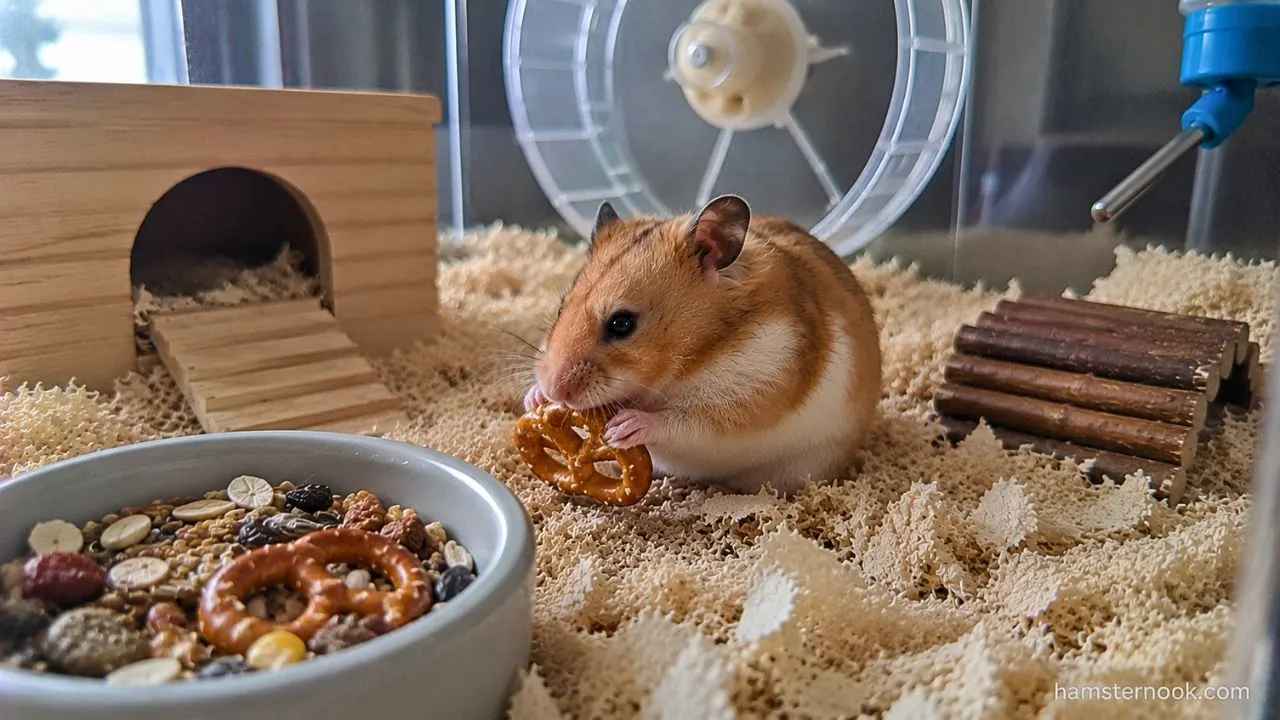
A practical conservative approach is to offer only a tiny piece and treat it as an occasional taste rather than a regular snack. Blue Cross uses the hamster’s ear as a general guide for the size of fresh-food portions.
For a small hamster, especially a dwarf hamster, err on the smaller side.
Do not give several chunks simply because your hamster happily eats the first one. Hamsters will often continue eating foods they enjoy, but that does not mean a larger serving is appropriate.
How Often Can You Give Pineapple?
Because pineapple is sweet and is not nutritionally essential, occasional is better than routine.
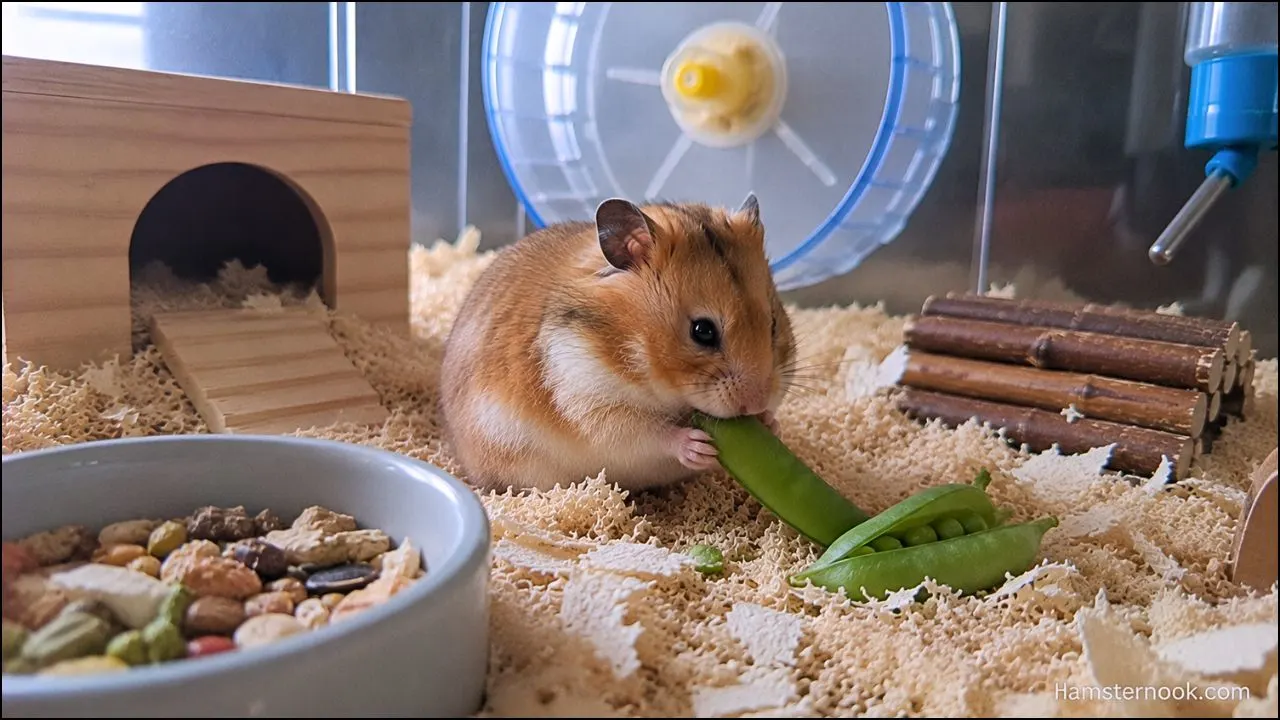
There is no reliable evidence-based schedule establishing that pineapple should be given once or twice a week, for example. Instead, think of it as one possible fruit treat among many—not something that needs to appear regularly in your hamster’s menu.
If your hamster already receives other fruit, there is even less reason to add pineapple frequently.
Fresh Pineapple or Canned Pineapple?
If you choose to offer pineapple, fresh, plain pineapple is the sensible option.
Avoid pineapple prepared with:

- Added sugar
- Syrup
- Sweetened sauces
- Preservatives or flavorings intended for human desserts
- Pineapple juice as a drink
Canned pineapple can contain added ingredients or syrup, depending on the product. A hamster does not need these additions.
Never substitute fruit juice for your hamster’s normal drinking water. Hamsters should always have access to fresh, clean drinking water.
How to Prepare Pineapple for a Hamster
If you decide to let your hamster try a tiny amount, preparation should be simple.
1. Use plain fresh pineapple
Choose ripe, fresh fruit without added sugar or other ingredients.

2. Remove the tough outer skin
Do not give your hamster the prickly pineapple skin.
3. Remove the hard central core
The core is considerably tougher than the flesh and is unnecessary for a hamster.
4. Cut an extremely small piece
A tiny piece is enough for a first taste. You do not need to fill a food bowl with fruit.
5. Introduce it cautiously
When introducing any new food, avoid changing several things in your hamster’s diet at once. The RSPCA advises introducing dietary changes gradually because sudden changes can upset a hamster’s stomach.

6. Remove uneaten pineapple
Fresh fruit is moist and can spoil if it is left sitting in the enclosure or hidden in a food hoard. RSPCA and Blue Cross both emphasize removing uneaten fresh foods before they become spoiled or soiled.
This is particularly important with hamsters because they naturally carry food away and store it.
Can Dwarf Hamsters Eat Pineapple?
Extra caution makes sense with dwarf hamsters.
PDSA specifically notes that Russian Dwarf hamsters are particularly prone to diabetes and recommends avoiding overfeeding sugary fruits and vegetables.

That does not establish that every dwarf hamster must completely avoid pineapple. However, it is a good reason to prioritize the hamster’s normal balanced food and keep sweet fruit treats very limited.
If you have a dwarf hamster, you may prefer lower-sugar fresh-food choices rather than making pineapple a regular treat.
What About Syrian Hamsters?
Syrian hamsters can have small amounts of fruit as occasional treats. Blue Cross specifically describes small pieces of fruit as an occasional treat for Syrian hamsters.
That still does not make pineapple a necessary food, nor does it justify a large serving.

A Syrian hamster’s larger body size does not mean it should receive unlimited fruit. Portion size should remain small.
Can Hamsters Eat Pineapple Leaves or Skin?
Do not offer the pineapple skin or tough parts of the plant as a food.
There is no reason to give these parts to a pet hamster when the fruit itself is already an optional treat. Stick with a tiny piece of the edible flesh if you choose to offer pineapple at all.
Can Hamsters Eat Dried Pineapple?
It is better to avoid making dried pineapple a hamster treat.

Removing water from fruit makes it much more concentrated and easier to overfeed. Since hamster-care guidance already recommends keeping sugary fruit portions small, fresh fruit is a more sensible choice than concentrated dried fruit.
Also check commercial dried-fruit mixes carefully. A product marketed as a hamster treat is not automatically appropriate in large quantities.
Can Pineapple Cause an Upset Stomach?
A new food can cause digestive upset, particularly when introduced suddenly or given in excessive amounts. The RSPCA advises against sudden dietary changes and recommends introducing new foods gradually.
For practical guidance on adding unfamiliar foods safely, see How to Introduce New Foods to a Hamster Safely: Step-by-Step Guide.

This is why giving a large piece of pineapple just because your hamster likes it is a poor idea.
After introducing any new food, pay attention to your hamster’s normal eating, drinking, and droppings.
If your hamster develops persistent digestive changes, stops eating, or has other concerning signs, contact a veterinarian rather than trying to treat the problem with dietary changes alone.
Common Pineapple-Feeding Mistakes
Giving too much
A hamster is tiny, so a human-sized bite is not an appropriate comparison. A small piece is enough.
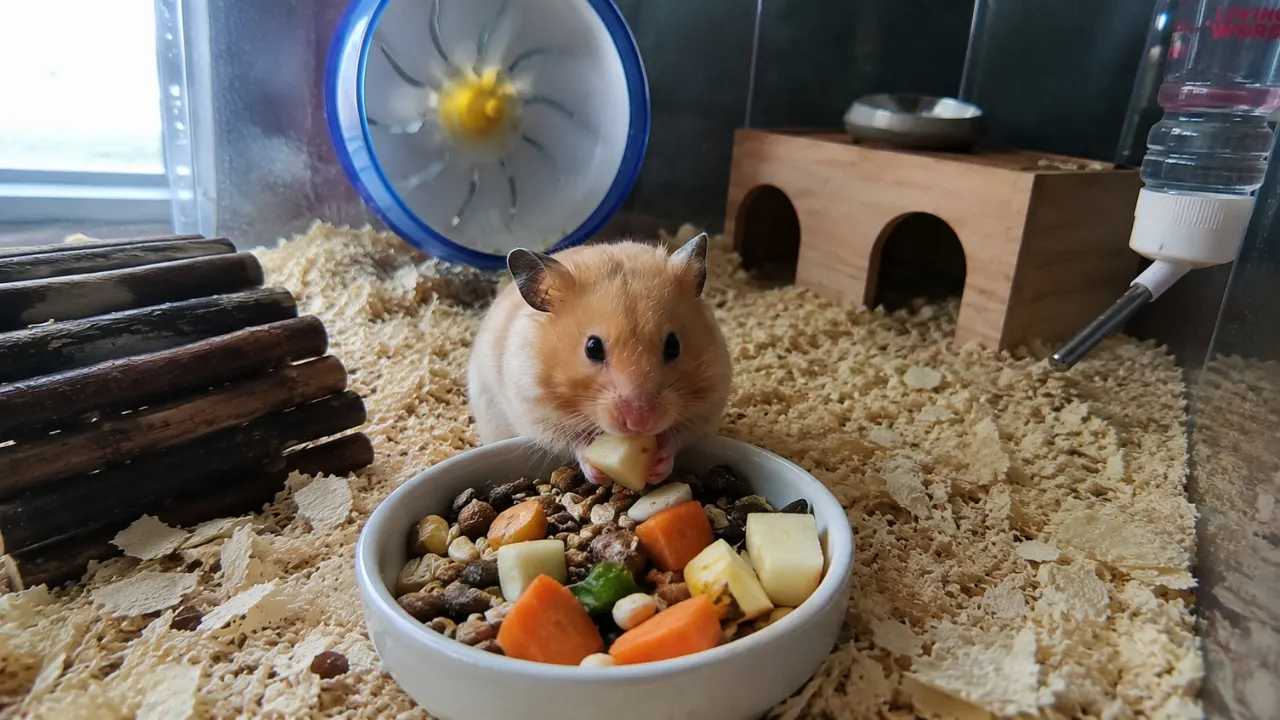
Giving it too often
Pineapple should not become part of every meal or a daily routine.
Using canned pineapple in syrup
Added sugar provides no benefit to your hamster.
Giving pineapple juice
Your hamster needs fresh water, not fruit juice.
Leaving fresh pineapple in the cage
Hamsters may hide food, so check the enclosure and remove uneaten fresh food before it spoils.

Replacing balanced food with fruit
Fruit is a treat, not a substitute for a complete hamster diet. Veterinary guidance recommends a balanced staple diet with fresh foods provided in limited amounts.
If you’re looking for other appropriate occasional treats, Best Hamster Treats: 10 Healthy & Safe Treats They Love covers additional options.
What You Should Do
If you want to let your hamster try pineapple:
- Use plain fresh pineapple.
- Remove the skin and tough core.
- Cut a tiny piece—about hamster-ear size or smaller.
- Offer it as an occasional treat.
- Do not combine it with several other new foods at the same time.
- Watch your hamster’s normal eating and droppings.
- Remove any uneaten fruit from the enclosure.
- Keep the normal balanced hamster diet as the foundation.
If you would rather avoid pineapple altogether, that is perfectly reasonable. Your hamster does not need it.

There are better-established fresh-food options. PDSA, for example, lists several fruits that can be offered in moderation, while the RSPCA recommends small amounts of fruit such as apple.
For a wider selection of suitable produce and practical portion guidance, see Best Fruits and Vegetables for Hamsters: Safe Foods, Portion Sizes & Feeding Tips.
When to Worry
A tiny amount of pineapple should not be treated as a medical treatment or as something that can be used to manage a health problem.
Pay attention if your hamster:

- Stops eating normally
- Develops persistently abnormal or moist droppings
- Has a soiled hind end
- Becomes noticeably unwell
- Shows a significant change in normal behavior
The RSPCA specifically advises contacting a veterinarian promptly if a hamster starts eating less, develops moist droppings, or has a soiled hindquarters.
If you are concerned about your hamster’s health after eating something unusual, contact an exotic-pet veterinarian rather than attempting to diagnose the problem at home.
Final Thoughts
So, can hamsters eat pineapple? It is best viewed as an optional, occasional treat rather than a regular food.
There is limited authoritative hamster-specific guidance on pineapple itself, so there is no good reason to give large portions or make it part of your hamster’s routine. If you choose to offer it, keep the piece tiny, use plain fresh fruit, avoid juice and sweetened products, and remove anything your hamster does not eat.

Your hamster’s everyday diet matters much more than whether pineapple appears on the treat menu. A balanced hamster food, appropriate fresh foods in small portions, and constant access to clean water should remain the priorities.
For a broader overview of foods that are appropriate or unsuitable for hamsters, see What Do Hamsters Eat? Complete Safe & Unsafe Food List.
Frequently Asked Questions
Can hamsters eat pineapple safely?
Pineapple is not an established staple food for hamsters. Because authoritative hamster-care sources provide limited specific guidance on pineapple, the safest approach is to treat it as an optional occasional fruit and offer only a tiny amount.
How much pineapple can I give my hamster?
There is no scientifically established pineapple serving size specifically for hamsters. A conservative practical portion is a tiny piece no larger than the hamster’s ear, with smaller portions appropriate for very small hamsters. Blue Cross recommends using the hamster’s ear as a general guide for fresh-food portions.

Can dwarf hamsters eat pineapple?
Dwarf hamsters require extra caution with sugary foods. PDSA notes that Russian Dwarf hamsters are particularly prone to diabetes and advises against overfeeding sugary fruits and vegetables.
Can Syrian hamsters eat pineapple?
Syrian hamsters can receive small pieces of fruit as occasional treats, but pineapple should still be kept very limited because it is a sweet fruit and is not necessary for a balanced diet.
Can hamsters eat canned pineapple?
It is better to avoid canned pineapple, especially varieties packed in syrup or containing added sugar. If pineapple is offered, plain fresh fruit is the more appropriate choice.
Can hamsters drink pineapple juice?
No. Pineapple juice is not necessary for hamsters and can add unnecessary sugar. Your hamster should always have access to fresh, clean drinking water.

Can hamsters eat dried pineapple?
Dried pineapple is best avoided as a routine hamster treat because it is a concentrated form of fruit and can make it easier to overfeed sugar.
What fruits are better established for hamsters?
PDSA lists apple without seeds, banana, melon, peach, pear, and tomato among fruits suitable for hamsters in moderation. The RSPCA also recommends small quantities of fruit such as apple.
Should pineapple replace my hamster’s normal food?
No. A complete, balanced hamster diet should remain the foundation of feeding. Fruit should only add variety and occasional enrichment.
References
This guide is based on hamster nutrition, feeding, housing, and wellbeing guidance from trusted veterinary and animal welfare resources, including:
- RSPCA – What To Feed a Pet Hamster – Guidance on balanced nutrition, feeding, treats, fresh foods, and access to water.
- PDSA – Hamsters as Pets: Diet and Feeding Advice – Practical advice on hamster diet, feeding, nutrition, and general welfare.
- MSD Veterinary Manual – Hamsters: Exotic and Laboratory Animals – Veterinary reference information covering hamster nutrition, health, diseases, and care.
- MSD Veterinary Manual – Providing a Home for a Hamster – Veterinary guidance on hamster housing, bedding, environmental needs, and husbandry.
- Blue Cross – Hamster Care and Wellbeing Advice – Practical guidance on hamster diet, housing, enrichment, handling, and overall wellbeing.
Medical Disclaimer:
This article provides general hamster-care information and is not a substitute for veterinary diagnosis or treatment. If your hamster is showing signs of illness, significant digestive changes, or another concerning change in health, contact a qualified veterinarian familiar with small mammals.

Narayan Kumar is the founder and author of HamsterNook. He creates practical, research-based hamster care guides covering hamster behavior, nutrition, cage setup, enrichment, health, and everyday care. His goal is to help hamster owners make informed decisions and provide safer, healthier lives for their pets through clear, beginner-friendly information based on trusted animal care resources.