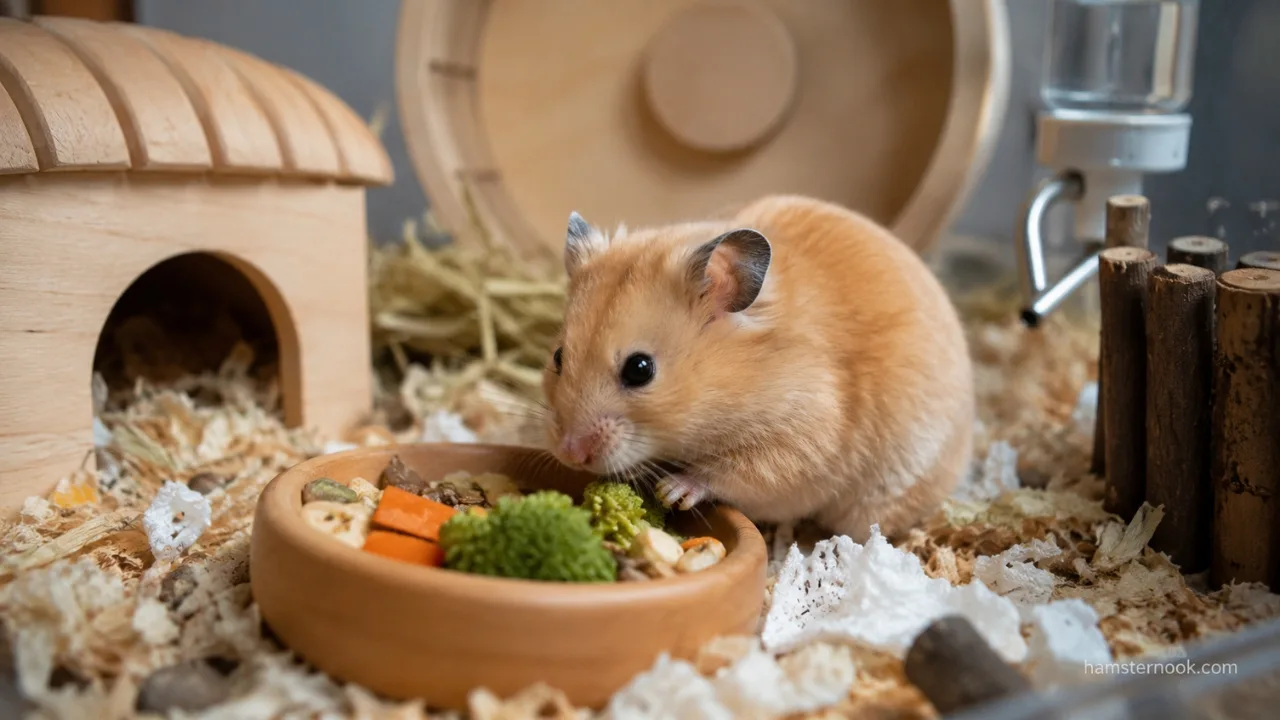
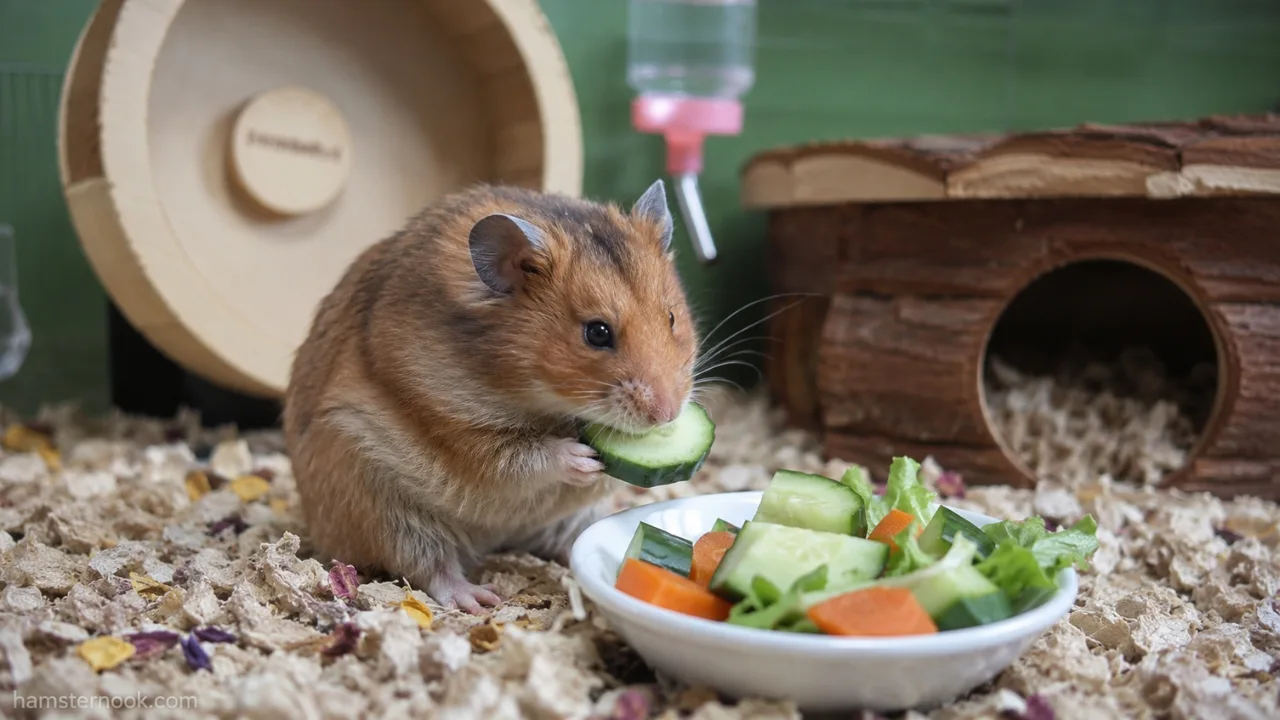
Frozen peas are a common food in many kitchens, so it’s natural to wonder whether you can share one with your hamster. The answer depends less on the fact that the peas were frozen and more on how they are prepared and served. Peas are included among vegetables considered suitable for hamsters, but they should remain a small part of a balanced diet rather than replacing their main food.
Quick Answer
Yes, hamsters can eat peas, including peas that were originally frozen, provided they are properly thawed and served plain in a small portion.
The important distinction is that frozen peas should not be given to a hamster while they are still hard and frozen. Thaw them completely first and allow them to come to a suitable temperature before offering a small piece.
Plain peas can be part of the fresh vegetables offered to a hamster. PDSA specifically lists peas among vegetables suitable for hamsters, while the RSPCA recommends small quantities of greens and vegetables as part of a varied diet.

Are Frozen Peas Safe for Hamsters?
Freezing itself does not make plain peas unsuitable for hamsters. The more important things to consider are how the peas are prepared, how much you offer, and whether any leftovers are allowed to spoil.
A plain frozen pea that has been fully thawed is very different from a prepared human food containing peas, butter, salt, sauces, seasoning, or other ingredients.
For a hamster, keep it simple:
- Plain peas
- Fully thawed
- Small portion
- No added salt
- No butter or oil
- No seasoning
- No sauce
- No onion or garlic
- Remove leftovers before they spoil
PDSA recommends washing vegetables and feeding them in moderation, while RSPCA guidance emphasizes small quantities of fresh vegetables and removing food that becomes stale or spoiled.

Frozen vs. Fresh vs. Cooked Peas

If you are thawing only one pea for your hamster, you do not need to prepare a large serving. Thaw the pea completely, keep it plain, and offer only the small portion your hamster needs. This keeps the amount of fresh food manageable and reduces the chance of leftovers being hidden in the enclosure.
| Type of pea | Suitable for hamsters? | What to know |
|---|---|---|
| Plain fresh peas | Yes, in small amounts | Wash before serving |
| Plain frozen peas | Yes, after fully thawing | Never serve them frozen and hard |
| Plain cooked peas | Yes, in small amounts | Allow them to cool and avoid added ingredients |
| Canned peas | Better avoided when possible | They may contain added salt or other ingredients |
| Peas with butter or seasoning | No | Human-food additions are not appropriate |
| Pea-based processed foods | Not recommended | Ingredients may include salt, oils, sauces, or other additives |
The simplest option is a plain pea with no added ingredients. Avoid sharing peas prepared with butter, salt, sauces, or seasonings.
Can Hamsters Eat Frozen Peas Straight From the Freezer?
Thaw the pea completely before offering it. A hamster does not need to be given a pea while it is still hard or frozen.
How Many Peas Can a Hamster Eat?
There isn’t a single number of peas that works for every hamster. Keep the portion small and consider the other fresh foods your hamster is receiving.

For that reason, think in terms of tiny portions rather than a fixed daily allowance.
Blue Cross recommends that fresh foods be offered in pieces no larger than a hamster’s ear, while PDSA suggests a small daily portion of fruit, vegetables, and herbs.
A small piece is a better starting point than offering several peas at once, especially when peas are new to your hamster. There is no need to give multiple peas simply because the food is considered safe.
If you’re introducing peas for the first time, start particularly small. That lets you observe how your hamster handles the new food without unnecessarily adding a large amount of fresh food to its diet.
Why Should Peas Only Be a Small Treat?
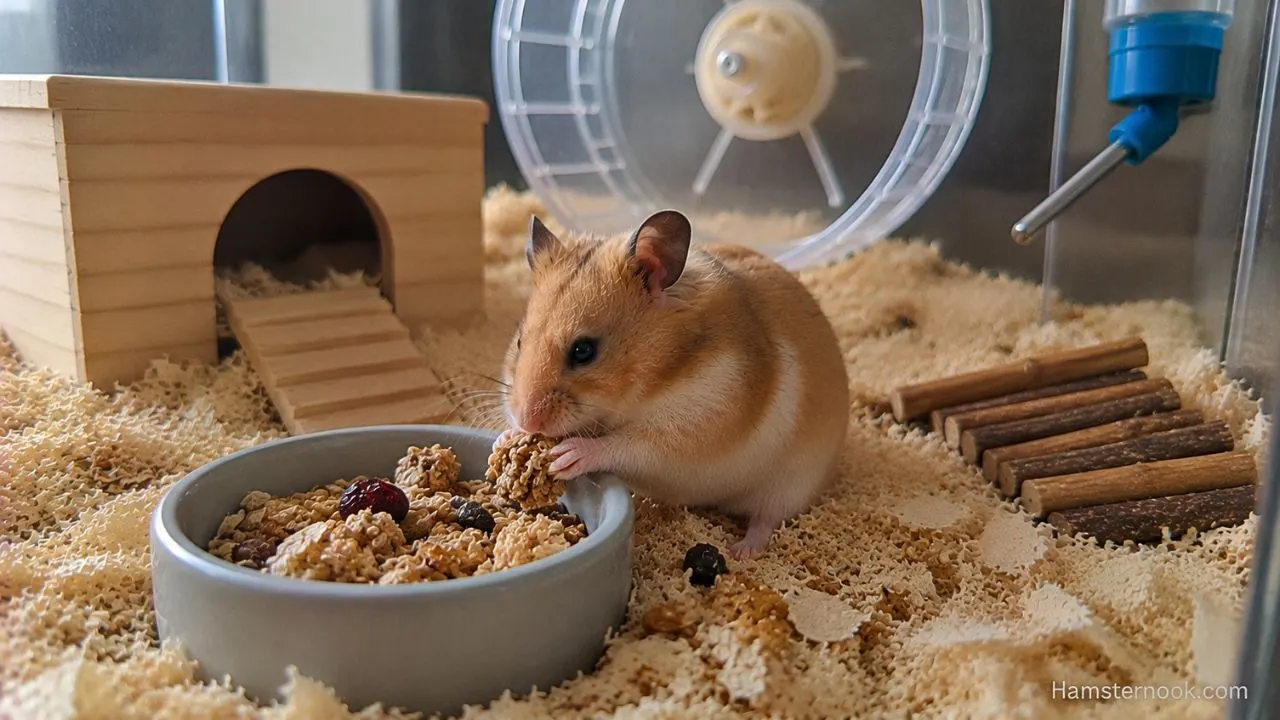
Peas can add variety, but they shouldn’t become the foundation of a hamster’s diet.
Variety doesn’t mean giving large portions of every fresh food. Small portions are enough to add variety alongside the main diet. Can Hamsters Eat Watermelon? Safe Portions, Risks & Feeding Guide explains the portion and feeding considerations for another common fresh food.
Hamsters need a balanced diet designed to provide their nutritional requirements. RSPCA recommends a good-quality hamster food or formulated seed mixture as the dietary foundation, supplemented with small quantities of suitable fresh foods. PDSA likewise describes commercial hamster pellets as a source of the nutrients a hamster needs, alongside small portions of fresh vegetables and other appropriate foods.
Because fresh vegetables should complement rather than replace the main diet, it helps to understand what that complete diet should contain. What Do Hamsters Eat? Complete Beginner Food List (Safe & Unsafe Foods) explains the foods that should form the foundation of a hamster’s daily diet.
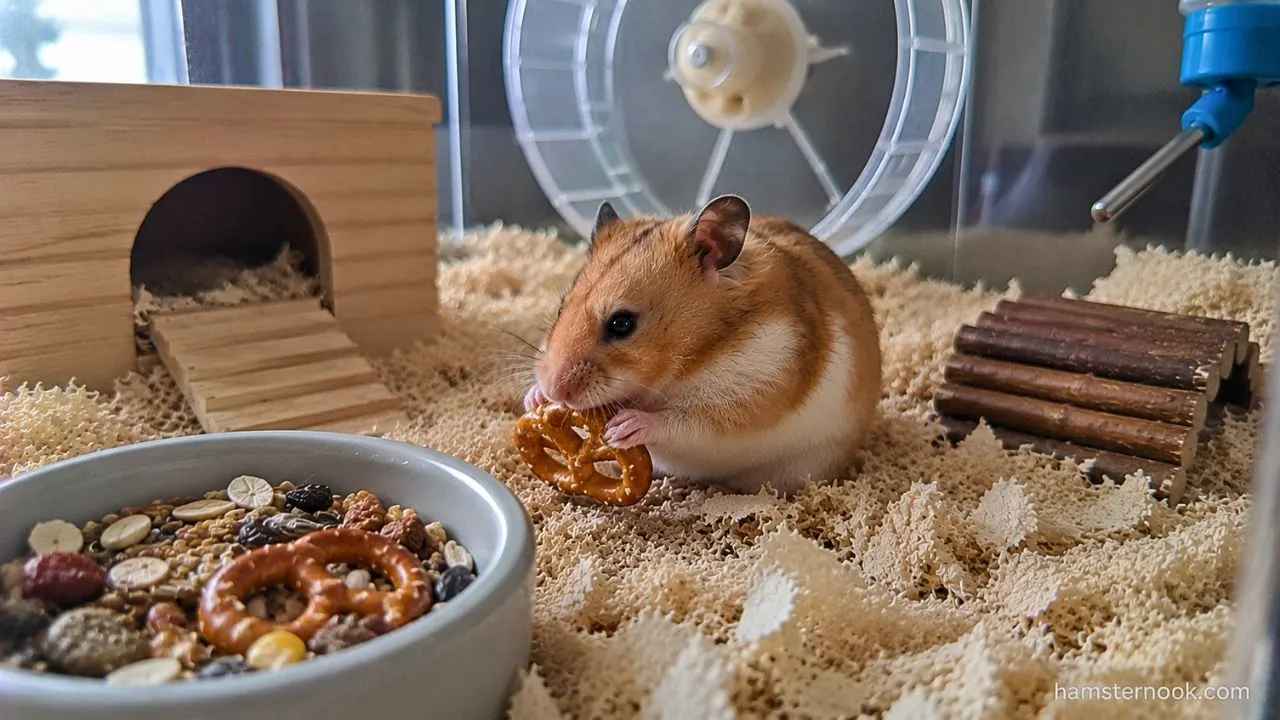
Giving too much fresh food can also create a practical problem because hamsters naturally carry and store food. A hamster may take a piece of pea away rather than eating it immediately, so check for hidden fresh food later and remove it before it spoils.
Blue Cross advises keeping fresh-food portions very small because hamsters may hoard them, and recommends removing uneaten fresh food daily.
What About the Pea Pod?
The pea itself and the pea pod aren’t exactly the same question.
However, for a beginner hamster owner, the simplest choice is usually to offer a small amount of plain pea rather than giving a large piece of pod.

If you do offer fresh plant material, it should be clean and free from pesticides or other contaminants. PDSA recommends washing vegetables before feeding them.
Practical Example: Giving a Frozen Pea Safely

Suppose you have a bag of plain frozen green peas in your freezer.
Take out one pea and let it thaw completely. Don’t add salt, butter, oil, or seasoning. Once it has thawed, offer only a small portion to your hamster.
Watch what your hamster does with it.
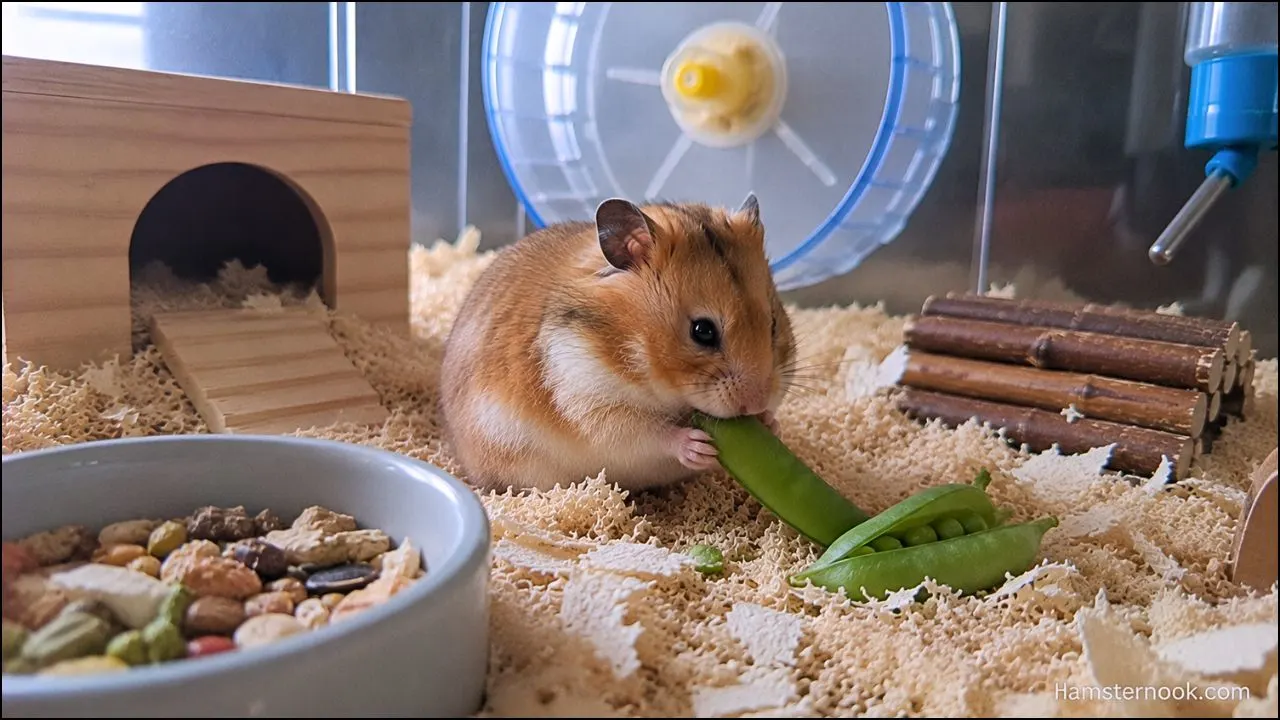
It may eat the piece immediately, carry it away in its cheek pouches, or leave it somewhere in the enclosure. Hamsters naturally store food, so finding a vegetable in a food stash isn’t unusual.
If the pea remains uneaten, check the enclosure and remove the fresh food before it becomes spoiled.
Can Frozen Peas Cause Problems?
Problems are more likely to come from portion size, preparation, or spoiled leftovers.
For example, giving a large quantity of fresh vegetables can leave more food sitting in the enclosure. Since hamsters hoard food, that matters more than it would with an animal that eats every fresh item immediately.

RSPCA advises owners to monitor how much their hamster eats and to avoid stale food and sudden dietary changes because these can upset the stomach.
If your hamster has never eaten peas before, introducing a tiny amount rather than a large serving is the sensible approach.
Should You Give Peas Every Day?
Peas don’t need to be offered every day.
Hamsters benefit from variety, and PDSA recommends varying the fresh fruits, vegetables, and herbs offered rather than relying on a single food.

Rotating small amounts of suitable fresh foods can give your hamster variety without making any single vegetable a major part of the diet. Healthy Treats for Hamsters: 10 Safe Treats They Actually Love covers other appropriate treat options and how to keep portions sensible.
The main food should remain nutritionally complete hamster food. Fresh vegetables are there to provide variety and additional enrichment, not to replace the balanced diet.
Fresh foods should not replace the nutritionally complete food that forms the foundation of the diet. If you’re also wondering about common human foods, Can Hamsters Eat Bread? Safe Types, Risks & Portion Guide explains which types may be suitable and why preparation and portion size matter.
Common Mistakes When Feeding Frozen Peas
Frozen peas are simple, but a few small mistakes can turn a suitable treat into an unnecessary problem.

Giving Peas While They Are Still Frozen
Thaw the pea completely before offering it. There is no need to give it to your hamster while it is still hard or icy.
Giving Too Many at Once
A hamster may happily eat more fresh food than it actually needs. Large portions also create a bigger chance that the food will be carried into a nest or hidden somewhere in the enclosure.
Blue Cross recommends keeping fresh-food portions very small—roughly no larger than the hamster’s ear—and warns that green vegetables can spoil when stored in a hamster’s hoard.
Using Seasoned or Prepared Peas
Don’t share peas from your dinner plate if they contain butter, salt, sauces, spices, or other ingredients.

The safest choice is a plain pea with nothing added. RSPCA guidance lists peas among foods suitable for smaller pets, while its hamster diet guidance recommends small quantities of fresh plant foods rather than prepared human foods.
Leaving Uneaten Peas in the Cage
This is particularly important with hamsters because they naturally carry food away and store it.
If your hamster takes the pea into its hide, don’t immediately disturb its entire food stash. Instead, keep an eye on where fresh food has been carried and remove the uneaten piece later.
Blue Cross recommends removing uneaten fresh food daily because it can decompose, while RSPCA advises removing fresh foods if they become soiled or start to spoil.

What You Should Do
If you want to give your hamster a frozen pea, keep the process straightforward.
- Choose plain frozen peas with no added ingredients.
- Take out one pea and allow it to thaw completely.
- Make sure it is no longer icy or hard.
- Offer a very small portion.
- Let your hamster eat or carry it away naturally.
- Check later for any uneaten fresh food.
- Remove leftover pea before it becomes spoiled.
Peas can be one of several fresh foods you offer in rotation rather than something you need to give every day. Offering a variety of suitable vegetables in small portions is more useful than making any single vegetable a daily staple.
If you want more ideas for rotating fresh foods, Best Fruits and Vegetables for Hamsters: Safe Foods, Portion Sizes & Feeding Tips covers other suitable options and practical portion guidance.
PDSA recommends small portions of fresh vegetables, fruit, and herbs, and advises washing them before feeding. It also lists peas among suitable hamster vegetables.

What If My Hamster Has Never Eaten Peas Before?
Start with a very small amount rather than giving a large serving.
Sudden dietary changes can upset a hamster’s digestive system, so introducing unfamiliar foods gradually is sensible. RSPCA specifically advises avoiding sudden dietary changes and stale food because they can upset a hamster’s stomach.
You don’t need to introduce several new foods at the same time. If peas are new, offer only a tiny amount and keep the rest of the diet familiar.
When introducing any unfamiliar food, How to Introduce New Foods to a Hamster Safely: Step-by-Step Guide explains how to make dietary changes gradually.
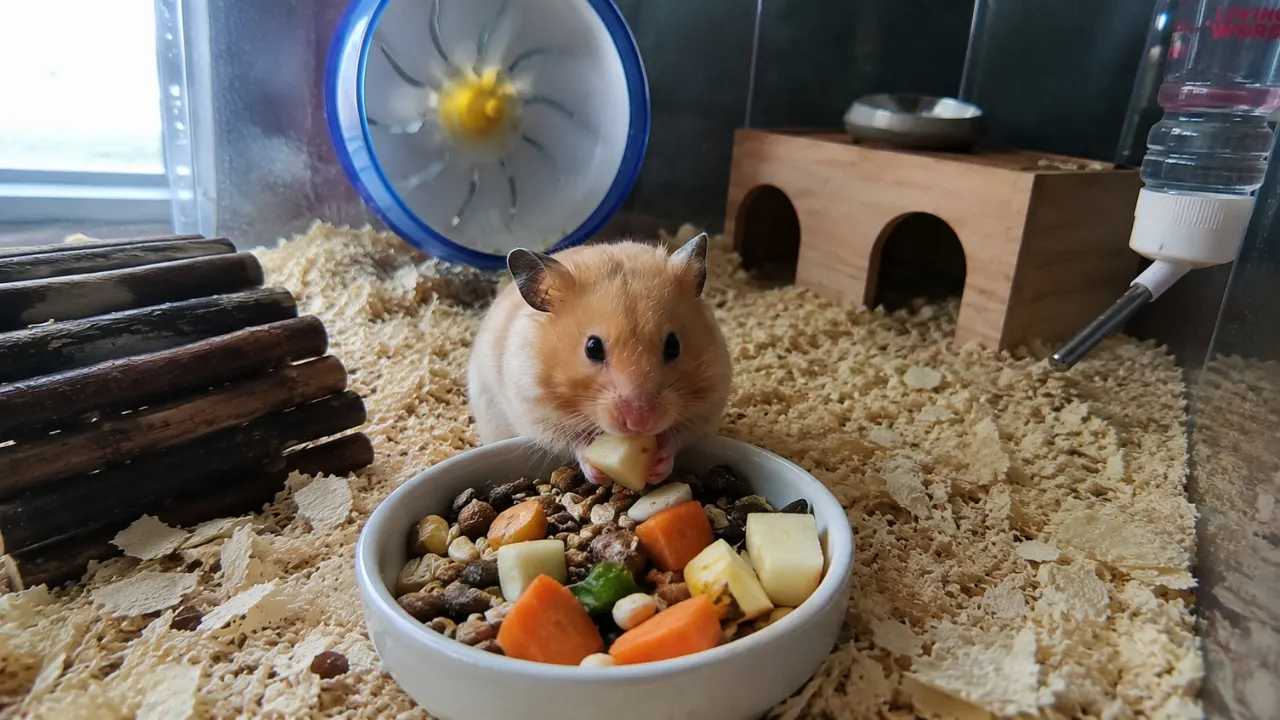
That also makes it easier to notice if your hamster doesn’t tolerate a particular food.
If you’re building a rotation of fresh vegetables, cucumber is another option worth considering alongside peas. Can Hamsters Eat Cucumber? Safe Amounts, Benefits & Risks explains how much cucumber can be offered and what owners should watch for.
Can Syrian and Dwarf Hamsters Eat Frozen Peas?
Yes. Peas are listed as a suitable vegetable for hamsters generally, so they can be offered to both Syrian and dwarf hamsters in appropriately small portions.
The more important issue is portion size.

A Syrian hamster is larger than a dwarf hamster, but that doesn’t mean you should automatically give a large quantity of any fresh food. Blue Cross recommends very small fresh-food portions for hamsters, with pieces no larger than the hamster’s ear.
For a dwarf hamster, keep the portion particularly small rather than using the larger hamster as a guide.
Are Cooked Peas Better Than Frozen Peas?
Not necessarily.
A plain frozen pea that has been completely thawed doesn’t need to be cooked before being offered. There is no need to cook a plain pea simply because it was frozen.
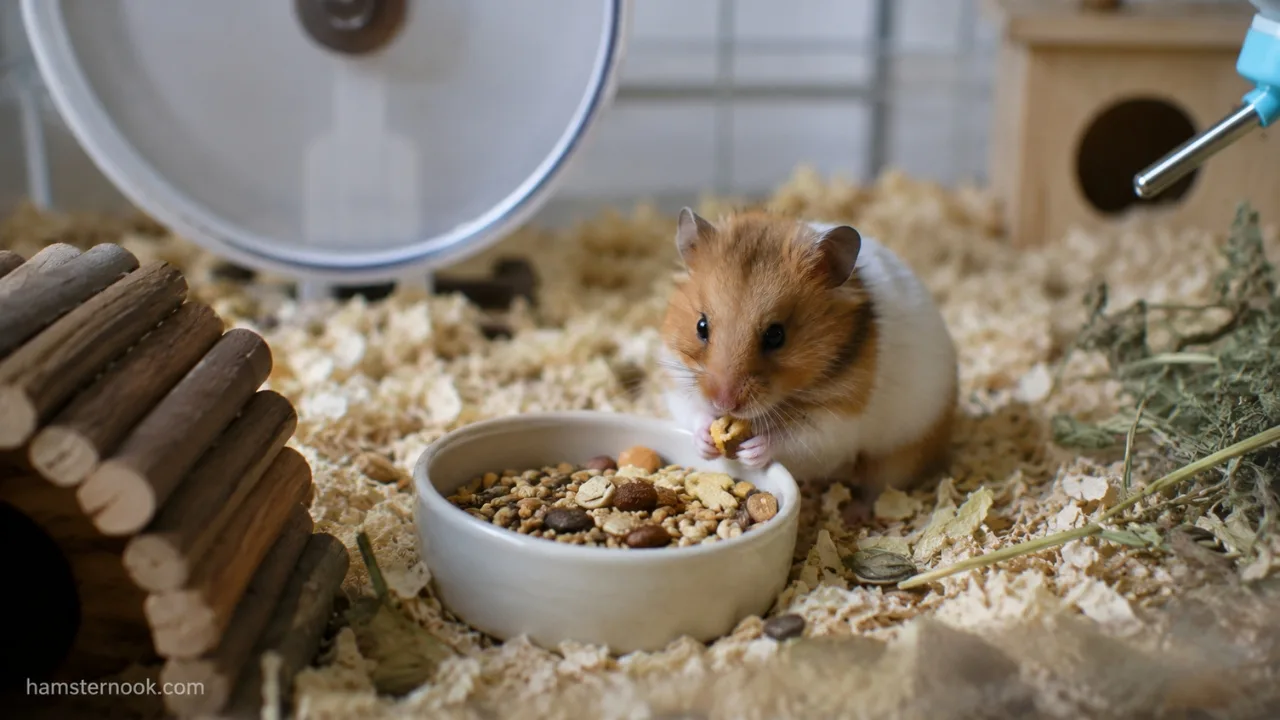
If peas have been cooked for human consumption, check what was added. Butter, salt, oil, sauces, and seasonings are reasons not to share them.
Can Hamsters Eat Pea Pods Too?
That doesn’t mean a hamster needs the pod as part of its regular diet. If you decide to offer fresh pea plant material, make sure it is clean and suitable for feeding, and keep the quantity small.
For a beginner, offering the pea itself is the simplest option. If you do offer the pod, keep the amount small and make sure it is clean and free from pesticides or other contaminants. The pea itself remains the simpler choice for owners who are introducing this food for the first time.
What If My Hamster Hides the Pea?
That’s normal hamster behavior.

Hamsters naturally carry food in their cheek pouches and may take it back to a nest or hiding area to eat later or store. RSPCA specifically notes that hamsters carry food to their nests and hiding places, while Blue Cross explains that hamsters commonly hoard food in their beds.
Don’t assume that a hamster has eaten a pea simply because you can no longer see it.
If you offer fresh food, remember where you placed it and check the enclosure later. You want to avoid allowing a moist vegetable to sit hidden long enough to spoil.
At the same time, don’t completely empty the hamster’s food hoard just because it has stored the pea. Remove the fresh piece you offered while leaving the rest of the hoard undisturbed.
Warning Signs After Eating a New Food
Most hamsters can have small amounts of suitable vegetables without problems, but any significant change in eating or digestion deserves attention.
Watch for:
- Eating noticeably less than normal
- Moist or abnormal droppings
- A soiled hind end
- Marked lethargy
- Repeated digestive problems after eating a particular food
RSPCA advises contacting a veterinarian promptly if a hamster starts eating less, develops moist droppings, or has a soiled hind end.
These signs aren’t proof that a pea caused the problem. Hamsters can become unwell for many different reasons, so avoid assuming that a new food is automatically responsible.
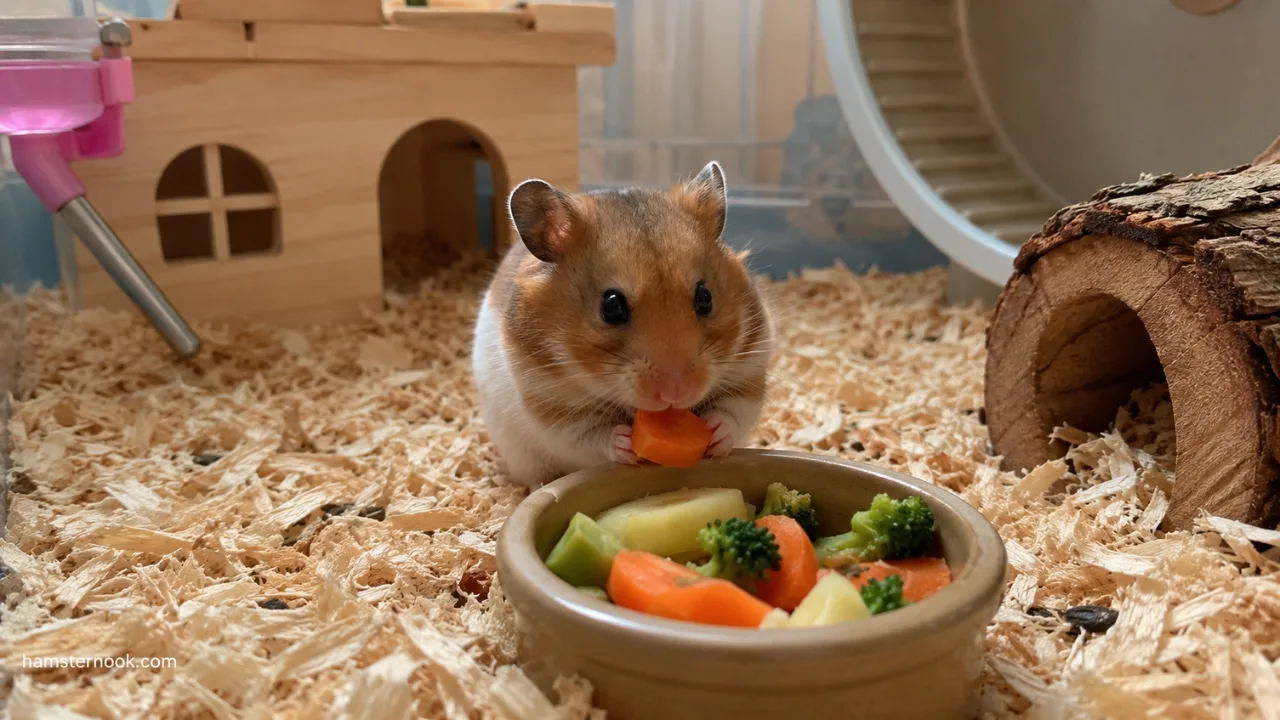
If your hamster stops eating after trying a new food, don’t automatically assume the food is the only possible cause. Why Is My Hamster Not Eating? 9 Causes You Should Never Ignore covers other reasons a hamster may suddenly lose interest in food.
When to Worry
A hamster that eats a tiny amount of thawed, plain pea and continues behaving normally generally doesn’t need special treatment.
The situation is different if your hamster develops a clear change in its normal behavior or health after eating any new food.
If your hamster stops eating, has abnormal or moist droppings, becomes unusually lethargic, or develops other concerning symptoms, contact a veterinarian rather than trying to treat the problem yourself.

Fresh vegetables should complement a balanced hamster diet, not replace it. RSPCA and PDSA both emphasize that a nutritionally complete hamster food should form the foundation of the diet, with fresh foods offered in small amounts.
Final Thoughts
So, can hamsters eat frozen peas?
Yes. Plain frozen peas can be offered to hamsters after they have been completely thawed and served in a small portion. The fact that a pea was frozen isn’t the main concern. Preparation, quantity, and freshness matter much more.
Think of peas as a small addition to an already balanced hamster diet. Choose plain peas, avoid seasoned human food, introduce unfamiliar foods gradually, and remember that your hamster may carry the piece away and hide it.

If you keep the portion tiny and remove uneaten fresh food before it spoils, there’s no need to make feeding peas complicated.
Frequently Asked Questions
Can hamsters eat frozen peas without cooking them?
Yes, provided the peas are plain and completely thawed first. They don’t need to be cooked simply because they came from the freezer.
Can I give my hamster frozen peas every day?
Peas don’t need to be offered every day. Hamsters benefit from variety in their small portions of fresh food, while their main diet should provide the nutrients they need.
Can dwarf hamsters eat frozen peas?
Yes. Peas are listed as a suitable vegetable for hamsters. Keep the serving particularly small for a dwarf hamster because of its smaller body size.
Can hamsters eat canned peas?
Fresh or plain frozen peas are a simpler choice. If canned peas contain added salt or other ingredients, don’t use them as a hamster treat.
Can hamsters eat cooked peas?
Plain cooked peas can be offered in a small amount once they have cooled. Avoid peas cooked with butter, salt, oil, sauces, or seasonings.
Can hamsters eat pea pods?
RSPCA lists peas, pea leaves, and pea pods as safe foods for smaller pets including hamsters. If offered, keep the amount small and make sure the plant material is clean.
What should I do if my hamster stores the pea?
That’s normal. Hamsters naturally hoard food. Check later for the fresh piece and remove it if it remains uneaten so it doesn’t spoil.

How much fresh food should a hamster get?
Guidance varies somewhat by source, but the consistent advice is to keep fresh-food portions small. Blue Cross recommends pieces no larger than the hamster’s ear, while PDSA describes a small daily portion of fresh fruit, vegetables, and herbs.
References
This guide is based on hamster nutrition, feeding, fresh foods, food safety, and general dietary welfare guidance from trusted veterinary and animal welfare organizations, including:
- RSPCA – Hamster Diet and Feeding – Guidance on balanced hamster diets, suitable fresh foods, feeding practices, and avoiding sudden dietary changes or spoiled food.
- PDSA – Hamsters as Pets – Advice on hamster nutrition, suitable vegetables including peas, portion sizes, and safe feeding practices.
- Blue Cross – Hamster Care Guide – Practical guidance on hamster diets, fresh foods, food portions, food hoarding, and removing uneaten fresh food.
- MSD Veterinary Manual – Hamsters – Veterinary reference information on hamster nutrition, digestive health, husbandry, and common health concerns.

Narayan Kumar is the founder and author of HamsterNook. He creates practical, research-based hamster care guides covering hamster behavior, nutrition, cage setup, enrichment, health, and everyday care. His goal is to help hamster owners make informed decisions and provide safer, healthier lives for their pets through clear, beginner-friendly information based on trusted animal care resources.