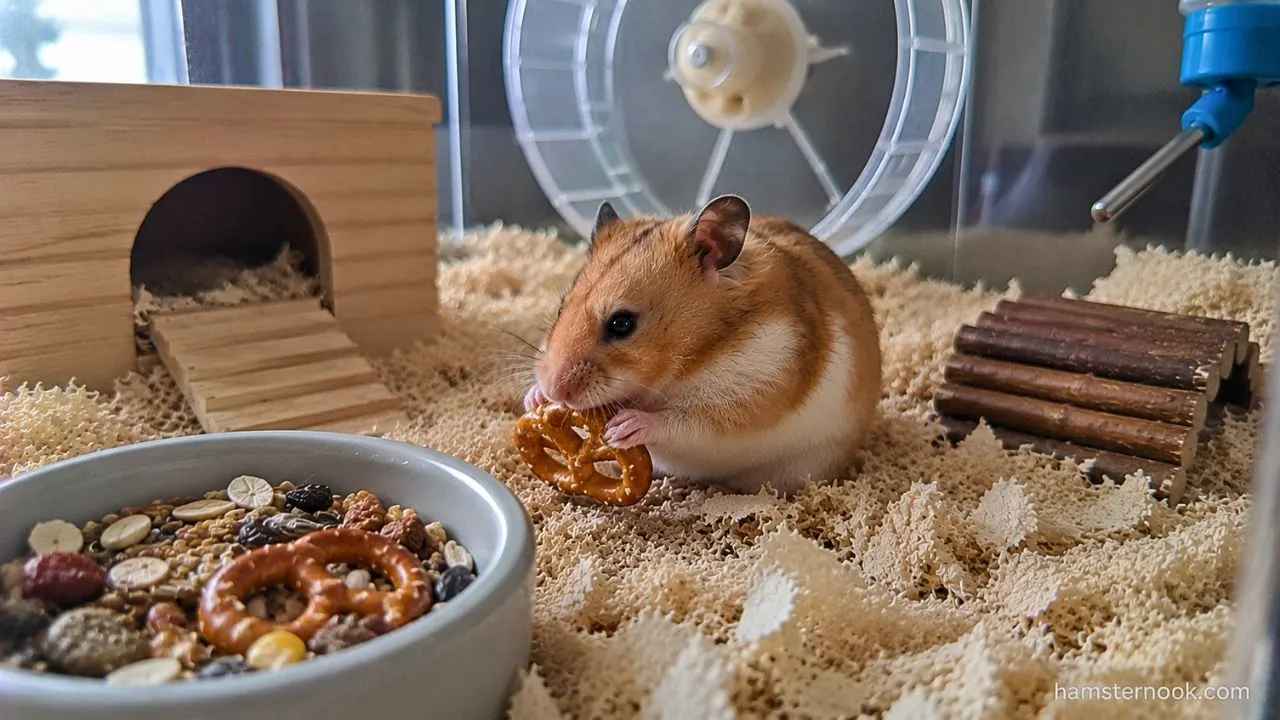
Bread is one of the foods hamster owners commonly offer as a quick treat because it is already sitting in the kitchen. While a tiny piece of plain bread is usually safe for most healthy hamsters, not every type of bread is suitable. Ingredients such as sugar, salt, garlic, raisins, and preservatives can quickly turn a seemingly harmless snack into a poor dietary choice. Understanding when bread is safe—and when it is not—helps prevent unnecessary health risks.
Quick Answer
Yes, hamsters can eat a tiny amount of plain bread occasionally. Plain whole wheat or plain white bread can be offered as an occasional treat, but bread should not replace a balanced hamster diet. Avoid breads with garlic, onion, chocolate, raisins, heavy seasoning, or excessive sugar and salt, and always offer only a very small piece.
So, can hamsters eat bread safely?
Yes, hamsters can eat small amounts of plain bread occasionally, but it should only be a rare treat. Some types of bread are safer than others, while certain ingredients found in processed bread can be unhealthy or even risky for hamsters over time.
This guide explains which breads are safe, which ones to avoid, how much bread a hamster can eat, and the possible health risks every owner should know before offering it.
Is Bread Safe for Hamsters?
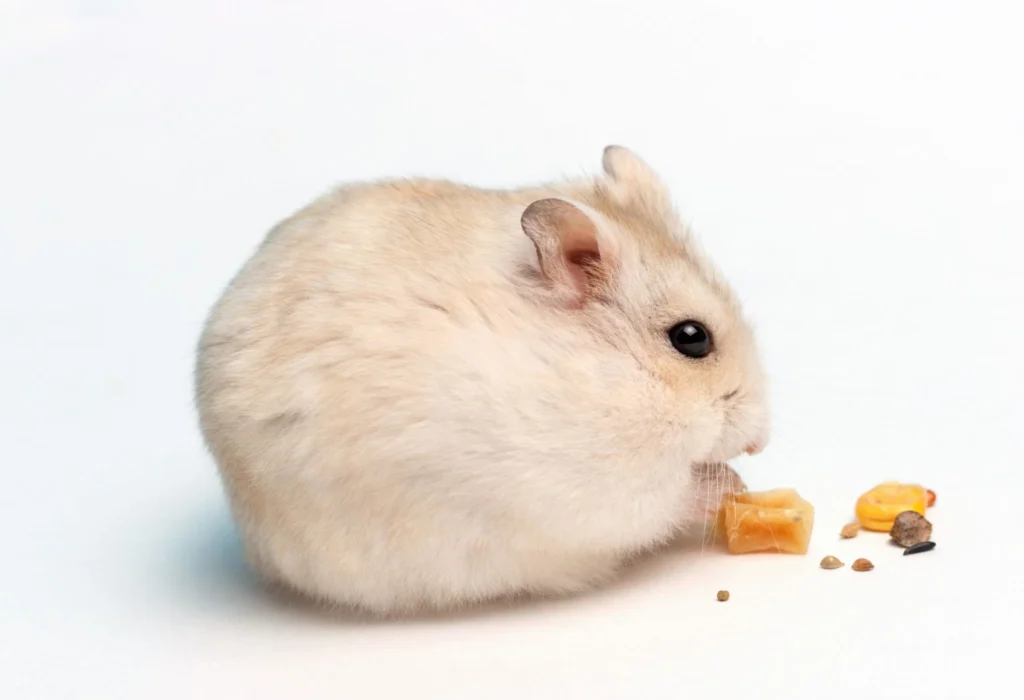
A tiny amount of plain bread may be suitable as an occasional treat for a healthy adult hamster. However, the ingredients, portion size, and freshness all matter when deciding whether a particular bread is appropriate.
However, bread is not a natural part of a hamster’s diet. Wild hamsters mainly eat grains, seeds, grasses, and small amounts of vegetables or insects. Store-bought bread is heavily processed compared to the foods hamsters naturally consume.
Because of this, bread should never replace a balanced hamster diet based on:
- High-quality hamster pellets or mixes
- Seeds and grains
- Fresh vegetables
- Occasional protein treats
If you decide to offer bread, think of it as an occasional treat rather than something that belongs in your hamster’s regular feeding routine.
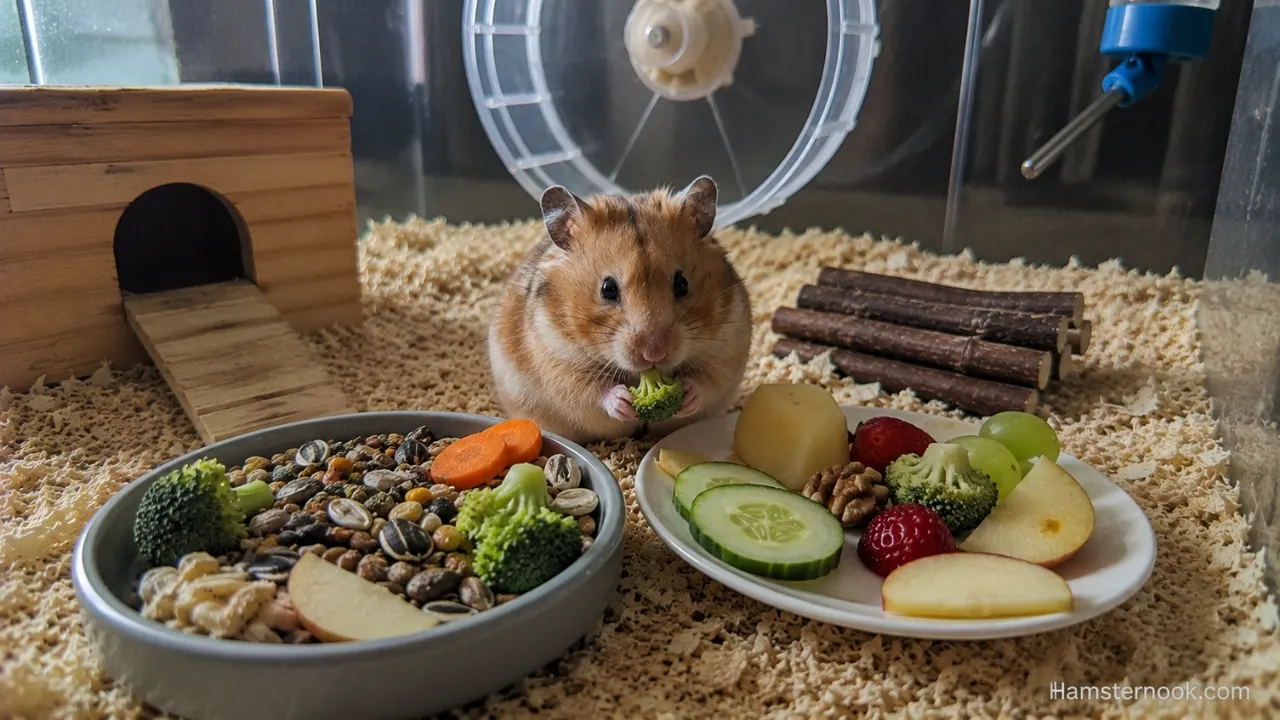
What Ingredients in Bread Matter Most?
When choosing bread for a hamster, the ingredient list is often more important than the type of bread itself.
Look for bread that contains:
- Whole wheat flour
- Water
- Yeast
- Minimal added sugar
- Minimal salt
Avoid breads that contain:
- Garlic
- Onion powder
- Chocolate
- Artificial sweeteners
- Large amounts of sugar
- Dried fruits such as raisins
- Excess oils or butter
In general, breads with fewer ingredients tend to be a better choice. Extra flavorings, sweeteners, and preservatives add little benefit for hamsters and are best avoided.
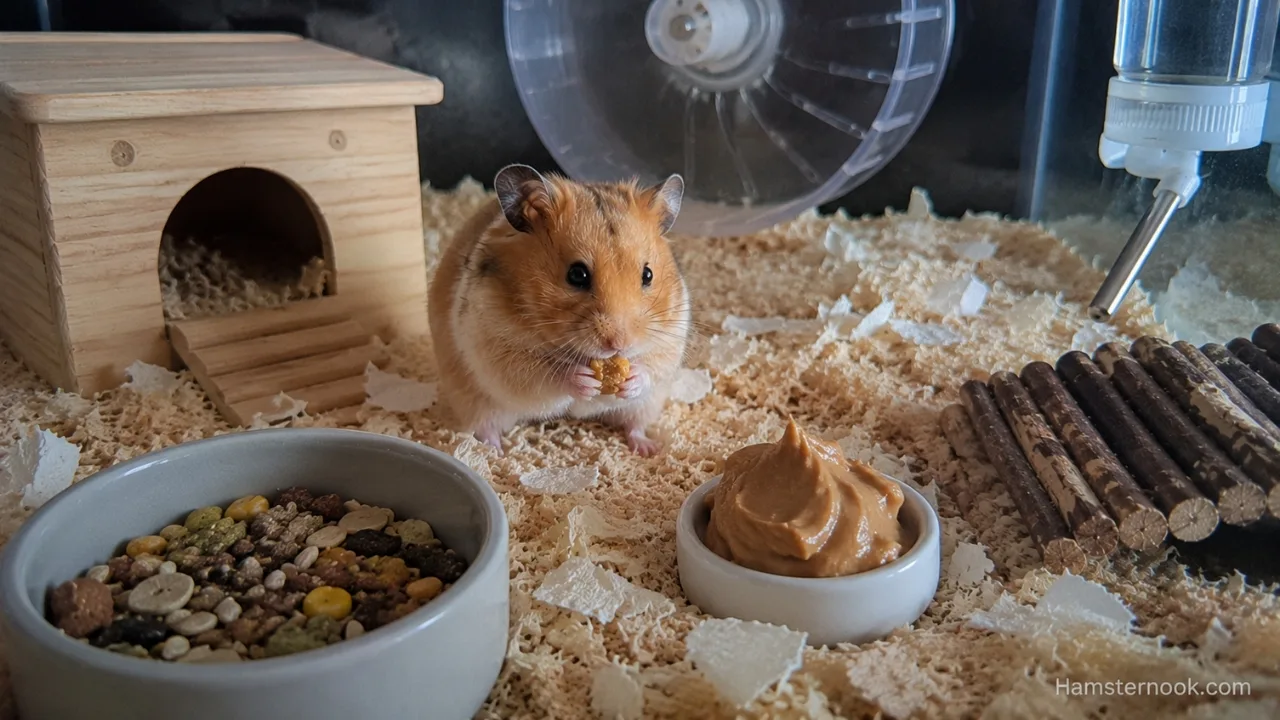
Can Hamsters Eat Sourdough Bread?
Yes, hamsters can eat a tiny amount of plain sourdough bread occasionally, provided it contains no unsafe ingredients such as garlic, onion, chocolate, raisins, excessive sugar, or heavy seasoning.
Sourdough is not automatically healthier for hamsters simply because it is fermented. The ingredients still matter, and it should remain an occasional treat rather than part of a hamster’s regular diet.
If you offer sourdough, choose a plain variety with a simple ingredient list and give only a very small piece. Avoid sourdough containing flavored oils, seeds with added salt, dried fruit, sweeteners, or other human-food toppings.
For most hamsters, plain whole wheat bread, plain sourdough, or another simple bread can be occasional options, but fresh vegetables and a balanced hamster diet are better everyday choices.

Best Types of Bread for Hamsters
Not all bread is equally safe. Some varieties contain fewer additives and less sugar, making them a better option for hamsters.
Quick Bread Safety Comparison
| Bread Type | Suitability | Recommendation |
|---|---|---|
| Plain whole wheat bread | Suitable occasionally | Tiny piece only |
| Plain white bread | Suitable occasionally | Tiny piece only |
| Plain homemade bread | Depends on ingredients | Check ingredients |
| Plain toast | Suitable occasionally | Plain, no toppings |
| Multigrain bread | Depends on ingredients | Check label first |
| Garlic bread | Avoid | Do not feed |
| Onion bread | Avoid | Do not feed |
| Raisin bread | Avoid | Do not feed |
| Chocolate bread | Avoid | Do not feed |
| Sweet pastries | Avoid | Do not feed |
This table provides a quick reference, but ingredient lists should always be checked before offering any bread product.
Safe Bread Options for Hamsters
| Bread Type | Safe or Not? | Notes |
|---|---|---|
| Plain whole wheat bread | Safer choice | Higher fiber and less processed |
| Plain white bread | Safe in tiny amounts | Lower nutrition |
| Multigrain bread | Sometimes safe | Check for seeds and additives |
| Plain toast | Safe occasionally | Easier to nibble in tiny pieces |
| Homemade plain bread | Usually safest | Fewer preservatives |
Plain whole wheat bread can be a reasonable occasional option because it may provide more fiber than standard white bread. However, it is still a treat rather than a necessary part of a hamster’s diet.
Dangerous Bread Types Hamsters Should Avoid
Some breads contain ingredients that are unhealthy or potentially harmful for hamsters.
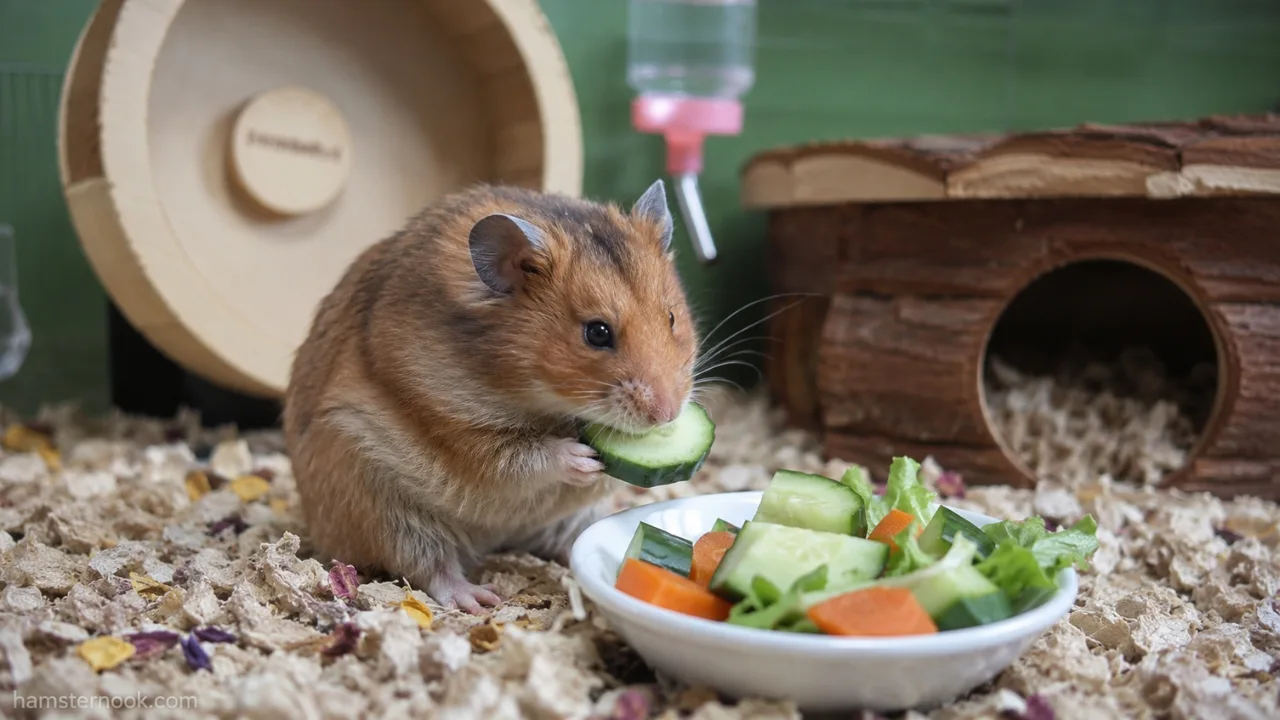
Avoid Giving These Breads
| Bread Type | Why It’s Unsafe |
|---|---|
| Garlic bread | Garlic may be harmful to hamsters |
| Onion bread | Onions are unsafe for hamsters |
| Chocolate bread | Chocolate is toxic |
| Raisin bread | Raisins are controversial and sugary |
| Sugary pastries | Too much sugar and fat |
| Highly salted bread | Excess sodium is unhealthy |
| Bread with artificial sweeteners | some artificial sweeteners may not be suitable for hamsters. |
| Moldy bread | may lead to digestive or health problems. |
Many commercial breads also contain preservatives, oils, sugar, butter, or flavorings that provide no real benefit for hamsters.
Can Dwarf Hamsters Eat Bread?
Yes, but dwarf hamsters should eat even smaller amounts than Syrian hamsters.
Dwarf hamsters can be more sensitive to diets that are high in sugar and calories, so bread should be especially limited. This is particularly important when choosing sweetened or highly processed bread.
Because bread contains carbohydrates and can raise blood sugar levels, sugary or refined bread should be kept extremely limited for dwarf hamsters.

For dwarf hamsters, healthier treats like cucumber, broccoli, or small seeds are usually better choices.
How Much Bread Can a Hamster Eat?
Hamsters have tiny stomachs, so portion control matters a lot.
Recommended Portion Size
For a healthy adult hamster, a practical serving is a tiny piece about the size of your fingernail. Because hamsters vary in size, a dwarf hamster should receive a smaller piece than a Syrian hamster.
Bread is best treated as an occasional snack rather than something that needs to be offered every week. If your hamster already receives several other treats, there is no nutritional need to add bread.
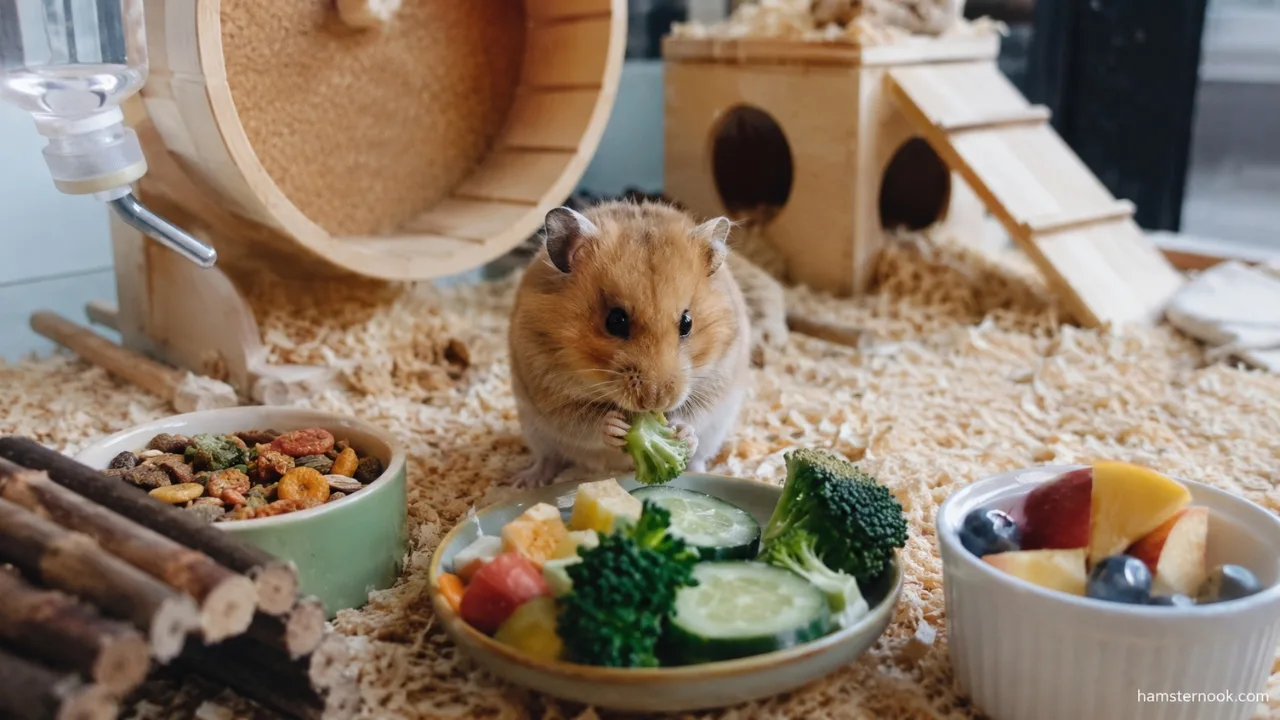
- A tiny piece about the size of your fingernail
- Offer only occasionally rather than making bread part of a routine feeding schedule
For dwarf hamsters, an even smaller piece is appropriate. The goal should be a tiny taste rather than a substantial serving.
Too much bread can lead to:
- Weight gain
- Digestive upset
- Food hoarding problems
- Nutritional imbalance
Hamsters often store food in their cheeks and hide it in bedding. Bread can become stale or moldy quickly if hidden inside the cage, which creates health risks.
Always remove uneaten bread after a few hours.
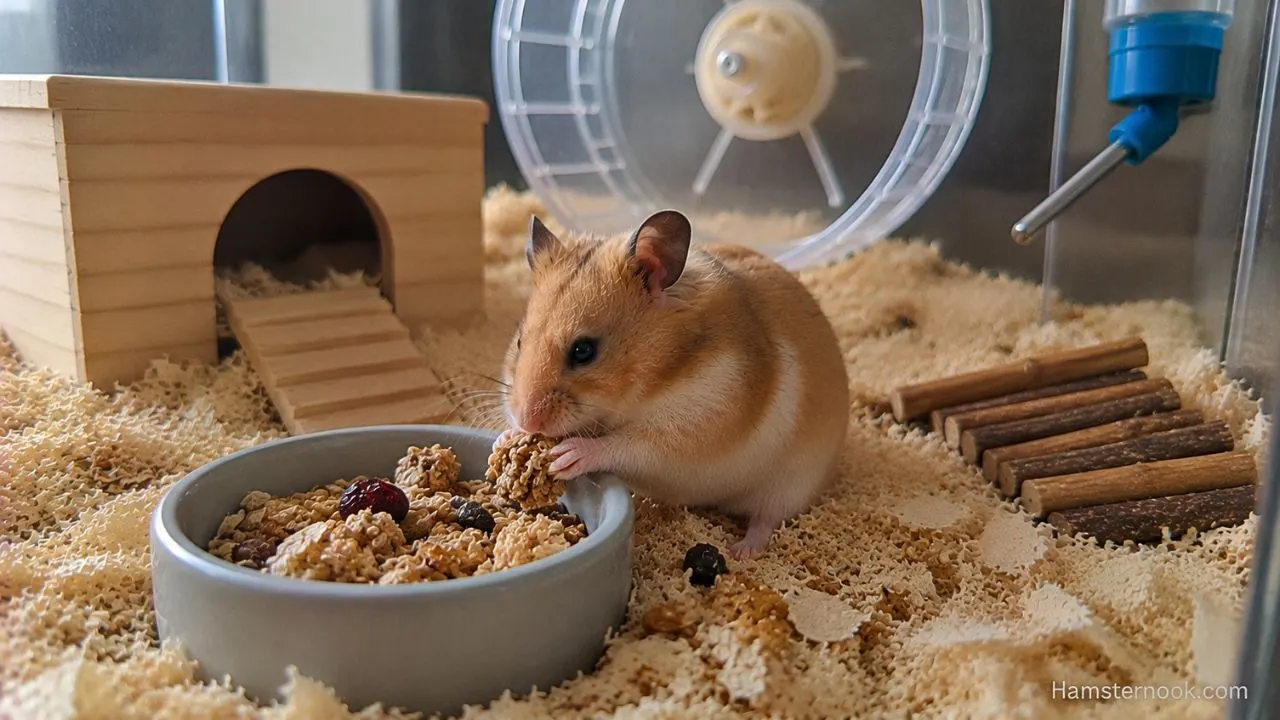
Checking food stash areas regularly is especially important because hidden bread can spoil faster than many dry hamster foods.
A clean enclosure and proper bedding setup help reduce the risk of hidden food spoiling inside the cage. If you’re unsure which substrates are safest, see our guide to the best hamster bedding options and common bedding materials to avoid.
Can Hamsters Eat Toast?
Plain toast can be offered occasionally in a tiny piece, but toasting does not make bread nutritionally better or automatically safer. The ingredients and portion size matter more than whether the bread is toasted.
However, the same rules still apply:
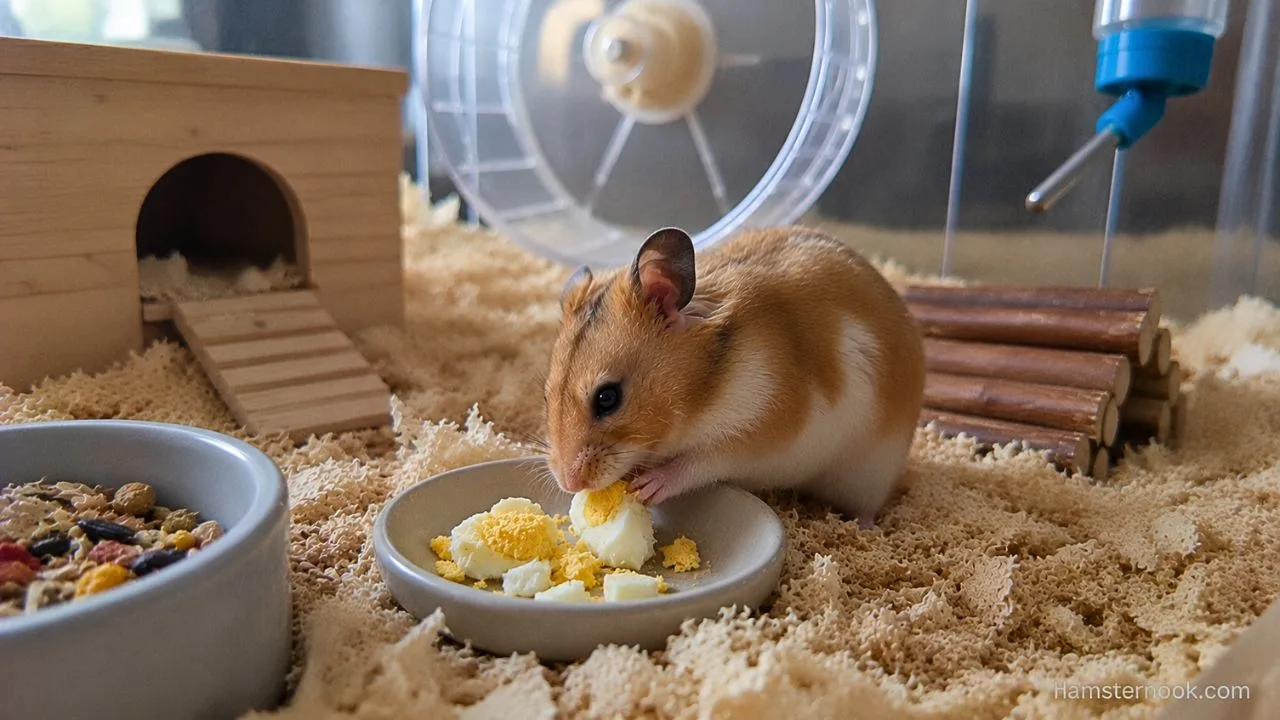
- No butter
- No garlic
- No spreads
- No jam
- No seasoning
A tiny plain piece of lightly toasted whole wheat bread is generally the safest option if you want to offer bread occasionally.
If your hamster ignores bread, there’s no reason to keep offering it. Fresh vegetables and hamster-safe grains provide more nutritional value and are usually better long-term treats.
Can Hamsters Eat Breadsticks or Roti?
Plain breadsticks can be given only in very small amounts if they are free from garlic, onion, heavy salt, butter, sugar, and other seasonings. Many commercial breadsticks contain more salt and flavoring than plain bread, so check the ingredients before offering one.
Plain roti or chapati is also not toxic in a tiny amount when made from simple ingredients, but it should still be treated as an occasional human-food treat rather than a regular hamster food. Avoid roti containing added salt, oil, butter, spices, onion, or garlic.

The safest rule is simple: if the bread product contains lots of added ingredients, skip it and choose a tiny piece of plain bread instead.
Can Hamsters Eat Bread With Toppings?
Bread toppings can add extra sugar, fat, salt, or other ingredients that are unnecessary for a hamster. If bread is offered, keeping it plain is the simplest option.
Avoid offering bread with:
- Butter
- Peanut butter
- Cream cheese
- Jam or jelly
- Honey
- Chocolate spread
- Garlic butter
- Flavored oils
Even small amounts can add excessive fat, sugar, or ingredients that are unsuitable for a hamster’s digestive system.
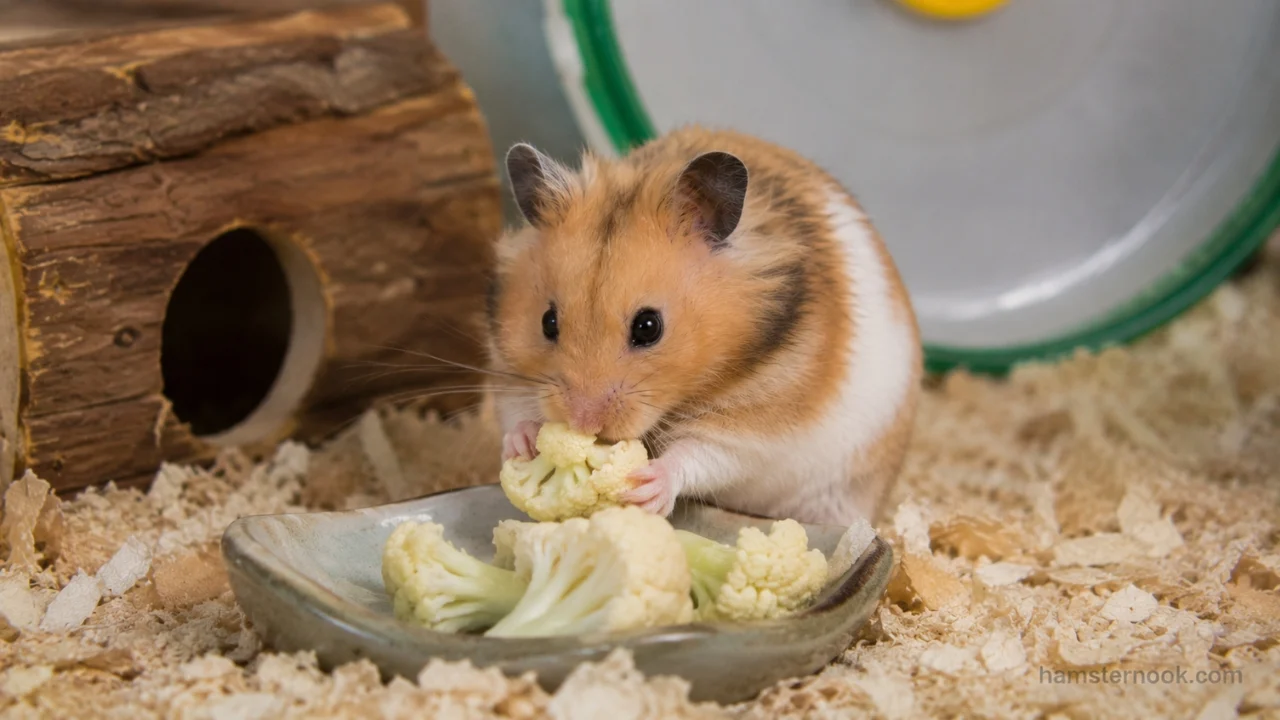
If bread is offered, it should always be plain.
Is Bread Healthy for Hamsters?
Bread can provide carbohydrates, but it is not nutritionally important enough to be a regular part of a hamster’s diet. A balanced hamster food and appropriate fresh foods provide more useful nutrition.
Ye unnecessarily absolute “not healthy” statement ko reduce karta hai.
Better Choices Than Bread
While a tiny piece of plain bread is generally safe as an occasional treat, several hamster-safe foods provide far more nutritional value and are better suited for regular treats.

| Instead of Bread | Better Choice | Why It’s Better |
|---|---|---|
| White bread | Cucumber | Hydrating and very low in calories |
| White bread | Broccoli | Rich in vitamins and fiber |
| White bread | Plain oats | A more natural grain for hamsters |
| White bread | Pumpkin seeds | Provides healthy fats and protein (in moderation) |
| White bread | Hamster food mix | Offers balanced nutrition designed for hamsters |
These foods are generally more nutritious than processed bread and better match a hamster’s natural dietary needs. If you choose to offer bread, keep it as an occasional treat rather than a regular part of your hamster’s feeding routine.
Nutritional Downsides of Bread
| Problem | Why It Matters |
|---|---|
| High carbohydrates | Can contribute to weight gain |
| Low nutritional value | Few vitamins and minerals |
| Processed ingredients | Not natural for hamsters |
| Excess sugar or salt | is not ideal for hamster health. |
| Sticky texture | May sometimes stick to cheek pouches |
Most healthy hamsters can handle a small piece of plain bread without issues, but there are far more nutritious treats worth choosing first.
Signs Your Hamster Did Not Tolerate Bread Well
Most hamsters handle tiny amounts of plain bread without problems. However, every hamster is different.
Watch for signs such as:
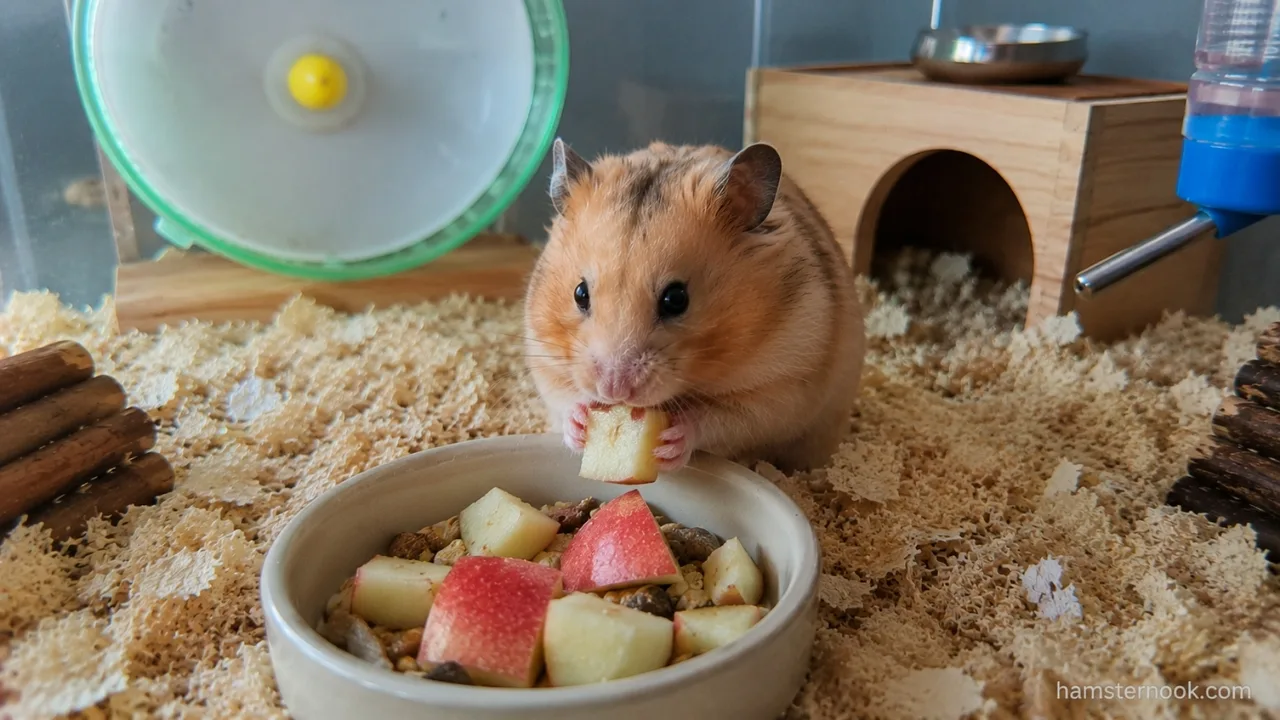
- Diarrhea or unusually loose stools
- Bloating or obvious digestive discomfort
- Reduced appetite
- Unusual lethargy
- Other sudden changes after eating the food
If any unusual symptoms appear after feeding bread, stop giving it immediately and monitor your hamster closely. Persistent symptoms should be checked by an exotic veterinarian.
Changes in appetite, energy levels, or behavior can sometimes signal illness in hamsters. Learn the most common warning signs in our health guide.
Healthier Treats Than Bread
If you want healthier snack options, many foods are more nutritious than bread.
Healthier Hamster Treats
| Better Option | Benefits |
|---|---|
| Cucumber | Hydrating and low calorie |
| Broccoli | Rich in nutrients |
| Bell pepper | Contains vitamin C |
| Pumpkin seeds | Good occasional protein and fats |
| Oats | More natural grain option |
| Carrot | Safe in moderation |
| Cooked plain egg | Protein-rich treat |
These foods are generally closer to what hamsters naturally eat compared to processed bread products.
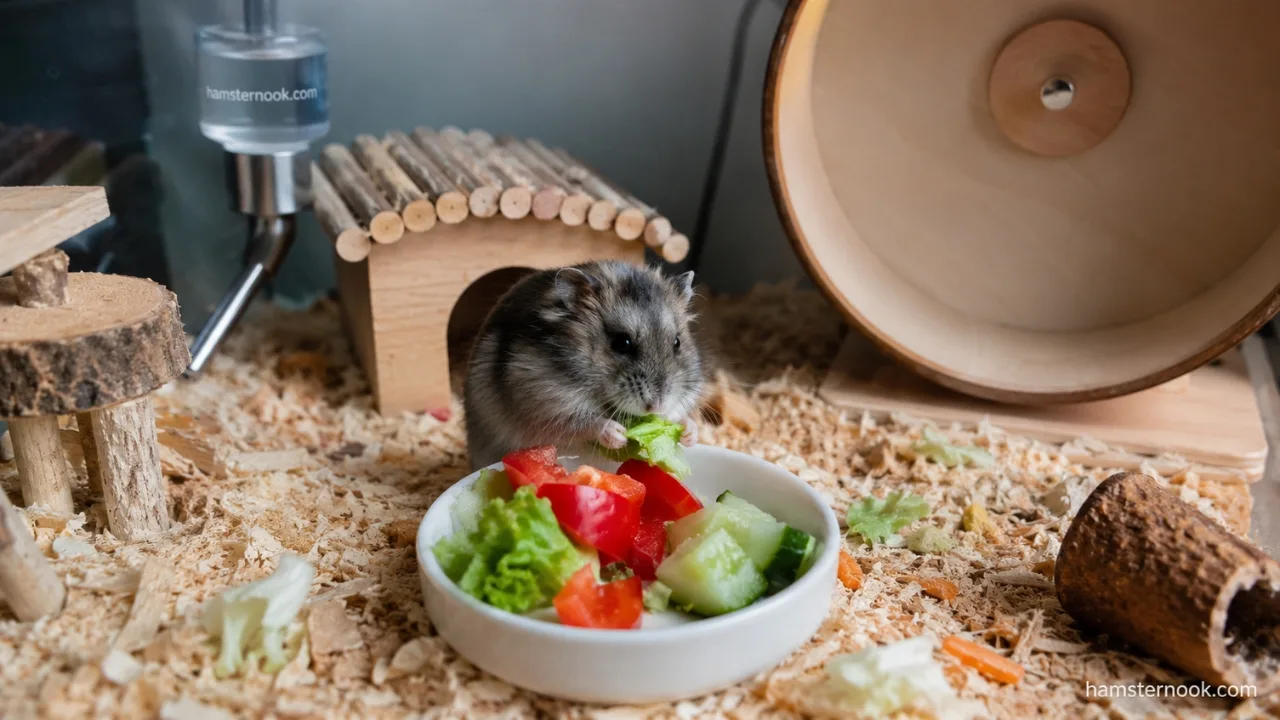
Owners building a balanced feeding routine may also find What Do Hamsters Eat? Complete Food List helpful for identifying safe everyday foods and occasional treats.
What Veterinarians and Hamster Care Experts Generally Recommend
Veterinarians and experienced hamster keepers generally view bread as a low-priority treat. While it is not considered toxic when served plain and in tiny portions, it offers little nutritional value compared to vegetables, seeds, and species-appropriate hamster food. Most feeding recommendations focus on moderation rather than encouraging bread as a regular snack.
- Bread is acceptable only in tiny amounts
- Plain varieties are safest
- Processed or flavored breads should be avoided
- Fresh vegetables and proper hamster food should remain the primary diet
For most hamsters, the occasional tiny piece is unlikely to cause problems, but regular feeding is unnecessary.
Common Mistakes Owners Make When Feeding Bread
Many hamster owners accidentally make bread unsafe by adding toppings or feeding too much.
Mistakes to Avoid
Giving Bread Daily
Bread should never become a routine food.
Using Butter or Jam
Added fats and sugars are unhealthy for hamsters.
Leaving Bread in the Cage Too Long
Bread can become moldy quickly, especially in hidden food stashes.
Feeding Large Pieces
Oversized portions may lead to overeating or pouch stuffing problems.
Assuming All Bread Is Safe
Ingredients matter more than the bread itself.
Can Baby Hamsters Eat Bread?
It is better to avoid bread for baby hamsters.
Young hamsters need nutrient-rich foods that support healthy growth. Bread provides very little nutritional value compared to proper hamster food and fresh safe vegetables.
Stick to a balanced diet designed for young hamsters instead of processed human foods.

Final Verdict: Can Hamsters Eat Bread?
Bread falls into the “safe but unnecessary” category for hamster diets. Healthy adult hamsters can usually enjoy a tiny piece of plain bread without problems, but bread provides few nutritional benefits compared to vegetables, seeds, and balanced hamster food. If offered at all, plain whole wheat bread in very small amounts is generally the best choice.
Because bread is relatively calorie-dense and nutritionally limited, it is best viewed as an occasional treat rather than a meaningful source of nutrition.
However, flavored breads, sugary breads, garlic bread, and heavily processed varieties should be avoided completely.
If you decide to feed bread:

- Keep portions extremely small
- Choose plain bread only
- Remove leftovers quickly
- Avoid making it a regular habit
Fresh vegetables, seeds, and balanced hamster food are generally better choices for long-term health.
If you want to compare bread with more nutritious snack options, our Healthy Treats for Hamsters guide covers safer treat choices, portions, and feeding frequency.
Frequently Asked Questions
Can hamsters eat white bread?
Yes, hamsters can eat tiny amounts of plain white bread occasionally. However, whole wheat bread is usually a slightly better option because it contains more fiber.
Can hamsters eat bread every day?
No. Bread should not be fed every day because it can displace more nutritious foods from a hamster’s diet. Keep it as an occasional treat instead.

Can hamsters eat bread crust?
Yes, plain bread crust is usually safe in small amounts as long as it contains no seasoning, garlic, butter, or sugar.
Can hamsters eat garlic bread?
No. Garlic bread is not safe for hamsters because garlic may be harmful to them.
Can dwarf hamsters eat bread?
Yes, but only in very tiny portions because dwarf hamsters are more prone to obesity and diabetes.
Can hamsters eat toasted bread?
Plain toasted bread is generally safe occasionally if it contains no butter, spreads, or seasoning.

What happens if a hamster eats too much bread?
Too much bread may cause digestive issues, weight gain, or an unbalanced diet over time.
Is whole wheat bread better for hamsters?
Usually yes. Whole wheat bread is slightly less processed and contains more fiber than standard white bread.
Can hamsters eat brown bread?
Yes, plain brown bread is generally safe in small amounts if it does not contain added sugar, dried fruit, seeds that may cause issues, or other flavorings. Whole wheat varieties are usually preferred.
Can hamsters eat sourdough bread?
Yes. Plain sourdough can be offered in a tiny amount occasionally if it contains no unsafe ingredients, excessive salt, sugar, garlic, onion, chocolate, or dried fruit.

Can hamsters eat breadsticks?
Plain breadsticks may be given in a tiny amount if they are free from garlic, onion, heavy salt, butter, and strong seasonings. Check the ingredient list first.
Can hamsters eat roti?
A tiny piece of plain roti or chapati is generally okay occasionally if it contains simple ingredients and no added spices, garlic, onion, butter, or excess salt.
Can hamsters eat bread and butter?
It is better to avoid bread with butter. Butter adds unnecessary fat, while plain bread provides no important nutritional benefit that would justify adding it.
Can hamsters eat homemade bread?
Yes. Homemade bread made with simple ingredients is often a better option because it usually contains fewer preservatives and additives than commercial bread.
Can hamsters eat stale bread?
No. Bread that is stale, damp, or showing any signs of mold should never be fed to a hamster. Even small amounts of mold can pose serious health risks.
References
This guide is based on hamster nutrition, feeding, safe treats, dietary balance, and welfare guidance from trusted animal welfare and veterinary resources, including:
- RSPCA – Hamster Diet and Feeding – Guidance on balanced hamster diets, appropriate foods, treats, fresh foods, and feeding practices.
- RSPCA – Keeping Hamsters as Pets – General hamster care, nutrition, feeding, health, and welfare guidance.
- PDSA – Hamsters as Pets – Practical advice on hamster nutrition, feeding, treats, general care, and welfare.
- Blue Cross – Hamster Care Guide – Guidance on hamster diets, suitable foods, treats, feeding routines, and overall husbandry.
- MSD Veterinary Manual – Hamsters – Veterinary reference information covering hamster nutrition, health, feeding, and common dietary considerations.
- Merck Veterinary Manual – Hamsters – Veterinary guidance on hamster care, nutrition, digestive health, and feeding-related concerns.

Narayan Kumar is the founder and author of HamsterNook. He creates practical, research-based hamster care guides covering hamster behavior, nutrition, cage setup, enrichment, health, and everyday care. His goal is to help hamster owners make informed decisions and provide safer, healthier lives for their pets through clear, beginner-friendly information based on trusted animal care resources.