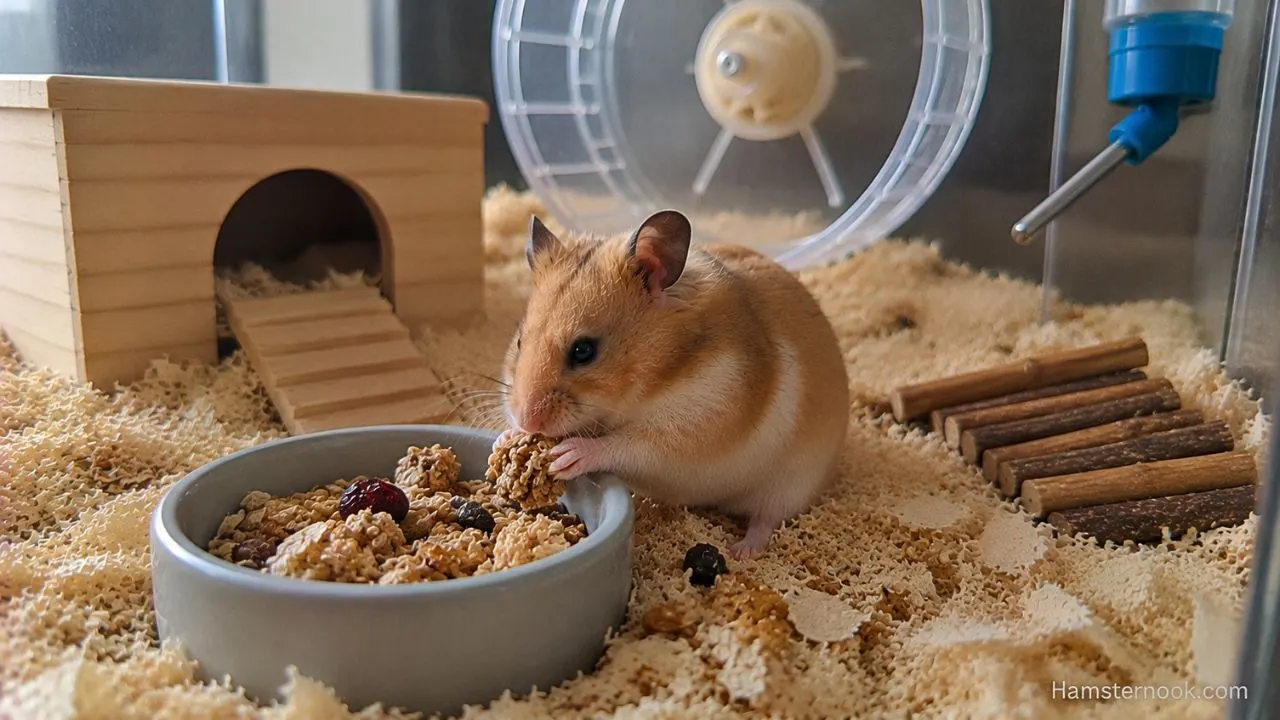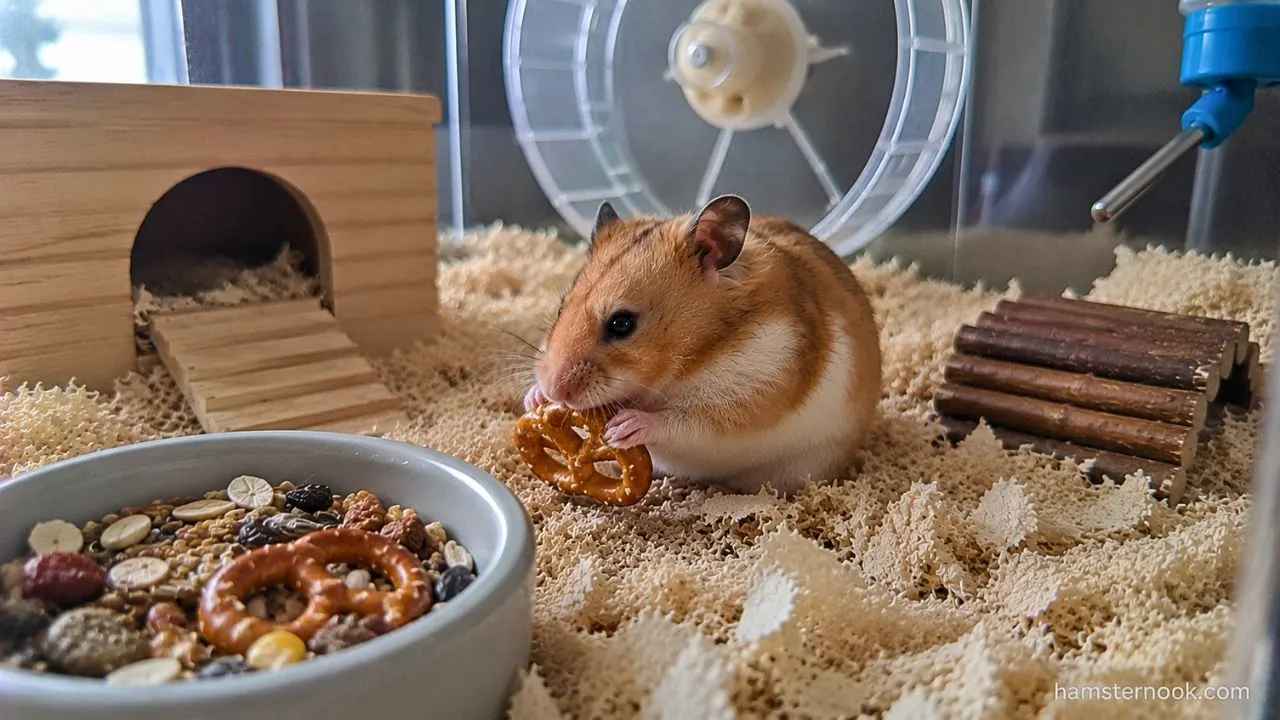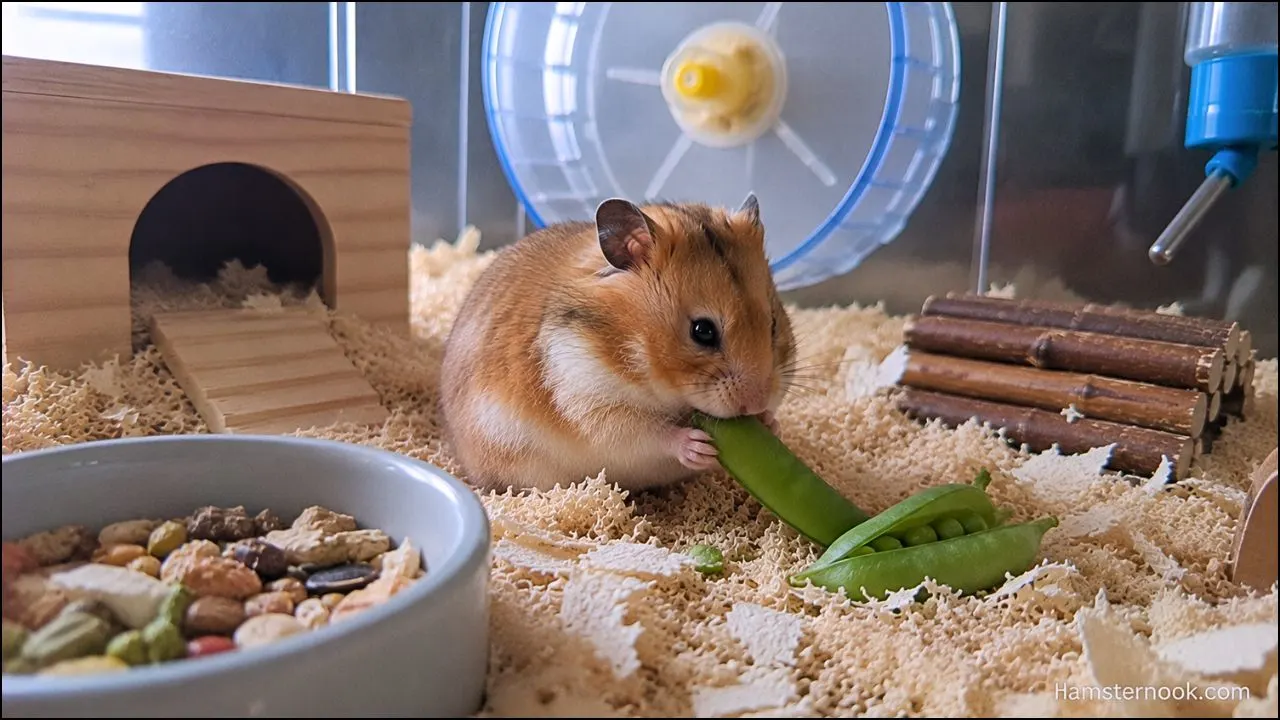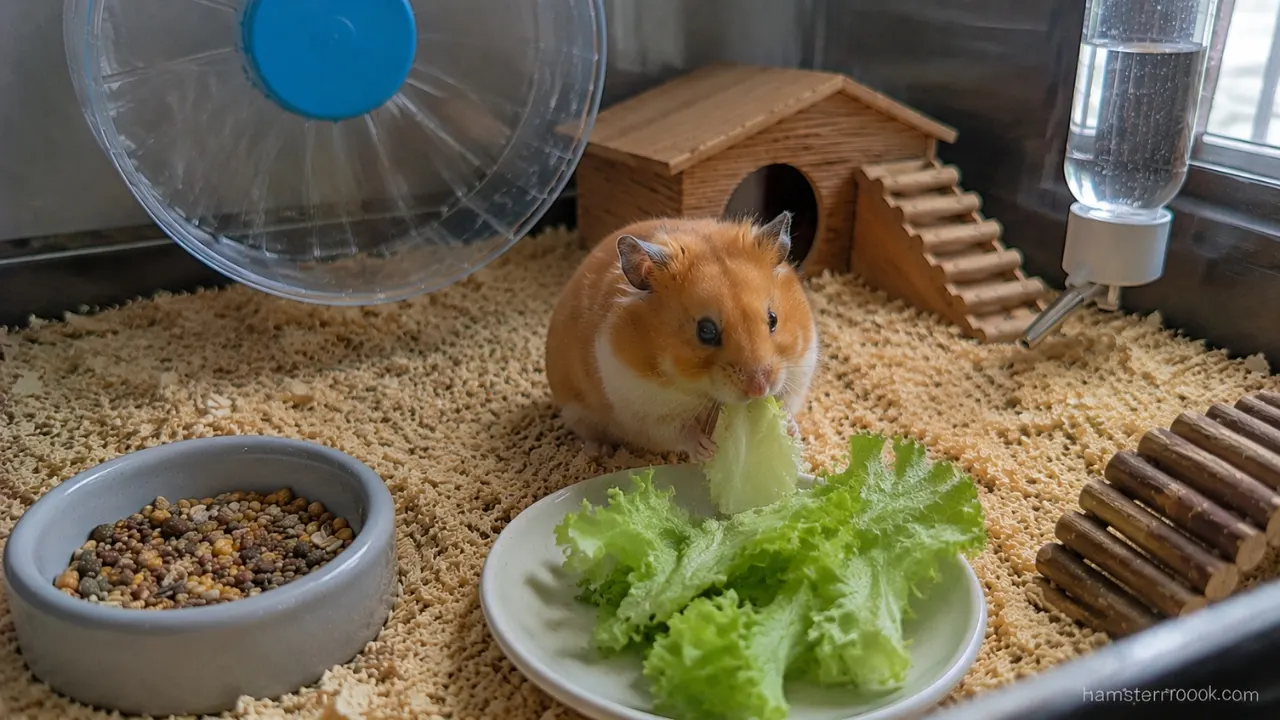
Many hamster owners try to give their pets healthier fresh foods, and lettuce is often one of the first vegetables people think about. Lettuce is common in many homes, but not every type is ideal for hamsters.
Yes, hamsters can eat certain types of lettuce as an occasional fresh treat, but choosing the right variety and serving size is important. Dark leafy options such as romaine lettuce are generally better choices because they provide more nutrients, while watery varieties like iceberg lettuce offer little nutritional value. The safest approach is to introduce small portions and monitor how your hamster responds.
That’s why understanding which lettuce types are safest, how much to feed, and what to avoid is important for keeping your hamster healthy.
This complete guide covers the benefits, risks, safest lettuce varieties, feeding tips, and common mistakes beginners should avoid.
Is Lettuce Safe for Hamsters?
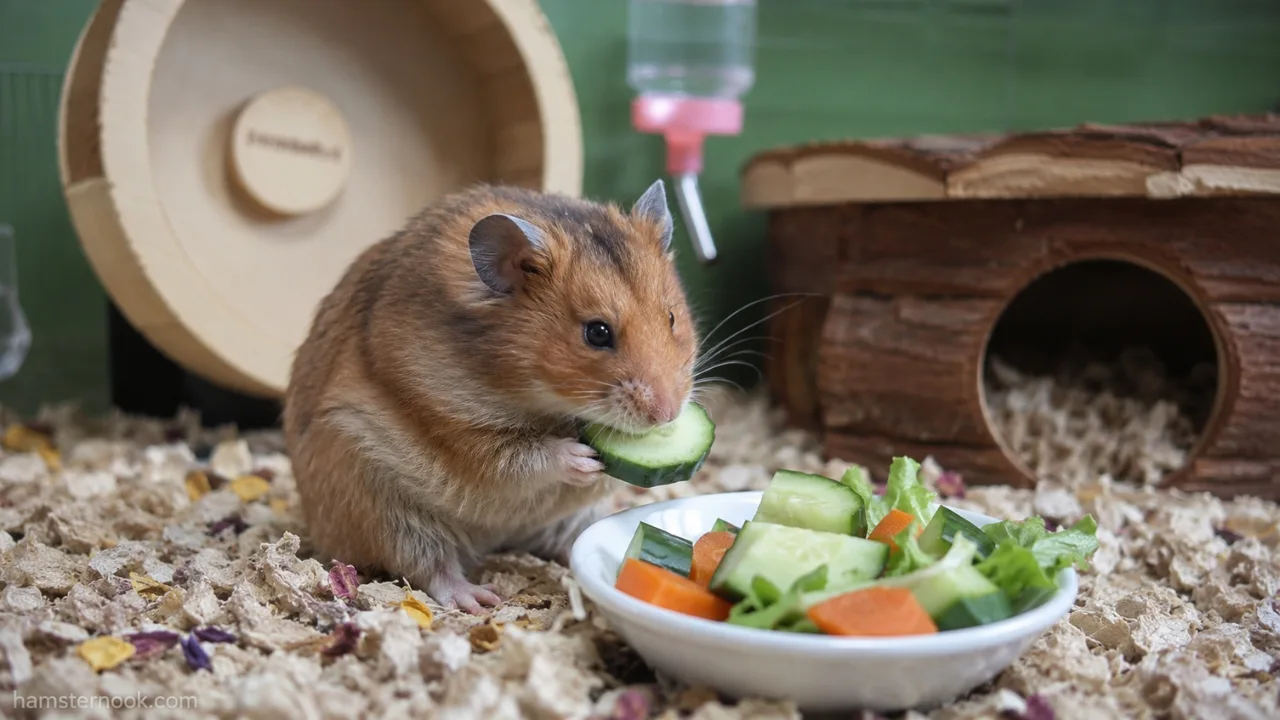
Yes, hamsters can eat lettuce in small amounts. Fresh leafy lettuce can be part of the small amount of vegetables offered alongside a balanced hamster diet. Romaine and other leafy varieties are reasonable choices, while iceberg lettuce provides less nutritional value and should not become a large part of the diet.
Although lettuce is generally safe for healthy hamsters, it should be treated as a supplement rather than a major part of their diet. Hamsters need a complete staple food as their primary nutrition, while vegetables like lettuce should only provide variety and enrichment.
In general:
- Dark leafy lettuce varieties are usually the healthiest choice
- Watery lettuce should be limited
- Fresh vegetables should never replace a hamster’s staple diet
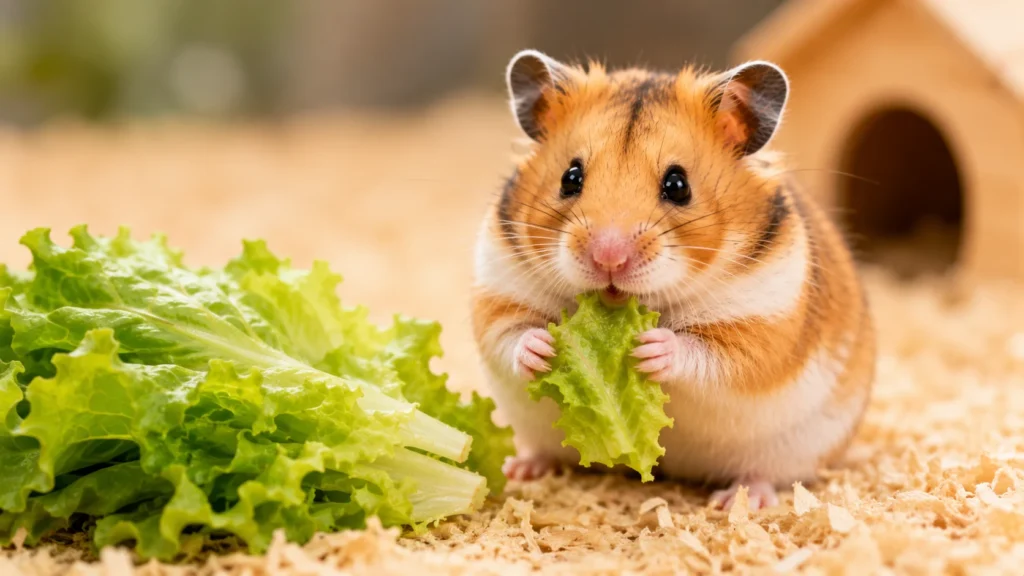
Before introducing lettuce, it’s helpful to remember that every hamster has a slightly different tolerance for fresh foods. Some hamsters handle leafy greens well from the beginning, while others may develop softer stools after trying new vegetables. Introducing only one new food at a time makes it easier to understand how your hamster responds.

Hamsters still need balanced pellets, grains, and seeds as their main food source.
Best Types of Lettuce for Hamsters
Not all lettuce provides the same nutrition. Some types are far more beneficial than others.
Fresh foods should always be introduced carefully because every hamster reacts differently to dietary changes. Our guide on Best Fruits and Vegetables for Hamsters explains which options are safer choices for a balanced diet.
Safe vs Unsafe Lettuce Types for Hamsters
| Lettuce Type | Safe for Hamsters? | Nutrition Level | Notes |
|---|---|---|---|
| Romaine Lettuce | Yes | Good | One of the best choices |
| Green Leaf Lettuce | Yes | Moderate | Safe in small portions |
| Red Leaf Lettuce | Yes | Moderate | Contains antioxidants |
| Butter Lettuce | Yes | Mild | Feed occasionally |
| Iceberg Lettuce | Limited | Very Low | Too watery, little nutrition |
Romaine lettuce is a practical choice because it is a leafy green with more nutritional value than iceberg lettuce. However, there is no need to treat one lettuce variety as a nutritionally complete food; lettuce should remain only a small part of a varied fresh-food rotation.

Why Many Owners Avoid Iceberg Lettuce
Iceberg lettuce is not toxic, but many hamster owners avoid it because it contains mostly water and very little nutrition.
Too much iceberg lettuce may contribute to:
- Loose stools
- Digestive upset
- Reduced appetite for healthier foods
A tiny amount is unlikely to harm a healthy hamster, but nutritionally, better options exist.
Nutritional Benefits of Lettuce for Hamsters
When fed correctly, lettuce can provide several benefits.

Lettuce May Help With Hydration
Lettuce contains a lot of water, but it should not be relied on as a source of hydration. Your hamster should always have access to fresh, clean drinking water.
Fiber for Digestion
Small amounts of fiber may help support normal digestion when combined with a balanced diet.
Vitamins and Minerals
Certain lettuce varieties contain nutrients such as:
- Vitamin A
- Vitamin K
- Folate
- Potassium
Dark leafy lettuce varieties generally provide more nutrients than pale lettuce.

Lettuce Nutrition Comparison Chart
| Lettuce Type | Water Content | Fiber | Vitamin Value | Best For Hamsters |
|---|---|---|---|---|
| Romaine | Moderate | Good | High | Excellent choice |
| Green Leaf | Moderate | Moderate | Moderate | Good choice |
| Red Leaf | Moderate | Moderate | Good | Good choice |
| Butter Lettuce | Higher | Mild | Mild | Occasional treat |
| Iceberg | Very High | Very Low | Low | Best avoided |
Risks of Feeding Lettuce to Hamsters
Even healthy vegetables can create problems when overfed.
Too Much Lettuce May Cause Diarrhea
One concern with overfeeding lettuce is digestive upset, particularly when a new fresh food is introduced suddenly.
Too much fresh food may contribute to:
- Soft or unusually moist stools
- Reduced appetite
- Digestive discomfort
If your hamster develops moist droppings, a soiled hind end, or starts eating less, contact your veterinarian promptly rather than assuming lettuce is the only cause. RSPCA guidance recommends veterinary attention when these changes occur.
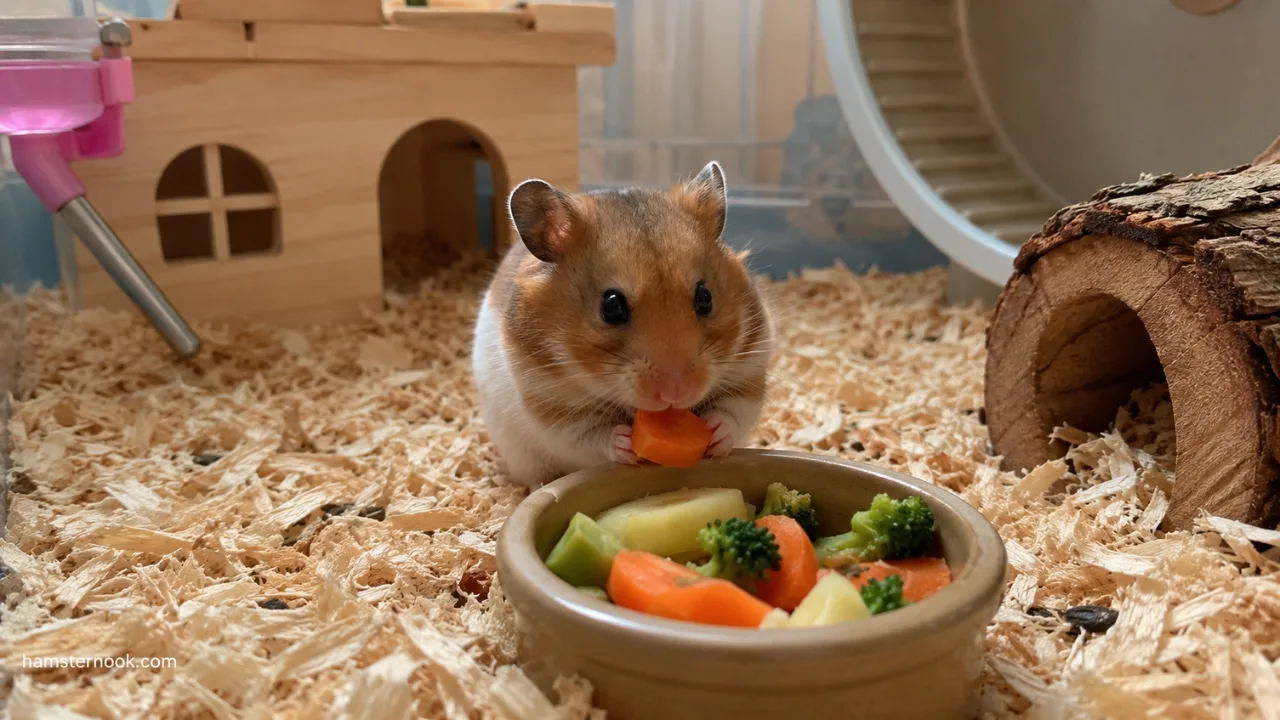
This is especially dangerous for young or stressed hamsters.
Young, elderly, or recently stressed hamsters may be more sensitive to sudden diet changes. When offering any new vegetable, patience is important. A healthy feeding routine is built through gradual introductions, careful observation, and avoiding unnecessary variety all at once.
Pesticide Exposure Risk
Lettuce may contain pesticide residue if not washed properly.
Always rinse lettuce thoroughly under clean running water before feeding.
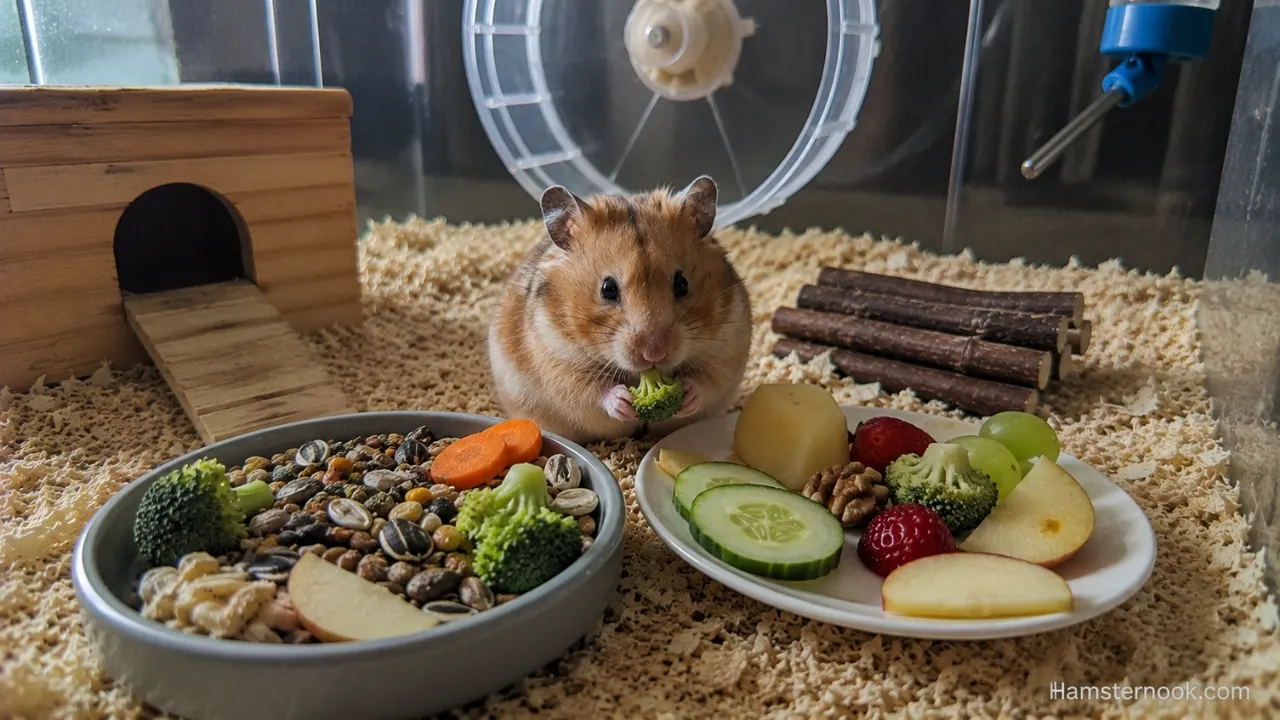
Choosing organic produce does not remove the need to wash fresh vegetables before feeding. Thorough washing helps remove dirt and surface residues.
Overfeeding Fresh Foods Can Unbalance the Diet
Hamsters sometimes begin ignoring their regular pellets or seed mix if they receive too many fresh treats.
Lettuce should only be a small part of your hamster’s overall nutrition. A balanced diet with the right pellets and fresh foods is explained in our Complete Hamster Diet Guide.
Fresh vegetables should only make up a small part of the overall diet.
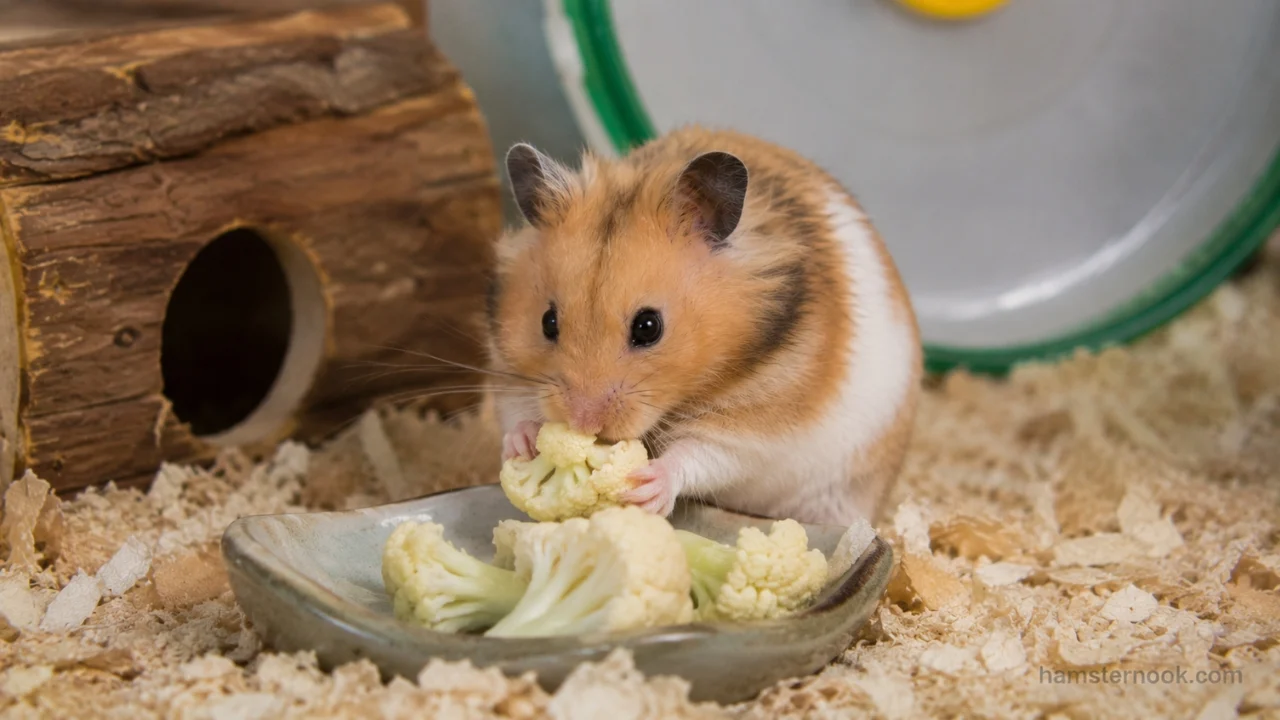
How Much Lettuce Can a Hamster Eat?
Moderation is extremely important.
A practical approach is to start with a very small piece when introducing lettuce. There is no reliable universal lettuce-specific portion that applies to every hamster, so avoid treating the serving sizes below as a fixed rule. Fresh vegetables should remain a small part of the overall diet, and the amount should be appropriate for your hamster’s size and tolerance.
Safe Serving Guide
A simple way to keep fresh-food portions controlled is to offer a small amount rather than measuring lettuce by a fixed number of days or pieces. PDSA recommends a small daily portion of fresh fruit, vegetables and herbs overall, while other hamster-care guidance recommends keeping treats around ear-size and offering them once or twice a week. The important point is that lettuce should only be part of that fresh-food allowance, not the whole amount.
The portion should be small enough that your hamster finishes it quickly without storing excessive leftovers.

How to Prepare Lettuce for Hamsters Safely
Proper preparation helps reduce digestive and contamination risks.
Safe Feeding Steps
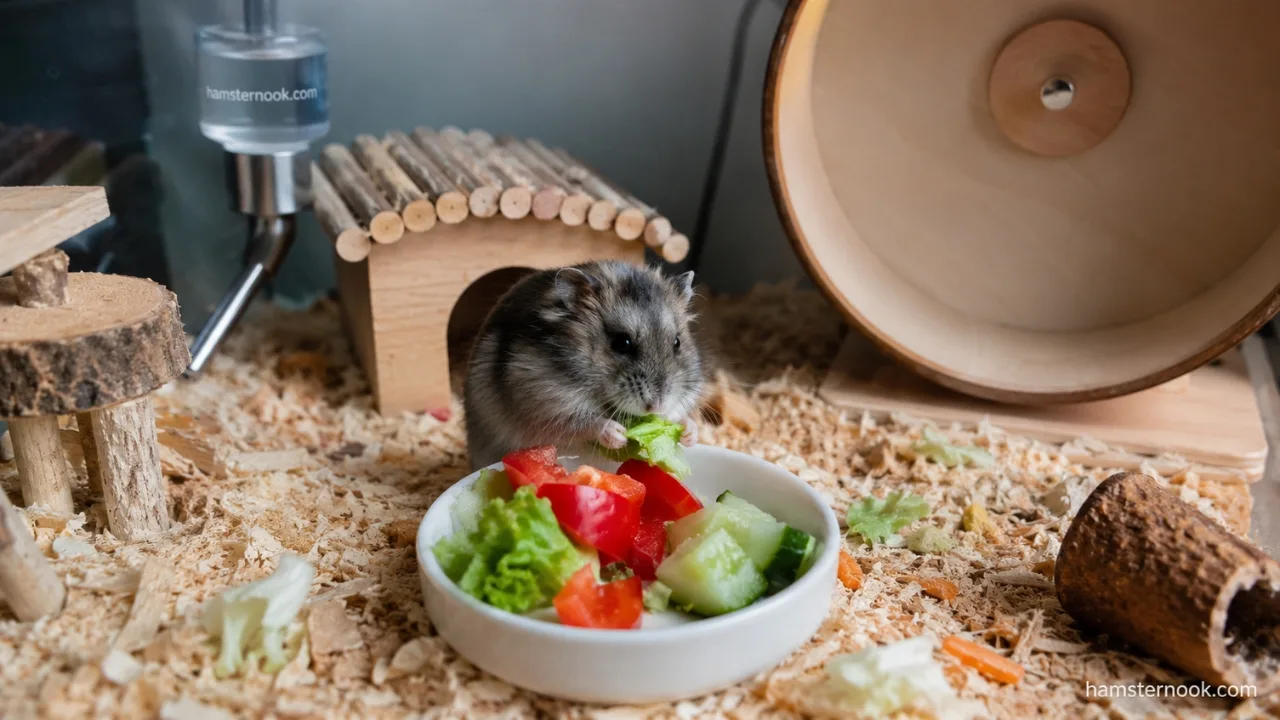
- Wash the lettuce thoroughly
- Remove damaged or wilted areas
- Dry excess water
- Cut into small manageable pieces
- Feed only a tiny portion
- Remove leftovers after a few hours
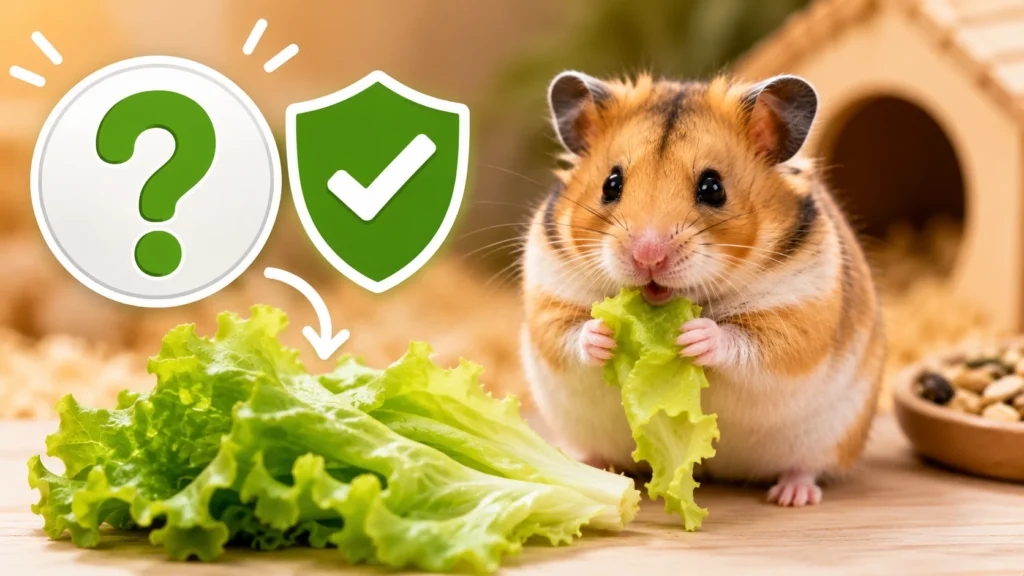
Never feed spoiled or slimy lettuce.
Can Hamsters Eat Lettuce Every Day?
It’s better not to feed lettuce daily.
Lettuce does not need to be fed every day. Fresh vegetables can be included regularly in a hamster’s diet, but variety and small portions are more important than giving the same vegetable repeatedly. PDSA recommends a small daily portion of fresh fruit, vegetables and herbs rather than relying on one food.

Rotating vegetables throughout the week provides better nutritional variety.
Can Dwarf Hamsters Eat Lettuce?
Yes, dwarf hamsters can safely eat lettuce in small amounts.
If you are caring for a dwarf hamster for the first time, understanding their basic needs, habitat setup, and daily routine can make feeding decisions much easier. Our Hamster Care Guide for Beginners covers the essential steps to help new owners create a safe and healthy environment.
Because dwarf hamsters are smaller and more sensitive to dietary changes, their portions should stay especially tiny.

Romaine or leaf lettuce are usually better options than iceberg.
Can Baby Hamsters Eat Lettuce?
Very young hamsters should avoid lettuce until they are fully weaned and eating solid foods consistently.
Baby hamsters have delicate digestive systems that may react poorly to watery vegetables.
If introducing lettuce to a young hamster, use extremely small portions and monitor closely.
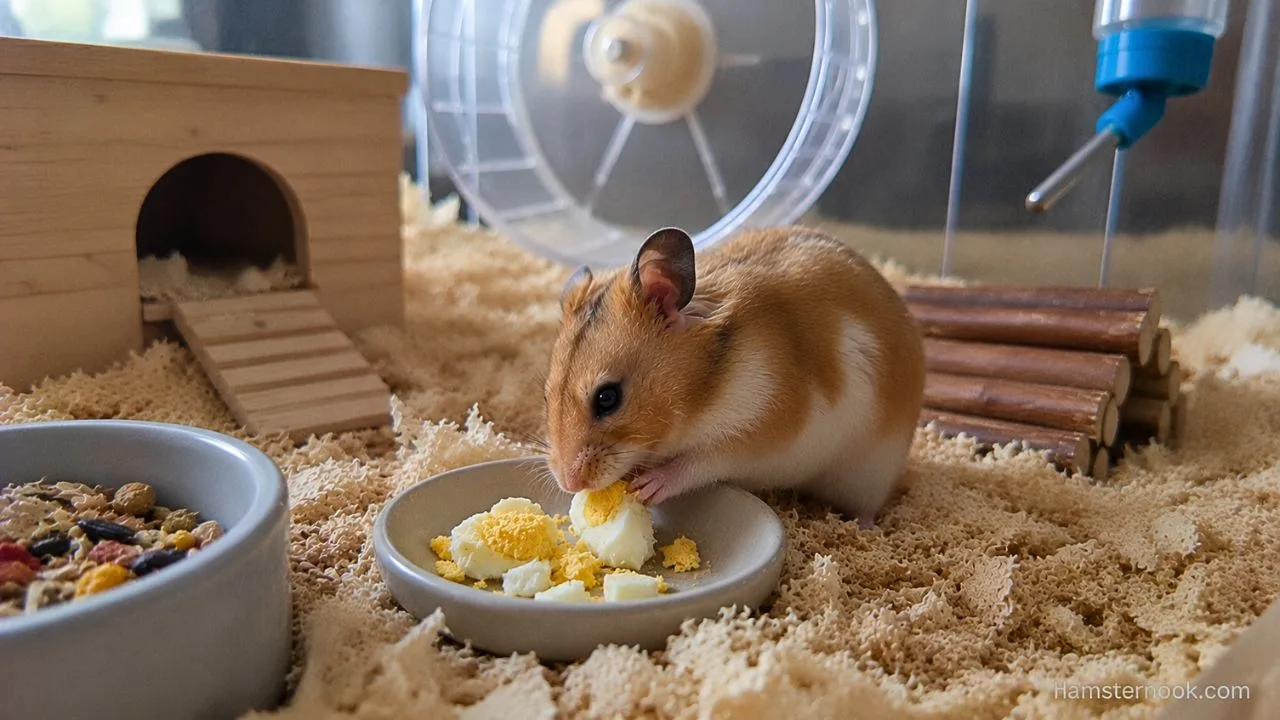
Signs Your Hamster Ate Too Much Lettuce
Watch for these symptoms after feeding lettuce:
- Loose or unusually soft droppings
- Reduced appetite
- Low energy or unusual inactivity
- A soiled hind end
- Ongoing digestive changes
If your hamster develops digestive problems after trying a new food, knowing the early warning signs can help you respond quickly. Learn more in our guide about Signs of a Sick Hamster.
If your hamster develops persistent digestive changes, stops eating or drinking, becomes weak, or develops a soiled hind end, contact a veterinarian promptly. These signs should not automatically be blamed on lettuce because other health problems can cause similar changes.
How to Introduce Lettuce to a Hamster for the First Time
The safest way to introduce lettuce is slowly. Start with a very small piece and observe your hamster for the next 24 hours. Look for normal eating behavior, normal droppings, and regular activity.

If everything looks normal, lettuce can remain an occasional treat in your hamster’s vegetable rotation. Avoid introducing multiple new vegetables at the same time because it becomes difficult to identify which food caused a digestive reaction.
Better Vegetables to Rotate With Lettuce
Lettuce is safe, but variety is important.
Healthy vegetables hamsters may enjoy include:
- Cucumber
- Bell pepper
- Broccoli
- Carrot
- Zucchini
- Spinach in moderation
If you want to rotate lettuce with another leafy vegetable, our Can Hamsters Eat Spinach? guide explains the safety considerations and portion guidance for spinach.
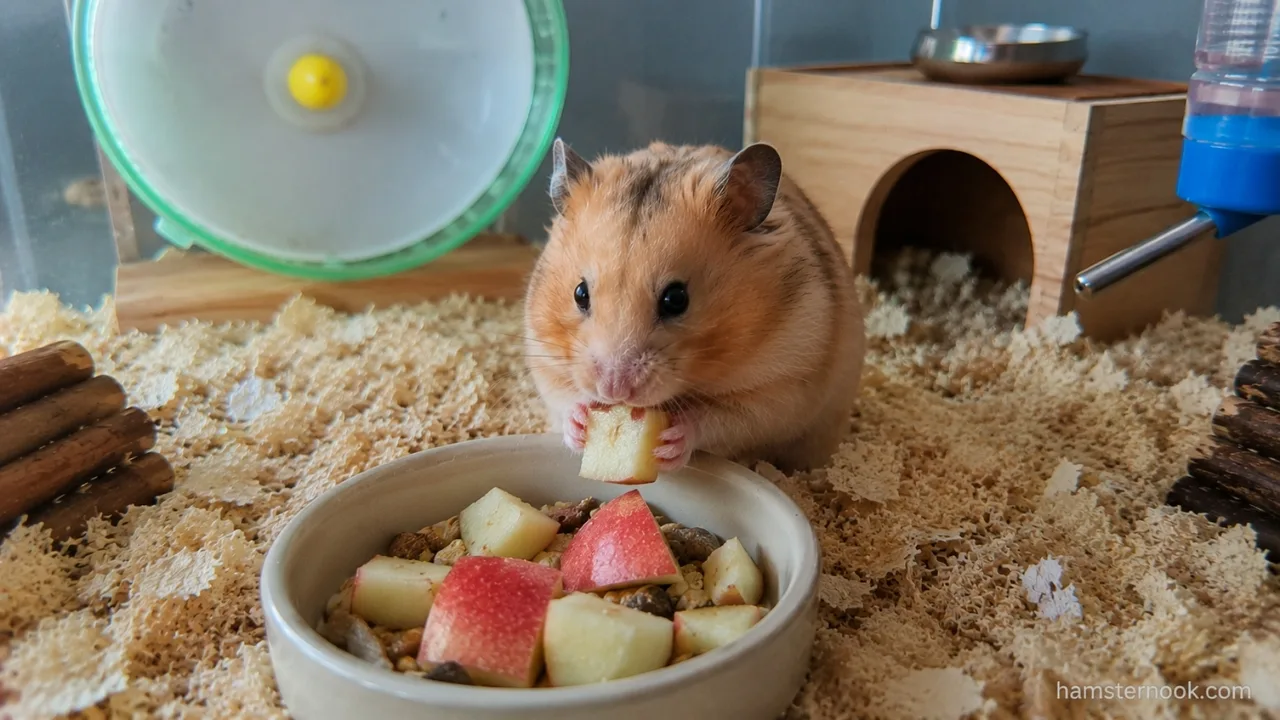
Rotating vegetables helps provide balanced nutrition and enrichment.
Foods Hamsters Should Never Eat
Some foods are unsafe or toxic for hamsters and should always be avoided.
Some foods that are safe for humans can be harmful to hamsters because of their sensitive digestive systems. Before offering any new treat, it is worth checking which foods should always be avoided in a hamster’s diet. Our guide on Foods Hamsters Should Never Eat explains the common foods that can be dangerous for your pet.
Never feed:

- Chocolate
- Garlic
- Onion
- Citrus fruits in excess
- Candy
- Junk food
- Raw beans
- Avocado
- Sugary desserts
Always research new foods carefully before feeding them.
Safe vs Unsafe Fresh Greens for Hamsters
| Fresh Green | Safe? | Notes |
|---|---|---|
| Romaine Lettuce | Yes | Best lettuce option |
| Cilantro | Yes | Safe in moderation |
| Parsley | Yes | Small amounts only |
| Spinach | Limited | High oxalates, feed rarely |
| Iceberg Lettuce | Limited | Very watery |
| Onion Greens | No | Toxic to hamsters |
Quick Feeding Infographic
Hamster Lettuce Safety Basics
Do | Avoid |
|---|---|
| Feed romaine lettuce | Overfeeding iceberg lettuce |
| Wash thoroughly | Feeding spoiled lettuce |
| Offer tiny portions | Daily large servings |
| Remove leftovers | Leaving wet food overnight |
| Rotate vegetables | Replacing staple diet |
Feeding a variety of safe vegetables in moderation is usually healthier than relying on a single fresh food every day.
Many feeding problems happen because owners assume that a healthy human food automatically means a healthy hamster food. Hamsters have much smaller bodies and different nutritional needs, so portion size matters just as much as the food itself. A safe treat should add variety without replacing the foods that provide complete daily nutrition.
Final Thoughts
Lettuce can be a safe and refreshing treat for hamsters when fed correctly. Romaine and leafy lettuces are usually the best choices because they provide more nutrition and less excess water than iceberg lettuce.
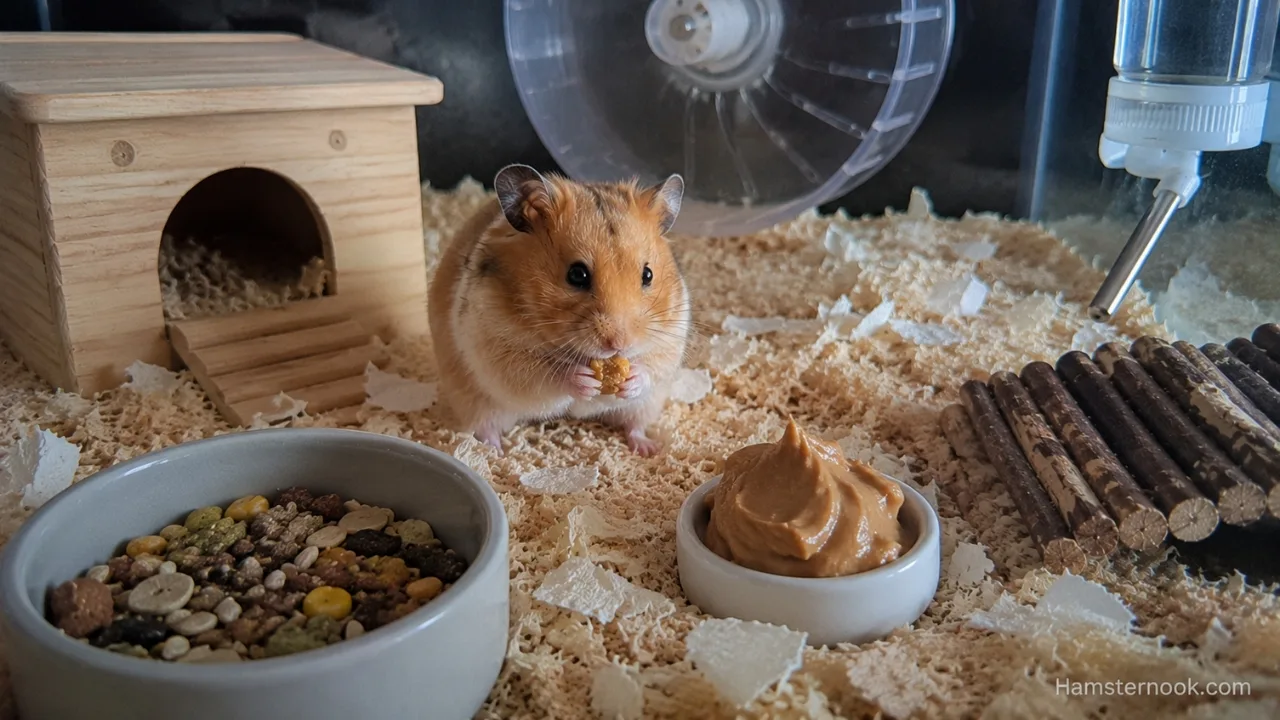
The key is moderation. Start with a small portion and treat lettuce as one part of a varied fresh-food rotation rather than a food that needs to be given on a fixed schedule.
By washing lettuce properly, offering small portions, and removing uneaten fresh food, owners can include suitable lettuce as part of a balanced and varied diet. Fresh, clean drinking water should always remain available.
Frequently Asked Questions
Can hamsters eat iceberg lettuce?
Yes, but only in very small amounts. Iceberg lettuce contains little nutrition and too much water compared to better lettuce varieties.
What is the best lettuce for hamsters?
Romaine lettuce is generally considered the best option because it offers better nutrients and fiber.

Can hamsters eat lettuce every day?
Daily feeding is not recommended because too much moisture may upset digestion.
Is lettuce dangerous for dwarf hamsters?
No, lettuce is usually safe for dwarf hamsters in tiny portions.
Can lettuce cause wet tail in hamsters?
Excessive watery foods may contribute to diarrhea, which can increase health risks in hamsters.
Should lettuce be cooked before feeding?
No. Hamsters should only receive fresh raw lettuce that has been washed properly.
How should I store lettuce before feeding it to my hamster?
Store lettuce in the refrigerator and only offer fresh, crisp leaves. Avoid feeding lettuce that has become slimy, wilted, or has an unusual smell because spoiled vegetables can upset a hamster’s digestive system.
References
This guide is based on hamster nutrition, feeding, fresh foods, safe treat choices, and dietary welfare guidance from trusted veterinary and animal welfare resources, including:
- RSPCA – Hamster Diet and Feeding – Guidance on balanced hamster diets, fresh vegetables, treats, feeding practices, and foods to avoid.
- PDSA – Hamsters as Pets – Advice on hamster nutrition, fresh fruit and vegetables, feeding routines, and general welfare.
- Blue Cross – Hamster Care Guide – Practical information on hamster diet, suitable foods, feeding, housing, and general care.
- MSD Veterinary Manual – Hamsters – Veterinary reference information covering hamster nutrition, digestive health, husbandry, and common health concerns.
- FDA – Selecting and Serving Produce Safely – Food-safety guidance on washing and handling fresh produce before feeding.

Narayan Kumar is the founder and author of HamsterNook. He creates practical, research-based hamster care guides covering hamster behavior, nutrition, cage setup, enrichment, health, and everyday care. His goal is to help hamster owners make informed decisions and provide safer, healthier lives for their pets through clear, beginner-friendly information based on trusted animal care resources.