Cheese is one of the most common human foods hamster owners wonder about. After all, hamsters seem curious about almost everything humans eat, and cartoons have long created the image of tiny rodents loving cheese. But hamster nutrition is very different from human nutrition.
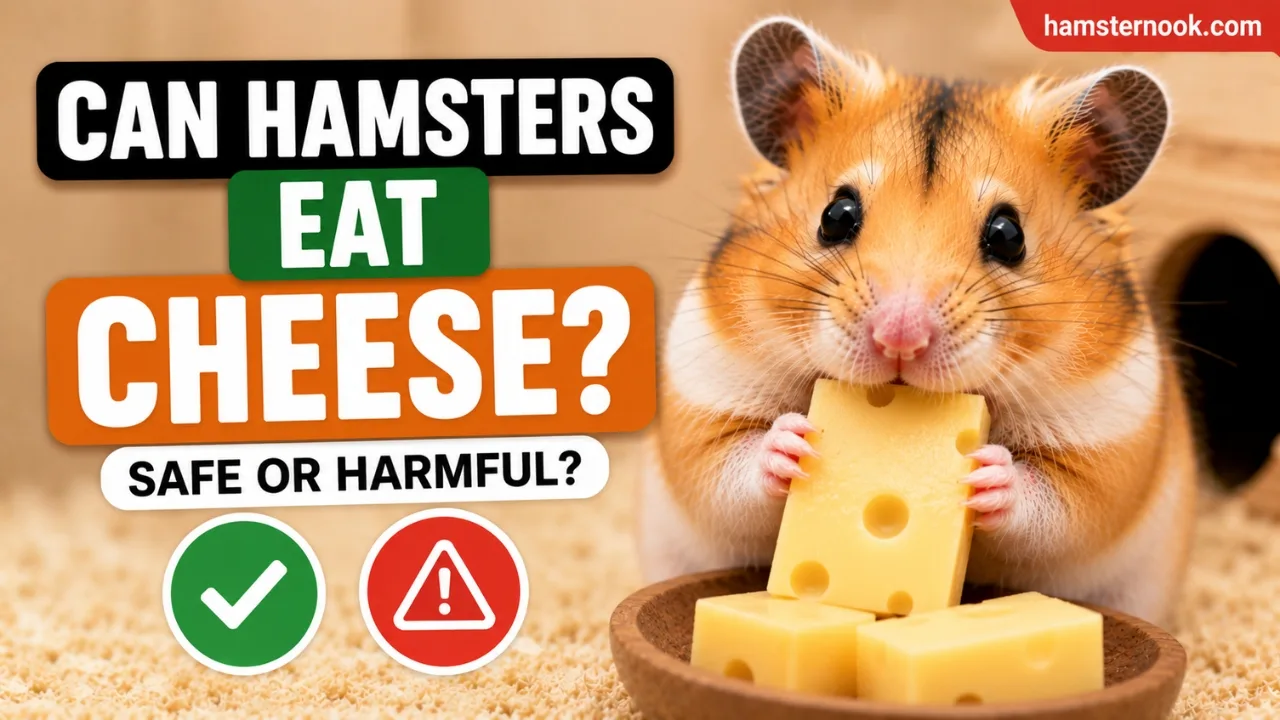
Yes, hamsters can eat certain types of cheese in very small amounts. However, not all cheese is safe, and feeding too much can quickly create health problems. Cheese is high in fat, salt, and calories, which may be harmful for such a tiny animal if offered too often.
For beginner hamster owners, understanding which cheeses are safer, how much to feed, and when to avoid cheese completely is important for keeping a hamster healthy long term.
This guide covers the benefits, risks, safe serving sizes, best cheese types, unsafe varieties, and expert feeding tips for hamsters.

Is Cheese Safe for Hamsters?
Cheese is not toxic to hamsters, but it should only be an occasional treat.
Hamsters are omnivores, meaning they can eat both plant-based and small amounts of animal-based foods. Tiny portions of mild cheese can provide protein and calcium, but cheese is not a necessary part of a hamster’s diet.
The biggest issue is moderation. Because hamsters are extremely small animals, even tiny amounts of rich foods can affect their digestion and weight.

Most healthy adult hamsters can tolerate a small piece of plain cheese occasionally without problems.
Why Do Some Hamsters Like Cheese?
Cheese contains fat and protein, which many hamsters naturally find appealing.

Its strong smell and soft texture can also attract curious hamsters. However, liking a food does not always mean it is healthy in large quantities.
Hamsters may eagerly eat foods that are too rich for them, so owners must control portions carefully.
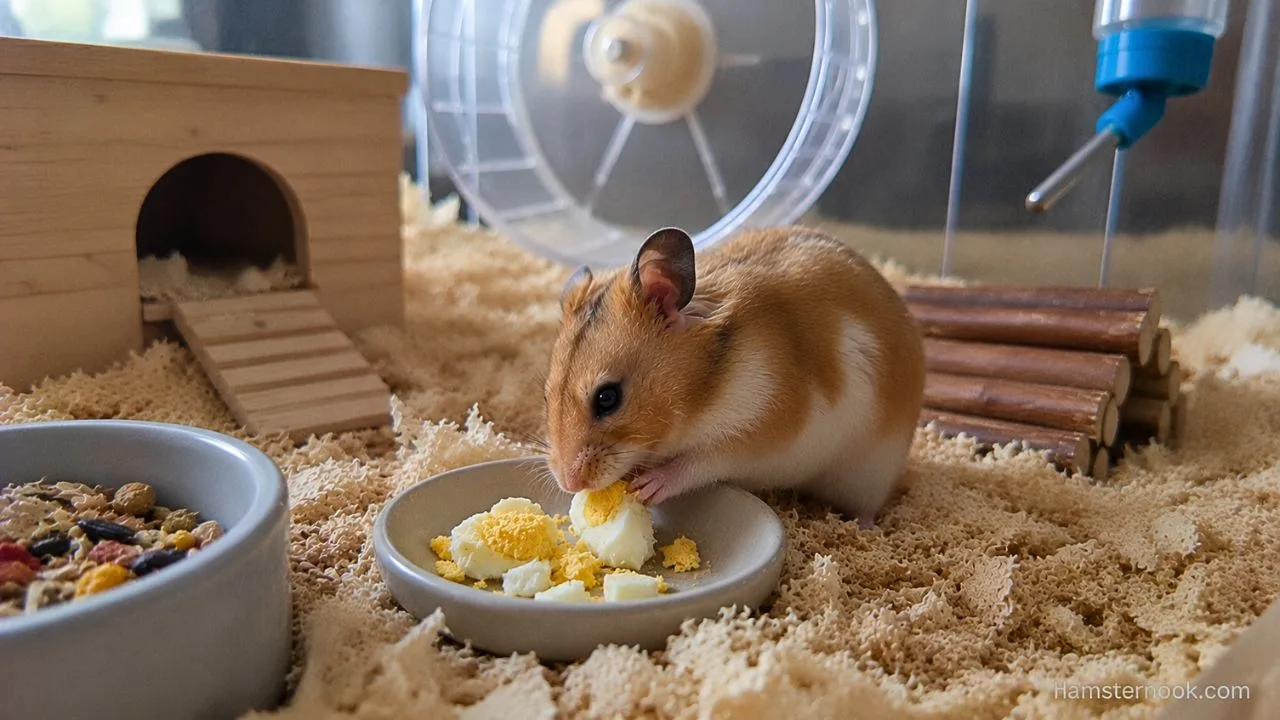
Nutritional Value of Cheese for Hamsters
Cheese does contain some nutrients that can benefit hamsters in small amounts.
| Nutrient | Possible Benefit |
|---|---|
| Protein | Supports muscle maintenance |
| Calcium | Helps bone and teeth health |
| Fat | Provides energy |
| Vitamin B12 | Supports body function |
Despite these nutrients, cheese should never replace a balanced hamster diet made for small rodents.
Benefits of Feeding Cheese to Hamsters
👉 What Do Hamsters Eat? Food List
When offered correctly, cheese may provide a few benefits.

Cheese Contains Protein for Hamsters
Protein helps maintain muscle health and body function.
Tiny portions of cheese may help supplement protein intake, especially for active hamsters or picky eaters.
However, hamsters usually get enough protein from quality pellets and seed mixes already.
Soft Texture May Appeal to Older Hamsters
Senior hamsters sometimes struggle with harder foods.
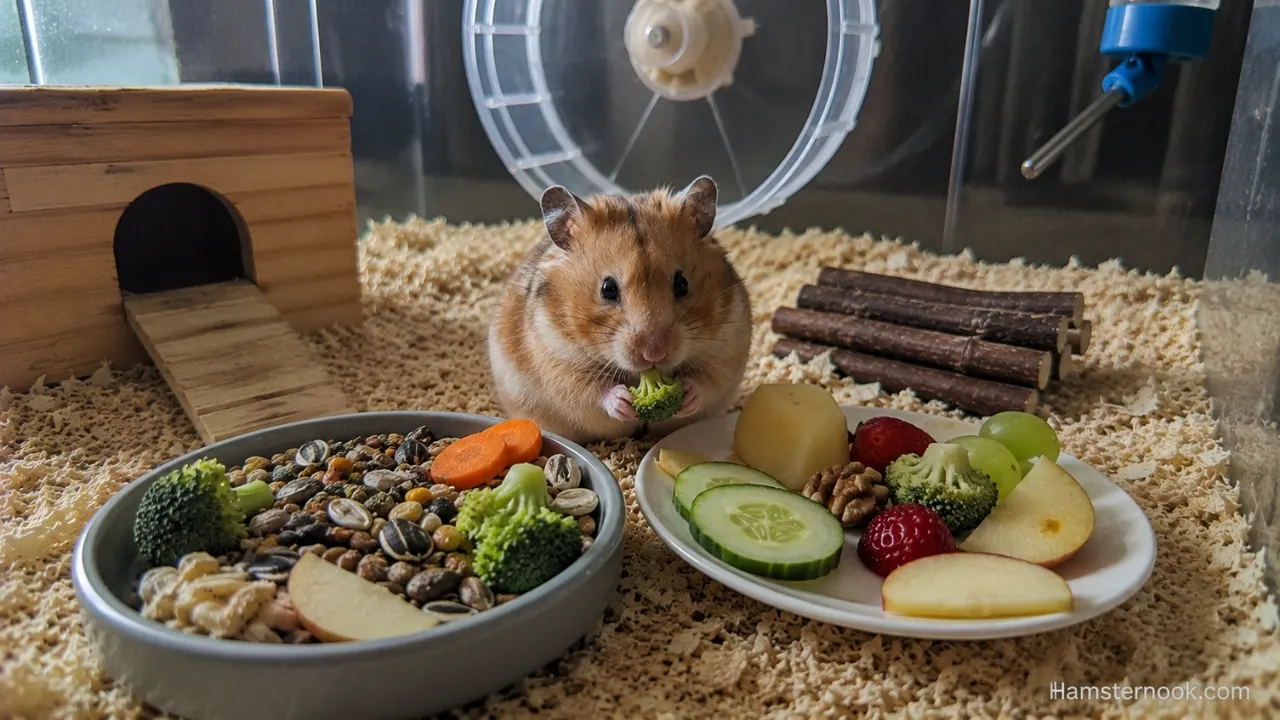
Very small pieces of soft mild cheese may be easier for elderly hamsters to chew compared to crunchy treats.
Cheese Can Work as an Occasional Treat
Cheese can work as a rare training or bonding treat because many hamsters enjoy the smell and taste.
Using tiny portions occasionally may help during taming sessions.
Risks of Feeding Cheese to Hamsters3
👉 Foods Hamsters Should Never Eat
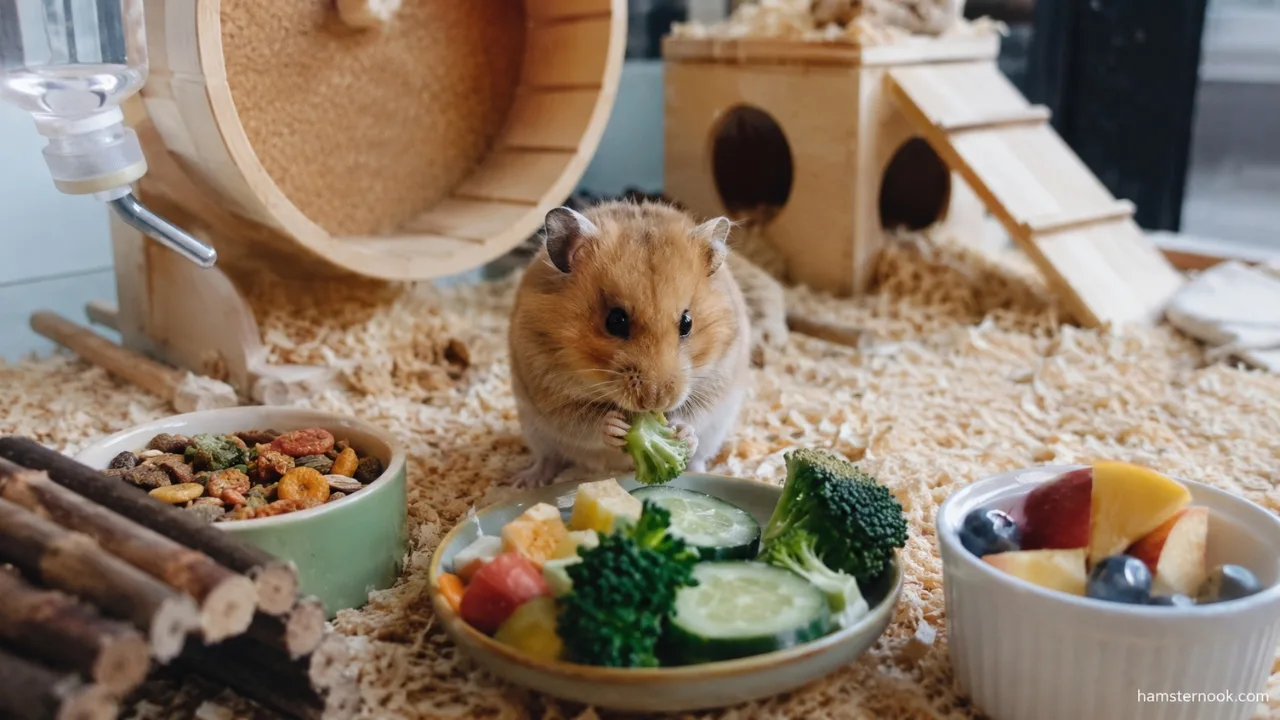
Cheese may be safe in moderation, but there are several important risks owners should understand.
High Fat Content May Cause Obesity
Many cheeses contain large amounts of fat.
Overfeeding fatty foods can lead to:
- Weight gain
- Reduced activity
- Poor overall health
- Increased strain on the body
Dwarf hamsters are especially sensitive to unhealthy weight gain.
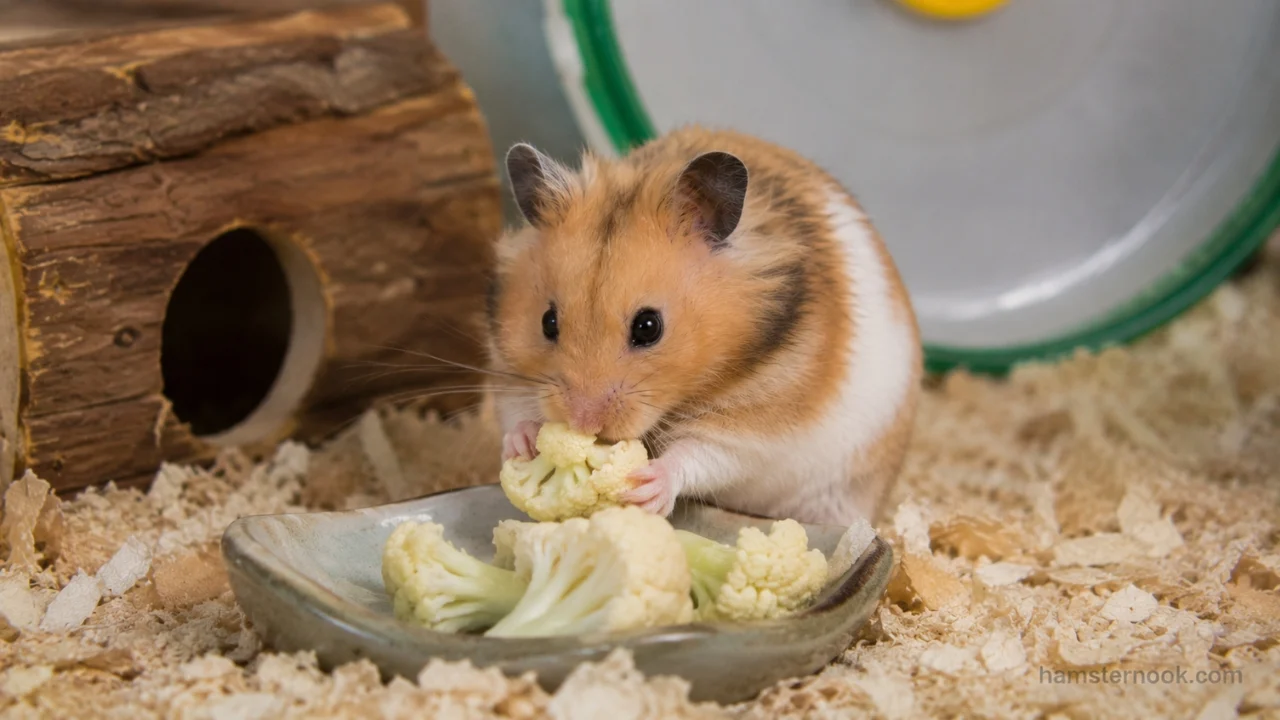
Salt Content Can Be Harmful
Some cheeses contain high sodium levels.
Too much salt is unhealthy for hamsters and may contribute to dehydration or nutritional imbalance.
Processed cheeses are usually the worst offenders.
Some Hamsters Are Sensitive to Dairy
Not every hamster digests dairy well.
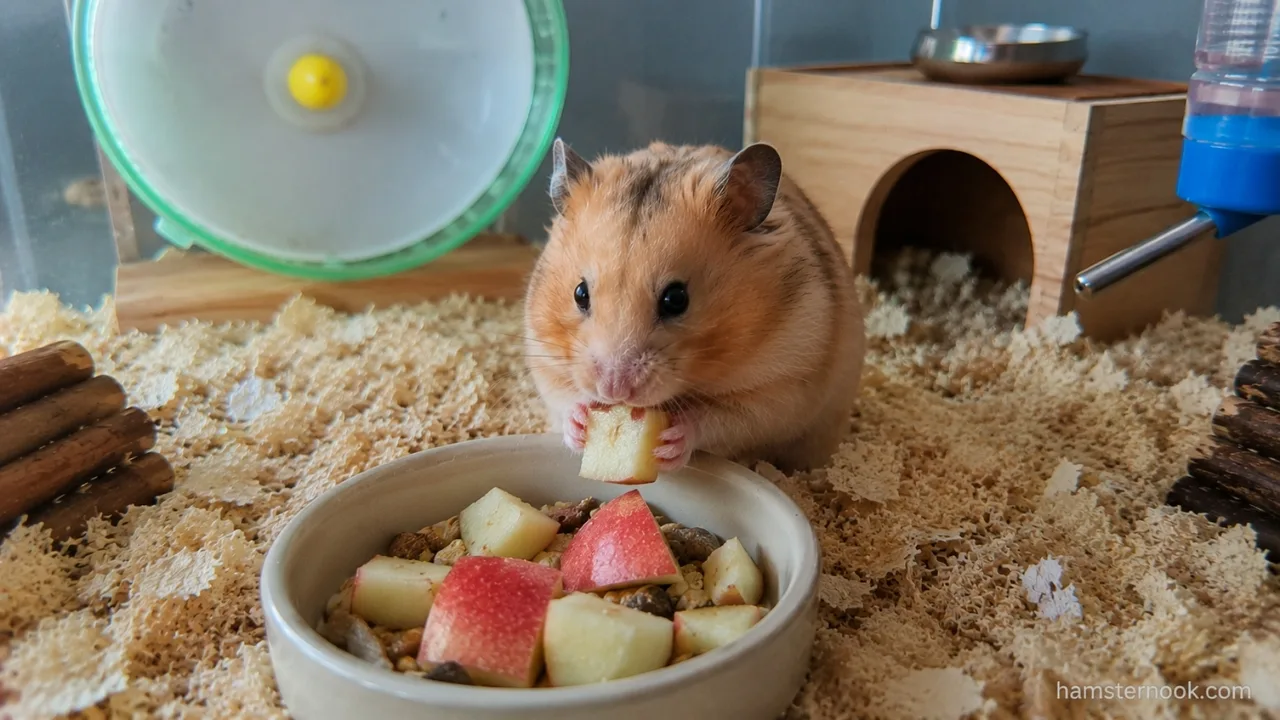
Some may develop:
- Soft stools
- Diarrhea
- Bloating
- Digestive discomfort
If digestive issues appear after feeding cheese, avoid dairy products in the future.
Moldy Cheese Is Dangerous
Spoiled cheese should never be left inside a hamster cage.
Hamsters often store food in hidden areas, which means cheese can quickly spoil unnoticed.
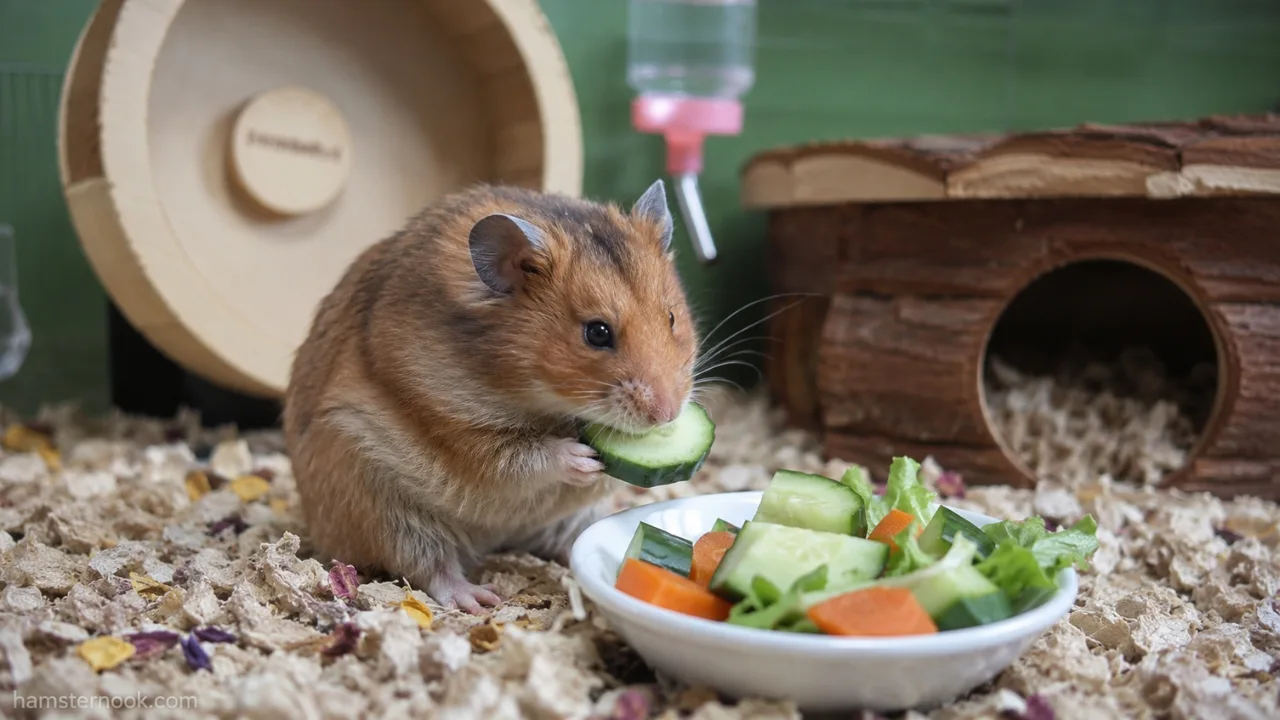
Always remove uneaten cheese after feeding.
Best Cheese Types for Hamsters
Some cheeses are safer than others because they contain less salt and fewer additives.
| Safer Cheese Options | Why They’re Better |
|---|---|
| Cottage Cheese | Lower fat and softer texture |
| Mozzarella | Mild and lower salt compared to processed cheese |
| Plain Mild Cheddar | Small amounts occasionally may be safe |
| Swiss Cheese | Lower sodium than some processed cheeses |
Choose plain, unseasoned cheese only.
Unsafe Cheese Types for Hamsters
Certain cheeses should be avoided completely.

| Unsafe Cheese | Why It’s Unsafe |
|---|---|
| Blue Cheese | Mold content may be harmful |
| Processed Cheese Slices | High sodium and additives |
| Spicy Cheese | Seasonings may irritate digestion |
| Garlic or Herb Cheese | Toxic ingredients possible |
| Extremely Salty Cheese | Too much sodium |
Flavored or heavily processed cheese products are not suitable for hamsters.
Safe vs Unsafe Cheese Chart for Hamsters
| Cheese Type | Safe or Unsafe | Feeding Notes |
|---|---|---|
| Plain Mozzarella | Safe in moderation | Small pieces only |
| Cottage Cheese | Safe in moderation | Low-fat option preferred |
| Mild Cheddar | Safe occasionally | Tiny servings only |
| Swiss Cheese | Usually safe | Low sodium is better |
| Cheese Spread | Unsafe | Highly processed |
| Blue Cheese | Unsafe | Mold concerns |
| Nacho Cheese | Unsafe | High salt and additives |
| Garlic Cheese | Unsafe | Garlic is toxic to hamsters |
How Much Cheese Can a Hamster Eat?
Portion control is extremely important.
Recommended Serving Size
| Hamster Type | Safe Portion | Frequency |
|---|---|---|
| Syrian Hamster | Pea-sized piece | Once weekly |
| Dwarf Hamsters | Half pea-sized piece | Every 1–2 weeks |
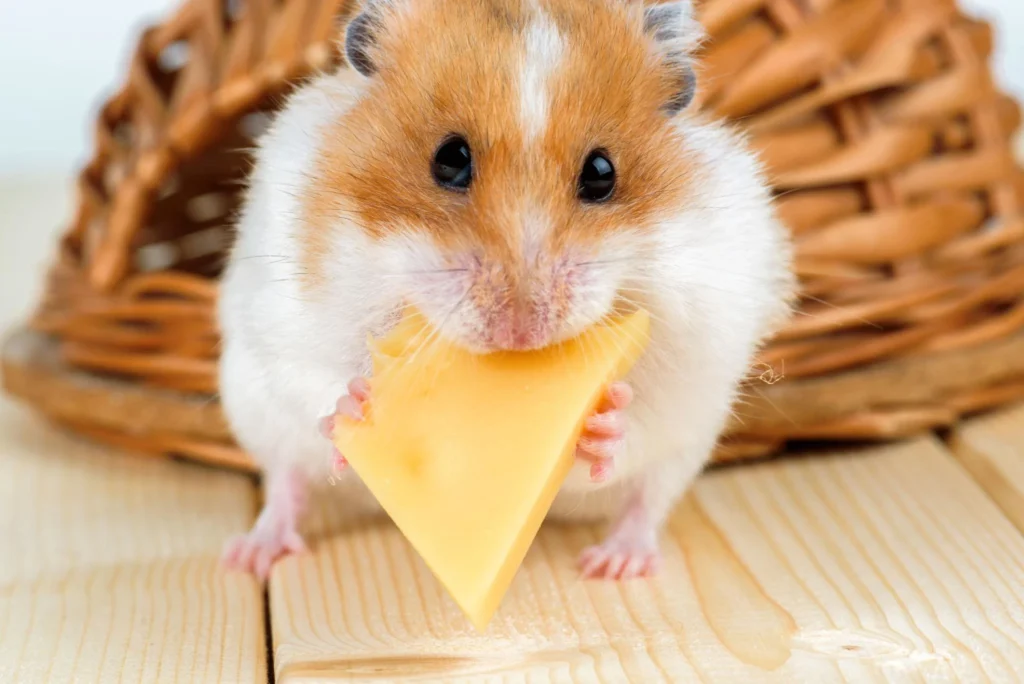
Cheese should remain a tiny occasional treat, not a routine food.
How to Feed Cheese Safely
Following a few simple rules helps reduce health risks.
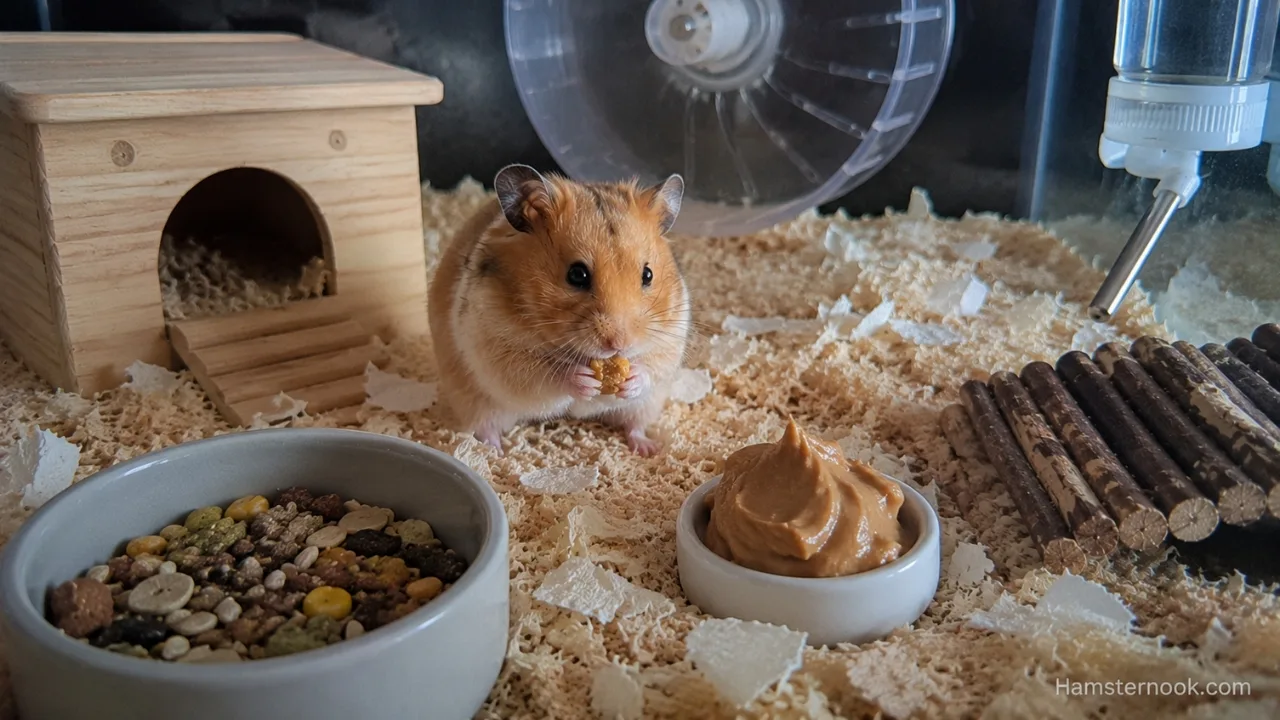
Safe Feeding Tips
- Choose plain mild cheese only.
- Avoid flavored or processed cheese.
- Feed extremely small portions.
- Offer cheese rarely.
- Remove leftovers quickly.
- Monitor for digestive issues.
Fresh water should always be available after feeding salty foods.
Can Baby Hamsters Eat Cheese?
It is usually better to avoid cheese for baby hamsters.
Young hamsters have delicate digestive systems and may struggle to process dairy products properly.
A simple balanced diet is safer during early growth stages.

Can Dwarf Hamsters Eat Cheese?
Yes, but dwarf hamsters need extra caution.
Because dwarf species are more prone to obesity and metabolic problems, fatty treats like cheese should stay extremely limited.
Tiny portions and infrequent feeding are essential.

Cheese vs Other Protein Treats for Hamsters
👉 Best Fruits and Vegetables for Hamsters
Many owners wonder whether cheese is actually the best protein option.
| Treat | Protein Level | Fat Level | Better Choice? |
|—|—|—|
| Cheese | Moderate | High | Occasionally |
| Mealworms | High | Moderate | Better protein source |
| Boiled Egg | High | Moderate | Good option |
| Plain Chicken | High | Lower | Often healthier |
| Yogurt Drops | Low | High sugar | Usually avoid |
Plain cooked protein sources are often healthier than fatty cheese products.

Signs Your Hamster Ate Too Much Cheese
Watch for these symptoms after feeding cheese:
- Diarrhea
- Greasy fur
- Weight gain
- Lethargy
- Bloating
- Reduced appetite
If symptoms continue, avoid dairy and contact an exotic pet veterinarian if necessary.
Infographic Idea: Cheese Feeding Rules for Hamsters
Title:
Can Hamsters Eat Cheese Safely?
Sections:
- Safe cheeses
- Unsafe cheeses
- Portion size guide
- Feeding frequency
- Warning signs of overfeeding
Visual Style:
Clean white background, realistic hamster illustration, yellow cheese cubes, green safe icons, red warning symbols, beginner-friendly layout.

Custom Chart Idea: Hamster Cheese Safety Comparison
Chart Type:
Bar chart comparing:
- Fat levels
- Salt levels
- Safety rating
Cheese Types Included:
- Mozzarella
- Cottage cheese
- Cheddar
- Processed cheese
This helps readers quickly understand why some cheeses are safer than others.
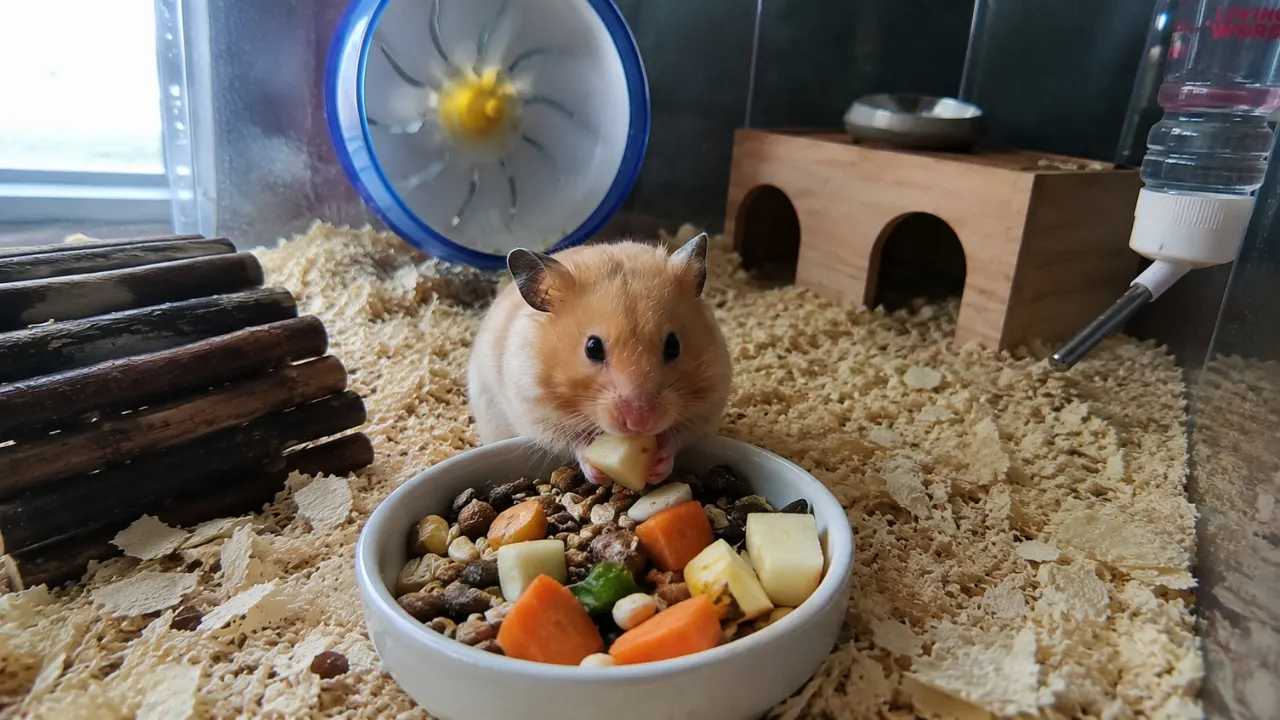
Foods Hamsters Should Never Eat Alongside Cheese
Avoid combining cheese with other rich or unhealthy foods.
Never feed:
- Chocolate
- Chips
- Processed meats
- Candy
- Fast food
- Sugary desserts
Hamsters require a simple and balanced diet to stay healthy.
Hamsters do not naturally require dairy products, so cheese should always stay a rare treat rather than a regular food source.
Final Thoughts
Cheese is not toxic to hamsters, but it should only be fed as a very small occasional treat. Plain mild cheeses may provide some protein and calcium, but the high fat and salt content means overfeeding can quickly become harmful.
For most healthy adult hamsters, a tiny piece once in a while is generally safe. Choosing low-salt plain cheese, avoiding processed varieties, and controlling portions carefully are the keys to safe feeding.
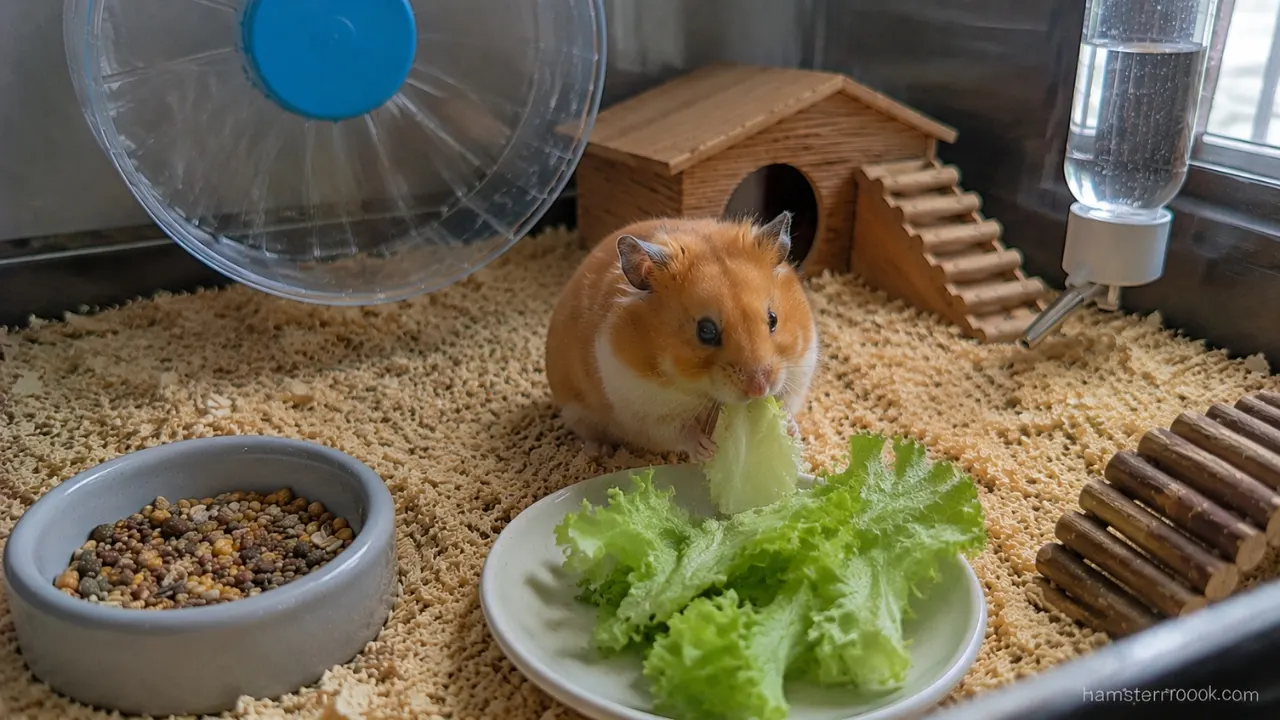
Hamsters do not actually need cheese to stay healthy, so owners should always prioritize a balanced hamster diet first.
Frequently Asked Questions
Can hamsters eat cheese every day?
No. Cheese is too fatty and salty for daily feeding.
What cheese is safest for hamsters?
Plain mild cheeses like mozzarella or cottage cheese are usually safer in tiny amounts.
Can dwarf hamsters eat cheese?
Yes, but portions must stay extremely small because dwarf hamsters gain weight easily.

Is cheddar cheese safe for hamsters?
Plain mild cheddar can be safe occasionally in tiny portions.
Can hamsters eat processed cheese slices?
No. Processed cheese is usually too high in salt and additives.
What happens if a hamster eats too much cheese?
Too much cheese may cause digestive upset, obesity, bloating, or poor diet balance over time.

Narayan Kumar is the founder and author of HamsterNook. He creates practical, research-based hamster care guides covering hamster behavior, nutrition, cage setup, enrichment, health, and everyday care. His goal is to help hamster owners make informed decisions and provide safer, healthier lives for their pets through clear, beginner-friendly information based on trusted animal care resources.