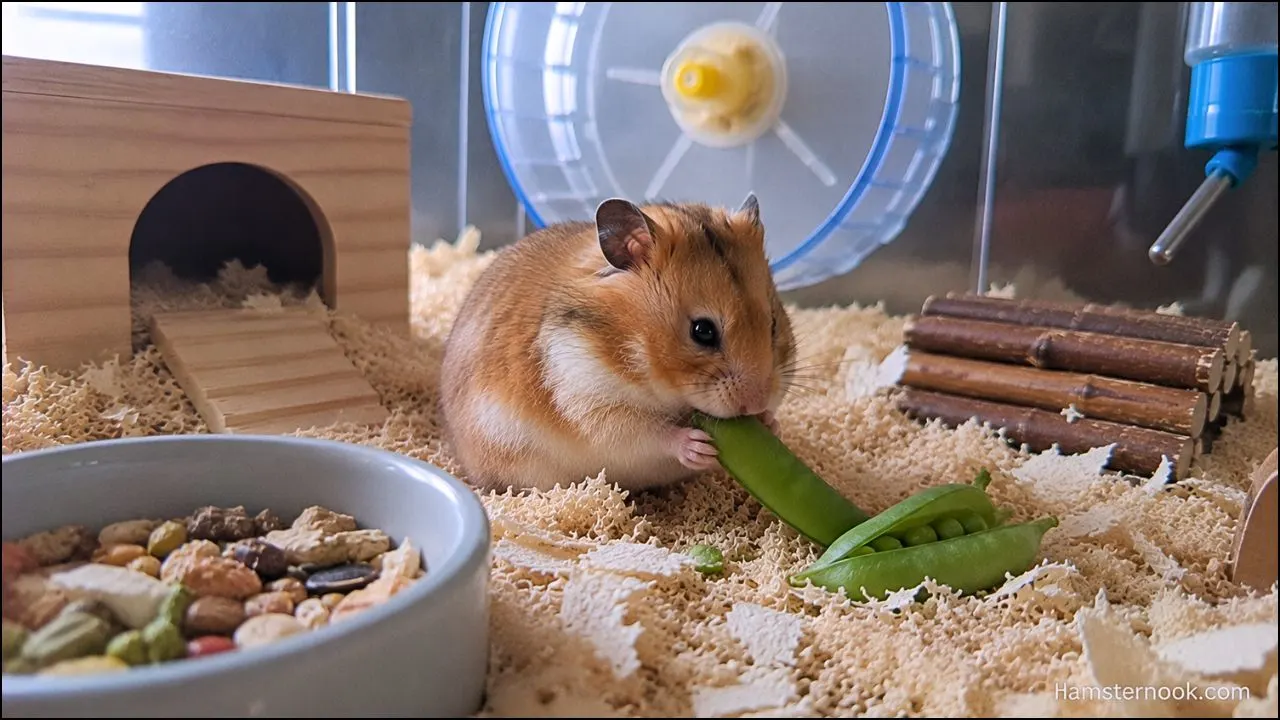
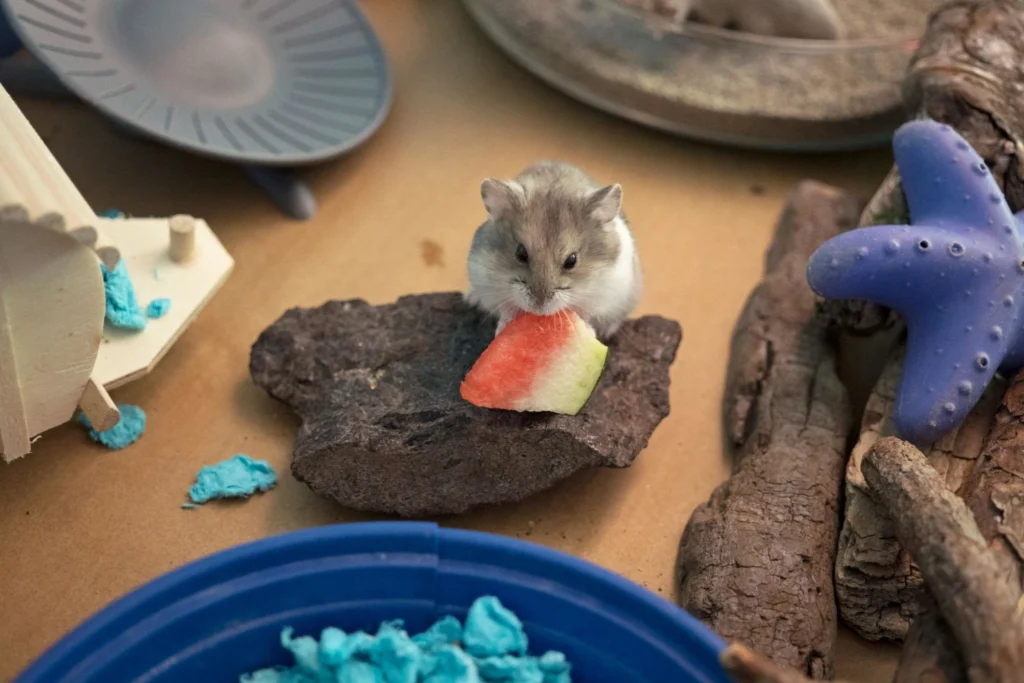
Can hamsters eat watermelon? Yes, healthy hamsters can safely enjoy a tiny seedless piece as an occasional treat. However, because watermelon contains a lot of natural sugar and water, feeding too much can quickly lead to digestive problems or unhealthy weight gain. If you’re a beginner hamster owner, understanding the correct serving size and feeding frequency is essential before offering watermelon for the first time.
Is Watermelon Safe for Hamsters?
Yes, hamsters can eat watermelon, but only as an occasional treat. Give a healthy hamster a tiny piece of fresh, seedless watermelon, remove the rind, and do not offer it every day. The main concerns are its high water content, natural sugar, and the risk of digestive upset if too much is eaten.
For most hamsters, the safest approach is to treat watermelon as a small extra rather than part of the regular diet. If your hamster has a health condition, is very young, or has previously developed digestive problems after fruit, it is better to ask an exotic veterinarian before offering it.
However, watermelon should never become a regular daily food. Hamsters need a balanced diet based mainly on high-quality hamster pellets, seeds, grains, and safe vegetables. If you’re new to hamster ownership, our Ultimate Hamster Care Guide for Beginners explains everything from diet and housing to health and daily care. Sugary fruits like watermelon should stay a rare treat rather than a regular food.

Because watermelon has high moisture content, overfeeding can lead to diarrhea or stomach discomfort, especially in dwarf hamster species that are more sensitive to sugar.
Health Benefits of Watermelon for Hamsters
Hydration Support During Hot Weather
Watermelon is very water-rich, but it should not be used as a way to hydrate a hamster. Fresh, clean drinking water should always be available, and watermelon should remain a small occasional treat.
RSPCA guidance supports constant access to fresh water and only small quantities of fruit as part of a balanced diet.
Soft and Easy to Eat
Watermelon’s soft texture does not make it a treatment for dental problems. If an older hamster has difficulty chewing or eating normally, a veterinarian should assess the underlying cause.

Provides Variety and Enrichment
Offering different safe foods occasionally can provide variety and stimulation for hamsters. Trying new textures and flavors may help prevent boredom.
Offering different safe foods occasionally provides enrichment, but daily care habits matter just as much. Things Hamsters Absolutely Hate (That Owners Often Do) explains common owner mistakes that can unintentionally cause stress.
Risks of Feeding Watermelon to Hamsters
Although watermelon is safe in small amounts, there are several risks owners should understand before feeding it.
High Sugar Content Can Be Dangerous
Watermelon contains natural sugars. Too much sugar can contribute to:

- Obesity
- Diabetes risk, particularly in Russian dwarf hamsters
- Weight gain
- Poor overall diet balance
Dwarf hamsters are smaller, so their portions should be especially tiny. Owners of dwarf hamsters should be particularly cautious with sugary treats and avoid making fruit a regular part of the diet. If your hamster has diabetes or another diagnosed health problem, ask an exotic veterinarian before offering sugary foods.
Too Much Water Can Cause Diarrhea
If diarrhea continues, or your hamster becomes weak, lethargic, dehydrated, or stops eating, contact an exotic veterinarian promptly. Persistent diarrhea can become serious in a small animal and should not simply be assumed to be a normal reaction to watermelon.
Because watermelon contains a lot of water, overeating may upset your hamster’s digestive system.
Possible symptoms include:
- Soft or loose stool
- Diarrhea
- Stomach discomfort
- Reduced appetite
- Lethargy or unusual behavior
If diarrhea occurs after feeding watermelon, stop offering fruit and monitor your hamster carefully.
Seeds Can Be a Choking Hazard
Large black watermelon seeds should never be fed to hamsters. They can create choking risks or digestive blockages.
Always remove all seeds completely before serving.
Watermelon Rind Is Not Recommended
Bottom line: feed only the red fruit flesh. Remove the seeds and rind before giving watermelon to your hamster. Do not let your hamster chew on the green outer skin.
There is no clear veterinary feeding guidance establishing watermelon rind as a suitable hamster food, so the safest approach is to remove the rind and offer only a small piece of the fresh flesh.
Can Different Hamster Breeds Eat Watermelon?
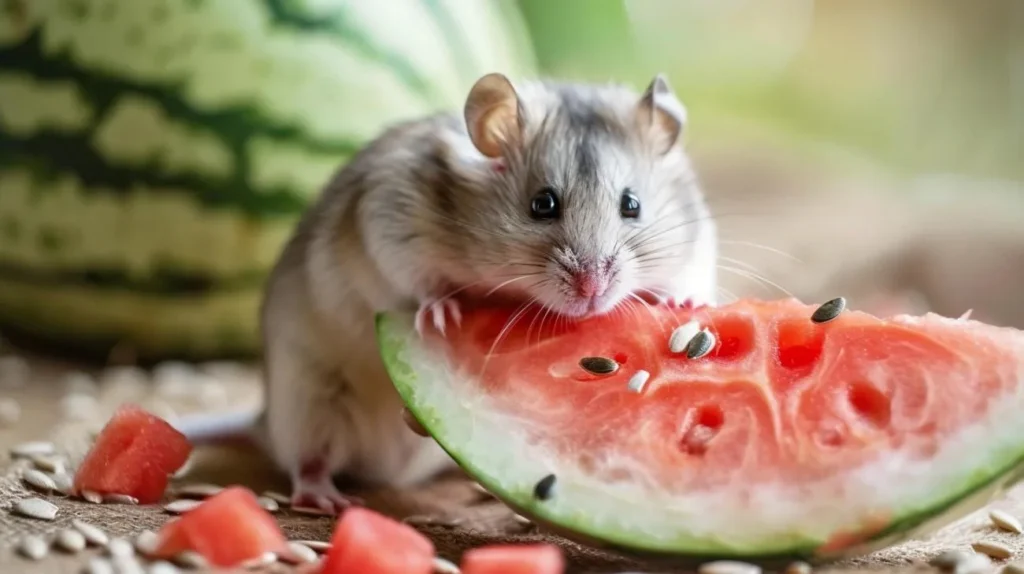
Some hamster species tolerate fruit better than others.
Syrian hamsters can generally have a slightly larger tiny portion because of their larger body size, while dwarf hamsters should receive smaller portions and less frequent sugary treats. If your hamster has a medical condition or you are unsure about a suitable portion, ask an exotic veterinarian.
How Much Watermelon Can Hamsters Eat?
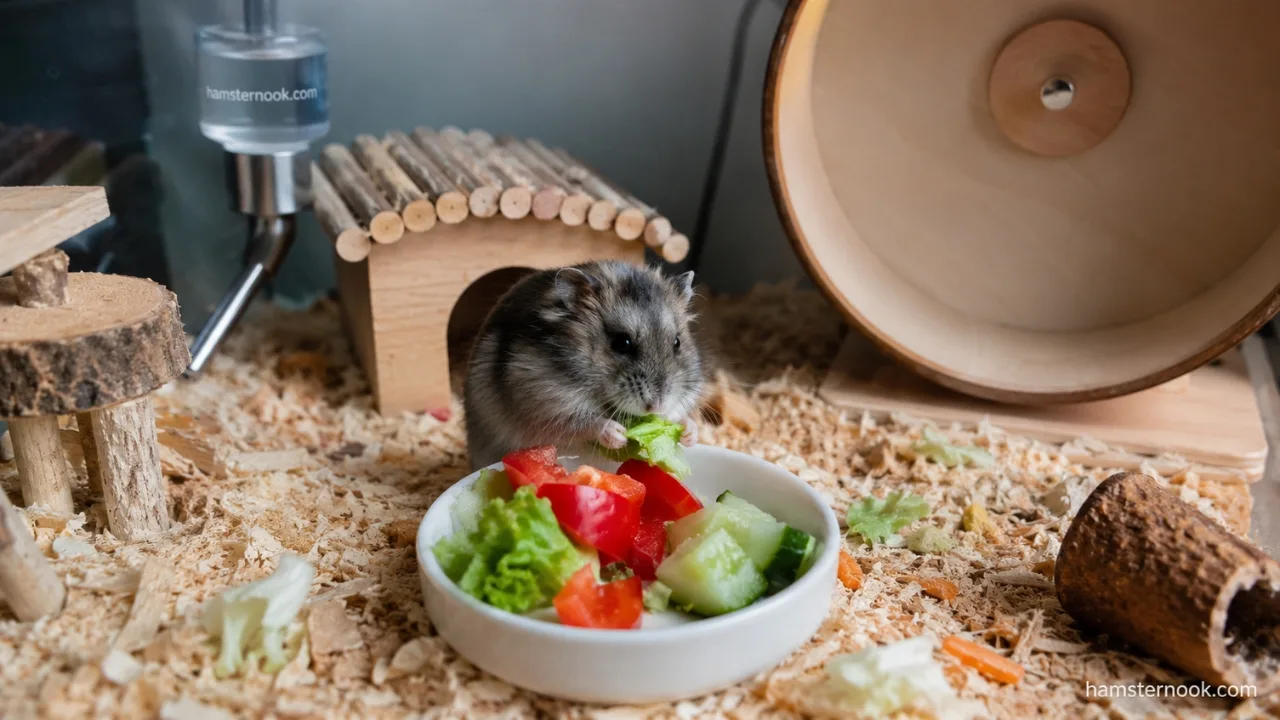
The correct serving size is very small.
Safe Serving Guidelines
When offering watermelon for the first time, start smaller than the maximum portion. A tiny taste is enough to see how your hamster reacts.
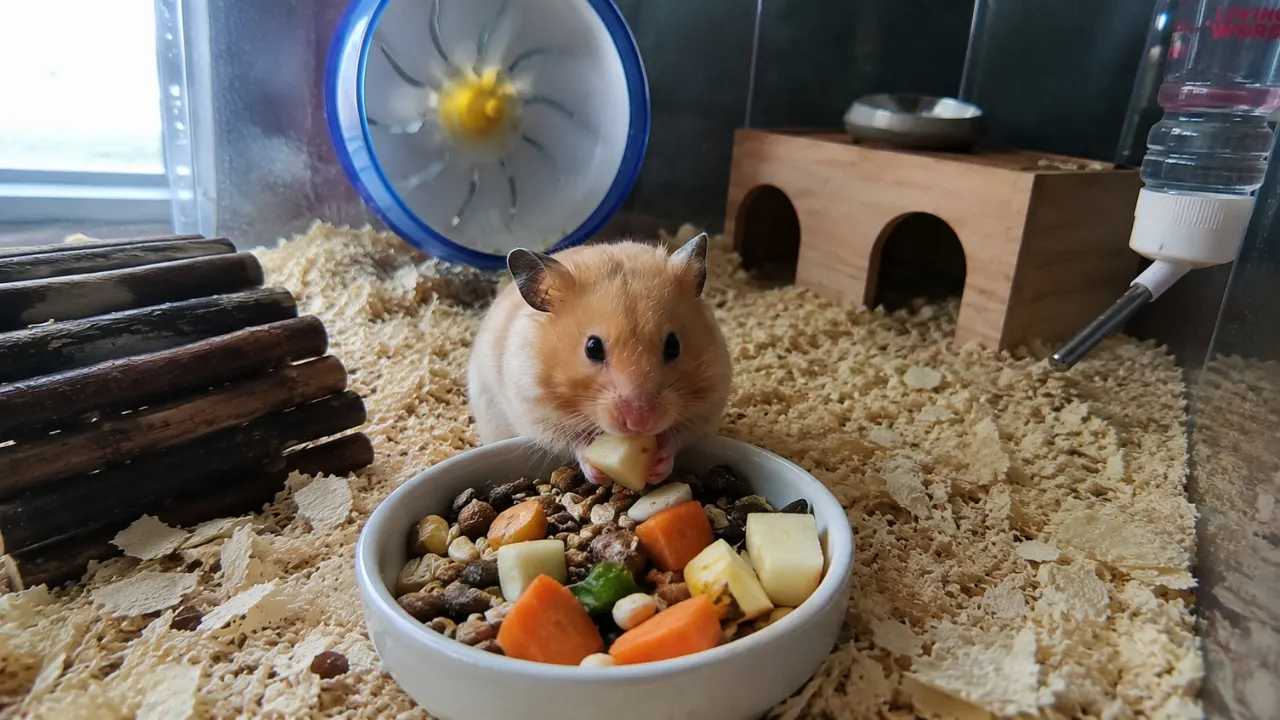
Watermelon is only one occasional fruit treat and should never replace a balanced feeding routine. Understanding which foods are suitable every day makes it much easier to avoid offering too many sugary treats. Our What Do Hamsters Eat? Complete Safe & Unsafe Food List explains how staple foods, vegetables, fruits, and protein sources fit into a healthy hamster diet.
For any hamster, start with a tiny piece of fresh watermelon rather than using a fixed cube measurement. There is no well-established veterinary watermelon-specific serving size, so the portion should remain small and occasional.
Feeding Frequency
- Offer watermelon only occasionally
- Do not make it a daily food
Too many sugary treats can contribute to an unbalanced diet and other health problems. PDSA recommends small amounts of fruit and warns against overfeeding sugary fruit, noting that Russian dwarf hamsters are particularly prone to diabetes.
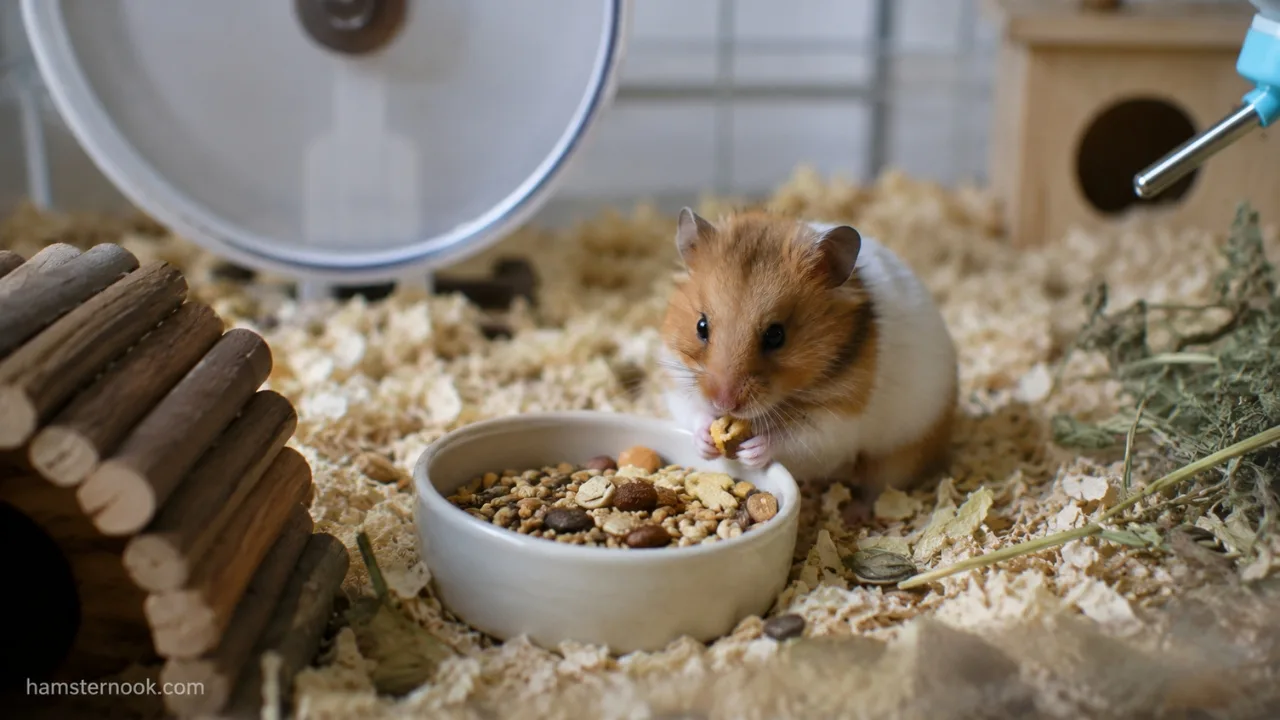
When introducing watermelon or another new food, introduce only one new item at a time and monitor your hamster for changes in appetite, droppings, or general behavior. This makes it easier to identify which food may have caused a problem if digestive upset occurs.
Can Hamsters Eat Watermelon Every Day?
No. Watermelon should not be fed daily, even if your hamster seems to enjoy it. While watermelon is safe in small amounts, it contains a lot of natural sugar and water compared to staple hamster foods.
Feeding watermelon too often may encourage picky eating habits, reduce interest in balanced hamster food, and increase the risk of digestive upset. For dwarf hamster species, frequent sugary treats may be an even bigger concern because they are more prone to blood sugar issues.
Keep watermelon as an occasional treat rather than a regular food. A tiny piece is enough, and it should not become a routine part of the daily diet.

How to Safely Prepare Watermelon for Hamsters
Preparing watermelon properly is important to avoid health risks.
Step-by-Step Preparation
- Wash the watermelon thoroughly
- Remove all seeds completely
- Cut away the rind
- Slice a tiny fresh piece
- Serve plain with no seasoning or additives
Never feed flavored, frozen sweetened, or processed watermelon products.
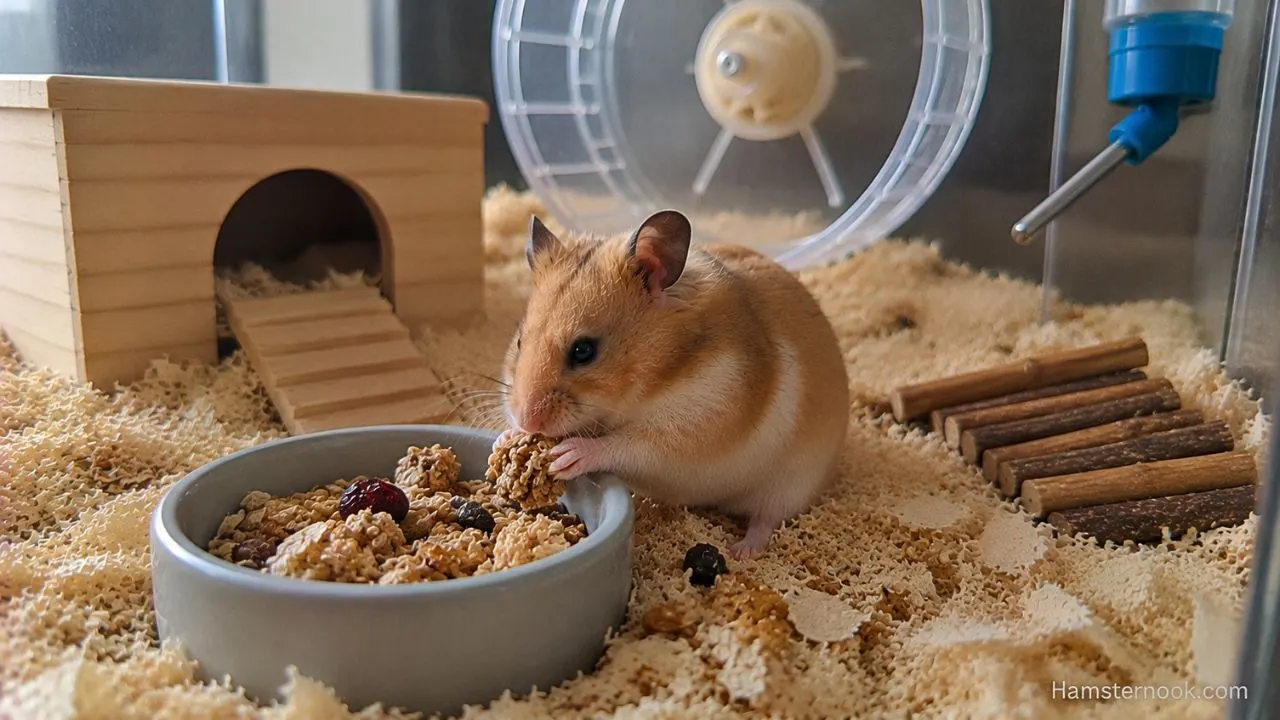
Avoid placing watermelon directly into your hamster’s food bowl with pellets or seed mix. Offering it separately makes it easier to remove leftovers before they spoil and helps you monitor how your hamster reacts to a new food.
Fresh vs Frozen Watermelon for Hamsters
Fresh seedless watermelon is the safest choice for hamsters.

Tiny chilled pieces may be acceptable during hot weather, but frozen chunks can be too hard and may upset your hamster’s stomach.
Avoid:
- Watermelon candy
- Watermelon juice with sugar
- Artificial watermelon flavoring
- Dried watermelon snacks with additives
Can Watermelon Help Keep a Hamster Hydrated?
Because watermelon contains a very high amount of water, many owners wonder if it can help with hydration. A small piece of watermelon may provide extra moisture, especially during warm weather, but it should never be used as a substitute for fresh drinking water.
If your hamster suddenly starts drinking less water, appears lethargic, or shows signs of dehydration, offering more watermelon is not the solution. Access to clean water at all times remains essential for hamster health.

Water-rich foods can be an occasional supplement, but proper hydration should always come from a clean and reliable water source.
Signs Your Hamster Ate Too Much Watermelon
After feeding watermelon for the first time, monitor your hamster closely for any unusual symptoms.
Watch for:
- Diarrhea
- Lethargy
- Loss of appetite
- Bloated stomach
If symptoms continue or become severe, contact an exotic veterinarian promptly.

Best Alternatives to Watermelon for Hamsters
If you want lower-sugar treat options, vegetables are often a better choice than sugary fruit. Can Hamsters Eat Cucumber? Safe Amount, Skin, Seeds & Risks explains one of the more useful water-rich vegetable options for hamsters.
| Safer Treat Option | Why It’s Better |
|---|---|
| Cucumber | Low sugar and hydrating |
| Broccoli | Nutritious and crunchy |
| Bell Pepper | Rich in vitamins |
| Zucchini | Gentle on digestion |
| Carrot | Safe in tiny amounts |
| Spinach | Good occasional leafy green |
Vegetables are generally healthier than sugary fruits for hamsters.
Although watermelon is safe in small portions, not every human food is equally suitable for hamsters. Some common foods should only be offered occasionally because of their nutritional profile. Our Can Hamsters Eat Bread? guide explains when bread can be offered safely and why it should never replace a balanced diet.
Foods You Should Never Mix Excessively With Watermelon
Avoid feeding multiple sugary foods on the same day.

For example:
- Banana
- Grapes
- Mango
- Corn syrup treats
- Commercial sugary snacks
Combining too many sweet foods can overload your hamster’s digestive system.
Can Baby Hamsters Eat Watermelon?
It is better to avoid feeding watermelon to baby hamsters. Young hamsters have more sensitive digestive systems and can develop diarrhea more easily.
Stick to a balanced hamster diet until they are older and fully healthy.

Can Hamsters Eat Yellow Watermelon?
Yes, yellow watermelon is generally similar to red watermelon in safety. However, the same moderation rules apply because it still contains natural sugar and high moisture.
Can Hamsters Eat Seedless Watermelon?
Yes. Seedless watermelon is the safest choice because it removes the risk of choking on large black seeds. Even with seedless varieties, watermelon should only be served fresh, plain, and in very small portions as an occasional treat.
Should You Feed Watermelon at Night or During the Day?
Because hamsters are naturally most active during the evening, offering a tiny piece of watermelon after they wake up gives them more time to eat it before it begins to spoil. Remove any uneaten fruit within a few hours to keep the enclosure clean.
Common Mistakes Owners Make
Many hamster owners accidentally overfeed fruit because hamsters seem excited to eat it. Some common mistakes include:
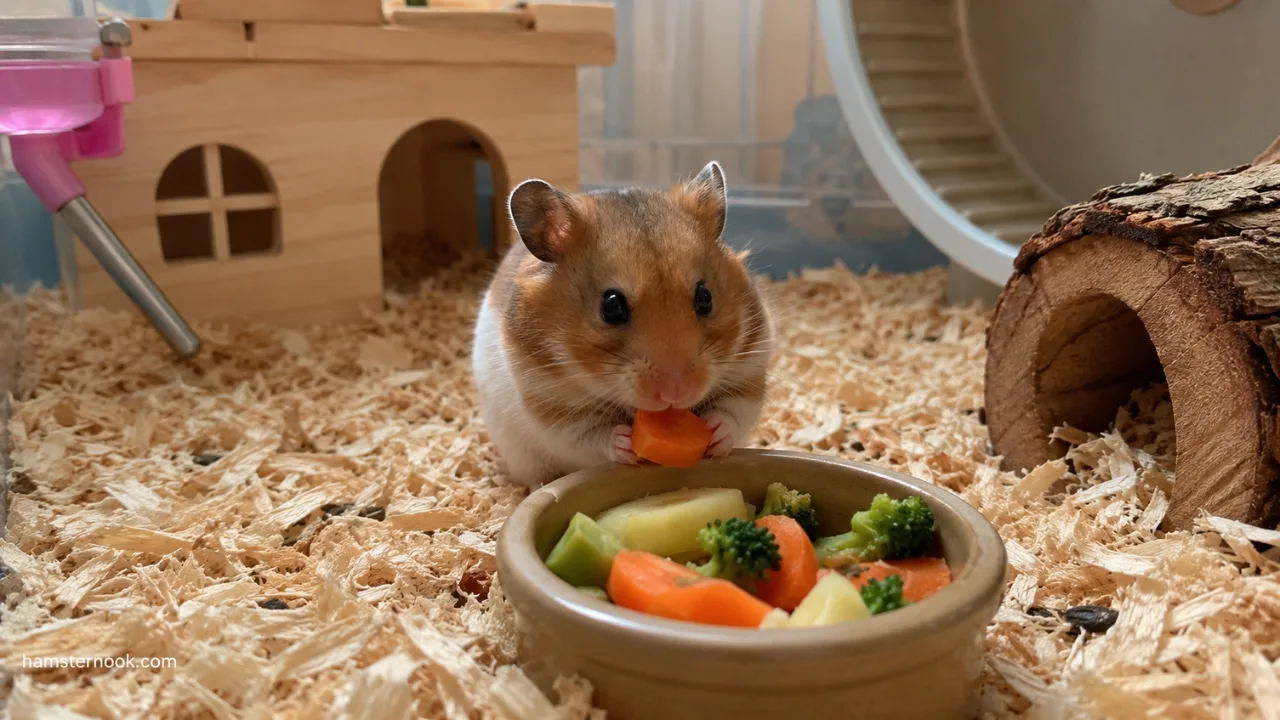
- Giving fruit every day
- Feeding large chunks
- Leaving uneaten watermelon in the cage
- Offering seeded pieces
- Ignoring diarrhea symptoms
Fresh fruit spoils quickly, so remove leftovers within a few hours.
Watermelon should be served at room temperature. Fruit taken straight from the refrigerator may be less appealing to some hamsters and isn’t necessary for hydration.
Expert Feeding Tip for Beginners
When introducing any new food, use the “tiny test” method:
- Offer a very small amount first
- Introduce only one new food at a time
- Monitor your hamster for digestive or behavioral changes
This helps you safely learn how your hamster reacts to different foods.

Final Verdict: Should You Feed Watermelon to Your Hamster?
Treats should add variety to your hamster’s diet rather than become a daily habit. Rotating safe foods in small portions helps prevent nutritional imbalance while keeping feeding time interesting. Our Best Hamster Treats: 10 Healthy & Safe Treats They Love guide shares more safe treat ideas that can be offered alongside an otherwise balanced diet.
Watermelon can be a safe occasional treat when offered as a tiny, fresh, seedless piece with the rind removed. There is no need to make it a regular part of the diet.
However, watermelon is relatively high in water and natural sugar compared with staple hamster foods, so it should remain an occasional treat. Extra caution is appropriate for hamsters with diabetes or other health conditions that require dietary management.
For the healthiest diet, focus mainly on high-quality hamster food and safe vegetables, while keeping fruits like watermelon as rare treats rather than regular snacks.

A balanced hamster diet should be built around appropriate staple food, with vegetables, fruits, and treats used as small additions rather than replacements for the main diet.
Frequently Asked Questions
Can hamsters eat watermelon every day?
No. Watermelon should only be an occasional treat because of its sugar and water content.
Can dwarf hamsters eat watermelon?
Yes, but only in extremely small amounts. Dwarf hamsters are more prone to diabetes and should eat sugary foods very rarely.
Can hamsters eat watermelon seeds?
No. Watermelon seeds can be a choking hazard and should always be removed.
Can hamsters eat watermelon rind?
It is not recommended. The rind is difficult to digest and may contain pesticide residue.
Can hamsters eat yellow watermelon?
Yes. Yellow watermelon can be offered under the same rules as red watermelon: fresh, plain, seedless, with the rind removed, and only in a tiny occasional portion.
What happens if a hamster eats too much watermelon?
Overeating watermelon may cause diarrhea, stomach upset, bloating, or unhealthy weight gain.
Is watermelon healthier than other fruits for hamsters?
Watermelon is not necessarily healthier than all fruits. Because of its sugar and water content, vegetables are usually safer everyday treat options.

Why Did My Hamster Get Diarrhea After Eating Watermelon?
Watermelon contains a large amount of water and natural sugar, which can sometimes upset a hamster’s digestive system. If your hamster develops diarrhea after eating watermelon, stop offering fruit, provide its regular diet, and monitor it closely. If symptoms are severe, persistent, or accompanied by lethargy, dehydration, or other signs of a sick hamster, seek veterinary advice promptly.
References
This guide is based on hamster nutrition, feeding, fruit safety, hydration, digestive health, and welfare guidance from trusted veterinary and animal welfare resources, including:
- RSPCA – Hamster Diet and Feeding Guidance – Guidance on balanced hamster diets, suitable fresh foods, fruit portions, treats, and access to fresh drinking water.
- PDSA – Hamsters as Pets – Advice on hamster nutrition, appropriate treats, feeding habits, welfare, and common health considerations.
- Blue Cross – Hamster Care Guide – Practical guidance on hamster diet, fresh foods, feeding, hydration, and general husbandry.
- MSD Veterinary Manual – Hamsters – Veterinary reference information covering hamster nutrition, digestive health, common diseases, and clinical concerns.
- MSD Veterinary Manual – Disorders and Diseases of Hamsters – Veterinary information on digestive problems, dehydration, illness symptoms, and conditions that may require veterinary evaluation.
- U.S. Food & Drug Administration – Selecting and Serving Produce Safely – Food-safety guidance on washing and preparing fresh produce before serving.
Medical Disclaimer
This article is intended for educational purposes only and should not be considered veterinary advice. While watermelon can be offered as an occasional treat to some healthy hamsters, individual dietary needs and health conditions can vary. If your hamster develops persistent diarrhea, severe digestive upset, lethargy, dehydration, loss of appetite, or other concerning symptoms after eating watermelon or any new food, consult a qualified exotic animal veterinarian for proper evaluation and treatment.

Narayan Kumar is the founder and author of HamsterNook. He creates practical, research-based hamster care guides covering hamster behavior, nutrition, cage setup, enrichment, health, and everyday care. His goal is to help hamster owners make informed decisions and provide safer, healthier lives for their pets through clear, beginner-friendly information based on trusted animal care resources.