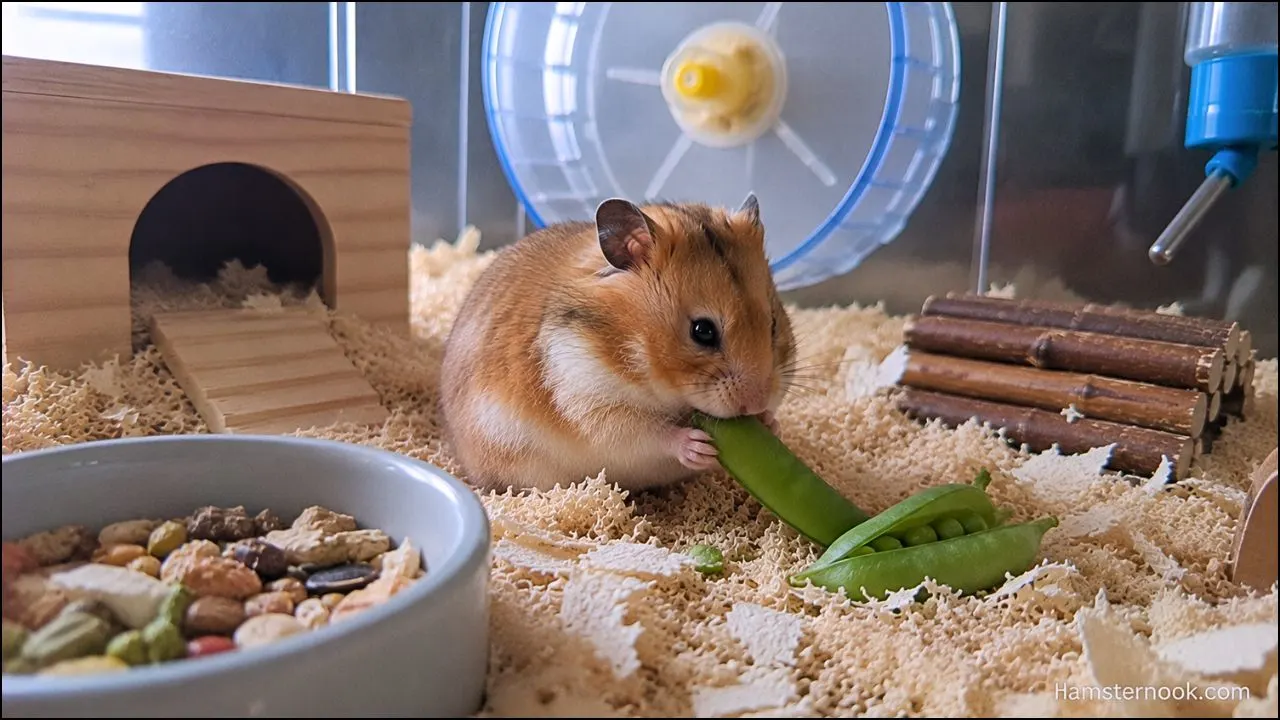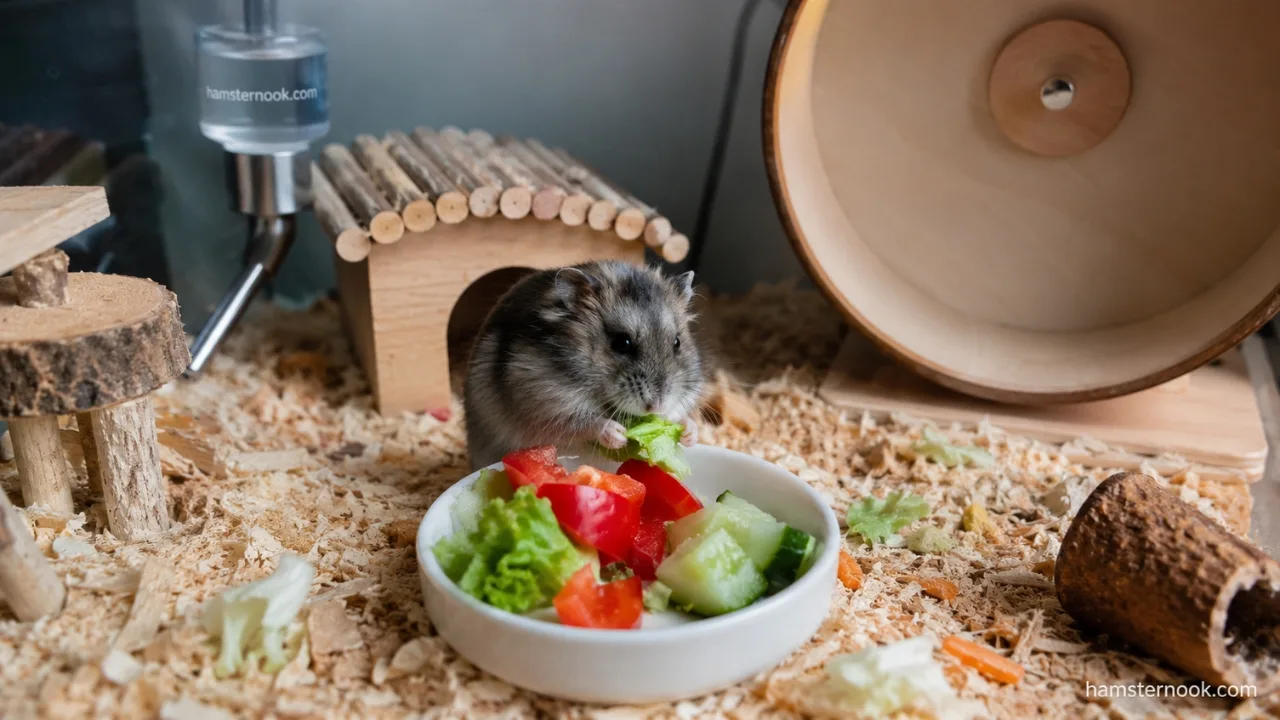
Fresh vegetables and fruits can make your hamster’s diet healthier and more interesting, but they’re also where many new owners accidentally make feeding mistakes. Many people assume that if a food is healthy for humans, it must also be healthy for a hamster. Others believe offering more fresh food automatically creates a better diet.
A hamster’s digestive system is designed to thrive primarily on a balanced commercial hamster food, with fresh foods acting as occasional supplements rather than the main meal. Feeding the wrong foods, offering portions that are too large, or introducing new foods too quickly can lead to digestive upset, nutritional imbalance, obesity, or even exposure to toxic ingredients.
The good news is that nearly all of these mistakes are easy to avoid once you understand the basics of hamster nutrition. By understanding the most common fresh food mistakes, you can confidently provide variety without putting your hamster’s health at risk.
A few small changes in how you prepare, serve, and monitor fresh foods can make a noticeable difference to your hamster’s long-term health.
Why Fresh Foods Should Only Be Part of a Balanced Hamster Diet
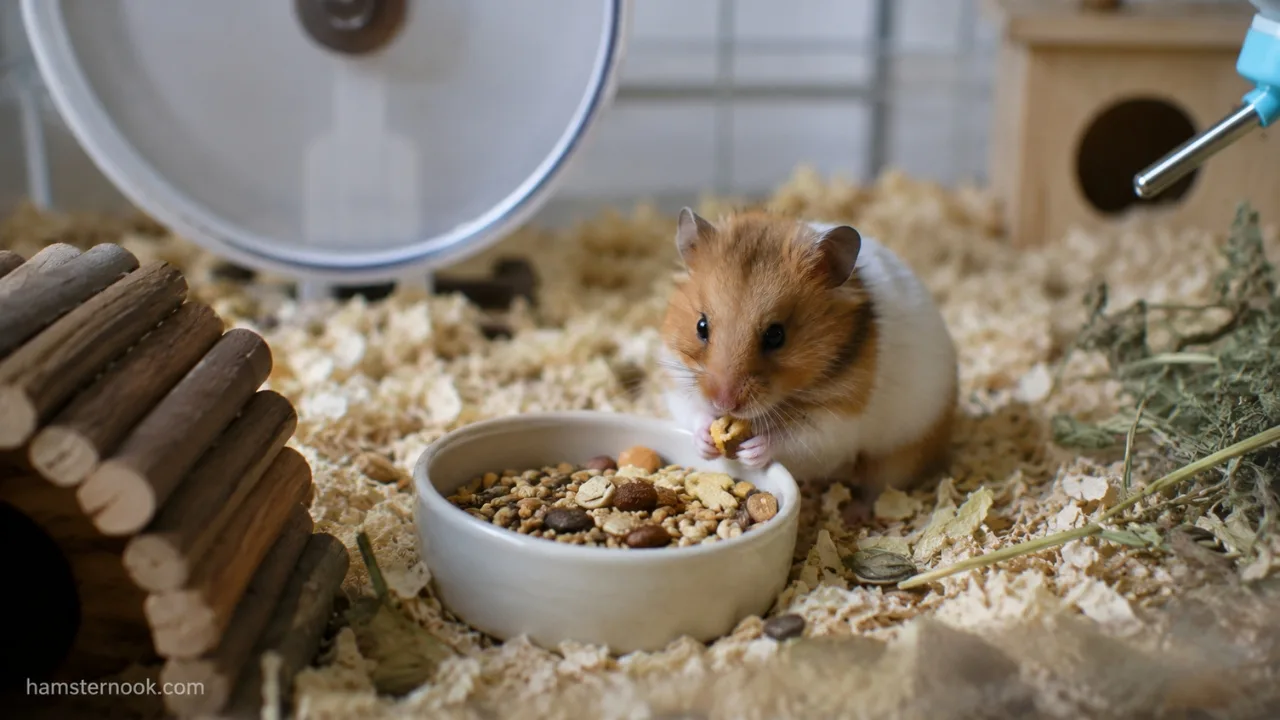
Fresh foods add variety, moisture, and enrichment, but they should always support—not replace—your hamster’s regular balanced diet.
Commercial hamster pellets or high-quality seed mixes are carefully formulated to provide the nutrients hamsters need every day. Fresh vegetables and fruits add variety, but they usually do not contain the complete balance of protein, fiber, vitamins, and minerals required for long-term health.
If you’re still learning how fresh foods fit into a balanced feeding routine, our Complete Hamster Diet Guide: What to Feed, How Much & How Often covers the wider diet beyond fresh treats.
Fresh Foods: Benefits vs Common Risks
| Benefits | Possible Risks if Fed Incorrectly |
|---|---|
| Adds healthy variety to the diet | Digestive upset |
| Provides natural enrichment | Diarrhea from excess moisture |
| Supplies some vitamins and minerals | Nutritional imbalance |
| Encourages natural foraging | Weight gain from sugary fruits |
| Increases moisture intake | Fresh food spoiling inside the enclosure |
Fresh foods are beneficial only when offered correctly and in moderation.
Mistake #1: Feeding Too Much Fresh Food at Once
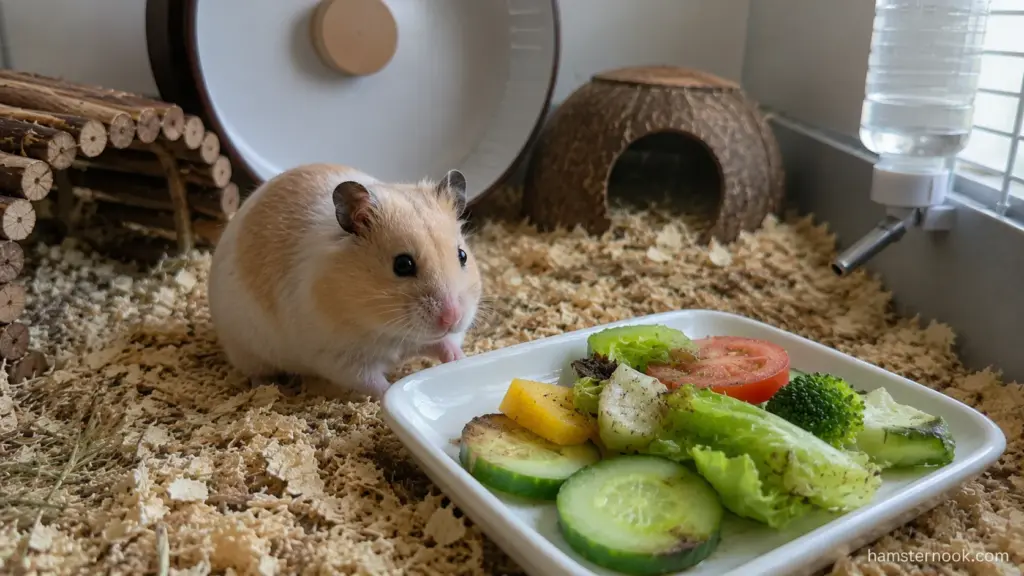
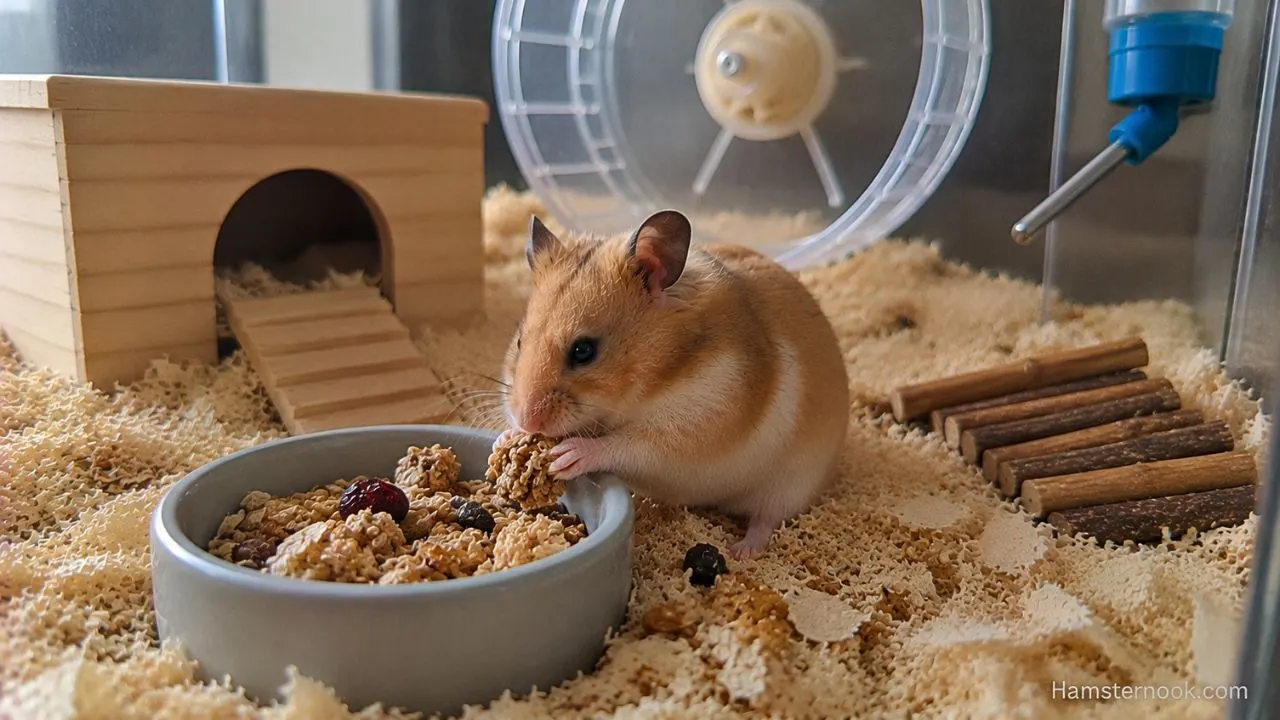
It’s easy to think that offering more fresh food means you’re giving your hamster a healthier diet, but that’s rarely the case.
Hamsters have very small digestive systems. Even healthy vegetables can become problematic when portions are too large. Large servings increase moisture intake, making loose stools and digestive upset more likely.
Fresh food should complement your hamster’s staple diet—not replace it.
If you’re unsure what a balanced daily diet should look like, What Should Hamsters Eat Every Day? A Complete Feeding Guide explains how fresh foods fit alongside your hamster’s staple food.

Your hamster should still eat most of its daily calories from a complete hamster food, with fresh produce making up only a small part of the overall diet.
There is no single fresh-food portion that fits every hamster. PDSA recommends a small daily portion of fresh fruit, vegetables and herbs, around 1–2 teaspoons in total, while MSD Veterinary Manual advises keeping fruits and vegetables used as treats to no more than 10% of the overall diet. Use these as general boundaries rather than treating any one food as a fixed daily requirement.
A simple rule is to think of fresh foods as treats or side dishes rather than the main course.
Warning Signs of Overfeeding Fresh Foods
Watch for changes such as:
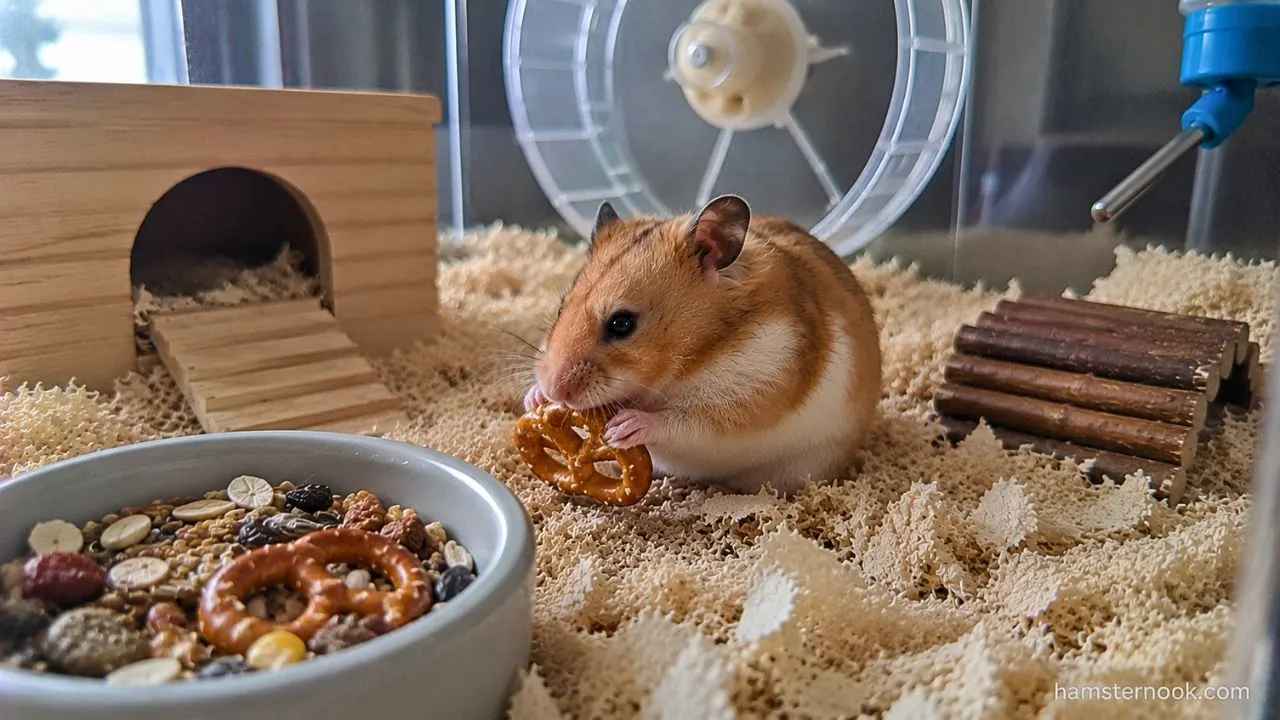
- Soft or loose droppings
- Reduced appetite for pellets
- Food left uneaten
- Weight gain
- Excess food stored in bedding
If you notice these signs, reduce fresh food portions and return to a more balanced feeding schedule.
If reduced appetite continues or your hamster starts eating much less than usual, our Why Is My Hamster Not Eating? 9 Causes, Warning Signs & What to Do guide covers other possible causes and warning signs.
Mistake #2: Introducing New Foods Too Quickly
Hamsters do best when dietary changes happen gradually.
Offering several new vegetables or fruits at the same time makes it difficult to identify which food caused a digestive problem if one develops.

Instead, introduce one new food at a time and observe your hamster for the next day or two before adding another.
This gradual approach helps you recognize foods your hamster tolerates well.
A Safer Way to Introduce New Foods
One new food
Offer a tiny portion of one hamster-safe food rather than several new foods together.

Monitor
Watch your hamster’s appetite and droppings for any digestive changes.
Before adding another new food
If your hamster is tolerating the first food normally, introduce the next new item gradually rather than changing several foods at once.
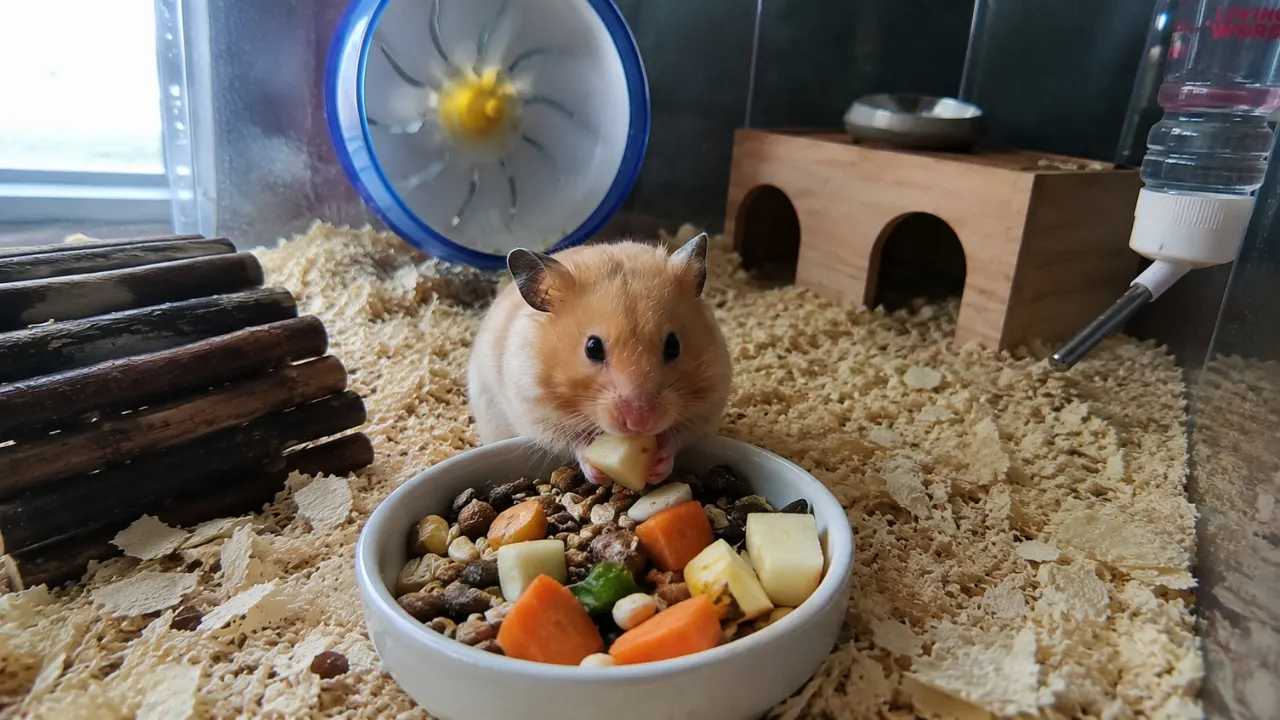
Taking things slowly helps you discover which foods your hamster enjoys and tolerates without upsetting its stomach.
Mistake #3: Assuming Every Fruit Is Safe
Many fruits are safe in moderation, but not every fruit belongs in a hamster’s diet.
Some fruits contain extremely high levels of natural sugar, while others may contain seeds or pits that present choking hazards or contain compounds that should not be eaten.
Even safe fruits should only be occasional treats.

For a broader list of suitable and unsuitable fresh foods, our Best Fruits and Vegetables for Hamsters: Safe Foods, Portion Sizes & Feeding Tips guide explains which options are appropriate and how moderation fits into the diet.
Mistake #4: Forgetting That Dwarf Hamsters Have Different Needs
Not all hamster species handle sugary foods equally.
Dwarf hamsters are not all nutritionally identical, and sugary foods should be offered sparingly. PDSA specifically notes that Russian Dwarf hamsters are particularly prone to diabetes, so any hamster with a diagnosed health condition should follow its veterinarian’s dietary advice.
Owners often follow feeding advice intended for Syrian hamsters without realizing their dwarf hamster has different nutritional considerations.
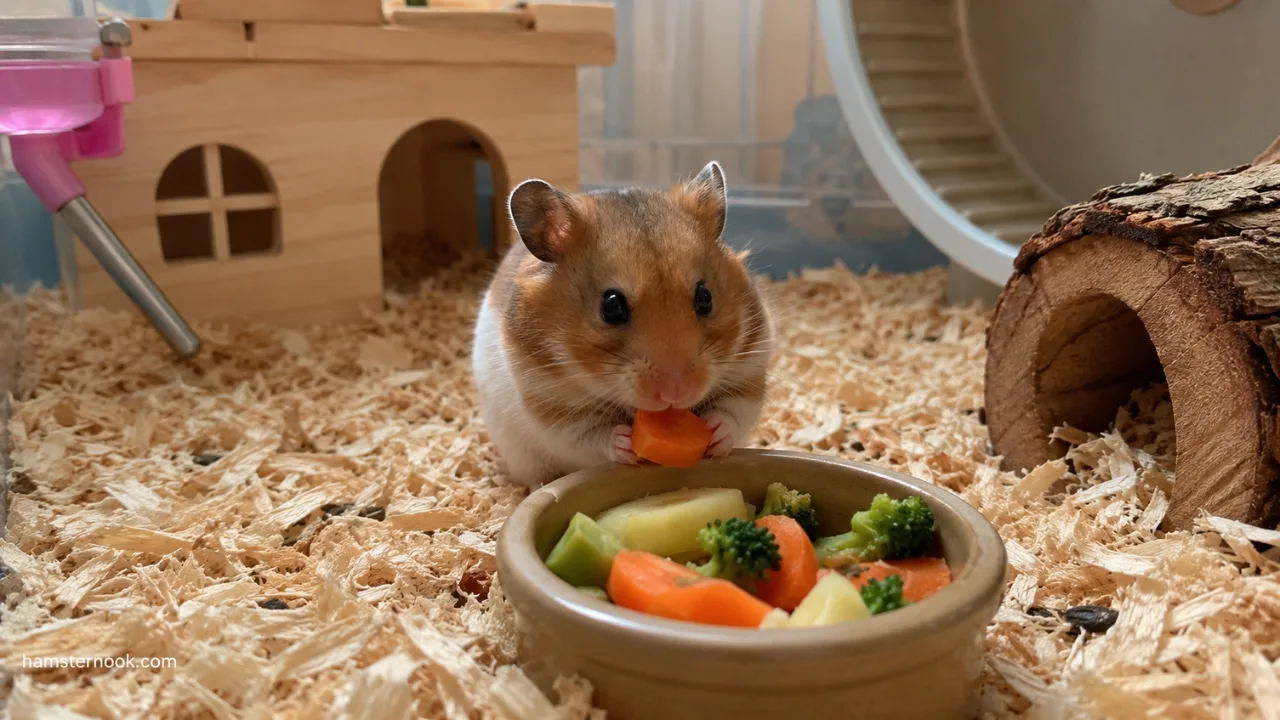
Knowing whether you have a Syrian or dwarf hamster helps you make safer feeding decisions, especially when choosing fruits.
Mistake #5: Feeding Unwashed Produce
Fresh vegetables and fruits may carry:
- Dirt
- Pesticide residue
- Fertilizer residue
- Surface bacteria
Even clean-looking produce should be rinsed well before it goes into your hamster’s food dish.
For particularly delicate produce, washing under cool running water is usually sufficient. After washing, gently dry the produce with a clean paper towel so it doesn’t leave unnecessary moisture in the enclosure.
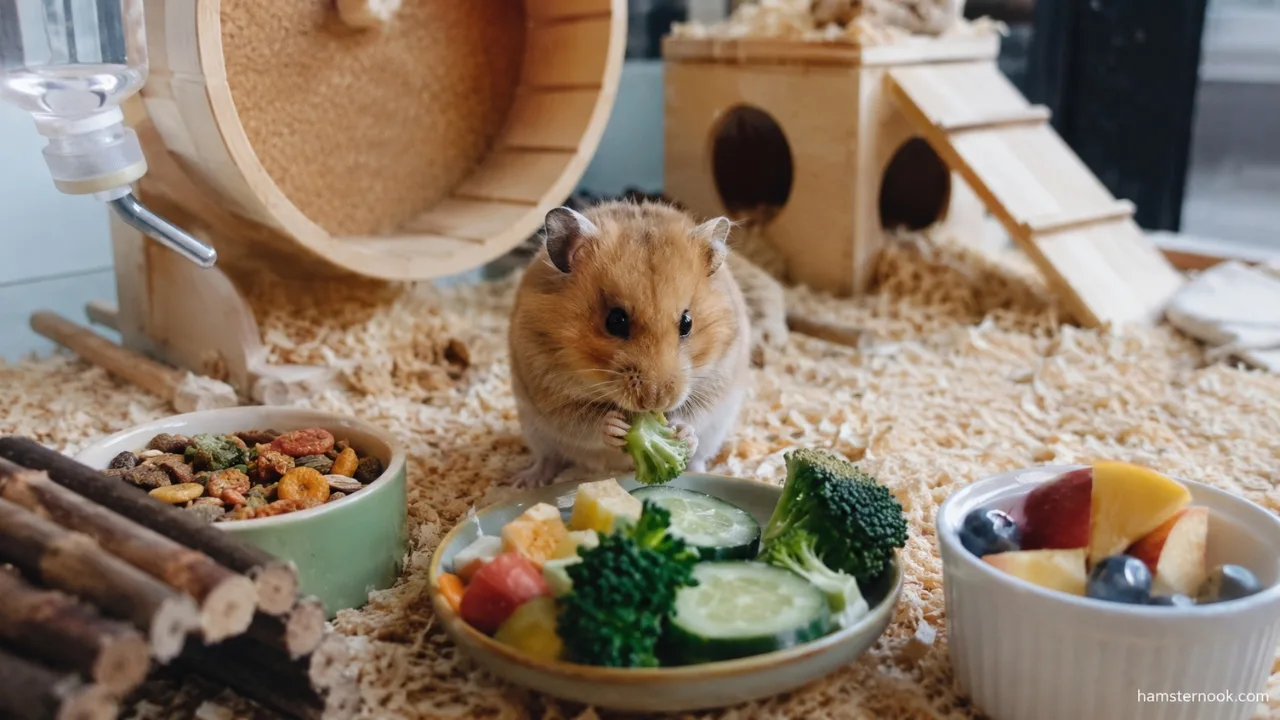
Mistake #6: Leaving Fresh Food in the Cage Too Long
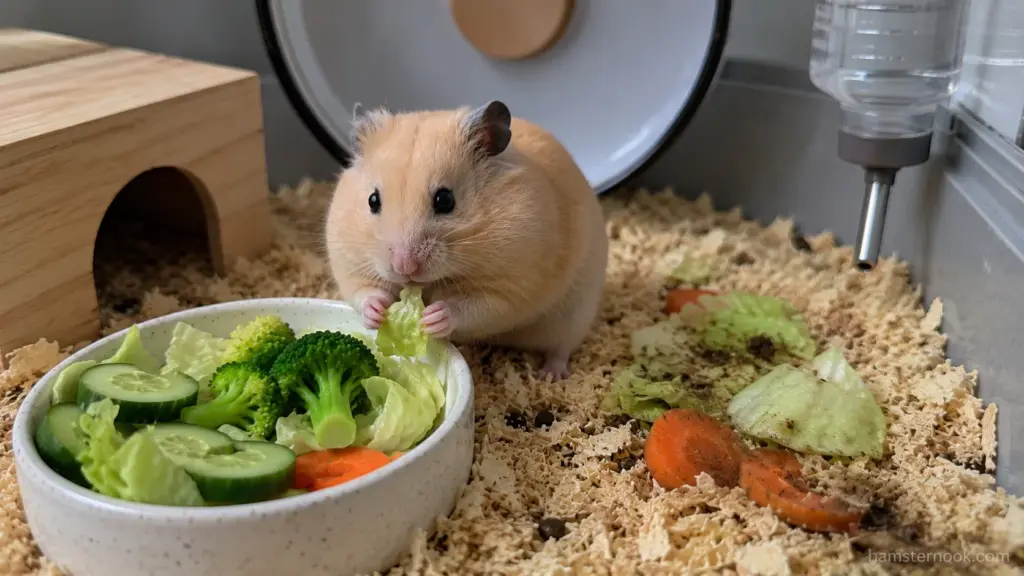
Fresh food spoils much faster than dry hamster food.
Hamsters often hide food inside bedding, tunnels, or nesting areas. While storing dry food is normal, fresh produce can spoil quickly once hidden.
Spoiled food may encourage mold or bacterial growth, creating unnecessary health risks.
Check your hamster’s food stash regularly and remove any uneaten fresh food before it begins to spoil.

Owners who are unsure where hamsters typically hide food may also find Why Does My Hamster Keep Hiding Food? useful.
Mistake #7: Offering Iceberg Lettuce as a Staple Vegetable
Many owners assume all lettuce varieties are equally nutritious.
Iceberg lettuce contains a high percentage of water but relatively few nutrients compared to darker leafy vegetables. Large amounts may contribute to digestive upset without providing significant nutritional value.
Other hamster-safe leafy greens generally provide better nutritional value when offered occasionally as part of a varied diet.

Rather than searching for one perfect vegetable, aim to rotate several safe options over time.
Mistake #8: Ignoring Portion Sizes Because the Food Is “Healthy”
Portion size matters just as much as the food itself.
For example:
| Fresh Food | Safe Approach |
|---|---|
| Carrot | Tiny slice occasionally |
| Cucumber | Small piece occasionally |
| Bell pepper | Small piece occasionally |
| Broccoli | Small floret occasionally |
| Blueberry | Tiny portion as an occasional treat |
The nutritional quality of a food does not eliminate the importance of moderation.

Mistake #9: Forgetting That Fresh Food Also Contains Water
Some owners worry their hamster isn’t drinking enough and begin offering large amounts of watery vegetables instead.
While vegetables such as cucumber contain moisture, they should never replace fresh drinking water.
Clean water must remain available at all times.
If you’re concerned about hydration, Can Hamsters Get Dehydrated? Signs Every Owner Should Know explains how to recognize dehydration and why vegetables are not a substitute for drinking water.

Mistake #10: Feeding Human Seasonings Along With Fresh Foods
Some owners offer tiny pieces of vegetables directly from their own meals without realizing they have been seasoned.
Hamsters should only eat plain, fresh produce. Vegetables that contain salt, butter, oil, garlic, onion powder, spices, sauces, or other seasonings are not appropriate for them.
Even small amounts of seasoning can upset a hamster’s digestive system or expose them to ingredients that are unsafe.
Whenever you prepare vegetables for your hamster, wash them thoroughly and serve them raw and unseasoned unless there is reliable evidence that a particular food should be cooked.

Owners should also avoid assuming that all human foods are equally safe simply because they are plain. For example, bread may seem harmless, but different types can vary in ingredients and nutritional value. Before offering any bread products, read our complete guide: Can Hamsters Eat Bread? Safe Types, Risks & Portion Guide.
Mistake #11: Assuming Every Hamster Enjoys the Same Foods
Just like people, hamsters have individual preferences.
One hamster may happily eat broccoli, while another ignores it completely. Some may enjoy cucumber but dislike bell pepper.
Trying to force a hamster to eat a food it consistently avoids usually serves no purpose. Instead, offer a variety of safe options over time and let your hamster develop its own preferences.
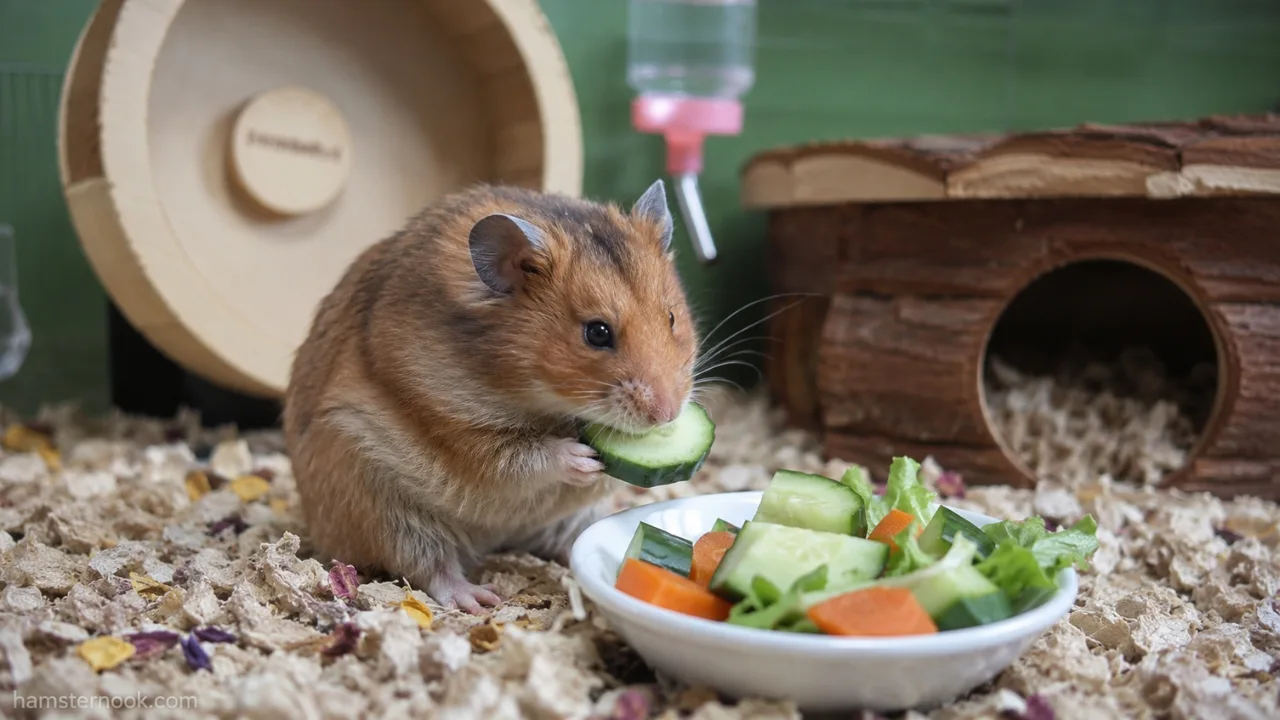
The goal is nutritional variety rather than making your hamster eat every safe food available.
Mistake #12: Feeding Fresh Foods Too Frequently
Fresh foods can be offered regularly in small portions, but they should not displace the nutritionally complete staple diet.
The bigger mistake is offering too much fresh food or allowing treats to become a large part of the diet. PDSA recommends around 1–2 teaspoons of fresh fruit, vegetables and herbs per day in total, while MSD Veterinary Manual advises limiting fruits and vegetables used as treats to no more than 10% of the overall diet.
Keeping portions small helps preserve appetite for the hamster’s balanced staple food and reduces the risk of overfeeding.

Mistake #13: Offering Foods Without Checking Whether They’re Safe
The internet contains thousands of hamster feeding lists, but not all of them are accurate.
Before introducing any new fruit, vegetable, herb, or treat, verify that it is considered safe for hamsters.
For example, owners often wonder whether insects belong in a hamster’s diet. If you’re considering protein treats, Can Hamsters Eat Mealworms? Benefits & Risks explains when they may be appropriate and how much is safe to feed.
Researching new foods before offering them is far safer than relying on assumptions.
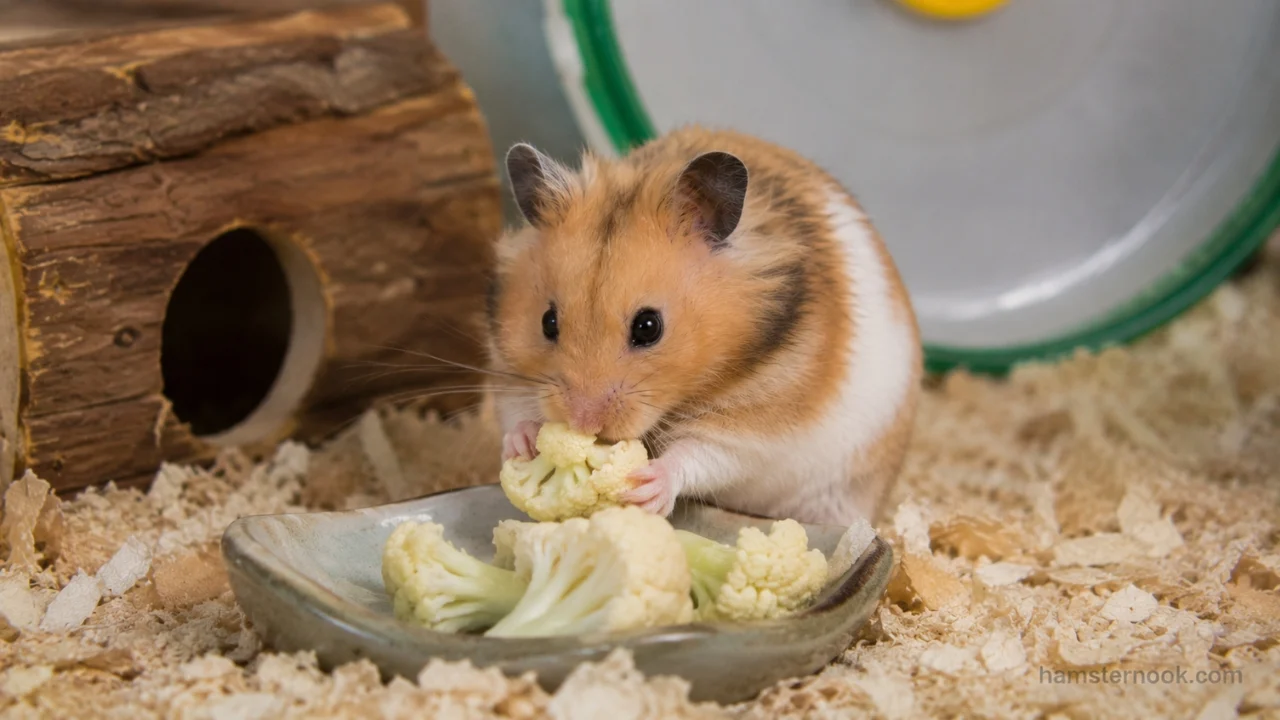
Mistake #14: Ignoring Food Left in the Hamster’s Food Cache
Hamsters naturally store food inside tunnels, nesting areas, and bedding.
While dry foods may remain safe for longer periods, fresh foods spoil much more quickly.
A hidden piece of fruit or vegetable can become moldy before the owner notices it.
During regular spot cleaning, check common food storage areas and remove any fresh food that has been hidden for too long.

This simple habit helps maintain a cleaner enclosure and reduces the risk of spoiled food.
Mistake #15: Believing “Natural” Always Means Safe
One of the biggest misconceptions is that anything natural must automatically be safe.
Many plants, fruits, seeds, and leaves occur naturally but are not suitable for hamsters.
Likewise, some foods marketed as “healthy” for humans may contain sugar, preservatives, flavorings, or ingredients that are unnecessary for small pets.

Always evaluate foods based on hamster nutritional needs rather than human health trends.
A Simple Fresh Food Routine That Works
A Simple Fresh Food Routine That Works
Instead of following a rigid Monday-to-Sunday schedule, focus on small portions, variety, and your hamster’s overall fresh-food allowance. There is no need to force a different fruit or vegetable every day. Use several hamster-safe options over time while keeping the balanced staple diet as the foundation.
Signs Your Hamster May Not Be Tolerating Fresh Foods Well
No two hamsters respond to fresh foods in exactly the same way.

Watch for signs such as:
- Loose or watery droppings
- Reduced appetite
- Hiding more than usual
- Weight changes
- Food being ignored repeatedly
- Wet or soiled fur around the rear
If digestive changes appear after introducing a new food, stop offering that food. Reduced appetite, moist droppings, or soiled fur around the hindquarters are reasons to contact a veterinarian promptly, especially if the problem continues. Persistent diarrhea, marked lethargy, or other significant changes also warrant veterinary attention.
Building Healthy Feeding Habits From the Beginning
Good hamster nutrition isn’t about finding one perfect fruit or vegetable.
Instead, focus on following a simple feeding routine that you can maintain every week.

These include:
- Feeding a quality staple diet every day.
- Offering only hamster-safe fresh foods.
- Keeping portions small.
- Introducing new foods gradually.
- Removing spoiled produce promptly.
- Providing clean drinking water at all times.
- Monitoring your hamster’s appetite and droppings regularly.
These simple practices are far more important than offering a large variety of treats.
Quick Fresh Food Safety Checklist
Before serving fresh food to your hamster, run through this quick checklist:
- Wash all fruits and vegetables thoroughly.
- Serve only hamster-safe foods.
- Keep portions very small.
- Introduce only one new food at a time.
- Remove uneaten fresh food promptly, especially if it has been hidden in bedding or nesting areas.
- Always provide fresh drinking water.
- Watch for changes in appetite or droppings after introducing new foods.
Following these simple habits helps reduce the risk of digestive upset while allowing your hamster to enjoy a varied, balanced diet.

Final Thoughts
Fresh foods can be a wonderful addition to a hamster’s diet when offered thoughtfully, but they should never replace a complete, balanced hamster food. Most feeding mistakes happen because owners want to provide the best possible care, yet small errors—such as oversized portions, spoiled produce, or unsuitable foods—can have unintended consequences.
By keeping servings small, introducing new foods slowly, washing produce thoroughly, and removing leftovers before they spoil, you can safely add variety without compromising your hamster’s health.
Every hamster has slightly different preferences and tolerances, so pay attention to what works best for your own pet. Paying attention to your pet’s appetite, digestion, and behavior will always be more valuable than following a rigid feeding schedule. A careful, balanced approach is the best way to support a healthy hamster for years to come.
Frequently Asked Questions
Can fresh food make hamsters sick?
Yes. Even safe foods can cause digestive upset if they are fed in excessive amounts, introduced too quickly, or left in the cage until they spoil.

How often should I give my hamster fresh vegetables?
Most healthy hamsters can enjoy small portions of hamster-safe vegetables a few times per week alongside a balanced staple diet. Exact frequency depends on the hamster’s species, age, and overall health.
Why did my hamster stop eating its regular food after getting treats?
If fresh foods or treats are offered too often, some hamsters become selective eaters and ignore their nutritionally complete food. Reducing treats usually helps restore a balanced diet.
Should I remove uneaten vegetables from the cage?
Yes. Fresh produce should be removed before it spoils, especially if your hamster has hidden it inside bedding or nesting areas.
Can I feed several different vegetables on the same day?
It is generally better to introduce one new food at a time. Once your hamster is accustomed to several safe vegetables, small combinations may be offered occasionally while keeping portions modest.

What’s the safest way to start feeding fresh foods?
Begin with a tiny portion of one hamster-safe vegetable, observe your hamster for any digestive changes over the next day or two, and introduce additional foods gradually rather than all at once.
Can I give my hamster both fruits and vegetables on the same day?
Yes, but only in very small amounts and as part of an overall balanced diet. Offering too many fresh foods at once can make it difficult to identify which food caused a digestive problem if your hamster develops an upset stomach.
References
This guide is based on hamster nutrition, feeding, fresh food safety, dietary balance, and welfare guidance from trusted veterinary and animal welfare resources, including:
- RSPCA – What to Feed a Pet Hamster – Guidance on balanced hamster diets, fresh foods, treats, feeding practices, and suitable food choices.
- PDSA – Hamsters as Pets – Practical advice on hamster nutrition, fresh fruit and vegetables, feeding amounts, and general welfare.
- Blue Cross – Hamster Care Guide – Information on hamster diet, suitable foods, feeding, housing, and general care.
- MSD Veterinary Manual – Hamsters – Veterinary reference information covering hamster nutrition, feeding, digestive health, and common health concerns.
- FDA – Selecting and Serving Produce Safely – Food safety guidance on washing and handling fresh fruits and vegetables before serving.
- CDC – Food Safety for Fruits and Vegetables – Guidance on safely washing, handling, storing, and preparing fresh produce.

Narayan Kumar is the founder and author of HamsterNook. He creates practical, research-based hamster care guides covering hamster behavior, nutrition, cage setup, enrichment, health, and everyday care. His goal is to help hamster owners make informed decisions and provide safer, healthier lives for their pets through clear, beginner-friendly information based on trusted animal care resources.