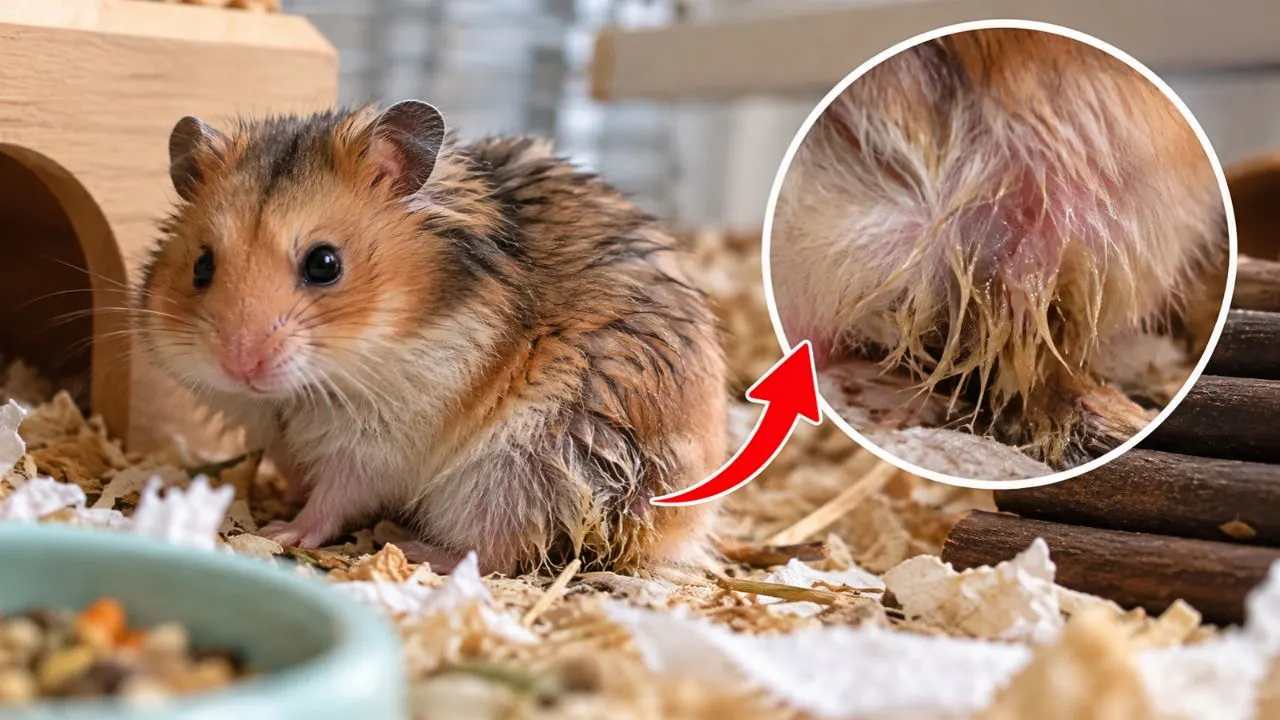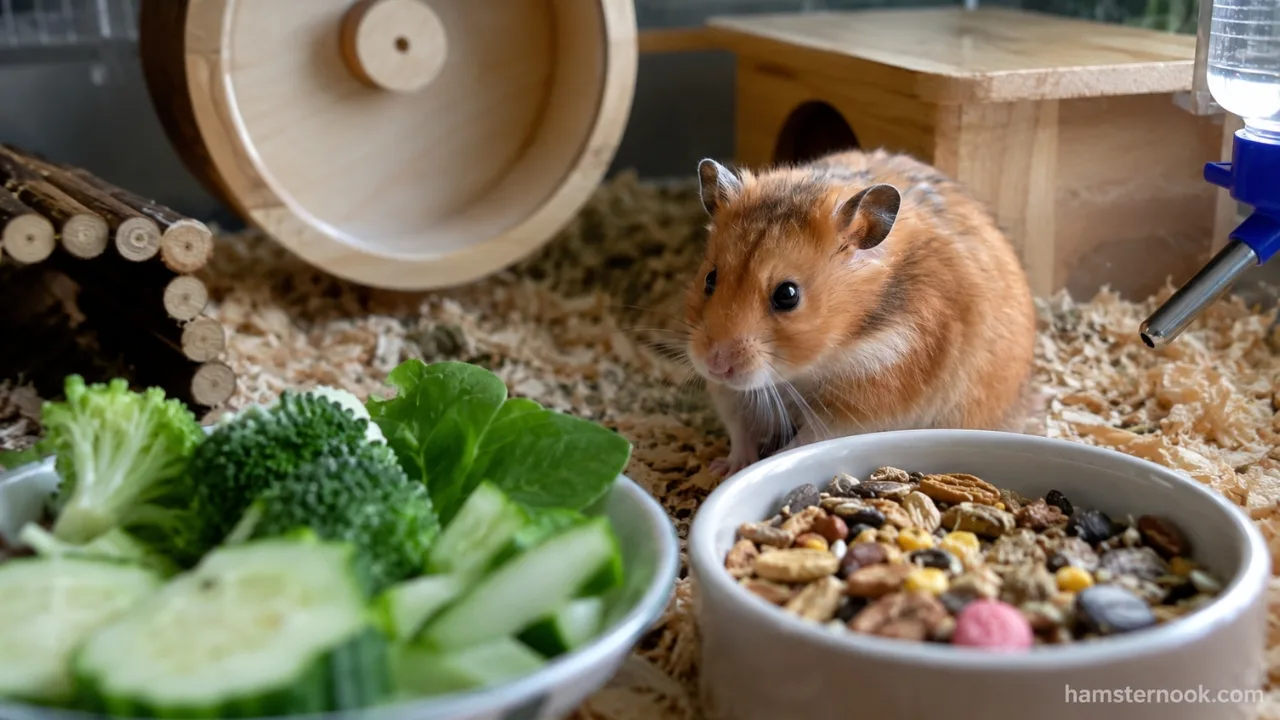
One day your hamster happily eats a piece of cucumber or broccoli, and the next day it won’t even sniff it. That sudden change can be surprising, especially if your hamster has always enjoyed fresh vegetables. Many hamster owners notice their pet refusing fresh vegetables at some point, and it’s easy to assume the hamster has simply become picky.
A hamster that suddenly stops eating fresh vegetables may be reacting to a harmless change, such as a preference for another food, or it could be showing one of the earliest signs that something isn’t quite right. Dental problems, stress, spoiled food, environmental changes, dehydration, or an underlying illness can all affect a hamster’s appetite.
Instead of focusing only on the vegetables, look at your hamster’s overall eating habits and behavior. Is your hamster still eating pellets and seeds? Is it drinking normally? Has its behavior changed? Answering these questions can help you decide whether this is a temporary preference or a reason to contact a veterinarian.
In many cases, the cause turns out to be something simple, but checking for other changes early can help you spot health problems before they become serious.
Is It Normal for a Hamster to Suddenly Refuse Vegetables?
Yes, it can be normal—but it shouldn’t be ignored.
Just like people, hamsters sometimes lose interest in a food they previously enjoyed. A vegetable they enjoyed last week may become less interesting for a while, especially if they’ve recently discovered another favorite food. However, a sudden refusal deserves attention because vegetables are often one of the first foods a hamster avoids when something feels uncomfortable.
Because fresh vegetables often require more chewing than softer foods, they may be the first thing a hamster avoids if its mouth feels uncomfortable. If chewing has become painful, your hamster may quietly stop eating them while continuing to eat easier foods.
This is why it’s important to observe your hamster’s entire eating pattern rather than assuming it’s simply being picky.
If you’re still learning what a balanced hamster diet should include, Ultimate Hamster Care Guide for Beginners (2026) explains how vegetables fit into a healthy feeding routine.
Common Reasons Your Hamster Stops Eating Fresh Vegetables
Several different factors can cause this behavior. Some are harmless, while others require prompt attention.
Your Hamster Simply Doesn’t Like That Vegetable Anymore
Hamsters can show individual food preferences.
Just because your hamster loved carrots for several weeks doesn’t mean it will always choose them over other foods. Some hamsters rotate favorite foods naturally, especially when offered a varied diet.
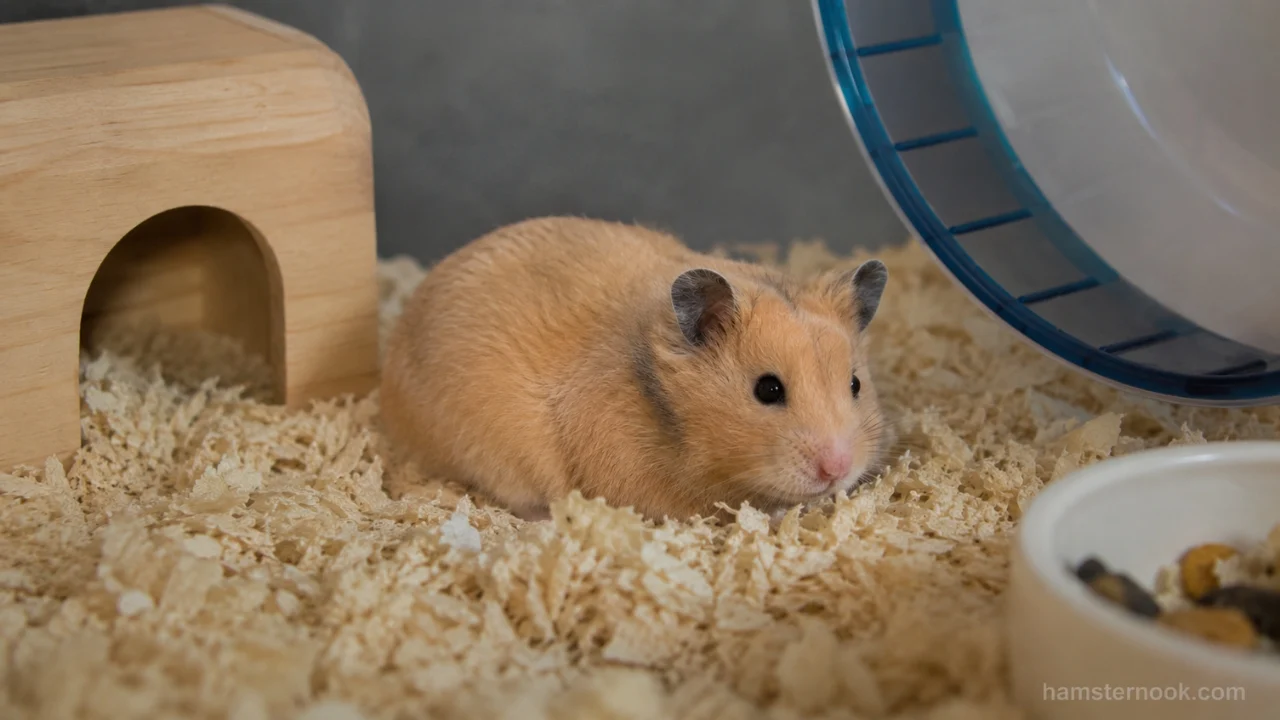
Try offering a different hamster-safe vegetable after a few days rather than repeatedly presenting the same one.
A temporary dislike is usually not concerning if your hamster continues eating its regular food normally.
The Vegetables Are No Longer Fresh
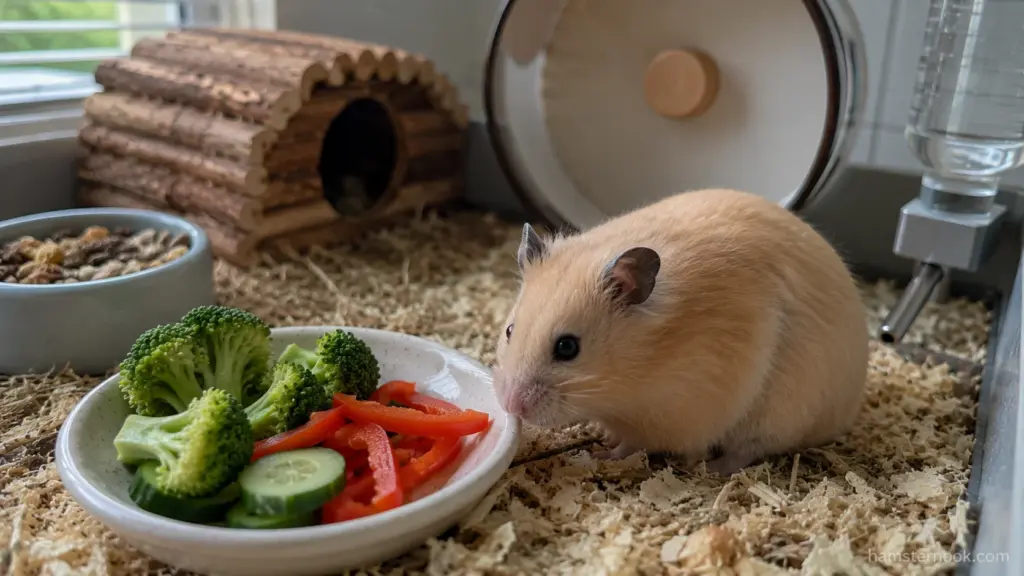
Hamsters have an excellent sense of smell.
Vegetables that are:
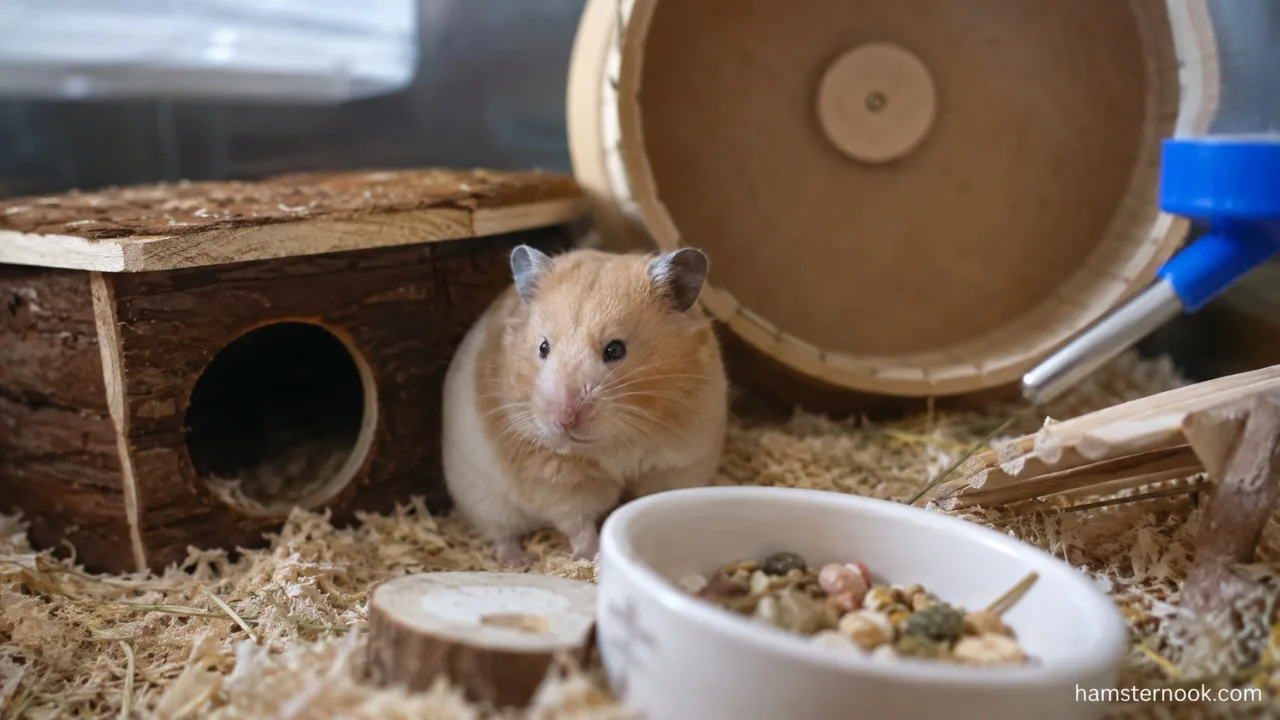
- Slightly wilted
- Stored too long
- Beginning to spoil
- Left in the cage for several hours
may be ignored completely.
Unlike dry food, fresh vegetables spoil quickly, especially during warm weather.
Offering vegetables straight from the refrigerator isn’t usually a problem, but allowing them to reach room temperature for a few minutes may encourage some hamsters to investigate them more readily.
| Fresh Vegetable Condition | Hamster’s Likely Response |
|---|---|
| Fresh and crisp | More likely to be accepted |
| Slightly wilted | May be ignored |
| Warm, dried out, or beginning to lose moisture | May be refused |
| Moldy or spoiled | Remove immediately |
Dental Problems Can Make Chewing Painful
One of the most important possibilities to consider is dental disease.

A hamster’s front teeth grow continuously throughout life. If the teeth become overgrown, damaged, or misaligned, chewing firm vegetables can become uncomfortable.
Instead of refusing all food, many hamsters continue eating softer items while avoiding foods that require more biting.
Possible signs include:
- Dropping food while eating
- Eating more slowly
- Weight loss
- Wet fur around the mouth
- Favoring softer foods
Dental problems should always be evaluated by a veterinarian because they rarely resolve on their own.
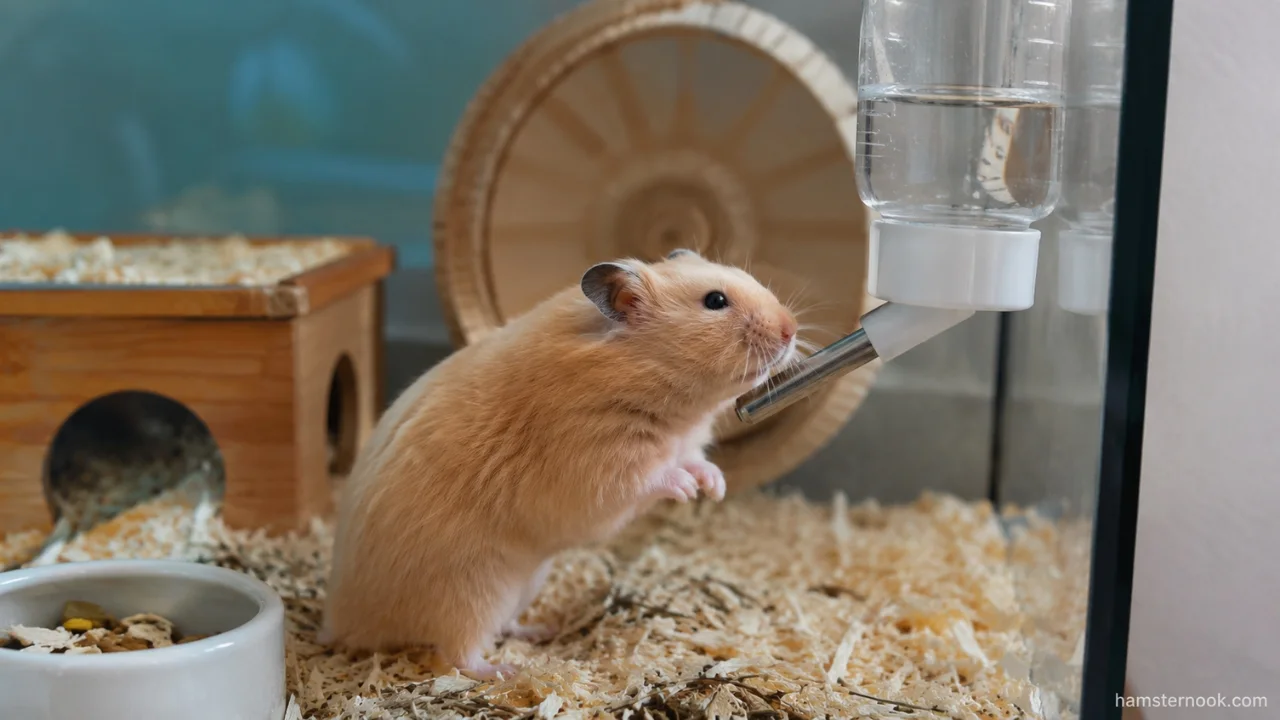
Stress Can Affect Appetite
Even mild stress can temporarily reduce a hamster’s interest in fresh vegetables.
Even small changes may affect eating habits, including:
- Moving to a new cage
- Rearranging the enclosure
- Loud household noises
- New pets nearby
- Frequent handling
- Changes in routine
Hamsters are creatures of habit, and sudden environmental changes can reduce appetite until they feel secure again.
If your hamster recently moved into a new home, The Biggest Mistake New Hamster Owners Make in the First Week explains why giving your pet time to adjust is so important.

Your Hamster May Be Filling Up on Treats
Sometimes the problem isn’t the vegetables at all.
If your hamster has recently been receiving extra treats such as seeds, nuts, dried fruit, or mealworms, it may simply have less interest in vegetables.
Since treats are usually higher in fat or calories, many hamsters will choose them over vegetables whenever they’re available.
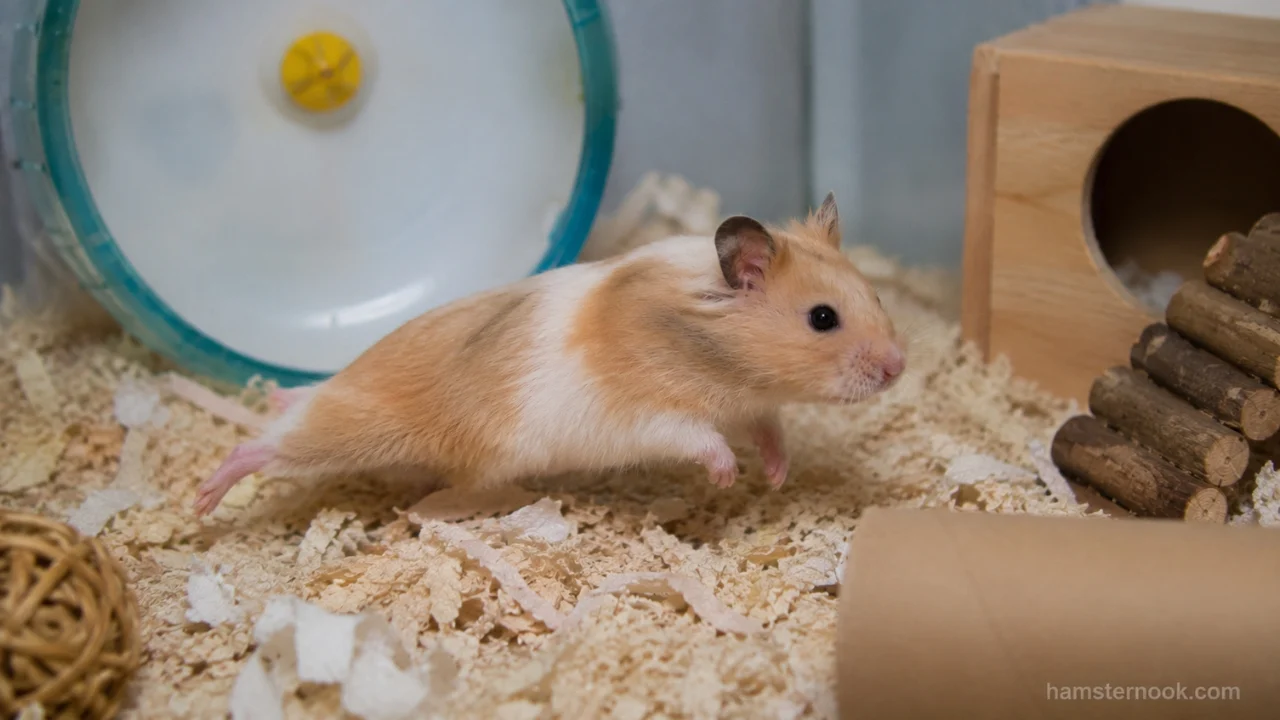
A balanced diet should always prioritize:
- High-quality hamster pellets
- Appropriate seed mix
- Fresh vegetables in moderation
- Limited treats
If you’ve recently introduced protein treats, Can Hamsters Eat Mealworms? Benefits & Risks explains how often they should be offered without replacing healthier foods.
Illness Can Reduce Interest in Fresh Foods
Loss of appetite is a common sign of illness in many animals, including hamsters.
While refusing vegetables alone does not necessarily indicate disease, it becomes more concerning if your hamster also shows:
- Reduced activity
- Sleeping more than usual
- Weight loss
- Changes in drinking habits
- Hunched posture
- Labored breathing
In these situations, vegetables are usually not the real problem—they’re simply one of the first foods the hamster stops eating.
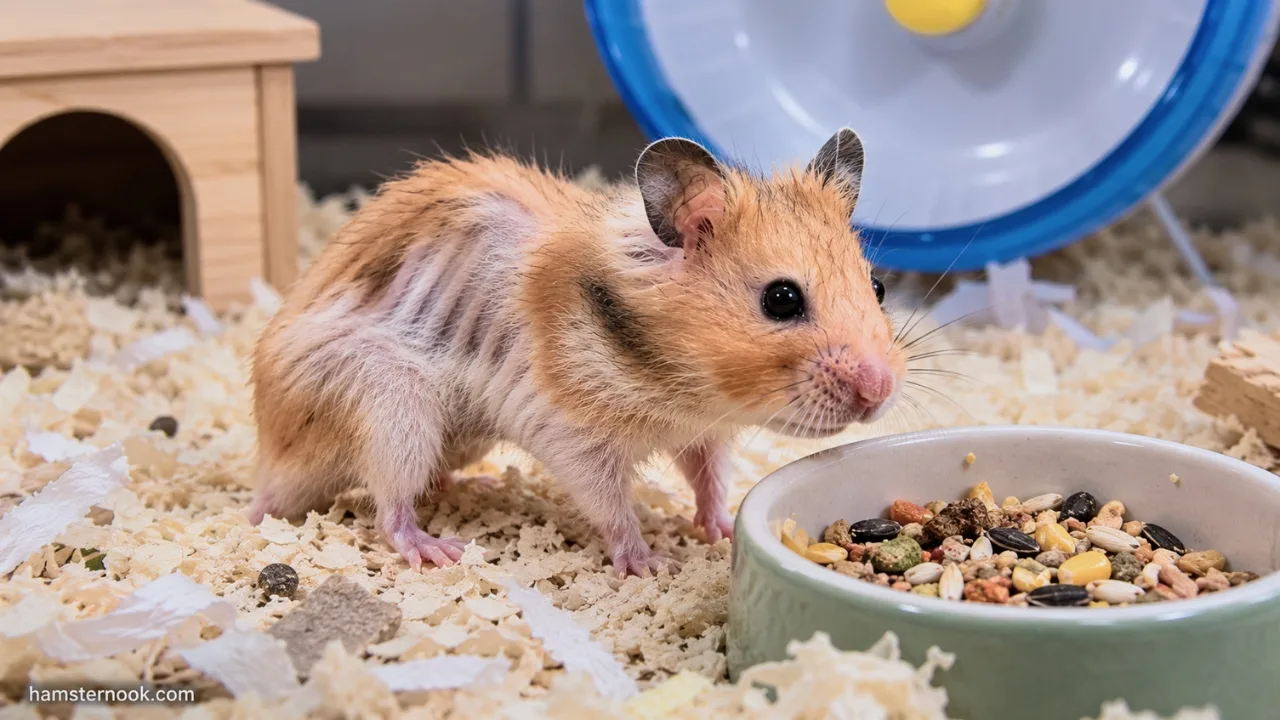
Because hamsters instinctively hide illness, even subtle appetite changes deserve attention.
Could Dehydration Be Playing a Role?
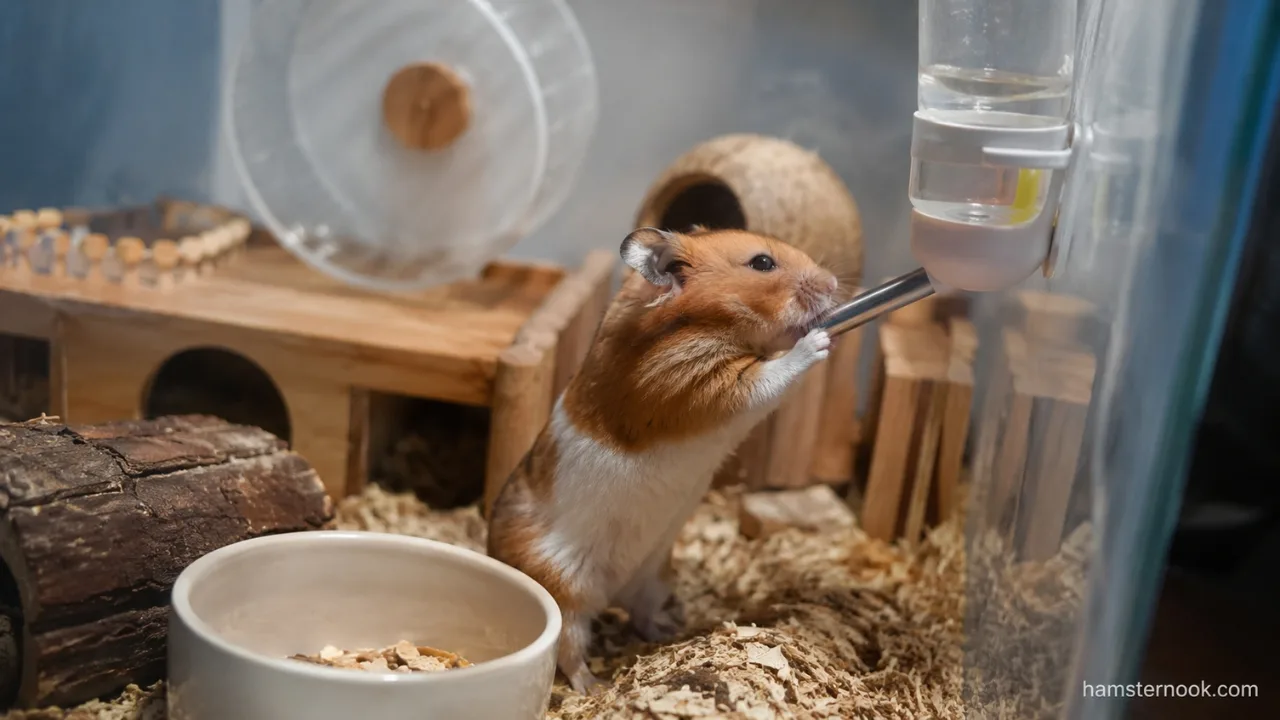
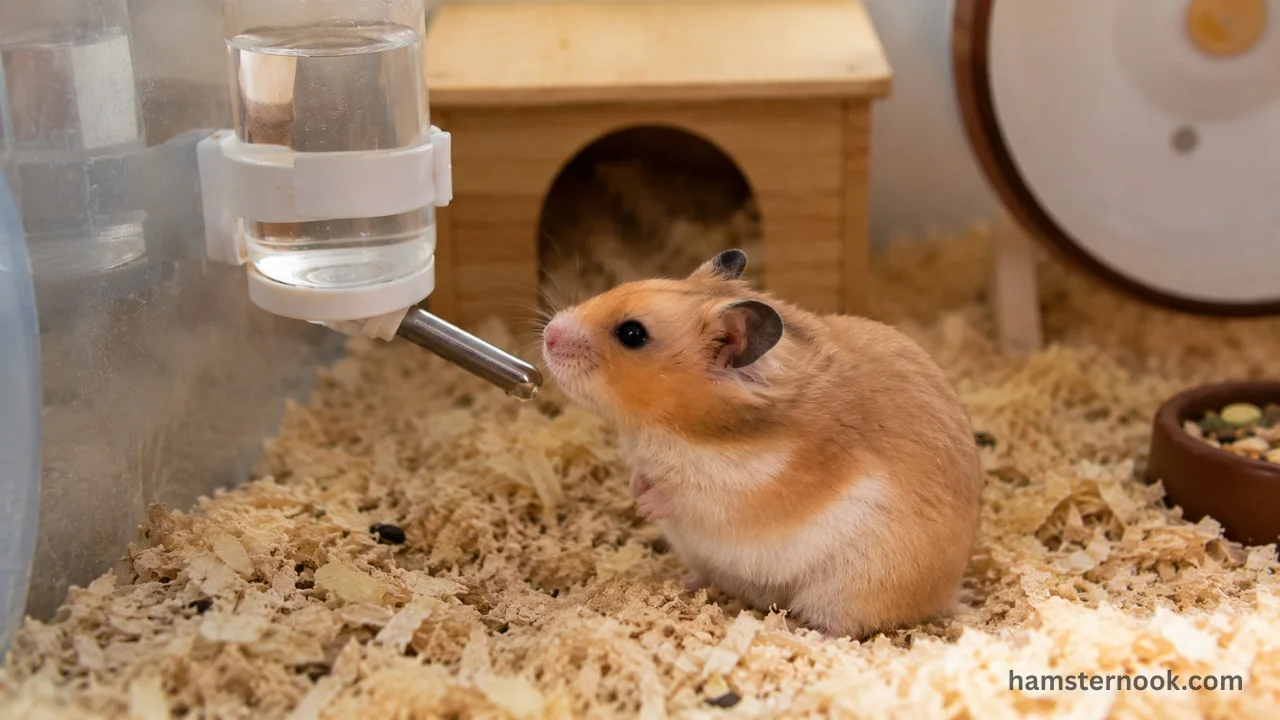
A hamster that isn’t drinking normally may also become less interested in eating.
A hamster that isn’t drinking enough water may become less interested in eating fresh foods, including vegetables.
Likewise, an ill hamster experiencing dehydration may refuse both food and water.

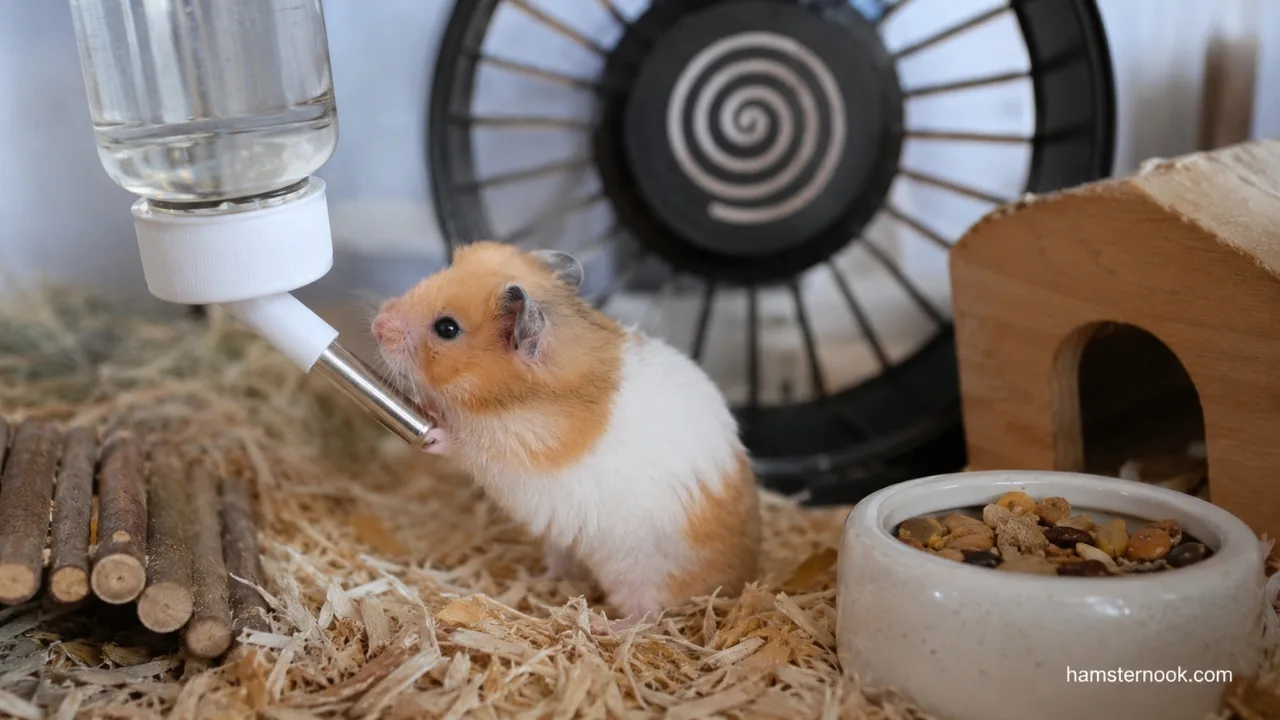
Check your hamster’s water bottle daily to ensure it is functioning correctly and observe whether your hamster is drinking normally.
If you’re unsure what dehydration looks like, Can Hamsters Get Dehydrated? Signs Every Owner Should Know explains the early warning signs owners often miss.
How to Tell Whether It’s a Preference or a Health Problem
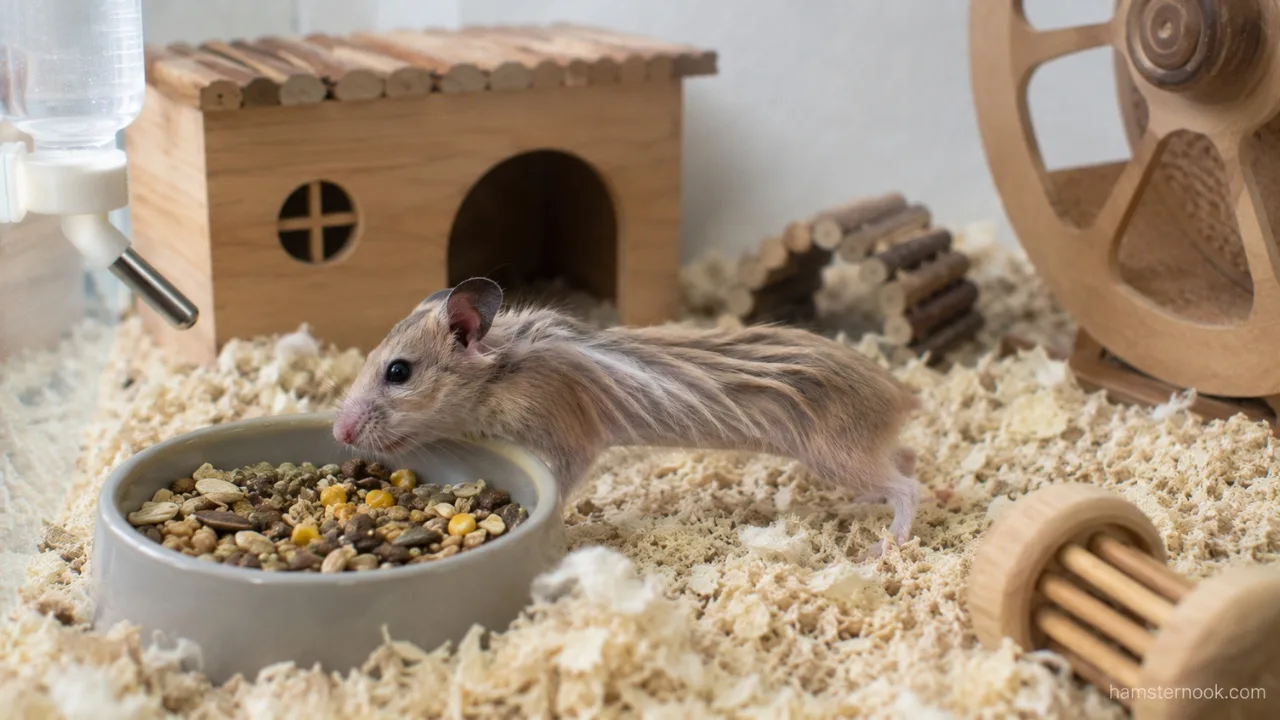
Before assuming your hamster dislikes vegetables, check whether it’s eating its regular food, drinking water, and behaving normally.
| Observation | More Likely Cause |
|---|---|
| Refuses one vegetable but eats everything else | Food preference |
| Refuses all fresh vegetables but eats pellets | Possible dental issue or food preference |
| Eats only soft foods | Dental discomfort may be involved |
| Refuses most foods | Possible illness requiring veterinary attention |
| Stops eating and drinking | Requires prompt veterinary attention |
Looking for patterns rather than a single symptom often provides the clearest picture.
What You Should Do First
Avoid changing several parts of your hamster’s diet at once. A simple, consistent routine makes it much easier to identify the real cause of the problem.
If your hamster suddenly refuses vegetables, avoid making drastic changes immediately.
Instead:
- Remove old vegetables from the cage.
- Offer a fresh portion the following day.
- Check that drinking water is available.
- Observe your hamster during its normal active hours.
- Monitor body weight if possible.
- Watch whether pellets and seeds are still being eaten.
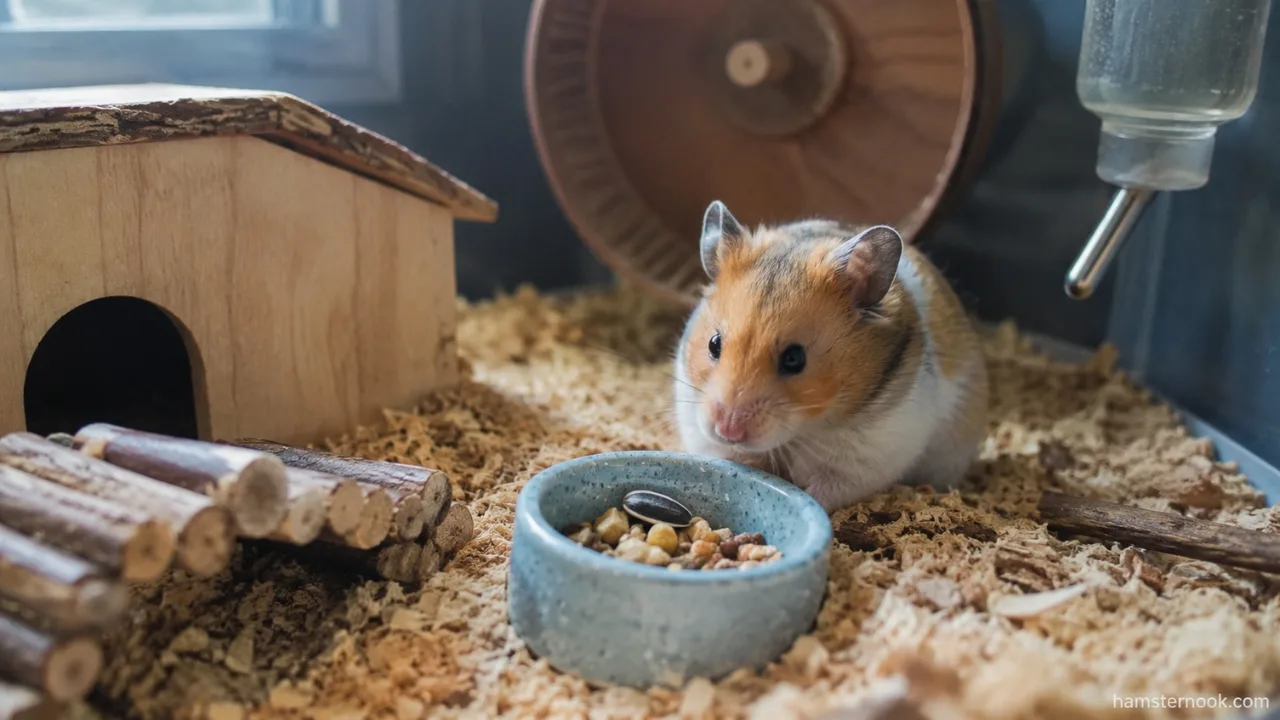
Keeping notes for a day or two can help you identify whether the behavior is improving, staying the same, or getting worse.
If your hamster is still eating but its weight is dropping, our Why Is My Hamster Losing Weight Even Though It’s Eating? guide covers possible causes and warning signs.
Common Mistakes Owners Make When a Hamster Refuses Vegetables
Seeing untouched vegetables in the cage can make owners anxious, but reacting too quickly may create new problems. Avoid these common mistakes while you monitor your hamster.
Offering More Treats Instead
It’s tempting to replace vegetables with favorite treats just to make sure your hamster eats something. Unfortunately, this can reinforce selective eating. If your hamster learns that refusing vegetables results in sunflower seeds or sugary treats, it may continue ignoring healthier foods.
Changing the Entire Diet Overnight
Switching pellets, seed mixes, and vegetables all at once makes it difficult to identify the real cause of the problem. Unless your veterinarian recommends a dietary change, keep your hamster’s regular staple food consistent while you observe its eating habits.
Leaving Fresh Vegetables in the Cage Too Long
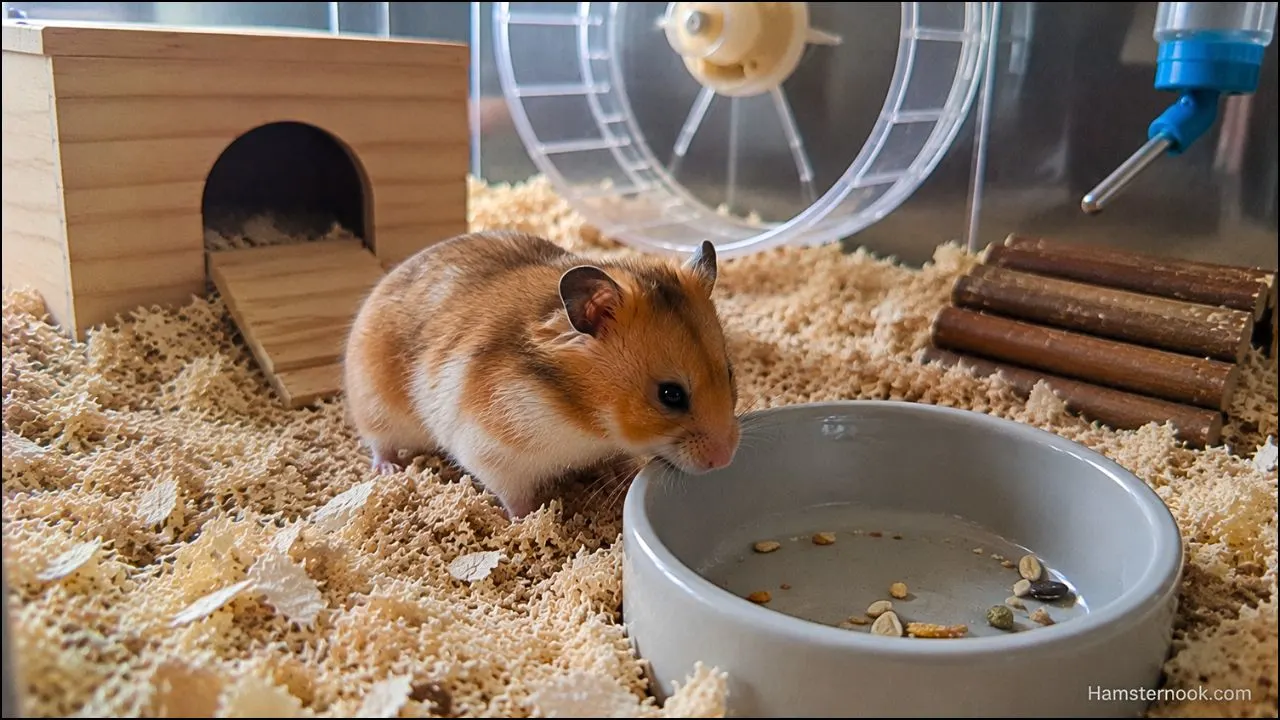
Fresh vegetables spoil much faster than dry foods. Leaving uneaten vegetables in the enclosure overnight can encourage bacterial growth and attract insects.
Remove uneaten fresh vegetables daily, and sooner if they become soiled or spoiled.
Ignoring Other Symptoms
Some owners focus only on the vegetables and overlook more important warning signs such as weight loss, reduced activity, or changes in drinking. Appetite changes should always be evaluated alongside your hamster’s overall behavior.
How to Encourage Your Hamster to Eat Fresh Vegetables Again
If your hamster appears healthy and is still eating its regular food, you can try a few simple strategies.
Offer Smaller Portions
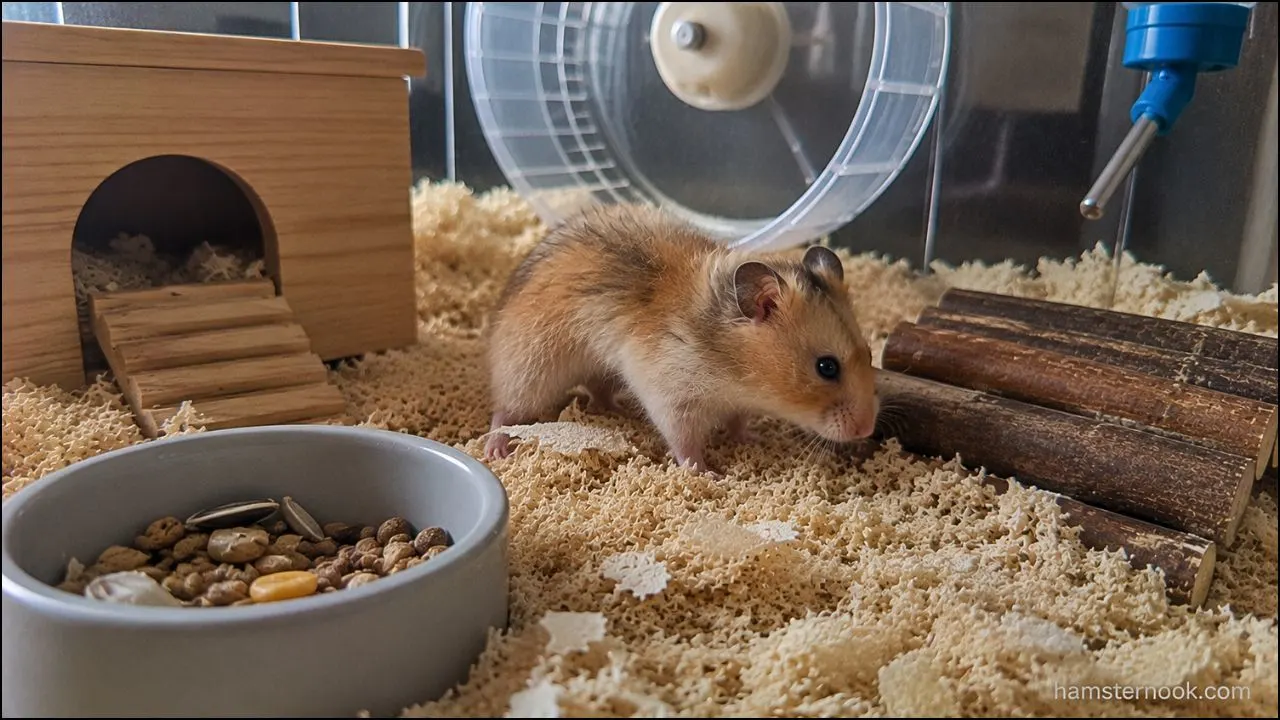
Large pieces may feel overwhelming or become dry before your hamster eats them.
Smaller portions stay fresher for longer and are often easier for a hamster to investigate without feeling overwhelmed.
Rotate Different Hamster-Safe Vegetables
Just like people, hamsters can have preferences.
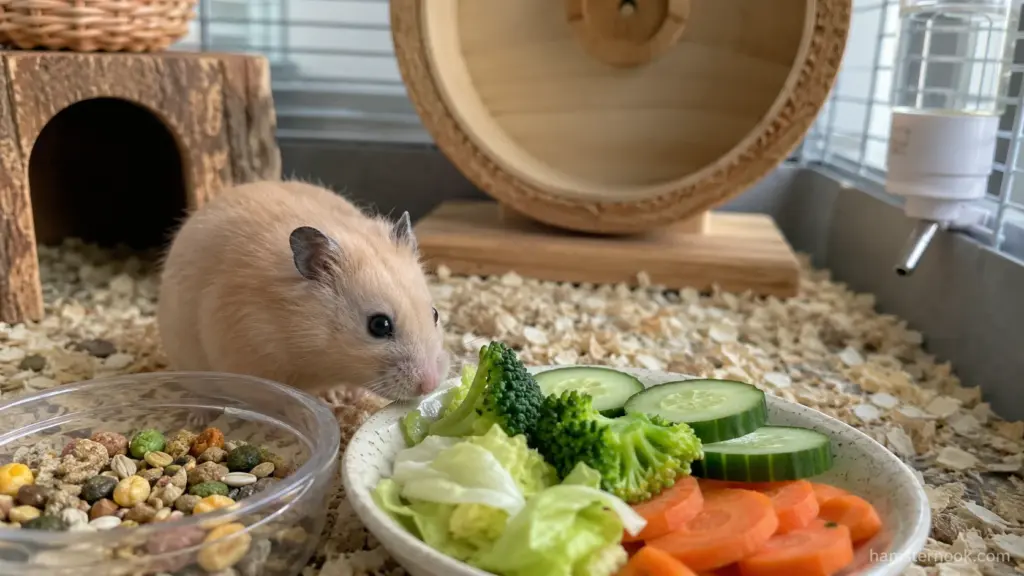
Instead of repeatedly offering the same vegetable, rotate safe options such as:

- Cucumber
- Broccoli
- Bell pepper
- Zucchini
- Romaine lettuce (in moderation)
Changing variety may encourage curiosity without disrupting the overall diet.
Feed During Active Hours
Hamsters are generally most active during the evening and nighttime.
Placing fresh vegetables in the enclosure shortly before your hamster becomes active means they’ll still be crisp when your pet is ready to eat.
Wash Vegetables Thoroughly
Pat the vegetables dry before placing them in the enclosure, as excessively wet produce can make bedding damp more quickly.

Always rinse vegetables well to remove dirt and possible pesticide residue before feeding.
If you’re unsure which vegetables are appropriate, Best Fruits and Vegetables for Hamsters can help you choose safe and nutritious options.
Vegetables to Avoid Offering During This Time
If your hamster is already eating less than usual, avoid introducing unfamiliar foods.
Do not suddenly offer:
- Large amounts of watery vegetables
- Spicy vegetables
- Seasoned or cooked vegetables
- Vegetables prepared with oils or butter
During periods of reduced appetite, keeping the diet simple is usually the safest approach.
When Should You Be Concerned?
Refusing vegetables alone is not always an emergency.
However, you should pay closer attention if the refusal lasts longer than expected or is accompanied by other symptoms.
The following situations deserve closer monitoring:
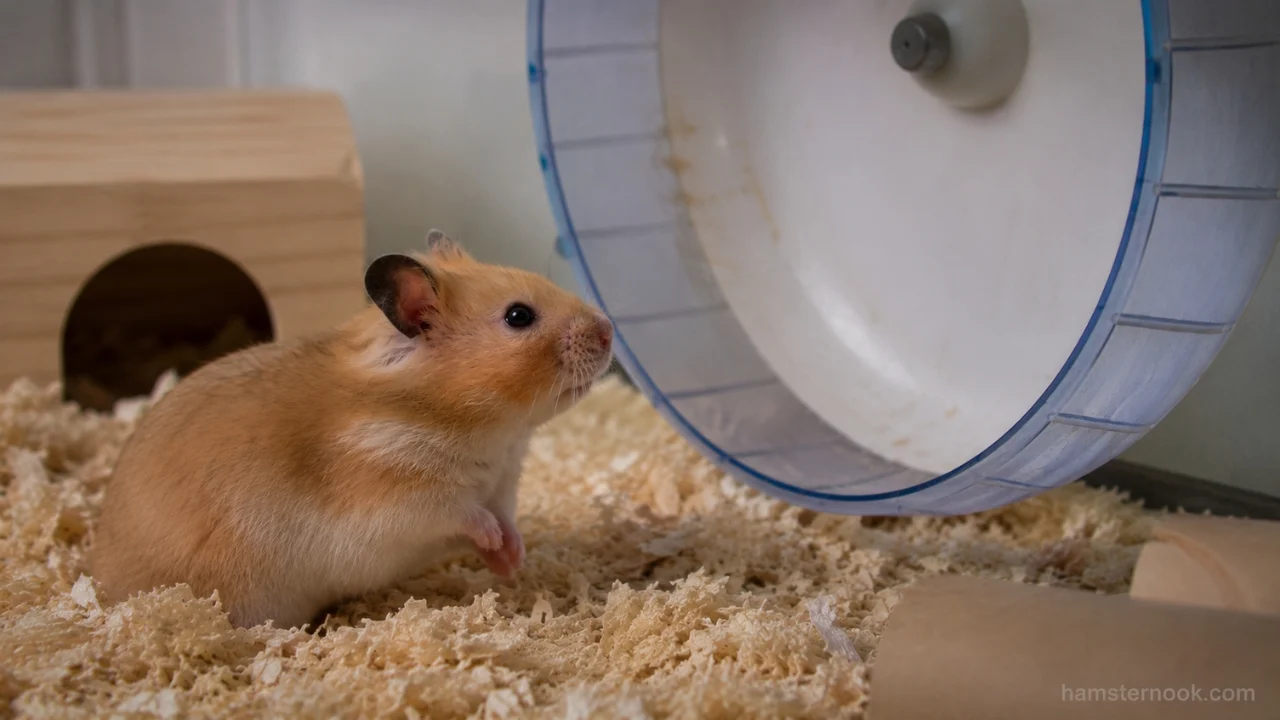
| Situation | Recommended Action |
|---|---|
| Refuses one vegetable only | Offer a different safe vegetable after a few days |
| Stops eating all vegetables | Check whether other foods are still being eaten and watch for other changes |
| Eats very little overall | Contact a veterinarian promptly |
| Stops drinking water | Seek veterinary attention promptly |
| Shows weight loss or lethargy | Arrange a veterinary examination |
| Difficulty chewing or drooling | Have the teeth checked by a veterinarian |
A combination of appetite loss and behavior changes is generally more concerning than refusing vegetables alone.
Could Seasonal Changes Affect Vegetable Intake?
Some owners notice slight changes in appetite during different times of the year.
Environmental factors such as room temperature, activity level, or natural changes in routine may influence how much a hamster eats. However, seasonal changes should not cause a hamster to stop eating completely.
If appetite changes are significant or persistent, it’s safer to investigate other possible causes rather than assuming the season is responsible.
How to Monitor Your Hamster at Home
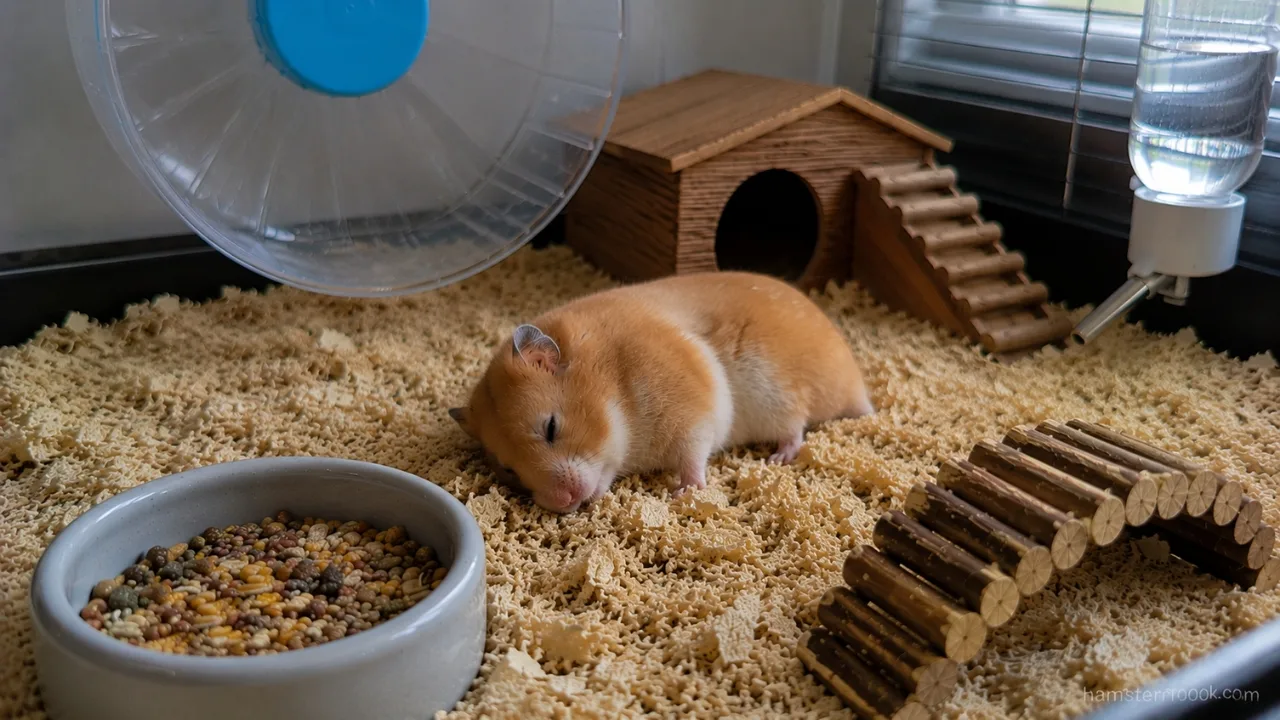
Careful daily observation is often the best way to notice subtle changes before they become serious.
Over the next few days, keep track of:
- Which foods your hamster eats first
- Daily water consumption
- Activity during the evening
- Body condition
- Droppings
- Grooming habits
Writing down small changes for a few days can make it much easier to spot patterns that aren’t obvious from day to day.
If you notice changes in droppings alongside appetite loss, Why Is My Hamster Not Eating? explains some of the most common underlying causes and warning signs that owners should watch for.
Preventing Future Appetite Problems
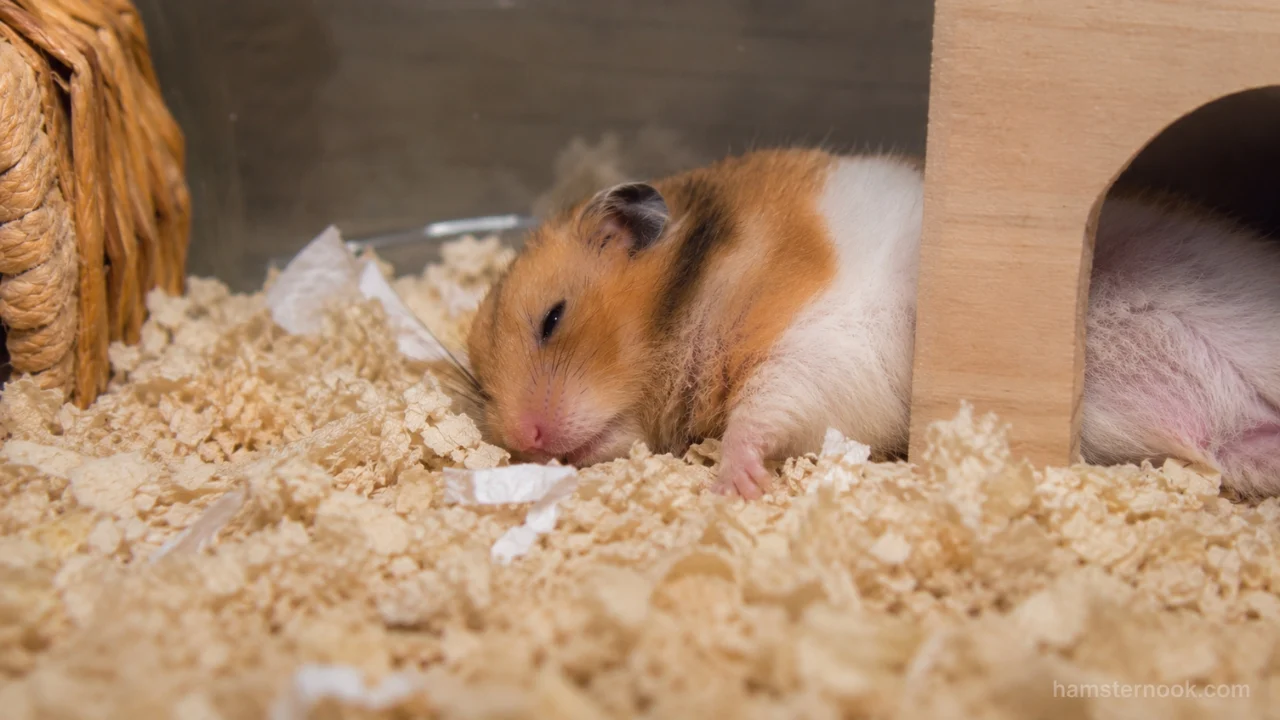
Although not every cause can be prevented, good daily care reduces many common risks.
| Prevention Tip | Why It Helps |
|---|---|
| Feed a balanced diet | Supports long-term health |
| Offer fresh vegetables in moderation | Reduces waste and encourages variety |
| Remove spoiled food promptly | Reduces the risk of food spoilage |
| Check water daily | Helps prevent dehydration |
| Avoid frequent diet changes | Supports digestive stability |
| Schedule veterinary care if health changes occur | Allows earlier veterinary assessment |
Simple daily habits like fresh food, clean water, and a stable routine go a long way toward keeping your hamster eating normally.
Final Thoughts
A hamster suddenly refusing fresh vegetables does not automatically mean something is seriously wrong, but it should never be ignored. Sometimes the explanation is as simple as a food preference or vegetables that are no longer fresh. In other cases, it may be one of the earliest signs of dental disease, stress, dehydration, or another health concern.
Rather than judging the situation by one refused vegetable, consider your hamster’s appetite, activity level, drinking habits, and overall condition together. A healthy hamster should continue eating its regular diet, drinking water, staying active during its normal waking hours, and maintaining a healthy body condition.
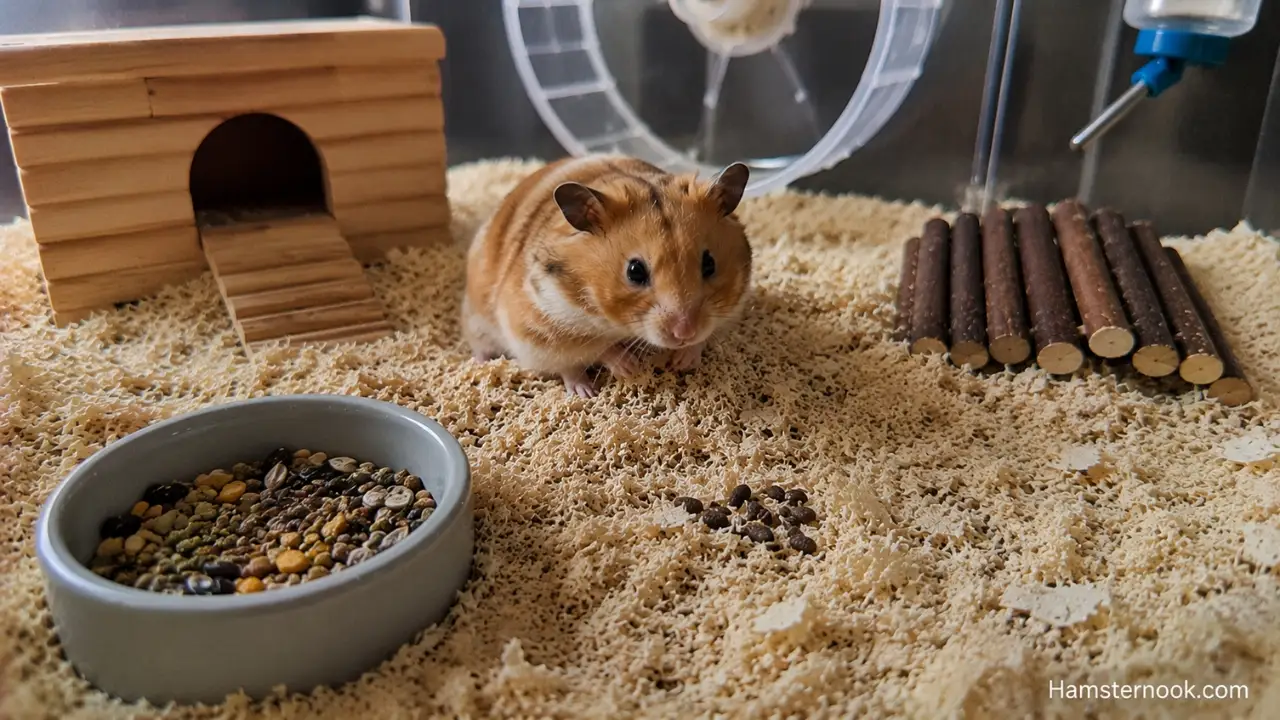
When appetite changes are accompanied by weight loss, weakness, difficulty chewing, or reduced water intake, prompt veterinary care is the safest course of action. Early recognition often makes it easier to address the underlying problem before it becomes more serious.
Frequently Asked Questions
Why is my hamster eating seeds but not vegetables?
This often happens because seeds are more calorie-dense and easier to chew. However, dental discomfort, stress, or illness should also be considered if the behavior is sudden.
Should I stop offering vegetables if my hamster keeps refusing them?
No. Continue offering small portions of fresh, hamster-safe vegetables a few times each week unless your veterinarian advises otherwise. Rotating different vegetables may help.
Can overgrown teeth cause a hamster to stop eating vegetables?
Yes. Overgrown or misaligned teeth can make chewing firm foods uncomfortable. A veterinarian should examine any hamster showing signs of dental problems.
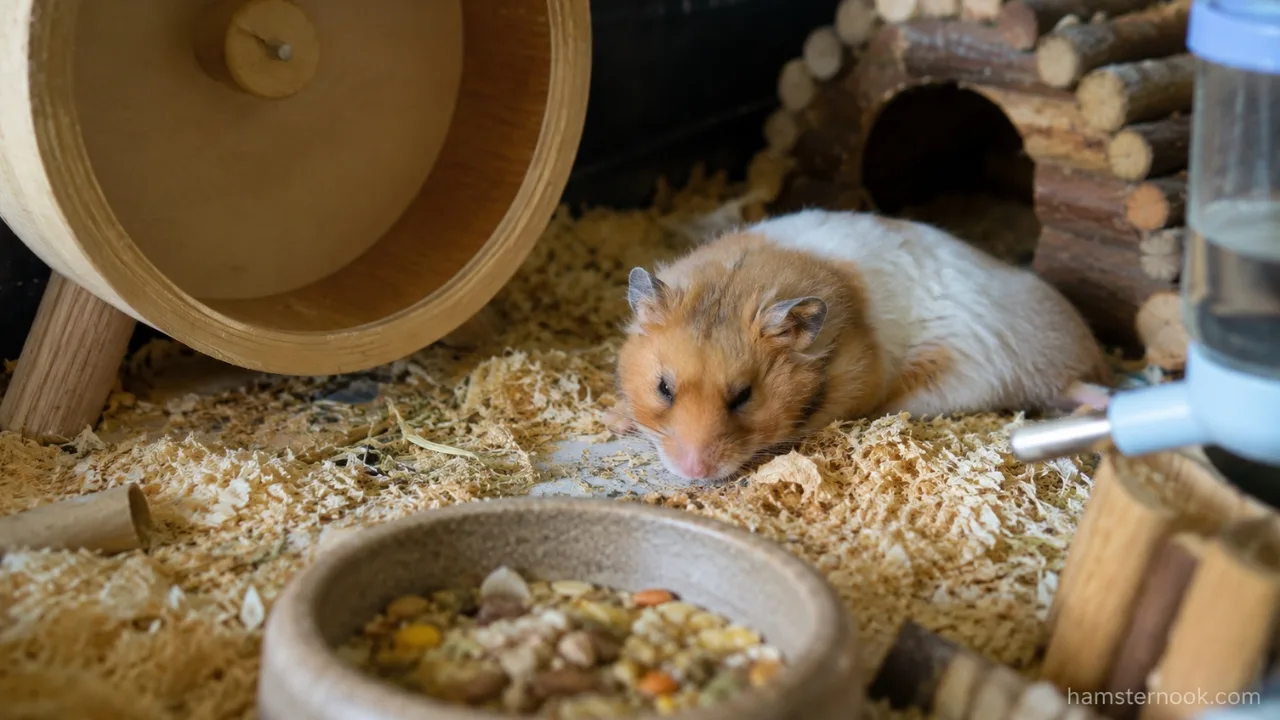
How long can a hamster refuse vegetables before I should worry?
If your hamster is otherwise eating normally, drinking water, and behaving as usual, refusing one type of vegetable may not be concerning. However, if your hamster is eating less overall, losing weight, becoming less active, or showing other changes, contact a veterinarian promptly rather than waiting several days.
Is it normal for older hamsters to eat fewer vegetables?
Some senior hamsters may become less interested in certain foods due to age-related dental changes or reduced appetite. Any noticeable change should still be monitored carefully.
What is the safest way to introduce a new vegetable after my hamster starts eating again?
Introduce one new hamster-safe vegetable at a time in a small amount. This makes it easier to monitor acceptance and identify any digestive issues before adding another new food.
References
This guide is based on hamster nutrition, feeding, health, and welfare guidance from trusted veterinary and animal care organizations, including:
- RSPCA – What To Feed a Pet Hamster
- PDSA – Hamsters as Pets
- Merck Veterinary Manual – Routine Health Care of Hamsters
- Blue Cross – Hamster Care
Medical Disclaimer:
This article is intended for educational purposes only and should not replace professional veterinary advice. If your hamster stops eating multiple types of food, loses weight, appears weak, has difficulty chewing, or shows any other concerning symptoms, consult a qualified exotic animal veterinarian as soon as possible.

Narayan Kumar is the founder and author of HamsterNook. He creates practical, research-based hamster care guides covering hamster behavior, nutrition, cage setup, enrichment, health, and everyday care. His goal is to help hamster owners make informed decisions and provide safer, healthier lives for their pets through clear, beginner-friendly information based on trusted animal care resources.